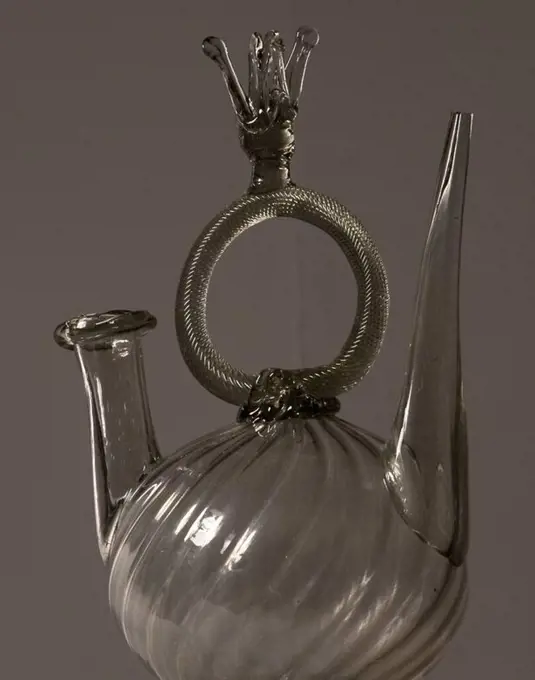
Decorative Silverware

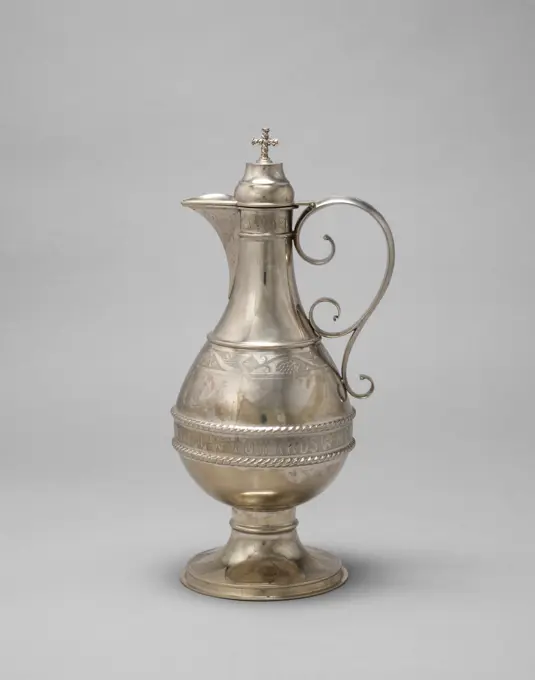
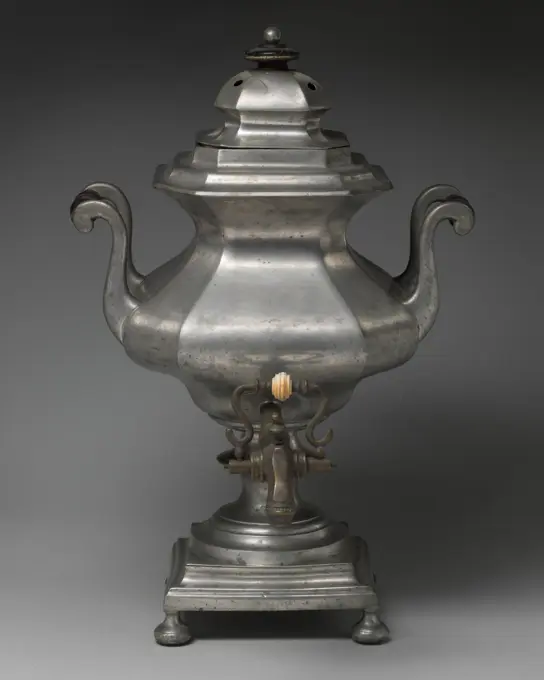
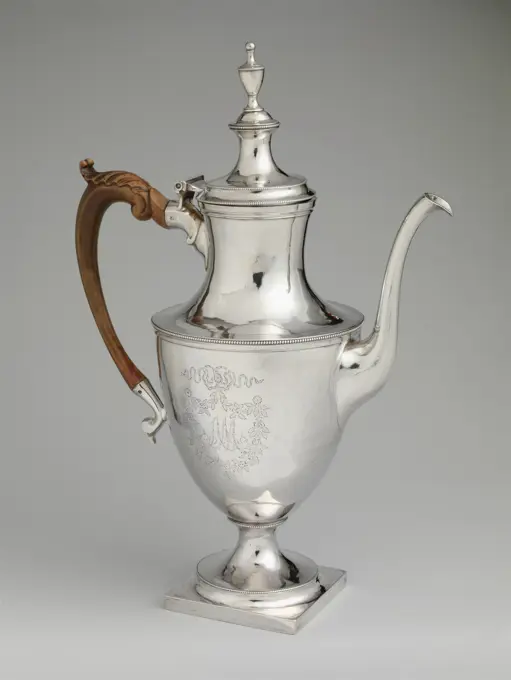
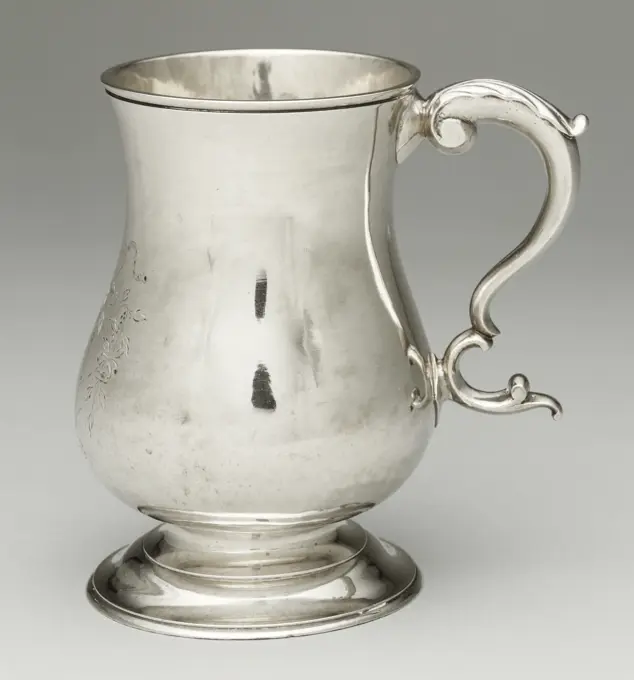
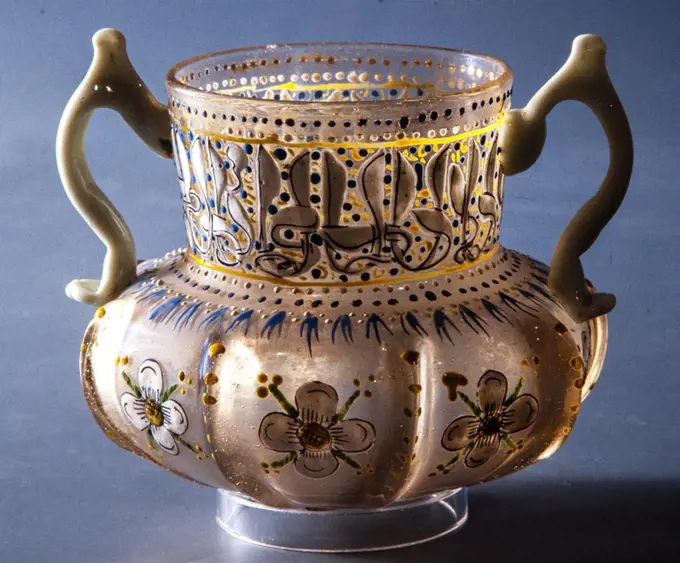
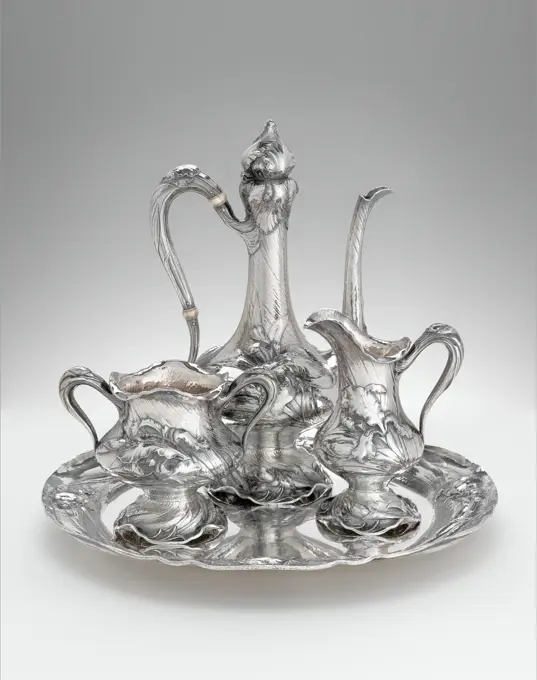
Display of exquisite silverware pieces, including samovars and jugs, highlighting craftsmanship from various historical periods.
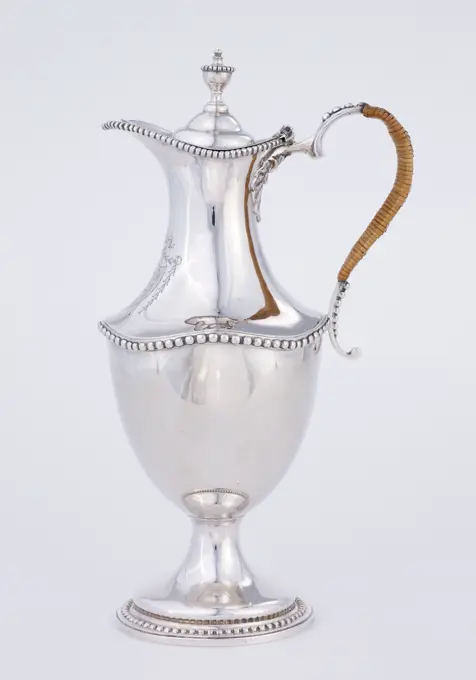
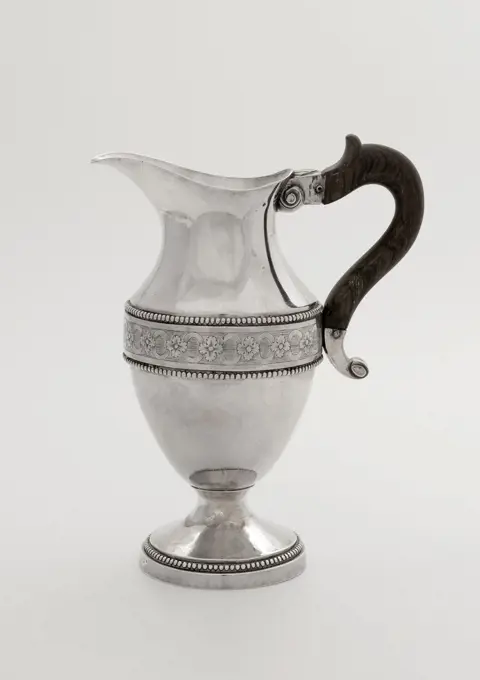
Covered jug, 1773-1774, Charles Wright, British, English, active c. 1754-1790, 12 x 7 x 5in. (30.5 x 17.8 x 12.7cm), Silver, rattan (replaced), England, 18th century
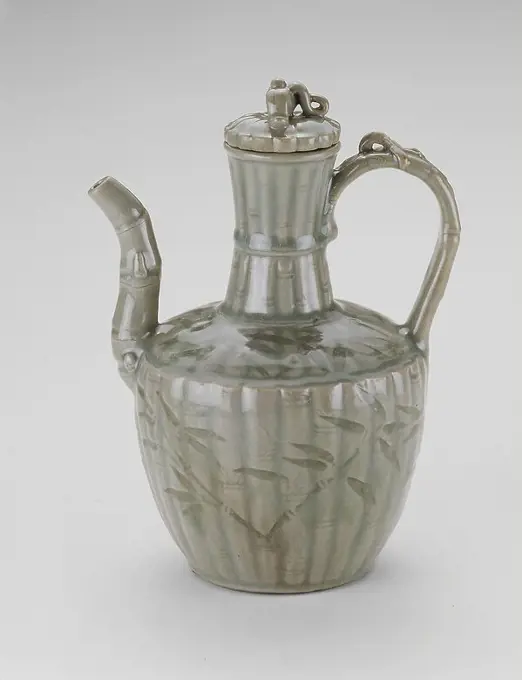
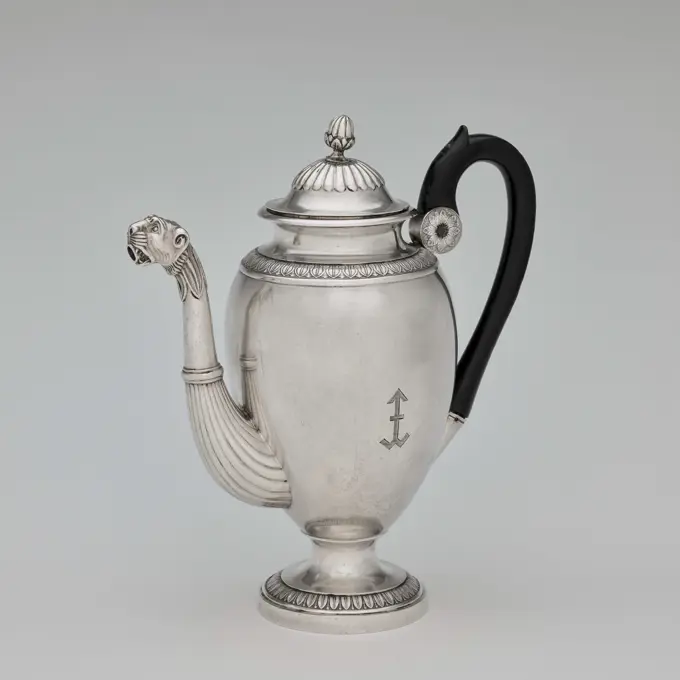
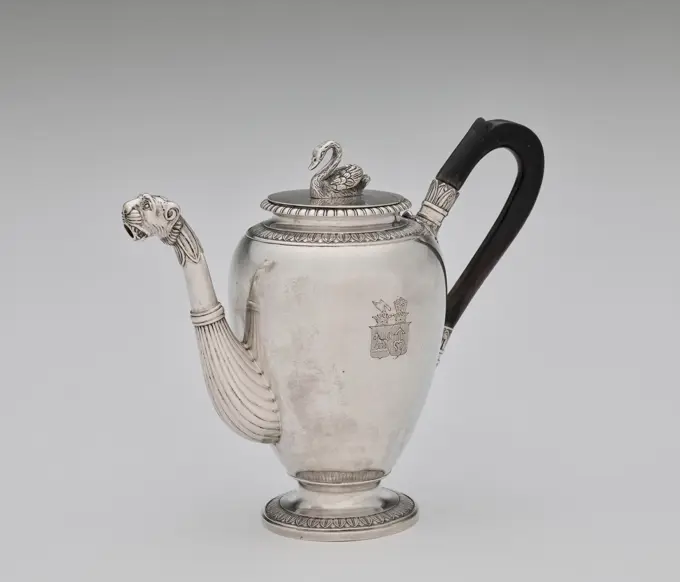
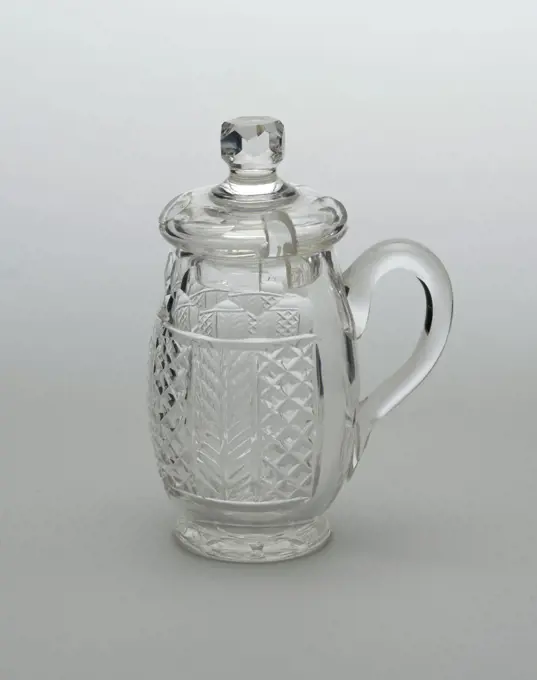
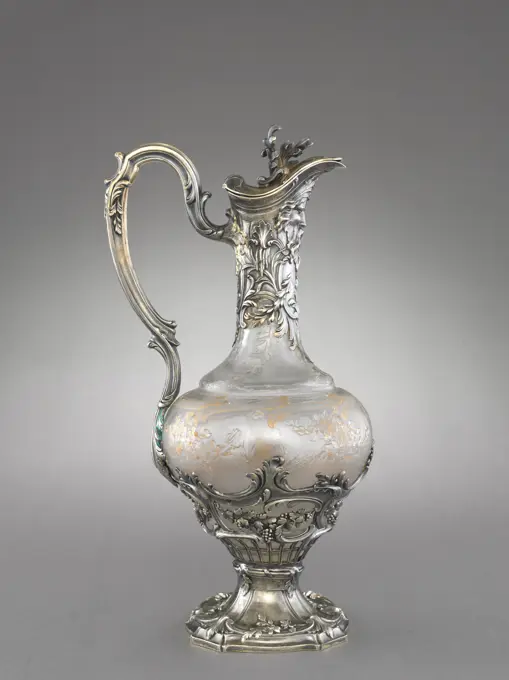
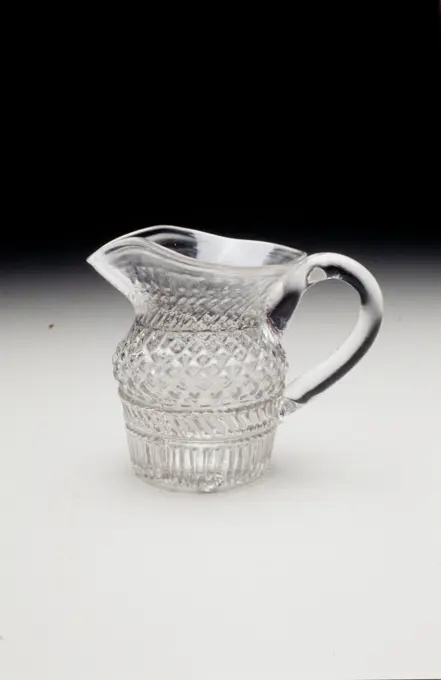
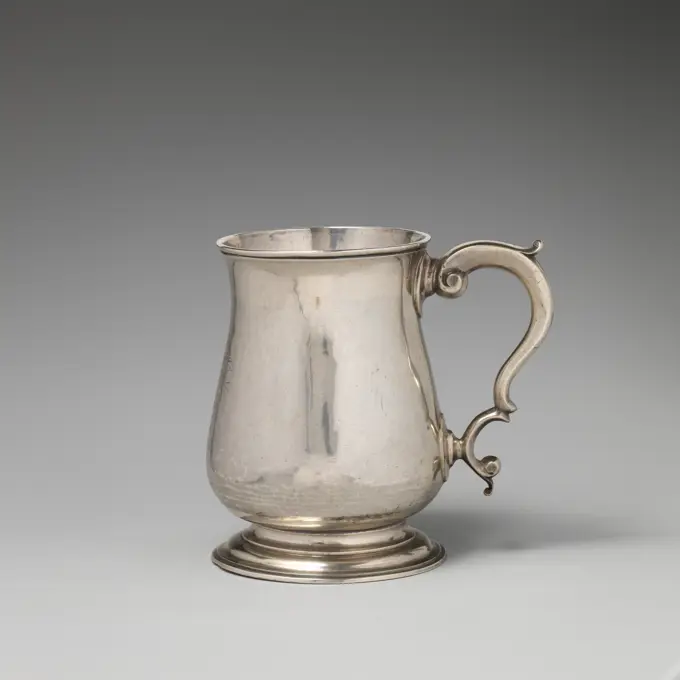
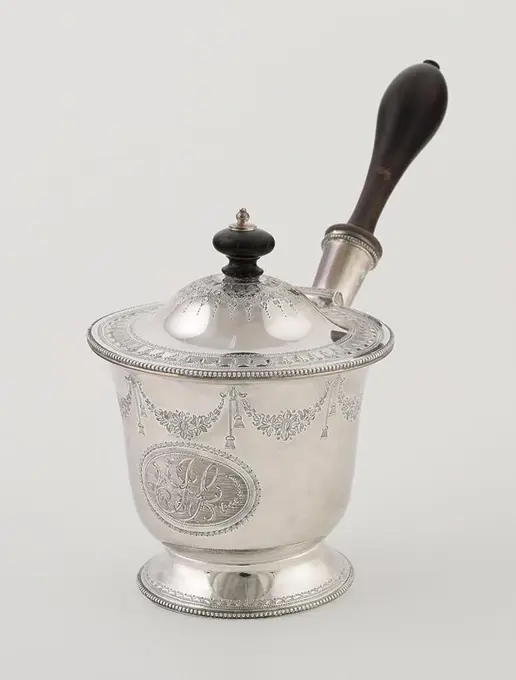
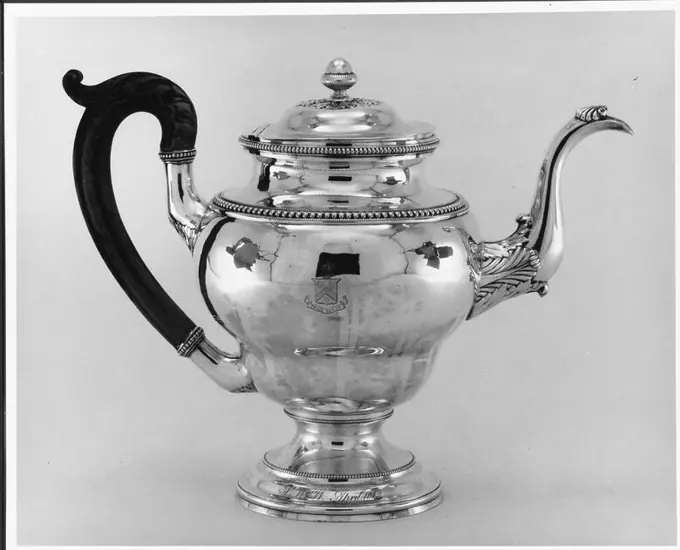
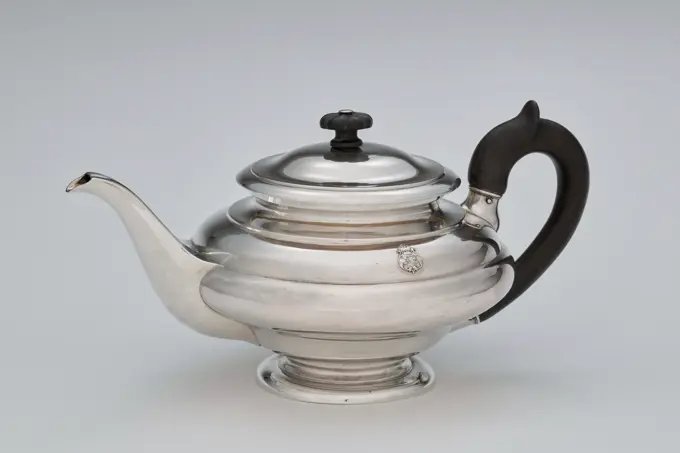
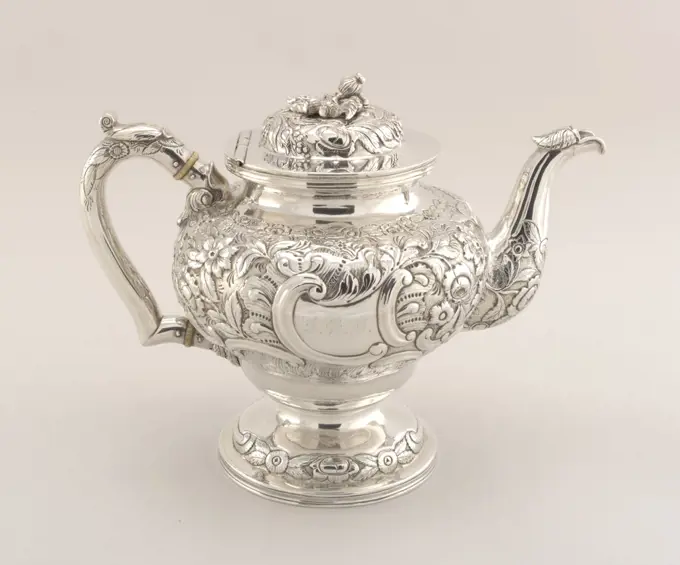
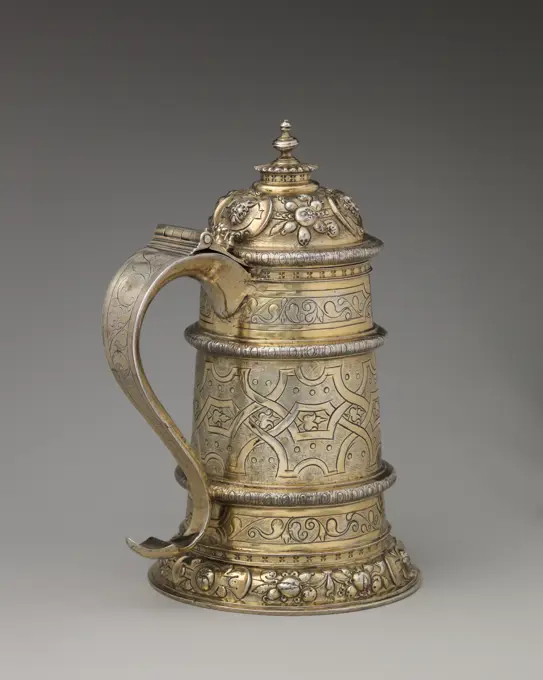
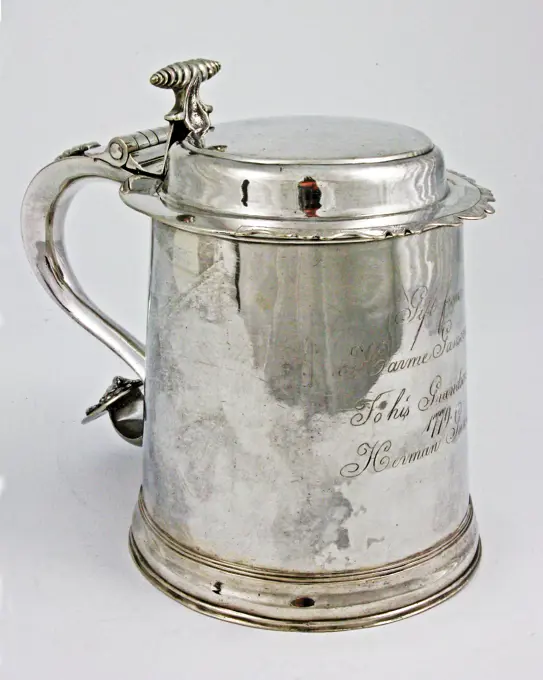
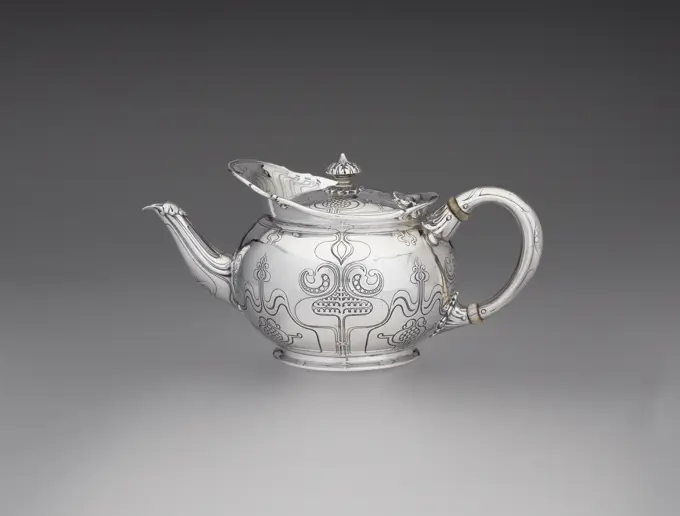
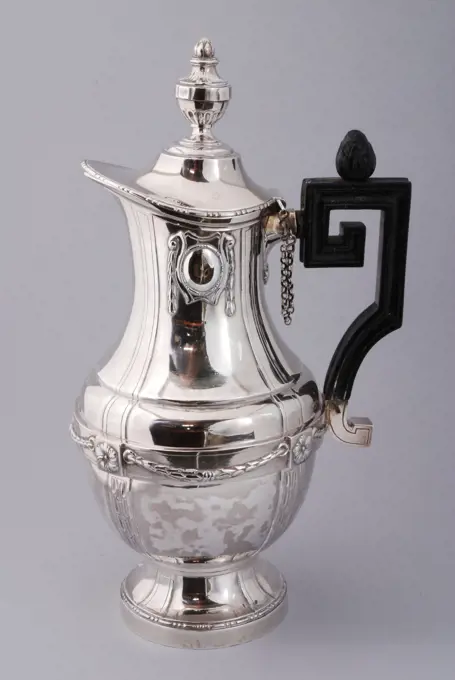
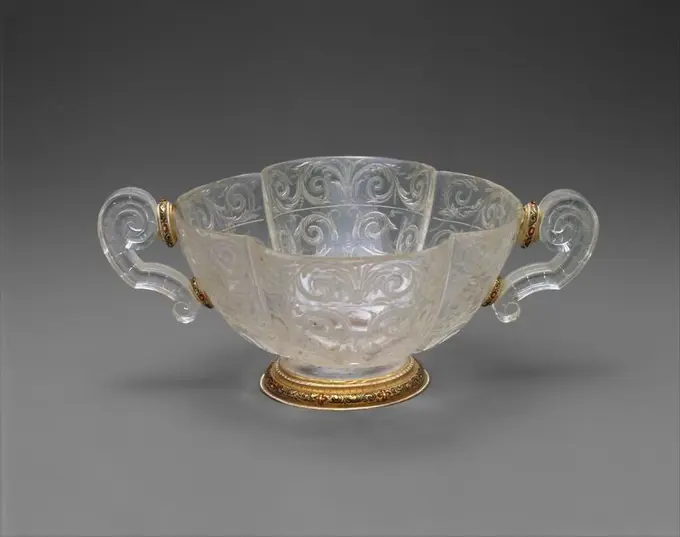
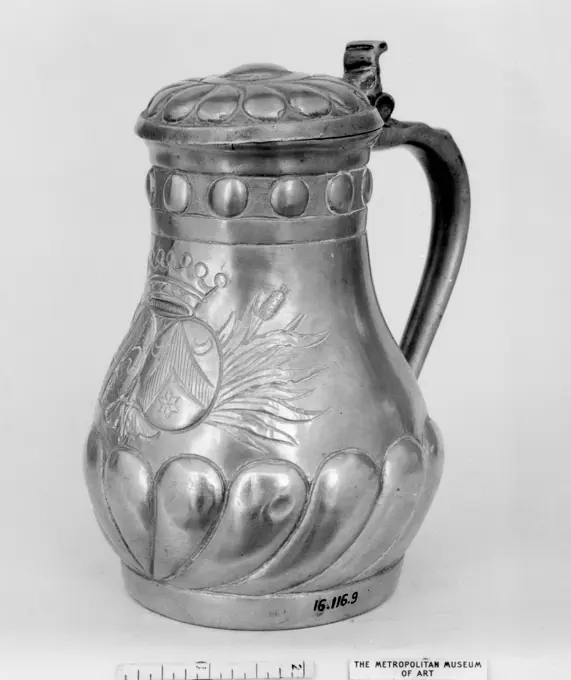
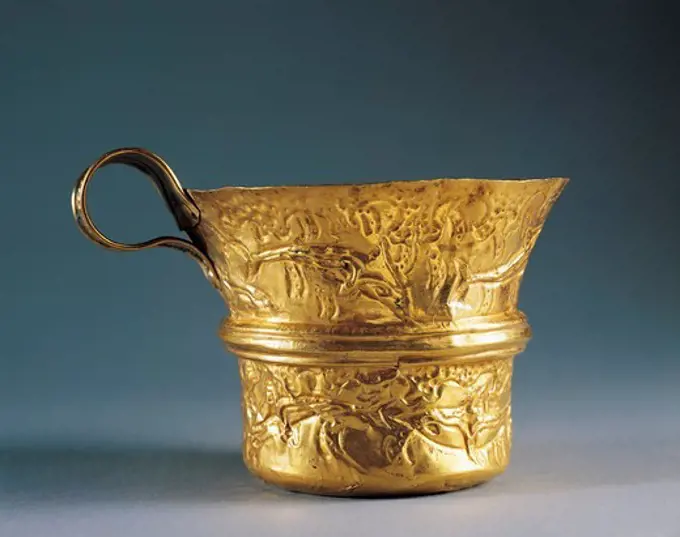
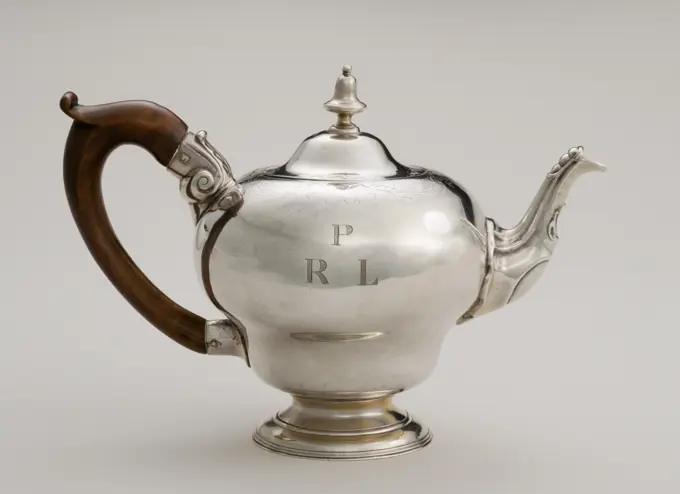
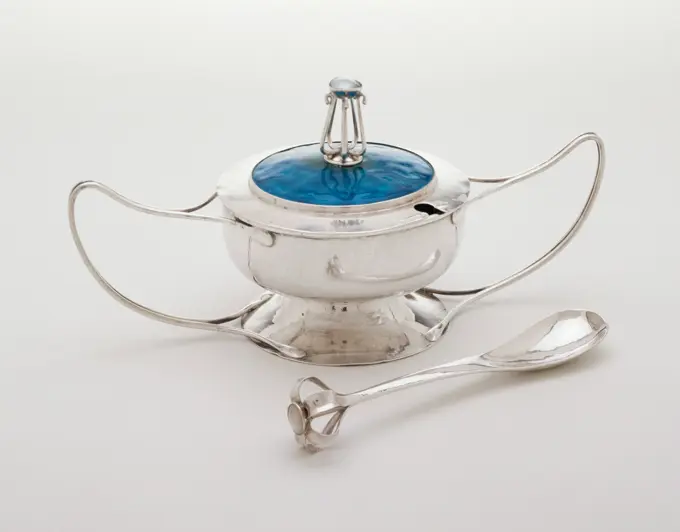
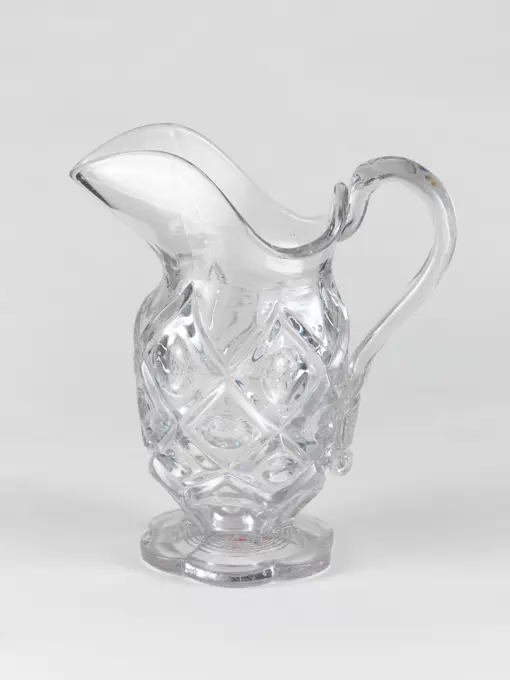
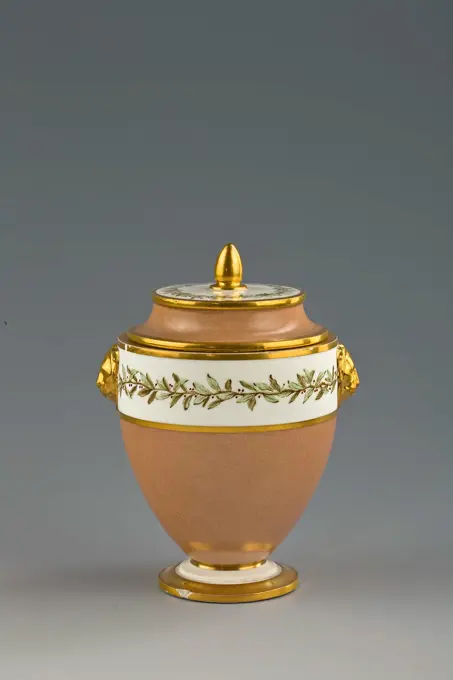
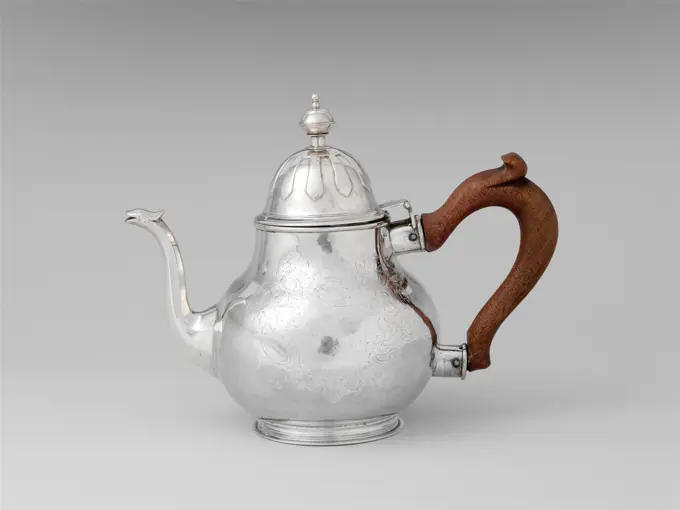
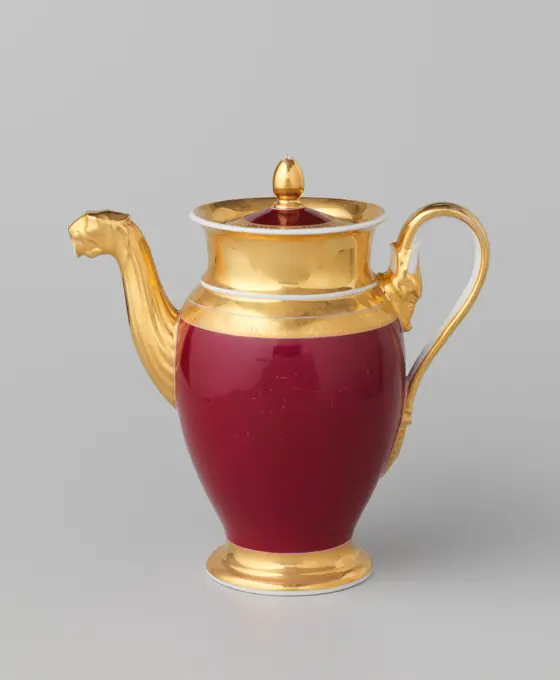
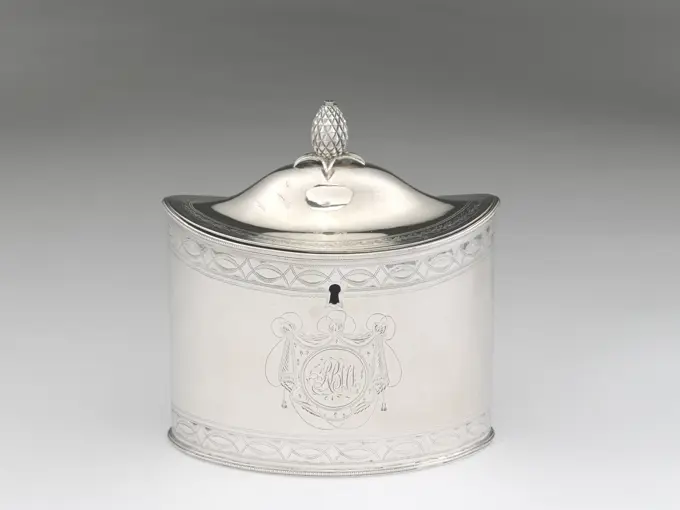
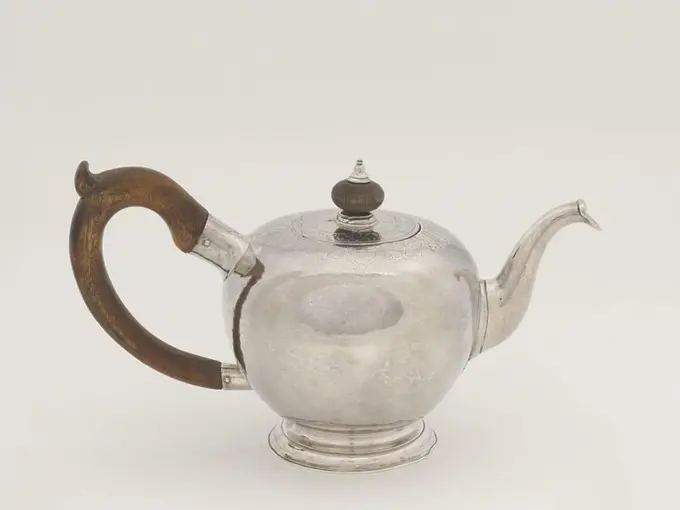
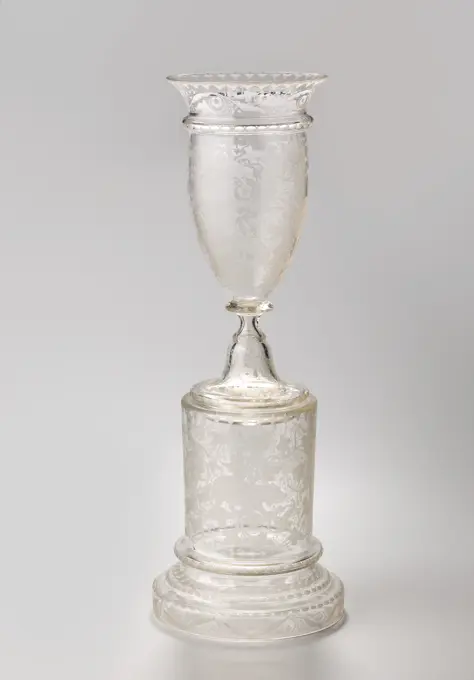
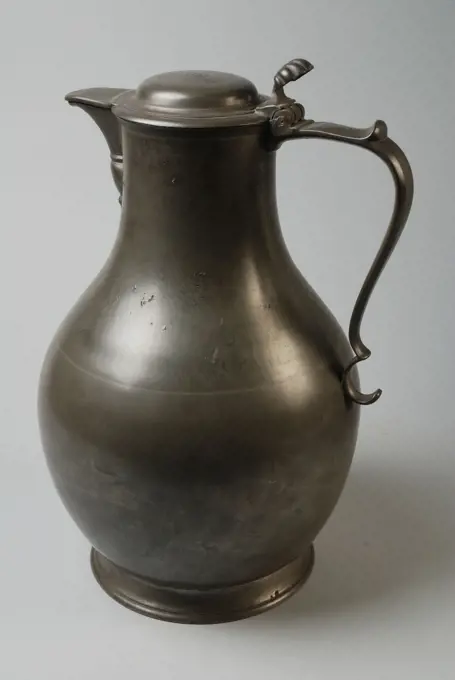
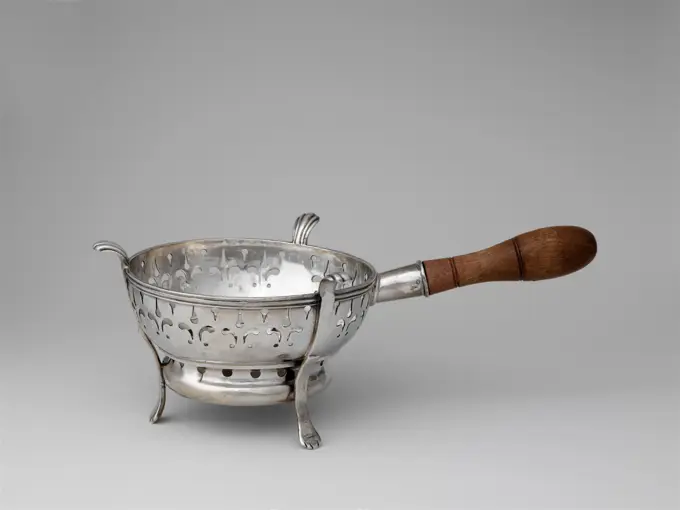
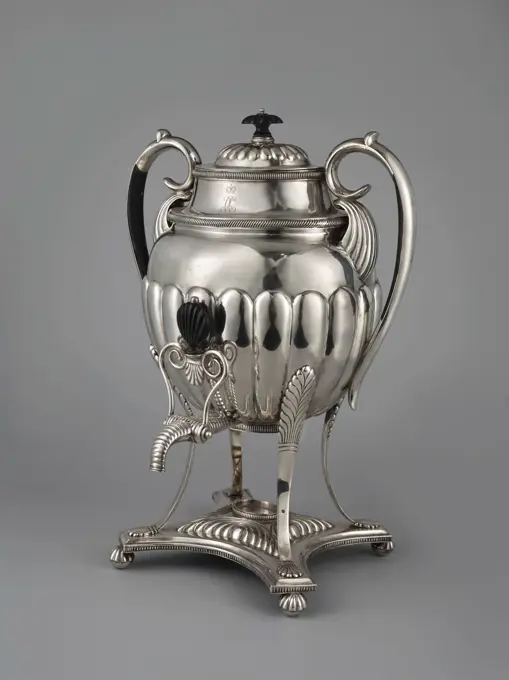
samovar. Klimowiczowie (Warszawa ; wytwórnia złotnicza ; 1866-1914), goldsmithEwer with Bamboo-shaped Spout, Fluting, and Leaves. Korean. Date: 1201-1300. Dimensions: H. 24.1 cm (9 1/2 in.). Stoneware with celadon glaze and underglaze incised and carved decoration. Origin: Korea. Museum: The Chicago Art Institute, Chicago, USA.Cream jug, Sweetser Co., New York, Silver, gold, Cylindrical form with applied gold edges and chased with elaborate Chinese landscapes, deep spout, and shaped handle opposite., ca. 1915, metalwork, Decorative Arts, Cream jugCoffee jug. Lilpop, Karol Jerzy (fl. 1820-1833), goldsmithCoffee pot; Lilpop, Karol Jerzy (Fl. 1820-1833); 1920s (1820-00-00-00-1829-00-00);Silversmith: Gerardus Vinck, Silver mustard pot, model brandy glass, mustard pot crockery holder silver, driven Model cognac glass with profiled top edge on arched foot with flat outer edge ear in the form of question mark flat arched lid with flat outer edge with hinge attached to the ear hollow thumb rest outside edge foot bottom (beaten) serveCovered jug, 1773-1774, Charles Wright, British, English, active c. 1754-1790, 12 x 7 x 5in. (30.5 x 17.8 x 12.7cm), Silver, rattan (replaced), England, 18th centurySilver milk jug, milk jug tableware holder silver wood, molded engraved Egg shaped body on round constricted foot wide lip wooden ear in the form of question mark bottom bottom (debossed): serving serving dairyPepper Caster 1720-30 William Jones. Pepper Caster 1470Flagon, c. 1853-1855. Francis W. Cooper (American). Silver; diameter: 15.3 cm (6 in.); overall: 37.4 x 18.5 cm (14 3/4 x 7 5/16 in.).Tea urn 1830-34 James Dixon & Sons British. Tea urn. British, Sheffield. 1830-34. Britannia metal. Metalwork-Base MetalCoffeepot ca. 1795 Joseph Richardson Jr.. Coffeepot. American. ca. 1795. Silver. Made in Philadelphia, Pennsylvania, United StatesJohn Elston, Jug, 1722/23, silver and wood.Mug. William W. Gilbert (United States, active mid 18th century). United States, New York, New York City, circa 1780. Furnishings; Serviceware. SilverPezé Pilleau, Coffeepot, 1736/37, silver.John Leacock, Sugar Bowl and Cover, c. 1775, silver.John David, Cann, c. 1760, silver.Jar and lid, Glass, Barrel shaped body with flat, cushion cover and round, faceted finial; loop handle. Flat base, star cut on underside. Alternating vertical panels of small diamonds and herringbone below double band of printies. Cover has printies and spoon notch., Europe, 19th century, glasswares, Decorative Arts, Jar and lidWine Ewer, c. 1850-70. France, 19th century. Glass with silver gilt mounts; overall: 32 x 51 x 15.5 cm (12 5/8 x 20 1/16 x 6 1/8 in.).Flagon Rufus Farnam American Henry Farnam American 1800-1830Coffee jug; Beresford, John Septimus (London; company Z Otnicz; Fl. 1869-1889); 1888/89 (1888-00-00-1889-00-00);Creamer, 18th-19th century, 3 x 3 3/8 x 2 3/8 in. (7.6 x 8.6 x 6 cm), Blown moulded glass, United States, 18th-19th centuryPaul Revere Jr., Cann, c. 1775, silver.Teapot. Culture: American. Dimensions: Overall: 7 9/16 x 12 5/8 in. (19.2 x 32.1 cm); 24 oz. 2 dwt. (750 g)Base: 6 9/16 x 4 7/16 in. (16.7 x 11.3 cm). Maker: John A. Schanck (New Jersey 1774-1864 New Jersey). Date: ca. 1795. Museum: Metropolitan Museum of Art, New York, USA.Mug 1763-64 Probably by William Penstone. Mug. British, London. 1763-64. Silver. Metalwork-SilverMilk jug with a bone handle. Malcz, Karol (1797-1867), goldsmithTwo-HandledCup.   Maker: William Cowell, Sr., American, 1682-1736Pitcher. Maker, possibly by: Boston and Sandwich Glass Works, American, 1826-88Brandy Saucepan. Hester Bateman; English, 1709-1794; London, England. Date: 1787-1788. Dimensions: 16.5 × 20 × 10.2 cm (6 1/2 × 7 7/8 × 4 in.). Silver and wood. Origin: England. Museum: The Chicago Art Institute, Chicago, USA.Tankard 1725-50 Edward Winslow American. Tankard 8243Port of cover; Non -like Lona Huta; 1753 () (1753-00-00-1753-00-00);Two-Handled Cup and Cover, 1686. England, London, 17th century (James II). Silver gilt; overall: 23.9 x 32.4 cm (9 7/16 x 12 3/4 in.). Produced a year after the coronation of James II (1633-1701), this silver cup celebrates the monarchy and reflects the political and social alliances that underpinned the aristocracy during the 1600s. During their coronation, James II and his second wife Mary of Modena (1658-1718) were carried through the city of London under a silk canopy adorned with motifs inspired by European perceptions of Chinese art, known as chinoiserie. Following the procession, the thirty-two lords involved in the ceremony were each offered a portion of the cloth from the canopy as well as sixteen troy ounces of silver from the posts. At least two of them commissioned cups adorned with chinoiserie to be made from the silver. While it is unclear if this cup once belonged to one of the thirty-two peers, it was almost certainly created in response to the same motifs and social dSmall jug. Holke, Marcin (fl. ca 1765-ca 1792), goldsmithMaker's mark IN, mullet below, in heart-shaped surround, Two-Handled Cup and Cover, 1668/69, silver.Coffeepot. Culture: American. Dimensions: Overall: 9 7/8 x 13 5/16 x 6 5/8 in. (25.1 x 33.8 x 16.8 cm); 44 oz. 12 dwt. (1387 g)Foot: Diam. 4 13/16 in. (12.2 cm). Maker: Harvey Lewis (ca. 1783-1835). Date: 1827. Museum: Metropolitan Museum of Art, New York, USA.Classicistic teapot. Malcz, Karol (1797-1867), goldsmithTeapot c 1784-1800 Baltimore. Silver . Standish Barry. Stadskan with tin lid. On the high, vaulted foot with wide stand ring, an oval body with a narrower neck and wider lip edge, where bands are arranged at the foot, the trunk and neck tires. The top is closed with a clock-shaped lid with a round button in the middle. The lid runs through an angular thumbs of thumb and a one-case hinge in a handle in the shape of a hose, curling head under the lip edge. On the abdomen is a coat of arms with the city's arms of Amsterdam with emperors crown engraved with a lion standing on the back legs on either side as shield holders.Teapot, Raised, repoussé, chased and cast silver, ivory, Teapot of inverted pear form repoussé and chased with rococo scrolls and flowers; applied floral finial on hinged lid. Part of a tea set with urn and lid (b/e), creamer (c), and covered sugar bowl (d) of various dates., Baltimore, Maryland, USA, ca. 1845, metalwork, Decorative Arts, TeapotKettle;  19th century (1801-00-00-1900-00-00);Coffee pot of dark brown glazed earthenware, 1815 Coffee pan with two ears and lid, made of dark brown glazed pottery. The coffee pot is on a fixed, openwork foot. Dated with open numbers: 1815. Kraast the letters AVDW. The lid button in the shape of a flower bud. Netherlands earthenware vitrification Coffee pan with two ears and lid, made of dark brown glazed pottery. The coffee pot is on a fixed, openwork foot. Dated with open numbers: 1815. Kraast the letters AVDW. The lid button in the shape of a flower bud. Netherlands earthenware vitrificationBenjamin Burt, Teapot, c. 1765, silver and wood.Daniel Smith and Robert Sharp, Milk Jug, 1765/66, silver.Tankard (one of a pair) ca. 1580 British mounts and German, Siegburg ceramic. Tankard (one of a pair). British mounts and German, Siegburg ceramic. ca. 1580. Gilded silver, stoneware. Metalwork-Silver In CombinationJug. Boston and Sandwich Glass Company (attributed to the) (United States, Massachusetts, Sandwich, 1825-1888). United States, 1830-1840. Furnishings; Serviceware. GlassA large (A) and two small (B and C) Oval Terrines in Louis XVI style, Philippus Priee, 1773 A large (A) and two small (B and C) oval terrines, decorated in Louis XVI style with driven cannelures, garlands wrapped with ribbons, applied festons and pearl edges. Oelke Terrine has a lid with a button and stands on four legs. All terrines marked under soil: Middelburg; annual letter K = 1773; mt. P above prie = Philippus prié; crowned o = release stitches; ax = tax inspection. Note: All terrines are equipped with an inner box. Middelburg silver (metal) A large (A) and two small (B and C) oval terrines, decorated in Louis XVI style with driven cannelures, garlands wrapped with ribbons, applied festons and pearl edges. Oelke Terrine has a lid with a button and stands on four legs. All terrines marked under soil: Middelburg; annual letter K = 1773; mt. P above prie = Philippus prié; crowned o = release stitches; ax = tax inspection. Note: All terrines are equipped with an inner box. MiddelburgEglinton Jug; Manufactured by W. Ridgway & Company (United Kingdom); England; glazed stoneware, pewterTankard 1585/86 John Harryson. Tankard. British, London. 1585/86. Silver gilt. Metalwork-SilverTankard ca. 1725 Probably John Le Roux. Tankard. American. ca. 1725. Silver. Possibly made in Albany, New York, United States; Possibly made in New York, New York, United StatesSkyphos. UnknownTeapot. Manufacturer: Tiffany and Company, American, founded 1837Urn (one of a pair) 1800-1815 Irish. Urn (one of a pair). Irish. 1800-1815. Glass. GlassZoutvat, Spitsovaal, with openwork wall with pearl lists, Nathanael Teuter, 1805 The striker ovale, vaulted barrels (A, B, C and D), who have slightly raised walls on the sides, rest on an oval, strongly rejuvenating foot with a straight -walled base. The body is open with alternating knots and rosettes. Pearl lists run around the foot, around the top edge of the body and over the high rising ears. In the vessels fit in bowls of blue glass, of which D has been restored with Krammetjes. Amsterdam silver (metal) The striker ovale, vaulted barrels (A, B, C and D), who have slightly raised walls on the sides, rest on an oval, strongly rejuvenating foot with a straight -walled base. The body is open with alternating knots and rosettes. Pearl lists run around the foot, around the top edge of the body and over the high rising ears. In the vessels fit in bowls of blue glass, of which D has been restored with Krammetjes. Amsterdam silver (metal)Silversmith: Rudolph Sondag, Silver jug with black wooden handle, belly decorated with decorations, knob on lid in the form of lid vase and on handle in the shape of pine cone, jug tableware holder silver wood, molded appliqué Wide ovoid belly on which wide high neck profile edge on shoulder on round spreading foot narrow profiled bands with driven scaly motifs on belly divide body and foot into four wide body wide lip vaulted hinged lid with sturdy lid vase as button chain attachment between lid and serve wooden ear in the form of question mark with on top of pine cone bottom underside (smashed) servingTureen And Cover; pewterPhilip Syng Jr., Sugar Bowl and Cover, c. 1750, silver.Miniature coffeepot (part of a set) 1827 and 1829 Henry Flavelle The production of miniature silver furniture and tea, coffee, and chocolate equipment was a specialty of goldsmiths known as "toy men." The miniatures were probably intended for dollhouses. From the mid-eighteenth century in England until the present, porcelain and fine earthenware miniatures have been made as well.. Miniature coffeepot (part of a set). Henry Flavelle. Irish, Dublin. 1827 and 1829. Silver. Metalwork-Silver-MiniatureWine Ewer and Warming Bowl 960 CE-1127 China. Qingbai ware; porcelain with underglaze carved and incised decoration .Creamer 1848-51 Ball, Tompkins and Black. Creamer 2716Bowl. Culture: Italian, Milan. Designer: Mounts probably designed by Reinhold Vasters (German, Erkelenz 1827-1909 Aachen). Dimensions: Width: 9 in. (22.9 cm). Maker: Rock crystal made by Sarracchi Brothers. Date: third quarter 16th century.See also 17.190.1702. Museum: Metropolitan Museum of Art, New York, USA.ancient oriental metal teapot on dark background. antique bronze tableware. ancient metal utensilsFlagon 18th century possibly Flemish. Flagon 193257Inner box of blue glass, Johannes Andringa, 1787 Inner box of blue glass of a mustard pot. Franeker glass Inner box of blue glass of a mustard pot. Franeker glassTeapot with lid with painting in gold on royal blue fond with arcade, gothic traces. Teapot of porcelain, part of a crockery, painted in gold on a royal blue fond with a arcade-downtown with gothic traces. The entire surface is plated outside this decor. Brands: See General Record.Cup with cover; indefinite steelworks; 1730-1740 (1730-00-00-1740-00-00);genre scenes. Cup of glass in a gold-plated silver frame with ear and lid. To relieve four cleats with Hermen embossed, themselves three openwork cartouches with a figure in circle: Mercury; A man with a cornucopia and a man with fish, lance and jug. Three figures in niches on the ear; On the lid a country man with two empty shields.Sugar Bowl (part of a set) c 1852-1864 Chicago. Silver . E. M. EdwardsGold cup with dolphins decoration, from Mycenae, Grave Circle A, Tomb III.Joseph Richardson Sr., Altered Teapot, c. 1757, silver and wood.Gallon Wine Measure. England. Date: 1775-1785. Dimensions: 32.4 × 22.9 cm (12 3/4 × 9 (incl. handle) in.). Pewter. Origin: England. Museum: The Chicago Art Institute, Chicago, USA.Jug 1750-1800 possibly German. Jug 194814Two-Handled Cup and Cover. England, London; Paul de Lamerie, 1688-1751. Date: 1739-1740. Dimensions: 35.6 × 33.3 × 21.4 cm (14 × 13 1/8 × 6 7/16 in.)Weight: 98 oz. 4 dwts. Silver. Origin: London. Museum: The Chicago Art Institute, Chicago, USA.Covered Bowl and Spoon. Guild of Handicraft (England, London and Chipping Camden, 1888-1907)Charles Robert Ashbee (England, 1863-1942). England, 1903. Furnishings; Serviceware. Silver, enamel, and mother-of-pearlJug early 19th century British, Staffordshire. Jug. British, Staffordshire. early 19th century. Earthenware. Ceramics-PotteryPitcher 1850-60 American With the development of new formulas and techniques, glass-pressing technology had improved markedly by the late 1840s. By this time, pressed tablewares were being produced in large matching sets and innumerable forms. During the mid-1850s, colorless glass and simple geometric patterns dominated. Catering to the demand for moderately-priced dining wares, the glass industry in the United States expanded widely, and numerous factories supplied less expensive pressed glassware to the growing market. At the Exhibition of the Industry of All Nations at New Yorks Crystal Palace in 1853, for example, the New England Glass Company exhibited 130 pieces of one design, "consisting of bowls, tumblers, champagnes, wines, and jelly glasses." This object belongs to one such service. Although the glass manufactory is not known, the glassware is very typical of the large services that were very popular with Americas middle class in the nineteenth century.. Pitcher 5721Milk; Dixon, James & Sons (sheffield; company z Otnicz; Fl. 1806-); 1903/04 (1903-00-00-1904-00-00);Teapot (part of a set) second quarter 18th century German, Bayreuth. Teapot (part of a set) 236322Dish for glasses. Bandau, Johann Georg I (fl. 1768-1816), goldsmithTeapot 1827 Harvey Lewis. Teapot. American. 1827. Silver. Made in Philadelphia, Pennsylvania, United StatesSoup tureen. Stanecki, Szymon (fl. ca 1783-1809), goldsmithSugar-bowl with a lid. Manufacture nationale de porcelaine de Sevres (1756-), factory, Sevres, factoryVase with elephant-headed handles China 14th-15th century This elegant vase represents an aesthetic revolution in its creative reinterpretation of an ancient bronze vessel. Although its décor follows archaic models, its long flaring neck and bulbous body are unmistakable features of thirteenth to the fifteenth century ceramics. Furthermore, its two elephant-head handles reflect the influence of Buddhism during the period. In Chinese Buddhism, the elephant was identified as the vehicle of Samantabhadra, the Buddhist deity associated with religious practice and mediation. For Chan (Zen in Japanese) practitioners during the Mongol Yuan period, when many literati fled into Buddhist monasteries, this décor would have been particularly appropriate for a flower vase used in a Chan setting. View more. Vase with elephant-headed handles. China. 14th-15th century. Cast bronze. Yuan (1271-1368)-Ming (1368-1644) dynasty. MetalworkTeapot ca. 1720 Peter Van Dyck. Teapot 8366jarra de cristal esmalte pintado. S.XVI. Museo del diseño de Barcelona.Creampot.   Maker: John Tanner, 1713-1785Coveredcann.   Maker: John Coburn, American, 1725-1803Cooking pot made for Adam Splinter and Alyt Louwermans, Albert Hachmann (attributed to), c. 1548 The cylindrical cooking pot is cast in one whole using a sand shape, as can be observed at the bottom. The pot has a profiled slightly protruding edge. This includes a Frisian by ribs with the inscription in Gothic minuskels 'Adam Splinter Alyt Louwermans Syn Huisfrouw Anno XVC' with the following nine different punctuations: 1 a man who makes a wise gesture with his left hand and his right hand on a dagger () holds; 2 a round medallion with a wild man with club in hand and with a coat of arms on which two crossed beams, along the edge, an unreadable motto; 3 a six -leaf rosette; 4 a coat of arms, on which a bird of paradise has been placed above a cross -lings sword () And an ax (); 5 a running hare; 6 a running dog or fox; 7 a lion; 8 The sweat cloth of St. Veronica; 9 An angel's head. In the middle of the wall, a frieze, rejected by ribs, decorated a repeat of symmetrical slender, the twCoffee pan with lid, purple red with golden edges, ear and spout. Coffee pan of porcelain, part of a coffee set, body purple red, with golden edges, ear and spout. On top of a wide golden trim in which an engraved leaf drink. Brands: C, X, 11.3 (reimbursement).Cup with a cover; Karlsthal (glassworks; 1754-Post 1874), Jeleniogórska Basin (engraving center; Ca 1600-); 1756 (1756-00-00-1756-00-00);Augustine Courtauld, Teapot, 1730/31, silver.Demitasse CoffeeService.  Manufacturer: Reed and Barton, American, founded 1840Tea Caddy c 1802 Hartford. The style of this tea set (1950.1584 and 1950.1648a-c) was a popular one in New York at the turn of the 19th century. The shapes and decoration of the set were inspired by classical Roman designs unearthed at Herculaneum and Pompeii during the 1730s, and reinterpretation of the finds were disseminated in the popular furniture designs of Thomas Sheraton and George Hepplewhite. The bright-cut engraving is typical of the period. The Van Voorhis pieces employ a large drapery swag as a background to the central motif containing engraved initials of the original owner. The companion tea caddy (1950.1585) was made later to match the three-piece set; though the engraving on the caddy looks the same as those on the rest of the set, close examination reveals that it is by a different hand.. Silver . Ward, Bartholomew & TrottTeapot. Jacob Hurd; American, 1702/03-1758; Boston, Massachusetts. Date: 1735-1745. Dimensions: 12.7 × 22.9 × 10.2 cm (5 5/8 × 9 3/4 × 4 3/4 in.); 547.5 grams. Silver and walnut. Origin: Boston. Museum: The Chicago Art Institute, Chicago, USA.Base of vase, anonymous, c. 1850 - c. 1900 Hollow base, with a profiled base and a cylindrical body. The pedestal is decorated with a menagerie between leaf and flower vines. Bohemen (possibly) glass glassblowing Hollow base, with a profiled base and a cylindrical body. The pedestal is decorated with a menagerie between leaf and flower vines. Bohemen (possibly) glass glassblowingTinsmith: Johannes Daniël Druy, Jug with pear-shaped body, hinged lid and question mark-shaped ear, supper liturgical container holder tin, cast Can with horizontal solder flat bottom with foot ring pear-shaped belly with soldered profiled sneb band-shaped ear in questioned shape lid with shell-shaped thumb rest and two-headed hinge Profile edge on foot and lid thickening on sneb on the lid engraved circles - under the bottom four mark: ID standing angel lion bunch of grapes and crowned X above metal casting protestantism serving church Eucharist supper religious ceremony ceremony religion Overschie Rotterdam Collection AO from Kerkwijk.Old brass teapot on a white backgroundCreamer 1863-70 McKee and Brothers. Creamer 2685Coffeepot.  Manufacturer: Whiting Manufacturing Company, American, 1866-1926Chafing Dish ca. 1725 Peter Van Dyck Originally a continental form, the silver chafing dish appeared in England by the fifteenth century. These vessels were more frequently made in copper, brass, iron, or pewter than in silver. Consisting of a pierced bowl with a removable grate, three scrolled knops to support a plate or bowl, and a wood baluster-form handle, the standard eighteenth-century model was fueled by hot coals. The initials S” over I S” engraved beneath this chafing dish are those of the original owners, John Schuyler (1705-1773) and his first wife, Sara Walter (1704-1734), who were married on January 20, 1729.. Chafing Dish 1537Glass pitcher christening. XVII Century.