Decorative Silverware

Collection of elegant antique silverware pieces including coffee pots, creamers, and a glass covered dish, showcasing intricate designs and historical craftsmanship.

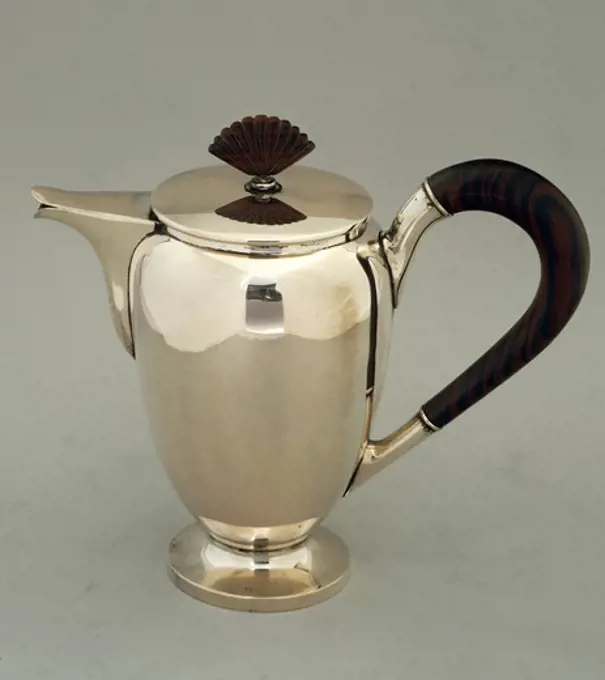
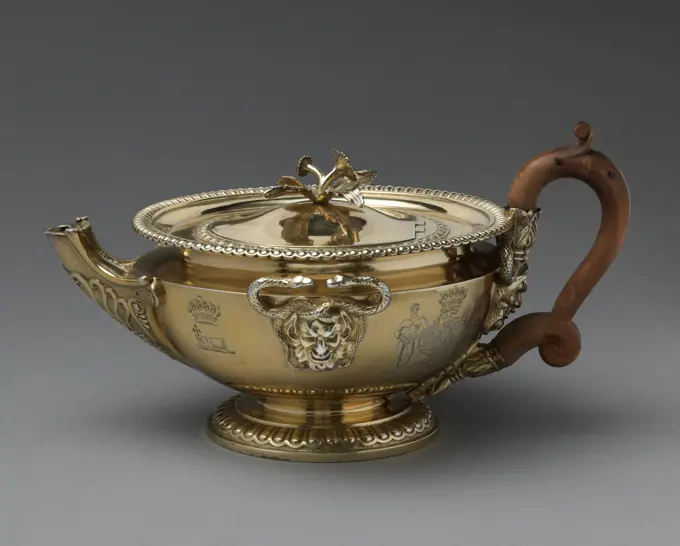
Teapot and cover, Silver gilt, and wood, a) Teapot with globular body on flaring foot. Leaf and dart relief around foot and on shoulder, laurel wreath around body, fluting around rim. Spout ending in lions head. Wooden handle set in leafy tubes. b) Flat cover with wooden finial. Engraved shield, crowned, of Borghese family., France, 1815-19, metalwork, Decorative Arts, Teapot and cover
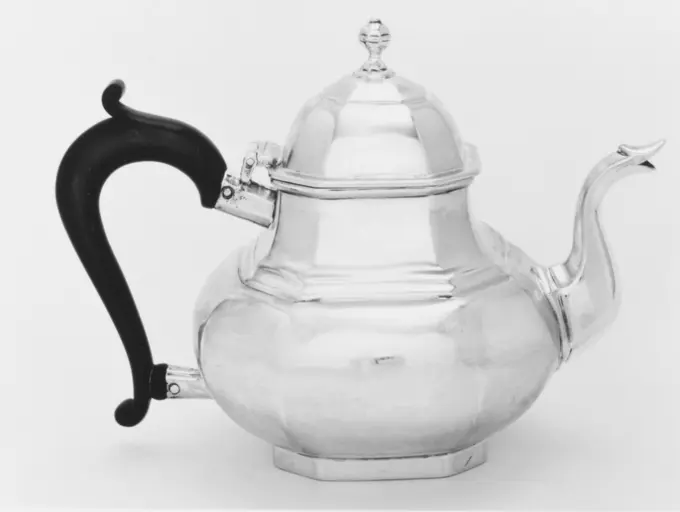
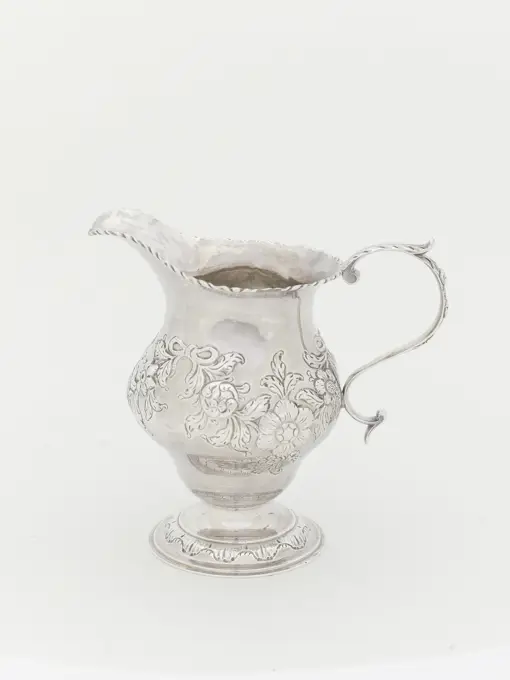
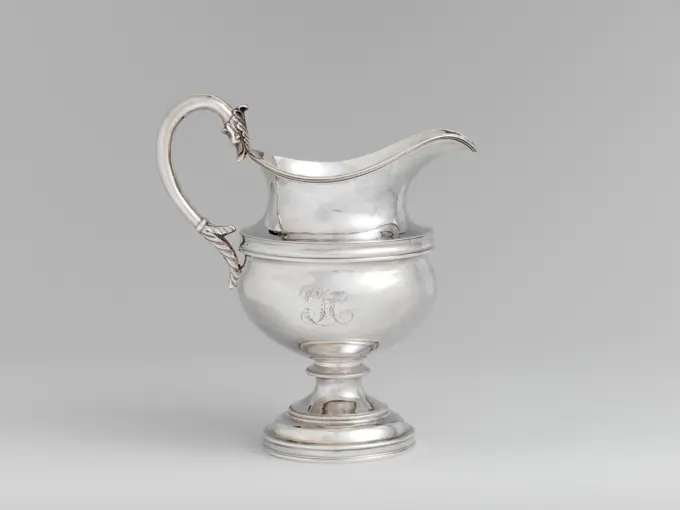
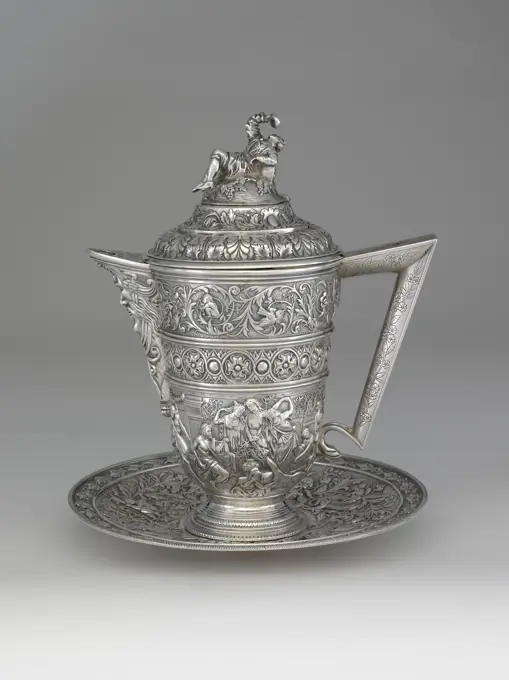
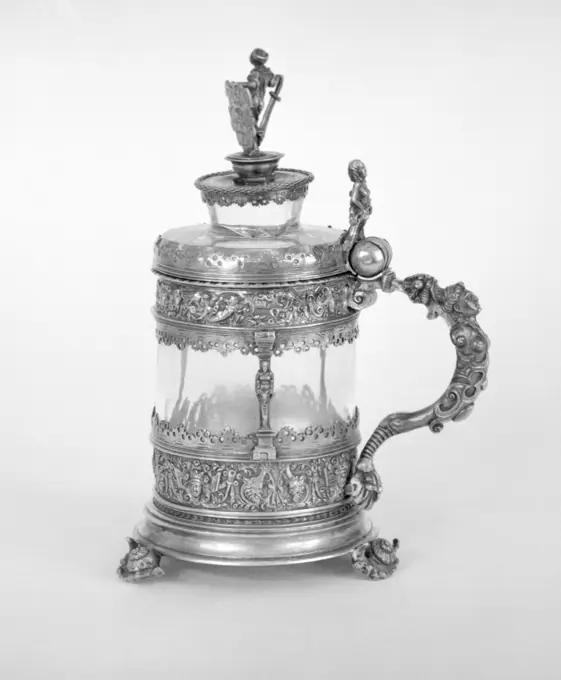
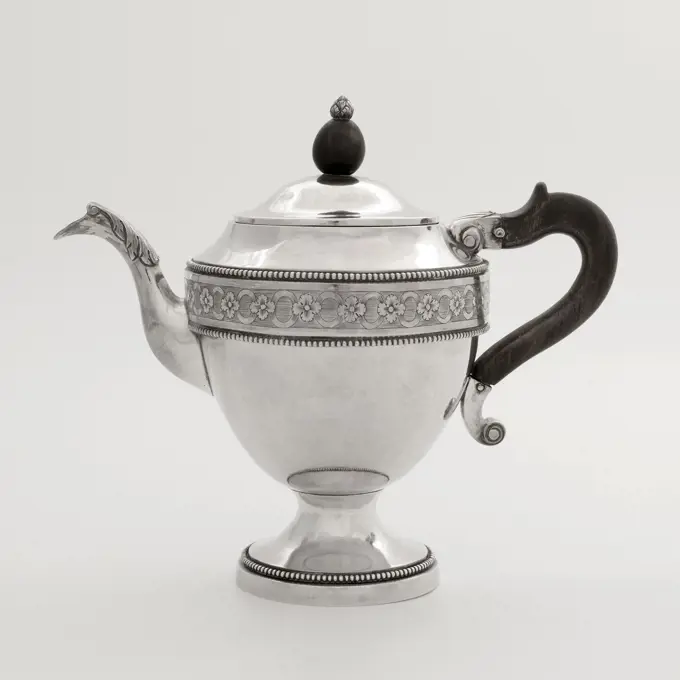
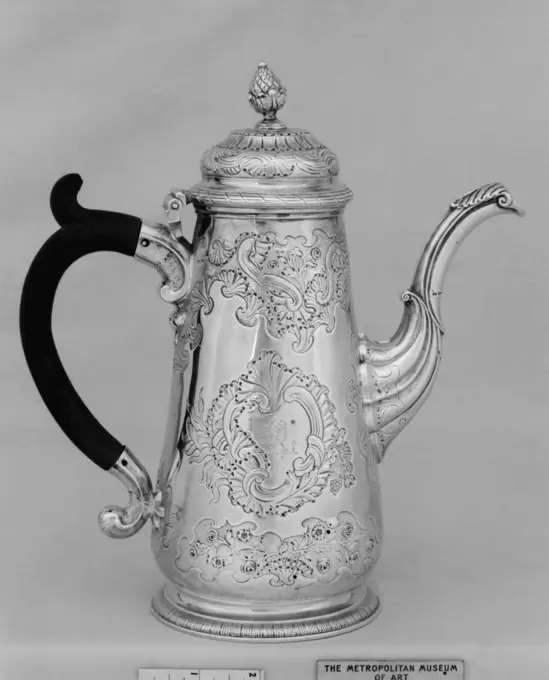
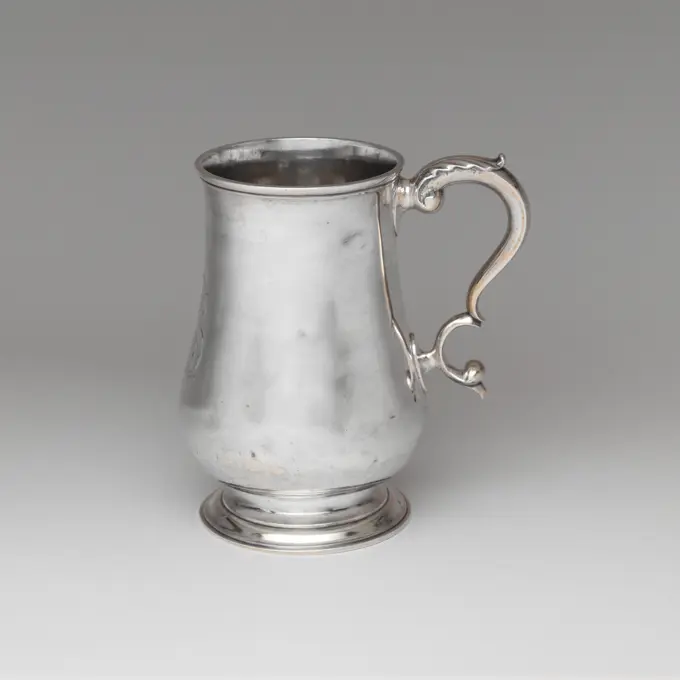
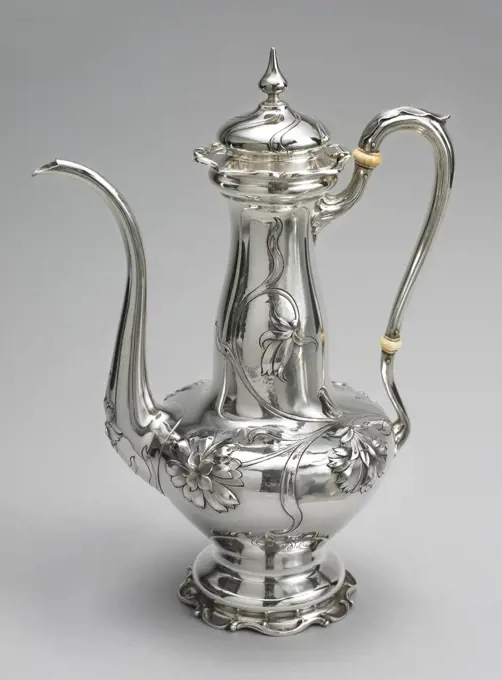
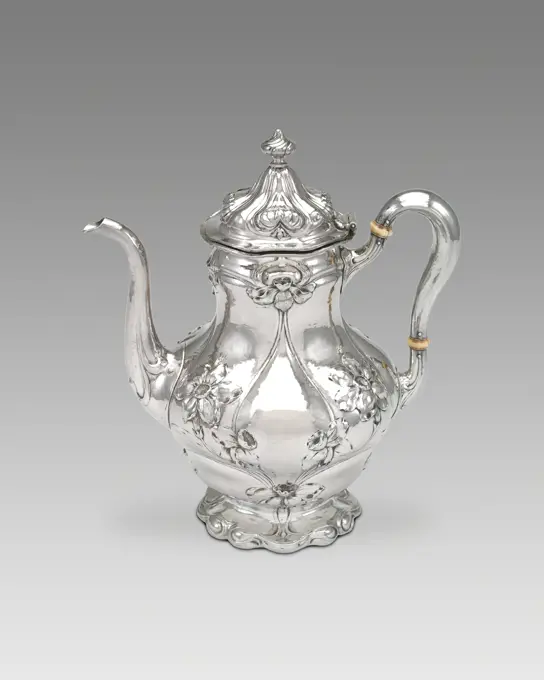
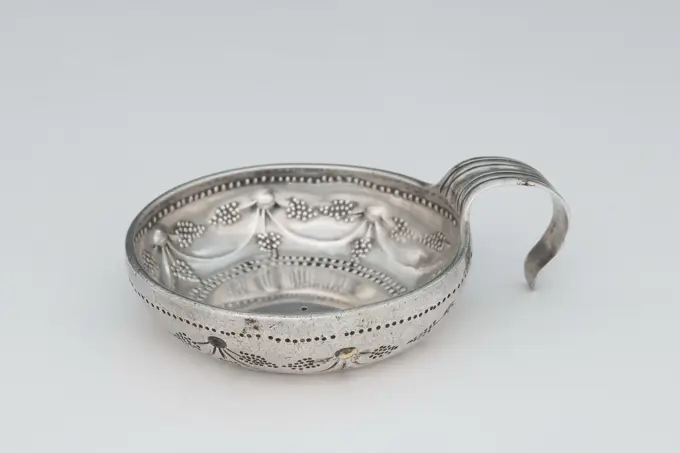
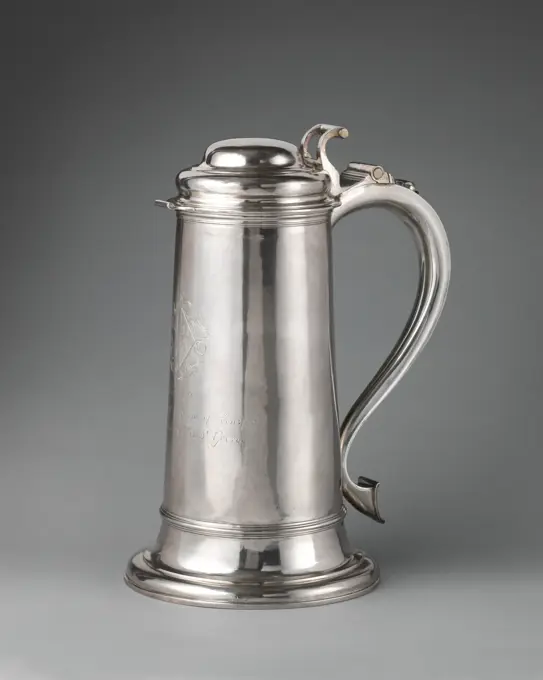
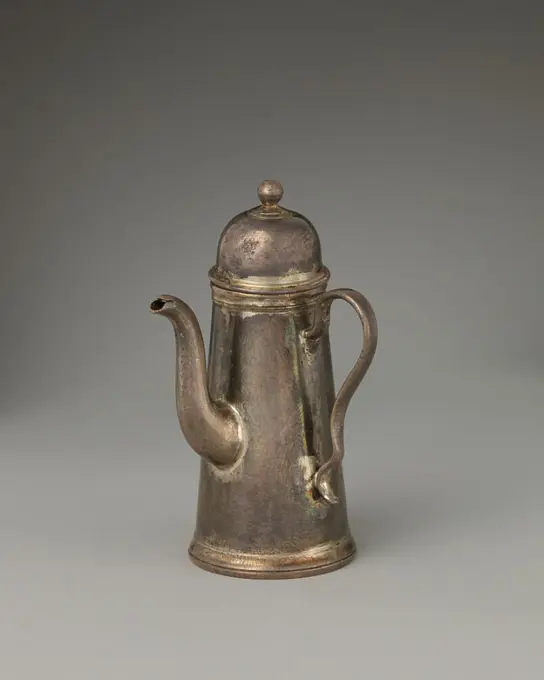
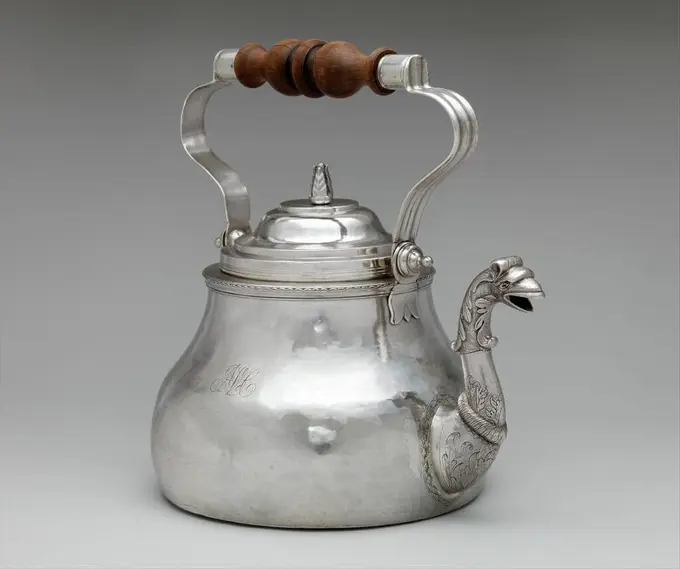
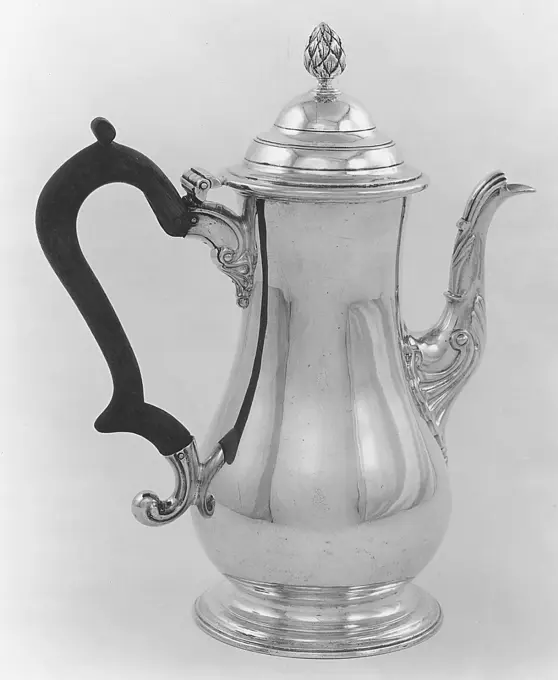
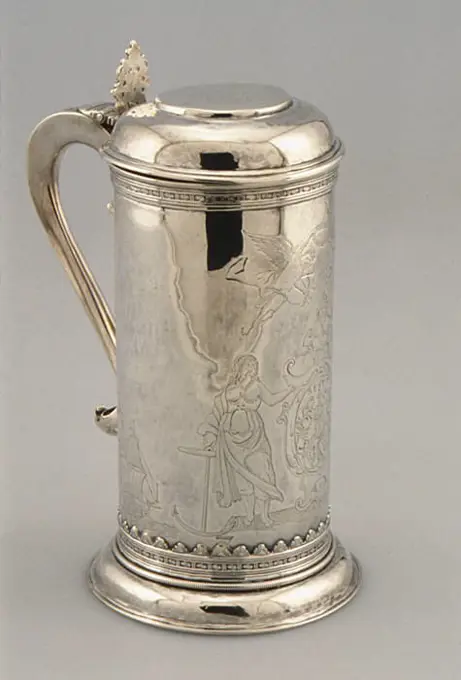
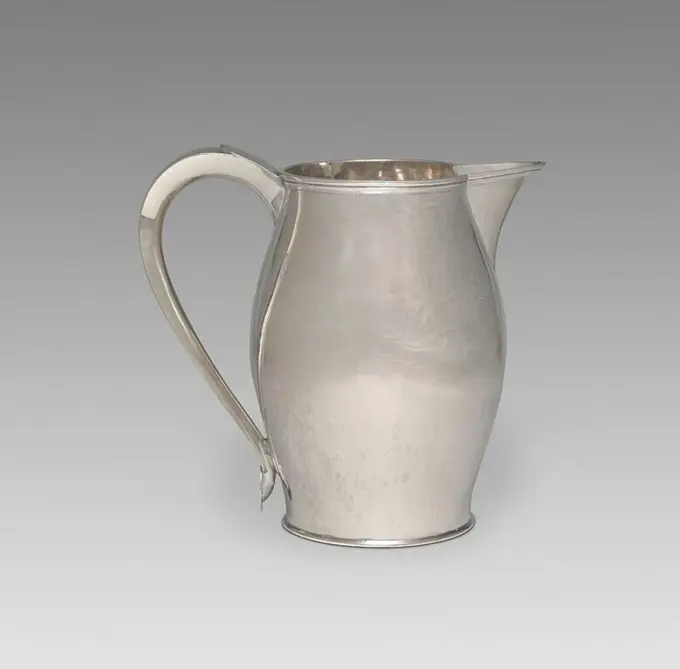
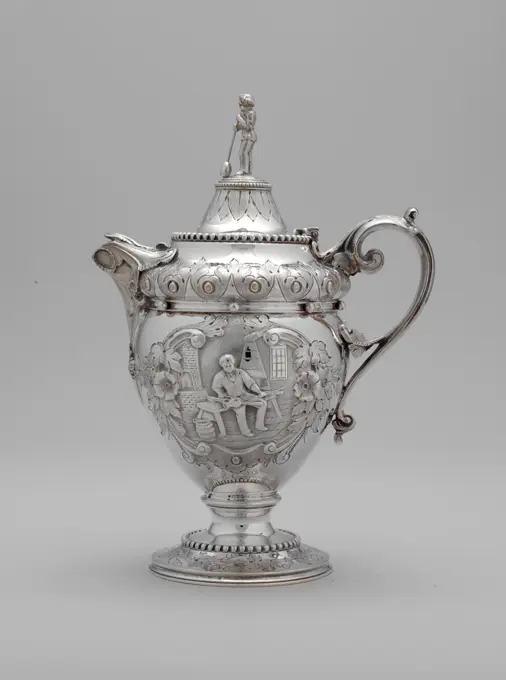
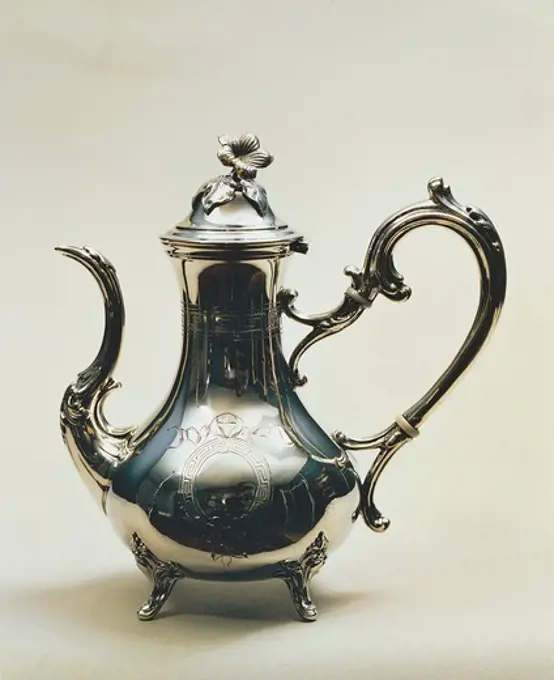
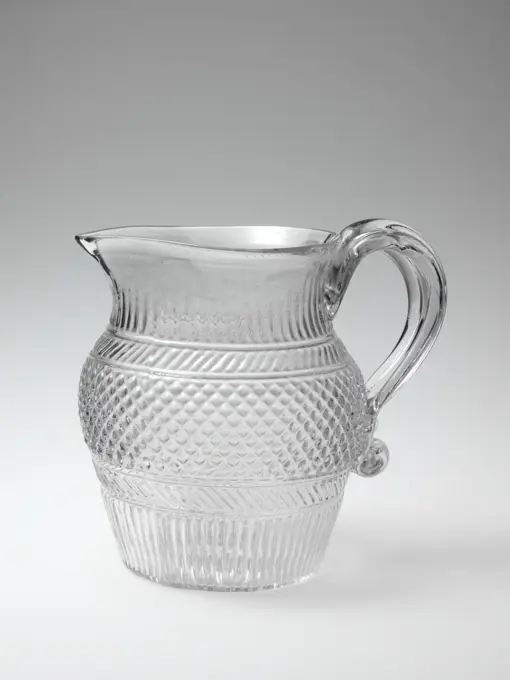
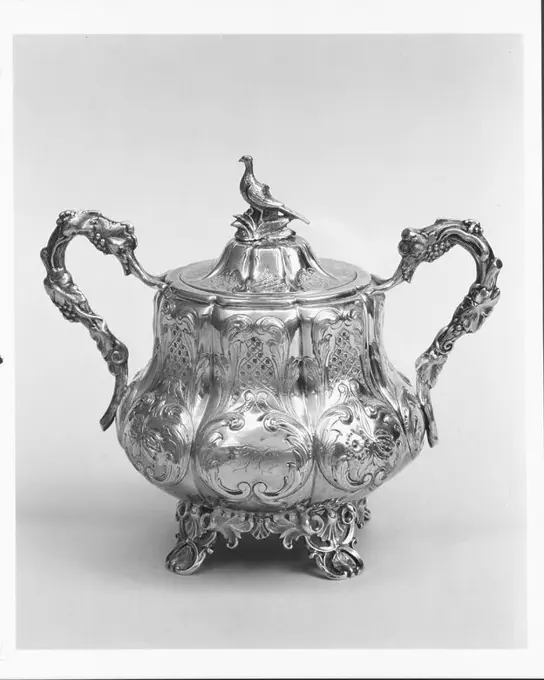
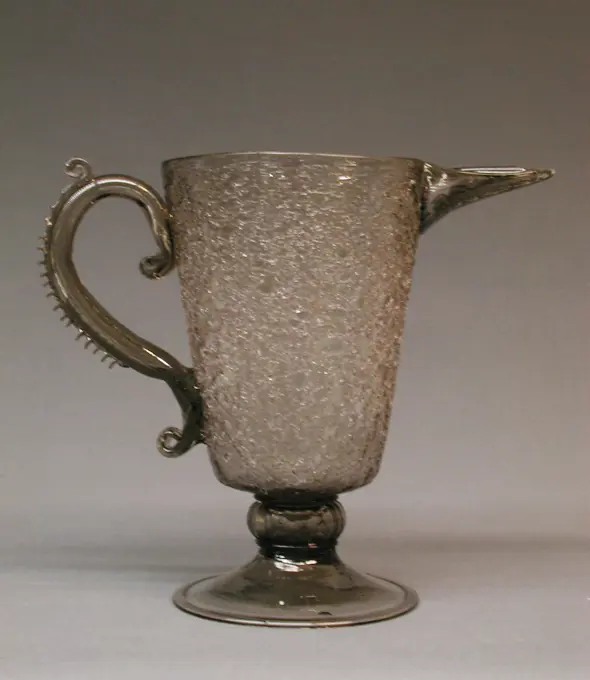
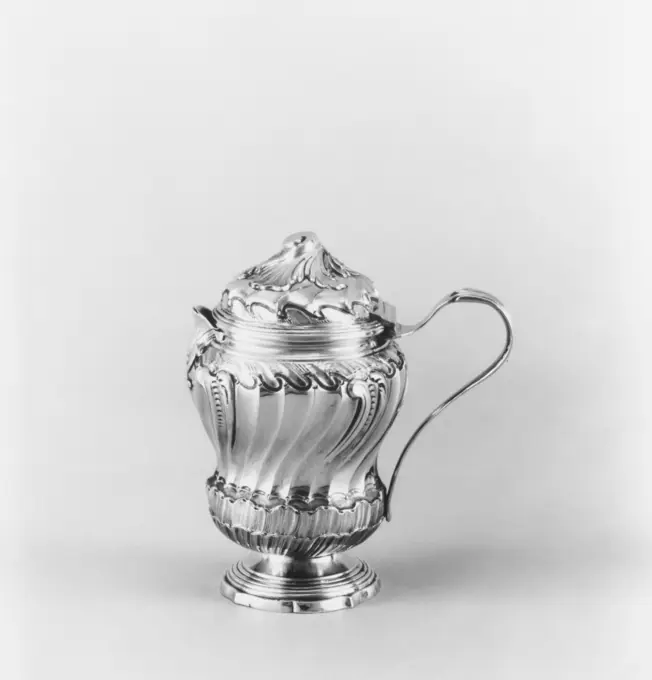
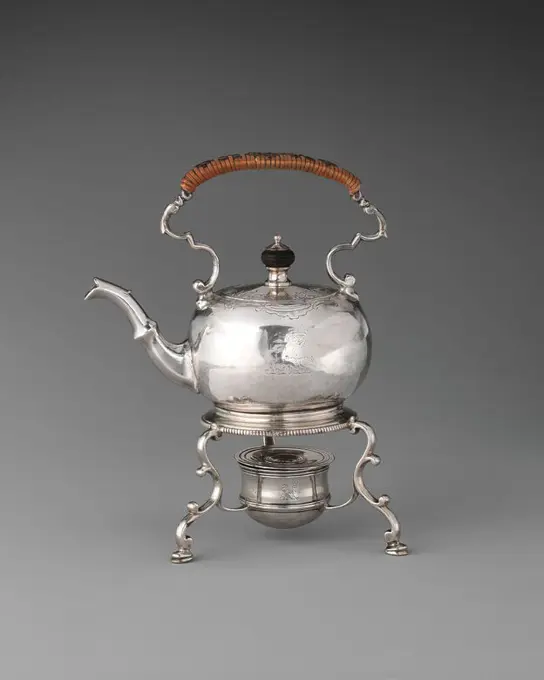
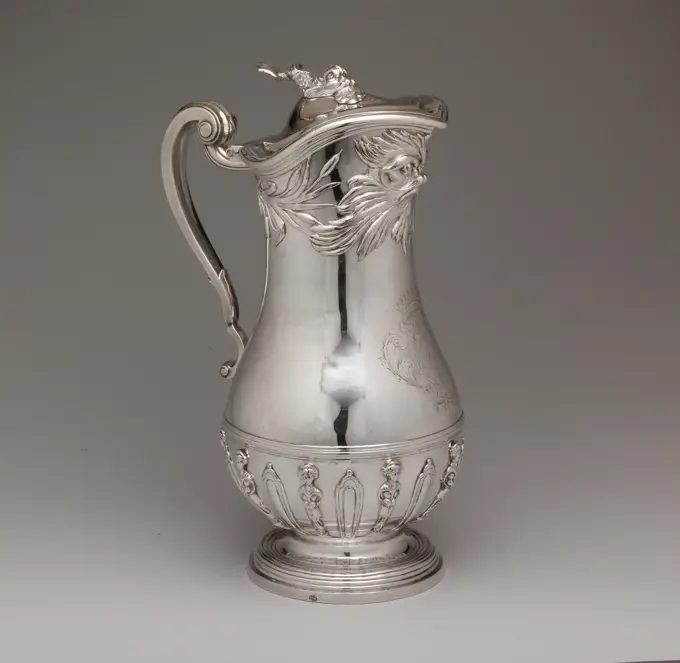
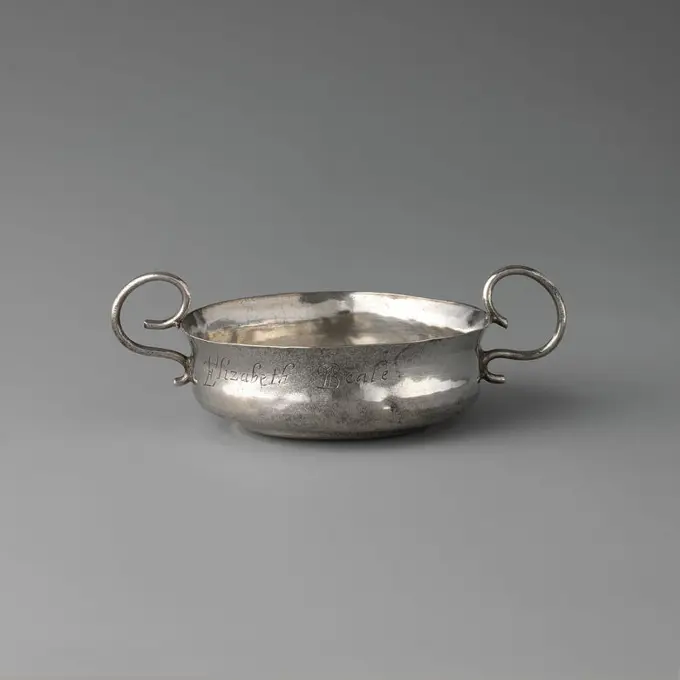
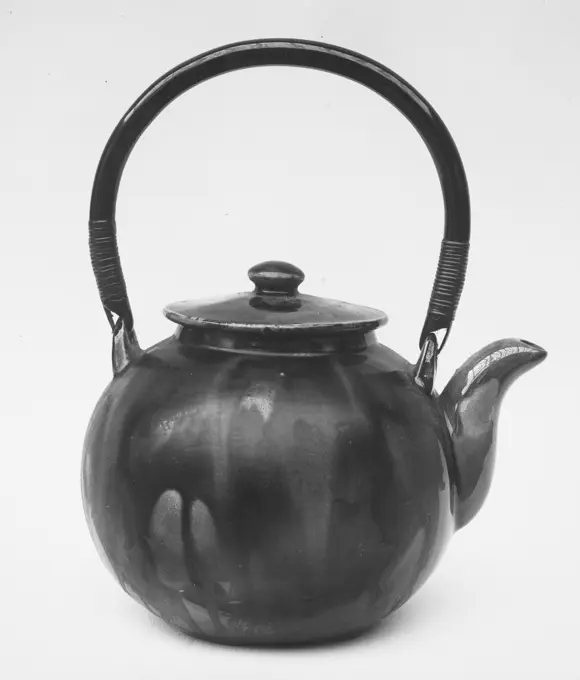
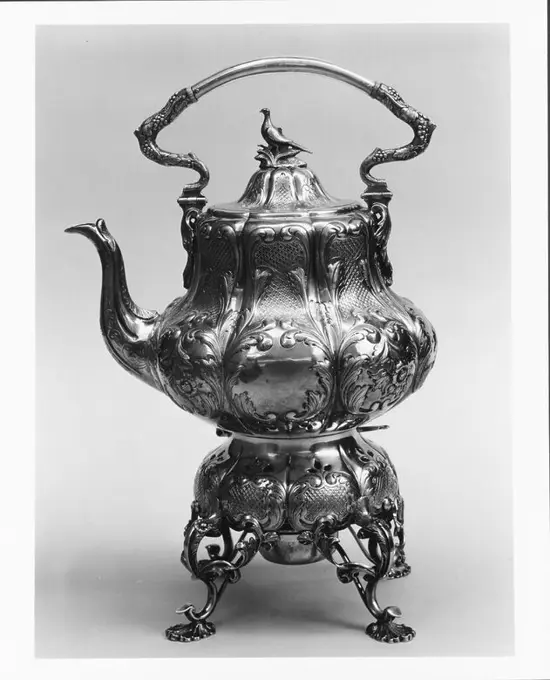
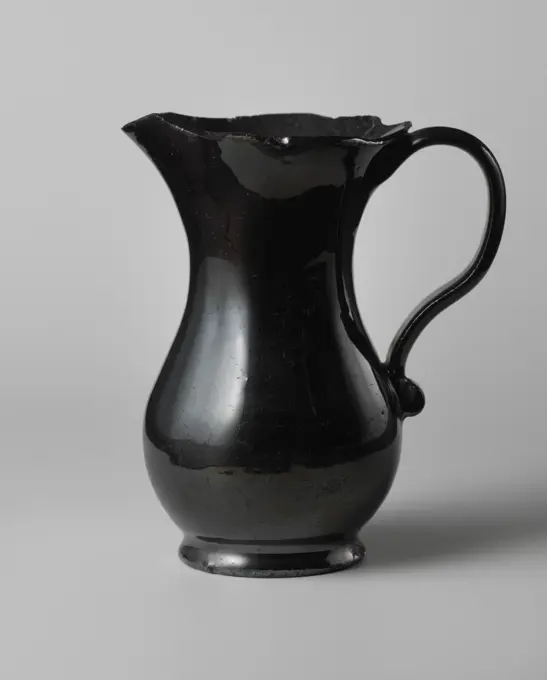
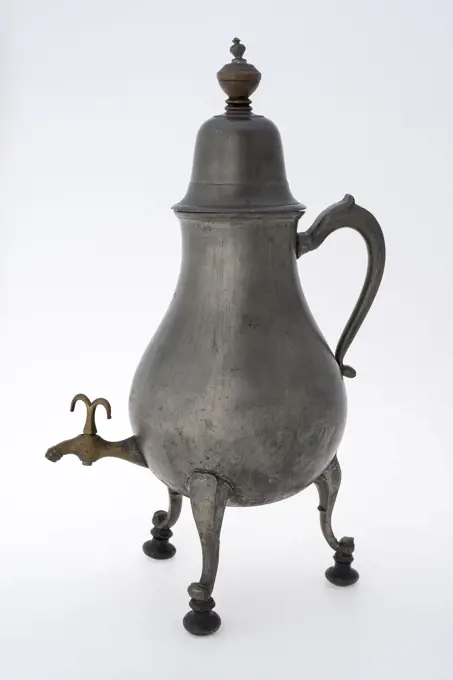
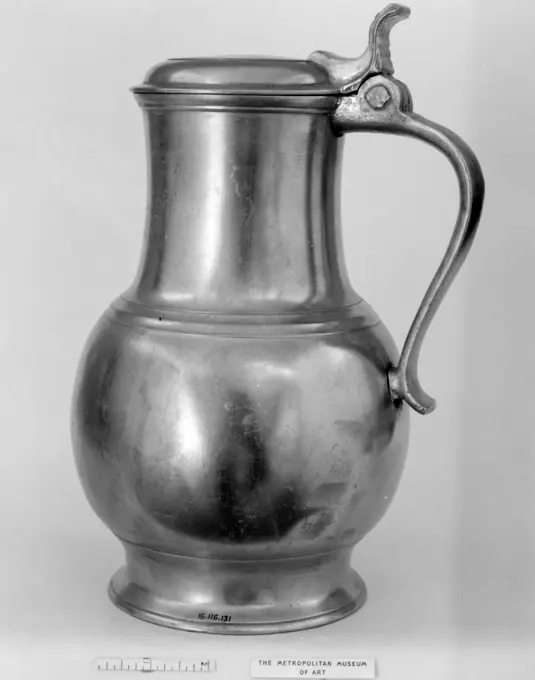
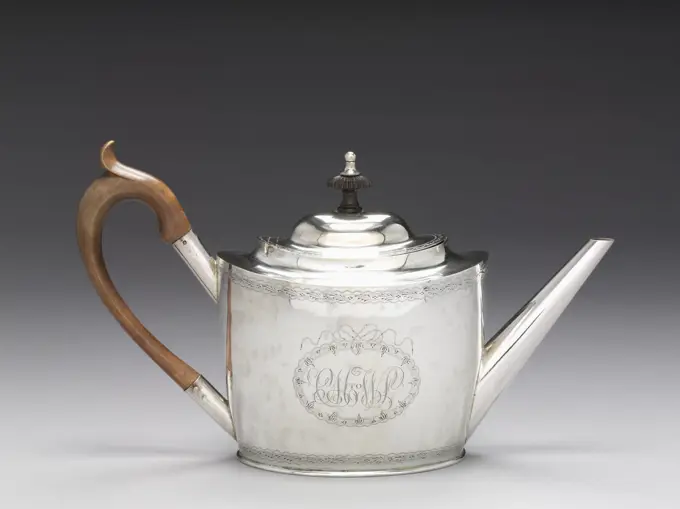
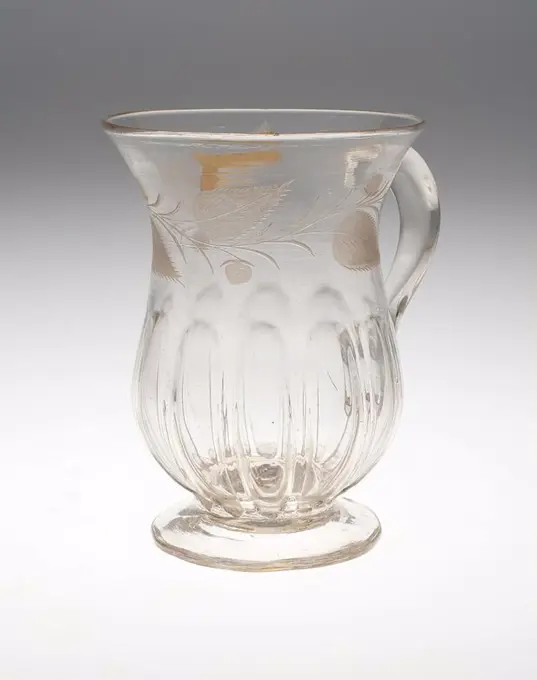
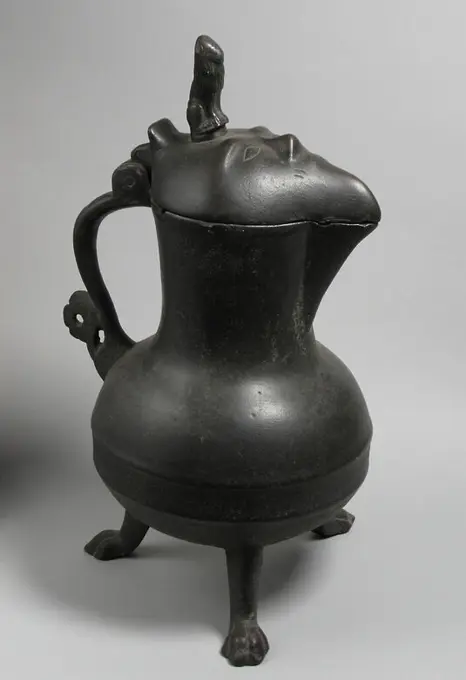
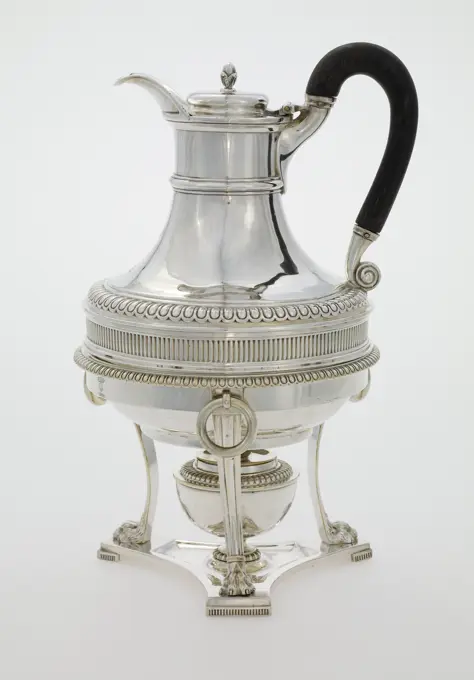
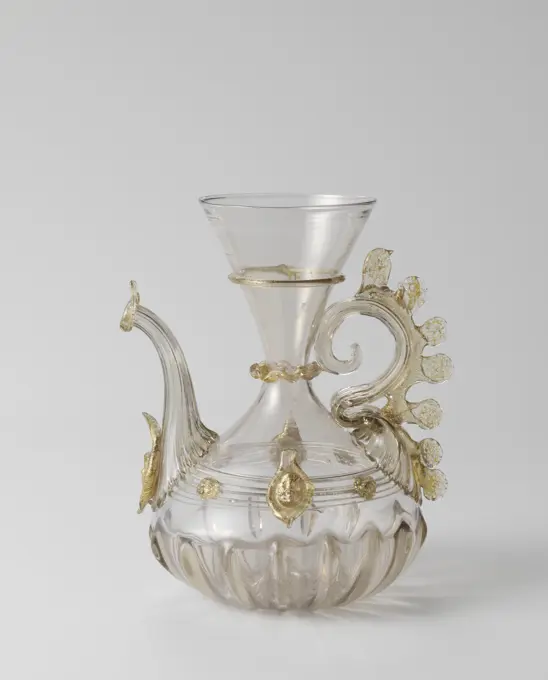
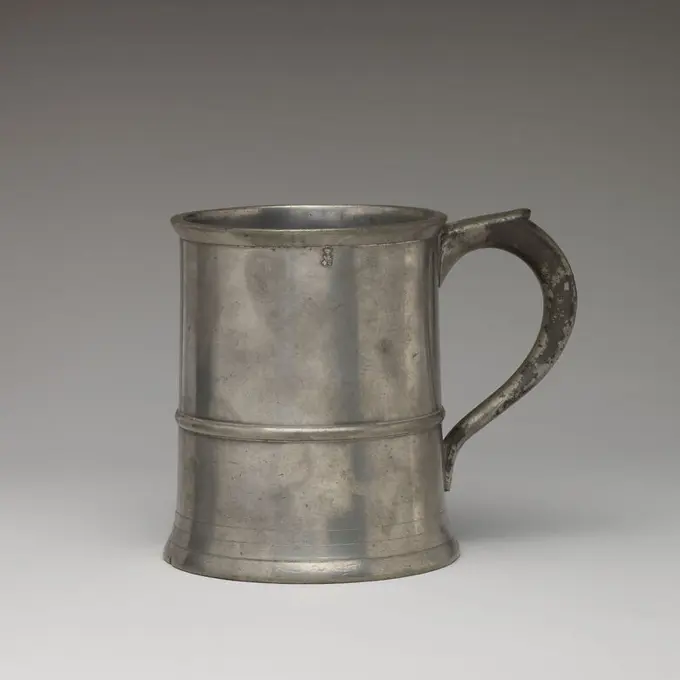
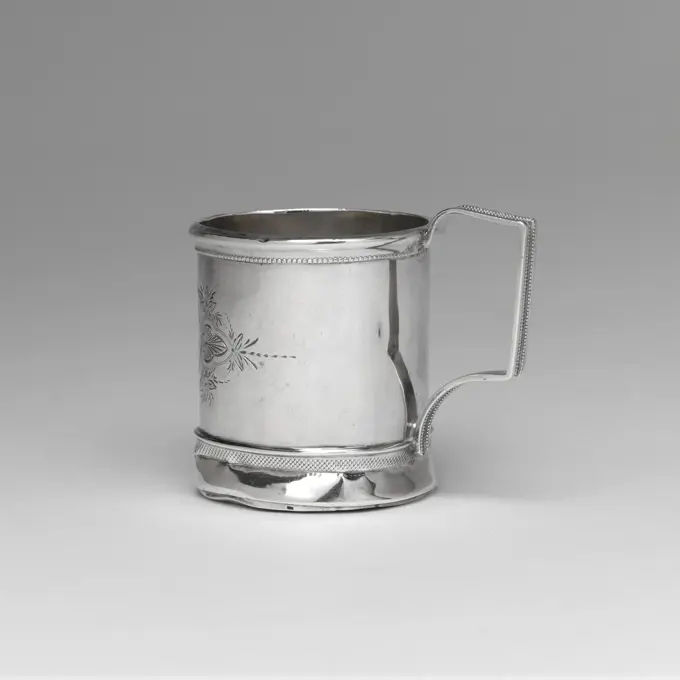
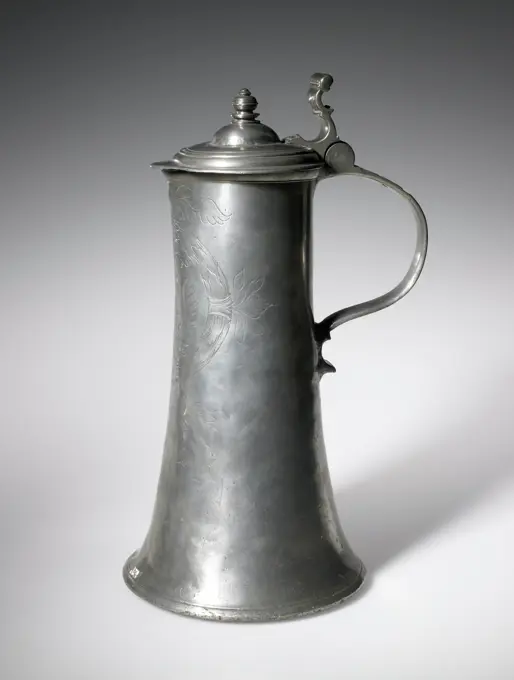
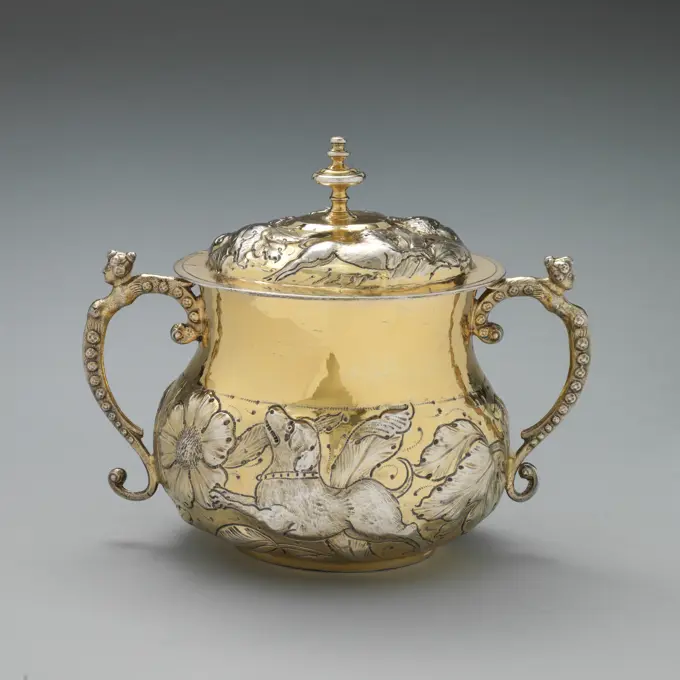
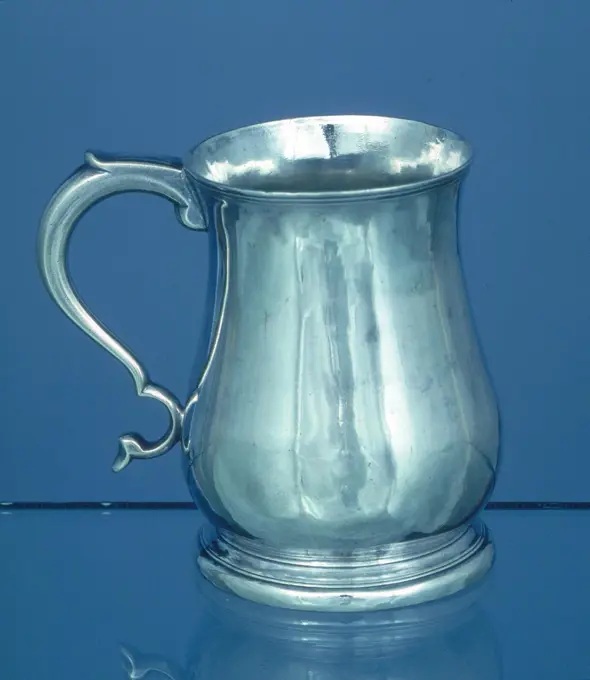
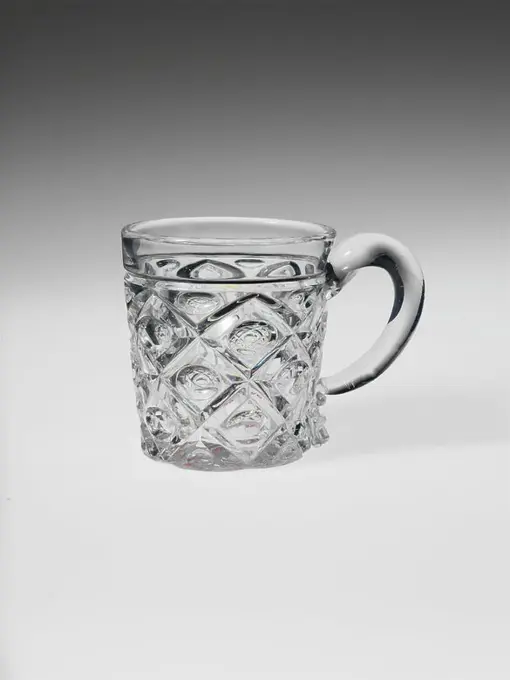
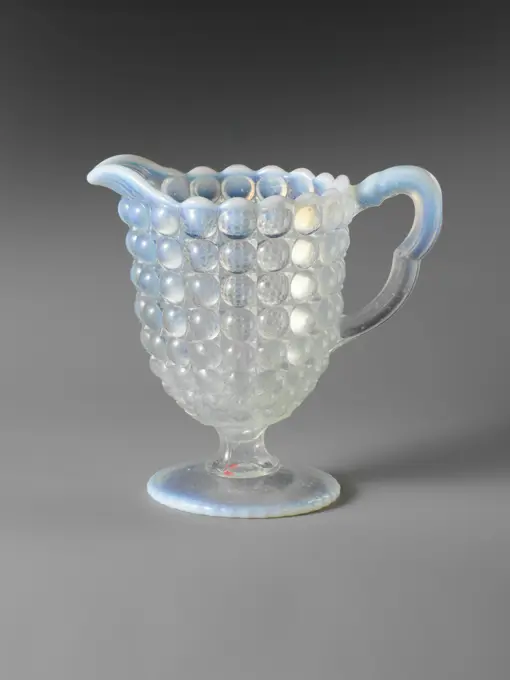
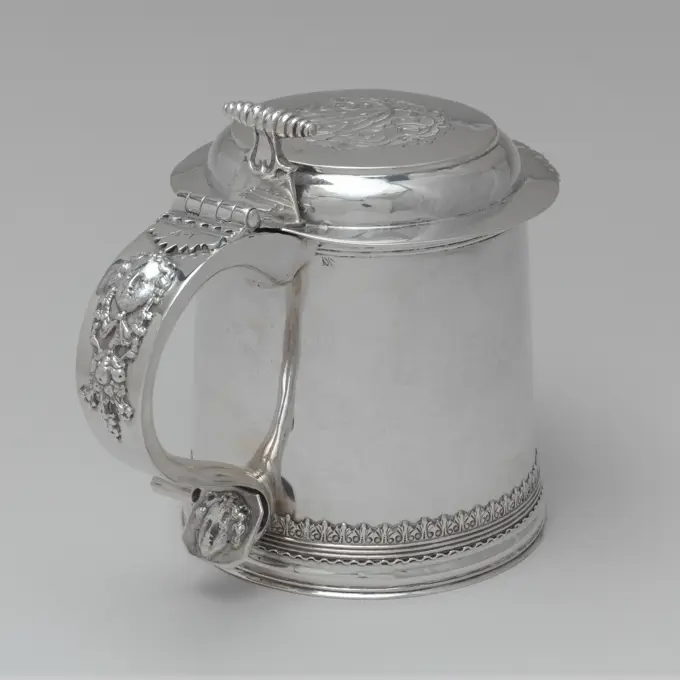
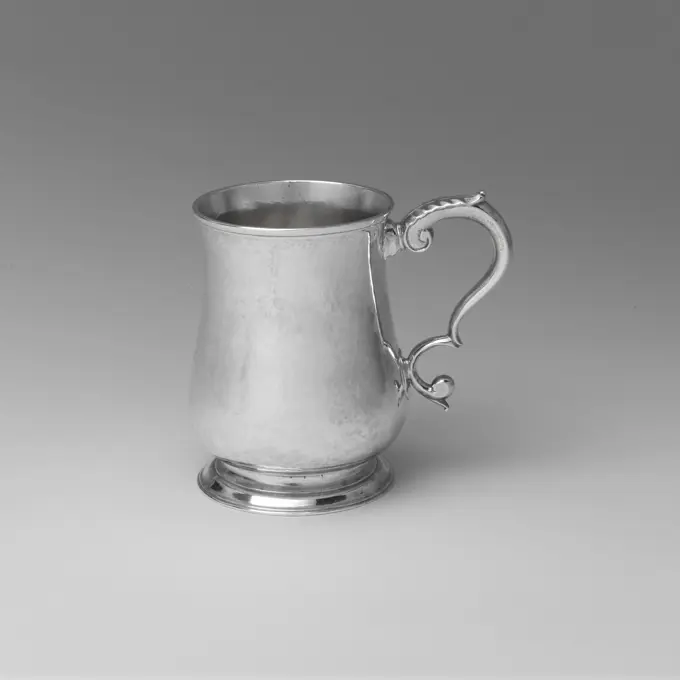
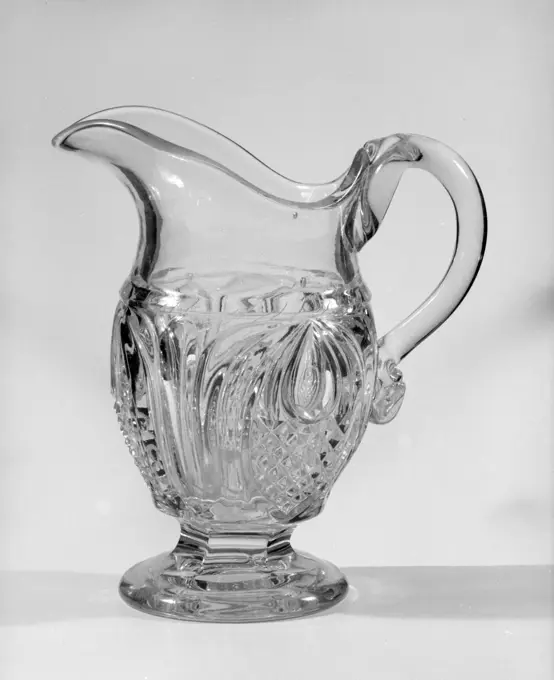
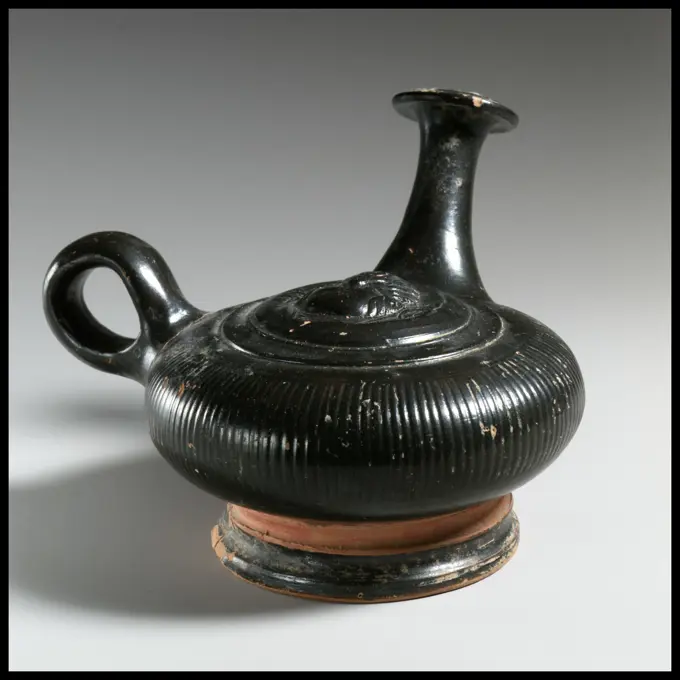
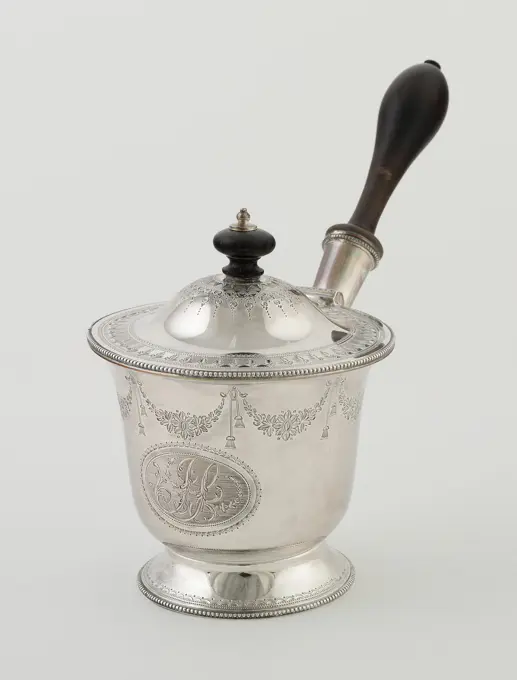
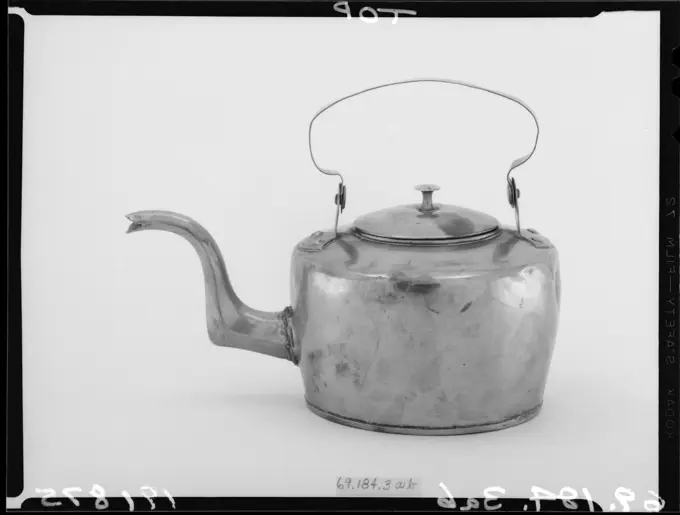
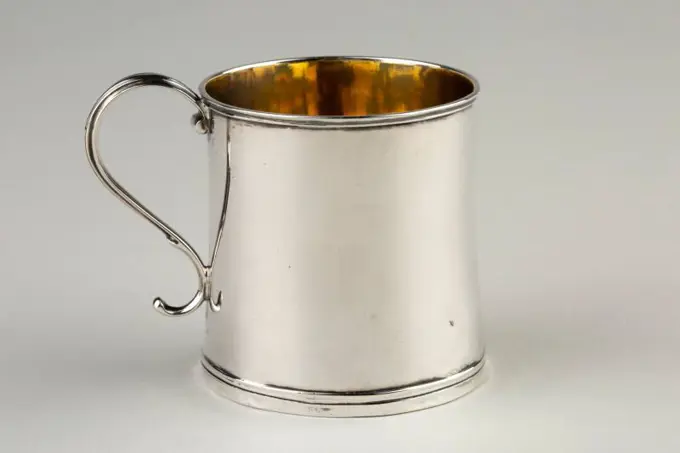
Coffee pot; Next, Ludwik (1800 -1838); 1930s (0-00-00-0-00-00);Cream Pot c 1765-1775 Wilmington. Wealthy colonists ordered silver sugar dishes and cream pots to complement their English ceramic or Chinese export porcelain tea or coffeepots. Complete matching tea sets were not common until the late 18th century. The double-bellied form of these objects was popular throughout the colonies during the Rococo period. The decoration, called chasing, was achieved by working the surface with a small hammer and chisels.. Silver . Bancroft WoodcockCreamer 1810-25 Harvey Lewis. Creamer 5819Teapot. This is an early example of a Dutch silver teapot. The decoration of engraved vases with flowers has been separately made and applied on to the punched ground. This technique, known as cut card’, was based on Chinese silver prototypes.Covered dish, glass, Round body with vertical fluted rim at top; loop handle; domed lid with button finial; body and lid cut with double row of printies, a row of narrow flutes at base of body., Ireland, ca. 1800, glasswares, Decorative Arts, Covered dishTeapot and cover, Silver gilt, and wood, a) Teapot with globular body on flaring foot. Leaf and dart relief around foot and on shoulder, laurel wreath around body, fluting around rim. Spout ending in lions head. Wooden handle set in leafy tubes. b) Flat cover with wooden finial. Engraved shield, crowned, of Borghese family., France, 1815-19, metalwork, Decorative Arts, Teapot and coverTeapot made by Peter Bentzon. The silver teapot has an oval vase-shape on a spreading pedestal foot, with curved spout capped by an incised patera and wooden leaf-capped scroll handle, and hinged domed cover with acorn finial. The scripted monogram "MC" has been engraved on the side and the name "Rebecca Dawson" has been engraved along the bottom rim.A hundred cigar avid; Wakayama, Yoshikatsu; 19th/20th century (1890-00-00-1900-00-00);Covered Ewer andStand.  Maker: Samuel Kirk and Son, American, 1815-1979 After: John Moyr Smith, British, 1839-1912Kettle and lid on stand with lamp and lid, Silver, wood, (a) Bulbous body with molded neck, paneled covered spout and pivoting-shaped handle with turned wood centerpiece. Side engraved with scrolled arms. (b) Molded cover with wood knob; (c) stand on three baluster legs on square plinth with large ring for kettle, smaller for lamp; (d) cylindrical lamp with (e), cover with inner spout and hinged top to cover it., London, England, 1711-12, metalwork, Decorative Arts, Kettle and lid on stand with lamp and lidSilversmith's Art, Italy 20th century. Silver coffeepot. Design Argenteria Fratelli Alignani, approximately 1935.Tea teapot; Emes, John (Fl. 1796-1808); 1806/07 (1806-00-00-1807-00-00);Ewer and basin, Johannes Grill, 1649 The round can rest on a vaulted, ashesle base with a low straight -walled base. At the top of the foot there is a rosette of hanging leaves. The foot is driven with alternating cartouch -shaped and triangular fields that are filled in with scaly motifs and surrounded by lists composed of somewhat ornaments. Above the egg -shaped body, which is driven with four vaulted fields with allegorical representations of the continents, is surrounded by lists of ornaments composed. Africa has been presented as a scantily dressed man with a bow and arch, Europe as a crowned woman with scepter and Vruitenkorf, America as a man with a fee and arrow and arrow and arch and Asia as a man with turban and crooked sword. Above a profile edge, the Concave Hals, driven with fields filled with scaly motifs and surrounded by lists of skewed lists, and at the front with the coat of arms of Sir Edward Sebright, 1st baronet, or Besford with the helmet sign (Burke's Peerage 19Tankard inset with rock crystal ca. 1580 Southern German. Tankard inset with rock crystal. Southern German. ca. 1580. Silver gilt, rock crystal. Metalwork-Silver In CombinationMelkkan with floral scrolls and ornamental borders, anonymous, c. 1800 - c. 1824 Porcelain milk jug, painted on the glaze in gold. The jug has a cylindrical body, rounded to the spreading foot and a wide -ranging base on one side. The C-shaped ear rises from the low side of the edge. The body is with golden lines divided into three wide tires with a pendulum of stars in the middle, half moon shapes with dots and triangles. A flower drink under the edge. The ear is modeled on the edge and decorated with stylized flowers. Empire. France porcelain. glaze. gold (metal) painting / gilding / vitrification Porcelain milk jug, painted on the glaze in gold. The jug has a cylindrical body, rounded to the spreading foot and a wide -ranging base on one side. The C-shaped ear rises from the low side of the edge. The body is with golden lines divided into three wide tires with a pendulum of stars in the middle, half moon shapes with dots and triangles. A flower drink under the edge. The ear is modelSilver teapot, teapot tableware holder silver wood, cast engraved Wide ovoid body on round constricted foot wooden ear in the form of question mark short s-shaped spout, vaulted lid with wooden spherical bud through little pineapple crowned bottom underside (smashed): serving tea drinking drink tea makingCoffeepot 1739-40 Christian Hillan. Coffeepot 188786 Maker: Christian Hillan, entered 1736, Coffeepot, 173940, Silver, Height: 9 1/2 in. (24.1 cm). The Metropolitan Museum of Art, New York. Gift of Rev. Alfred Duane Pell, 1903 (03.2.3)Tankard, c. 1760-1780. John Coverly (American, 1800). Silver; overall: 19.3 cm (7 5/8 in.); with handle: 17.5 cm (6 7/8 in.); without handle: 12.5 cm (4 15/16 in.).Teapot. Standish Barry; American, 1763-1844; Baltimore, Maryland. Date: 1784-1800. Dimensions: 15.3 × 13.4 × 8.9 cm (6 × 5 1/4 × 3 1/2 in.). Silver. Origin: Baltimore. Museum: The Chicago Art Institute, Chicago, USA.Coffeepot c 1770 Philadelphia. Because it was a costly import, coffee was not a popular beverage in early colonial America. Increased trade between the American colonies, South America, and the West Indies made coffee an accessible staple by the middle of the 18th century. Although the form of this single-bellied coffeepot suggests it was made at an earlier date, its broken scroll handle, double-domed cover, and leaf-and-shell decoration place this object firmly within the high Rococo period.. Silver . Joseph Richardson, Sr.Cann ca. 1795 Attributed to Paul Revere Jr. American. Cann. American. ca. 1795. Silver. Made in Boston, Massachusetts, United StatesCoffee service, Gorham Manufacturing Company, Providence, Rhode Island, USA, founded 1818, Silver, gilding, Repousse and chased with flowers and tendrils, a=tray, b= creamer, gilt interior, c= coffee pot; all engraved with interlaced monogram: ECM. Marks: Lion, anchor, G., From ledger, a:Shaped ractangular tray with cut-out handles engraved on bottom 'Presented by the Attachés of the Sheriff's Office of New York County during years 1902-1903 to Edward C. Moen Under Sheriff', b. Coffee pot with tall neck, slender spout and curved handle with ivory rings. Domed, hinged cover with finial, c. Squat bowl with scrolled foot and rim; cruved handles., d. Pitcher with short body and tall neck, forming open spout.Curved handle, New York, New York, USA, ca. 1903, metalwork, Decorative Arts, Coffee serviceKettle Philip Ashberry & SonsTankard 19th century, after 17th century () original British, after German original This electrotype is after a seventeenth-century () original, in the Treasury of the Kremlin, Moscow, at the time of reproduction.. Tankard 186655Tankard 1640-50 Ludwig Wachman. Tankard 236504Creamer Creamer; Designed by Hugo Leven (German, 1874-1956); Manufactured by J. P. Kayser & Sohn (Germany); pewterCoffee Pot (part of a set) Made 1900 Providence. Silver . Gorham Manufacturing CompanyMeasure 18th century French, Normandy. Measure. French, Normandy. 18th century. Pewter. Metalwork-PewterTankard, about 1760-1770, Unknown New York, American, 1767 - 1792, 8 x 7 3/4 x 5 1/2 in. (20.32 x 19.69 x 13.97 cm), Silver, United States, On the underside of the base of this tankard is an inscription that reads, 'THE GIFT OF Mr. JOSEPH MARVIN, TO JANE LORD, HIS GRAND DAUGHTER 1790.' The tankard subsequently descended through the Noyes family of Old Lyme, Connecticut, and eventually came to Minnesota with Edwin Noyes Dodge in 1865. Mr. Dodge, a farmer, served as a state senator from Dodge County, Minnesota from 1887 to 1889.Milk Pot 1850 John C. Moore In 1850, Marshall Lefferts, president of the New York and New England and the New York State telegraph companies, was presented with "a splendid service of plate" to honor his construction of telegraph lines from New York to Boston and Buffalo. It was designed by John C. Moore in the "modern French" style, with floral chasing and rusticated castings. Surmounting the kettle is a figure of Zeus holding lightning boltsan allegory of electricity.. Milk Pot 4399Shallow bowl. Ytasse Jean-Joseph X, goldsmithCommunion flagon 1737-38 John Webber. Communion flagon. British, Exeter. 1737-38. Silver. Metalwork-SilverMiniature coffeepot with cover (part of a set). Culture: British, London. Dimensions: Height: 2 in. (5.1 cm). Maker: David Clayton (British, active 1689). Date: late 17th-early 18th century. Museum: Metropolitan Museum of Art, New York, USA.Teapot Made 1795-1805 Burslem. Stoneware (basaltware) . Wedgwood Manufactory (Manufacturer)Teakettle. Culture: American. Dimensions: Overall: 10 1/8 x 10 5/8 in. (25.7 x 27 cm); 47 oz. 13 dwt. (1481.7 g)Base: Diam. 7 3/8 in. (18.7 cm)Body: H. 7 7/16 in. (18.9 cm). Maker: Cornelius Kierstede (1674-ca. 1757). Date: 1710-20.As in England and the Netherlands, tea drinking became increasingly popular in colonial America, creating a demand for specialized tea equipment such as teapots, sugar bowls, and creampots. This bold, pear-shaped teakettle with bail handle is an extremely rare form in American silver. Its decorative bird's-head spout, distinctively Dutch in inspiration, enlivens the unadorned body, which probably sat on an accompanying spirit-lamp stand. The kettle descended in the de Peyster family to Anne (Stevenson) Van Cortlandt (1774-1821)--whose initials are engraved in script on the side of the body--and, ultimately, to the donor. Museum: Metropolitan Museum of Art, New York, USA.Tankard.   Maker: John Dixwell, American, 1680-1725Maker's mark WC, Coffeepot, 1759/60, silver.Mosterdpot, Spitsovaal, with openwork wall with pearl lists, Nathanael Teuter, 1805 The four striker ovale, vaulted barrels (A, B, C and D), which have slightly raised walls on the sides, each rest on an oval, strongly rejuvenating foot on a straight -walled base. A hinged, vaulted lid that is crowned by a ribbed pineal -shaped button fits on the body alternating with alternating knots and rosettes. Around the foot, around the top edge of the body, bent ears and pearl lists run around the lid. Amsterdam silver (metal) The four striker ovale, vaulted barrels (A, B, C and D), which have slightly raised walls on the sides, each rest on an oval, strongly rejuvenating foot on a straight -walled base. A hinged, vaulted lid that is crowned by a ribbed pineal -shaped button fits on the body alternating with alternating knots and rosettes. Around the foot, around the top edge of the body, bent ears and pearl lists run around the lid. Amsterdam silver (metal)Teapot 1719-20 Thomas Folkingham. Teapot 204904teapot, silver, wood, Oval cylindrial form, later decorated with scrolls, figures and foliage., London, England, 1790-91, metalwork, Decorative Arts, teapotFlagon 1679 Dutch, Sneek. Flagon 202332Pitcher. Ebenezer Noyes Moulton; American, 1768-1824; Boston, Massachusetts. Date: 1801-1810. Dimensions: 21.6 × 13.3 × 22.2 cm (8 1/2 × 5 1/4 × 8 3/4 in.). Silver. Origin: Boston. Museum: The Chicago Art Institute, Chicago, USA.Creampot 1862-63 Wood and Hughes Presented to Christian Dorflinger upon his retirement from the Long Island Flint Glass Works in 1863, this service (2006.90.1-4) is ornamented with meticulously chased scenes of the glassworks itself. The creampot features a vignette of a gaffer at his bench finishing a blown glass pitcher. The finials, cast in the form of glassblowers, also reference Dorflingers trade. Dorflinger was one of the most successful nineteenth-century American glassmakers, operating several factories in Brooklyn before his retirement. He later established a thriving glasshouse in White Mills, Pennsylvania. The Museum has two important glass items from Dorflinger's Brooklyn period: an 1859 presentation vase (1988.391.1) and an 1861 compote (1972.232.1) made for President and Mrs. Abraham Lincoln.. Creampot 4830Wine or water jug; Plewiach, Stanis 1920s (0-00-00-0-00-00);Coffee pot, Meissener porcelain manufactory, c. 1730 - c. 1735 Coffee pan of painted porcelain. The jug has a silver lid. The jug is completely covered with a light brown glaze. The painting in silver consists of an all -round chinoiserie. The jug is marked. The modern silver lid is not marked. porcelain company: MeissenAugsburg porcelain. silver (metal) Coffee pan of painted porcelain. The jug has a silver lid. The jug is completely covered with a light brown glaze. The painting in silver consists of an all -round chinoiserie. The jug is marked. The modern silver lid is not marked. porcelain company: MeissenAugsburg porcelain. silver (metal)Silversmith's art, 18th century. Silver coffeepot.Pitcher 1825-40 American. Pitcher. American. 1825-40. Blown-molded glass. Probably made in Massachusetts, United StatesPitcher.   Maker: William Forbes, American, 1799-1864Retailer: Ball, Tompkins and Black, active ca. 1839 - 1851Covered Jug late 14th century German or South Netherlandish. Covered Jug. German or South Netherlandish. late 14th century. Copper alloy. Metalwork-BronzeSugar Bowl. Culture: American. Dimensions: Overall: 7 1/4 x 8 7/16 x 5 5/8 in. (18.4 x 21.4 x 14.3 cm); 19 oz. 10 dwt. (605.7 g)Body: H. 6 3/16 in. (15.7 cm); 16 oz. 15 dwt. (521.3 g)Cover: H. 2 1/4 in. (5.7 cm); Diam. 3 3/16 in. (8.1 cm); 2 oz. 14 dwt. (84.4 g). Maker: Charters, Cann & Dunn (active 1848-1854). Retailer: Ball, Tompkins and Black (active 1839-51). Date: 1848-51. Museum: Metropolitan Museum of Art, New York, USA.Teapot; silverJug 17th century Spanish. Jug. Spanish. 17th century. Glass. GlassMustard pot 1758-59 Antoine Bailly In 1545 François I founded the Hôpital de la Trinité to shelter abandoned children. Among the trades taught there was silversmithing, taught by a worker who had been favorably passed on by the wardens of the guild. In recompense for his instruction, the teacher-worker could become a master at the end of eight years. Antoine Bailly registered his first mark in 1748 in this way. In 1756, as a Paris maker, he turned in the mark gained through his work at the Hôpital and registered the mark which is found on this piece.. Mustard pot 200127Miniature kettle and stand. Culture: British, London. Dimensions: Overall: 5 1/16 × 3 7/8 in. (12.9 × 9.8 cm);Height of kettle: 3 1/2 in. (8.9 cm). Maker: John Le Sage (British, active 1718-43). Date: ca. 1740. Museum: Metropolitan Museum of Art, New York, USA.Ewer 1745-46 Marc Bazille A ewer with its accompanying basin was among the most important components of the washing and grooming ritual known in France as la toilette. The ewer would have held water; the basin served as a small, portable sink. The intended function of this ewer and basin is made clear by the aquatic motifs chosen to decorate them. Beneath the spout of the ewer is a dolphin mask framed by bullrushes, and the finial of the hinged cover is formed by a dolphin whose tail serves as a thumbpiece. Bullrushes also decorate the inner sides of the basin.This ewer and basin are among the Museum's finest pieces of French Rococo silver. The sinuous lines of the ewer and its handle are a hallmark of the Rococo style, and the dolphin, appearing both in mask and finial form, was a frequently used motif.. Ewer 202116Teapot, belonging to tea set, rounded rectangular, with monogram ash, fa. Ash. Bonebakker and Son, 1838 The crockery consists of a teapot (a), a milk jug (b), and a tea bus (D). These are all rounded rectangular. They have a sphere, strongly printed body, that rests on a vaulted, rejuvenating foot. In the top of the body of teapot and tea bus is a large opening surrounded by a cable border, in which it fits loose and hinged flat lid respectively. This is crowned by a button in the form of a lying, myhic being with the upper body of a horse and the bottom of a fish. The S-shaped bent spout of the teapot is decorated with lobes around the lower part. The upper stress of the highly curved ear is decorated with rosettes. The milk jug has a wide peat and a high ebony bent ear, which is designed as a branch. All objects are engraved on the body with the crowned monogram ash for Anna Frederika Gravin van Limburg Stirum. Amsterdam silver (metal). ebony (wood) The crockery consists of a teapot Wine taster. Culture: British, London. Dimensions: Overall: 1 1/16 × 2 1/8 × 3 3/16 in. (2.7 × 5.4 × 8.1 cm). Maker: S. H., London (entered 1683). Date: 1687-88. Museum: Metropolitan Museum of Art, New York, USA.Teapot 1800 Japan. Teapot 44438Cruet frame ca. 1730-35 Pierre-Noel David. Cruet frame 200215Teakettle, Burner, and Stand. Culture: American. Dimensions: Overall: 14 1/2 x 9 5/8 x 8 1/4 in. (36.8 x 24.4 x 21 cm); 50 oz. 5 dwt. (1563.5 g)Body: H. 10 1/8 in. (25.7 cm); 31 oz. 3 dwt. (968.3 g)Stand: H. 4 3/4 in. (12.1 cm); 16 oz. 16 dwt. (523.2 g)Lamp: 1 9/16 x 2 7/16 in. (4 x 6.2 cm); 2 oz. 6 dwt. (72 g). Maker: Charters, Cann & Dunn (active 1848-1854). Retailer: Ball, Tompkins and Black (active 1839-51). Date: 1848-51. Museum: Metropolitan Museum of Art, New York, USA.Tankard c 1810-1830 Hartford. Pewter . Thomas Danforth BoardmanMilk jug of pottery with black covering glaze. Pear-shaped milk jug with black covering glaze. The can have a wide range of neck with a corrugated edge. The ear is C-shaped.Jug with tap, Kraantjeskan, tap jug tableware holder tin copper wood, h lid 11.6 cast Tap jug on loose triangular copper base with chafing; jug on three legs; lid with wooden knob and legs with wooden caps; copper tap two circles in which an angel and letterCoffee Service, Modernist” Pattern. Manufacturer: Reed and Barton, American, founded 1840Flagon 18th century Dutch. Flagon 193319Teapot of red stoneware with lid with chain of silver. Teapot of red stoneware. With silver chain and buttonTeapot, 1790-1810. Ebenezer Moulton (American, 1768-1824). Silver, wooden handle; with handle: 16.5 x 28.9 cm (6 1/2 x 11 3/8 in.).Teapot (part of a set) 1813/14 Paul Storr British The arms of Anne McDonnell, countess of Antrim, are engraved on each piece. The teapot is fashioned in the form of an ancient Greek or Roman oil lamp.. Teapot (part of a set). British, London. 1813/14. Silver-gilt. Metalwork-SilverJug. Spain. Date: 1766-1776. Dimensions: H. 15.9 cm (6 1/2 in.). Glass. Origin: Spain. Museum: The Chicago Art Institute, Chicago, USA.Covered Jug. Culture: German or South Netherlandish. Dimensions: Overall: 17 1/8 in. (43.5 cm). Date: late 14th century. Museum: Metropolitan Museum of Art, New York, USA.Hot water jug with warming stand, 1807, Paul Storr, English (London), English, 1771-1844, 11 3/8 x 6 1/2 x 6 1/2 in. (28.89 x 16.51 x 16.51 cm), Silver, wood, England, George IIIKan, anonymous, c. 1550 - c. 1600 Can with inserted soil. The body, optically blown with vertical ribs, ends in a funnel -shaped neck. Bent, ribbed spout. Solve C-shaped, ribbed ear with a pinched comb. At the height of the onset of the spout, a flung thread, on which mascarons and studs are applied. A mascaron on the onset of the spout. Remains of gilding on the mascarons, the studs and the smooth wire around the neck Venice glass gilding / glassblowing Can with inserted soil. The body, optically blown with vertical ribs, ends in a funnel -shaped neck. Bent, ribbed spout. Solve C-shaped, ribbed ear with a pinched comb. At the height of the onset of the spout, a flung thread, on which mascarons and studs are applied. A mascaron on the onset of the spout. Remains of gilding on the mascarons, the studs and the smooth wire around the neck Venice glass gilding / glassblowingTeapot with a gothic arcade decoration, Perche, c. 1800 - c. 1899 Porcelain teapot on spreading foot, with an egg -shaped body, bent spout and high ear, painted in under -glaze blue and on the glaze gold. The belly with a gothic arch decoration against a blue background. The foot, the neck, the ear and the spout are covered with gold. The spout ends in an animal head. Saint-Yrieix-la-Perche porcelain. glaze. cobalt (mineral). gold (metal) painting / gilding / vitrification Porcelain teapot on spreading foot, with an egg -shaped body, bent spout and high ear, painted in under -glaze blue and on the glaze gold. The belly with a gothic arch decoration against a blue background. The foot, the neck, the ear and the spout are covered with gold. The spout ends in an animal head. Saint-Yrieix-la-Perche porcelain. glaze. cobalt (mineral). gold (metal) painting / gilding / vitrificationLavabo, anonymous, c. 1450 - c. 1500 The barrel was cast with the spouts and presumably with the handle as a whole in Cire Perdue technique. The flat bulb barrel has a hefty holy round collar. The two curved spins, which are more or less oval in diameter and are in each other's extended, end in vague animal heads. At right angles to the collar at the height of the sharp edge are the two handle -ranges in the form of women's heads, in which the handle holes. The handle consists of a round -curved iron rod with a copper plate upholstery. Pouring protrusions can be observed on barrel and spouts. The holes in the women's heads were probably drilled when the current handle was applied for replacement. Rhine region copper alloy. iron (metal) forging / striking (metalworking) The barrel was cast with the spouts and presumably with the handle as a whole in Cire Perdue technique. The flat bulb barrel has a hefty holy round collar. The two curved spins, which are more or less oval in diameter anKraantjeskan, Wijnand Warneke (attributed to), 1781 The pear-shaped can, with a loose lid, has three high legs that rest on rosewood bobbins, a tap and a on the other hand placed C-shaped ear of water buffalo horn. The cast legs are formed like a branch with a flower and end in a foot. The body has been torved; The ribs describe an S-shaped curve that continues over the lid. A multiple profiled edge runs along the top of the body, a single profile along the bottom of the lid; The curve is interrupted there. F and around the top edge of the pot and around the top edge of the pot and around the lid button, which has the shape of a rose branch, foam edges. The cast tap is placed against the foam edge on the front of the abdomen. This is made up of a cylindrical part with a foam -wreath -like start, a part where the rotating tap fits, and a faceted part that is surrounded by a leaf volute at the end, where it bends down. The grip of the crane is an asymmetrical, open cartouche, built from Measure. Culture: British, London. Dimensions: Height: 4 1/2 in. (11.4 cm). Maker: Thomas Abbott (British, 1769-1852, master 1811). Date: late 18th-early 19th century. Museum: Metropolitan Museum of Art, New York, USA.Pitcher, earthenware, 'I do not know...', England, 18th-mid-19th century, ceramics, Decorative Arts, PitcherChild's Cup ca. 1860 Albert Coles. Child's Cup 2049Flagon, 1685, 16 1/4 x 9 1/4 x 8in. (41.3 x 23.5 x 20.3cm), Pewter, Germany, 17th centuryMug.   Maker: Thomas Danforth Boardman, American, 1784-1873  Maker: Sherman Boardman, American, 1787-1861Inhaling Mug 1765-1775 England. Pewter (mug), silver (spout), brass (steam hold cover) . Henry Joseph (Metalworker)Cover of a coffeepot with gold borders on a red ground, anonymous, c. 1800 - c. 1824 Lid of a porcelain coffee pot, covered on the glaze with red and gold. The lid is covered with red and the edge and button with gold. On the edge a flower vank in one of the golden tires. Pointed lid button. Empire. France (possibly) porcelain. glaze. gold (metal) painting / gilding / vitrification Lid of a porcelain coffee pot, covered on the glaze with red and gold. The lid is covered with red and the edge and button with gold. On the edge a flower vank in one of the golden tires. Pointed lid button. Empire. France (possibly) porcelain. glaze. gold (metal) painting / gilding / vitrificationTeapot 1801 Axel Hedlund. Teapot 198832Two-handled cup with cover 1669-70 Francis Leake. Two-handled cup with cover. British, London. 1669-70. Silver gilt. Metalwork-SilverHalf-pintcann.   Maker: John Leacock, American, 1748-1759Whiskey Mug. Culture: American. Dimensions: H. 2 7/8 in. (7.3 cm). Date: 1850-60.With the development of new formulas and techniques, glass-pressing technology had improved markedly by the late 1840s. By this time, pressed tablewares were being produced in large matching sets and innumerable forms. During the mid-1850s, colorless glass and simple geometric patterns dominated. Catering to the demand for moderately-priced dining wares, the glass industry in the United States expanded widely, and numerous factories supplied less expensive pressed glassware to the growing market. At the Exhibition of the Industry of All Nations at New York's Crystal Palace in 1853, for example, the New England Glass Company exhibited 130 pieces of one design, "consisting of bowls, tumblers, champagnes, wines, and jelly glasses." This object belongs to one such service. Although the glass manufactory is not known, the glassware is very typical of the large services that were very popular with America's midCreamer ca. 1888 Richards and Hartley Flint Glass Co.. Creamer 2735Tankard 1715-25 Simeon Soumaine The gifted silversmith Simeon Soumaine was born to French Huguenot refugees resident in London, where he likely trained before immigrating to New York by 1717. Despite his Huguenot roots, this tankards decorative scheme—its foliate cut-card work and baseline meander wire, as well as its cast and applied handle ornaments—echoes the work of New Yorks silversmiths of Dutch descent. Both the interlaced script monogram on the cover, AVH, and the engraved initials A-V on the hinge plate of the handle, refer to Augustus Van Horne (1736-1796), whose great-great-granddaughter donated the tankard to the Metropolitan in 1927. A merchant like his father, with a shop on Smith Street, Augustus Van Horne was also active politically. For whom the tankard was originally made is not known, but it could well have belonged to Van Hornes father, Cornelius, who died in 1752. The rococo style of the engraved monogram probably dates from the mid-eighteenth century and could Cann 1750-75 Daniel Boyer. Cann 5323Fuckle; Roessler, Wolf (Nuremberg; 1650-1717), Nuremberg; around 1690 (1690-00-00-1710-00-00);Tankard mounts ca. 1608-47, amber 19th century Mounts by Andreas Meyer See 17.190.548 for a similar amber tankard.. Tankard 193525Pitcher 1850-70 American. Pitcher. American. 1850-70. Pressed glass. Made in Massachusetts, United StatesTerracotta guttus (flask with handle and vertical spout) 4th century B.C. Greek, South Italian, Campanian On the top, frontal head of a satyrThe head is rendered with particular expression and precision.. Terracotta guttus (flask with handle and vertical spout) 246563Brandy Saucepan 1787-1788 England. Silver and wood . Hester BatemanTeakettle 1800-1830 Possibly J. Dunn. Teakettle. 1800-1830. CopperChristening Mug,  c. 1810Silver milk jug, round on square, straight -walled base. Decorated with meander edge. Ear of wood, anonymous, 1785 - 1800 Round milk jug of silver on a square straight -walled base. The wooden ear is placed opposite the pour. The jug has a vaulted lid that is crowned by a button in the shape of a flower bud. Decorated with a meander edge. Lausanne silver (metal) Round milk jug of silver on a square straight -walled base. The wooden ear is placed opposite the pour. The jug has a vaulted lid that is crowned by a button in the shape of a flower bud. Decorated with a meander edge. Lausanne silver (metal)Sauce Boat. Thomas Shields (United States, Pennsylvania, Philadelphia, 1743-1819). United States, Pennsylvania, Philadelphia, circa 1780. Furnishings; Serviceware. SilverAbruzzo L'Aquila Trasacco SS. Rufino e Cesidio89. Hutzel, Max 1960-1990 The original monument was destroyed in 936, rebuilt, modified throughout the 16th century (with an addition to the nave in 1618), and restored in 1969. Exterior views include the bell tower and general building facades. Most views focus on the architectural sculpture of the Portale delle Donne and the Portale degli Uomini. Interior views in the Medieval core collection focus on a statue of St. Catherine in an aedicule (15th century); an ambo lecturn (pluteus) decorated with the four symbols of the Evangelists (c. 1267); a statue of the Virgin and Child under a sculpted baldachin on the entrance wall of the oratory (14th century) and the main altar composed of sarcophagus fragments of lions and peacocks in low-relief (8th-10th centuries). A baptismal font and possibly bas-reliefs (immured spolia) in the Oratory. Interior views in the Hutzel collection include: the altar statue of S. Cesidio, frescoes of the AnnunciaCoffeepot (part of a service) late 18th-early 19th century Chinese, for American market. Coffeepot (part of a service) 201112