Decorative Storage Boxes

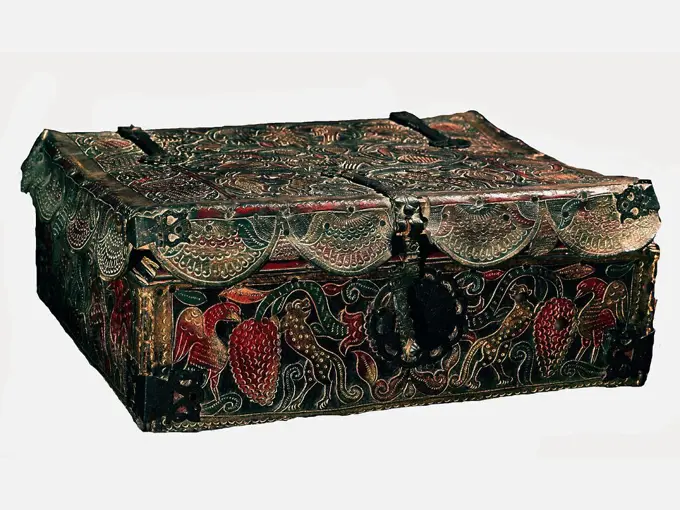
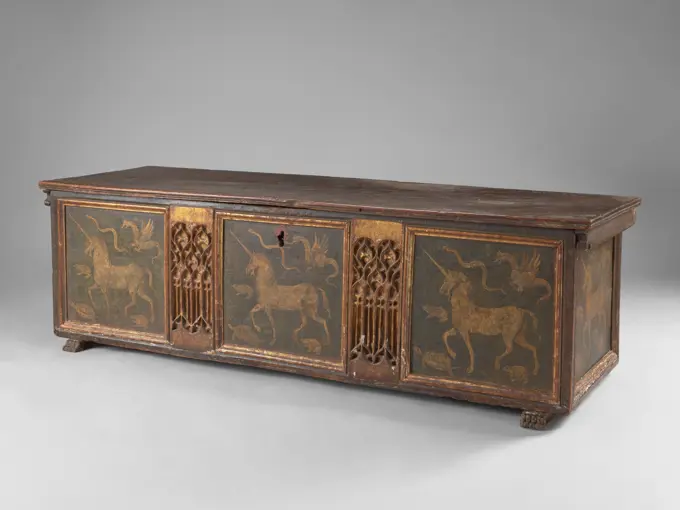
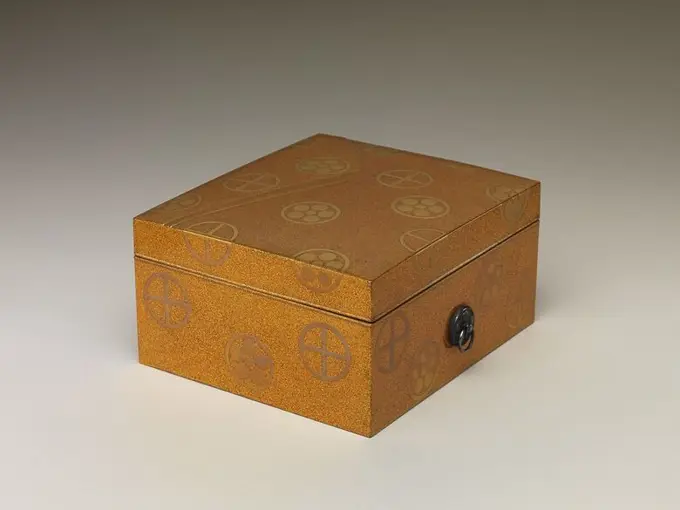
Various ornate boxes and coffers, crafted from wood, ivory, and metal, showcasing intricate designs and cultural influences.

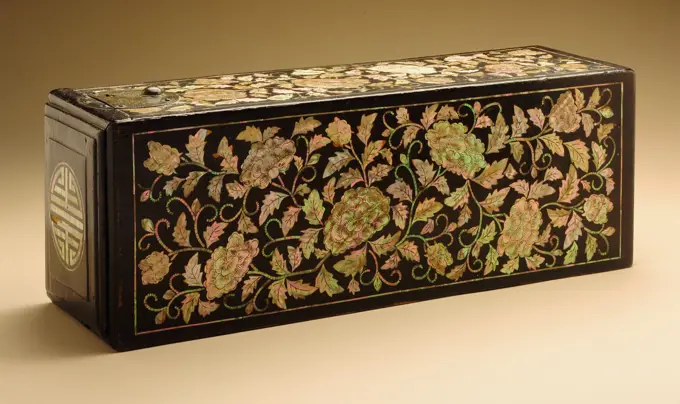
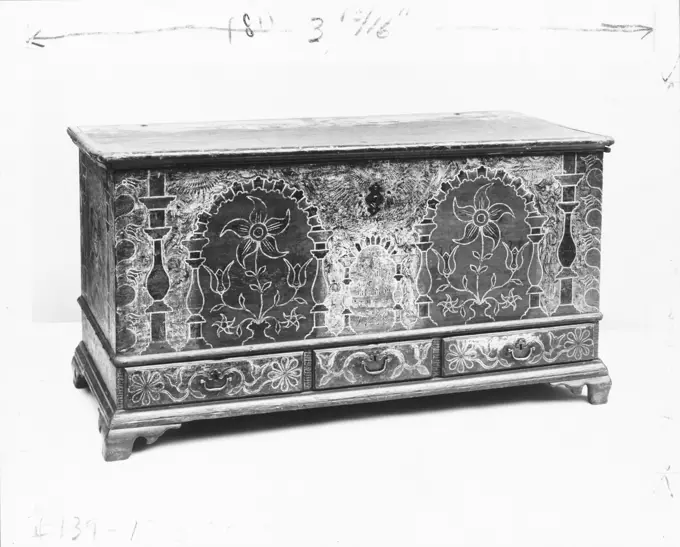
Suitcase on pedestal, decorated in black with flowers of gold and mother -of -pearl, c. 1700 - c. 1800 Suitcase on pedestal, decorated in black with flowers of gold and mother -of -pearl. With copper key. Japan copper (metal). mother of pearl. paint (coating). lacquer (coating) lacquering Suitcase on pedestal, decorated in black with flowers of gold and mother -of -pearl. With copper key. Japan copper (metal). mother of pearl. paint (coating). lacquer (coating) lacquering
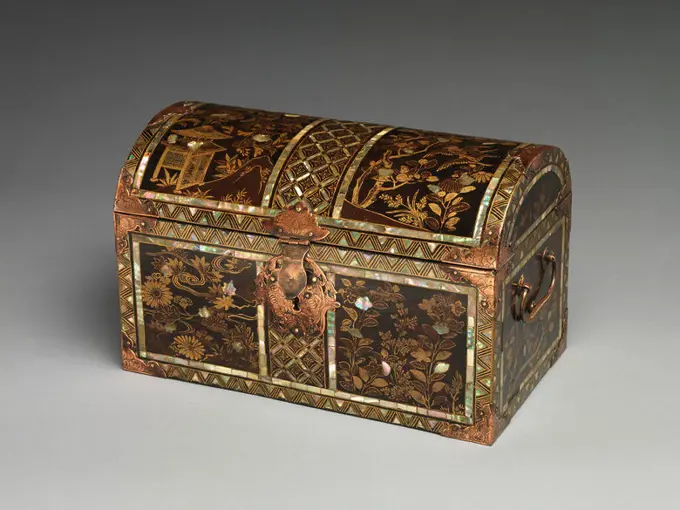
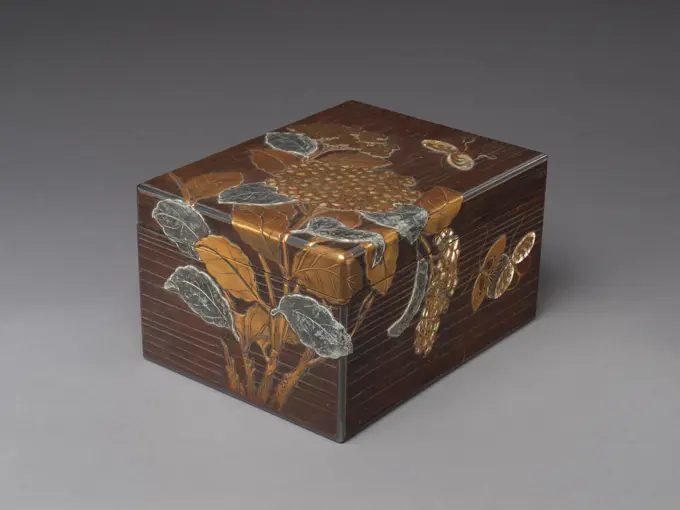
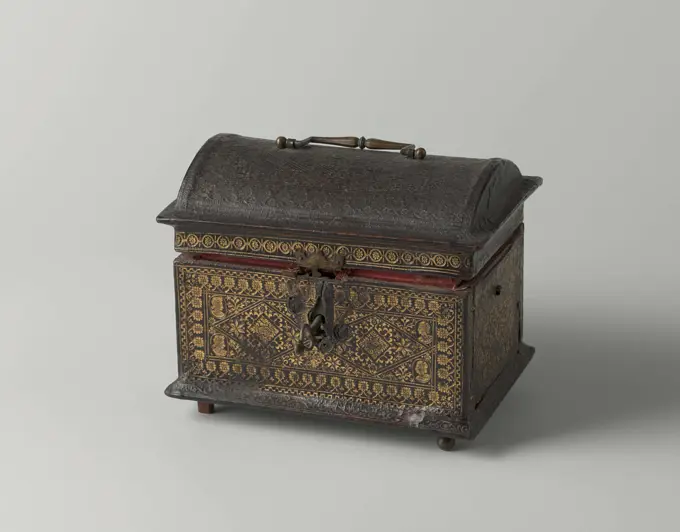
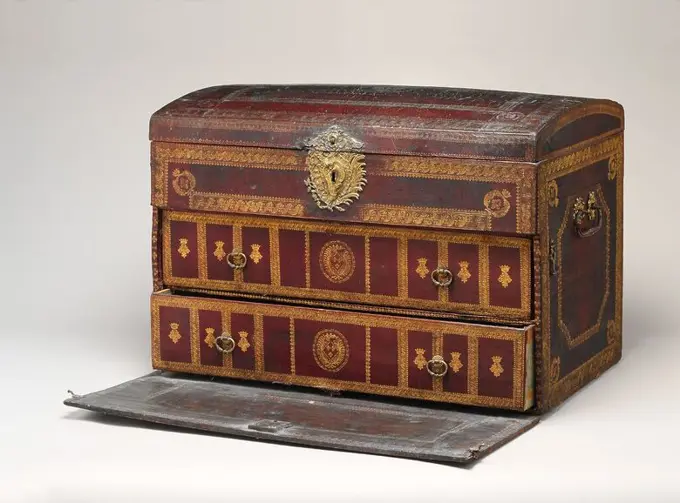
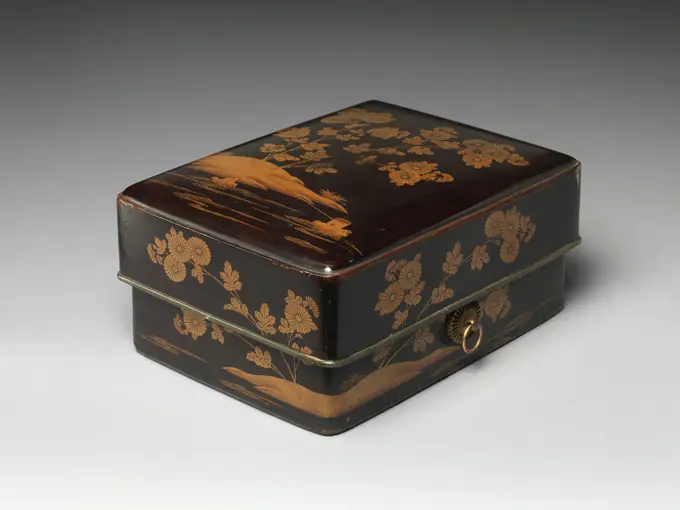
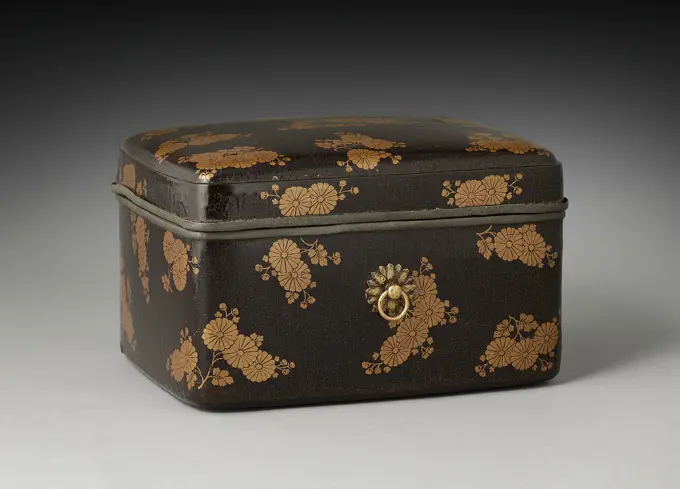
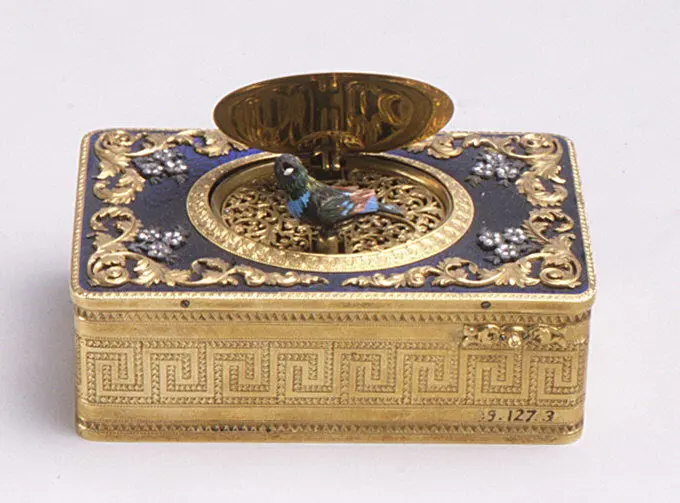
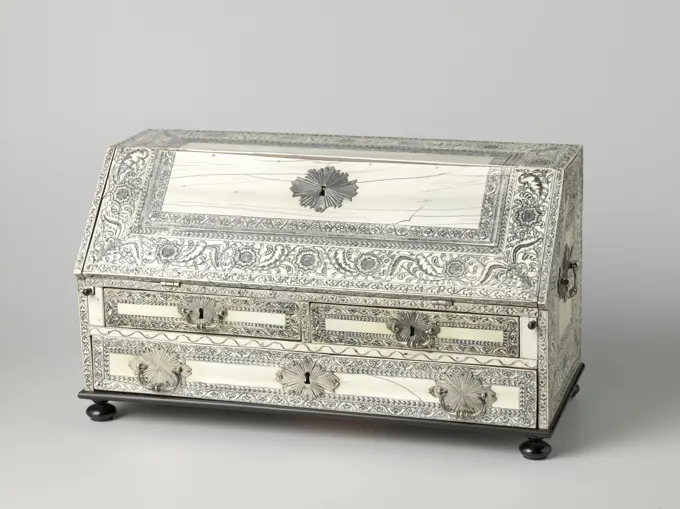
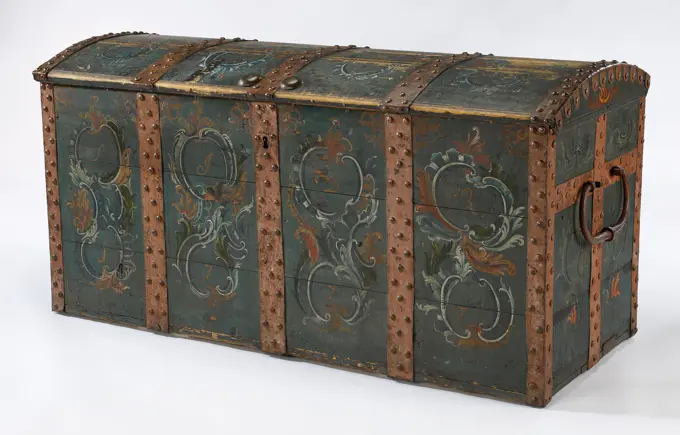
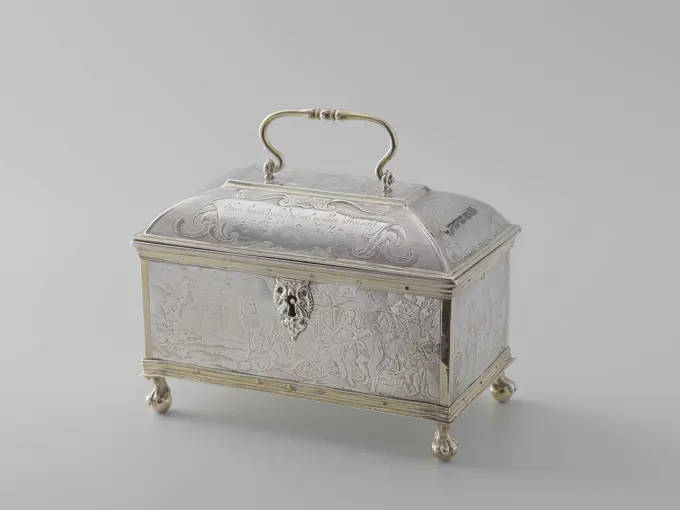
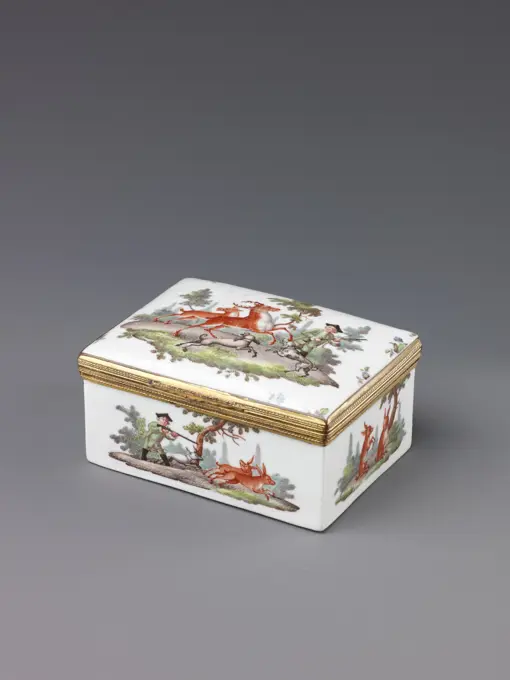
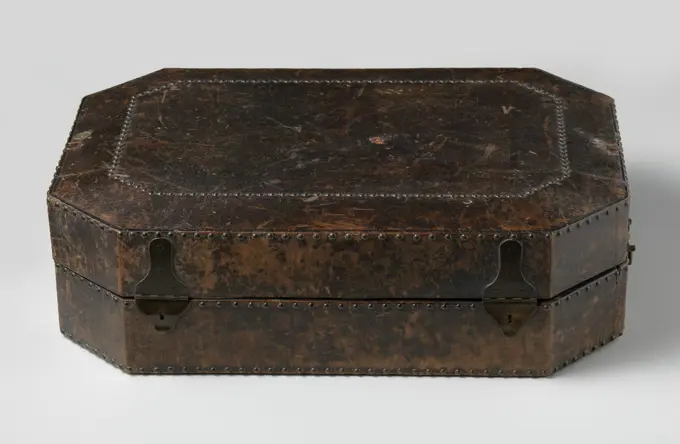
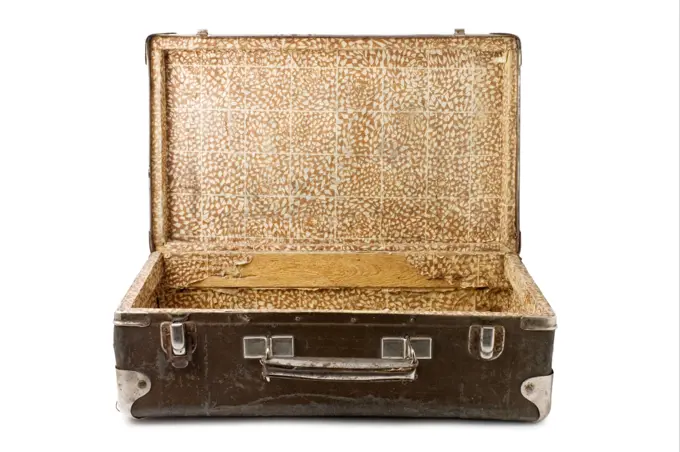
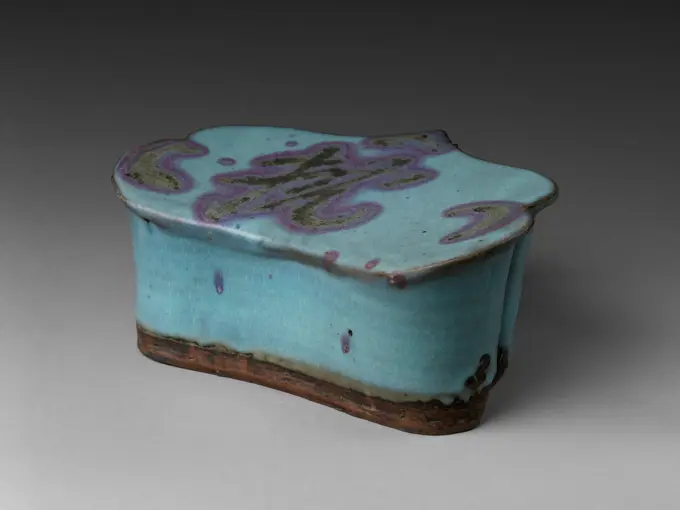
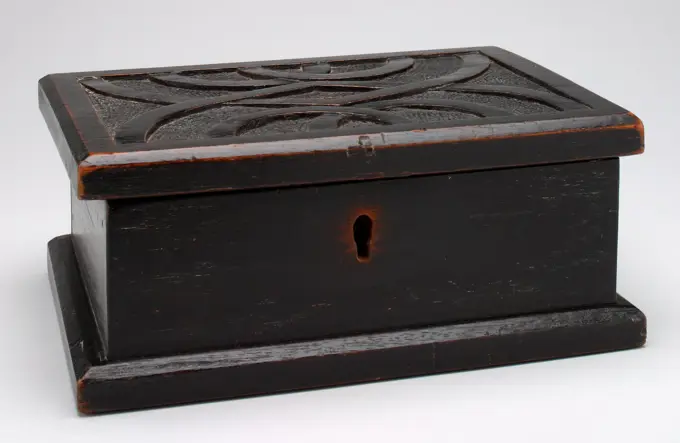
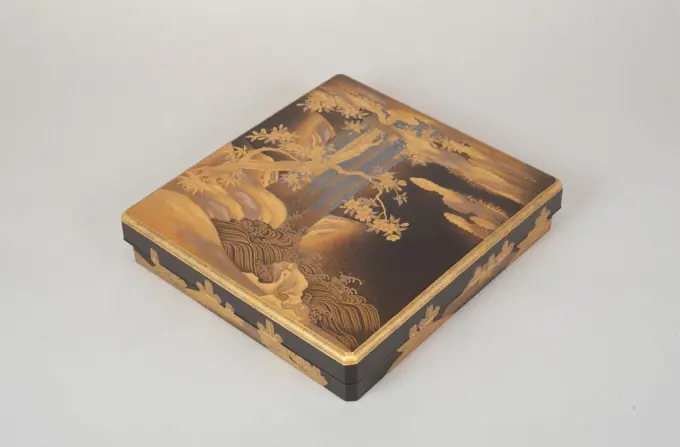
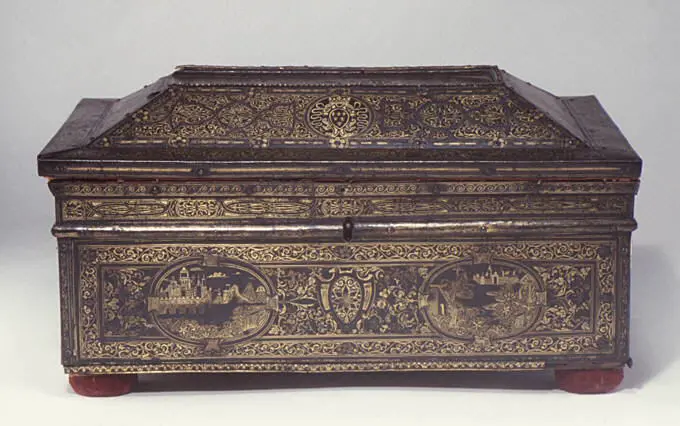
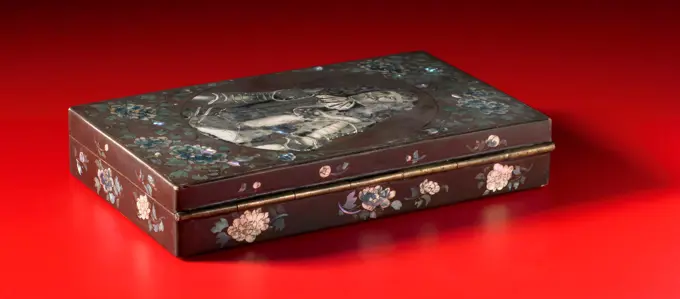
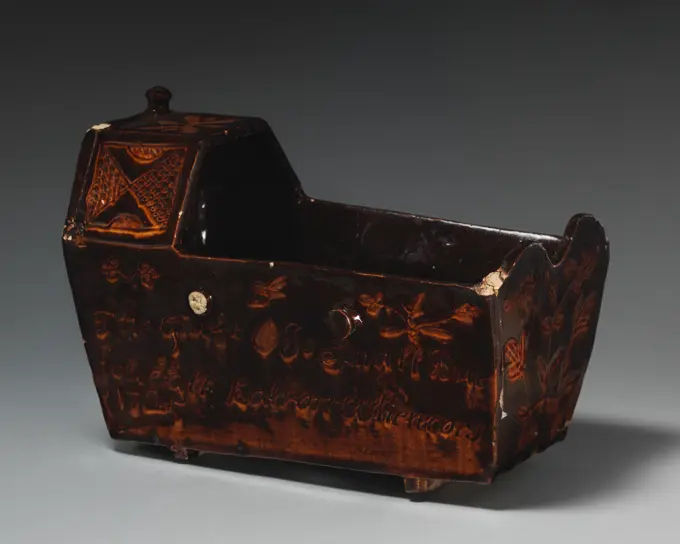
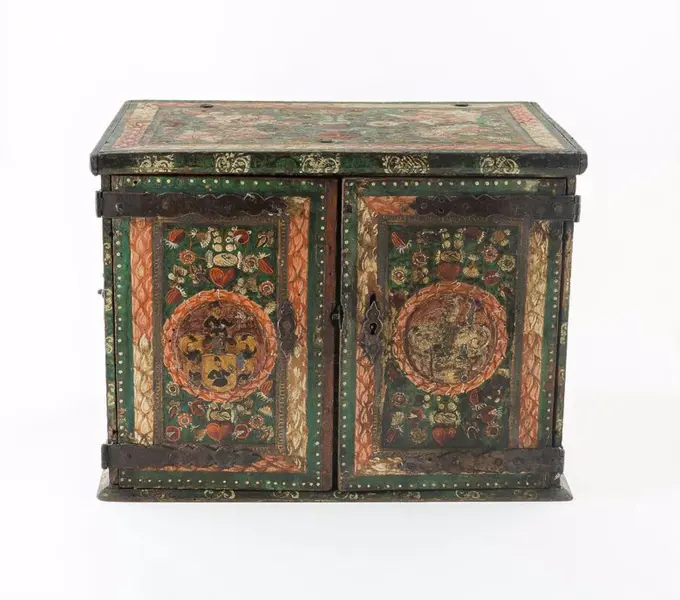
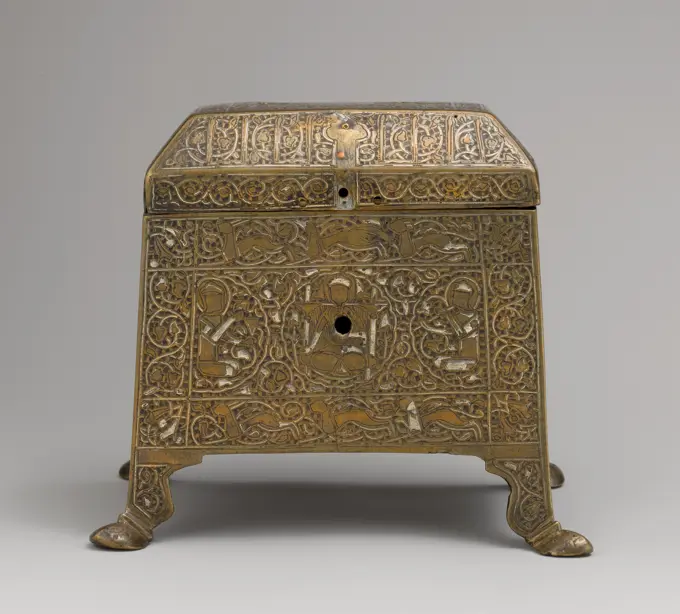
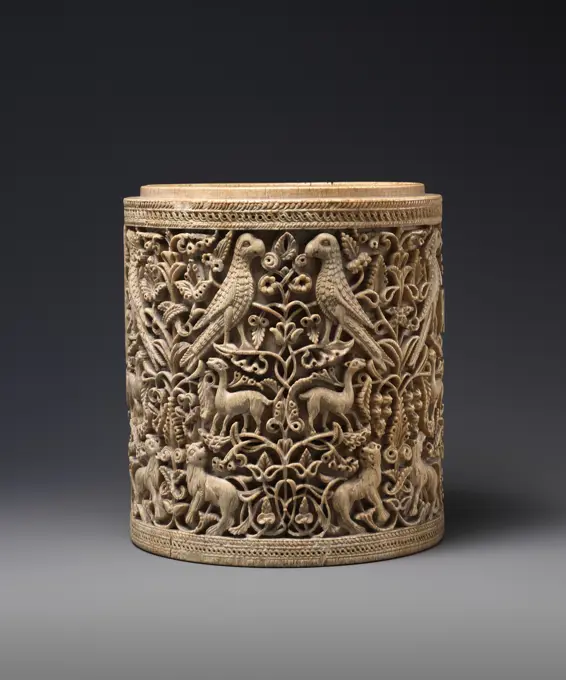
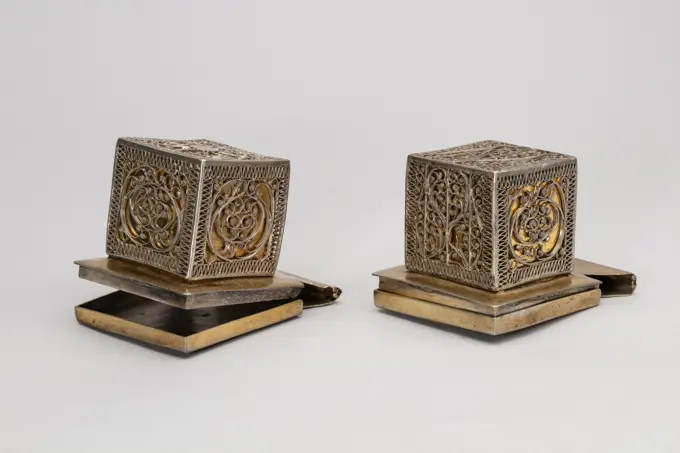
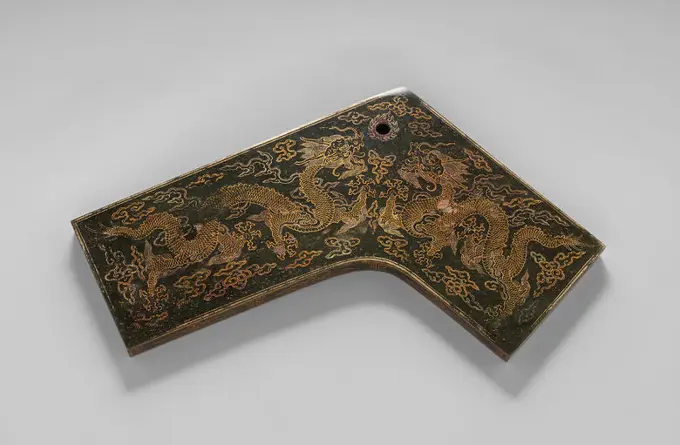
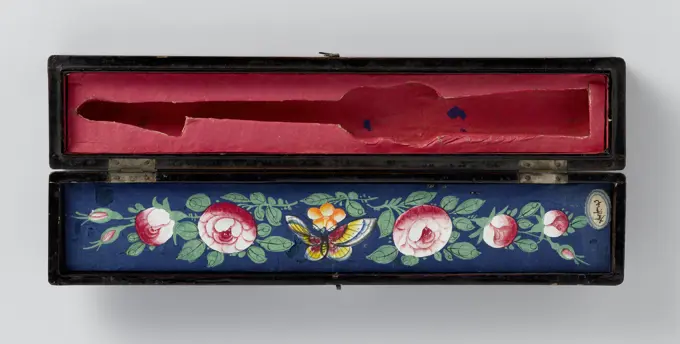
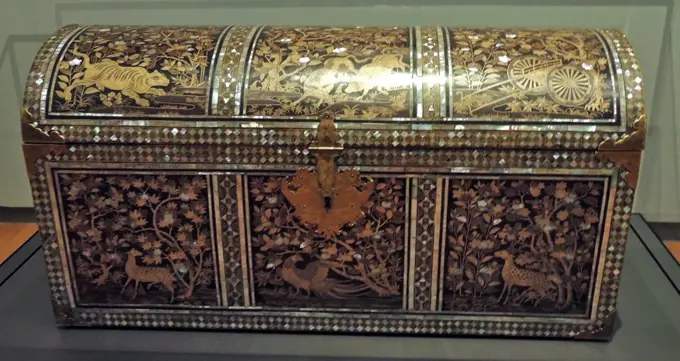
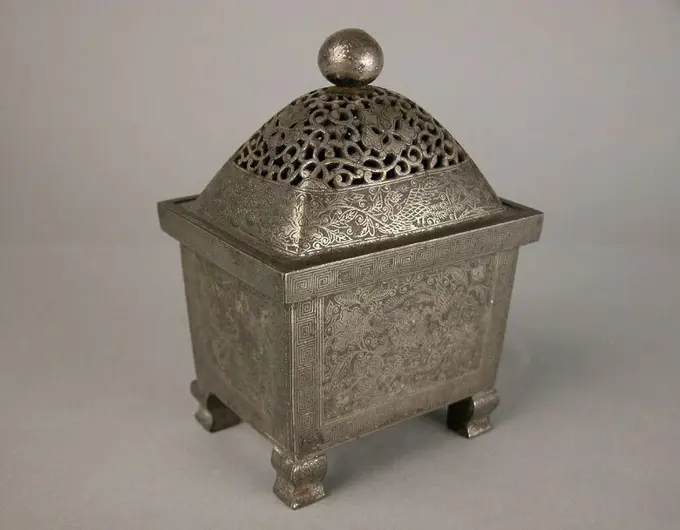
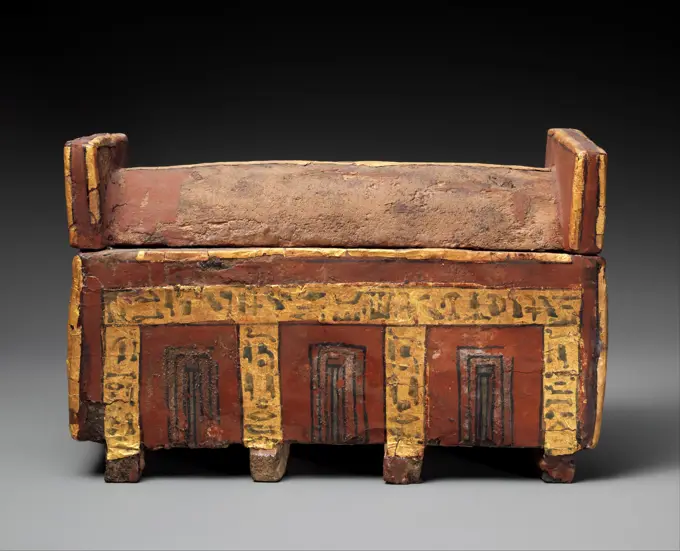
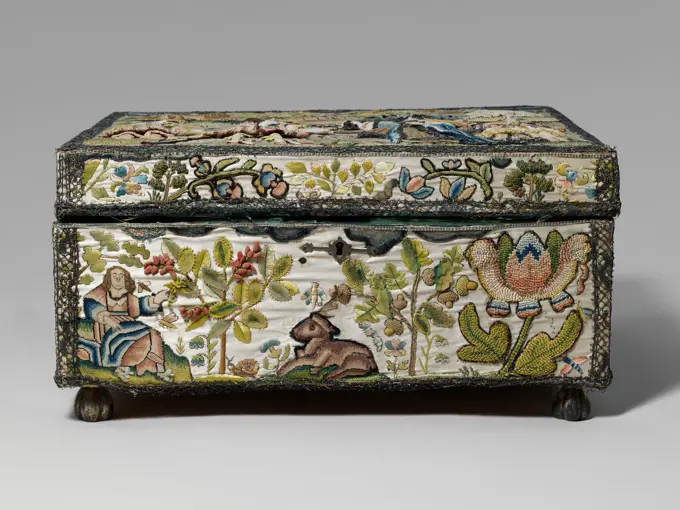
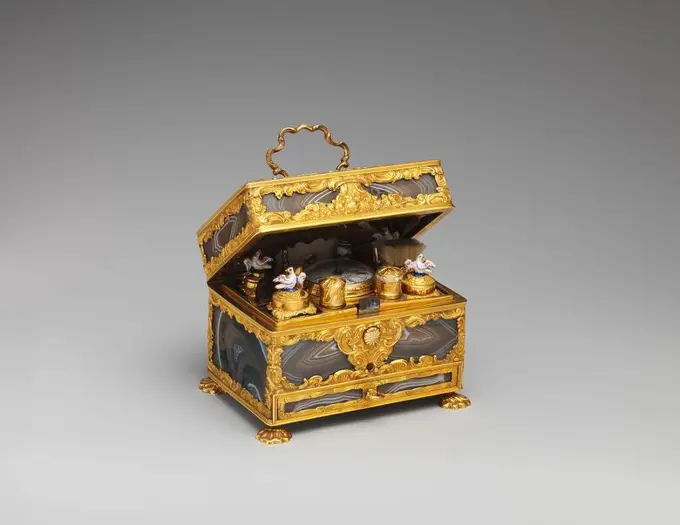
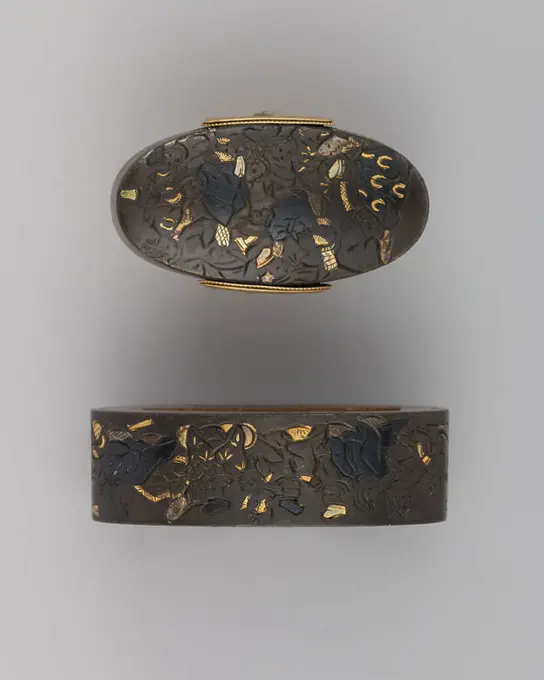
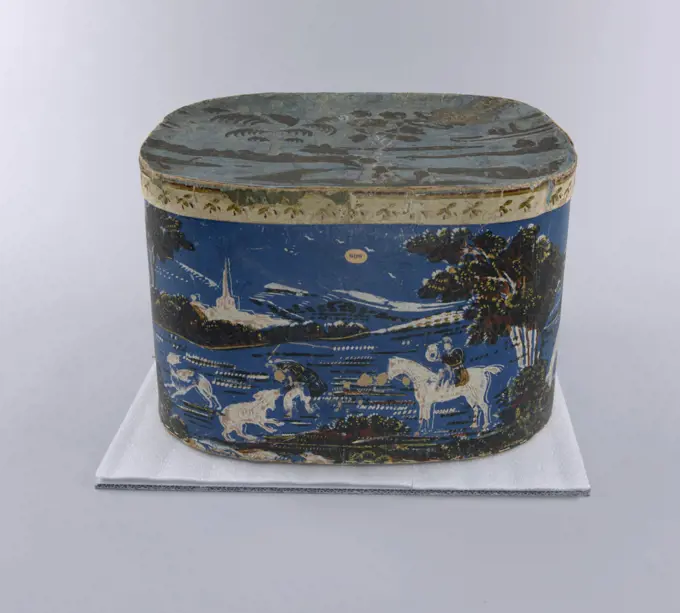
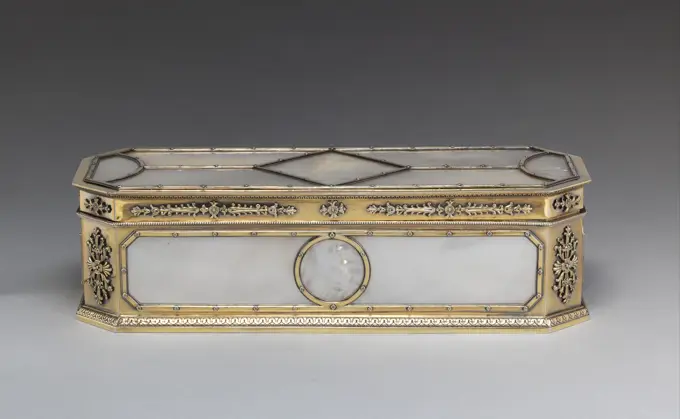
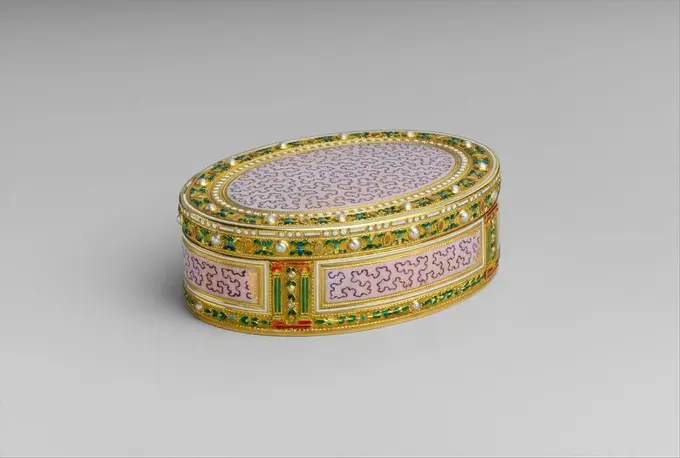
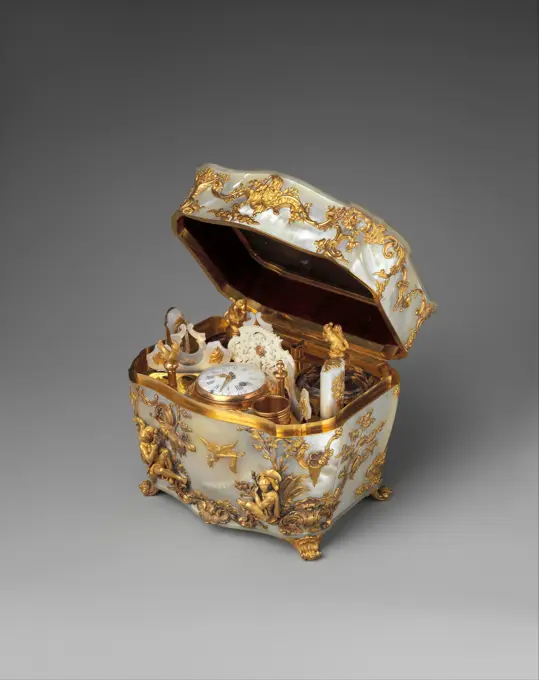
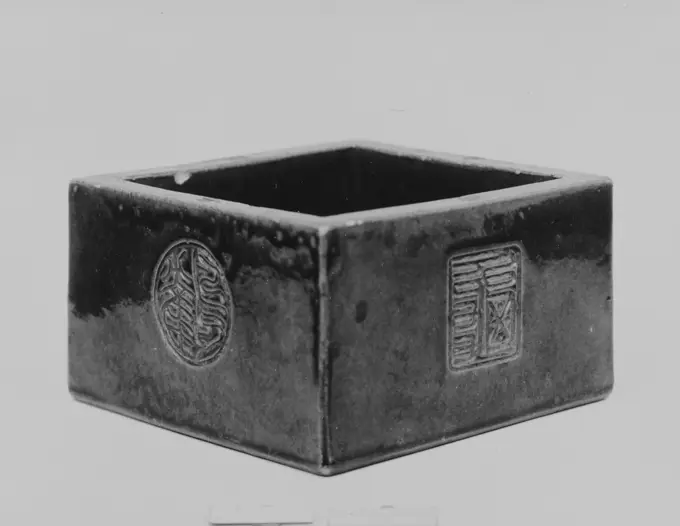
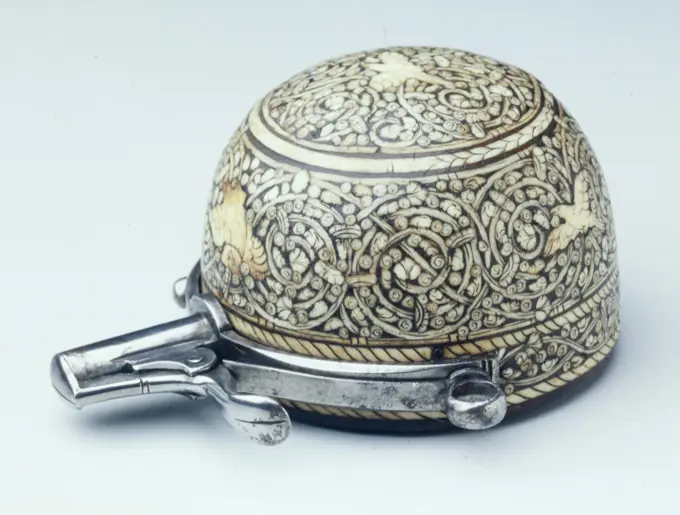
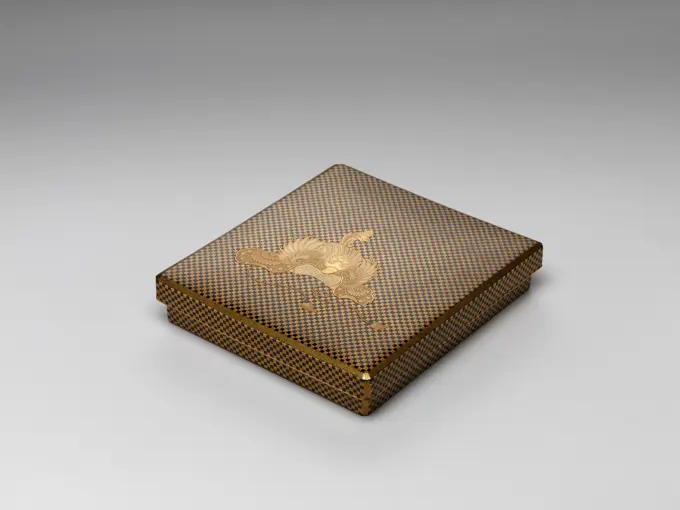
Betel box, anonymous, c. 1750  Sirihkist glued with brown colored ivory. Four claw paws. On the corners, hinges, lock plate, at the handles and in the middle of the lid: silver battle. The inside of the box is divided into pockets with silver sub -bulkheads. There are 3 different containers and a limestone. The lime striker ends in the form of a fist. The coffin includes a key with the handle in the form of 2 dragon heads. Sri Lanka wood (plant material). ivory. silver (metal) gluing flowers ~ ornament Sri LankaCoffer in Nanban (Southern Barbarian) Style. Culture: Japan. Dimensions: H. 8 7/8 in. (22.5 cm); W. 14 in. (35.6 cm); D. 7 1/2 in. (19.1 cm). Date: ca. 1600-30.This coffer belongs to a category of Japanese goods known as namban (literally, southern barbarians) that were produced in the late sixteenth and early seventeenth century for trade with Portugal and other European countries. The shape derives from European chests, while the decoration illustrates an awareness of Indian designs transmitted via such trade goods as lacquers and textiles. Museum: Metropolitan Museum of Art, New York, USA.Spice box with the weapons of Frans Meerman and Maria Ysbrandtsdr. De Bije, Jan Gerritsz Oosterlingh (attributed to), 1616  Rectangular drum with stepped lower and upper edge. Drum rest on four spherical legs. A wide engraved strap with flower vines runs along the lid edge; Within here are, on either side of the handle, the weapons of Frans Meerman and Maria Ysbrandtsdr. The Bije. Marked and dated. The Hague silver (metal) casting / engraving foliage, tendrils, branches ~ ornament. fruitsCassenger for needlework;  XIX W (1801-00-00-1900-00-00);Suitcase on pedestal, decorated in black with flowers of gold and mother -of -pearl, c. 1700 - c. 1800 Suitcase on pedestal, decorated in black with flowers of gold and mother -of -pearl. With copper key. Japan copper (metal). mother of pearl. paint (coating). lacquer (coating) lacquering Suitcase on pedestal, decorated in black with flowers of gold and mother -of -pearl. With copper key. Japan copper (metal). mother of pearl. paint (coating). lacquer (coating) lacqueringDocument Box (Ryshibako) with Hydrangeas and Butterflies early 18th century Nagata Yji Japanese The Kyoto-based lacquer master Nagata Yji admired the fresh decorative designs and lacquer compositions of Ogata Krin (1658-1716). Too young to have been a disciple of Krin’s, Nagata studied the master’s work and adopted the Rinpa style. He signed his works Seiseishi, meaning “follower of Seisei,” one of the artist names used by Krin. In his later years, Nagata moved to Edo and became a tea master.. Document Box (Ryshibako) with Hydrangeas and Butterflies. Nagata Yji (Japanese, active 1711-36). Japan. early 18th century. Lacquered wood with gold takamaki-e and hiramaki-e, and mother-of-pearl and pewter inlay. Edo period (1615-1868). LacquerBox for Accessories (Sumiaka-tebako) with Chrysanthemums and Autumn Grasses late 16th century Japan In the Momoyama period, a new style of lacquer decoration, named after the Kōdaiji Temple, developed in Kyoto to cater to the flamboyant taste of the warlord Toyotomi Hideyoshi. The corners of this rectangular box are covered in red lacquer, under which a thick layer of hemppart of the foundationis visible. The decoration of chrysanthemums and autumn grasses is executed in flat, gold hiramaki-e, whose fine lines create a striking contrast with the black-lacquer background. Lacquers made for the European market around the same time are embellished in a similar style and technique.. Box for Accessories (Sumiaka-tebako) with Chrysanthemums and Autumn Grasses 52990Snuff box of gold, rectangular, decorated with animals and tendrils in translucid émail. Rectangular golden snuff box, with animals and towers in translucid email on a golden fond engraved with diamond pattern.Coffin with key, lined with leather, golden painted. .Trunk. Culture: French. Dimensions: Overall: 33 3/4 × 38 1/2 × 23 in. (85.7 × 97.8 × 58.4 cm). Date: second quarter 18th century.The shield for women unmarried or widowed is lozenge shaped. Museum: Metropolitan Museum of Art, New York, USA.Box. American; Eastern Massachusetts. Date: 1650-1700. Dimensions: 24.8 × 63.5 × 45.7 cm (9 3/4 × 25 × 18 in.). Red oak and white pine. Origin: Eastern Massachusetts. Museum: The Chicago Art Institute, Chicago, USA.Box for Accessories (Tebako) with Chrysanthemum Boy (Kikujid) Pattern early 17th century Japan Stylized, single-layered chrysanthemum blossoms, rendered in perfect circles using a burnished maki-e technique, recall earlier Kamakura-period (1185-1333) lacquers. The bamboo ladle, flowers, and river depicted on the lid refer to Chrysanthemum Boy (Kikujid), the Noh play based on a story from ancient China. In it, an emissary of the emperor in search of a source of healing waters encounters a young boy. Having been banished from court centuries before, the youth had continued to diligently copy a couplet from the Lotus Sutra, one of the most important scriptures of Buddhism, on chrysanthemum leaves. Unaware of the lapsed time and having drunk from the stream where dew drops from the chrysanthemums had fallen, he was freed from aging and illness. In the play, the miraculous water is offered to the emperor for a distinguished and long life.. Box for Accessories (Tebako) with Chrysanthemum BCosmetics Box with Chrysanthemums, early 1300s. Japan, Kamakura period (1185-1333). Lacquer on wood; overall: 17.6 x 29 x 22.8 cm (6 15/16 x 11 7/16 x 9 in.). In China, the chrysanthemum was historically appreciated for its association with the Double Nine Festival and the reclusive life of the poet Tao Yuanming (AD 365-427). In Japan, the 16-petaled chrysanthemum came to symbolize the Japanese imperial family after Emperor Gotoba (1180-1239) chose the motif as his personal emblem, having it applied to his sword and everyday utensils. This box proves that the flower also appeared on lacquer wares as early as the Kamakura period.Musical box ca. 1820 Swiss, Geneva When wound up, the bird turns and flutters its wings while music plays. These "singing bird" boxes were especially popular in the East.. Musical box 191140Writing Cassette van Satijnhout, inlaid with ivory and fittings of silver, anonymous, 1795 - 1805 Writing cassette, rectangular, with slanted flap of satin wood, glued with ivory, batter of silver. Behind the valve there is an interior with twice three drawers, separated by an open, three arches closed above a single drawer. Under the valve two adjacent drawers above a single, over the entire width. All fields have engraved edges with flower vines. Final plates of silver, tractors and handles on the sides. Back not glued with ivory. South India, Vizagapatam, approx. 1800. Vizagapatnam Slot plate, tractors and handles: Satinwood (Wood). Ivory. Silver (Metal) Writing cassette, rectangular, with slanted flap of satin wood, glued with ivory, batter of silver. Behind the valve there is an interior with twice three drawers, separated by an open, three arches closed above a single drawer. Under the valve two adjacent drawers above a single, over the entire width. All fields have engraved edgeChest (USA); leather-covered wood, iron lock, brass tacks, fabric, paper.Anonymous / 'Case for the octagonal coffer with engraving and cameos'. 1650 - 1711. Leather, Wood, Metal, Cloth. Museum: Museo del Prado, Madrid, España.Ink set. Stoneware ink set. The bin is decorated with relief ornament, blue on gray. With a sandpot, the inkwell is missing.Wig cabinet (cabinet de coiffure) ca. 1685 Johann Daniel Sommer II German This wig cabinet is one of the most elaborate examples of its kind, a work of great refinement and supreme craftsmanship.1 The exterior is decorated with extremely fine boulle marquetry, which retains many of the original engraved details.2 Furthermore, it is an early example of the migration of this type of metal-and-tortoiseshell (or horn) marquetry and the High Baroque style in French furniture to the German-speaking cultural areas (see the catalogue entries for acc. nos. 1986.38.1, 1986.365.3). It is obvious that the creator of this cabinet, Johann Daniel Sommer II, occupies a key position in the history of European furniture-making. Unfortunately, the most important facts about his career remain obscure. He was born in 1643 into a dynasty of craftsmen. His grandfather was a carpenter, and his father, Eberhardt Sommer (1610-1677), worked as a carpenter, master builder, and gunmaker in the Franconian town Box (one of a pair) (part of a set). Culture: British, London. Dimensions: Overall (confirmed): 3 x 7 1/2 x 6 5/8 in. (7.6 x 19.1 x 16.8 cm). Maker: John Parker (British, active 1759-77); Edward Wakelin (British, active before 1748, died 1784). Date: 1766/67.These boxes were part of a toilet service sold by the leading London retailers Parker and Wakelin to John Heathcote, who, a few years earlier, had married the heiress Lydia Moyer. Parker and Wakelin's accounts for the sale show that the service included eight such boxes, a pair of candlesticks, two "essence pots," a looking glass, a "jewells trunk," and a pair of octagonal pierced trays. The cost for gilding the service was more than £56--roughly equal to the annual wage of a successful artisan--and the entire bill came to more than £300. There was a further charge of £6 6s for a "red morocco leather case with a drawer & 2 cushions.". Museum: Metropolitan Museum of Art, New York, USA.Jewelery box of iron, decorated with medallions and spankplec. A forged iron box on four spherical legs. All sides are polished and etched, decorated with medallions with a men's and a women's portrait in the midst of spinners in lists with arabic. On the front, top and back two medallions, a medallion on the two short sides. The edges are also decorated with arabesque. On top of an elongated, C-shaped handle with a small nodus in the middle. This is a separate band that can be shifted, including the keyhole.¡CONSULTAR DISPONIBILIDAD! - CAJA DE MARFIL-CERRADA-. Location: PRIVATE COLLECTION. MADRID. SPAIN.Bandbox, Engine Company No. 13; Made by H. Barnes (USA); USA; block printed on handmade paper, pasteboard supportChest, 1777, Ivar Kvalen (Quallen), Norwegian (Gudbrandsdal), Norwegian (dates unknown), 33 x 69 1/4 x 28 3/8 in. (83.8 x 175.9 x 72.1 cm), Painted wood, iron, Norway, 18th century, This chest was made to commemorate the marriage of the artists daughter Sirid to Ola Iverson Lo. Ornate feather-like patterns frame each of Sirids initials, SIDQ—for Sirid Ivars Datter Quallen (Kvalen)—and the date, 1777. A dowry chest such as this would have been filled with clothing, linens, and valuables. In 1858, Sirids descendants brought the chest with them when they emigrated from Norway to Wisconsin.Cosmetic Cabinet, 16th century, 12 1/8 x 13 3/8 x 9 1/2 in. (30.8 x 33.97 x 24.13 cm), Carved red lacquer on a softwood frame, China, 16th century, An engraved and gilded mark on the base of this tabletop cosmetic cabinet tells us that it is a product of the official workshops of the Jiajing era of the Ming dynasty, dating it to the mid-1500s. This box presents a richly orchestrated scheme of symbolic plants and animals. The cartouches on the top and sides display the auspicious phoenix and cranes amongst clouds. Symbols of long life appear as wellthe shou (longevity) character, lingzhi fungus, and peachesas do the 'three friends of winter' (pine, bamboo, plum tree), which represent perseverance and virtue.Knottekist. Rectangular knot bag made of partially gold-plated silver. The walls are engraved with representations derived from the Old Testament: Adam and Eva; Jacob and Rachel; Rebecca and eliezer. The coffin is on four ball legs.Snuffbox with Hunting Scenes mid-late 18th century Andreas Philipp Oettner German. Snuffbox with Hunting Scenes 461201Octagonal box on four legs. unknown, craftsmanKasetkaCase for an eighteen-part coffee and tea set by Meissen Porcelain, Anonymous, 1731 Rectangular case of leather -covered wood. The case has beveled corners. In the case, an eighteen-part coffee and tea set becomes. Germany wood (plant material). leather Rectangular case of leather -covered wood. The case has beveled corners. In the case, an eighteen-part coffee and tea set becomes. Germany wood (plant material). leatherBox, c. 1768-1769. France, 18th century. Gold and enamel; overall: 4.5 x 5.9 cm (1 3/4 x 2 5/16 in.).CORDOBAN PERUANO. Location: Museo Municipal. CORDOBA. SPANIEN.Bücher Open books displaying Dostoevsky s texts, arranged to showcase the depth and complexity of his literary works. LicenseRF Copyright: xZoonar.com/NAILIAxSCHWARZx 23264436Chest. unknown, creatorBox with lid. Culture: Japan. Dimensions: 3 1/4 x 6 1/4 x 5 1/2 in. (8.3 x 15.9 x 14 cm). Date: 19th century.This covered box, part of a wedding trousseau, comprised of thirty-one pieces, represents late Edo-period maki-e (decoration in gold and/or silver sprinkled powder) art at its finest. The Shimazu family, lords of Satsuma in Kyushu, ordered this traditional trousseau most likely for Taka-hime, who was married to Matsudaira Sadakazu, lord of Kuwana (Ise Province), around 1830.The items of the wedding set are decorated with various auspicious motifs. The evergreen pine represents longevity and also symbolizes renewal. The fast-growing, springy, but at the same time very strong and enduring bamboo also stands for longevity and represents endurance and strength. The plum blossoms are the first flowers of spring, representing the renewal of nature. The combination of the "Three Friends of Winter"--originating from China--is associated with celebration, and considered to be an auspicold suitcase isolated on white backgroundPillow with Character Reading Zhen (Pillow) 12th-13th century China. Pillow with Character Reading Zhen (Pillow). China. 12th-13th century. Stoneware with splashed glaze (Jun ware). Jin (1115-1234)-Yuan (1271-1368) dynasty. CeramicsShadow Box with Miniature of Saint Ursula. England. Date: 1675-1725. Dimensions: 36 × 28.1 × 5.4 cm (14 3/16 × 11 1/16 × 2 1/8 in.). Rolled paperwork, colored and gilded; velvet; and wood frame. Origin: England. Museum: The Chicago Art Institute, Chicago, USA.Collar with sliced decoration, anonymous, c. 1400 - c. 1950 Collige of oak, with sliced decoration. Coming from a building on the Herengracht at Drie Koningenstraat no. 187 in Amsterdam. Netherlands oak (wood) Collige of oak, with sliced decoration. Coming from a building on the Herengracht at Drie Koningenstraat no. 187 in Amsterdam. Netherlands oak (wood)Chest still bank, early 20th century, 3 1/2 x 8 1/4 x 6 in. (8.89 x 20.96 x 15.24 cm), Wood, metal, pigment, United States (probably), 20th centuryPen Box 13th century Muslim metalworkers produced large numbers of pen boxes, many of which were richly decorated with inlays of gold, silver, and copper. A typical medieval Islamic calligrapher's pen box is an elongated rectangular object with rounded corners, about ten inches long, three inches wide, and two inches tall. In its simple construction, it is composed of a main body and a lid with two hinges along one of the long sides and a clasp on the opposite side. The interior includes a receptacle to hold the inkwell in one corner while the remaining space is reserved for a variety of reed pens and penknives. The present pen box shows a typical overall silver-inlaid decoration combining calligraphic, vegetal, and figural designs both on the exterior and the interior surfaces. It is, however, unique in that the main field on the lid is occupied by three roundels depicting the Moon flanked by the planets Jupiter and Venus in the zodiacal signs of Pisces and Libra, respectively. The boWriting Box with Design of a Cherry Tree and Waterfall 19th century Japan This scene of a cherry tree in full bloom bending over a mountain stream is one that invariably recalls the long-celebrated beauty of the mountains of Yoshino, south of Nara in springtime. Writing Box with Design of a Cherry Tree and Waterfall. Japan. 19th century. Gold and silver maki-e on black lacquer. Edo period (1615-1868). LacquerHexagonal Covered Box, 20th century, 2-1/4 x 1-11/16 x 2 in. (5.7 x 4.3 x 5.1 cm), Cloisonné, China, 20th centuryCasket 1545-47 Italian, probably Milan. Casket 201902Box, early 1800s. Switzerland, early 19th century. Gold and enamel; overall: 2.3 x 3.5 cm (7/8 x 1 3/8 in.).Box of carel rabenhaupt.Rechthangle box of copper, covered with black lacquer and inlaid with pearly chrysanthemums and other flowers. On the lid in an oval the portrait of a man (Carel Rabenhaupt) hip three-quarters to the left. Long curly hair, harness and jabot. On the inside of the lid the signature of rhabenhaupt in gold.Cradle 18th century British, Staffordshire. Cradle. British, Staffordshire. 18th century. Slipware. Ceramics-PotterySavings Bank' still bank, c. 1880, 3 1/8 x 3 3/16 x 2 1/2 in. (7.94 x 8.1 x 6.35 cm), Tin, pigment, United States, 19th centuryMarriage Chest. Bavaria, Germany. Date: 1700-1750. Dimensions: 26.5 x 35.9 x 24.5 cm (10 7/16 x 14 1/8 x 9 5/8 in.). Wood, painted and gilded; metal mounts. Origin: Germany. Museum: The Chicago Art Institute, Chicago, USA.Pillow with Mandarin Duck: Cizhou Ware, 12th-13th Century. China, Jin dynasty (1115-1234). Earthenware, incised and slip-coated with three color glaze; overall: 12.7 x 39.5 cm (5 x 15 9/16 in.).Oribe Type Box withLidPainting on antique wooden letter box, Jodhpur, Rajasthan, India Copyright: xSafatxAli/DinodiaxPhotoxOctagonal incense box 17th century Japan (Ryūkyū Islands). Octagonal incense box 40532Pair of Corner Cupboards.Ink well with blue dots, anonymous, c. 1750 - c. 1799 Inktpot of stoneware with a cylindrical body, flared edge to place in the holder and low, raised neck. On the edge a band with blue dots in cobalt blue. Westerwald. Westerwald stoneware. glaze. cobalt (mineral) vitrification Inktpot of stoneware with a cylindrical body, flared edge to place in the holder and low, raised neck. On the edge a band with blue dots in cobalt blue. Westerwald. Westerwald stoneware. glaze. cobalt (mineral) vitrificationInkstand 1697-98 Daniel Garnier. Inkstand 204963Casket with Figural Imagery mid-13th century The walls of this casket bear seated figures and musicians with coursing animals on the borders. Most of the silver inlay that once provided contrast to the forms has been lost, as craftsmen working in the mid-thirteenth century did not prepare metal sheets to receive precious metal, but simply incised outlines around the areas to be inlaid. The pseudo-calligraphy along the chamfered portion of the lid of this casket is purely decorative.. Casket with Figural Imagery. mid-13th century. Brass; worked metal sheet inlaid with silver. Attributed to Iran. MetalBox in Basket Shape 17th century Japan. Box in Basket Shape 60033Kist, anonymous, 1800 - 1900 Box with three drawers; The outside is decorated with dragons. Japan metal Box with three drawers; The outside is decorated with dragons. Japan metalWriting Box with Decoration of Foreigners ("Southern Barbarians'), c. 1600. Japan, Momoyama period (1573-1615). Lacquer on wood with designs in gold and silver lacquer and inlaid silver; overall: 23 x 20.2 cm (9 1/16 x 7 15/16 in.). For many Japanese patrons, objects decorated with images of foreigners offered the rare opportunity to see westerners. The two men on the left were likely Portuguese traders, identifiable by their balloon-shaped pants. The man on the right is a Jesuit priest. Portuguese traders arrived in Japan in 1543 and soon after Christian missionaries began to create outposts there. By the early 17th century, Christianity was outlawed and the Portuguese were forced out of Japan. This object was created during the short period when the Portuguese were allowed in Japan.Black-lacquered Box with Peony Blossom Design. Korea, Joseon dynasty (1392-1910), 18th century. Furnishings; Accessories. Black lacquer on wood core with gold painted decoration, mother-of-pearl inlay, and metal fittingsPyxis ca. 950-75 Spanish This exquisitely carved cylindrical box is believed to be one of the most accomplished works of a master from the palace of the Umayyad caliph Abd al-Rahman III (r. 912-61), who ruled most of the Iberian peninsula. To judge from other examples, the missing domed lid of this box likely had an inscription giving the owner’s name and the date. Islamic pyxides, known as ushnan in Arabic, were exclusively secular and were used to store jewelry and cosmetics. The incorporation of birds, lions, and gazelles amid richly carved vine scrolls is typical of dense symmetrical Islamic design, which, in turn, influenced the decoration of European Romanesque ivories and manuscripts. Listen to experts illuminate this artwork's story Listen Play or pause #135. Pyxis Supported by Bloomberg Philanthropies We're sorry, the transcript for this audio track is not available at this time. We are working to make it available as soon as possible.. Pyxis. Spanish. ca. 950-75. Elephant ivBasket Japan 17th-18th century View more. Basket. Japan. 17th-18th century. Ceramic with polychrome (Kyoyaki ware). Edo period (1615-1868). CeramicsPara tefilinChime (Qing) for Linzhong (8th note in the 12-note scale). Culture: China. Dimensions: H. 11 1/8 in. (28.3 cm); W. 19 3/4 in. (50.2 cm); D. 1 in. (2.5 cm). Date: dated 1716.The manufacture of sonorous stones for decoration or music from carved or cut jade may be traced to the end of the late Eastern Zhou period (ca. 771-221 B.C.) and followed in a tradition of L-shaped stone chimes known from about 1700 B.C. The great importance of sonorous substances such as wood and stone among the percussion instruments of East Asia stems from the religious belief that, through this vibrating matter, nature itself speaks to the human ear. Highly polished slabs were decorated with tiger, lion, or dragon motifs. Museum: Metropolitan Museum of Art, New York, USA.Cuirass late 18th-early 19th century Iranian Although the representation of figures is not strictly forbidden in the Qur'an, the avoidance of images as objects of devotion was apparent in Islamic practice almost from its inception. Turning away from the usual forms of sacred iconography, Islamic artists relied on the words of the Prophet Muḥammed to inspire and to give literal shape to their designs. As a result, calligraphy in Islamic lands developed into a fine art, becoming in the process the principal form of religious ornament, adorning objects both sacred and secular in nature.A wide variety of Qur'anic passages and pious invocations appear in the decoration of Islamic arms and armor. The holy phrases used in this way functioned as expressions of piety, as powerful defenses in the form of talismans, or simply as visually pleasing ornament. One of the inscriptions most frequently encountered on armor and weapons is a passage from the second sūra (section or chapter) of the Qur'an,Bandbox, Block-printed paper, pasteboard support, Blue field printed in pink, white and green. Varying figures set apart by trees; child riding a goat, girl standing alone; and doves at an altar., USA, ca. 1830, Wallcoverings, BandboxALTAR PORTATIL DE STAVELOT 1165 ESMALTADO. Location: MUSEOS REALES DE ARTE E HISTORIA. Brüssel. Belgien.Bandbox. Dated: c. 1939. Dimensions: overall: 31 x 41 cm (12 3/16 x 16 1/8 in.) Original IAD Object: 13" high; 20" long; 16" wide. Medium: watercolor, gouache, and graphite on paperboard. Museum: National Gallery of Art, Washington DC. Author: Gilbert Sackerman.Theeblad.Tea leaf made of teak with silver edges. From Sulawesi (Bone and Goa).Sardine box with tray, Silverplate with machine-stamped decoration, pressed glass, Rectangular sardine box comprising rectangular cut glass box (a) imitating cut crystal; stepped lid (b) with stamped decoration and knop in form of two crossed sardines; rectangular tray (c) having gallery with japanesque decoration, and four scrolling feet at the corners., England, ca. 1870, metalwork, Decorative Arts, Sardine box with trayFan box of lacquered wood lined with painted fabric and red paper, anonymous, 1840 - 1860 Fan box of lacquered wood lined with painted fabric and red paper (belonging to BK-1995-20-A). Model: elongated with hinged lid. Closure by means of hook and eye. Decoration: In the middle of the lid a scene with two figures, flanked on either side by a butterfly and flowers. Two bunches of grass blades on the front on the box. Central to the lid a multicolored butterfly in the midst of roses, on a blue stock. In the box a recess for the fan covered with red paper. On the left on the inside of the lid an oval sticky tick with the signature from Jin Zemao; Probably the fan painter. Canton, ca. 1840-1860. Canton whole: Wood (plant material). Exterior lid: Lacquer (coating). Inside lid: Textile Materials. Inside box: Paper. Hinge: Metal. Closure: Copper (Metal) cutting / lacquering / painting Fan box of lacquered wood lined with painted fabric and red paper (belonging to BK-1995-20-A). Model: elongatTrunk. Japan, c. 1575-1625, Nanban lacquer ware. The trunk is decorated with gold lacquer and inlaid mother-of-pearl. This type of lacquer ware is call Nanban. The Japanese used this word to refer to foreign traders in Japan - first the Portuguese and from 1609, also the Dutch. The shape of the trunk and its scenes follow European models. The mother-of-pearl bands imitate the metal mounts on a Western-style European chest.Incense Burner with Peacock and Peony. Culture: China. Dimensions: H. 4 7/8 in. (12.4 cm); L. 3 1/2 in. (8.9 cm); D. 2 3/4 in. (7 cm). Date: 15th-16th century. Museum: Metropolitan Museum of Art, New York, USA.Shabti coffin of Wahneferhotep ca. 1981-1640 B.C. Middle Kingdom. Shabti coffin of Wahneferhotep 544367Ceramic pillow, Northern Song Dynasty. Paris, Cernuschi museum. 74718-1 Chinese art, ceramic, northern song dynasty, pillowGaming Purse (Bourse de jeu). UnknownWood Mosaic Matchsafe; England; stained wood, sandpaper; 6 x 4.5 x 1.3 cm (2 3/8 x 1 3/4 x 1/2 in. )Brass design fitting on antique wooden letter holder box, Jodhpur, Rajasthan, India Copyright: xSafatxAli/DinodiaxPhotoxCigarette Case, c. 1850. Scotland, Edinburgh, second half 20th century. Gold, multi-colored agate;Bouwfragment, anonymous, 1500 - 1600 Fragment of an oak beam with a late-gothic profile. Northern Netherlands (possibly)Netherlands (possibly) wood (plant material). oak (wood) Fragment of an oak beam with a late-gothic profile. Northern Netherlands (possibly)Netherlands (possibly) wood (plant material). oak (wood)Reliquary casket. Culture: Italian, probably Venice. Dimensions: Overall: 41 × 31 × 33 in. (104.1 × 78.7 × 83.8 cm). Date: early 17th century. Museum: Metropolitan Museum of Art, New York, USA.Half of a bedspread, ivory -colored, stitched in shell motif, anonymous, c. 1750 Half of a bedspread of ivory seals, filled with an intermediate layer of (ruined) wool; Sticked with light sides wire in a shell motif in the middle and in the corners. Amsterdam (possibly) silk. wool napping Half of a bedspread of ivory seals, filled with an intermediate layer of (ruined) wool; Sticked with light sides wire in a shell motif in the middle and in the corners. Amsterdam (possibly) silk. wool nappingAltar Lessenaar, Nicolaas van Diemen (attributed to), 1760 The driven reader has a high rear and a low front with an elevated edge, on which an oak, on the Boevn side with red velvet lined plate. He rests on four screw -up, cast legs in the shape a hairy bird claw that includes a half -bulb, with a printed nodus decorated with hair at the top. The walls are made up of large-scale, openwork rocaille ornaments and foam heads. Central to the front wall there is a slightly burned, by two two standing C-Voluten surrounded shield, with the imposed, cast, letters composed of Voluten IHS (the abbreviation of the name Jesus in Greek) under a cross with three nails below it (Arma Christi). Centrally in the rear wall is a similar, wider shield, in which the H. Catharina is driven to half. Two fruit garlands hang off the back wall. The corner supports above the legs are formed in high relief as an angel and an eagle at the front, and a lion and an ox at the rear, the symbols of the four evangelistCabinet still bank, c. 1890, 6 1/2 x 5 3/8 x 4 1/2 in. (16.51 x 13.65 x 11.43 cm), Wood, metal, pigment, paper, United States, 19th centuryCasket with scenes from the Story of Solomon and the Queen of Sheba 1670s British This casket, the largest in the Metropolitan Museums collection of embroidered boxes, contains a multitude of objects, from glass bottles, which were typically fitted into boxes of the period, to a large array of sewing implements and materials, including 25 paper thread winders made from folded playing cards, several ivory thread winders, a bodkin, three ivory embroidery tools, a spool of gold filé thread, a silk tassel, several loose skeins of silk thread, a silk needle case, and a piece of detached buttonhole stitch fabric. Some of the objects clearly do not match the caskets seventeenth-century date. Thread, both dyed silk and metal varieties, was purchased by weight, and the number of objects devoted to the organization of threads speaks to the value of this material. Decorated boxes intended to store sewing implements, among other things, were known on the Continent as well as in England; several Nécessaire. Culture: British, London. Dimensions: Overall: 3 1/4 × 4 1/4 × 3 1/8 in. (8.3 × 10.8 × 7.9 cm). Maker: Watchmaker: Joseph Martineau Sr. (active 1744-70). Date: mid-18th century.This nécessaire, fitted with a drawer below, contains a variety of toilet, sewing, and writing implements as well as a watch. It was part of the collection of English goldsmith work belonging to Admiral Frederic Harris, a noted philatelist and engineer known for his design of floating dry docks. Museum: Metropolitan Museum of Art, New York, USA.Musical clock stand, Molded and chased gilt bronze, formed of a series of S-curves in ormolu, surrounding a grille on the top with curvy scroll decoration, the front and back of different scroll forms, the front with central asymmetrical shell, Paris, France, 1745-49, metalwork, Decorative Arts, Musical clock standSword-Hilt Collar and Pommel (Fuchigashira). Culture: Japanese. Dimensions: Kashira (a); H. 1 5/16 in. (3.3 cm); Wt. 0.5 oz. (14.2 g); fuchi (b); H. 1 1/2 in. (3.8 cm); Wt. 0.8 oz. (22.7 g). Date: 18th century. Museum: Metropolitan Museum of Art, New York, USA.TablechestBox of Architectural Instruments, 1753. Pre. Le Maire (French). box: 10.2 x 45.1 x 22.9 cm (4 x 17 3/4 x 9 in.).Port of Buffalo on Lake Erie, Block-printed on handmade paper, pasteboard support, Hunting scene with men, horses and dogs, on bottom sides. On lid, terrace overlooking a river, on which is a steamboat. The lid is the Port of Buffalo. Printed in dark green, yellow and white on dark blue field., USA, ca. 1830, Wallcoverings, Bandbox and lid, Bandbox and lidRectangular box 1887-1911 André Aucoc A member of a Parisian family of gold- and silversmiths, André Aucoc often worked in an eighteenth-century style and also dealt in antique silver. These boxes are part of a dressing-table set that also comprises a mirror and stand, a pair of candelabra, two glove trays, and two pincushions.. Rectangular box. French (Paris). 1887-1911. Silver gilt, mother-of-pearl. Metalwork-SilverDower Chest 1786 American. Dower Chest. American. 1786. Poplar. Made in Lebanon County, Pennsylvania, United StatesSnuffbox. Culture: French, Paris. Dimensions: 3 1/4 x 2 7/16 in. (8.3 x 6.2cm). Maker: Georges-Antoine Croze (master 1777, active 1790). Date: 1781.In eighteenth-century Europe, Paris led the production of high-quality luxury goods. Parisian goldsmiths made a wide range of small, personal articles such as snuffboxes; étuis to hold sealing wax, tweezers, or utensils for sewing; souvenirs, which contained thin ivory tablets for note taking; and shuttles for knotting lace. Gold snuffboxes and boxes decorated with portrait miniatures were prized and frequently given as royal gifts, often to ambassadors or members of the court in lieu of cash payments for their services. Coveted and admired, these boxes were produced from a variety of materials. The best were skillfully made of gold and embellished with diamonds, enameled decoration, lacquer, and other luxurious materials. By the middle of the century, the taking of snuff had become an entrenched social ritual, and the snuffbox, too, had bNécessaire with watch probably ca. 1745-50 German Fitted with sewing and writing implements as well as a watch, this unmarked nécessaire shows delightful chinoiserie decoration in the Rococo style, echoing the work of the influential Munich designer François Cuvilliés (1695-1768).. Nécessaire with watch. German. probably ca. 1745-50. Casket: gold and mother-of-pearl, lined with dark-red velvet; Watch: brass and partly blued steel. Metalwork-Gold and PlatinumDish 1850 Kikko Japanese. Dish. Kikko (Japanese,). Japan. 1850. Faience covered with glaze and decorated with incised medallions (Raku ware). Edo period (1615-1868). CeramicsSnuff Box, 1780-1800. After François Boucher (French, 1703-1770). Gold or gilt metal mounts; cover with Vernis Martin style decoration; sides and bottom enamel over gilt engine turned design; interior lined in tortoiseshell; overall: 2.6 x 10.5 cm (1 x 4 1/8 in.).Powder flask, c. 1585, 4 x 3 3/4 x 2 1/8 in. (10.2 x 9.5 x 5.4 cm), Steel, wood, horn, bone, Germany (Saxony), 16th centuryBox for Square Calligraphy Paper (shikishi-bako) with a Bugaku Helmet on Checkered Ground 18th century Japan. Box for Square Calligraphy Paper (shikishi-bako) with a Bugaku Helmet on Checkered Ground 45450