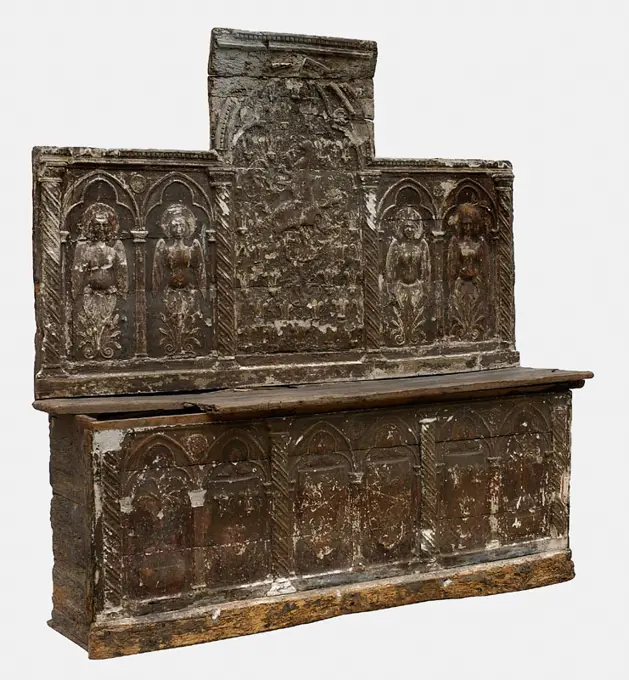
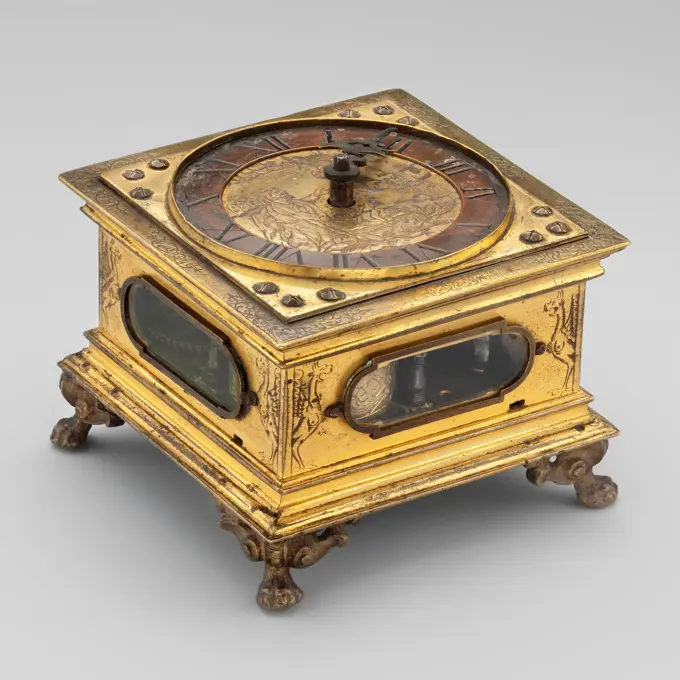
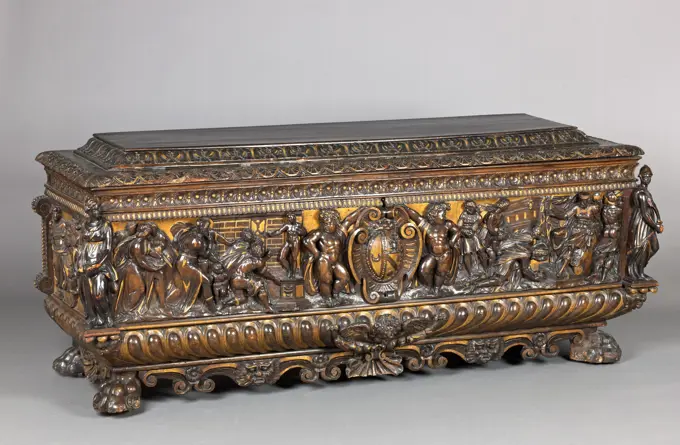
Decorative Storage Boxes

Various ornate boxes and coffers, crafted from wood, ivory, and metal, showcasing intricate designs and cultural influences.

Suitcase on pedestal, decorated in black with flowers of gold and mother -of -pearl, c. 1700 - c. 1800 Suitcase on pedestal, decorated in black with flowers of gold and mother -of -pearl. With copper key. Japan copper (metal). mother of pearl. paint (coating). lacquer (coating) lacquering Suitcase on pedestal, decorated in black with flowers of gold and mother -of -pearl. With copper key. Japan copper (metal). mother of pearl. paint (coating). lacquer (coating) lacquering
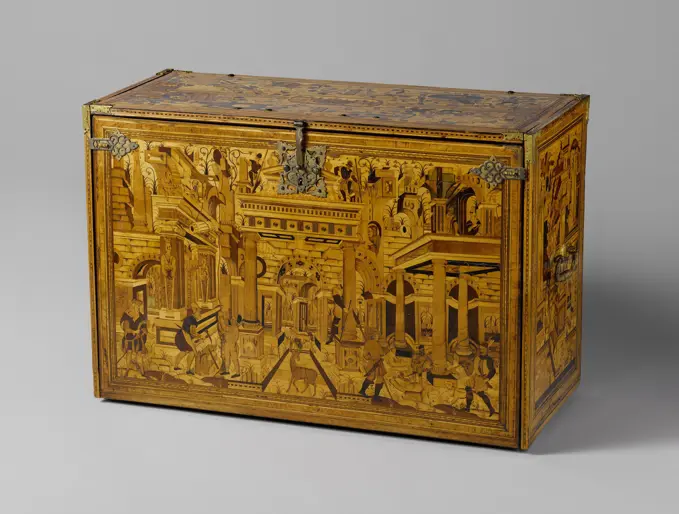
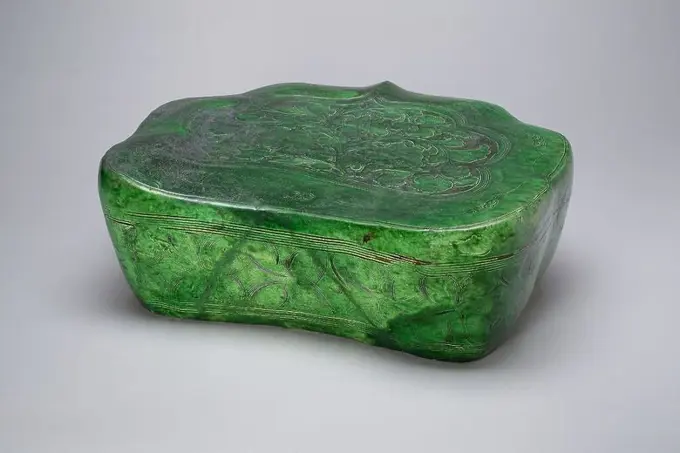
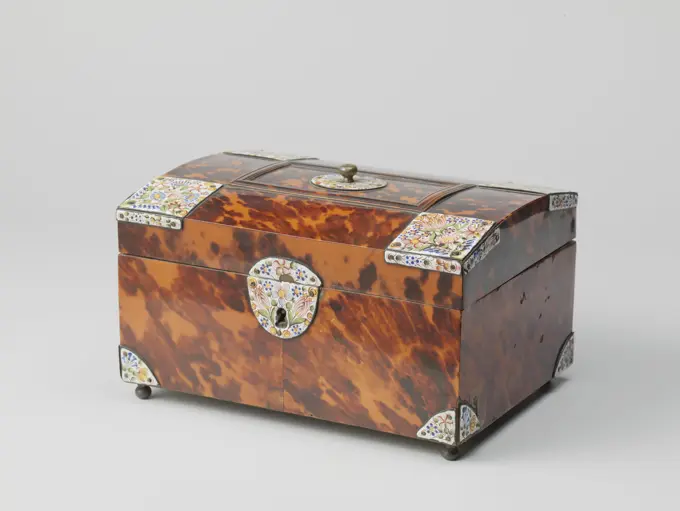
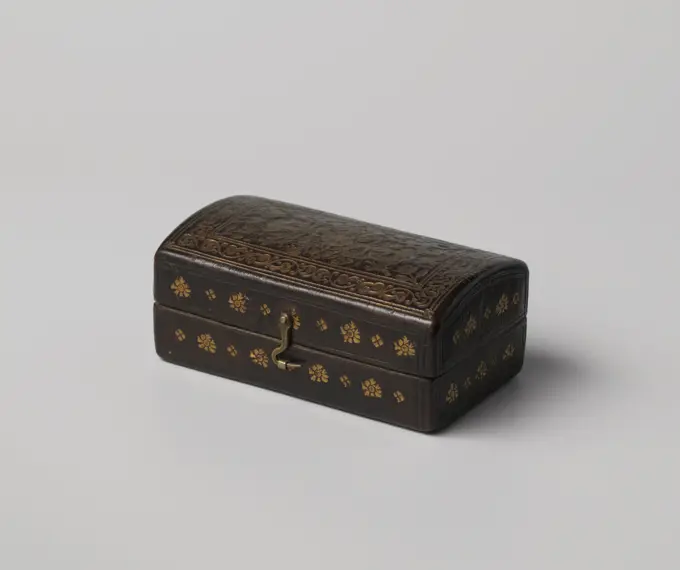
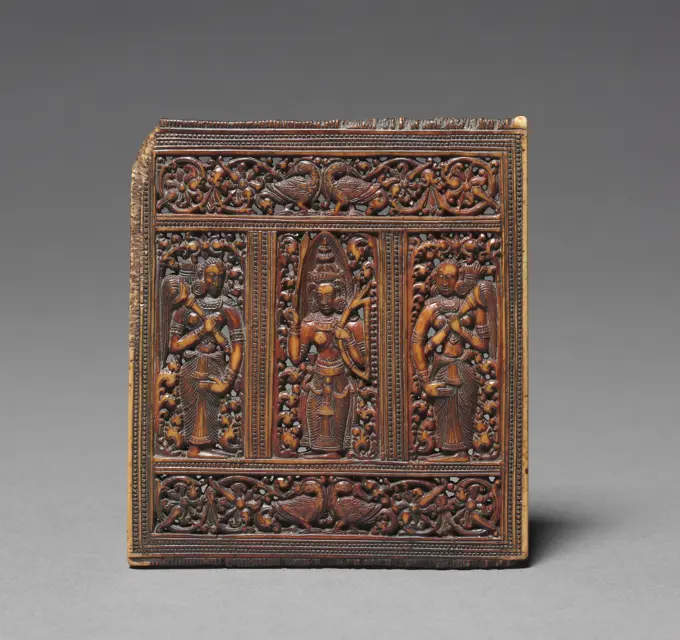
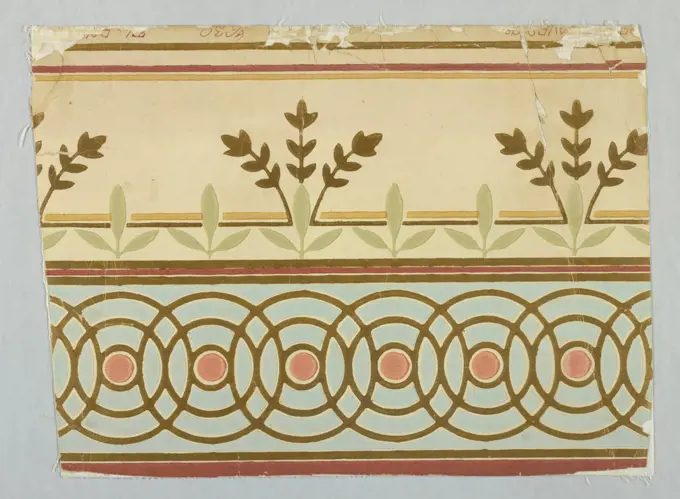
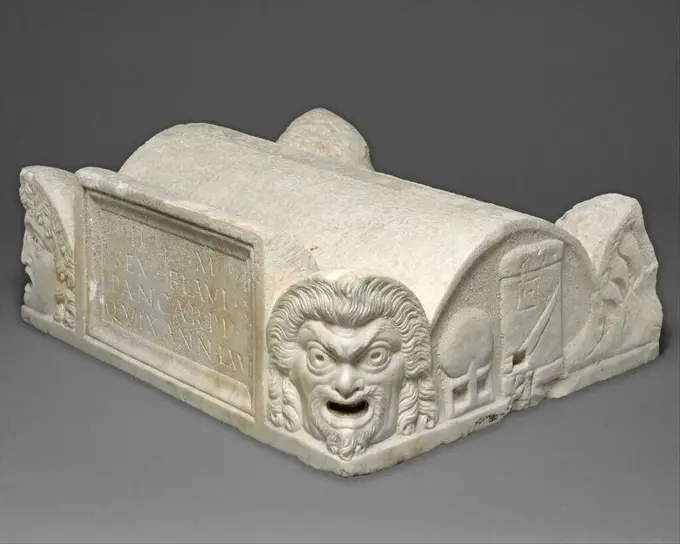
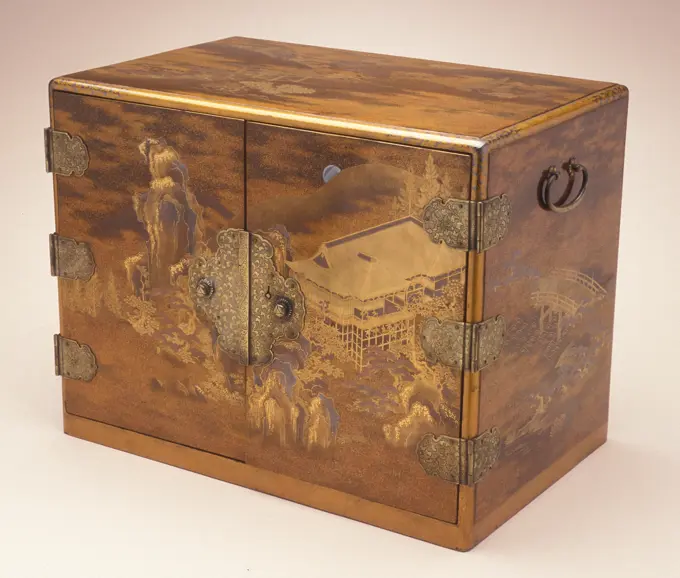
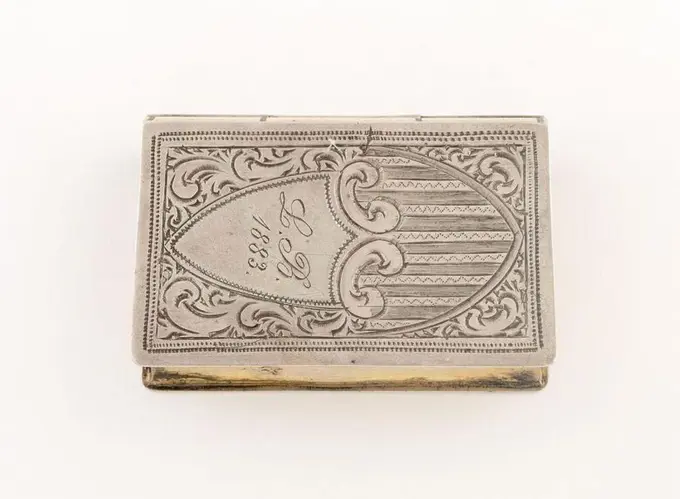
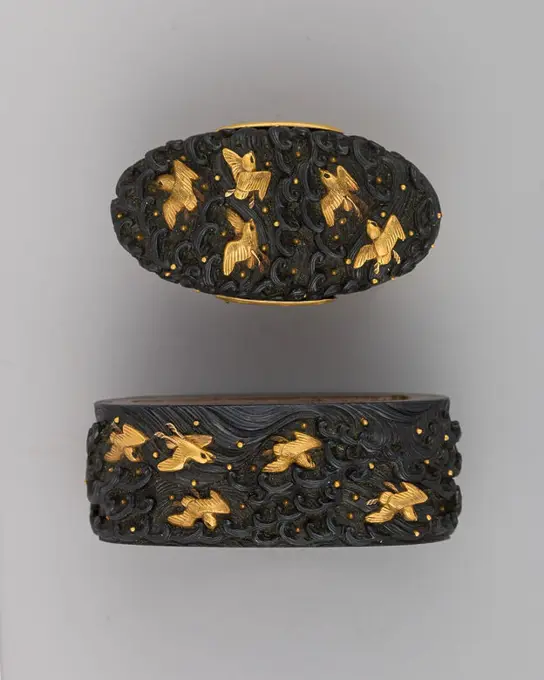
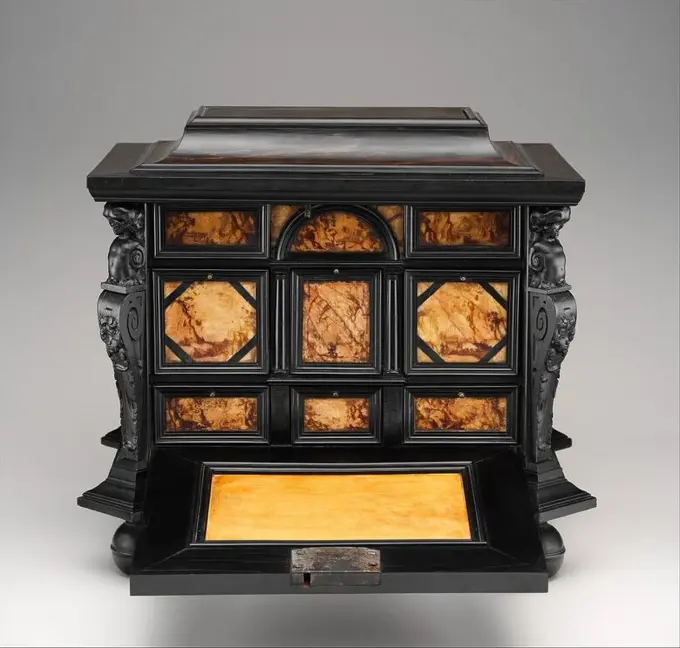
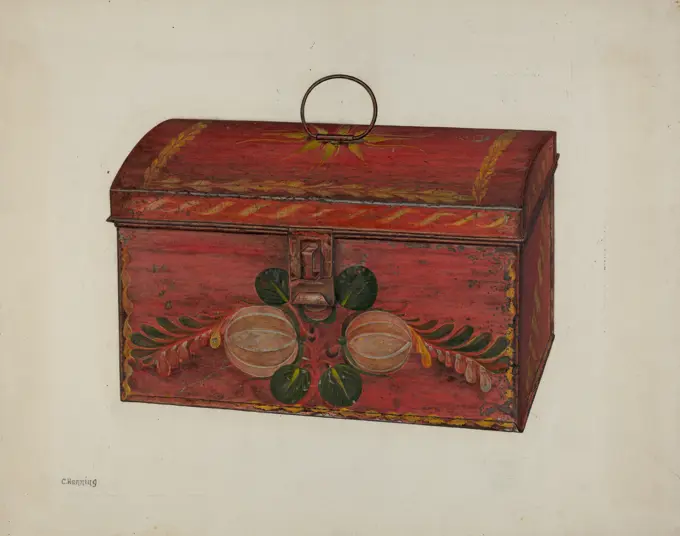
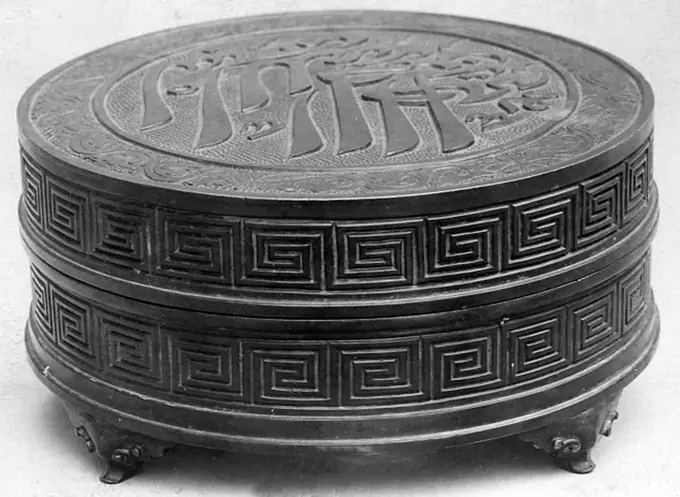
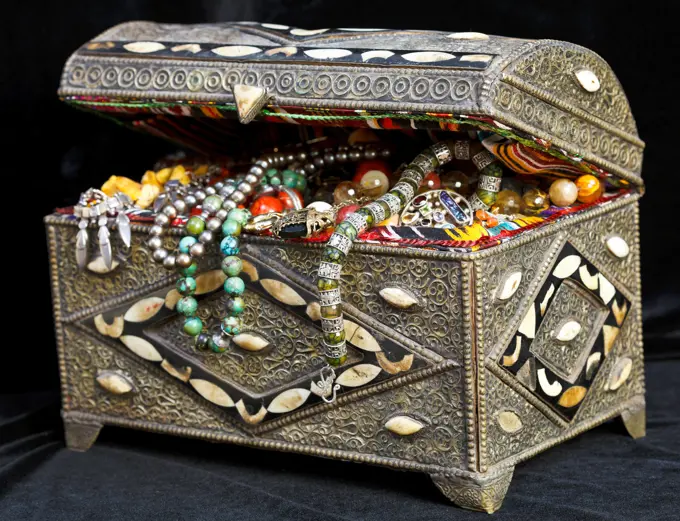
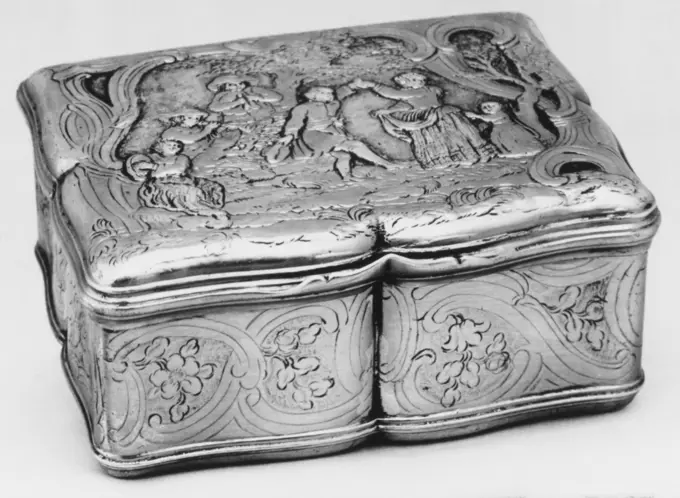
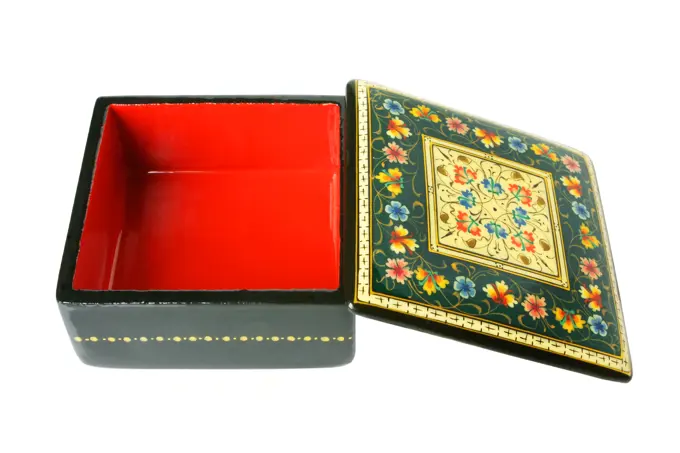
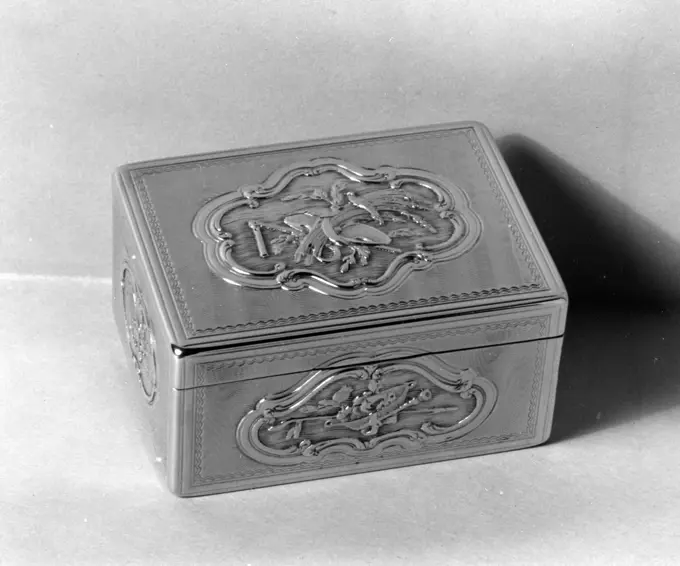
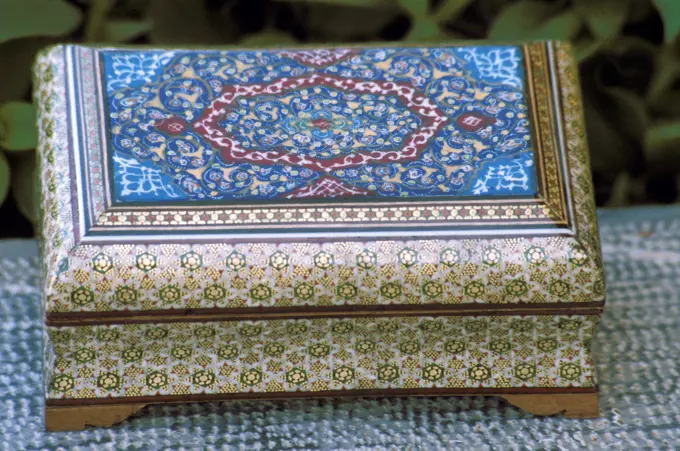
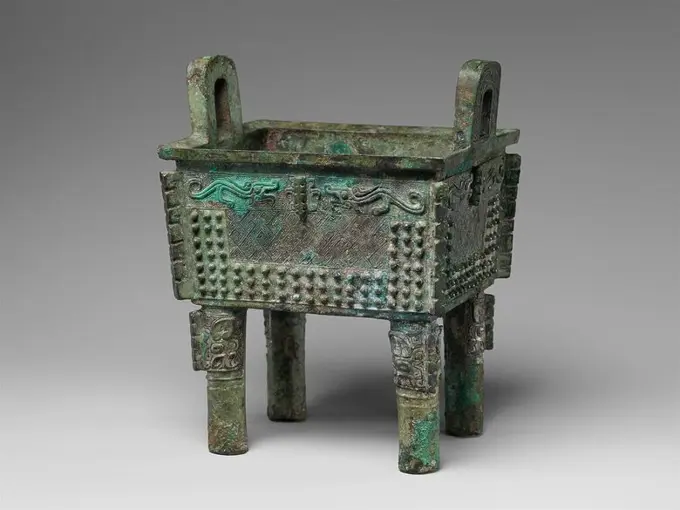
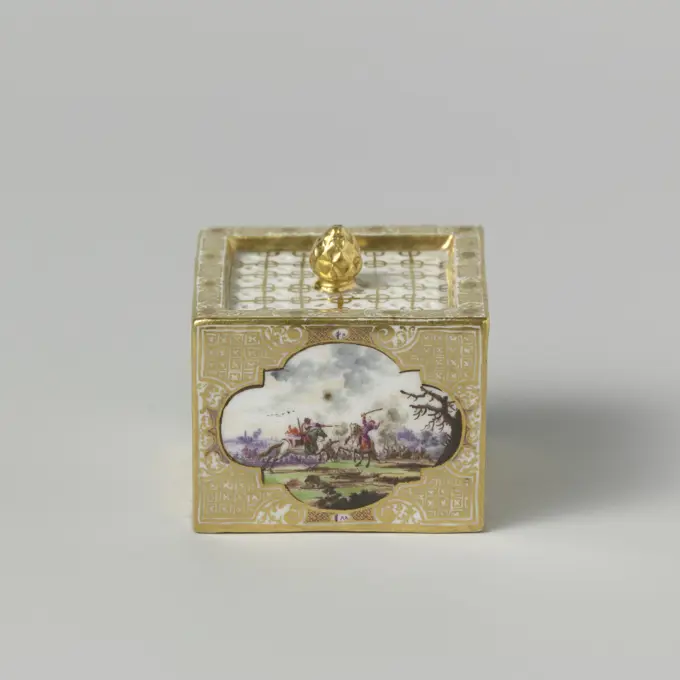
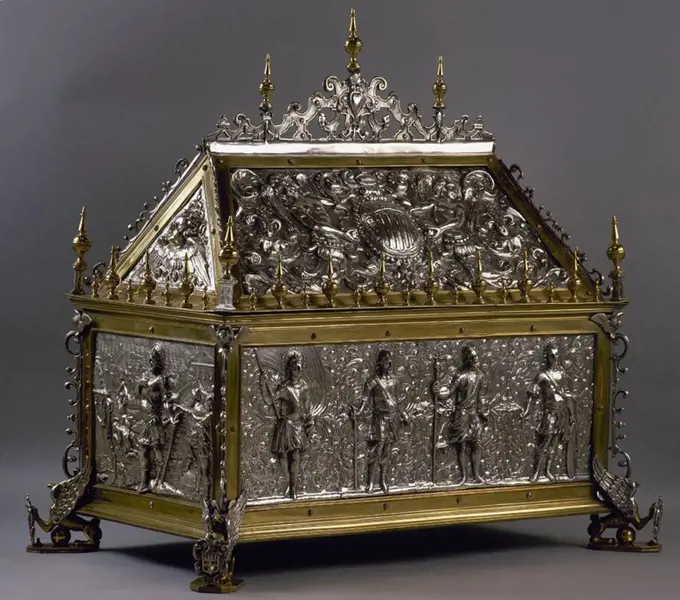
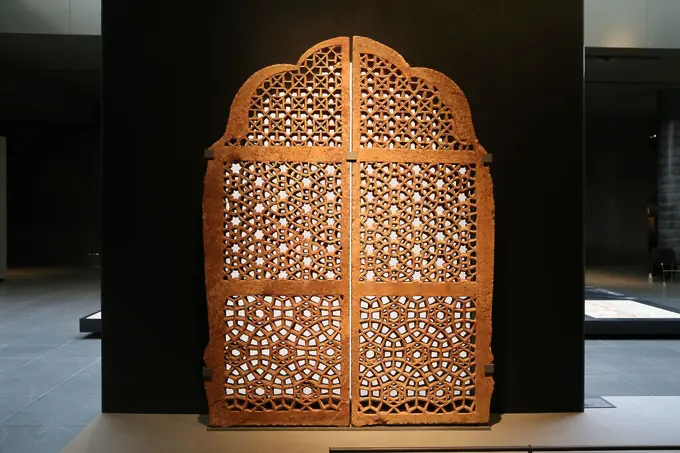
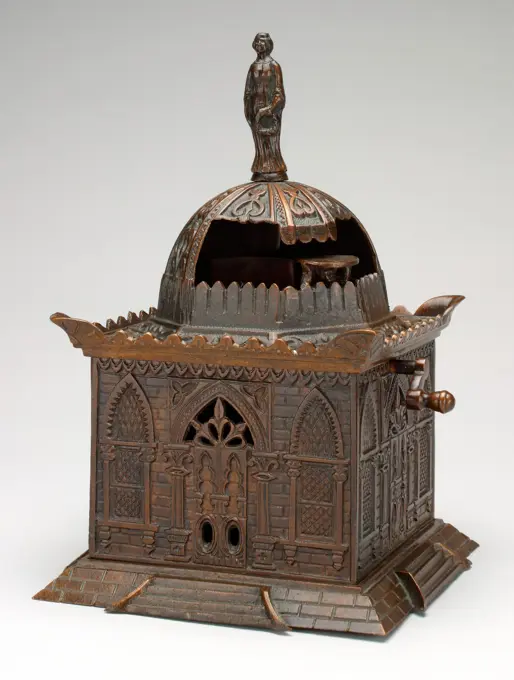
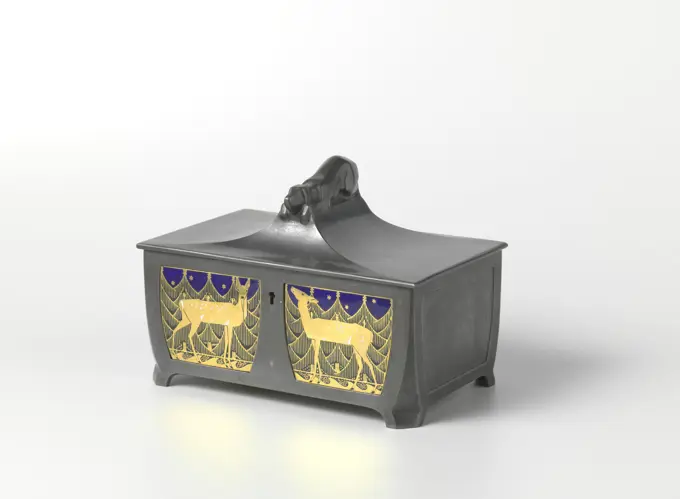
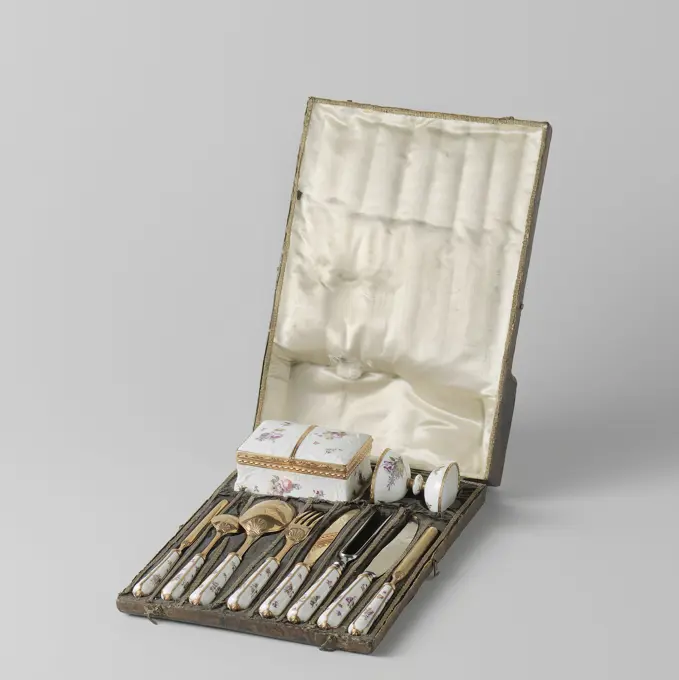
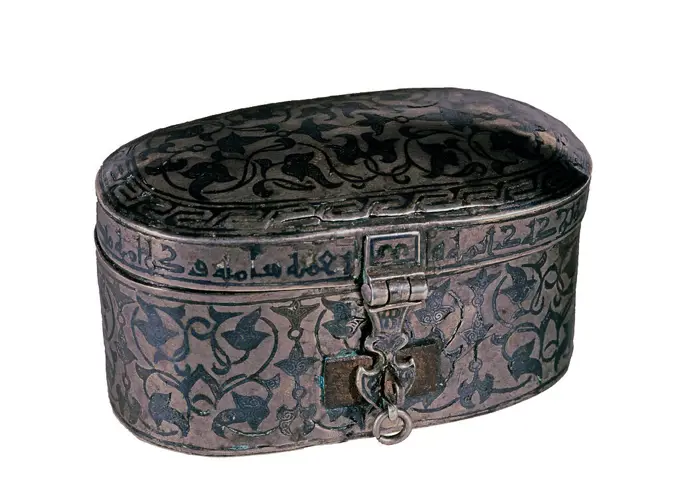
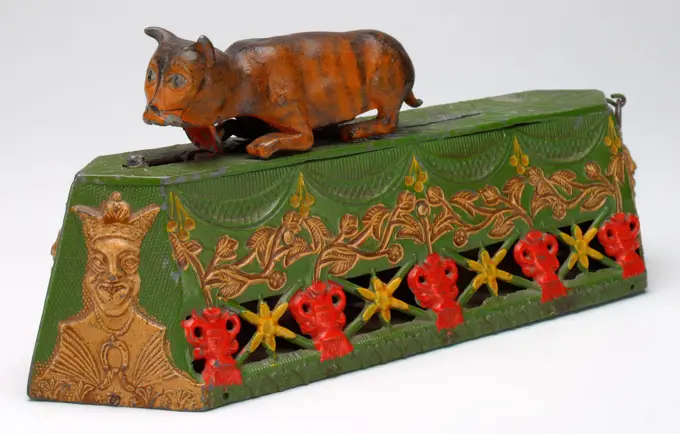
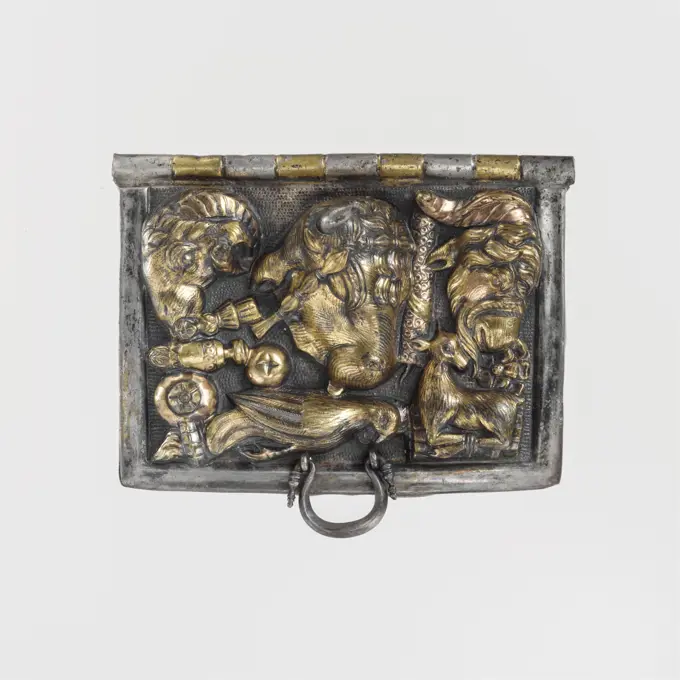
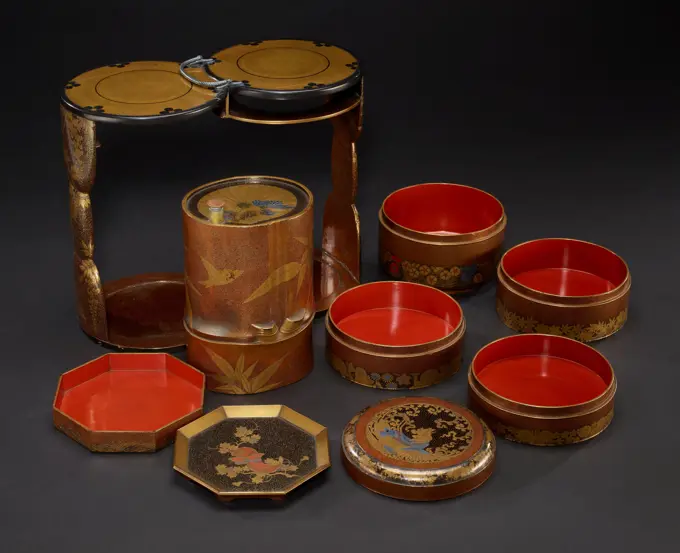
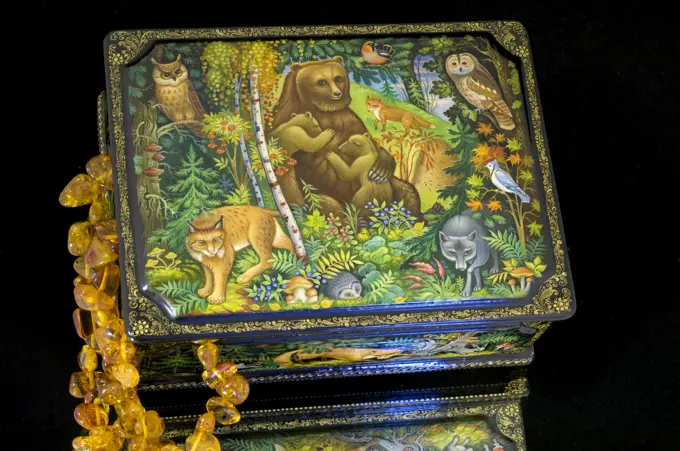
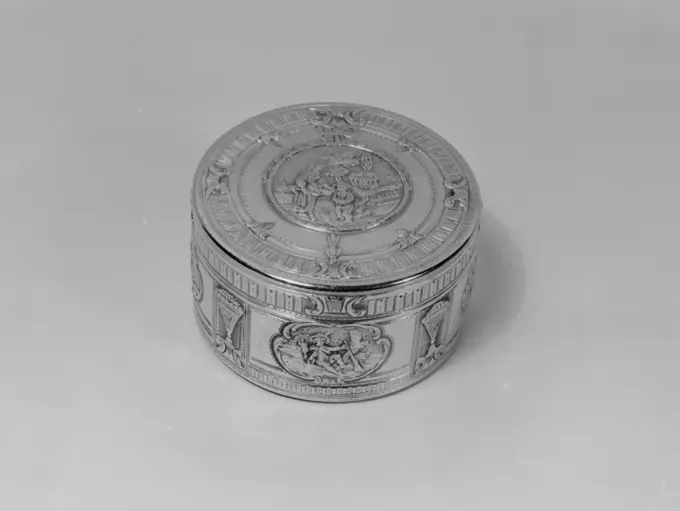
Snuffbox 1762-63 Pierre-Nicolas Pleyard In eighteenth-century Europe, Paris led the production of high-quality luxury goods. Parisian goldsmiths made a wide range of small, personal articles such as snuffboxes; étuis to hold sealing wax, tweezers, or utensils for sewing; souvenirs, which contained thin ivory tablets for note taking; and shuttles for knotting lace. Gold snuffboxes and boxes decorated with portrait miniatures were prized and frequently given as royal gifts, often to ambassadors or members of the court in lieu of cash payments for their services. Coveted and admired, these boxes were produced from a variety of materials. The best were skillfully made of gold and embellished with diamonds, enameled decoration, lacquer, and other luxurious materials. By the middle of the century, the taking of snuff had become an entrenched social ritual, and the snuffbox, too, had become an important social prop. Snuffboxes were considered highly fashionable accessories, with some merchantVargueño And Puente (Spain); wood, wrought iron, velvetChest with marqueterie with panels with work on a structure, anonymous, c. 1575 - c. 1600 Rectangular box lumbled with multiple woods. The lock plate with robbery, corner pieces, clamps and handles are of engraved gilded copper. All panels, the front of which is foldable, show the work on a building under construction; On the lid four compartments filled with musical instruments and weapons, between which leaf work, and a rolling cartouche with a bear for a ruin and bulb. The box contains doors and (shine) drawers on the inside and is completely decorated with performances in Marqueterie. Augsburg (possibly) wood (plant material). spruce (wood). maple (wood). ash (wood). cherry (wood). pear (wood).. tin (metal). copper (metal) Rectangular box lumbled with multiple woods. The lock plate with robbery, corner pieces, clamps and handles are of engraved gilded copper. All panels, the front of which is foldable, show the work on a building under construction; On the lid four compartments filCloud-Shaped Pillow with Peony Scroll. China. Date: 1115-1234. Dimensions: L. 33.0 cm (13 in.). Cizhou ware; slip-coated earthenware with underglaze carved and incised decoration. Origin: China. Museum: The Chicago Art Institute, Chicago, USA.Chest of beech wood Lijmed with turtle decorated with floral motifs, anonymous, 1700 Luffed chest of beech wood with turtle; The lid has been arched lid and has a framed midfield framed with profiled turtles; All corners are covered by Geemailled copper cover plates, which are painted with floral motifs as well as the lock plate and the oval leg plate of the polychrome lid button. The box is on four copper legs; Inside, the raised walls are covered with mirrors, in which a garden scene painted on paper and stuck on the bottom is reflected. Netherlands beech (wood). copper (metal). paper. brass (alloy). looking glasses. leather Luffed chest of beech wood with turtle; The lid has been arched lid and has a framed midfield framed with profiled turtles; All corners are covered by Geemailled copper cover plates, which are painted with floral motifs as well as the lock plate and the oval leg plate of the polychrome lid button. The box is on four copper legs; Inside, the raised walls are coverElongated box decorated with flowers and birds, anonymous, 1600 - 1650 Elongated oak chest exaggerated with stamped leather, the ornaments of which are gilded. On the convex lid a rectangle with a flower rosette in the middle, from which anjert branches turn left and to the right and two smaller flower branches up and down, between which a French lily and a carnation branch, between which flying birds. Around this rectangle a border with tendrils and lily branches; French lilies in the corners. On the sides, a decoration of rosettes interspersed by shared diamonds in four. The underside has a diamond -shaped, uncomfortable layout. The inside is equipped for rings and exaggerated with green velvet; A green silk pillow in the lid. The separation is formed by a copper hook with an eye. Southern Netherlands oak (wood). leather. gilding (material). velvet (fabric weave) gilding Elongated oak chest exaggerated with stamped leather, the ornaments of which are gilded. On the convex lid a rectaSteaming-Pan 18th century China. Steaming-Pan 40794Comb with Devi and Attendants, 1600s-1700s. Ceylon. Ivory; overall: 10.6 x 9.3 cm (4 3/16 x 3 11/16 in.).Oval box in the form of a basket with sewing, anonymous, c. 1900 - Before 1938 Gilded oval box of copper in the form of a basket, in which sewing. A scissor, a thimble, two needles and a tube attached to brown velvet. unknown copper (metal). wood (plant material). gilding (material). velvet (fabric weave) Gilded oval box of copper in the form of a basket, in which sewing. A scissor, a thimble, two needles and a tube attached to brown velvet. unknown copper (metal). wood (plant material). gilding (material). velvet (fabric weave)Snuffbox with Ulysses discovering Achilles and harbor scenes ca. 1780 Les Frères Souchay. Snuffbox with Ulysses discovering Achilles and harbor scenes 193821Strong Box. Dated: c. 1940. Dimensions: overall: 38.1 x 47.9 cm (15 x 18 7/8 in.) Original IAD Object: 14 1/2" long; 9" high; 9 3/8" deep. Medium: watercolor, graphite, and pen and ink on paper. Museum: National Gallery of Art, Washington DC. Author: Chris Makrenos.Frieze, Robert Graves Co., New York, New York, Machine-printed, Border; upper half consists of series of interwined gilt circles forming a geometric pattern. In center of each is a coral colored disc in light blue field. Lower portion consists of stylized stiff sprays, three stems each ofgilt leaves under a series of three petalled formal gray-olive leaf motifs all on a bisque field. Deep coral, gold and gilt lines top, botton and in center of border. 'No. 1639, Robert Graves Co.' printed in selvedge., USA, 1890-1900, Wallcoverings, FriezeBag 19th century Italian. Bag 98405Marble lid of a cinerary chest. Culture: Roman. Dimensions: Overall: 6 5/8 x 19 1/2 x 16 1/4 in. (16.8 x 49.5 x 41.3 cm). Date: late 1st century A.D..The lid is fashioned to look like the roof of a barrel-vaulted building with acroteria at the corners in the form of theatrical masks and palmettes. The front panel is inscribed in Latin: "To the spirits of the dead, of Sextus Flavius Pancarpus, who lived 67 years." Despite the fact that the inscription mentions only a man, the lunettes at the sides show both male (globe and box of scrolls) and female (mirror and spindle) attributes, indicating that the chest also may have contained the remains of Pancarpus' wife. Museum: Metropolitan Museum of Art, New York, USA.Trinket Box 1830-70 American. Trinket Box 8819Snuffbox ca. 1760-1800 British, Staffordshire. Snuffbox. British, Staffordshire. ca. 1760-1800. Enameled copper. Enamels-PaintedChest of Drawers with Design of the "Eight Views of Ōmi". Yamamoto Shunshō (Japan, active 17th-19th centuries). Japan, mid-Edo period, 1615-1868. Lacquer. Lacquer over wood; gold and silver leaf, flakes, and powder (makie); silver mountsVinaigrette in the Form of a Book. Possibly United States. Date: 1883. Dimensions: 4.5 x 2.5 cm (1 3/4 x 1 in.). Silver and silver gilt. Origin: United States. Museum: The Chicago Art Institute, Chicago, USA.Sword-Hilt Collar and Pommel (Fuchigashira). Culture: Japanese. Dimensions: Kashira (a); H. 1 3/8 in. (3.5 cm); Wt. 0.6 oz. (17 g); fuchi (b); H. 1 1/2 in. (3.8 cm); Wt. 1.3 oz. (36.9 g). Date: 18th century. Museum: Metropolitan Museum of Art, New York, USA.Painting on antique wooden box, Jodhpur, Rajasthan, India Copyright: xSafatxAli/DinodiaxPhotoxCDK unknownCoffer. Culture: Dutch. Dimensions: Overall: 14 5/8 × 16 1/2 × 11 3/4 in. (37.1 × 41.9 × 29.8 cm). Date: mid-17th century.In contrast to the severe black exterior, the interior is more colorful and has several surprising components. The inside of the lid is embellished with an alabaster plaque painted with a monochrome landscape scene. The tiers of drawers and the central compartment are decorated with painted alabaster as well. Inside the central compartment is a mirrored five-sided recess with a tiled floor known as a perspectiefje (literally, "little perspective"), which held a small, treasured object that could be admired from all sides in the mirrors. Museum: Metropolitan Museum of Art, New York, USA.Nécessaire and watch 19th century Watch possibly by J. Orpion. Nécessaire and watch. British, London. 19th century. Gold, agate, enamel, rose diamonds. Metalwork-Gold and Platinumoptical toy, Game of light, Italy, ca. 1780, toys & games, Decorative Arts, optical toyClose-up of two pencil casesAsh Container (Takigara-ire) for Incense Ceremony, with Family Crest, Pine, Bamboo, and Plum 18th century Japan. Ash Container (Takigara-ire) for Incense Ceremony, with Family Crest, Pine, Bamboo, and Plum. Japan. 18th century. Lacquered wood with gold, silver togidashimaki-e, hiramaki-e, and cutout gold leaf. Edo period (1615-1868). LacquerCasket, Ausburg, 1560-1600, etchet stell, gilt bronze, various woods, Amsterdam, Netherlands.Bench (Cassapanca). unknown, authorInkstand. Africa, Morocco, first half or mid-19th century. Ceramics. Earthenware, glazed and paintedTiled clock; Giery, Jakub (fl. 1616-1664); after. 17th century (1650-00-00-1650-00-00);Jesus Christ (Bible), Prayer in Ogrójiec (iconogr.), Wierzejski, Tadeusz (1892-1974) - collection, gift (provenance), dragonsCassone 1575-90 (rebuilt, with replacements) Italian, Rome. Cassone 461475Hanging Box with Lid. Attributed to Jacob Brunkeg (dates unknown); American, probably Michigan. Date: 1891. Dimensions: 33 × 47 × 53.3 cm (13 × 18 1/2 × 21 in.). Wood. Origin: Michigan. Museum: The Chicago Art Institute, Chicago, USA.Chinese Bat-Shaped Cinnabar Lacquer Box with Cover on Stand,  Qing Dynasty, QianlongJaiqing Period, 1796 - 1820Cassone (chest), pair with 1975.1.1947 mid-16th century (with 19th century additions) Italian (Rome or Siena). Cassone (chest), pair with 1975.1.1947 460491Silver oval box Oval and shiny silver box with ornaments Copyright: xZoonar.com/Baloncicix 14252035Charles Henning, Toleware Box, c 1940 Toleware BoxCovered box 17th century China The Arabic inscription on the cover reads: "In the Name of God the Merciful, the Compassionate.". Covered box 61007ancient arabic treasure chest ancient east treasure chest with antique jewelry on black clothes Copyright: xZoonar.com/ValeryxVoennyyx 5528807Box And Cover; carved ivory inlaid with carved mother-of-pearl and carved and stained ivory, gilded overlaySnuffbox 1755-56 Probably by Antoine Daroux In eighteenth-century Europe, Paris led the production of high-quality luxury goods. Parisian goldsmiths made a wide range of small, personal articles such as snuffboxes; étuis to hold sealing wax, tweezers, or utensils for sewing; souvenirs, which contained thin ivory tablets for note taking; and shuttles for knotting lace. Gold snuffboxes and boxes decorated with portrait miniatures were prized and frequently given as royal gifts, often to ambassadors or members of the court in lieu of cash payments for their services. Coveted and admired, these boxes were produced from a variety of materials. The best were skillfully made of gold and embellished with diamonds, enameled decoration, lacquer, and other luxurious materials. By the middle of the century, the taking of snuff had become an entrenched social ritual, and the snuffbox, too, had become an important social prop. Snuffboxes were considered highly fashionable accessories, with some mercClosed casket Closed casket isolated on the white background Copyright: xZoonar.com/OlgaxPopovax 1717397Snuffbox 1759-60 Jean Georges (or George) In eighteenth-century Europe, Paris led the production of high-quality luxury goods. Parisian goldsmiths made a wide range of small, personal articles such as snuffboxes; étuis to hold sealing wax, tweezers, or utensils for sewing; souvenirs, which contained thin ivory tablets for note taking; and shuttles for knotting lace. Gold snuffboxes and boxes decorated with portrait miniatures were prized and frequently given as royal gifts, often to ambassadors or members of the court in lieu of cash payments for their services. Coveted and admired, these boxes were produced from a variety of materials. The best were skillfully made of gold and embellished with diamonds, enameled decoration, lacquer, and other luxurious materials. By the middle of the century, the taking of snuff had become an entrenched social ritual, and the snuffbox, too, had become an important social prop. Snuffboxes were considered highly fashionable accessories, with some merchaShabti box of Ramose ca. 1279-1213 B.C. New Kingdom, Ramesside This shabti box belonged to a man named Ramose, son of Sennedjem in whose tomb the box was found. Other objects in the collection that were discovered in the same tomb can be viewed here.. Shabti box of Ramose 551134Box with beadwork. Culture: British. Dimensions: H. 3 1/4 x L. 10 1/8 inches (8.3 x 25.7 cm). Date: last quarter 17th century.Imported glass beads were used sparingly in English embroidery from the 1630s on. Here, the entire surface of a wooden box is covered with strings of Venetian beads forming a pattern of symmetrical flowers against a dark ground. Museum: Metropolitan Museum of Art, New York, USA.Asia, Iran, Shiraz. Decorated box.Box containing shawabti. The wooden box is decorated with paintings of different deities. Tomb of Ahmose priest. The State Hermitage Museum. St. Petersburg. Russia.Ritual Rectangular Cauldron (Fangding). Culture: China. Dimensions: H. incl. handles 8 1/2 in. (21.6 cm); H. 6 3/4 in. (17.1 cm); W. 6 3/4 in. (17.1 cm); D. 5 1/8 in. (13 cm). Date: 13th-11th century B.C.. Museum: Metropolitan Museum of Art, New York, USA.Sand spreader, multi-colored painted with landscapes and the weapon of Ernst Johann Graaf van Biron (1690-1772) and the mirror monogram of his wife Benigne Gottlieba Trotha, Meisser Porzellan Manufaktur, c. 1735 - c. 1740 Porcelain sand spreader. Multicolored painted with a sea battle and a rider fight in four passes and the coat of arms of Ernst Johann Graaf van Biron (1690-1772) and the mirror monogram BGVT of his wife Benigne Gottlieba Trotha. The spreader is marked. Float porcelain Porcelain sand spreader. Multicolored painted with a sea battle and a rider fight in four passes and the coat of arms of Ernst Johann Graaf van Biron (1690-1772) and the mirror monogram BGVT of his wife Benigne Gottlieba Trotha. The spreader is marked. Float porcelainARTE BARROCO. ESPAÑA. ARQUETAS-RELICARIOS DE LOS "COSSOS SANTS". Contienen las reliquias de los patronos de Manresa. Piezas realizadas en esa misma población por ANTIC o Anton LLOREDA, entre 1613 y 1656. Proceden de la Colegiata basílica de Manresa. Museo Histórico de la Seu de Manresa. Provincia de Barcelona. Cataluña.Window screen (jali). 16th-17th century. Indian. Red sandstone. Louvre Museum.Mosque' mechanical bank, c. 1880s, H. L. Judd Manufacturing Company, Wallingford, Connecticut, c. 1830-1960s, 8 7/8 x 6 1/4 x 6 1/4 in. (22.54 x 15.88 x 15.88 cm) (approximate), Iron, pigment, 19th centuryBrown wooden case on brown fabric backgroundJoseph Rothenberg, Bandbox, c 1953 BandboxIron box, decorated at the front with two gilded copper plaques with roe deer, anonymous, c. 1908 Iron box, decorated at the front with two gilded copper plaques with roe deer against a background of spruce, with blue, green, white and red enamel. The lid button is made of the shape of a dog. Darmstadt iron (metal). copper (metal). gilding Iron box, decorated at the front with two gilded copper plaques with roe deer against a background of spruce, with blue, green, white and red enamel. The lid button is made of the shape of a dog. Darmstadt iron (metal). copper (metal). gildingTrinket Box 1800-1830 American. Trinket Box. American. 1800-1830. Poplar. Made in Pennsylvania, United StatesFurniture around the turn of the century 1900, Inlaid jewel casket of walnut wood. Panelled front sides and top (1911) .Close-up of an ivory side table, ItalySignboard with a ship, anonymous, c. 1700 - c. 1799  The ship in high relief, completely gilded. Netherlands wood (plant material)Travel cutlery with spice box and egg cup, Meissener Porzellan Manufaktur, c. 1760 Leather Fedraal in which a knife and fork, a large and a small spoon, two oyster tips, all of gold with porcelain lifts, a meat knife and fork of steel with porcelain, a rectangular box, decorated with rocaille ornament in relief and with two lids and an egg cup. The lids of the box and the egg cup have a gold frame. All the porcelain is decorated with Deutsche Blumen. The gold is noticed, the porcelain not. Float porcelain. gold (metal). leather. steel (alloy) Leather Fedraal in which a knife and fork, a large and a small spoon, two oyster tips, all of gold with porcelain lifts, a meat knife and fork of steel with porcelain, a rectangular box, decorated with rocaille ornament in relief and with two lids and an egg cup. The lids of the box and the egg cup have a gold frame. All the porcelain is decorated with Deutsche Blumen. The gold is noticed, the porcelain not. Float porcelain. gold (metal). leather.ARQUETA DE PLATA NIELADA-MOZARABE. Location: MUSEO ARQUEOLOGICO NACIONAL-COLECCION. MADRID. SPAIN.Fan, 19th century, 12 1/2 x 23 in. (31.8 x 58.42 cm) (framed, mounted), Painted paper, mother of pearl paint faces, black lacquer sticks, China, 19th centuryBlue boxes on a white backgroundSpringing Cat' mechanical bank, c. 1882, Charles A. Bailey; Manufacturer: Charles A. Bailey, American (Middletown, CT), American, 1848-1926, 3 3/4 x 9 1/8 x 2 5/8 in. (9.53 x 23.18 x 6.67 cm), Lead, pigment, wood, 19th centuryGilt-silver ceremonial box lid late 1st century B.C. or later Roman The lid is decorated in high relief with sacrificial animals and religious objects. Featured prominently are the heads of three domestic animalsa ram, a bull, and a goatthat were commonly used as offerings at major public ceremonies. The decoration is unusual, but there is a close parallel in the Berlin Museum.. Gilt-silver ceremonial box lid. Roman. late 1st century B.C. or later. Silver gilt. Early Imperial, Augustan. Gold and SilverPicnic set with plants from the four seasons, 18th century, Unknown Japanese, 9 7/8 × 11 5/8 × 6 in. (25.08 × 29.53 × 15.24 cm), Black lacquer with gold and silver maki-e and polychrome lacquer on pearskin ground (nashiji), Japan, 18th century, Viewed from the side, the model for this deluxe lacquer picnic set becomes apparent. Inside, the set includes a four-tiered food container at right, decorated with a variety of floral motifschrysanthemums, maple leaves, and cherry blossoms, among othersin gold and silver maki-e as well as silver and gold foil and red lacquer. At left is a holder for sake, which features a sparrow flitting near a branch of bamboo. All of the components feature a maki-e technique known as nashiji (literally, 'pear-skin ground'), whereby gold, silver, and other metallic dusts are sprinkled onto a lacquered surface, then coated with a layer of translucent lacquer and polished.Border (France); block-printed; Overall: 42 x 9.3 cm (16 9/16 x 3 11/16 in.)Bean-Shaped Pillow with Peony and Stylized Leaves and Vines. China. Date: 1115-1234. Dimensions: 9.7 × 30.2 × 21.6 cm (3 13/16 × 11 7/8 × 8 1/2 in.). Cizhou ware; slip-coated earthenware with underglaze carved and incised decoration. Origin: China. Museum: The Chicago Art Institute, Chicago, USA.Toy Blocks' nesting set of four still bank, late 19th century, 4 13/16 x 4 15/16 x 4 7/8 in. (12.22 x 12.54 x 12.38 cm), Wood, paper, England, 19th centuryOne Armchair.Jewelry packagingRussia, Russian handicrafts. High quality painted lacquer box showing the wildlife of Russia and amber necklace. (RF)retro concept isolated on white backgroundComb ca. 1550-1458 B.C. New Kingdom This beautifully preserved comb has three neatly carved shallow indentations at the top to allow the fingers a secure grip. The flat area between the undulated top and the comb's teeth is embellished with groups of perfectly straight incised, parallel lines. The comb does not show wear and thus cannot have been used for long, if at all, before it was deposited in the burial for use in the next world.The comb was excavated by the Earl of Carnarvon and Howard Carter in the Lower Assasif area of the Theban necropolis on the west bank of the Nile opposite modern Luxor. It was acquired by Carnarvon in the division of finds with the Egyptian Antiquities Service. Lord Carnarvon's collection was sold to the Museum after his death in 1923. Three similar combs were found by the Museum's Egyptian Expedition during excavations in the same area (16.10.428-.430).. Comb. ca. 1550-1458 B.C.. Wood. New Kingdom. From Egypt, Upper Egypt, Thebes, Asasif, Tomb CC 37, Cha