Decorative Storage Boxes

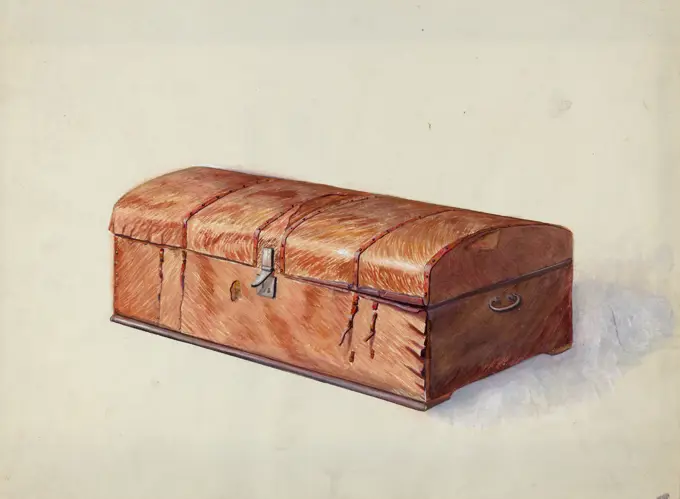
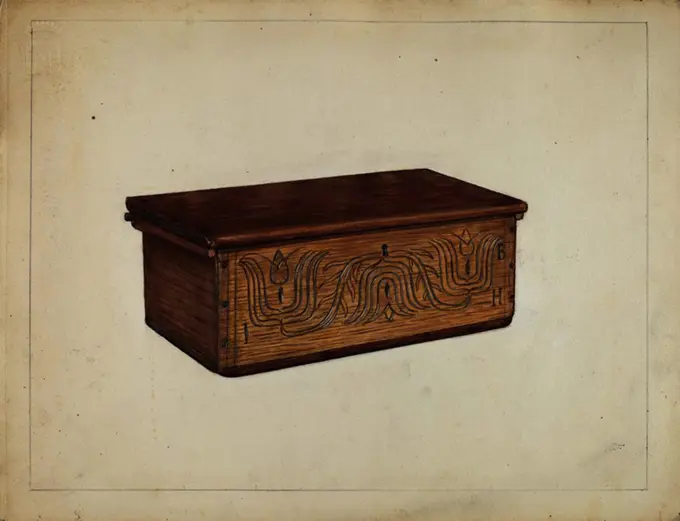
A collection of ornate wooden boxes with intricate metalwork. Features designs showcasing historical craftsmanship and varied materials.
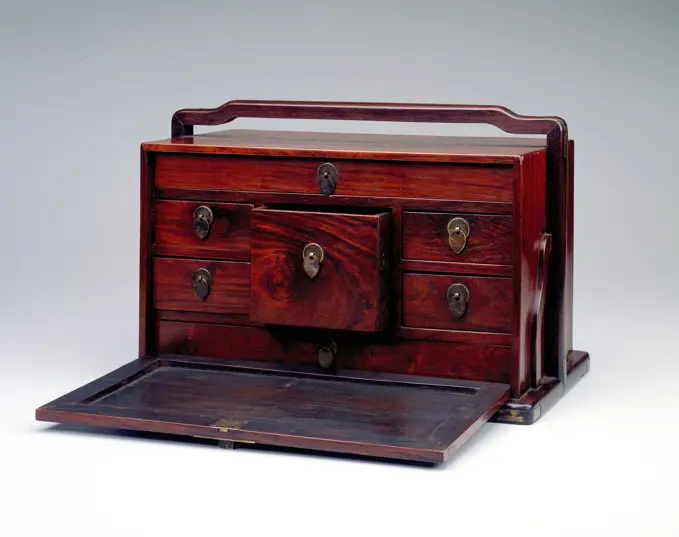
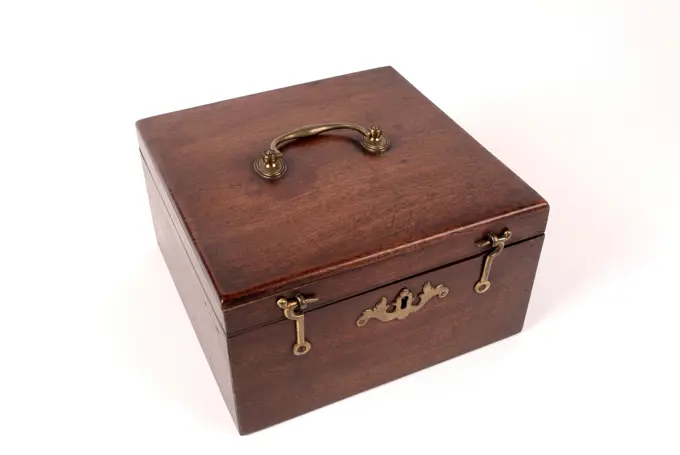
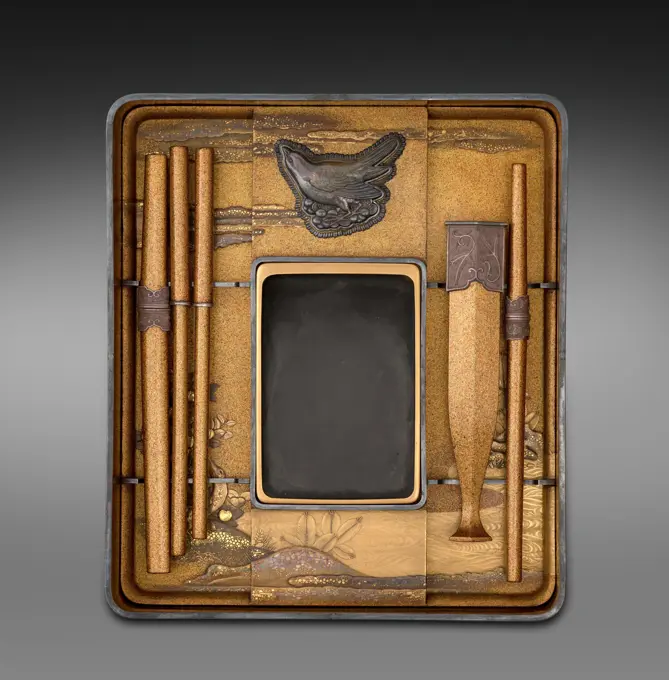
Stationery box, 18th century, 10 5/8 x 15 11/16 x 9 5/16 in. (26.99 x 39.85 x 23.65 cm) (overall), Huang hua-li, metal, China, 18th century
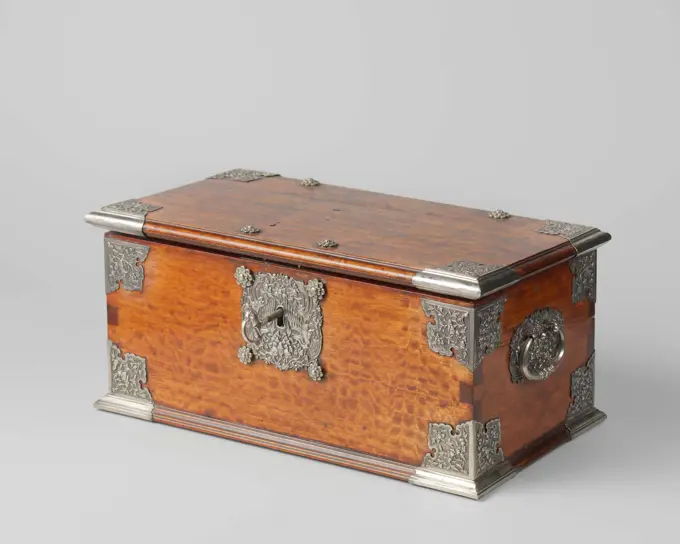
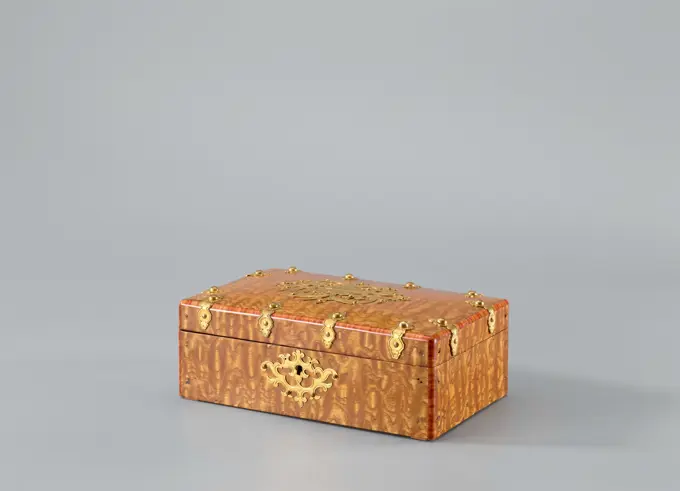
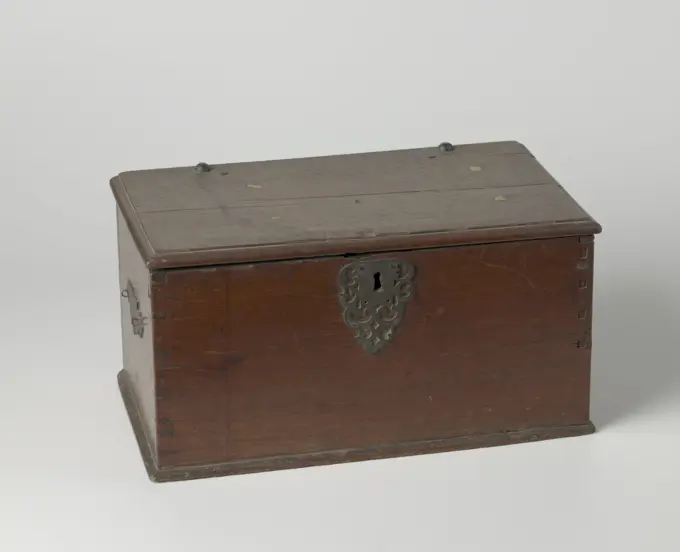
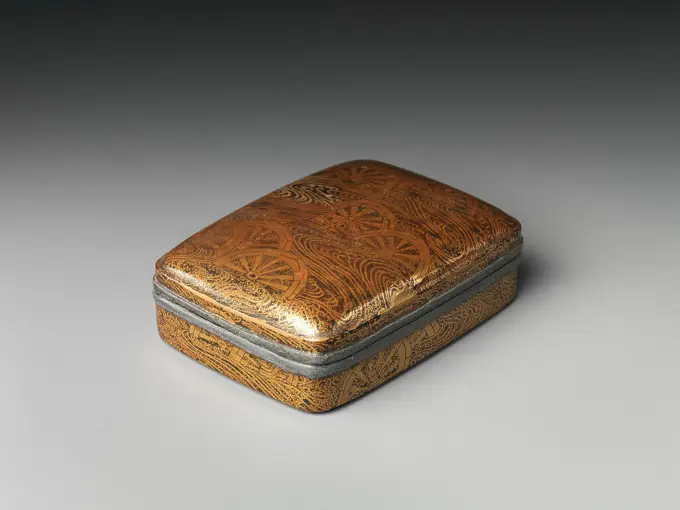
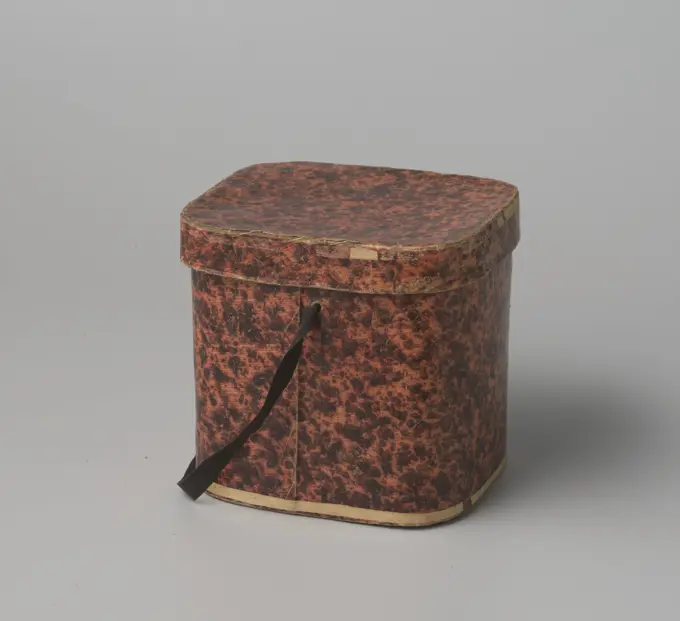
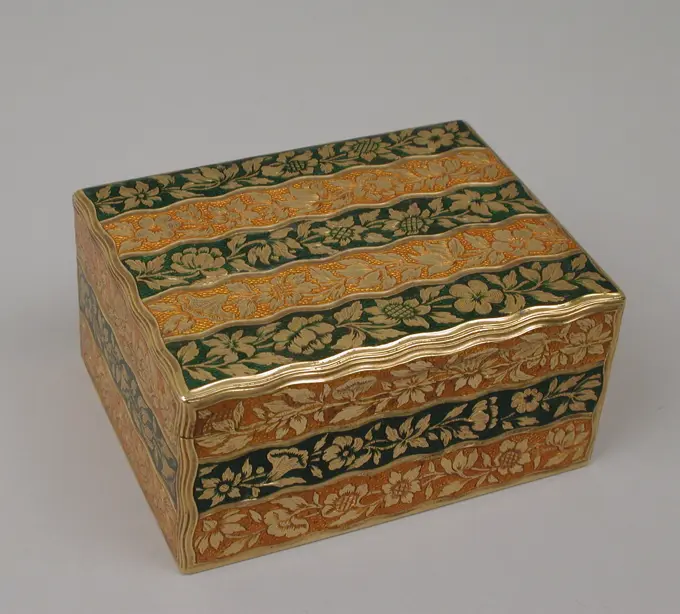
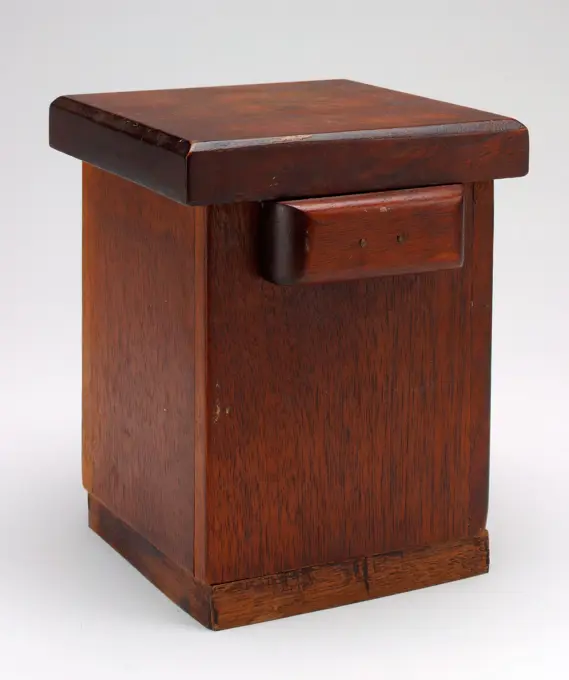
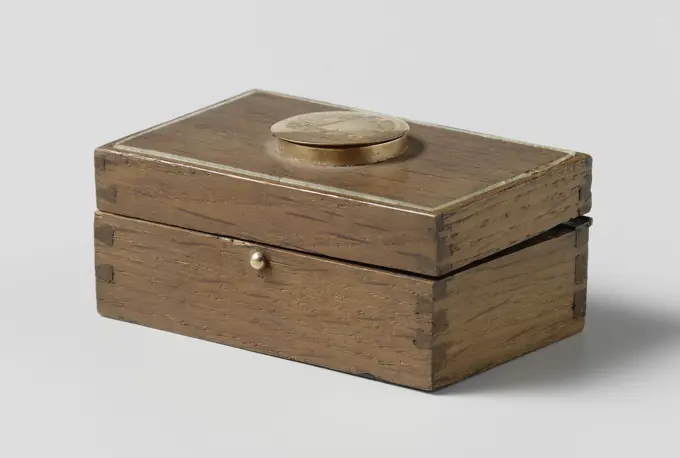
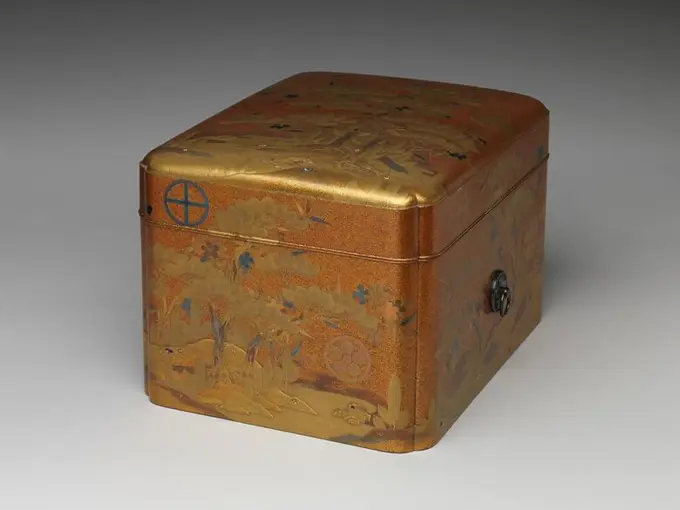
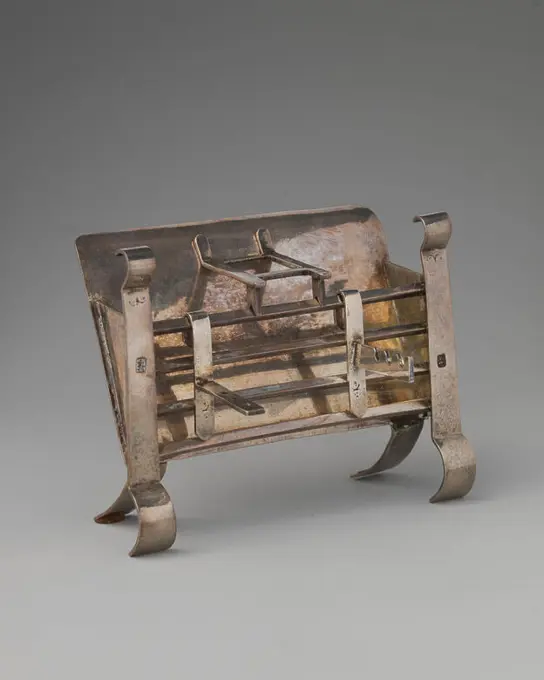
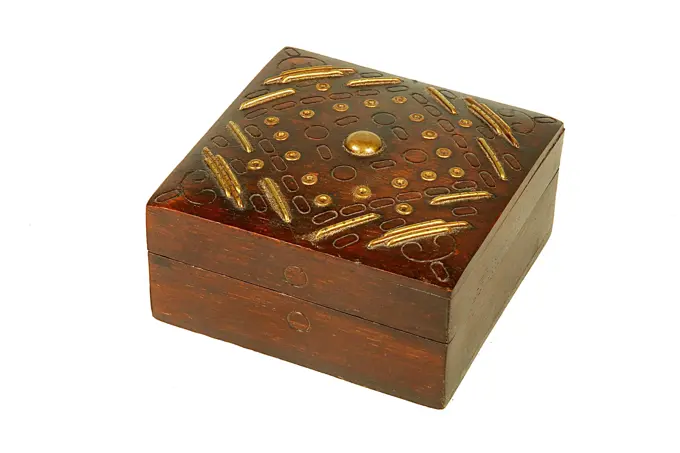
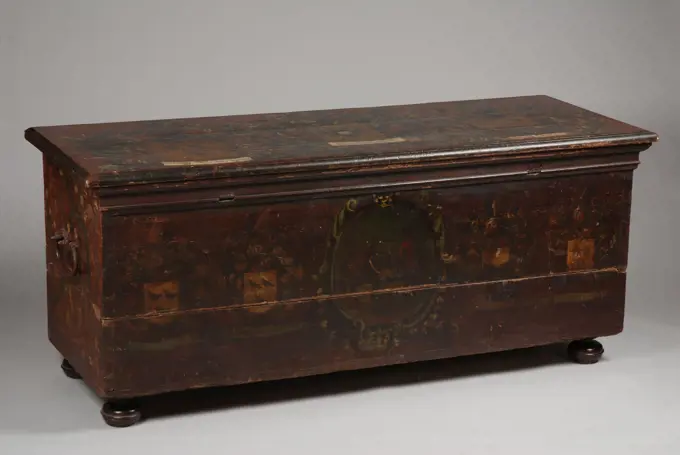
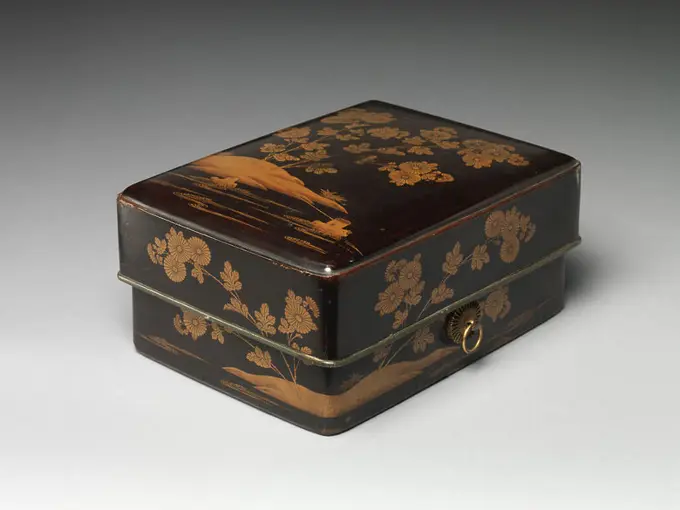
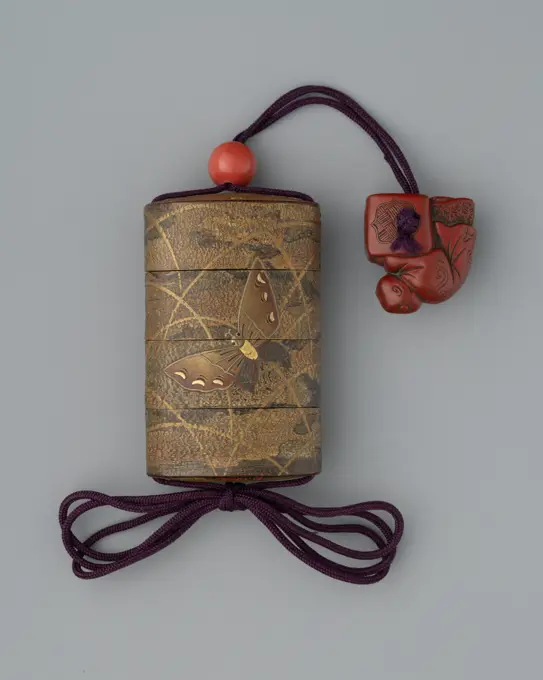
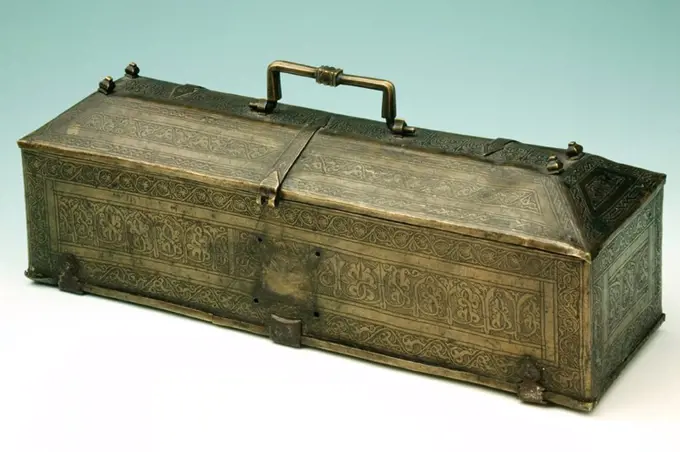
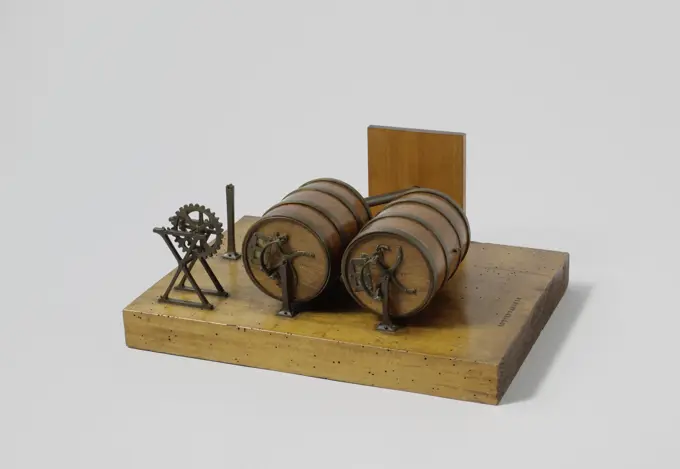
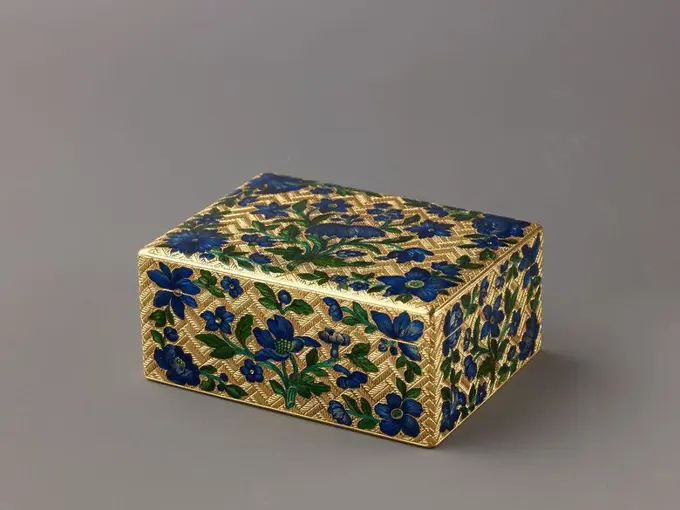
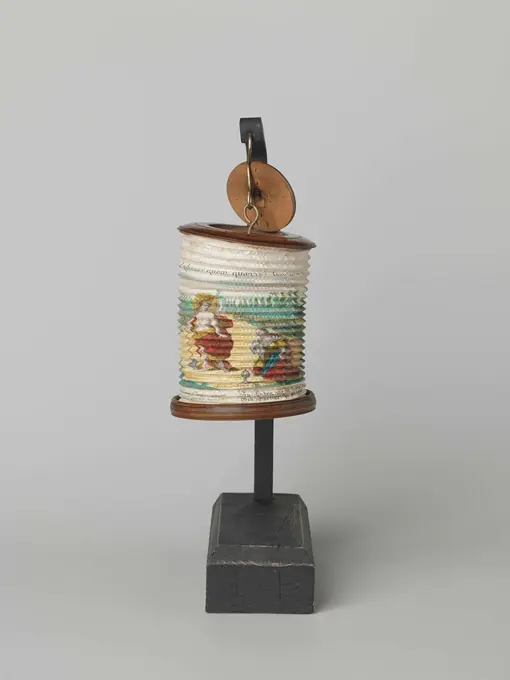
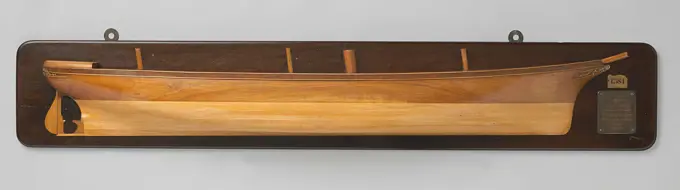
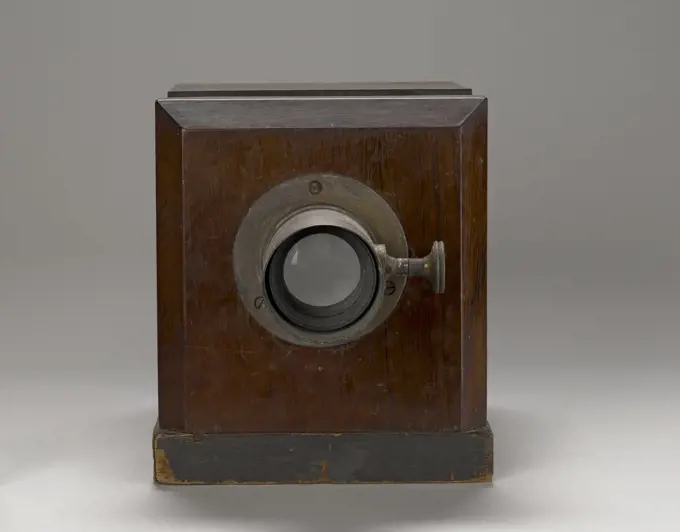
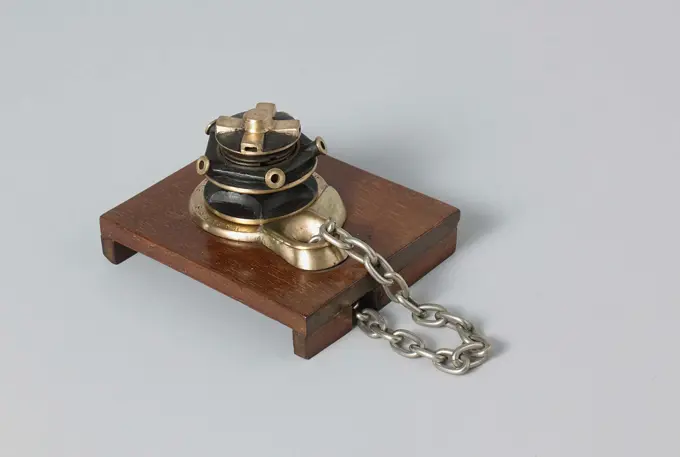
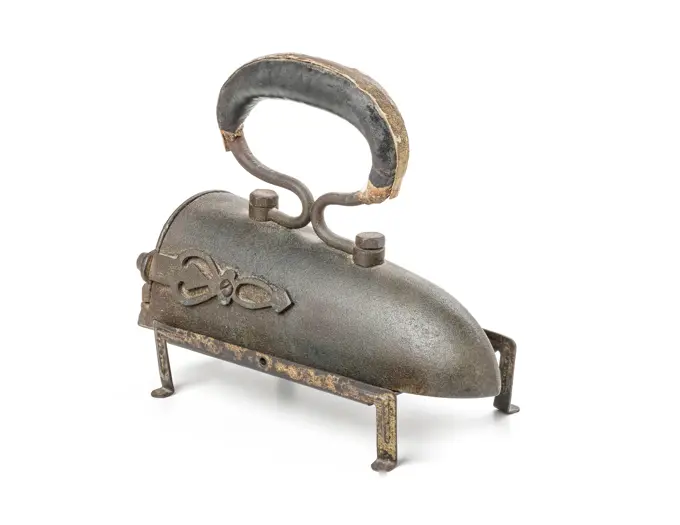
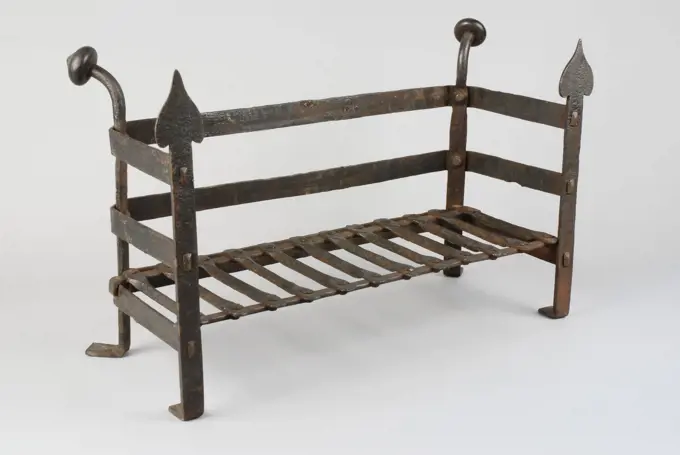
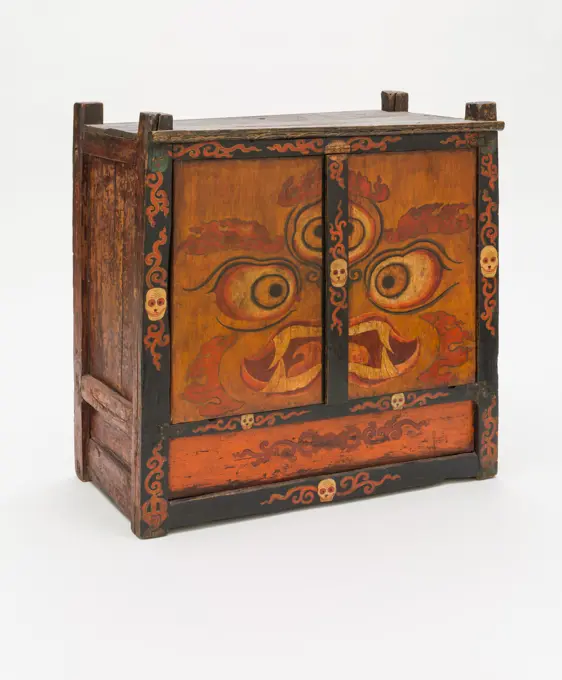
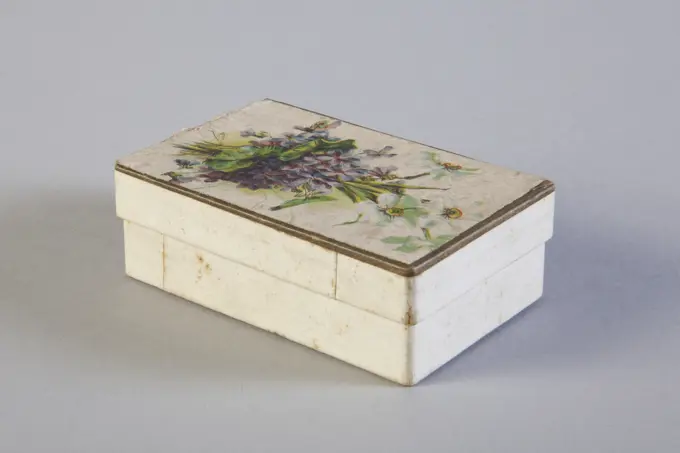
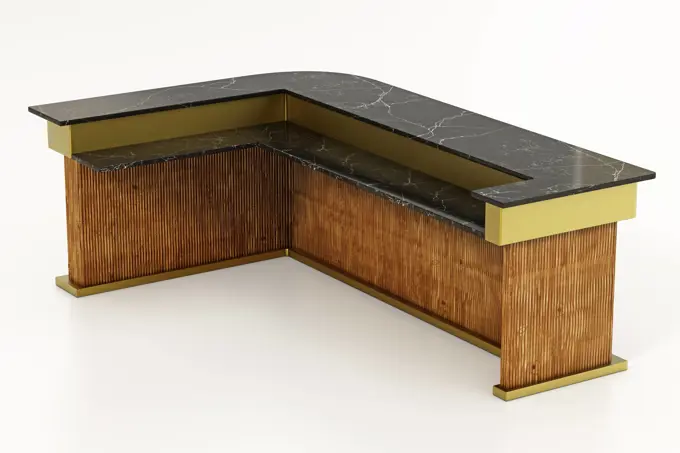
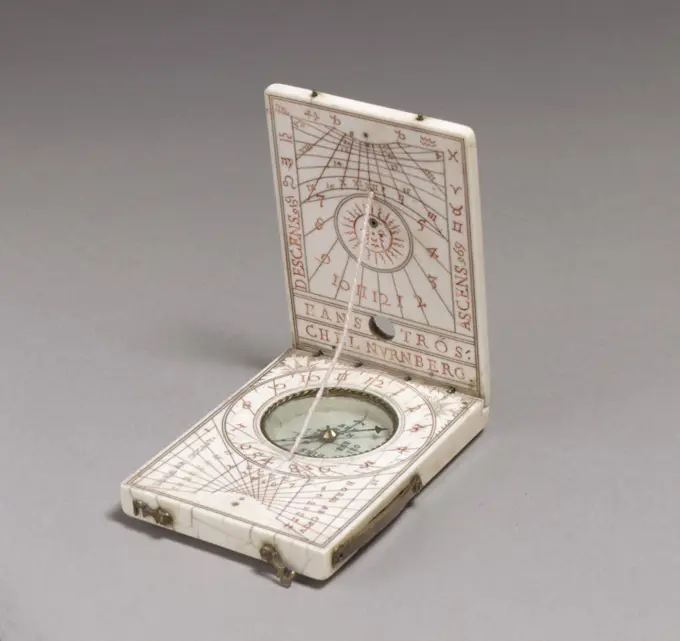
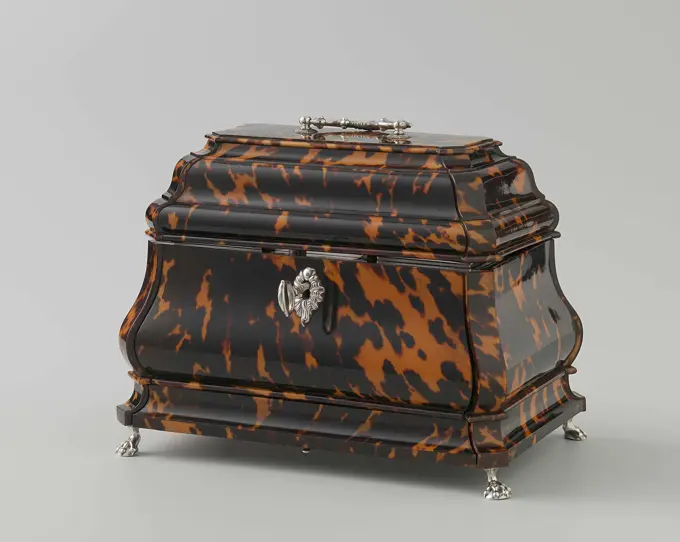
Kistje -containing documents with regard to the sailing stone of Tsar Peter the Great, Anonymous, 1700 - 1800 chest Box with copper batter, on which floral motifs, copper handles, hinges and lock, the latter with iron nails attached. A piece of white woven wool on the bottom, with seal polish attached to the bottom. Netherlands wood (plant material). copper (metal). iron (metal). wool. sealing wax   ZaandamCoffin of ambonees satin wood with batter of silver. Coffin of ambonees satin wood with batter of silver. The rectangular coffin has a hinged lid and an integration with the right a box sealed by a lid. Lid and corners have a profiled edge. The corners have been driven with flour branches, the lock plate exhibits two phoenixes in the middle of floral branches, as well as the backplates of the handles on the sides. Silver hinges have on the inside of the lid round end termination, driven with flowers. Around the lock plate four rosettes, on the lid also four.Casket. unknown, creatorKist met insignes, c. 1800 - c. 1900 Box of mahogany with lid and secret drawer (right side slides up) filled with insignia hanging on a copper chain, carried by directors of the society VW in various departments in the weekly meeting.  mahogany (wood). copper (metal) Box of mahogany with lid and secret drawer (right side slides up) filled with insignia hanging on a copper chain, carried by directors of the society VW in various departments in the weekly meeting.  mahogany (wood). copper (metal)Incense Box (Kogo) with Cartwheels Submerged in Water. Culture: Japan. Dimensions: H. 1 1/8 in. (2.9 cm); W. 2 1/2 in. (6.4 cm); L. 3 1/4 in. (8.3 cm). Date: 15th century.The theme of this small incense box's design, cartwheels in a stream, reflects the Heian-period (794-1185) practice of soaking the wheels of ox carts in water to prevent them from drying out and cracking. Popular during the Heian period, this pattern is also seen on both mirrors and decorated calligraphy papers used for sutra scrolls. This box was perhaps originally part of a cosmetic set and would have been a container for tooth-blackening material. Museum: Metropolitan Museum of Art, New York, USA.Model of a Bread Chest. Model of a simple wooden box, lined up inside with textile. The top can be removed, and the coffin can be folded into each other if it is empty. It is equipped with two ropes handles with the short sides.Chest with inlaid paint panel, anonymous, 1780 Case Lushed with satin wood on oak core. In the sloping lid, a lacquer panel is laid in gold on black soil. Under the lid inside a layout of one large and four small boxes. Two drawers at the front behind a jalouzied door. Northern Netherlands satinwood (wood). rosewood (wood). maple (wood). oak (wood). brass (alloy). lacquer (coating) Case Lushed with satin wood on oak core. In the sloping lid, a lacquer panel is laid in gold on black soil. Under the lid inside a layout of one large and four small boxes. Two drawers at the front behind a jalouzied door. Northern Netherlands satinwood (wood). rosewood (wood). maple (wood). oak (wood). brass (alloy). lacquer (coating)Stationery box, 18th century, 10 5/8 x 15 11/16 x 9 5/16 in. (26.99 x 39.85 x 23.65 cm) (overall), Huang hua-li, metal, China, 18th centuryMedical instrument - Phlebotomy Outfit, 1750-1850. Possibly made in France. Pinto Collection - Purchased from Edward H Pinto, 1965.. Phlebotomy, or blood-letting, has a long history and was a remedy for many illnesses, its height of popularity being the 18th century. This phlebotomy outfit contains a brass scarifier made by Savigny, and four remaining cupping glasses, each with adjustable valves. .. Rectangular pouch of leather lined. The pouch has beveled corners. In the pouch, an eight-chairmill coffee and tea sets.Play box. Play box with label of piano and organ warehouse from P. van Leeuwen, Nieuwedijk over the window cage in Amsterdam. Play six arias.new money inserted in old moneybox over whiteRectangular hat box with rounded corners, covered with red and black spotted paper, anonymous, c. 1870 - c. 1880 Rectangular hat box with rounded corners, covered with red and black spotted paper. With beam ribbons of black cotton (). West-Europa cardboard. bekleding: paper. lint: cotton (textile) Rectangular hat box with rounded corners, covered with red and black spotted paper. With beam ribbons of black cotton (). West-Europa cardboard. bekleding: paper. lint: cotton (textile)Book chest of Hugo Grotius, Anonymous, c. 1600 - c. 1615Snuffbox 1748-49 French, Paris This enameled and engraved gold snuffbox dates to the mid-eighteenth century. The wavy stripes have been created from an alternating pattern of black and red enamel engraved with floral motifs and the pattern is reminiscent of the floral designs found in silk cloth of the period. The black and red enamel also evokes the translucent effects of Chinese and Japanese lacquer, a material that was highly prized as an exotic luxury good among the eighteenth-century European elite.Dr. Iris Moon, 2015. Snuffbox. French, Paris. 1748-49. Gold, enamel. Metalwork-Gold and PlatinumWandbak, anonymous, c. 1750 - c. 1800 Mahoniehout wall tray, with an eye in back plate to hang. Intended for candles, knives or sulfur sticks. Amsterdam (possibly) mahogany (wood) Mahoniehout wall tray, with an eye in back plate to hang. Intended for candles, knives or sulfur sticks. Amsterdam (possibly) mahogany (wood)Case. unknown, creatorDisappearing Coin Money Box' still bank, late 19th century, 5 7/16 x 4 1/2 x 4 3/4 in. (13.81 x 11.43 x 12.07 cm), Wood, metal, United States (probably), 19th centuryConcealed Drawer for a Globe Work Table (Globustisch), c. 1810-1815. Austria, Vienna, early 1800s. Burl walnut veneer, mahogany, ebony, satinwood, gilt wood, painted wood; overall: 5.3 x 5.3 x 5.5 cm (2 1/16 x 2 1/16 x 2 3/16 in.). Work tables resembling globes were the usual form for a lady's sewing or writing table around 1800 in Austria. Combining moving parts, secret compartments, and highly finished decoration, these tables were also a way for the cabinetmaker to show off his skill. The tripod supports and temple-like architectural quality of both the exterior and interior decoration reflect the fashionable taste for neoclassical style, or Biedermeier as it was called in Austria, where Vienna was the center of such elaborate furniture production.Oak box with mementos of Jan van Speijk, Lelue, after 1831 - before 1832 box Square oak box with hinged lid. On the lid a gold () Plate, on which the explode of the gunboat is engraved. Inscription: Van Speijk 5 Feb 1831. Eer saved and a flag. In the lid an ivory plate, on which a snake as a symbol of eternity and in it: Van Speijk. In the box a wooden block with two recesses for the rings. In the box of objects from Speyk belonging (NG-NM-1090-A to BK-NM-1090-E). Antwerp oak (wood). ivory. gold (metal)Model or a mast cap. Model of a donkey head consisting of four parts: the block resting on the mast with four eyes down, the calf that flashes and two side pieces. Between the side pieces and the main block are recesses for a total of four discs for the stern weight bars, which replace the stern gear handle blocks.Inkstel from Tin, Anonymous, c. 1700 - c. 1800 Tin ink set that is rectangular. On four round legs is the chassis, which is sculpted at the front and has a raised edge, so that a pen box is formed. The rear half has formed a container by higher, arched upright edges, and is separated into three compartments. The square ink jar is hung in the left compartment. The top of the ink jar has a small, round opening closed with a clock -shaped lid, which is secured via a one -a -a -a -a -cash hinge. The sand spreader is hung in the right compartment. The middle and largest compartment is closed with a rectangular lid with a glans -shaped button. Low Countries tin (metal) casting / engraving Tin ink set that is rectangular. On four round legs is the chassis, which is sculpted at the front and has a raised edge, so that a pen box is formed. The rear half has formed a container by higher, arched upright edges, and is separated into three compartments. The square ink jar is hung in the left comparBox with Design of Pine, Bamboo, and Cherry Blossom. Culture: Japan. Dimensions: H. 7 5/8 in. (19.4 cm); W. 8 1/2 in. (21.6 cm); D. 11 in. (27.9 cm). Date: 19th century.This covered box, part of a wedding trousseau, comprised of thirty-one pieces, represents late Edo-period maki-e (decoration in gold and/or silver sprinkled powder) art at its finest. The Shimazu family, lords of Satsuma in Kyushu, ordered this traditional trousseau most likely for Taka-hime, who was married to Matsudaira Sadakazu, lord of Kuwana (Ise Province), around 1830.The items of the wedding set are decorated with various auspicious motifs. The evergreen pine represents longevity and also symbolizes renewal. The fast-growing, springy, but at the same time very strong and enduring bamboo also stands for longevity and represents endurance and strength. The plum blossoms are the first flowers of spring, representing the renewal of nature. The combination of the "Three Friends of Winter"--originating from China--isMiniature spit rest. Culture: British, London. Maker: David Clayton (British, active 1689). Date: ca. 1720-30. Museum: Metropolitan Museum of Art, New York, USA.Toy wooden house on a white backgroundold suitcase isolated on white backgroundBrass design fitting on antique wooden box, Jodhpur, Rajasthan, India Copyright: xSafatxAli/DinodiaxPhotoxTheestof of wood and brass. The oval teahouse consisting of two parts: the bucket and an inner bin. The bucket is made of wood, decorated with brass tires that are riveted on the lower and top and two brass tires over the center of the bucket, which are also riveted, but with larger nails. The round handle is connected to the bucket by two handle tips. The bottom has two iron pictures in the corners to reinforce. Inside the bucket, a loose brass container is placed, which is made from three plates, the corners of which are folded and roasted.Pillow China. Pillow 48531Inkwell ca. 2124-1504 B.C. Middle Kingdom-Early New Kingdom. Inkwell 556779Box for Hair Ornaments (motoyui-bako) with Pine, Bamboo, Plum, and Tokugawa Family Crest on Wood-Grain Ground early 18th century Japan. Box for Hair Ornaments (motoyui-bako) with Pine, Bamboo, Plum, and Tokugawa Family Crest on Wood-Grain Ground. Japan. early 18th century. Lacquered wood with gold, silver takamaki-e, hiramaki-e, togidashimaki-e, gold and silver foil application, gold and silver inlay on wood-grain lacquer ground. Edo period (1615-1868). LacquerDocument Box. The rich surface of this box consists of densely sprinkled gold powder. With this golden glow the lacquer worker sought to capture the sunshine on the flowering gentian. The chrysanthemum crest, the imperial emblem, on the lid indicates that this box was an imperial gift.metal worker: Gresnich, Cans miniature comfoor or trivial for iron, trivetates kitchenware miniature toy relaxant model brass metal, curved soldered Trivet for iron: elongated rectangular tray on four legs in which loose brass grate 1868 Sibilla van Embden play ironing set kitchenBox, oval, from braided straw with amor between leaf vines and on the inside lid venus and amor, anonymous, c. 1700 - c. 1750 Box, oval, of braided straw with amor between leaf vines and on the inside lid Venus and Amor on a terrace. A pomegranate on the bottom. France (possibly) whole: braiding Box, oval, of braided straw with amor between leaf vines and on the inside lid Venus and Amor on a terrace. A pomegranate on the bottom. France (possibly) whole: braidingBIBLIA LATINA - ENCUADERNACION - SIGLO XVI. Location: BIBLIOTECA APOSTOLICA-COLECCION. VATICANO.Writer's handrest China. Writer's handrest 43789A New Medical Dictionary, 1802, London, by Dr Robert Hooper M.D., A Strahan. Gift of the Guard Family, 2016.Rectangular writing box with decoration of clouds and cranes Japan (Ryky Islands) 17th century View more. Rectangular writing box with decoration of clouds and cranes. Japan (Ryky Islands). 17th century. Red lacquer with engraved gold and litharge painting. LacquerBox of cardboard with hinged lid, placed with gray-brown paper. Box of cardboard with hinged lid, placed with gray-brown paper. The bottom of the box is covered with white velvet with six holes in it to insert buttons.Snuffbox 1744-45 French, Paris In eighteenth-century Europe, Paris led the production of high-quality luxury goods. Parisian goldsmiths made a wide range of small, personal articles such as snuffboxes; étuis to hold sealing wax, tweezers, or utensils for sewing; souvenirs, which contained thin ivory tablets for note taking; and shuttles for knotting lace. Gold snuffboxes and boxes decorated with portrait miniatures were prized and frequently given as royal gifts, often to ambassadors or members of the court in lieu of cash payments for their services. Coveted and admired, these boxes were produced from a variety of materials. The best were skillfully made of gold and embellished with diamonds, enameled decoration, lacquer, and other luxurious materials. By the middle of the century, the taking of snuff had become an entrenched social ritual, and the snuffbox, too, had become an important social prop. Snuffboxes were considered highly fashionable accessories, with some merchants advertiChurch book with golden filigree locks. Church book in leather strap with golden filigree closed, containing: the Old Testament, the New Testament, the Gerimde Psalms, the Channels, Catechism. On one of the appropriate, a carravure is stuck, representing a fencing, in the curved fronton: the Law of the Lords; between the two ionic columns a rectangle with inscription: Biblia etc., etc. Under on a leafy line: in Amsterdam at J. Brandt and Son, the Erven Wed. F.G. Under the Linden in Haarlem at S. Enschede & Zonen. To the band a gold-plated line; Eight gold-plated lines on the back.Pouch for Percussion Caps, anonymous, 1868 bag Small leather bag, lined with black-brown fur. The flap is closed with a tongue by a strap; At the rear two loops in front of the belt. Netherlands leather.Writing Box (Suzuribako) with the First Song” (Hatsune) Chapter from the Tale of Genji, early 1900s. Japan, Meiji period (1868-1912). Lacquered wood with gold and silver sprinkled powder (maki-e), foil application (kirikane), and metal inlay; overall: 22.8 x 26.7 cm (9 x 10 1/2 in.). The design of this box was inspired by an object in the 1639 lacquer wedding set of Chiyohime, the daughter of the shogun (ruler). Information about the set became available in the Meiji period, leading some lacquer artists to emulate its designs. This box features a scene from the chapter First Song” (Hatsune) of the Tale of Genji, in which Prince Genji and his love Murasaki enjoy her garden. It incorporates the written characters for first” (?, hatsu) and sound” (?, ne), indicating the first song of the warbler in spring, associated with the new year—the water dropper for mixing the ink is in the shape of this bird.Silversmith's Art, Italy 20th century. Mario Buccellati, Silver cigarette case with gold button and hinged cover ornated with an engraving depicting a typical lace of Burano. Open.Mountfoot warmer, wood, Presented by Mr. George S. Palmer ( Netherlands, 1959), Netherlands, 1740, woodwork, Decorative Arts, foot warmerBox belonging to Penning G.R.C.M. Raupp, in honor of his resignation as mayor of Roermond, Anonymous, 1907 medal box Round cardboard box, black with gold -colored edges; Inside lid and bottom covered with black velvet. Belonging to silver medal G.R.C.M. Raupp. Amsterdam cardboard. velvet (fabric weave)   RoermondModel or a paddle shaft support. Model of part of the ship's skin with an outdoor device for the Rover axis. The cushion block for the axle rests on a platform, supported by three knees. Two triangular side panels protect the block against splashing water. The cushion block consists of a slide, kegge and the ash.Miniature Box on a Stand (Mingqi) Artist's working dates 1368-1644 China. Earthenware with green glaze and underglaze molded and incised decoration .Sample of Australian Wood, anonymous, 1862 sample Only one of the four samples of this inventory number has been found; No. 4, Sandelhout. The other three samples were Australian Mahonie or Yarrah (Eucalyptus marginata), Shea Oak (not identified) and Blue Gum (Eucalyptus spec.). Australia (possibly) wood (plant material)   AustraliaCDK TOYENCHI OSAIMoon and Stars' still bank, early 20th century, 4 x 2 11/16 x 2 13/16 in. (10.16 x 6.83 x 7.14 cm), Iron, pigment, United States, 20th centuryChair with a high back with orange velvet, Klaas van den Berg, c. 1925 Oak chair, partly glued with rosewood, resting on four legs. The short round front legs rejuvenate and are painted black; The hind legs have one beveled side. The high trapezoidal seat is located just above the ground and is completely covered with orange velvet. The high back runs narrower and is caught in two styles that protrude. The back is also covered with orange velvet and is trimmed on the sides with a beige piping. Amsterdam wood (plant material). oak (wood). rosewood (wood). velvet (fabric weave) Oak chair, partly glued with rosewood, resting on four legs. The short round front legs rejuvenate and are painted black; The hind legs have one beveled side. The high trapezoidal seat is located just above the ground and is completely covered with orange velvet. The high back runs narrower and is caught in two styles that protrude. The back is also covered with orange velvet and is trimmed on the sides with a bei. Model of a 30 pound carronade on affuit on ship part, incomplete. The loop is 34.5 cm long and has a 37 mm caliber; It is equipped with a pairing ring, a elevation screw through the flat grape with raindop, a visor on the tap tape and an experimental percussion lock with pierced hammer to prevent a recoil by the flame from the Zundgat. The rolling horse consists of two narrow cheeks connected by a calf in the middle, the rear axle and the front axle, which is also the tapas. A third axis has been applied to the front axle, to which the knitting chain, a sort of pierce chain, is attached to the spindle bolt on the other side in the gate threshold. The rear axle fleet has a slot for the elevation screw; This can be increased with a block also with slot. The sled is a frame consisting of two wooden leggers connected by brass cross beams front and rear; The front crossbar has an eye for the spindle bolt, the rear bushes for the baking iron. With the front, the carriage rests on a platforOak archives or guild chest of the Rotterdam baker's guild, archive coffin guild chest coffin cabinet furniture furniture interiors wood oak ebony iron paint, Oak archival or guild chest of the Rotterdam baker's guild with two iron handles polychrome painted with family arms loose at the coffin are the ball legs of ebony With inscription. Sint Waiter 1648 and the weapons of the captains Rotterdam guild baker's guild baker's bakery This coffin comes from the Rotterdam Bakkersgilde.Box for Accessories, with Illustrations from the Kikujido. Culture: Japan. Dimensions: H. 7 in. (17.8 cm); W. 10 1/2 in. (26.7 cm); L. 14 1/4 in. (36.2 cm). Date: 15th century.The bamboo ladle, shown resting on a rock on the cover of this box, identifies the imagery as a reference to a Noh play about the "Chrysanthemum Youth," or Kikujido. Loosely based on a Chinese legend, the tale speaks of a youth who discovers that he has lived unchanged for centuries after drinking from a stream into which the dew from a chrysanthemum had fallen. Museum: Metropolitan Museum of Art, New York, USA.Case (Inr) with Design of Butterflies and Eulalias 19th century Japan. Case (Inr) with Design of Butterflies and Eulalias. Japan. 19th century. Lacquer, cherry bark, gold, red, black and brown hiramakie, takamakie; Interior: plain and fundame. Edo period (1615-1868). InrCAJA DE AZOFAR DE NAVA DEL REY. Nº INV. 51051. ALTURA 11 CM. LONGITUD 36 CM. MUSULMAN. (EXPOSICION: ARTE ISLAMICO ESPAÑOL) (DEPOSITO: MUSEO ARQUEOLOGICO NACIONAL).Frank Budash, Measure, c 1941 MeasureCoffeepot and stand, Enameled tôle, a) Barrel-shaped coffee pot, standing vertically on cabriole legs with ball feet; b) flat cover with urn shaped knob; ring handles held in lion-mark plates; faucet in bottom. Triangular stand, c) concave sides, with circular holder for heating arrangement. Brown, with decoration in dark brown, black and gilt., England, ca. 1800, metalwork, Decorative Arts, Coffeepot and standJan Stanis Awski's painting casket; Stanis Awski, Jan (1860-1907); End of the 19th century (1890-00-00-1900-00-00);Model of a Double Pair of Hydraulic Forge Bellows, Rijkswerf Rotterdam, 1818 demonstration model Model of a double hydraulic bladder ballg on ground board. It consists of two barrels and a drive mechanism that is incomplete. Each barrel has a cylinder inside that connects top and bottom; The space inside is therefore an endless circle, which is, however, finished by a shot placed in the longitudinal direction between the outer and inner wall. On the one hand, an input valve with chamois leather valve are applied on either side of this shot, on the other side outgoing valves to which a ventilation pipe is connected. The barrels are horizontally hung in two forks and are turned back and forth around their axis by means of the drive mechanism; For this they each have a quadrant and a system of rollers and piles, for which rope or chain must be led. Of the drive mechanism, only the frames and a set of radish wheels are left. If the barrels are half filled with water, the space that remainsSnuffbox. Culture: probably French. Dimensions: H. 3.5 cm, L. 7.9 cm, D. 6 cm. Date: 19th century. Museum: Metropolitan Museum of Art, New York, USA.Lantern. Lantern with a twisted wooden top and top plate, with a foldable, rounded print, with a colored and gold-inched representation of 'Noli Me Tangere'.Sugar bowl (box). Suck, Jan Fryderyk (fl. ca 1820-ca 1854), goldsmithWriting utensil from the New Warsaw City Council. unknown, authorBox for writing implements with design of ancient coins Japan 18th century View more. Box for writing implements with design of ancient coins. Japan. 18th century. Gold and mixed metal makie with inlaid mother-of-pearl, on black lacquer. Edo period (1615-1868). LacquerTobacco box with Netsuke. Tobacco box with Netsuke in the shape of a fish. On the box itself a representation of the appearance of the Spirit of O-Kiku in inserts. Signed "ritsuo". Openwork ball around cord and inner box in tobacco box.. Language of metal belonging to stitch.Half Model of a Screw Steamer.Stack model (starboard) of a three-way screw steam ship. Closed deck and small campanjekek. Klippersteven with curl as a shoeboard. Elliptical fence with praise, screw frame for screw light device and stir with rounded stir sheet. The model has a chimney. The seam is almost flat, a Reehout. Almost flat underwater ship with round kimps. Scale 1:40 (Scale by model).Lewis Daguerreotype Camera with folding bed and tripod; W. & W.H. Lewis Co., Lens by C.C. Harrison; United States; 1852; Wood, brass, leather, glass; 20.6 x 20.3 x 38.1 cm (8 1,8 x 8 x 15 in.)Wooden box at Munt 400 years of trade relations Nederland - Japan. Wooden box with inscription, on the inside covered with velvet in which a textbook is inserted.Brass design fitting on blue wooden almira, Jodhpur, Rajasthan, India Copyright: xSafatxAli/DinodiaxPhotoxModel or a mess table. Model of a ship deck with baking table, incomplete. The table and benches are missing, only the sketchy representation of the deck, the ship's wall with two gates and the upper deck have been preserved. Two attachment points for the table at the wall, a hook at the top deck.Model or a capstan. Model of a capstan on a wooden base board, incomplete. The capstan is situated on a bronze foot ring with a cable hole. The Cape Stan has a Brown-Hartfield cable holder edge; The holes for five wind trees are arranged directly above this edge. The head can be screwed down with four flat wind trees, with which the capstan is blocked. The model is equipped with a chain without end, which goes through the cable hole and upwards around the capstan. All wind trees are missing.antique flat iron antique flat ironPerpetual Calendar Matchsafe; England; silver, enamel, bone, leather case; 4.5 x 3.7 x 1 cm (1 3/4 x 1 7/16 x 3/8 in. )Architectural Fitting (Gong) Made 770 BCE-481 BCE China. This is one of sixteen hollow bronze fittings in the museumís collection that together comprise rectangular, L-shaped, and cylindrical pieces. In 1973, fittings of similar shape and design were excavated from the site of a palace of the 7th century B.C. in modern-day Fengxiang, Shaanxi province in north China. Most show tightly interlaced surface patterns like those cast in this piece. Archaeologists have conjectured that these fittings, some of which preserve traces of wood, originally served as collars and sleeves that had been socketed over a framework of timber columns and tie beams embedded into the earthen walls. Some of these pieces may originally have been stuffed with silk to tighten them.. Bronze .Model of a Disengaging Gear for Paddle Wheels, D. van den Bosch, 1842 demonstration model Model of the disconnection of the crankshaft of a scoop wheel, on a ground board. Crankshaft and Rader axis are connected by a connecting piece, a so-called tug or rotation, which allows some impurity in the alignment of the axes. The tug can be taken apart and the piece on the Rader axis turned a quarter turn, so that the stools are released and the stool with the stools can turn unhindered. Scale 1:10 (derived). Netherlands wood (plant material). brass (alloy). paint (coating)Eva Perry, Chest, c 1941 ChestYangqin (琴) 19th century Chinese. Yangqin (琴) 500594Divided Tray for a Globe Work Table (Globustisch), c. 1810-15. Austria, Vienna, early 1800s. Burl walnut veneer, mahogany, ebony, satinwood, gilt wood, painted wood; overall: 5.7 x 16.5 x 14.8 cm (2 1/4 x 6 1/2 x 5 13/16 in.). Work tables resembling globes were the usual form for a lady's sewing or writing table around 1800 in Austria. Combining moving parts, secret compartments, and highly finished decoration, these tables were also a way for the cabinetmaker to show off his skill. The tripod supports and temple-like architectural quality of both the exterior and interior decoration reflect the fashionable taste for neoclassical style, or Biedermeier as it was called in Austria, where Vienna was the center of such elaborate furniture production.Anonymous / 'Case for two salvers of lapis lazuli'. XVII century. Leather, Wood, Metal, Cloth. Museum: Museo del Prado, Madrid, España.Fire basket, fire pit holder metal wrought iron iron, forged Wrought iron fire pit Rectangular. Folded legs. Decorated at the front with two diagonally forward buttons and at the back with two 'spades'. Removable grille, fire heating hearth roomModel of the Paddle Gear of the Lock at Flushing, Rijkswerf Vlissingen, 1837 demonstration model Model of a winch for operating the spuits of lock doors, on a ground board. De Lier is on four legs. With a crank on both sides, a needlework is driven inside, causing a hug with round pens instead of teeth up and down. A gear with right on one side prevents the lier walking. Scale 1: 3 (derived). Flushing brass (alloy). iron (metal). wood (plant material)   FlushingHalf model or a screw steamer.stapel model (starboard) of a three-mounted screw steam vessel. Closed deck with a small top campanje; Midscheeps have shifts. Klippersteven; Elliptical fence, helical window and stir with rounded stir sheet. The chimney is missing. The seam runs to both ends, rudging. Scale 1:40 (derived).Offering Cabinet (Torgam) with Fierce Deity or Red Mahakala. Tibet, 19th-20th century. Furnishings; Furniture. Wood with mineral pigmentsPackaging for watch or jewelryBar counter isolated on white background. 3D illustration Bar counter isolated on white background. 3D illustration. Copyright: xZoonar.com/CigdemxSimsekx 21806120Edward L Loper, Chest, c 1936 ChestIvory rosettes decor set, executed in Constantinople in the 10th and 11th centuries, then in southern Italy in the 11th and 12th centuries and resumed in the 19th century (front view). Museum of Fine Arts of the City of Paris, Petit Palais. 26985-10 Byzantine, chest, box, ivory, medieval, rosetteCase (Inrō) with Design of Heron in Flight and Flowering Plant (obverse); Hawk Attacking a Crane (reverse) 19th century In the Style of Ogawa Haritsu (Ritsuō) Japanese. Case (Inrō) with Design of Heron in Flight and Flowering Plant (obverse); Hawk Attacking a Crane (reverse) 58737Portable diptych sundial ca. 1598 Hans Tröschel the Elder The growing production of mechanical clocks during the Renaissance had the effect of stimulating the construction of a variety of timekeeping instruments. Sundials were used for setting clocks, as well as for regulating their still inaccurate movements. Both the variety and number of sundials proliferated, but Nuremberg sundial makers specialized in small, folding, easily portable types made of ivory or wood. This dial, which can be used to tell the time in several different systems of counting the hours, was made to be used in Nuremberg's latitude of 49 1/2 degrees. Other portable sundials made in Nuremberg can be adjusted for use in several latitudes.. Portable diptych sundial 188849 Maker: Hans Troschel the Elder, 15491612, Portable diptych sundial, ca. 1598, Ivory, brass, 3 1/2 x 2 3/8 in. (8.9 x 6 cm). The Metropolitan Museum of Art, New York. Gift of Mrs. Stephen D. Tucker, 1903 (03.21.38)Bible Box. Dated: c. 1936. Dimensions: overall: 23 x 29.7 cm (9 1/16 x 11 11/16 in.). Medium: watercolor and graphite on paperboard. Museum: National Gallery of Art, Washington DC. Author: Bernard Gussow.Model Rocker ca. 1479-1458 B.C. New Kingdom. Model Rocker. ca. 1479-1458 B.C.. Wood. New Kingdom. From Egypt, Upper Egypt, Thebes, Deir el-Bahri, Temple of Hatshepsut, Foundation Deposit 3 (C), MMA excavations, 1923-24. Dynasty 18Stand, 18th century, 15 3/4 x 14 11/16 x 7 7/16in. (40 x 37.3 x 18.9cm), Huang hua-li, China, 18th centurypurse in hand isolated on white backgroundJapanese Writing Box. Dated 1941.Model or a fan. Model of a fan working as a double bellows. Part of the cover can be removed to show the inside. In the body, which has the shape of a circle segment on its point, moves a shelf back and forth, hinged in the tip. The shelf is drawn with ropes on either side. Simple valves consisting of a sailor-covered wooden valve on either side inside the air in turns. If the air is compressed on one side, it is discharged via a similar valve at the top to a round ventilation channel, one of which is mounted on each side.Tykeist of turtle with three silver rectangular buses. The rectangular tube casket on oak, mahogany and violet wood is covered with green velor on the inside. He has a hinged lid, a interior divided by two sliding in three compartments and a tray below. He rests on four cast silver legs in the form of a bird claw on an oval soil. The coffin has diagonally placed, slightly protruding corner styles and, above a low stage, shows, a hollow finger, a sphere profile and an elongated S curve. The lid is closed on the underside by a sphere profile above which a convex case, a S-curve and a hollow fame, is closed at the top by a sphere profile that surrounds the slightly elevated, flat top. The tray opens by pressing a silver tab on the bottom. The lock and hinges of the lid are made of silver, as well as the cast lock plate, which has the shape of an asymmetrical cart shower of seed beads, and also cast handle on the lid. This is made up of two c-volutes decorated with leaves, connected by an