Decorative Teapots

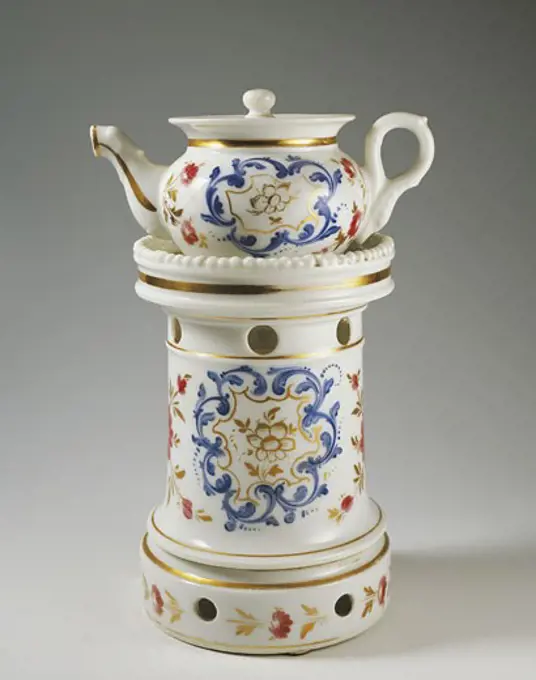
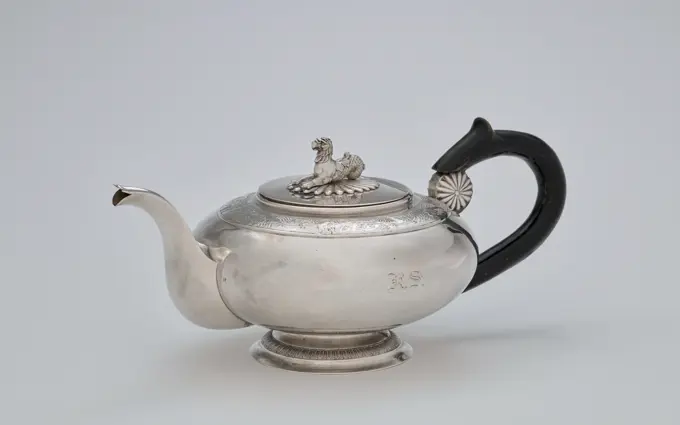
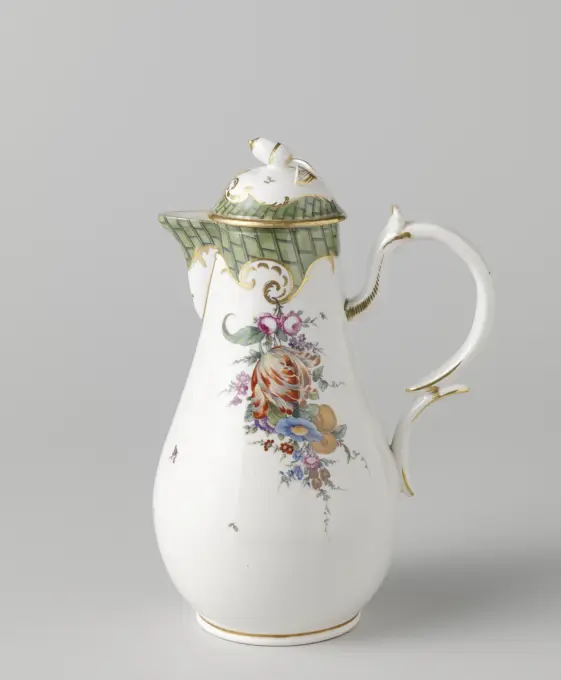
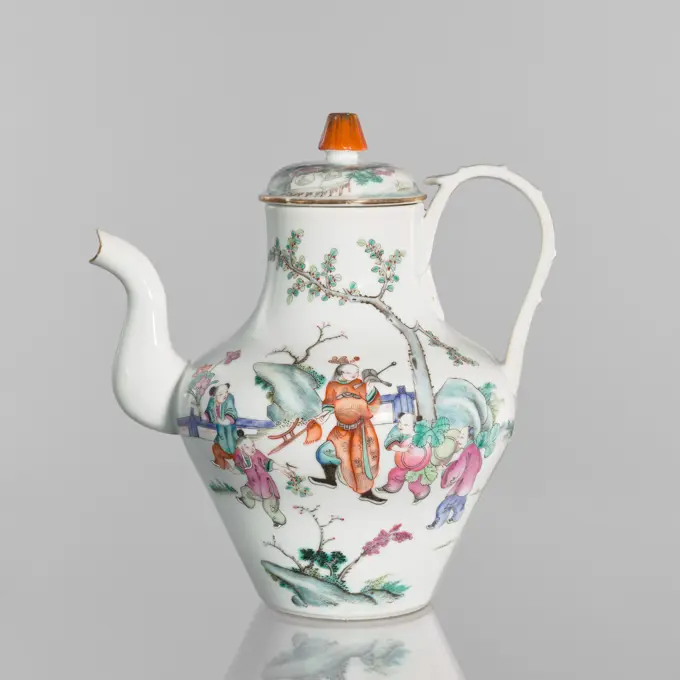
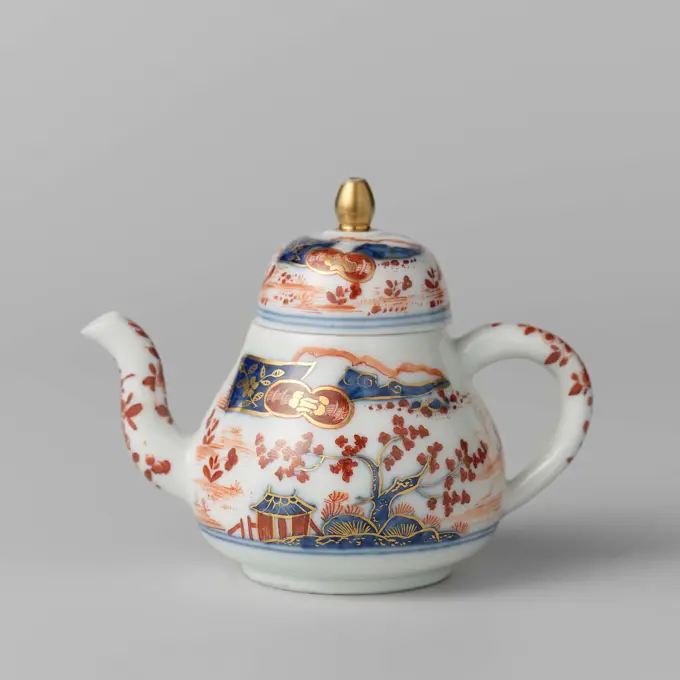
Various decorative teapots and jugs, featuring intricate designs in porcelain and earthenware with floral and colorful details.

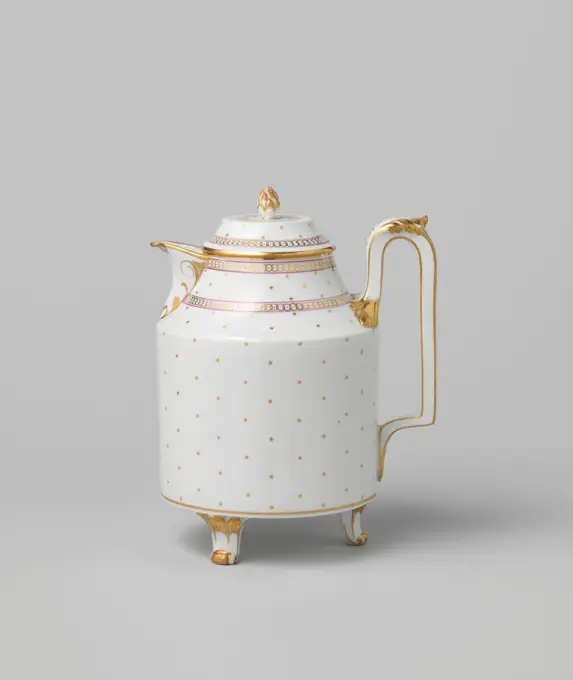
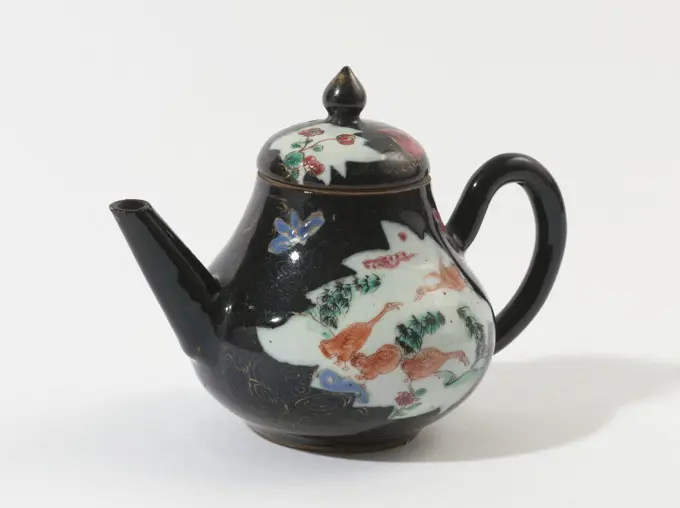
Cover with flowering plants in email on insiced flower sprays, anonymous, c. 1700 - c. 1724 Lid belonging to a pear -shaped milk jug of porcelain, painted on the glaze blue, red, green, yellow, black and gold. Decorated in China with flower branches. In Europe with email colors on it decorated with the 'three friends of winter' (bamboo, prunus, pine). On the edge a tire with flower vines against a black -stuck, green background, interrupted by flower vines in a cartouche. Lid has been broken. Decorated in Europe in the Chinese Famle Vert style. Chinapainter: Europe porcelain. glaze. cobalt (mineral). gold (metal) painting / gilding / vitrification Lid belonging to a pear -shaped milk jug of porcelain, painted on the glaze blue, red, green, yellow, black and gold. Decorated in China with flower branches. In Europe with email colors on it decorated with the 'three friends of winter' (bamboo, prunus, pine). On the edge a tire with flower vines against a black -stuck, green background, int
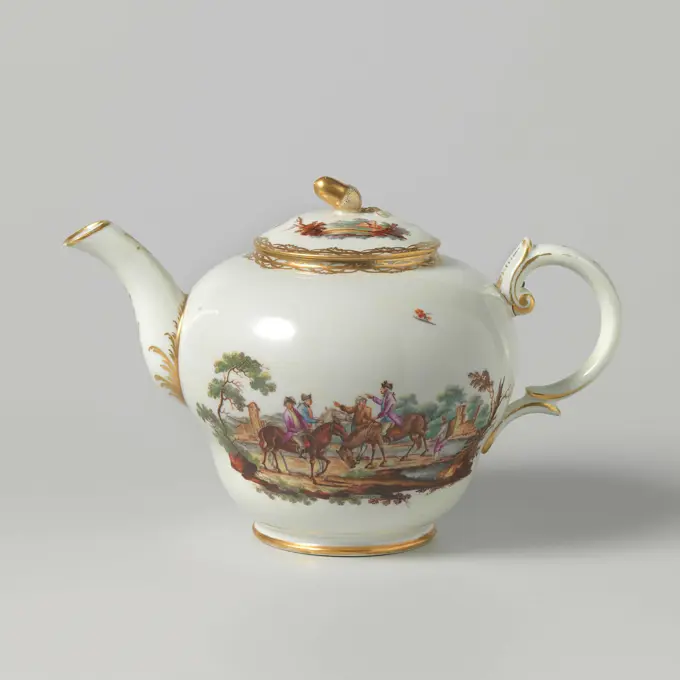
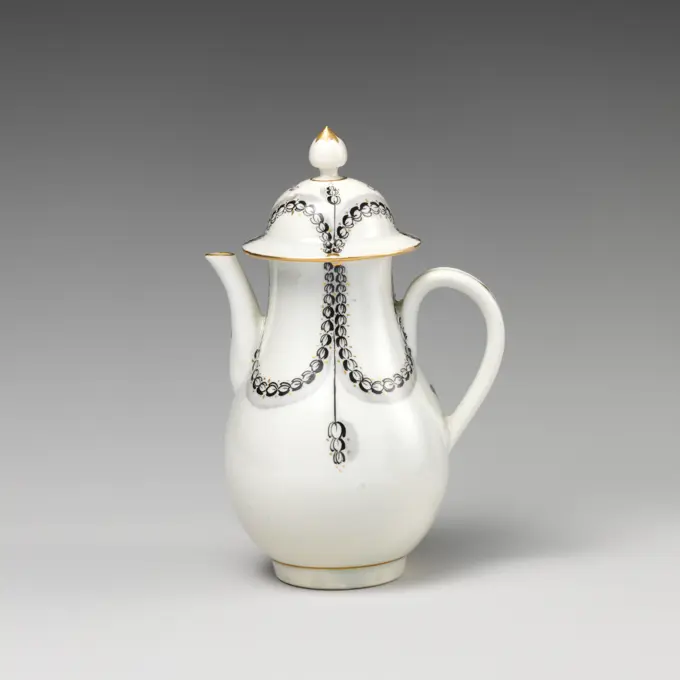
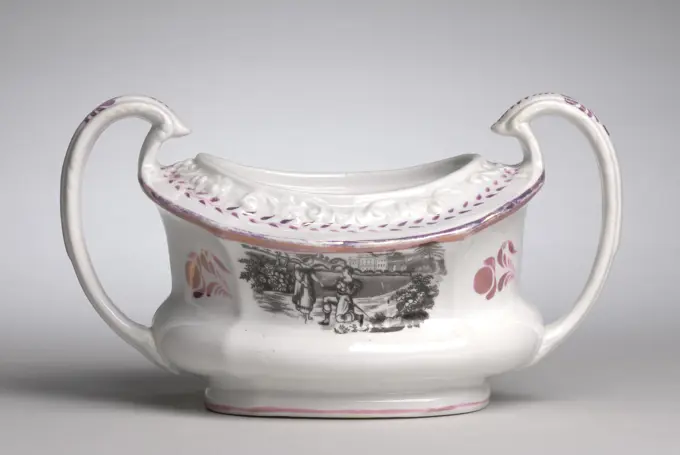
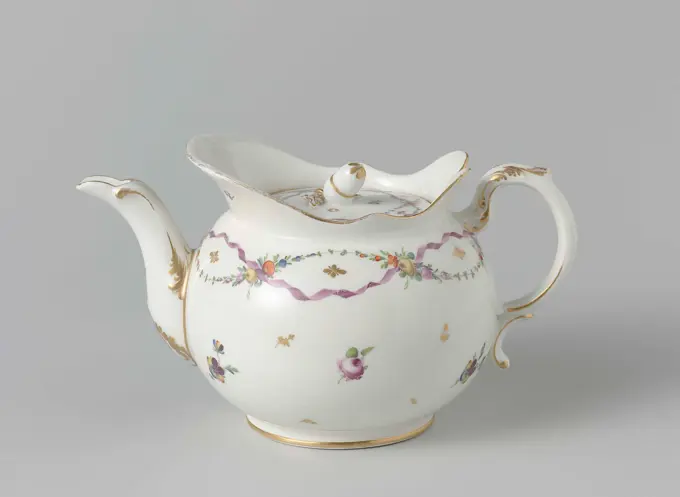
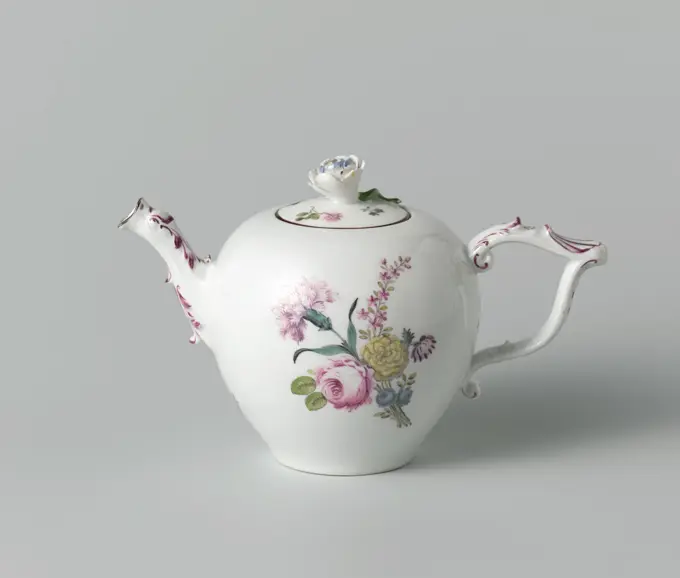
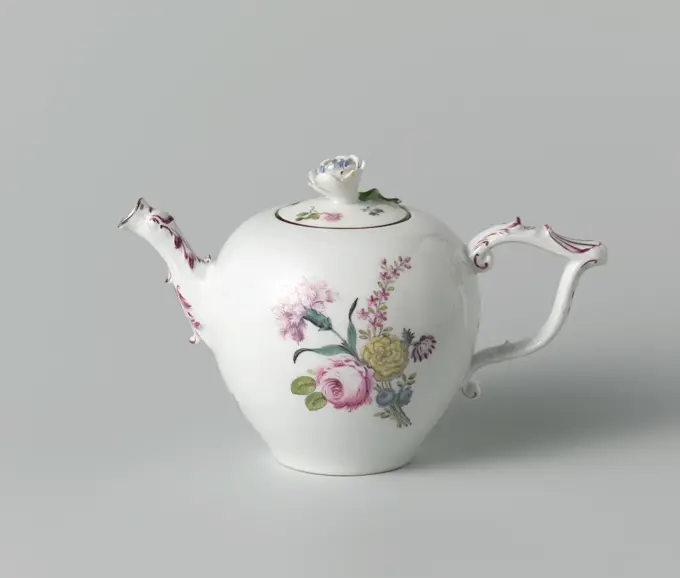
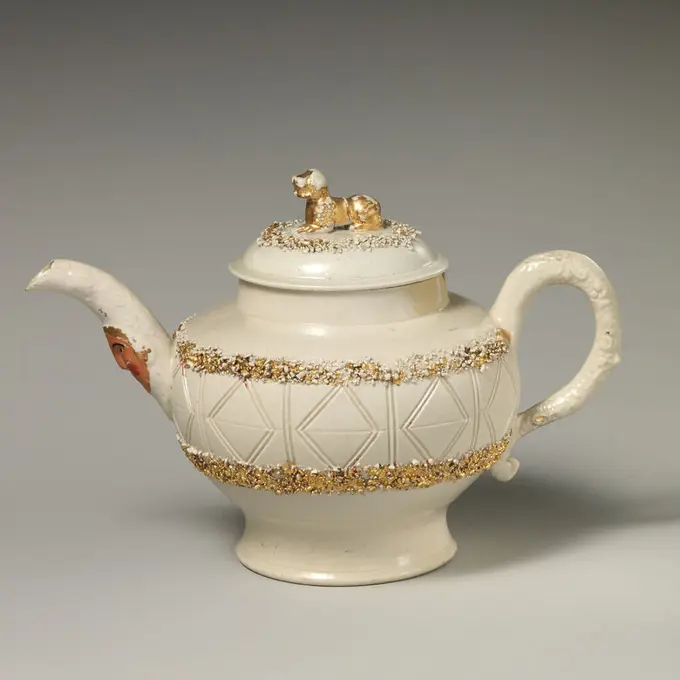
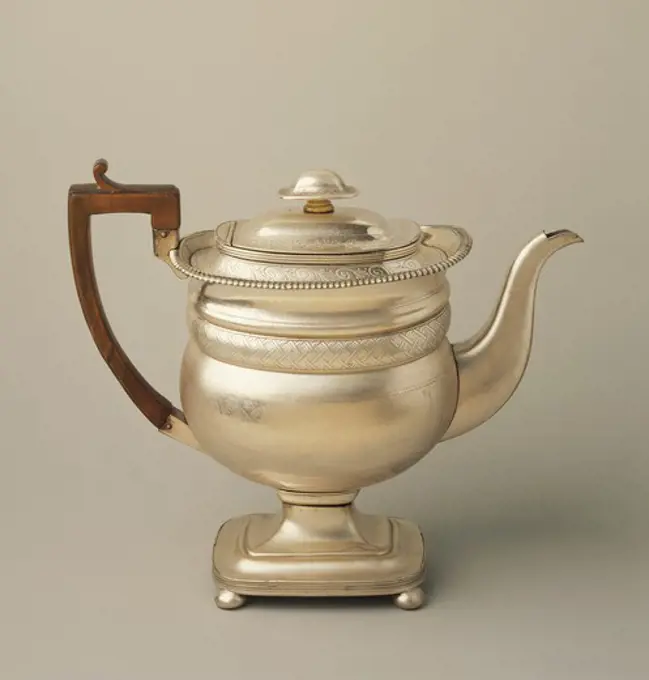
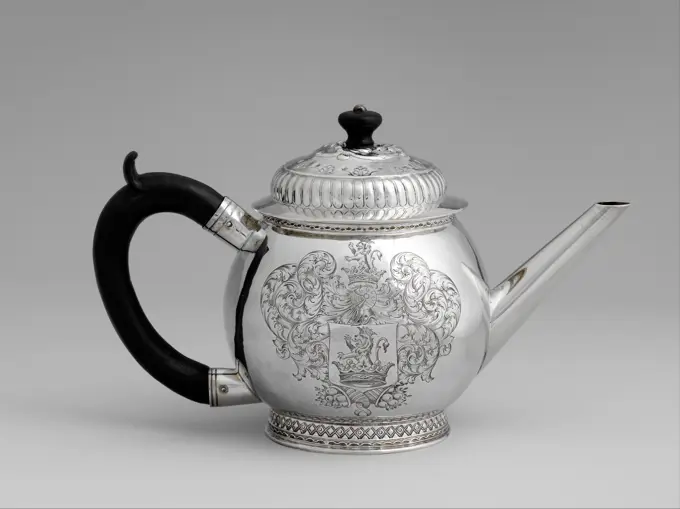
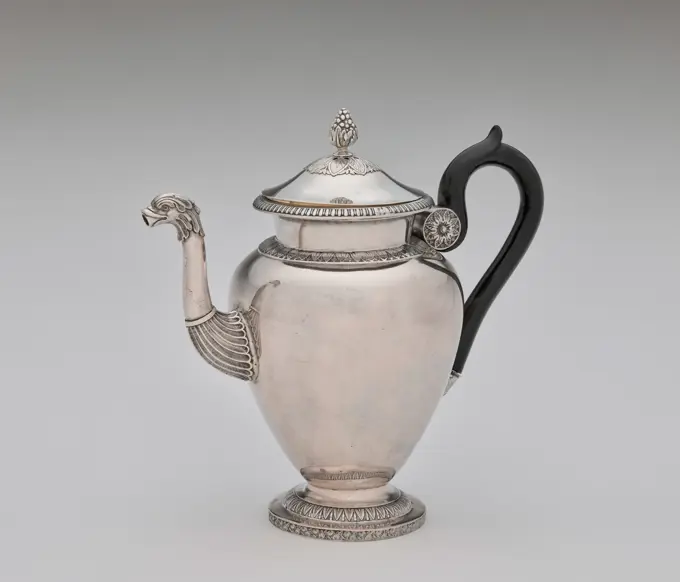
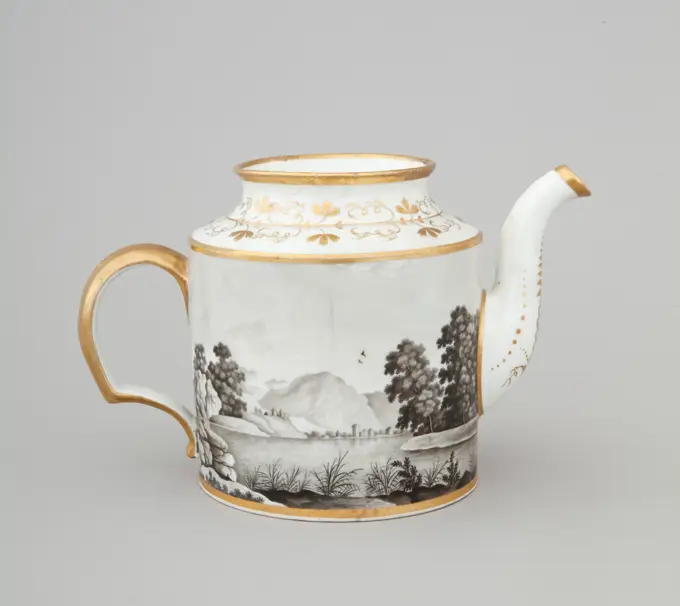
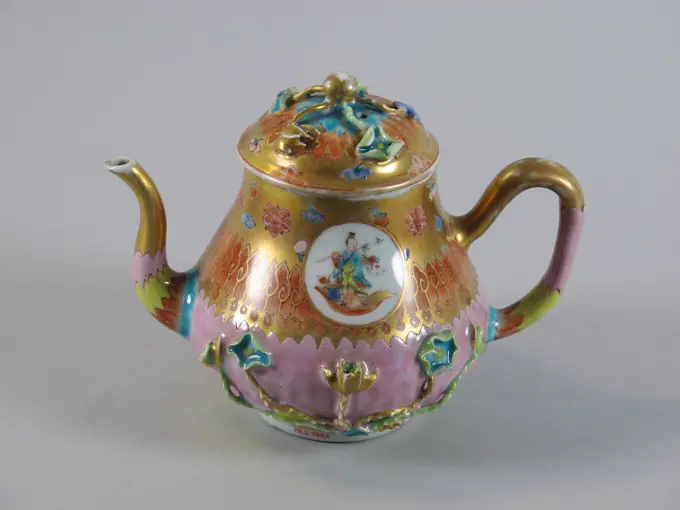
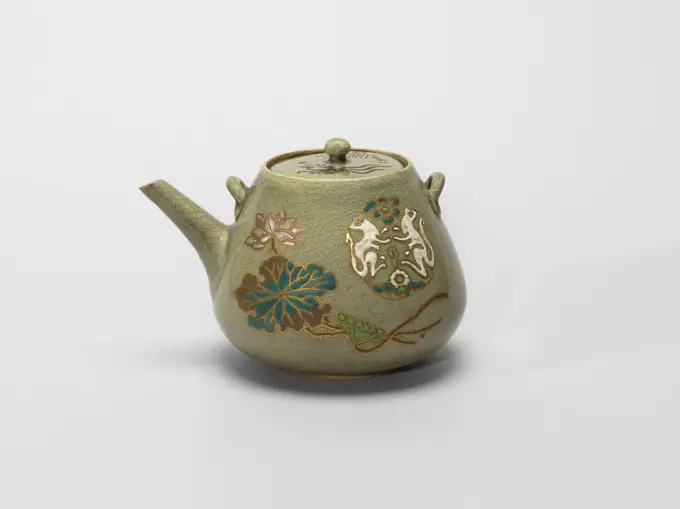
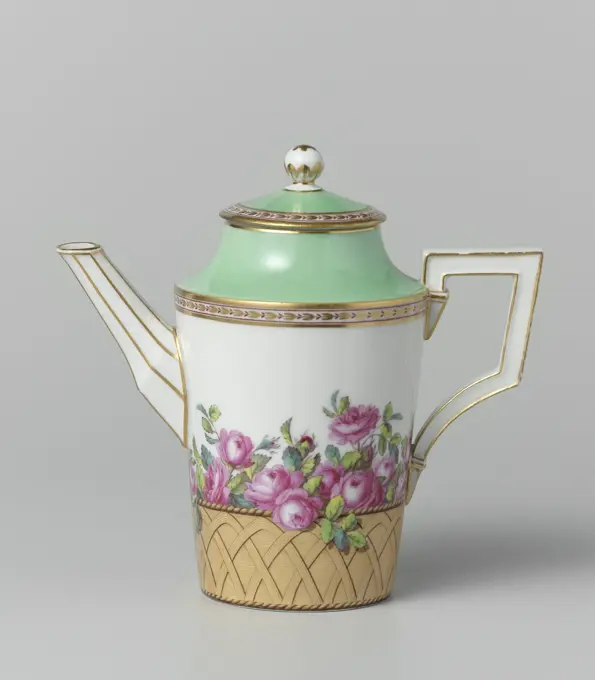
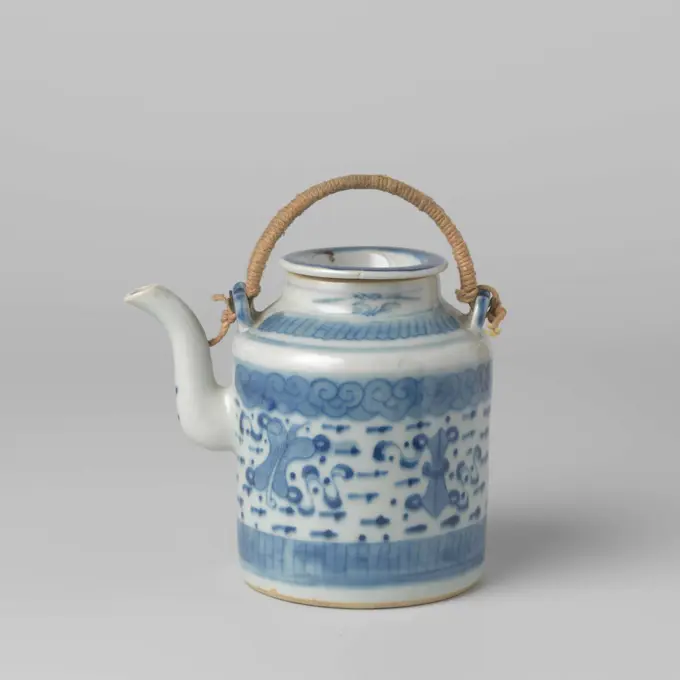
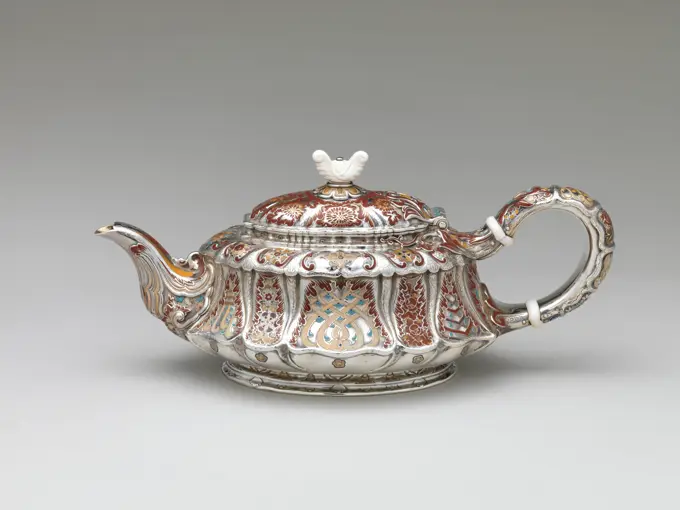
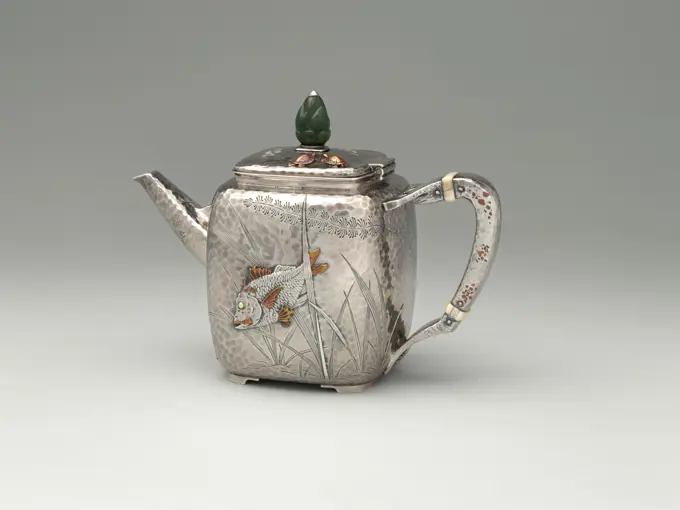
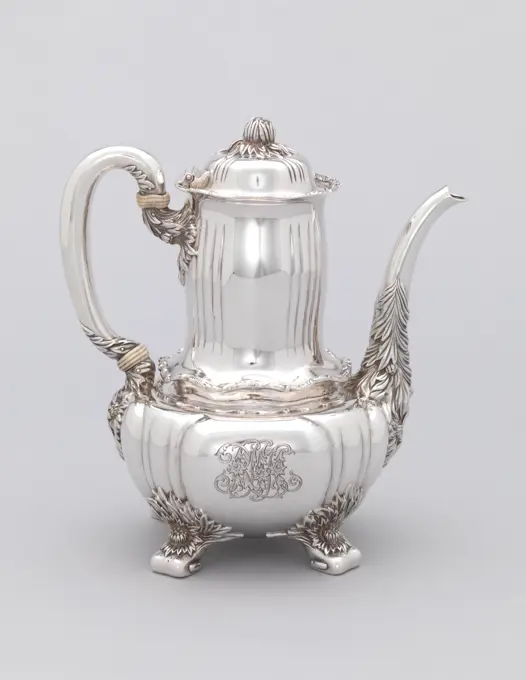
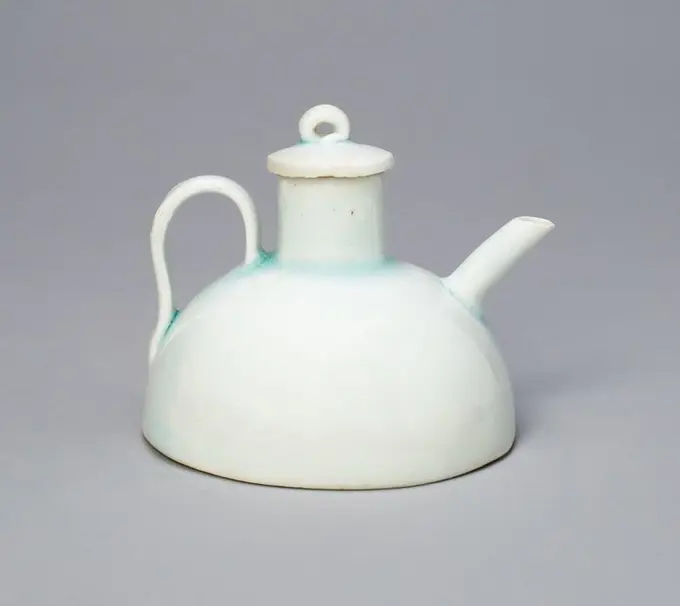
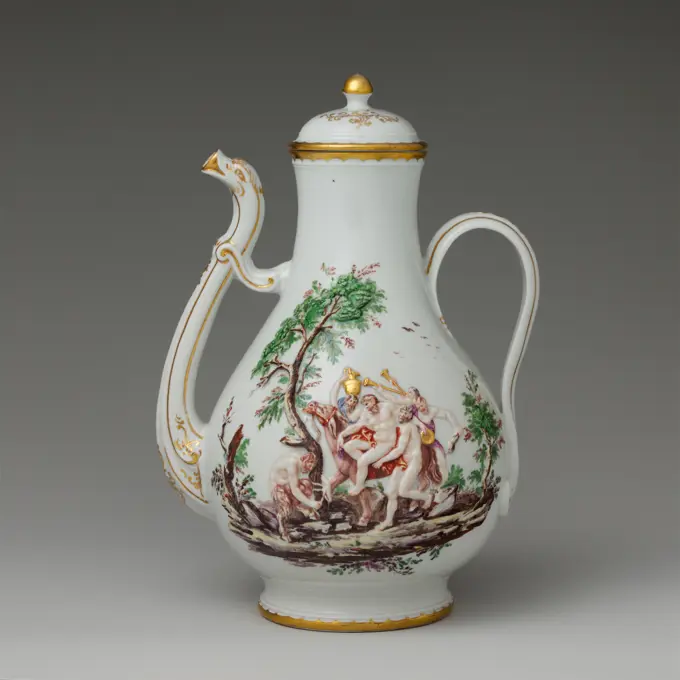
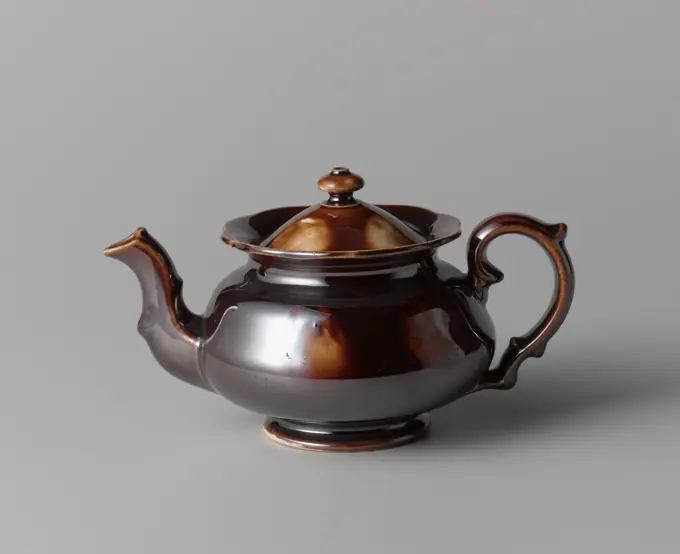
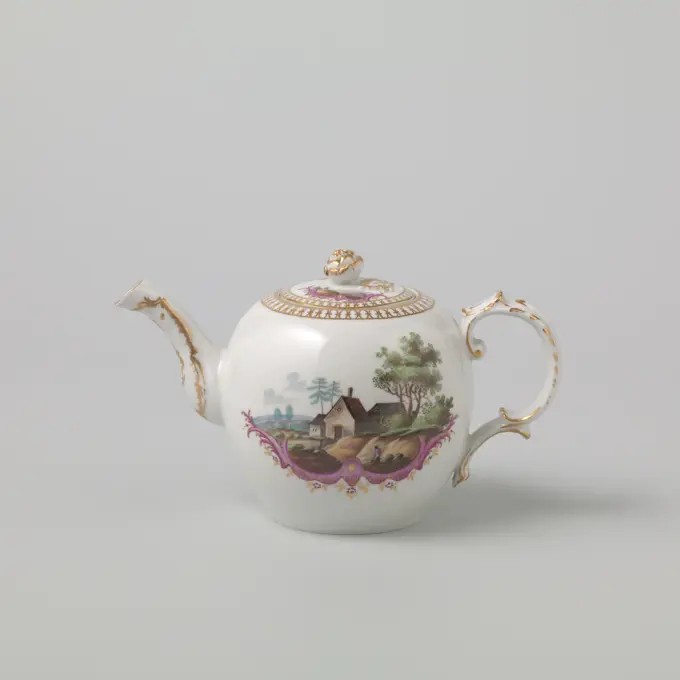
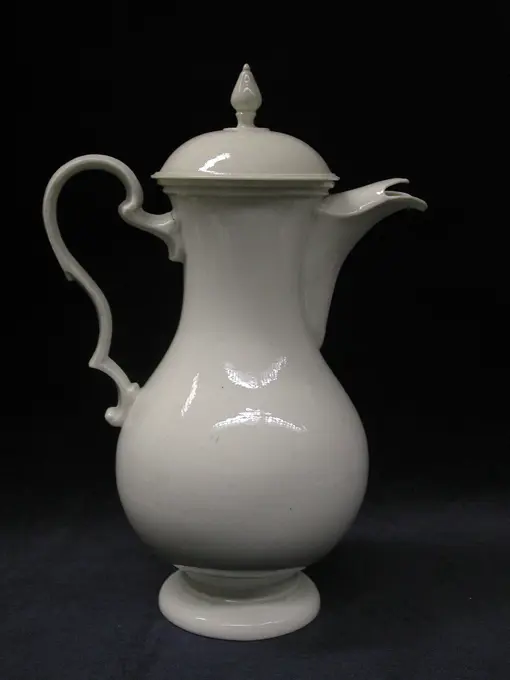
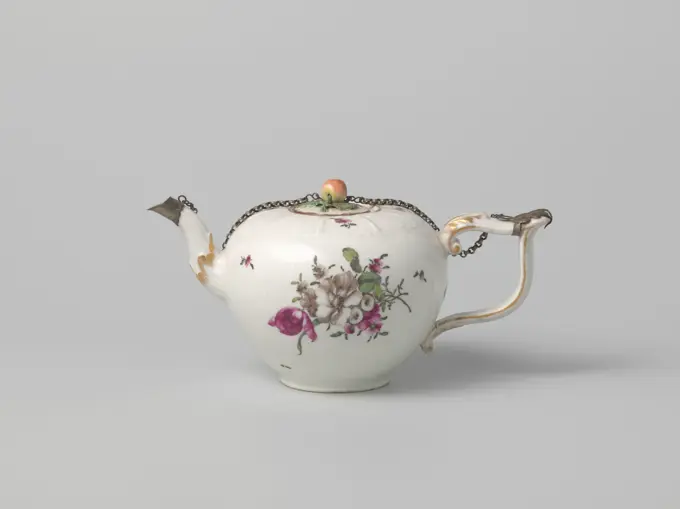
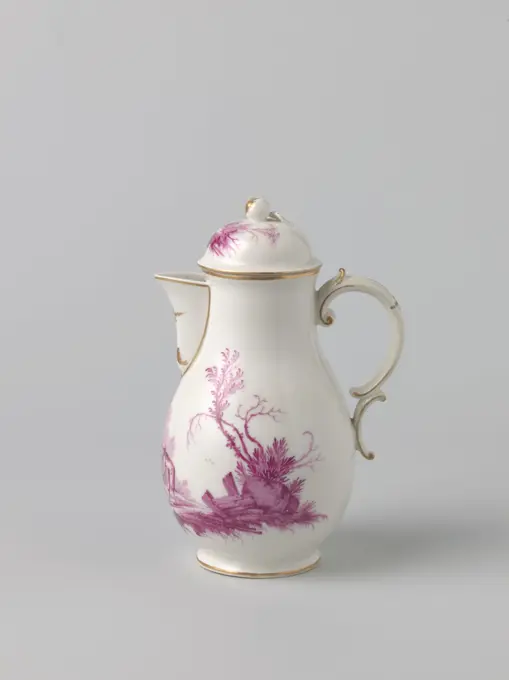
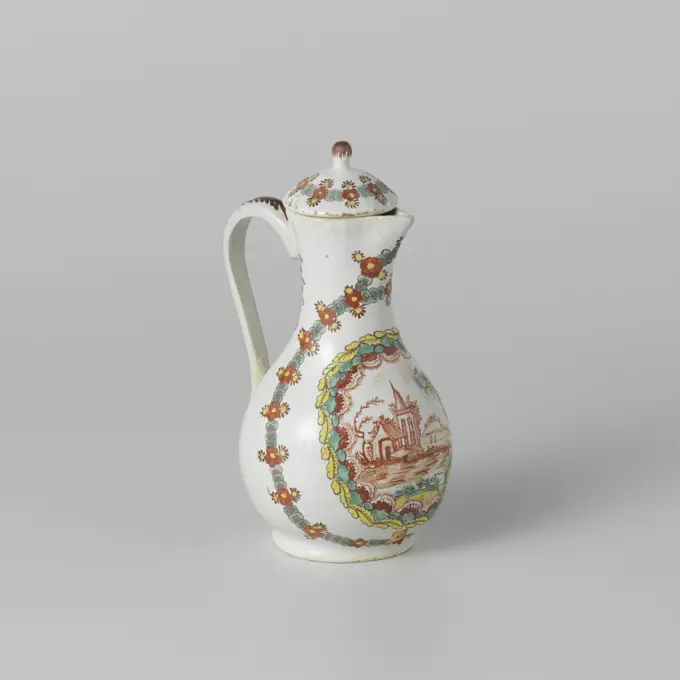
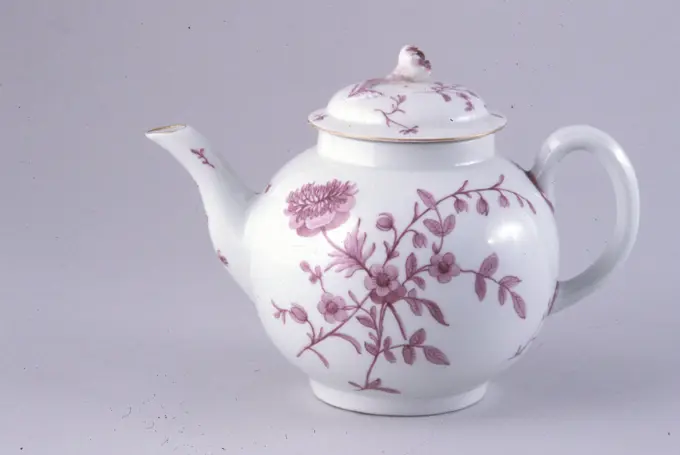
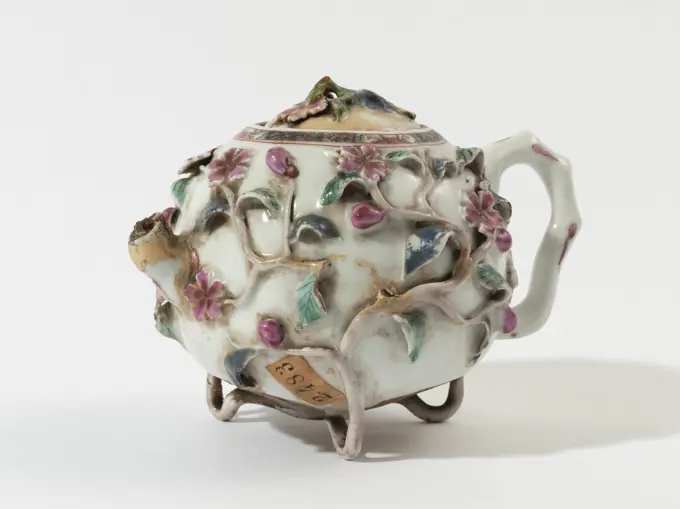
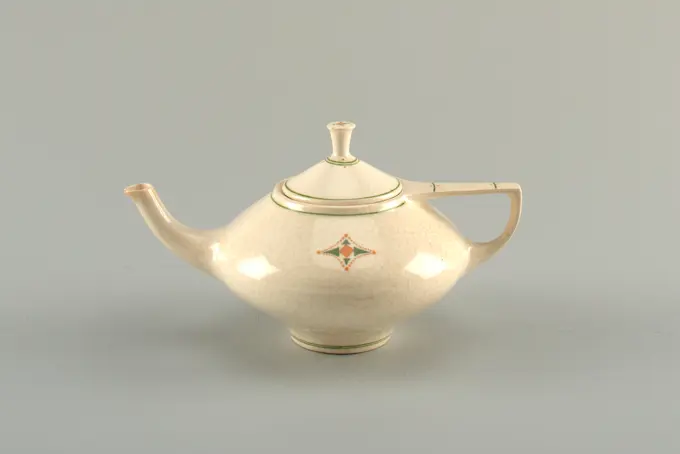
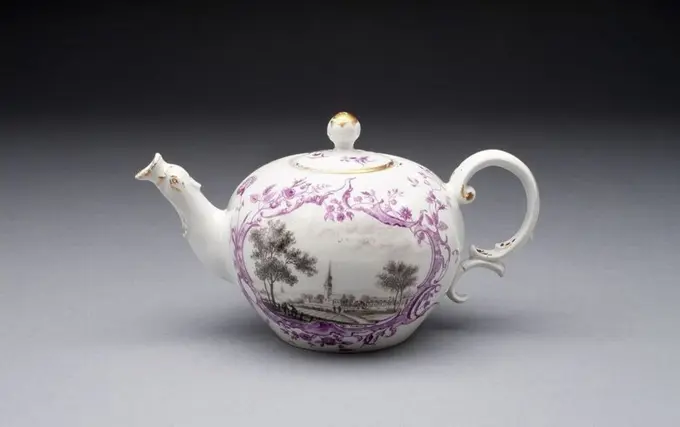
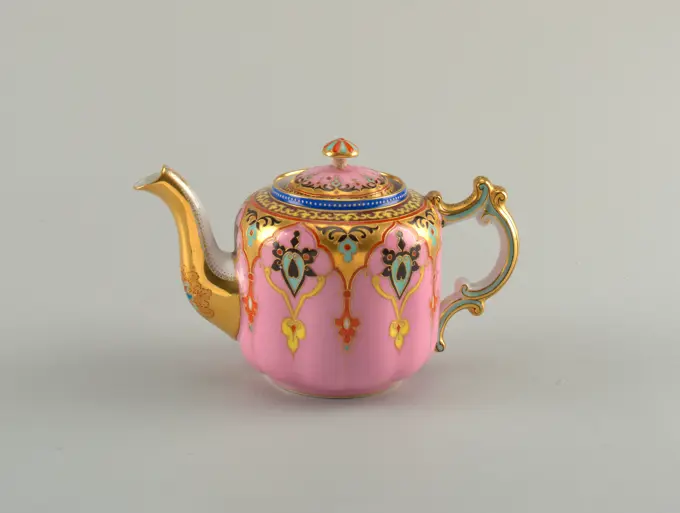
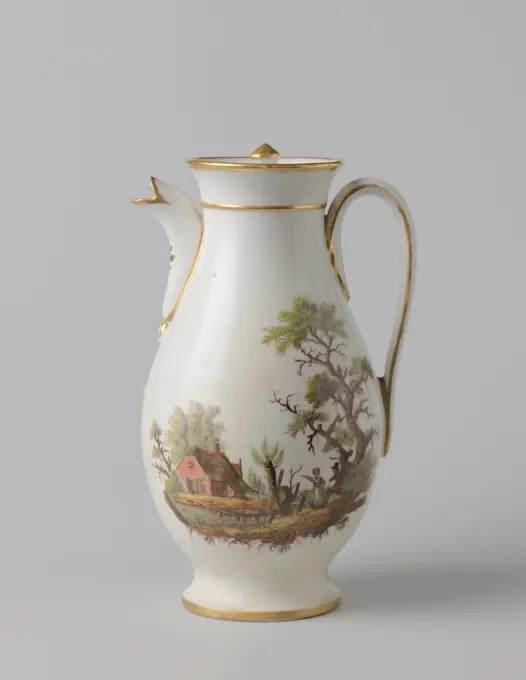
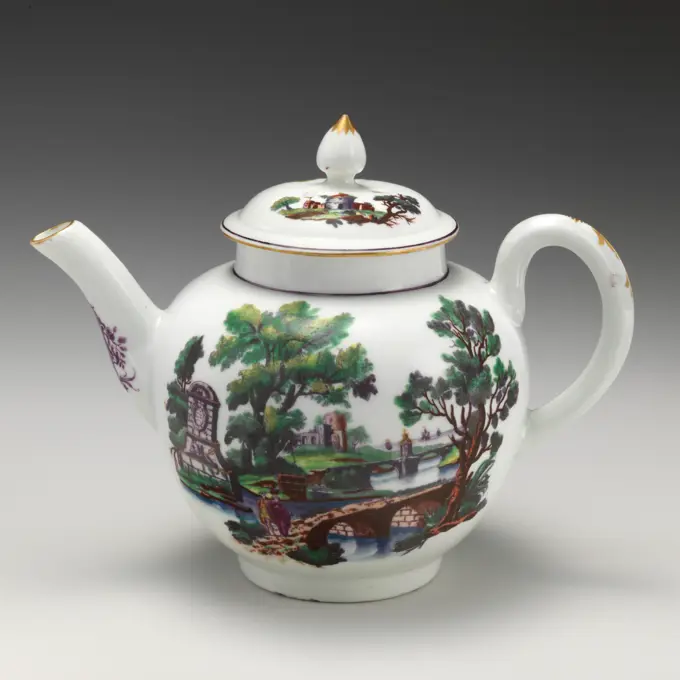
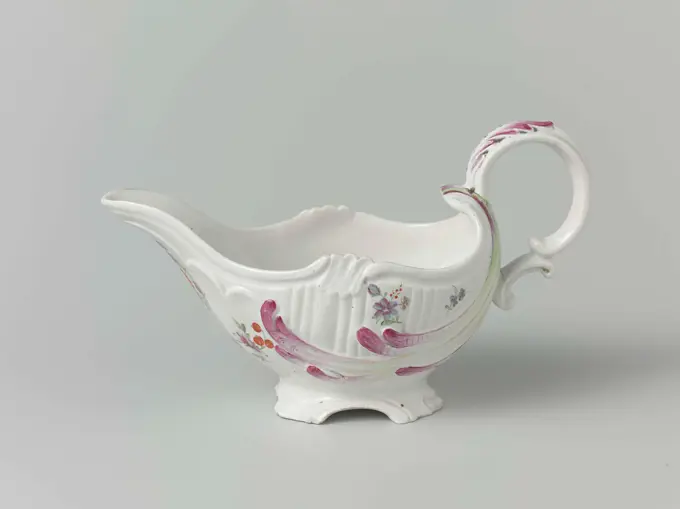
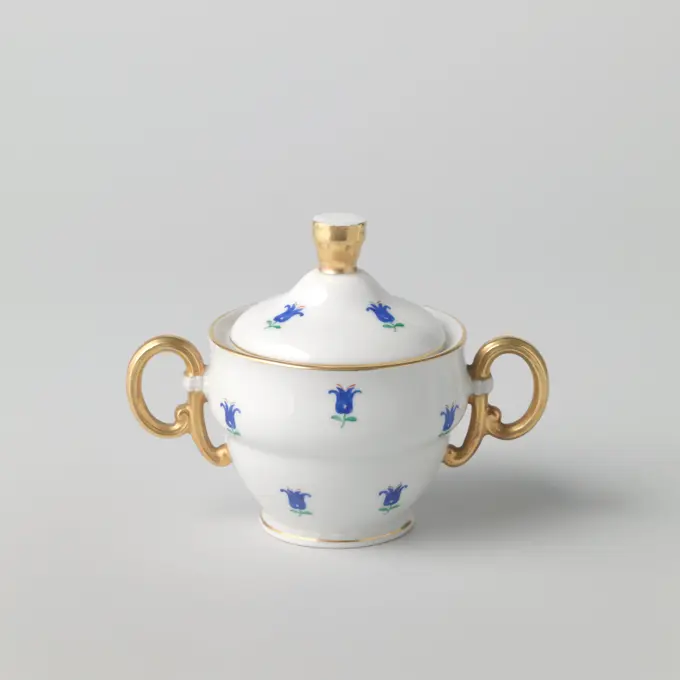
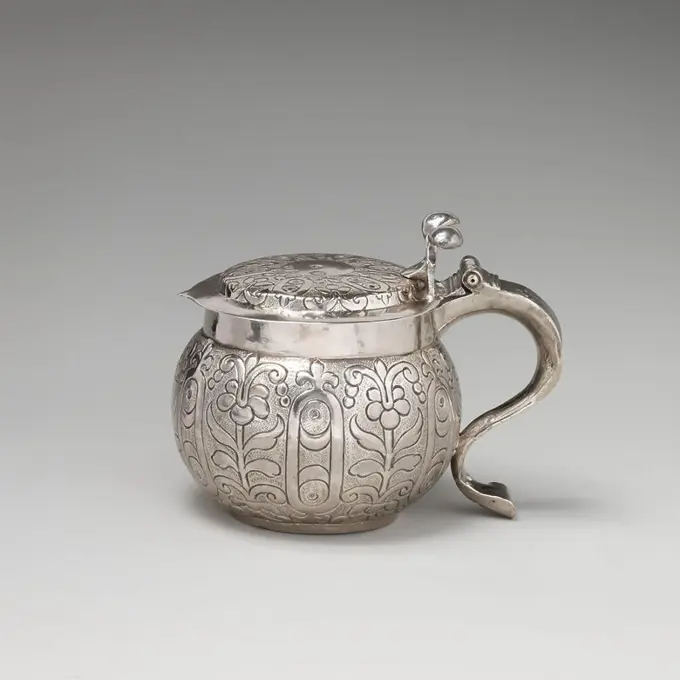
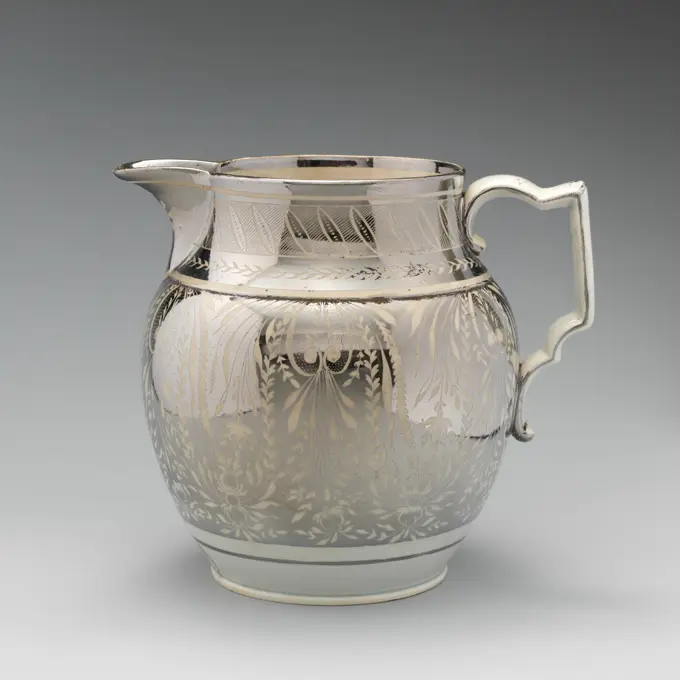
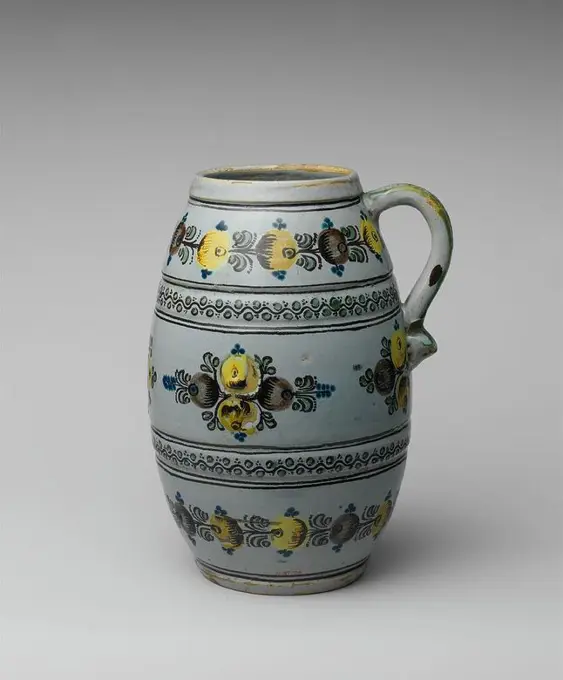
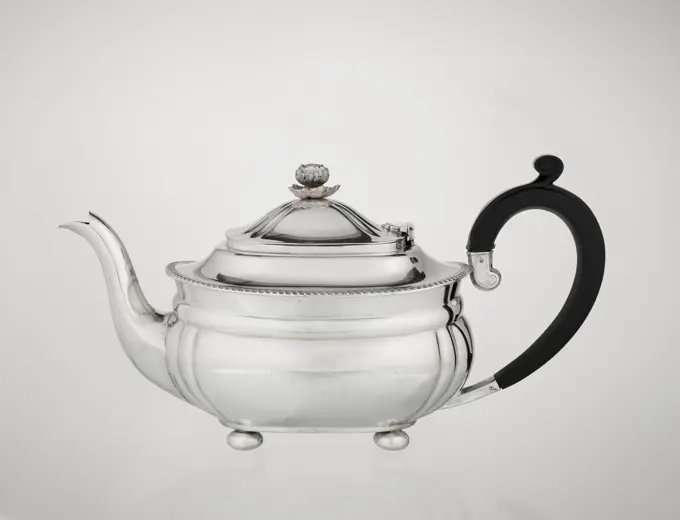
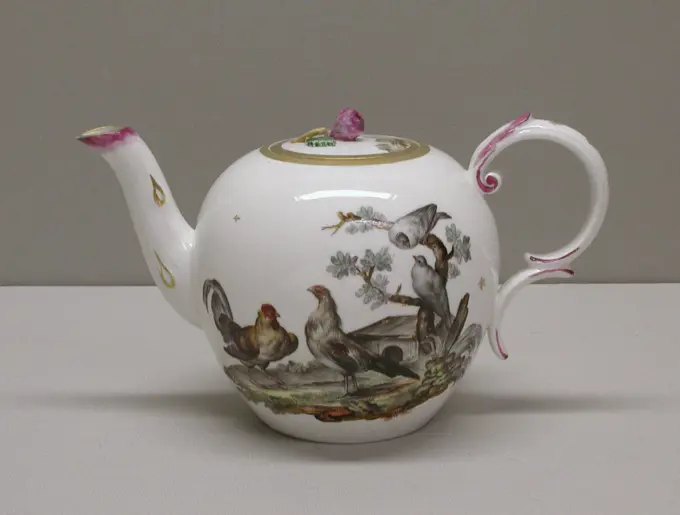
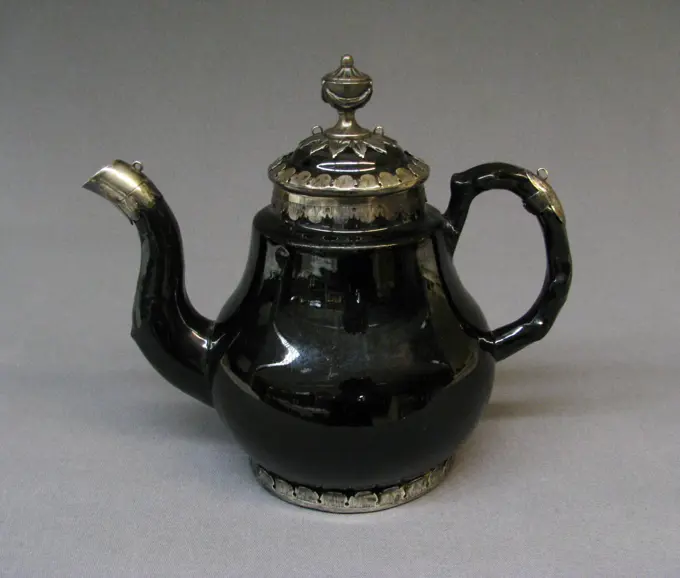
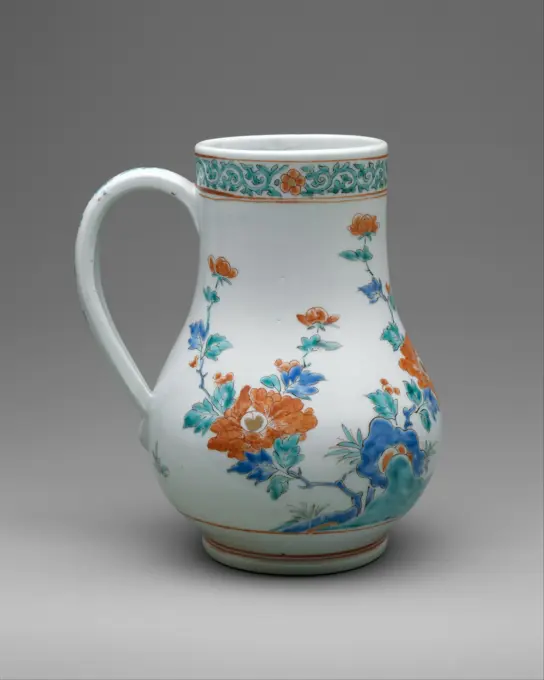
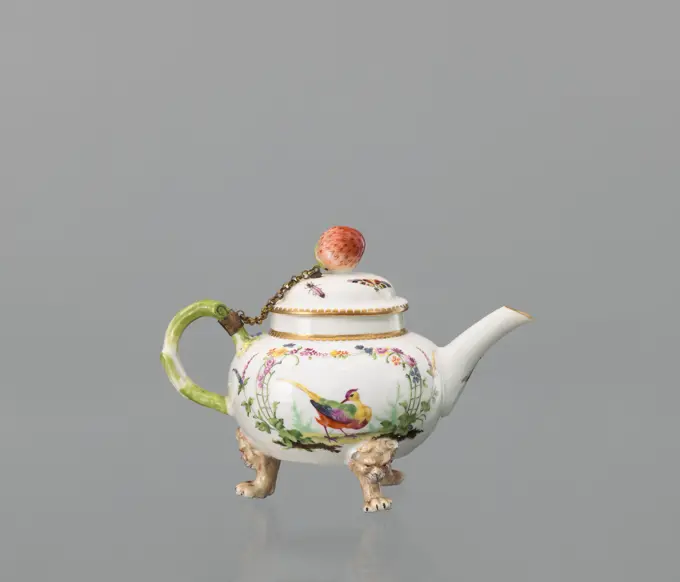
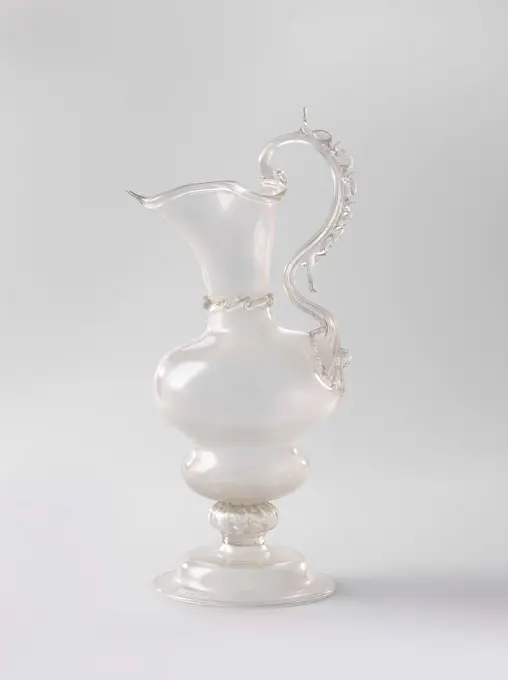
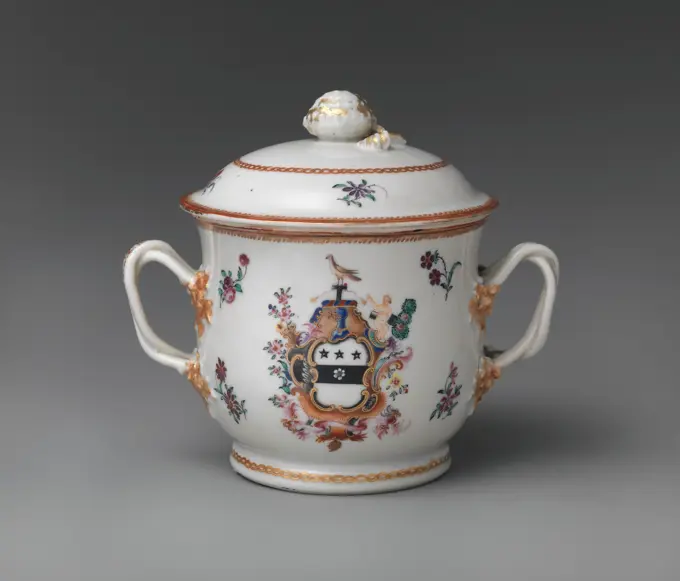
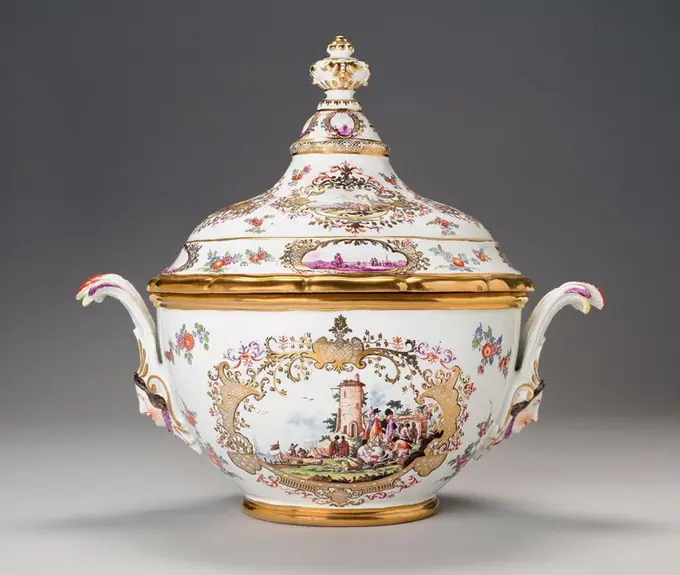
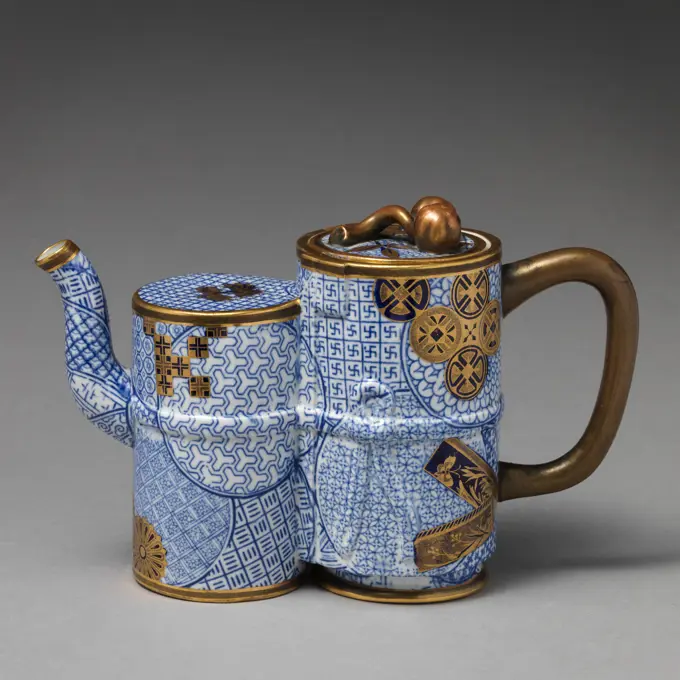
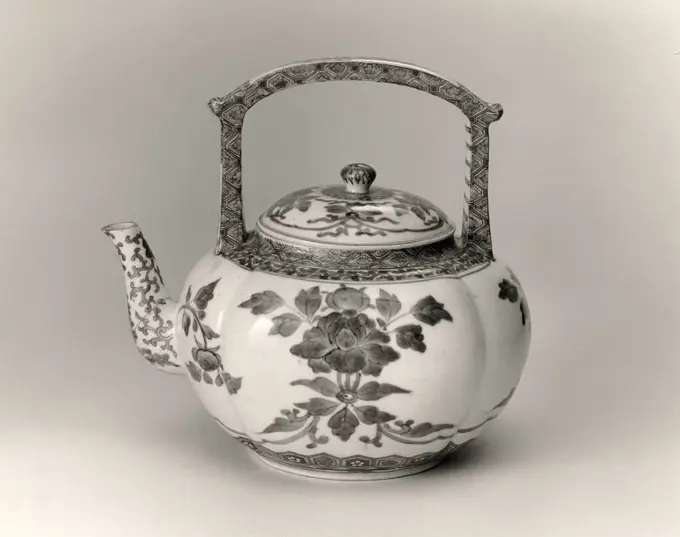
Cover with flowering plants in email on insiced flower sprays, anonymous, c. 1700 - c. 1724 Lid belonging to a pear -shaped milk jug of porcelain, painted on the glaze blue, red, green, yellow, black and gold. Decorated in China with flower branches. In Europe with email colors on it decorated with the 'three friends of winter' (bamboo, prunus, pine). On the edge a tire with flower vines against a black -stuck, green background, interrupted by flower vines in a cartouche. Lid has been broken. Decorated in Europe in the Chinese Famle Vert style. Chinapainter: Europe porcelain. glaze. cobalt (mineral). gold (metal) painting / gilding / vitrification Lid belonging to a pear -shaped milk jug of porcelain, painted on the glaze blue, red, green, yellow, black and gold. Decorated in China with flower branches. In Europe with email colors on it decorated with the 'three friends of winter' (bamboo, prunus, pine). On the edge a tire with flower vines against a black -stuck, green background, intTeapot in Melon Shape with Peonies. Culture: Japan. Dimensions: H. 7 1/4 in. (18.4 cm); W. 7 1/2 in. (19.1 cm). Date: ca. 1700. Museum: Metropolitan Museum of Art, New York, USA.Teapot. Manufacturing former loose ruderecht, c. 1782-1784Hard-Paste PorcelainCoffeepot (part of a service) ca. 1780-90 Caughley Factory Listen to experts illuminate this artwork's story Listen Play or pause #407. Teapots Supported by Bloomberg Philanthropies We're sorry, the transcript for this audio track is not available at this time. We are working to make it available as soon as possible.. Coffeepot (part of a service). British, Caughley. ca. 1780-90. Soft-paste porcelain with enamel decoration and gilding. Caughley Factory (British, ca. 1772-1799). Ceramics-PorcelainSugar Bowl and Lid, c. 1800-1825. England. Earthenware; overall: 14.7 x 22.6 x 13.7 cm (5 13/16 x 8 7/8 x 5 3/8 in.).Teapot and Milk Jug, part of a tea service. Royal Porcelain Factory Dommer & Co.Newer-Amstel, c. 1809-1814Hard-Paste PorcelainTeapot, multi -colored painted with bouquets, Meissener Porzellan Manufaktur, c. 1740 - c. 1750 Teapot, reversed egg -shaped, of painted porcelain. The pot has decorated a double bent ear in relief. The spout has the shape of an animal. The pot is painted with two bouquets. The pot is marked. Float porcelain Teapot, reversed egg -shaped, of painted porcelain. The pot has decorated a double bent ear in relief. The spout has the shape of an animal. The pot is painted with two bouquets. The pot is marked. Float porcelainCover, multicolored painted with bouquets, Meissener Porzellan Manufaktur, c. 1740 - c. 1750 A lid with a button in the shape of a flower with two leaves. Painted the lid with three sprinkling branches. Float porcelain A lid with a button in the shape of a flower with two leaves. Painted the lid with three sprinkling branches. Float porcelainTeapot. Culture: British, Staffordshire. Dimensions: 5 1/8 × 7 5/8 in. (13 × 19.4 cm). Date: ca. 1740. Museum: Metropolitan Museum of Art, New York, USA.Coffeepot with flowers, Pirkenhammer, c. 1935 Coffee pan of porcelain on slightly spreading base with a light-losing body that thickens just above half and runs into a wide neck, s-shaped, ribbed spout and p-shaped ear. Painted on the glaze in blue, red, green and gold. The belly and neck with blue flowers and a gold ear. Golden line on the foot and the edge. Marked on the underside with the crossed hammers with crown, the text 'Epiag Pirkenhammer Cechoslow' and the number 5857. Carlsbad porcelain. glaze. gold (metal) painting / gilding / vitrification Coffee pan of porcelain on slightly spreading base with a light-losing body that thickens just above half and runs into a wide neck, s-shaped, ribbed spout and p-shaped ear. Painted on the glaze in blue, red, green and gold. The belly and neck with blue flowers and a gold ear. Golden line on the foot and the edge. Marked on the underside with the crossed hammers with crown, the text 'Epiag Pirkenhammer Cechoslow' and the number 5857. CarSilversmith's Art, England 18th century. Sheffield plate teapot on pedestal with wooden handle, 1780-1800.Teapot 1690-1700 Jacob Boelen American The globular body, straight spout, and detachable cover of this teapot imitate Chinese ceramics, while the luxurious armorial engraving, die-stamped foot band, and meander wire are characteristic of early New York silver. The striking contrast of plain surfaces with linear and sculptural ornament characterizes the finest work of this period. Engraved feather mantling surrounds the arms of the Philipse family, wealthy merchants of colonial New York. The teapot later passed into the Jay family.. Teapot. American. 1690-1700. Silver. Made in New York, New York, United StatesCoffee jug. Nast, Ludwik (fl. 1827-1839), goldsmithClose-up of a tea kettle on a burner, Paris, FranceKettle KorzecCoffeepot with Urn Pattern, Fürstenberg Porcelain Manufactory, German, established 1747, hard paste porcelain, vitreous enamel, gold, Tall, cylindrical; slightly outcurved spout; rectangular handle, slightly domed cover with pineapple finial. Decoration, in pale colors, of an urn with foliate rinceaux, and bands of foliage in color and gilding. Bottom unglazed., Germany, 1780-1800, ceramics, Decorative Arts, coffeepot, coffeepotTeapot with fairies late 18th-early 19th century China. Teapot with fairies 46471Tea-pot. Sandstone, earthenware. Cernuschi Museum, Asia Museum of Asia in the city of Paris.Teapot with lid, blue, with leaves and flowers in relief. Teapot with bridle of bluestone, with embossed leaves and flowers over the entire surface. The top edge of the pot is scalloped. The vaulted lid, with leaves and flowers in relief, is crowned by a flower bud.CoffeePot with Roses in a basket, royal porcelain manufactory, c. 1795 Porcelain coffee pot, painted on the glaze in blue, red, pink, green, yellow, brown and gold. Cylindrical, slightly sloping belly, straight spout, angular ear and wide neck with lid. The lower part of the pot is painted as a basket with roses; A few roses fall just over the edge of the basket. The shoulder and lid with decorative tires and green. Marked on the underside with the scepter, a triangle, number 34 and the letter V. Berlin porcelain. glaze. gold (metal) gilding / vitrification Porcelain coffee pot, painted on the glaze in blue, red, pink, green, yellow, brown and gold. Cylindrical, slightly sloping belly, straight spout, angular ear and wide neck with lid. The lower part of the pot is painted as a basket with roses; A few roses fall just over the edge of the basket. The shoulder and lid with decorative tires and green. Marked on the underside with the scepter, a triangle, number 34 and the letter V. BerliTeapot with precious objects. Cylindrical teapot of porcelain with spout and handle of wrapped iron wire, painted in underglaze blue. On the wall Two decorative tires with this valuables (books), lucky symbols (vase) and taoist symbols (range, castagnets). Blue White.Teapot ca. 1887 Tiffany & Co. An 1898 article in The Jewelers Circular lauds this service as “one of the most artistic silver sets ever produced by the hands of an American silversmith.” Tiffany factory records describe it as a “tête-à-tête” and as “Persian.” Near Eastern and Asian sources clearly inspired both the forms and the ornament, which is executed in sophisticated, subtly shaded enamels.. Teapot. American. ca. 1887. Silver, silver-gilt, enamel and ivory. Made in New York, New York, United StatesTeapot ca. 1880 Tiffany & Co. During the second half of the nineteenth century, Tiffany & Co. rose to prominence as the leading American silversmithing firm and an influential international trendsetter and tastemaker. The 1870s and 1880s witnessed unprecedented innovation and creativity at the firm. Silver in the Japanese taste was among the most popular and celebrated work produced at Tiffanys during these years. Indeed, Tiffany & Co. won the Grand Prize for silverware at the 1878 Paris Exposition Universelle, with the judges citing the originality and virtuosity of the firms Japanesque silver. Edward C. Moore (1827-1891), the head of Tiffanys silver division, assembled a significant collection of Japanese objects to inspire his designers and craftsmen. The silver they produced did not copy Japanese models but, instead, incorporated Japanese aesthetic sensibilities and techniques into fresh and wholly innovative designs. This tea sets asymmetrical compositions, whimsical renderingChrysanthemum Coffeepot; Manufactured by Tiffany and Co. (United States); USA; silver, ivory; Overall: 25.4 x 21.5 x 13.3 cm (10 x 8 7/16 x 5 1/4 in.)Teapot, c. 1782-1790. New Hall Porcelain Factory (British). Porcelain; overall: 15 x 20.1 x 12.4 cm (5 7/8 x 7 15/16 x 4 7/8 in.).. Porcelain factory Aan Den Amstelmanufacture Oud-Loosdrechtoper-Amstel and Loosdrecht, c. 1784-1809Hard-Paste Porcelain. Milk jug with lid of multicolor painted porcelain. The can be almost entirely covered with a sea-green fond in which two four passes are saved on the body and lid. Flower branches have been painted in the four passes; On the body on one side with a rock and on the other side with a bird. Spreading flowers are painted on the ear and the spreader and a rosette on the lid knob. Some parts are plated. The can be noticed.Teapot. Culture: American. Dimensions: 7 3/16 x 7 1/8 in. (18.3 x 18.1 cm). Maker: George E. Ohr (American, Biloxi, Mississippi 1857-1918 Biloxi, Mississippi). Date: 1897-1900.In many ways George Edgar Ohr was the quintessential Arts and Crafts potter, combining artistic vision with extraordinary skill with his hands. Working in the seaside resort town of Biloxi, Mississippi, he dug the clay, processed and prepared it, threw the shape on the wheel, altered the piece according to his vision, mixed and applied his own glazes, fired the kiln, created his own style of advertising, and took his wares on the road. Ohr's personal mantra was "no two alike," and he was as eccentric as his work was individualistic, with its manipulated forms on ultra-thin thrown vessels, crimping, ruffling, off-centering, and twisting, to create unprecedented forms for the 1890s. To these forms, he applied his own completely new and unusual glazes, applied by sponging, splashing, and spattering, resulting in woMilk jug of hard baked earthenware; Cream Ware from Leeds with silver, Anonymous, c. 1810 - c. 1840 Milk jug of hard baked pottery. The jug has a canopic abdomen, a wide, cylindrical neck with bent Sneb and a C-shaped ear. The jug is decorated silver in which two saved flower branches with leaves. Leeds earthenware. silver (metal) Milk jug of hard baked pottery. The jug has a canopic abdomen, a wide, cylindrical neck with bent Sneb and a C-shaped ear. The jug is decorated silver in which two saved flower branches with leaves. Leeds earthenware. silver (metal)Mug and cover, glass, Ovoid body; flared foot, fluted, with radial cutting on bottom; loop handl cut with notches; domed lid with tall faceted finial; body cut with centralband of swags, printies, & a tiny diamond background, a band of diamonds above and prismatic rings and flat fluting below; glass greenish, light., Europe, ca. 1800, glasswares, Decorative Arts, Mug and coverSaucepot. China. Date: 1200-1399. Dimensions: H. 7.3 cm (2 7/8 in.); diam. 8.7 cm (3 7/16 in.). Qingbai ware; glazed porcelain. Origin: China. Museum: The Chicago Art Institute, Chicago, USA.Coffeepot (part of a service) ca. 1760 Doccia Porcelain Manufactory Italian This coffeepot is from a service depicting scenes from Ovid's Metamorphoses.. Coffeepot (part of a service) 196891Teapot 1745-1755 Staffordshire. Salt-glazed stoneware, polychrome enamels .Teapot, brown with light spots, Peter Regout, c. 1801 - c. 1879 Teapot of earthenware with brown lust glaze. Light spots on the belly. Maastricht earthenware. luster glaze vitrification Teapot of earthenware with brown lust glaze. Light spots on the belly. Maastricht earthenware. luster glaze vitrification. Porcelain pear-shaped milk jug with C-shaped ear and triangular spout, painted on the glaze in blue, red, black and gold. A family crest of a medallion twice on the abdomen. The upper part of the weapon with three flowers on a blue background and the lower part with a flower and seven loose leaves on a golden ground. The cover consists of flower drinks and the helmet sign is a swan with a flower as a cup. Between the weapons flower drinks; On the edge a Spearhead border and a bond with flower drinks. Lid is missing. Weapon porcelain with email colors.Teapot with two landscapes, Fürstenberg, c. 1765 - c. 1775 Teapot of porcelain with an egg-shaped body, bent spout and C-shaped ear, painted on the glaze in enamel colors and gold. On the belly a landscape with buildings and people, including a rocaille band. A decorative tire on the shoulder. The spout is decorated in relief with a stylized leaf with gold. The ear is modeled in the form of curly leaf vines, also with gold. Marked on the underside with the F, 3 and B3. Fürstenberg porcelain. glaze. gold (metal) painting / gilding / vitrification Teapot of porcelain with an egg-shaped body, bent spout and C-shaped ear, painted on the glaze in enamel colors and gold. On the belly a landscape with buildings and people, including a rocaille band. A decorative tire on the shoulder. The spout is decorated in relief with a stylized leaf with gold. The ear is modeled in the form of curly leaf vines, also with gold. Marked on the underside with the F, 3 and B3. Fürstenberg porcelain. glaze. golSmall covered wine pot or teapot. Artist: Chinese , Qing Dynasty, Kangxi period. Culture: Chinese. Dimensions: Height: 7 1/4 in. (18.3 cm.). Date: 1662-1722. Museum: Metropolitan Museum of Art, New York, USA.Milkkan, painted with a landscape with houses, c. 1809 - c. 1814 Milkkan van Porcelain, painted with a landscape with houses. Marked in black: Amstel. The milk can be defective. Nieuwer-Amstel porcelain Milkkan van Porcelain, painted with a landscape with houses. Marked in black: Amstel. The milk can be defective. Nieuwer-Amstel porcelainCoffeepot ca. 1745 Capodimonte Porcelain Manufactory The gift of the Hans Syz Collection in 1995 endowed the Museum with nearly three hundred examples of European and Asian ceramics meticulously acquired by Swiss-born collector Dr. Syz (1894-1991) to chart the migration of models and patterns from East to West. Documenting a continuous process of influence and adaptation, these pieces provide a discriminating review of the nuances of stylistic change resulting from three centuries of trade.. Coffeepot 208494Teapot with bouquets and flowers, Porseleinfabriek Ludwigsburg, c. 1760 Porcelain teapot with a curved spout and ear, painted on the glaze in red, pink, green, yellow, black and gold. On the belly bouquets and sprinkling flowers. The shoulder with a tire braid in relief, on which flower branches. The turns of the ear and the spout are modeled in leaf vines. Lid with the same decoration and a lid button in the shape of a fruit branch (apple). The teapot is caught in a copper frame. Marked on the bottom with the crowned double C. Ludwigsburg Porcelain. Glaze. Gold (Metal). frame: copper (metal) painting / gilding / vitrification Porcelain teapot with a curved spout and ear, painted on the glaze in red, pink, green, yellow, black and gold. On the belly bouquets and sprinkling flowers. The shoulder with a tire braid in relief, on which flower branches. The turns of the ear and the spout are modeled in leaf vines. Lid with the same decoration and a lid button in the shape of a fruit branch Pitcher British 19th century View more. Pitcher. British. 19th century. Lustreware. Ceramics-PotteryKoffiekan, Manufactuur Oud -Loosdrecht, 1774 - 1784 Coffee pan of porcelain. Painted in lilac with a landscape in which two figures and a dog. Along the edges and spout gold motifs. Loosdrecht porcelain Coffee pan of porcelain. Painted in lilac with a landscape in which two figures and a dog. Along the edges and spout gold motifs. Loosdrecht porcelainTeapot. Birch and Villers (John Birch and William Villers); England, active c. 1775-1820; Birmingham, England. Date: 1815-1825. Dimensions: 15.2 × 10.8 × 26 cm (6 × 4 1/4 × 10 1/4 in.). Pewter (Britannia metal) and wood. Origin: Birmingham. Museum: The Chicago Art Institute, Chicago, USA.Lid of milk jug of multicolored painted faïence with a backdrop of a landscape, anonymous, c. 1760 - c. 1790 Lid of milk jug of multicolored painted Faïence with a backdrop of a landscape within a wreath. Delft . Lid of milk jug of multicolored painted Faïence with a backdrop of a landscape within a wreath. Delft .Worcester Porcelain Manufactory, Teapot and Cover, 1745-95, soft-paste porcelain.Koffiekan with stars and ornamental borders, imperial porcelain manufactory, c. 1791 - c. 1801 Coffee pan of porcelain on three feet, with triangular spout from the neck and angular ear, painted on the glaze in pink and gold. The outside wall is decorated with stars and on the neck two decorative tires of connected circles with a dot each. The neck and ear with leaf vines. The lid with the same decoration. Both marked with the shield and different numbers. Vienna porcelain. glaze. gold (metal) painting / gilding / vitrification Coffee pan of porcelain on three feet, with triangular spout from the neck and angular ear, painted on the glaze in pink and gold. The outside wall is decorated with stars and on the neck two decorative tires of connected circles with a dot each. The neck and ear with leaf vines. The lid with the same decoration. Both marked with the shield and different numbers. Vienna porcelain. glaze. gold (metal) painting / gilding / vitrification. Manufacturing former loose ruderecht, c. 1774-1778 Tea Caddy: c. 1782Hard-suited porcelainTheière .. "Black Family" porcelain, Qing dynasty (1644-1912). Provenance: China. Paris, Cernuschi museum. 78836-12 Asian art, Chinese art, art of living, fine ceramic, Ching dynasty, Qing dynasty, Tsing dynasty, porcelain, service to the, theiere, dishesTea-pot. Porcelain decorated with enamels. Paris, Cernuschi museum. 79860-7 Asian art, Chinese art, art of living, fine ceramic, Ching dynasty, Qing dynasty, Tsing dynasty, porcelainTeapot Teapot; Designed by Christian Johannes van der Hoef (Dutch, 1875 - 1933); Manufactured by Amphora Factory (Netherlands); Netherlands; earthenwareTeapot. Klimaszewski, Tomasz (ca 1776-1839), goldsmithCoffee pot with lid, painted with flowers and ladder motif, manufacture Oud-Loosdrecht, c. 1775 - c. 1778 Coffee pan of porcelain. Painted with flowers and a ladder motif in bright colors. Loosdrecht porcelain Coffee pan of porcelain. Painted with flowers and a ladder motif in bright colors. Loosdrecht porcelainLidded pitcher. unknown, craftsmanLid of teapot. Lid of teapot with lid of painted porcelain.. The mustard pot, which is equipped with a blue glass inner bin, has a S-shaped curved ear and a hinged lid. The right-handed body widens upwards. It is closed on top and bottom edge by a profile edge. The wall is completely open with engraved flower branches. The molded ear, which is decorated with curly-curling volutes, has been hurled irregularly. The vaulted lid has an engraved trim of leaf raft with a flower and fruits. In the edge there is a recess for a spoon that cuts through this decoration. The cast lid knob has the shape of a flower. In the top edge of the inner bin, an opening for a spoon has also been applied (probably later).Teapot. Fürstenberg Porcelain Factory; German, founded 1747. Date: 1765-1775. Dimensions: H. 9.5 cm (3 3/4 in.). Hard-paste porcelain. Origin: Fürstenberg. Museum: The Chicago Art Institute, Chicago, USA.Coffee pan. Coffee pan with porcelain lid. Painted in lilac with a landscape in which two figures and a dog. Along the edges and spout golden motifs.Teapot And Lid (Russia); Manufactured by Kuznetsoff Pottery (Russia); enameled and gilt porcelainTheepot, anonymous, c. 1750 - c. 1800 Spherical body, curved spout and C-shaped handle. Glassblower: Japanmaker: Europe glass glassblowing Spherical body, curved spout and C-shaped handle. Glassblower: Japanmaker: Europe glass glassblowingKoffiekan, Royal Porcelain Factory Dommer & Co., 1809 - 1814 Coffee pan, pear -shaped and multi -colored painted with figures in a landscape. Man and wife and bowering along the river. Gold -colored edges. Marked: Amstel in brown above the glaze. Nieuwer-Amstel porcelain Coffee pan, pear -shaped and multi -colored painted with figures in a landscape. Man and wife and bowering along the river. Gold -colored edges. Marked: Amstel in brown above the glaze. Nieuwer-Amstel porcelainTeapot with landscape ca. 1770 Worcester factory Listen to experts illuminate this artwork's story Listen Play or pause #407. Teapots Supported by Bloomberg Philanthropies We're sorry, the transcript for this audio track is not available at this time. We are working to make it available as soon as possible.. Teapot with landscape. After a painting by Pierre Antoine Patel the Younger (French, Paris 1646-1707 Paris). British, Worcester. ca. 1770. Soft-paste porcelain with transfer-printed decoration. Worcester factory (British, 1751-2008). François Vivares (French, Saint-Jean-du-Bruel 1709-1780 London). Ceramics-PorcelainMIELERA CON TAPA Y DOS ASAS VIDRIADA Y DECORADA CON TIERRA BLANCA. Location: ALFARERIA. TORO. Zamora. SPAIN.Sauceboat. Weesper Porcelainfabriekweesp, c. 1759-1771Hard-Paste PorcelainSugar bowl with flowers, Pirkenhammer, c. 1935 Porcelain sugar bowl on slightly spreading base with a slightly flared wall that thickens and runs out just above half, two p-shaped ears. Painted on the glaze in blue, red, green and gold. The outer wall with blue flowers and gold ears. Golden line on the foot and the edge. Marked on the underside with the crossed hammers with crown, the text 'Epiag Pirkenhammer Cechoslow' and the number 5857. Carlsbad porcelain. glaze. gold (metal) painting / gilding / vitrification Porcelain sugar bowl on slightly spreading base with a slightly flared wall that thickens and runs out just above half, two p-shaped ears. Painted on the glaze in blue, red, green and gold. The outer wall with blue flowers and gold ears. Golden line on the foot and the edge. Marked on the underside with the crossed hammers with crown, the text 'Epiag Pirkenhammer Cechoslow' and the number 5857. Carlsbad porcelain. glaze. gold (metal) painting / gilding / vitrificationCoffeepot with Monogram Coffeepot; Manufactured by Carl Thieme Saxonian Porcelain Company; porcelain, vitreous enamel, gold. Beer mug from painted porcelain, with a gold-plated silver lid and foot ring. The beer pulley is decorated at top and bottom with wide strips of gold-plated network with large rosettes, in which there are always three reserves saved with landscapes in purple. Between these strips there is a large chinoiserie in a perspective landscape on the front within a four-pass landscape. The beer pulley has been marked.Alcohol pour, 1870. Gray paste - Blue and yellow emaux. Cernuschi Museum, Asia Museum of Asia in the city of Paris.Child's tankard. Culture: British, London. Dimensions: Height: 4 1/8 in. (10.5 cm). Date: 1646/47.Although the floral decoration on this tankard follows contemporary design derived from Holland, the globular form is exceptional. Museum: Metropolitan Museum of Art, New York, USA.Three tea cups stacked on a Japanese teapotJug early 19th century British. Jug. British. early 19th century. Lustered earthenware. Ceramics-PotteryCoffeepot with Rose Medallion Coffeepot; Manufactured by Fürstenberg Porcelain Manufactory (Germany); porcelain, vitreous enamel, goldTeapot (part of a set) second quarter 18th century German, Bayreuth. Teapot (part of a set) 236323Melon-Shaped Ewer with Cover, 12th-13th century, Unknown Korean, 8 x 8 in. (20.3 x 20.3 cm) (including spout and handle), Stoneware with celadon glaze, Korea, 12th-13th centuryTeapot ca. 1765-70 Worcester factory. Teapot. British, Worcester. ca. 1765-70. Soft-paste porcelain. Worcester factory (British, 1751-2008). Ceramics-PotteryLid of hard baked earthenware, wedgood creamware, Wedgwood, c. 1770 - c. 1780 Lid of hard baked pottery. The lid is arched and has a flat button in the shape of a flower. The lid is painted with black lines and a slender with flowers and fruits. England earthenware Lid of hard baked pottery. The lid is arched and has a flat button in the shape of a flower. The lid is painted with black lines and a slender with flowers and fruits. England earthenwareJug, anonymous, c. 1695 - c. 1715 Can of faience with a silver lid. Multicolored painted with flower branches and insects. Delft silver (metal) Can of faience with a silver lid. Multicolored painted with flower branches and insects. Delft silver (metal)Jug. Culture: Mexican. Dimensions: H. 9 in. (22.9 cm). Date: ca. 1820. Museum: Metropolitan Museum of Art, New York, USA.Tea teapot; Adie Brothers Ltd (Birmingham; company Z Otnicz and Platernicza; Fl. 1879 -1968); 1935/36 (1935-00-00-1936-00-00);Teapot ca. 1775 Höchst Manufactory This partial tea and coffee service is distinguished by its relative completeness and its two components (the coffee pot and the hot milk jug) signed by the painters who decorated themJoseph Angele and Johann Heinrich Usinger, respectivelya rarity on 18th-century porcelain.[Jeffrey H. Munger, 2009. Teapot 234892Mustard pot with the coat of arms of Hendrik Peter Godfried Quack and Isabella Gertraud von Carnap, Etienne Blancheron, c. 1790 - c. 1800 Mosterpot made of porcelain on a high foot and with a angular ear, painted on the glaze with gold. On the outer wall the alliance weapon of Hendrik Peter Godfried Quack and Isabella Gertraud von Carnap and a flower drink. Golden band on the edge and the foot. The lid with a flower vank and round lid button. There is a recess in the edge of the lid for a spoon. porcelain company: Paris (possibly)Netherlands porcelain. glaze. gold (metal) painting / gilding / vitrification Mosterpot made of porcelain on a high foot and with a angular ear, painted on the glaze with gold. On the outer wall the alliance weapon of Hendrik Peter Godfried Quack and Isabella Gertraud von Carnap and a flower drink. Golden band on the edge and the foot. The lid with a flower vank and round lid button. There is a recess in the edge of the lid for a spoon. porcelain company: PariTerrine lid with hurled ribbon motif with leaf branches, flower bouquets and stripped flower branches, manufacture Oud -Loosdrecht, 1780 - in or before 1820 Terrine lid, belonging to a porcelain service, decorated with a flung ribbon motif in purple and gold with green leaf branches, flower bouquets and sprinkled flower branches. Borders light golf with decoration in gold with purple leaf motif between which green crossed leaf motif. Gilt button not original, later made. Marked: M.O.L. and Amstel. Loosdrecht Amsterdam porcelain Terrine lid, belonging to a porcelain service, decorated with a flung ribbon motif in purple and gold with green leaf branches, flower bouquets and sprinkled flower branches. Borders light golf with decoration in gold with purple leaf motif between which green crossed leaf motif. Gilt button not original, later made. Marked: M.O.L. and Amstel. Loosdrecht Amsterdam porcelainTankard (one of a pair) ca. 1580 British mounts and German, Siegburg ceramic. Tankard (one of a pair). British mounts and German, Siegburg ceramic. ca. 1580. Gilded silver, stoneware. Metalwork-Silver In CombinationTeapot ca. 1810 French. Teapot 236637Milk Jug 1765-1775 Worcester. Soft-paste porcelain with purple enamel and gilding . Worcester Royal Porcelain Company (Manufacturer)Ewer early 18th century Japanese, for European market The gift of the Hans Syz Collection in 1995 endowed the Museum with nearly three hundred examples of European and Asian ceramics meticulously acquired by Swiss-born collector Dr. Syz (1894-1991) to chart the migration of models and patterns from East to West. Documenting a continuous process of influence and adaptation, these pieces provide a discriminating review of the nuances of stylistic change resulting from three centuries of trade.. Ewer 208307Teapot with lid; Koenigliche Porcellain Fabrique, Meissen (1710-1763); after. XVIII (1745-00-00-1755-00-00);Can. Can be vaulted with beaten edge. Short strain, consisting of a hollow, ribbed nodus. Innovised body overtreen in a widely escaped neck with pinched spout. Around the neck a corrugated thread. S-shaped ear, set with a pinched kam ornamentTeapot ca. 1755-75 American. Teapot. American. ca. 1755-75. Silver. Probably made in New York, New York, United StatesCream jug ca. 1753 Worcester factory. Cream jug. British, Worcester. ca. 1753. Soft-paste porcelain. Worcester factory (British, 1751-2008). Ceramics-PorcelainTeapot. Culture: British. Date: 18th century. Museum: Metropolitan Museum of Art, New York, USA.Pear-shaped milk jug with stylized flowers on a feather or scale ground and scrolls, anonymous, c. 1725 - c. 1749 Pear-shaped milk jug of porcelain with spout and J-shaped ear, painted on the glaze in red and gold. On the belly three stylized flowers against a ground with feathers or scaly motif; Ranks around the foot; Rank on the ear and spout. Lid with the same decoration. Lid has been broken; Cover button broken off, apart from two modeled leaves. Part of a tea set. European forms with email colors. China porcelain. glaze. gold (metal) painting / gilding / vitrification Pear-shaped milk jug of porcelain with spout and J-shaped ear, painted on the glaze in red and gold. On the belly three stylized flowers against a ground with feathers or scaly motif; Ranks around the foot; Rank on the ear and spout. Lid with the same decoration. Lid has been broken; Cover button broken off, apart from two modeled leaves. Part of a tea set. European forms with email colors. China porcelain. glaze. goTea pot Teapot in the form of a house ca. 1740-50 probably British, Staffordshire Listen to experts illuminate this artwork's story Listen Play or pause #407. Teapots Supported by Bloomberg Philanthropies We're sorry, the transcript for this audio track is not available at this time. We are working to make it available as soon as possible.. Teapot in the form of a house. probably British, Staffordshire. ca. 1740-50. Salt-glazed stoneware. Ceramics-PotteryCovered Two-handled Bowl and Tray 1785-90 Chinese, for American market This object belongs to a large dinner service (10.149.1-.248) bearing the Townley family coat-of-arms. The service, probably ordered by Justice Samuel Chase (1741-1811) of Annapolis, Maryland, displays the enamel-painted arms of Margaret Townley, Chase's aunt.. Covered Two-handled Bowl and Tray 2329Covered Tureen and Stand (One of a Pair). Meissen Porcelain Manufactory; Germany, founded 1710. Date: 1735-1745. Dimensions: Stand: 39.9 × 29.6 × 7.9 cm (15 11/16 × 11 5/8 × 3 1/8 in.)Tureen body: 37 × 21.2 × 16.6 cm (14 9/16 × 8 3/8 × 6 ½ in.)Lid: 26.8 × 22.1 × 19.1 cm (10 9/16 × 8 11/16 × 7 ½ in.)Tureen and lid height together: 33.0 cm (13 in.). Hard-paste porcelain, polychrome enamels and gilding. Origin: Germany. Museum: The Chicago Art Institute, Chicago, USA.Teapot And Cover; unglazed stoneware ("black basalt"); 15.5 x 22 cm (6 1/8 x 8 11/16 in.) with handle down: 15.5 x 17.5 cm (6 1/8 x 6 7/8 in.); Bequest of Erskine Hewitt; 1938-57-305-a,bPitcher 1889-95 New England Pottery Company. Pitcher 7242Sugar Bowl. Pear-shaped sugar bowl on three high, outwardly bent legs, ending in a globe. The lid is vaulted and has a pointed button. The pot has two handles. The top edge of the pot is serrated. The sugar bowl is marked with an unreadable brand and an ax.Tea potTeapot with double bamboo body 1878 Worcester factory After the end of the Flight, Barr & Barr ownership of the Worcester factory in 1840, the firm went through a succession of owners and mergers before falling under the ownership of Kerr & Binns in 1852. During the partnership, the factory sought to rebuild its former eighteenth-century reputation in porcelain and known for Renaissance-inspired designs. With the establishment of the Royal Worcester Porcelain Company in 1862, the company gradually gained recognition for its Japanese-inspired designs, which formed part of Japonisme, a collective fascination with Japan that took place in Europe and the United States following the opening of Japanese markets to the West by Commodore Perry in 1853. Listen to experts illuminate this artwork's story Listen Play or pause #418. Christopher Dresser and the Birth of Industrial Design Supported by Bloomberg Philanthropies We're sorry, the transcript for this audio track is not available at this t