Decorative Teapots and Jugs

A collection of vintage teapots and jugs in various materials, showcasing intricate designs and craftsmanship with a classic elegance.

Jug with chip carving and masks, anonymous, c. 1550 - c. 1599 Jug of stoneware on stand ring with a spherical body and wide neck. The C-shaped ear is attached to the neck and shoulder. Profiles on the neck, belly and foot. Covered with a brown Engobe. The lower part of the abdomen with an entered professional decoration and is separated from the shoulder with a lot of cut by a tire with profiles. On the neck in relief, a printed and laid bond with masks and ranks. Raeren. Rae stoneware. glaze. engobe vitrification Jug of stoneware on stand ring with a spherical body and wide neck. The C-shaped ear is attached to the neck and shoulder. Profiles on the neck, belly and foot. Covered with a brown Engobe. The lower part of the abdomen with an entered professional decoration and is separated from the shoulder with a lot of cut by a tire with profiles. On the neck in relief, a printed and laid bond with masks and ranks. Raeren. Rae stoneware. glaze. engobe vitrification
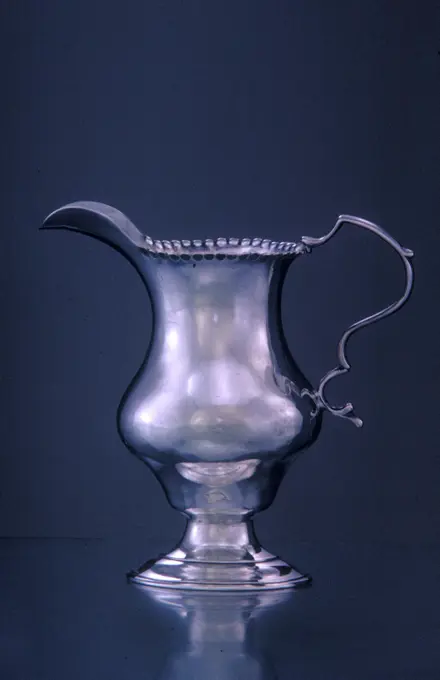
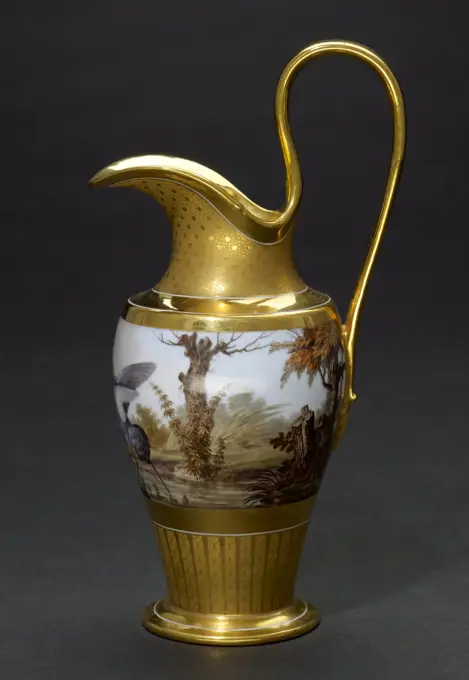
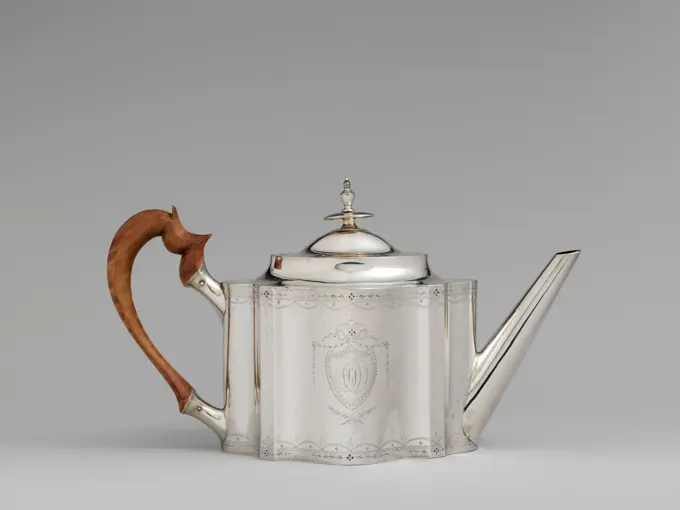
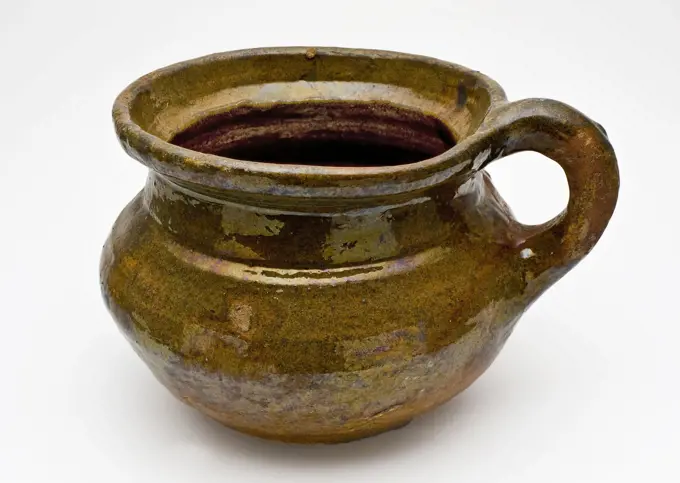
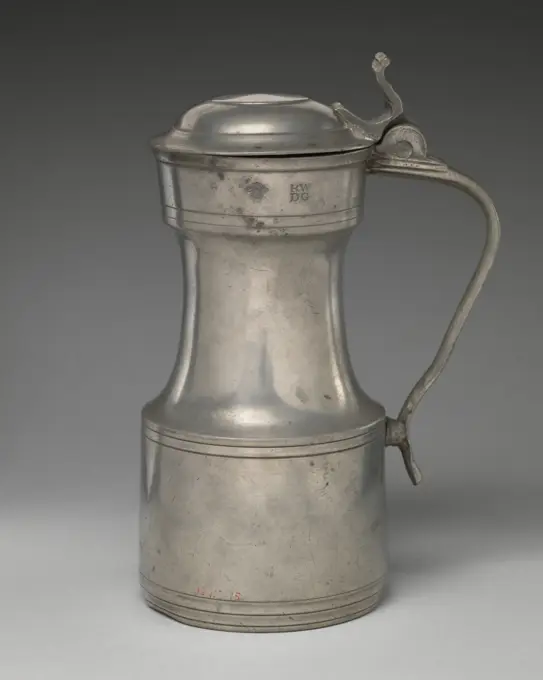
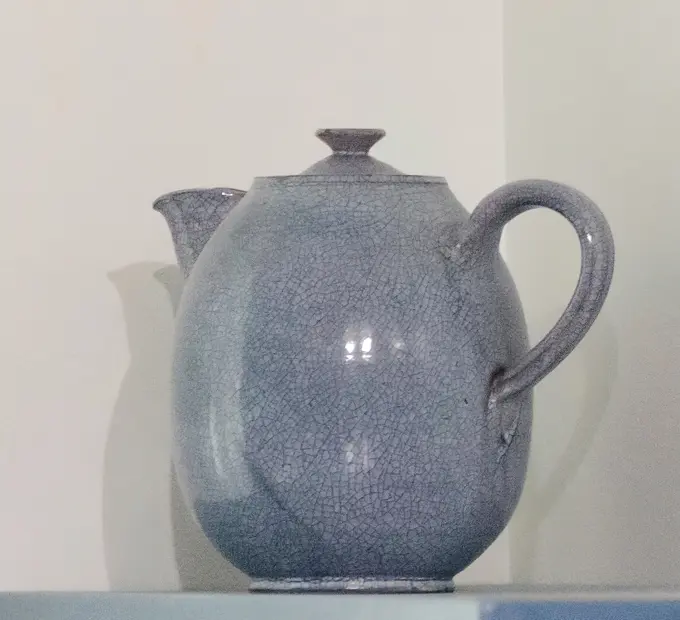
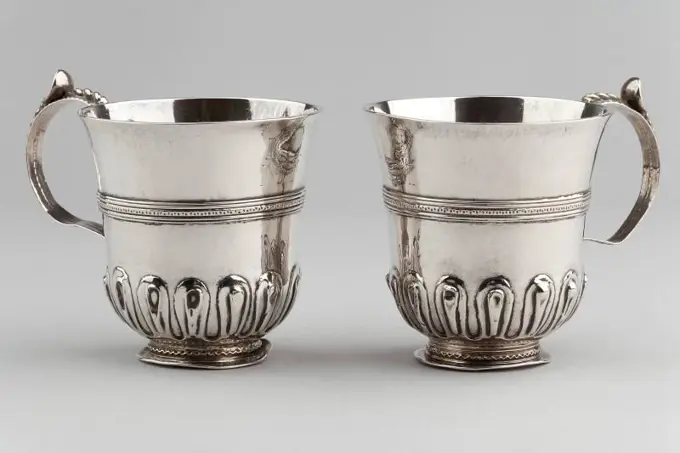
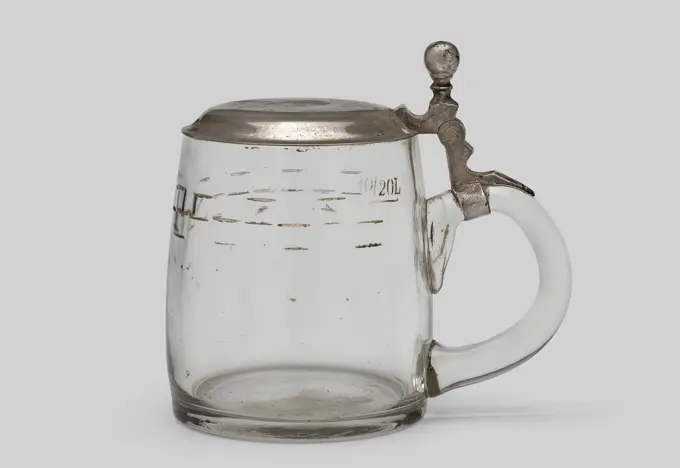
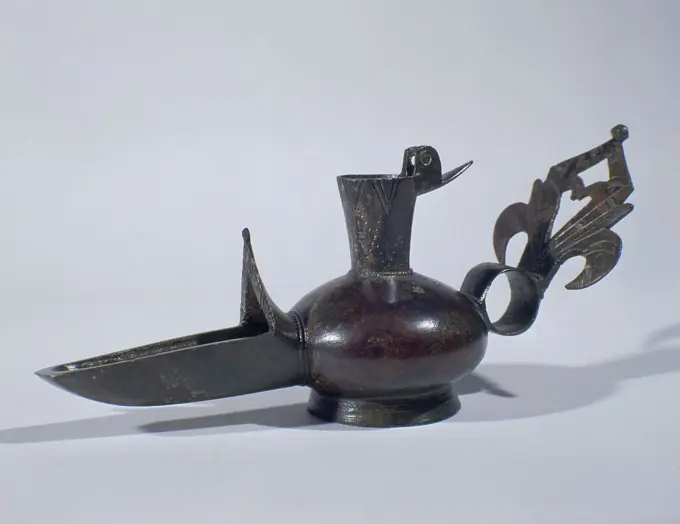
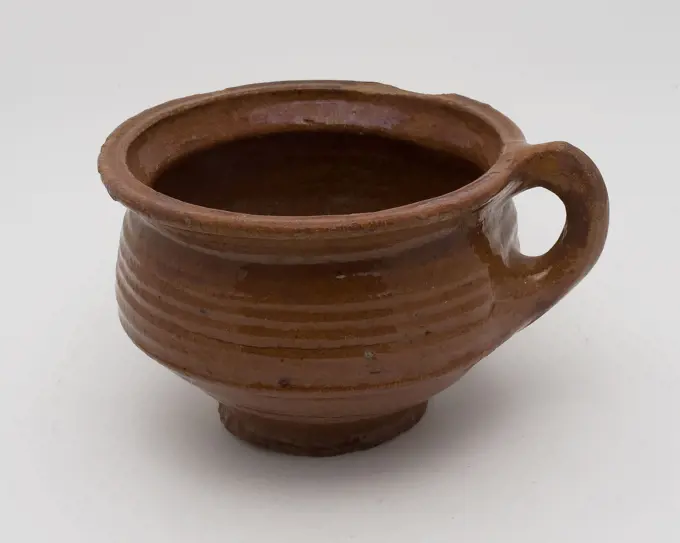
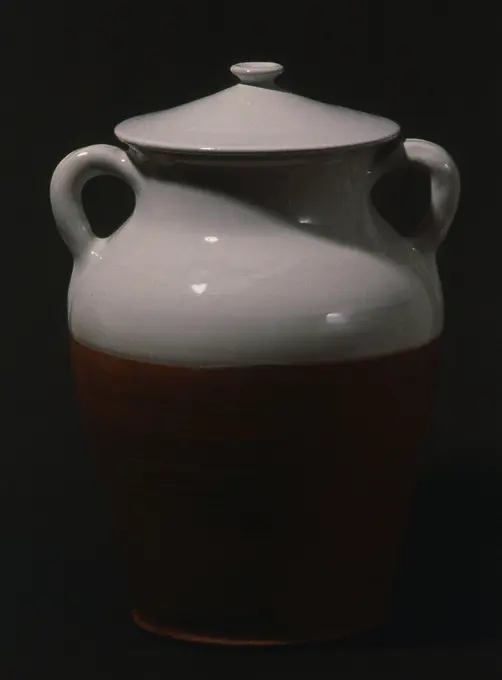
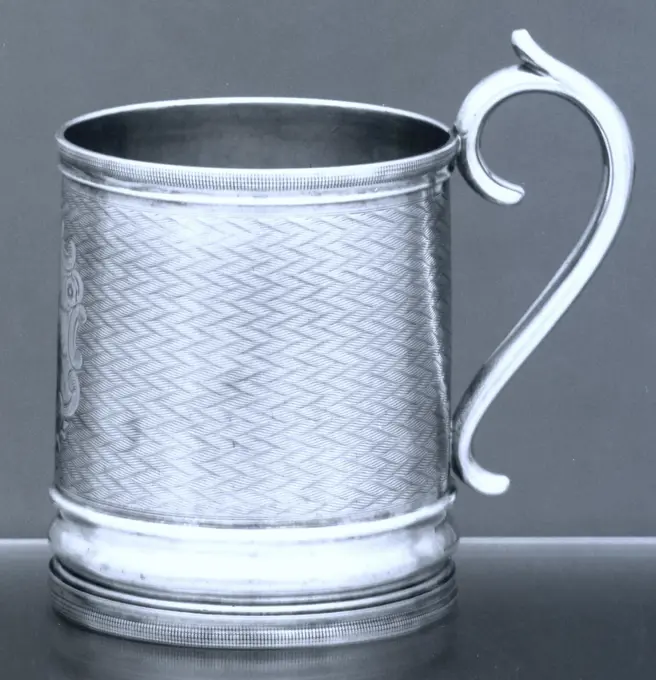
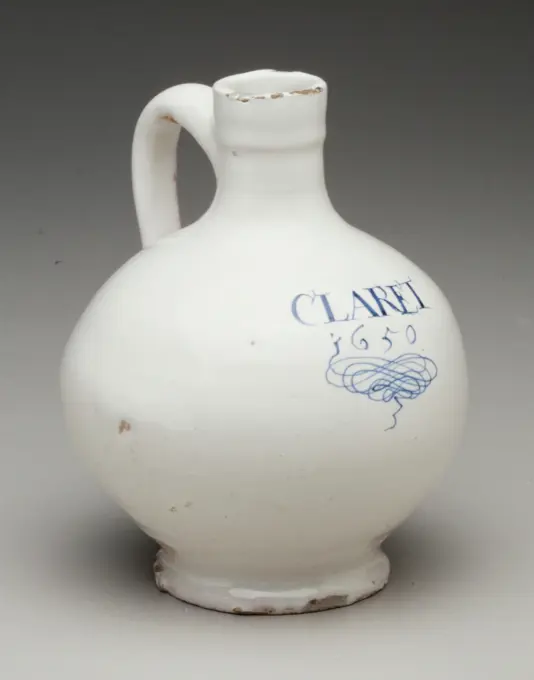
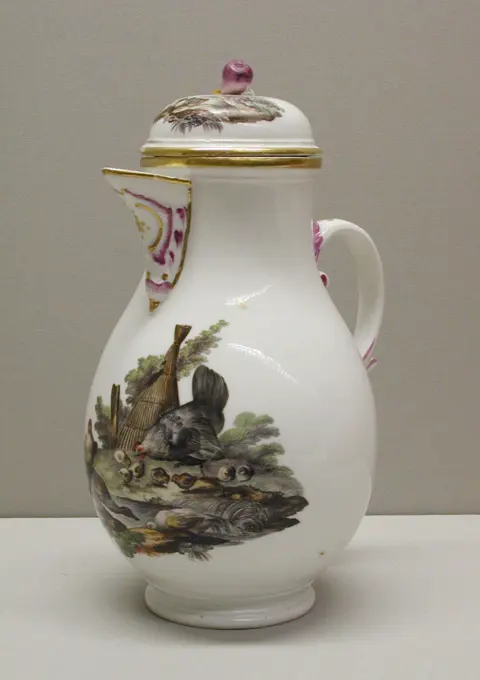
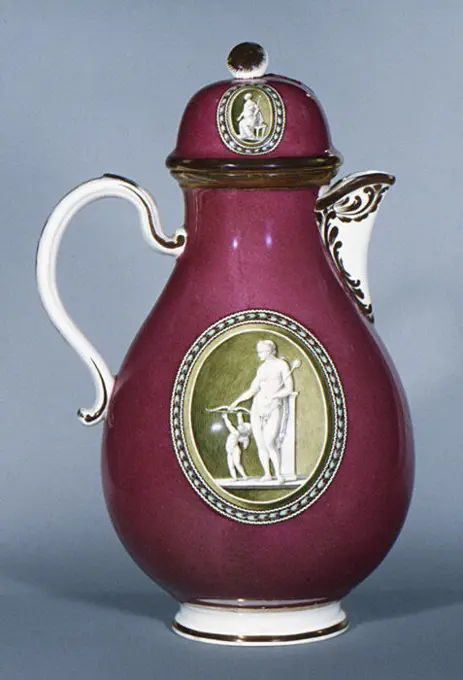
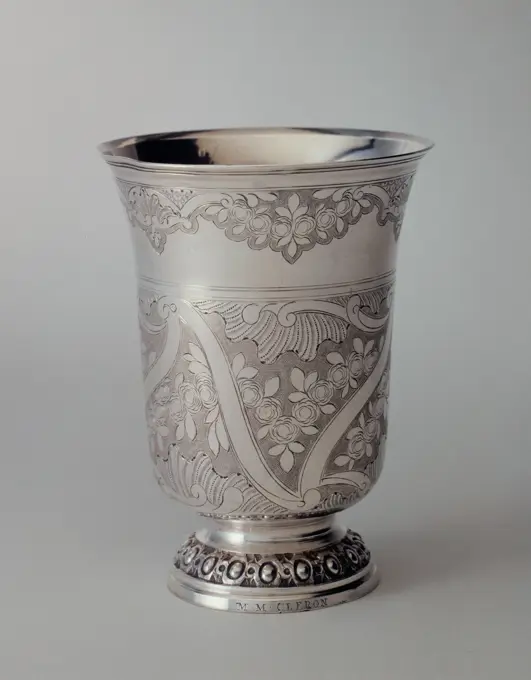
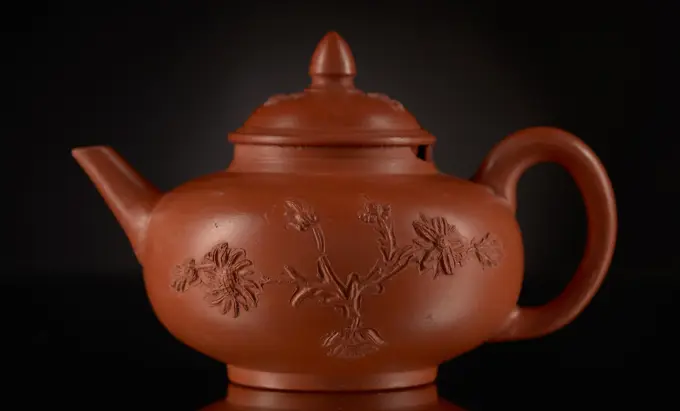
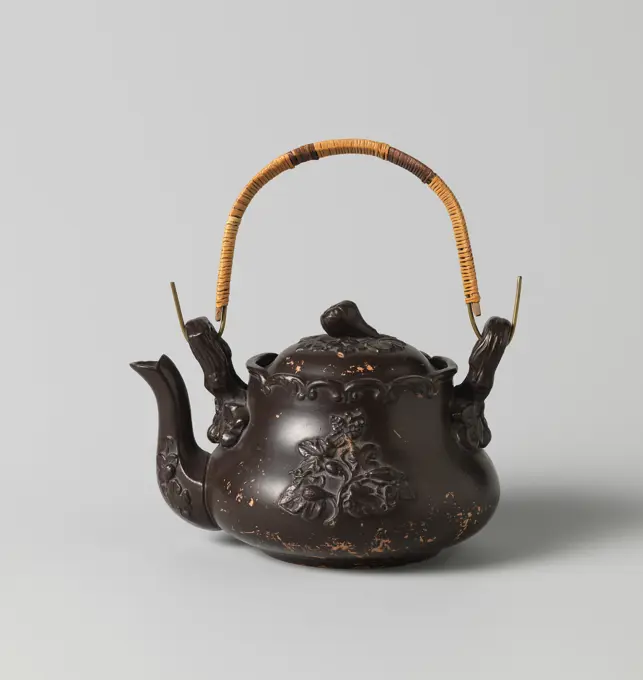
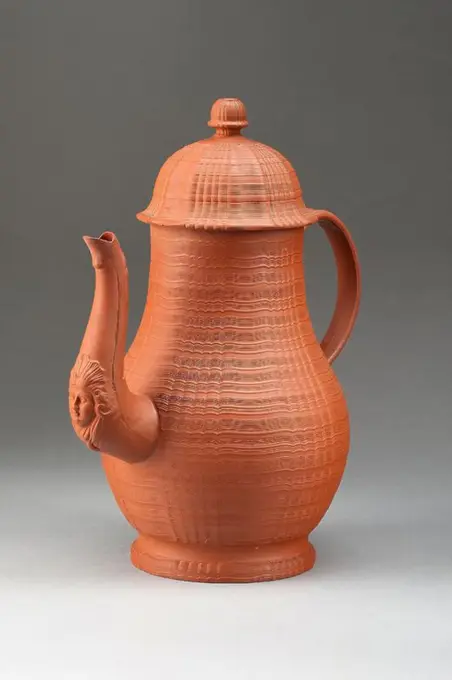
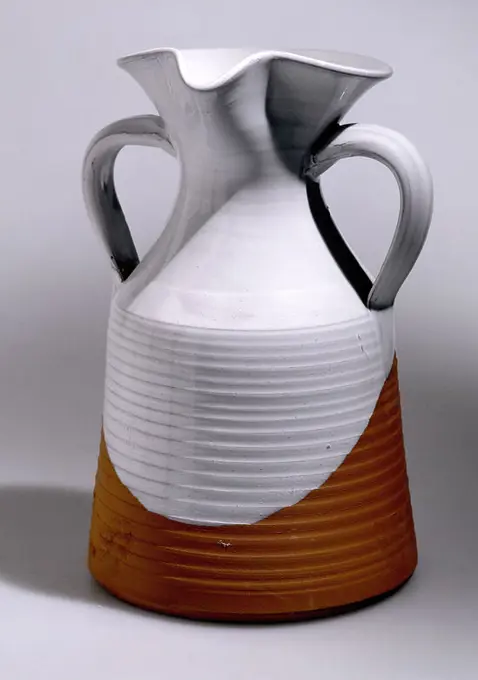
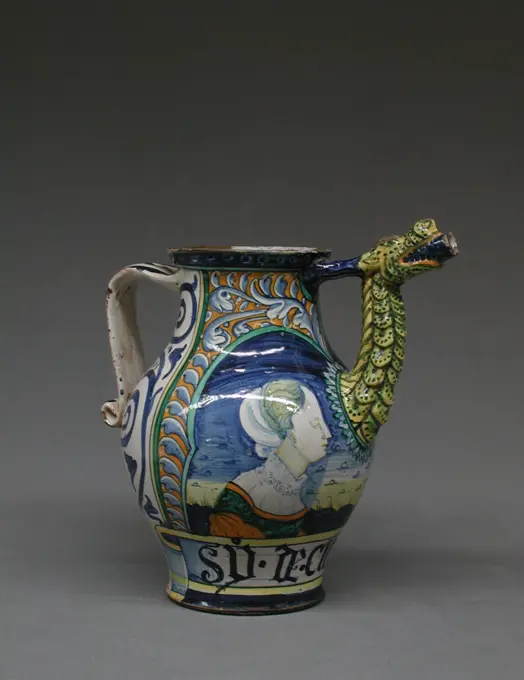
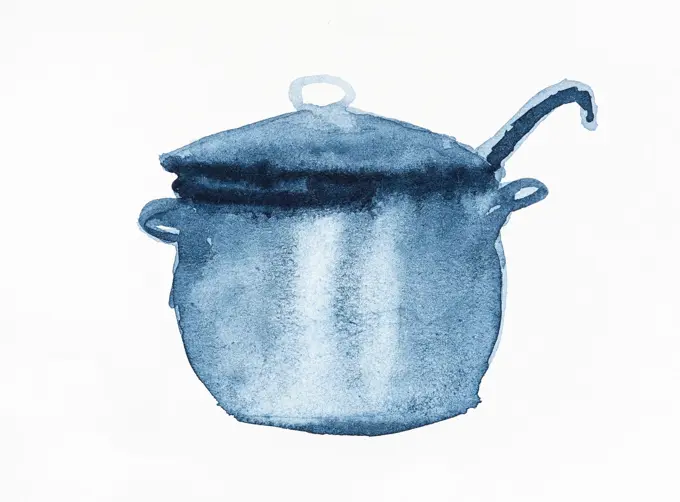
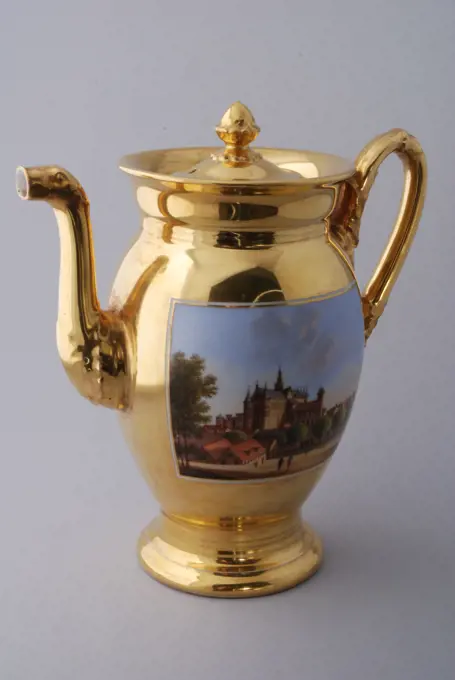
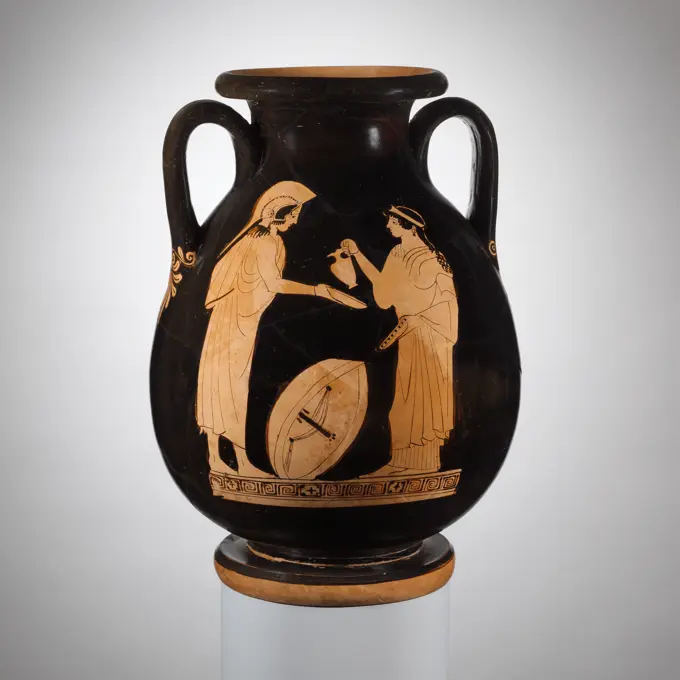
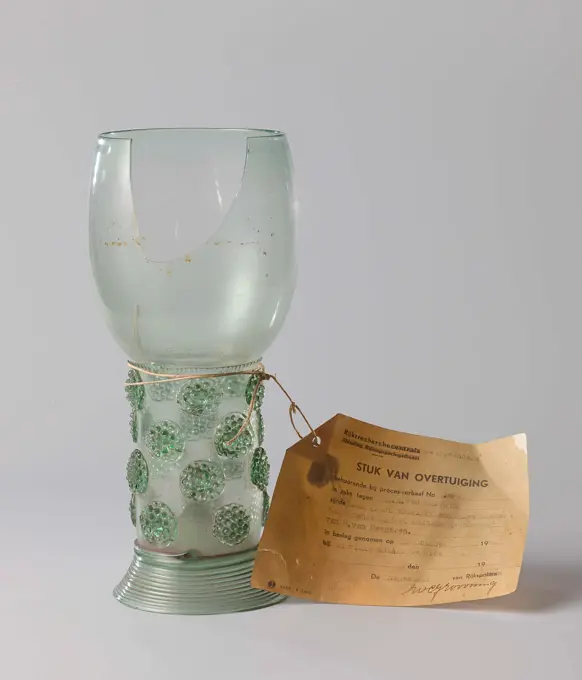
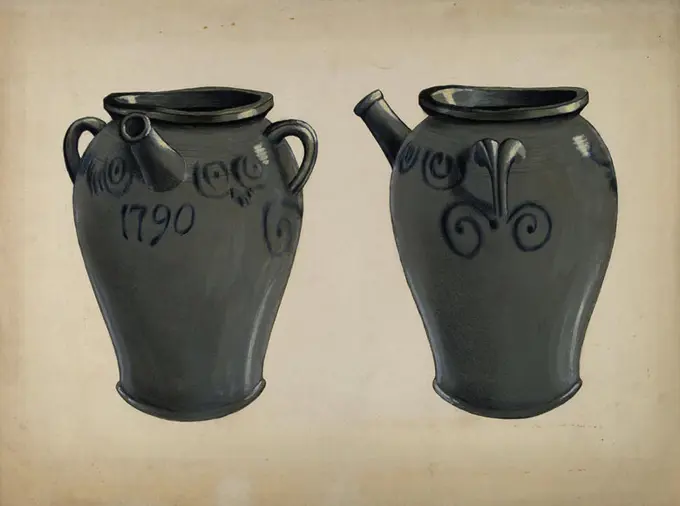
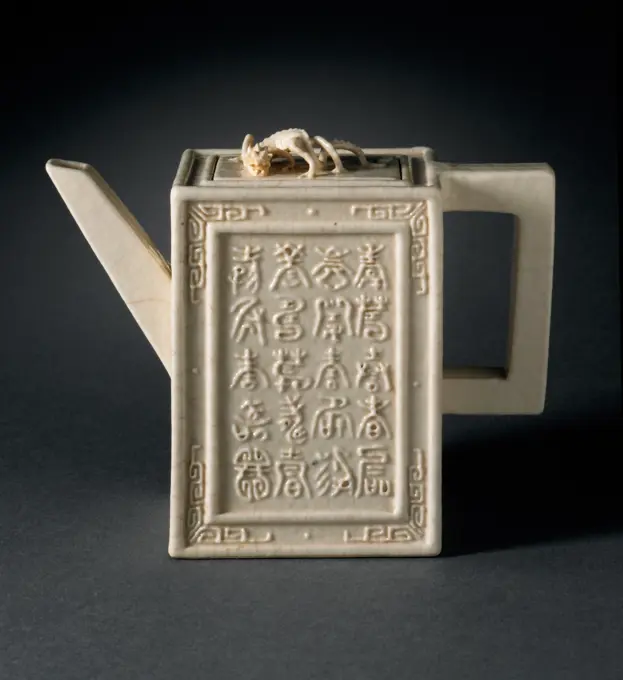
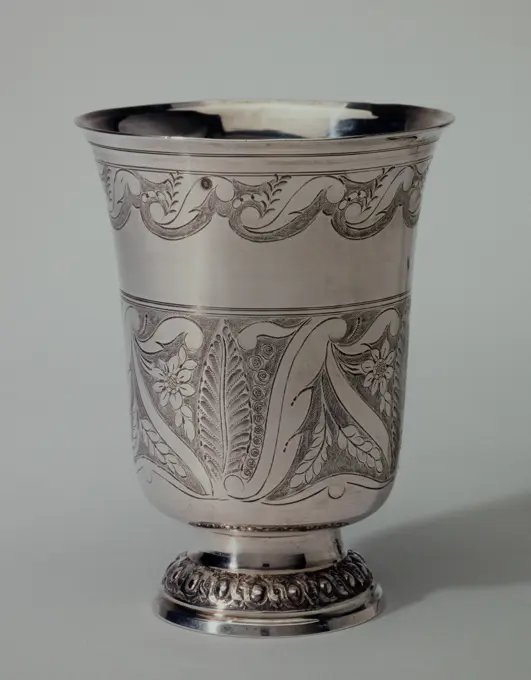
Nicolas-Chrysostome Cauet. "Cup". Money. 1798-1809. Museum of Fine Arts of the City of Paris, Petit Palais. 74382-6 Money, silverware, gobletCreamer from a tea service for twelve, 1807-08, Christophe-Ferdinand Caron; Manufacturer: Sèvres Porcelain Factory, French (Sèvres), French, 1774-1831, 8 x 4 5/8 in. (20.32 x 11.75 cm), Hardpaste porcelain, gilt, France, 19th centuryTeapot ca. 1795 Isaac Hutton American. Teapot 8372Earthenware roompo, belly model with brown green glaze, stand with high soul, pot holder sanitary soil find ceramics earthenware glaze lead glaze, hand turned glazed baked Pottery chamber pot red shard entirely covered with lead glaze with greenish spots sausage stand with soul archeology indigenous pottery drains hygiene sleeping nightMeasure first quarter 19th century Scottish. Measure. Scottish. first quarter 19th century. Pewter. Metalwork-PewterTea and tea storage placed directly across the black tableCoffee pot, c. 1925, 7 5/8 x 8 3/8 x 5 7/8 in. (19.37 x 21.27 x 14.92 cm), Glazed ceramic, Germany, 20th centuryIsolated objects: aged antique small copper kettle, on white background. Aged antique copper kettleMaker Unknown, Mug and Cover, c. 1780-1820, colorless non-lead glass.Pair Of Thistle Cups,  c.1695Kettle with a cover;  19th century (1801-00-00-1900-00-00);Port of cover;  20th century (1918-00-00-1950-00-00);Krystall, Bronisław (1887-1983) - collection, gift (provenance)Jug Unrecorded Edgefield District potter American attributed to Miles Mill Pottery ca. 1867-85 This is a typical example of the nineteenth-century functional wares produced in great quantities at the Miles Mill Pottery, a site of stoneware production located in current day Trenton, SC (formerly part of the Old Edgefield District). Archeological evidence from this site includes many fragments with a very similar spout and handle and deep brown uniform glaze, distinctive features that closely relate to several extant face vessels, making possible the attribution to that site of production. This jug is a reminder that all face vessels attributed to Edgefield-area potteries started as simple thrown utilitarian jugs, their animating hand-modeled facial features in high relief a conscious deviation by the potter, resulting in something wholly different in function and meaning. A close comparison between this jug and an Edgefield face vessel in the Mets collection (22.24.6) shows distinctive CANDIL DE BRONCE PROCEDENTE DE MEDINA ELVIRA - SIGLO X. Location: MUSEO ARQUEOLOGICO-ARTE HISPANOMUSULMAN. GRANADA. SPAIN.Pair of church flagons late 17th century British. Pair of church flagons. British. late 17th century. Pewter. Metalwork-PewterPottery chamber pot, easy to use, double conical in shape with standing ear, pot holder sanitary soil find ceramic earthenware glaze lead glaze, hand turned glazed baked Pottery chamber pot on stand ring. Red shard entirely glazed except the bottom of the bottom Double conical shape with wide neck opening and narrower foot Slanted raised edge with lid slot Standing and pinched band. Misbaksel: in the soil there is shrinkage or drying crack the pot has been leak archeology indigenous pottery drains night sleeping room hygieneORZA-TARRO CON TAPA - CERAMICA SEMIVIDRIADA EN BLANCO. Location: ALFARERIA ELOSU. VITORIA / GASTEIZ. ALAVA. SPAIN.Jug - Farrar Pottery  Farrar PotteryPitcherCup.   Maker: John L. Westervelt, active ca. 1848 - 1859Myer Myers, Creampot, 1765-76, silver.Quickly with pewter lid. Quickly from stoneware. Cylindrical body narrowed to curved no. Printed: 3 high strips in which Jupiter, Venus and Mars. Above Jupiter and Venus the year 1567. With pewter lid.Bottle, 1650, 6 x 4 3/4 in. (15.2 x 12.07 cm), Tin-glazed earthenware, England, 17th centuryTankard. Culture: British. Date: 18th century. Museum: Metropolitan Museum of Art, New York, USA.Pitcher 1830-70 American. Pitcher 5710Hot milk jug ca. 1775 Höchst Manufactory This partial tea and coffee service is distinguished by its relative completeness and its two components (the coffee pot and the hot milk jug) signed by the painters who decorated themJoseph Angele and Johann Heinrich Usinger, respectivelya rarity on 18th-century porcelain.[Jeffrey H. Munger, 2009. Hot milk jug 234894Coffeepot ca. 1775-80 Imperial Porcelain Manufactory. Coffeepot 188719 Factory: Imperial Porcelain Manufactory , Vienna, 17441864, Coffeepot, ca. 177580, Hard-paste porcelain, Height: 10 1/4 in. (26 cm). The Metropolitan Museum of Art, New York. Gift of Alfred Duane Pell, 1902 (02.6.216a, b)Anonymous. "Cup". Money. 1783-1784. Museum of Fine Arts of the City of Paris, Petit Palais. 74381-22 Money, silverware, gobletOld teapot on the wood backgroundA cup with a saucerPrzeszo Przyszoci unknownWooden beer mug, kvass on a white background. (isolated)Tankard. Kotlina Jeleniogórska (ośrodek rytownictwa ; ca 1600- ), glass engraver, Karlsthal (huta szkła ; 1754-post 1874), creator, Weiberberge (huta szkła ; post 1702-ante 1754), creator, Weissbach (huta szkła ; 1617-ante 1754), creatorTeapot 20th century China. Teapot. China. 20th century. Stoneware (Yixing ware). Modern. CeramicsCream Pitcher. Dated: c. 1936. Dimensions: overall: 35.9 x 25.9 cm (14 1/8 x 10 3/16 in.) Original IAD Object: 4" High 2 3/4" Wide. Medium: watercolor and graphite on paper. Museum: National Gallery of Art, Washington DC. Author: Ella Josephine Sterling.Milk jug with cover 1787 Austrian, Vienna. Milk jug with cover 203285Creampot.   Maker: Samuel Bartlett, American, 1752-1821Full glass cup of tea and teapotRed pottery chocolate boiler, children's toys .. pouch-shaped chocolate boiler of red pottery. The boiler has an S-shaped spout, and a handle of reeds. The boiler is embossed decorated with leaves and buttons. The boiler has been marked.Coffee Pot. Attributed to Wedgwood Manufactory; England, founded 1759. Date: 1765-1775. Dimensions: 24.5 × 20.3 × 13 cm (9 5/8 × 8 × 5 1/8 in.). Stoneware (redware). Origin: Burslem. Museum: The Chicago Art Institute, Chicago, USA.Tea pot or red stoneware. Low teapot of red stoneware with a short, straight spout and a slightly curved handle at odds. The handle has been broken. Marked with an unidentified seal mark on the lid. Japanese imitation of Chinese yixing.JARRA DE MESA CON ESMALTADO TIPO BABERO EN BLANCO - ARTE POPULAR S XX. Location: ALFARERIA. Navarrete. LA RIOJA. SPAIN.Pipe;  18th century (1700-00-00-1870-00-00);Drug pot (one of a pair) ca. 1530 Workshop of Orazio Pompei Yellow scales cover the spouts of these pots (see also 41.190.73), culminating in dragons heads at the openings; these vessels would have been used to store herbal syrups. The intersection of spout and body is marked by a painted flower, with male and female portraits appearing on either side. Fantastic and chaotic, these pots must have brought joy to the pharmacists routine.. Drug pot (one of a pair). Italian, Castelli. ca. 1530. Maiolica (tin-glazed earthenware). Ceramics-PotteryPitcher, 18th century, 6 3/8 x 4 7/8 x 4 1/4 in. (16.2 x 12.4 x 10.8 cm), Porcelain, Germany, 18th centuryPitcher.  Designer Charles Coxon, British, 1805-1868  Maker: Swan Hill Pottery, ca. 1849-1860Maker, formerly attributed to: Abraham Cadmus, active 1849, died 1854Dramcup.   Maker: Jeremiah Dummer, American, 1645-1718CANTARO VIDRIADO CON DECORACION VEGETAL-S XX ARTE POPULAR. Location: ALFARERIA. ALBA DE TORMES. SALAMANCA. SPAIN.Maker Unknown , American, Two-Handled Cup, c. 1726, silver.Flagon.   Maker: Samuel Danforth, American, 1774-1816Wine Pot in Shape of a Peach early 18th century China. Wine Pot in Shape of a Peach. China. early 18th century. Porcelain with raised decoration and colored glazes (Jingdezhen ware). Qing dynasty (1644-1911), Kangxi period (1662-1722). CeramicsEwer 9th century This ceramic ewer was excavated at the site of Tepe Madrasa in Nishapur.Nishapur was a vital city in the early and middle Islamic periods, located along one of the main trajectories that connected Iran and West Asia Islamic lands with Central Asia and China. These itineraries are often referred by the term Silk routes but were in fact crucial to the movement of constellations of materials and objects, as well as people and ideas. The diverse population of Nishapur and its surroundings, from the better-researched elite groups of merchants, land-owning aristocracy, and literates, to the less-known artisans, farmers, miners, and servants, were instrumental in adapting global cultural trends to create their own distinctive visual languages. This is seen in the material remains of everyday life in medieval Nishapur - from pots and pans to lighting devices, inkwells, textiles and trimmings, jewelry, games and toys, talismanic devices, weapons, coins, and architectural fragmeGlass; Wessel & Müller (Luckenwalde; Production Zak 1847-1939); XIX-XX century (1801-00-00-2000-00-00);CANTARO "GERRICO" - S XX ARTE POPULAR -. Location: ALFARERIA. MARRATXI-PORTOL. MALLORCA. SPAIN.Tankard 1679-80 Charles Roades. Tankard. British, York. 1679-80. Silver. Metalwork-SilverTankard 1761-93 Henry Will. Tankard 8237Mug ca. 1770 Bristol The term "chinoiserie" refers to an 18th-century European style inspired by the art of China, Japan, and other Asian countries. In Britain, porcelain imported from China and Japan was extremely fashioinable and highly coveted. This caused British factories to imitate Asian wares, both by copying Asian originals, but more often by creating their own imaginative "chinoiserie" designs. The chinoiserie style was at its height in Britain in the 1750s and 1760s. It is related to the rococo style, which was also characterized by asymmetry and an element of fantasy. In British porcelain, it is not uncommon to find objects that combine both aspects of chinoiserie and rococo.. Mug 204530sketch of saucepan with ladle covered with lid sketch of saucepan with ladle covered with lid drawn by watercolor on white textured paper ,property released Copyright: xZoonar.com/ValeryxVoennyyx 18099968 ,model released, Symbolfoto ,property releasedTeapot with lid, part of coffee and tea service with cityscapes, teapot tea set tableware holder ceramic porcelain glaze, baked glazed painted stove enamelled Teapot with lid. Slim high pot completely externally plated. High rising ear leaf figures on the attachments. Spout with stylized bird's head. Stand with profile rings. Two windows on the sides with cityscapes the corresponding captions are on the bottom of the bottom Hotel du Felix Merites and Leyden topography coffee serving coffee serving Leiden AmsterdamCERAMICA POPULAR CANTARO. Location: ALFARERIA. SPAIN.Fili Anka with decoration Szylkretow , Solar with decoration Szylkretow; Korzec (Porcelain and faience manufacture; 1790-1832); around 1810-1820 (1810-00-00-1820-00-00), around 1810-1820 (1805-00-00-1820-00-00);. In its early years, the Meissen factory produced so-called Jaspis-porzellan (Jasper porcelain). This name, based on itsred colour, was devised by its inventor, Johann Friedrich Böttger. However, it was not actually porcelain, but stoneware,the firing temperature of which is lower than that of porcelain though higher than that of earthenware. The composition of the clay also differs from that of porcelain.Terracotta pelike (jar) ca. 470 B.C. Attributed to the Altamura Painter Obverse and reverse, libation at the departure of a young warriorVases are invaluable sources of evidence for Athenian practices. Here, for instance, it is noteworthy that both the woman and the warrior are holding a phiale from which to pour a libation. Artistically, it is also apparent that the Altamura Painter used the shield to experiment with effects of perspective and foreshortening.. Terracotta pelike (jar). Greek, Attic. ca. 470 B.C.. Terracotta; red-figure. Classical. VasesMug; Nieborów (Manufaktura Majoliki; 1881-1899); 1881-1894 (1881-00-00-1881-00-00);Piece of conviction belonging to the official report against H.A. Van Meegeren. Large grummer with inserted bottom on a conical, spun base from a wire. Egg-shaped chalice as a whole blown with a cylindrical strain with four rows of blackbird buds. A talon is attached to the trunk, sealed with red paint with printed and typed text.Whale Oil Lamp Filler. Dated: c. 1939. Dimensions: overall: 24.6 x 35.5 cm (9 11/16 x 14 in.). Medium: watercolor, graphite, and colored pencil on paperboard. Museum: National Gallery of Art, Washington DC. Author: Harry King.Set of vintage cups or mugs hand drawn ink sketch. Engraved style vector illustrationBatter Jar. Dated: c. 1936. Dimensions: overall: 44.4 x 58.8 cm (17 1/2 x 23 1/8 in.) Original IAD Object: 12" High(approx). Medium: watercolor, graphite, gouache, and colored pencil on paper. Museum: National Gallery of Art, Washington DC. Author: Fred Weiss.Exhibition Arita Porcelain from now. .Lidded Ewer (Zhihu) with Longevity (Shou) Characters and Dragon. China, Jiangxi Province, Jingdezhen, Qing dynasty, probably Kangxi period, 1662-1772. Furnishings; Serviceware. Molded soft-paste porcelain with impressed decoration and clear glazeclay bottles and grapes on white backgroundBirth pot, ceramic manufactory, Úbeda, a centre of ceramics, Ubeda, Andalusia, Spain, Europe