Decorative Textile Borders

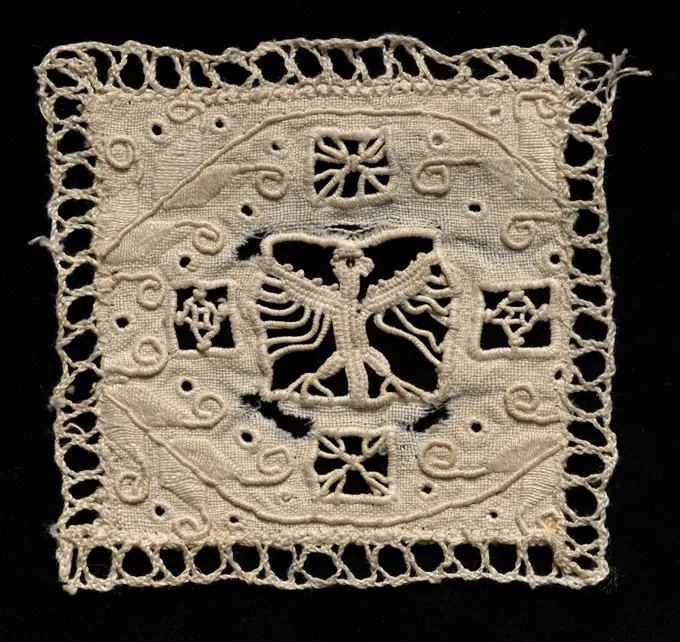
Richly detailed fabric borders and textiles adorned with embroidered symbols and designs, highlighting the artistry and cultural significance in textile craftsmanship.

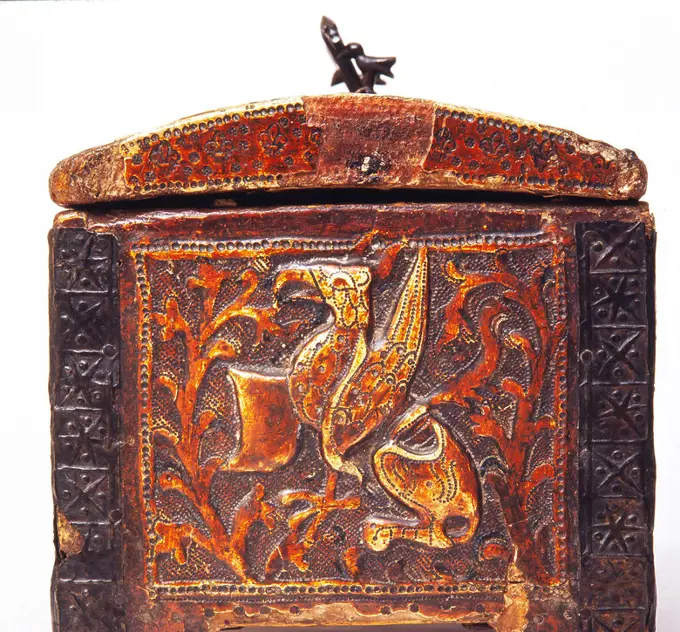
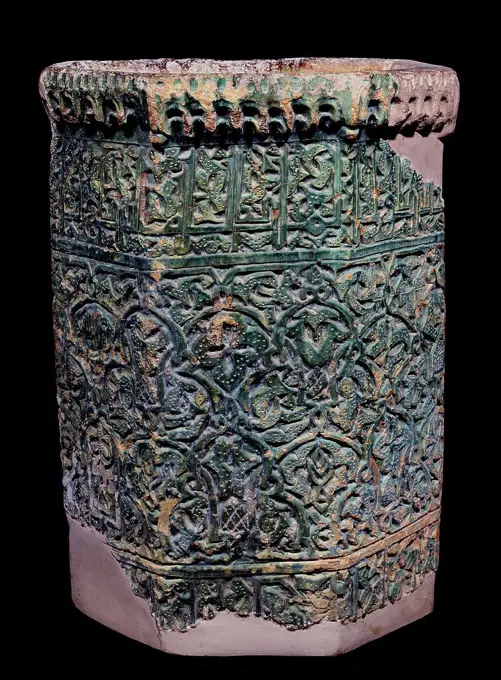
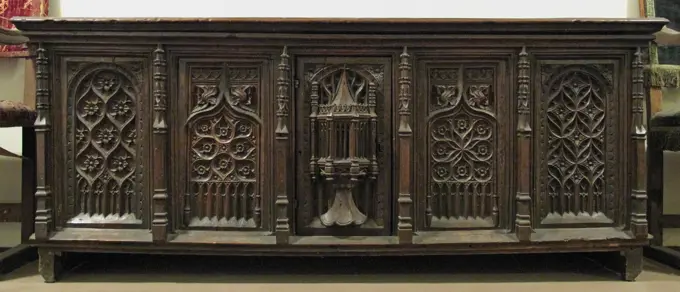
Wooden box for Quran, dating from 1344 AD, National Museum, Kuwait, Middle East
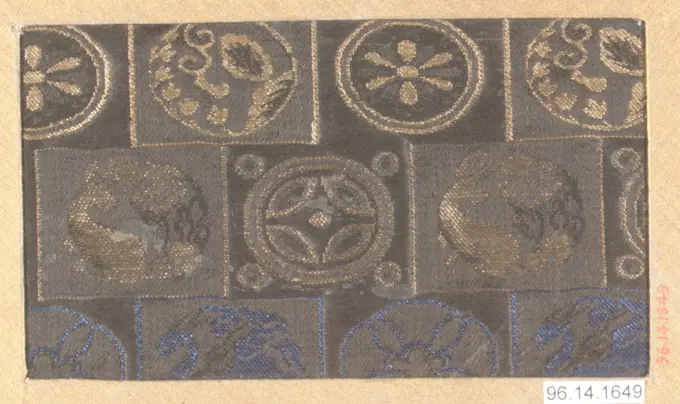
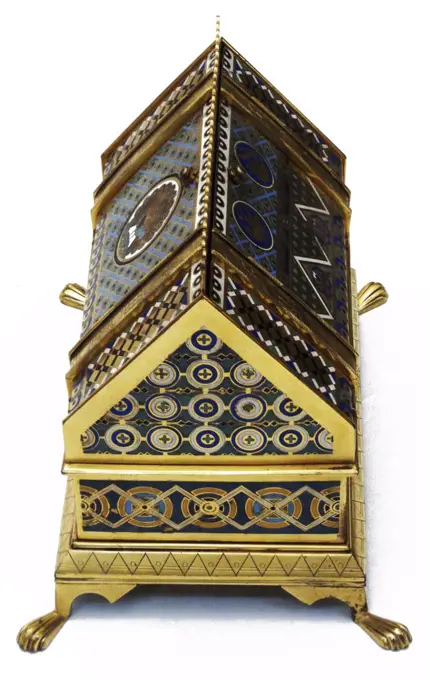
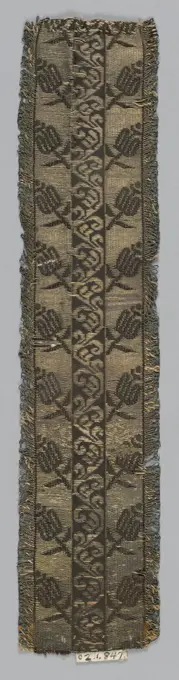
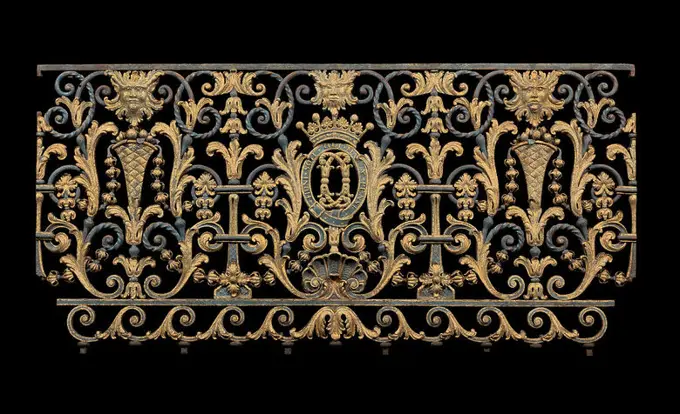
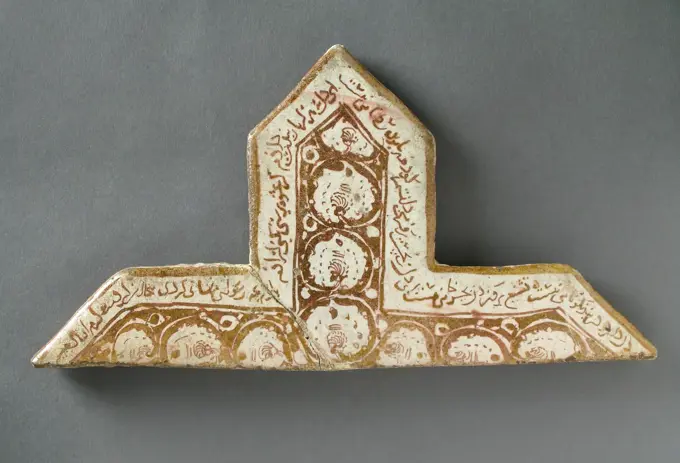
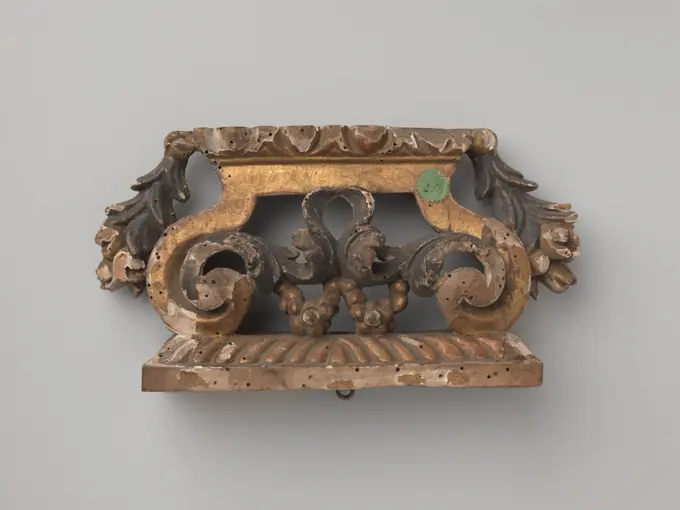
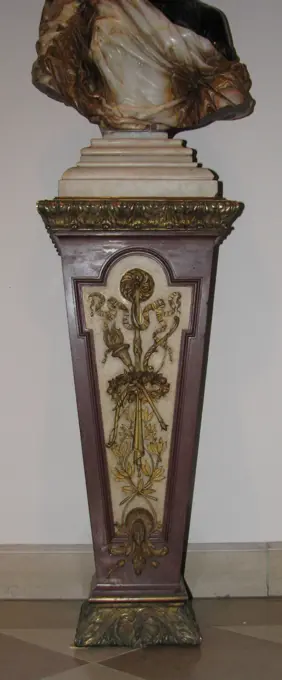
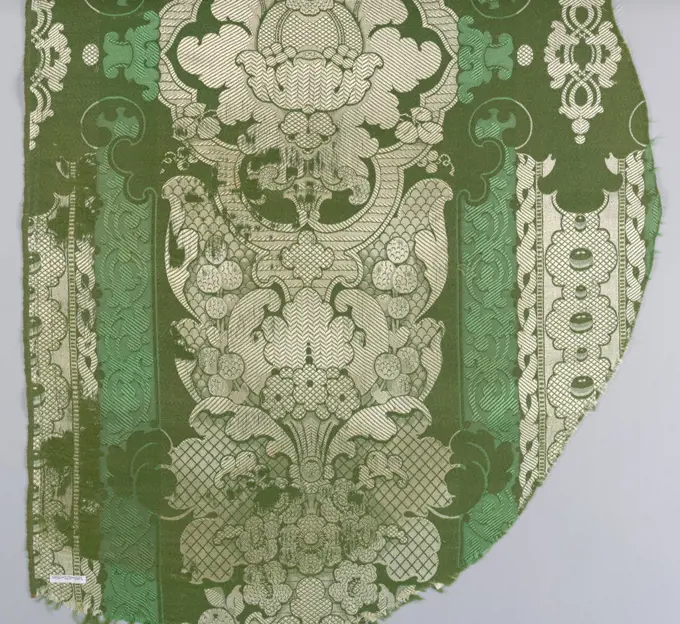
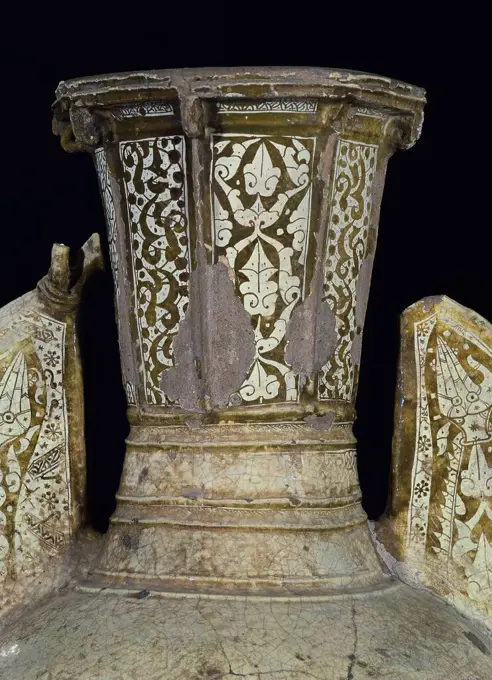
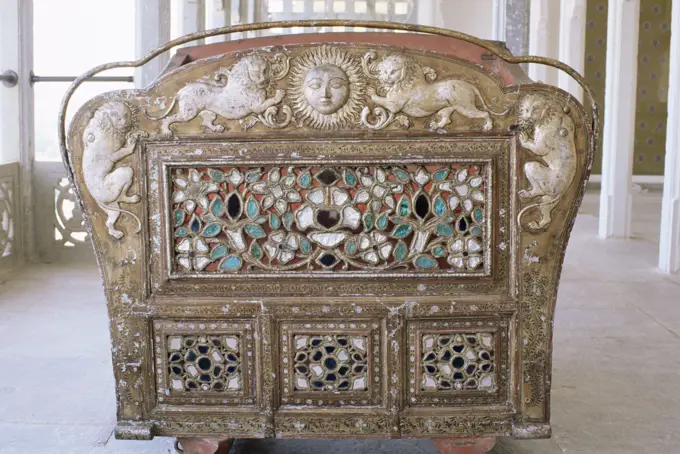
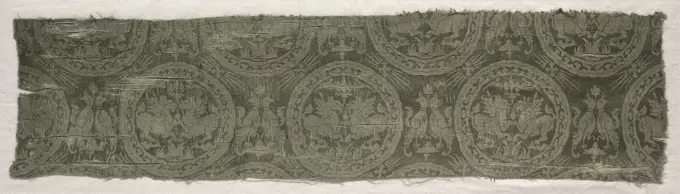
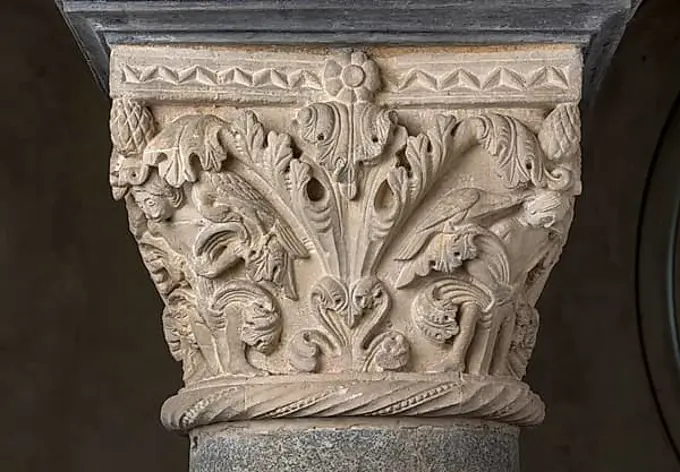
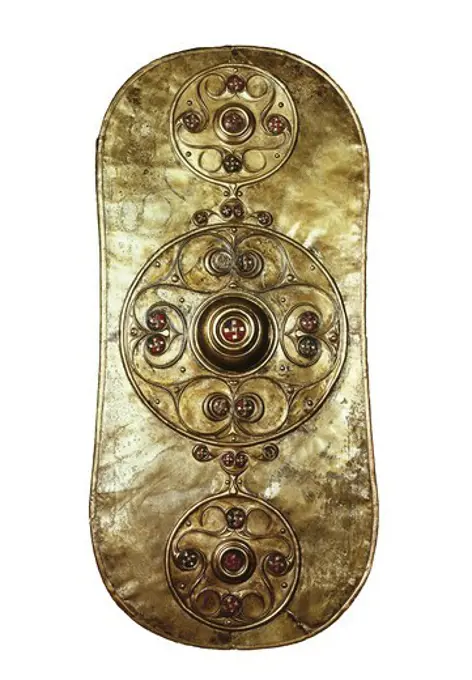
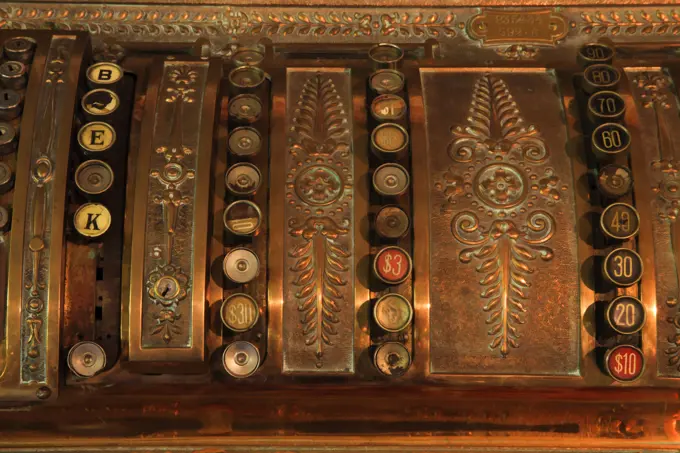
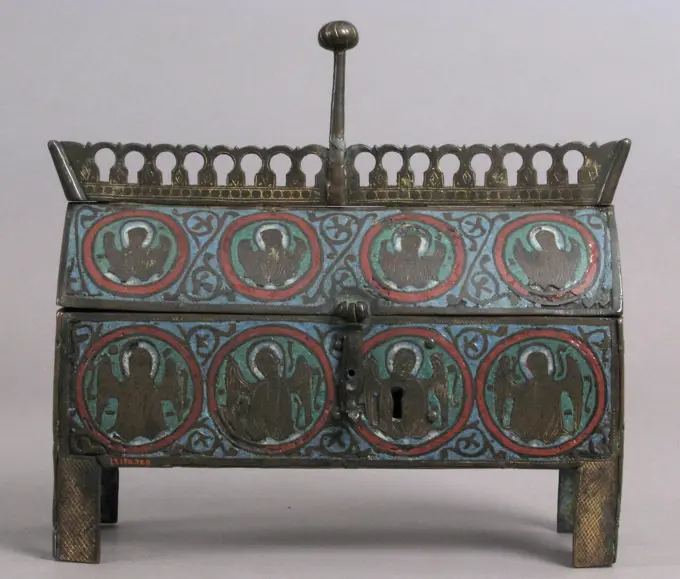
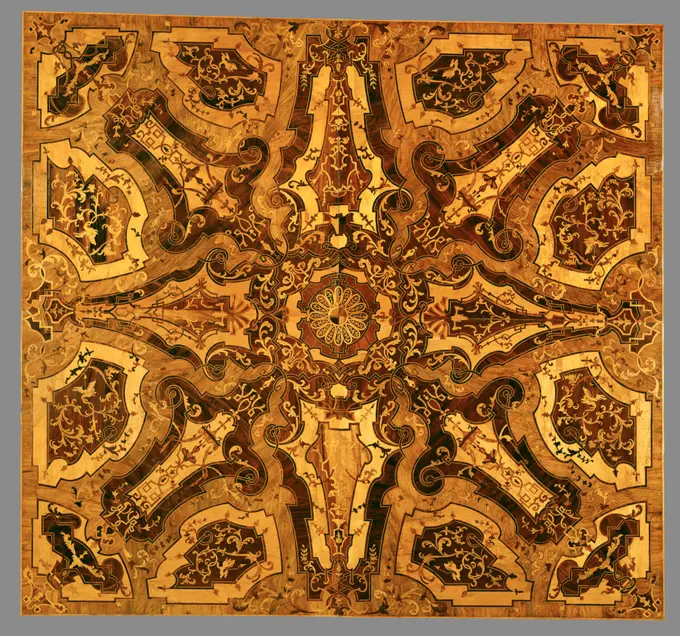
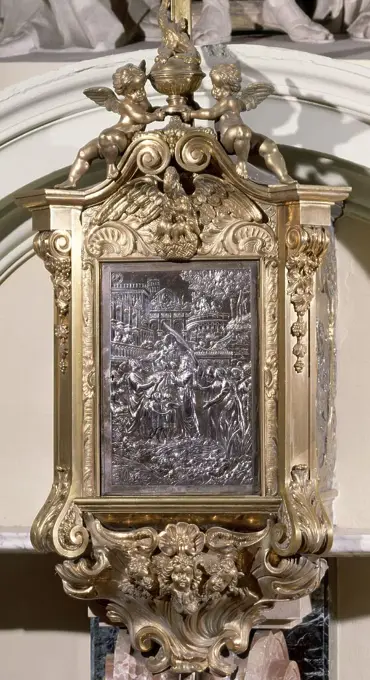
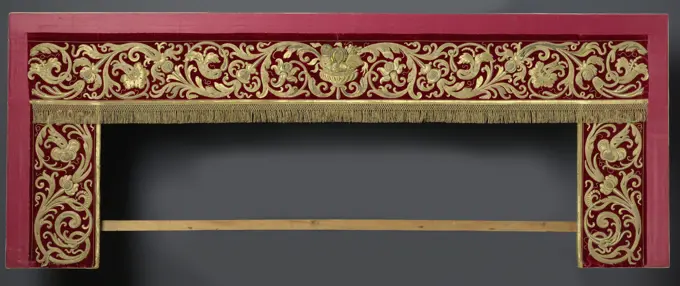
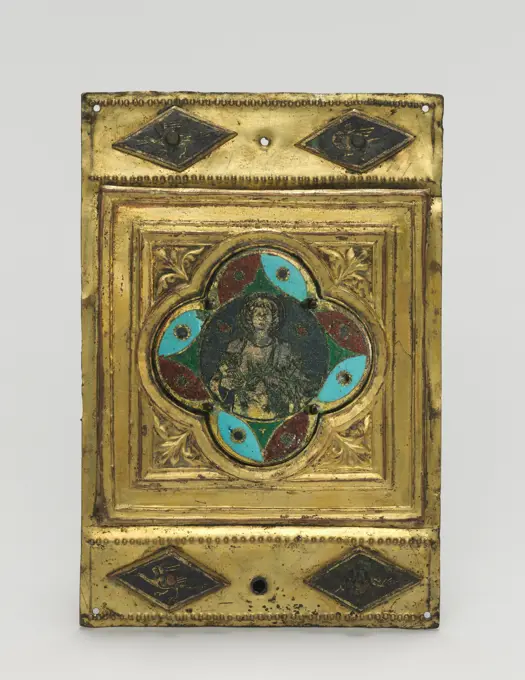
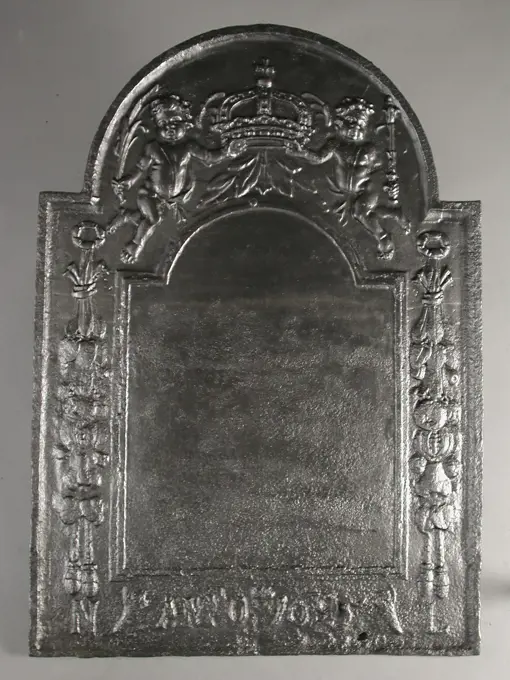
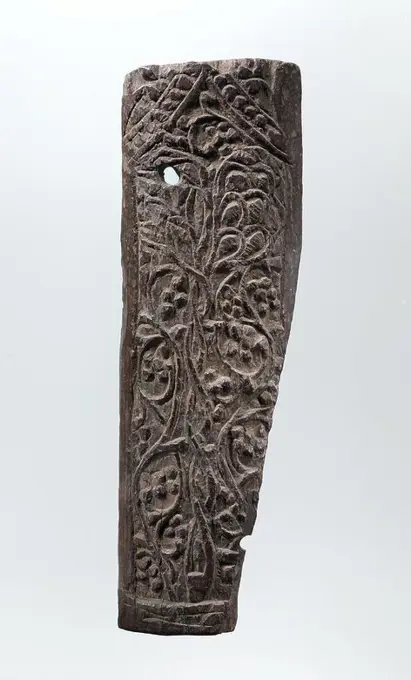
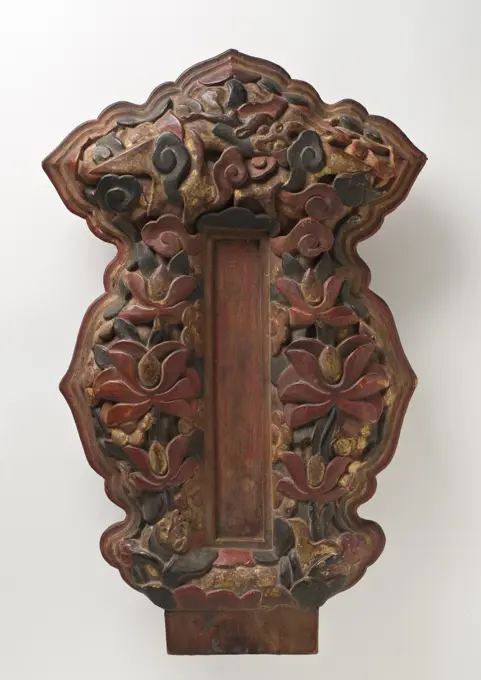
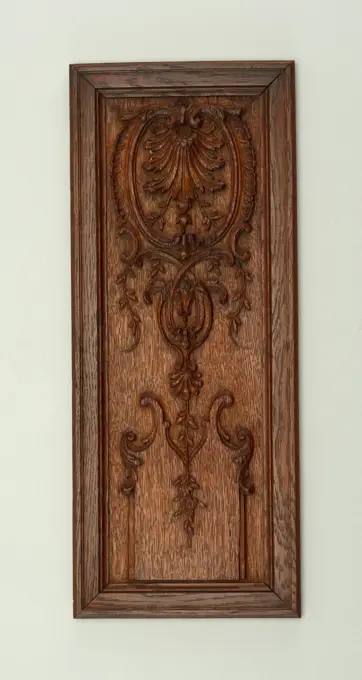
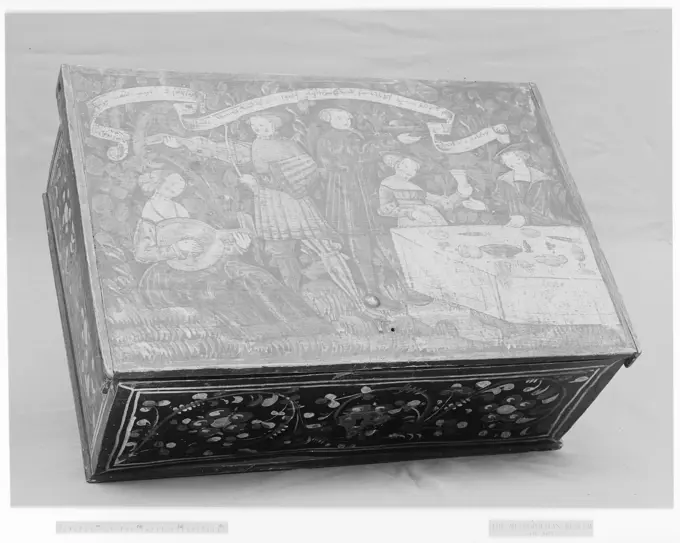
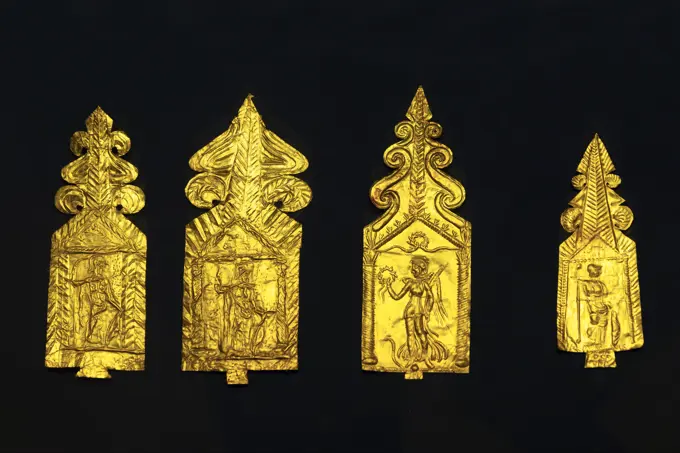
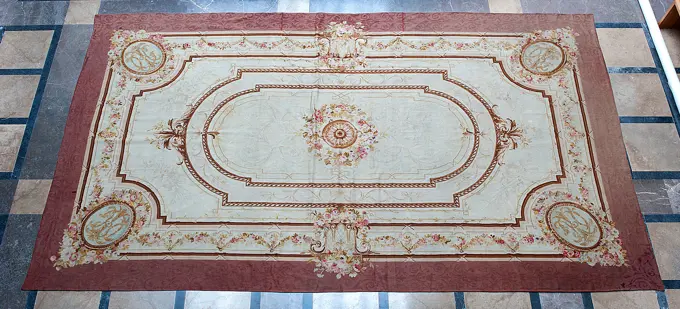
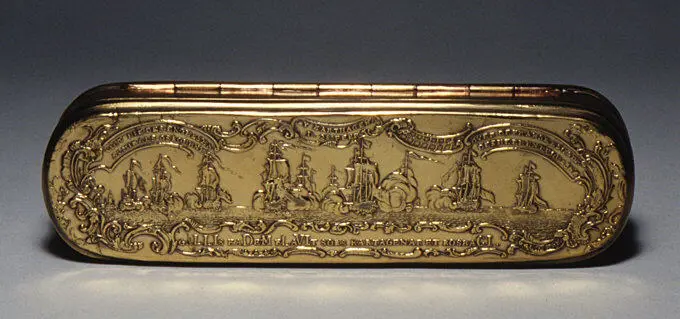
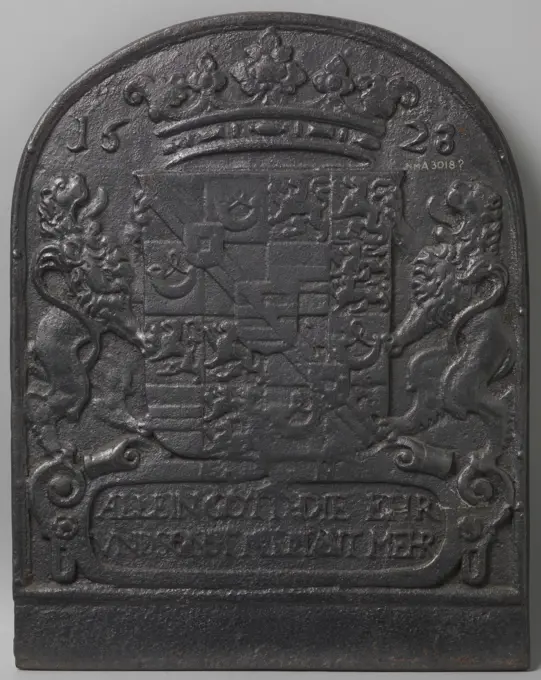
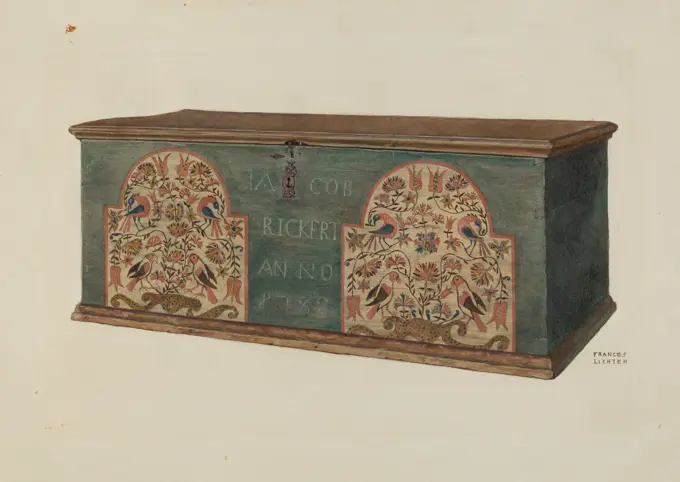
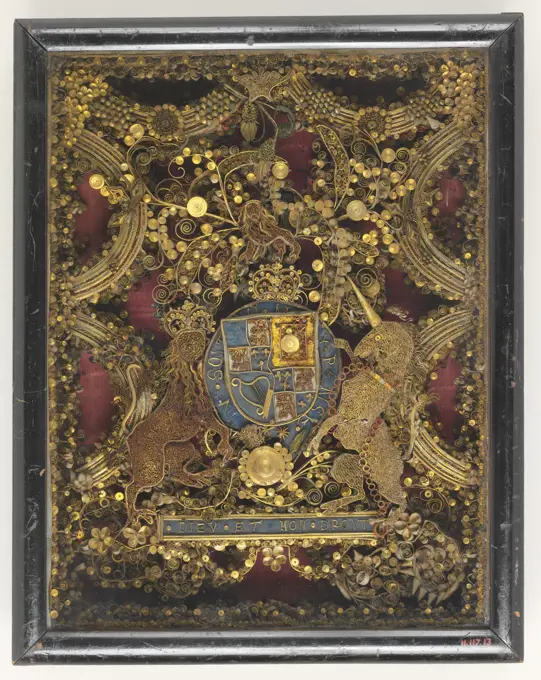
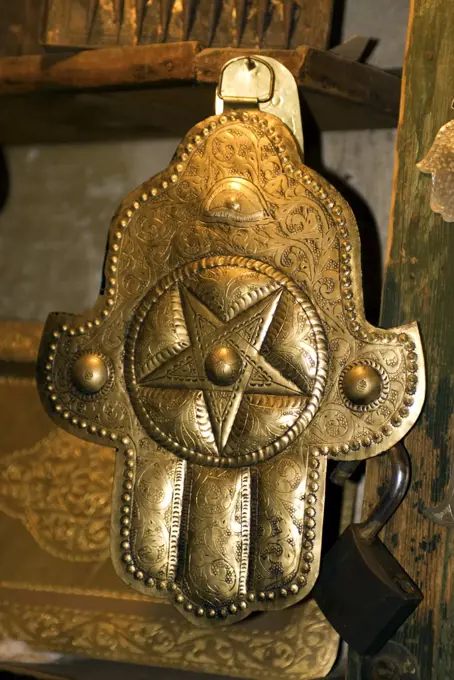
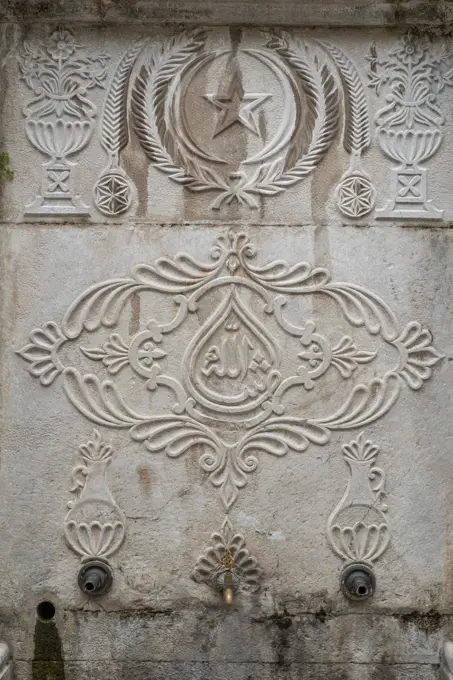
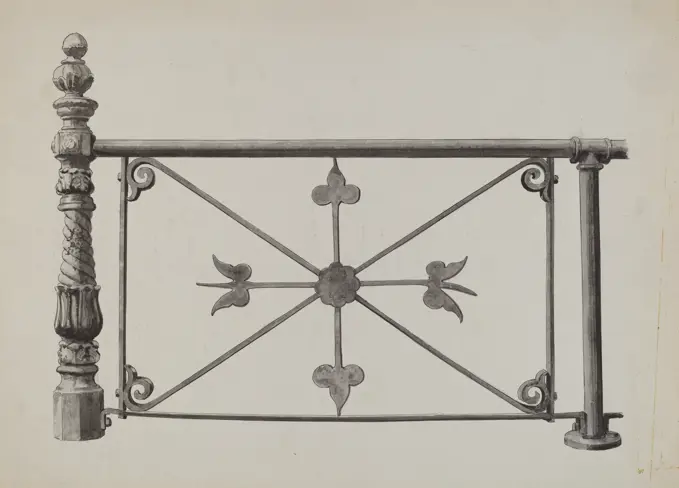
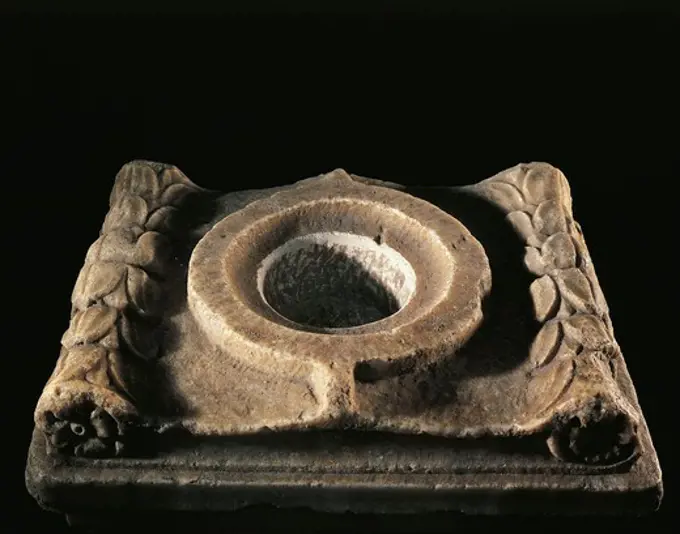
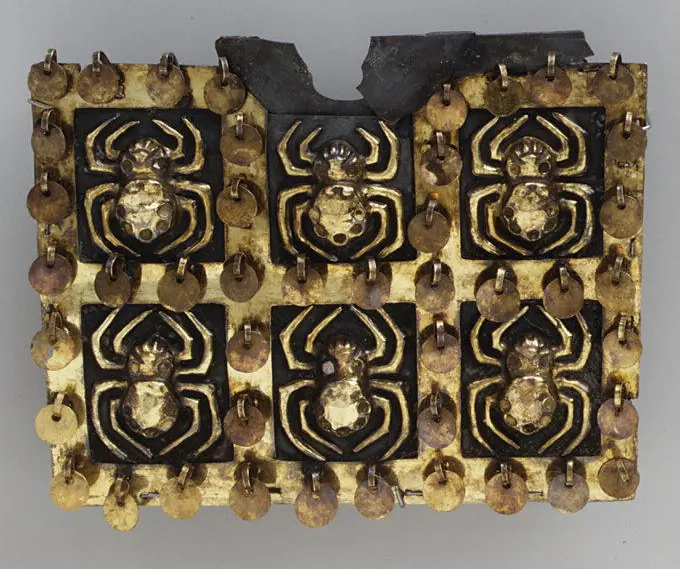
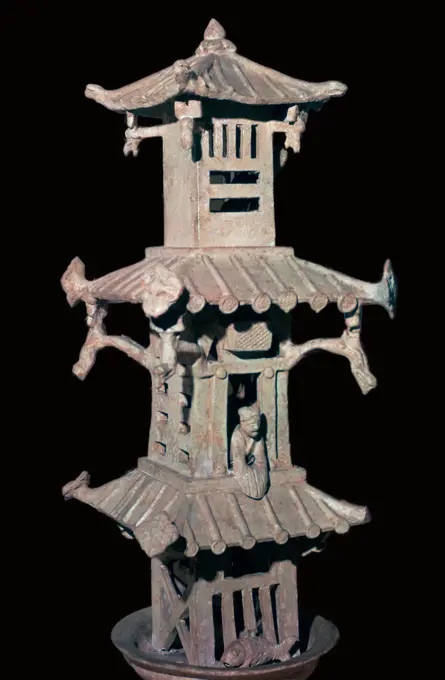
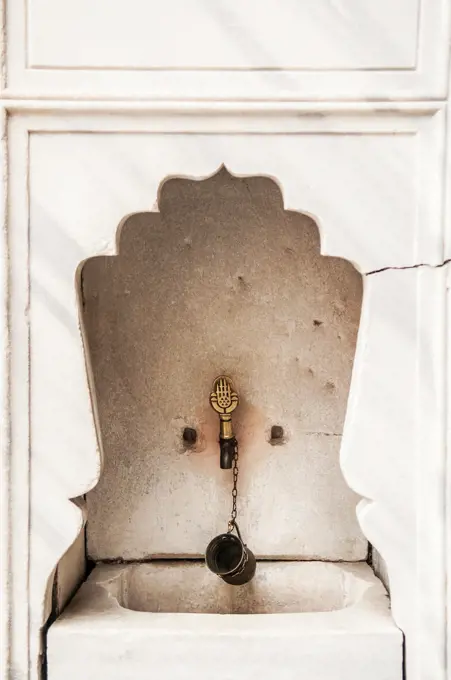
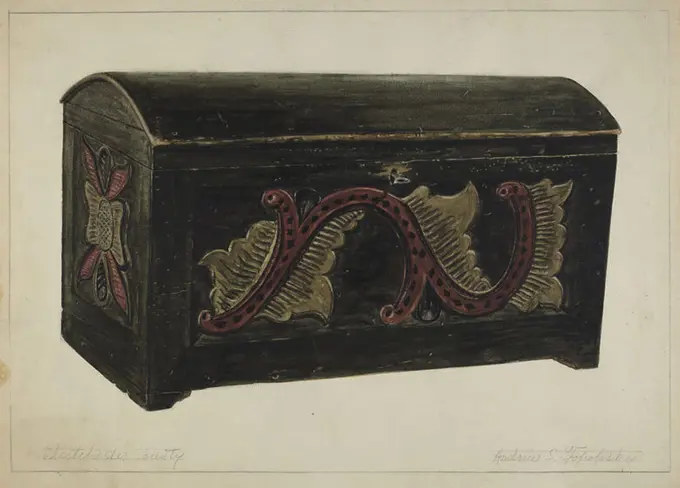
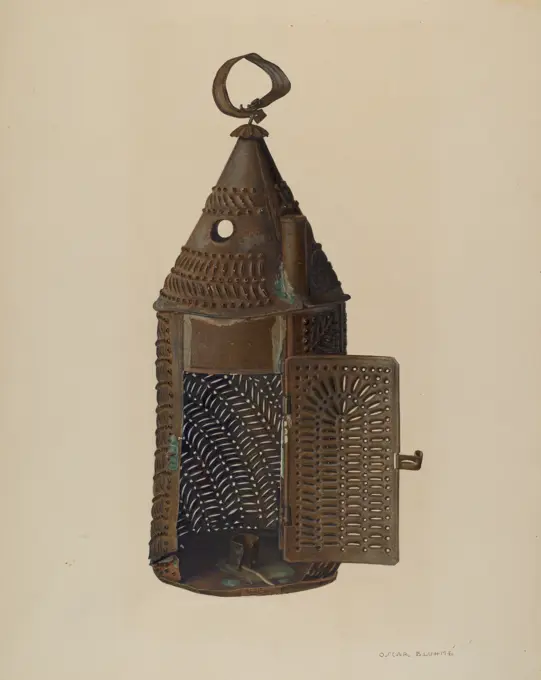
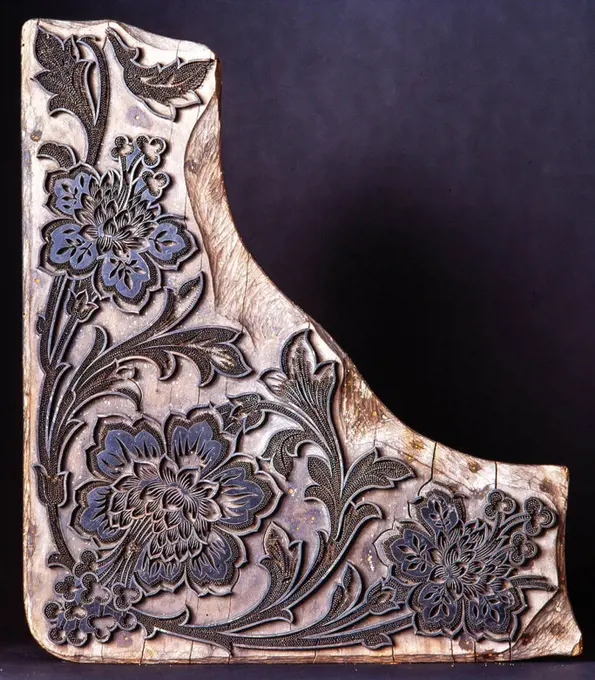
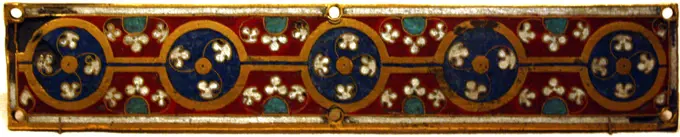
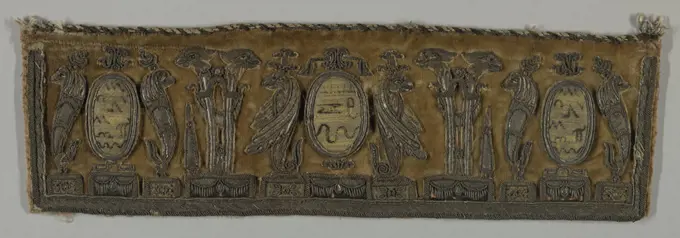
Border, Medium: silk, metallic thread, metal sequins, glass beads Technique: appliqué on velvet, Border of brown silk velvet heavily appliquéd with symbols associated with Napoleon's campaign in Egypt such as cartouches and composite bird creatures and other animals., France, ca. 1800, embroidery & stitching, BorderBox c 1750-1850 United States. Walnut . Artist unknownPiece 18th-19th century Japan. Piece 67362Bookbinding (Jild-i kitab) 16th century Objects like this bookbinding were typically displayed in open niches in reception rooms of upper-class Syrian residences during the Ottoman periodPortfeuille, 19th-20th century, 10 3/8 x 6 1/8in. (26.4 x 15.6cm), Silk; needlework, Egypt, 19th-20th centuryJewel casket; c.1870 England; Birmingham. Attributed to John Hardman & Co.; Gilt; brass and enamel.Ribbon; silk, metallicStaircase balustrade. Culture: British. Dimensions: Assembled dim: H. (approx.) 35 ft. (10.675 m); H. of stair railings 2-3 ft. (61-91.4 cm); W. between rails 12 ft. (3.66 m); W. of top of stairs 8 ft. (2.44 m); H. of tread 4 in. (10.2 cm);top rail: 36 1/2 × 76 × 3 1/2 in. (92.7 × 193 × 8.9 cm)Crated components:4 crates: 6 x 172 x 36 in. (15.2 x 436.9 x 91.4 cm)1 crate: 6 x 131 x 34 in. (15.2 x 332.7 x 86.4 cm)2 crates: 37 x 78 x 22 in. (94 x 198.1 x 55.9 cm)1 crate: 38 x 77 x 20 in. (96.5 x 195.6 x 50.8 cm)1 crate: 35 x 50 x 22 in. (88.9 x 127 x 55.9 cm). Date: probably ca. 1747.Part of the grand staircase installed at Chesterfield about 1747, this belongs stylistically to the baroque tradition of ironworking. Museum: Metropolitan Museum of Art, New York, USA.Wooden box for Quran, dating from 1344 AD, National Museum, Kuwait, Middle EastGlass Fragment 15th century () European. Glass Fragment. European. 15th century (). Pot metal glass. Glass-StainedFireback parrot in ring, initials CL, fire place, cast Rectangular hearth plate with bow In the middle parrot with branch with berries. Around broad border with cartouche with initials at the top; on the sides fruit hangers between frame and pearl necklace. On top of the middle shell flanked by two dolphins and two shells In cartouche letters on top of each other: CL living environment interior heatingHearing stone with representation of two men's male and a female bust, c. 1875 - c. 1900 Hearing stone with representation of two men's and women's bust and 81 in medallions, placed in profiled window. The half windows on the top and bottom are filled with leaf motif. Flower pattern in medallion. Netherlands earthenware Hearing stone with representation of two men's and women's bust and 81 in medallions, placed in profiled window. The half windows on the top and bottom are filled with leaf motif. Flower pattern in medallion. Netherlands earthenwareTile. Iran, Kashan, 1000-1250. Ceramics. Fritware, glazed and luster-paintedMitre ca. 1830 French. Mitre 227306Retabel foot with Maria with child between Hieronymus and Nicolaas from Myra, c. 1900 Added pedestal for retable. Italy wood (plant material) Added pedestal for retable. Italy wood (plant material)Wooden casket decorated with gilded glass and depicting of hunting scenes. Dated 15th CenturyBrass design fitting on antique wooden panel, Jodhpur, Rajasthan, India Copyright: xSafatxAli/DinodiaxPhotoxChaisse Reliquary; France; part a/d: gilt metal, enamel; part e: wood; 1915-27-17-a/eMorocco, Marrakech, Medina Pedim made of wood, anonymous, c. 1400 - c. 1950 Pedestone made of cut wood. Northern Netherlands (possibly)Netherlands (possibly) wood (plant material) cutting Pedestone made of cut wood. Northern Netherlands (possibly)Netherlands (possibly) wood (plant material) cuttingEdge tile from a tile tableau. Edge tile for a corner of a tile tableau, painted in blue, green, yellow and orange with rollerwork motifs between a pearl table.Zanzibar. Tanzania. Detail of hand carved antique wooden chest inlayed with BrassPedestal for Woman from the French Colonies 1861 Charles-Henri-Joseph Cordier French The French title refers to ethnic groups of Africa and Madagascar, the Cafres. Cordier was Europe's premier ethnographic sculptor. He treated his subjects, studied intensely during travels in France's North African colonies, as exotic beings but not as stereotypes. Quite the contrary, he captures the individual essence of the extroverted young tribeswoman. Emperor Napoleon III acquired the first example of this composition. The Algerian onyx-marble was quarried expressly for Cordier's use. The pedestals of this and its companion bust nearby, the Juive d'Ager, are original, attributable to Charles-François Rossigneux. Busts and pedestals together were bought directly from Cordier by the Cercle des Phocéens, a gentlemen's club in Marseille.. Pedestal for Woman from the French Colonies 236035Armchair 1715-20 Tapestry woven at Beauvais. Armchair 232181Ornamental fence of the De Voorst house, Daniël Marot (I), c. 1675 - c. 1700 Wrought iron decorative fence of the entry fence of Huize De Voorst. Warnsveld iron (metal) forging / gilding  House De Voorst Wrought iron decorative fence of the entry fence of Huize De Voorst. Warnsveld iron (metal) forging / gilding  House De VoorstFireback Oriental show, two figures with camel, hob plate cast iron, cast Rectangular bow at the top. On top of face flanked by two dolphins Around wide border between the frame and pearl necklace: at the top cartouche flanked by horns of abundance On the sides lion heads with fruit hangers. In the middle two Eastern figures with turbans The right figure has in the left hand bundle of feathers or leaves on stick. On the left the head of camel held by third figure living environment interior heating Asia bible religionBalcony Grille (France); wrought ironCasket ca. 1500 Italian, Ferrara. Casket 197025Fries met moreskin; Witte moreskin op een zwart fond.In the middle a circler has been saved, left and right thereof a four-pass. From series of 9 sheetsTextile, Medium: silk, wool Technique: fancy compound satin weave, Irregularly cut pieces possibly intended for a sofa in bright and dark green and white. Large-scale design shows stylized symmetrical leaf and flower motifs within broad vertical stripes which are separated by bright green stripes containing arabesques and row of cabuchon forms in dark green and white., USA, 1850-1865, woven textiles, TextileVASO DE JEREZ (CARTUJA) - DETALLE DEL CUELLO O GOLLETE - SIGLO XIV - MANO DE FATIMA. Location: MUSEO ARQUEOLOGICO NACIONAL-COLECCION. MADRID. SPAIN.Votive Tablet. Culture: China. Dimensions: H. 4 3/4 in. (12.1 cm); W. 2 1/2 in. (6.4 cm). Museum: Metropolitan Museum of Art, New York, USA.Detail of the back of an antique elephant howdah in the Grand Durbar Hall, Devi Garh Fort Palace Hotel, near Udaipur, Rajasthan state, India, AsiaTextile, late 1800s or early 1900s. France, late 19th century or early 20th century. Satin damask; silk; overall: 13.7 x 51.1 cm (5 3/8 x 20 1/8 in.).Wrought iron door fittings, c. 1875 - c. 1900 photograph  Germany cardboard. paper. printing ink collotype door-knocker, doorbell. metalwork of a door GermanyMahogany cabinet with fittings from the 18th century from the collections of Gustaw Subise-Bisier from Warsaw in 1916-views from the side and front on a 1: 5 scale; Sztolcman, W Adys Aw Roman (1873-1950); 1916 (not after 1/05/1916) (1916-00-00-1916-00-00);Fragment of Needlepoint (Cutwork) Lace, 17th century. Italy, 17th century. Lace, needlepoint: linen; average: 8.3 x 8.3 cm (3 1/4 x 3 1/4 in.).Brauweiler near Pulheim, abbey church of St Nicholas, chapter house, 11th-12th century capitalThe Battersea Shield. 350 -50 BC. Celtic art. Jewelry. UNITED KINGDOM. ENGLAND. London. The British Museum. Proc: UNITED KINGDOM. ENGLAND. GREATER LONDON. London.USA, North America, Maine, Antique brass cash register.Piece 18th-19th century Japan. Piece 67050Chasse 13th century French. Chasse 464305Floor. UnknownCAP SACRAMENTO SAGRARIO TALLERES DEL GRANDA S XX. Location: SALESAS REALES. MADRID. SPAIN.Arqueta amatoria, siglo XV. Colección privada.BROCAL TOLEDANO OCHAVADO Y VIDRIADO EN VERDE CON INSCRIPCIONES CUFICAS Y DOS ESQUEMAS DE SEBQA SUPERPUESTOS - SIGLO XIV. Location: TALLER DEL MORO. SPAIN.Antepenendium of gold brocade and embroidery in gold thread, c. 1700 - c. 1725 Antepensium with embroidery. The Antependium has an aurifries along the upper edge and along the sides with a pattern of symmetrical spiral vines that around and around a flower and a leaf. The Antependium is part of nine ecclesiastical tissues with embroidery with invnrs. BK-1972-1-A to BK-1972-1-I and a non-corresponding stock market with invnr. BK-1972-1-J. France brocade (textile). velvet (fabric weave) embroidering Antepensium with embroidery. The Antependium has an aurifries along the upper edge and along the sides with a pattern of symmetrical spiral vines that around and around a flower and a leaf. The Antependium is part of nine ecclesiastical tissues with embroidery with invnrs. BK-1972-1-A to BK-1972-1-I and a non-corresponding stock market with invnr. BK-1972-1-J. France brocade (textile). velvet (fabric weave) embroideringClose-up of old carved doorOrnamental Plaque, c. 1380-1400. Italy, Tuscany, 14th century. Champlevé enamel, glass paste stones, and gilding on copper; overall: 11.2 x 7.7 cm (4 7/16 x 3 1/16 in.). These plaques appear to have been part of a larger ensemble forming a band of decoration affixed to a church altar. Each plaque is decorated in multiple techniques-embossing, engraving, enameling, and gilding-to create a sumptuous visual effect.Fireback putti with crown, year 1695 and N L, fire place, cast Rectangular arch at the top. Wide edge between two lists: at the top two putti carrying crown. The left putto carries leaf branch, the right scepter. On the sides fruitmakers at the bottom of letters and year In the bottom corners: N L; In the middle below: ANNO 1695 living environment interior heating Culemborg Zandstraat Originating from Culemborg From the house of farmer in the Zandstraat.The Franks casket, 8th cent. AD. Ivory. Northumbria. Anglo Saxon ENGLAND.Furniture Plaque. Dimensions: D. 13/16 in. (2 cm) W. 1 15/16 in. (5 cm) H. 6 7/16 in. (16.4 cm). Date: 7th-8th century.These plaques, one with an unusual purple hue, were attached to wooden furniture with nails or pegs. They are made from the cylindrical shafts of animal bones sawn in half and carved on the smooth outer side. Both examples have the same motif: two vines twisted together that blossom into leaves at their tops under a pointed arch. Museum: Metropolitan Museum of Art, New York, USA.Pompeian ornamentWooden Prayer Tablet. Korea, Korean, Joseon (1392-1910), late 18th century. Sculpture. Polychromed woodLock. Culture: European or French (). Dimensions: 8 x 11 1/8 in. (20.3 x 28.2 cm)L. Latch: 15 1/2 in. (39.3 cm). Date: 15th-16th century.The decoration of Gothic iron locks and keys was often elaborate and of the highest standard of workmanship. The motifs were frequently drawn from Gothic architecture, reproducing on a miniature scale complicated tracery patterns and even tiny statuettes. A number of these tiny locks were compound, with some of the mechanisms concealed from view, and required two or even three keys used in sequence to open them. It has been suggested that the greatly expanded use of locks on doors, or coffrets and other types of storage chests was a result of the increasing urbanization of life and the new emphasis on material wealth and private ownership which developed in the late Middle Ages. Museum: Metropolitan Museum of Art, New York, USA.Panel (France); wood (oak)Italian, Baroque frame, Unknown framemaker, late 17th century to early 18th century, Carved wood, original parcel gilding and black temperaBox 16th century Swiss. Box. Swiss. 16th century. Wood, painted. Woodwork-FurnitureGold Votive Plaques, Ashwell Hoard, Hertfordshire, 3-4th century AD, British Museum, London, England, UKGobelin so -called of plafond;  beginning of the 19th century (1801-00-00-1830-00-00);gobelinyCard Case 18th-19th century China. Card Case. China. 18th-19th century. Wood. Qing dynasty (1644-1911). WoodworkCan Palauet, calle Palau. Mataró.Old Handmade ottoman door knob made of metalIvory Panel from a Cabinet with Flowers and Birds late 17th century This plaque was probably once part of an ivoryveneered cabinet, perhaps made for export to the Netherlands, where cabinets with floral designs made of exotic wood and materials were popular.. Ivory Panel from a Cabinet with Flowers and Birds 455285Tobacco box second half 18th century Johann Heinrich Giese. Tobacco box 201977Qur'an Stand (rehal). Pakistan, Panjab, Bhera, circa 1800. Furnishings; Accessories. Light green lizardite serpentine, steel frame inlaid with goldHearing plate with the coat of arms of the Prince of Orange, Anonymous, in or after 1628 Cast iron fireplace, with a semicircular top. Central is the coat of arms of the Prince of Orange, where the placement of the horns and the lions has been changed. There is a lion on either side of the shield that stops the shield. In addition to the Kroon the year 1628. In an oval cartouche under the show the inscription: Allin Gott Die Ehr / vnd Sonst Nimant Mehr. Low Countries (possibly) iron (metal) casting Cast iron fireplace, with a semicircular top. Central is the coat of arms of the Prince of Orange, where the placement of the horns and the lions has been changed. There is a lion on either side of the shield that stops the shield. In addition to the Kroon the year 1628. In an oval cartouche under the show the inscription: Allin Gott Die Ehr / vnd Sonst Nimant Mehr. Low Countries (possibly) iron (metal) castingtenante de altar, siglo VII, Mezquita-catedral de Córdoba, Andalucia, Spain.Eight Kunstbillets 19th century Anonymous, Austrian, Viennese, 19th century Austrian. Eight Kunstbillets 384763Frances Lichten, Pa German Chest, c 1938 Pa. German ChestBucheinband aus Leder; Blatt aus einem Koran.. Prints. 1912. The Miriam and Ira D. Wallach Division of Art, Prints and Photographs: Art & Architecture CollectionRoyal Arms of Great Britain 1660-88 British. Royal Arms of Great Britain 191750Pocketbook (England); silver, leatherMorocco, Marrakech. Metalwork on sale in the souq in Marrakech.Closeup view of an Ottoman era fountainFlorence Huston, Fence, c 1936 FenceOffering table, marbleNose Ornament 6th-7th century Moche (Loma Negra). Nose Ornament. Moche (Loma Negra). 6th-7th century. Gold, silver, stone. Peru. Metal-OrnamentsChinese pottery model of a watch-tower, 1st century. Artist: UnknownAntique Old ornate embossed white marble ottoman style fountain tab in Istanbul, TukeyTreasure Chest. Dated: c. 1937. Dimensions: overall: 28 x 37.1 cm (11 x 14 5/8 in.) Original IAD Object: 11 1/2"high; 19 3/4"long; 10 1/2"wide. Medium: watercolor, colored pencil, and graphite on paperboard. Museum: National Gallery of Art, Washington DC. Author: Andrew Topolosky.Valance last half 17th-first quarter 18th century China. Valance 70763Tile, flower pot in blue on white, corner pattern ox head, wall tile tile sculpture ceramic earthenware glaze, baked 2x glazed paintedFan 1855-65 European. Fan 168774Bookcase, 1805 - 1806, by Thomas Sheraton (1751-1806)., 1805 - 1806, London, England. Furniture, Cabinetwork, Bookcases, Engravings, Plates colored by hand., 39 x 25 cmbronze wheeled stand, designed to support a bowl or incense burner used in a ceremony or feast. decoration includes musicians and revellers, a hunting lion, a sphinx, a charioteer and other wildlife. Cyprus, 1250-1100 BC Bronze AgeFragment of the hairstyle "Alexander the Great Campaigns";  1840s (1801-00-00-1900-00-00);The La Tene style Battersea shield.Anglo Saxon Elephant Brooch Sutton Hoo Surrey UKExample of Ottoman art patterns applied on metalsFloral art pattern example of the Ottoman timeChest first half 15th century North Italian. Chest. North Italian. first half 15th century. Walnut. Woodwork-FurnitureTorah mantle. Sefrou, Morroco, ca. 1926. Cotton, silk; abd gilt metal-thread embroidery. Inscribed in Hebrew. Israel Museum. Jerusalem.COLLAR DE S VALERO EN ESMALTE. Location: SEO DEL SALVADOR, LA. SARAGOSSA. Saragossa Zaragoza. SPANIEN.Oscar Bluhme, Perforated Tin Lantern, c 1940 Perforated Tin LanternSidewall And Border (USA); Manufactured by M.H. Birge & Sons Co. (United States); machine-printed paper; 64.5 x 57 cm (25 3/8 x 22 7/16 in.)Molde de latón para estampar, siglo XVIII. Museu de l'Estampació de Premià de Mar.Retro stone ornament made in 3D graphicsPlaque from a Reliquary Shrine, Champleve enamel on guilded copper. German, probably Cologne. Made about 1170.