Decorative Textile Borders

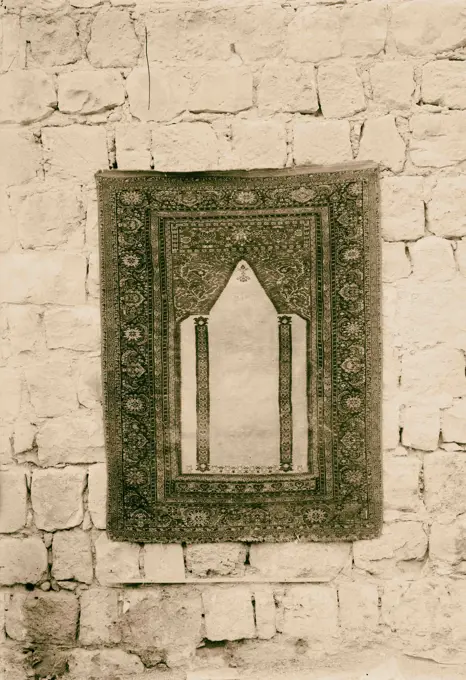
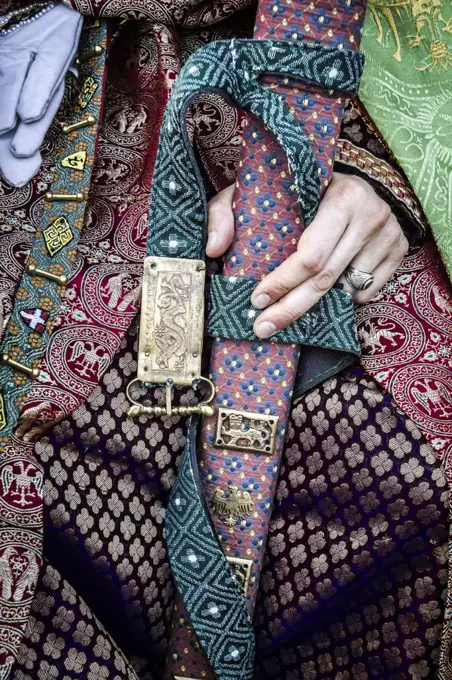
Richly detailed fabric borders and textiles adorned with embroidered symbols and designs, highlighting the artistry and cultural significance in textile craftsmanship.

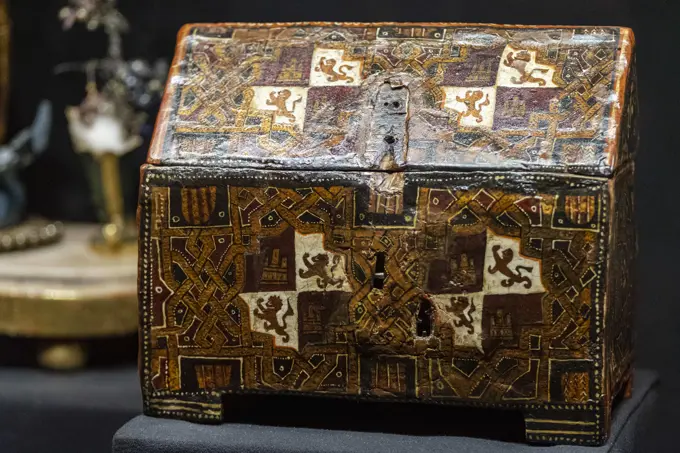
Wooden box for Quran, dating from 1344 AD, National Museum, Kuwait, Middle East
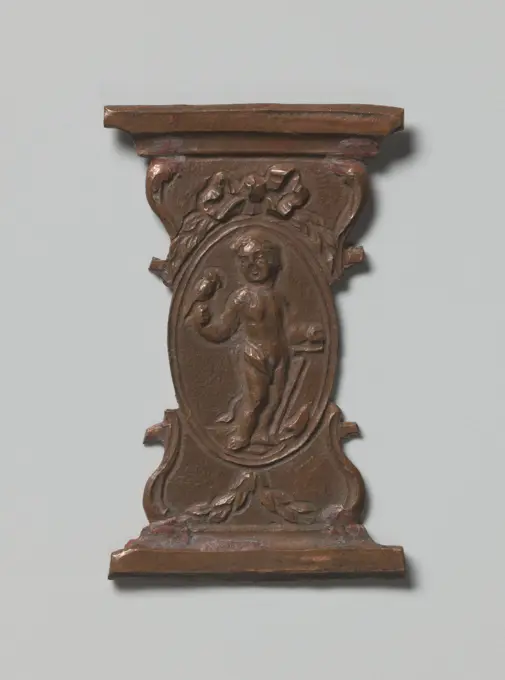
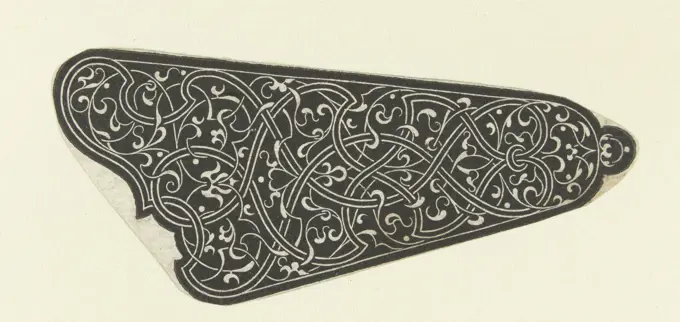
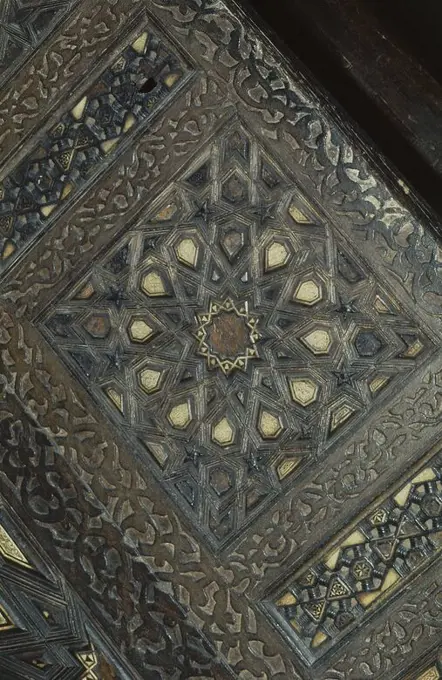
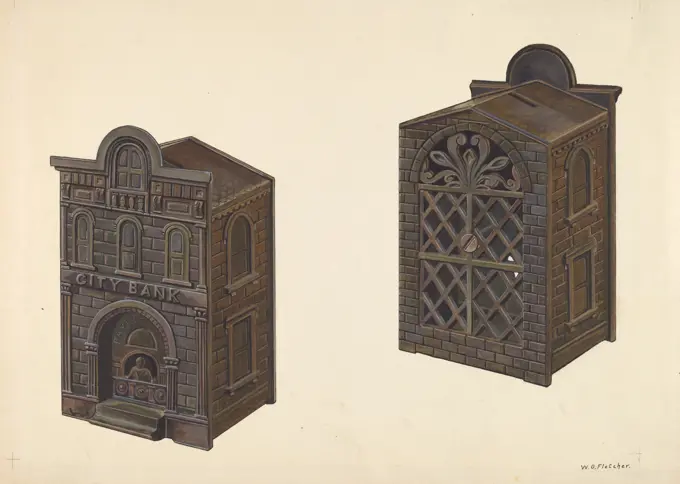
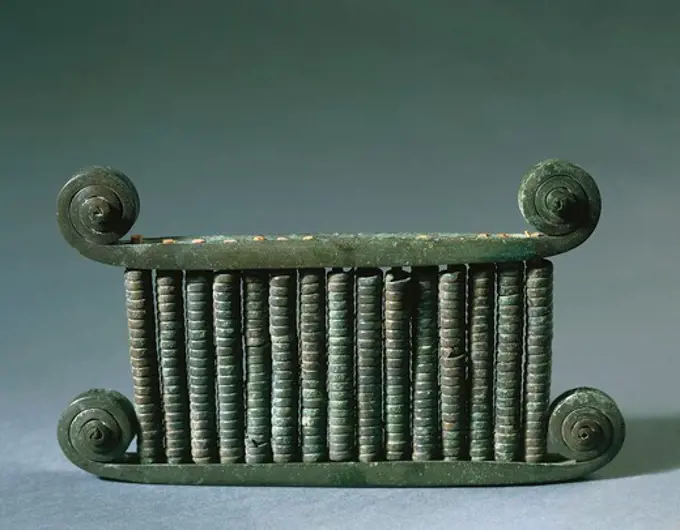
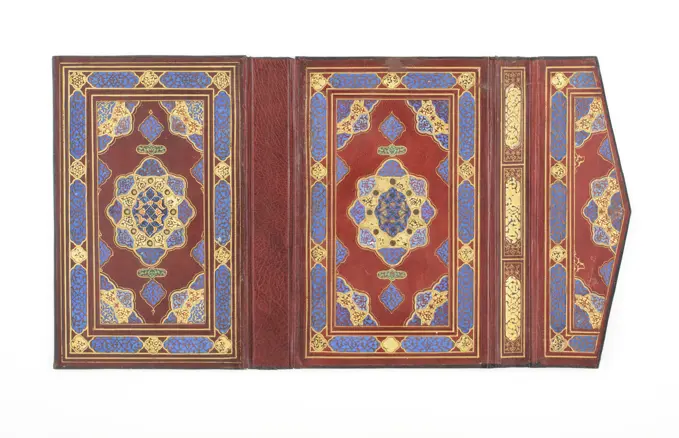
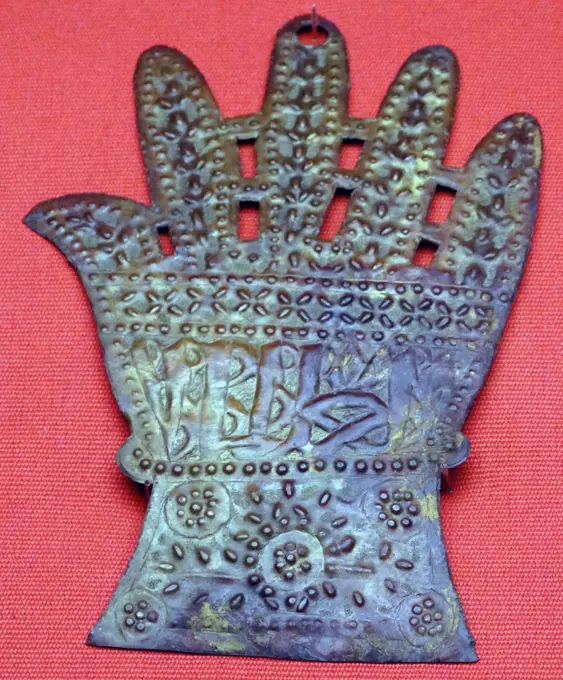
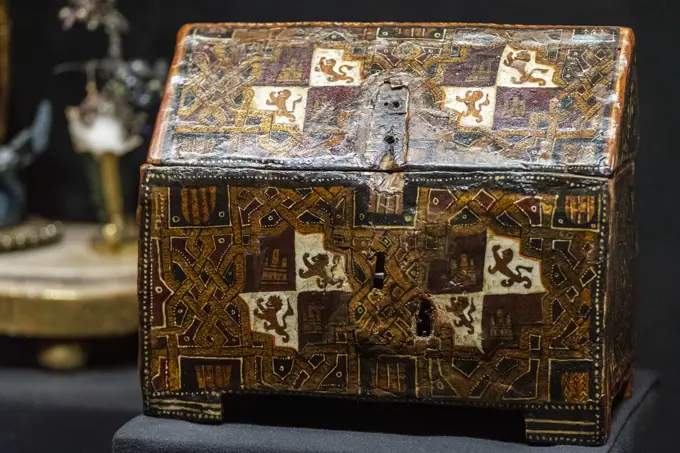
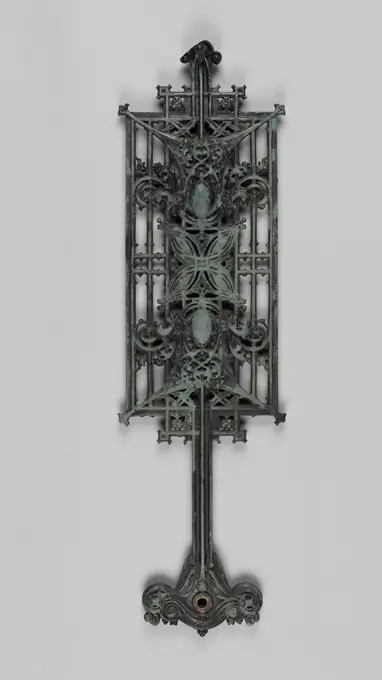
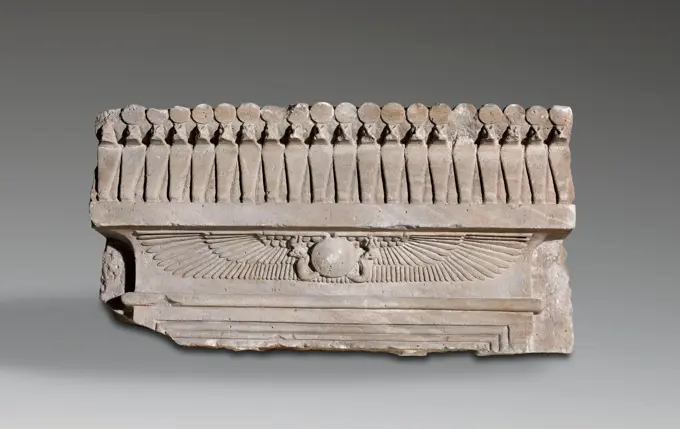
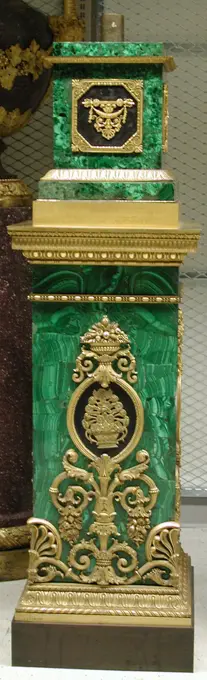
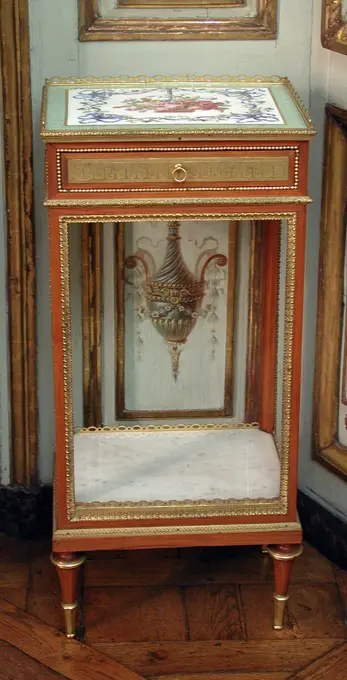
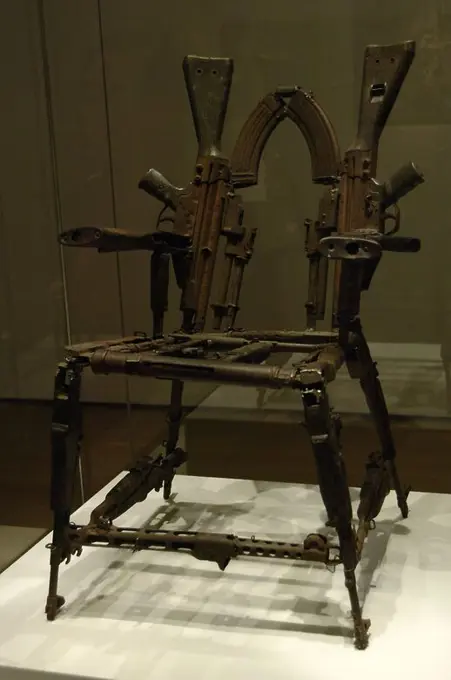
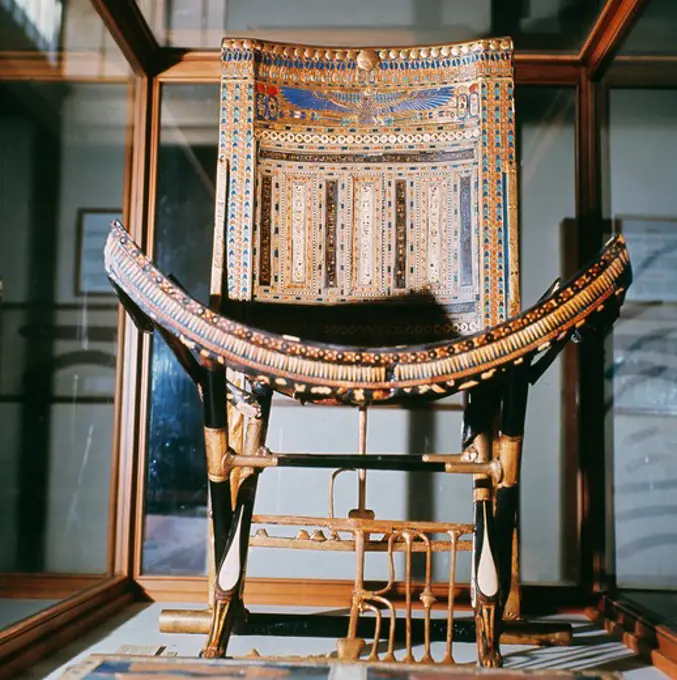
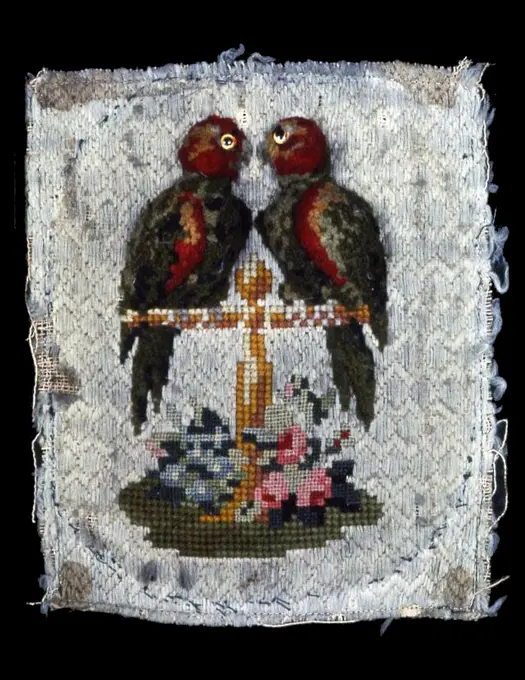
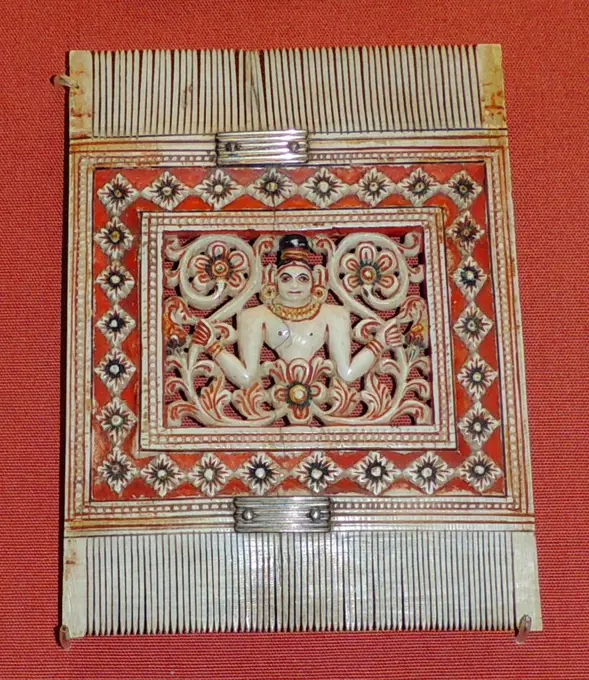
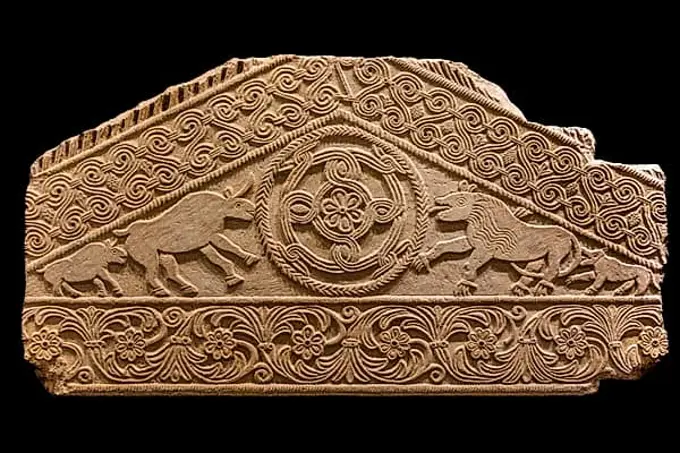
Gable of the ciborium with four animals facing a round geometric shape, Museo Cristiano with masterpieces of Lombard sculpture, Cividale del Friuli, city with historical treasures, UNESCO World Heritage Site, Friuli, Italy, Cividale del Friuli, Friuli, Italy, EuropePa. German Stove Plate. Dated: c. 1942. Dimensions: overall: 26.8 x 29.3 cm (10 9/16 x 11 9/16 in.) Original IAD Object: 27" wide; 24 3/4" high. Medium: black and white photograph. Museum: National Gallery of Art, Washington DC. Author: Charles Von Urban.Colgante pectoral con reprentación de la divinidad. Cobre. Cultura Lambayeque, Período Intermedio Tardío (1150-1450 d. C). Perú. Museo de América. Madrid. España.Model for a bracket of a book lock with a child with anchor and bird, anonymous, c. 1750 - c. 1775 The model driven out of plate for a mold is decorated with a medallion on a bow and pendulum. A child with anchor and bird is shown in the medallion. Amsterdam copper (metal) The model driven out of plate for a mold is decorated with a medallion on a bow and pendulum. A child with anchor and bird is shown in the medallion. Amsterdam copper (metal)Etui of Oirband with Moresken and Arabesken, 1506 - 1551 print From series of 9 sheets France (possibly) paper  mirrorARTESONADO HISPANOMUSULMAN-TARACEA. Location: VICTORIA AND ALBERT MUSEUM. LONDON. ENGLAND.Very old rivets, detail of an iron railway bridge.Tile with Niche Design 12th century. Tile with Niche Design 451007Choir stall cheekWilliam O Fletcher, City Bank Toy Bank, c 1938 City Bank Toy BankMusical instrument made of bronze from the Necropolis in Macchiabate, in Francavilla Marittima, Calabria, Italy. Ancient Greek civilization, Magna Graecia, 6th Century BC.Bag Made 1680-1700 France. Silk, plain weave; embroidered with gilt-metal-strip-wrapped silk laid over padding and gilt-metal-strip-wrapped silk in chain stitch; gussets silk, plain weave; lining silk, plain weave .Bookbinding. Iran, 15th century. Manuscripts; covers. Leather, blind and gold tooled, and cut and paintedAmulet from a collection of Algerian, Italian and Tunisian amulets. Amulets such as this would have been kept in the home or worn on the body in order to provide protection against evil spirits or in order to help cure ill health.Chicago Stock Exchange Building First Floor Elevator Enclosure Grille T-Plate Built 1893-1894 Chicago. Stamped copper . Adler & Sullivan, Architects (Architect)Reliquary with the arms of Castilla Reliquary with the arms of Castilla, Leon and Aragon, 13th century, Relic Room, Monastery of Santa María de San Salvador de Canas, Canas, La Rioja, Spain Copyright: xZoonar.com/Tolox 22153650Reliquary with the arms of Castilla Reliquary with the arms of Castilla Copyright: xZoonar.com/Tolox 22593103Skull, old gravestones at Wasserhorst cemetery, Bremen Lesum, Germany, EuropeBaluster with Panel designed for the Schlesinger and Mayer Store (now Carson, Pirie, Scott and Company), 1899-1904. George Grant Elmslie (American, 1871-1952). Cast iron; overall: 89.2 x 25.1 cm (35 1/8 x 9 7/8 in.).Baroque art. Sacred art. Plaque. Silver. Seu d'Urgell. Catalonia. Spain. 17th century.A commemorative pendant published on the 100th anniversary of the death of Prince Józef PoniatowskiLibrary cornice;  IV-V century (Meroic period) (301-00-00-00-500-00-00);Faras (Sudan), relief decorations, solar disk (iconogr.), Architectural elements, ureusze, Polish excavations in Faras (Sudan)Twelve-light torchère (one of a pair) ca. 1840 Pierre Philippe Thomire French This urn and its companion, 64.163.2, are copies of a marble vase, known as the Medici vase, which is thought to have been made during the second half of the first century A.D. The brilliant green mineral called malachite which forms the surface of these torchères was mined in Russia, probably in the region of the Ural mountains 1500 miles to the east of Moscow. Factories were set up near the mines, where Russian workmen cut the malachite fragments into thin sheets and applied them to shaped metal forms. During the nineteenth century, these forms were sent in considerable numbers to Paris where they were enhanced by gilt-bronze mounts from such firms as Thomire et Compagnie. The museum has a much larger malachite vase with gilt-bronze mounts also signed by Thomire and dated 1819 (44.152a, b).. Twelve-light torchère (one of a pair) 204100Stone sarcophagus with Christian text and pagan images of Norse mythology. From Ardre, Island of Gotland, Sweden. The children of Likntas dedicate the memorial to Ailika, good wife and mother. Historic museum. Stockholm. Sweden.Stove plate 1666 German. Stove plate 191336Brooch-shaped pattern; Examples for embroidery in gold with precious stones. In the middle a diamond, flanked by two twigs with flowers at the top and two consoles at the bottom.Vignet met twee bladranken.Ornament with two leaf rights, finished in a volute. The leaf refrences come from a horseshoe-shaped ornament in the middle.Anglo-Saxon Sandstone Shaft from a Cross 8th Century A.DGlass Fragment. Culture: European. Dimensions: Overall: 6 1/4 x 3 1/4 in (15.9 x 8.3 cm). Date: 13th-14th century. Museum: Metropolitan Museum of Art, New York, USA.Stove plate, God’s Well Has Water in Plenty” W.B. of 1748”.   Maker: William Branson  Maker: Christian FurnaceGlass Fragment 13th-14th century French. Glass Fragment. French. 13th-14th century. Colorless glass. Glass-StainedSeven designs for jewelry, including pointed gold armband with blue stones.. Gerlach, Martin. Prints, Design drawings. 1872 - 1873. The Miriam and Ira D. Wallach Division of Art, Prints and Photographs: Art & Architecture Collection. Jewelry , Design, Bracelets, Pendants (Jewelry)Antoni Gaudí / Detail of colored crystals from the window of the trust room, made by the Peligrí Workshops, on the noble floor of the Güell Palace, 1888, Barcelona, Catalonia, Spain. Museum: Palacio Güell, Barcelona, Cataluña, España.Animal tile, bird on branch on plot to the left between balusters in blue on white, corner pattern french lily, wall tile tile sculpture ceramic earthenware enamel, baked 2x glazed painted Square. Blue on white fond bird on branch. Baluster ornament with french lilies.Anverso cruz patriarcal realizada en Barcelona. Siglo XV. Museum: VICTORIA AND ALBERT MUSEUM, NAPOLES, UK.Four Continents Plaque; bronzeDiscovery Park Sign on West End Park, Port Angeles, Washington State, USA.Design for a secretary, Anonymous, c. 1825 - c. 1839 drawing Design for a secretary/chest of drawers with marble magazine in mahogany (and decoration by insert - ebony) In a dense state. The leaf on the back numbered: 79, the opposite sheet with information about the furniture depicted: 79 bis. Part of an album with 80 sheets with drawings and a print of veneered and lacquered furniture, as well as seating furniture. Paris (possibly) paper. ink. watercolor (paint). pencil pen / brush cupboard (+ wood and other phytogenic material)Wooden Belt. Korea, Joseon dynasty (1392-1910), 18th century. Jewelry and Adornments; worn ornaments. Carved wood with lacquer and gildingPair of Stirrups 18th century Mexican These heavy iron cross-form stirrups are decorated in low relief with goats and birds among a stylized vegetation. The arms of the crosses display large spiraled circles (swastika) flanked by palmettes.Estribos de cruz, as they are called in Spanish, were particularly popular in Mexico during the 18th century, including in the cavalry. Oversized and very heavy, many of them feature extravagant decoration, sometimes enriched with silver elements. Horses were already at this time a mark of a certain social status in Mexican society, and the display of rich, beautiful and shiny horse tack was a way to highlight this fact. Despite (or perhaps because) of its popularity, however, this type of stirrup has been officially forbidden for soldiers by royal decree in 1772, and then completely in 1778, mostly because of the danger they presented to bystanders.. Pair of Stirrups. Mexican. 18th century. Iron. Equestrian Equipment-StirrupsWindow with inscription "BC" and geometric motif, anonymous, 1700 - 1900  A stained glass window with the inscription: B C and a geometric motif.  glass. lead (metal).Choice oriental rugs. 1898, Middle EastSword of Charlemagne, Léon Vidal, c. 1876 - c. 1883 photomechanical print  Paris paper  hacking and thrusting weapons: swordPiece 18th century China. Piece 71444abstract cross   brass brown knocker in a   closed wood door  castiglione olona varese italyVarious Clay Cylinders and Bricks from Mesopotamia 13th Century B.C. BabylonianFlower tile, flowerpot in square, corner pattern palmet, wall tile tile sculpture ceramic earthenware glaze, baked 2x glazed painted Ruddy shard square two nail holes. Multicolored: orange brown yellow blue green on white background. Flowerpot with five flowers with leaves including two marigolds in square corner motif: palm corner.Santiago Marco / Secreter, 1925. Colección privada.Unknown photographer, beam fragment in Baalbek (without dat.): View. Photo, 20.1 x 20.2 cm (including scan edges) unbek. Fotograf : Gebälkfragment in Baalbek (ohne Dat.)Writing and eating table ca. 1780 Martin Carlin French This small writing and eating table mounted with Sèvres porcelain comes from the Hillingdon Collection, which was founded by Sir Charles Mills (1792-1880), a partner in the great firm of Glyn, Mills, Currie and Company, bankers to the British royal family. Tradition says that Sir Charles acquired the collection during a series of visits to France in the first half of the nineteenth century. Sir Charles son was created first Baron Hillingdon in 1886. In 1937, his descendants sold the collection to the well-known art dealers Duveen Brothers. Although various collectors, such as Calouste Gulbenkian and J. Paul Getty, were interested in buying the Hillingdon Collection, ultimately the majority of the artworks, including seventeen pieces of porcelain-mounted furniture, were acquired in 1947 by the cultural foundation that had been established by the American businessman and philanthropist Samuel H. Kress (1863-1955). Under the leadershOttoman art in geometric patterns on woodHeraldic Roundel, 1500s. England, 16th century. Pot-metal and white glass, silver stain; diameter: 27.7 cm (10 7/8 in.).Ornament with Krishna as a child, anonymous, c. 1600 - c. 1699 Throne ornament with the toddler krishna Southern India ivory Throne ornament with the toddler krishna Southern India ivoryClose-up of mosaic tiled picture and brass lamp on glass shelfMosaic tiled floors at the archaeological Site of Volubilis, Voloubilis Roman ruins, Meknès Prefecture, Fès-Meknès, MoroccoDaleszyce town seal. Daleszyce, signatoryFrederick of Antiochs scabbard, AltopascioĽubovňa Castle, built at the end of the 13th century. Station 16, replicas of the royal regaliaThrone of Weapons. Sculpture created by Cristovao Canhavato (b. 1966) in Maputo. Weapons used in the mozambican civil war (1977-1992). 1992. British Museum. London. England. United Kingdom.Historic cross, main market place Trier, Rhineland-Palatinate, Germany, Europeportable altar of King Jaume I, 1229, Palma Cathedral Museum, Majorca, Balearic Islands, Spain.Lincoln, Cathedral. Purbeck marble baptismal font, St, Saint, SaintEgypt, Cairo, Egyptian National Museum, Close up of throne of TutankhamunMedieval chess set, Chess Museum Löberitz, Saxony-Anhalt, GermanyRectangular tile with an inscription and foliate scrolls, anonymous, c. 1250 - c. 1324 Tile of quartz-fritgoed with a inscription applied in relief, heighted in blue, furthermore painted in blue, green-blue and luster with leaf shelves. is the earthenware. glaze. cobalt (mineral). luster (textile) painting / vitrification Tile of quartz-fritgoed with a inscription applied in relief, heighted in blue, furthermore painted in blue, green-blue and luster with leaf shelves. is the earthenware. glaze. cobalt (mineral). luster (textile) painting / vitrificationBadge of the 5th Congress of Polish Anesthesiologists in Krakow unknown labelTHAILAND CHONBURI SAMAESAN DORF WIHAN LUANG PHO DAM THAILAND CHONBURI SAMAESAN DORF WIHAN LUANG PHO DAM Copyright: xZoonar.com/URSx 23094893Madonna and Child with Angels,  by Luca Della Robbia,  Glazes terracotta,  1400-1482Picture (Needlework) Made 1801-1900 Europe. Cotton, plain weave; embroidered with wool yarns in cross, flat, tent and plush stitches .Double-ended Comb with a Nari-Lati motif 12th Century. Sri Lanka.French military accoutrements including sword of the royal guard. From 'Histoire de la maison militaire du Roi de 1814 a 1830' by Eugene Titeux, Paris, 1890.Europe, Germany, Hessen, Rudesheim am Rhein, Siegfried's Mechanical Instrument Museum, Gebrueder Bruder Waldkirchold psalm book, worry beads and three wooden dices old psalm book, worry beads and three wooden dices on green baize table Copyright: xZoonar.com/ValeryxVoennyyx 13704554British museum, decorated wooden Egyptian coffin, London, England, Great Britain.