Decorative Textile Fragments

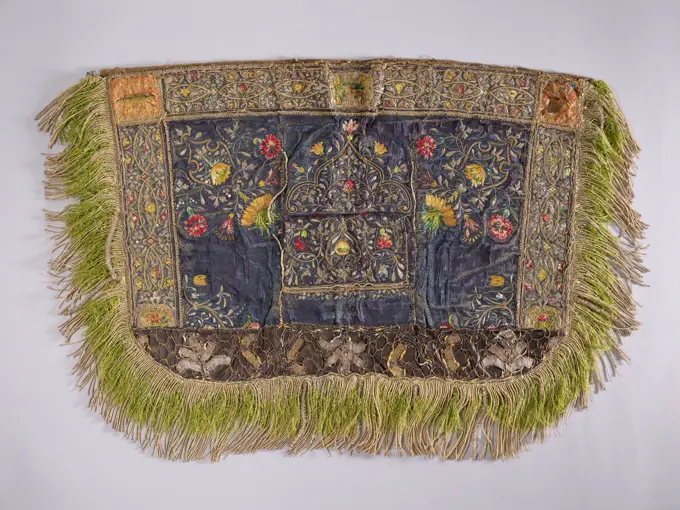
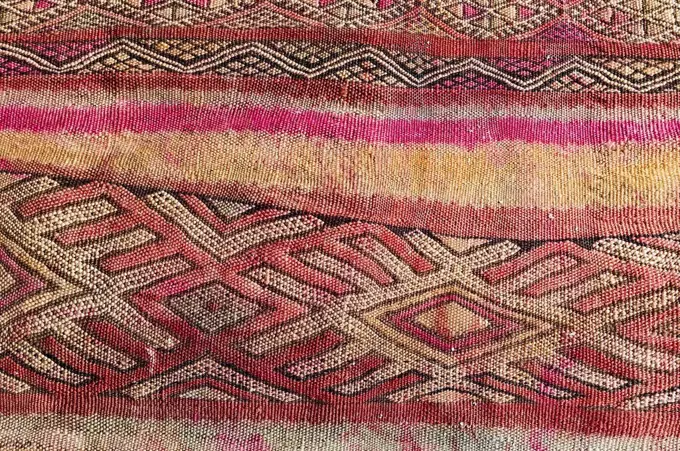
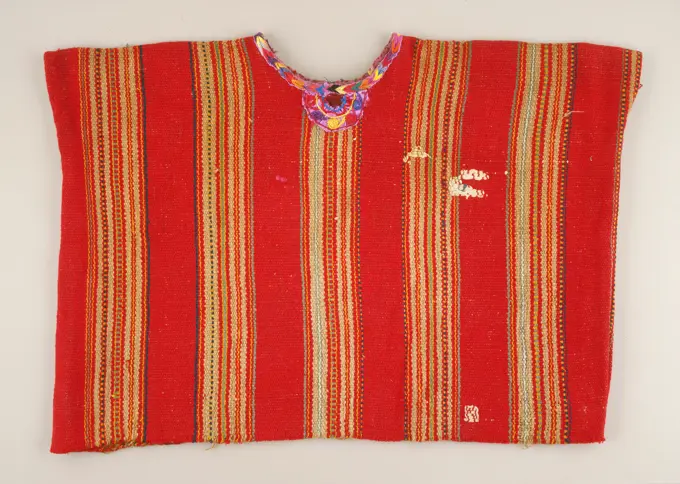
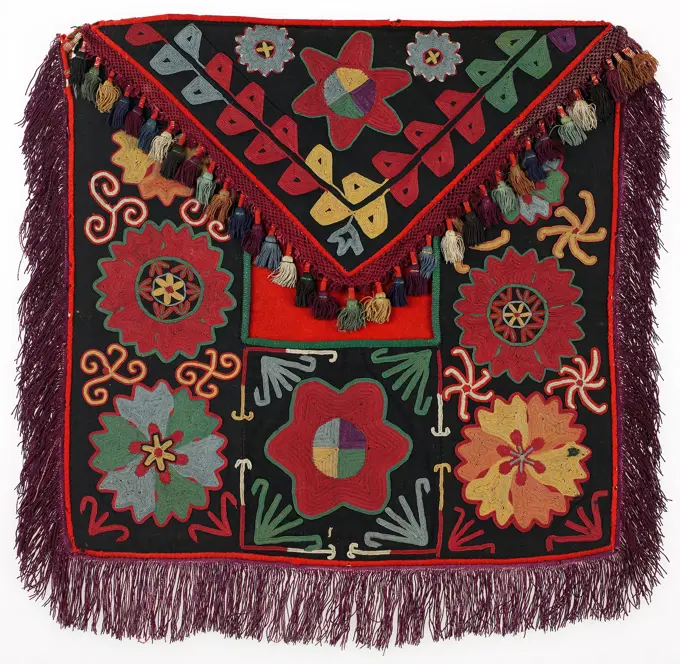
A collection of vibrant textile fragments showcasing intricate embroidery and designs in various mediums from different cultures and centuries, featuring floral and geometric patterns.
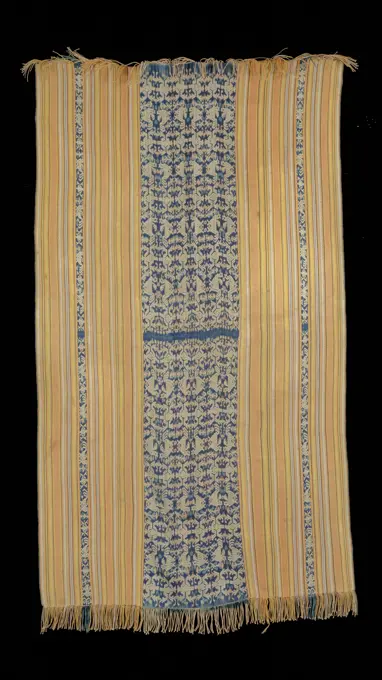
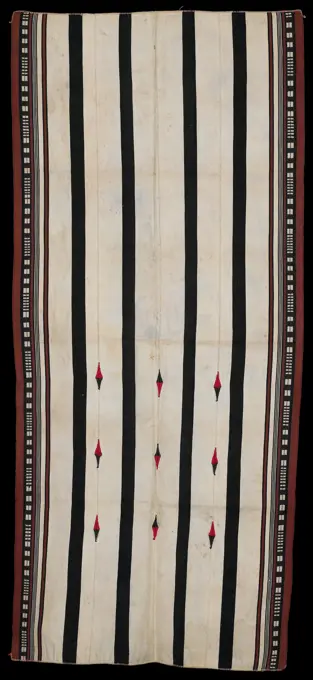
Man's textile (Selimut), 20th century, 64 x 39 1/8 in. (162.56 x 99.38 cm) (without fringe), Cotton, Indonesia, 20th century
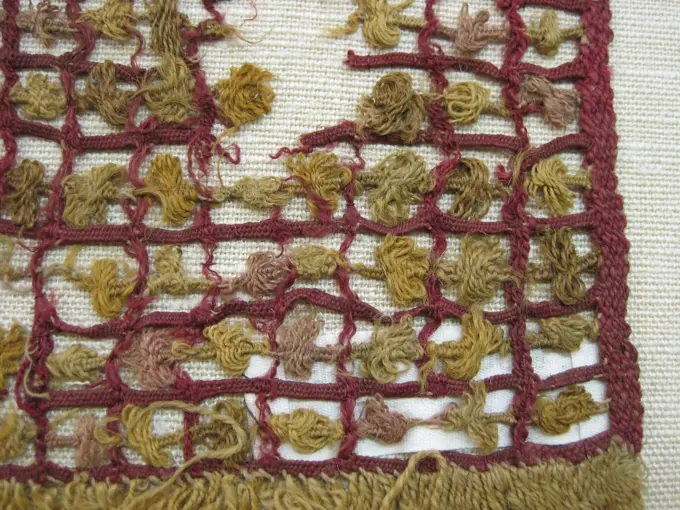
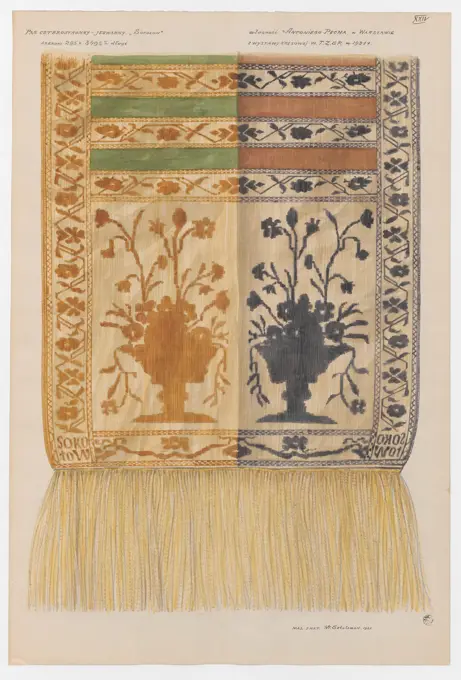
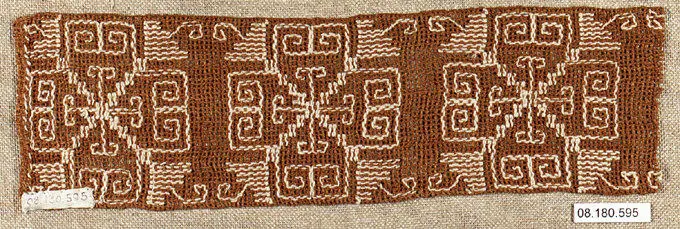
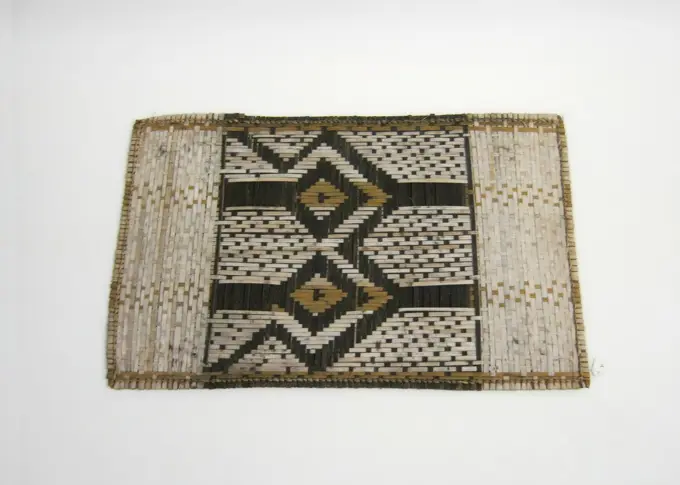
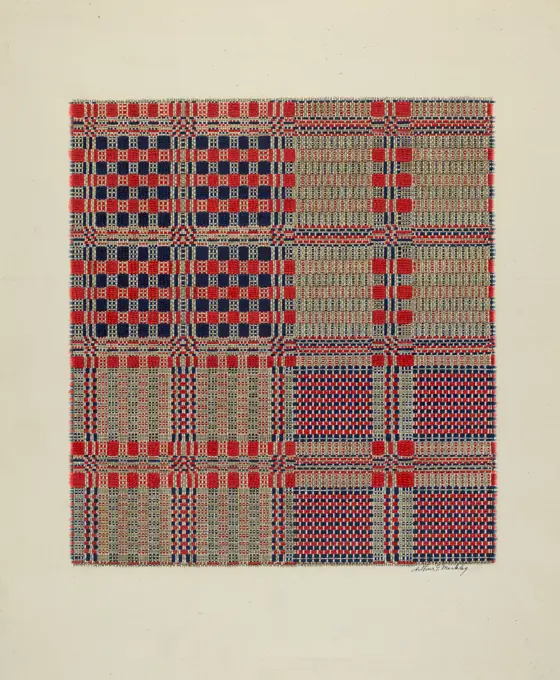
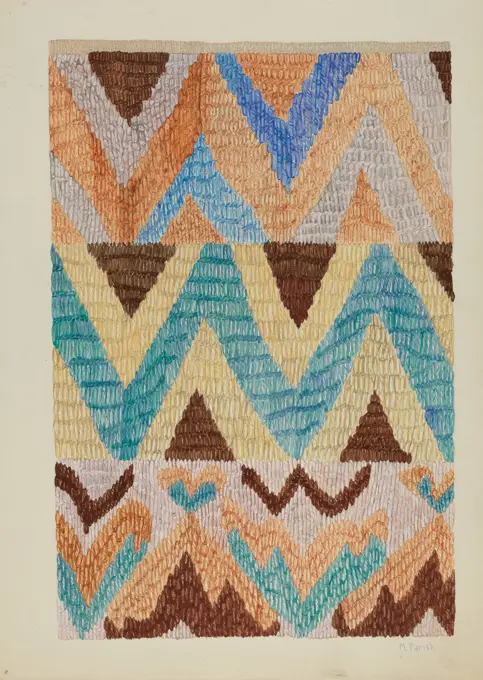
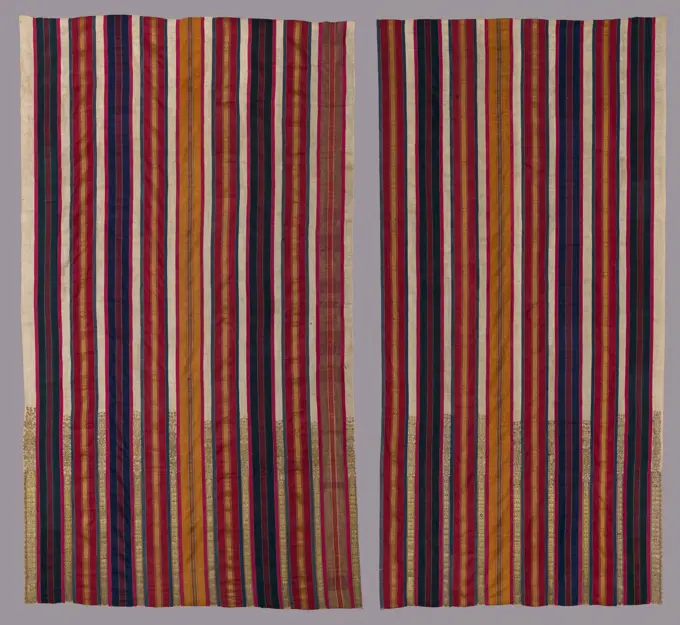
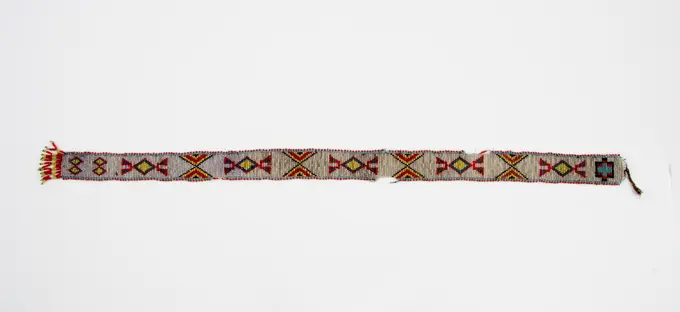
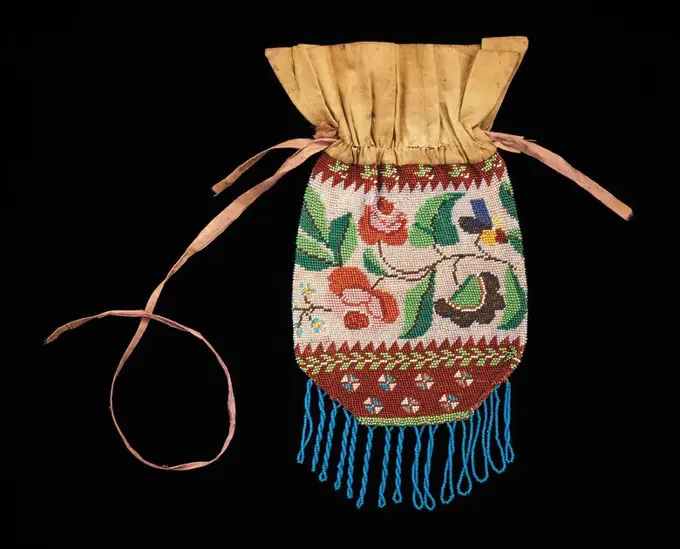
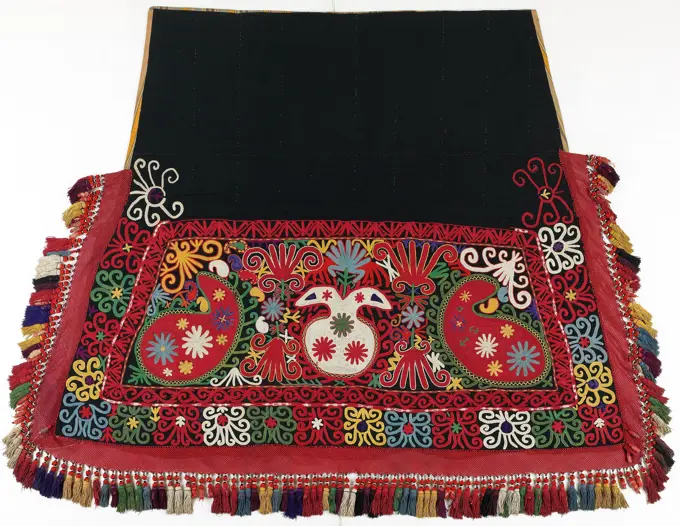
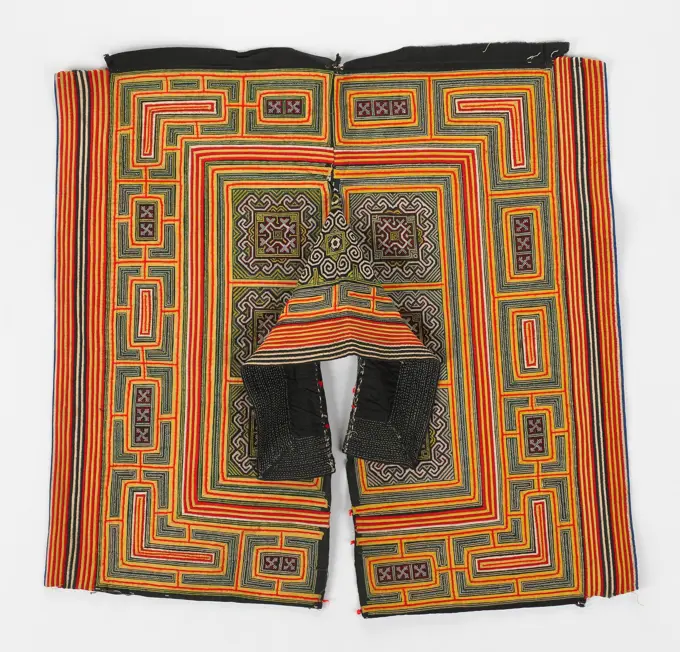
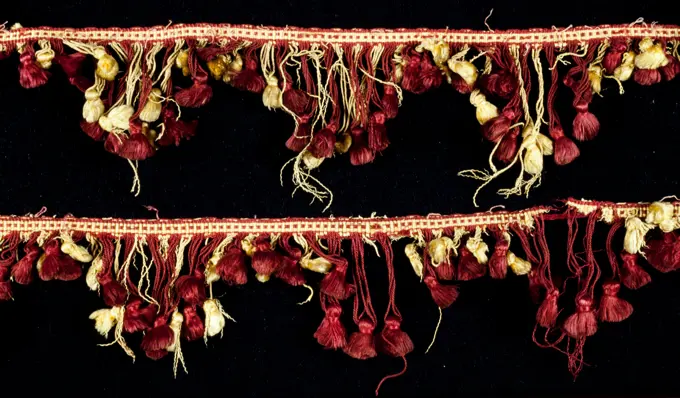
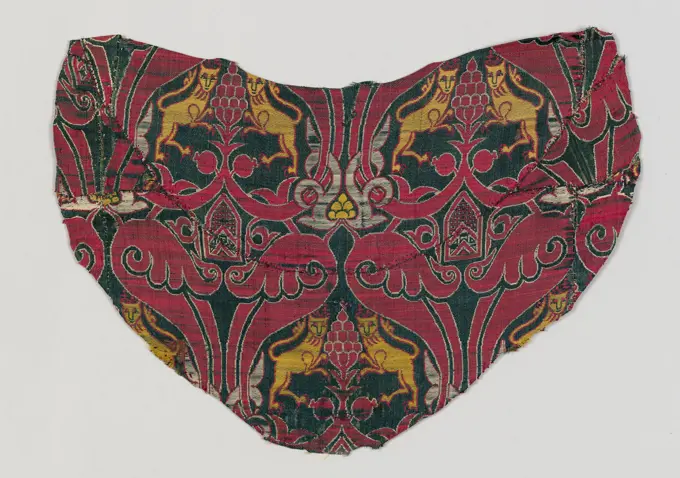
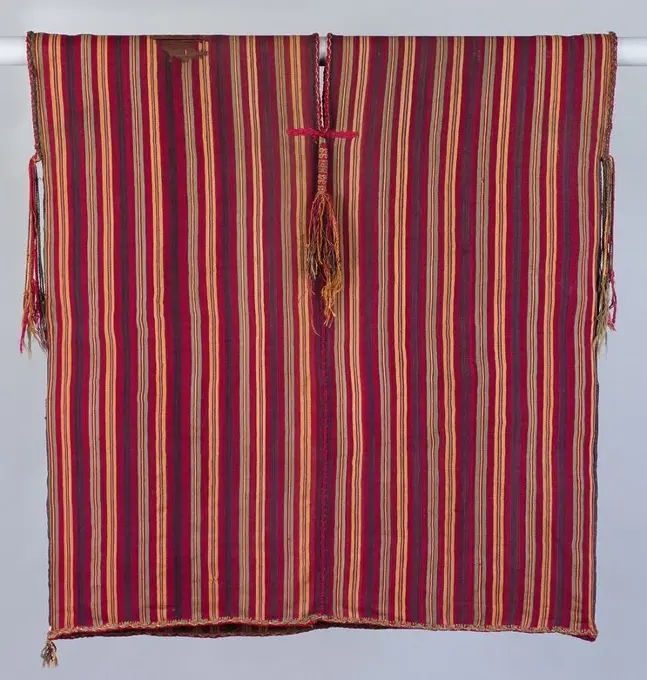
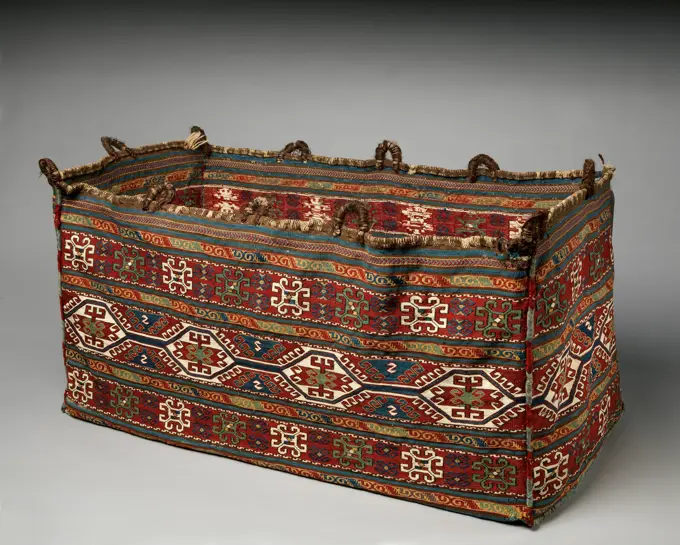
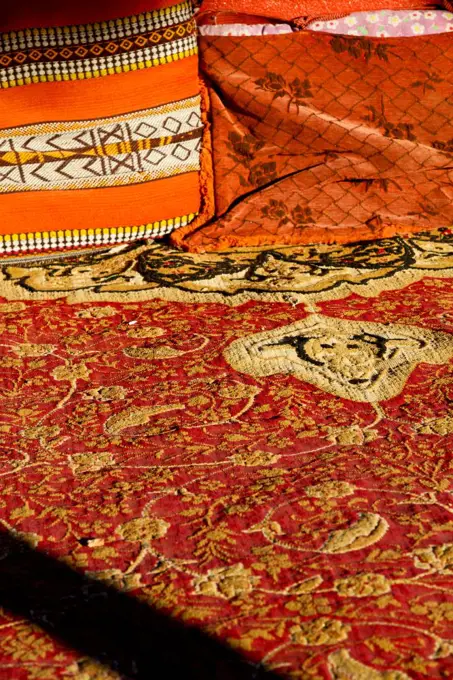
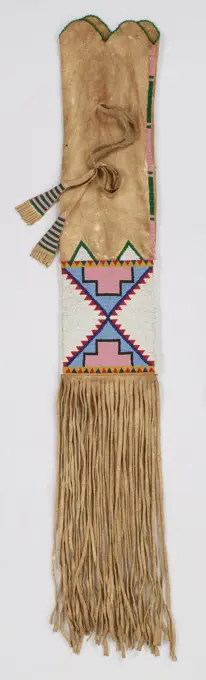
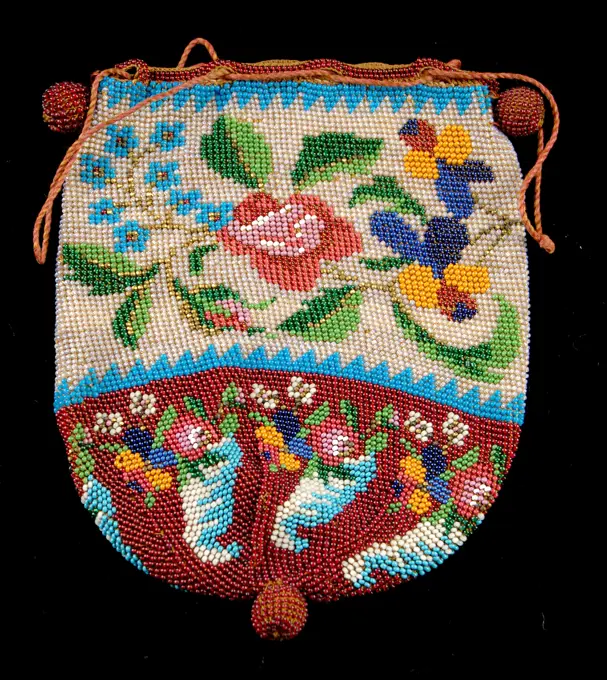
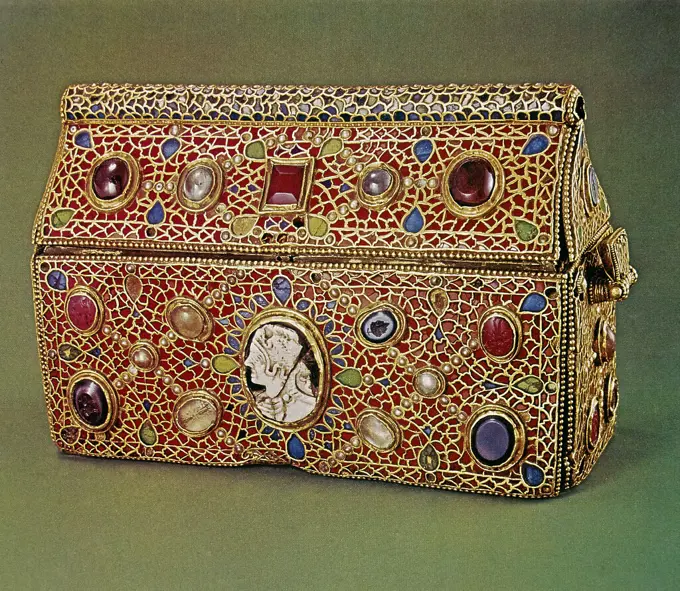
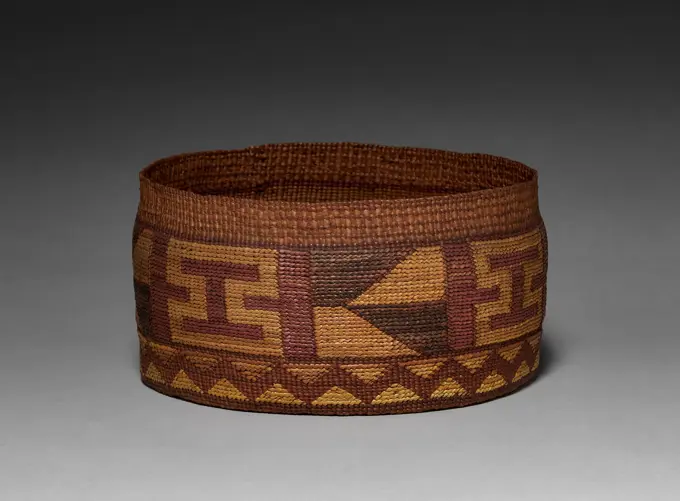
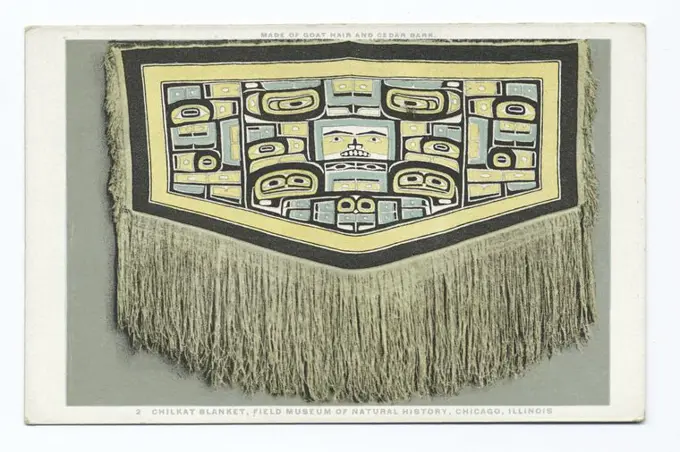
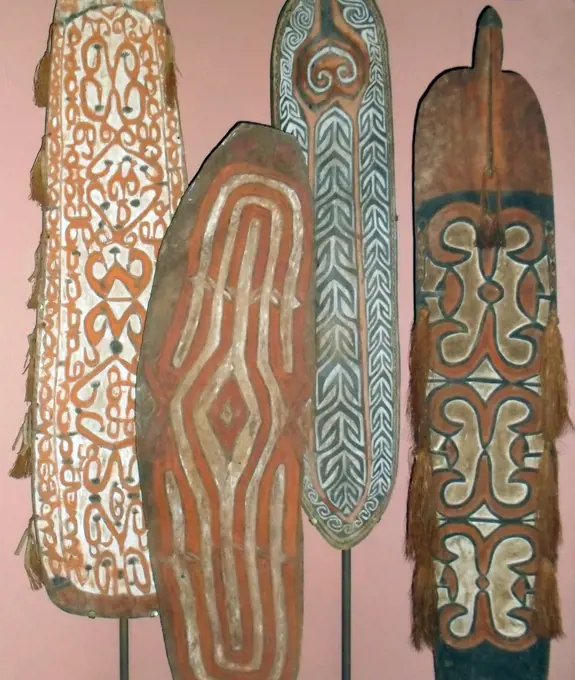
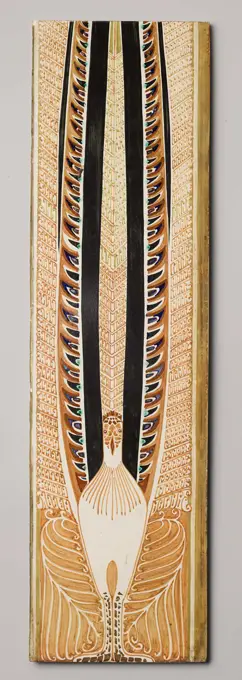
Plate Ceramics Harness at a chimney from Dentz's House from Schaick.Signed: Inv: LionCachet. The Plate Belongs to a Chimney That's part of a paneling Manufactured for the house of Mr. Th.G. Dentz van Schaick on Amsterdam Frederiksplein 50-52.Textile Fragment, undetermined Chancay. Textile Fragment, undetermined, 1000-1532. Cotton, camelid fiber, Including fringe: 7 1/2 × 6 1/2 in. (19.1 × 16.5 cm).   Arts of the Americas 1000-1532Kontush belt from the manufacturing facility in Sokołów, owned by Antoni Pech of Warsaw, presented during the retrospective exhibition "Sztuka i kultura polska na Litwie i Rusi" Polish art and culture in Lithuania and Ruthenia organised by the Departmen???????????????????. Sztolcman, Władysław Roman (1873-1950), painterBand 16th century Italian. Band 214945Lambijn, Anonymous, 1720 - 1740 Yellow silk lambeline of a bed garnish embroidered with flowers and butterflies in multicolored silk, omboard and decorated with blue passement, lined with coarse linen and yellow silk. Intended for the front of the bed, inside. Canton silk. linen (material) Yellow silk lambeline of a bed garnish embroidered with flowers and butterflies in multicolored silk, omboard and decorated with blue passement, lined with coarse linen and yellow silk. Intended for the front of the bed, inside. Canton silk. linen (material)Embroidered panels for a man's suit. Culture: French. Dimensions: Overall (.290a, confirmed): 45 1/4 × 22 1/4 in. (114.9 × 56.5 cm);Overall (.290b, confirmed): 45 × 22 1/4 in. (114.3 × 56.5 cm);Overall (.290c, confirmed): 48 1/2 × 22 1/4 in. (123.2 × 56.5 cm);Overall (.290d, confirmed): 49 × 22 1/4 in. (124.5 × 56.5 cm);Overall (.290e, confirmed): 20 1/2 × 22 1/4 in. (52.1 × 56.5 cm). Date: 1780s.Tacked into a first phase of assembly, an extravagant man's suit has waited more than 200 years for its ideal wearer. Museum: Metropolitan Museum of Art, New York, USA.Clan Emblem, 12 13/16 x 19 15/16 in. (32.5 x 50.6 cm), Plant fibers, Democratic Republic of CongoHood from a church cap;  XVII century (1600-00-00-1700-00-00);Sampler (Germany); silk embroidery on linen foundationMorocco, Marrakesh, detail of a traditionally Moroccan carpetSaint's Huipil, 1965-1970, 10 3/4 x 15 7/8 in. (27.3 x 40.3 cm), Cotton; plain weave, embroidery, Guatemala, 20th centuryBlanket, c. 1890, 60 7/8 × 43 3/16 in. (154.62 × 109.7 cm) (including fringe), Wool, pigments, United States, 19th centuryFragment (Border) Made 1601-1625 Italy. Linen and silk, plain weave, tied double cloth; edging linen and silk, warp-twining with ground weft fringe .Tabaklau ilgich, late 19th-early 20th century, 24 x 28 in. (60.96 x 71.12 cm), Silk, wool, cotton; chain stitch, Uzbekistan, 19th-20th centuryArthur G Merkley, Red, White & Blue Coverlet, c 1940 Red, White & Blue CoverletCarpet Made 1701-1800 Caucasus. Wool, plain weave with supplementary wrapping wefts forming cut pile through a technique known as Turkish (Ghiordes) knots .Armband -Legging strip -Margery Parish, Colcha (Bedspread), c 1937 Colcha (Bedspread)Tipi Bag, before 1890, 16 x 22 3/4 in. (40.64 x 57.79 cm), Hide, glass beads, metal, feathers, United States, 19th centurySampler (Scotland); Made by Rebecca Knight (Scottish); linen, silk; 14 X 12.75 in. framedCurtain, 1600s-1700s. Africa, North Africa, Tunisia, Djerba, Tunisian weaver(s) and embroiderer(s). Silk, linen, metal, and dye; overall: 281 x 157.7 cm (110 5/8 x 62 1/16 in.). This pair of curtains displays colorful silk bands with woven geometric motifs, and cream bands with gold-embroidered plants, birds, six-pointed stars, and the khamsah (), an open five-fingered hand. Birds and the tree of life were popular good luck or fertility symbols linked to marriage. The cosmopolitan motifs would have resonated with Jews, Muslims, and Christians alike, reflecting its creation on multiethnic and multireligious Djerba, an island off the Tunisian coast. There, both goldsmithing and gold thread embroidery were done by Jewish artisans (male and female, respectively). The fine materials suggest they once hung in a wealthy home or for special occasions; interior wall hangings were typically made from rough wool.Strip -Border for head covering, mid 20th century, 73 1/2 x 9 3/4 in. (186.69 x 24.77 cm) (without ties), Cotton, mirrors; needlework, India, 20th centuryThe Kevorkian Hydrabad Carpet. Date/Period: 1600 - 1700. Carpet. Author: India unknown.Pouch 1830-60 American. Pouch 168386Baby carrier, ChinaPouch. Culture: American. Date: 1830-60.Although in fragile condition, this bag has retained its original silk top and drawstring. The beadwork pattern is color blocked rather than shaded, as are similar bags, which gives it a folkloric character.Margaret S. Bedell (1861-1932) donated, by gift or bequest, over 500 objects to the Brooklyn Museum, including furniture, quilts, samplers, costume and Native American beadwork. Her collection of American and European beaded bags includes examples from Philadelphia and the Catskill Mountain region of New York State, as well as Italy, Austria, Germany, and Holland. Museum: Metropolitan Museum of Art, New York, USA.Album offered to Dr. ir. H.M.J. Heart by Staff Central Office for Statistics in Batavia in 1935. Album offered to Dr. ir. H.M.J. Heart by the Staff of Central Office for Statistics in Batavia in July 1935. Elongated photo album with hand-woven hand-woven kofo tissue with geometric patterns in brown and beige. Against inside of cover, brown blades blades are stuck. Album consisting of 12 sheets of brown paper. Liquid power has been applied between most blades. On the downside of the first magazine a letter with the assignment to Mr. Hart. Total 15 photos. On the blades 2-7 the large photos are stuck on the substrate of gold paper, with a caption under each photo. Group photos for building on lawn and stand on the edge of the field. On leaf 11 are 4 smaller photos with serrated white edges, pictures of man posing on lawn and sitting on a stand of stands.Baby Carrier, 34 1/2 x 49 1/4 in. (87.63 x 125.1 cm), Cotton; needlework, ChinaDa-our, late 19th-early 20th century, 55 x 74 in. (139.7 x 187.96 cm) (includes tassels), Silk, wool, cotton; chain stitch, Uzbekistan, 19th-20th centuryPurse mid-19th century probably Austrian. Purse 117338Panel with Birds, Flowers, and Suns, 1500s-1600s. Italy, 16th-17th century. Needle lace, filet/lacis (knotted ground and darned in two directions); bleached linen (est.); overall: 23.1 x 91.5 cm (9 1/8 x 36 in.).Collar, 14 3/4 x 25 1/2 in. (37.47 x 64.77 cm), Cotton, ChinaBorder for woman's head covering, mid 20th century, 77 5/8 x 11 5/8 in. (197.17 x 29.53 cm) (without ties), Cotton, mirrors, sequins; needlework, India, 20th centuryTrim, fringe, 18th-19th century, 56 1/2 in. (143.51 cm), Passementerie, 18th-19th centuryTextile Fragment 15th century This silk textile shows pairs of confronting lions on either side of a stylized tree, enclosed by swooping crimson-colored split palmette leaves and set against a green ground. The lions have been compared to a Granadine textile bearing Nasrid heraldic emblems and rampant lions, which possibly served as the model. Variants of this pattern, depicting different slightly plant forms or animals suggest that these textiles were mass-produced. For similar textiles in the museums collection, see also 11.23, 25.120.453, and 20.94.1.. Textile Fragment 453057Woman's wrapper, 20th century, 45 1/4 x 20 1/4 in. (114.94 x 51.44 cm), Cotton; woven fabric, India, 20th centuryFestival Banner(Roto)Fringe, Medium: silk Technique: plain weave, Red and white fringe with a plain weave heading, band in a trellis pattern above red and white skirt threads., Greece, 17th century, trimmings, FringeKokerdoek, anonymous, 1900 - 1949 Tube cloth with geometric motifs. Flores cotton (textile) Tube cloth with geometric motifs. Flores cotton (textile)Tunic. Culture: Inca. Dimensions: H. 33 x W. 30 in. (83.8 x 76.2 cm). Date: 1400-1530. Museum: Metropolitan Museum of Art, New York, USA.Coverlet fragment, Medium: wool, cotton Technique: two intercrossed plain weave structures (double cloth), Fragment of a woven coverlet with a grid pattern and pine tree” border, in dark blue, pink, and off-white wools., USA, late 18th-19th century, woven textiles, Coverlet fragmentPair of Sleeve Extensions, 8 3/4 x 5 5/8 in. (22.23 x 14.29 cm), Cotton, metallic thread and tape, ChinaPouch 1830-60 American. Pouch 168398Sampler, Medium: silk embroidery on linen foundation, pearls Technique: embroidered in two-sided cross, satin, and back stitches on plain weave foundation, At upper left, box with pattern bands and alphabet; upper right, religious motifs. Lower field: floral motifs and monogram and date., Bohemia, 1700, embroidery & stitching, SamplerFringe European 19th centuryBag in soumak technique, single with tire and netten fringe, red grid with windows drawing blue stock, windows filled with hook figures, border with huge corners, anonymous, c. 1900 Bag in Soumak-Techniek, single with band and netten fringe. In midfield a red grid with windows against a blue stock. Windows filled with crochet figures. Rand with obsk. Northwest perzia (Possible) ketting: wool. silk. cotton (textile) Bag in Soumak-Techniek, single with band and netten fringe. In midfield a red grid with windows against a blue stock. Windows filled with crochet figures. Rand with obsk. Northwest perzia (Possible) ketting: wool. silk. cotton (textile)Bourse. GAL1960.19.34Bedding Bag ca. 1825-75 Shahsevan bedding bags, previously misidentified as childrens cradles, represent the durable, lightweight nomadic equivalent of a steamer trunk, intended for blankets, quilts, and other bedding. These boxlike bags are composed of four decorated panels, usually with sumak extra-weft wrapping and a weft-faced plain-weave bottom. The field design seen here features a central band of connected white hexagons alternating with blue half hexagons. The red cruciform motif on the white cotton ground in the hexagons contributes to the bags striking appearance. Yellow guard stripes with stylized tendrils separate the main band from the upper and lower secondary bands of stylized clouds in the form of an octagonal cross.. Bedding Bag. ca. 1825-75. Wool (warp, ground weft, and sumak weft), cotton (white sumak weft), and goat(?) hair (loops); sumak extra-weft wrapping (sides); weft-faced plain weave (bottom and sides). From Northwestern Iran or Azerbaijan, Shahsevan tribe. Fringe, Medium: silk Technique: woven, Woven heading with knotted tassels arranged in stripes of pink, yellow, cream and pale green., USA, 19th century, trimmings, FringeSampler (Germany); wool and metallic braid embroidery on cotton foundationKnotted Lace Edging of Fringe, 16th-17th century. Italy, 16th-17th century. Knotted silk fringe with overfringe of gold thread; average: 7 x 22.3 cm (2 3/4 x 8 3/4 in.).Kontusz sash/belt. unknown, authorBeaded Leather Bag 19th century Wasco or Wishram. Beaded Leather Bag. Wasco or Wishram. 19th century. Leather, cloth, glass beads, shells. United StatesPouch ca. 1860 American. Pouch 168713in oman old carpet and pillow like table to restPipe bag, late 19th century, 22 3/4 x 6 3/16 in. (57.79 x 15.72 cm) (without fringe or ties), Buckskin, beads, sinew, United States, 19th centurySuspenders 1850 French. Suspenders 122498Pouch 1830-60 American. Pouch 169688Specimens of painted lacquer-work from the Collection at the India House. Chromolithograph by Francis Bedford from Owen Jones' The Grammar of Ornament, Quaritch, London, 1868.Blanket Handmade knitted wool blanket at white background Copyright: xZoonar.com/MarkoxBericx 6936645Trimming (Spain); white and colored silk in velvet weave.; Overall: 19.5 x 4 cm (7 11/16 x 1 9/16 in.)Merovingian art. Theodoric chest. Valais (Switzerland), Saint-Maurice abbey. Location: ABADIA DE SAN MAURICIO. Valais. Switzerland. TEUDERICO.Basket with Raffle Top, before 1929. Northwest Coast, Tlingit, 20th century. Twined; overall: 9.5 x 19 cm (3 3/4 x 7 1/2 in.).Chilkat Blanket, Field Museum of Natural History, Chicago, Illinois, Made of Goat Hair and Cedar Bark still image. Postcards. 1898 - 1931. The Miriam and Ira D. Wallach Division of Art, Prints and Photographs: Photography Collection. Field Museum of Natural History, Galleries & museums , Illinois , Chicago, TextilesPouch 1830-60 American. Pouch 168411Shields made from wood from various tribal cultures in Merauke, Paua New Guinea. early 20th Century.