Decorative Textile Patterns

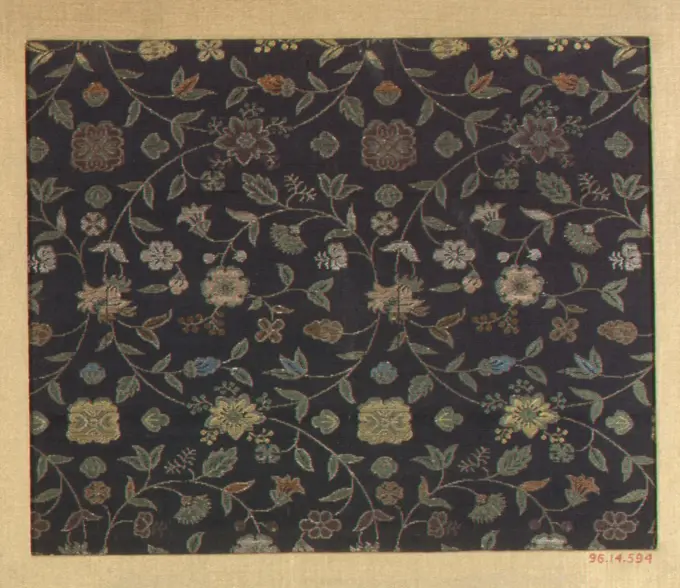
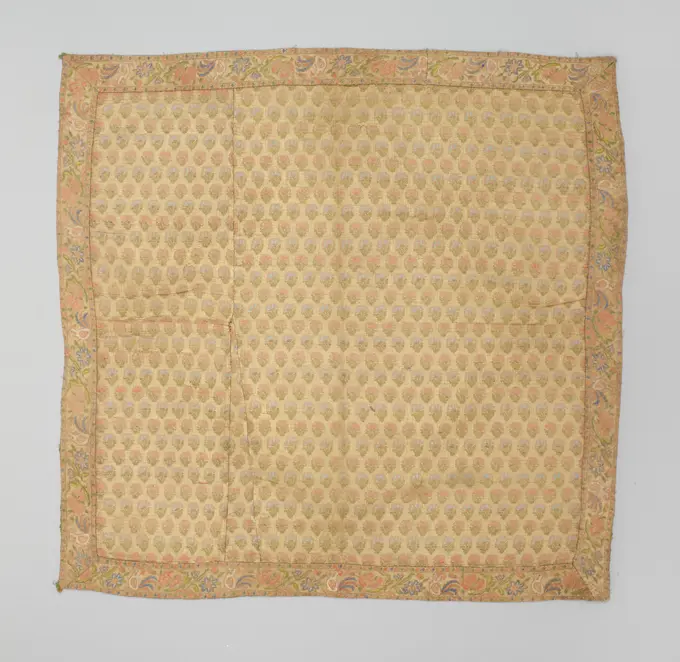
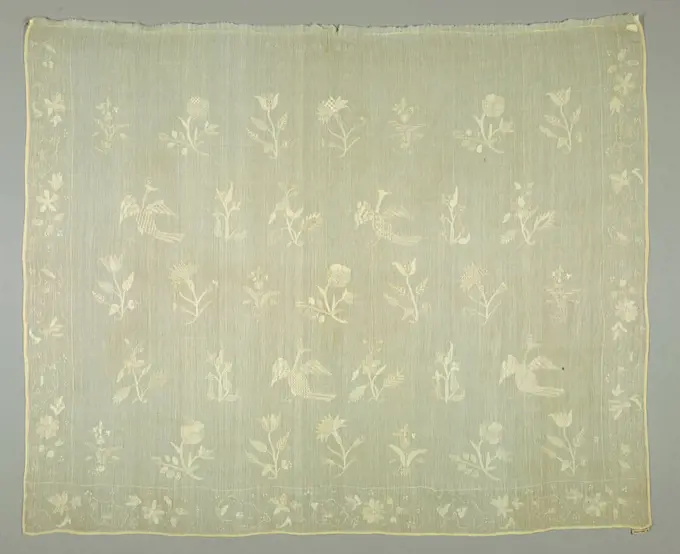
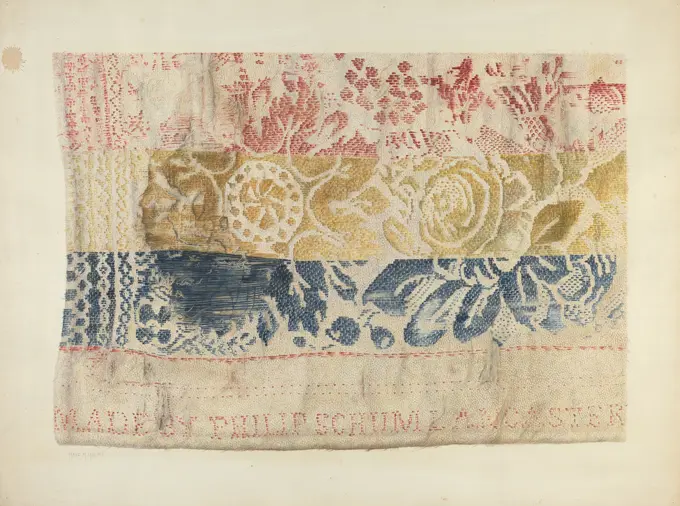
A collection of printed fabrics showcasing floral and ornamental designs. Featuring intricate patterns in various colors, suitable for upholstery or fashion.

Textile, Medium: cotton Technique: roller (mule) printed on plain weave, England, ca. 1830, printed, dyed & painted textiles, Textile
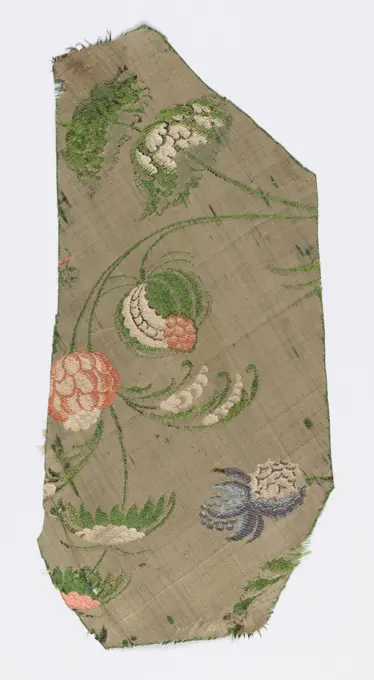
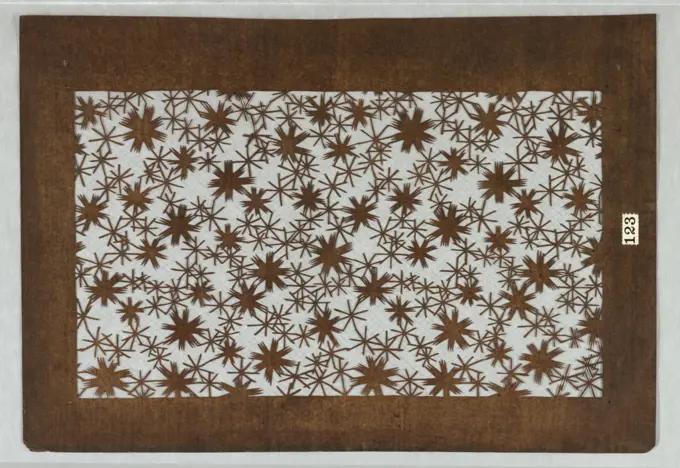
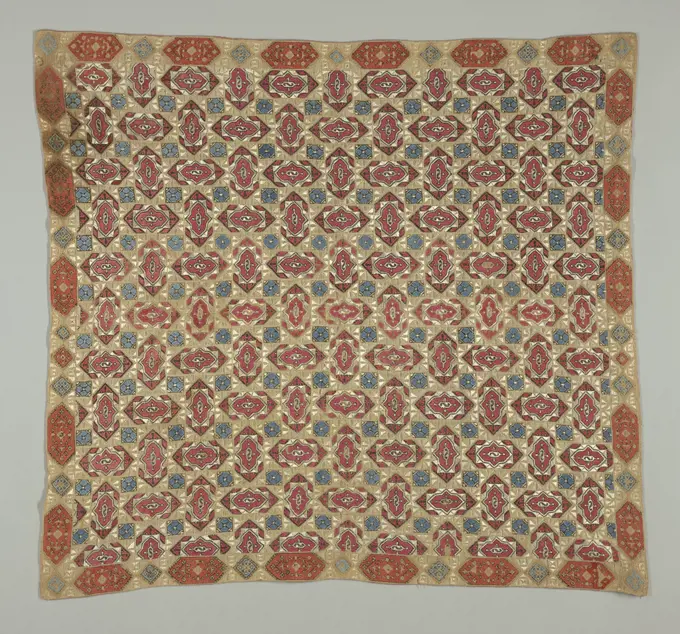
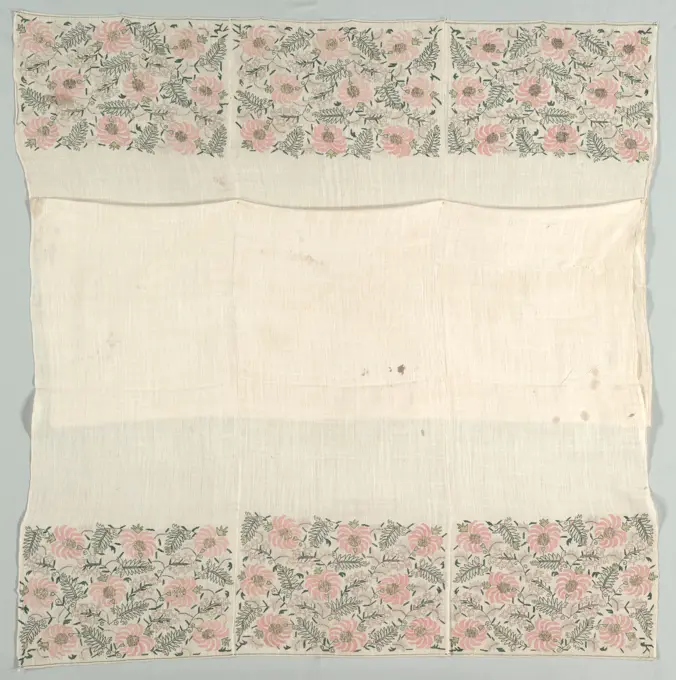
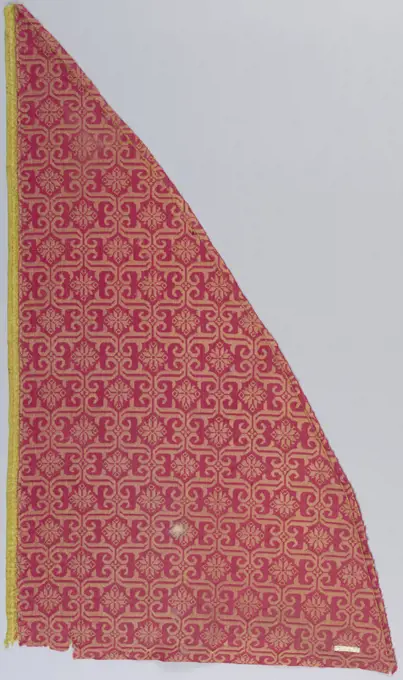
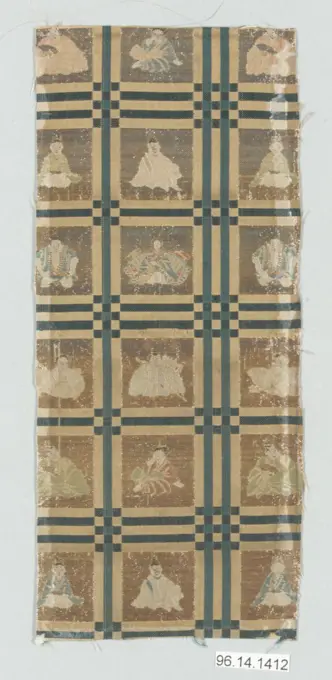
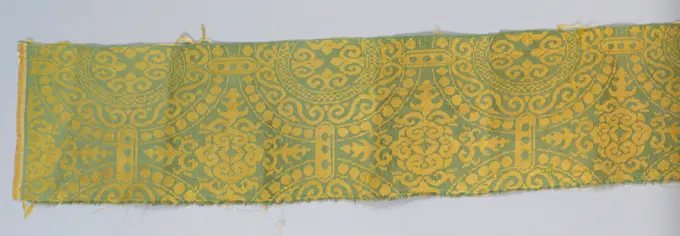
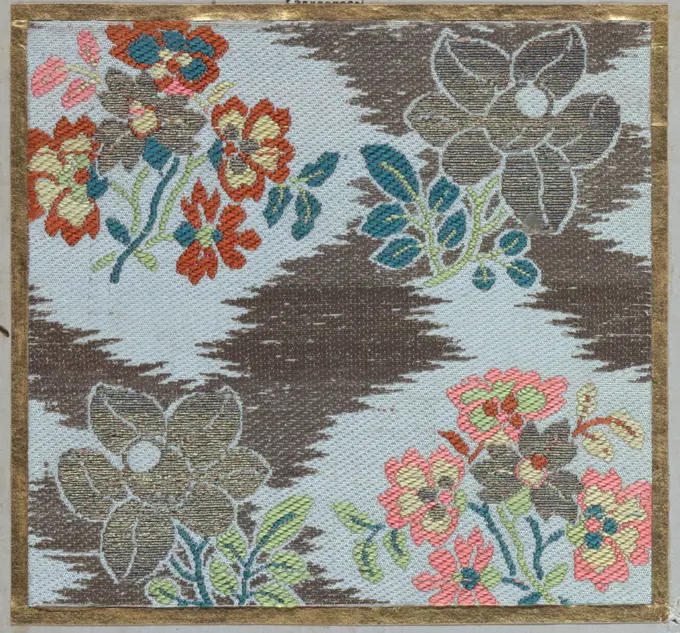
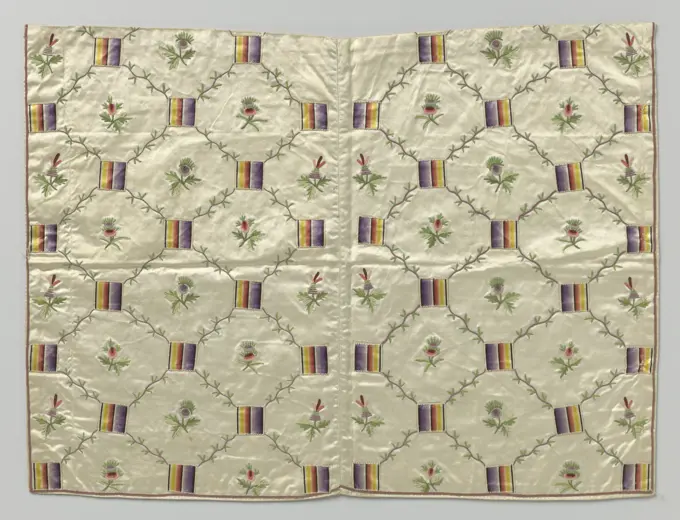
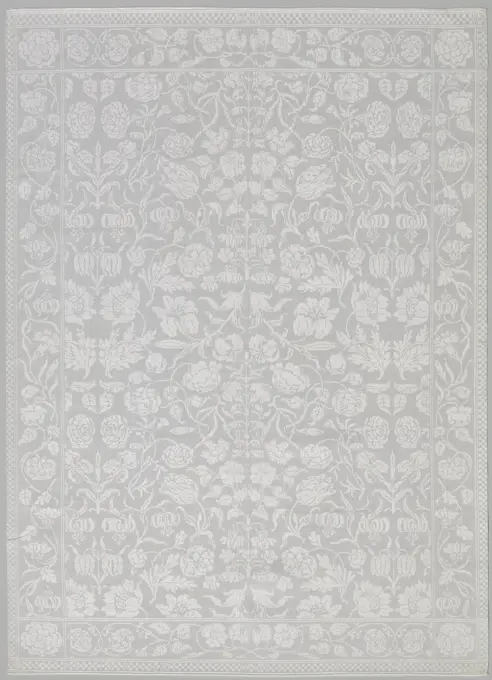
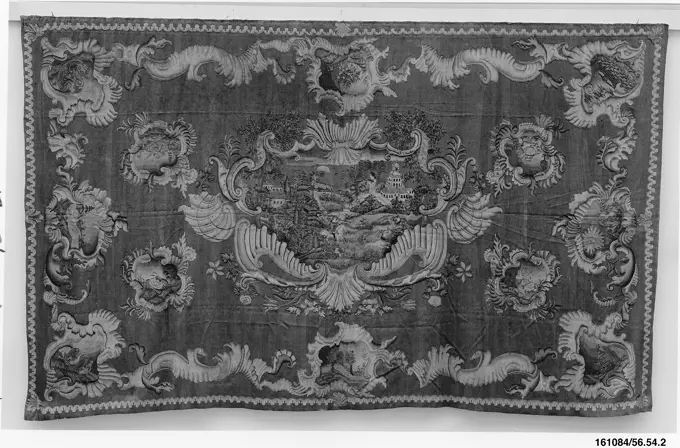
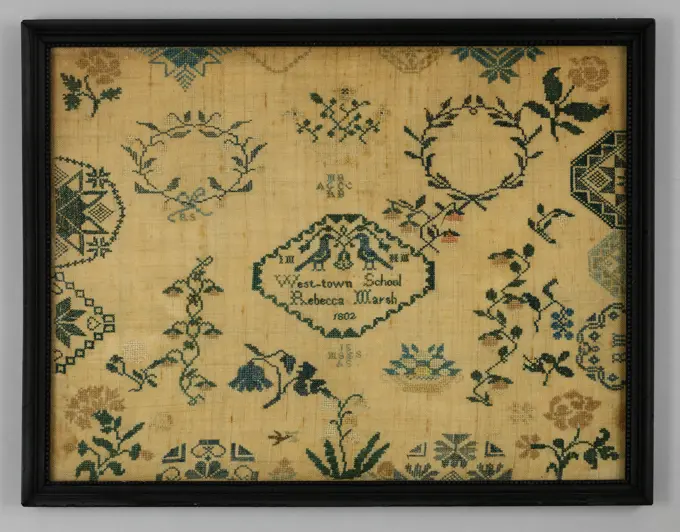
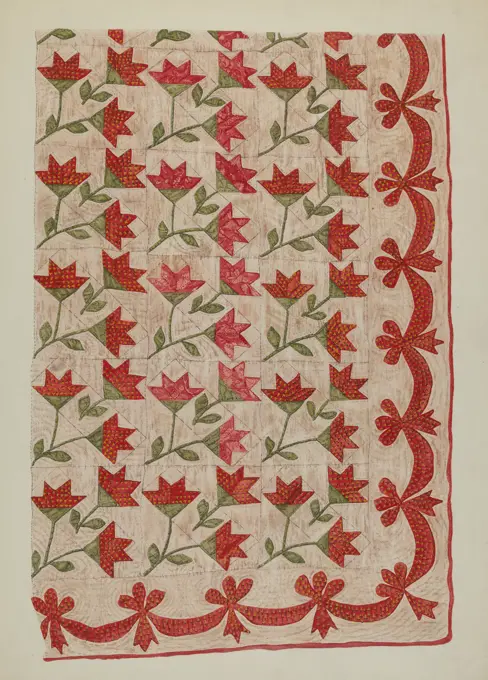
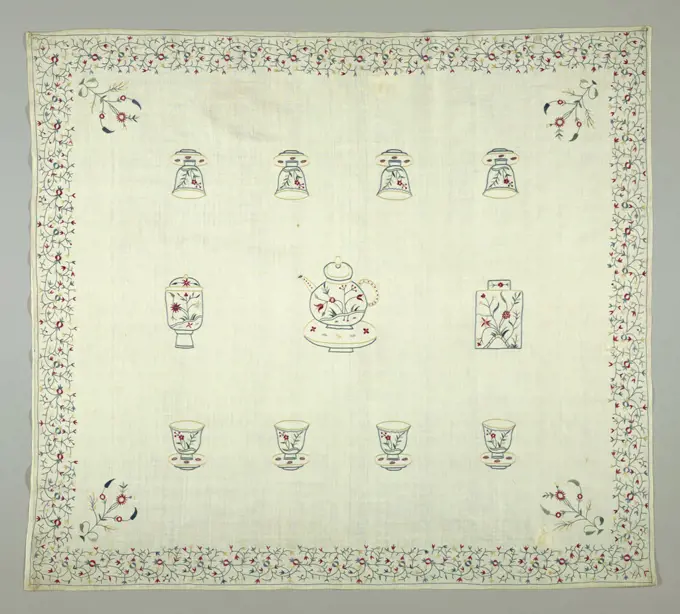
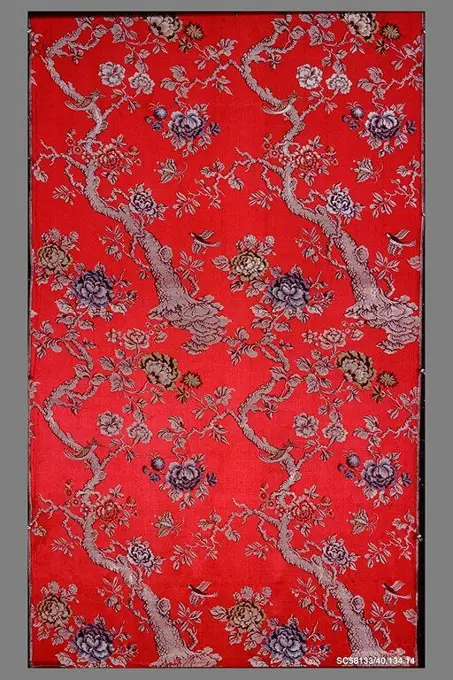
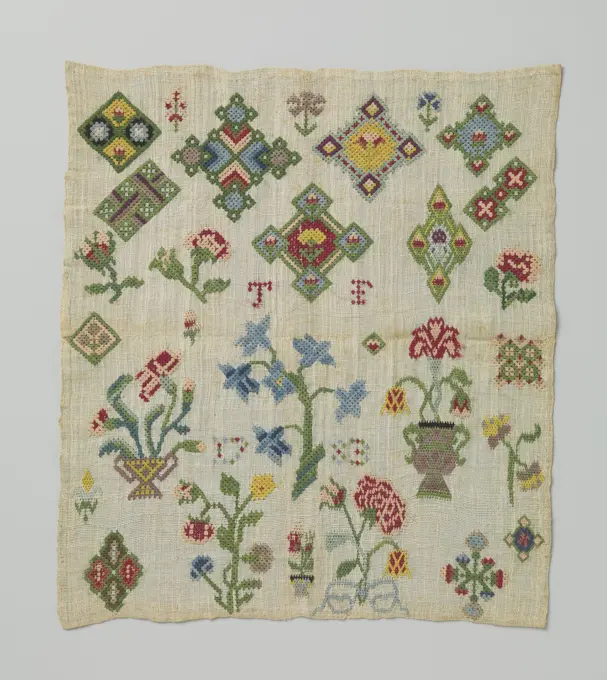
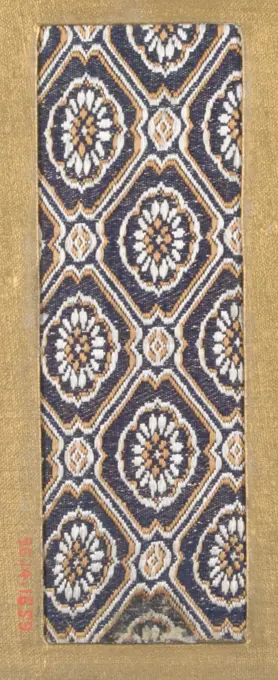
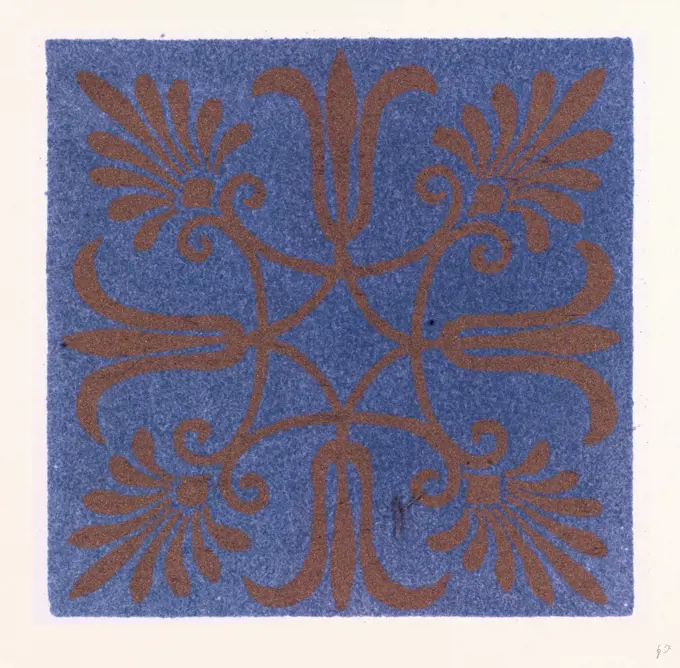
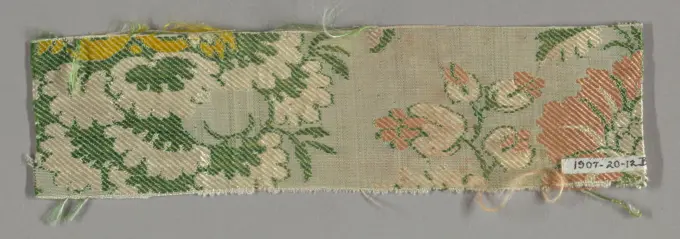
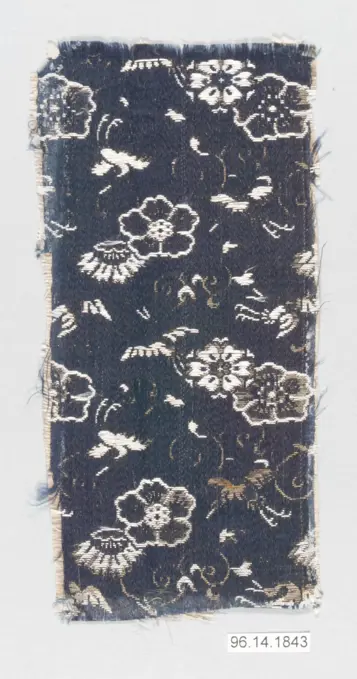
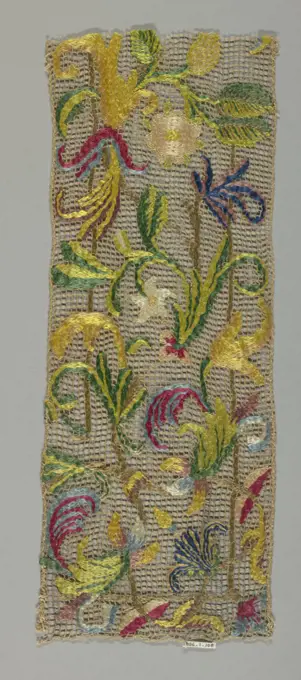
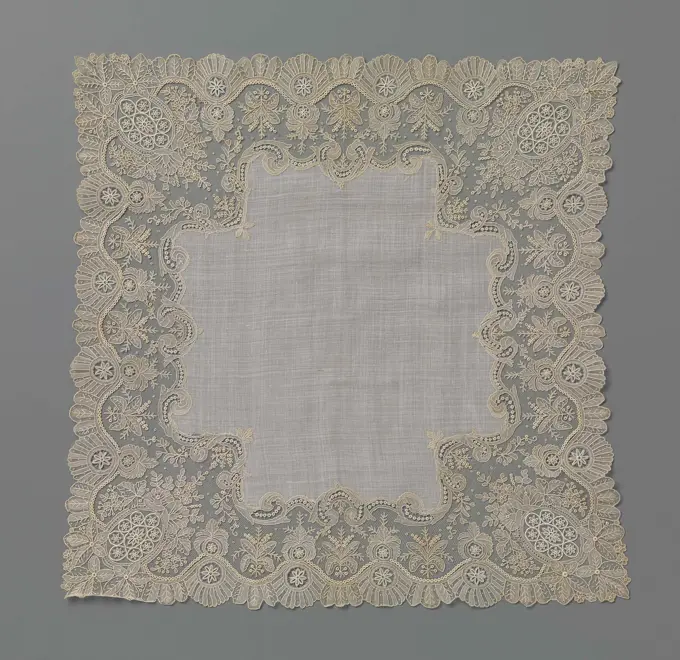
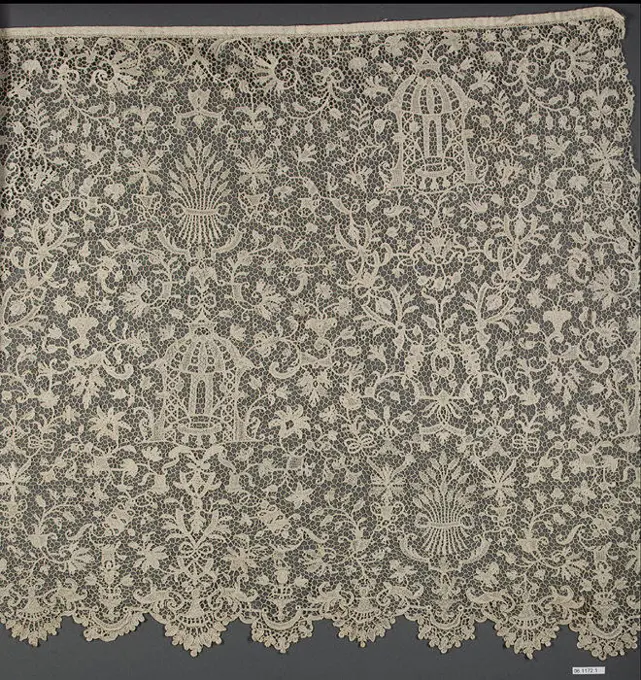
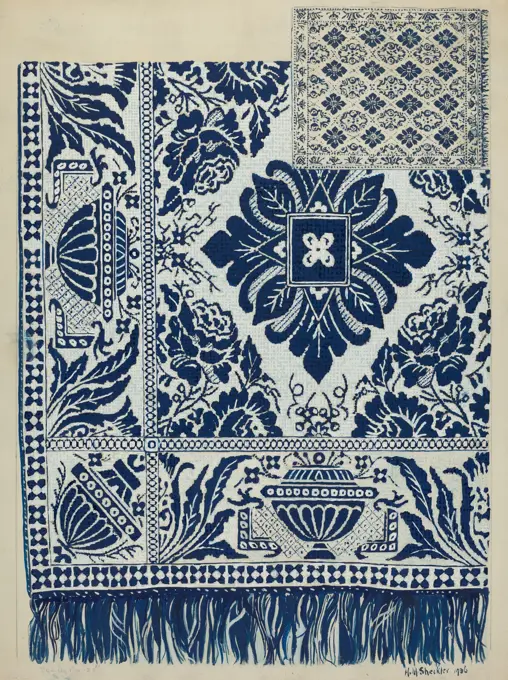
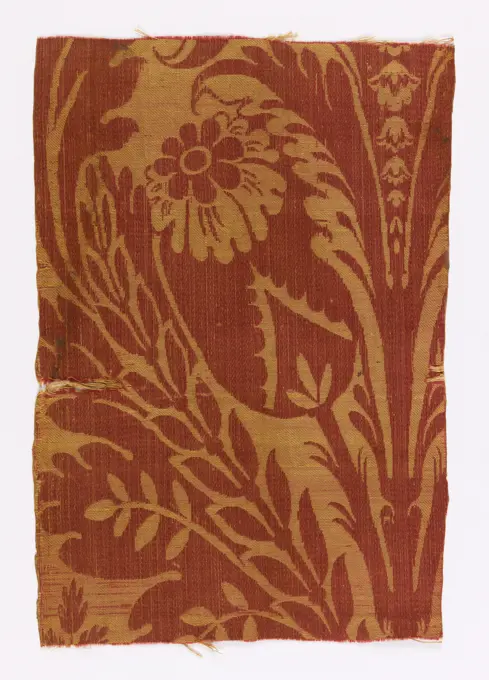
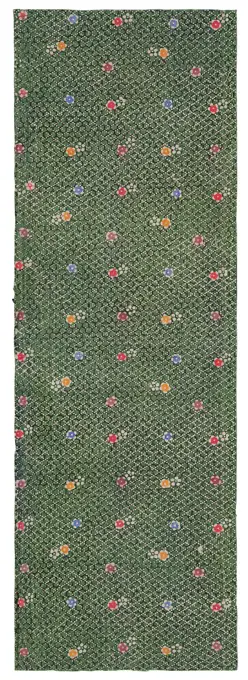
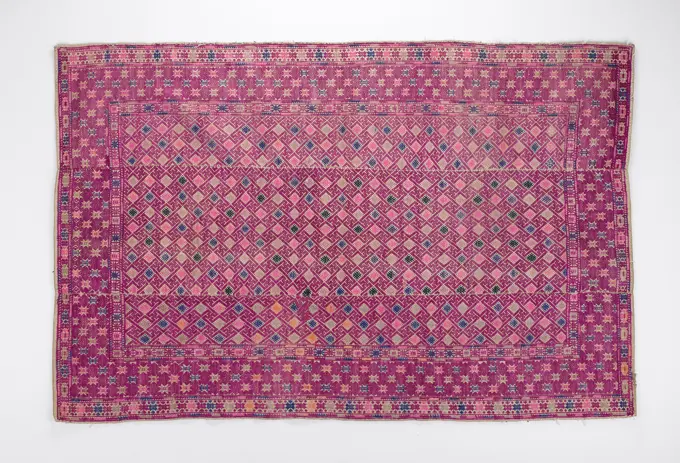
Example of Kant, c. 1890 photograph   paper cyanotype lacePiece 18th-19th century Japan. Piece 66318Leaf with a job pattern of vertical tifles with flowers, anonymous, 1750 - 1900  Leaf with a job pattern of vertical tendrils with flowers. With label with inscription: 'F.W. Sommer ... Agrippa. ' Half of a cover.  paper. block printing (relief printing process) ornament derived from plant formsTwo sewing silk tissue fragments, c. 1690 - c. 1710 Silk fabric consisting of a green warp with ditto impact for the stock (fine rips) and a white warp and impact for the pattern (keper). The pattern consists of a small diamond -shaped bouquet of leaves, around which a wreath of loose flower gardens, surrounded by wide, volute -shaped agrement tires. France Ketting an element: Silk twill Silk fabric consisting of a green warp with ditto impact for the stock (fine rips) and a white warp and impact for the pattern (keper). The pattern consists of a small diamond -shaped bouquet of leaves, around which a wreath of loose flower gardens, surrounded by wide, volute -shaped agrement tires. France Ketting an element: Silk twillVeil. unknown, authorColor embroidery project for a napkin Micid, MariaWall hanging from fragments of Persian silk fabric unknownTextile, embroidered net, Embroidered pellerine on machine net, fine floral vine; mid-19th century Enchainette, mid-19th century, embroidery & stitching, TextileBrocaded Textile Fragment, late 1500s - early 1600s. Italy, late 16th - early 17th century. Brocade; silk and metal; overall: 11.4 x 25.4 cm (4 1/2 x 10 in.).Textile, Medium: cotton Technique: mordant painted and resist-dyed (chintz) on plain weave, Pattern of a diamond grid with flowers at the interstices of the grid., Panel of thin, glazed, cream-colored cotton, painted in shades of red, blue, green, violet and drab; outlines and leaf veins and stems in gold. Pattern is a symmetrical plan in diamond shape, of delicate, intertwined grasses, joined, at points, with clusters of flowers and foliage; small flower sprays in diamond shaped field., A lattice plan is developed in bands, composed of fine groups of little sheaves of grain, painted in fine lines of dark blue and red, with blue tips, and in gold, crossing o form a diamond shaped ground. At points of meeting of the gilded bands, there are flower clusters in various colors, and gold. Three different patterns of flowers occur at these points; alternate clusters have dark green leaves curving down and crossing under the gilded bands. Within the diamond shapes are small detached leaf desigApron, Medium: linen Technique: withdrawn element work, embroidery, Field of detached motifs including birds and flowers, and the initials 'SK' in at least two motifs. The apron has been removed from its band., England, 1733, lace, ApronMaud M Holme, Handwoven Table Cover, c 1940 Handwoven Table CoverFragment, Medium: silk Technique: 5-harness satin damask, Mazarin blue damask with design of lateral rows of curving peony branches with diapered foliage alternating with floral vases. Faded pink and white satin selvages., Spain, 18th century, woven textiles, FragmentFragment (France); silkAbstract Blossom Motif, Mulberry paper (kozo washi) treated with fermented persimmon tannin (kakishibu), and silk threads (itoire), Various sizes and widths of abstract blossoms form this motif. Crossed lines that overlap in the center create a simple flower structure., Japan, mid 18th - early 19th century, textile designs, Katagami, KatagamiCover, Medium: silk embroidery on cotton foundation. Technique: running, double running, satin and stem stitches with deflected element work on plain weave foundation, Allover repeating design of a lozenge placed horizontally and vertically in ivory, red, blue and black. Border of lozenges in salmon and blue. Cover resembles tile work., 18th century, embroidery & stitching, CoverEmbroidered Bed Spread, 18th century. Turkey, 18th century. Embroidery: silk on linen tabby ground; overall: 269.3 x 153.7 cm (106 x 60 1/2 in.).Sampler, Medium: silk embroidery on linen foundation Technique: embroidered in running, double running, herringbone, stem, back, eyelet, cross, knot and satin stitches with detached looping on plain weave foundation, Bands of multicolor pattern. Peacock and deer at top., England, late 17th century, embroidery & stitching, SamplerSidewall - Sample, Daisy; Designed by William Morris (British, 1834-1896); Manufactured by Jeffrey & Company (United Kingdom); Made for Morris & Co. (United Kingdom); block-printed paperFragment (China); silkPanel 1750-60 Chinese, for French market Painted silk and chintz wall hanging were used in many European interiors.. Panel. Chinese, for French market. 1750-60. Silk, painted. Textiles-PaintedSilk fabric  colourful motifs of flower twigs composed in wavy rhythm unknownFragment, Medium: silk Technique: 4&1 satin damask, 'S' curves in rectangular arrangement frame rosettes. In red and yellow., 17th century, woven textiles, FragmentFragment; silk and metallicPiece 18th-19th century Japan. Piece 67124Trimming, Medium: silk, Trimming fragment in a design of yellow scrolling leaves on a purple ground., France, ca. 1830, trimmings, TrimmingPiece 18th-19th century Japan. Piece 66035Stole, Medium: linen Technique: bobbin lace applique on net, Stole of machine net appliqued using bobbin lace in an allover floral design., England, ca. 1850, lace, StoleFragment green silk damest. Fragment of green silk with pattern of flower vases.Leather (Holland); stamped leather, silvered, varnished, and painted; L x W: 59.7 × 56.5 cm (23 1/2 × 22 1/4 in.); 1913-34-13Contustion sash Manufaktura Aleksander Unruga, KobyłkaPiece late 18th century Japan. Piece 67125Fragment; silk, metallicChintz fragment, Medium: cotton Technique: mordants for 3 reds applied by pen and brush; madder dyed; blue applied by brush over resist; yellow applied by brush; chitnz on plain weave, Fragment of a repeating pattern with flowers, rococo scrolls and animals. Fragment has been cut as for a valance., India, 18th century, printed, dyed & painted textiles, Chintz fragmentFragment of Persian silk fabric unknownFragment Made 1601-1700 Germany. Linen and wool, compound weave (i.e Beiderwand or lampas 2 1) .John R Towers, Applique Coverlet, c 1936 Applique CoverletFragmentSidewall (USA); Manufactured by Maxwell & Co., S.A. (United States); machine-printed paper, textured, liquid mica; 88.5 x 49.5 cm (34 13/16 x 19 1/2 in.)Fragment (Japan)Velvet Fragment, late 1600s. Italy, late 17th century. Velvet; overall: 17.5 x 18 cm (6 7/8 x 7 1/16 in.).Leaf with flowers and fruits, anonymous, 1780 - 1820 brocade paper Leaf with flowers and fruits. Used as a cover.  paper. relief printing ornament derived from plant formsPiece 17th century Japan. Piece. Japan. 17th century. Silk / Compound weave. Textiles-WovenTextile, Medium: bast fiber Technique: resist patterning on plain weave, Woven fabric with ribbing created in weft by using two fine threads alternating with one heavy thread. Design of blue resist on ivory showing a diamond grid with bow and tassel pattern on one side. Reverse pattern is formed by a grid of overlapping circles with dotted centers. Selvage on one side., France, 18th century, printed, dyed & painted textiles, TextileFragment multicolored striped silk mexicaine, anonymous, c. 1750 - c. 1800 A fragment of white, blue and red striped silk, between which leaf vines and flower branches. France silk A fragment of white, blue and red striped silk, between which leaf vines and flower branches. France silkLap of white satin with embroidered small flowers and squares, anonymous, c. 1700 - c. 1899 Lap of white satin with embroidered small flowers and squares.  satin Lap of white satin with embroidered small flowers and squares.  satinSample (USA); Manufactured by Orinoka Mills (United States); 1989-80-45Napkin with flower pattern, anonymous, 1670 - 1680 White linen Damas napkin with a pattern of stripped flowers. Brand Ig and 12. North Netherlands linen (material) damask White linen Damas napkin with a pattern of stripped flowers. Brand Ig and 12. North Netherlands linen (material) damaskFragment, Medium: silk, metallic Technique: satin weave with discontinuous supplementary weft patterning (brocade), Broad horizontal zigzag bands alternately silver and gold, separated by two fine zigzag lines of green. Each band contains trefoils of the opposite color (silver on gold or gold on silver) which alternate direction, outlined in green., Spain, 15th-16th century, woven textiles, FragmentTable carpet ca. 1760-75 possibly Polish. Table carpet 227892Sampler made at the Westtown Quaker School 1802 Rebecca Marsh This sampler, made by Rebecca Marsh (b. 1791) in 1802, is an accomplished example of a distinctive type of embroidery made only at Quaker schools like the Westtown School in Pennsylvanias Chester County. The Quaker emphasis on simple, yet careful and precise sewing, enabled students from such schools to become some of the best needleworkers in the nineteenth century who often went on to teach embroidery to other young women. Rebecca entered Westtown in June 1802 when she was eleven and stayed until February 1804. Her sampler is related to two other Westtown examples in the Museums collection (2005.19 and 2005.20), both made by Sarah Thomas (1786-1826) in 1801. Reflecting the Quaker emphasis on practicality, Rebecca only had to master half of each of the "snowflake" motifs that appear around the edges of the sampler because the other half would have been a mirror image.. Sampler made at the Westtown Quaker School 19018Mildred E Bent, Appliqued Quilt, 1935 1942 Appliqued QuiltFragment, Medium: wool Technique: printed, Fragment with a pattern of architectural features like an arched gate with connecting walls encloses floral clusters of roses. Printed in red, green, yellow, pink and lavender on a beige ground., USA, ca. 1850, printed, dyed & painted textiles, FragmentCover, Medium: silk embroidery; linen ground Technique: stem, satin, roumanian and buttonhole embroidery stitches on plain weave, White cloth embroidered with a design of a tea pot, a tea caddy, another container and eight cups without handles in two blues, two greens, red, pink and yellow. A 2 1/4 inch floral border in the same colors on all four sides. A flowering plant in the same colors rises diagonally from each corner., England, 18th century, embroidery & stitching, CoverCap Streamer (France); linenPiece 1735-40 probably Italian. Piece 226509Chinese ornamentFragment, Medium: silk Technique: plain weave with supplementary warp floats, Flowers, birds and vines on blue and white striped fabroc., 18th century, woven textiles, FragmentFragment red silk, c. 1700 - c. 1750 Fragment red silk with pattern of diamond -shaped stylized flowers surrounded by leaf vines. Netherlands Ketting an element: Silk damask Fragment red silk with pattern of diamond -shaped stylized flowers surrounded by leaf vines. Netherlands Ketting an element: Silk damaskEmbroidery patch of linen canvas on which with silk in rococo or bundle stitch multicolored window and floral motifs are embroidered to TF EN 1783 .., Anonymous, 1783 Geometric flat fillings and bouquets. The Linen Fond was usually - around the patterns and bouquets - completely embroidered in one color side, for example golden yellow. Such embroidery was applied to pin cushions, fairs and other decorative objects. South-Holland Lap: Linen (Material). Embroidery: Silk embroidering Geometric flat fillings and bouquets. The Linen Fond was usually - around the patterns and bouquets - completely embroidered in one color side, for example golden yellow. Such embroidery was applied to pin cushions, fairs and other decorative objects. South-Holland Lap: Linen (Material). Embroidery: Silk embroideringFragment of silk fabric  small, Rococo flower pattern unknownTextile Fragment 17th century. Textile Fragment. 17th century. Silk, metal thread. Made in Iran. TextilesSample (Russia); silk, metallic threadPiece 16th-17th century Italian. Piece 223406Panel. England. Date: 1675-1700. Dimensions: 225.8 × 106.8 cm (89 × 42 in.). Linen and cotton, weft-float faced twill weave; embroidered with wool yarns in chain, detached chain, satin, single back, and stem stitches; French knots; edged with wool, twill woven tape. Origin: England. Museum: The Chicago Art Institute, Chicago, USA.Piece ca. 1833 Bannister Hall The Bannister Hall print works was founded ca. 1798 by Richard Jackson and John Stephenson. Between 1809 and 1825 it was owned by Charles Swainson with varying partners. It was the leading firm for woodblock "furniture" chintzes.. Piece. British, Preston. ca. 1833. Cotton. Textiles-PrintedPiece 18th-19th century Japan. Piece. Japan. 18th-19th century. Silk. Textiles-WovenPiece 17th century Italian. Piece 216953Length late 18th century British. Length 229955FragmentGreek OrnamentTextile Swatch , 1950s to 1960s. Silk, 22 x 10 1/2 in. (55.9 x 26.7 cm).    1950s to 1960sFragment, Medium: silk Technique: complementary weft 2/1 twill, Repeat of rosettes on a purple background., possibly Sicily, 13th century, woven textiles, FragmentFragment; silkPiece 18th-19th century Japan. Piece. Japan. 18th-19th century. Silk. Textiles-WovenFragment, Medium: silk, linen net foundation Technique: embroidery on hand knotted net, Large-scale multicolored scrolling floral design on light brown knotted net., Italy, 17th century, lace, FragmentFragment, Medium: watercolor on silk Technique: painted on satin weave, White ground with a design of sprays of carnations, rose, lily and small five-petal blue flowers in dark pink, blue, green, yellow, brown, purple and orange., China, 19th century, printed, dyed & painted textiles, FragmentTextile (England); cottonFragments, Medium: silk and metallic thread, Two fragments of an all-over pattern dominated by exotic flowers in bright colors and metalics on an off-white monochrome fine floral vine., France, 18th century, woven textiles, FragmentsChalice Cover (Spain); silk, metal and coral beadsFragment, Medium: silk Technique: woven, Lions and diagonal bars in yellow. Green selvage at laft., 17th century, woven textiles, FragmentHandkerchief with a border needle side with four ovals and pearl necklace. Handkerchief with an edge of natural needle lace, Brussels mesh edge. A narrow, partly open, partly closed edge edge runs around a large, cross-shaped center piece. There are four overhook ovals that are connected by a wavy pearl celeret. The open part are leaf rosettes and flower branches of the plantain. The closed outer edge consists of wheels with godridge edges and leaves. The inner edge is formed by hollow and convex volutes.Flounce 1715-24 French. Flounce 213003Sidewall, E.S., Machine-printed, Large-scale medallions, connected by smaller feather-like scrolls. Printed in green, brown, pink and white on tuape ground., USA, 1890-1910, Wallcoverings, SidewallRug 19th century China. Rug 68441Border (USA); Manufactured by S.A. Maxwell & Co.; machine-printed paperFragment of embroidery unknownHazel Sheckler, Handwoven Coverlet, 1936 Handwoven CoverletFragment (Italy); silk and metalPiece late 16th-early 17th century Italian. Piece 217292Woman's necktie 1870-80 French. Woman's necktie 221664Ciborium cover, Medium: silk, metal, cotton Technique: embroidered on taffeta, Conical shaped cover made in four sections, now partly ripped; cream white taffeta. Each section embroidered in gold thread with details in pink and green silk; stylized symmetrical flower pattern; each set edged with narrow pink fringe; lined with pink cotton., 16th-17th century, embroidery & stitching, Ciborium coverPiece 18th century Japan. Piece 71861Embroidered pall unknownSidewall, Block-printed on handmade paper, satin ground, Four sprig clusters. Each features red and lavender flowers on black stem with green foliage. Surrounding these sprigs, a subordinate pattern of flat gray trailing foliage on light gray ground that has a slight gloss finish., France, 1810-25, Wallcoverings, SidewallTextile (France); silk, metallic thread; Anonymous bequest in memory of Albert and Rebecca Elsberg; 1938-82-187-bFragment with motif of green and white dots with flowers, 19th century, Unknown Ryukyuan, 18 7/8 × 6 1/2 in. (47.94 × 16.51 cm) (overall), Cloth: cotton; bingata (stencil resist with applied pigments), Japan, 19th centuryTextile; Manufactured by Schwartz-Huguenin; cottonChurch servet;  XVII/18th century (1690-00-00-1710-00-00);Bed cover, China