Decorative Textile Samples

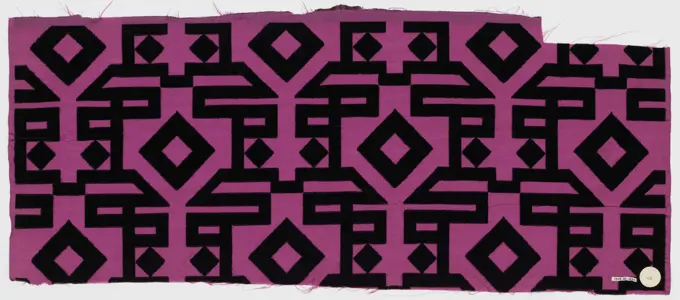
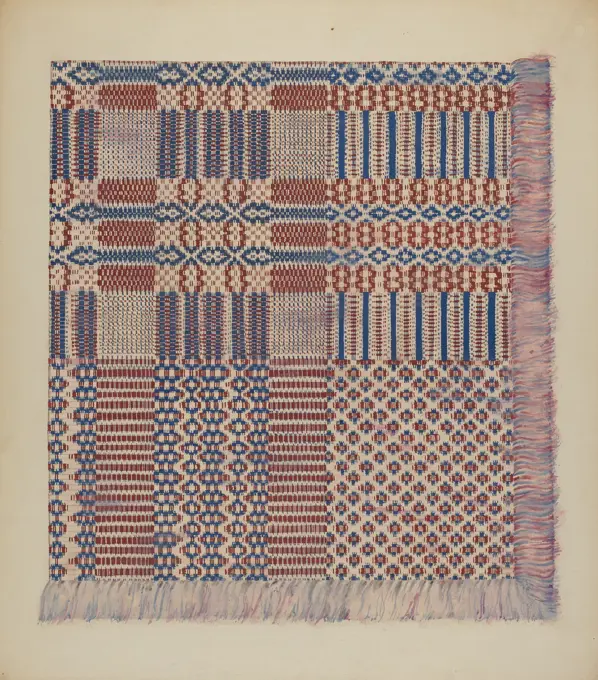
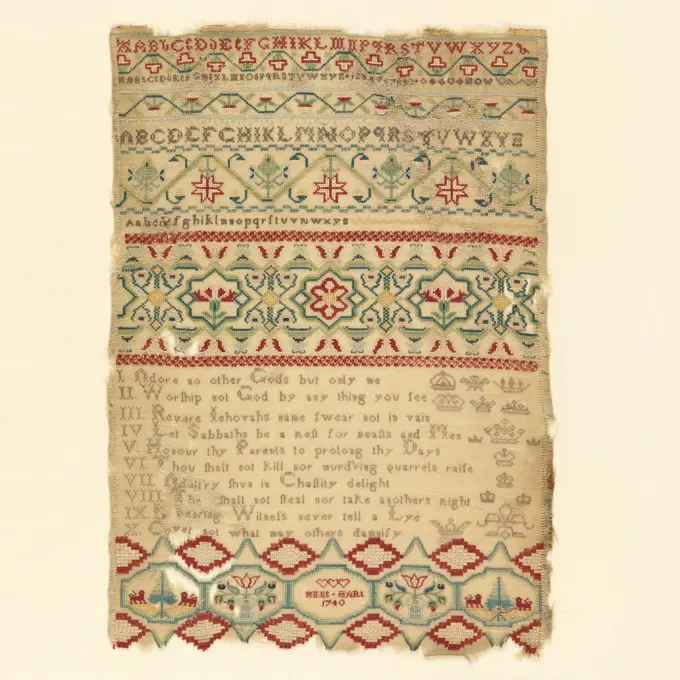
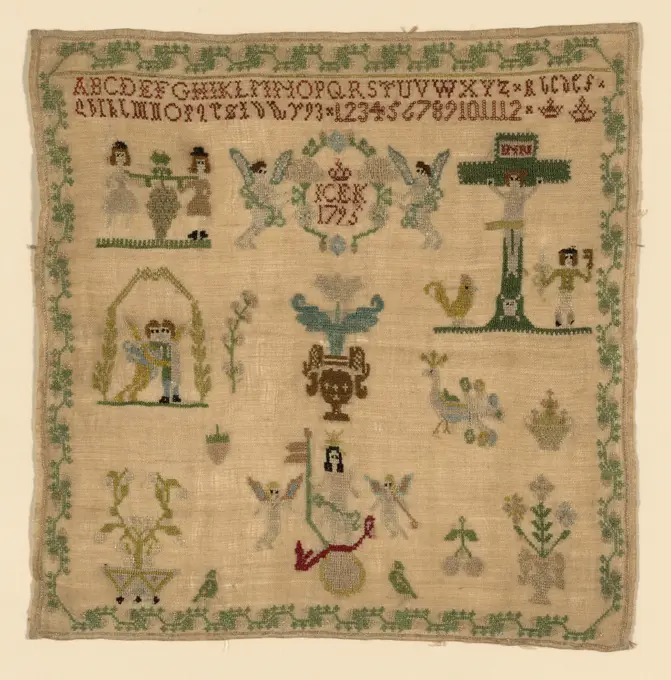
Various textile samples including embroidered and woven patterns, showcasing intricate designs and historical craftsmanship in rich colors.
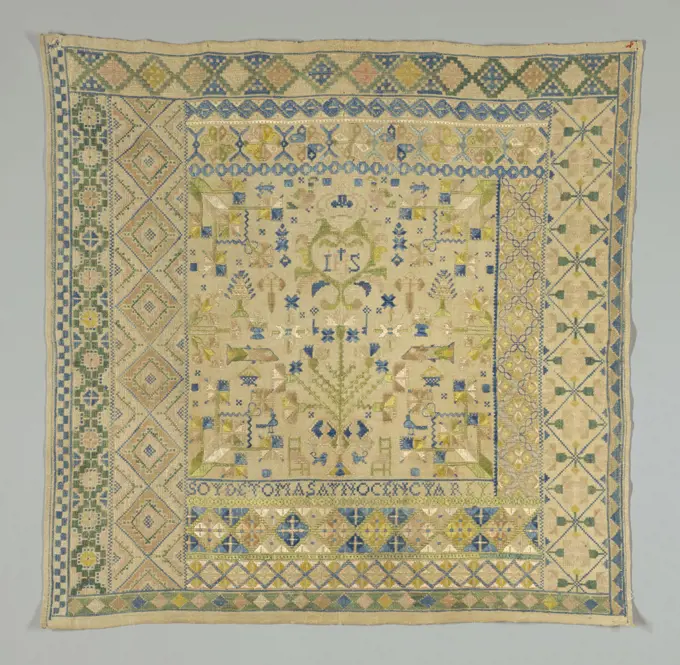
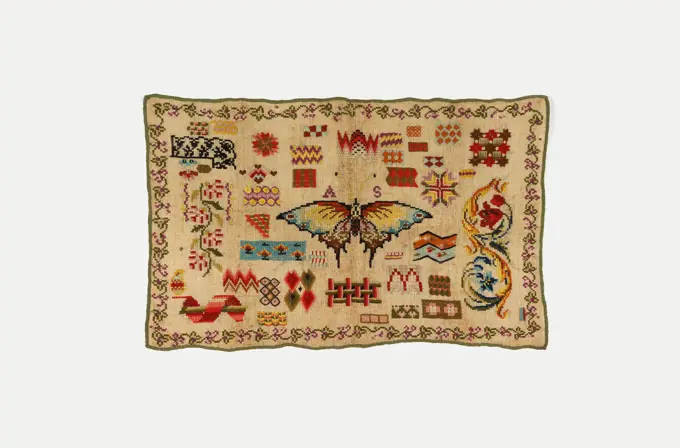
Sampler, Tomasa y Nocenya Rey, Medium: silk embroidery on linen foundation Technique: embroidered in cross, satin, stem, chain, four-sided, and back stitches on plain weave foundation, Center field of spot motifs, surrounded by bands of geometric pattern in concentric squares., Spain, early 19th century, embroidery & stitching, Sampler
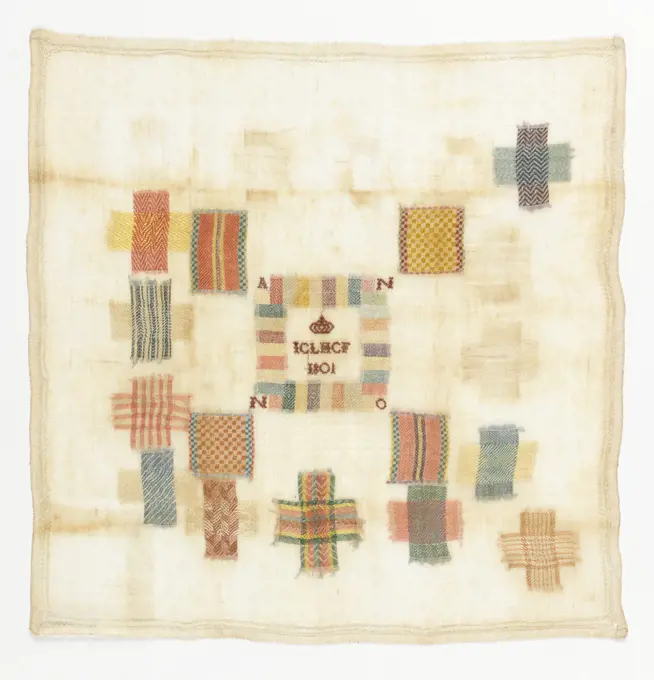
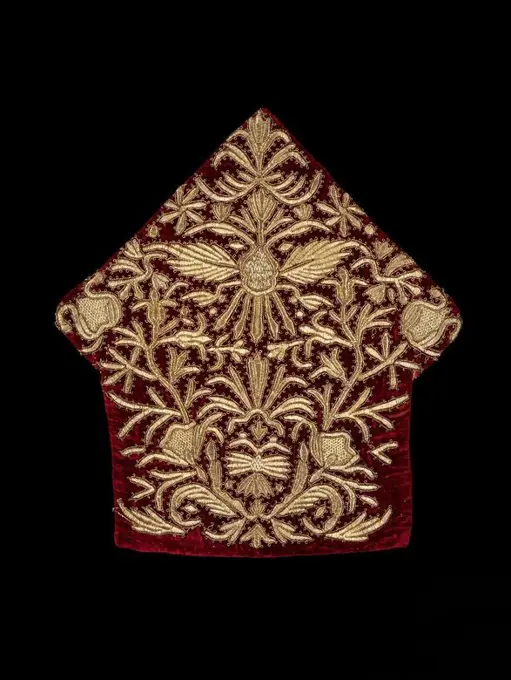
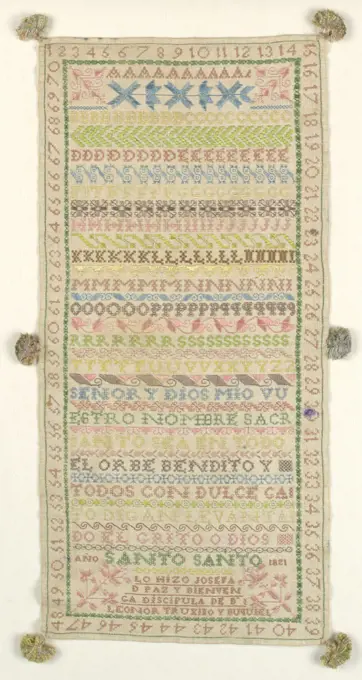
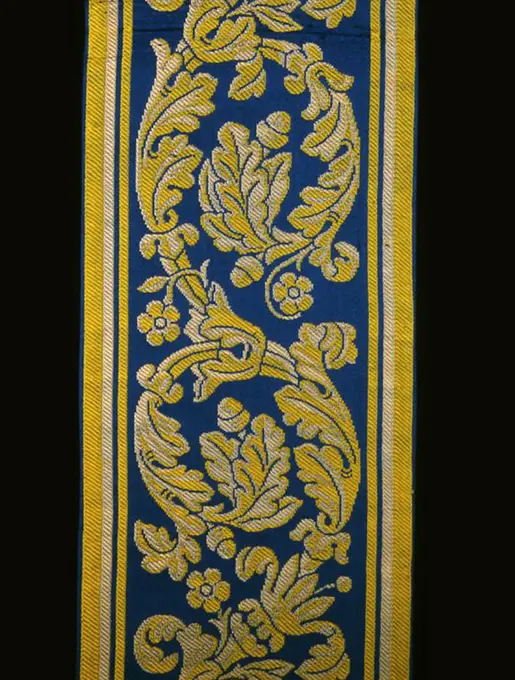
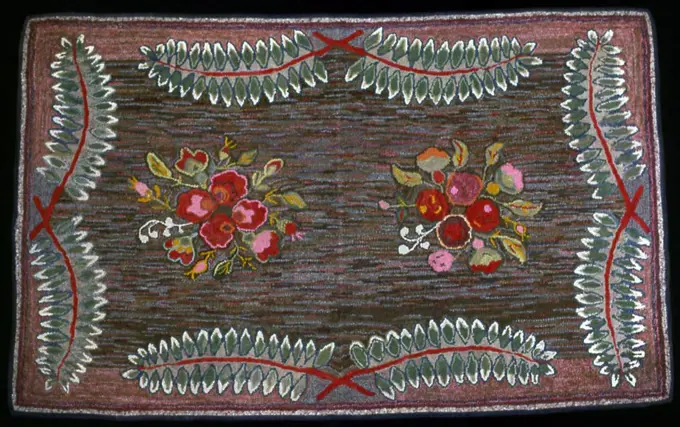
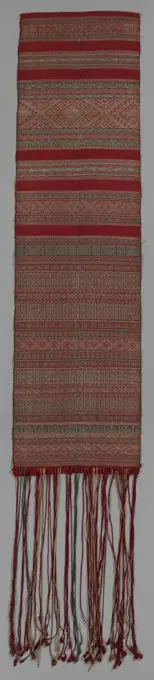
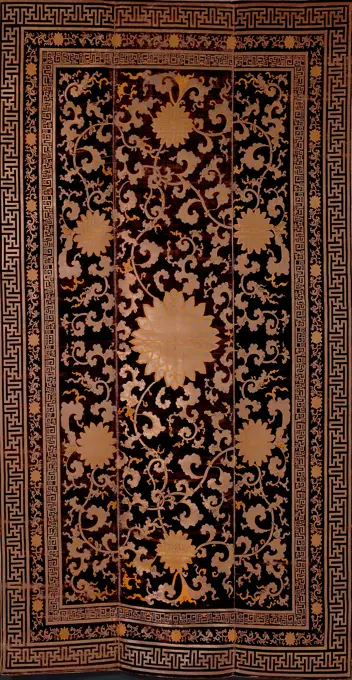
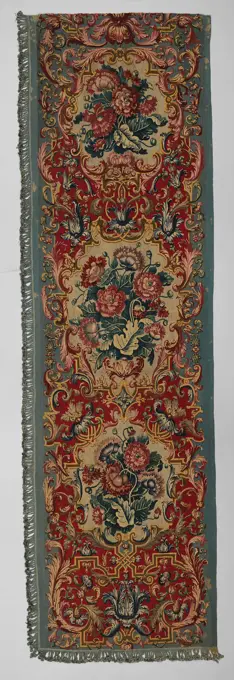
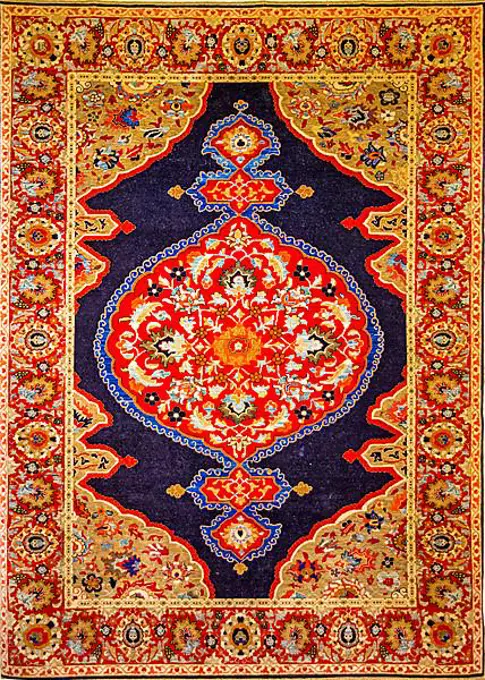
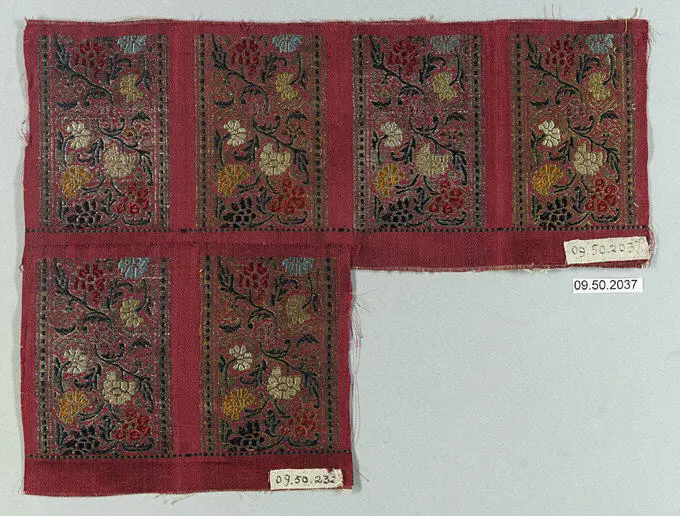
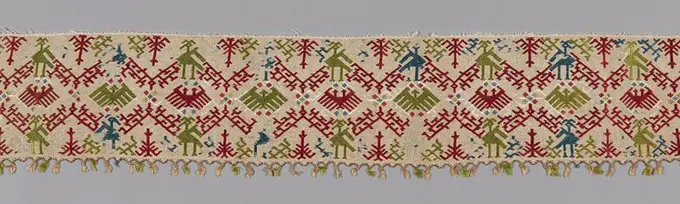
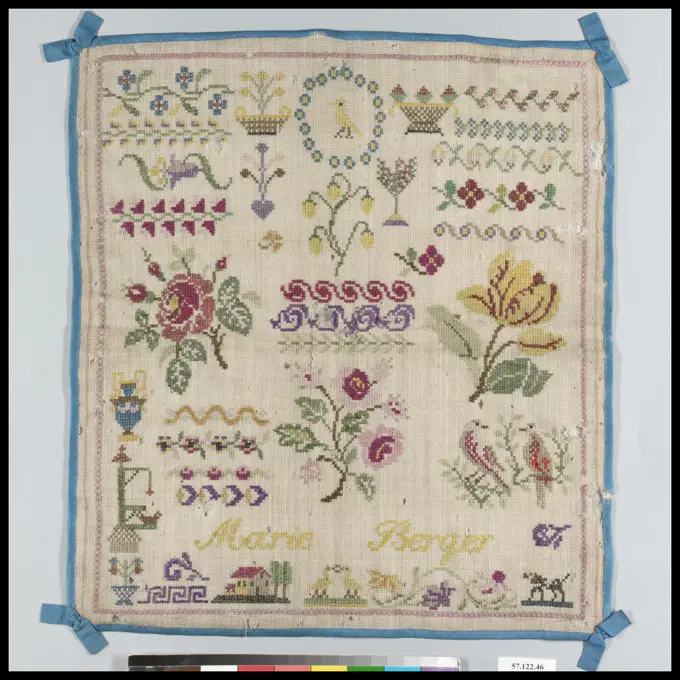
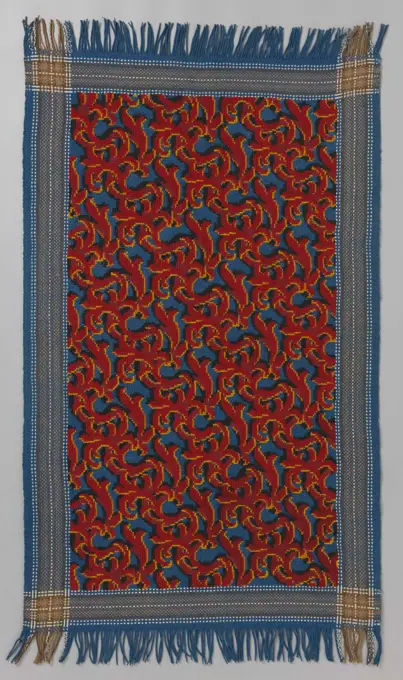
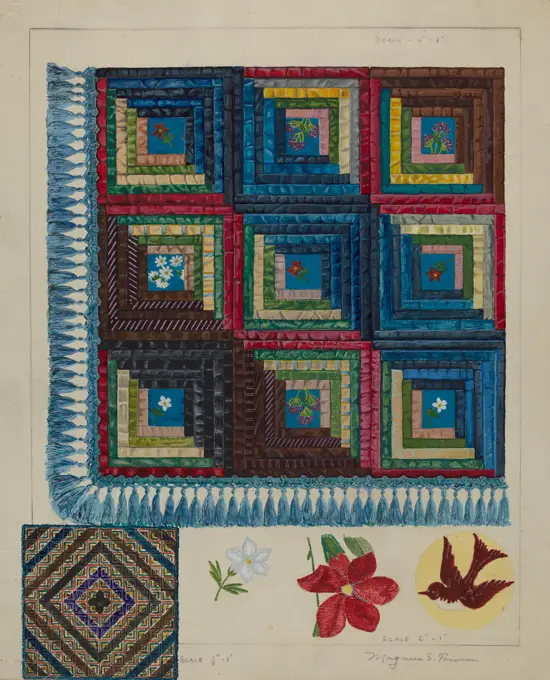
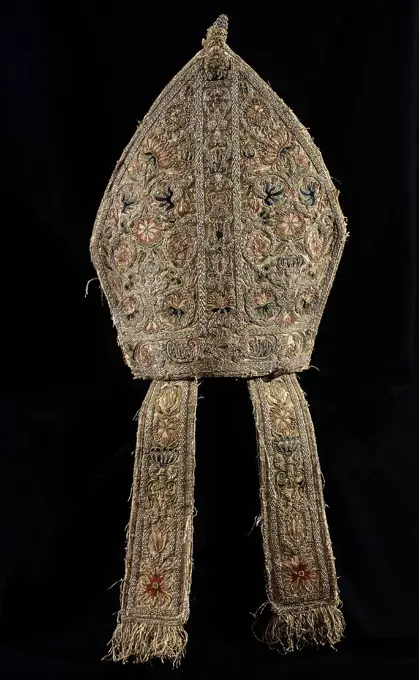
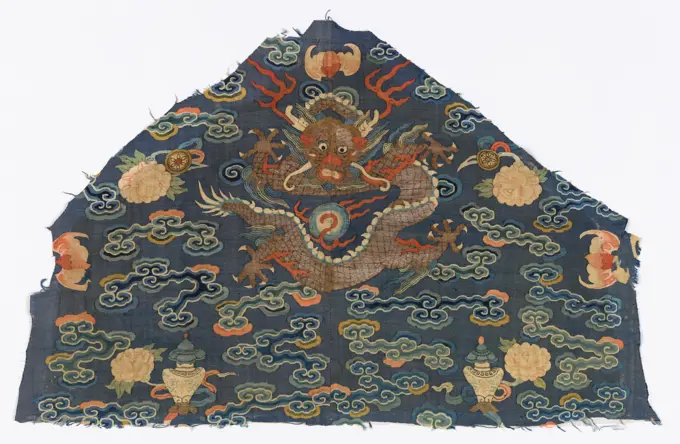
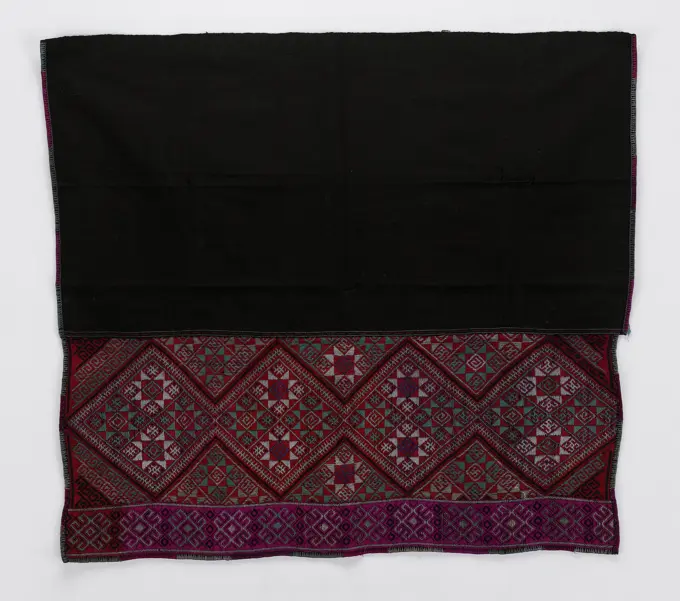
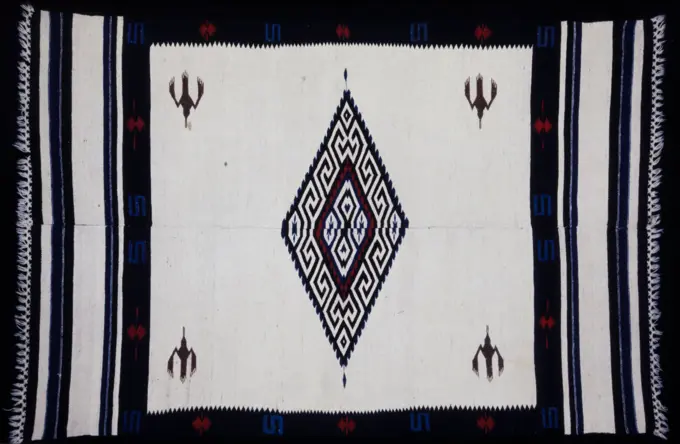
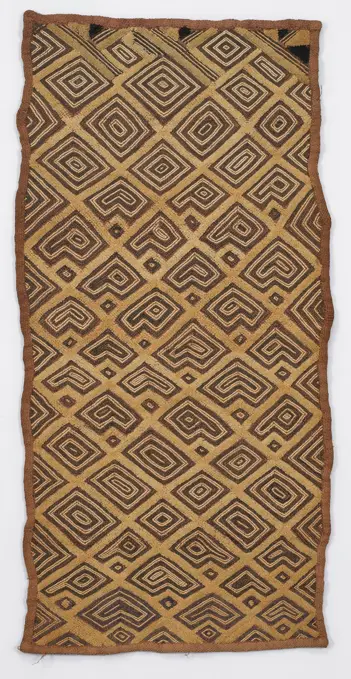
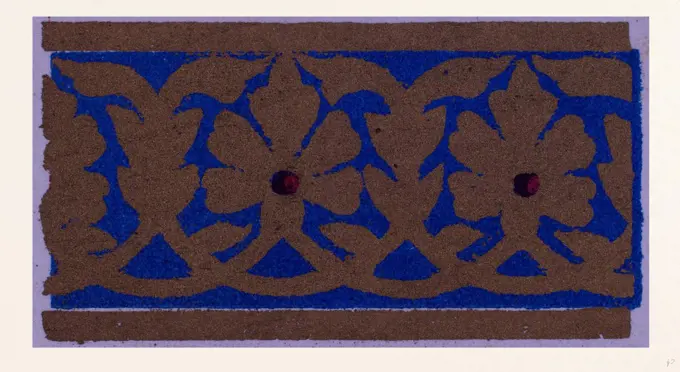
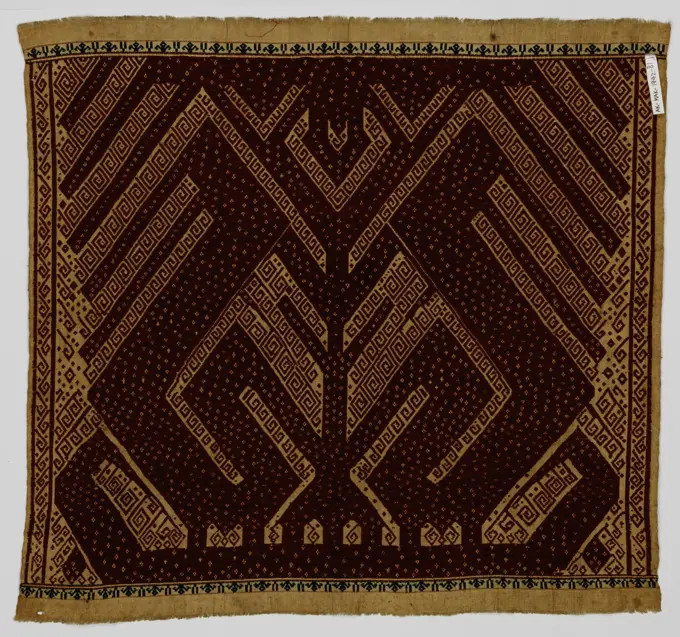
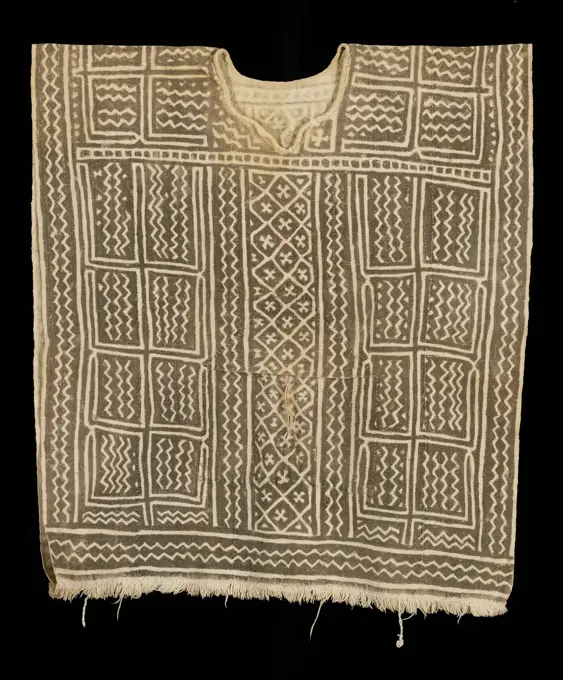
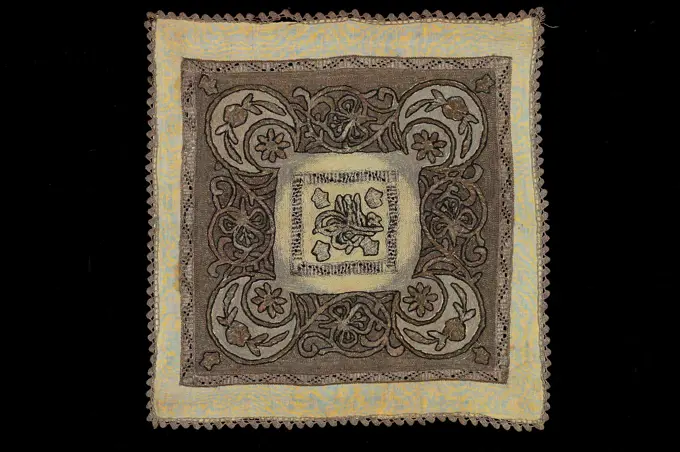
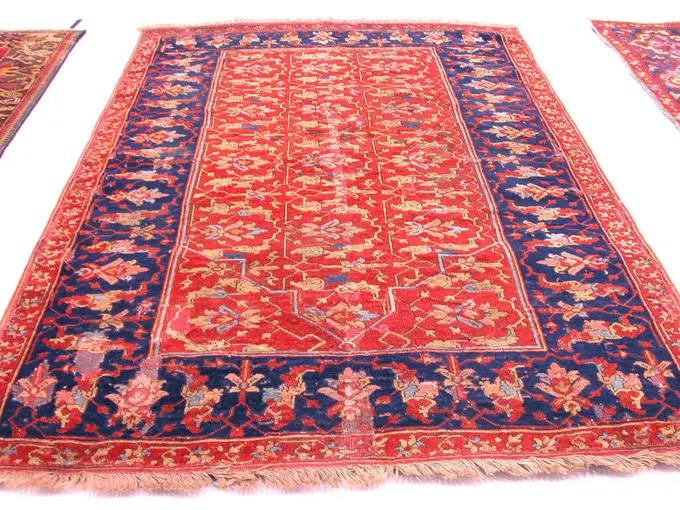
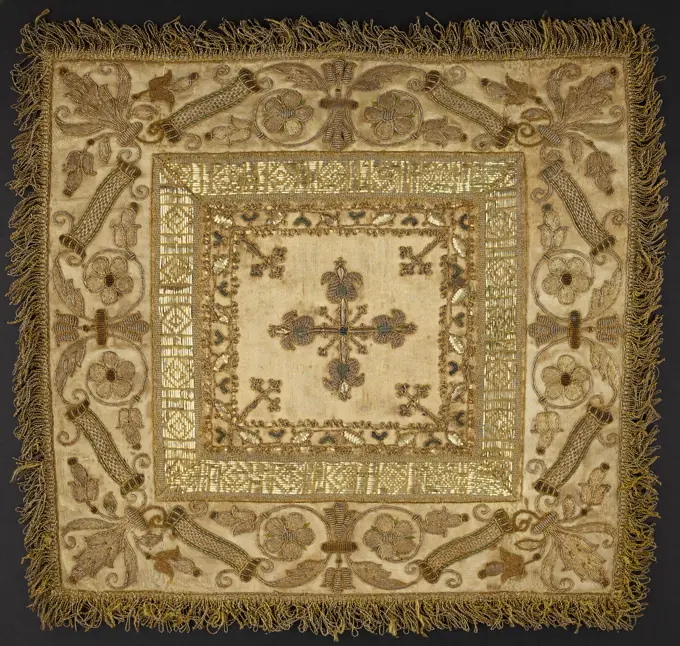
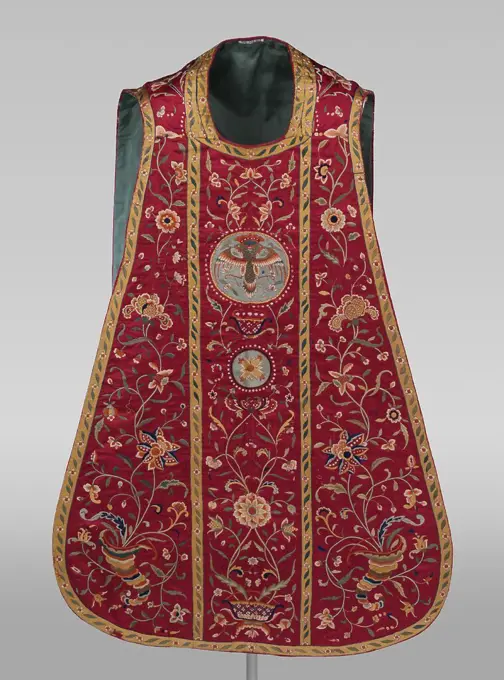
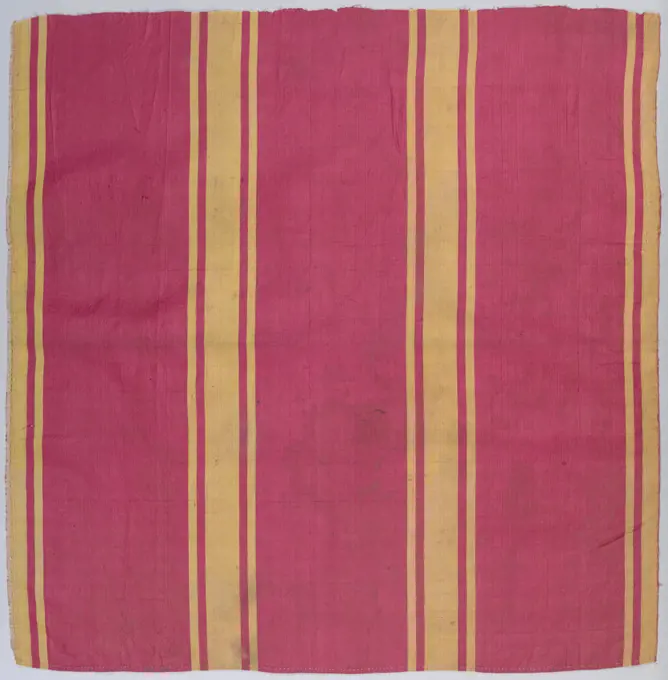
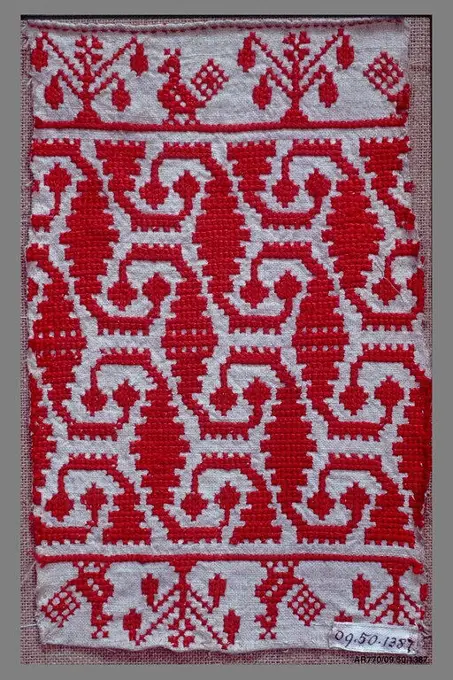
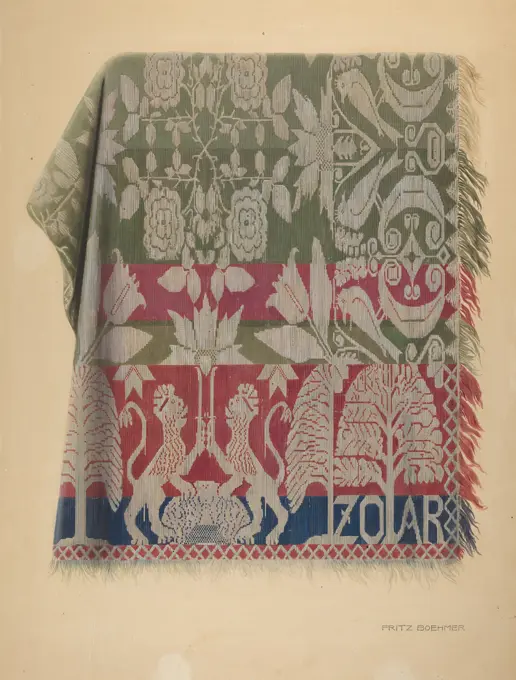
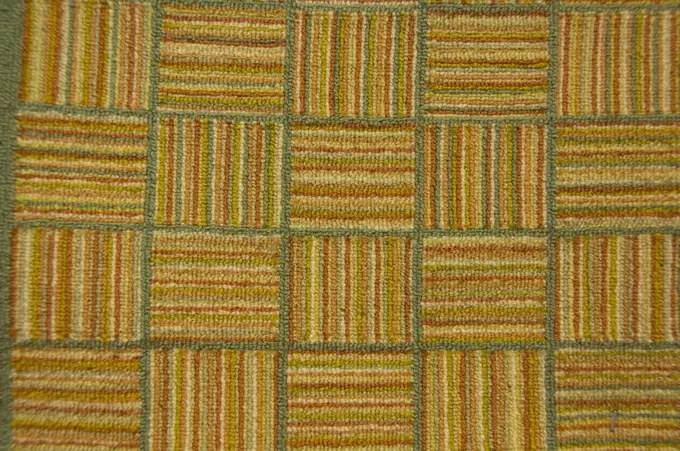
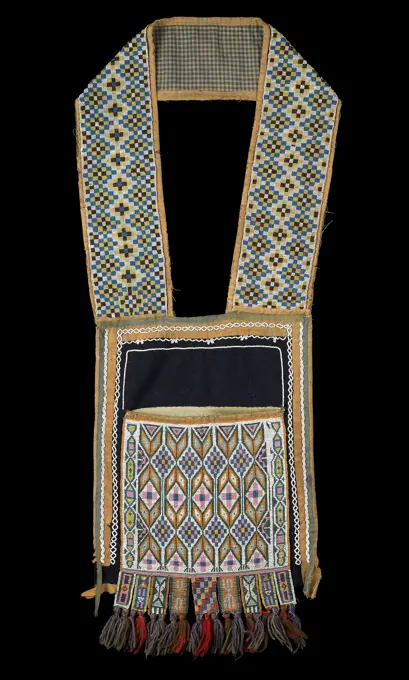
Textile with Brocade 13th-14th century French or Italian. Textile with Brocade. French or Italian. 13th-14th century. Silk, metal thread. Textiles-Woven-BrocadeFor a long time;  1. PO. 18th century (1701-00-00-1750-00-00);Krzeszowice, collection, index beltsStrip second half 16th century Italian. Strip 212706Darning sampler, Medium: silk embroidery on cotton foundation Technique: embroidered in running and four-sided cross stitch with overcasting over withdrawn element work on plain weave foundation, Twenty-one darning squares. Decorative insert patch in the center. The letters I C L H C F and the date under a crown., 1801, embroidery & stitching, Darning samplerPocket belonging to a uncut freak of silk velvos, anonymous, c. 1780 - c. 1790  France (possibly)Netherlands (possibly) silk. embroidering  France (possibly)Netherlands (possibly) silk. embroideringHeaddress. Culture: Russian. Date: 1830-80.This object is from the collection of Natalia de Shabelsky (1841-1905), a Russian noblewoman compelled to preserve what she perceived as the vanishing folk art traditions of her native country. Traveling extensively throughout Great Russia, she collected many fine examples of textile art of the wealthy peasant class. From the 1870s until moving to France in 1902, Shabelsky amassed a large collection of intricately embroidered hand-woven household textiles and opulent festival garments with rich decoration and elaborate motifs. The Brooklyn Museum holdings include many fine examples including the majority of the garments. Portions of Shabelsky's collection are also housed at the Museum of Fine Arts, Boston, the Cleveland Art Museum, and the Russian Museum of Ethnography in St. Petersburg.In this example, the traditional imperial eagle has been transmuted into a plant form, combining the tree of life with Russia's heraldic symbol. Museum: MetrSampler, Josefa D. Paz, Medium: silk embroidery on linen foundation Technique: embroidered in cross, satin, stem, and four-sided stitches on plain weave foundation, Long vertical rectangular sampler, with multicolored bands of alphabets, geometric patterns, religious verse, and inscription, surrounded by a frame of numerals. Trimmed with six green tassels., Spain, 1821, embroidery & stitching, SamplerMantle for a statue of the Virgin, late 1400s to 1500s. Spain, Granada. Silk: lampas weave; average: 104.2 x 215.9 cm (41 x 85 in.).Rank Badge (China); silk and metallic embroidery on silk foundationPrayer Carpet Made 1875-1900 Turkey. Wool and cotton, plain weave with supplementary wrapping wefts forming cut pile through a technique known as Ghiordes knots .Spread of bird feathers, anonymous, c. 1800 - c. 1899  Sprei with geometric motif from bird springs. The midfield is made up of a rectangular surface of light brown feathers with a brown oval and a green window. A white border around the Middeldveld. Around a border with triangles in brown and green. Finished with a thunder brown edge. The bedspread is lined with red flannel. Karlberg Palace (possibly) . embroideringSquare 19th century. Square 445796North America, Mexico, Oaxaca Colorful hand-woven carpetBorder Made 1804-1814 France. Silk, warp-float faced 4 1 satin weave with weft-float faced 3 1 twill interlacings of secondary binding warps and supplementary patterning wefts .Poncho (Peru); wool; 1955-76-3Silk Fragment, 14th century. Spain, Granada, Hispano-Islamic, 14th century. Lampas weave, silk; overall: 78.2 x 39 cm (30 13/16 x 15 3/8 in.).Rug Made 1801-1900 United States. Variety of fibers, plain weave with variety of fibers, yarns, felted, knitted, oblique interlaced and/or woven strips, forming hooked pile .WaistbandPalace Hanging, 18th century, 149 x 74in. (378.5 x 188cm), Velvet, China, 18th centuryStrip for a bed or window frame with a floral pattern. Decorated with double poppies within a picture frame of rolling tires with volutes and acanthus drinks.Border (France); block-printed and flocked on paper; 77 x 26 cm (30 5/16 x 10 1/4 in.)Woman's Shawl, 19th century, 33 5/8 x 32 in. (85.4 x 81.28 cm), Wool, ramie; brocade, Taiwan, 19th centuryCarpet Manufacture, Cappadocia, Turkey, Cappadocia, Turkey, AsiaTrim, passementerie, 18th-19th century, 18 1/4 x 9 3/4 in. (46.36 x 24.77 cm), Cotton; printed, 18th-19th centuryALFOMBRA PERSA. Location: PRIVATE COLLECTION. MADRID. SPAIN.Trimming Fragment (France); silkTextile Fragment 19th century. Textile Fragment 445873Fragment (For a Bed Curtain). Greece, Cyclades Islands. Date: 1601-1700. Dimensions: 23.4 × 291.6 cm (9 1/4 × 115 1/2 in.)Repeat: 11.7 × 22.8 cm (4 5/8 × 9 in.). Linen, plain weave; embroidered with silk in satin stitches; edged with silk in needle lace with attached silk tassels. Origin: Cyclades. Museum: The Chicago Art Institute, Chicago, USA.Ribbon Samples (France); Designed by Herman A. Elsberg (American, 1869-1938); silk, metallic threadSampler 19th century French. Sampler 227979Sample (France); silkTraditionelles geometrisches Muster in leuchtenden Farben auf gewebtem Textil Detailed view of a traditional style geometric pattern featuring vibrant colors and intricate weaving work, suitable for design inspiration or cultural context studies. LicenseRF Copyright: xZoonar.com/VesselinxVassilevx 23202556Katherine Hastings, Coverlet, c 1938 CoverletBedcover (Portugal); cotton, woolFabric piece, 20th century, 21 7/8 x 22 1/2 in. (55.6 x 57.2 cm), Handspun wool, Mexico, 20th centuryMandarin emblem Buzi a civilian clerk with a motif of mandarin duck, secondly sewn in the pillowcase unknownPiece 18th century possibly French. Piece 223951Sampler (Germany); silk and metal-wrapped silk embroidery on wool foundationSampler (England); Embroidered by Anne Hart; silk embroidery on wool foundationSampler Made 1795 Germany. Linen and silk; embroidered .Table Cover, late 1800s. China, late 19th century. Embroidery, silk; overall: 89.5 x 91.4 cm (35 1/4 x 36 in.).Apron, 25 x 23 in. (63.5 x 58.42 cm), Cotton, ChinaChair Cover Made 1800-1825 France. Silk, warp-float faced 7 1 satin weave with plain interlacings of secondary binding warps and supplementary patterning wefts .Shawl mid-19th century probably British. Shawl 123047Geborduurd kleed of loper.Runner, woven in white blue, brown, mocha and embroidered in red, orange, yellow and black, with frills at the ends and lined with collected blue cotton, stitched out.Hand pressed tripe, design "ships", in dark purple, violet and red on gray-beige fond. Coating or scanning material, hand-printed tripe, with design "ships", in dark purple, violet and red on gray-beige fond.Fragment of silk fabric  asymmetrical motif of sprays of flowers unknownSampler (Italy); wool embroidery on linen foundationMagnus S Fossum, Quilt  Log Cabin Pattern, c 1936 Quilt - Log Cabin PatternTIARA O MITRA. Location: Monasterio de sobrado de los Monjes. SOBRADO. A CORUÑA. SPAIN.Fragment (China); silk, metallic threadsFragment gold and silver leather with soil as a red shaved velvet ,, c. 1700 Fragment gold and silver leather with soil as a red shaved velvet. Part of a kazuifel. On either side of a wide punched, gold and silver -decorated central track, two courses of Red Velouté with golden flower vines have been installed. Germany . gilding Fragment gold and silver leather with soil as a red shaved velvet. Part of a kazuifel. On either side of a wide punched, gold and silver -decorated central track, two courses of Red Velouté with golden flower vines have been installed. Germany . gildingred currant berries in the corner of sacking. red currant berries in the corner of sacking on the wooden backgroundChurch napkin;  XVII/18th century (1790-00-00-1810-00-00);Hat, from a seven-piece festival dress, 20th century, 23 x 21 1/4 in. (58.42 x 54 cm), Cotton, silk, China, 20th centuryMat, 20th century, 75 x 49 1/2 in. (190.5 x 125.7 cm), Handspun wool, Mexico, 20th centuryGamesboard. Date/Period: Ca. 1530-1550. Gamesboard. Wood, Wood inlaid with ebony, ivory, micromosaic and silver. Height: 457.20 mm (18 in); Width: 342.90 mm (13.50 in). Author: UNKNOWN.Panel, 20th century, 12 3/16 x 24 1/2 in. (30.96 x 62.23 cm), Raffia; cut pile embroidery, Democratic Republic of Congo, 20th century, Finely crafted cut pile embroideries are objects of great prestige in Kuba society. Although men and women contribute equally to the production of raffia textiles, this particular form of surface ornamentation is worked only by women.Indian ornamentScheepjeskoek Tampan, Anonymous, 1800 - 1899 Cloth with bird figures. Sumatra cotton (textile) Cloth with bird figures. Sumatra cotton (textile)Mud cloth hunter shirt, c. 1990, 27 1/2 x 25 1/4 in. (69.85 x 64.14 cm), Cotton, Mali, 20th centuryEmbroidery, c. 1900, H.17-1/2 x W.17-3/4 in., Cotton (or linen), silk (), metallic thread; needlework, Turkey or Greece, 19th-20th centuryAsia, Pakistan, Islamabad. Rug and jewellery marketLotto Carpet. Dimensions: Textile: L. 62 in. (157.5 cm) W. 43 3/4 in. (111.1 cm). Date: 17th century.The palette and design of this carpet recalls the famous "Lotto" carpets, named after a well-known altarpiece by Italian Renaissance painter Lorenzo Lotto, that depicts a piece with a striking field pattern of geometrically stylized vegetal arabesques in yellow on a red ground. While the earliest examples of carpets using this design probably date from before 1500, the design remained popular for several centuries, and large numbers were exported to Europe they frequently appeared in paintings. The pattern of this carpet is designed around the motif of a stylized peony blossom repeated in a linear movement in both the field and the border. While the floral style of this Lotto carpet points to a seventeenth century dating, the fine lines dividing the center field in three parts and converging at one end to form a triangle, recall the niche design of Anatolian prayer rugs, in which the Woman's Bridal Socks, early 1900s. Yugoslavia, Serbia, 20th century. Embroidered wool, gold thread, sequins, knitting; overall: 33 x 15.9 cm (13 x 6 1/4 in.).IIturgical embroidery, Greek CathoIIc unknownChasuble. Culture: China, for European, possibly Spanish, market. Dimensions: H. 48 x W. 32 in. (121.9 x 81.3 cm). Date: mid-18th century.This crimson satin chasuble was embroidered in China, but its slender A-line shape indicates it likely was used in Spain. Although used as a symbol of the Habsburgs, the central double-headed eagles here are purely decorative and more characteristically Chinese. Instead of grasping arrows in their talons, the birds dangle flowers from their beaks. Some of the large flowers such as those near the cornucopias (on the front) and flanking the roundel (on the back) are not typically Chinese. They are less refined, more boldly colored, and feature dots on their petals, possibly reflecting the Chinese embroiderer's attempt to mimic the vibrant, speckled flowers of popular Indian chintzes. Museum: Metropolitan Museum of Art, New York, USA.Bedcover Depicting Thirty-four Scenes from the Old and New Testaments. United States. Date: 1880-1889. Dimensions: 195.3 x 189.8 cm (76 7/8 x 74 3/4 in.). Wool, plain weave; fulled; appliquéd with silk and cotton, plain weave with supplementary pile warps forming cut solid velvet; some stamped; some embroidered with silk yarns in cross, overcast, running, double running, satin, and single satin stitches; couching; edged with silk, plain weave with supplementary pile warps forming cut solid velvet. Origin: United States. Museum: The Chicago Art Institute, Chicago, USA.Sampler (England); Embroidered by Elizabeth Muns (English); silk and metal-wrapped silk embroidery on wool foundationPanel, Medium: silk Technique: warp-faced plain weave, Broad red stripes alternating with narrower tan stripes., North Africa, 17th century, woven textiles, PanelFragment 18th century Greek Islands. Fragment 216505CoasterBaby Bib, 23 1/4 x 13 in. (59.06 x 33.02 cm), Cotton, silk, ChinaBag. Culture: American. Date: 1830-60. Museum: Metropolitan Museum of Art, New York, USA.Bag, Medium: cotton, glass beads Technique: beaded knitting, Rectangular bag of white knitted cotton with drawstring top. Design in red beads of a lyre in a dotted field, surrounded on three sides by a border of stylized rosettes., France, early 19th century, costume & accessories, BagPair of woman's leggings, 1925-1950, 8 9/16 x 6 3/8 in. (21.75 x 16.19 cm) (a)9 3/8 x 6 7/16 in. (23.81 x 16.35 cm) (b), Cotton, metallic threads; needlework, Afghanistan, 20th centuryMedallion Robe, Jiaqing period, 1796-1820, L.49 x W.45-1/4 in., silk, China, 18th-19th centuryCuffs. Culture: Russian. Date: fourth quarter 18th century.This object is from the collection of Natalia de Shabelsky (1841-1905), a Russian noblewoman compelled to preserve what she perceived as the vanishing folk art traditions of her native country. Traveling extensively throughout Great Russia, she collected many fine examples of textile art of the wealthy peasant class. From the 1870s until moving to France in 1902, Shabelsky amassed a large collection of intricately embroidered hand-woven household textiles and opulent festival garments with rich decoration and elaborate motifs. The Brooklyn Museum holdings include many fine examples including the majority of the garments. Portions of Shabelsky's collection are also housed at the Museum of Fine Arts, Boston, the Cleveland Art Museum, and the Russian Museum of Ethnography in St. Petersburg. Museum: Metropolitan Museum of Art, New York, USA.Textile (France); silkFritz Boehmer, Zoar Jacquard Coverlet, c 1938 Zoar Jacquard CoverletCanada, Nova Scotia, Cape Breton Island, Cheticamp, Acadien Museum and Artist workshop (aka Co-op Artisanale Musee Acadien) Acadien hookrug handicrafts, rug detail. (Editorial Usage Only)Bandolier Bag, 1860s, 33 3/4 x 11 1/2 in. (85.73 x 29.21 cm) (including tassels and strap), Beads, wool, cotton, United States, 19th century, Women made bandolier bags for men as prestige items and developed this Woodlands art form. This bag is an exceptional early example of this genre. A repeating X pattern on the panel alludes to the Thunderbird, a central being in Anishinabe traditional belief. Wavy, white lines along the bag's edge represent lightning which is associated with this powerful being. Shades of blue, green, and yellow not only highlight the intricacy of the design, but also illustrate the artist's originality in the composition of the bag. The ingenious use of color combined with elegant geometric and representational designs makes it a masterpiece of Anishinabe beadwork.Bag, 19th century, 8 1/4 x 6 in. (20.96 x 15.24 cm)20 x 1/4 in. (50.8 x 0.64 cm) (object part, strap), Silk; needlework, Uzbekistan, 19th centurySampler (USA); Embroidered by Sarah Ann Marbert; wool embroidery on linen foundationPembrokeshire, Wales, United Kingdom. April 30, 2025. Cushions in the pews in the historic St. David's Cathedral in Pembrokeshire.African ethnic pattern. A set of patterns in the same style. Traditional African ornament. Seamless design. Ecostyle.. African ethnic pattern. A set of patterns in the same style. Traditional African ornament. Seamless design. Ecostyle