Decorative Textiles and Carpets

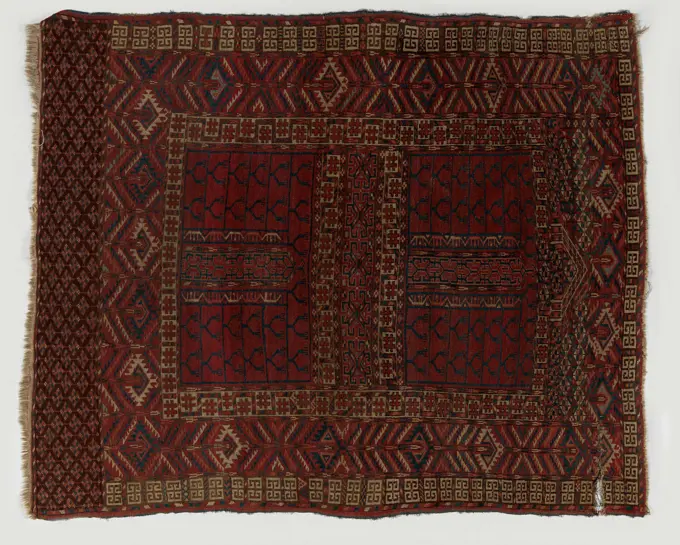
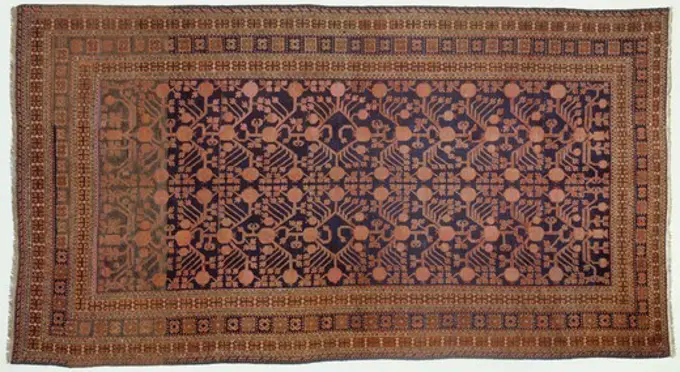
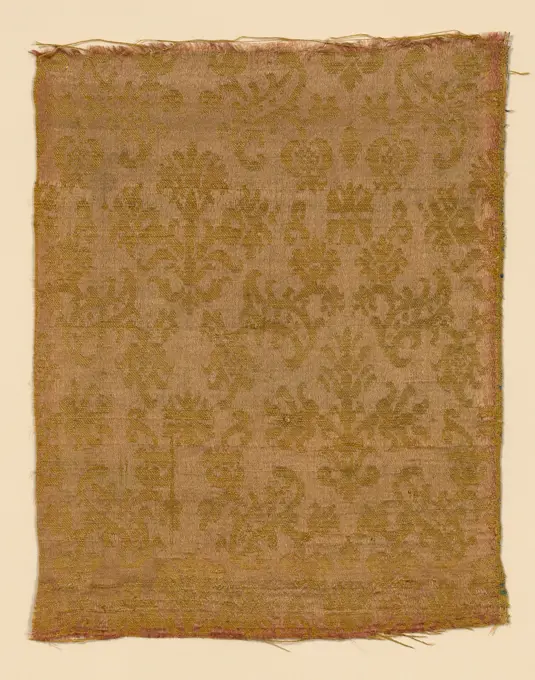
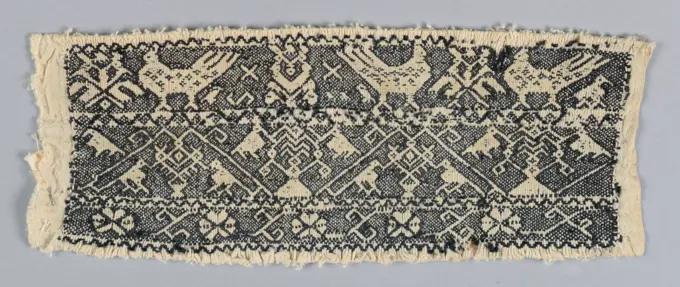
A range of historical textiles including flower rugs, tapestries, and fabrics with intricate patterns and designs, showcasing artistic craftsmanship from different eras.

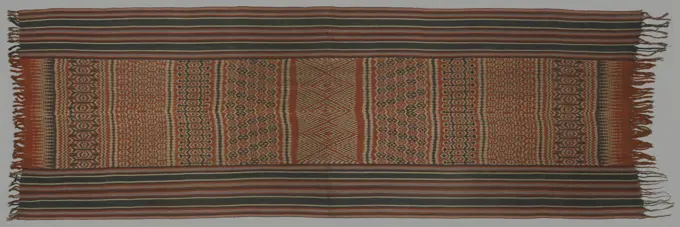
Tapestry; Artur Potocki studio (Buczacz; Tkacka Studio; 1913-1939); 1. PO. 20th century (1901-00-00-1950-00-00);Buczackie tapestry, geometric ornaments, plant ornaments, decorative fabrics, interior equipment, purchase (provenance)
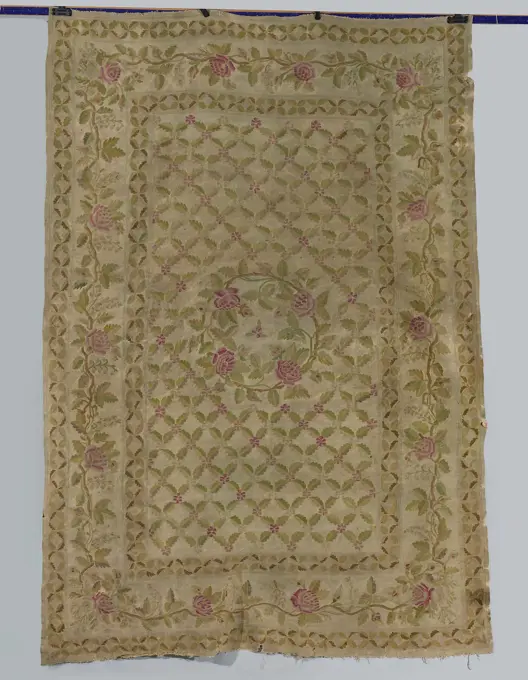
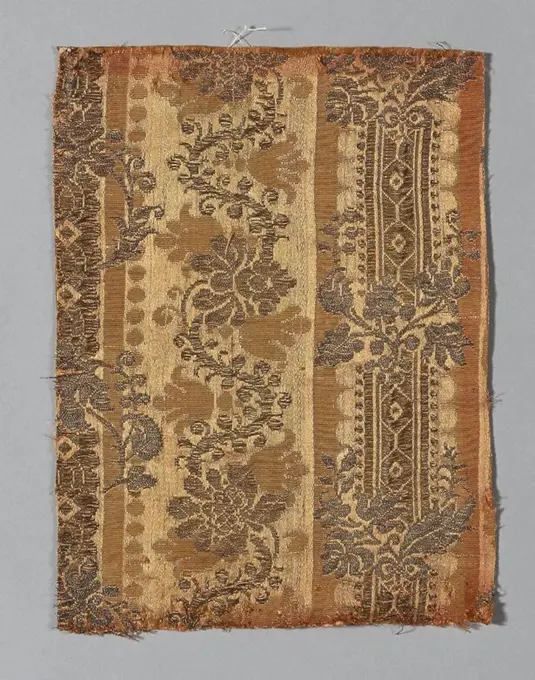
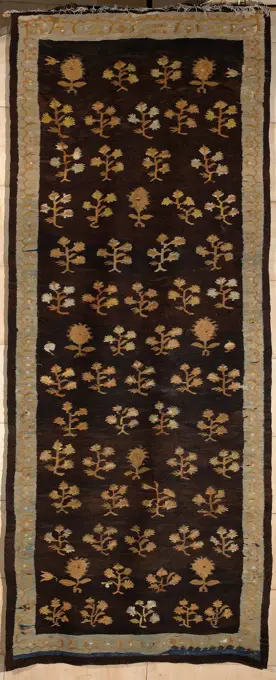
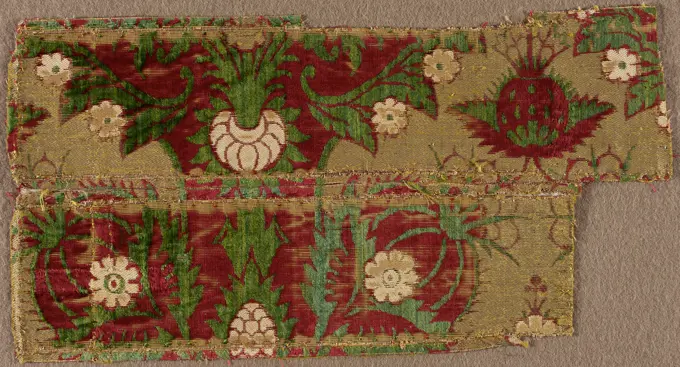
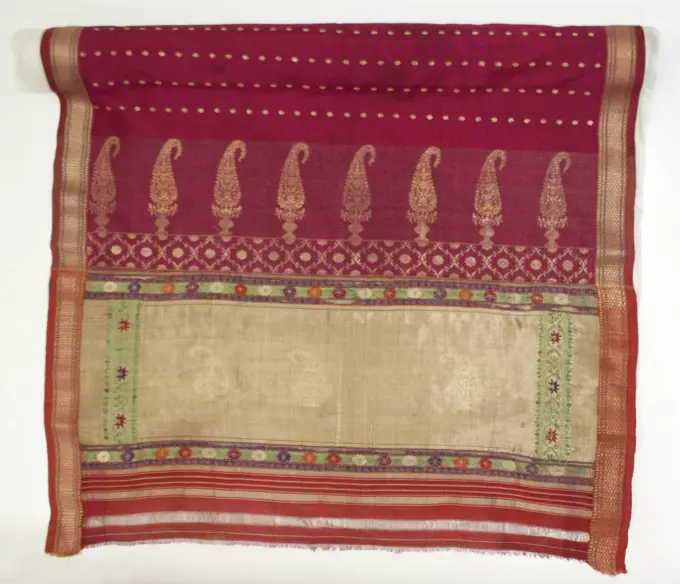
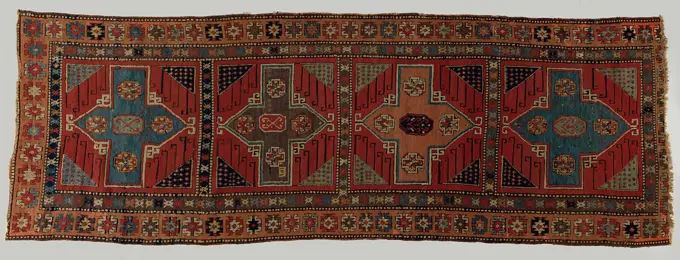
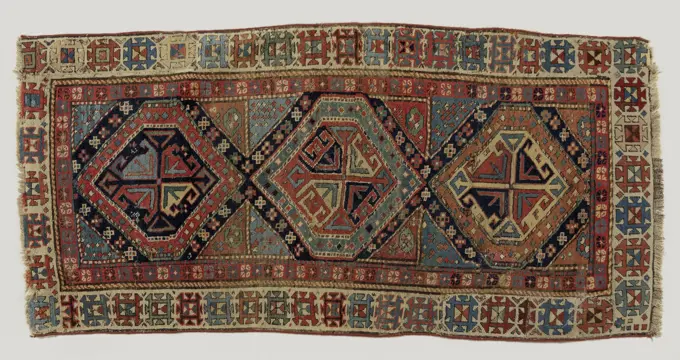
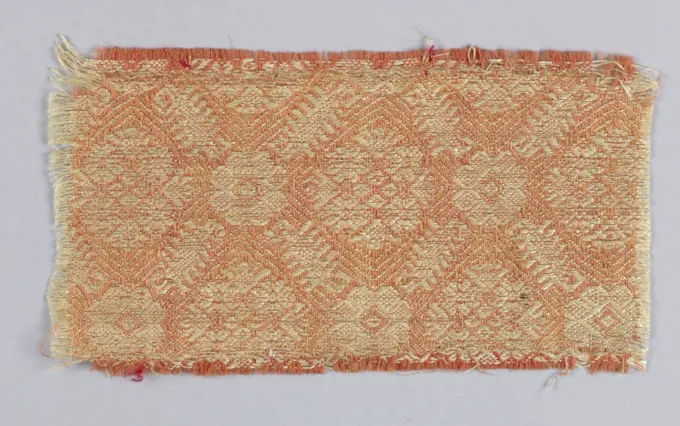
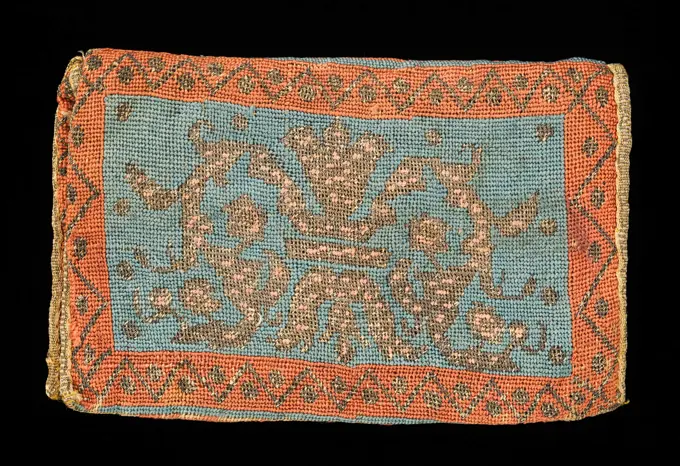
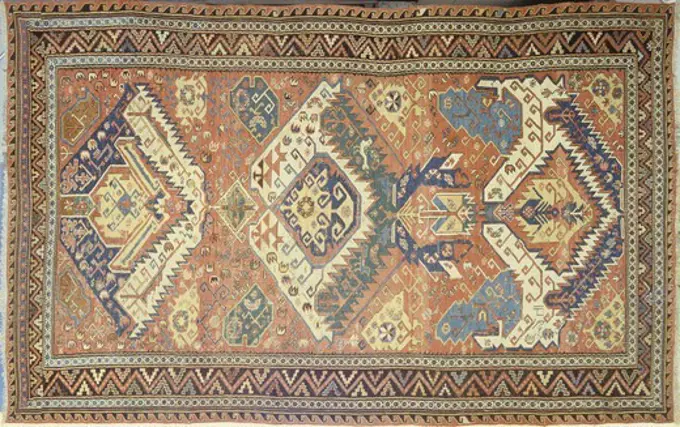
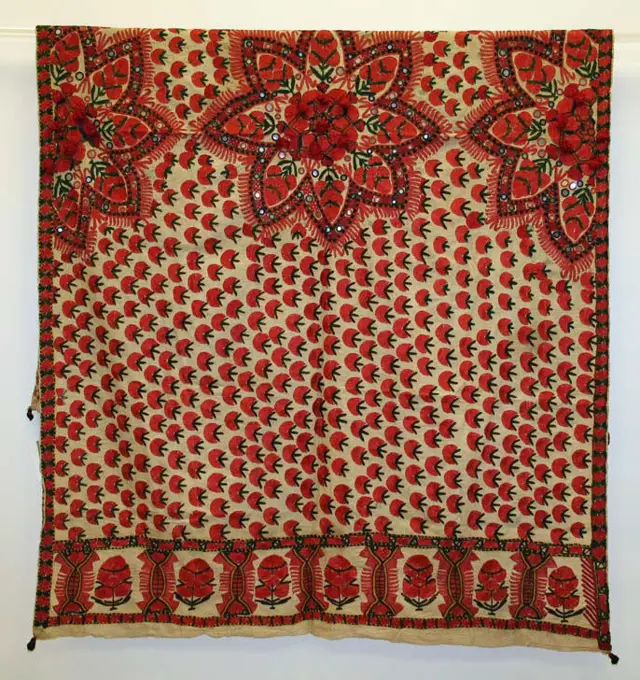
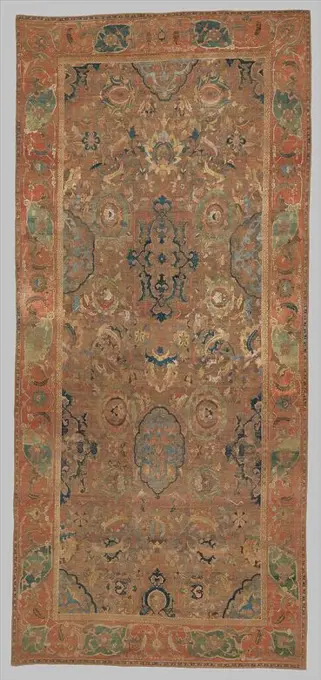
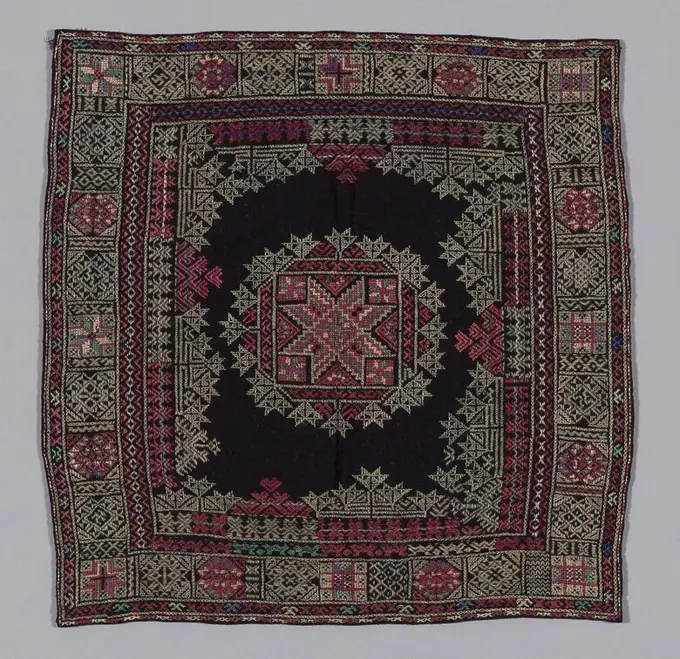
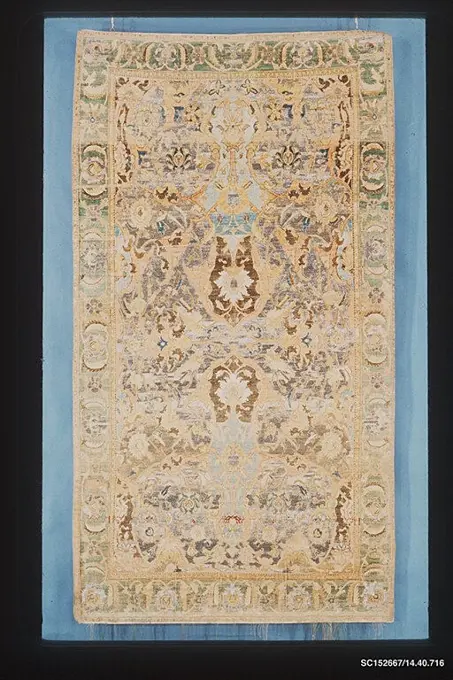
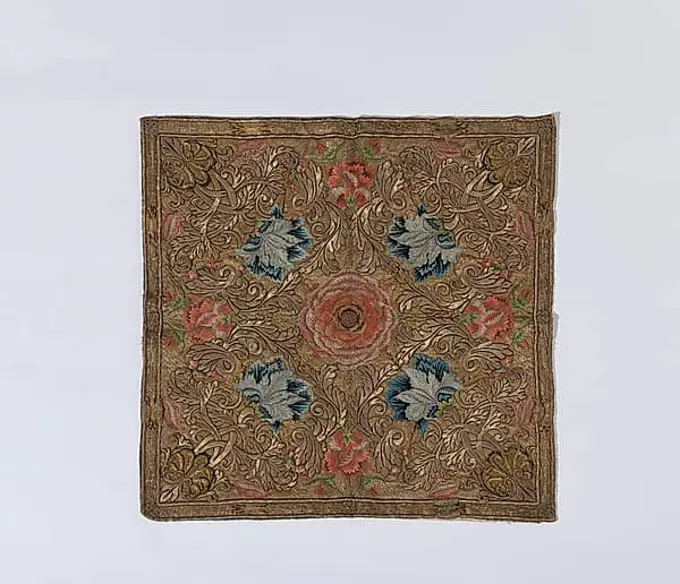
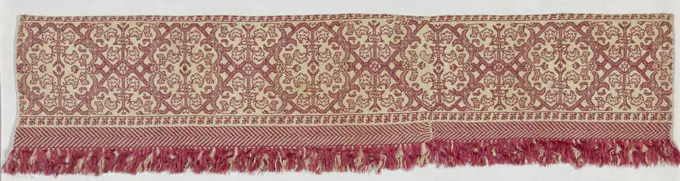
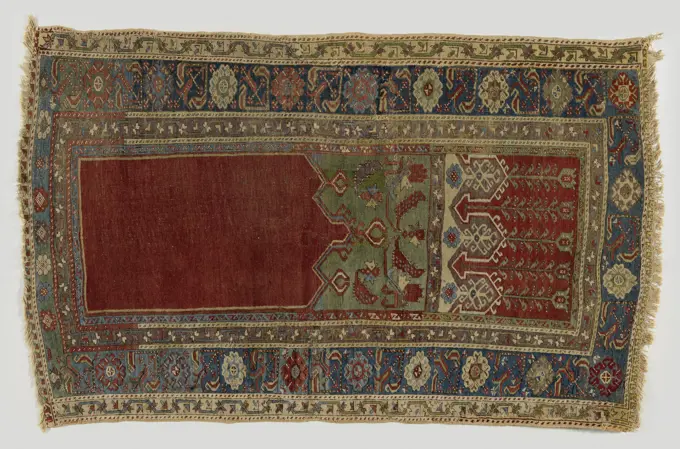
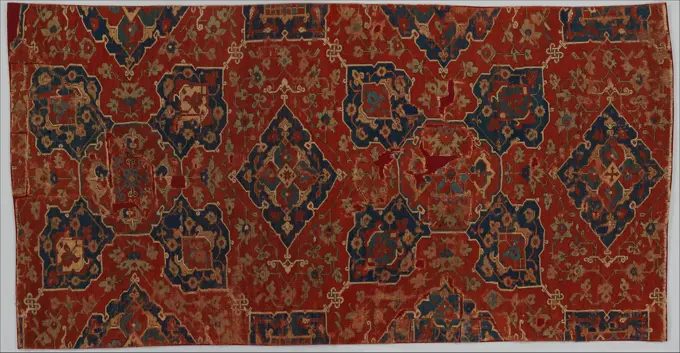
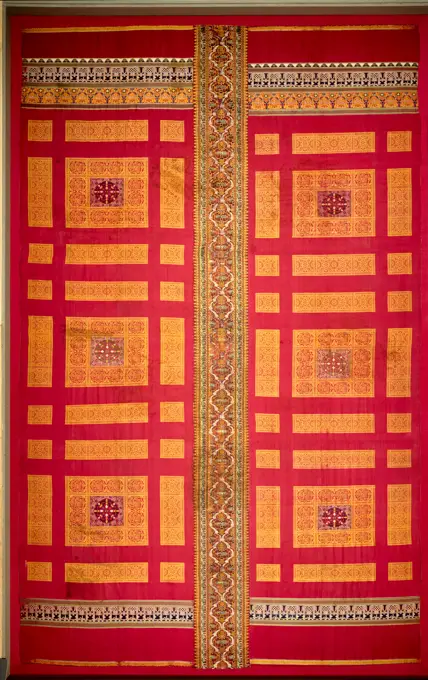
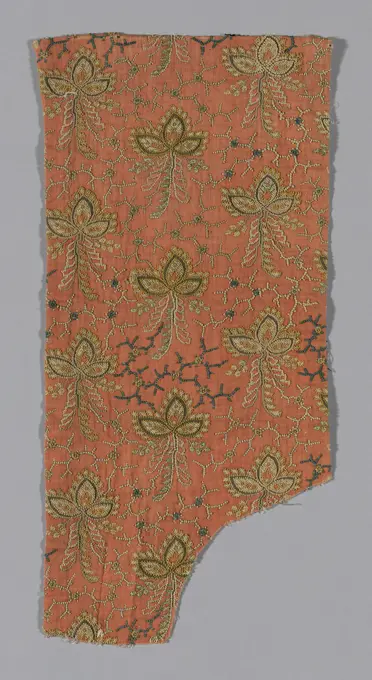
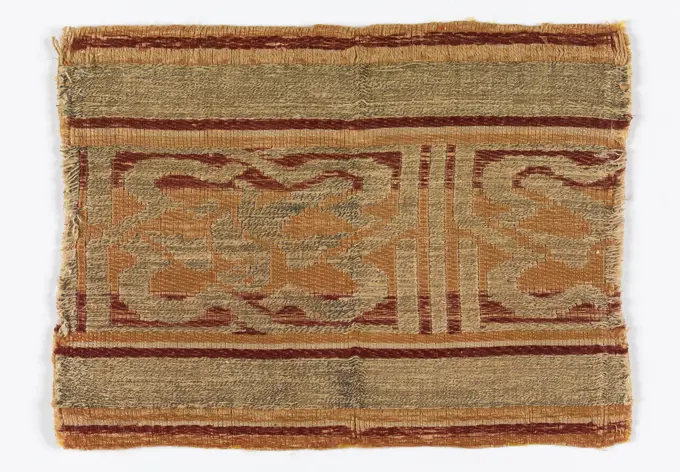
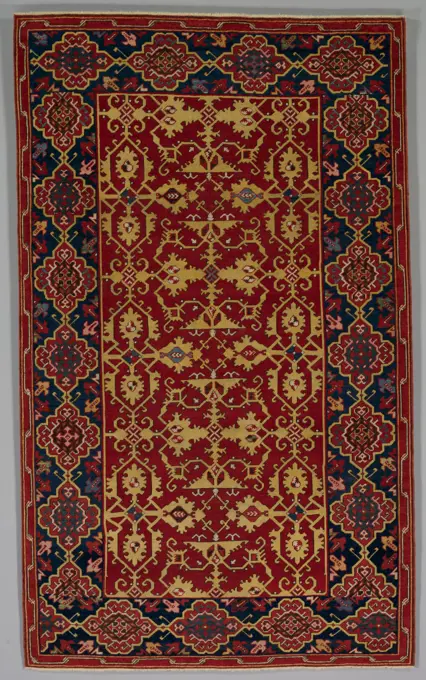
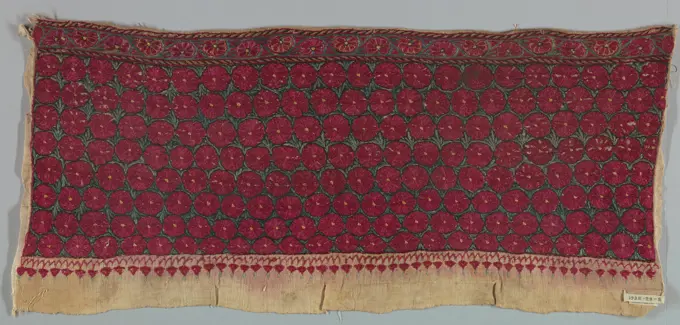
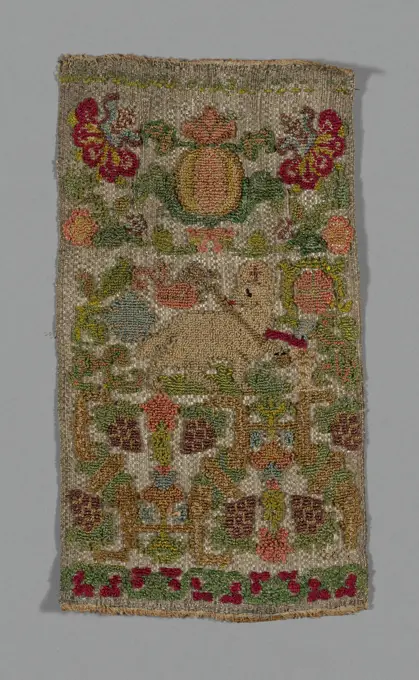
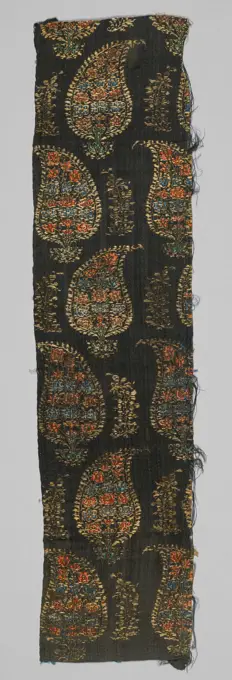
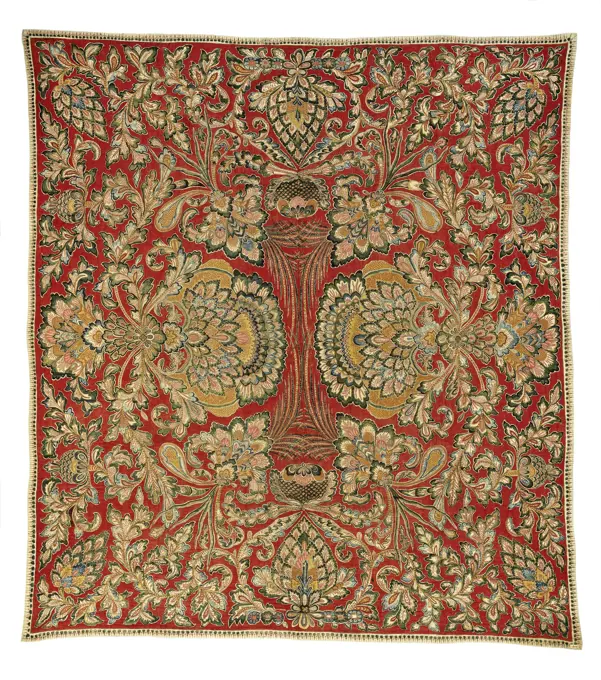
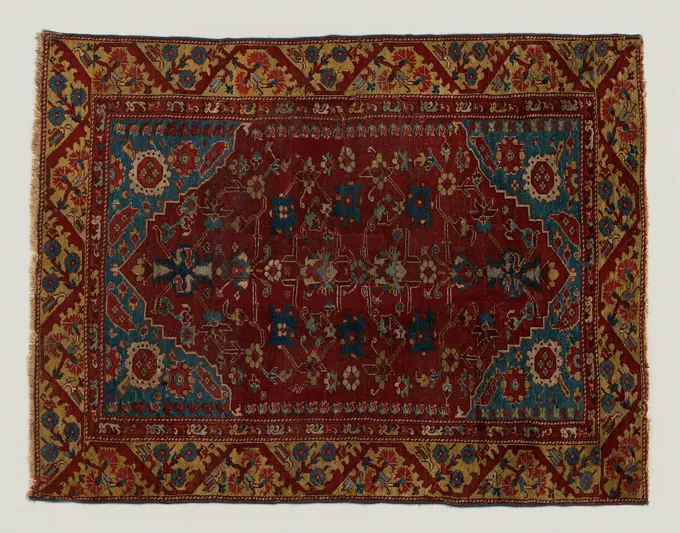
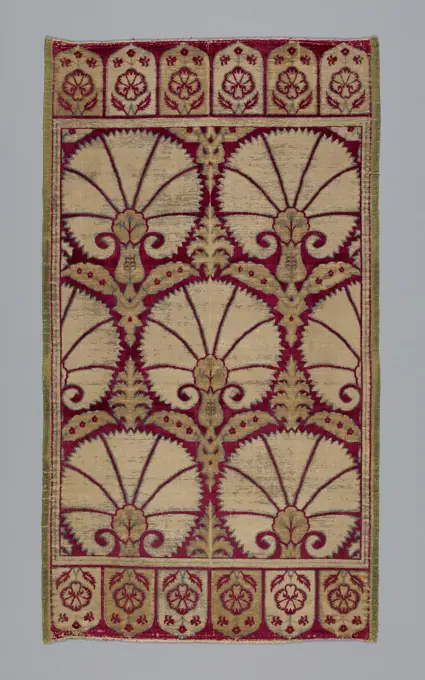
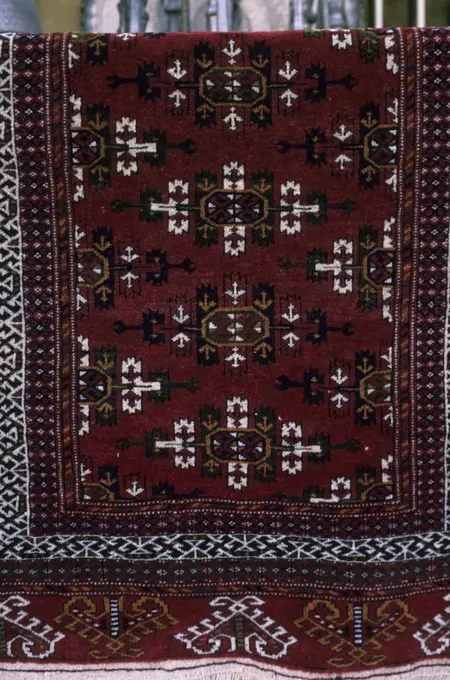
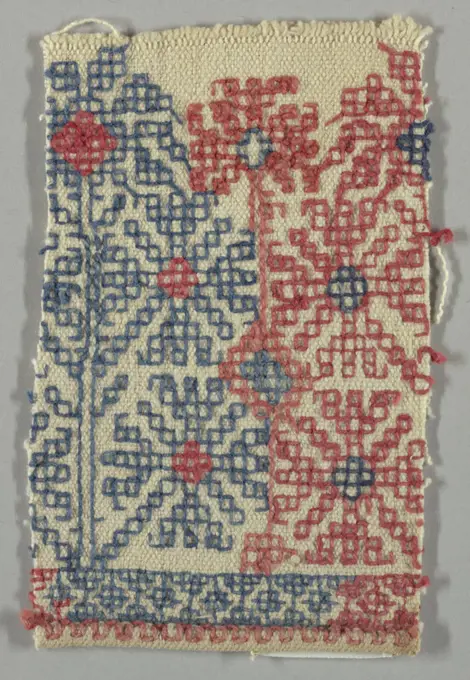
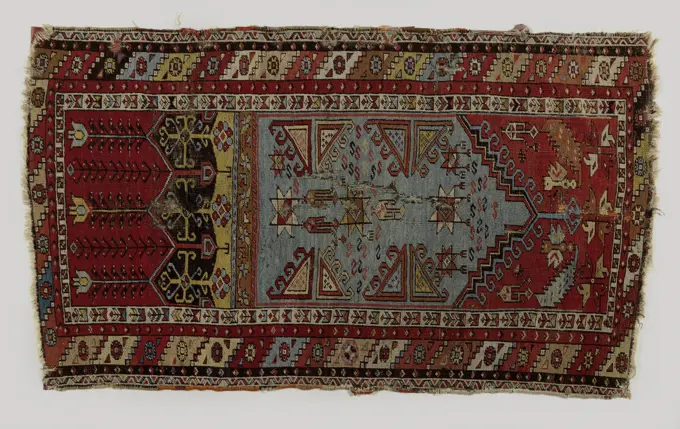
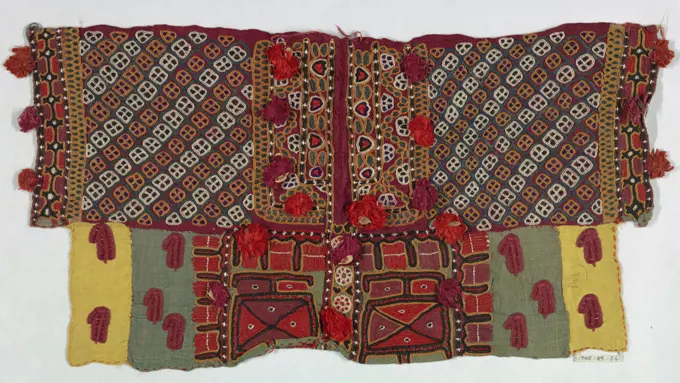
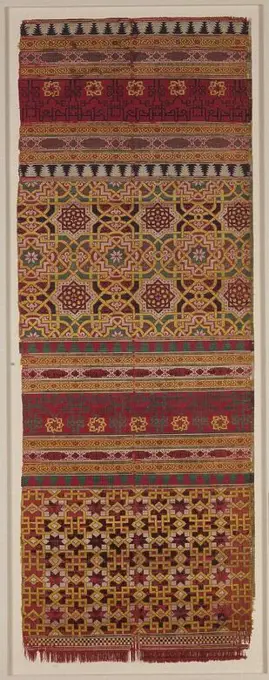
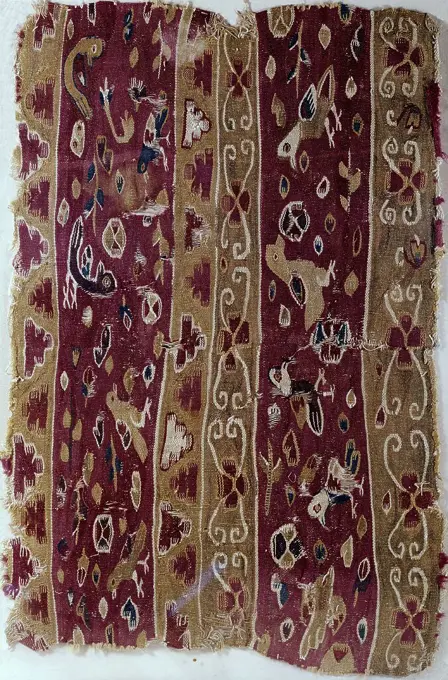
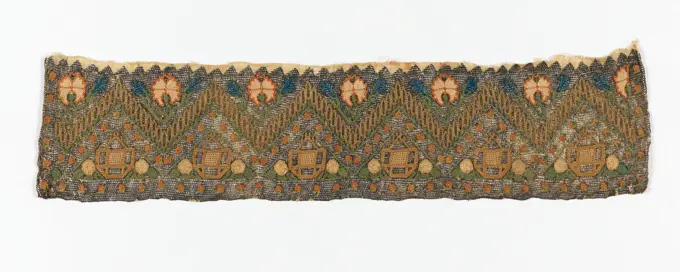
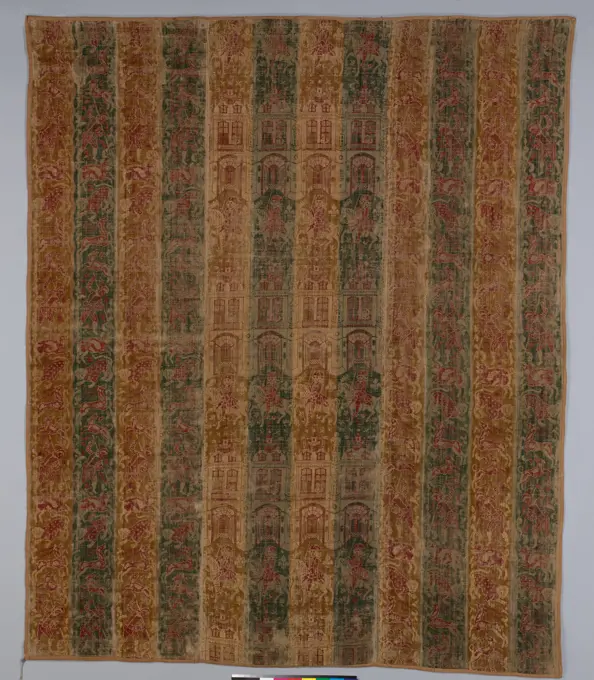
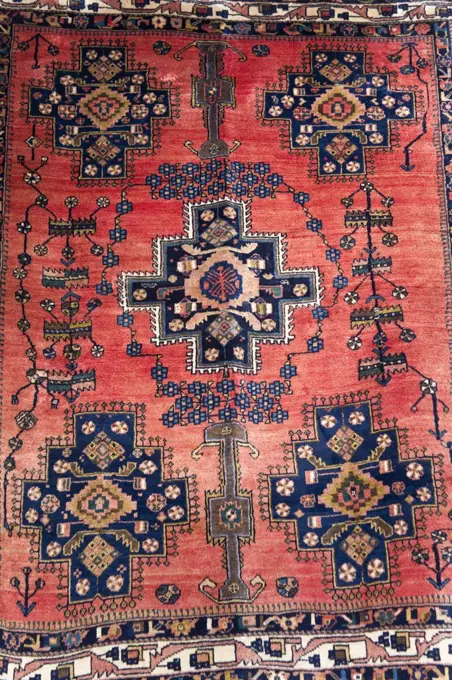
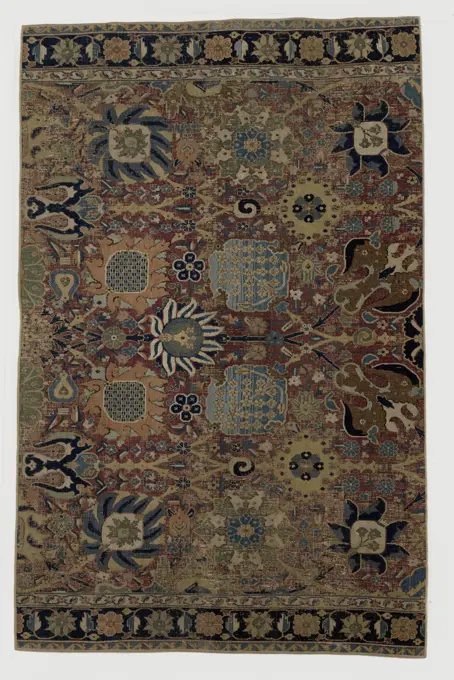
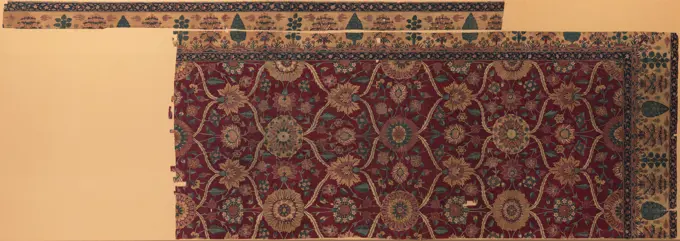
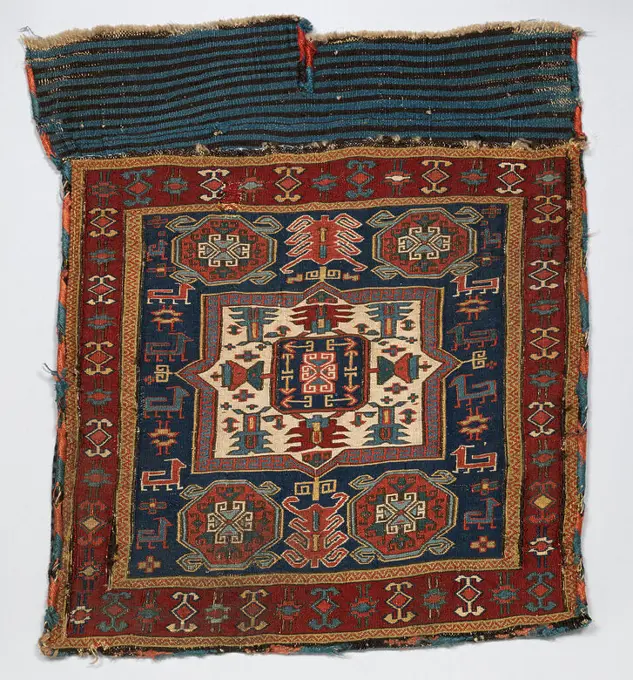
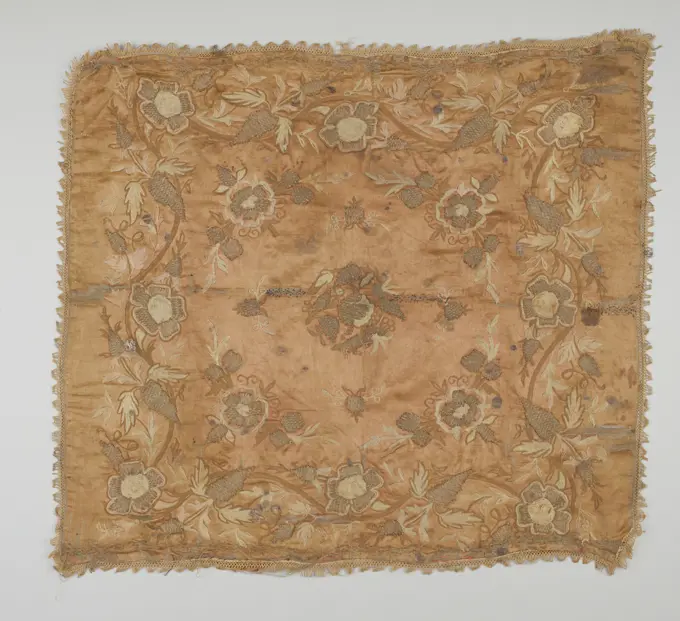
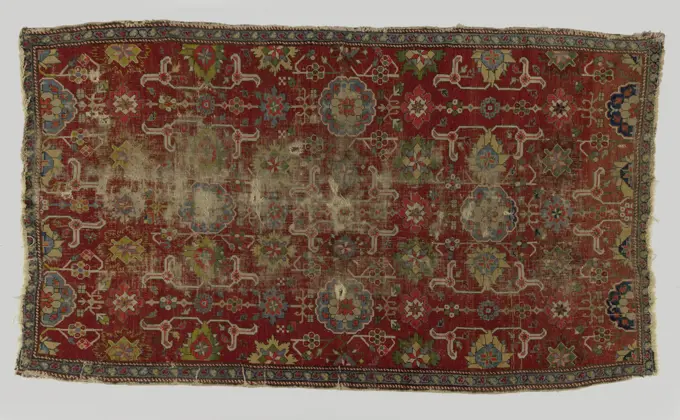
Flower rug, anonymous, c. 1840 - c. 1900 Oriental carpet, flower rug. In midfield there are rosettes, flanked by palmets, contained in angular arabesks. The edge is decorated with a slender with carnations. Caucasus wool Oriental carpet, flower rug. In midfield there are rosettes, flanked by palmets, contained in angular arabesks. The edge is decorated with a slender with carnations. Caucasus woolCarpet 17th century. Carpet 447514Tapestry. unknown, atelierFragment (Dress Fabric). Italy. Date: 1650-1700. Dimensions: . Brocaded fancy simple satin. Origin: Italy. Museum: The Chicago Art Institute, Chicago, USA.Tapestry; Artur Potocki studio (Buczacz; Tkacka Studio; 1913-1939); 1. PO. 20th century (1901-00-00-1950-00-00);Buczackie tapestry, geometric ornaments, plant ornaments, decorative fabrics, interior equipment, purchase (provenance)Piece 16th-17th century Italian. Piece 223420A fragment of a manipulator;  2nd half 18th century (1751-00-00-1800-00-00);Flower rug with diagonally placed flowers in blue and mustard yellow on brown stock. Three -stark edge with pink and white flowers, zigzag leaves and brown tifles., 1800 - 1900 Flower rug, Kurdistan. Midfield: dark brown stock with flowers that are placed diagonally by color blue and mustard yellow. All flowers are composed of pink red and couples smaller white flowers. Rand: triple and equally narrow. The middle one in ocher yellow with flower vessel; The inner and outer cobalt blue with pink and white flowers, zigzag leaves and brown tendrils. Beard: a white/beige beard at the top; At the bottom of a small rest and removed frills. Kurdistan wool Flower rug, Kurdistan. Midfield: dark brown stock with flowers that are placed diagonally by color blue and mustard yellow. All flowers are composed of pink red and couples smaller white flowers. Rand: triple and equally narrow. The middle one in ocher yellow with flower vessel; The inner and outer cobalt blue with pink and white flowers, zigTextile 19th century Japan. Textile 67986Carpet, kazak, with medallion pattern ,, c. 1800 - c. 1900 Carpet, Kazak, with medallion pattern. Midfield: on a red stock that is strewn with stars and blocks, there are four hexagonal medallions in the length axis, two of ultramarine, one of cobalt blue and one of light green with window and hooks. Edges: A white stock is divided by lateral triangles in red, ultramarine, yellow, orange and green in diamond fields, on which angular rosettes are. Inner zoom from interlocking triangles of red and green. State: entered with moths, larvae, etc. Cleaned in the snow. With large ink stain. Holes in the corners and in the middle. Jumper wool Carpet, Kazak, with medallion pattern. Midfield: on a red stock that is strewn with stars and blocks, there are four hexagonal medallions in the length axis, two of ultramarine, one of cobalt blue and one of light green with window and hooks. Edges: A white stock is divided by lateral triangles in red, ultramarine, yellow, orange and green in diamond fielRug;  around 1830 (1825-00-00-1835-00-00);rugTextile Fragment. Italy, fourth quarter of the 15th century. Textiles; fragments. Silk cut and voided velvet with silk and metallic-thread discontinuous supplementary-weft patterning (brocade)Sari ca. 1875 India. Sari 86157Velvet Panel "Kashan Velvet", 1800s. Iran, 19th century. Velvet; overall: 100.3 x 75.6 cm (39 1/2 x 29 3/4 in.).Perkenkleed versierd met vier aaneengeschakelde vierkanten waarbinnen kruismedaillons die gevuld zijn met achthoeken.Perkticulence, Kemerihisar, Kurdistan or Yuruk. Midfield: Four connected squares are made of light red with a purple edge. There is a crossmedaillon in white-edged light blue, resp. In each square. Fraise, flets purple and light blue and filled with five rear corners in light green, dark blue and red. In the corners speckled triangles with long hooks. A year in the upper square: 1260 = 1844. has been antedated. Edge: fraise, with loose flowers in all mentioned colors.Perkenkleed, KARABAGH of SHIRWAN, anonymous, 1840 - 1860 Bed dress, Karabagh or Shirwan. Midfield: Dark blue fond with three contiguous hexagons and sides of halved windows. The hexagons of red, light green and red, on which a gathered hexagon, in soft yellow, red and dark blue. Rand: double. The widest is white with octagonal hook motifs in the aforementioned colors. The inner zoom is red with rosettes. Karabakh (Possibly) wool Bed dress, Karabagh or Shirwan. Midfield: Dark blue fond with three contiguous hexagons and sides of halved windows. The hexagons of red, light green and red, on which a gathered hexagon, in soft yellow, red and dark blue. Rand: double. The widest is white with octagonal hook motifs in the aforementioned colors. The inner zoom is red with rosettes. Karabakh (Possibly) woolFragment, Medium: wool warp, silk weft Technique: float weave, Lozenge pattern with eight-petaled floral motif at points on intersection. Dark red and white., Spain, 17th century, woven textiles, FragmentOriental carpet. Oriental wool carpet of which is shared in two with midfield by a vertical band.Sampler, Alls Tanner, English, Medium: silk and linen embroidery on linen Technique: cross, montenegrin cross, eyelet, satin, double running, and detached looping stitches, withdrawn element work with needle lace fillings, Cross border of floral patterns and text. The same embroiderer made 1941-69-61., England, 1702, embroidery & stitching, SamplerFragment, 17th century; silk and metallic threadRugs and Carpets: China - 19th century - Yarkand carpetFragment Made 1625-1650 Italy. Silk, satin damask weave .Textile (Mexico); silk embroidery on linen foundationRitual Weaving(Tampan)Fragment, 1800s. Japan, 19th century. Silk; overall: 47 x 36.2 cm (18 1/2 x 14 1/4 in.).Purse late 18th century European. Purse 156867Concussion belt Manufaktura Szczepan Filsjean (1787 1794)Rugs and Carpets: Caucasus - 19th century. Soumakh carpetSari 17th century. Sari 450631Wedding shawl India 19th centuryCarpet 17th century. Carpet 447532Fragment, Medium: silk, metallic technique: woven, Interlaced leaves and cirular rosettes in blue and gold, 1800-1850, woven textiles, FragmentAfrica, Tanzania, Zanzibar, Stone Town. Close-up of hand-made carpet.Silk Fragment, 15th century. Spain, Mudejar, 15th century. Lampas weave, silk; average: 23.5 x 39.8 cm (9 1/4 x 15 11/16 in.).The 'Doria' Carpet. Dimensions: Rug: L. 158 in. (401.3 cm)W. 69.5 in. (176.5 cm)Tube: Diam. 3 in. (7.6 cm)W. 84 in. (213.4 cm). Date: 17th century.This carpet is one of a pair; its counterpart is in the Carpet Museum in Tehran. The field pattern of both carpets is identical, and a balanced design is achieved when the two carpets are placed end-to-end. Both carpets are examples of the "Polonaise" type, so called for a nineteenth-century misattribution of this type of carpet to Poland rather than Iran. This group, distinguished by a silk pile and metallic brocading, is now known to have been made during and after the reign of Shah 'Abbas I in workshops in Isfahan, Yazd, and Kashan. Museum: Metropolitan Museum of Art, New York, USA.Head Cover. China, Hainan Dao; Hainan Island off South China coast. Date: 1900. Dimensions: 34 × 33.4 cm (13 3/8 × 13 1/8 in.). Cross stitch designs. Origin: China. Museum: The Chicago Art Institute, Chicago, USA.Polonaise Carpet 17th century. Polonaise Carpet 446637Goblet velum around 1756, goldsmithing and textile art from the 16th to the 20th century, St., Saint, SaintPerk clatter or garden rug. Perk or garden rug. Midfield: layout of three rectangles, the middle in cobalt blue and two in red, on which cross medallions are supplemented with triangles such as swing. The crosses, light blue and brown, are white, each gifted with star flowers that are in a cross or in a octagon; The flowers in orange, red, blue and white. The triangles are sprinkled with blossoms and from the long sides of it, long lying hooks shoot out to the middle. Edge: one narrow zoom from black with army and brown, blue, orange and brown, inside solid piping.Band, Medium: silk on linen Technique: embroidered, Band showing a row of elaborate diamond shapes with symmetrical flowers. In red silk on linen., Italy, 17th century, embroidery & stitching, BandShroud(Porilonjong)Sampler first half 17th century British. Sampler 219420Prayer rug with upper ware panel, Ladik ,, c. 1800 Prayer rug with upperwars panel, Ladik. Midfield: plain Wijnrode Mihrab with three -piece top façade. Light green swallings are up toothed leaves in red and violet. Above it a white panel separated by a tilt edge, "omegalijn" in white, with three purple tilting radical in a purple panel with five tulips, alternating light green (3) and Violet (2). Edges: triple. A wide, blue edge is decorated with alternated a rosette flower and a sloping tulip, all in red, violet, beige, light blue and white speckled red. The inner zoom is in Violet; The Outzoom in Beige, on which equal angular tenders. Ladik wool Prayer rug with upperwars panel, Ladik. Midfield: plain Wijnrode Mihrab with three -piece top façade. Light green swallings are up toothed leaves in red and violet. Above it a white panel separated by a tilt edge, "omegalijn" in white, with three purple tilting radical in a purple panel with five tulips, alternating light green (3) and VioleFragment of a Carpet with Quatrefoil Design 16th-17th century The star-like medallions that give this type of carpet its name were a design favored by commercial weavers of the Ushak district of western Anatolia. It is a variation of the famous Ushak medallion carpets. Most Ushak carpets are easily recognizable by their characteristic color palette, often limited to a few tones such as rich red, dark blue, and yellow, highlighted with touches of bright white and vibrant green. The inspiration for the infinite repeating pattern of the quatrefoil design are to be found in other media, such as the architectural tilework of the same region, which often features complex interlacing designs. Similar compositions with symmetrically designed floral patterns, based on split-palmettes, stylized lotus and other floral motifs that often fill cartouche-like shapes, are also known from manuscripts and appear on luxurious book bindings and illuminated pages. Such designs not only developed across medOriental carpet. Oriental carpet, floral rug. In the midfield a herati pattern against a dark blue fond. Triple border whose middle with flower rinks.Fragment (Iran); silkPiece 18th-19th century Japan. Piece 66950. Stitched slashing bedspread, decorated with large branches with palmets, flowers and fruits. Yellow silk lining.Alhambra Palace Silk Curtain, mid-1300s. Spain, Granada, Nasrid period. Silk; lampas weave; overall: 438.2 x 271.8 cm (172 1/2 x 107 in.).Fragment 1801-1900 Europe. .Oriental carpet, Anonymous, 1800 - 1850 Oriental carpet, star medium rug. In midfield three star medallions and field filling of rosette flowers against a cobalt blue background. Five -time edge with geometric motifs. Shirvan (possibly) Necklace and impact: Wool Oriental carpet, star medium rug. In midfield three star medallions and field filling of rosette flowers against a cobalt blue background. Five -time edge with geometric motifs. Shirvan (possibly) Necklace and impact: WoolTextile, Italy, 16th century, woven textiles, TextileFragment Made 1575-1600 Italy. silk; velvet cut and uncut voided on satin weave foundation .Fragment (Spain); silk, linen, metalClassical Turkish Carpet with the Lotto Pattern, 1600-1650. Turkey, Ushak, Ottoman period. Wool: symmetrical rug knot; overall: 172.1 x 104.1 cm (67 3/4 x 41 in.). Lotto carpets can be recognized by their consistent color combinations and striking design, traceable to sources in Central Asia. In the central field, stylized yellow leaf patterns stand out against a red ground. The border is filled with cartouches on a dark blue background, and a simplified vine meanders along the outermost edge. These vegetal patterns evoke paradise in Islamic contexts. Made primarily for export in the western Turkish center of Ushak between the 1400s and 1600s, Lotto carpets were named after the Venetian painter Lorenzo Lotto (1480-1556). He amply documented in oil paintings the way Europeans displayed this type of Turkish carpet as a sign of wealth and prestige. To preserve them, Europeans displayed Lotto carpets on tables, though they were made for use on the floor.Fragment of Woman's Trousering 19th century. Fragment of Woman's Trousering 444427"Dragon" design early 19th century. "Dragon" design 447487Textile (India); silk on linenFragment Made 1801-1900 Spain. .Rug, 19th century, 17 x 37 in. (43.18 x 93.98 cm), Wool (), 19th centuryTextile Fragment 17th-19th century. Textile Fragment. 17th-19th century. Silk and metallic thread; brocaded. Country of Origin India or Iran. Textiles-BrocadesPiece 18th-19th century Japan. Piece 67023Blanket with large leafy branches with palmets, flowers, and fruits., Anonymous, c. 1720 - Before 1734 Sticked sitsen bedspread, decorated with large leafy branches with palmets, flowers and fruits. Yellow sides lining. Coromandelkust silk chintz Sticked sitsen bedspread, decorated with large leafy branches with palmets, flowers and fruits. Yellow sides lining. Coromandelkust silk chintzSash Or Band (Spain); silk, linen, metallicBarred, Z.G. Kumurcu-Kula, D.I. Steenkolenkula. Barred, Z.G. Kumurcu-Kula, D.I. Steenkolenkula. Midfield: Double Mihrab in dark terrared with stair guys, in which blue vases stand and angular arabes and tendrils with small flowers, in ultramarin and light blue. Terzides are rows of flower buds. In each of the corn blue swing, O.A. One heavenly blue rosette. Edges: One wide edge in goudoo with zigzagrank, which enters a triple flower, alternately from red carnations and blue rosettes, combined with a light blue tulip. The indoor zoom in terracotta. Known as 'Zevenburger'.Cushion Cover Made 1601-1625 Turkey. Silk, gilt-and-silvered-metal-strip-wrapped silk, and cotton, satin weave with supplementary brocading wefts, and two-color cut voided velvet .Fragment; silk, linen; Warp x Weft: 30 x 17 cm (11 13/16 x 6 11/16 in.)Azerbaijan, Baku, Old Town, CarpetsSampler. Date/Period: 1826. Sampler. Medium: silk embroidery on linen foundation. Technique: embroidered in satin, stem, and cross stitches on plain weave foundation. Height: 595 mm (23.42 in); Width: 630 mm (24.80 in). Author: Francisca Montero.Ritual Weaving(Tampan)Fragment Oriental textile. Light blue stripes are interspersed by light brown stripes with large or small motifs with silver.Dodendoek, anonymous, 1900 - 1949 Dodlings with geometric motifs. Acquit cotton (textile) Dodlings with geometric motifs. Acquit cotton (textile)Fragment; silk, metallic thread; Bequest of Richard Cranch Greenleaf in memory of his mother, Adeline Emma Greenleaf; 1962-56-107-bTextile, Medium: cotton embroidery on cotton foundation Technique: embroidered in double running stitches on plain weave, Design of four stylized flowers arranged around a central block, worked in red and blue on a white ground., Greece, 19th century, embroidery & stitching, TextileSampler(Limar)Eastern carpet ,, 1800 - 1900 Oriental carpet, prayer rug. In midfield a light blue mihrab with stepped gable and filling of triangles, oil tans and stars. Corner pieces decorated with sawtand motifs and oil tanes. The widest edge is decorated with sloping fields in different colors. Ladik wool Oriental carpet, prayer rug. In midfield a light blue mihrab with stepped gable and filling of triangles, oil tans and stars. Corner pieces decorated with sawtand motifs and oil tanes. The widest edge is decorated with sloping fields in different colors. Ladik woolTextile, Medium: silk, seeds Technique: ladder, buttonhole, surface and chain stitch embroidery on plain weave, Fragments of green, yellow and red silk pieced together and densely embroidered in a stylized design of geometric and floral motifs. Small tassels with seeds are attached to the sides., India, 19th century, embroidery & stitching, TextilePiece 16th-17th century Italian. Piece 223370Textile Fragment. Dimensions: Textile: L. 40 3/16 in. (102 cm) W. 14 5/16 in. (36.3 cm)Mount: L. 45 1/4 in. (114.9 cm) W. 19 3/4 in. (50.2 cm) D. 1 in. (2.5 cm). Date: 14th century.This textile exhibits bands of varying patterns, some including interlacing calligraphic inscriptions. Here, the texts convey wishes for happiness, good fortune and prosperity. The hues of this brightly-colored fragment - with its contrasting red, green and gold - characterize the textiles produced during the Nasrid and later periods in Spain and North Africa. Its appearance is in sharp contrast to textiles produced in earlier periods. The earlier pieces exhibit a lighter, more delicate palette of minty greens, light blues and a heavy use of golden metal-wrapped threads. Museum: Metropolitan Museum of Art, New York, USA.Baby Carrier, 40 1/2 x 28 in. (102.87 x 71.12 cm), Cotton; needlework, ChinaTEJIDO INCA DEL PERU - URDIMBRE DE ALGODON Y LANA. Location: MUSEO DE AMERICA-COLECCION. MADRID. SPANIEN.Fragment; silk; Bequest of Richard Cranch Greenleaf in memory of his mother, Adeline Emma Greenleaf; 1962-56-123Towel End; silk and metallic threads on cotton foundationHanging of wool velvet late 17th century French or Dutch. Hanging of wool velvet 232237Apparel (Greece); silk embroidery on linen foundationTurkish carpet for sale in the Grand Bazaar, Istanbul, TurkeyShawl, Anonymous, 1900 - 1949 Shawl with floral motifs. Save cotton (textile) ikat Shawl with floral motifs. Save cotton (textile) ikatPiece 16th century Spanish. Piece 216927Rug, 19th century, L.43 x W.21 in., wool, India, 19th centuryFragment of an Eastern carpet, c. 1550 - c. 1600  Kirman wool  Kirman woolFragment of linen, brunette surface, strewn with floral. Fragment of Linen, Brunette Surface, Strewn With Flowers of Red and White.Square scarf with in the middle of a twelve-pointed red-green heart rosette around which a full pattern of flower and leaf motifs against a natural fond, anonymous, c. 1820 - c. 1830 Square scarf with in the middle of a twelve-pointed red-green heart rosette around which a full pattern of flower and leaf motifs against a natural stock. In the corners of two -speed quarter rosettes. The edges cross each other in the corners and consist of a continuous pattern of cartouches, C-volutes and flower and bald motifs, within two narrow frames of fine flowers. Natural fringes on two sides. Norwich whole: Wool. whole: Silk twill Square scarf with in the middle of a twelve-pointed red-green heart rosette around which a full pattern of flower and leaf motifs against a natural stock. In the corners of two -speed quarter rosettes. The edges cross each other in the corners and consist of a continuous pattern of cartouches, C-volutes and flower and bald motifs, within two narrow frames of fine flowersFragment van een kasjmiersjaal.Fragment cashmers scarf in silk and wool with stylized flower and leafwork and two paislothem motifs. Fringe along the bottom edge.Fragments of a Carpet with Lattice and Blossom Pattern ca. 1650 This carpet represents the highest level of productionimperial grademade with an extremely fine weave and costly materials. It looks and feels like velvet, but the pile is actually pashmina wool, made from the fleece of Himalayan mountain goats. Its decorative style, with its floral forms, is typical of the Mughal emperor Shah Jahan’s taste, seen also in the architectural ornament and manuscript illumination produced during his reign. These fragments constitute about one quarter of the original carpet, which was over twenty-three feet long, an enormous size for a carpet of this quality.. Fragments of a Carpet with Lattice and Blossom Pattern. ca. 1650. Silk (warp and weft), pashmina wool (pile); asymmetrically knotted pile. Made in India or present-day Pakistan, Kashmir or Lahore. Textiles-RugsBaby Carrier, 23 1/2 x 17 3/4 in. (59.69 x 45.09 cm), Cotton, silk; needlework, ChinaFace of half a Double Saddlebag (Khorjin). Dimensions: H. 26 in. (66 cm)W. 21 1/2 in. (54.6 cm). Date: ca. 1850.This face together with # 2015.490.36 once formed a double saddlebag of the Shahsevan tribe, whose name means "those who love the king,". The historical migratory range of this Turkic nomads reaches from the southwest shores of the Caspian Sea to the southern part of Transcaucasia. Art historians have identified Shahsevan weavings, including a variety of small-format bags, only in the past half century. Many Shahsevan weavings from the nineteenth and twentieth centuries, especially those with centralized geometric designs - such as seen here - show a striking relationship with Anatolian carpets from the fifteenth and sixteenth centuries. Often compositions are dominated by an octagonal star-like central medallion. Many of the motifs found on Shahsevan textiles are thought to be centuries-old tribal emblems, a symbolic language that today we are frequently unable to decipheVelvet Fragment, late 1600s. Italy, late 17th century. Velvet; overall: 53 x 48 cm (20 7/8 x 18 7/8 in.).Fragment, Medium: cotton Technique: resist-printed on plain weave, Design in brown and red on undyed fine cotton plain cloth., In horizontal bands:, 1. Upper plain red, 2. Rectangles containing geometric ornament, 3. Stylized floral forms, 4. Repeat of rectangles containing geometric ornament, 5. Interlacing dotted bands on the bottom, India, probably 15th century, printed, dyed & painted textiles, FragmentBorder, Block-printed and flocked paper, Maroon flock, gray scrollwork pattern on white ground, possibly France, 1850-75, Wallcoverings, BorderChaice veil, eddroided unknown