Decorative Textiles and Embroidery

A variety of intricate textile fragments and garments featuring rich embroidery and patterns from different periods and cultural backgrounds.

Fragment, Medium: silk Technique: supplementary warp forming raised pile in twill () foundation (velvet), Clusters of carnations and leaves on mounds on blue background., India, 17th century, woven textiles, Fragment
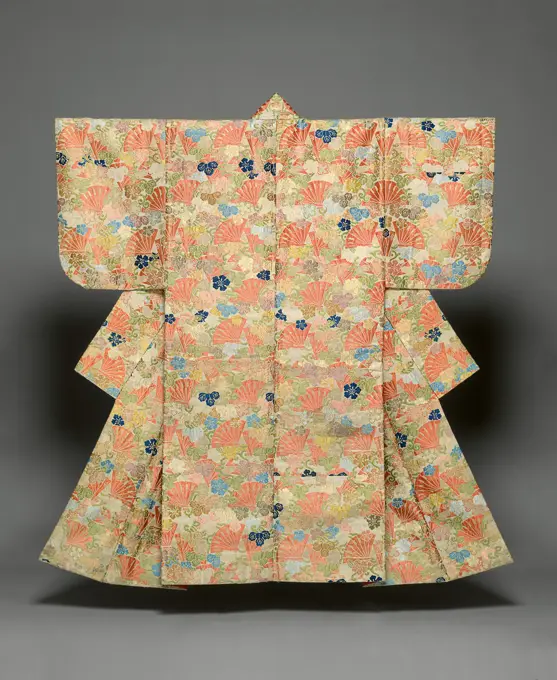
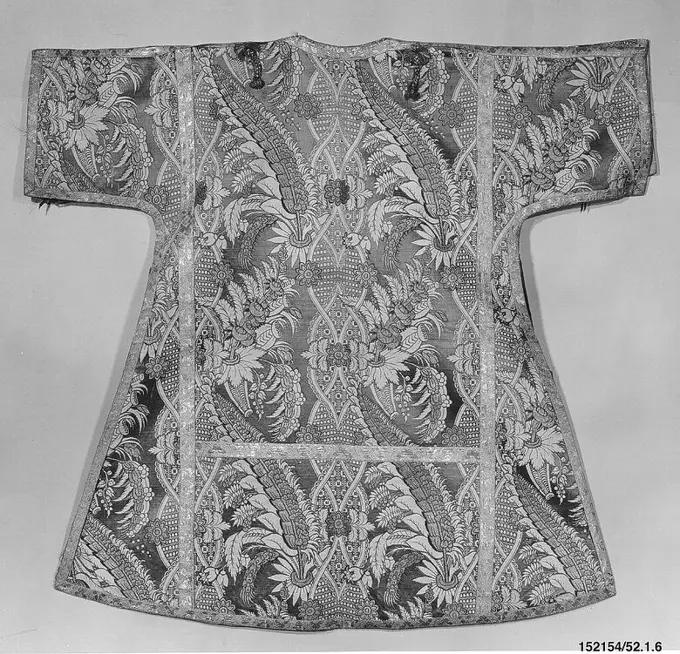
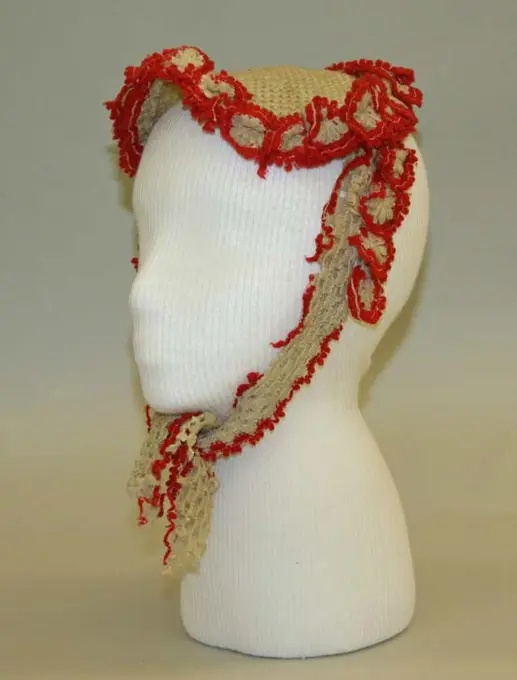
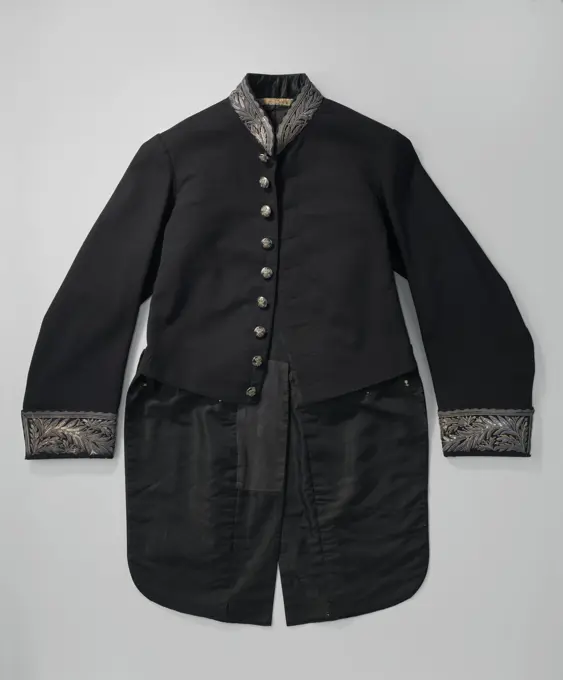
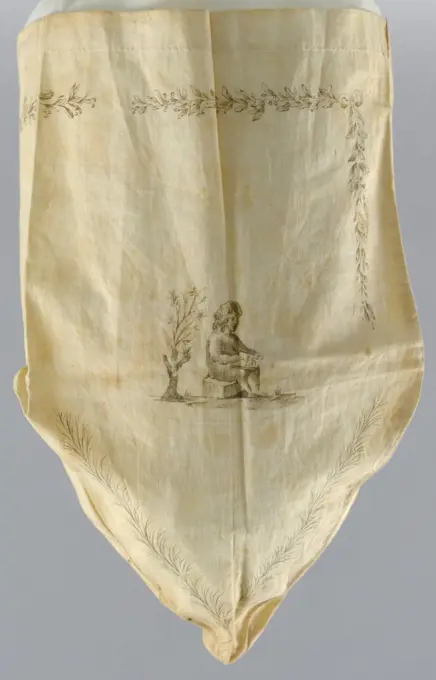
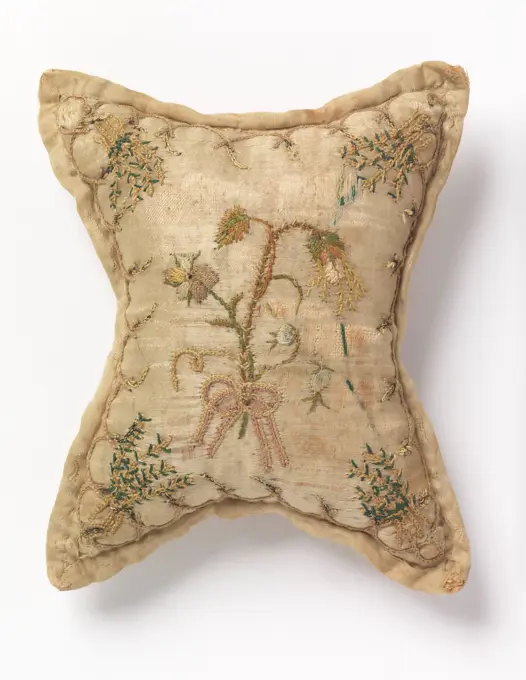
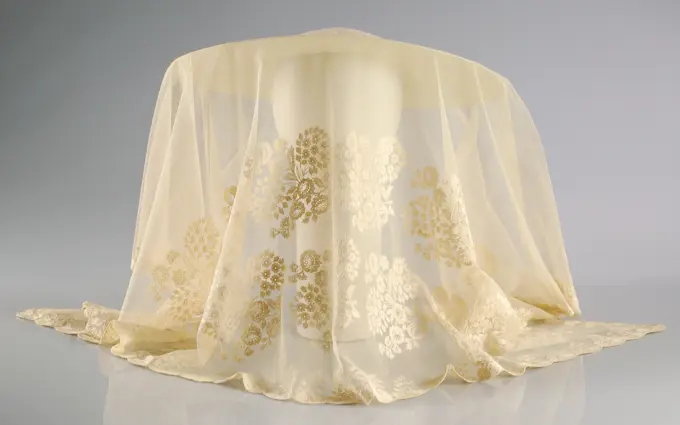
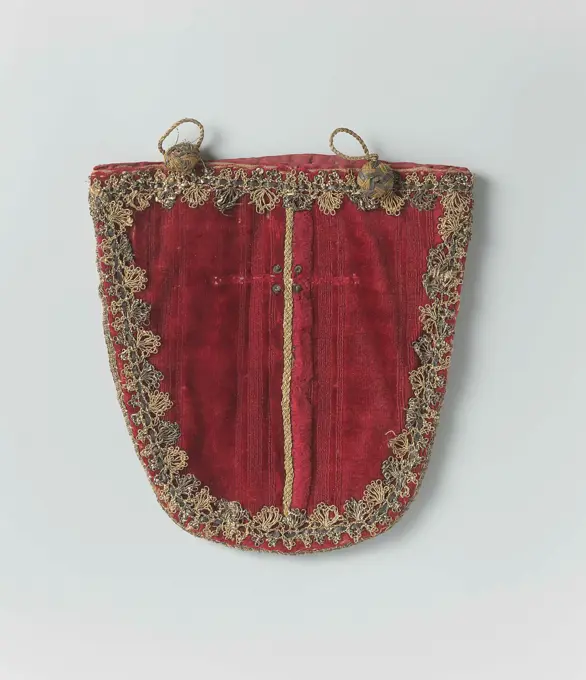
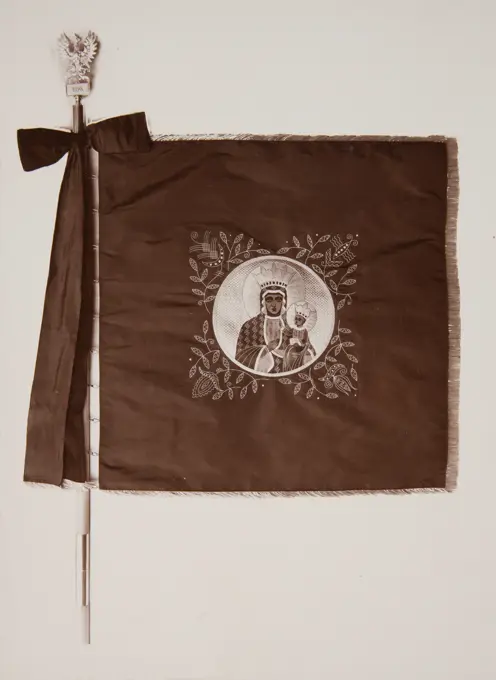
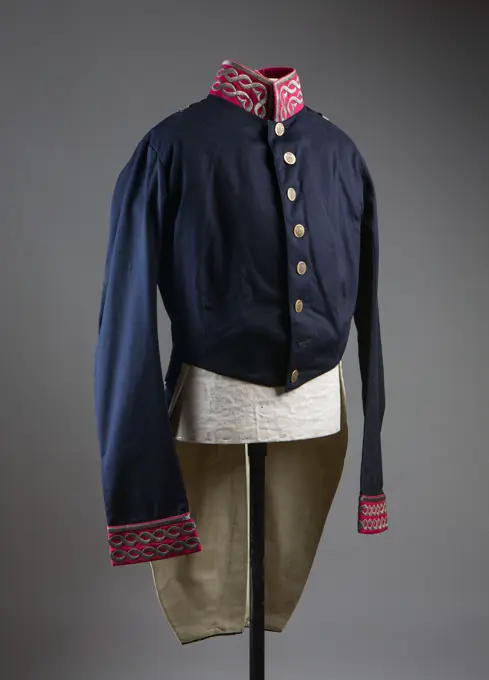
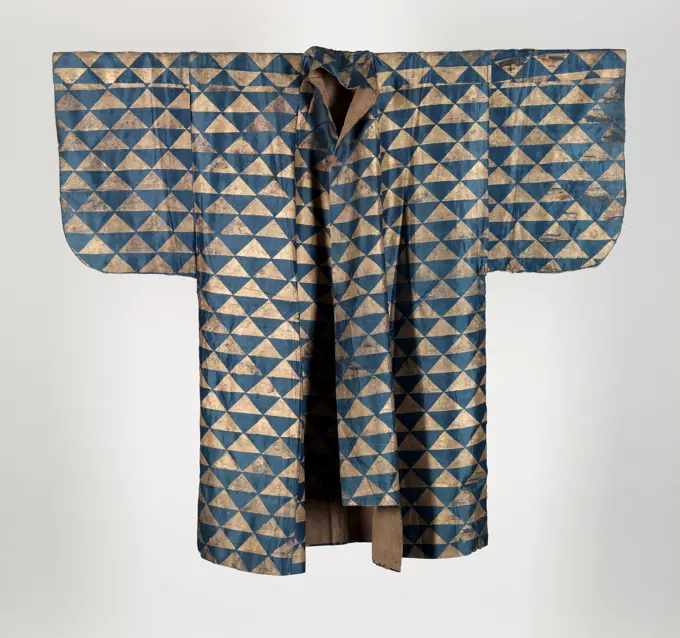
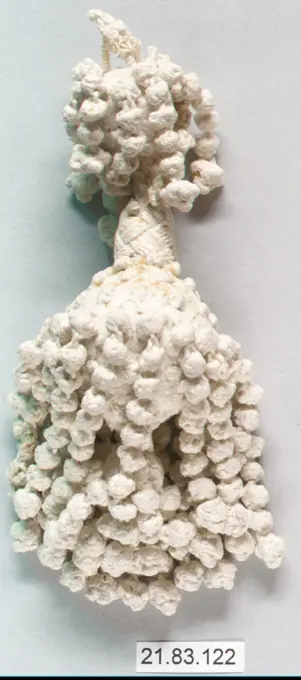
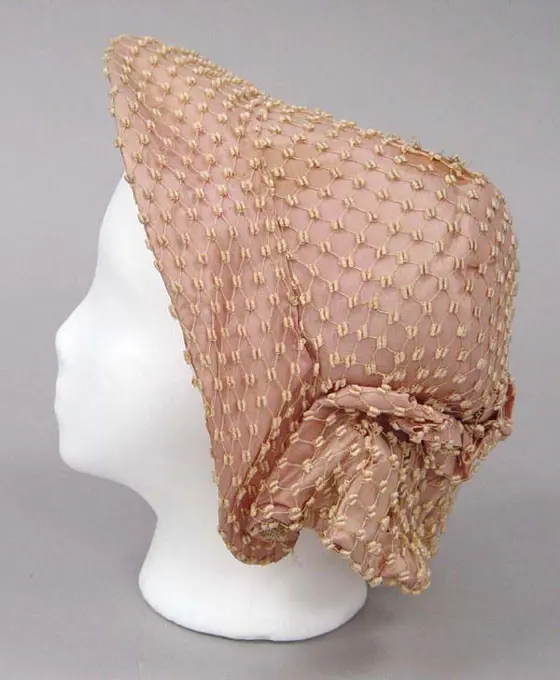
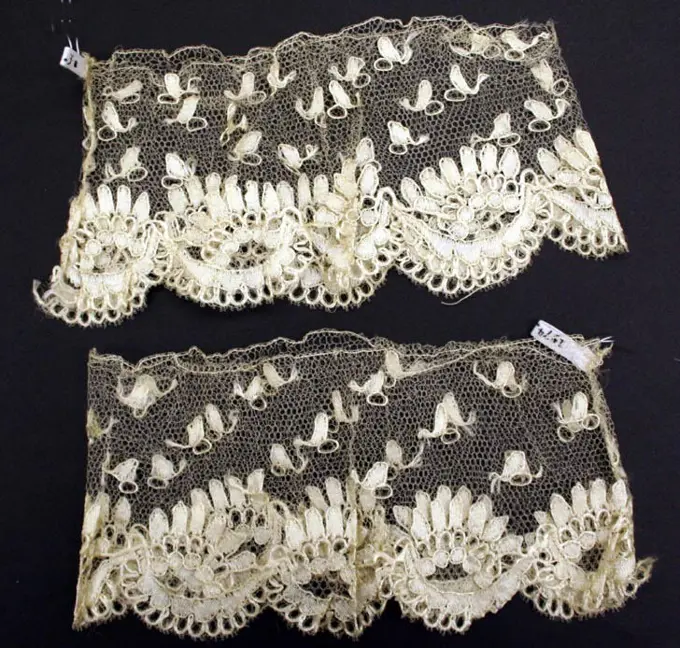
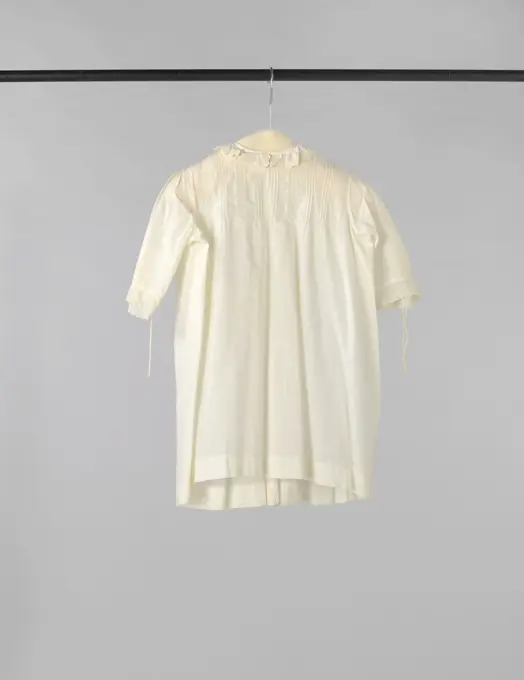
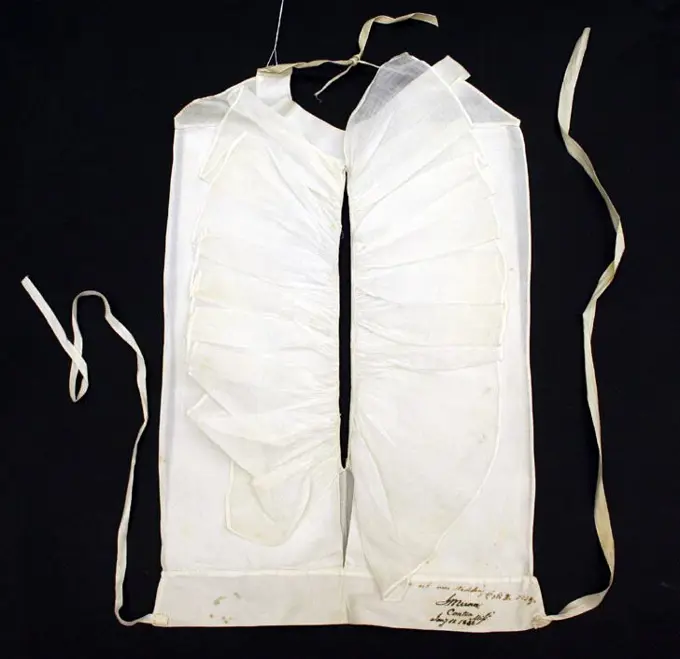
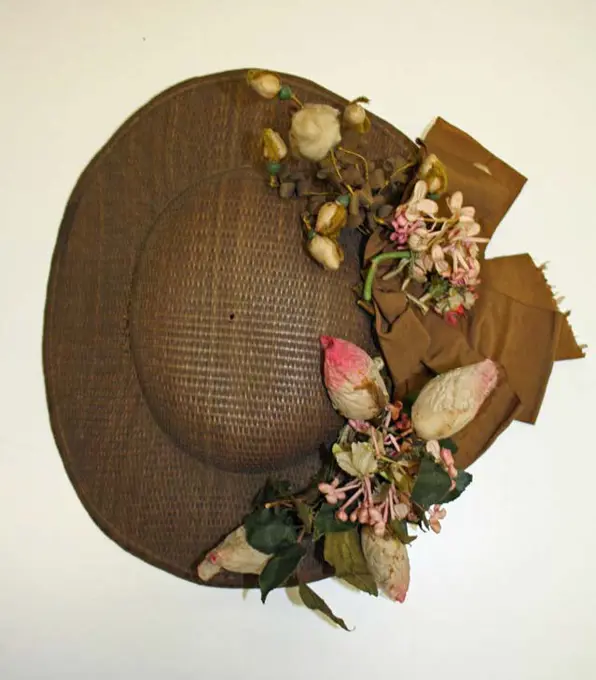
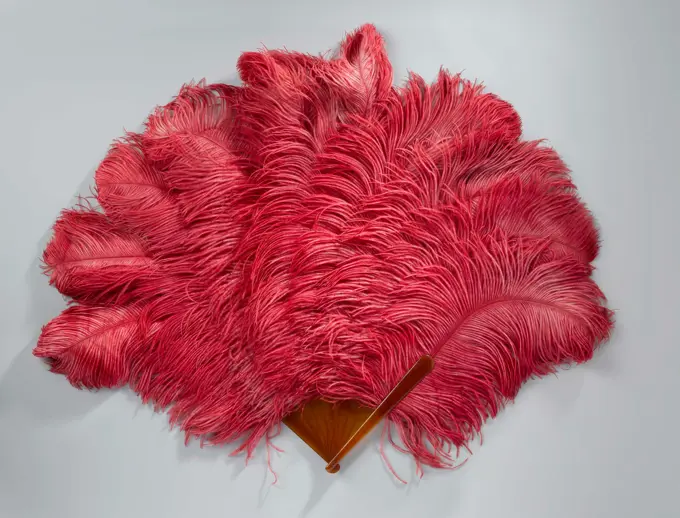
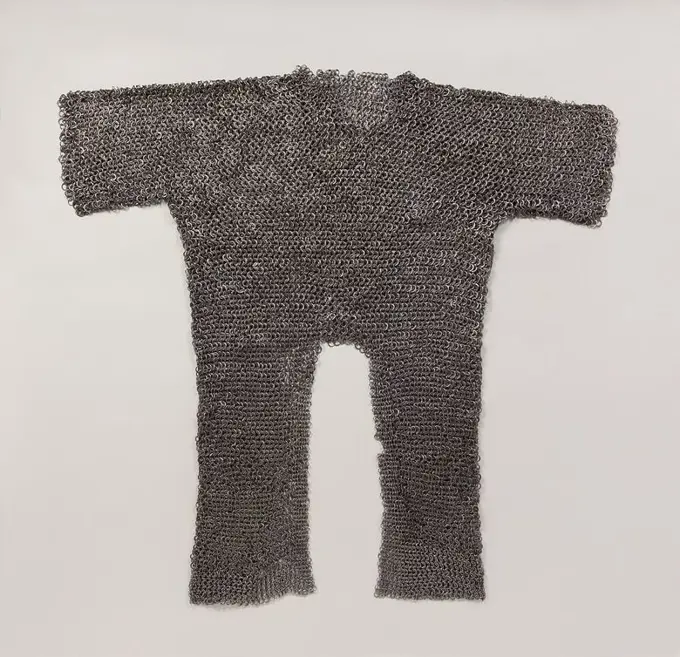
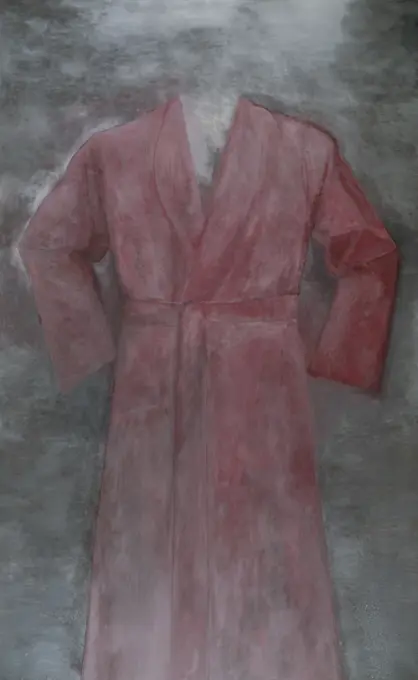
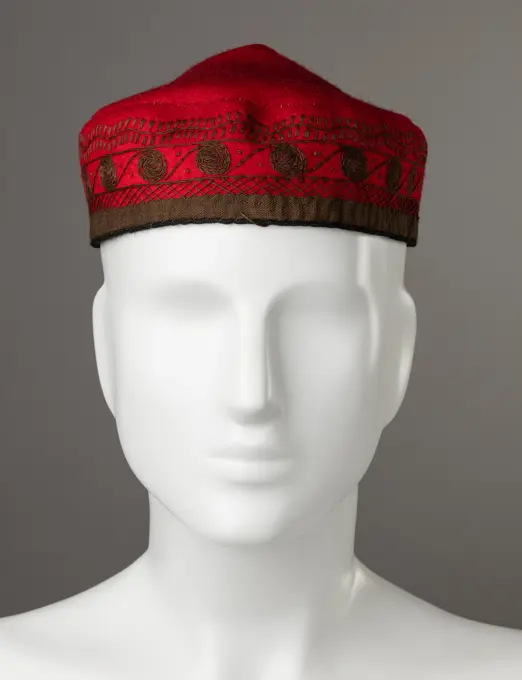
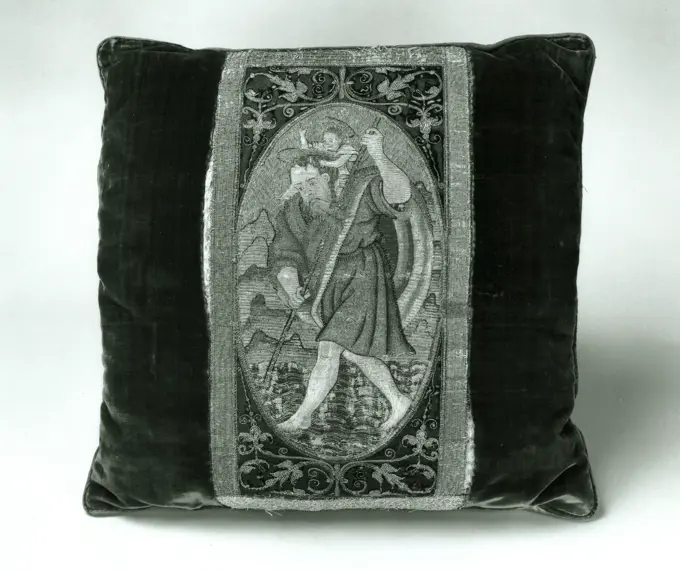
Handbag made from recycled fashion, by MargamondBourse. GAL2004.312.XChasuble, white, with appIIqué unknownNoh Costume (Karaori) with Cypress Fans and Moonflower (Yūgao) Blossoms 18th-early 19th century Japan The pattern of a moonflower lying on an open cypress fan evokes Chapter 4 of The Tale of Genji, The Lady of the Evening Faces” (Yūgao), and Genji’s tragic love affair with the woman known as Yūgao. She comes to Genji’s attention when he notices moonflowers, literally evening faces” (yūgao), growing on the vine outside her humble abode—the same motif Ogata Kenzan depicted on his tea bowl displayed nearby. Seeing Genji’s carriage, the lady sends out a spray of the white flowers on a fan inscribed with a poem. During a subsequent tryst, Genji takes her to an abandoned mansion, where she is killed by the jealous spirit of Genji’s neglected lover, Lady Rokujō. The episode inspired a Noh play titled Yūgao, attributed to Zeami (ca. 1364-ca. 1443).. Noh Costume (Karaori) with Cypress Fans and Moonflower (Yūgao) Blossoms 65611Kinderschort, anonymous, c. 1880 - c. 1930 Children's apartment composed of five different printed fragments textile. The apron has four ribbons and a bag in the middle of the front.  textile materials Children's apartment composed of five different printed fragments textile. The apron has four ribbons and a bag in the middle of the front.  textile materialsAfternoon apron ca. 1865 American. Afternoon apron 169208Hat, 7 1/8 x 7 7/8 x 11 1/4 in. (18.1 x 20 x 28.58 cm), Cotton, metal, ChinaSector of a parasoldek of dark blue cotton, with a border of Batist embroidered with wold wire, c. 1885 - c. 1900 Sector of a parasold deck of dark blue cotton, with a border of Batist embroidered with wold wire. Nijmegenfrance whole: Cotton (textile). Rand: Cotton (textile). Embroidery Rand: Wool embroidering Sector of a parasold deck of dark blue cotton, with a border of Batist embroidered with wold wire. Nijmegenfrance whole: Cotton (textile). Rand: Cotton (textile). Embroidery Rand: Wool embroideringCap early 18th century Italian. Cap 116414Dalmatic. Culture: Italian. Dimensions: H. 41 x W. 43 inches (104.1 x 109.2 cm). Date: 1720-25. Museum: Metropolitan Museum of Art, New York, USA.Fragment (Dress Fabric) Made 1600-1650 Italy. cut and uncut velvet .Masquerade Costume, 20th century, 18 x 13 3/4in. (45.7 x 34.9cm), Cotton, porcupine quills; needlework, Nigeria, 20th centuryCap ca. 1858 American. Cap 116515Cuff made of dust trimmed with a wrinkled strip of Rijssel side, anonymous, c. 1880 Cuff consisting of a straight strip of fabric that is trimmed with a wrinkled strip of Rijssel side. The side has a loop pattern at the sculptures. The cuff can be closed by means of two hooks and eyes. Marked with an A. embroidered in the cross stitch West-Europa . Lille lace Cuff consisting of a straight strip of fabric that is trimmed with a wrinkled strip of Rijssel side. The side has a loop pattern at the sculptures. The cuff can be closed by means of two hooks and eyes. Marked with an A. embroidered in the cross stitch West-Europa . Lille laceHat ca. 1855 American. Hat 168321Set of a boys Miyamairi Kimono and Haori, 1920 - 1940 Formal Kimono for a boy for the first visit to a Shinto shrine (Miyamairi Kimono), with a decoration of five crickel -shaped images against a background of a diamond pattern in blue: a power train in a coastal landscape; ships and houses with cranes above, everything in origami form; a mountain landscape with zeppelins and planes; A mountain landscape with a cable car that comes from the plane above buildings; A racing track with a pole on which lines with flags. Blue silk with a stenciled Yuzen decoration. White silk lining. Japan silk painting Formal Kimono for a boy for the first visit to a Shinto shrine (Miyamairi Kimono), with a decoration of five crickel -shaped images against a background of a diamond pattern in blue: a power train in a coastal landscape; ships and houses with cranes above, everything in origami form; a mountain landscape with zeppelins and planes; A mountain landscape with a cable car that comes from the plaTricorne 18th century American or European. Tricorne 112629Fragment, Medium: silk Technique: woven, Branches of fruits and flowers on a zigzag white background., 1800-1850, woven textiles, FragmentPeplaat jacket made of black sheet with silverborder and buttons with a crowned W, anonymous, c. 1905 Peplain jacket of very fine black sheet, part of office costume. Buildings cut away at a height of 50 cm. Standing plate with silverborder. Nine buttonholes and nine silver -colored knots with crowned W in relief. Long sleeves with cuff made of silver porship. Rug tailed, from behind next to a triangular investment piece two sham bags with a valve over three knots. Straight split, rounded buildings with a deep fold in which a hidden knot and wide opening (for saber). The Hague (possibly) cloth. silk Peplain jacket of very fine black sheet, part of office costume. Buildings cut away at a height of 50 cm. Standing plate with silverborder. Nine buttonholes and nine silver -colored knots with crowned W in relief. Long sleeves with cuff made of silver porship. Rug tailed, from behind next to a triangular investment piece two sham bags with a valve over three knots. Straight split, rounded bBag with pen and ink drawing, Medium: cotton Technique: plain weave with pen and ink drawing, Off-white bag with a very fine pen and ink drawing. On one side a putti writing on a slate: 'souvenir.' On the other, a scroll inscribed 'Eloise to Lucy, Aug 22, 1810.' These are bordered by minutely drawn garlands. Bag is wedge-shaped and hemmed at the top for passage of a drawstring., England, 1810, costume & accessories, Bag with pen and ink drawingCorset ca. 1869 Worcester Skirt Company American. Corset 175652Sac. 1815. GAL1994.233.3Cap mid-19th century American or European. Cap. American or European. mid-19th century. no medium availablePin Cushion; silk embroidery, silk foundationBoys miyamairi kimono with toys, 1920 - 1940 Formal Kimono for a boy for the first visit to a Shinto shrine (Miyamairi Kimono), with a decoration of toys only on the ribbons. Black shiny silk (habutae) with a painted Yuzen decoration. White silk lining. Five family weapons (mon) of three oak leaves (Kashiwa). Set with AK-RAK-2009-95-B. Japan silk painting Formal Kimono for a boy for the first visit to a Shinto shrine (Miyamairi Kimono), with a decoration of toys only on the ribbons. Black shiny silk (habutae) with a painted Yuzen decoration. White silk lining. Five family weapons (mon) of three oak leaves (Kashiwa). Set with AK-RAK-2009-95-B. Japan silk paintingVeil mid-19th century Irish. Veil 170428Promenade hat ca. 1875 French. Promenade hat. French. ca. 1875. wool, silkUndersleeves American ca. 1860Mitaine of white knitted cotton, c. 1790 - c. 1820 Mitaine of white knitted cotton, knitted in a diamond pattern with flowers, for baby or small child Zaanstreek whole: Cotton (textile) knitting Mitaine of white knitted cotton, knitted in a diamond pattern with flowers, for baby or small child Zaanstreek whole: Cotton (textile) knittingBliżej Kultury unknownCape 1890s American. Cape 91986Fichu (part) of embroidered batist with bobbin, anonymous, c. 1850 Fichu (part) of batist with embroidery and around the point a strip of natural -colored bobbin side: Lille side. There is one decorated corner at the part of the Fichu, the other corners are unnecessary and are a cut and unfinished part. The decorated point is embroidered with a flower with four petals with open sewing work from which thin flower stalks spring that continue a bit along the two sides of the corner. The side around the point is shorter than the embroidery with the flower stems and has a minimal pattern of branches and oval along the edge. France (possibly) linen (material). batiste embroidering / bobbin lace / Lille lace Fichu (part) of batist with embroidery and around the point a strip of natural -colored bobbin side: Lille side. There is one decorated corner at the part of the Fichu, the other corners are unnecessary and are a cut and unfinished part. The decorated point is embroidered with a flower wiFair in a flat model with a tap chair opened, from dark red velvet on which a strip of gold edge on both sides along the edge. Fair in a flat model with tap chair opened bottom, dark red velvet. On both sides along the edge a gold edge strip, where a narrow lane metal is woven through. Vertically over the center a fought gold cord (probably originally crossed with a horizontal cord) with four metal lovers in the four corners. The exhibition closes through two loops and two buttons on the top edge. The lining is made of red taf.Sheet. Dimensions: L. 506 cm (199 3/16 in.); w. 162 cm (63 3/4 in.). Dynasty: Dynasty 18, early. Reign: reign of Thutmose II-Early Joint reign. Date: ca. 1492-1473 B.C.. Museum: Metropolitan Museum of Art, New York, USA.Corset of green taf side with pink shoulder ribbons, anonymous, 1740 - 1790 Corset of green taf side with pink shoulder ribbons. Netherlands (possibly) silk. taffeta. linen (material). Corset of green taf side with pink shoulder ribbons. Netherlands (possibly) silk. taffeta. linen (material).Knitted hat of white cotton with a brush on top and a zigzagging scumpled edge with ajour work, anonymous, c. 1840 - c. 1850 Three white cotton babymuts. Netherlands cotton (textile) knitting Three white cotton babymuts. Netherlands cotton (textile) knittingSuit late 18th century French. Suit 103211Cloth, c. 1985, 151 x 33 in. (383.54 x 83.82 cm), cotton; dyed, Syria, 20th centuryPaul Poiret, Les Roses (attributed title), 1915. Weaving a very wide gray net used to support a weaving of polychrome wires, patterns. Palais Galliera, fashion museum of the city of Paris.Woman's Pockets. England, circa 1800. Costumes; Accessories. Cotton quilting in jacquard marseilles workKissing van Bergère, Falconet, c. 1750  France leather. cotton (textile) embroidering  France leather. cotton (textile) embroideringPelerine ca. 1830 American. Pelerine 158873Klapon of Gray Crepe with envelope in which 5 separate fragments of the fabric, Miss Haag, c. 1930 - c. 1939 Klapon of gray crepe (A) with envelope in which 5 separate fragments of the fabric (B). Netherlands crepe (textile) Klapon of gray crepe (A) with envelope in which 5 separate fragments of the fabric (B). Netherlands crepe (textile)Rectangular bag, dark blue and white striped, Susanna Maria van Pabst Rutgers-Linse, c. 1836 - c. 1898  Netherlands textile materials  Netherlands textile materialsVolute-krater fragment 4th century B.C. Greek, South Italian, Apulian. Volute-krater fragment. Greek, South Italian, Apulian. 4th century B.C.. Terracotta; red-figure. Late Classical. VasesBliżej Kultury unknownAnonymous, (US) Shirt, Flannel, OD, Coat Style, Special - American shirt with antigaz plastron (attributed title), 1940. Wool flannel, mechanical and manual seams. General Leclerc Museum of the Liberation of Paris - Jean Moulin Museum.Volute-krater fragment ca. 360-340 B.C. Greek, South Italian, Apulian. Volute-krater fragment. Greek, South Italian, Apulian. ca. 360-340 B.C.. Terracotta; red-figure. Late Classical. VasesBanner  a lobe with a depicting emblem Kolowiec, StanisławPillow Cover, 1900-1925, L.30-1/2 x W.17-1/2 in., Cotton (), metallic thread; needlework, Syria, 20th centuryMitaine of black machining side with a point on the hand (back) and around the wrist a wrinkled strip, anonymous, c. 1900 Mitaine of black machining side: Machinal Chantilly side. The Mitaine has a point on the hand (back) and a wrinkled strip around the wrist. Pattern with curly thin C-volutes and stylized flowers with six loose petals. Connections between the motifs through twigs with a few leaves. West-Europa cotton (textile) Mitaine of black machining side: Machinal Chantilly side. The Mitaine has a point on the hand (back) and a wrinkled strip around the wrist. Pattern with curly thin C-volutes and stylized flowers with six loose petals. Connections between the motifs through twigs with a few leaves. West-Europa cotton (textile)The tail of the Civic Uniform of the Grand Duchy of Poznań unknownCut and SewnFringe, Medium: silk, metallic thread (gold strips on silk core) Technique: plain weave, Fringe of red and gold threads with a patterned heading. Scalloped skirt threads in an alternating group of gold and red threads, each suppporting a red tuft., Venice, Italy, 18th century, trimmings, FringeHat of linen with a pattern of windows in Doorstikwerk, Anonymous, c. 1600 - c. 1699 Hat of linen with a pattern of windows in Doorstikwerk. A rectangular front piece has been put on the bol that ends in two points. The bulb can be withdrawn at the bottom by means of a tire. Netherlands linen (material) Hat of linen with a pattern of windows in Doorstikwerk. A rectangular front piece has been put on the bol that ends in two points. The bulb can be withdrawn at the bottom by means of a tire. Netherlands linen (material)Noh Costume (Surihaku) with Fish-Scale Pattern, 1800-1850. Japan, Edo period (1615-1868). Plain weave silk; metal thread; overall: 118.1 x 134.6 cm (46 1/2 x 53 in.).Tassel late 16th-early 17th century French. Tassel. French. late 16th-early 17th century. Silk. Textiles-TrimmingsPair of tassels 17th century Italian. Pair of tassels. Italian. 17th century. Linen. Textiles-TrimmingsBonnet 1863-67 American. Bonnet 104232Cuffs 19th century Spanish. Cuffs 119777Cap 1810 European. Cap. European. 1810. no medium availableSotck exchange. First side. 1875. Gal1995.85.6_1Civil War Sash. Dated: c. 1936. Dimensions: overall: 35.6 x 25 cm (14 x 9 13/16 in.). Medium: watercolor and graphite on paper. Museum: National Gallery of Art, Washington DC. Author: Gladys C. Parker.Hauberk, 1400s. Turkey (), 15th century. Riveted steel rings; diameter: 1.1 cm (7/16 in.); overall: 91.5 cm (36 in.).Parasol 1860s French. Parasol 102720Edward White, Quilt Patches, c 1937 Quilt PatchesCape. unknown, authorChildren's apron made of white cotton, decorated with intermediate sinks and strips of white embroidery and driving, anonymous, c. 1922 - c. 1926 Children's apron made of white cotton, decorated with intermediate sinks and strips of white embroidery and rising.  cotton (textile) embroidering Children's apron made of white cotton, decorated with intermediate sinks and strips of white embroidery and rising.  cotton (textile) embroideringChristmas Socks, Part of Christmas decoration Christmas Socks, Part of Christmas decoration Copyright: xZoonar.com/YogeshxMorex 5592084Fragment 15th centuryDickey ca. 1839 American. Dickey 122556Cape 1860s French. Cape 122973Demolition of white cotton or linen, semi -circular model, c. 1400 - c. 1950 Demolition of white cotton or linen, semi -circular model with embroidered monogram gvl (givers from Lennep) in white. Piles of Broderie Anglaise and ditto lightly pleated edge; Closure by means of buttons.  cotton (textile). linen (material) embroidering Demolition of white cotton or linen, semi -circular model with embroidered monogram gvl (givers from Lennep) in white. Piles of Broderie Anglaise and ditto lightly pleated edge; Closure by means of buttons.  cotton (textile). linen (material) embroideringHat ca. 1890 American. Hat 113179Hat late 1860s American or European. Hat 113297Stockings 19th century French. Stockings 102656. Folding rough with bright pink ostriching on a frame of 10 contiguous legs of unexpected plastic with turtle motif.Mail Shirt. Culture: Possibly Turkish, Istanbul or Iranian. Dimensions: H. 44 1/8 in. (112.0 cm); W. 44 7/8 in. (114.0 cm); W. of chest 25 5/8 in. (65.0 cm); Diam. (outside) of inscribed links 5/8 in. (15.8 mm); Diam. (inside) of inscribed links 7/16 in. (11.1 mm); Diam. (outside) of solid extension links 1/2 in. (12.6 mm); Diam. (inside) of solid extension links 11/32 in. (8.2 mm); Diam. (outside) of riveted links 17/32 in. (13.7 mm); Diam. (inside) of links 13/32 in. (9.9 mm); Wt. 23 lb. 8 oz. (10.66 kg).. Date: 15th-16th century. Museum: Metropolitan Museum of Art, New York, USA.Bag 1830-40 French. Bag. French. 1830-40. metalTrousers ca. 1860 American or European. Trousers 105437Headdress early 19th century Russian This object is from the collection of Natalia de Shabelsky (1841-1905), a Russian noblewoman compelled to preserve what she perceived as the vanishing folk art traditions of her native country. Traveling extensively throughout Great Russia, she collected many fine examples of textile art of the wealthy peasant class. From the 1870s until moving to France in 1902, Shabelsky amassed a large collection of intricately embroidered hand-woven household textiles and opulent festival garments with rich decoration and elaborate motifs. The Brooklyn Museum holdings include many fine examples including the majority of the garments. Portions of Shabelsky's collection are also housed at the Museum of Fine Arts, Boston, the Cleveland Art Museum, and the Russian Museum of Ethnography in St. Petersburg.Headdresses, or kokoshniks had the greatest abundance of ornamentation of any type of garment in Russia. They were most often made of damask woven with gilt metallicAmerican scout hat Factory productClose-up of a guayabera shirtHat ca. 1811 French. Hat. French. ca. 1811. silkKimono with Cockscomb Flowers Japan The early twentieth century saw an interest in objective, near-photographic naturalism in yūzen-dyed and painted kimono patterns, such as the stand of cockscomb flowers on the lower half of this robe. In English and Japanese, the name of the showy cockscomb flower, or keitō (literally, chicken’s head”), celebrates the flamboyant head of the rooster. The pattern on this robe could almost serve as an illustration of a 1915 poem by Nagatsuka Takashi (1879-1915), who was known for his acute sensitivity to the progression of the seasons:Keitō wa hietaki aki no hi ni haete iyo-iyo akaku sae ni keru kamo Cockscomb flowersresponding to the chillof autumn dayswill turn even redder when the sun comes up.—Trans. John T. Carpenter. Kimono with Cockscomb Flowers 73142Three-piece Suit. England, circa 1765. Costumes. Silk cut velvet on plain-weave ground with tie-resist-dyed pile warp (chiné) and self-weft patterningColumbine ca. 1770 Fulda Pottery and Porcelain Manufactory. Columbine. German, Fulda. ca. 1770. Hard-paste porcelain. Ceramics-PorcelainHat 1893-94 American. Hat 113034North Italia robe by Jim Dine, born 1935, USA, New York State, New York City, Pace GalleryBliżej Kultury unknownOrphrey section made into cushion second half 16th century Italian or Spanish. Orphrey section made into cushion 461612Erwin Stenzel, Doll, c 1937 DollGreen covers with green wool frills .. green cover (from a fire basket) With green woolen frills. A hedging cover (BK-1992-21-a), a strip (BK-1992-21-c) and a strip of frills (BK-1992-21-d) is saved.Match safe whimsey, 1899, 7 1/2 x 5 13/16 x 1 1/2 in. (19.05 x 14.76 x 3.81 cm) (without dangles), Beads, cotton, sequins, paper, United States, 19th centuryA Chinese silk robe, vase, painting, and furniture on display at the Atwood House Museum, Chatham, Massachusetts, USATextile fragment ca. 6th-7th century A.D. Sasanian. Textile fragment 328829