Decorative Tile Designs

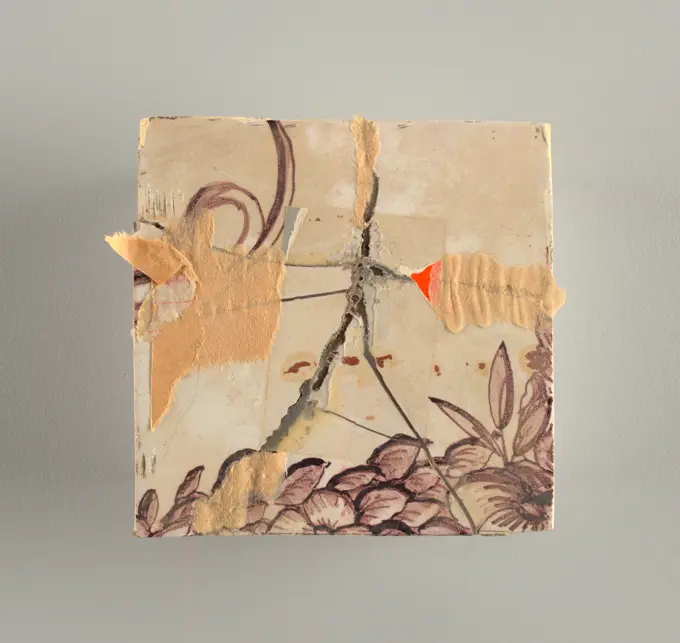
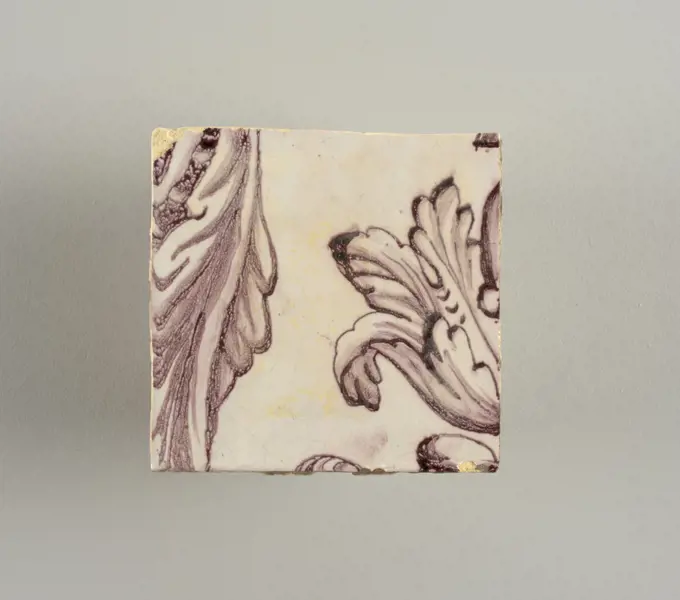
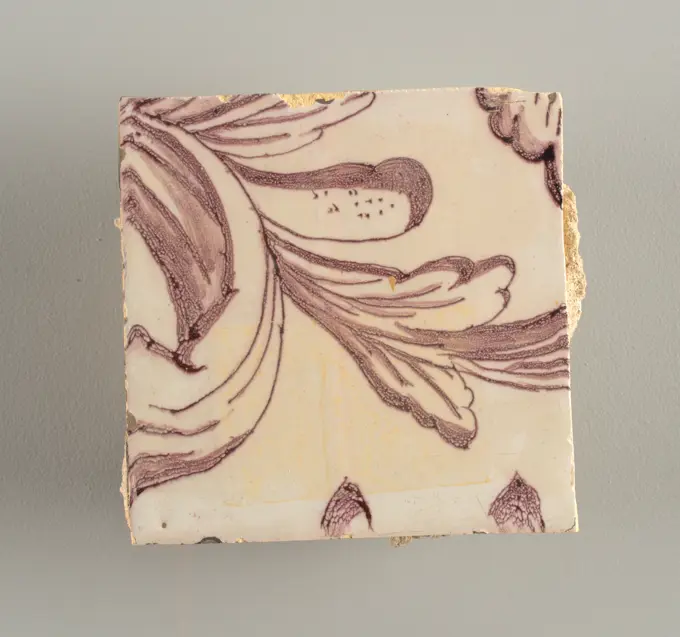
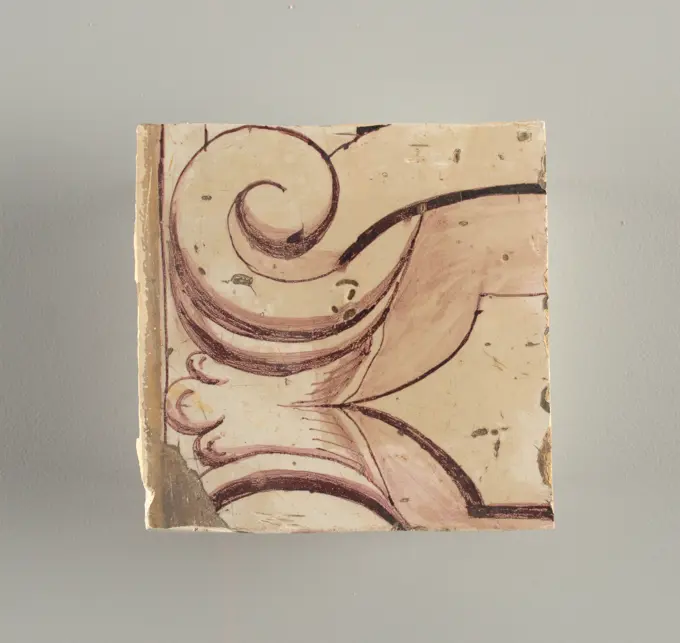
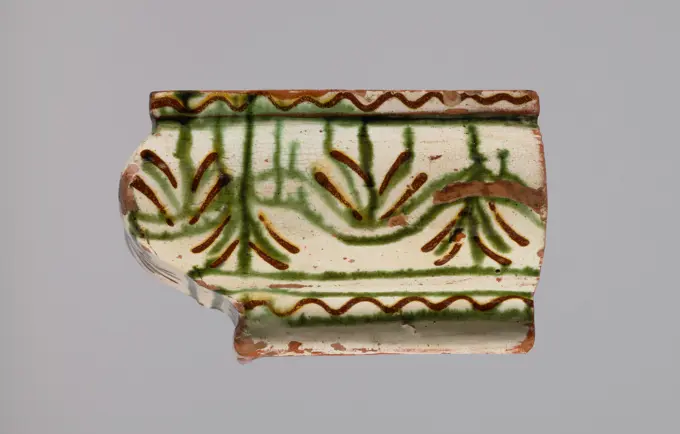
A series of decorative ceramic tiles with floral patterns and designs, showcasing intricate underglaze artwork typical of historical wall facings.
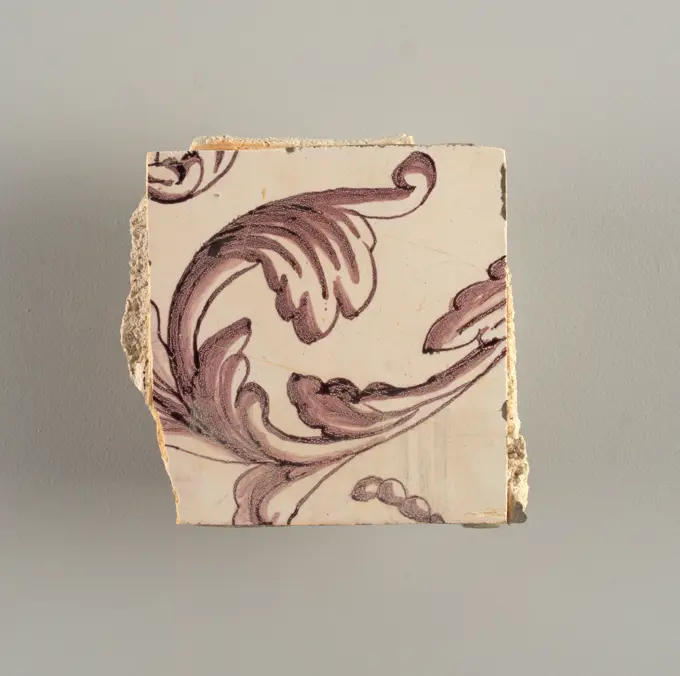
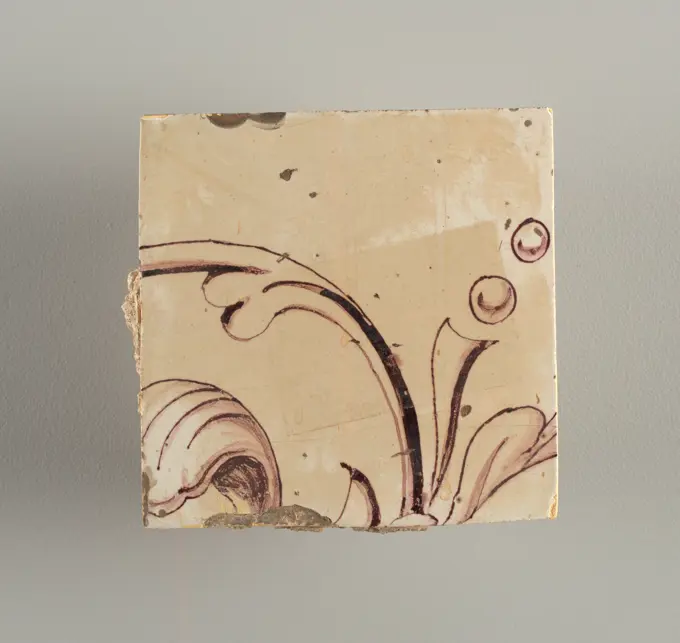
Tile Wall Facing (Netherlands); tin-glazed earthenware, underglaze
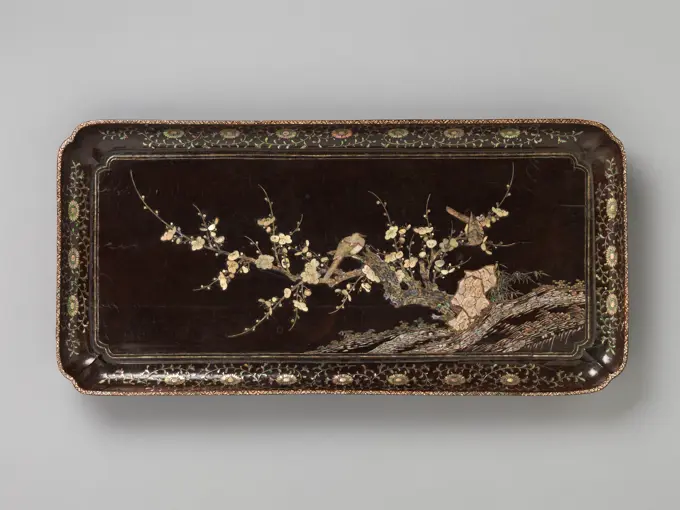
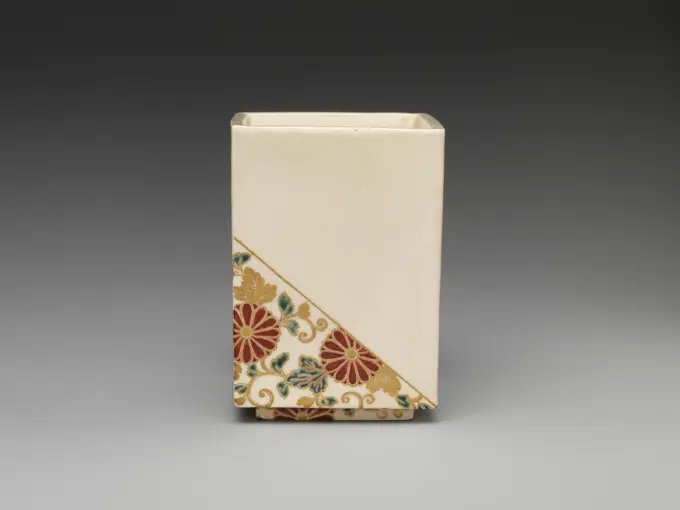
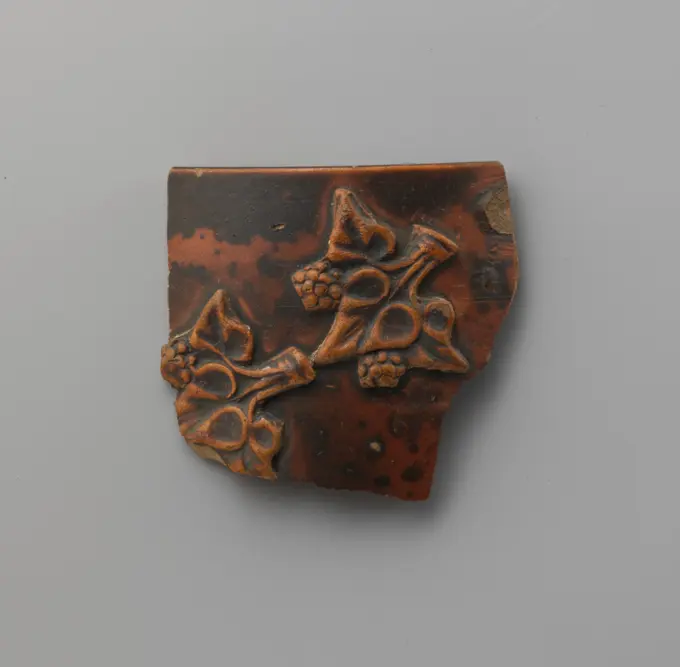
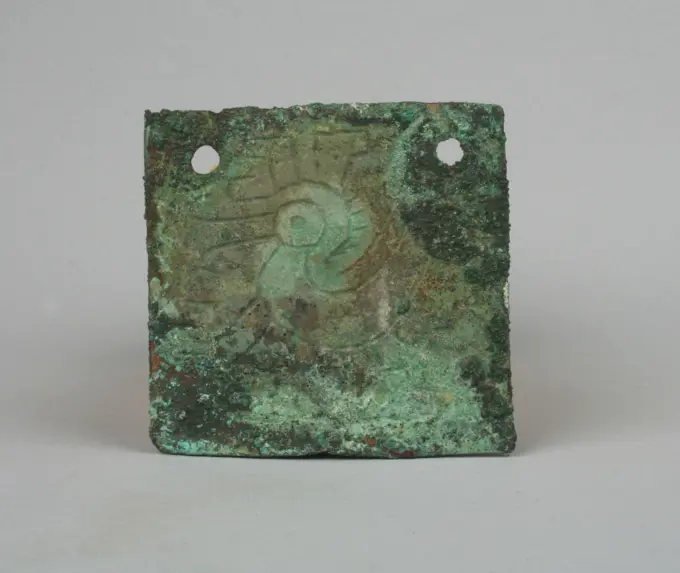
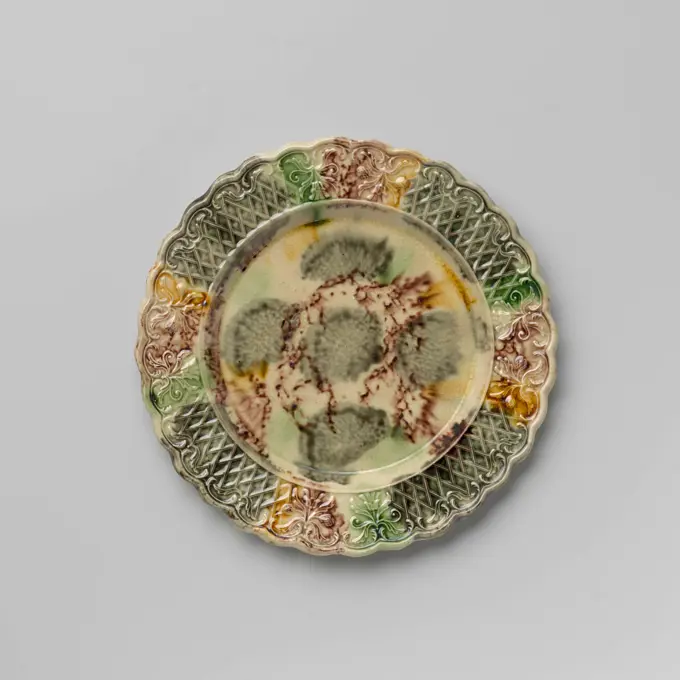
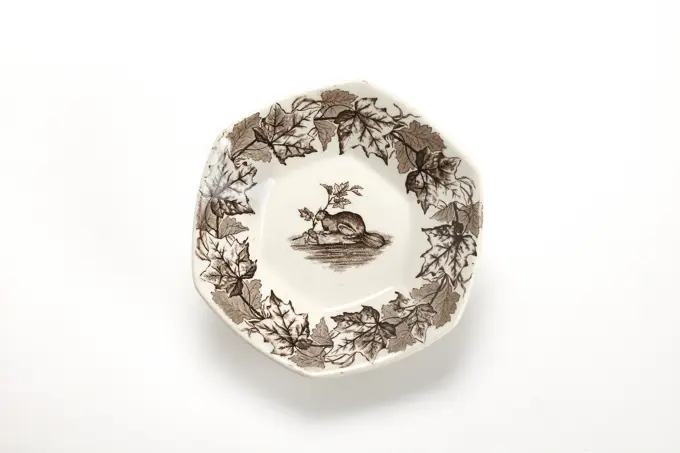
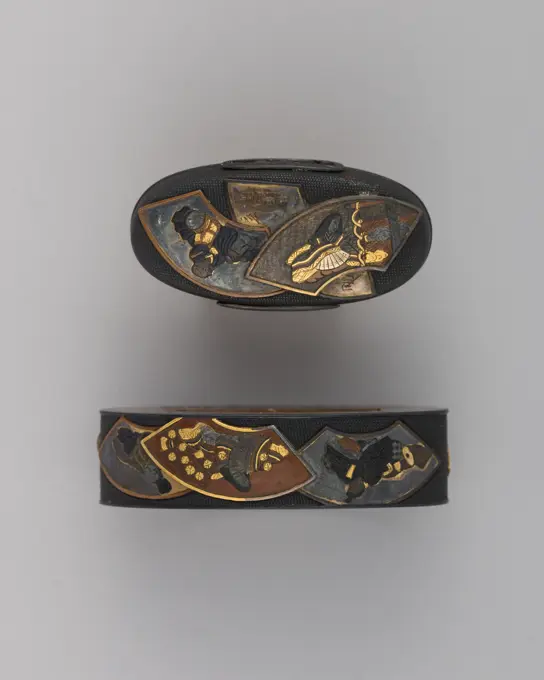
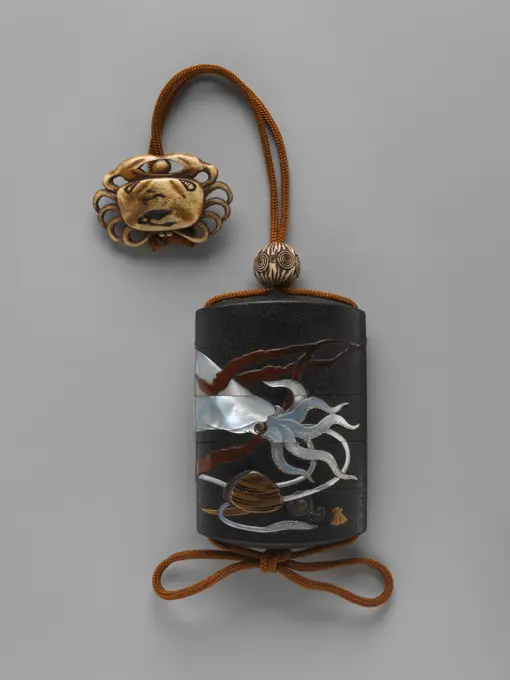
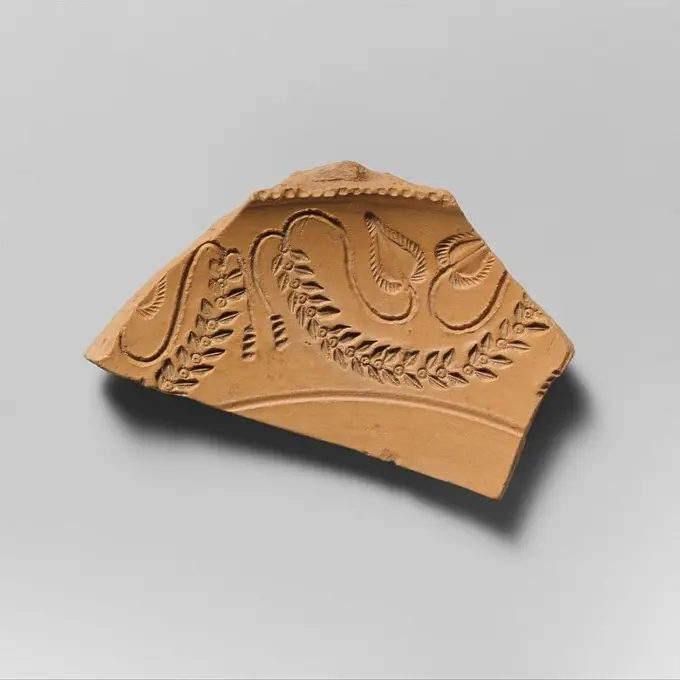
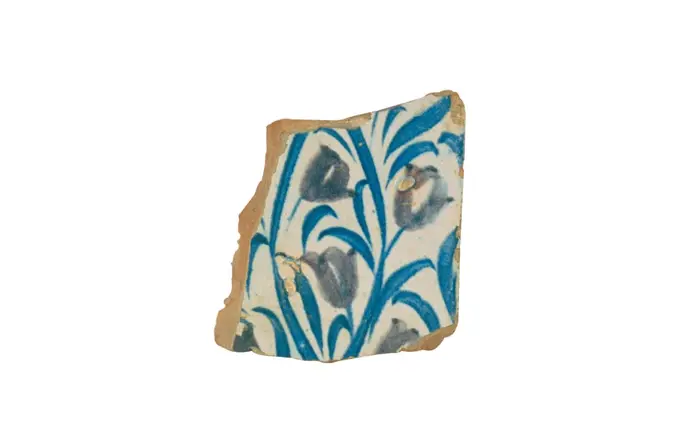
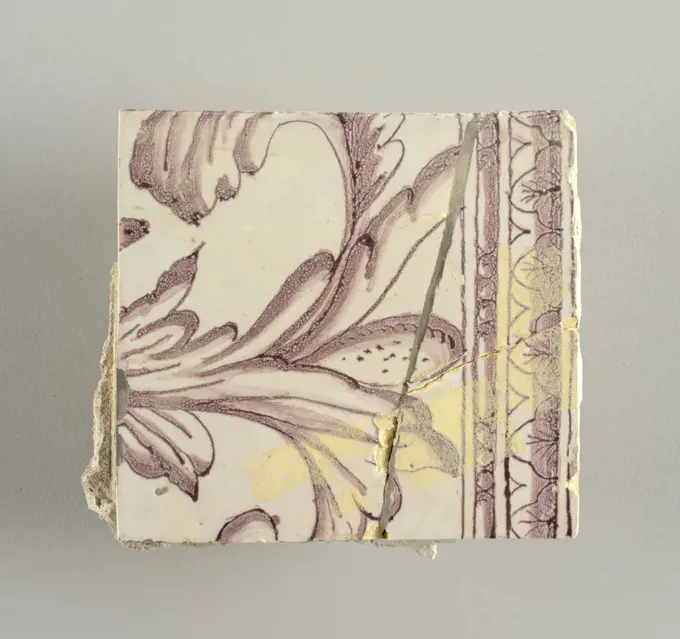
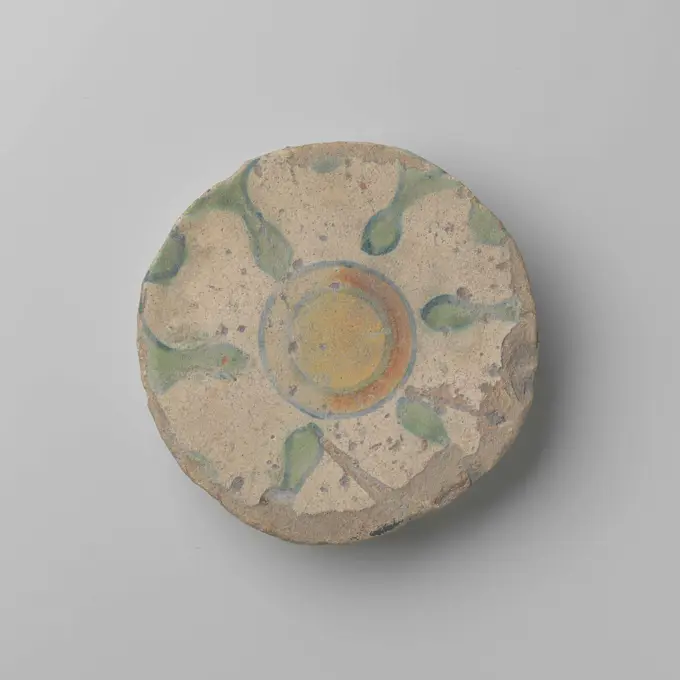
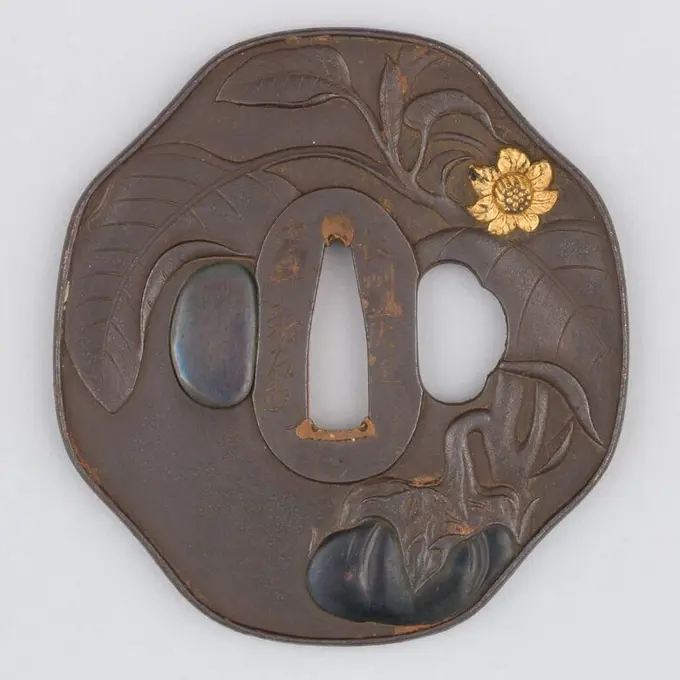
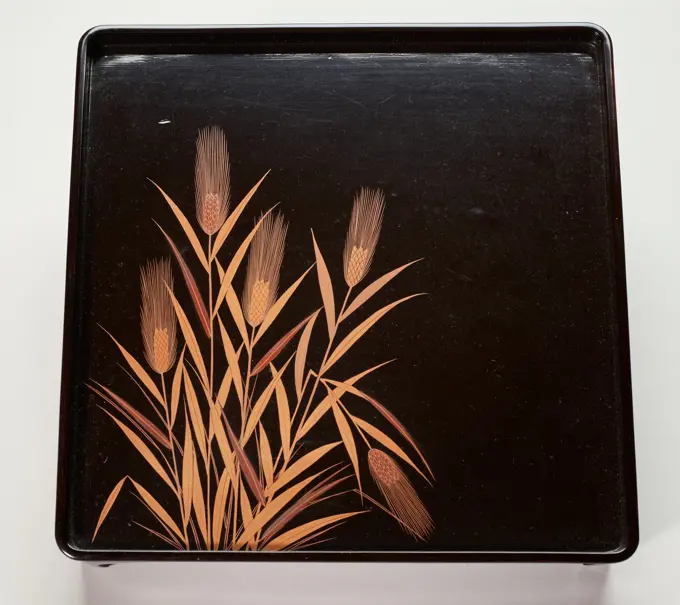
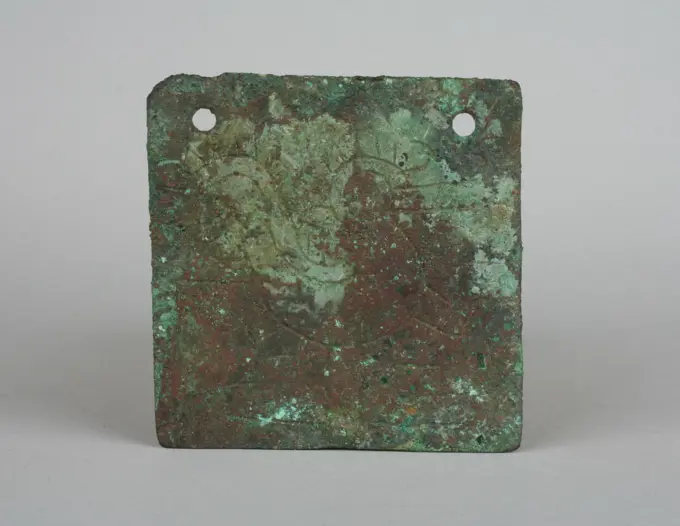
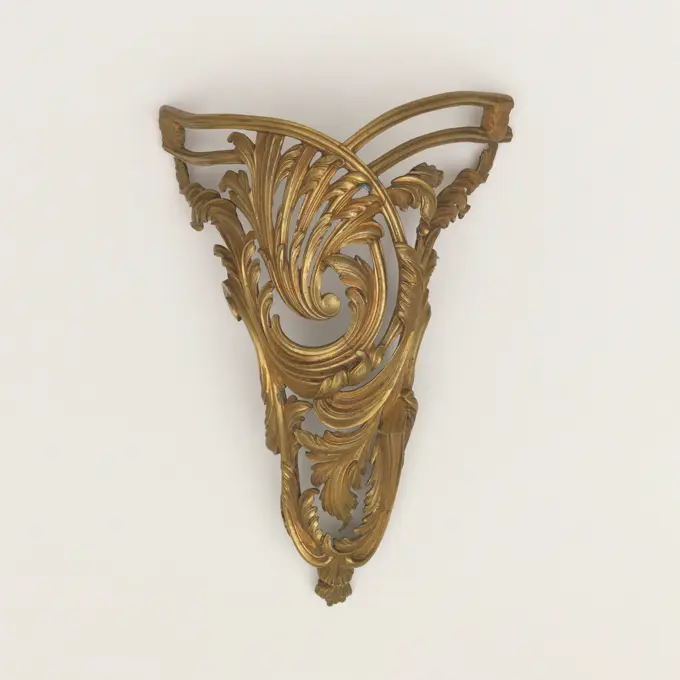
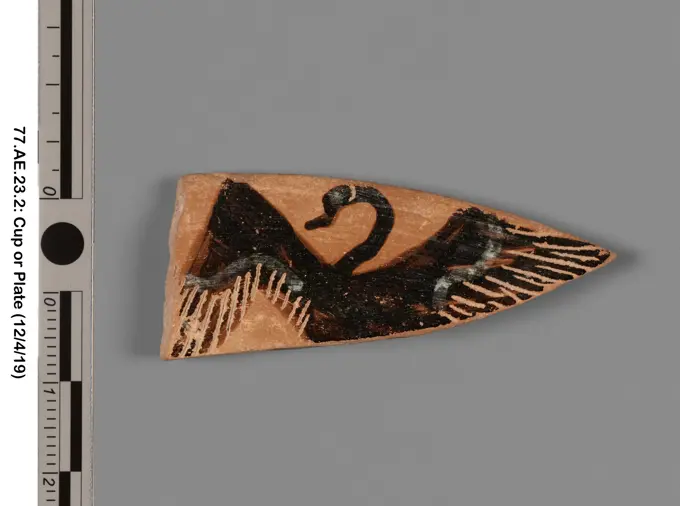
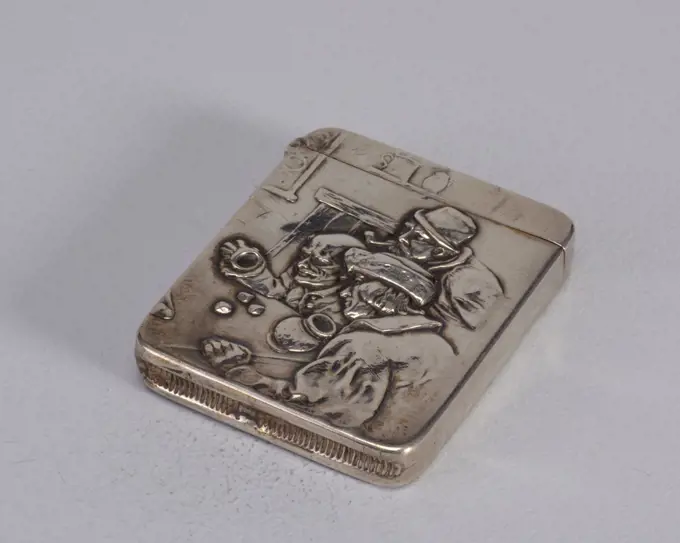
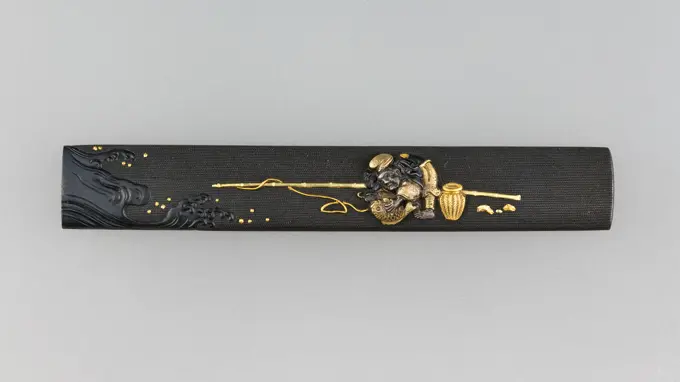
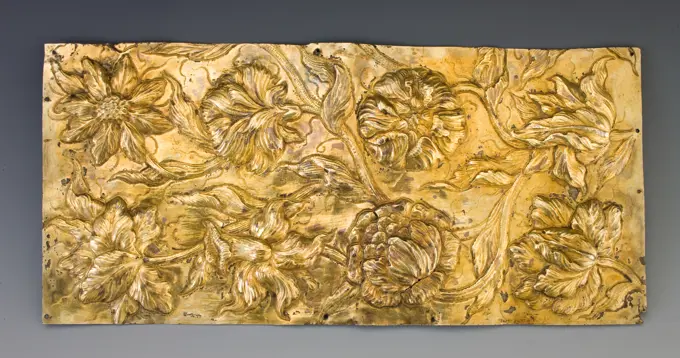
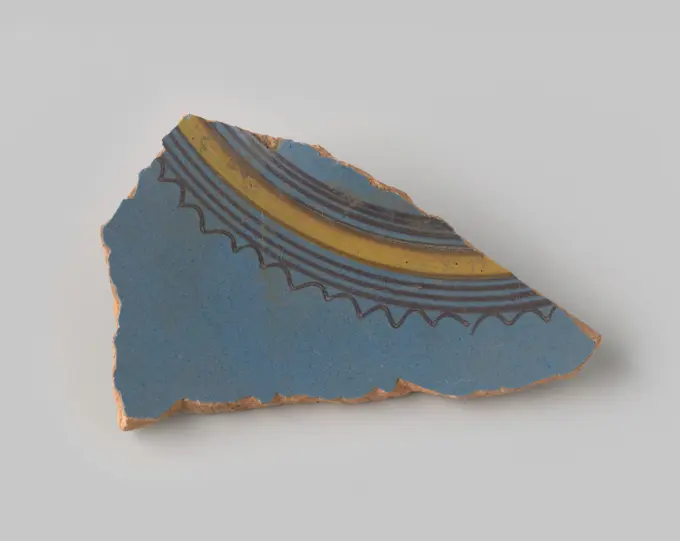
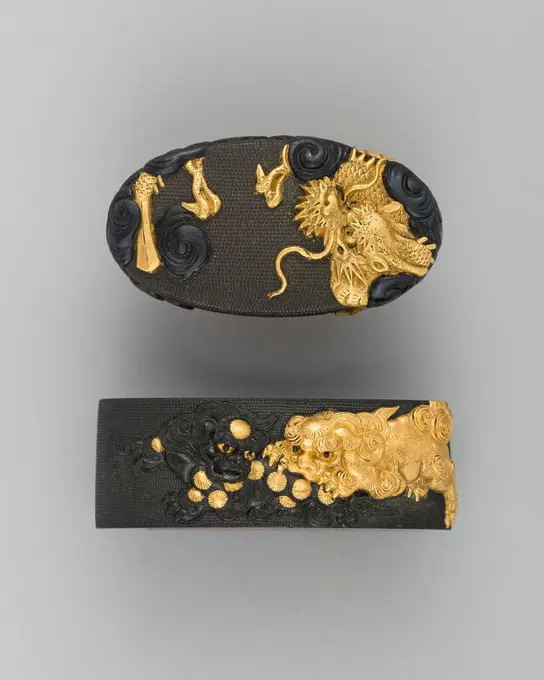
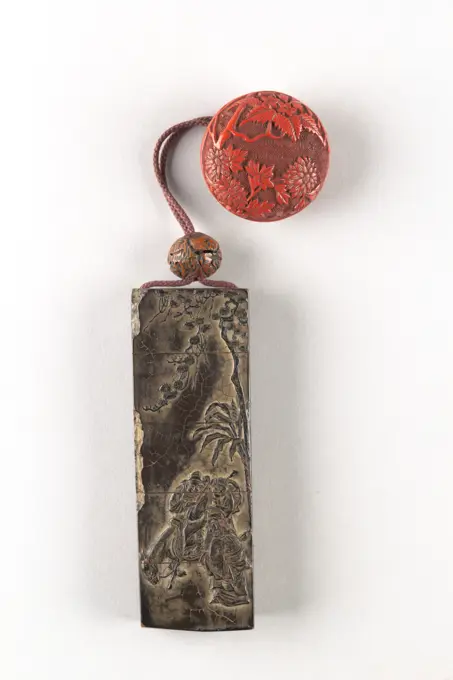
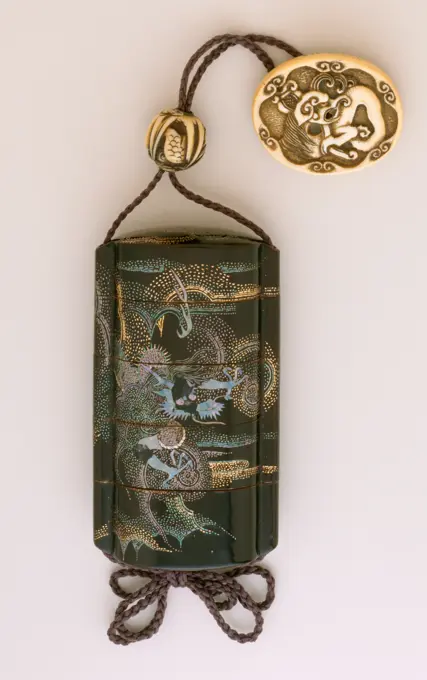
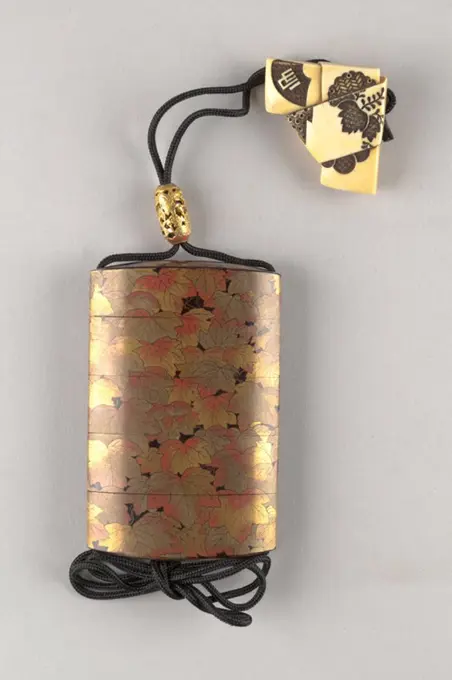
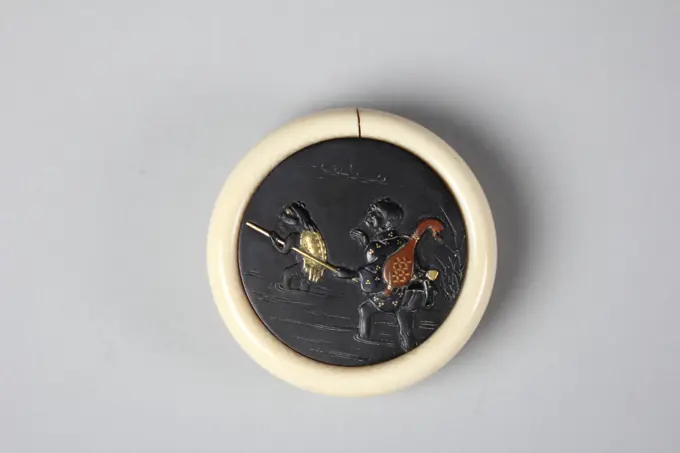
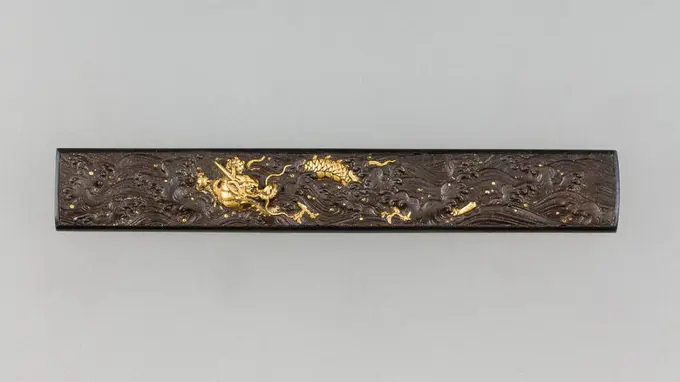
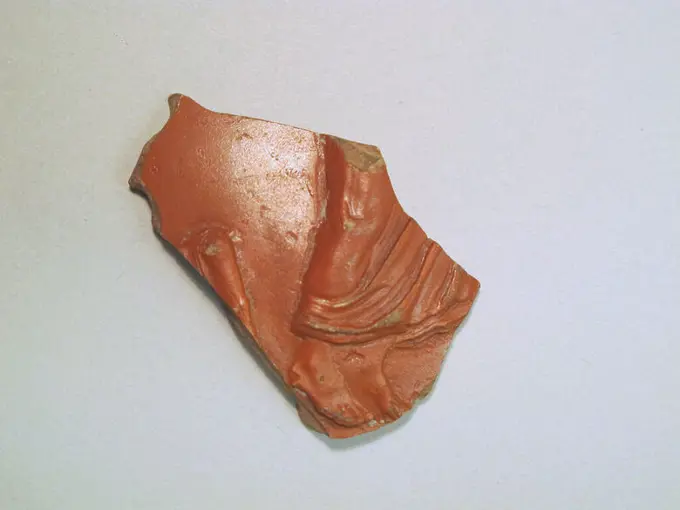
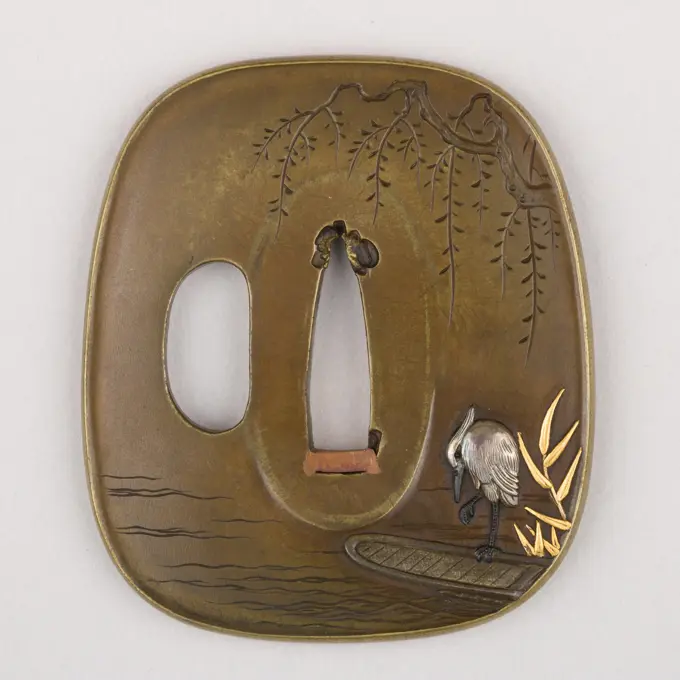
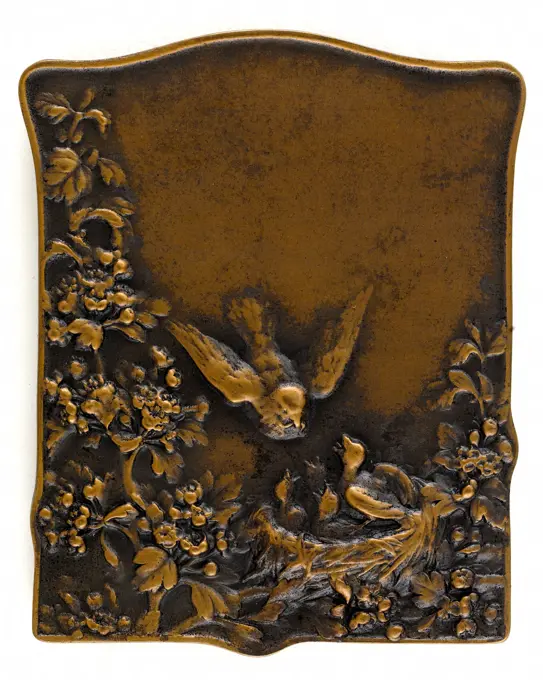
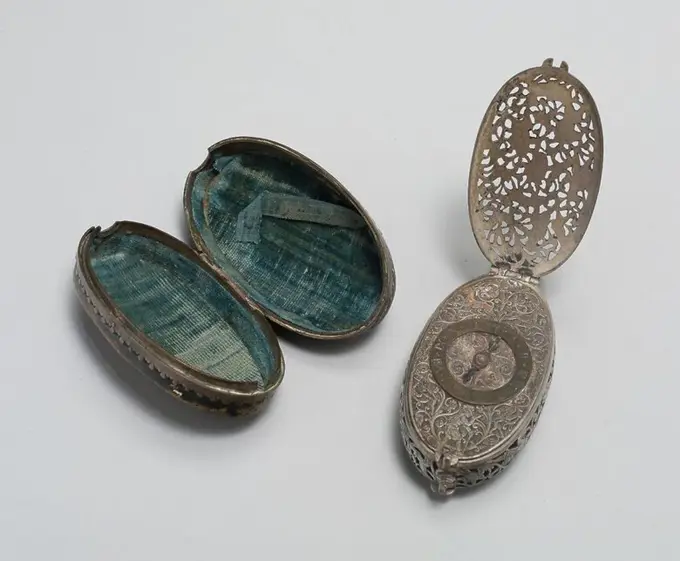
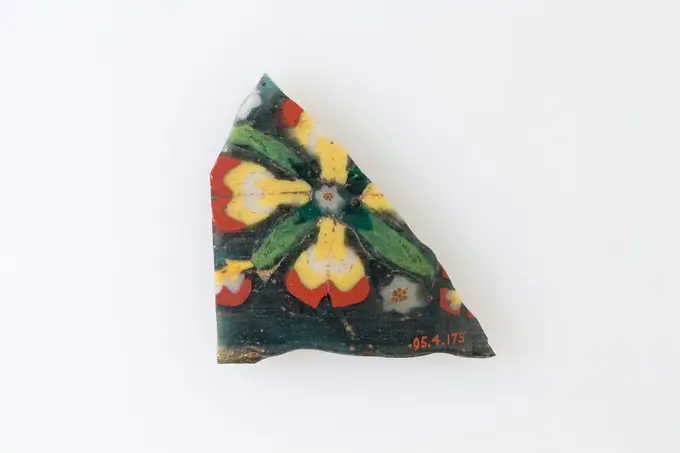
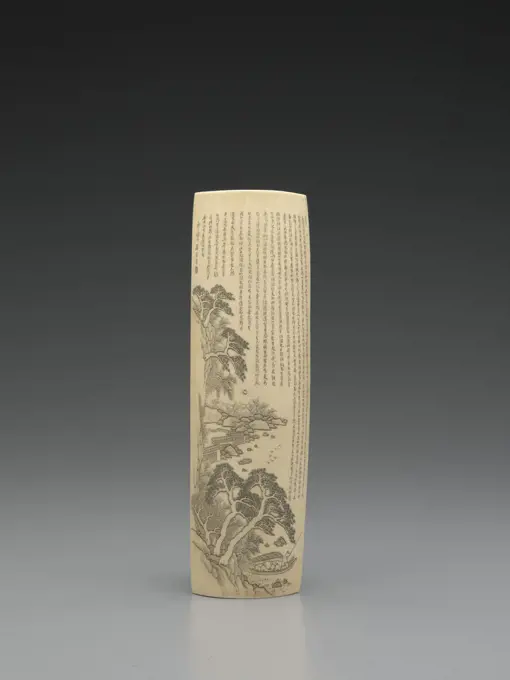
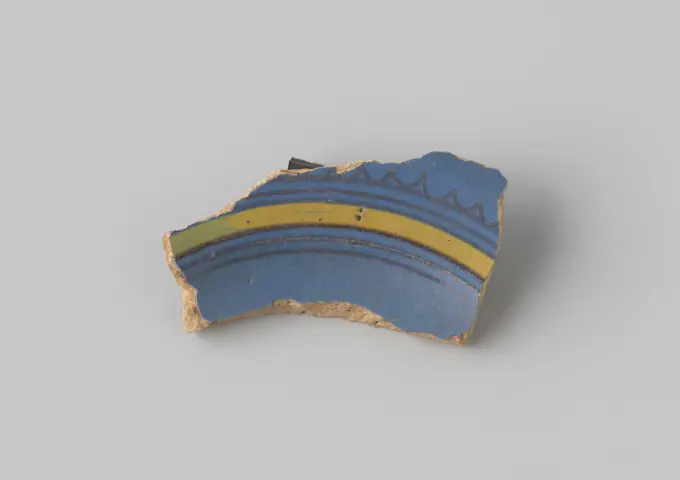
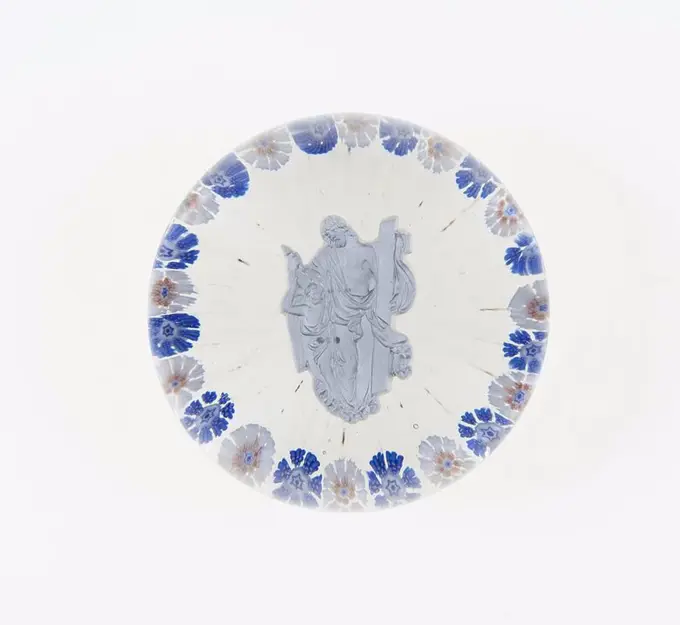
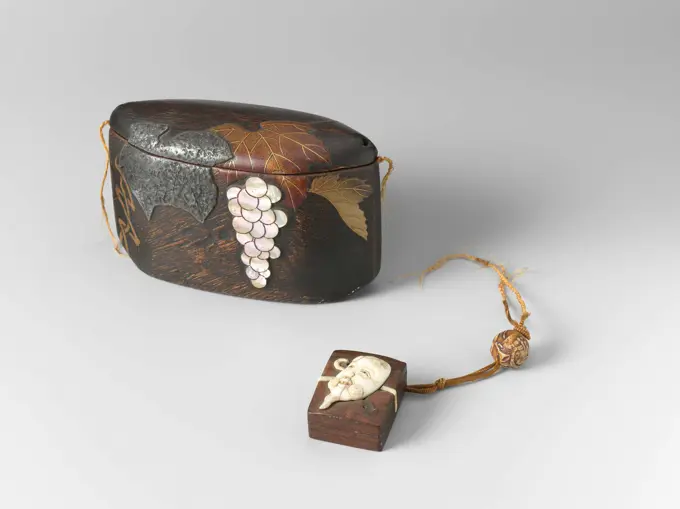
Wall Facing (Netherlands); tin-glazed earthenware, underglaze; 5 tiles tall, various wideWall Facing (Holland); tin-glazed earthenware, underglazeWall Facing (Holland); tin-glazed earthenware, underglazeTile Wall Facing (Holland); tin-glazed earthenware, underglazeTile Wall Facing (Netherlands); tin-glazed earthenware, underglazeTile Wall Facing (Netherlands); tin-glazed earthenware, underglazeTile Wall Facing (Netherlands); tin-glazed earthenware, underglazeWall Facing (Netherlands); tin-glazed earthenware, underglaze; 5 tiles tall, various wideWall Facing (Holland); tin-glazed earthenware, underglazeTile; tin-glazed earthenware, underglaze manganese decorationTile Wall Facing (Netherlands); tin-glazed earthenware, underglazePoster sheet of wood. Poster sheet of dark wood.Tile wall facing, Tin-glazed earthenware, underglaze, Horizontal rectangle. Thirty tiles wide and twenty-three tiles high with opening for fireplace eleven tiles wide and ten high. Foliage arabesques disposed about three vertical axes from which are emphazised by urns at center and right, and at left by the figure of a standing woman carrying an infant on her arm and accompanied by two children., Possibly Rotterdam, Holland, Possibly Delft, Netherlands, ca. 1725, tiles, Decorative Arts, Tile wall facingSword-Hilt Collar and Pommel (Fuchigashira). Culture: Japanese. Dimensions: Fuchi (a); H. 1 1/2 in. (3.8 cm); Wt. 0.9 oz. (25.5 g); kashira (b); H. 1 5/16 in. (3.5 cm); Wt. 0.4 oz. (11.3 g). Date: ca. 1615-1868. Museum: Metropolitan Museum of Art, New York, USA.Tile Wall Facing (Netherlands); tin-glazed earthenware, underglazeAttic Black-Figure Neck Amphora Fragment with a Battle Scene. Attributed to the Swing Painter (Greek (Attic), active about 550 - 525 B.C.)Tray 19th century Japan. Tray. Japan. 19th century. Lacquer. Edo (1615-1868) or Meiji period (1868-1912). LacquerRectangular tray with flowering plums and birds 14th century China The wonderful flowering plum tree and two plump birds that fill the center of this tray illustrate the skillful manipulation of shapes and colors of the inlaid motherof-pearl to create a powerful, dramatic scene. Long narrow pieces of iridescent shell define the rock terrain, while irregular pieces form the clump of rocks in front of the trunk of the flowering plum. Fragments of mother-of-pearl create the craggy trunk of the ancient tree, which bears buds in several stages of flowering. Listen to experts illuminate this artwork's story Listen Play or pause #7347. Tray with Flowering Plum and Birds Supported by Bloomberg Philanthropies We're sorry, the transcript for this audio track is not available at this time. We are working to make it available as soon as possible.. Rectangular tray with flowering plums and birds. China. 14th century. Black lacquer with mother-of-pearl inlay. Yuan (1271-1368)-Ming dynasty (1368-1644Ninsei-style Serving Containers (Mukōzuke) 1868-1912 Japan. Ninsei-style Serving Containers (Mukōzuke) 56856Tile wall facing, Tin-glazed earthenware, underglaze, Horizontal rectangle. Thirty tiles wide and twenty-three tiles high with opening for fireplace eleven tiles wide and ten high. Foliage arabesques disposed about three vertical axes from which are emphazised by urns at center and right, and at left by the figure of a standing woman carrying an infant on her arm and accompanied by two children., Possibly Rotterdam, Holland, Possibly Delft, Netherlands, ca. 1725, tiles, Decorative Arts, Tile wall facingHand guard, 1800 - 1900 Square Mokko-shaped Tsuba net A decoration of two Hanan in high relief on a background of imitated wood. In Houten Dooe (not accompanying) with collector stamp. Japan iron (metal). copper (metal) Square Mokko-shaped Tsuba net A decoration of two Hanan in high relief on a background of imitated wood. In Houten Dooe (not accompanying) with collector stamp. Japan iron (metal). copper (metal)Sharp of red -baking earthenware, with blue glaze at the top with decoration of stripes of flowers in brown, yellow, green and white, anonymous, 1600 - 1650  Northern Netherlands earthenware. glaze majolica  Northern Netherlands earthenware. glaze majolicaTile Wall Facing (Netherlands); tin-glazed earthenware, underglazeTerracotta applique fragment of ivy leaves and berries 200-100 B.C. Greek, Pergamene Pergamene Applique Ware is a type of pottery in which mold made decorations are affixed to the outside of a wheel thown vessel.This fragment of an ivy and berry garland is one of the most common applique motifs attested in Pergame Ware. Its curved profile suggests it may have decorated the exterior of an open shape, such as a cup.. Terracotta applique fragment of ivy leaves and berries 250372Bird Plaque Ornament 3rd century B.C.-A.D. 2nd century Vicús. Bird Plaque Ornament 315389Plate of multicolor hard-baked pottery; Staffordshire .. Plate of multicolored hard-baked pottery. The edge is embossed with grille, interspersed with two adjacent symmetrical floral motifs. The scalloped edge is decorated with volutes and leaf motifs on the inside. The plate is covered with a spotted lead glaze in manganese, green, gray and yellow. The back is dotted in manganese and has a foot edge. The sign belongs to five signs (BK-1987-39-A to BK-1987-39-F).Bowl - Maple Thomas Furnival & Sons Thomas Furnival & SonsGlass mosaic bowl fragment late 1st century B.C.-early 1st century A.D. Roman Thin-walled body fragment.Translucent purple with colorless streaks, turquoise blue appearing green, opaque white, red, and yellow.Convex curving side.Mosaic pattern formed from polygonal sections of two canes outlined in white: one in a purple ground with a red circle enclosing a pattern of white dots on a purple ground, and the other in a purple ground with a red circle enclosing a scatter of turquoise blue rods outlined in yellow.Polished exterior; pitting and slight weathering of surface bubbles on exterior; dulling and iridescent weathering on interior and jagged edges.. Glass mosaic bowl fragment 257333Glass mosaic ribbed bowl fragment. Culture: Roman. Dimensions: 1 5/8 × 1 9/16 × 1/8 in. (4.1 × 4 × 0.4 cm). Date: late 1st century B.C.-early 1st century A.D..Part of a deep ribbed bowl.Translucent blue, purple, and opaque white.Side outsplayed at top, straight below and slanting in downward.On exterior, top part of a single, squarish rib, tapering into side at top; composite mosaic pattern formed from sections of three canes: one in a purple ground with a scatter of white rods around a blue ground outlined in white with a central white rod; the second in a blue ground with a white spiral, and the third in a blue ground fringed in purple around a blue square outlined in white and a central white rod.Polished on interior, with pitting of surface bubbles and some weathering; dulling, weathering, and slight iridescence on interior and edges. Museum: Metropolitan Museum of Art, New York, USA.Bowl Fragment 100 BCE-100 CE Roman Empire. In ancient Rome, there was a high demand for colorful glass that could dazzle banquet guests alongside the expensive silver and gold serving wares meant to impress. Fragments like this one would have once been a part of larger mosaic dishes. The mosaic pattern was made by sagging molten glass into bowl-shaped molds, a technique used on many of these fragments is similar to millefiori, ìthousand flowersî in Italian, a modern glass-making method in which tiny rods of colored glass are bundled together, wrapped in a sheet of glass, fused, and then thinly sliced to reveal swirls of a flower-like patterns. They were arranged side by side, sometimes together with bits of colored glass, and fused together with heat.. Glass, mosaic glass technique . Ancient RomanSword-Hilt Collar and Pommel (Fuchigashira) ca. 1615-1868 Japanese A fuchigashira is a pair of matching sword fittings comprising the fuchi (collar at the base of the grip of the sword hilt) and kashira (pommel cap at the end of a sword hilt).. Sword-Hilt Collar and Pommel (Fuchigashira). Japanese. ca. 1615-1868. Copper-gold alloy (shakud), silver, copper, gold. Sword Furniture-Fuchi-KashiraBird Plaque Ornament. Culture: Vicús. Dimensions: H. 2 x W. 2 in. (5 x 5 cm). Date: 3rd century B.C.-A.D. 2nd century. Museum: Metropolitan Museum of Art, New York, USA.Two Plaques with Interlaced Chimeras 1200-1250 Limoges. Gilt copper alloy .Case (Inrō) with Design of Squid, Shells and Seaweed early 19th century Hara Yōyūsai Japanese. Case (Inrō) with Design of Squid, Shells and Seaweed 53935Scherf of a sign from V.O.C. ship De 'Witte Leeuw', Anonymous, Before 1613 plate (dishes) Sharf of a sign from V.O.C. ship De 'Witte Leeuw', 10  present. Jingdezhen bone china (material)   Sint-HelenaHand guard with Mount Fuji and pine trees, Yasuchika, c. 1800 - c. 1900 Mokko-shaped tsuba with a landscape with the snowy Fuji and pine trees at the front in Iroe Takazogan; A landscape at the rear; One of the Ryo-Hitsu is filled with Shakudo; Signed "Yasuchika". Japan copper (metal). gold (metal). silver (metal). Mokko-shaped tsuba with a landscape with the snowy Fuji and pine trees at the front in Iroe Takazogan; A landscape at the rear; One of the Ryo-Hitsu is filled with Shakudo; Signed "Yasuchika". Japan copper (metal). gold (metal). silver (metal).Sword Guard (Tsuba) 18th century Japanese A tsuba is a sword guard and part of a sword mounting. It is mounted between the swords blade and grip to protect the users hands.. Sword Guard (Tsuba) 30006Terracotta mold fragment. Culture: Roman. Dimensions: 2 3/8 × 3 3/8 × 5/16 in. (6.1 × 8.6 × 0.8 cm). Date: ca. 2nd century A.D..This fragment has all the salient characteristics of a mold used to manufacture a relief bowl: faint horizontal striations indicating it was wheel made; incised designs on a concave surface; and no trace of glaze. Museum: Metropolitan Museum of Art, New York, USA.Necklace box, Necklace: onyx and gold; box: blue velvet., B: a box of blue velvet designed to hold the necklace. On the undeside of the cover in gold letters : 'Tiffany and Co. New York Ave de l'opera 36 bis Paris' and on the cover of the box is the monogram: 'PDO' in silver letters., France, ca. 1880, jewelry, Decorative Arts, Necklace boxCase (Inrō) with Design of Cricket and Muskmelon Plants late 19th century Japan. Case (Inrō) with Design of Cricket and Muskmelon Plants 58715Black-figureSherdPanel; tin-glazed earthenware, underglaze manganese decoration; Overall: H: 147.3 x W: 85.1 cm (58 x 33 1/2 in.)Hexagonal terracotta tile, by Spanish Work, 1493, 15th Century, stanniferous enamel, cobalt blue and manganese brown. Italy: Emilia Romagna: Ravenna: Faenza. Whole artwork. Blue, branches, tulips, leavesWall Facing (Netherlands); tin-glazed earthenware, underglaze; 5 tiles tall, various wideTile wall facing, Tin-glazed earthenware, underglaze, Horizontal rectangle. Thirty tiles wide and twenty-three tiles high with opening for fireplace eleven tiles wide and ten high. Foliage arabesques disposed about three vertical axes from which are emphazised by urns at center and right, and at left by the figure of a standing woman carrying an infant on her arm and accompanied by two children., Possibly Rotterdam, Holland, Possibly Delft, Netherlands, ca. 1725, tiles, Decorative Arts, Tile wall facingFragment 15th century. Fragment. 15th century. Stonepaste; white slip; blue underglaze; transparent, colorless glaze. Attributed to Egypt, Kush. CeramicsTile from the Breda Castle. Floor tile with a multicolored (blue, green and orange) decoration of a radically motif.Glass mosaic striped mosaic bowl fragment. Culture: Roman. Dimensions: 2 3/8 × 2 3/4 × 1/8 in. (6 × 7 × 0.3 cm)Estimated diameter 6 1/8 in. (15.6 cm). Date: late 1st century B.C.-early 1st century A.D..Translucent purple, cobalt blue, yellow appearing semi-opaque, opaque white, and colorless.Vertical rounded rim, beveled inward; below rim, side bulges outward, then curves sharply inward, and continues downward at a slant.Striped quadripartite pattern formed from lengths of two or more composite canes, laid at an angle to each other: a triangular wedge-shaped length in blue at center of quadrant, flanked by lengths of one cane in white and purple stripes; a second cane in yellow and blue, both encasing white; traces of a third cane along right edge, comprising a colorless network wound with double spiral yellow threads next to a yellow stripe. A colorless network cane wound spirally with two yellow threads is attached as a narrow rim.Some pinprick and a few larger bubbles; dulling,Sword Guard (Tsuba). Culture: Japanese. Dimensions: H. 3 1/4 in. (8.3 cm); W. 3 in. (7.6 cm); thickness 3/16 in. (0.5 cm); Wt. 5.1 oz. (144.6 g). Date: ca. 1615-1868. Museum: Metropolitan Museum of Art, New York, USA.Grahal-Manzara. Carnavalet 2013-2016 collection sites. Numismatics.Shield () with Design of Pine, Bamboo, and Cherry Blossom 19th century Japan. Shield () with Design of Pine, Bamboo, and Cherry Blossom 57873Small Serving Tray with Pampas Grass Design, late 18th century, Attributed to Yamamoto Shunshō VI, Japanese, died 1803, 2 1/2 × 10 3/4 × 10 13/16 in. (6.35 × 27.31 × 27.46 cm), Lacquer, Japan, 18th century, Originally from a set of ten, the five trays on display here show a variety of plant motifs associated with the seasons, and executed in hiramaki-e (low sprinkled picture) with gold and pigmented powders. The bottom of one of the trays bears the seal 'Shunshō,' for the family of lacquer artisans. The Shunshō school was established by Yamamoto Shunshō (1610-1682) and continued on until the end of the 19th century. Shunshō I was well known for his mastery of the togidashi-e (polished out picture) technique, which is used on these pieces. However, the naturalism of the plant designs indicates that this is a later piece by either Shunshō V (Jirobei, b. 1734) or VI (Masanori, d. 1803).Bird Plaque Ornament 3rd century B.C.-A.D. 2nd century Vicús. Bird Plaque Ornament 315460Fragment multicolored brochure side. Fragment multicolor silk tissue. A yellow soil has a multi-colored pattern of garlands with flower and leaf decoration.Mount (France); bronzeSubdecast of a butter dish, of multicolorly baked pottery; Staffordshire. Subdecast (oval) Of multicolored hard-baked pottery. The subset is decorated with spotted lead glazing in the colors blue, gray, green and yellow with a mangane dot. The bottom of the dish has dotted in manganese. The subset belongs to a butter dish (BK-1987-36-C) and a lid (BK-1987-36-e).Cup or Plate. UnknownWall Facing (Holland); tin-glazed earthenware, underglazeSword Guard (Tsuba) late 18th century Japanese A tsuba is a sword guard and part of a sword mounting. It is mounted between the swords blade and grip to protect the users hands.. Sword Guard (Tsuba) 34937Tavern Scene, Silver, Rectangular, rounded corners, featuring raised decoration of 3 men in tavern setting, possibly 17th century, seated at table and appearing to be throwing dice. Lid hinged on side. Striker in recess on bottom. Monogram on reverse. Lid hinged on side. Striker on bottom., late 19th century, containers, Decorative Arts, Matchsafe, MatchsafeShards of signs from the wreck of the East Indians Hollandia, Anonymous, 1700 - in Or Before 1743 plate (dishes) Porcelain, plate, type 3; fragm of rim, sim. NG 1980-27H3203c. Netherlands porcelain   SecondKnife Handle (Kozuka) 1743-1801 Japanese A kozuka is a handle of a by-knife that is part of a sword mounting. It is kept in a slot on the reverse of a katana scabbard, often with a matching kōgai (hairdressing tool).. Knife Handle (Kozuka) 29918Square Tray, 14th century, 1 1/8 x 9 3/16 x 9 3/16 in. (2.9 x 23.3 x 23.3 cm), Carved red lacquer (tihong), China, 14th century, This shallow tray or dish with its dense design featuring two pheasants flying amongst camellias represents a new approach to carved lacquer. The Yuan artisan has used foreshortening and overlapping along with fine incisions to convey texture in the bird's feathers, veins of the leaves and blossoms, and the centers of the flowers, thus creating a stronger sense of three dimensionality than lacquer artists of preceding periods.Sheets from the tabernacle with plant ornamentSharp of red -baking earthenware, with blue glaze at the top with decoration of stripes and waves in brown and yellow, anonymous, 1600 - 1650  Northern Netherlands earthenware. glaze majolica  Northern Netherlands earthenware. glaze majolicaFragment 13th century Crusader. Fragment. Crusader. 13th century. Stained Glass. Glass-StainedSword-Hilt Collar and Pommel (Fuchigashira). Culture: Japanese. Dimensions: Fuchi (a); H. 1 1/2 in. (3.8 cm); Wt. 1.1 oz. (31.2 g); kashira (b); H. 1 3/8 in. (3.5 cm); Wt. 0.6 oz. (17 g). Date: 1733-1809. Museum: Metropolitan Museum of Art, New York, USA.Platter 1800-1830 British. Platter 6505Oval palette with an opening for fingers unknown labelSword Guard (Tsuba) ca. 1615-1868 Japanese A tsuba is a sword guard and part of a sword mounting. It is mounted between the swords blade and grip to protect the users hands.. Sword Guard (Tsuba) 34479Scabbard Chape 206 BCE-9 CE China. Jade .Inr Imitating an Old Chinese Ink Cake 18th century Kan Jukkyoku Japanese. Inr Imitating an Old Chinese Ink Cake. Kan Jukkyoku (Japanese). Japan. 18th century. Four cases; lacquered wood with black and brown takamaki-e, togidashimaki-eNetsuke: carved red lacquer with chrysanthemum designOjime: carved nut. Edo period (1615-1868). InrDragon amid Clouds (Inrō/Ojime/Netsuke Ensemble). Japan, Ryūkyū Kingdom, mid-18th century. Costumes; Accessories. inrō lacquer with inlays of aogai (iridescent abalone shell) and gold; ojime ivory and metal; netsuke ivoryShadow Box with Coat of Arms 1675-1725 England. Rolled paperwork, colored and gilded; red velvet; wood frame .Inrō with Grapevine second half of the 18th century Nomura Choheisai Japanese. Inrō with Grapevine 58803Sword Guard (Tsuba) 18th-19th century Japanese A tsuba is a sword guard and part of a sword mounting. It is mounted between the swords blade and grip to protect the users hands.. Sword Guard (Tsuba) 642390Inro with Autumn Ivy. Artist: Attributed to Koma Kyuhaku VI (Japanese, died 1816). Culture: Japan. Dimensions: 3 11/16 x 2 3/8 x 3/4 in. (9.3 x 6 x 1.9 cm). Date: early 19th century. Museum: Metropolitan Museum of Art, New York, USA.Border (England); block-printed and flocked; 27 x 8 cm (10 5/8 x 3 1/8 in.)Empty wooden cutting board on gray textured concrete background Empty wooden cutting board on gray textured concrete background. Cutlery, preparation for dinner Copyright: xZoonar.com/TetianaxChernykovax 21909374Kappa Leading Blind Man 19th century Japan. Kappa Leading Blind Man. Japan. 19th century. Ivory with bronze disk inlaid with gold. Edo (1615-1868) or Meiji period (1868-1912). NetsukeWall Facing (Netherlands); tin-glazed earthenware, underglaze; 5 tiles tall, various wideKnife Handle (Kozuka). Culture: Japanese. Dimensions: L. 3 13/16 in. (9.7 cm); W. 9/16 in. (1.4 cm); thickness 1/4 in. (0.6 cm); Wt. 1.3 oz. (36.9 g). Date: 18th century. Museum: Metropolitan Museum of Art, New York, USA.Sword Guard (Tsuba) 18th century Japanese A tsuba is a sword guard and part of a sword mounting. It is mounted between the swords blade and grip to protect the users hands.. Sword Guard (Tsuba) 34956Sword Guard (Tsuba) 19th century Japanese A tsuba is a sword guard and part of a sword mounting. It is mounted between the swords blade and grip to protect the users hands.. Sword Guard (Tsuba) 643309Tile. Majolica tile, painted in yellow, manganese and blue. In a circle a jumping to the right.Vase fragment. Culture: Roman. Dimensions: 1 7/16 × 1 13/16 × 3/16 in. (3.6 × 4.6 × 0.5 cm).Feet and drapery. Museum: Metropolitan Museum of Art, New York, USA.Tile, Anonymous, 1500 - 1600 Tile, painted in white, blue and yellow/brown, glaze deepened and with metal gloss. Decoration of braided tires, in between flower figures. Spain earthenware Tile, painted in white, blue and yellow/brown, glaze deepened and with metal gloss. Decoration of braided tires, in between flower figures. Spain earthenwareSword Guard (Tsuba) late 18th-early 19th century Japanese A tsuba is a sword guard and part of a sword mounting. It is mounted between the swords blade and grip to protect the users hands.. Sword Guard (Tsuba) 25933Henri Alfred Auguste Dubois (1859-1943). "Maternity medal". Metal, bronze. Museum of Fine Arts of the City of Paris, Petit Palais. 57555-3 Bronze, flower, motherhood, medal, metal, nest, nourish, numismatics, bird, chopperEgg-Type Watch. Nicklaus Rugend; German, 1585-1658; Augsburg, Germany. Date: 1735-1745. Dimensions: 8.1 × 4.5 × 3.3 cm (3 3/16 × 1 3/4 × 1 5/16 in.). Silver, brass, leather, and metal. Origin: Augsburg. Museum: The Chicago Art Institute, Chicago, USA.Excerpt (foot) with red shard, in sgraffito technology a raised put-off head, here and there a key green and ocher, anonymous, 1200-1899  Italy earthenware  Italy earthenwareDecorative Door Boss And Nail; wrought ironCornice tile - four fragments. unknown, factoryTile Wall Facing (Netherlands); tin-glazed earthenware, underglazeFragment of floral plaque. Dimensions: H. 5.3 × W. 5.5 cm (2 1/16 × 2 3/16 in.). Date: 100 BC-100 AD.This fragment was part of a glass floral plaque for wall or furniture inlay like 26.7.1249. Museum: Metropolitan Museum of Art, New York, USA.Wrist Rest with Text and Illustration of Su Shis Ode on the Red Cliff, 18th century, Ivory, 8 × 2 1/2 × 2 1/2 in. (20.3 × 6.4 × 6.4 cm), China, Chinese, Qing dynasty (1644-1911), Qianlong period (1736-95), Tools and EquipmentSharf of ross -baking earthenware, with blue glaze at the front, on which stripes and corrugated lines in brown and yellow, anonymous, 1600 - 1650  Northern Netherlands earthenware. glaze majolica  Northern Netherlands earthenware. glaze majolicaPaperweight. Saint-Louis; France, founded 1767. Date: 1825-1850. Dimensions: Diam. 4.3 cm (1 11/16 in.). Glass. Origin: France. Museum: The Chicago Art Institute, Chicago, USA. Author: Compagnie de Saint Louis.Rug, printed with stripe and window pattern in brown, white and red, anonymous, c. 1750 - c. 1800 Criegle rug of printed cotton with stripe and diamond motif in the color scheme brown, white and red. Amsterdam (possibly) cotton (textile) printing Criegle rug of printed cotton with stripe and diamond motif in the color scheme brown, white and red. Amsterdam (possibly) cotton (textile) printing. Tobacco box with lid with Netsuke and Ojime. Decoration of grape vines with leaves in gold and silver; The grape routes consist of pearl inlay.