Decorative Tile Designs

A series of decorative ceramic tiles with floral patterns and designs, showcasing intricate underglaze artwork typical of historical wall facings.
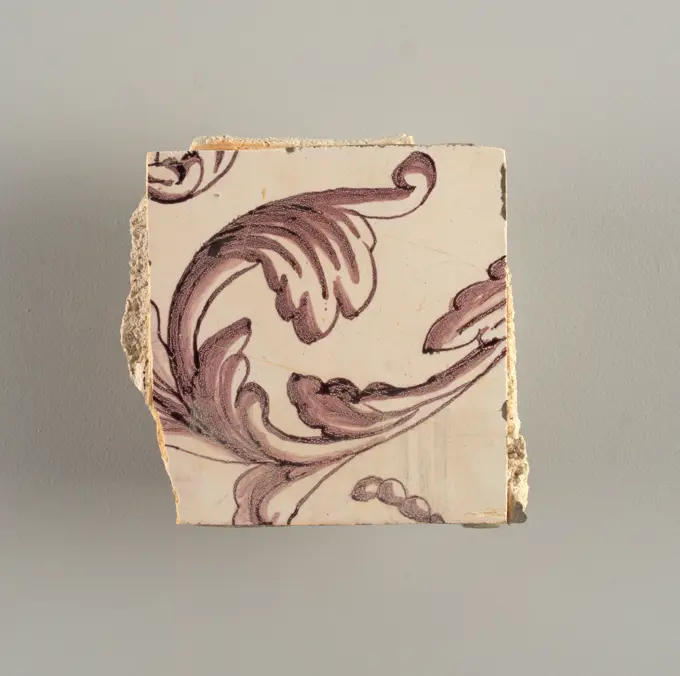
Tile Wall Facing (Netherlands); tin-glazed earthenware, underglaze
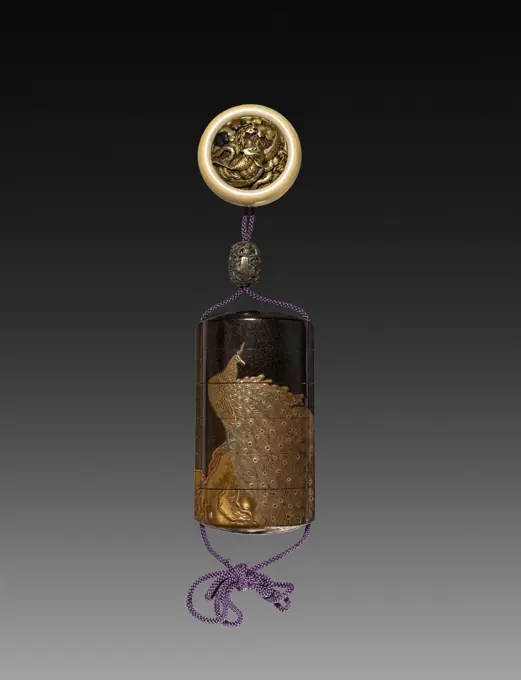
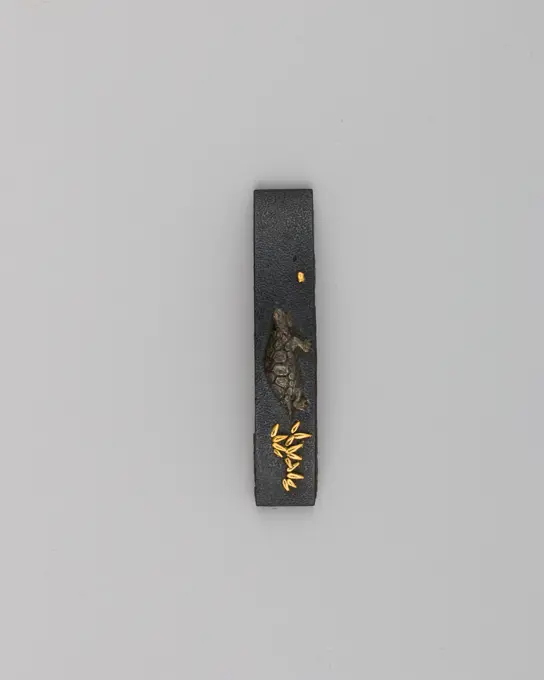
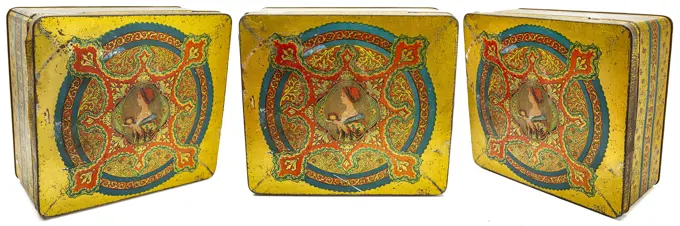
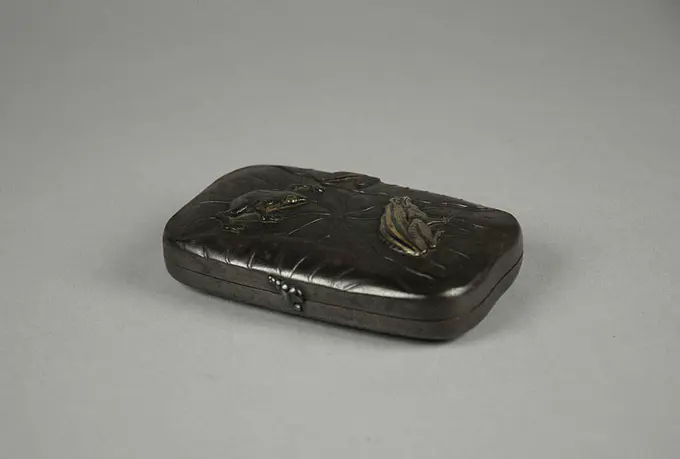
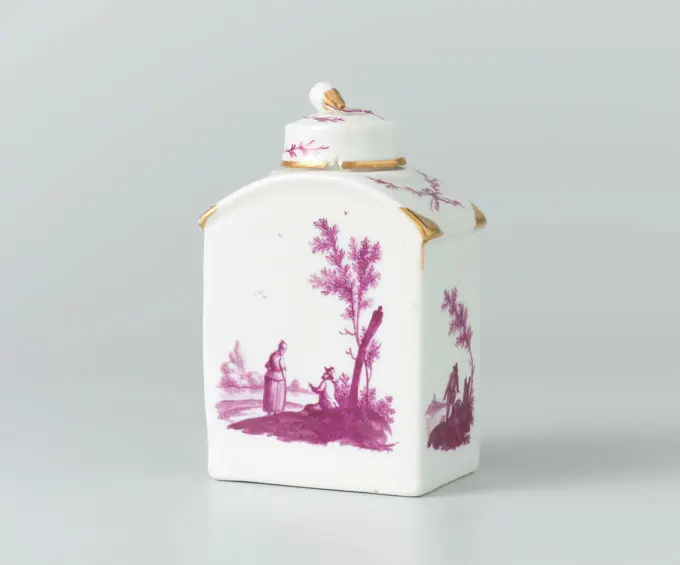
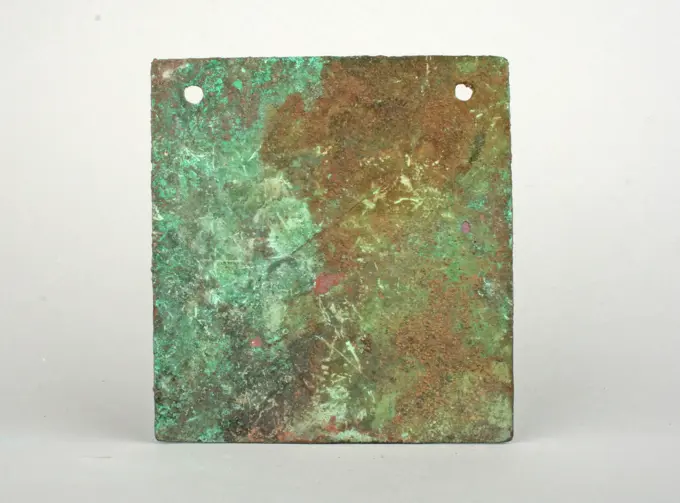
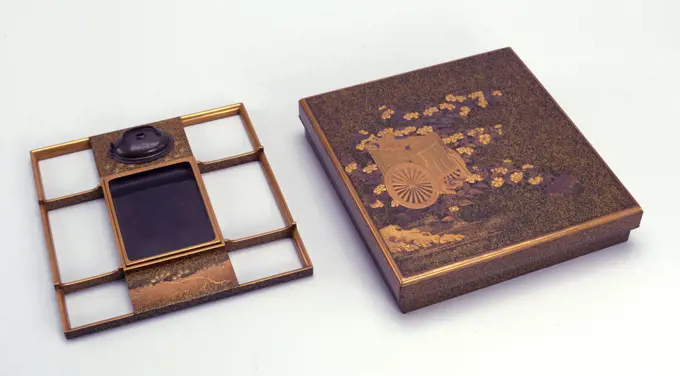
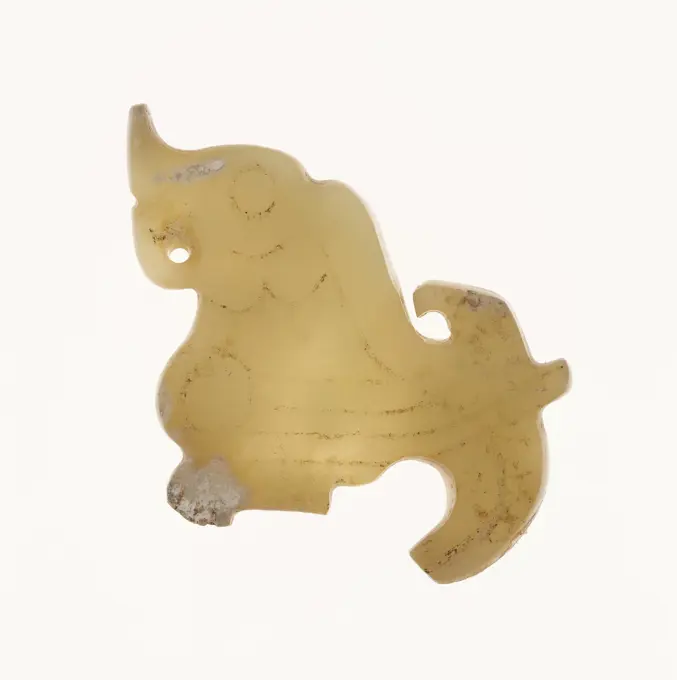
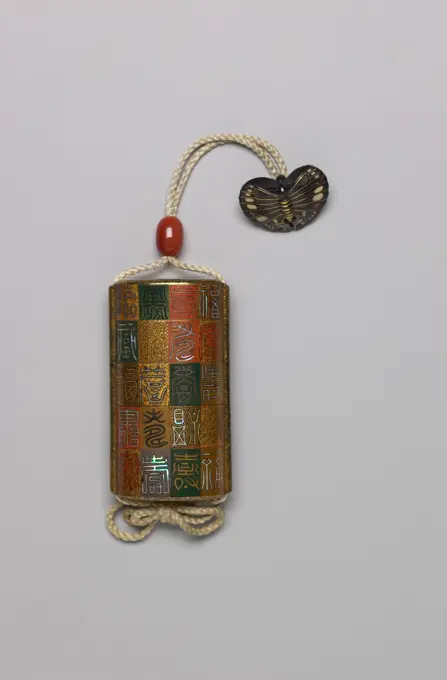
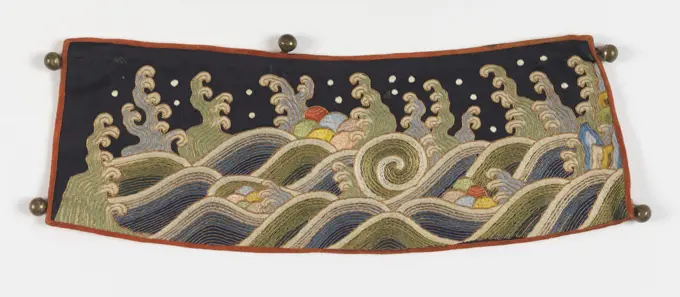
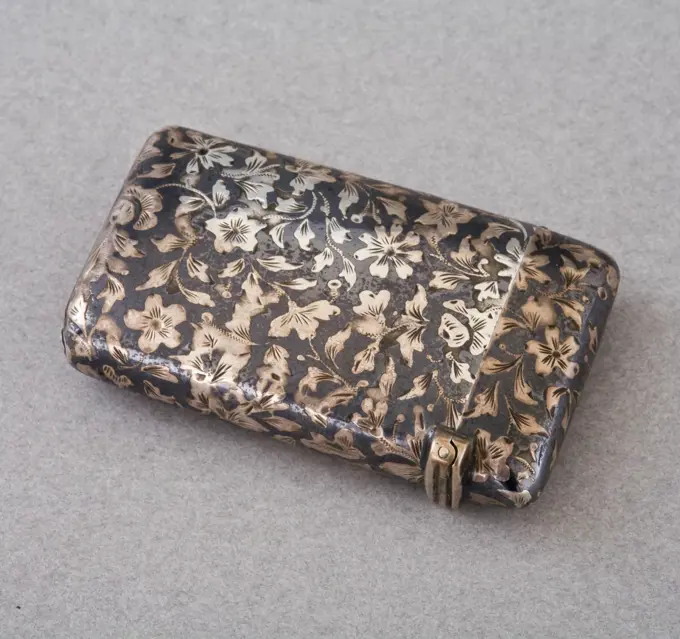
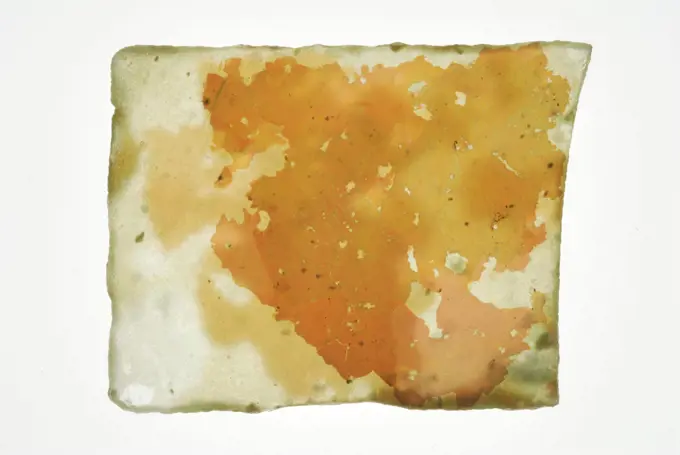
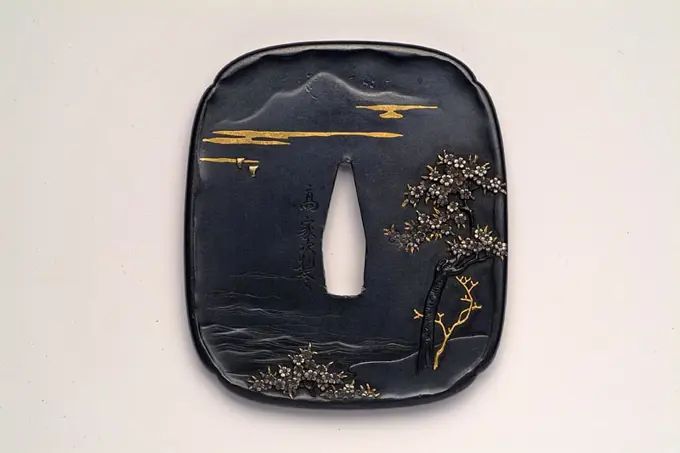
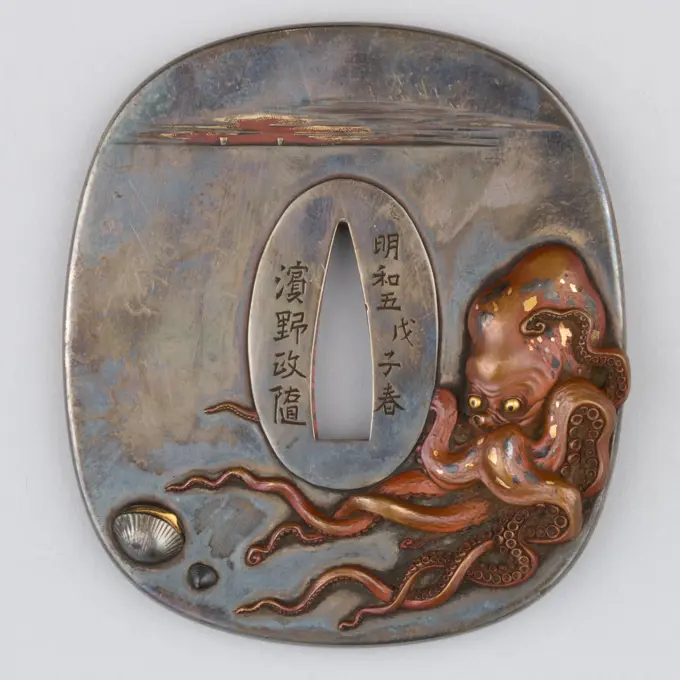
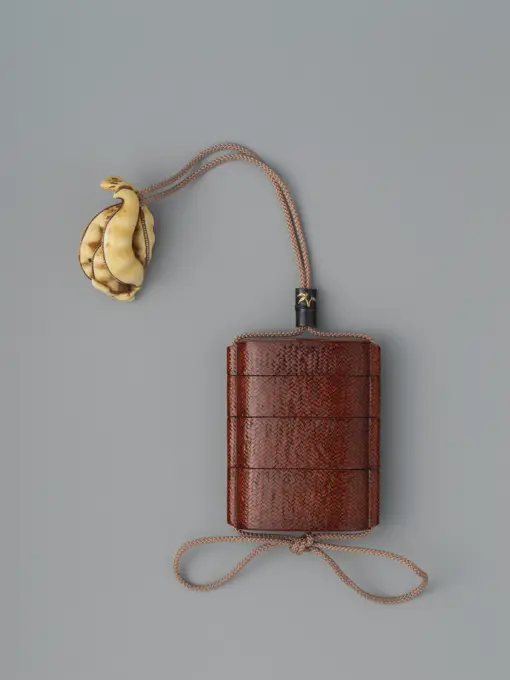
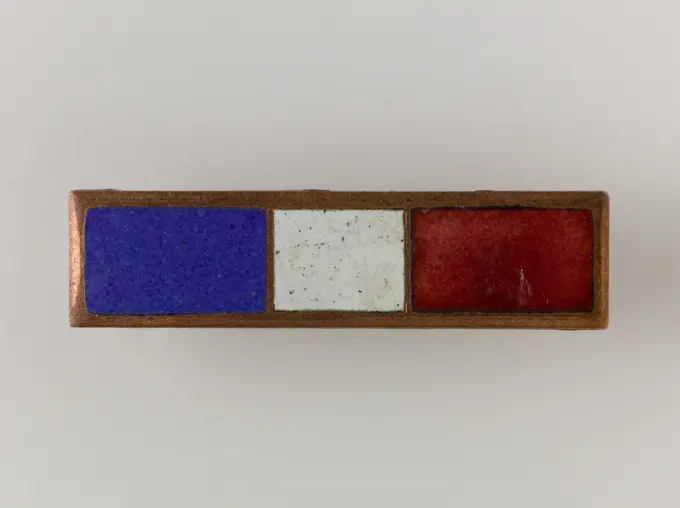
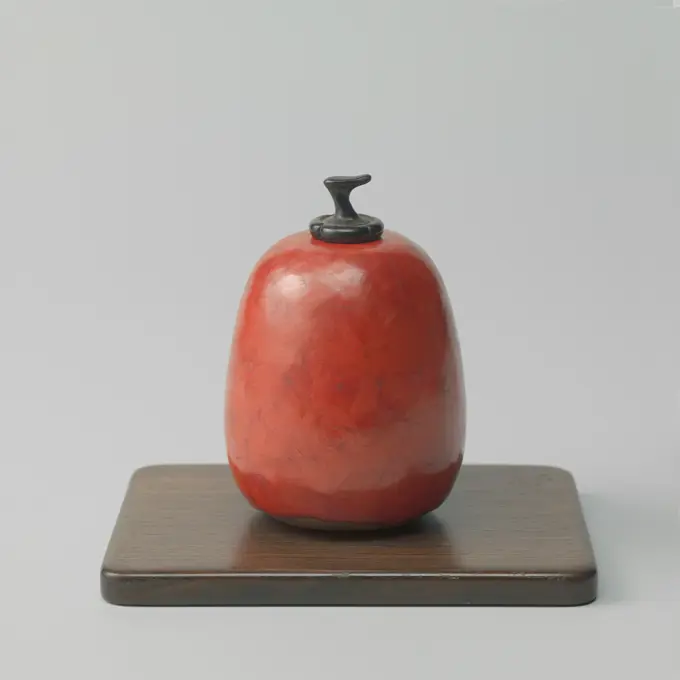
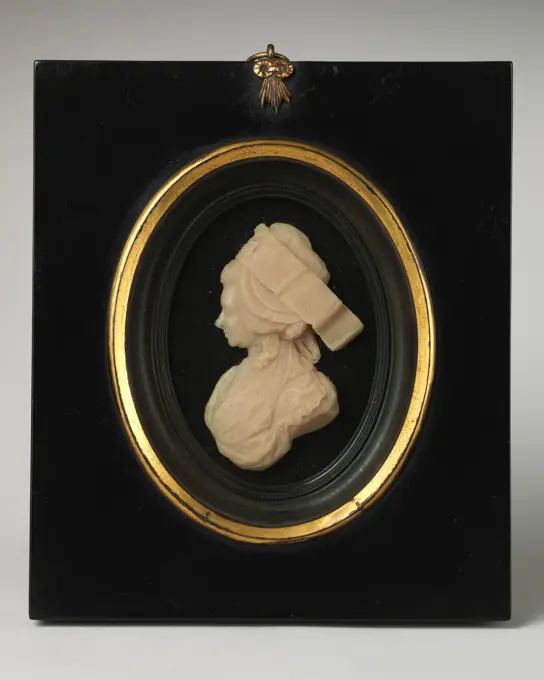
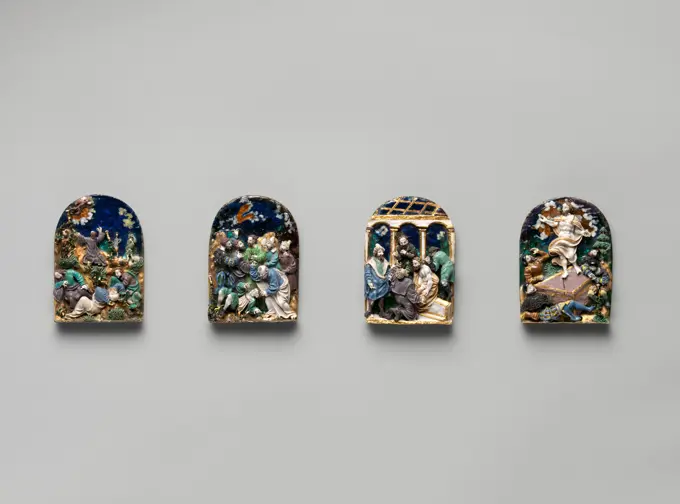
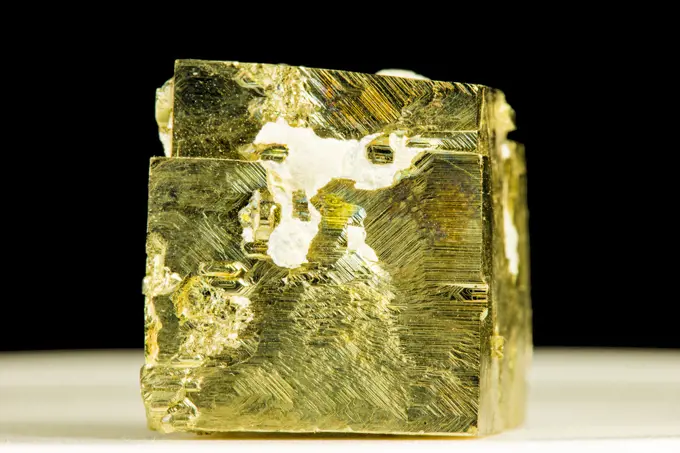
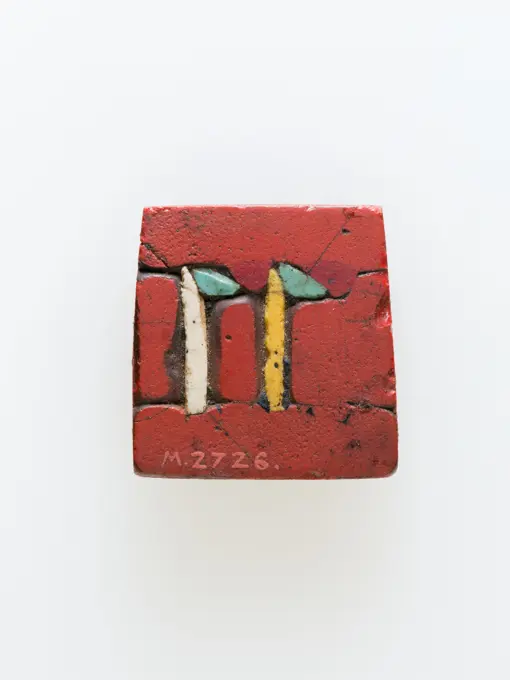
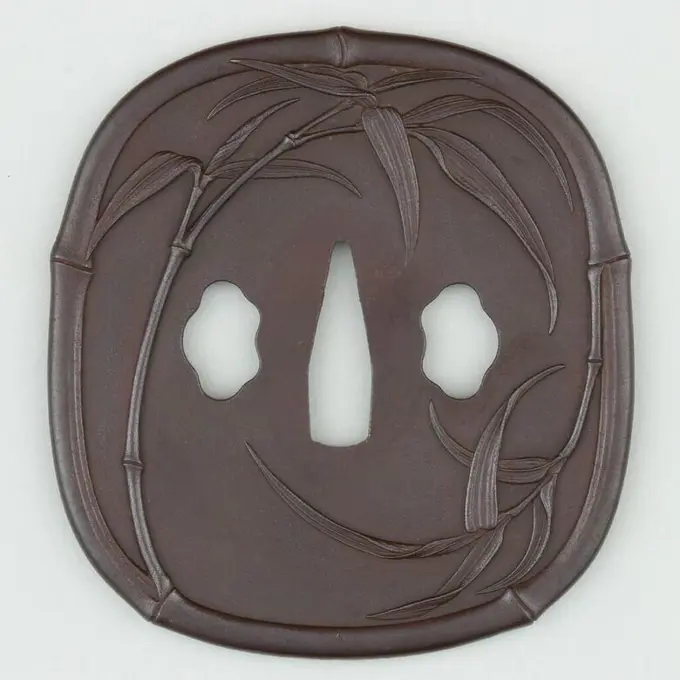
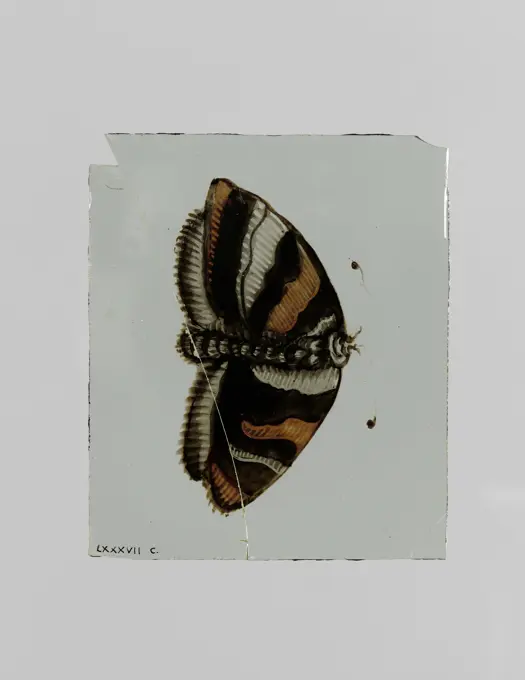
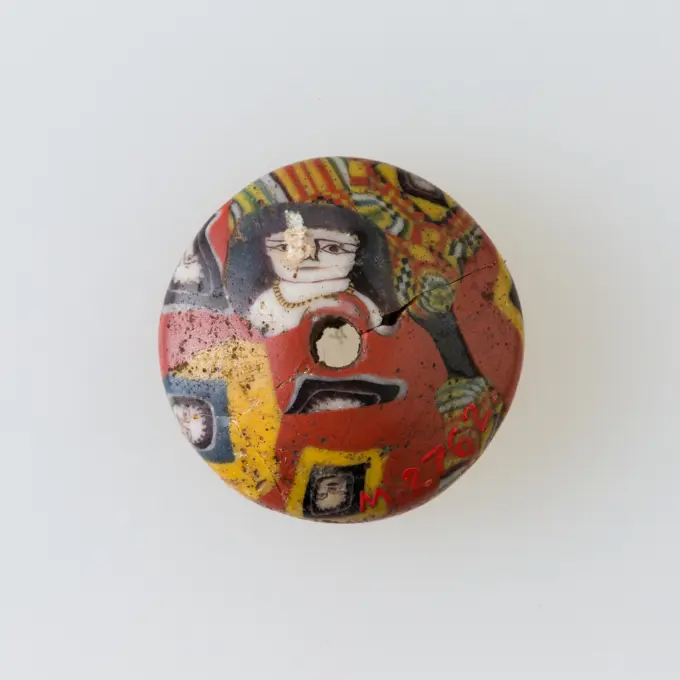
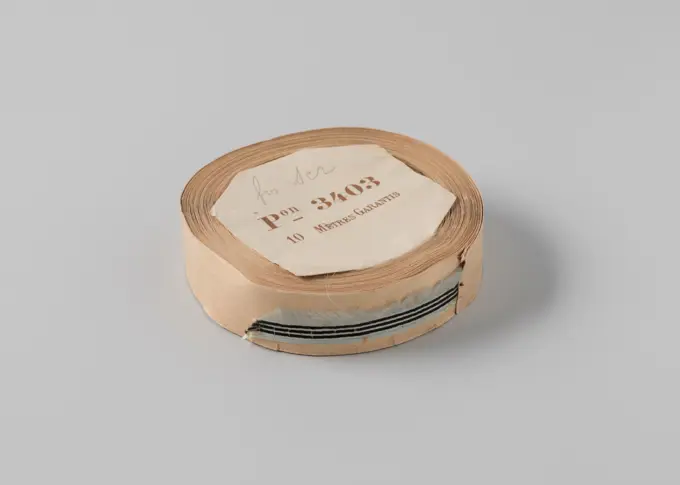
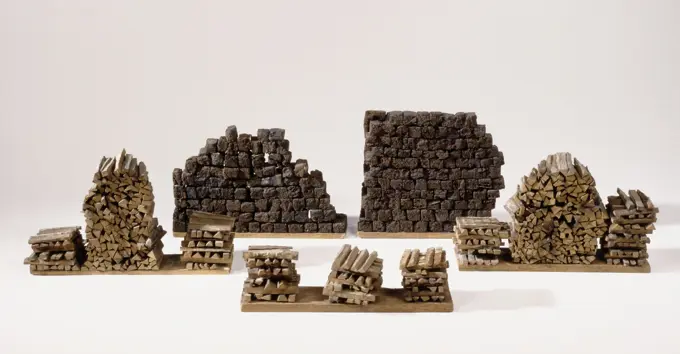
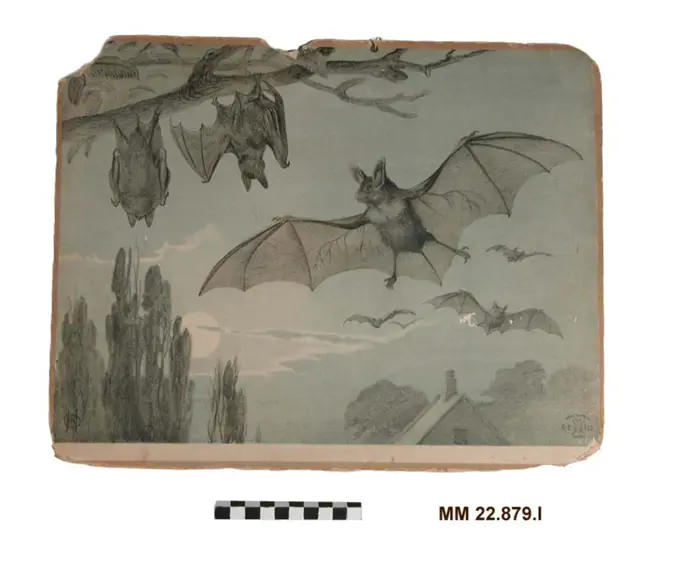
Georgian House Facade Matchsafe; possibly USA; ivory, pigment; 2.8 x 5.3 x .9 cm (1 1/8 x 2 1/16 x 3/8 in. )Scale, leaf shaped. Scale of porcelain, leaf-shaped scallops, on one side with an acanthus sheet embossed. Edge and leaf with golden trim. Part of a crockery, painted in sepia with landscapes or topographical faces. Signed in sepia in the painting: ATV.Inro, early 1800s. Japan, Edo period (1615-1868). Lacquer; overall: 9.8 x 5.3 cm (3 7/8 x 2 1/16 in.).Socket Brace for Knife (Uragawara) 19th century Japanese. Socket Brace for Knife (Uragawara). Japanese. 19th century. Copper-gold alloy (shakud?), copper-silver alloy (shibuichi), gold. Sword FurnitureTwo shards of a plate, found at V.O.C. Witte Leeuw, possibly from Zeelelie, Anonymous, 1725 - 1800 plate (dishes) Two shards of a sign made for export to Anglo-Saxi countries, 15 present. This object is 18th century and cannot therefore be from the freight of the Witte Leeuw. It is unclear whether the object will come from the site or whether it was mixed later, possibly with material from the Zeelelie. Jingdezhen porcelain   Sint-HelenaVintage tea box isolated vintage metal tea box against a white background Copyright: xZoonar.com/YannxPoirierx 13214876Oval surface Wooden oval surface isolated with clipping path included Copyright: xZoonar.com/Baloncicix 7167804Sword Guard (Tsuba). Culture: Japanese. Dimensions: H. 3 1/8 in. (7.9 cm); W. 2 3/4 in. (7 cm); thickness 3/16 in. (0.5 cm); Wt. 3.6 oz. (102.1 g). Date: possibly 18th-19th century. Museum: Metropolitan Museum of Art, New York, USA.. Mokko-shaped tsuba with a landscape with the snowy fuji and pine trees at the front in Iroe Takazogan; Also a landscape at the rear; One of the Ryo-Hitsu is filled with shakudo; Signed "Yasuchika".Tobacco Box 19th century Japan Natural forms and textures are keenly observed and translated into metal in this exquisitely fashioned box designed to fit the pockets of Western waistcoats and jackets that began to be worn in Japan in the late 1870s. Its surfaces are hammered to simulate weathered lily-pads and other forms of pond life in astonishing detail. The hinge is disguised as the long body of a dragonfly; the clasp opens by pressing a tiny silver knob in the shape of a snail. A striped frog in high relief is inlaid on the surface, its colorful smooth, wet skin rendered in several alloys of copper and silver with gold accents. Skilled chiseling gives the leaping toad nearby its characteristic rough, dry skin.. Tobacco Box 52099. Manufacturing former loose ruderecht, c. 1774-1778 Tea Caddy: c. 1782Hard-suited porcelainPlanets-manager. Cornalet Collection Sites 2013-2016. Numismatic.Square Plaque 3rd century B.C.-A.D. 2nd century Vicús. Square Plaque 315595Cap 1850-80 Slovak. Cap 157088Wall Facing (Netherlands); tin-glazed earthenware, underglaze; 5 tiles tall, various wideScribe Set, wood, lacquer, gold, metal, Japan, 1860-80, containers, Decorative Arts, box, boxBird Pendant 1100 BCE-900 BCE China. Jade .Inrö with Stylized Characters for Prosperity andLongevityScarab. UnknownTile Wall Facing (Netherlands); tin-glazed earthenware, underglazeWatercolor empty, brown glass bottle or jar. Hand-drawn boho illustration. Empty vintage vase.. Watercolor empty, brown glass bottle or jar. Hand-drawn boho illustration. Empty vintage vaseBand, Medium: satin, silk, metallic threads Technique: embroidered, couched, Dark blue satin embroidered and couched with stylized rolling wave design with curling crests; dots, grouped pearls (), within the waves. In greens, blues, and white, outlined and accented with gold. Lined with salmon pink satin now faded. Five satin button-loops on each band and five small round hollow brass buttons., China, 18th century, embroidery & stitching, BandPlaque 1879 John Bennett. Plaque 5899. Oval tsuba; Completely covered on both sides with stylized flower drinks in flat inserts; The Ryo-Hitsu are filled with shakudo.Match box Firma: duboisVinaigrettehouder, John Bettridge, 1823 Vinaigrette holder of partially gilded silver, rectangular with rounded corners. It consists of 2 parts of the same size, which are attached to each other on one of the long sides. The vinaigrette contains a compartment with a hinged lid with a sponge. Birmingham silver (metal). gilding (material) gilding Vinaigrette holder of partially gilded silver, rectangular with rounded corners. It consists of 2 parts of the same size, which are attached to each other on one of the long sides. The vinaigrette contains a compartment with a hinged lid with a sponge. Birmingham silver (metal). gilding (material) gildingbox, Gold, Pair of cuff buttons (A, B) and box (C) designed to hold set. Circular, undecorated except for heads at edge; one foot. Box covered with dark red leather, lined with deep purple velvet., ca. 1880, costume & accessories, Decorative Arts, box. Candle holders could be attached to these two plates. Sconces provided wall lighting. Back plates were decorative and also protected the wall from candle flames. <Faience> sconces did not reflect light as strongly as those with silver or mirrored back plates.Cup with Lotus Leaves 18th century China. Cup with Lotus Leaves 44163Buckle, 1900s. China, 20th century. Brass set with green jade; overall: 5.3 x 6.4 cm (2 1/16 x 2 1/2 in.).Fragment of small pane, green tinted window glass partially covered with thick layer of irisation, window glass building material soil find glass, w 3.2 cast drawn cut painted baked Fragment of green tinted window glass Partially covered with thick layer of silver iridescence archeology Landpoortstraat Geervliet Bernisse indigenous glasswork adorn living building glasier hof van Putten archaeological find in the soil Geervliet pit Landpoortstraat September 1, 1983.Rectangular tsuba (sumi iri mokko gata). Takahashi Ietsugu (fl. ca 1830-1880), authorSword Guard (Tsuba) ca. 1615-1868 Japanese A tsuba is a sword guard and part of a sword mounting. It is mounted between the swords blade and grip to protect the users hands.. Sword Guard (Tsuba) 34392Basketry Inr mid-19th century Japan. Basketry Inr. Japan. mid-19th century. Three cases; plaited bamboo or rattan covered with lacquer (urushi) Netsuke: edamame; ivory Ojime: bamboo; bronze with gold inlays. Edo period (1615-1868). Inrvector vintage shopping tag with floralWar 1939-1945. Tricolor flag brooch. Enamelled metal. 1944-1945. General Leclerc Museum of Hauteclocque and the Liberation of Paris, Jean Moulin Museum. Pin, war 1939-1945, war 39-45, Second World WarWooden shelf for pear-shaped pot. Rectangular wooden board.Brooch 19th century European. Brooch 105491Gilt-silver ceremonial box lid. Culture: Roman. Dimensions: H. 1 in. (2.5 cm)width 3 1/4 in. (8.3 cm)depth 2 5/8 in. (6.7 cm). Date: late 1st century B.C.-early 1st century A.D..The lid is decorated in high relief with sacrificial animals and religious objects. Featured prominently are the heads of three domestic animals--a ram, a bull, and a goat--that were commonly used as offerings at major public ceremonies. The decoration is unusual, but there is a close parallel in the Berlin Museum. Museum: Metropolitan Museum of Art, New York, USA.Mrs. William Power (née Shed) 19th century Probably by John Henderson Henderson was an amateur modeler of portraits in wax.. Mrs. William Power (née Shed). Probably by John Henderson (died 1829). British. 19th century. Colorless wax on black ground; frame: wood with brass mounts and glass. Sculpture-MiniatureTerracotta fragment of a neck-amphora (jar) 540-520 B.C. Greek, Attic Palmette-lotus chain; the inside of the neck is glazed. Terracotta fragment of a neck-amphora (jar). Greek, Attic. 540-520 B.C.. Terracotta; black-figure. Archaic. VasesSet of four enamelled silver plaquettes 1520-30 German, Augsburg or Nuremberg These sculptural reliefs (2015.388.1-.4) display extraordinary, jewel-like enameling accomplished through an innovative technique involving molten glass paste built up over an armature of gold wires on a silver base. In expressive detail, they represent four scenes of Christs Passion at a tiny scale—fully appreciable only to those privileged enough to view the reliefs at close range. (The compositions owe more than a little to the Small Passion print series by the famous Northern Renaissance master Albrecht Dürer.) Expensive as they were, the plaques would have been worth only a fraction of the treasure in the container they decorated: most likely some lost relic, imbued with spiritual power and believed to bridge our world with the divine.. Set of four enamelled silver plaquettes. German, Augsburg or Nuremberg. 1520-30. Silver, enamel, gold. EnamelsPyrit, closeup of the gemstonePerfume Flask with Swirled Blue, Black, White, Turquoise, and Gold Ribbons; Eastern Mediterranean or Italy; end of 1st century B.C. - beginning of 1st century A.D; Glass; 13 cm (5 1,8 in.)Writing Box 18th century Japan. Writing Box 58197Vase fragment 1st century B.C.-1st century A.D. Roman Eros driving a chariot.. Vase fragment 250453Fragment (Border) Made 1650-1700 Italy. Linen, bobbin part-lace .Side chair, fruitwood, This chair consists of a slab seat and an elaborately carved back in baroque style. Four tapered legs protrude from the bottom of the seat. The chair's seat is rounded on its outermost edge. A heart shape is carved out of the upper, central area of the seat back., possibly Switzerland, possibly Germany, late 17th-early 18th century, furniture, Decorative Arts, Side chairDoghok, W. Freen, 1856 - 1858 There is a dog on an elongated plate, engraved with a diamond pattern. The dog is attached to a chain that is attached to a doghouse. The image is marked with a dolphin and a master sign. Dordrecht silver (metal) There is a dog on an elongated plate, engraved with a diamond pattern. The dog is attached to a chain that is attached to a doghouse. The image is marked with a dolphin and a master sign. Dordrecht silver (metal)Saddle (Kura) dated 1658 Japanese Japanese saddles are distinguished by an ingeniously simple method of construction combined with a virtually inexhaustible range of decorative motifs. The construction consists, typically, of only four pieces of skillfully shaped wood, which are held together by mortise-and-tenon joints and fastened in place by hemp or leather lacing. The surfaces are covered in Japanese lacquer (urushi) and often incorporate designs in gold or silver and inlays of ivory, mother-of-pearl, or abalone shell.This saddle is a particularly fine example of black-and-gold lacquer with extensive abalone-shell inlay. It is especially distinctive as it is possibly the only example with inlay of this kind that is signed, dated, and made for a known family. The underside is marked with the as-yet-unidentified kao (seal or monogram) of the saddle maker and with the date Meireki yon sai (equivalent to 1658). The outside of the pommel and cantle is decorated in gold with the mon (herLetter File (USA); Designed by Louis Comfort Tiffany (American, 1848-1933); favrile glass, bronze; 15.9 x 25.8 x 6.5 cm (6 1/4 x 10 3/16 x 2 9/16 in.)Inlay square, 2 hieroglyphs for god 200 BC-100 AD Ptolemaic Period-Roman Period One way of creating decorated glass tiles was by adhering tiny monochrome glass pieces in a larger piece like this example. The dark attachment material is visible around the edges of the inlay.. Inlay square, 2 hieroglyphs for god. 200 BC-100 AD. glass, adhesive (bitumen). Ptolemaic Period-Roman Period. From EgyptSword Guard (Tsuba). Culture: Japanese. Dimensions: H. 3 1/2 in. (8.9 cm); W. 3 1/4 in. (8.3 cm); thickness 3/16 in. (0.5 cm); Wt. 4.9 oz. (138.9 g). Date: 19th century. Museum: Metropolitan Museum of Art, New York, USA.Window with a butterfly, anonymous, c. 1650 - c. 1675 A window with an email painting of a butterfly in red, brown -black and grisaille.  glass. lead (metal). A window with an email painting of a butterfly in red, brown -black and grisaille.  glass. lead (metal).Bead with face canes 30 B.C.-A.D. 364 Roman Period A mosaic glass technique allowed multiples of an image to be created: a figural or design composition was made by bundling colored glass canes, which were then drawn out into a long bar. The bar was then sectioned at right angles, probably by striking the bar with appropriate tools, to produce small inlay tiles. The tile would then be smoothed and polished on the face intended to appear outwards.. Bead with face canes. 30 B.C.-A.D. 364. Glass. Roman Period. From EgyptRoll with light blue ribbon with one frayed silk and three black horizontal stripes, c. 1935 Roll with light blue ribbon with one frayed silk and three black horizontal stripes. Nijmegenfrance textile materials. paper. cardboard Roll with light blue ribbon with one frayed silk and three black horizontal stripes. Nijmegenfrance textile materials. paper. cardboardScarab with Satyr Carrying an Amphora. UnknownFeature, the KorrigansInlay, satyr. Dimensions: H. 3.1 × W. 1.5 cm (1 1/4 × 9/16 in.). Date: 100 BC-100 AD.A mosaic glass technique allowed multiples of an image to be created: a figural or design composition was made by bundling colored glass canes, which were then drawn out into a long bar. The bar was then sectioned at right angles, probably by striking the bar with appropriate tools, to produce small inlay tiles. The tile would then be smoothed and polished on the face intended to appear outwards.Such elements could also be used side by side to create repeating patterns. Or if the rod presented one half of an element that was symmetrical, such as a face, a tile and a reversed tile from the same rod could be put together to form a complete whole. Museum: Metropolitan Museum of Art, New York, USA.Close-up of flowers embroidered on a boxFifty -year celebration of the liberation of Deventer, Anonymous, 1864  One -sided tin carrier, consisting of two round plates of pleated, yellow textile; Metal shield, including a red and a white ribbon; Shield: Coat of arms between two sessions of bold belt under Kroon. Netherlands tin (metal). textile materials striking (metalworking)  DeventerInro, anonymous, c. 1700 - c. 1850 Five -part inro decorated with a boat hidden in the reeds. Japan wood (plant material). lacquer (coating) Five -part inro decorated with a boat hidden in the reeds. Japan wood (plant material). lacquer (coating)Nested Boxes with Chrysanthemums (inner box), early 1900s. Japan, possibly Meiji (1868-1912). Lacquer; overall: 0.7 x 5.8 x 4.2 cm (1/4 x 2 5/16 x 1 5/8 in.).Piece of granite stone against black backgroundPlank on which three piles of splashed beech wood, anonymous, c. 1690 - c. 1710 Wood supply, consisting of an oak shelf, on which three piles of splashed beech wood are stuck. Amsterdam oak (wood). beech (wood) Wood supply, consisting of an oak shelf, on which three piles of splashed beech wood are stuck. Amsterdam oak (wood). beech (wood)Close-up of a crushed rusty aluminium can, studio shotSchool plan.School plans use at the Ship Gose School in 1893. Referral bats.Tagged at the bottom to the left A o H Braided in each other and the bottom right: Alfred Jacobsens D.B 125 Eneret.På the back with ink: Skeppsgosskolan 1893. Bats.From Skeppsgosskolan.Use: TeachingWall Facing (Holland); tin-glazed earthenware, underglaze