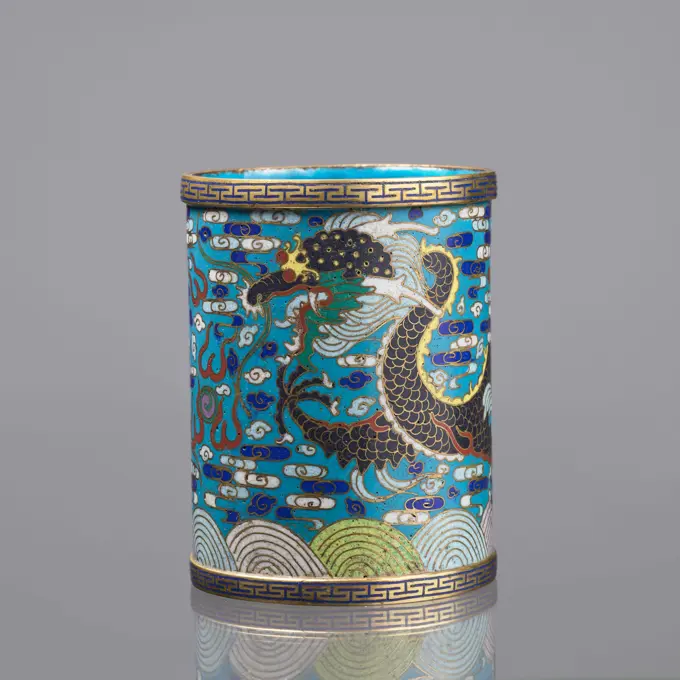
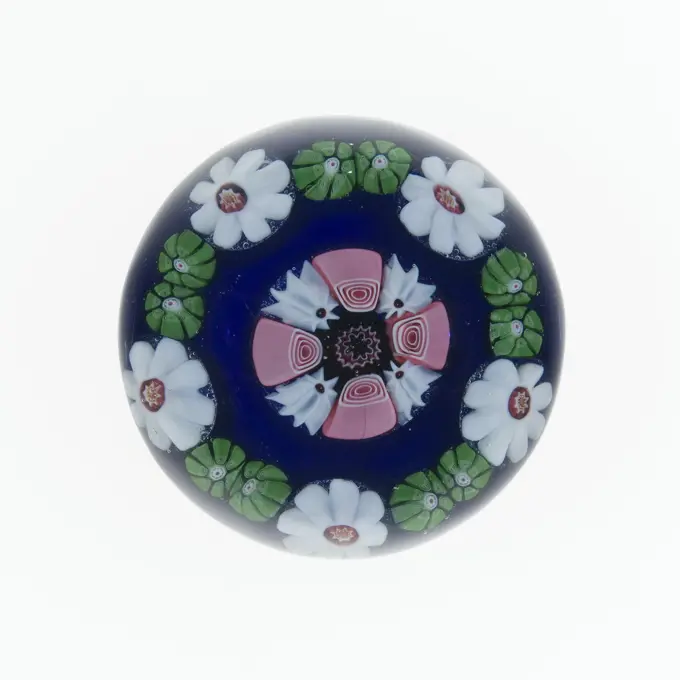
Decorative Tiles and Artifacts

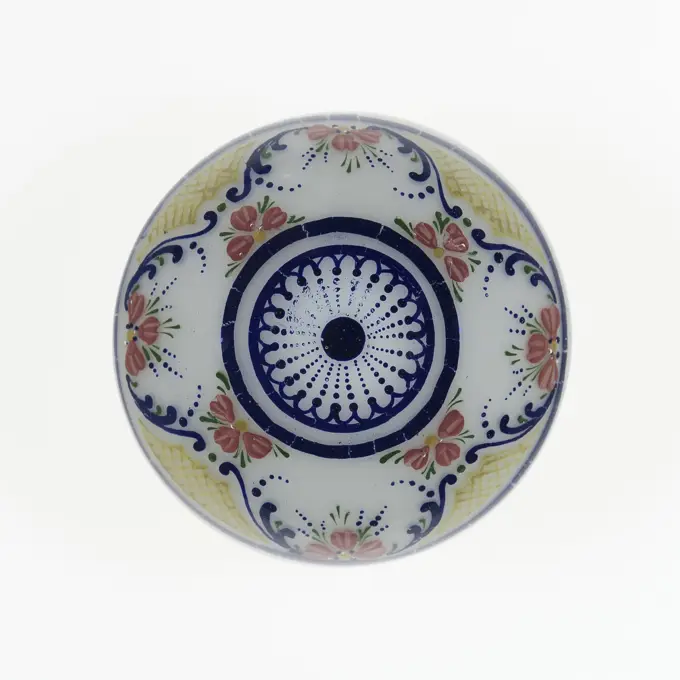
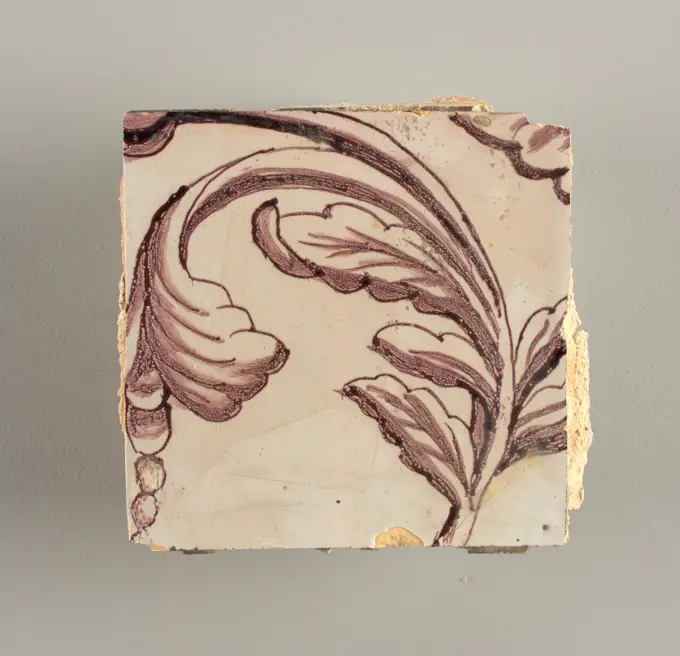
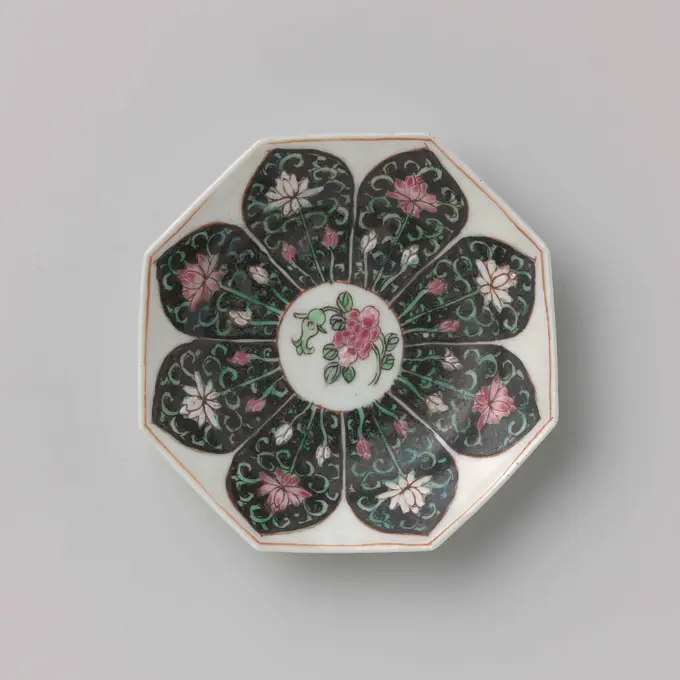
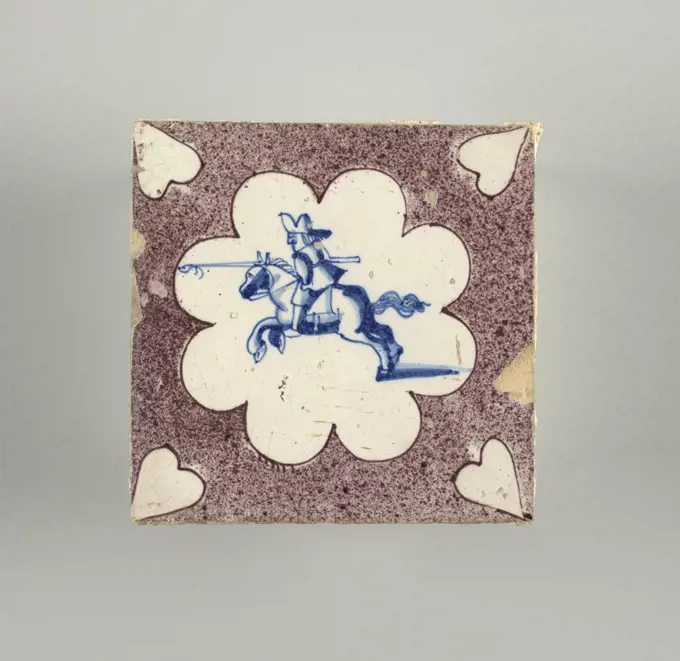
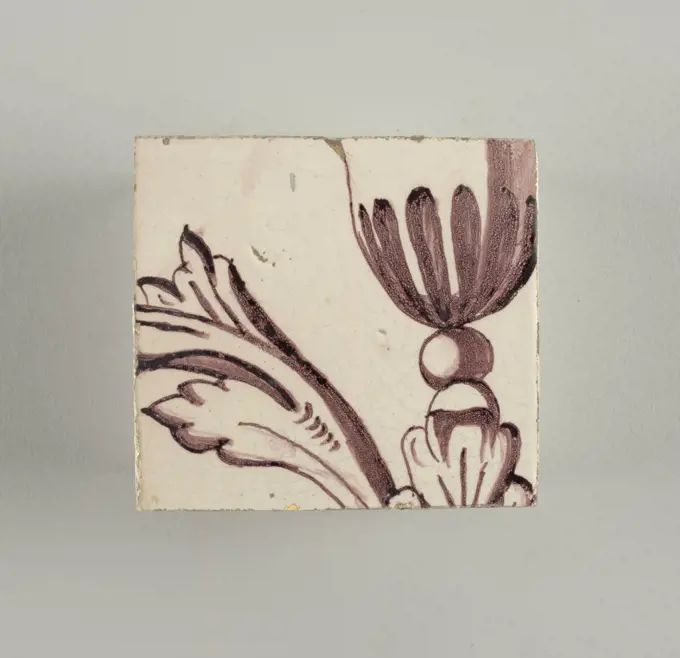
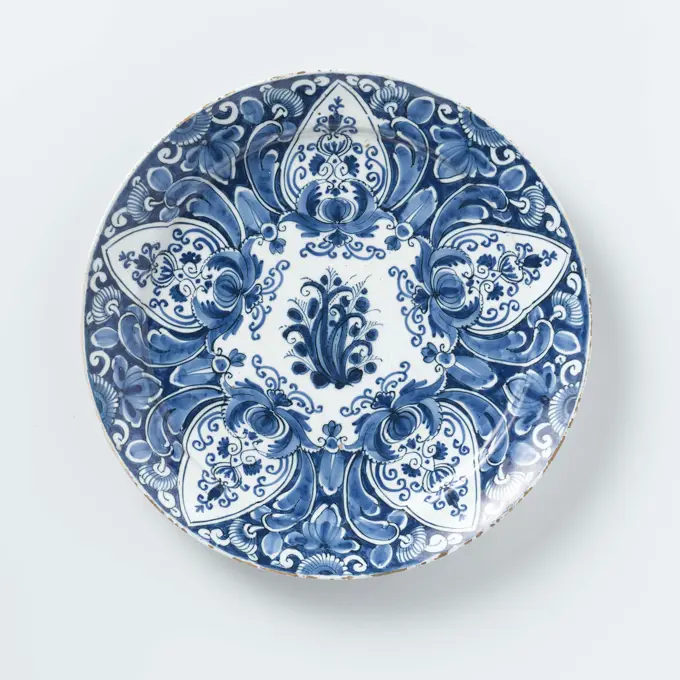
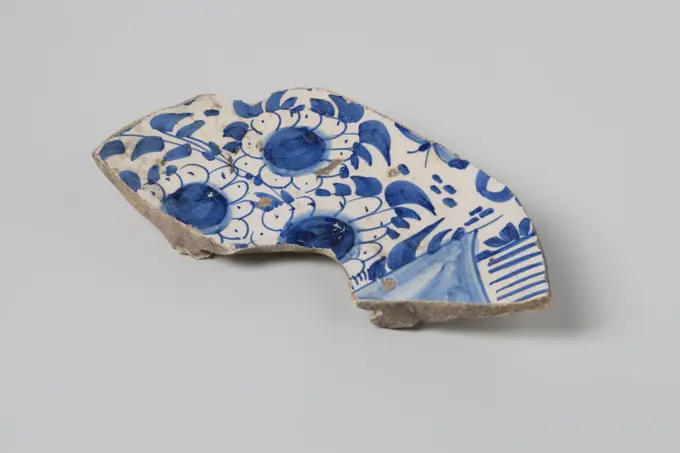
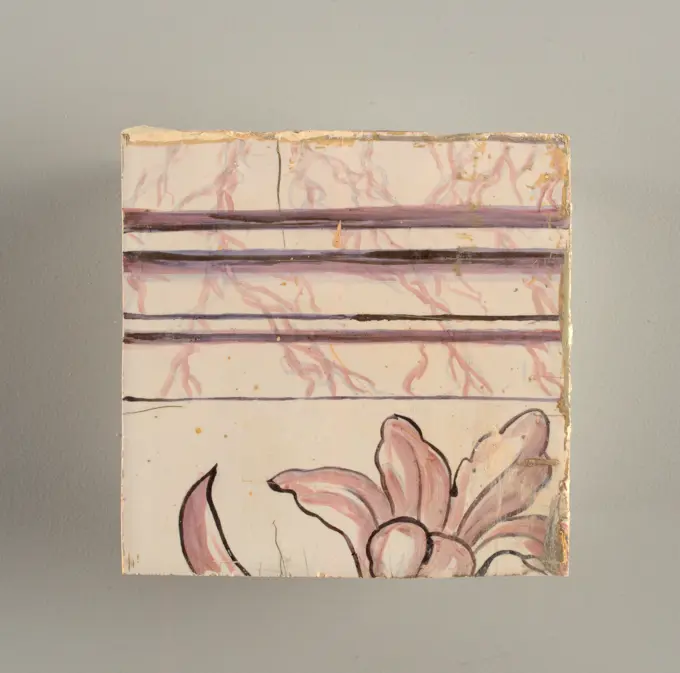
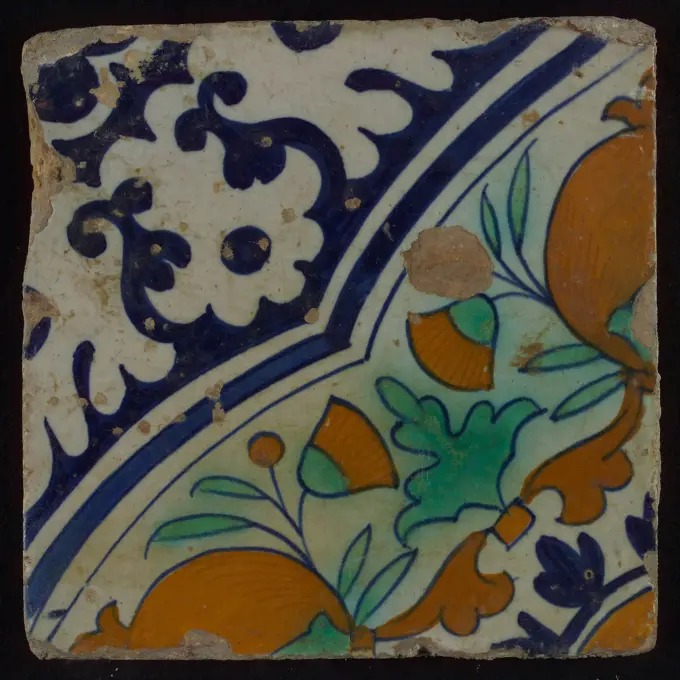
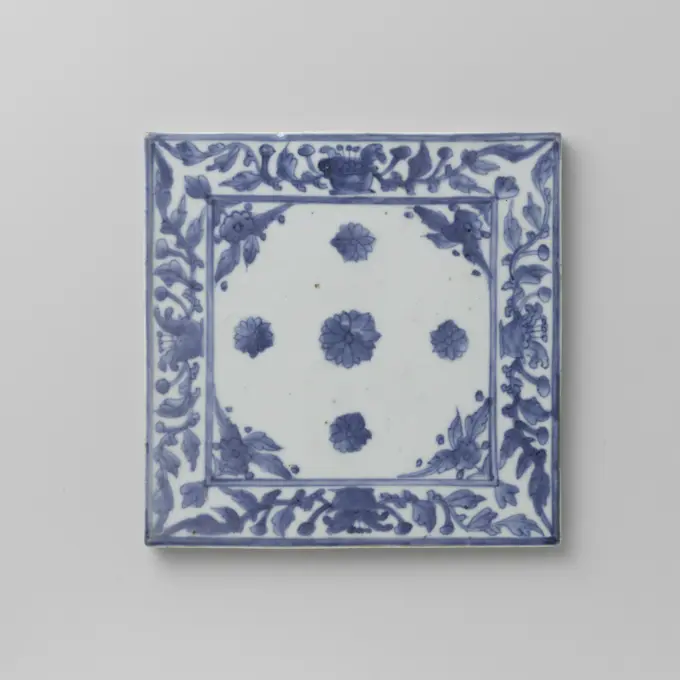
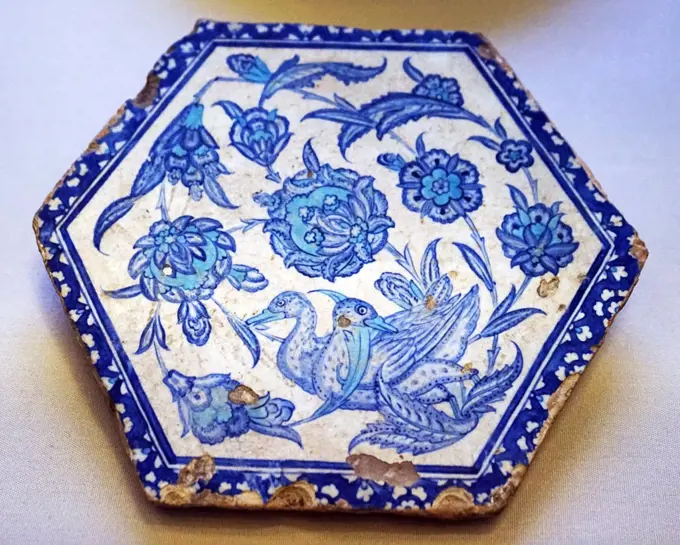
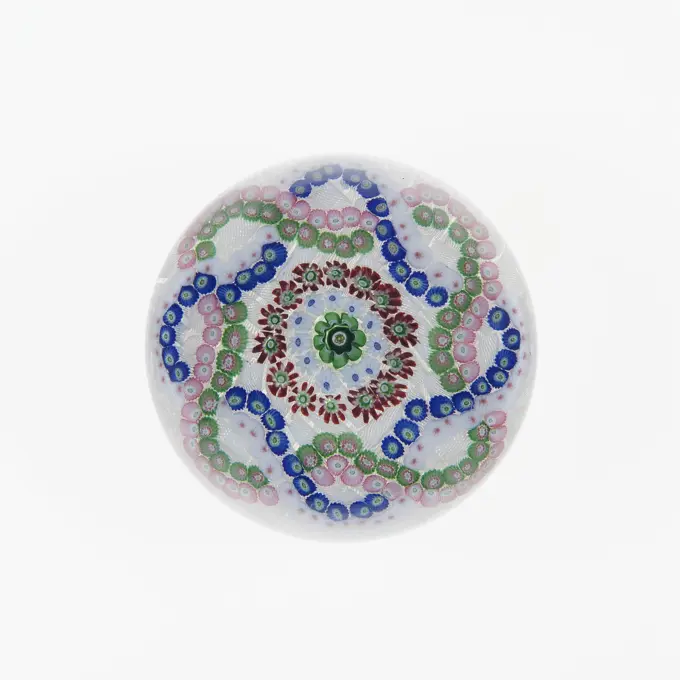
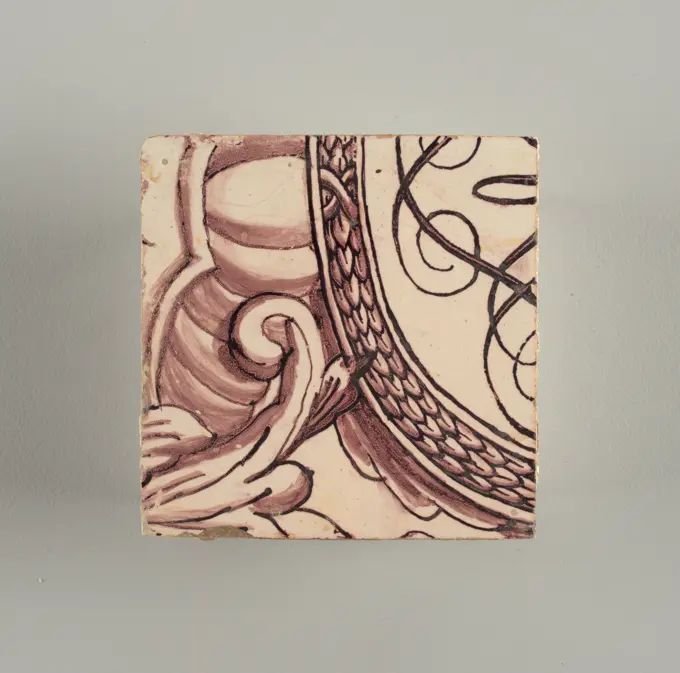
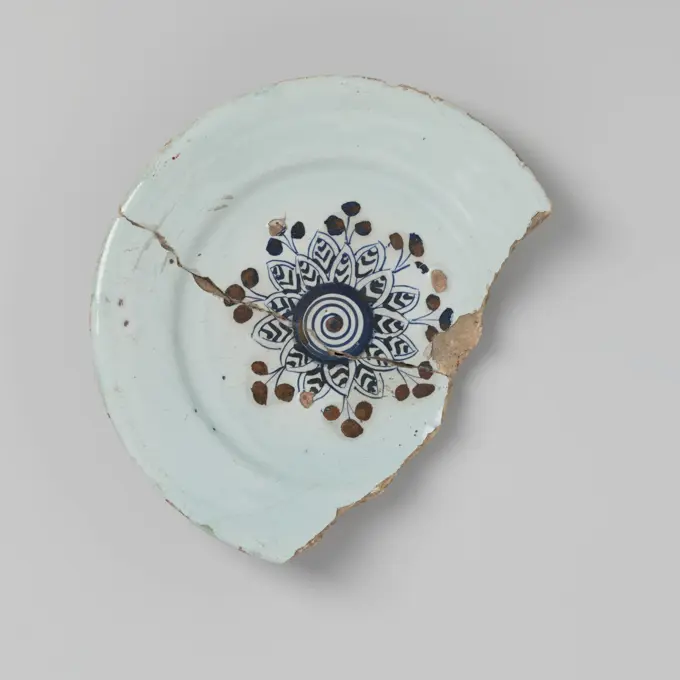
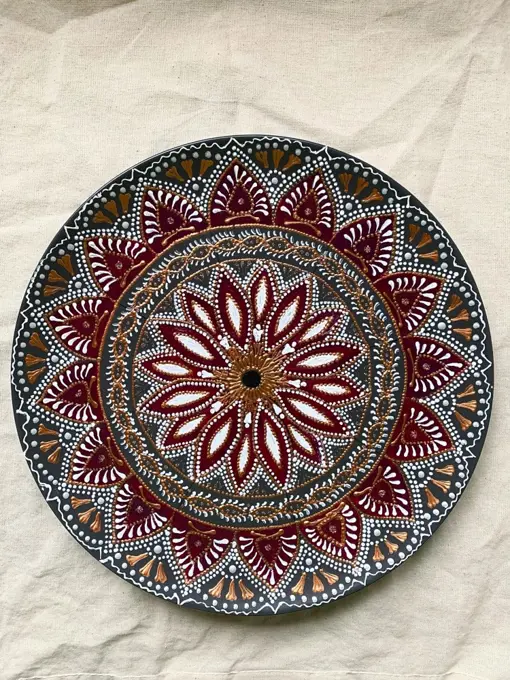
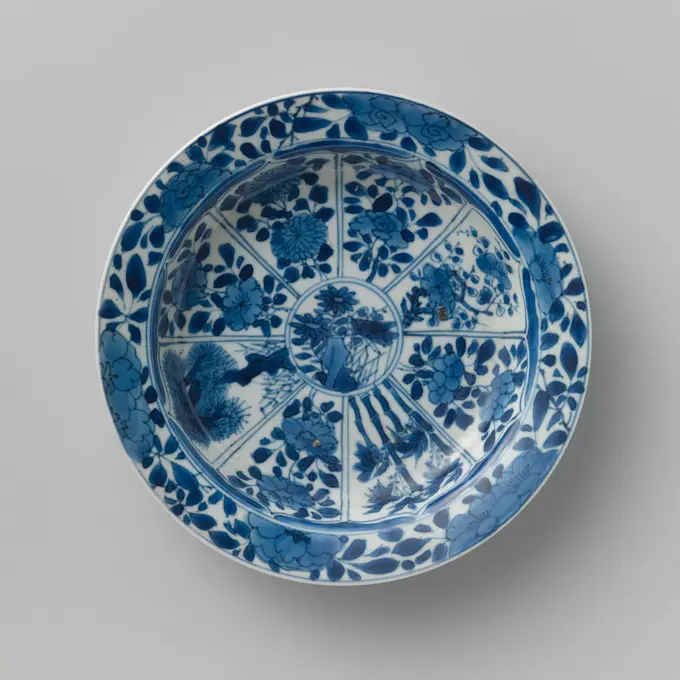
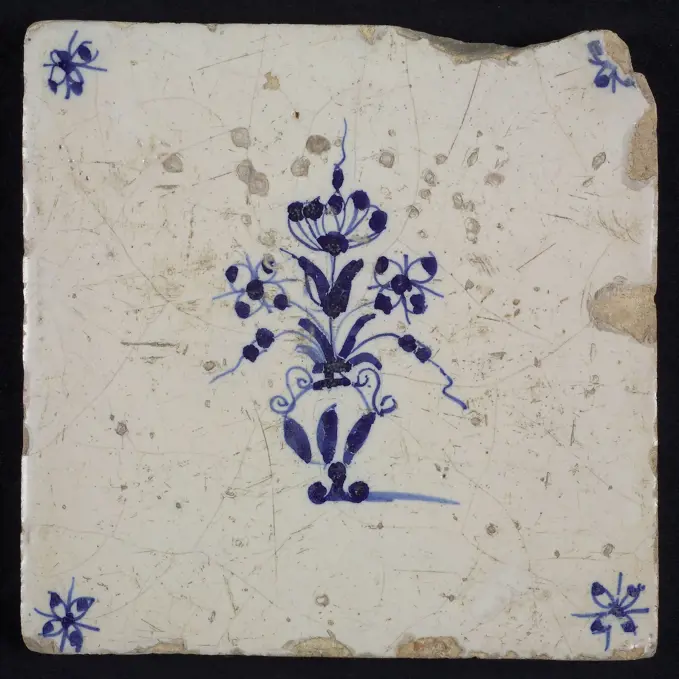
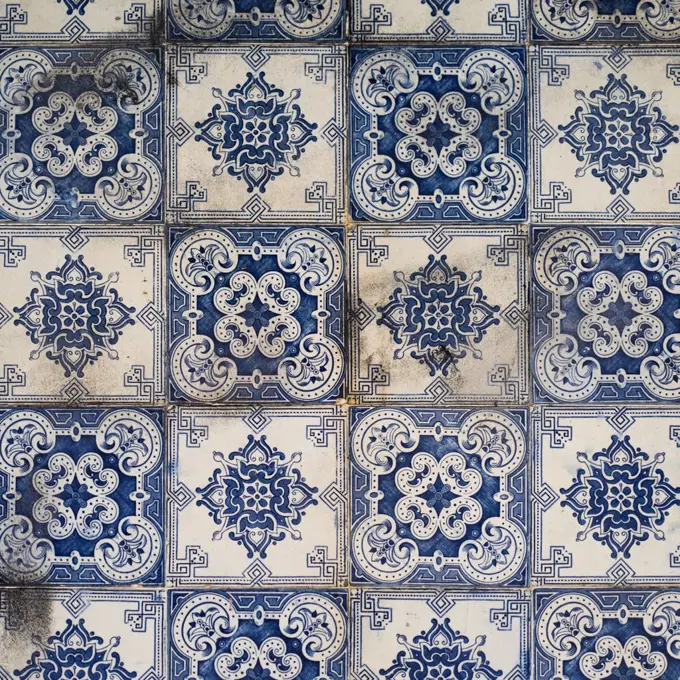
Beautifully designed decorative tiles, showcasing vibrant colors and intricate patterns, reflecting classic earthenware artistry.

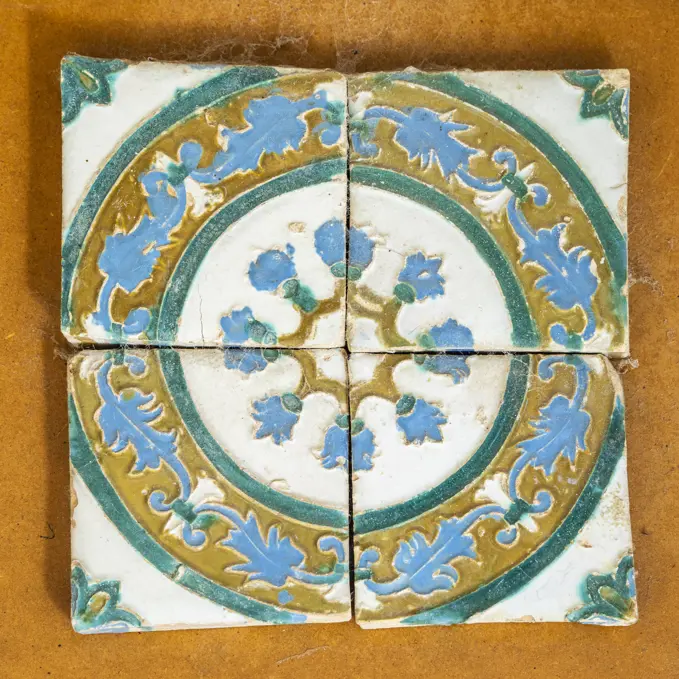
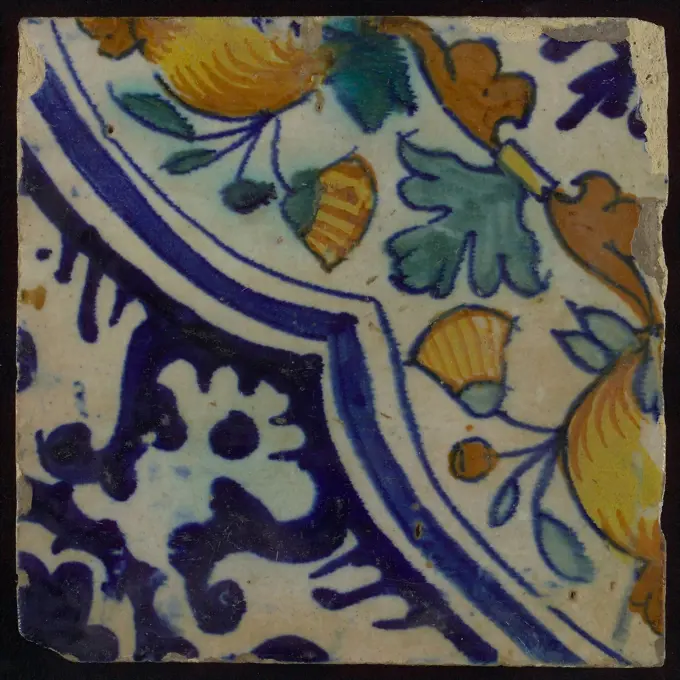
Four tile, Glazed earthenware, Two tiles each of a similar design, in blue, green and neutral yellow, with fleurs-de-lis at four corners, leaves and two small bunches of grapes; in center of tiles a and b, a pomegranate, of tiles c and d, a large bunch of grapes., Netherlands, 17th century, tiles, Decorative Arts, Four tile
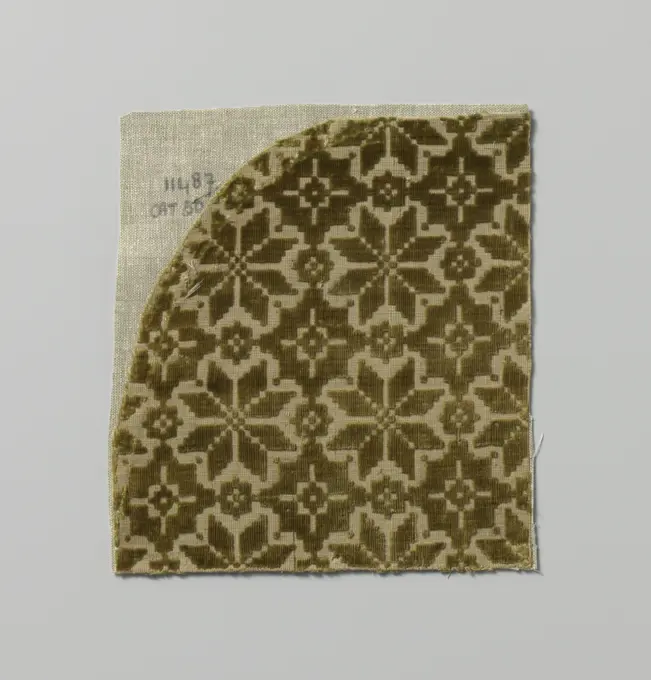
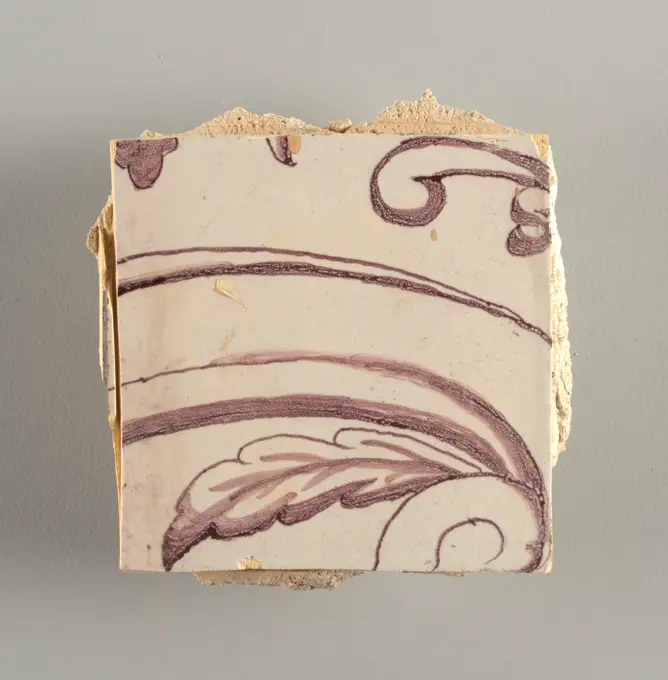
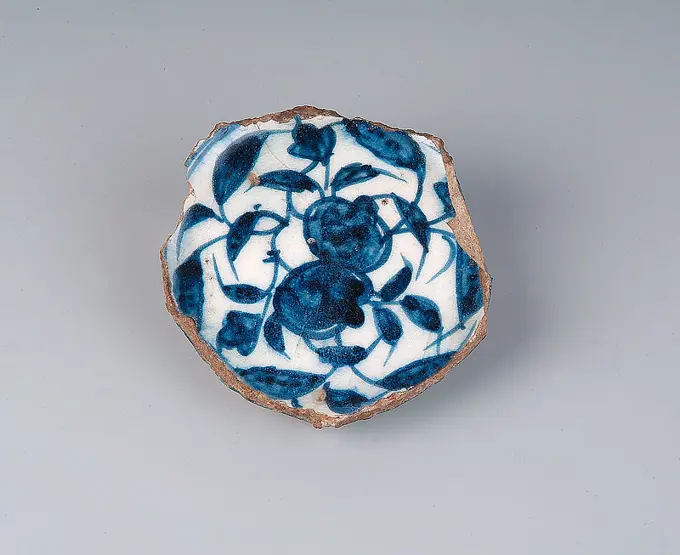
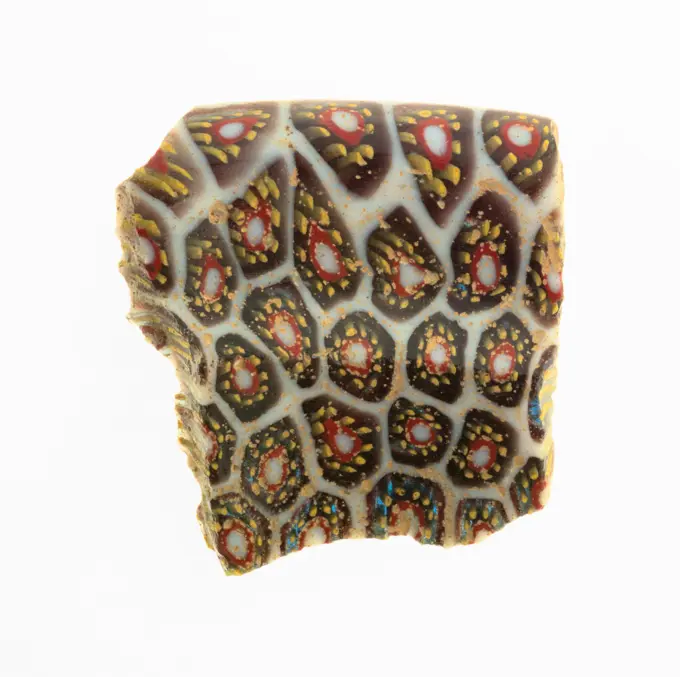
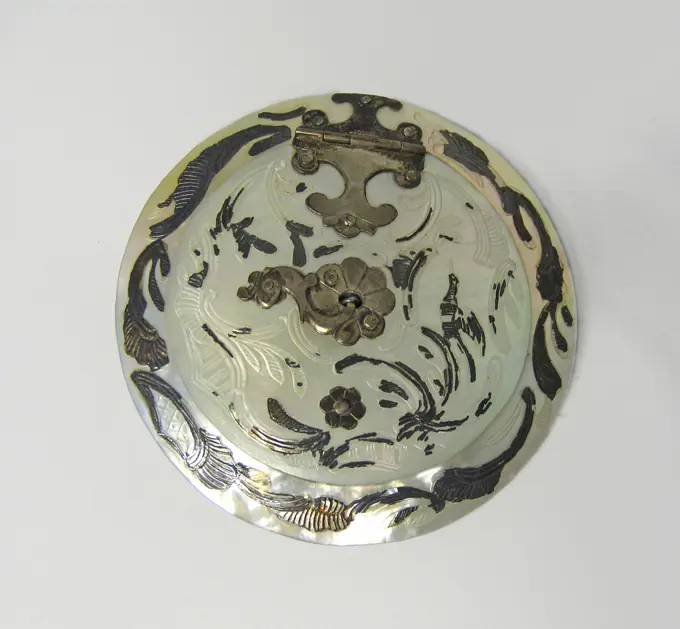
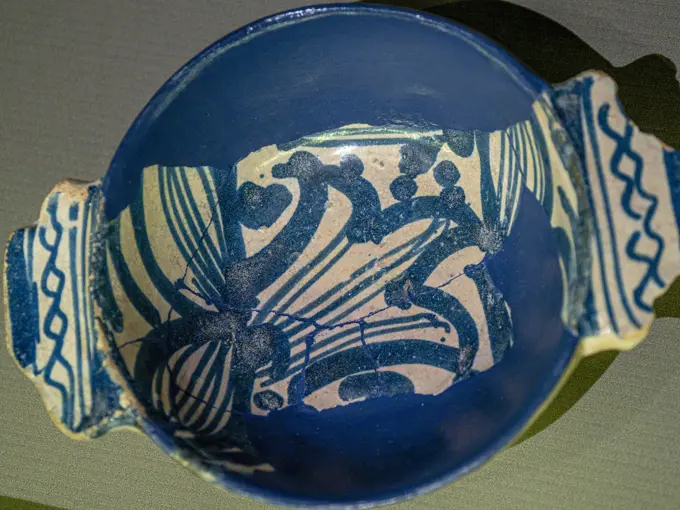
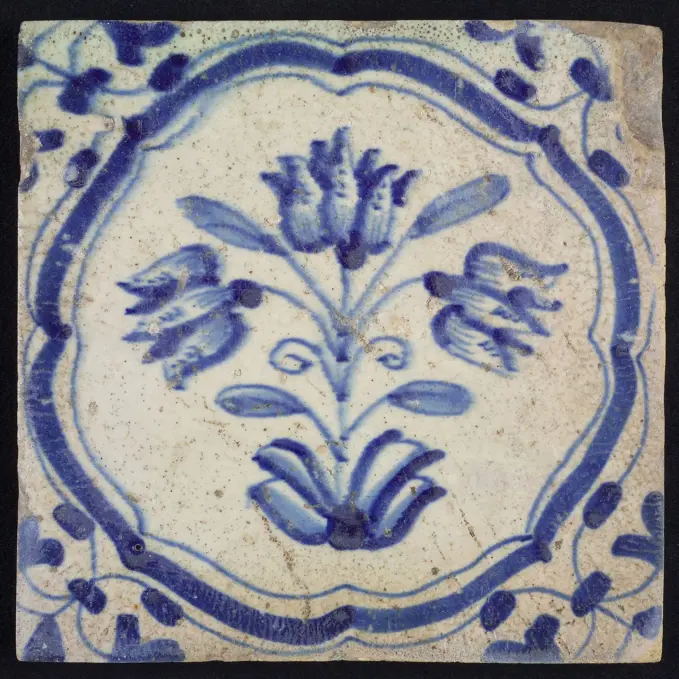
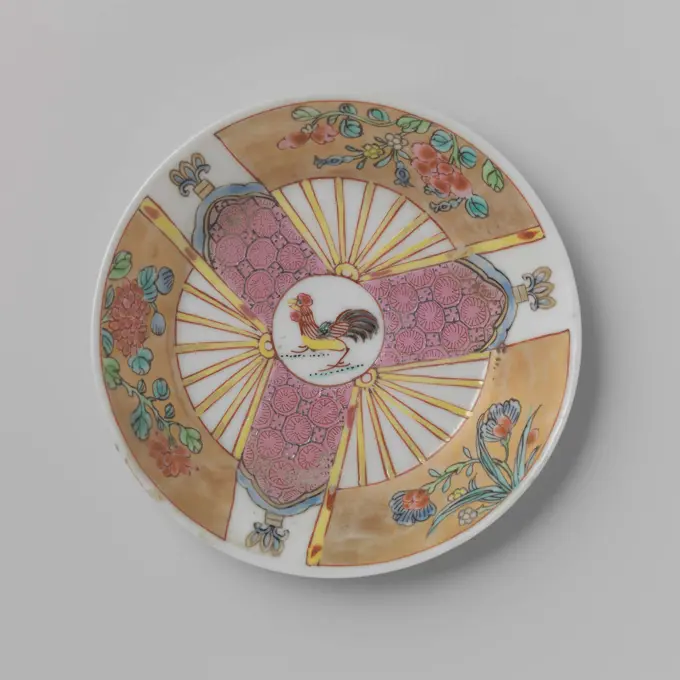
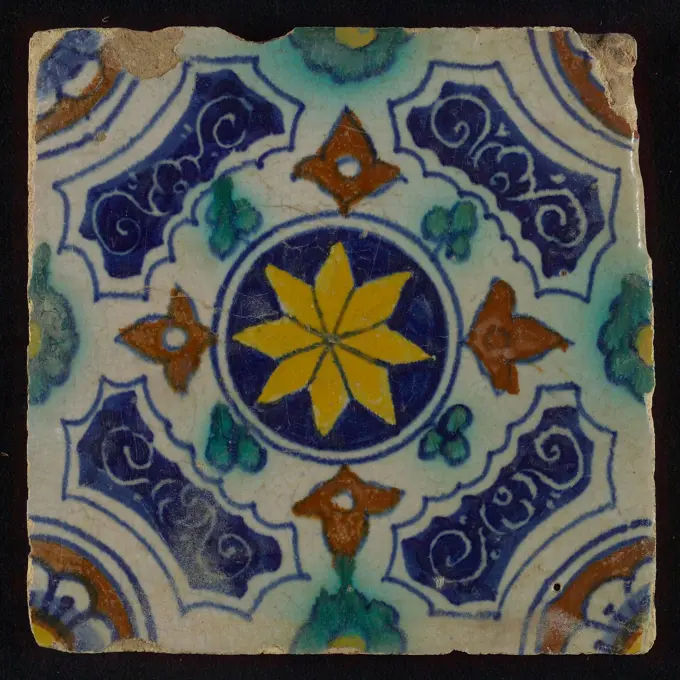
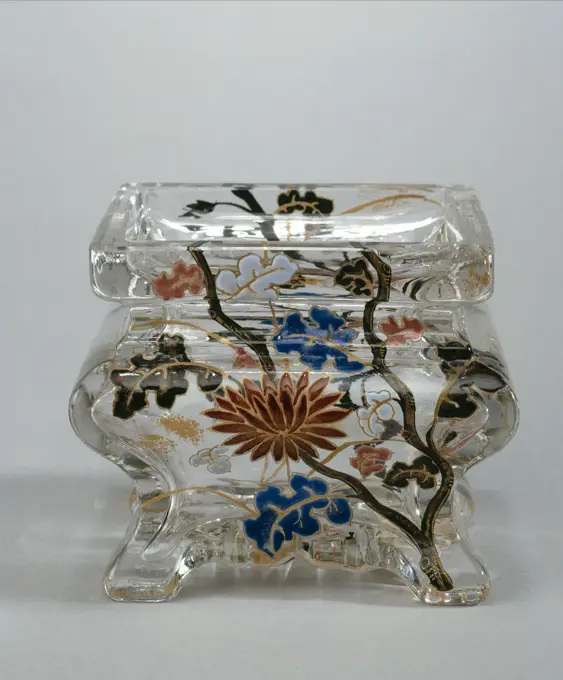
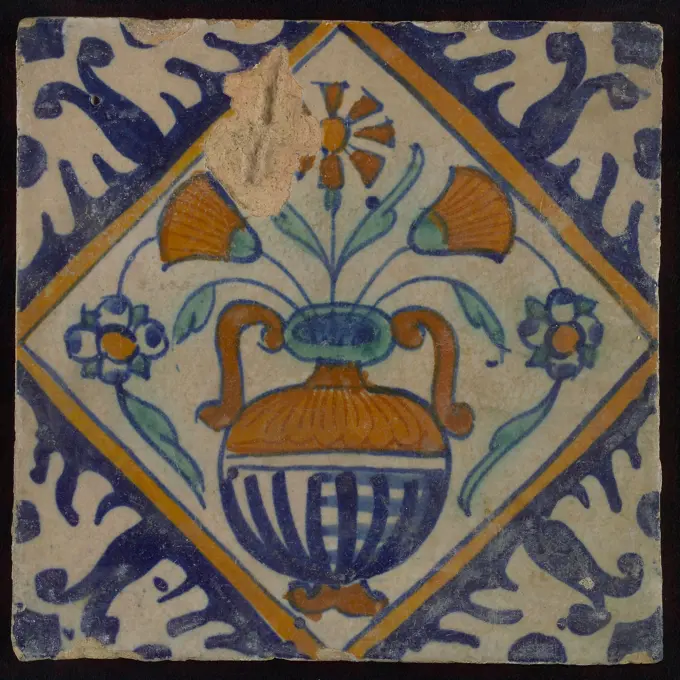
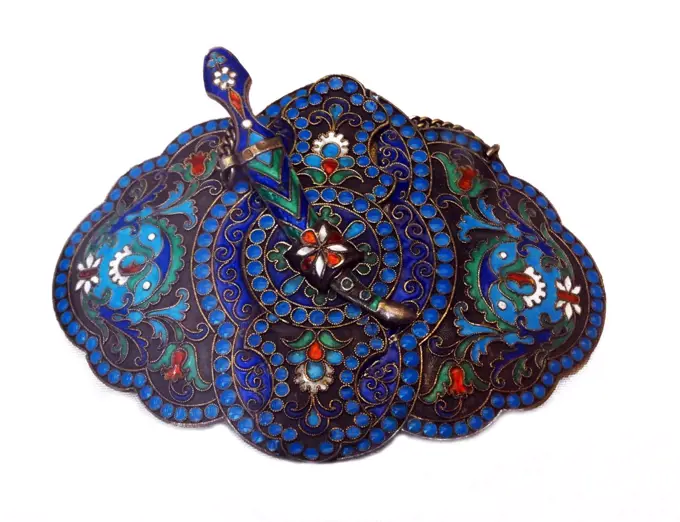
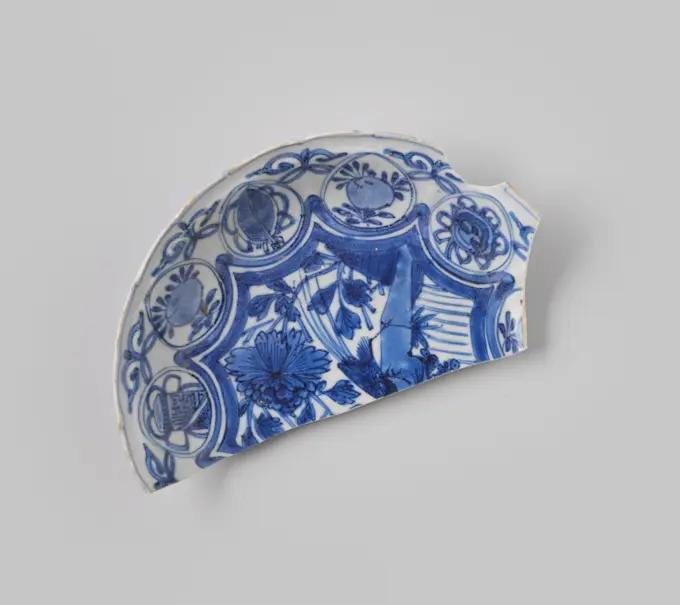
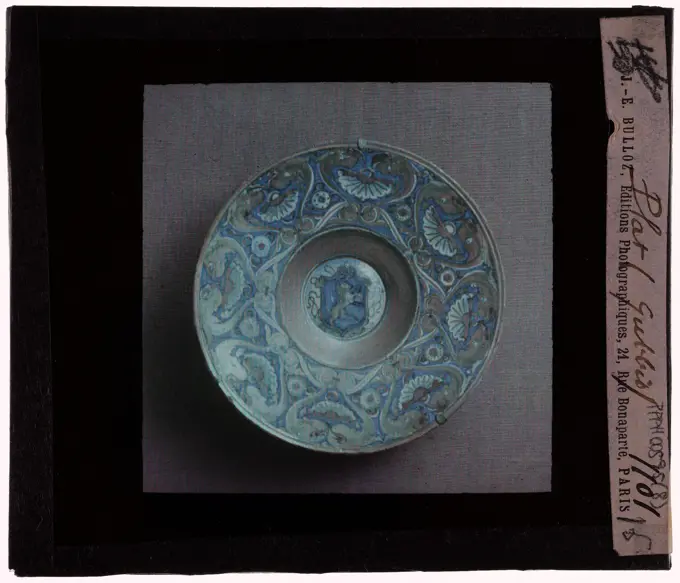
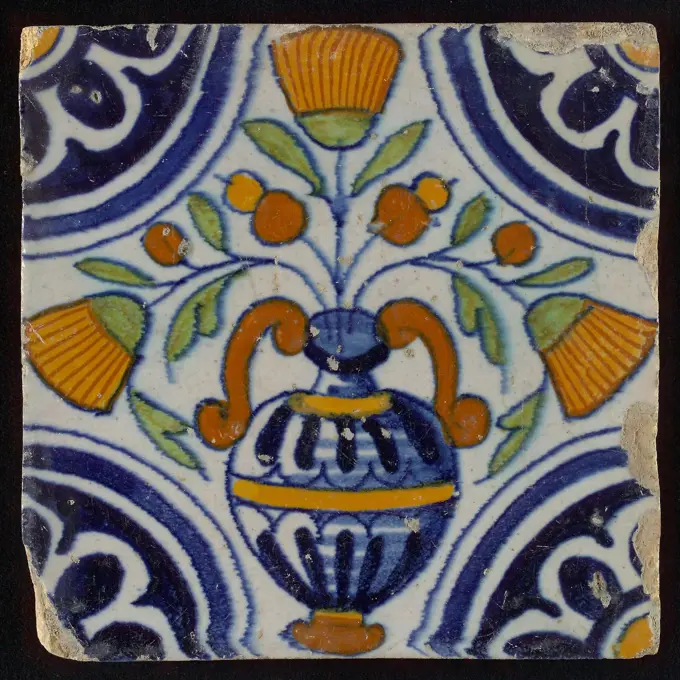
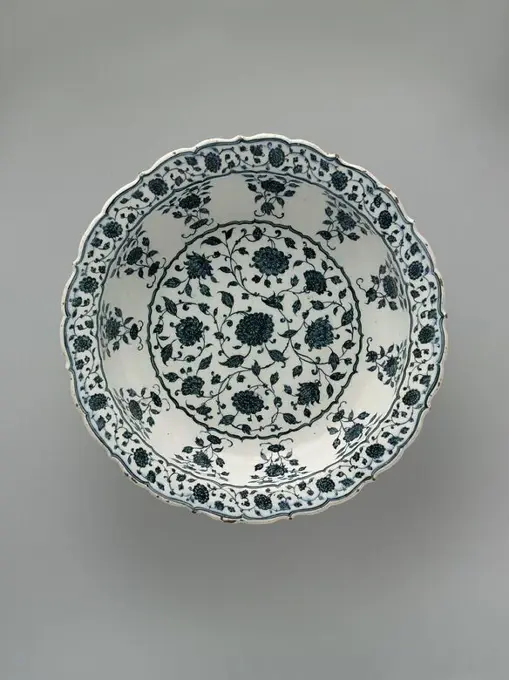
Four tile, Glazed earthenware, Two tiles each of a similar design, in blue, green and neutral yellow, with fleurs-de-lis at four corners, leaves and two small bunches of grapes; in center of tiles a and b, a pomegranate, of tiles c and d, a large bunch of grapes., Netherlands, 17th century, tiles, Decorative Arts, Four tilePaperweight 1801-1900 Clichy. Glass . Clichy GlasshouseTile, Anonymous, 1615 - 1625 Tile with blue painted leaf patterns of oak leaf, placed diagonally. Netherlands earthenware. tin glaze majolica Tile with blue painted leaf patterns of oak leaf, placed diagonally. Netherlands earthenware. tin glaze majolicaWall Facing (Netherlands); tin-glazed earthenware, underglazeTile (England); William Frend De Morgan (British, 1839-1917); Manufactured by Sands End Pottery (England, GB, United Kingdom); glazed earthenwarePaperweight 1825-1850 Czech Republic. Glass .Tile, Glazed, slip-decorated earthenware (cuenca technique), Red earthenware with white slip. Geometric interlaced pattern, forming two diagonally placed eight-petal rosettes in black, with yellow center. In opposite corners elongated green petals, part of larger rosette, extending over four tiles., Spain, 17th century, tiles, Decorative Arts, TileExcerpt of a dish with red -baking shard, with white glaze on the front and back, on which a semicircle of leaf shapes, a semicircle and a diamond pattern are painted at the front with blue and purple glaze, anonymous, 1200 - 1899  Italy earthenware  Italy earthenwareWall Tile- Floral Spray, c 1600s. Spain, 17th century. Glazed ceramic; overall: 14 x 14 cm (5 1/2 x 5 1/2 in.).Field of four tiles with leaf pattern, anonymous, c. 1560 - c. 1600 Field of four tiles (2 x 2) each with a multicolored (blue, yellow and orange -brown) leaf pattern in filling technique. The corners are decorated with a leaf pattern within a quarter circle. Netherlands earthenware. tin glaze majolica Field of four tiles (2 x 2) each with a multicolored (blue, yellow and orange -brown) leaf pattern in filling technique. The corners are decorated with a leaf pattern within a quarter circle. Netherlands earthenware. tin glaze majolicaTile wall facing, Tin-glazed earthenware, underglaze, Horizontal rectangle. Thirty tiles wide and twenty-three tiles high with opening for fireplace eleven tiles wide and ten high. Foliage arabesques disposed about three vertical axes from which are emphazised by urns at center and right, and at left by the figure of a standing woman carrying an infant on her arm and accompanied by two children., Possibly Rotterdam, Holland, Possibly Delft, Netherlands, ca. 1725, tiles, Decorative Arts, Tile wall facingWall facing, Tin-glazed earthenware, underglaze, Horizontal rectangle. Thirty-seven tiles wide and twenty-one high with opening for door or window nineteen and one-half tiles high and twelve wide. To left and right of opening, centered canopy above. Left, woman representing Hope, right, a sculputure urn. Centered above opening, a mascaron. Arabesque design of foliage., Possibly Delft, Netherlands, Possibly Rotterdam, Holland, ca. 1725, tiles, Decorative Arts, Wall facingFliesen für Vertäfelungen und Fußböden tile for wainscoting and flooring, edge tile, around 1544, Aragonese Mudejar tile makers, Huesca Diocesan Museum, Aragon community, Spain Copyright: xZoonar.com/TOLOxBALAGUERx 22307685Tile wall facing, Tin-glazed earthenware, underglaze, Horizontal rectangle. Thirty tiles wide and twenty-three tiles high with opening for fireplace eleven tiles wide and ten high. Foliage arabesques disposed about three vertical axes from which are emphazised by urns at center and right, and at left by the figure of a standing woman carrying an infant on her arm and accompanied by two children., Possibly Rotterdam, Holland, Possibly Delft, Netherlands, ca. 1725, tiles, Decorative Arts, Tile wall facingWall Facing (Holland); tin-glazed earthenware, underglazeField with triple tiles, anonymous, c. 1620 - c. 1640 Field of 4 flower tiles (2 x 2) each with a multicolored (blue, red-orange, yellow and green) painted three-line in an Akkolade frame. In the corners, a wing leaf. Netherlands earthenware. tin glaze majolica Field of 4 flower tiles (2 x 2) each with a multicolored (blue, red-orange, yellow and green) painted three-line in an Akkolade frame. In the corners, a wing leaf. Netherlands earthenware. tin glaze majolicaHexagonal Saucer With Petal-Shaped Panels With Flower Scrolls. Hexagonal dish of porcelain, painted on the glaze in green, red, pink and black. On the flat a flower-shaped decoration; in the center a pourea roof; The surrounding flower leaf-shaped compartments with lotus drinks against a black soil. Family Rose.Tile, Tin-enamelled earthenware, Square tile with cobalt blue figure of mounted lancer charging toward the left, enclosed in an octofoil rosette reserved in white on a ground of stippled manganese violet. Heart shape reserves at the corner., Holland, 18th century, tiles, Decorative Arts, TileTile, Tin-glazed earthenware, underglaze manganese decoration, Tile from upright rectangular panel of tiles; dark purple (manganese) on white ground showing arched framework; oval cartouche bearing double monogram (probably Lubert Adolf Torck), supported by pair of nude amors; pair of small amors holding crown above, borne by pair of female terms; surrounded by leafscrolls and foliations, with pair of flower-filled urns; top center, lunetted amor's head pendented with rosetted lattice cartouche., To be used in Rozendaal Castel. Intended to be viewed inset into a wall- indicated by the inclusion of a trompe-l'oeil marbleized edge that surrounds three sides of the panel., Possibly Rotterdam, Holland, Possibly Delft, Netherlands, ca. 1725, tiles, Decorative Arts, TileFragment Silk fluble with recesses with pattern of large and small stars, anonymous, 1500 - 1550 Fragment Silk flows with a stylized pattern of large and small stars in bronze green. Italy silk Fragment Silk flows with a stylized pattern of large and small stars in bronze green. Italy silkTile Wall Facing (Netherlands); tin-glazed earthenware, underglazeFour tiles with rosettes. Field of four tiles (2 x 2) each with a multicolored (blue, orange, green and yellow) rosette surrounded by four leaves in the corners. Along the edges, half a rosette.Field of four tiles with birds, anonymous, c. 1640 - c. 1660 Field of four tiles (2 x 2) each with a multicolored (blue, green, yellow, orange and purple) bird on a branch. In the corners, an ox head. Netherlands earthenware. tin glaze majolica Field of four tiles (2 x 2) each with a multicolored (blue, green, yellow, orange and purple) bird on a branch. In the corners, an ox head. Netherlands earthenware. tin glaze majolicaBowl bottom. Ghaybi (fl. ante ca 1450), craftsmanField of four tiles with flour, insect or snail in the socket. Four tiles (2 x 2) each with a multi-colored (blue, orange and purple) painted snail, flour or bug inside an octagon shaped by tendrils of flowers and leaves. In the corners, a bundle corner.Tile/tile fragment, Glazed earthenware, Spain or Italy, 17th century, tiles, Decorative Arts, Tile/tile fragment, Tile/tile fragment, Glazed earthenware, Spain or Italy, 17th century, tiles, Decorative Arts, Tile/tile fragmentPapier -sherry disher with a multicolored drawing of a flower in a circle, anonymous, 1500 - 1799   earthenware. glaze   earthenware. glazeFragment sign from V.O.C. ship De 'Witte Leeuw', Before 1613 plate (dishes) Fragment sign from V.O.C. ship the 'Witte Leeuw'. Jingdezhen bone china (material)   Sint-HelenaTile. Tile with a multicolored (blue, red and green) flower vase with a bird inside an octagon on either side through sprinkled green. In the corners, red carnations saved.. Quartz fritewes with lead tile decorated with a flower rosette and flower drinks in blue, green, turquoise and red under transparent lead-alkali-tinglaze. Iznik.Fragment of a Cup 100 BCE-100 CE Italy. In ancient Rome, there was a high demand for colorful glass that could dazzle banquet guests alongside the expensive silver and gold serving wares meant to impress. Fragments like this one would have once been a part of larger mosaic dishes. The mosaic pattern was made by sagging molten glass into bowl-shaped molds, a technique used on many of these fragments is similar to millefiori, ìthousand flowersî in Italian, a modern glass-making method in which tiny rods of colored glass are bundled together, wrapped in a sheet of glass, fused, and then thinly sliced to reveal swirls of a flower-like patterns. They were arranged side by side, sometimes together with bits of colored glass, and fused together with heat.. Glass, mosaic glass technique . Ancient RomanPurse; mother-of-pearl, silver inlay, green textile; Bequest of Katherine Strong Welman; 1908-23-16-a,bPlate with panel decoration with flower sprays and precious objects, anonymous, c. 1740 - c. 1760 Plate of porcelain with upright wall and sloping edge, painted in underlaze blue. On the flat a pointed medallion with flower branches and insect at a rock, the semic circles around the medallion filled with alternately a scaly motif and swastika in reserve; the edge with a professional decoration with alternating a flower branch or happiness symbol (parasol) and a three -part box with valuables (pearl, window) above and under or a scaly pattern or a swastika in reserve; The rear with a continuous flower branch. Plate has been broken. Blue White. China porcelain. glaze. cobalt (mineral) painting / vitrification Plate of porcelain with upright wall and sloping edge, painted in underlaze blue. On the flat a pointed medallion with flower branches and insect at a rock, the semic circles around the medallion filled with alternately a scaly motif and swastika in reserve; the edge with a professiTile Wall Facing (Netherlands); tin-glazed earthenware, underglazeField of four PompaDourtes, Anonymous, 1580 - 1625 Field of 4 Pompaadourtes (2 x 2) each with a multicolored (blue, red-orange, yellow and green) painted flowerpot within a four-pass frame. In the corners, filling technique ornament. Netherlands earthenware. tin glaze majolica Field of 4 Pompaadourtes (2 x 2) each with a multicolored (blue, red-orange, yellow and green) painted flowerpot within a four-pass frame. In the corners, filling technique ornament. Netherlands earthenware. tin glaze majolicaKeramiken aus Muel ceramics from Muel, Elorrio, Arkeologi Museoa, archaeological museum, Bilbao, Bizkaia, Basque Country, Spain Copyright: xZoonar.com/BartomeuxBalaguerxRotgerx 22845521Field of four tiles with flower and leaf ornaments, anonymous, c. 1600 Field of four tiles (2 x 2) multicolored (blue, yellow and orange) painted with flower and leaf ornament within geometric motifs. Portugal (possibly) earthenware. tin glaze majolica Field of four tiles (2 x 2) multicolored (blue, yellow and orange) painted with flower and leaf ornament within geometric motifs. Portugal (possibly) earthenware. tin glaze majolicaSaucer with an ornamental border, anonymous, c. 1800 - c. 1824 Porcelain dish with a straight wall, painted on the glaze in gold. On the flat a gold medallion with a flower branch. The inner wall is with a pendulum of stars, half moon shapes with dots and triangles and a golden edge. Marked on the bottom with g. Empire. France porcelain. glaze. gold (metal) painting / gilding / vitrification Porcelain dish with a straight wall, painted on the glaze in gold. On the flat a gold medallion with a flower branch. The inner wall is with a pendulum of stars, half moon shapes with dots and triangles and a golden edge. Marked on the bottom with g. Empire. France porcelain. glaze. gold (metal) painting / gilding / vitrificationTile with leaf pattern. Tile with multicolored (blue, orange, yellow and green) leaf patterns in filling technology between geometric lines.Field of sixteen tiles with pattern of grape bunches, tulips, pomegranates and stars, anonymous, c. 1600 - c. 1625 Field of sixteen tiles (4 x 4) with a multicolored (blue, green, yellow, orange and purple) pattern formed by four tiles with pomegranates, grape bunches and tulips around a star. Netherlands earthenware. tin glaze majolica Field of sixteen tiles (4 x 4) with a multicolored (blue, green, yellow, orange and purple) pattern formed by four tiles with pomegranates, grape bunches and tulips around a star. Netherlands earthenware. tin glaze majolicaFinger cloth of Linnamast with Dessin Marguerite, Cornelis van der Sluys, c. 1904 Linnamast finger cloth with a flower pattern: Motif Marguerite, Dessin No. 500. The finger cloth belongs to eleven finger cloths, thirteen napkins and a tablecloth. Eindhoven linen (material) damask Linnamast finger cloth with a flower pattern: Motif Marguerite, Dessin No. 500. The finger cloth belongs to eleven finger cloths, thirteen napkins and a tablecloth. Eindhoven linen (material) damaskOrnament tile, diagonal ornament in quatrefoil with bows in which orange-apples and flowers, palm corner, corner motif rosette, wall tile tile sculpture ceramics pottery glaze, baked 2x glazed painted Yellow and reddish shard square two and four nail holes. Multicolored: brown blue green yellow on white ground (variation in light and dark). Saving technique in blue on white.Flower tiling with three-tier in braces, blue decor on white ground, angle filling voluten, wall tile tile sculpture ceramic earthenware glaze tin glaze, in shape made baked glazed painted baked Wall tile with blue decor on white background. Flower tiling with three-tiered tulip in brace frame The glaze layer is speckled, wrinkled and cooked along the top edge and discolored by too high baking temperature brown-yellow shard Shredded earthenware. Corner filling volute Slightly sloping sides of native earthenware RotterdamSoup plate - Acadia Inconnu / UnknownSaucer With Cock and Three Fans With Flower Sprays. Dish of porcelain with straight, flared wall, painted on the glaze in blue, red, pink, green, yellow, black and gold. On the flat a medallion with a rooster; To keep the medallion three fans with flowering plants against a golden ground; Three elongated compartments with napkin work between the ranges. Family Rose.. Van Faience edge.Sharf of a bowl from the wreck of the East Indians' t Vliegend Hart ,, 1700 - 1735 bowl One shard from the edge of a porcelain bowl. Delft blue with the drawing from outside. Bowl. Netherlands porcelainIB, Flower Tile with three-tier, blue decor on white ground, accolade frame and volutes, marked, wall tile tile material ceramic earthenware enamel tinglage, in form made baked glazed painted baked Wall tile with blue decor on white background. Flower tile with three-tier as central idea. Corner and rim filling: accolade picture frame with volutes The painter has obscured large spatter of spilled paint into an extra plant leaf on the edge of the frame Orange-brown shard. Scraped earthenware Slightly slanted sides. Marked at the back In blue paint on the back: IB Rotterdam Stadscentrum Stadsdriehoek Zandstraat indigenous pottery Probably from the vicinity of the Zandstraat Rotterdam.Dishwill of earthenware with lead glaze on the rear and at the front tinglaze and a decoration of flowers in blue, damaged, anonymous, 1500 - 1799   earthenware. tin glaze. lead glaze   earthenware. tin glaze. lead glazeWall Facing (Netherlands); tin-glazed earthenware, underglaze; 5 tiles tall, various wideOrnament tile, diagonal ornament in quatrefoil with bows in which orange apples and flowers, palm corner, corner pattern rosette, wall tile tile sculpture ceramic earthenware glaze, baked 2x glazed painted Yellow and reddish shard square two and four nail holes. Multicolored: brown blue green yellow on white ground (variation in light and dark). Saving technique in blue on white.Four tiles with pattern of grape fees, tulips, pomegranates and stars. Field of four tiles (2 x 2) with a multi-colored (blue, green, yellow, orange and purple) pattern formed by four tiles with pomegranates, grapes of grapes and tulips around a star.Ornament tile, diagonal ornament in quatrefoil with bows in which orange-apples and flowers, palm corner, corner pattern rosette, wall tile tile sculpture ceramics pottery glaze, baked 2x glazed painted Yellow and reddish shard square two and four nail holes. Multicolored: brown blue green yellow on white ground (variation in light and dark). Saving technique in blue on white.Field of four tiles, Anonymous, 1650 - 1670 Field of 4 tiles (2 x 2) each with a blue -painted landscape, flower or insect within a wreath with a fervor. In the corners, a forfe. Haarlem (possibly) earthenware. tin glaze majolica Field of 4 tiles (2 x 2) each with a blue -painted landscape, flower or insect within a wreath with a fervor. In the corners, a forfe. Haarlem (possibly) earthenware. tin glaze majolicaCharger Designer André Metthey French ca. 1910Tile with roundels in a square panel and scrolls, anonymous, c. 1700 - c. 1725 Porcelain tile, painted in under -glaze blue. In a square cartouche a large and four smaller flower rosettes, in the corners of flower vines; Around it a band with four flower pots with tumbles on either side. A chip in the edge. Blue White. China porcelain. glaze. cobalt (mineral) painting / vitrification Porcelain tile, painted in under -glaze blue. In a square cartouche a large and four smaller flower rosettes, in the corners of flower vines; Around it a band with four flower pots with tumbles on either side. A chip in the edge. Blue White. China porcelain. glaze. cobalt (mineral) painting / vitrificationHexagonal tiles from Iznik, Turkey. Dated 15th CenturyTureen. Ćmielów (fabryka fajansu i porcelany ; 1804-), factoryPaperweight 1840-1865 France. This paperweight uses a traditional glass-making technique called millefiori to great effect. Italian for ìone thousand flowers,î millefiori was first developed in fifteenth-century Venice. In the nineteenth century, French glassmakers revived the technique with a cultural twist. Arranged to evoke traditional French gardens such as the Tuileries in Paris, paperweights like this example brought a little of this landscaping magic indoors.From the late 1840s to early 1860s, French manufacturers of fine glass and crystalósuch as Baccarat (Alsace), Clichy (Paris), and Saint-Louis (Lorraine)ócatered to the vast public enthusiasm for beautiful yet functional desk accessories. Paperweights, which were designed to secure loose papers against drafts, were among their most popular products.. Glass . Clichy GlasshouseDish, the ribs alternately blue and white, separated by golden piping, c. 1775 - c. 1800  Dish, ribbed, the edges serrated. The ribs separated by vertical gold piping. The Cavities Dark Blue (Blue du Roi), the ribs white, on which a decoration of leaf work and braid tire. The edges gilded, gilding inwards. Marked in underlaze blue. Worcester earthenware vitrificationFour tiles, multicolored decorated with an ornament from a braided stars. Four tiles, adorned multicolored in Cuenca technique with an ornament from a braided stars.Tile, blue, green, brown and yellow on white, central yellow star in circle, sgraffito surfaces, corner motif, quarter rosette, wall tile tile sculpture ceramic earthenware glaze, baked 2x glazed painted Yellow - red shard square bevelled sides. Two or four nail holes. AIb3.Ornament tile, diagonally across the tile white braid band motif, corner motif quarter rosette, wall tile tile sculpture ceramic earthenware glaze, baked 2x glazed painted Light yellow shard with fine red dots and square strings. Multicolored: blue (ocher to lemon) yellow and orange on white. Savings technique MoorsEmile Gallé (1846-1904). "Base in console decorated with flowers, in thick transparent white glass, polychrome and gilding enamels, around 1880 (view of the base alone without the vase face B)". Glass and enamel. Museum of Fine Arts of the City of Paris, Petit Palais. 26989-18 China, console, gilding, email, flower, decorative object, polychrome, base, thick transparent, glass, white glassWhite tile with in blue flower in oval frame; corner motif triptych, wall tile tile sculpture ceramic earthenware glaze, baked 2x glazed paintedTile, orange, brown, green, and blue on white, flowerpot in square, corner pattern palm, wall tile tile sculpture ceramic earthenware glaze, baked 2x glazed paintedOctagonal Plate With Roundels, Cloud Motifs and Diaper Patterns. Octagonal plate of porcelain, painted on the glaze in blue, red, pink, black and gold. On the flat in the center a flower rosette surrounded by two decorative tires, one with cloud motif and one with napkin; the wall with alternating a wolf motif and a flower rosette; The edge with a band with Ruyi motif on a ground of napkin. Some cracks in the soil. Family Rose.. Round plate of blue painted faience, with a ribbed and scalloped edge. On the flat, a sitting figure is painted in a landscape and on the edge two seated figures. The painting is coarse and volatile.Silver and enamel belt buckle from Russia, St Petersburg. Dated 19th CenturyWhite tile with blue fruit bowl on stand, apples and grapes; corner pattern meander angle, wall tile tile material ceramics pottery glaze, baked 2x glazed painted Red shard square three and four nail holes. AVIa chinoiserieShards of signs from V.O.C. ship De 'Witte Leeuw', Before 1613 plate (dishes) Shards of signs from V.O.C. ship De 'Witte Leeuw'. Jingdezhen bone china (material)   Sint-HelenaPaperweight 1840-1865 France. This paperweight uses a traditional glass-making technique called millefiori to great effect. Italian for ìone thousand flowers,î millefiori was first developed in fifteenth-century Venice. In the nineteenth century, French glassmakers revived the technique with a cultural twist. Arranged to evoke traditional French gardens such as the Tuileries in Paris, paperweights like this example brought a little of this landscaping magic indoors.From the late 1840s to early 1860s, French manufacturers of fine glass and crystalósuch as Baccarat (Alsace), Clichy (Paris), and Saint-Louis (Lorraine)ócatered to the vast public enthusiasm for beautiful yet functional desk accessories. Paperweights, which were designed to secure loose papers against drafts, were among their most popular products.. Glass . Compagnie de Saint LouisVessel on the pace;  19th century (1801-00-00-1900-00-00);Paderewski, Ignacy Jan (1860-1941), Paderewski, Ignacy Jan (1860-1941)-collection, qing (style), Chinese (culture), Cloisonné, Dar (provenance), dishes, brushes, dragons (iconogr.), Art ChineseTile, orange, brown, green, and blue on white, flowerpot in square, corner pattern palm, wall tile tile sculpture ceramic earthenware glaze, baked 2x glazed paintedPanel; tin-glazed earthenware, underglaze manganese decoration; Overall: H: 147.3 x W: 85.1 cm (58 x 33 1/2 in.)Deep sign from V.O.C. ship De 'Witte Leeuw', Anonymous, Before 1613  Deep plate and loose shard from V.O.C. ship the 'Witte Leeuw', 40 present. Jingdezhen bone china (material)   Sint-HelenaField of sixteen tiles with pattern of grape bunches, pomegranates, tulips and stars, anonymous, c. 1600 - c. 1625 Field of sixteen tiles (4 x 4) with a multicolored (blue, green, yellow, orange and purple) pattern formed by four tiles with pomegranates, grape bunches and tulips around a star. In the corners, a quarter rosette. Netherlands earthenware. tin glaze majolica Field of sixteen tiles (4 x 4) with a multicolored (blue, green, yellow, orange and purple) pattern formed by four tiles with pomegranates, grape bunches and tulips around a star. In the corners, a quarter rosette. Netherlands earthenware. tin glaze majolicaPanel; tin-glazed earthenware, underglaze manganese decoration; Overall: H: 147.3 x W: 85.1 cm (58 x 33 1/2 in.)Plate of earthenware, with white tinglaze on the top and lead glaze on the bottom and a representation of a star in blue on the top, damaged, anonymous, 1500 - 1799   earthenware. tin glaze. lead glaze   earthenware. tin glaze. lead glazePaperweight 1840-1865 Clichy. This paperweight uses a traditional glass-making technique called millefiori to great effect. Italian for ìone thousand flowers,î millefiori was first developed in fifteenth-century Venice. In the nineteenth century, French glassmakers revived the technique with a cultural twist. Arranged to evoke traditional French gardens such as the Tuileries in Paris, paperweights like this example brought a little of this landscaping magic indoors.From the late 1840s to early 1860s, French manufacturers of fine glass and crystalósuch as Baccarat (Alsace), Clichy (Paris), and Saint-Louis (Lorraine)ócatered to the vast public enthusiasm for beautiful yet functional desk accessories. Paperweights, which were designed to secure loose papers against drafts, were among their most popular products.. Glass . Clichy GlasshousePaperweight 1801-1900 Clichy. Glass . Clichy GlasshouseDish, painted multi-colored with a madonna with child, surrounded by a ray wreath .. Dish of multicolored painted majolica. On the flat is a Madonna painted with a child, surrounded by a radiate wreath in blue and orange. The edge is divided into courses in which stylized flowers (WAN-L1). The edge is painted in blue.Sign from V.O.C.-ship De 'Witte Leeuw', Anonymous, Before 1613 plate (dishes) Sign from V.O.C. ship De 'Witte Leeuw', 50 present. Jingdezhen bone china (material)   Sint-HelenaItalian earthenware in color. Dish Italian earthenware in color. Dish. Color projection plate. 1900-1930. Photograph of Jacques-Ernest Bulloz (1858-1942).Tile/tile Fragment; glazed earthenwareShard of a plate from the wreck of the East India hollandiaia. Porcelain, plate, type 2; Fragm of Rim with Cavetto, SIM. NG 1980-27H507 / 2624H.Sharf of white -baking earthenware, with a backdrop of flowers in blue, c. 1500 - c. 1899 fragment   earthenware. glazeTile, blue draft, orange, brown and green on white, central flowerpot with marigolds, corner pattern, rosette, wall tile tile sculpture ceramic earthenware glaze, baked 2x glazed painted Yellow reddish and red shard square four nail holes.Field of four tiles, Anonymous, c. 1620 - c. 1640 Field of four tiles (2 x 2) each with a multicolored (blue, green, orange and purple) painted flower on a ground. Netherlands earthenware. tin glaze majolica Field of four tiles (2 x 2) each with a multicolored (blue, green, orange and purple) painted flower on a ground. Netherlands earthenware. tin glaze majolicaVintage azulejos, traditional Portuguese tiles.Tile, blue painted with a ship, c. 1650 - c. 1680 tile Tile, blue painted with a ship, supposedly farm ship. A spinning head in the corners. Holland earthenware. tin glaze majolicaFooted Dish with Foliate Rim in Imitation of Chinese Porcelain. Dimensions: H. 4 7/16in. (11.3 cm)Diam. 14 1/4 in. (36.2 cm). Date: ca. 1570-80.Many Ottoman sultans were avid collectors of Chinese porcelains, and the importation of these wares had a profound effect on regional ceramic production. The floral scrolls, foliate rim, and palette of this Iznik bowl reproduce those of a fifteenth-century Chinese prototype. The unusual addition of a raised foot on this piece, however, appears to be an Ottoman invention. Museum: Metropolitan Museum of Art, New York, USA.Decorative ceramic plate with  different colors. painted plate on white background, closeup, top view. Decorative porcelain plate painted with acrylic paints, handwork, dot paintingField of two pumpAdourtes with flower pots, anonymous, c. 1610 - c. 1625 Field of two pumpAdourtes (1 x 2) each with a multicolored (blue, orange, green and yellow) flowerpot in a four -pass frame. In the corners, a wing leaf. Netherlands earthenware. tin glaze majolica Field of two pumpAdourtes (1 x 2) each with a multicolored (blue, orange, green and yellow) flowerpot in a four -pass frame. In the corners, a wing leaf. Netherlands earthenware. tin glaze majolicaLeaf dish ca. 1760 British. Leaf dish 212208Tile 14th-15th century. Tile 447629Saucer with panels in The Shape of a Flowerhead Filled with Flower Sprays. Dish of porcelain with raised wall and flat edge, painted in underglaze blue. On the flat a medallion surrounded by flower leaf-shaped compartments; The medallion is filled with a flower branch, rock and grasshopper, in the leaf-shaped boxes each time a flower branch (bamboo, chrysanthemum, prunus, pine, etc.); on the edge flower branches; The back with two flower branches and a peach branch. Marked on the bottom with an artemisia leaf in a double circle. Blue White.Field of four tiles with flower vase. Field of four tiles (2 x 2) painted multily painted with a flower vase inside a circle. In the corners of floral motifs.Tile, flower vase, blue decor white fond, corner fill spider, wall tile tile sculpture ceramics earthenware glaze tin glaze, in shape made baked glazed painted baked Wall tile with dark blue decor on white ground Central representation small flower vase on shadow line Vase with two thin curled ears. Corner filling spider. Orange-red shard Slightly slanted sides of indigenous potteryCeramic Blue and White Tiles, Azulejo, Lisbon, Portugal, PT, EU