Decorative Tiles and Artifacts

Beautifully designed decorative tiles, showcasing vibrant colors and intricate patterns, reflecting classic earthenware artistry.

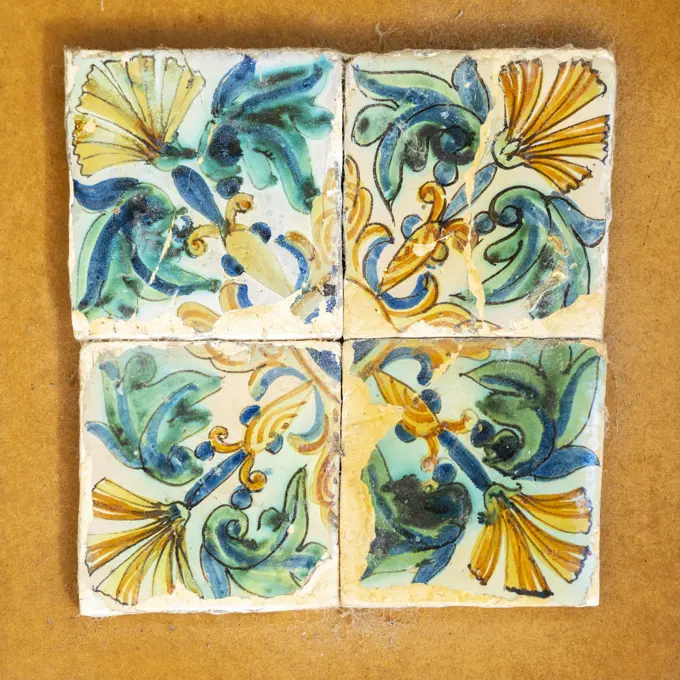
Four tile, Glazed earthenware, Two tiles each of a similar design, in blue, green and neutral yellow, with fleurs-de-lis at four corners, leaves and two small bunches of grapes; in center of tiles a and b, a pomegranate, of tiles c and d, a large bunch of grapes., Netherlands, 17th century, tiles, Decorative Arts, Four tile
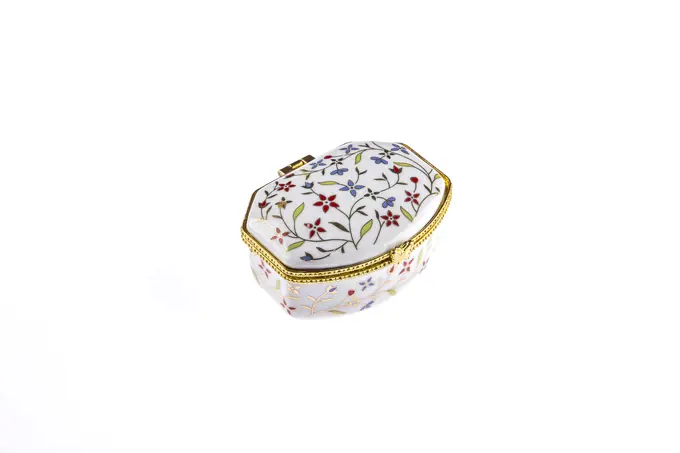
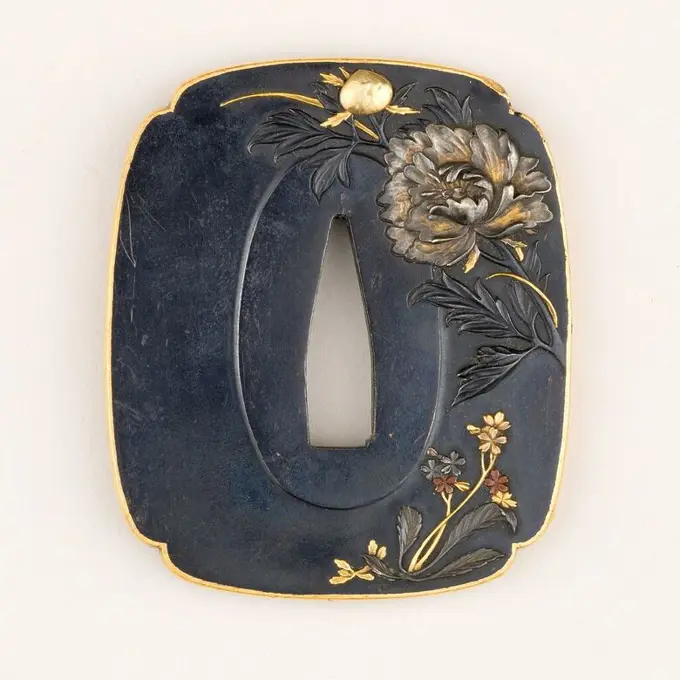
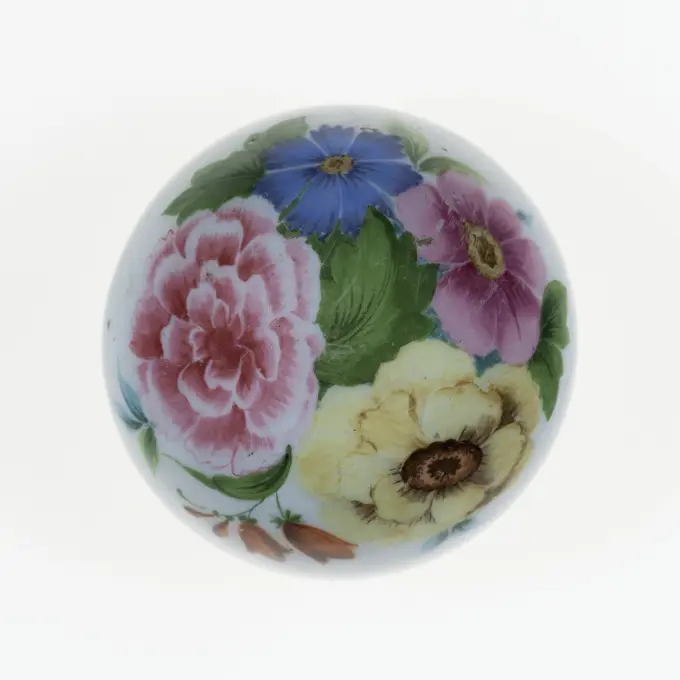
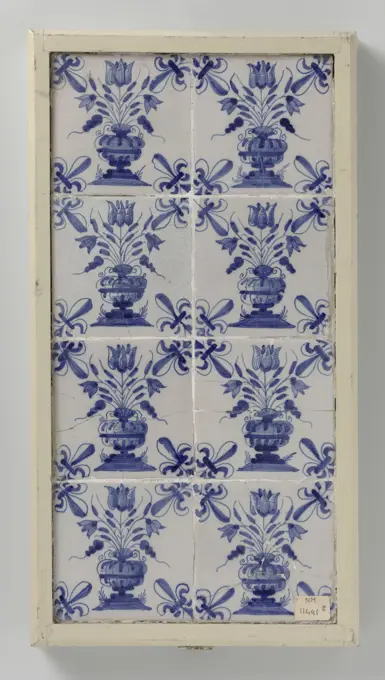
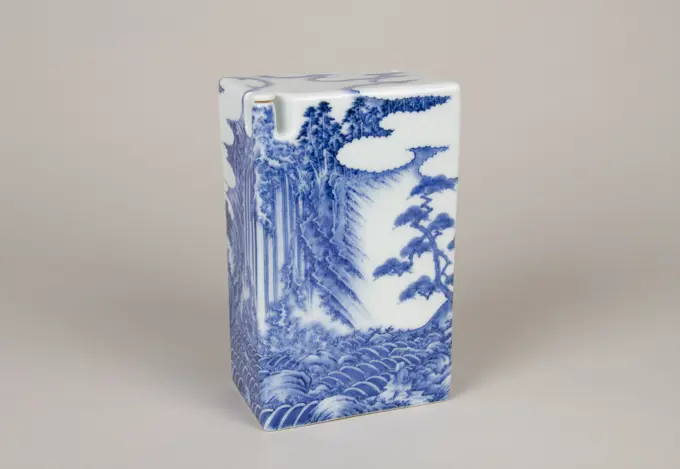
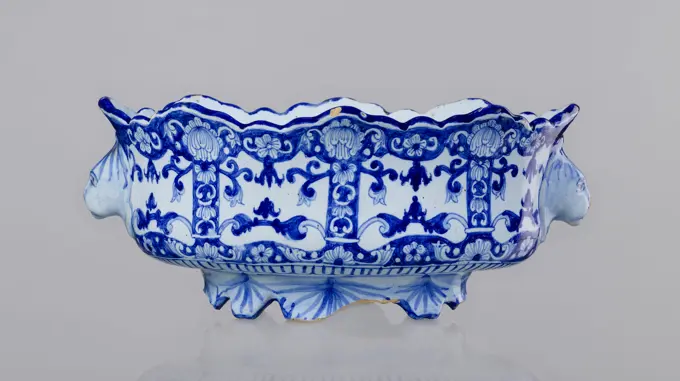
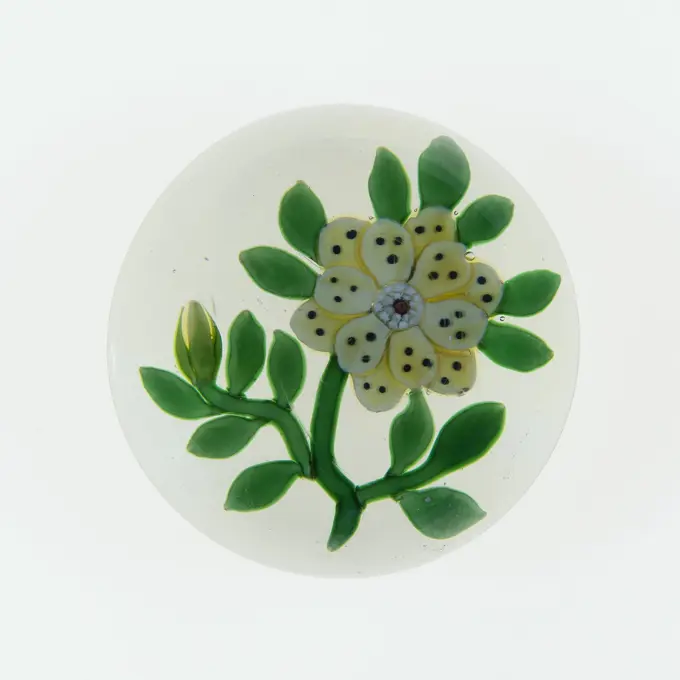
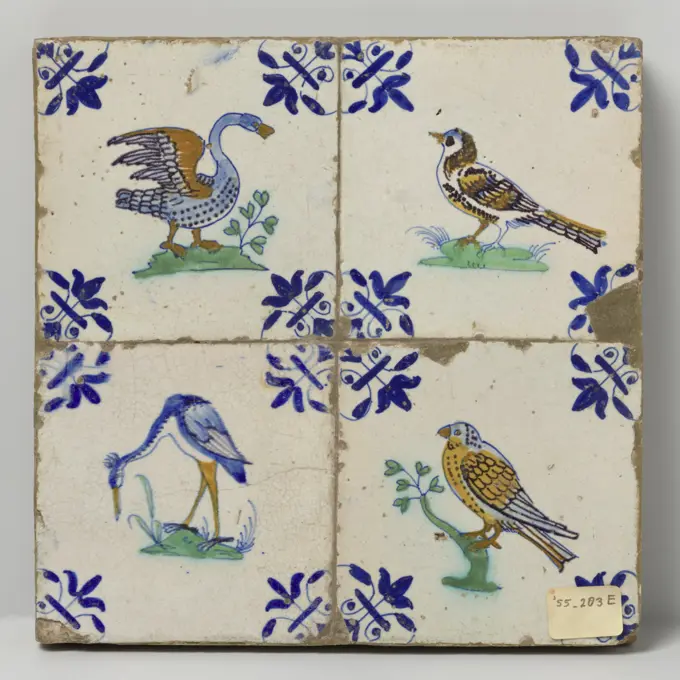
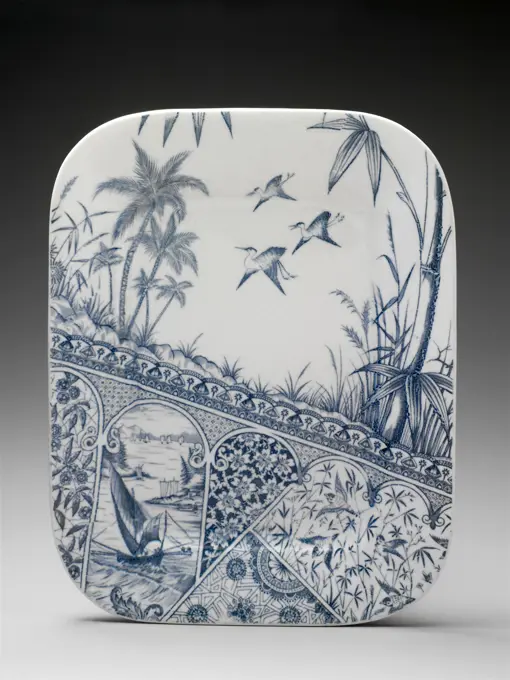
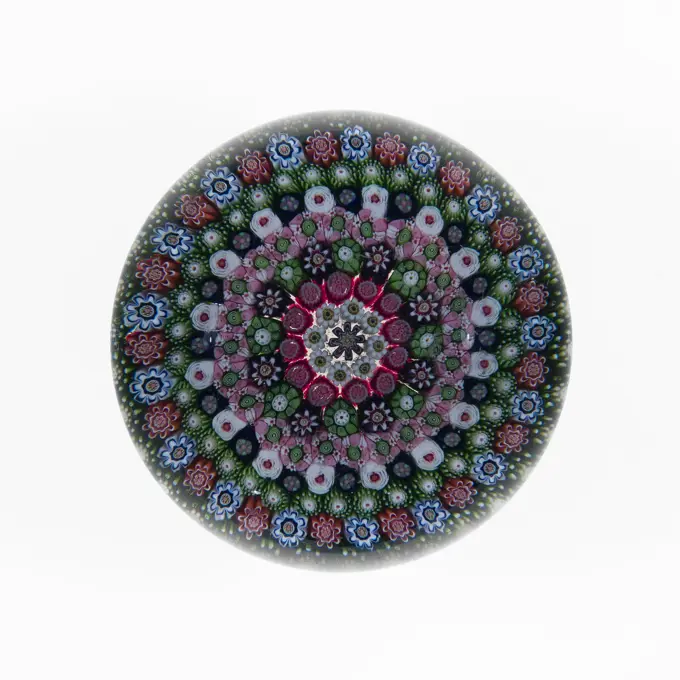
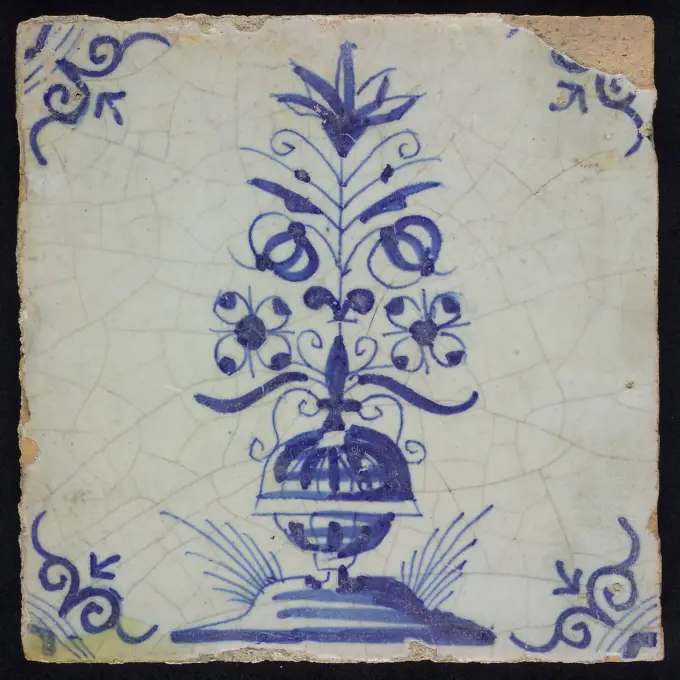
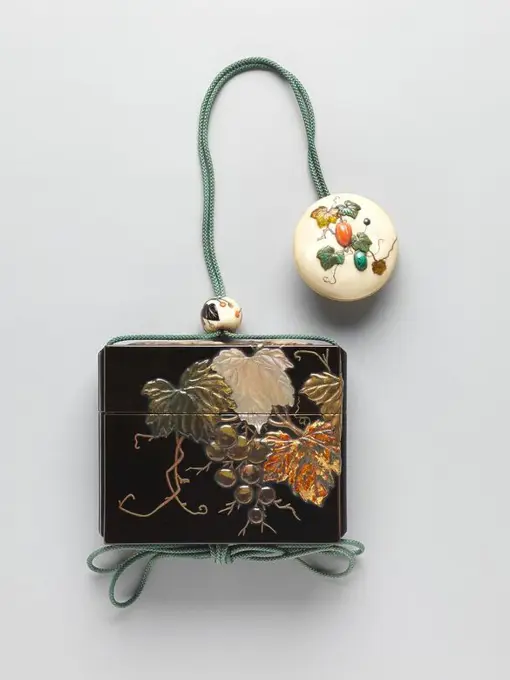
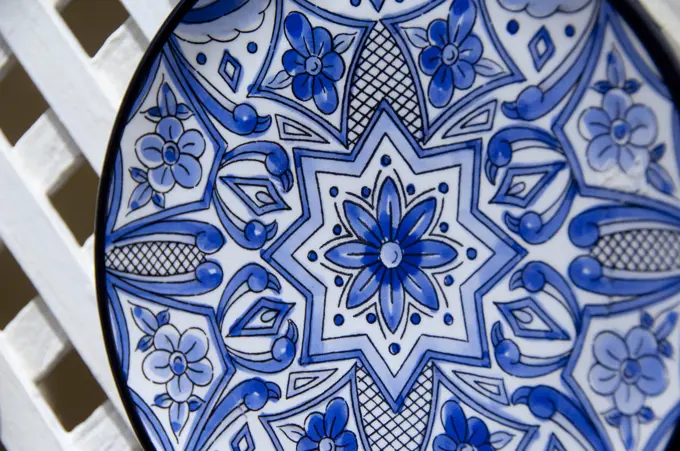
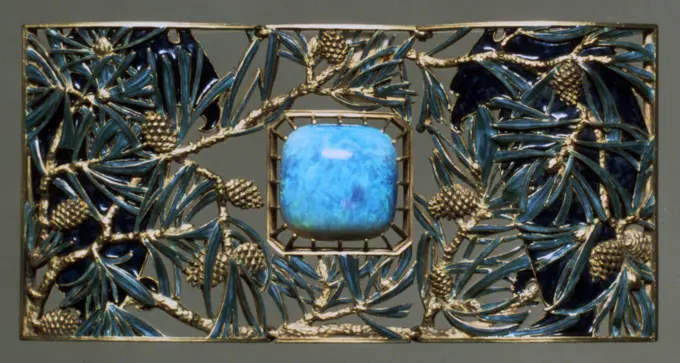
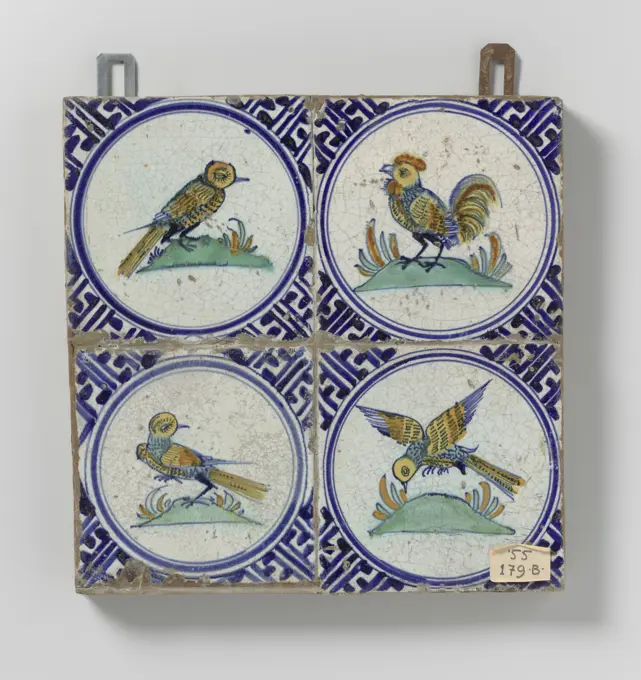
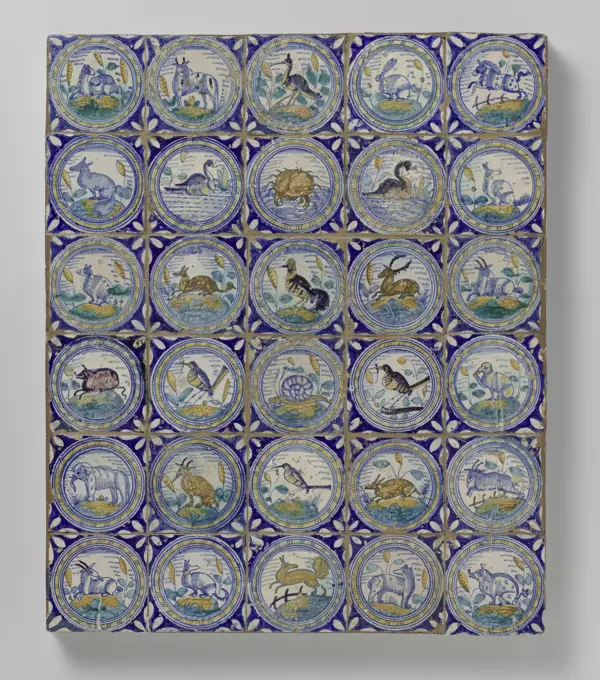
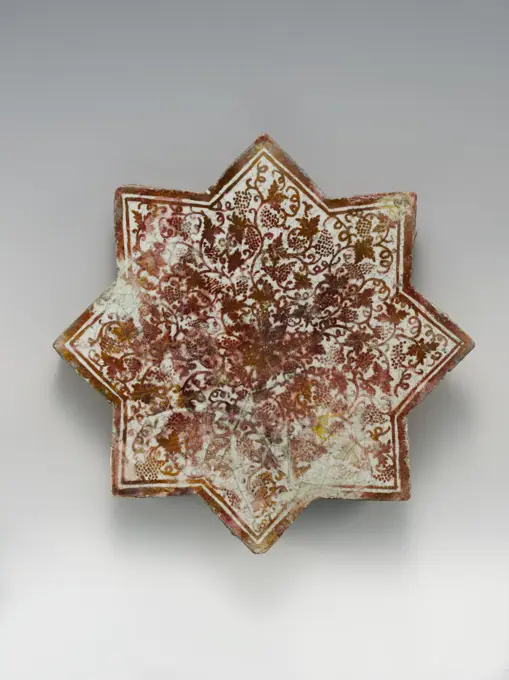
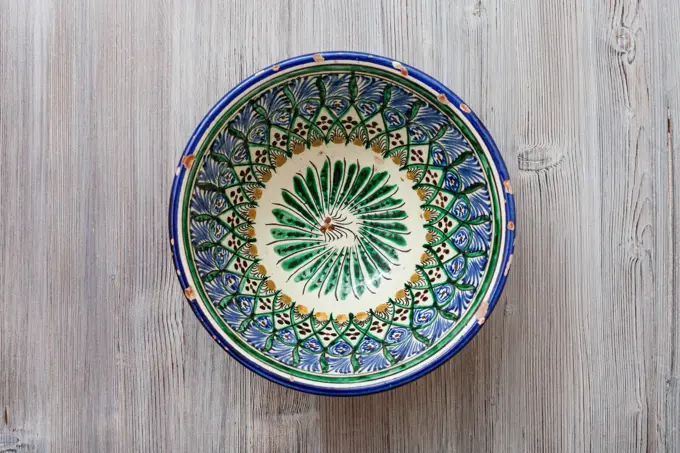
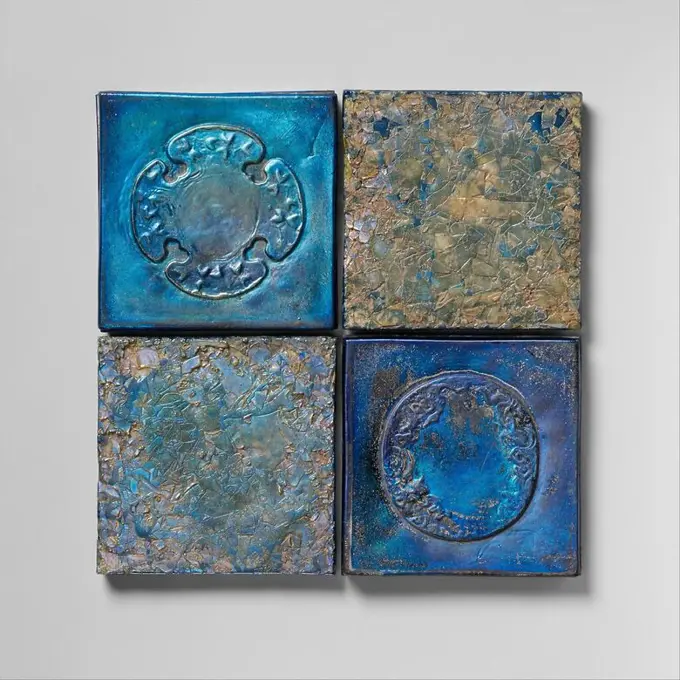
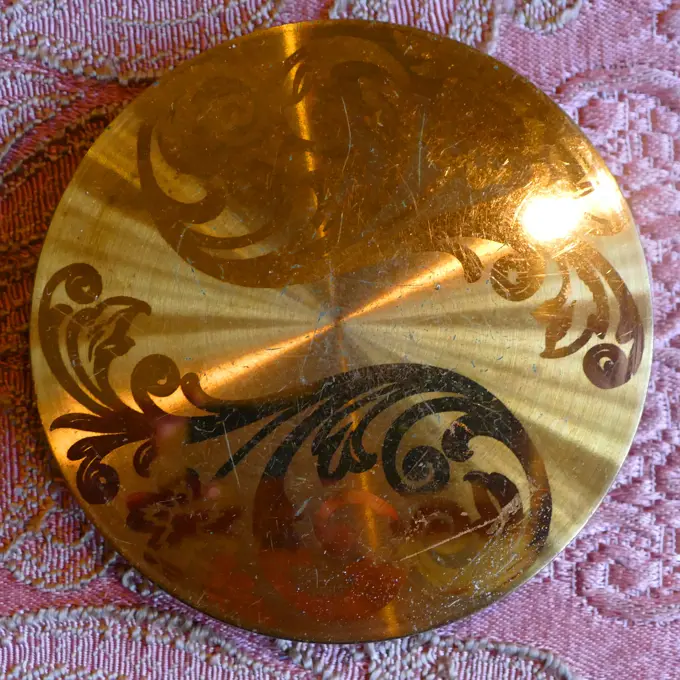
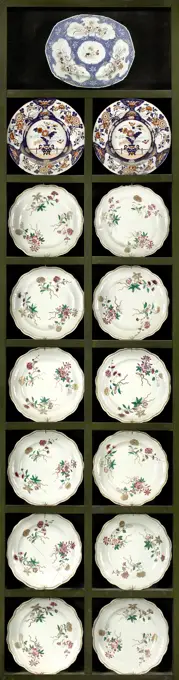
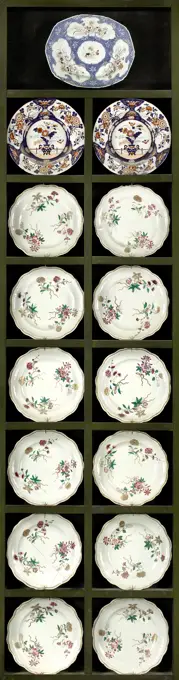
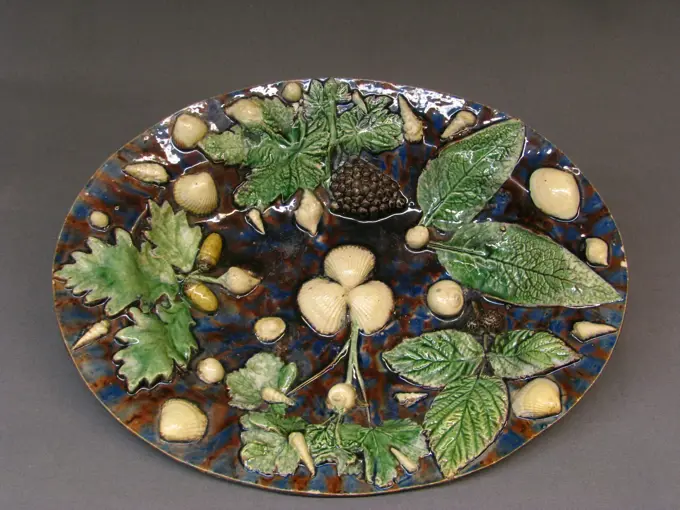
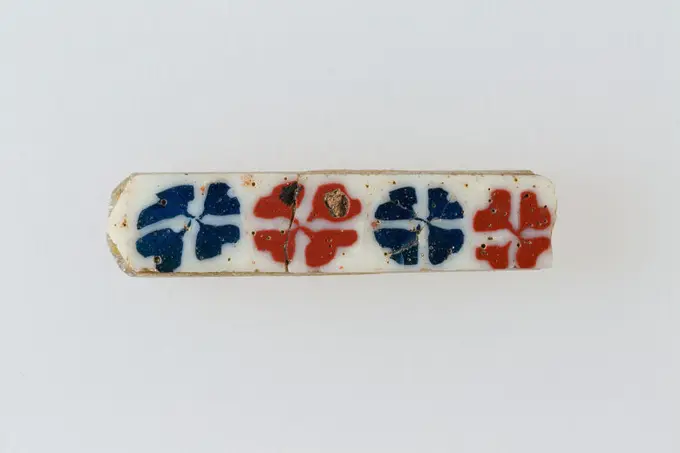
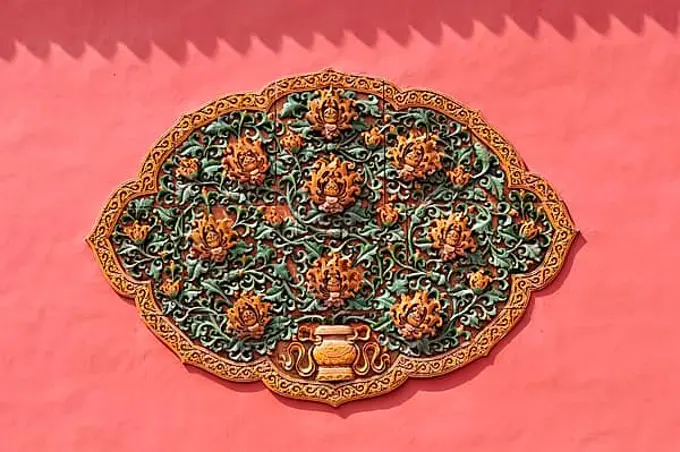
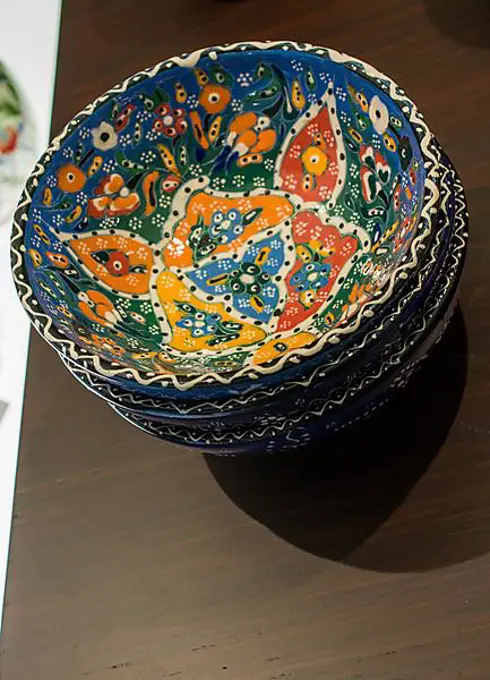
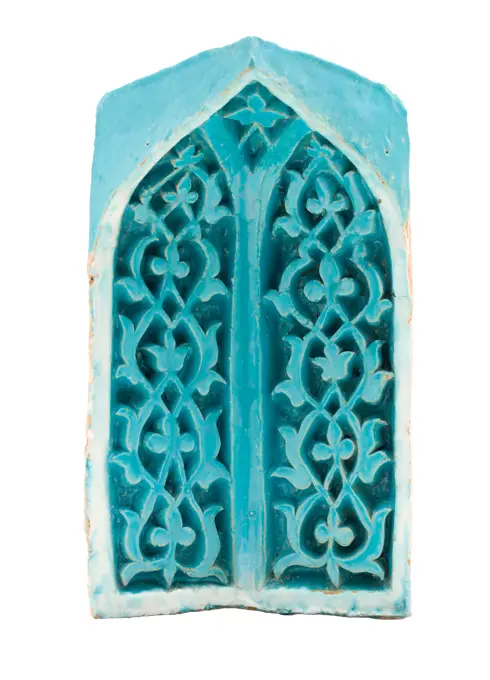
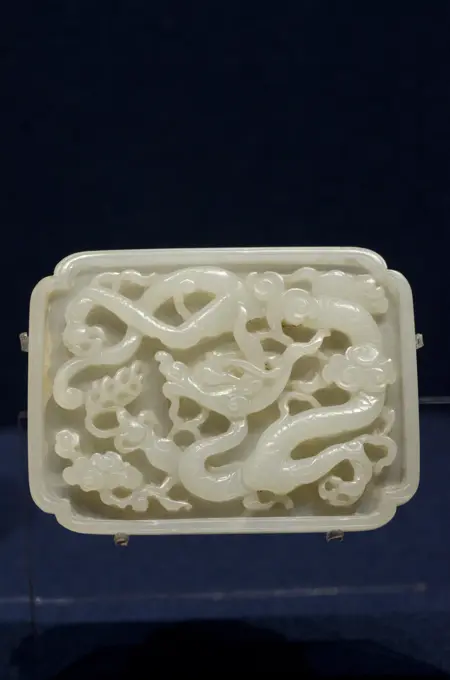
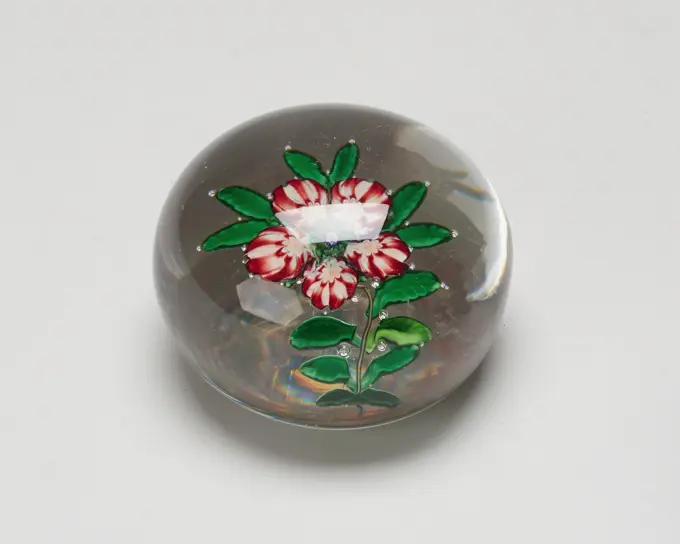
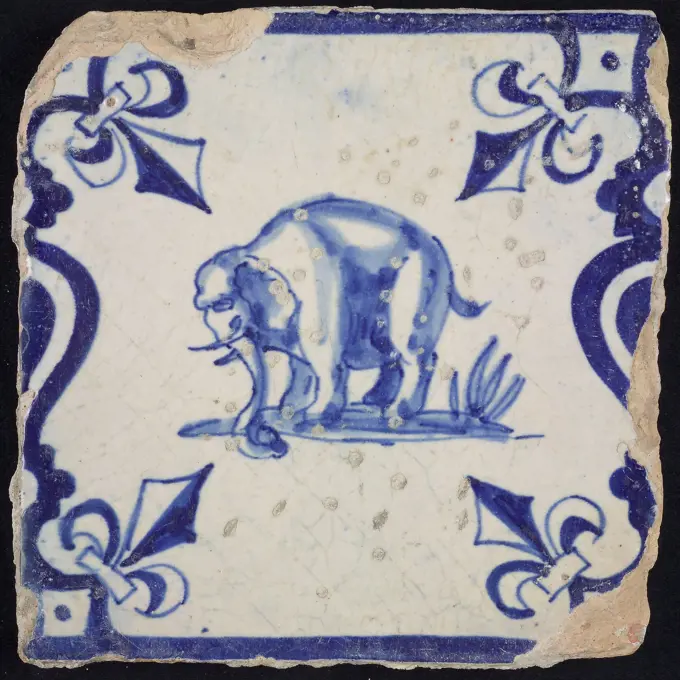
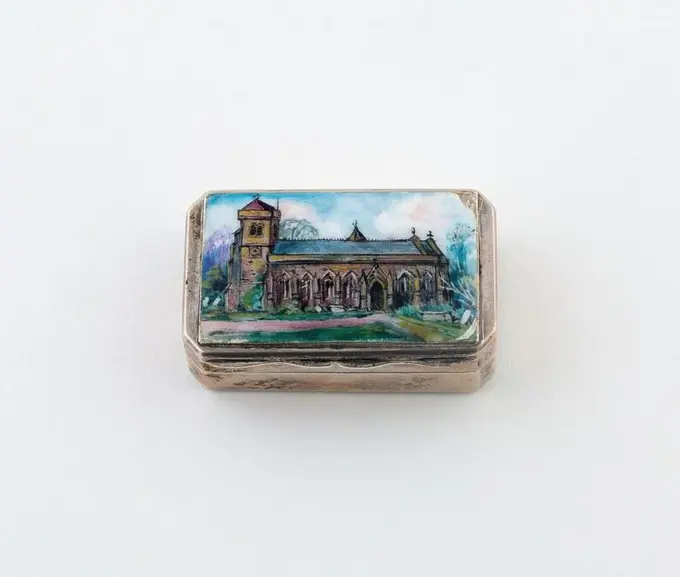
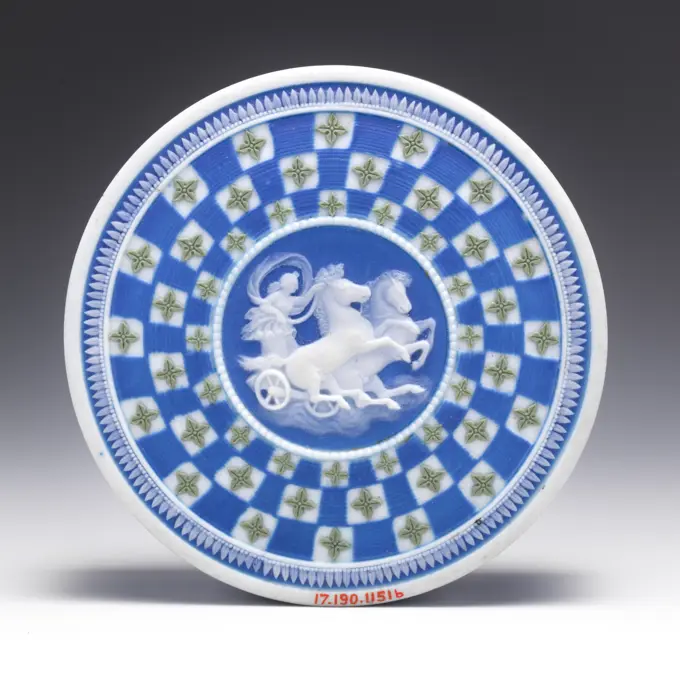
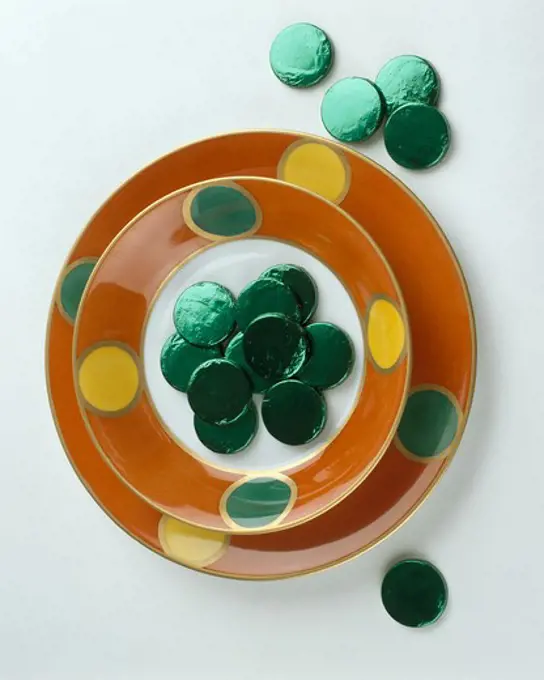
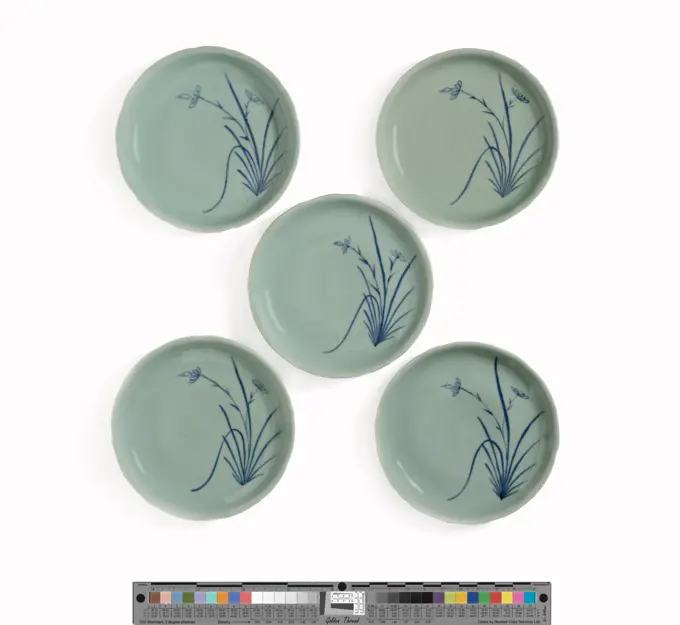
Plate, painted with the Flügelmuster decor. Painted porcelain plate. The plate is painted in green and blue with the flügelmuster. The sign belongs to a tableware (BK-1976-65-1 to BK-1976-65-34) and has been marked.Tile. Culture: American. Dimensions: 6 1/8 x 3 1/8 in. (15.6 x 7.9 cm). Maker: J. and J. G. Low Art Tile Works (1877-1907). Date: ca. 1882-84. Museum: Metropolitan Museum of Art, New York, USA.Beautiful porcelain or ceramic vintage box for jewelry, isolated on white backgroundSword Guard (Tsuba). Culture: Japanese. Dimensions: H. 2 7/16 in. (6.2 cm); W. 2 1/8 in. (2.3 cm); thickness 1/4 in. (0.6 cm); Wt. 4 oz. (113.4 g). Date: late 18th-early 19th century. Museum: Metropolitan Museum of Art, New York, USA.Toy dessert plate - Shelley, 1925-1929 Shelley, 1925-1929Plate, painted with the Flügelmuster decor. Painted porcelain plate. The plate is painted in green and blue with the flügelmuster. The sign belongs to a tableware (BK-1976-65-1 to BK-1976-65-34) and has been marked.Textile, Jagdfalke; Designed by Josef Hoffmann (Austrian, b. Moravia, 1870-1956); Made for Wiener Werkstätte (Austria); silk; Warp x Weft (a): 18.7 x 15.9 cm (7 3/8 x 6 1/4 in.) H x W (b): 19.7 x 11.4 cm (7 3/4 x 4 1/2 in.)Fliesen für Vertäfelungen und Kapellen Tile for wainscoting and chapel, glazed and painted flat tiles, 17th century, Huesca Diocesan Museum, Aragon community, Spain Copyright: xZoonar.com/TOLOxBALAGUERx 22307605Paperweight 1840-1865 Clichy. Glass . Clichy GlasshousePaperweight 1843-1847 Czech Republic. Glass .Eight Tiles Field, Anonymous, 1640 - 1660 Field of 8 tiles (4 x 2) each with a blue -painted flowerpot on a ground. In the corners, a lily. Netherlands earthenware. tin glaze majolica Field of 8 tiles (4 x 2) each with a blue -painted flowerpot on a ground. In the corners, a lily. Netherlands earthenware. tin glaze majolicaFragment majolica dish, blue on white, à-foglie motif, curly leaves, dish tableware holder earth discovery ceramics pottery glaze, majolica Wines baked Strong layered pottery red veined archeology food decorate servingTile of chimney pilaster, blue on white, bottom of pillar with floral motifs, chimney pilaster tile pilaster footage fragment ceramics pottery glaze, baked 2x glazed painted in blue: T and below that number: 3.Tray. Culture: Japan. Dimensions: H. 5/16 in. (0.8 cm); W. 5 1/2 in. (14 cm); D. 7 3/4 in. (19.7 cm). Date: 19th century. Museum: Metropolitan Museum of Art, New York, USA.Wine Bottle with Landscape and Waterfall late 18th-early 19th century Japan. Wine Bottle with Landscape and Waterfall. Japan. late 18th-early 19th century. Porcelain with underglaze blue decoration (Hirado ware). Edo period (1615-1868). CeramicsWazka - Ardiniera; Nieborów (Manufaktura Majoliki; 1881-1899); horse. 19th century (1881-00-00-1899-00-00);Holy Water Basin. Culture: Mexican. Dimensions: H. 10 in. (25.4 cm). Date: ca. 1820. Museum: Metropolitan Museum of Art, New York, USA.Paperweight 1840-1865 Baccarat. Technological improvements to optical scientific instruments in the mid-nineteenth century spurred a veritable obsession across Europe with identifying and classifying the natural world. Amateur botanists were eager to collect and preserve floral specimens, which they intently researched and catalogued. In response to this broad appeal, French glassmakers made paperweights that portrayed the very botanical subjects that were so enthusiastically sought. Many weights represented specimens with horticultural correctness, but others were entirely fanciful creations. Paperweights like this example speak to the periodís fascination with taxonomic systems.From the late 1840s to early 1860s, French manufacturers of fine glass and crystalósuch as Baccarat (Alsace), Clichy (Paris), and Saint-Louis (Lorraine)ócatered to the vast public enthusiasm for beautiful yet functional desk accessories. Paperweights, which were designed to secure loose papers against drafts, Fragment Come from V.O.C. ship De 'Witte Leeuw', Before 1613 bowl Fragment come from V.O.C. ship De 'Witte Leeuw'. Jingdezhen bone china (material)   Sint-HelenaArchitectural Fragment 14th-15th century French. Architectural Fragment. French. 14th-15th century. Stone. Sculpture-ArchitecturalScale with a multi -colored landscape in a medallion saved in a geometric pattern, Weesper Porcelain factory, c. 1759 - c. 1771 Round dish with a multi -colored landscape in a medallion spared in a purple geometric pattern. Marked with two crossed swords and three bulbs in under -glaze blue. Weesp porcelain Round dish with a multi -colored landscape in a medallion spared in a purple geometric pattern. Marked with two crossed swords and three bulbs in under -glaze blue. Weesp porcelainField of four tiles with birds, anonymous, c. 1640 - c. 1660 Field of four tiles (2 x 2) each with a multicolored (blue, green, yellow and orange) painted bird on a ground with a lily in the corners. Netherlands earthenware. tin glaze majolica Field of four tiles (2 x 2) each with a multicolored (blue, green, yellow and orange) painted bird on a ground with a lily in the corners. Netherlands earthenware. tin glaze majolicaBox (USA); paper, glazedPaperweight 1801-1900 Clichy. Technological improvements to optical scientific instruments in the mid-nineteenth century spurred a veritable obsession across Europe with identifying and classifying the natural world. Amateur botanists were eager to collect and preserve floral specimens, which they intently researched and catalogued. In response to this broad appeal, French glassmakers made paperweights that portrayed the very botanical subjects that were so enthusiastically sought. Many weights represented specimens with horticultural correctness, but others were entirely fanciful creations. Paperweights like this example speak to the periodís fascination with taxonomic systems.From the late 1840s to early 1860s, French manufacturers of fine glass and crystalósuch as Baccarat (Alsace), Clichy (Paris), and Saint-Louis (Lorraine)ócatered to the vast public enthusiasm for beautiful yet functional desk accessories. Paperweights, which were designed to secure loose papers against drafts, wePaperweight 1840-1865 Clichy. Technological improvements to optical scientific instruments in the mid-nineteenth century spurred a veritable obsession across Europe with identifying and classifying the natural world. Amateur botanists were eager to collect and preserve floral specimens, which they intently researched and catalogued. In response to this broad appeal, French glassmakers made paperweights that portrayed the very botanical subjects that were so enthusiastically sought. Many weights represented specimens with horticultural correctness, but others were entirely fanciful creations. Paperweights like this example speak to the periodís fascination with taxonomic systems.From the late 1840s to early 1860s, French manufacturers of fine glass and crystalósuch as Baccarat (Alsace), Clichy (Paris), and Saint-Louis (Lorraine)ócatered to the vast public enthusiasm for beautiful yet functional desk accessories. Paperweights, which were designed to secure loose papers against drafts, weInro, leaves, anonymous, 1700 - 1800 Five -part Inro with a backdrop of leaves in gold lacquer and with mother -of -pearl insert. Japan wood (plant material). lacquer (coating). mother of pearl Five -part Inro with a backdrop of leaves in gold lacquer and with mother -of -pearl insert. Japan wood (plant material). lacquer (coating). mother of pearlPaperweight 1843-1860 Saint-Louis. Technological improvements to optical scientific instruments in the mid-nineteenth century spurred a veritable obsession across Europe with identifying and classifying the natural world. Amateur botanists were eager to collect and preserve floral specimens, which they intently researched and catalogued. In response to this broad appeal, French glassmakers made paperweights that portrayed the very botanical subjects that were so enthusiastically sought. Many weights represented specimens with horticultural correctness, but others were entirely fanciful creations. Paperweights like this example speak to the periodís fascination with taxonomic systems.From the late 1840s to early 1860s, French manufacturers of fine glass and crystalósuch as Baccarat (Alsace), Clichy (Paris), and Saint-Louis (Lorraine)ócatered to the vast public enthusiasm for beautiful yet functional desk accessories. Paperweights, which were designed to secure loose papers against draftFragment of a Mosaic Glass Vessel. Unknown 1st century A.D.Dish, painted with a regular spreading pattern of rosettes in blue and gold. Dish of porcelain. Round with scalloped edge. Painted with a regular scattering pattern of rosettes alternately in blue and gold.Field of sixteen tiles with flowers and lilies in the corners. Field of sixteen tiles (4 x 4) each with a multicolored (blue, green, orange, yellow and purple) flour on a ground. In the corners, a lily.Platter 1883-85 Willets Manufacturing Company By using the process of transfer printing, in which a medium printed with decorative motifs is impressed on the biscuit body of an object before firing, Willets and other Trenton firms strove to emulate the plethora of English transfer-printed dinner services in the Aesthetic style.. Platter 19070Paperweight 1840-1860 Clichy. This paperweight uses a traditional glass-making technique called millefiori to great effect. Italian for ìone thousand flowers,î millefiori was first developed in fifteenth-century Venice. In the nineteenth century, French glassmakers revived the technique with a cultural twist. Arranged to evoke traditional French gardens such as the Tuileries in Paris, paperweights like this example brought a little of this landscaping magic indoors.From the late 1840s to early 1860s, French manufacturers of fine glass and crystalósuch as Baccarat (Alsace), Clichy (Paris), and Saint-Louis (Lorraine)ócatered to the vast public enthusiasm for beautiful yet functional desk accessories. Paperweights, which were designed to secure loose papers against drafts, were among their most popular products.. Glass . Clichy GlasshouseFlower tile, flower pot in blue on white, corner pattern ox head, wall tile tile sculpture ceramic earthenware glaze, baked 2x glazed painted Ruddy shard square Three nail holes. Two-tone. Blue blue draft on white background, baked in the upper left corner X Below W and behind this H.Fan shaped 1875 calendar with decorative embellishments depicting flowers and bows.. Trade cards. 1876 - 1890. The Miriam and Ira D. Wallach Division of Art, Prints and Photographs: Print Collection. FlowersInro with Grapevine. Artist: Nomura Choheisai (Japanese, active second half of the 18th century). Culture: Japan. Dimensions: H. 3 1/16 in. (7.7 cm); W. 3 13/16 in. (9.7 cm); D. 1 3/16 in. (3 cm). Date: second half of the 18th century. Museum: Metropolitan Museum of Art, New York, USA.Typical Azulejo souvenir tile, Santa Cruz District, Seville, Andalusia, SpainPlaque for eagles and pine choker by Rene Lalique, c1899-1901. From the Museu Calouste Gulbenkian, Lisbon, Portugal. Field of four tiles with birds, anonymous, c. 1620 - c. 1640 Field of four tiles (2 x 2) each with a multicolored (blue, orange, green, yellow and purple) bird inside a circle on a floor. In the corners, meander ornament. Netherlands earthenware. tin glaze majolica Field of four tiles (2 x 2) each with a multicolored (blue, orange, green, yellow and purple) bird inside a circle on a floor. In the corners, meander ornament. Netherlands earthenware. tin glaze majolicaVinaigrette 1840-1841 Birmingham. Silver and silver gilt .Tile Wall Facing (Netherlands); tin-glazed earthenware, underglazeSanta Fe Building Terracotta Block with Foliate Design 1904 Chicago. White glazed Terra-cotta block with foliate design . D.H. Burnham & Co. (Architect)Toy soup plate - Inconnu / UnknownPlate with folded fans and geometric design, late 17th century, Unknown Japanese, 1 13/16 × 5 15/16 × 5 3/4 in. (4.6 × 15.08 × 14.61 cm), Nabeshima ware; porcelain with underglaze cobalt-blue and celadon glaze, Japan, 17th century, 島 Nabeshima wareSpringerle cookieOrnament tile, diagonal ornament in quatrefoil with bows in which orange-apples and flowers, palm corner, corner pattern rosette, wall tile tile sculpture ceramic earthenware glaze, baked 2x glazed painted Yellow and reddish shard square two and four nail holes. Multicolored: brown blue green yellow on white ground (variation in light and dark). Saving technique in blue on white.Blonde turtle and horn hair comb with ajour worked back in graceful leaf motif, seven teeth, anonymous, c. 1800 - c. 1825 Blonde turtle and horn hair comb with ajour worked back in graceful leaf motif. Seven teeth. Netherlands (possibly) horn (animal material) sawing / filing / polishing Blonde turtle and horn hair comb with ajour worked back in graceful leaf motif. Seven teeth. Netherlands (possibly) horn (animal material) sawing / filing / polishingAnonymous. Plate. Earthenware. Paris, Carnavalet museum. 70955-20 Weapon, Crown, Epee, Faience, Revolutionary Periode, Pic, Crockery, PlateField of thirty tiles with animals, anonymous, c. 1580 - c. 1625 Field of thirty tiles (6 x 5) each with a multicolored (blue, orange, green, yellow, brown and purple) painted animal on a floor within a circle with cable motif. In the corners, ornament in Vultechniek. Netherlands earthenware. tin glaze majolica Field of thirty tiles (6 x 5) each with a multicolored (blue, orange, green, yellow, brown and purple) painted animal on a floor within a circle with cable motif. In the corners, ornament in Vultechniek. Netherlands earthenware. tin glaze majolicaDish (one of a pair) 1744-83 Possibly Bow Porcelain Factory. Dish (one of a pair). British, possibly Bow, London. 1744-83. Soft-paste porcelain. Possibly Bow Porcelain Factory (British, 1747-1776). Ceramics-PorcelainTile for wainscoting and altar front, glazed and flat painted, seventeenth century, Huesca Diocesan Museum, Aragon community, Spain.Panel 14th-15th century. Panel 445086Star-Shaped Tile first half 15th century Eight-pointed star tiles from Nasrid Spain are rare, but this example bears motifs specific to lusterware produced in Málaga, such as the botanical decoration radiating from a central flower or plant motif. The grapevine pattern with naturalistic leaves and bunches of fruit is a reference to the classical heritage of Islamic art. The arrival of the luster-painting technique in Islamic Spain is now thought to have come from Egyptian craftsmen who moved to the Malagan coast after the fall of the Fatimid Empire in 1171. The relocation of such craftsmen contributed to the dissemination of designs from North Africa and the western Islamic world into Andalusian arts.. Star-Shaped Tile. first half 15th century. Earthenware; luster-painted on opaque white glaze. Made in Spain, probably Malaga. Ceramics-Tilestop view of central asian bowl on gray brown table top view of one traditional central asian bowl on gray brown table Copyright: xZoonar.com/ValeryxVoennyyx 9790763Tiles. Artist: Louis Comfort Tiffany (American, New York 1848-1933 New York). Culture: American. Dimensions: 4 x 4 in. (10.2 x 10.2 cm). Manufacturer: Manufactured by Tiffany Furnaces. Date: ca. 1905. Museum: Metropolitan Museum of Art, New York, USA.Cover for a Box in the Form of Apples, c. 1760. Sceaux Factory (French, active 1748-66). Tin- glazed earthenware (faience) wth enamel decoration; overall: 14 x 18.1 cm (5 1/2 x 7 1/8 in.).English gilt and pink enamel powder Compaq 1957Fragment of Chinese porcelain dish with Dutch decor, plate dish bowl tableware holder soil find ceramic porcelain, hand-turned ornamented glazed baked Bottom fragment of dish or bowl. Chinese porcelain V.O.C. porcelain. White shard. Blue decor on both sides. In the mirror part of house with chimney at the bottom floral motifs archeology Rotterdam City center Stadsdriehoek Schielandshuis exhilarating porcelain import decorate serving China V.O.C VOC chine de commande Soil discovery: Schielandshuis Rotterdam construction pit emergency exit.Victor Hugo (1802-1885). Chinese decor from Juliette Drouet's house in Guernsey, West Wall. Green wooden record containing plates and dishes, composed of fourteen compartments (left side of the fireplace). Painted wood. 1857-1864. Paris, house of Victor Hugo. 78171-21 Asian art, decorative arts, green wood, Chinese cabinet, chinoiserie, compartment, decor, earthenware, painted, storage, Chinese living room, dishes, 19th XIX 19th 19th 19th 19th century, plate, dishVictor Hugo (1802-1885). Chinese decor from Juliette Drouet's house in Guernsey, West Wall. Green wooden record containing plates and dishes, composed of fourteen compartments (left side of the fireplace). Painted wood. 1857-1864. Paris, house of Victor Hugo. 78171-21 Asian art, decorative arts, green wood, Chinese cabinet, chinoiserie, compartment, decor, earthenware, painted, storage, Chinese living room, dishes, 19th XIX 19th 19th 19th 19th century, plate, dishCircle with colored patternsShikigawara, Porcelain with cobalt underglaze, 1 1/2 × 12 × 12 1/2 in. (3.8 × 30.5 × 31.7cm), ILE2017.16.4, Chinese,Japanese, Ming dynasty(1368-1644), Tools andEquipmentBorder (France); block-printed on handmade paper; 52 x 13.5 cm (20 1/2 x 5 5/16 in.)Dish possibly second half 16th century Manner of Bernard Palissy French The sixteenth century was marked by a scientific interest in natural phenomena. New worlds had been discovered, occupied by animals and human beings never before seen in Europe. Museums of curiosities abounded, and self-styled naturalists, such as Cosimo de' Medici, gilded armadillos from the Americas and placed them on pillars in their palaces. Native Indians of the Americas toured the courts of Europe, and the taste for the exotic flourished. It was in this atmosphere that the talented French potter Bernard Palissy began practicing his trade. An enthusiastic natural scientist, Palissy used local fish, plants and reptileshe made casts of actual specimens for use in his modelingfashioned in a range of colored glazes, to develop what he called "pastoral pottery." Although he is recorded as having produced his rustic ware in abundance, the only documented work by his hand was the grotto (now destroyed) in the gardeTile with a blue painted pastoral show. Tile with a blue painted pastoral show inside a scallop circle surrounded by purple splashing. In the corners, a saved heart shape. Horse at a group of 23 tiles.Inlay, row of rosettes. Dimensions: H. 0.6 × W. 2.4 cm (1/4 × 15/16 in.). Date: 200 BC-100 AD.A mosaic glass technique allowed multiples of an image to be created: a figural or design composition was made by bundling colored glass canes, which were then drawn out into a long bar. The bar was then sectioned at right angles, probably by striking the bar with appropriate tools, to produce small inlay tiles. The tile would then be smoothed and polished on the face intended to appear outwards.Such elements could also be used side by side to create repeating patterns. Museum: Metropolitan Museum of Art, New York, USA.Forbidden city, beijing, details, chinaTraditional Turkish ceramic pottery items in bazaarTile with clothes folded in blue , tile picture footage fragment ceramics pottery glaze, d 1.4Silver pillow Decorative pillow isolated with clipping path included Copyright: xZoonar.com/Baloncicix 7079615Muqarnas Tile. Uzbekistan, Samarqand, late 14th century. Ceramics. Earthenware, glazedScarf isolated on the white backgroundChina, Shanghai, Shanghai Museum. Ancient jade collection. Jade belt buckle with dragon design, c. Yuan (1271-1368 AD)Square Stand with Dutch Landscape second half of the 18th-early 19th century Japan. Square Stand with Dutch Landscape 63032The box is decorated with sea shells on a white background. Beautiful decorative box decorated with sea shells of different colors. Presented on a white background. Copyright: xZoonar.com/GalinaxTolochkox 11491156Dish, multicolored painted with on the flat the inscription honors God., Anonymous, c. 1615 - c. 1630 Round dish of multi -colored painted majolica. On the flat, the inscription honors God painted in blue and orange letters. Two horizontal lines have been painted up and below the inscription and the rest of the flat green is painted, in which a flower with three dots. Stylized flowers have been painted on the edge. The outer edge is serrated. Holland earthenware. tin glaze. lead glaze majolica Round dish of multi -colored painted majolica. On the flat, the inscription honors God painted in blue and orange letters. Two horizontal lines have been painted up and below the inscription and the rest of the flat green is painted, in which a flower with three dots. Stylized flowers have been painted on the edge. The outer edge is serrated. Holland earthenware. tin glaze. lead glaze majolicaChessboard third quarter 17th century British. Chessboard 205663Paperweight, c. 1845-1850, Baccarat Glass Works, 2 x 2 3/4 x 2 3/4in. (5.1 x 7 x 7cm), Glass, France, 19th centuryIllustration white plate with hand drawn floral ornament bezel - vectorAcoma miniature pot, 1 1/2 × 2 1/4 × 2 1/4 in. (3.81 × 5.72 × 5.72 cm), Ceramic, United StatesJardinière with outstanding, scalloped upper wall, painted multi-colored on the sides with floral branches and a coastal landscape with, among other things, sailing ships. Rectangular container with outstanding and top-up walls, from multi-colored faience painted. In the colors rose and gray, a flower branch is painted on three silk. On a long side a coastal face is painted with rocks with two figures in the foreground and a sailing ship, sea sailing boats and along the coast a fort or castle with a tower. The bin is noticed.Tile (USA); Manufactured by J. & J. G. Low Art Tile Works; glazed stoneware; 11 x 11 x 1.1 cm (4 5/16 x 4 5/16 x 7/16 in. )Animal tile, standing elephant to the left on plot between balusters, in blue on white, corner pattern French lily, wall tile tile sculpture ceramic earthenware glaze, baked 2x glazed painted Ruddy shard square Two nail holes. Two-tone: blue on white.PI, Flower tile with tulip in serrated square, blue decor on white ground, corner filling lily, marked, wall tile tile sculpture ceramics pottery glaze tin glaze, in form made baked glazed painted baked Wall tile with blue decor on white fond. Flower tile with tulip in serrated square. Corner filling lily. Soft red shard Scraped earthenware. Slightly slanted sides. Marked at the back In blue paint on the back: PI Rotterdam Stadscentrum Stadsdriehoek Zandstraat indigenous pottery Probably from the vicinity of the Zandstraat Rotterdam.Porcelain plate with multicolored botanical decor. Porcelain plate with multicolored painting in green, purple and yellow on Lilac Fond: Pongamia Glabra / Grandes Indes (inscription on the back in black). The edge is painted in brown on beige fond with a branch with leaves. Between edge and flat is a chain with leafwork in gold between two golden piping. Along the outer edge also a golden trim. Brands: Scepter in underglazing blue; KPM under eagle in Violet; 32 Inserted.Beautiful violet flowers frozen at iceVinaigrette with View of a Church. Possibly England. Date: 1885-1895. Dimensions: 3.5 × 2.5 cm (1 3/8 × 3/4 in.). Silver, silver gilt, and enamel. Origin: England. Museum: The Chicago Art Institute, Chicago, USA.Ojime 19th century Japan. Ojime. Japan. 19th century. Porcelain. Edo period (1615-1868). OjimeAmerican cigarette case 1925, New York. Made by Star and Frost, designed by Vladimir Makowsky. Made from white gold, platinum, coloured glass and mother of pearl,Stoneware magnets by Andrei Ritter, Waterfront Invitational Artfair, Cook Park, Saugatuck, Michigan, USA.HOSTIARIO DE PAJA DE TRIGO COLOREADO S XVII. Location: CONVENTO DE SAN CLEMENTE-MUSEO. Toledo. SPAIN.Box late 18th century Factory of Josiah Wedgwood British. Box. British, Etruria, Staffordshire. late 18th century. Jasperware. Factory of Josiah Wedgwood (British, Burslem, Stoke-on-Trent 1730-1795 Burslem, Stoke-on-Trent). Ceramics-PotteryClose-up of green foil-wrapped chocolates on patterned brown platesHoly Quran ( Kuran ) and Crescent and Star, symbols of Islamic faith. Muslim symbols. Animal tile, standing dromedary to the left on ground, in blue on white, corner pattern ox head, wall tile tile sculpture ceramic earthenware glaze, baked 2x glazed paintedBord, anonymous, c. 1625 - c. 1700 Round plate of lead glaze pottery. The board is roughly decorated with irregularly applied white points and stripes and in a few places green email. Netherlands earthenware. lead glaze Round plate of lead glaze pottery. The board is roughly decorated with irregularly applied white points and stripes and in a few places green email. Netherlands earthenware. lead glazeMdina, Malta. Old stone carving graces a building in Valetta.Beads, 5. Dimensions: Diameter (largest bead): 11/16 in. (1.8 cm)Width (smallest bead): 1/2 in. (1.2 cm). Museum: Metropolitan Museum of Art, New York, USA.Tile, Grueby Faience Company, Revere, Massachusetts, 1895-1908, Grueby Pottery, 1899 - 1911, Glazed earthenware, Gray-white earthenware body with press-molded design of rabbit crouching in grass. Light blue light and dark green, and pale yellow-green mat glzes defined by raised partitions., ca. 1902, tiles, Decorative Arts, TileSet of Dishes with Orchid Designs. Japan, Edo period (1615-1868), mid-18th century. Ceramics. Porcelain with celadon glaze and blue underglazeStill-Life, Soviet porcelain, Above, clock-wise: a plate from 1919 by Sergej Cechonin, the same sculptor of the 1921 sample, both from the Saint Petersburg Manufacturing; plate by Aleksej Kolosov, 1922, from the Dulëvo Manufacturing; plate by Elizaveta Rosendorf from 1921, Saint Petersburg Manufacturing.