Decorative Tin-Glazed Tiles

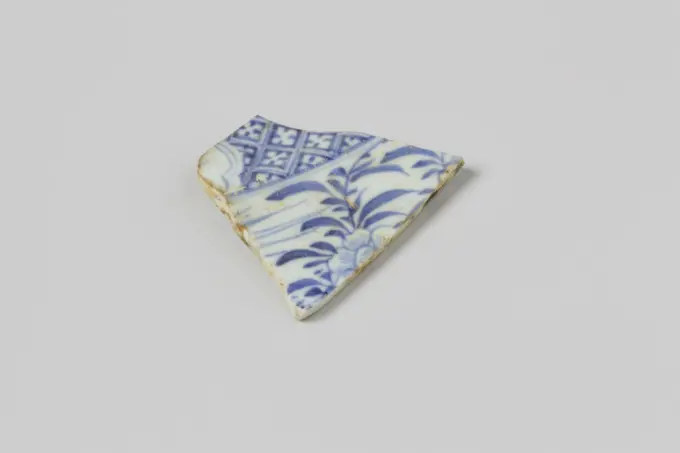
Collection of Dutch tin-glazed earthenware tiles showcasing intricate floral and architectural designs, featuring muted colors and historical artistry.

Tile Wall Facing (Netherlands); tin-glazed earthenware, underglaze
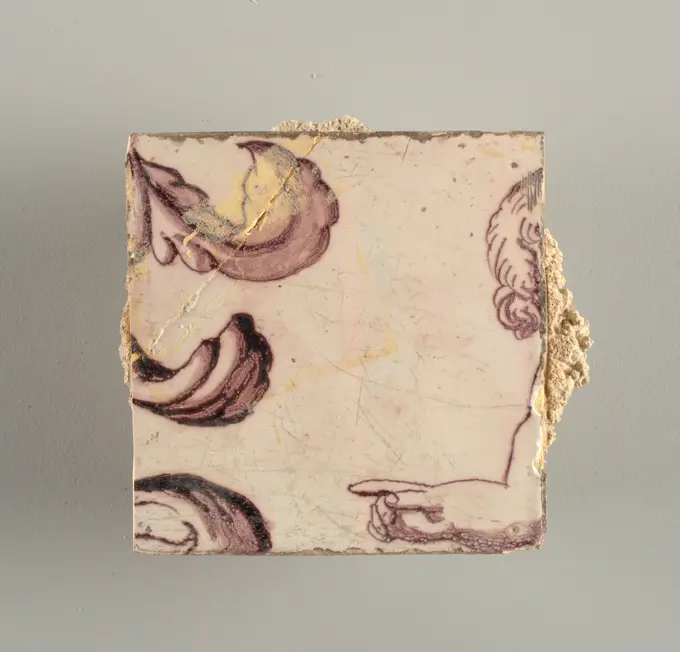
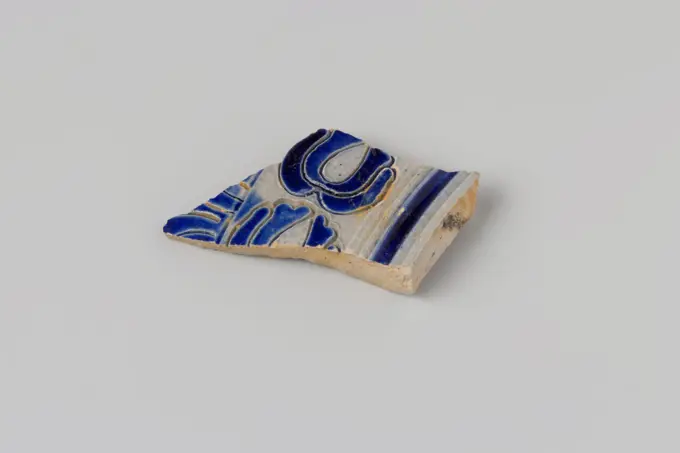
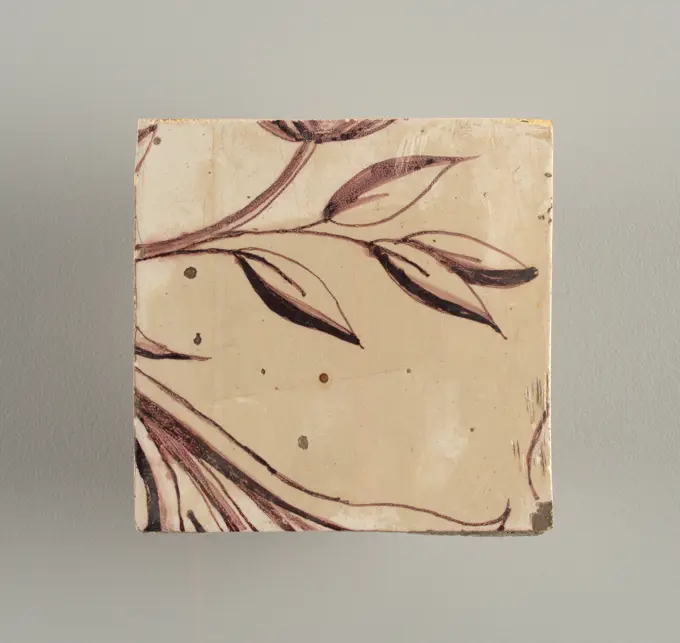
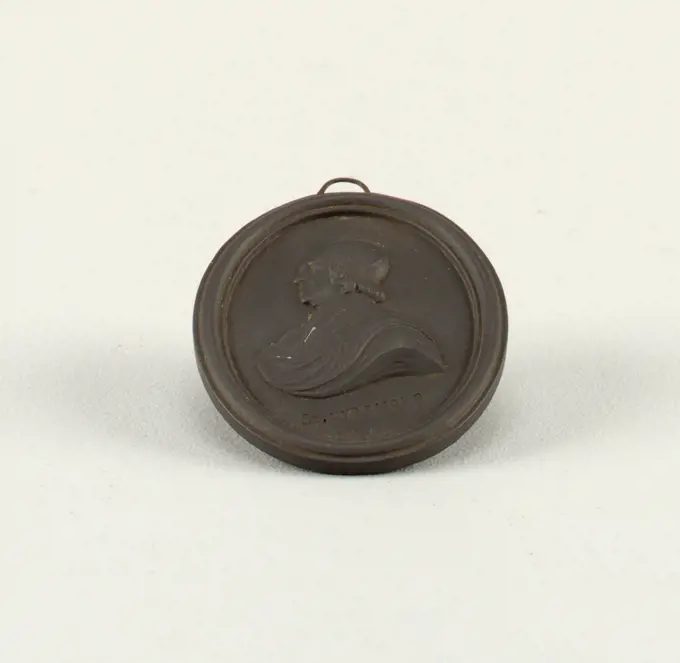
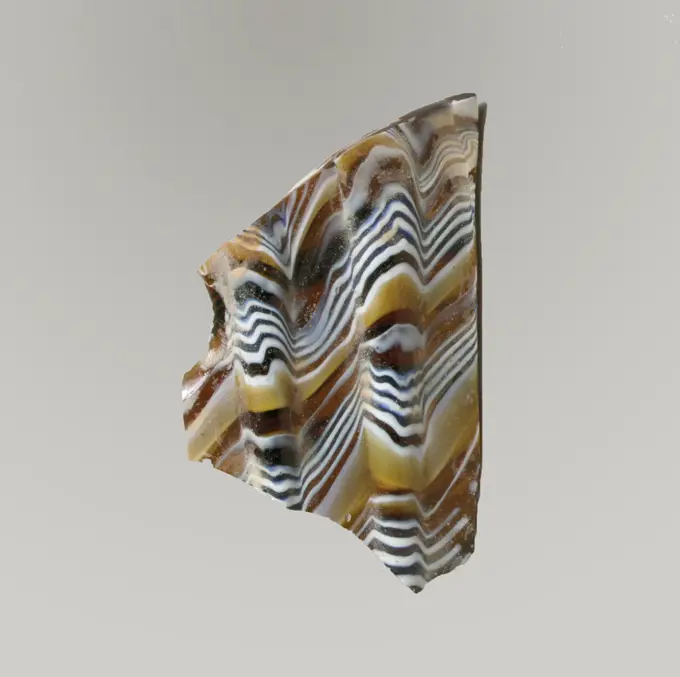
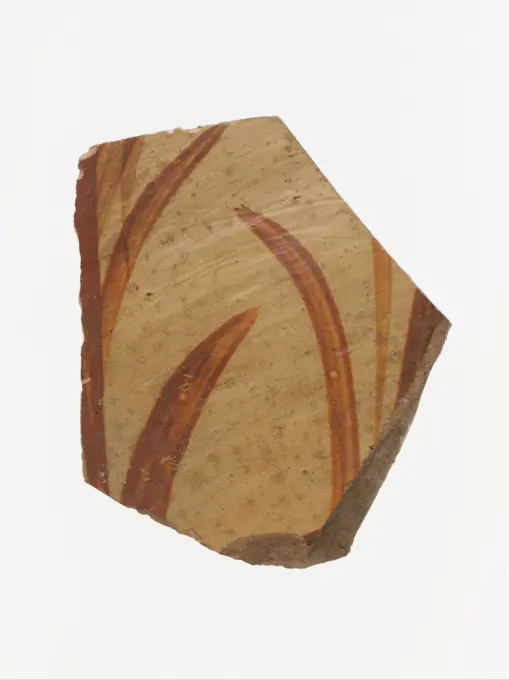
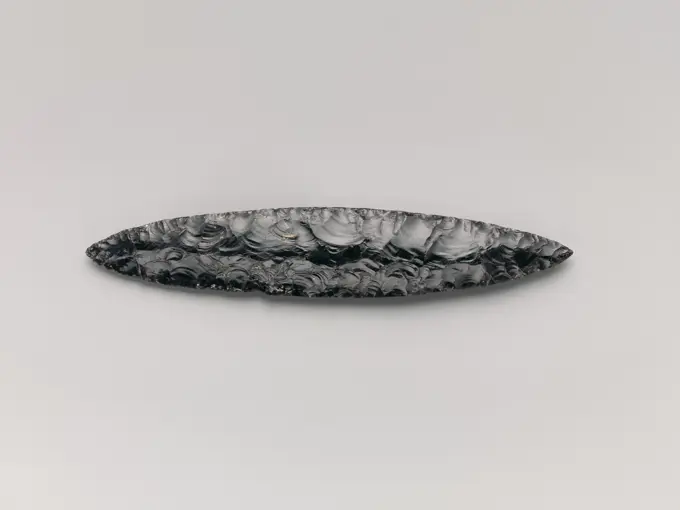
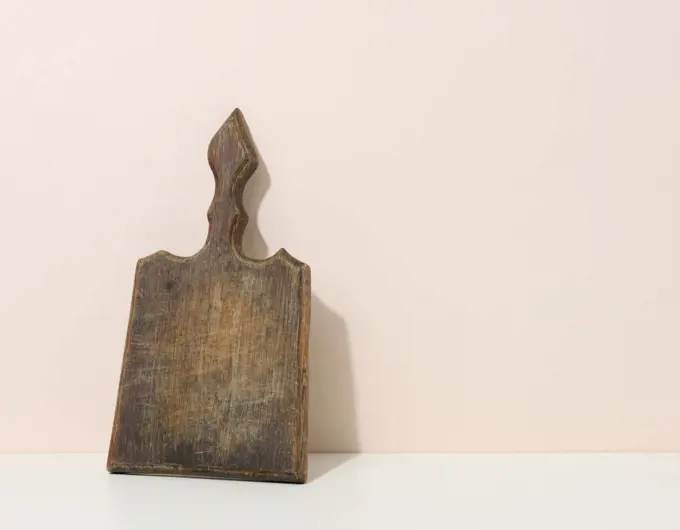
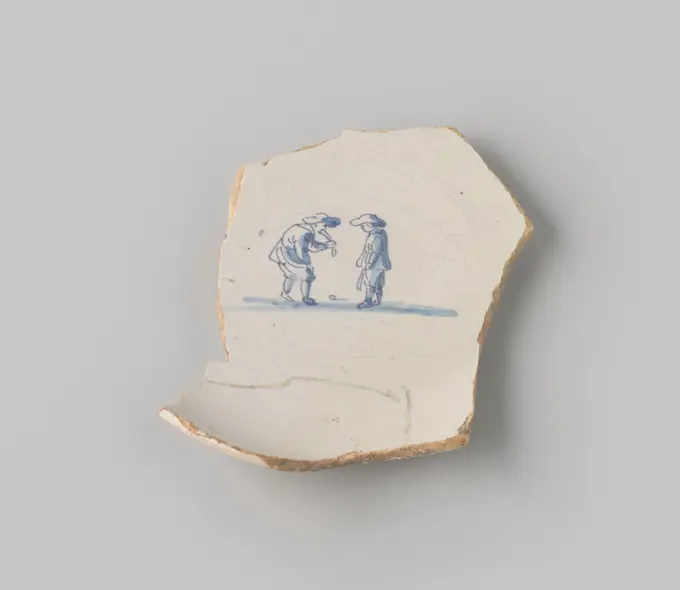
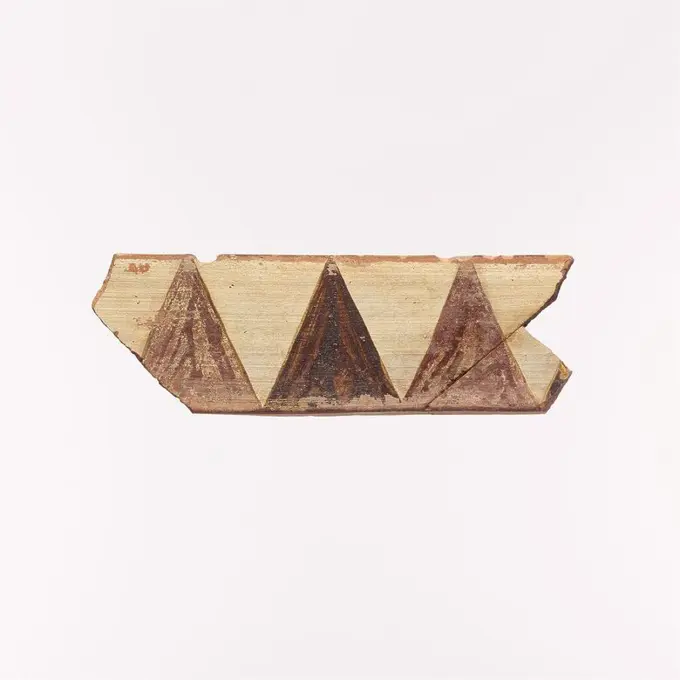
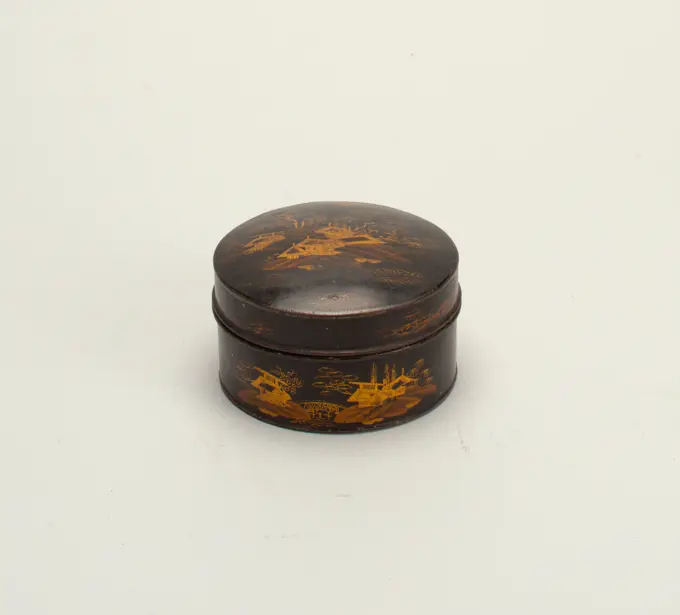
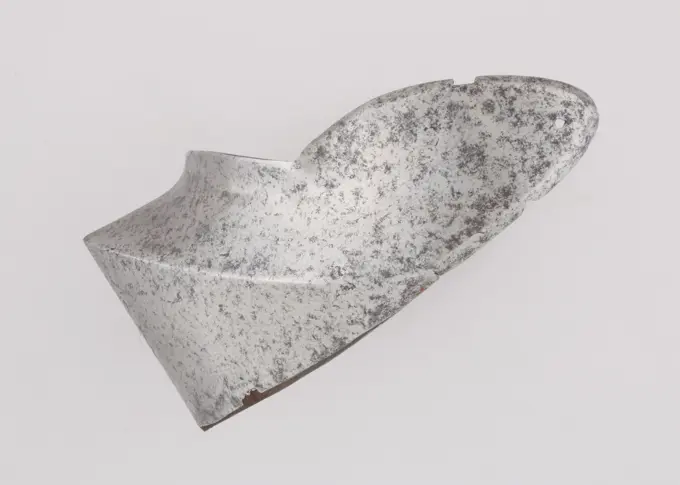
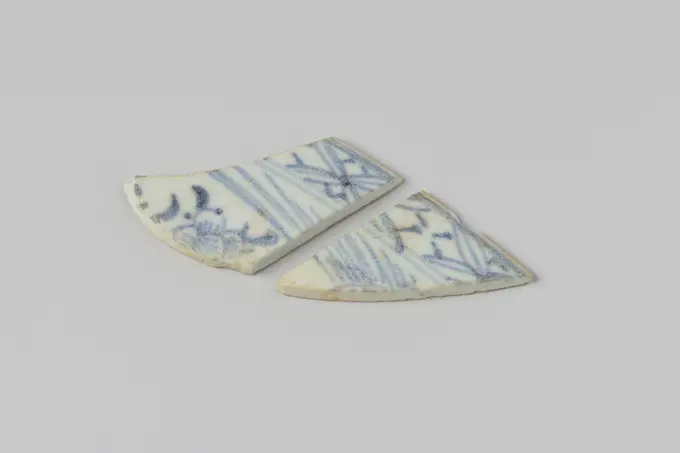
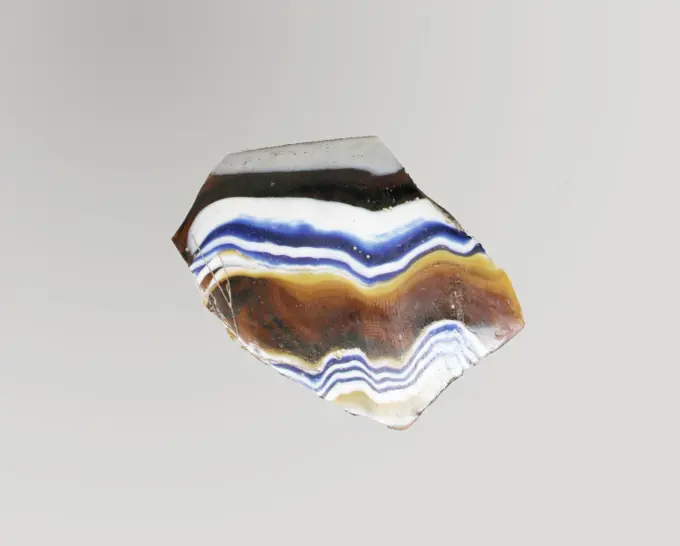
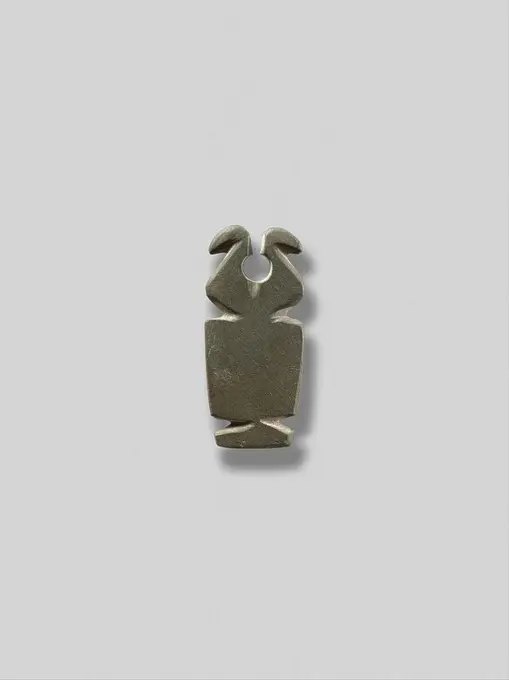
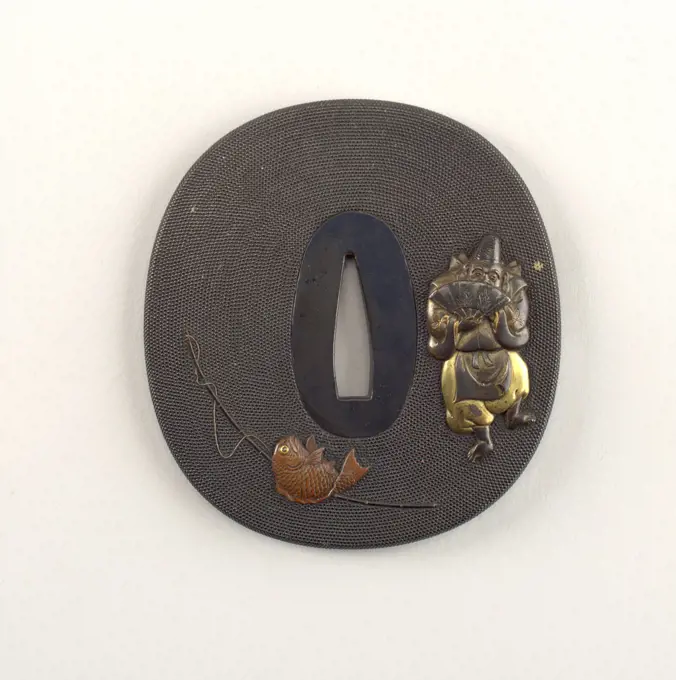
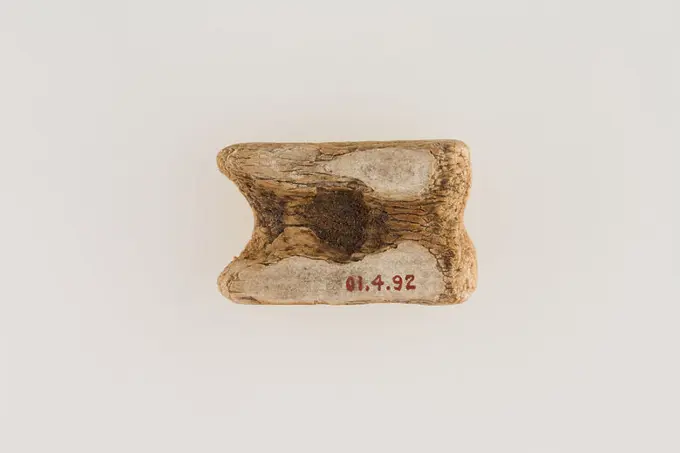
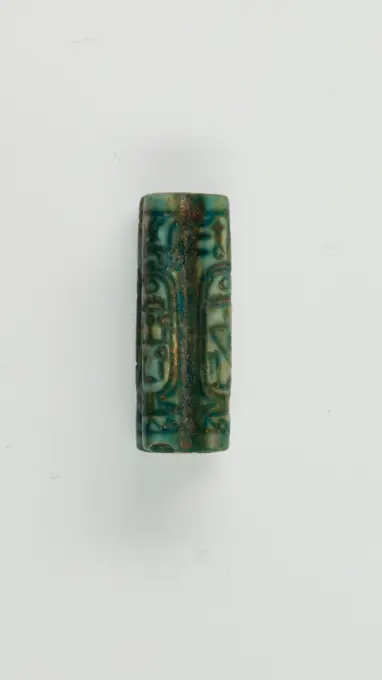
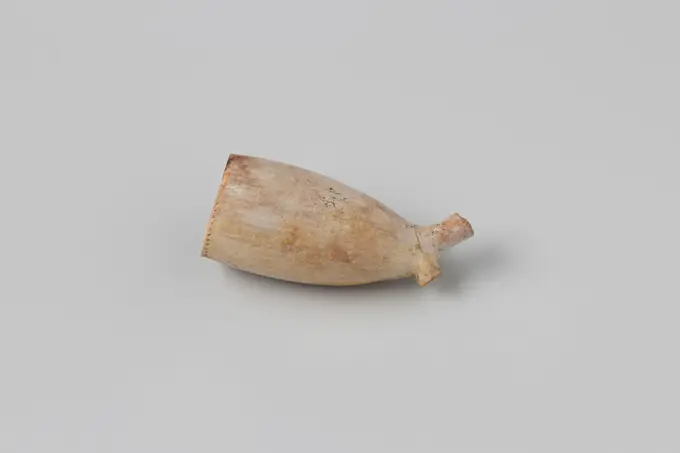
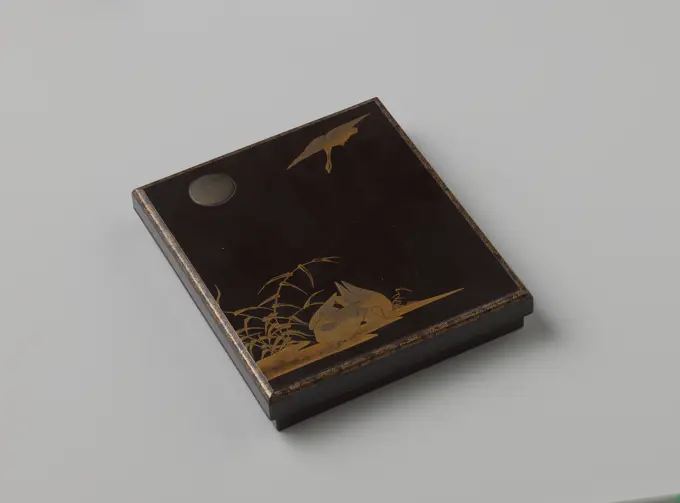
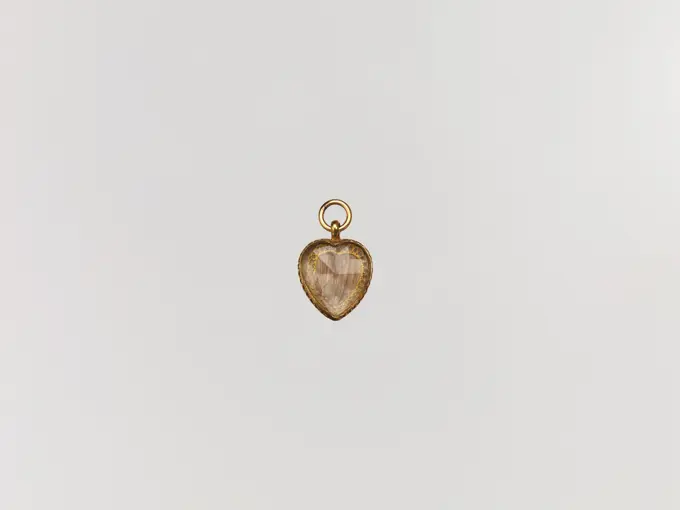
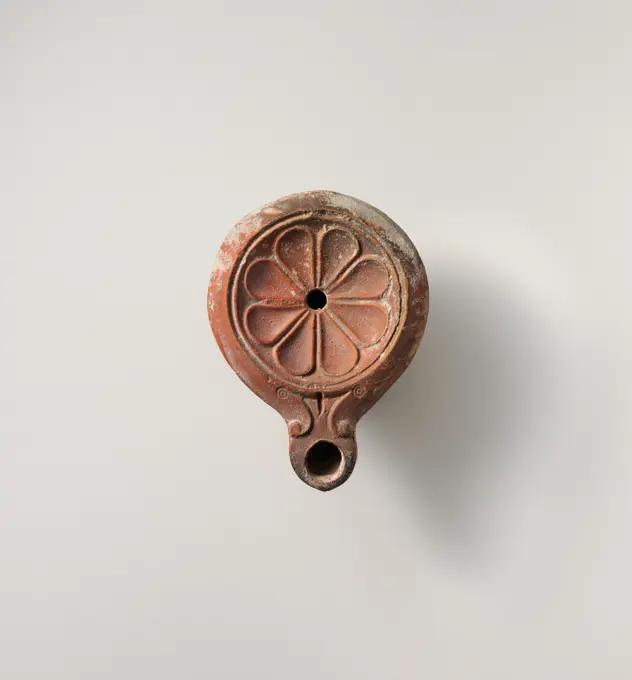
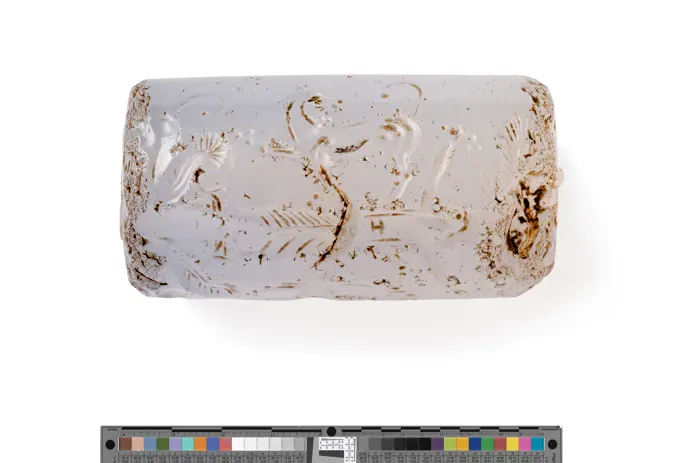
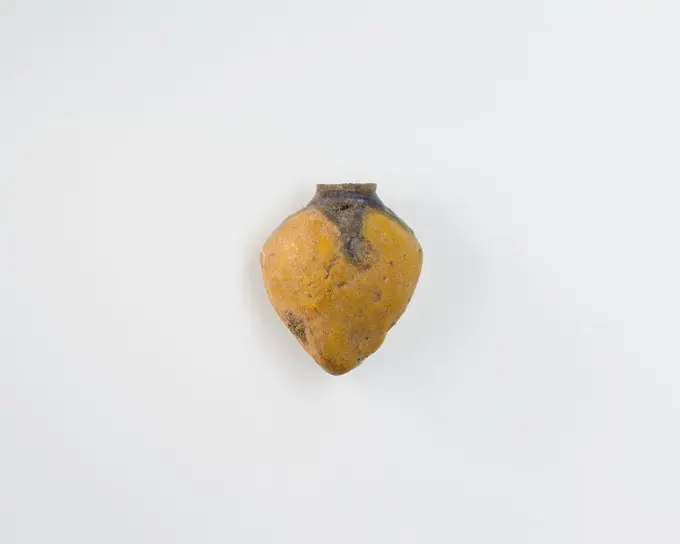
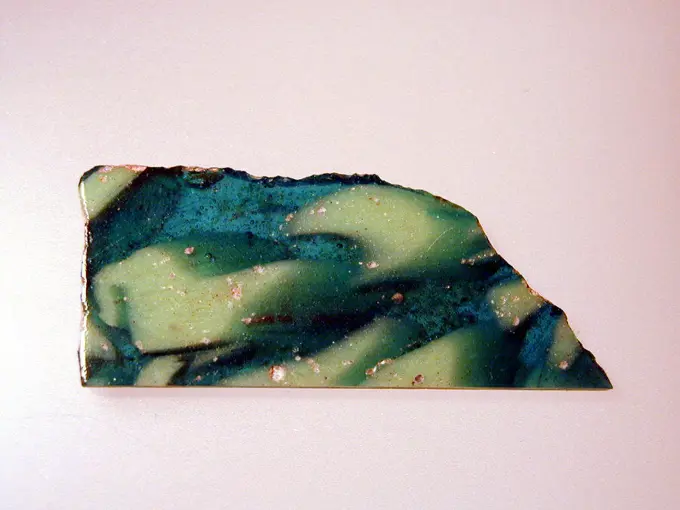
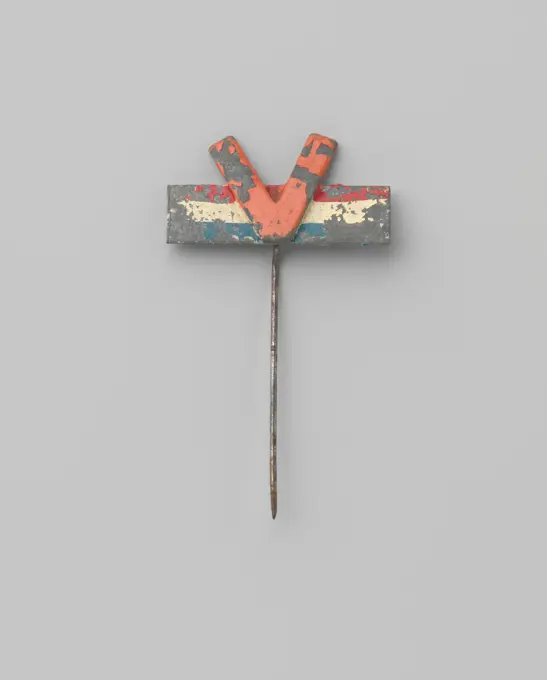
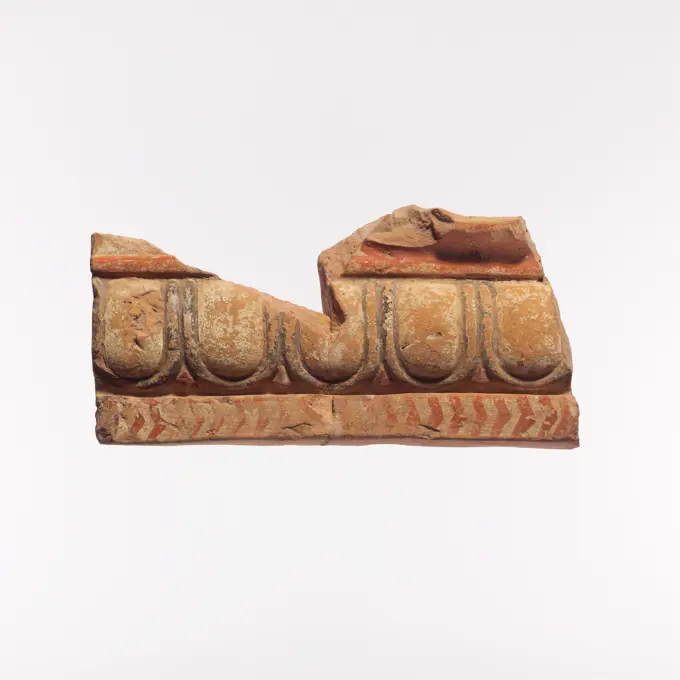
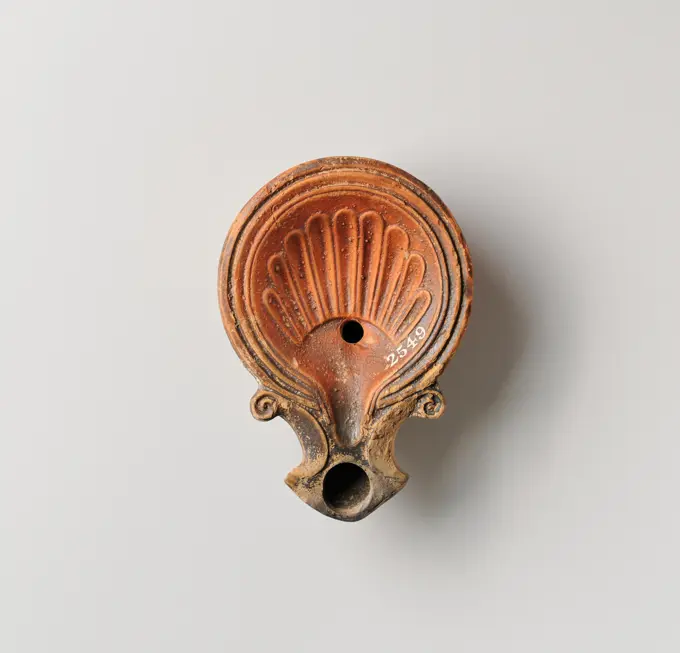
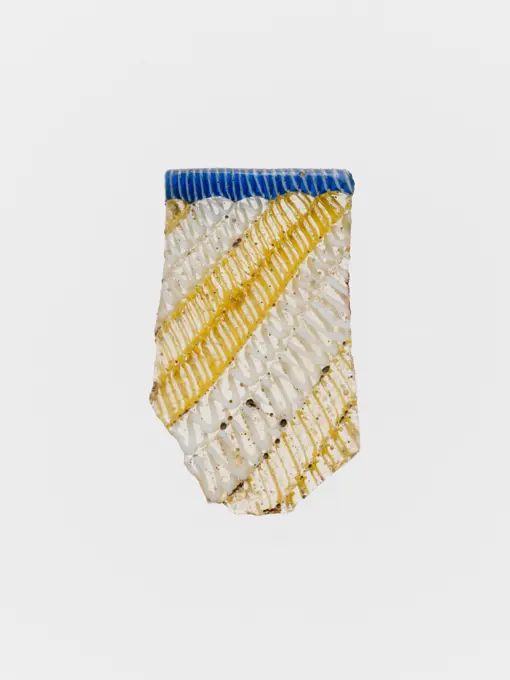
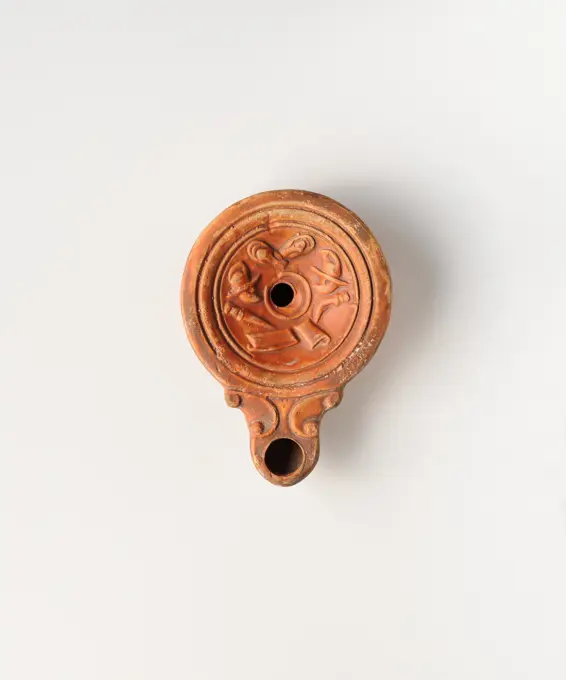
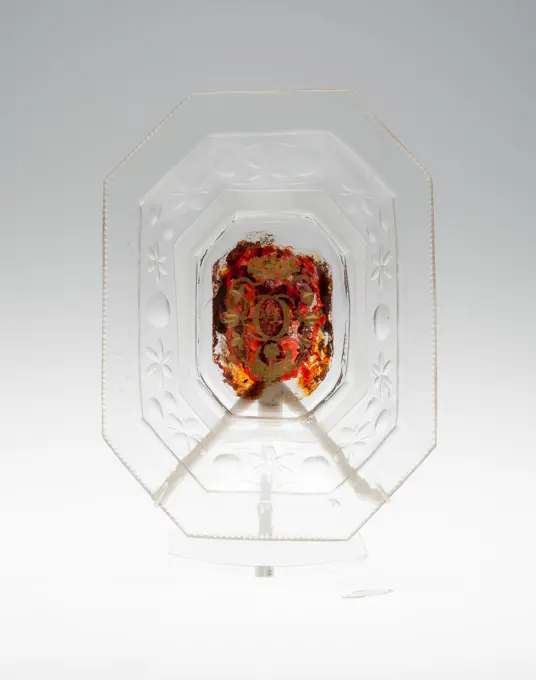
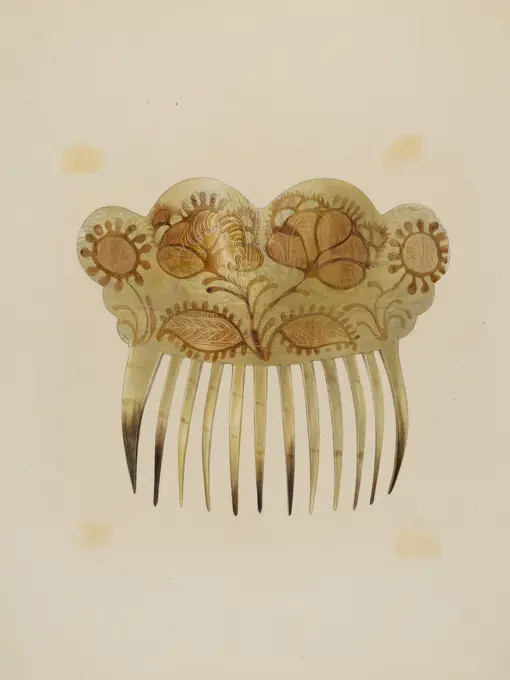
Wall Facing (Holland); tin-glazed earthenware, underglazeTile Wall Facing (Netherlands); tin-glazed earthenware, underglazeTile Wall Facing (Netherlands); tin-glazed earthenware, underglazeWall facing, Tin-glazed earthenware, underglaze, Horizontal rectangle. Thirty-seven tiles wide and twenty-one high with opening for door or window nineteen and one-half tiles high and twelve wide. To left and right of opening, centered canopy above. Left, woman representing Hope, right, a sculputure urn. Centered above opening, a mascaron. Arabesque design of foliage., Possibly Delft, Netherlands, Possibly Rotterdam, Holland, ca. 1725, tiles, Decorative Arts, Wall facingTile Wall Facing (Holland); tin-glazed earthenware, underglazeScherf of a pot from the wreck of the East Indians Hollandia, Anonymous, 1700 - in Or Before 1743 pot Stoneware, Rhenish, Westerwald, pot; of body, sim. NG 1980-27H2624r. Westerwald stoneware   SecondWall Facing (Netherlands); tin-glazed earthenware, underglaze; 5 tiles tall, various wideCharles de Marquetel de Saint-Denis, Wedgwood, English, established 1759, Unglazed stoneware ('black basalt'), Oval, with molded border. Bust with head in profile facing left, of Charles de Marquetel de Saint-Denis, Seignor de Saint-Evremond (1610-1730. Slot at top for wire loop., England, 1767-1780, ceramics, Decorative Arts, Portrait medallion, Portrait medallionGlass mosaic ribbed bowl fragment late 1st century B.C.-early 1st century A.D. Roman Body fragment.Translucent honey brown, cobalt blue, and opaque white.Slightly outsplayed neck; straight side tapering downward and curving in at bottom.Ribbon mosaic pattern formed from sections of a single cane in brown ground with irregular wavy white and blue threads in parallel lines; on exterior, two broad vertical ribs, fairly widely spaced, with flattened tops and rounded outer edges.Polished interior; pitting of surface bubbles on interior; dulling and patches of creamy iridescent weathering on exterior; some weathering and chipping of jagged edges.. Glass mosaic ribbed bowl fragment. Roman. late 1st century B.C.-early 1st century A.D.. Glass; cast and tooled. Early Imperial. GlassTile Wall Facing (Netherlands); tin-glazed earthenware, underglazeTerracotta vessel fragment with grass motif ca. 1600-1450 B.C. Minoan From Knossos, CreteFragment with grass design; dark-on-light ware.. Terracotta vessel fragment with grass motif 248549Minoan body sherd. Dimensions: h. 4 cm (1 9/16 in); w. 5.3 cm (2 1/16 in). Dynasty: Dynasty 12-13. Date: ca. 1981-1640 B.C.. Museum: Metropolitan Museum of Art, New York, USA.Wall Facing (Holland); tin-glazed earthenware, underglazeWall Facing (Holland); tin-glazed earthenware, underglazeWall Facing (Netherlands); tin-glazed earthenware, underglaze; 5 tiles tall, various wideBlade before 16th century Teotihuacan. Blade. Teotihuacan. before 16th century. Obsidian. Mexico, Mesoamerica. Glass-Implementsempty brown wooden kitchen board on a white table, utensilsSharf of white -baking earthenware, with stand ring, at the front and rear with white glaze, at the front with a painting of two figures, anonymous, 1600 - 1650  Northern Netherlands earthenware. glaze majolica  Northern Netherlands earthenware. glaze majolicaGlass cylindrical bead ca. 4th century A.D. Roman, eastern Mediterranean. Glass cylindrical bead. Roman, eastern Mediterranean. ca. 4th century A.D.. Glass. Late Imperial. GlassStew, oval, with five holes in the top. Stew from mahogany, oval with five holes in the top, the opening for the fire test is finished with a scalloped rule.Fragment of a terracotta architectural tile. Culture: Lydian. Dimensions: Overall: 5 3/4 x 2 1/8 in. (14.6 x 5.4 cm). Date: 6th century B.C..Wedge-shaped pattern, from a roof. Museum: Metropolitan Museum of Art, New York, USA.Glass face bead end of 5th-mid-2nd century B.C. Phoenician or Carthaginian Semi-opaque turquoise blue, with additions in opaque white and yellow and translucent blue.Cylindrical, with rounded edge at both ends; large hole running vertically through bead.Three faces, two in yellow, one in white, each made from a large added blob, augmented with applied nose, stratified eyes, eyebrows, ears, and mouth, flanked above and below by two rows of knobs in white and yellow.Broken and repaired, with some areas of fill, obscuring most of white face, and a few knobs missing or damaged; some pitting and iridescent weathering on exterior, enamel-like creamy weathering on interior of hole.. Glass face bead. Phoenician or Carthaginian. end of 5th-mid-2nd century B.C.. Glass; rod-formed and applied. Late Classical or Hellenistic. GlassSharf of a sign from the wreck of the East Indians Hollandia, Anonymous, 1700 - in Or Before 1743 plate (dishes) Porcelain, plate, type 2; fragm of rim with cavetto, sim. NG 1980-27H507/2624h. Netherlands porcelain   SecondBox (England); painted toleKylix, eye-cup fragment ca. 525-500 B.C. Greek, Attic. Kylix, eye-cup fragment 247611Visor for an Armet ca. 1475 Italian This is part of a large find of medieval armor discovered in 1840 in the ruins of the fortress of Chalcis, on the Greek island of Euboea (then a Venetian colony called Negroponte). The fortress had been captured and destroyed by the Turks in 1470. Now divided largely between the Ethnological Museum, Athens, and The Metropolitan Museum of Art, the Chalcis hoard contains many rare and unusual elements of fourteenth- and fifteenth-century armor. Of particular importance are the variety of headpieces and the many fragments of brigandines (armor for the torso constructed of small plates riveted to layers of fabric), some of which retain portions of their original velvet covering. The Chalcis armor provides a unique picture of the armament used in the Aegean, one of the easternmost military outposts of the Venetian empire.. Visor for an Armet 27648Calendar. Parchment Calendar consisting of thirteen-folded sheets, held together by a copper band and provided with a copper handle. Each leaf has a yellow and green colored medallion on the outside with inscription. Inscription 1st leaf unreadable. On the inside, among other things, a circular diagram, probably for calculating variable church holidays. 2nd sheet: Tabula. Further 3rd to 13th magazine: January-Novembris. Majuskels in gold leaf and blue. Dates, Namur Saints in Red InkShards of a plate from the wreck of the East India Hollandia.Porcelain, Plate, type 2; Fragm or Rim, SIM. NG 1980-27H2624H.Tile Wall Facing (Netherlands); tin-glazed earthenware, underglazeFragment from a Mosaic Bowl ca. 1427-1400 B.C. New Kingdom. Fragment from a Mosaic Bowl. ca. 1427-1400 B.C.. Red porphyry. New Kingdom. Probably from Upper Egypt, Thebes, Valley of the Kings; From Egypt. Dynasty 18Grahal-Manzara. Carnavalet 2013-2016 collection sites. Numismatics.Odessa Food Trust, Antonina Sofronova, Russian, 1892 - 1966, Odessa Food Trust, printed paper on board, Low, circular box and lid with printed abstract geometric decoration in olive green, yellow, red and black; the english words 'ODESSA (in red) / FOOD. TRUST (in black)', 'net. 4 oz.', 'Made in U.S.S.R. (Russia)' printed on the side of the lid., ca. 1922, containers, Decorative Arts, box and cover, box and coverTile. Tile decorated with a diagonally placed stem with flower bud with a bird on either side.Wall Facing (Netherlands); tin-glazed earthenware, underglazeJelec (Tsuba); Tsuguhide; beginning of the 19th century (1801-00-00-1810-00-00);Tile Wall Facing (Netherlands); tin-glazed earthenware, underglazeBird Plaque Ornament. Culture: Vicús. Dimensions: H. 2 x W. 2 in.(5 x 5 cm). Date: 3rd century B.C.-A.D. 2nd century. Museum: Metropolitan Museum of Art, New York, USA.Dish with Fish and Lotus Scrolls. China. Date: 960 AD-1279. Dimensions: H. 3.2 cm (1 1/4 in.); diam. 17.3 cm (6 13/16 in.). Ding ware; porcelain with underglaze mold-impressed decoration; metal rim. Origin: China. Museum: The Chicago Art Institute, Chicago, USA.Fragment of a pitcher naming Atumemtaneb ca. 1295-1070 B.C. New Kingdom, Ramesside. Fragment of a pitcher naming Atumemtaneb. ca. 1295-1070 B.C.. Silver. New Kingdom, Ramesside. From Egypt, Eastern Delta, Tell Basta (Bubastis). Dynasty 19Glass mosaic ribbed bowl fragment late 1st century B.C.-early 1st century A.D. Roman, probably Italian Rim fragment.Translucent honey brown, cobalt blue, and opaque white.Outsplayed rim with thick, rounded edge; straight side tapering downward.Ribbon mosaic pattern formed from sections of a single cane in brown ground with irregular wavy white and blue threads in parallel horizontal lines; on exterior, three vertical ribs, unevenly spaced, with flattened tops and rounded outer edges.Polished interior; pitting of surface bubbles and cracks on interior; dulling and creamy iridescent weathering on exterior and jagged edges. The fragment probably belongs to deep bowl with a base ring, similar to 17.194.262.. Glass mosaic ribbed bowl fragment. Roman, probably Italian. late 1st century B.C.-early 1st century A.D.. Glass; cast and tooled. Early Imperial. GlassLid of oil reserve, Anonymous, 1740 - 1760 Marbled lid of an oil reservoir. China copper (metal). Marbled lid of an oil reservoir. China copper (metal).Amulet emphasizing a pair of horns. Dimensions: H. 4.8 x W. 2.2 x Th. 0.4 cm (1 7/8 x 7/8 x 3/16 in.). Date: ca. 3650-3300 B.C..The object's small size and abstract representation of a pair of cattle horns, suggests its idnetification as an amulet. Museum: Metropolitan Museum of Art, New York, USA.Snuif box of gilded copper with white Émail with blue flowers. The box has a double lid and a corresponding spoon., Anonymous, 1800 - 1900 Snuif box of gilded copper with white Émail with blue flowers. The box has a double lid and a corresponding spoon. Battersea (possibly) copper (metal). porcelain gilding Snuif box of gilded copper with white Émail with blue flowers. The box has a double lid and a corresponding spoon. Battersea (possibly) copper (metal). porcelain gildingBak met fruit, anonymous, c. 1800 - c. 1899 Green -rejected paper round dish with fruits with stalks, made of unclear substance. Holland Paper. paper mache Green -rejected paper round dish with fruits with stalks, made of unclear substance. Holland Paper. paper macheOrigami arrow, vectorTsuba, Shakudo (alloy of copper and gold), nanako (surface texture of tiny knobs), takazogan (relief inlay), This iron and shakudo (copper and gold alloy) tsuba is oval in shape and has a kakunikumimi (high relief rim). The surface shows nanako (a punched pattern of dots) and is decorated with iroyo takabori (high relief carving), and taka zogan (high relief inlay). The motif is a daisho (big -little) type scene with Ebisu, the god of fishermen and luck, with a sea bream. At the center is the nakago-ana, an opening through which the sword passes. Surrounding this is the seppadai, a flat oval area that is migaki (burnished)., Japan, 18th century, metalwork, Decorative Arts, TsubaCoconut from V.O.C. ship De 'Witte Leeuw', Before 1613 coconut (fruit) Coconut from V.O.C. ship De 'Witte Leeuw'. Cracked. Hole on the bottom.  coconut shell   Sint-HelenaKnuckle Bone. Dimensions: L: 3.2 cm (1 1/4 in.); w: 2.1 cm (13/16 in.). Dynasty: Dynasty 1. Reign: reign of Den. Date: ca. 3100-2900 B.C.. Museum: Metropolitan Museum of Art, New York, USA.Eye inlay from coffin Late Period 664 B.C. or later View more. Eye inlay from coffin. 664 B.C. or later. Faience, black glaze. Late Period. From Egypt, Upper Egypt, Thebes, Sheikh Abd el-Qurna, Tomb of Dagi (MMA 807), MMA excavations, 1913-14. Dynasty 26 or laterCicada 206 BCE-220 CE China. Jade .Bead ornament, bell-shaped View more. Bead ornament, bell-shaped. Gold. Gold and SilverLid of turtle with Hertekop of silver (series of 28 pieces A to BB), Anonymous, c. 1700 - c. 1799 Turtle cover (28 pieces: A to BB) with silver's deer head as a button. Indonesia silver (metal) Turtle cover (28 pieces: A to BB) with silver's deer head as a button. Indonesia silver (metal)Tile Wall Facing (Holland); tin-glazed earthenware, underglazeHenu barque amulet. Dimensions: H. 2.2 × W. 3.5 cm (7/8 × 1 3/8 in.). Date: 400-30 BC.Starting in the later Late Period and continuing through the Ptolemaic Period, a type of glass amulet cast by pressing the glass into a shallow open mold appears. The back was left rough, and the amulets may look ragged because glass overflowed the mold around the edges. The earlier amulets are monochrome, bi- or multicolor amulets supplement the repertoire during the Ptolemaic Period. Some of the amulets can be specifically tied to spells of the Book of the Dead - for example, acc. no. 17.194.2526 - and most are clearly funerary amulets, presumably meant to be wrapped between the bandages of the mummy where the presence of the amulet would do its job irrespective of its degree of finish. Museum: Metropolitan Museum of Art, New York, USA.Box, anonymous, c. 1550 - c. 1600 Black, round lacquer box; Inlaid with mother -of -pearl, representing: Mandarin on horseback. China lacquer (coating). wood (plant material). gold (metal). mother of pearl Black, round lacquer box; Inlaid with mother -of -pearl, representing: Mandarin on horseback. China lacquer (coating). wood (plant material). gold (metal). mother of pearlorigami shoes India Copyright: xVirenxDesai/DinodiaxPhotoxRound platter; Koenigliche Porcellain Fabrique, Meissen (1710-1763), Kaendler, Johann Joachim (1706-1775); 1738 (1738-00-00-1738-00-00);Bruehl, Edmund (1888-1962)-collection, Henryk (1700-1763), Mętlewicz, swan service, gift (provenance), coats of armsWall Facing (Netherlands); tin-glazed earthenware, underglazeShrine or pectoral amulet 664-380 B.C. Late Period. Shrine or pectoral amulet 561547Cylinder bead ca. 1950-1804 B.C. Middle Kingdom-Early New Kingdom. Cylinder bead 559329Stack of plates and cutlery on table. SimpleGrahal-Manzara. Carnavalet 2013-2016 collection sites. Numismatics.Angelica Catalani, Gottfried Eichler, 1687 - 1757 locket One -sided medallion in brass ring rear glass on bearing eye and carrying ring. Front: breastpiece Woman to the left Inside Cover. Reverse: label with inscription. Berlin gypsum. brass (alloy). glass castingGlass mosaic ribbed bowl fragment. Culture: Roman, probably Italian. Dimensions: Other: 1 7/8 x 2 1/8 in. (4.8 x 5.4 cm)Est. diameter of rim 7 1/6 in. (18 cm). Date: late 1st century B.C.-early 1st century A.D..Rim fragment.Translucent honey brown, cobalt blue, and opaque white.Outsplayed rim with thick, rounded edge; straight side tapering downward.Ribbon mosaic pattern formed from sections of a single cane in brown ground with irregular wavy white and blue threads in parallel horizontal lines; on exterior, three vertical ribs, unevenly spaced, with flattened tops and rounded outer edges.Polished interior; pitting of surface bubbles and cracks on interior; dulling and creamy iridescent weathering on exterior and jagged edges. The fragment probably belongs to deep bowl with a base ring, similar to 17.194.262. Museum: Metropolitan Museum of Art, New York, USA.Fragment deep plate from V.O.C. ship De 'Witte Leeuw', Before 1613 plate (dishes) Fragment deep plate from V.O.C. ship the 'Witte Leeuw'. 30 present. Jingdezhen bone china (material)   Sint-HelenaBlowjob from the wreck of the East India Hollandia.Pipe, Bowl, Heelmar: Crowned 91; 1HSM1.Grahal-Manzara. Carnavalet 2013-2016 collection sites. Numismatics.Box with lid. Paint box with a representation of three geese in gold lacquer on the lid and the moon in metal.Stew, oval, with five holes in the top, anonymous, c. 1740 - c. 1760 Stew of mahogany, oval with five holes in the top, the opening for the fire test is finished with a scalloped front line. Amsterdam mahogany (wood) Stew of mahogany, oval with five holes in the top, the opening for the fire test is finished with a scalloped front line. Amsterdam mahogany (wood)Locket 1706 American The earliest jewelry made and owned in America was of a sentimental nature, related either to courtship and marriage or to death and mourning. In this heart-shaped locket, a faceted crystal was secured to the gold back by a crimped, scalloped edge. Beneath the glass, a tightly woven plait of light brown hair, a common addition to mourning jewelry, was laid onto a silk background. An engraved skull appears on the reverse, along with the death date of the deceased, whose identity remains unknown.. Locket 16782Bowl with Three Boys amid Peony Scrolls. China. Date: 960 AD-1279. Dimensions: H. 5.3 cm (2 1/16 in.); diam. 19.4 cm (7 5/8 in.). Ding ware; porcelain with underglaze mold-impressed decoration; metal rim. Origin: China. Museum: The Chicago Art Institute, Chicago, USA.Roll with white ribbon with one frayed silk and three black horizontal stripes, c. 1930 Roll with white ribbon with one frayed silk and three black horizontal stripes. Nijmegenfrance textile materials. cardboard. paper Roll with white ribbon with one frayed silk and three black horizontal stripes. Nijmegenfrance textile materials. cardboard. paperTerracotta oil lamp ca. A.D. 50-100 Roman, Cypriot Loeschcke Type 5. Mold-made. Discus: rosette of eight hollow petals arranged around the central filling hole, with a single groove towards edge. Small volutes flanking nozzle. Within incised base ring, flat base, with raise letters at center: L L.Intact.. Terracotta oil lamp. Roman, Cypriot. ca. A.D. 50-100. Terracotta. Early Imperial. TerracottasShards of a sign from V.O.C. ship De 'Witte Leeuw', Anonymous, Before 1613 plate (dishes) Shards of a sign from V.O.C. ship the 'Witte Leeuw'. Jingdezhen bone china (material)   Sint-HelenaPresentsChristmas balls isolated on white background.Cylinder Seal. Iran, Achaemenid period, circa 550-330 B.C.. Tools and Equipment; seals. Blue chalcedonyPersea fruit pendant. Dimensions: H. 1.3 cm (1/2 in.); W. 1.1 cm (7/16 in.); Th. 0.4 cm (3/16 in.). Dynasty: Dynasty 18. Reign: reign of Amenhotep III. Date: ca. 1390-1353 B.C.. Museum: Metropolitan Museum of Art, New York, USA.Glass mosaic inlay fragment late 1st century B.C.-early 1st century A.D. Roman Translucent turquoise blue and opaque pale yellow, partially mixed together and appearing green.Flat revetment plaque, with one beveled edge.Marbled mosaic pattern in blue ground with irregular pattern of yellow streaks.Polished upper side; pitting of surface bubbles; dulling, creamy weathering, and slight iridescence on underside, beveled and jagged edges; one long straight edge unweathered.. Glass mosaic inlay fragment. Roman. late 1st century B.C.-early 1st century A.D.. Glass; cast. Early Imperial. GlassTile. Tile with a multicolored (blue, red and green) flower vase with a bird inside an octagon on either side through sprinkled green. In the corners, red carnations saved.Wall Facing (Holland); tin-glazed earthenware, underglazeBrooch of painted aluminum 'V', c. 1940 - c. 1945 Broche of painted aluminum in 'V' (Victorie on all fronts). The V is orange and placed on a Dutch flag. Netherlands aluminum (metal) Broche of painted aluminum in 'V' (Victorie on all fronts). The V is orange and placed on a Dutch flag. Netherlands aluminum (metal)Pieces from a cylindrical pendant ca. 1750 B.C. Middle Kingdom. Pieces from a cylindrical pendant. ca. 1750 B.C.. Gold, copper alloy. Middle Kingdom. From Egypt, Memphite Region, Lisht North, cemetery south of pyramid below House A1:1, Pit 885, MMA excavations, 1920-21. Dynasty 13, midShard of a plate from the wreck of the East India Hollandia.Porcelain, Plate, Type 3; Fragm or Base or Rim, SIM. NG 1980-27H3202C.Shard of a plate from the wreck of the East India hollandiaia. Porcelain, plate, type 2; Fragm or base, sim. NG 1980-27H507.Vase fragment Roman Woman dancing.. Vase fragment 250438Wall Facing (Holland); tin-glazed earthenware, underglazeEmpty frame with copy space for quotes or products 3d illustratedFragment of a terracotta architectural tile 6th century B.C. Lydian Egg and dart pattern.. Fragment of a terracotta architectural tile 252631 Lydian, Fragment of a terracotta architectural tile, 6th century B.C., Terracotta, Overall: 4 3/4 x 9 5/16 in. (12.1 x 23.7 cm). The Metropolitan Museum of Art, New York. Gift of The American Society for the Excavation of Sardis, 1926 (26.199.61)Display of fireworks -Pillow, blue-white striped. A pillow of blue white wide striped fabric (white cotton, blue cotton) filled with down.Seal. Culture: Minoan, Crete. Dimensions: 5/8 × 5/16 in. (1.6 × 0.8 cm). Museum: Metropolitan Museum of Art, New York, USA.Terracotta oil lamp 1st century B.C.-1st century A.D. Roman, Cypriot Loeschcke Type 1A. Mold-made. Discus: scallop shell with nine flutes, arched below; a single filling hole towards bottom; band of lines and grooves around edge, interrupted by large, funnel-shaped channel that runs along top of nozzle towards large wick hole. Volutes flanking angular nozzle. Faint incised base ring, and uneven, concave base.Intact.. Terracotta oil lamp. Roman, Cypriot. 1st century B.C.-1st century A.D.. Terracotta. Early Imperial. TerracottasGlass network mosaic bowl fragment late 1st century B.C.-early 1st century A.D. Roman. Glass network mosaic bowl fragment. Roman. late 1st century B.C.-early 1st century A.D.. Glass; cast. Early Imperial. GlassTerracotta oil lamp ca. A.D. 40-80 Roman, Cypriot Loeschcke Type 4. Mold-made. On discus, frieze of gladiatorial equipment, comprising two shields at bottom behind nozzle, two swords, one straight, the other curved, two helmets, and two greaves at top; a single, central filling hole surrounded by a raised circle, and two concentric grooves towards edge. Volutes flank nozzle. Incised base ring, and flat base, with small central ring a dot.Intact.. Terracotta oil lamp. Roman, Cypriot. ca. A.D. 40-80. Terracotta; mold-made. Early Imperial. TerracottasDish 1700-1725 Bohemia. Glass .Cover, Lead-glazed earthenware with green underglaze decoration, silver gilt (cover), Cylindrical body. Broad shoulders, Snort neck encased in silver gilt. Body ribbed and striped in green. Cover of silver gilt with knob in the form of a bunch of grapes., Leeds, England, late 18th century, ceramics, Decorative Arts, CoverBeads, 5. Beads, 5. Glass. GlassGlass Fragment 16th century European. Glass Fragment. European. 16th century. Colorless glass. Glass-StainedHester Duany, Comb, c 1939 Comb