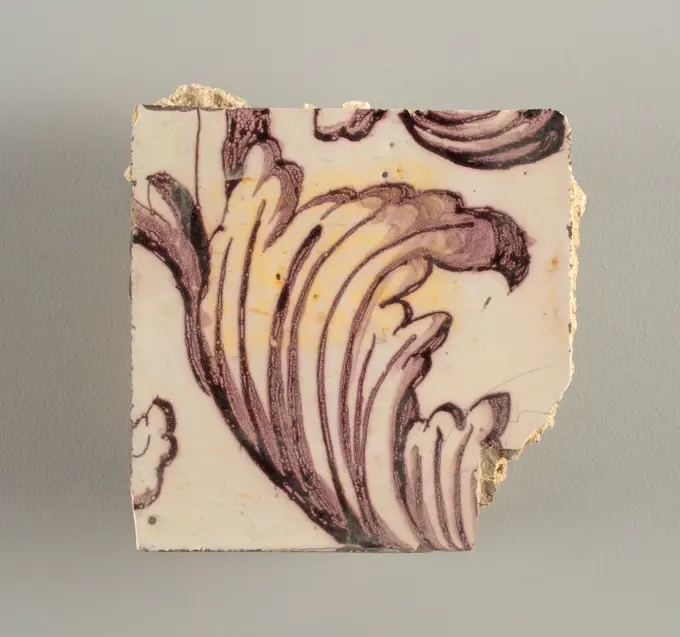
Decorative Tin-Glazed Tiles

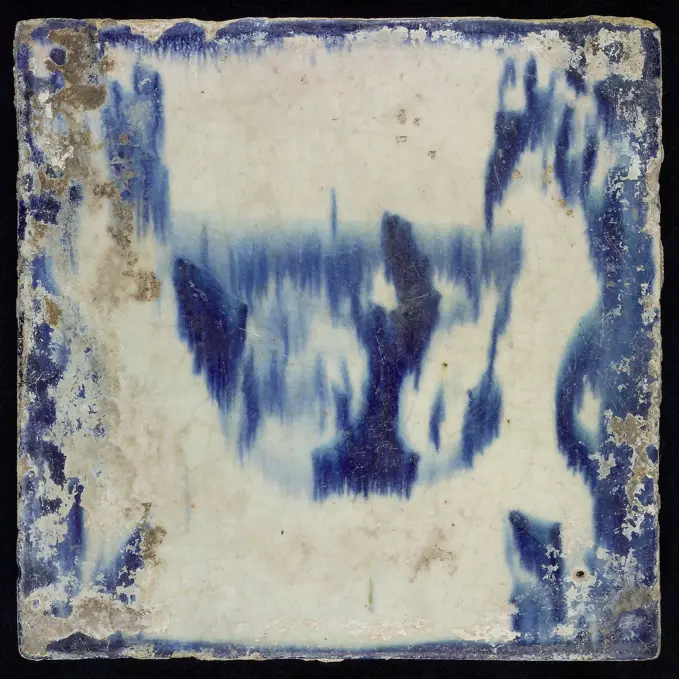
Collection of Dutch tin-glazed earthenware tiles showcasing intricate floral and architectural designs, featuring muted colors and historical artistry.

Tile Wall Facing (Netherlands); tin-glazed earthenware, underglaze
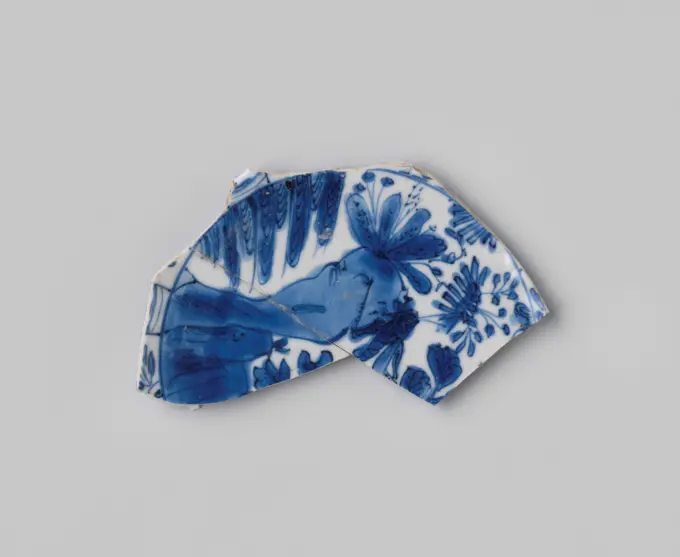
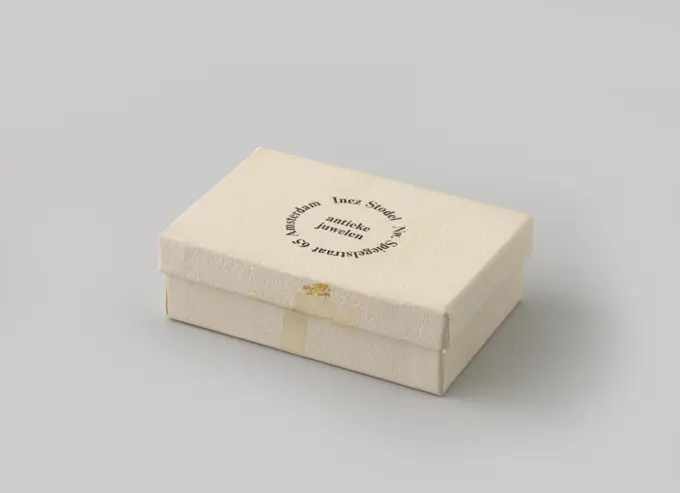
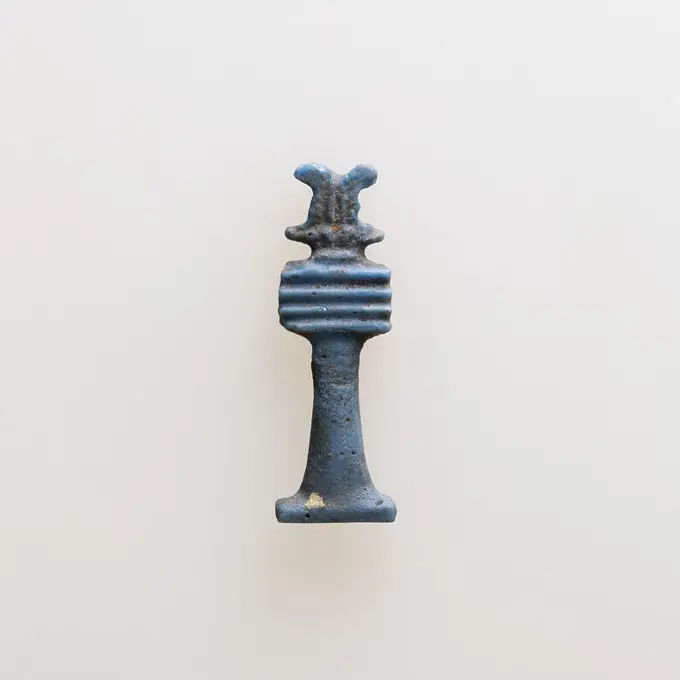
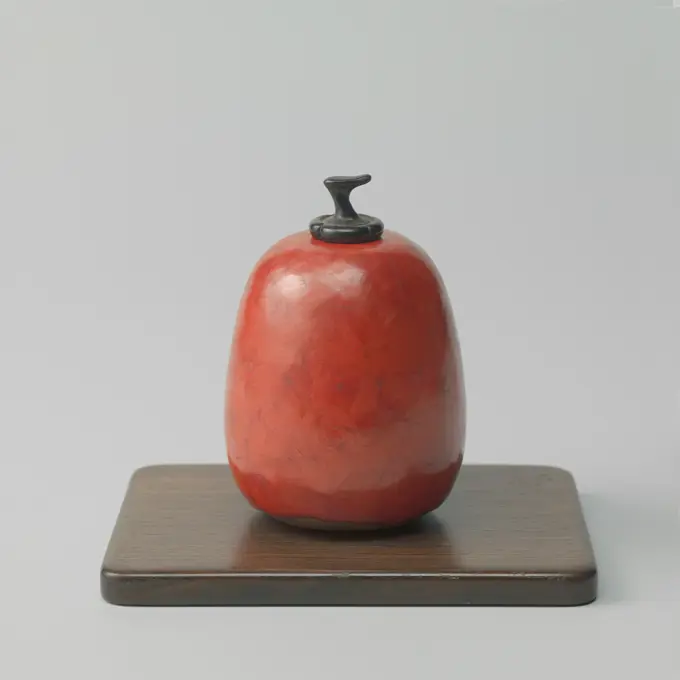
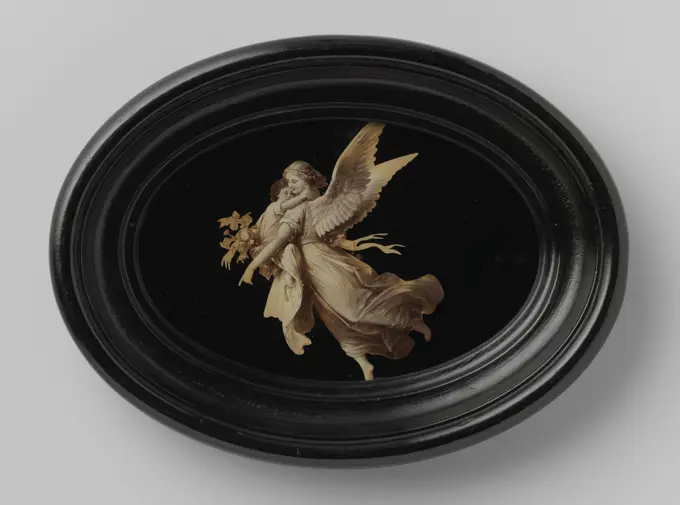
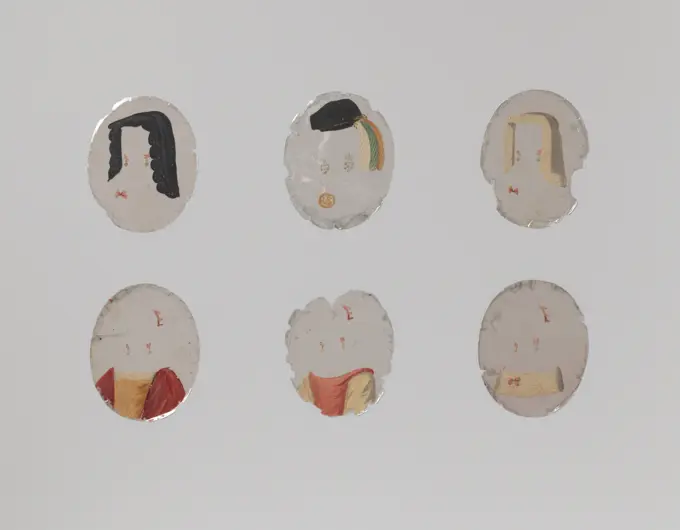
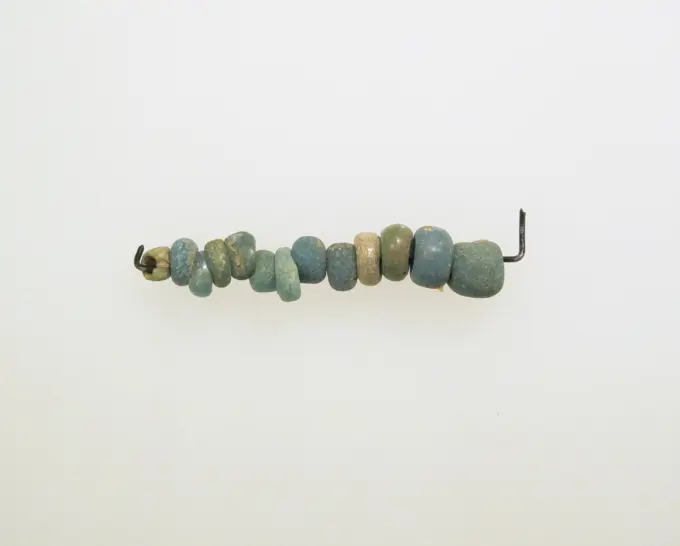
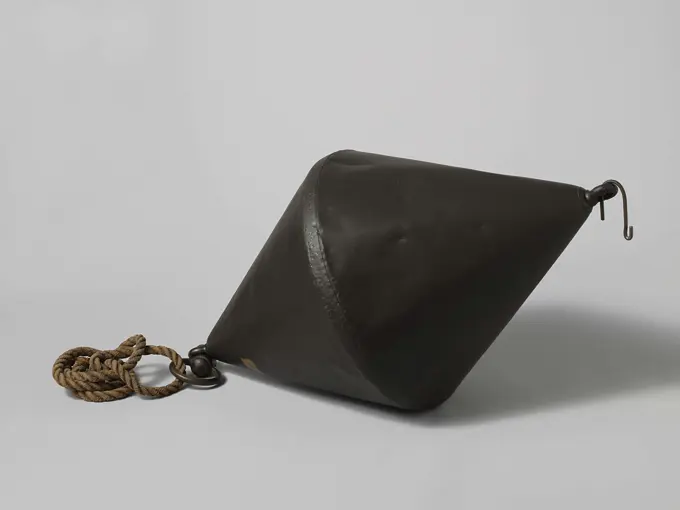
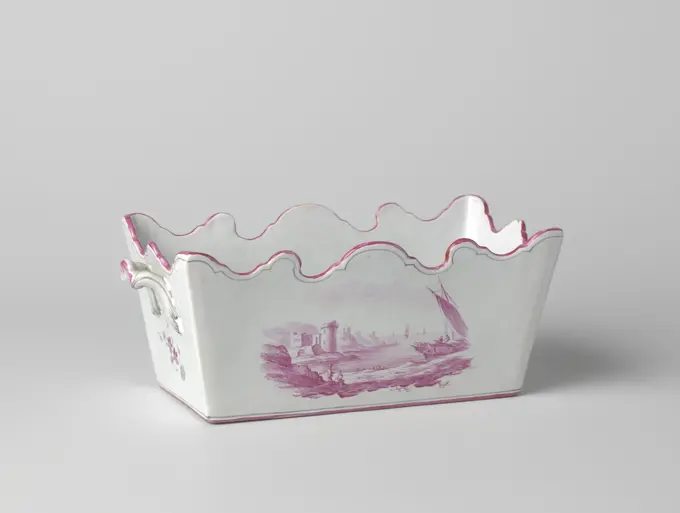
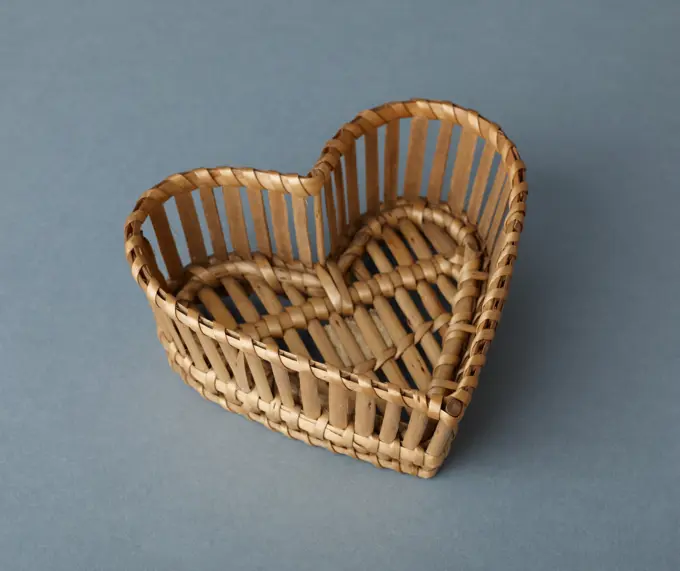
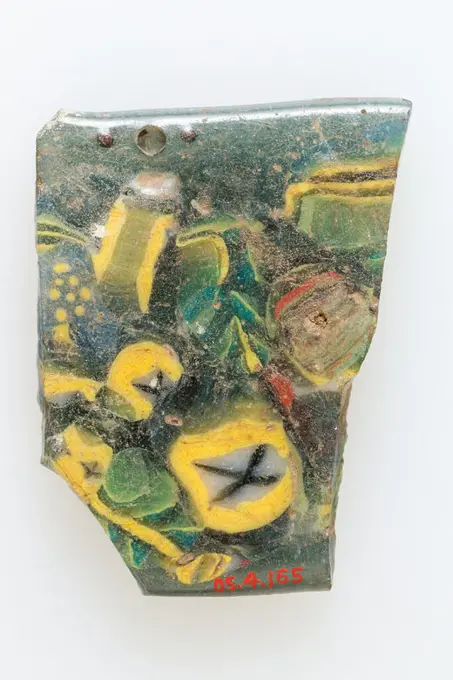
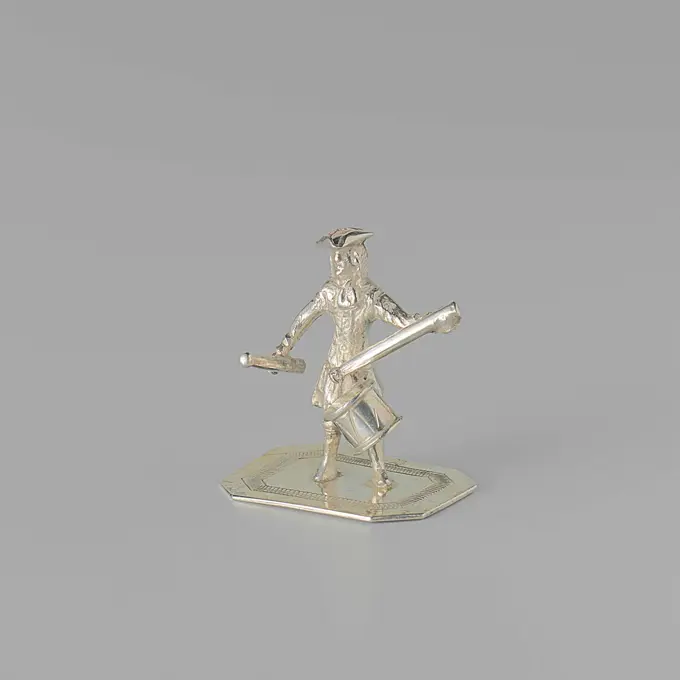
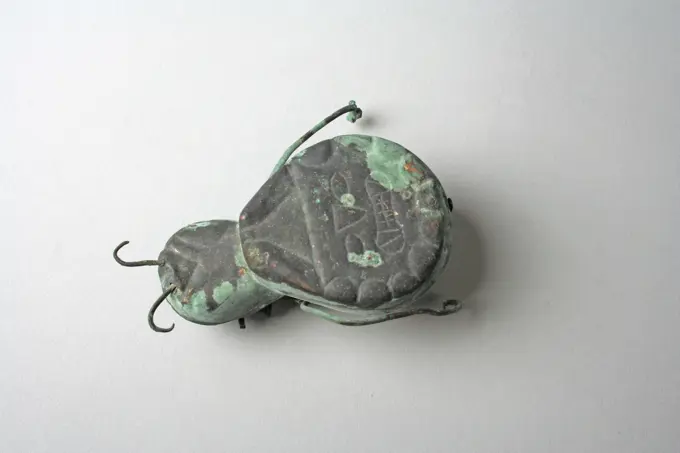
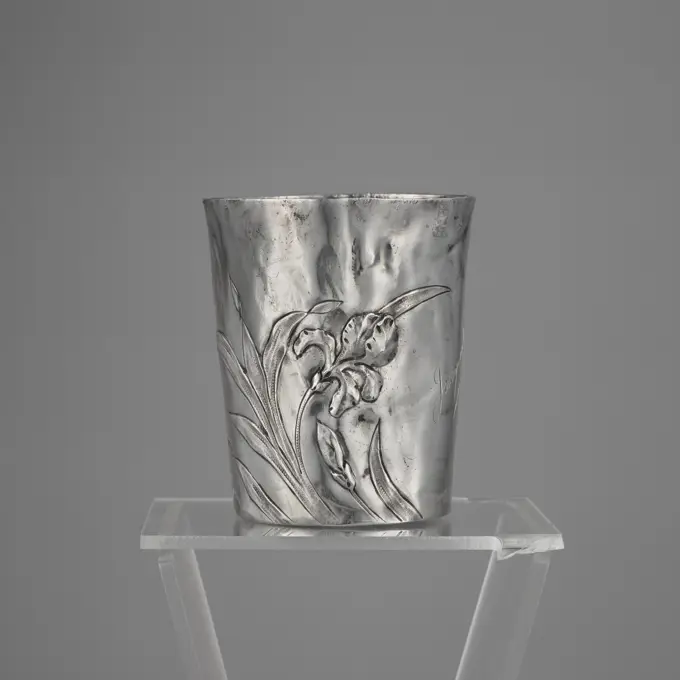
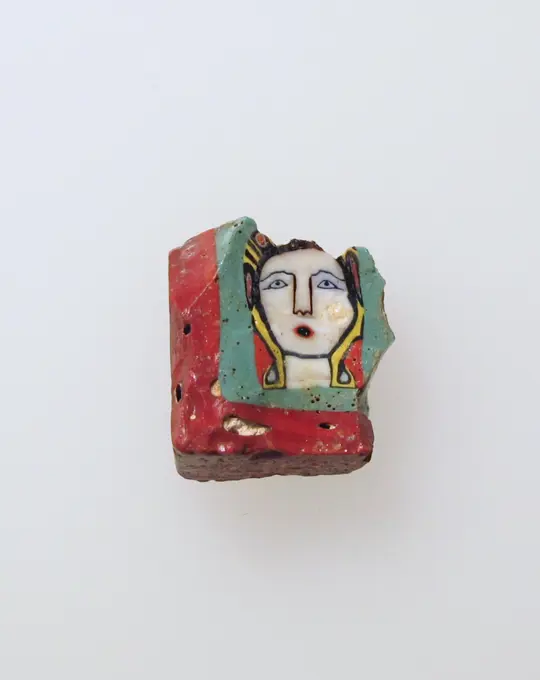
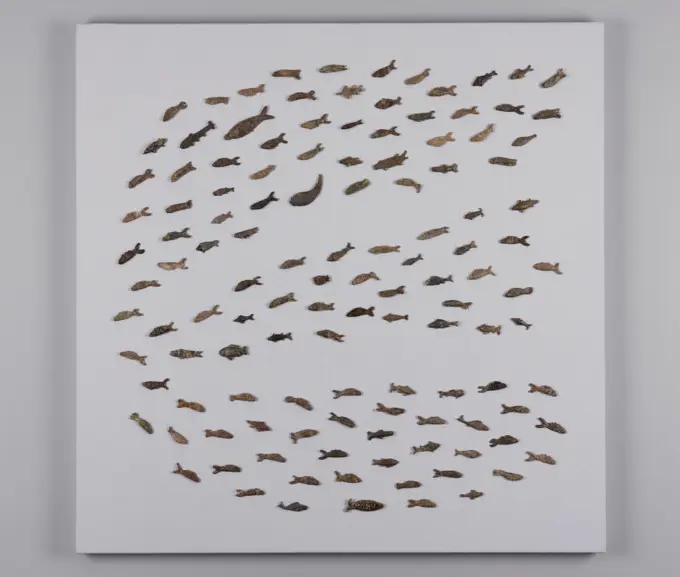
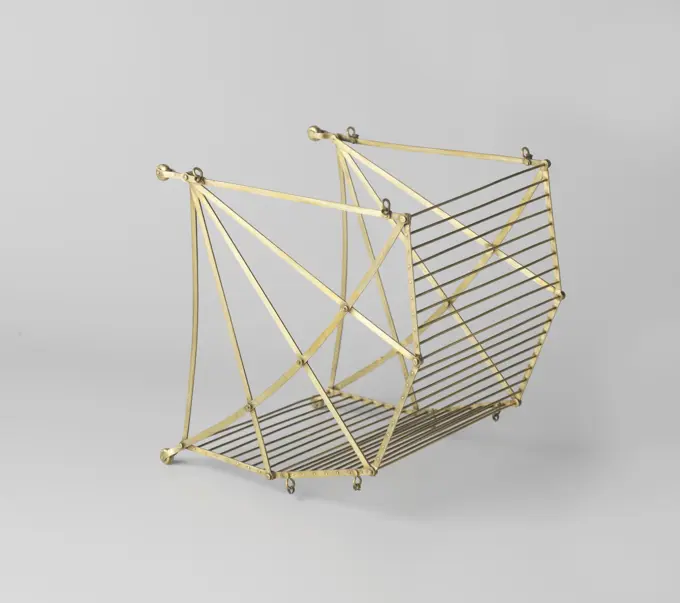
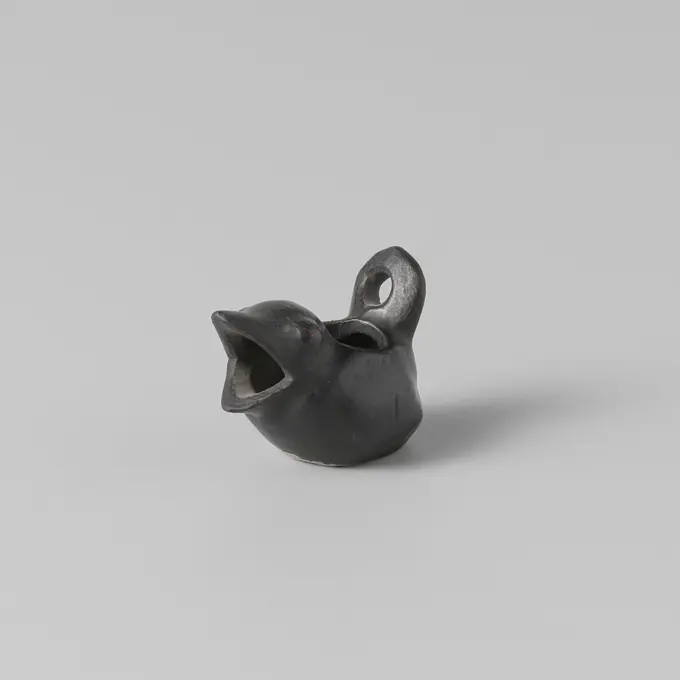
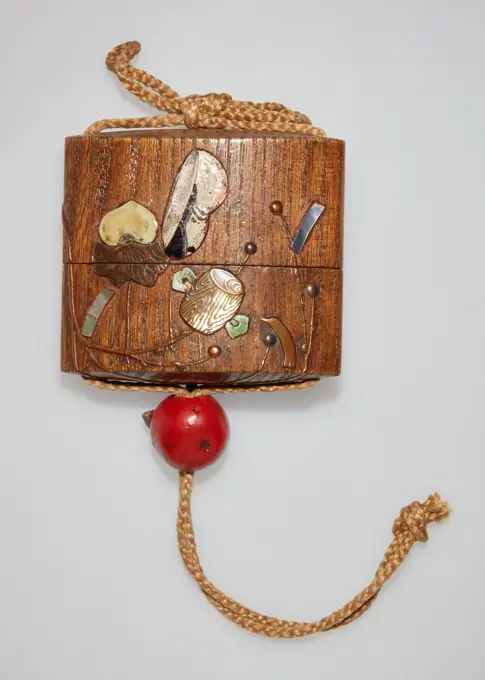
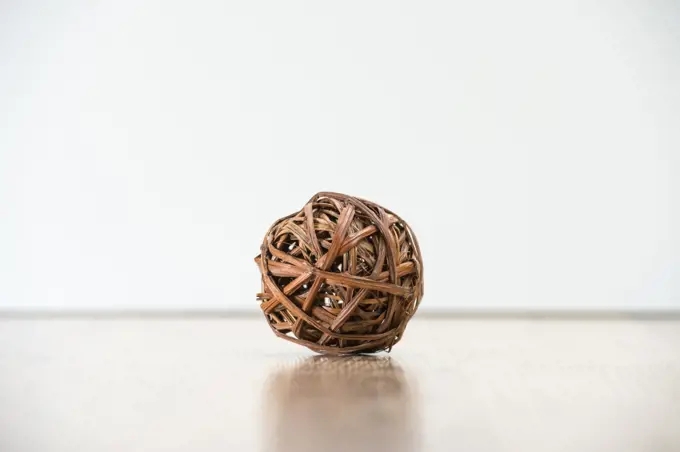
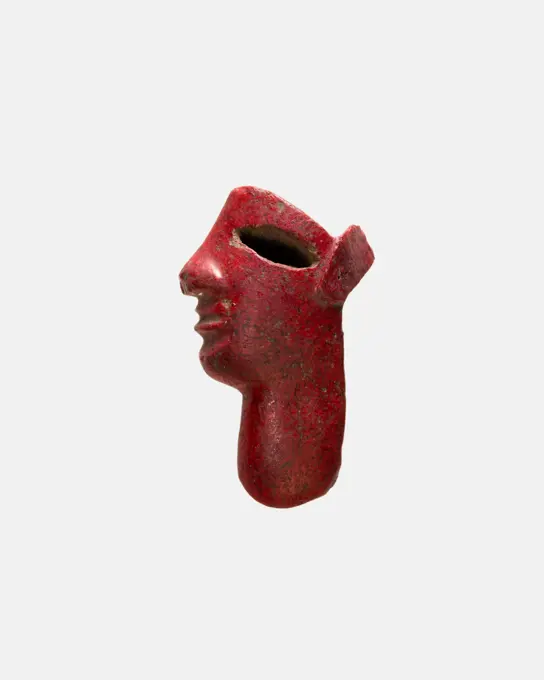
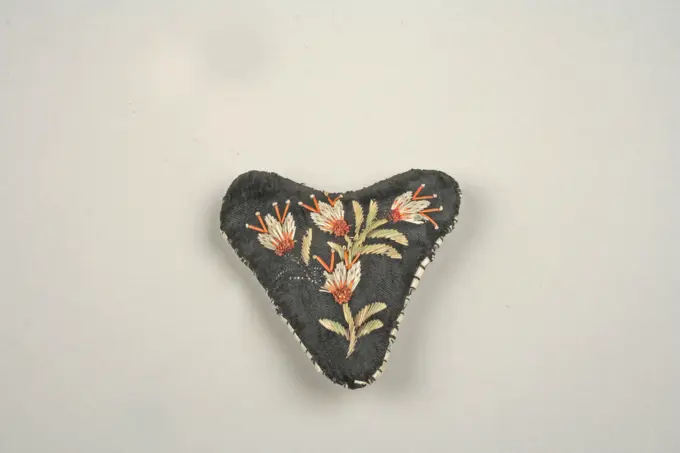
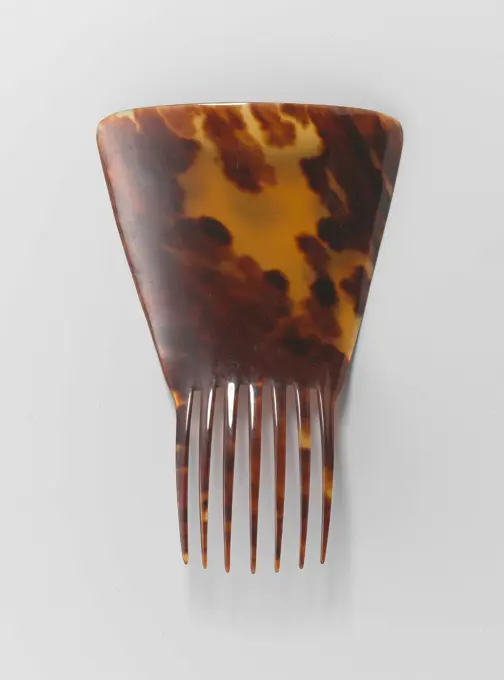
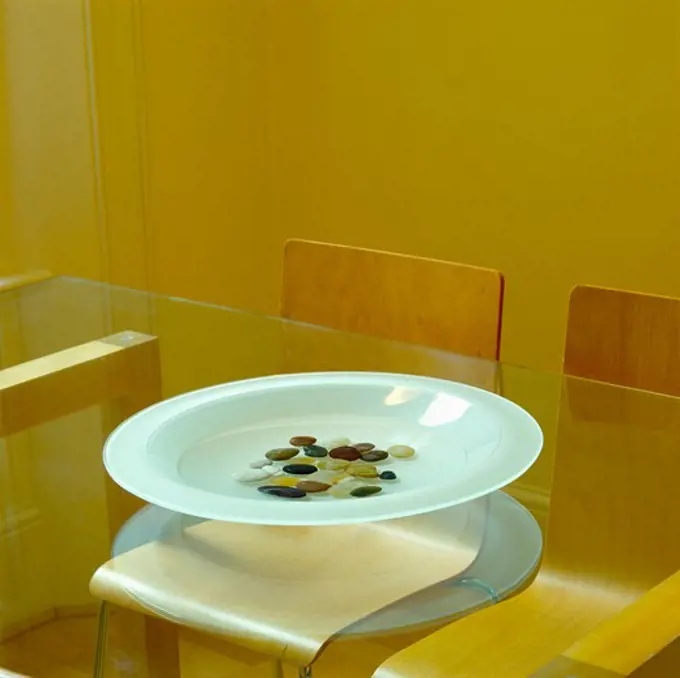
Tsuba: Japanese Sword Guard,  Late Edo Period, possibly 19th centuryWall Facing (Holland); tin-glazed earthenware, underglazeShards of a plate or come from V.O.C. ship De 'Witte Leeuw', Anonymous, Before 1613 plate (dishes). bowl Shards of a plate or come from V.O.C. ship the 'Witte Leeuw'. Jingdezhen bone china (material)   Sint-HelenaTile. Syria or Anatolia, 12th-13th century. Ceramics. Fritware, carved and underglaze-paintedVase fragment East Greek/Sardis, Lydian. Vase fragment 252822 East Greek/Sardis, Lydian, Vase fragment, Terracotta, Overall: 1 7/8 x 1 1/8in. (4.7 x 2.8cm). The Metropolitan Museum of Art, New York. Gift of The American Society for the Excavation of Sardis, 1926 (26.199.258)Object on white backgroundFragment sign from V.O.C. ship De 'Witte Leeuw', Anonymous, Before 1613 plate (dishes) Fragment sign from V.O.C. ship De 'Witte Leeuw', 40 present. Jingdezhen bone china (material)   Sint-HelenaRibbon ribbon, striped in black, light blue, ocher, fuchsia and lilac, in or before 1926 Ribbon on roll, striped in black, light blue, ocher, fuchsia and lilac. NijmegenFrance (possibly) textile materials. cardboard. paper Ribbon on roll, striped in black, light blue, ocher, fuchsia and lilac. NijmegenFrance (possibly) textile materials. cardboard. paperWhite rectangular cardboard jeweler box, c. 1970 - c. 1975 White cardboard jewelry box for smell bottle. On the lid print of Inez Stodel.  cardboard White cardboard jewelry box for smell bottle. On the lid print of Inez Stodel.  cardboardShards of signs from V.O.C. ship De 'Witte Leeuw', Before 1613 plate (dishes) Shards of signs from V.O.C. ship De 'Witte Leeuw'. Shatou bone china (material). porcelain   Sint-HelenaSeaweed on dishPillbox - Inconnu / UnknownLittle paper house placed on piece of woodDjed pillar. Dimensions: H. 3.3 × W. 1 cm (1 5/16 × 3/8 in.). Date: 525-30 BC.Starting in the later Late Period and continuing through the Ptolemaic Period, a type of glass amulet cast by pressing the glass into a shallow open mold appears. The back was left rough, and the amulets may look ragged because glass overflowed the mold around the edges. The earlier amulets are monochrome, bi- or multicolor amulets supplement the repertoire during the Ptolemaic Period. Some of the amulets can be specifically tied to spells of the Book of the Dead - for example, acc. no. 17.194.2526 - and most are clearly funerary amulets, presumably meant to be wrapped between the bandages of the mummy where the presence of the amulet would do its job irrespective of its degree of finish. Museum: Metropolitan Museum of Art, New York, USA.Tile Wall Facing (Holland); tin-glazed earthenware, underglazeBezel of a ring of Nefertari ca. 1295-1070 B.C. New Kingdom, Ramesside. Bezel of a ring of Nefertari 550648Fish Hook. UnknownCock's-comb OysterVase, Unglazed earthenware, Unglazed/bisque pale red/brown clay, manipulated cylindrical form, very thin walls pinched to create a crimped floriform rim, rising from a folded base then twisted just above the base for about an inch then smooth for less than an inch before the higher folds., Biloxi, Mississippi, USA, ca. 1900, ceramics, Decorative Arts, VaseSnuff box in the shape of a bird, enamelled with multicolored flowers and with a branch on the lid., Anonymous Snuff box in the shape of a bird, geémailled with multicolored flowers and with a branch on the lid.  copper (metal) Snuff box in the shape of a bird, geémailled with multicolored flowers and with a branch on the lid.  copper (metal)Covered box with figures in garden late 16th century China. Covered box with figures in garden. China. late 16th century. Porcelain painted in underglaze cobalt blue (Jingdezhen ware). Ming dynasty (1368-1644), Wanli period (1573-1620). CeramicsTrappal Crown of Ebony with, among other things, four pairs of mice decorated, Lambertus Zijl, 1920 Trappal crown of Ebony. There are two eating mice on each corner ("mice with a cheese") on a artistic square block. The tails hand cross the sides cross. The mice form the basis for a round sphere. This crown was made for the Trappehuis of the passenger ship "Johan de Witt" of the Steamvaart Maatschappij Nederland, which by C.A. Lion Cachet is designed. Netherlands ebony (wood). Trappal crown of Ebony. There are two eating mice on each corner ("mice with a cheese") on a artistic square block. The tails hand cross the sides cross. The mice form the basis for a round sphere. This crown was made for the Trappehuis of the passenger ship "Johan de Witt" of the Steamvaart Maatschappij Nederland, which by C.A. Lion Cachet is designed. Netherlands ebony (wood).Square Cloth with Feathered Border. Culture: Chimú. Dimensions: H x W: 12 x 2 3/8in. (30.5 x 6cm). Date: 14th-15th century. Museum: Metropolitan Museum of Art, New York, USA.Website banner on white with sample text. Button with your promo text, sale symbolPot, pear-shaped, with red glaze. Pot of stoneware, pear-shaped, covered with red glaze. Inrummation: HSIM.Red-Figure Skyphos Fragment (part of 93.AE.54). Kleophrades Painter (Greek (Attic), active 505 - 475 B.C.)Alfred H Smith, Shaker Basket, 1935 1942 Shaker BasketSculpture of a guardian angel with child, Anonymous, 1870 - 1910 photograph. frame   wood (plant material). glass. paper. lacquer (coating). metal albumen print / lacquering guardian angel. piece of sculpture, reproduction of a piece of sculptureSkirt, 20 x 35 1/2 in. (50.8 x 90.17 cm) (plus ties), Cotton, Chinapaper cards hanging rope isolated on white backgroundStone Temple Model. Culture: Mezcala. Dimensions: H. 4 3/16 x 3 in. (10.6 x 7.6 cm). Date: 1st-8th century. Museum: Metropolitan Museum of Art, New York, USA.32 transparants of mica on which different costumes have been painted with tempera, anonymous, c. 1640 - c. 1660 Transparants (overlay), 32 pieces of mica on which different costumes have been painted with tempera. The portrait miniature, on which the transparents must be laid, is missing. The breaks show day women's costumes with earrings, brooches and various plums, as well as a widow hood, white and black side hats. Furthermore, Mannen costumes, a turban, queen crown, ermine and various Orales. Northern Netherlands transparent:. Painting: Tempera Transparants (overlay), 32 pieces of mica on which different costumes have been painted with tempera. The portrait miniature, on which the transparents must be laid, is missing. The breaks show day women's costumes with earrings, brooches and various plums, as well as a widow hood, white and black side hats. Furthermore, Mannen costumes, a turban, queen crown, ermine and various Orales. Northern Netherlands transparent:. Painting: TemperaPocket clock with business; Maulevaut, Jean (early 18th century-1720); around 1700-1720 (1695-00-00-1705-00-00);Lead ornament, perhaps vegetal. Culture: Greek, Laconian. Dimensions: Height: 7/8 in. (2.3 cm). Date: 6th-5th century B.C..Small flat votive figurines of cast lead have been found in great quantities at the ancient sanctuaries of Laconia; over one hundred thousand, dating from the seventh century B.C. to the Classical period, were dedicated to the goddess Artemis Orthia in Sparta. Museum: Metropolitan Museum of Art, New York, USA.Leonardo da Vinci's Camera Obscura (projector). Re-construction from a drawing in the Codex Atlanticus, Italian polymath Leonardo da Vinci (1452-1519), familiar with the work of Alhazen in Latin translation and after an extensive study of optics and human vision, wrote the oldest known clear description of the camera obscura in mirror writing in a notebook in 1502JJ, Animal tile with grazing animal , blue decor on white background, baluster with lilies, marked, wall tile tile sculpture ceramic earthenware glaze tin glaze, baked 2x glazed painted Square yellow shard Slightly slanted sides. Marked at the back In blue paint on the back: JJ Rotterdam Stadscentrum Stadsdriehoek Zandstraat indigenous pottery Originating from the Zandstraat Rotterdam area.Fragment sign from V.O.C. ship De 'Witte Leeuw', Before 1613 plate (dishes) Fragment sign from V.O.C. ship the 'Witte Leeuw'. Jingdezhen bone china (material)   Sint-HelenaVintage classroom isolated over white background Old furniture from vintage classroom isolated over white background Copyright: xZoonar.com/IvonnexWierinkx 15058547Two writing boxes. The depiction of the praying mantis on an eggplant is a seasonal summer subject. The silver of the insect originally sparkled much more brightly, whereby the contrast with the gleaming black fruit was even greater. The adjacent box has a late summer theme: the eggplants are drying in the moonlight.Ornament in the shape of an S-shaped hose. Ornament in the form of an S-shaped hose, comma ornament; Crème-colored jade.Grahal-Manzara. Carnavalet 2013-2016 collection sites. Numismatics.Buckle 15th-16th century European. Buckle. European. 15th-16th century. Bronze. Miscellaneous-Buckles & OrnamentRoll with lilac satin ribbon with one frayed side, c. 1935 Roll with lilac satin ribbon with one frayed side. Nijmegenfrance textile materials. paper. cardboard Roll with lilac satin ribbon with one frayed side. Nijmegenfrance textile materials. paper. cardboardBeads, 13 View more. Beads, 13. Glass. GlassHanging Flower Vase with Figural Design mid-17th century Japan. Hanging Flower Vase with Figural Design 44862Ribbon on roll, lilac satin with one side deposited in black, c. 1890 - c. 1935 Ribbon on roll, lilac satin with one side deposited in black. NijmegenFrance (possibly) textile materials. cardboard. paper Ribbon on roll, lilac satin with one side deposited in black. NijmegenFrance (possibly) textile materials. cardboard. paperOrnament, Christmas tree, Dough, Basket in relief, with multicolored sugar flowers. Left part missing., USA, 1850-99, Decorative Arts, Ornament, Christmas treeAnchor buoy. An anchor buoy was floated on the waters surface to prevent other ships from sailing over the anchor chain of a moored ship. It also marked the location of the anchor and allowed it to be recovered if the cable broke or had to be cut. This anchor buoy, designed by the Englishman George Stebbing, was lighter and had a longer life than those previously used.Glass mosaic dish fragment. Culture: Roman. Dimensions: 1 1/4 × 1 5/16 × 1/16 in. (3.1 × 3.3 × 0.2 cm)Estimated diameter 7 7/8 in. (20 cm). Date: late 1st century B.C.-early 1st century A.D..Translucent purple, light blue green appearing green, opaque white and yellow.Vertical rim; shallow curving side, then turned in towards bottom, thin-walled.Mosaic pattern formed from polygonal sections of three canes: one in a purple ground with a white circle and central yellow rod comprising a tiny spiral, another in a purple ground with a white circle and a central solid white rod, and the third in a blue ground with a yellow spiral and a central white rod.Polished exterior; slight pitting of surface bubbles on exterior; some dulling, pitting, and iridescence on interior; dulling and iridescent weathering on jagged edges. Museum: Metropolitan Museum of Art, New York, USA.Garnet ring stone with the head of the dog Sirius. Culture: Roman. Dimensions: Overall: 9/16 x 1/4 x 3/16 in. (1.4 x 0.6 x 0.4 cm). Date: 1st century B.C.-3rd century A.D.. Museum: Metropolitan Museum of Art, New York, USA.Jardinière with outstanding, scalloped upper wall, multi -colored on the sides with flower brackets and a coastal landscape including sailing ships, Anonymous, c. 1875 - c. 1890 Rectangular container with outstanding and scumpled walls, of multi -colored fowence. A flower branch is painted on three silk in the colors rose and gray. A coastal face is painted on a long side with rocks with two figures and a sailing ship, sailing boats on the sea and a fort or castle with a tower along the coast. The container is marked. Nancy earthenware. tin glaze. Rectangular container with outstanding and scumpled walls, of multi -colored fowence. A flower branch is painted on three silk in the colors rose and gray. A coastal face is painted on a long side with rocks with two figures and a sailing ship, sailing boats on the sea and a fort or castle with a tower along the coast. The container is marked. Nancy earthenware. tin glaze.Basket Firma: Pietremont H.Fragment of floral plaque. Dimensions: H. 4.7 × W. 3.7 cm (1 7/8 × 1 7/16 in.). Date: 100 BC-100 AD.This fragment was part of a glass floral plaque for wall or furniture inlay like 26.7.1249. Museum: Metropolitan Museum of Art, New York, USA.Drumsid. On an elongated album there is a tamboer with the drum on its left leg and a stick in both hands. The tamboer carries a stitch. A zig-zag line is engraved in the edge of the plate. The image is marked: stk. = Amsterdam, jrl. = M (1746), mt. = Jan embroidery and crowned v a shield.Spider 6th-7th century Moche (Loma Negra). Spider 314480Cup with painted representation of woman with children who warm himself to a fire. Cup of porcelain, decorated in gold and with a polychrome representation of a woman with children who warm to a fire on the wall of the cup. With associated dish (A). Not noticed.Box (Scotland); woodEmpty round ceramic copy space plate with gingerbread cookies and Christmas elements Empty round ceramic copy space plate with gingerbread cookies and Christmas elements on a dark textured background Copyright: xZoonar.com/TetianaxChernykovax 22210770Empty wooden cutting board on a light texture background Empty wooden cutting board on a light texture background. Kitchen utensils Copyright: xZoonar.com/TetianaxChernykovax 21791695Ceramic tiles, india, asia Copyright: xAnilxDave/DinodiaxPhotoxStop piece with four different stops in red and all around with racing embroidery stitches in red, finished with white frills; Signature: G.V. Manufactured in the Normal School in Deventer for the 'Useful Crafts' deed.Jadite pendant in shape of bird ormonkey. Artist: UnknownHawthorn shield bug (Acanthosoma haemorrhoidale), outer wing, inner wing, Germany, EuropeA cup of round;  around 1900 (1895-00-00-1904-00-00);irises, flowers, plant ornaments, secession (style), purchase (provenance)Mosaic glass inlay 1st century B.C.-1st century A.D. Roman, probably Egyptian Opaque streaky red frame and opaque blue green ground; decoration in opaque white, yellow, and red, partly translucent purple appearing black and grey blue, and translucent blue.Thick, square or rectangular plaque, cut from a mosaic composite bar, with uneven front and back, and vertical straight sides, with one slightly rounded corner; design extends uniformly through the thickness of the plaque.Female head with white face and neck, outlined in grey blue; features delineated in blue, with red lips and purple mouth; face enclosed by headdress in purple, decorated with yellow stripes and red and white circles, with yellow flaps extending to neck and ending in white folds and red flaps.Broken, but one corner preserved; glossy surfaces to front and back; pinprick and larger bubbles; dulling, brownish weathering, and faint iridescence on preserved sides.. Mosaic glass inlay. Roman, probably Egyptian. 1st century Abstract minimal indoors wooden decorationHead of a negro man. Culture: Greek, South Italian, Campanian. Dimensions: H. 3 cm.. Date: 4th century B.C.. Museum: Metropolitan Museum of Art, New York, USA.top view of green square saucer on gray concrete top view of green square saucer on gray concrete board Copyright: xZoonar.com/ValeryxVoennyyx 9790659Tefila casket on hand;  around 1850 (1845-00-00-1855-00-00);Bronisław (1887-1983) - collection, Bronisław - testamentary record, Bronisław Krystall. Testament (Warsaw - Exhibition - 2015/2016), Krystall, Prayer (accessories), Purchase (provenance), Testament record (provenance)Sword Guard (Tsuba). Culture: Japanese. Dimensions: H. 3 in. (7.6 cm); W. 2 7/8 in. (7.3 cm). Date: 17th century. Museum: Metropolitan Museum of Art, New York, USA.Senwosret (), Oil jar ca. 1950-1850 B.C. Middle Kingdom. Senwosret (), Oil jar. ca. 1950-1850 B.C.. Travertine (Egyptian alabaster). Middle Kingdom. From Egypt, Memphite Region, Lisht South, tomb west of the tomb of Senwosretankh, Pit 3, Burial chamber of owner, MMA excavations, 1933-34. Dynasty 12, early - midGlass mosaic carinated bowl fragment late 1st century B.C.-early 1st century A.D. Roman Body fragment.Translucent deep purple, deep turquoise blue mixed with opaque yellow and appearing green, opaque white, yellow, and red.Part of rim (), straight side, then slanting sharply downward below.Composite mosaic pattern formed from polygonal sections of three canes: one in a purple ground outlined in white and a circle of white dots around central white rod encircled in red; a second in a purple ground outlined in white containing yellow rods, and the third in a blue ground with a yellow spiral encircling a purple band around a central yellow rod.Polished interior; pitting of surface bubbles on interior; dulling and iridescent weathering on exterior and edges.. Glass mosaic carinated bowl fragment 257213Votive Fish. UnknownVotive Fish. UnknownModel of an Apparatus for Inspecting Ships under Water, Olke Uhlenbeck, c. 1800 - c. 1858 demonstration model Model of a basket -shaped framework with four small wheels on the side and eyes for ropes at the top. According to designer Uhlenbeck, the cage construction, in reality to be carried out in iron, was meant to be able to investigate the external parts of the hull of the ships. " The cage offered space to a diver, who enjoyed it and enjoyed protection and guidance. Netherlands brass (alloy)Figure of a swallow with opened beak, anonymous, c. 1925 - c. 1948 Small statue of stoneware, covered with a matte black glaze. The image represents a swallow with an open beak; It is hollow with a hole in the back and in the tail. Japan stoneware. glaze vitrification Small statue of stoneware, covered with a matte black glaze. The image represents a swallow with an open beak; It is hollow with a hole in the back and in the tail. Japan stoneware. glaze vitrificationPilgrim's Badge 14th-16th century French. Pilgrim's Badge. French. 14th-16th century. Lead. Metalwork-LeadDinner service (julita)  deep plate Ruszczyński, Edmund (1920 Ca 1995), Wałbrzych, WawelSingle compartment inro adorned with auspicious symbols and persimmon ojime, 1820s, Teiji, Japanese, active 19th century, 2 3/16 × 2 5/8 × 1 in. (5.56 × 6.67 × 2.54 cm) (object part, inro only)7 1/4 × 2 5/8 × 1 in. (18.42 × 6.67 × 2.5 cm) (overall, including cord), Wood, lacquer, ceramic, shell, mother-of-pearl, silk, Japan, 19th centuryWebsite banner on white with sample text. Button with your promo text, sale symbolFragment Red Silk Luweel and Satin, Anonymous, 1700 Fragment red silk velvet and satin. The pattern has large stylized leaves in which small flowers and between which flower branches. France (possibly)Italy (possibly) silk Velvet chiseled Fragment red silk velvet and satin. The pattern has large stylized leaves in which small flowers and between which flower branches. France (possibly)Italy (possibly) silk Velvet chiseledTangled single wooden old knot sphere. Depression and crisis concept.Model of A Gunlock (percussion). Wooden model of a percussion lock, designs for NG-MC-707, NG-MC-708 and NG-MC-710. In principle, they are identical, the difference is located in the form of the lock plate, which differs depending on the guns for which the lock is intended. The lock plate must be mounted on the right-hand side against the lock hardener with two bolts across, and two screws in the kulas. The hammer is running in a right angle to the loop. The head of the hammer has a slot for the flame from the Zundgat when fired. In the shaft a hole for the retraction rope is applied, in the lock plate a disc through which the rope is led to the rear. Scale 1: 1. Combined description MC-711-1 to 3 (2 complete with wing nut)Pieces of tofu in front of white backgroundRibbon on roll, striped, brown with lilac, black, light green and orange, in or before 1926 Ribbon on roll, striped, brown with lilac, black, light green and orange. NijmegenFrance (possibly) textile materials. cardboard. paper Ribbon on roll, striped, brown with lilac, black, light green and orange. NijmegenFrance (possibly) textile materials. cardboard. paperGlass striped mosaic fragment late 1st century B.C.-early 1st century A.D. Roman. Glass striped mosaic fragment. Roman. late 1st century B.C.-early 1st century A.D.. Glass; cast. Early Imperial. GlassCampania Napoli Naples S. Lorenzo Maggiore04. Hutzel, Max 1960-1990 Medieval: Sculpture, architecture, architectural sculpture (including Roman spolia) 13-14th century Chapter house; sarcophagi, gravestones; wall painting. Fragment of mosaic; sculptural fragments in the Sala Capitolare. Post-medieval: Architecture, architectural sculpture, ceiling painting fresco cycle; prints depicting Venice c. 1845 (4), sculpture; life-size creche figures dressed in original Neapolitan costume Church restored in 1882, 1926, 1944; excavations under the transept undertaken between 1958-1962, and in the cloister in 1976, have revealed remains of a Roman macellum (market), street, and the paleochristian basilica of the 6th c. AD. Antiquities: Pottery: black-glazed, archaic banded, domestic wares, bucchero; architectural terracottas, statuettes, lamps, sculpture fragments Object Notes: 3 color negatives with no prints at the end. General Notes: Most objects/paintings/frescoes unidentified. Three batches Amulet probably depicting a benu bird 400-30 BC Ptolemaic Period Starting in the later Late Period and continuing through the Ptolemaic Period, a type of glass amulet cast by pressing the glass into a shallow open mold appears. The back was left rough, and the amulets may look ragged because glass overflowed the mold around the edges. The earlier amulets are monochrome, bi- or multicolor amulets supplement the repertoire during the Ptolemaic Period.. Amulet probably depicting a benu bird. 400-30 BC. Glass. Ptolemaic Period. From Egypt. Rounded rectangular tsuba with two pheasants at the front in Iroe-Taka-Zogan with a flowering cherry tree; on the back blossom branches and a stream; Inscriptions "Minamoto Kagekuni Kitan" and "Soun No Zu"; Signed "Ishiguro Tominsai Masatsune".Bamboo Paper With Clip Bamboo Paper With Clip Isolated On White Background Copyright: xZoonar.com/KristinaxAfanasyevax 1752104Profile face inlay 570-30 BC Late Period-Ptolemaic Period Glass figural inlay elements could be fitted in individual wooden cells, or placed immediately adjacent to other elements and attached to a background.. Profile face inlay. 570-30 BC. Glass. Late Period-Ptolemaic Period. From Egyptantique amphora greek sculpture in cartoon stylePincushion 1820s-30s Huron. Pincushion 320848. Hair comb of imitation turtle with smooth trapezoidal back. Seven teeth.Plaque 1796 James Tassie British, Scottish. Plaque 5162Golden leaves styled stock scene, rich eath tones. Golden leaves styled stock sceneClose-up of glass bowl on modern glass dining tableSuzuribako, anonymous, 1700 - 1900 Writing box (Suzuribako) of black paintwork with on the lid in different shades of gold and silver-make and red lacquer a representation of an entrance gate and fence of a garden, with a susuki-grass and hagi branches in the garden with a hedge of bound branches A maple and pine in the fall. On the inside of the lid a boat on the waterfront and a egret that is huddled on an upright rowing span. Japan wood (plant material). lacquer (coating) Writing box (Suzuribako) of black paintwork with on the lid in different shades of gold and silver-make and red lacquer a representation of an entrance gate and fence of a garden, with a susuki-grass and hagi branches in the garden with a hedge of bound branches A maple and pine in the fall. On the inside of the lid a boat on the waterfront and a egret that is huddled on an upright rowing span. Japan wood (plant material). lacquer (coating)Stamp seal (octagonal pyramid) with two- and three-figure contest scenes second half of 8th - 6th century B.C. Babylonian. Stamp seal (octagonal pyramid) with two- and three-figure contest scenes 327689Lavender soap arrangement with copy space