Decorative Tin-Glazed Tiles

Collection of Dutch tin-glazed earthenware tiles showcasing intricate floral and architectural designs, featuring muted colors and historical artistry.

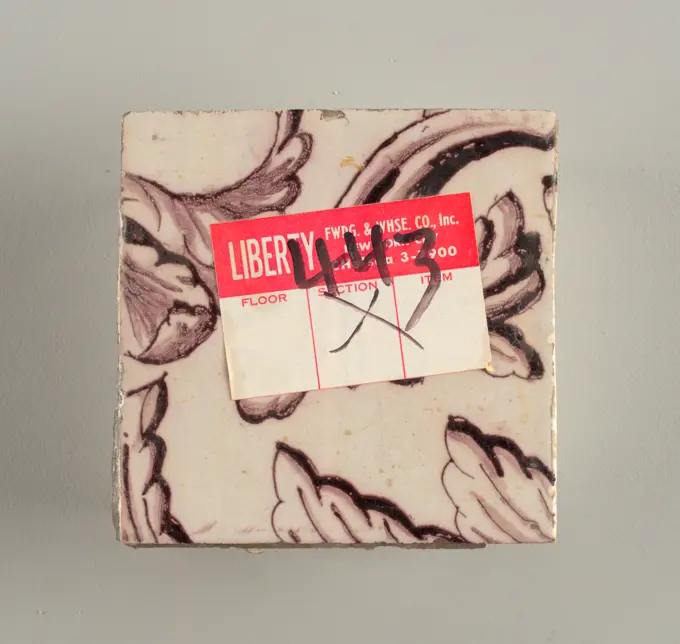
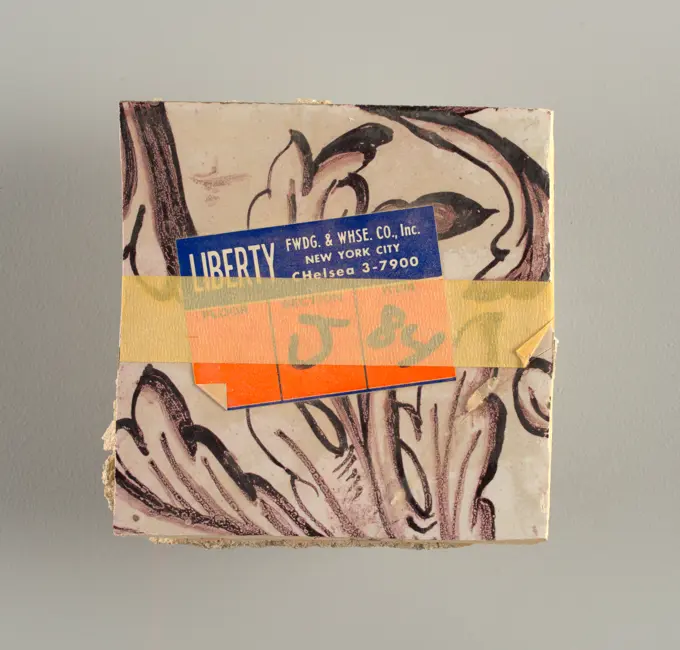
Tile Wall Facing (Netherlands); tin-glazed earthenware, underglaze
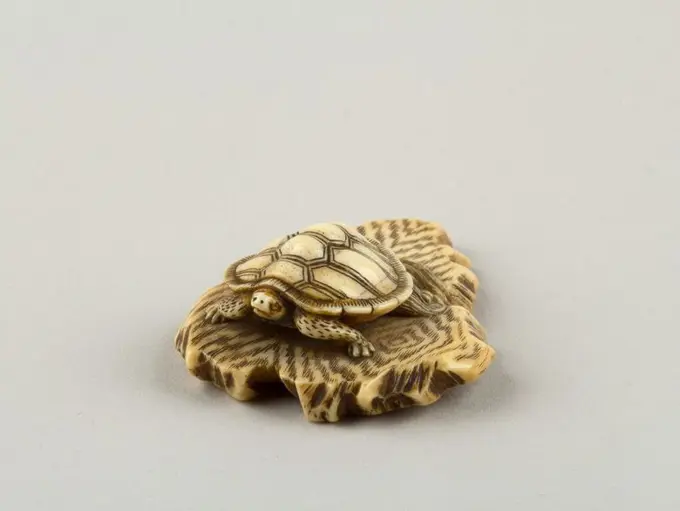
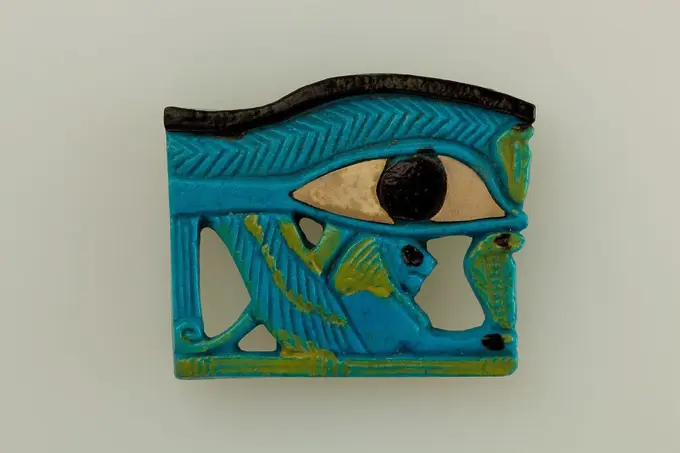
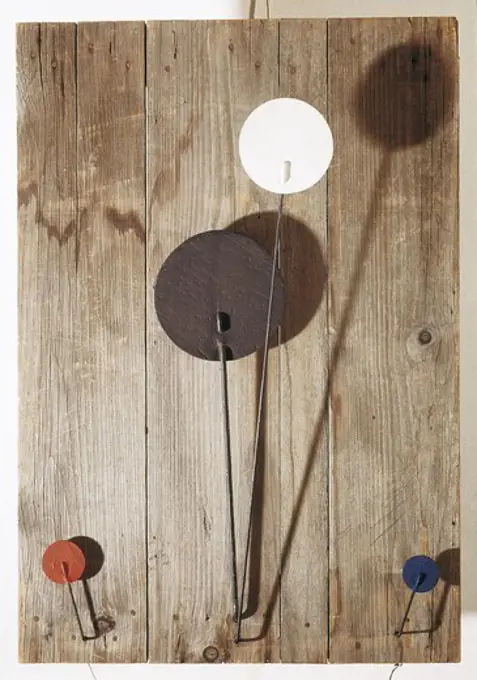
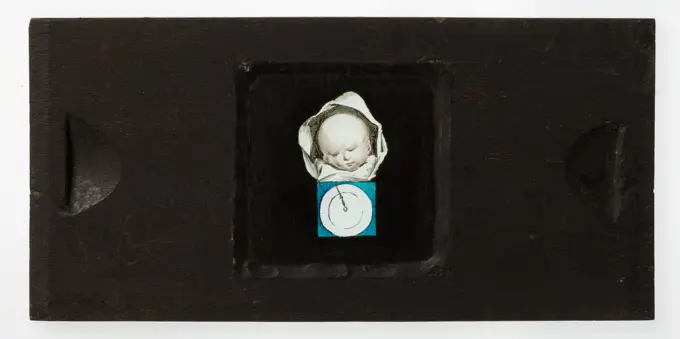
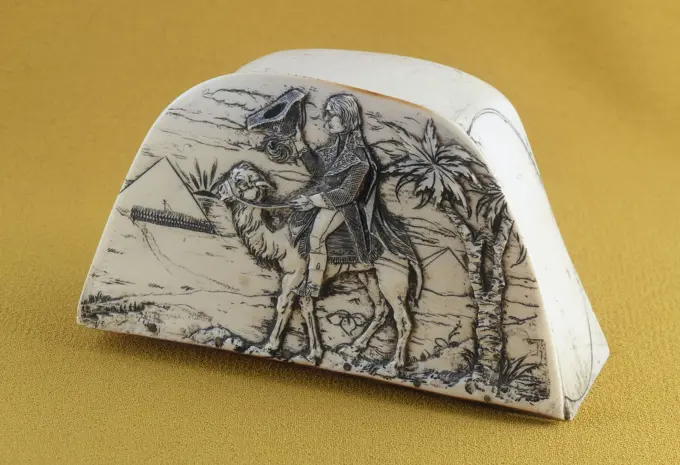
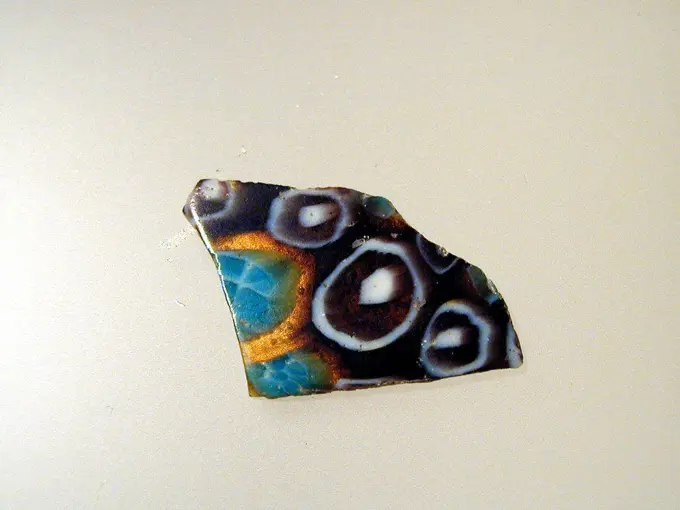
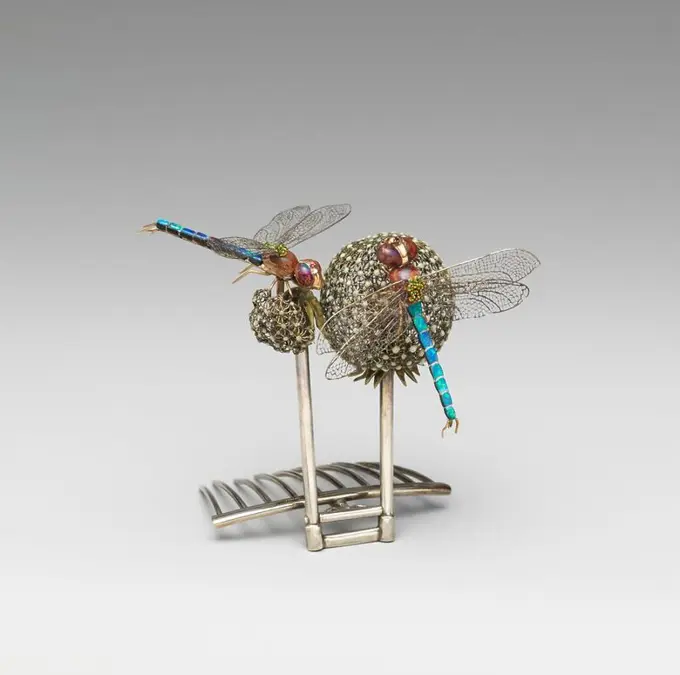
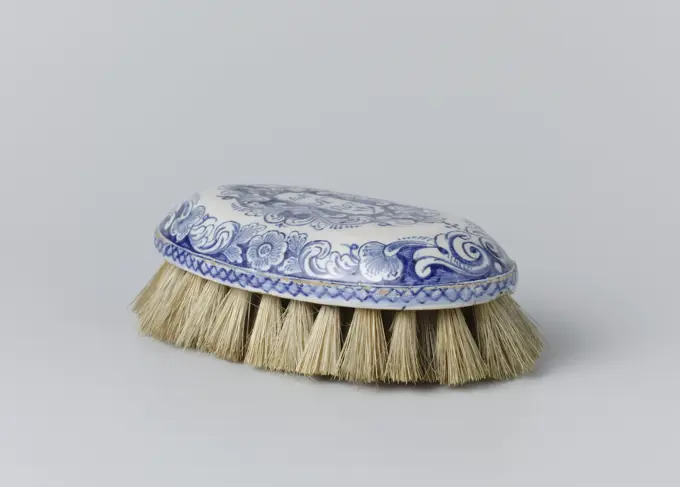
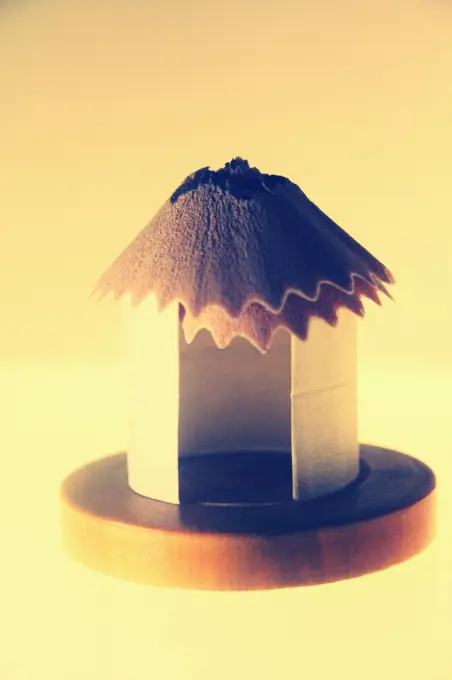
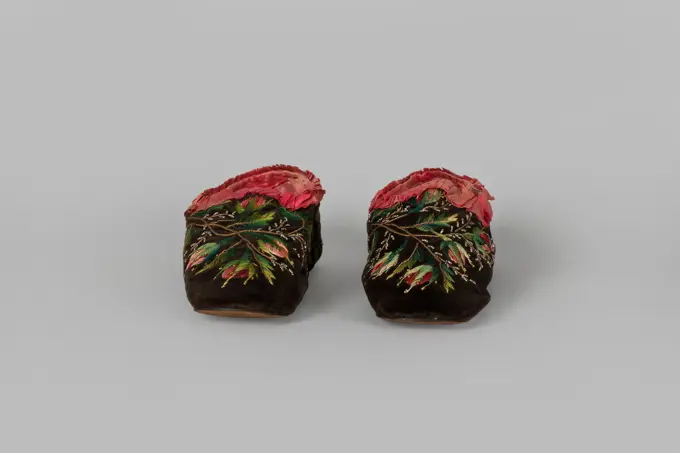
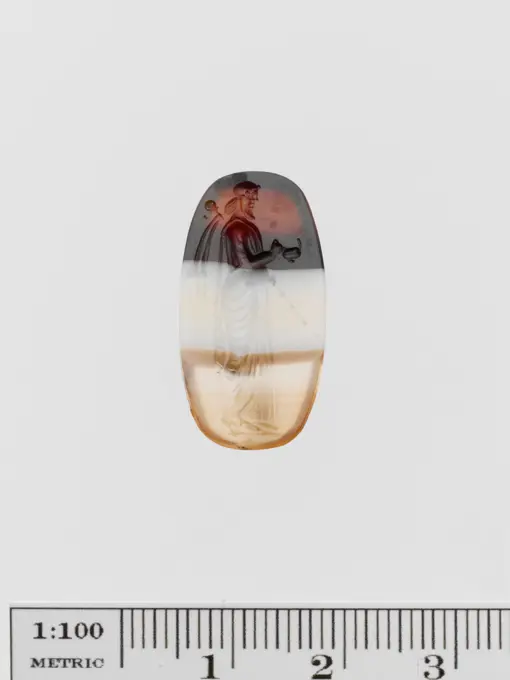
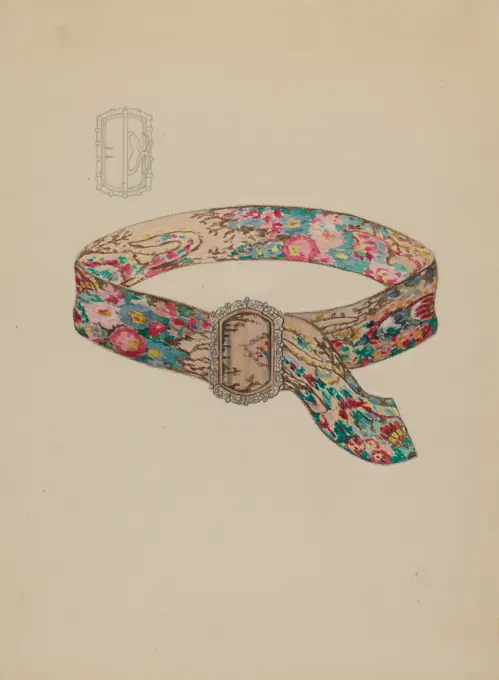
Dripping blue water paint from brushNetsuke of Turtle Crawling over a Rock. Culture: Japan. Dimensions: H. 3/4 in. (1.9 cm); W. 1 1/2 in. (3.8 cm). Date: 19th century. Museum: Metropolitan Museum of Art, New York, USA.Scent Bottle Case ; shagreenCandle placed on a piece of wood on a white backgroundZen gardenWedjat Eye Amulet. Dimensions: L. 6.5 cm (2 9/16 in.). Date: ca. 1070-664 B.C..Wedjat eye amulets were among the most poular amulets of ancient Egypt. The wedjat eye represents the healed eye of the god Horus and embodies healing power as well as regeneration and protection in general. This eye here is an intriguing combination of the regular wedjat eye with a wing, two uraei, and a lion. This combination alludes to various ancient Egyptian stories that involve the eye of the sungod Re. Museum: Metropolitan Museum of Art, New York, USA.black and white skullcap traditional Asian hat on a dark background. traditional asian skullcapPair of Sword-Grip Ornaments (Menuki). Culture: Japanese. Dimensions: Menuki (a); L. 1 7/8 in. (4.8 cm); Wt. 0.2 oz. (5.7 g); menuki (b); L. 1 7/8 in. (4.8 cm); Wt. 0.3 oz. (8.5 g). Date: 19th century. Museum: Metropolitan Museum of Art, New York, USA.Property Sale Document: Bagazust and Ubil Sell a House to Ananiah Aramaic. Property Sale Document: Bagazust and Ubil Sell a House to Ananiah, September 14, 437 B.C.E. (date written). Papyrus, ink, mud, a: Small Box of Fragments: 1 3/4 x 4 1/16 x 4 1/16 in. (4.5 x 10.3 x 10.3 cm).   Egyptian, Classical, Ancient Near Eastern Art September 14, 437 B.C.E. (date written)Design for a medal () From plaster with a horse, Lambertus Zijl, 1876 - 1947 Design for a medal () Of plaster with a horse. Netherlands gypsum Design for a medal () Of plaster with a horse. Netherlands gypsumLittle toy model hut placed on straw backgroundTile Wall Facing (Netherlands); tin-glazed earthenware, underglazeTough toys for older pups to play with and chewWall Facing (Holland); tin-glazed earthenware, underglazeEpiphany crowns, studio shot, France, EuropeBLIŻEJ KULTURYFig like PyrulaEngraved Gem. UnknownBroken electrical outlet on wallCALDER, Alexander (1898-1976). Four Pendulums. 1943. Motorized machine. Abstract art. Mixed technic. SPAIN. CATALONIA. Barcelona. Galerie Maeght (Maeght Gallery).Concept of clock cup of coffeeClock and bust of an infant, anonymous, c. 1790 - c. 1830  Square glass plate in a wooden rating. Bust of an infant with closed eyes. Below that a clock that is one hour. Part of a series of busts with clocks that represent the phases of life. Netherlands (possibly) glass. wood (plant material). oak (wood). oil paint (paint)Napoleon in Egypt , Tobacco Tin , C19thA chocolate biscuit on an elegant white plate with black chopsticks on a dark grey background.Colorful rag and diffuser pads on oxide painted backgroundGlass mosaic fragment late 1st century B.C.-early 1st century A.D. Roman Thin-walled body fragment.Translucent purple, honey yellow, turquoise blue, and opaque white.Very shallow convex curving side.Mosaic pattern formed from polygonal sections of two canes: one in a blue ground within a circular band in yellow and decorated with spokes and central hollow circle in white, and the other in a purple ground containing a circle in white and a white rod at center.Polished exterior; pitting of surface bubbles; dulling, pitting, and iridescent weathering on interior and jagged edges.. Glass mosaic fragment 257093Windmill' still bank, c. 1930, 3 1/4 x 2 1/8 x 2 1/8 in. (8.26 x 5.4 x 5.4 cm), Tin, pigment, The Netherlands, 20th centuryAmulet - rybka. unknown, authorEaster eggs on textile, close upOrnament tile with blank squared and dotted decor, purple decor on white background, wall tile tile image ceramic earthenware enamel tinglage, in form made baked glazed painted stemmed Wall tile with purple decor on white background. Ornament tile with blank square in the center. Corner filling: triangle with series of spots applied in dotted technique Decor is lightly flowed and cooked along one edge by too high baking temperature Yellow shard Slightly slanted sides of indigenous potteryJar full of coinsPin, Anonymous, c. 1830 Brooch in the form of a drop or spring, of gold. With a hair clock behind glass and the letters C.P.M. Amsterdam (possibly) gold (metal). ivory. glass. Brooch in the form of a drop or spring, of gold. With a hair clock behind glass and the letters C.P.M. Amsterdam (possibly) gold (metal). ivory. glass.Still life of medicines in a round white plate.Ribbon ribbon, striped, reddish -brown with lilac, black, light green and orange, in or before 1926 Ribbon on roll, striped, reddish -brown with lilac, black, light green and orange. NijmegenFrance (possibly) textile materials. cardboard. paper Ribbon on roll, striped, reddish -brown with lilac, black, light green and orange. NijmegenFrance (possibly) textile materials. cardboard. paperHair Ornament. Culture: American. Dimensions: H. 3 1/4 in. (8.3 cm). Maker: Louis Comfort Tiffany (American, New York 1848-1933 New York). Date: ca. 1904.Tiffany exhibited three Queen Anne's lace ornaments representing various stages of bloom at the Saint Louis Exposition in 1904. This hair ornament-composed of delicate silver wires bearing tiny opals, demantoid garnets, garnets, and enamel florets-shows the flower in full bloom. Leaves of silver covered in translucent green enamel and copper painted green, visible on the under-side of the piece, increase the impression of naturalism. Whereas jewelry typically made at his father's firm, Tiffany and Company, tended to replicate more formal flowers, such as orchids and irises, and utilized primarily precious stones, Tiffany's use of a common wildflower and semi-precious stones aligns this work with avant-garde Parisian jewelers of the Art Nouveau. Museum: Metropolitan Museum of Art, New York, USA.Tile Wall Facing (Netherlands); tin-glazed earthenware, underglazeBrush Rug, painted with tenders and flower motifs, the initials AH and the year 1757, Tichelaar, 1757 Faience brush, painted in blue with tifles and floral motifs, the initials AH and the year 1757. Makkum . Faience brush, painted in blue with tifles and floral motifs, the initials AH and the year 1757. Makkum .Tile Wall Facing (Netherlands); tin-glazed earthenware, underglazePaper Hut With Pencil Shavings RoofApplique Furniture Mount (France); bronzeWomen's slippers; Piotrowski, F. (Warsaw; Szewska Studio; Ca 1840-Ca 1850); around 1850 (1840-00-00-1860-00-00);Number seven stone made on black background in frame.dollars in the form of butterflies. Origami butterfly made out of dollar billsNew Year´s imageWall Facing (Holland); tin-glazed earthenware, underglazeBanded agate oval gem late 4th-3rd century B.C. Greek Dionysos with thyrsos and cup.. Banded agate oval gem. Greek. late 4th-3rd century B.C.. Agate, banded. Hellenistic. GemsMemorial Munt '150 years Max Havelaar', 2010 box Silver coin of five euros, first battle, beaten on the occasion of the publication 150 years ago from 'Max Havelaar' by Multatuli. Mint caught in Perspex. Corresponding wooden box, with insert. Utrecht    NetherlandsGreeting Calaca handcraft card with paper leaf branch, flower and creative skull on a blue frame on a black paper background, place under text. Skeleton Festival, the feast of death. Flat lay.. Colorful modern Calaca composition from paper with yellow leaf and decorative skull on a black paper background.Tiny figurine of men model tied in rope beside a bookRetro cartoon with texture. Isolated on White.Studio shot of bloodstained sanitary padClose-up of set of monogrammed antique tortoiseshell brushesFragment sign from V.O.C. ship De 'Witte Leeuw', Before 1613 plate (dishes) Fragment sign from V.O.C. ship the 'Witte Leeuw'. Jingdezhen bone china (material)   Sint-HelenaClose-up of a plate, FranceGladys Cook, Belt, c 1936 BeltVera Van Voris, Earrings, c 1937 EarringsWall Facing (Holland); tin-glazed earthenware, underglazeHole for hawser on shipSard oval. Culture: Greek. Dimensions: H.: 1 5/16 in. (3.3 cm). Date: 3rd century B.C..Artemis holding a cornucopia and phiale. Museum: Metropolitan Museum of Art, New York, USA.Banded agate oval. Culture: Greek. Dimensions: Other: 1/2 x 1/8 x 7/8 in. (1.3 x 0.4 x 2.3 cm). Date: late 4th-3rd century B.C..Dionysos with thyrsos and cup. Museum: Metropolitan Museum of Art, New York, USA.Tile with still life, anonymous, c. 1700 - c. 1750 Tile with a blue painted still life of a vase with flowers and a bird. In the background, a belly -shaped pot. In the corners, a spider. Netherlands earthenware. tin glaze majolica Tile with a blue painted still life of a vase with flowers and a bird. In the background, a belly -shaped pot. In the corners, a spider. Netherlands earthenware. tin glaze majolicametal and wood background metal and wood background Copyright: xZoonar.com/OxanaxRishnyakx 4963077Euro sign being squeezed from empty budget toothpaste tubeSketchbook of Northwest American and Canadian Scenery 1890 Albert Bierstadt American This image represents one of eighty-eight drawings in this sketchbook.. Sketchbook of Northwest American and Canadian Scenery. Albert Bierstadt (American, Solingen 1830-1902 New York). American. 1890. Drawings in graphite on off-white wove paper, bound in a leather coverWall Facing (Holland); tin-glazed earthenware, underglaze