Decorative Vases and Bottles

Images of diverse vases and bottles from different eras, showcasing ceramics and glass in various styles and colors.
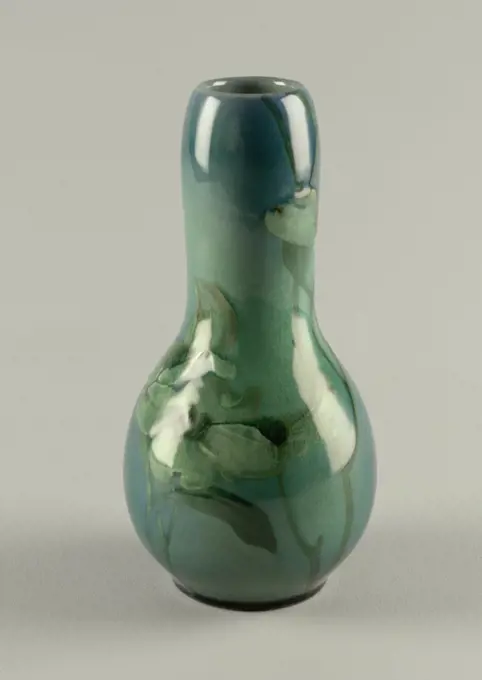
Vase, Sarah Alice Toohey, American, 1872-1941, Rookwood Pottery, American, 1880 - 1967, Glazed earthenware, Sea green bulbous tapered vase with floral decoration., White clay body, thrown. Low bulbous body with tall wide neck, slightly incurving lip; flat foot. Underglaze slip-decorated with branches of dogwood blossoms around body and neck. Light blue background with light green flowers and leaves. Very light green glaze overall; cracklature. Interior and bottom glazed., Cincinnati, Ohio, USA, 1901, ceramics, Decorative Arts, Vase
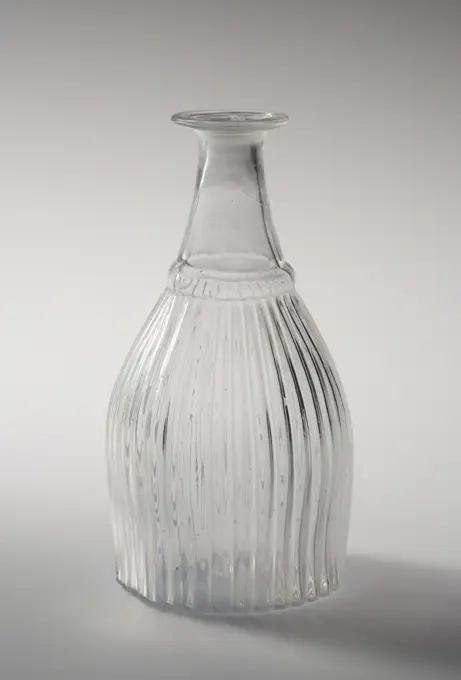
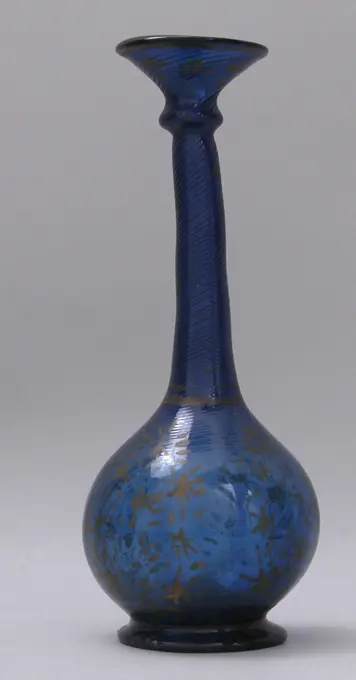
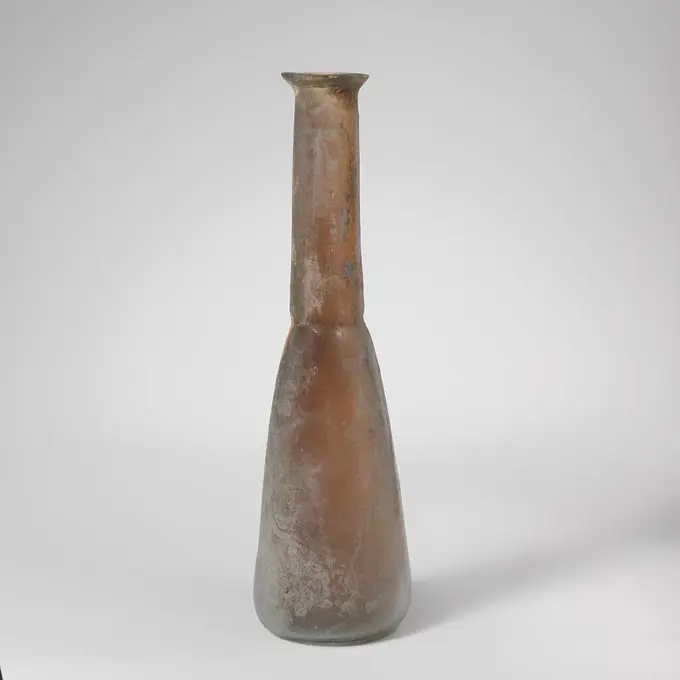
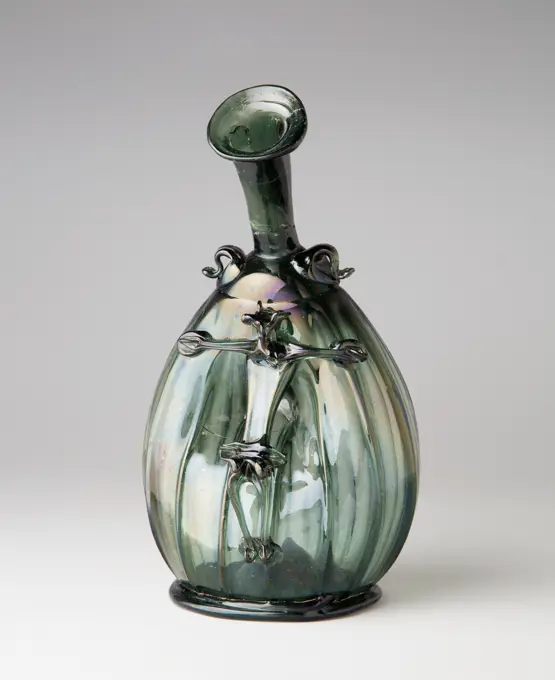
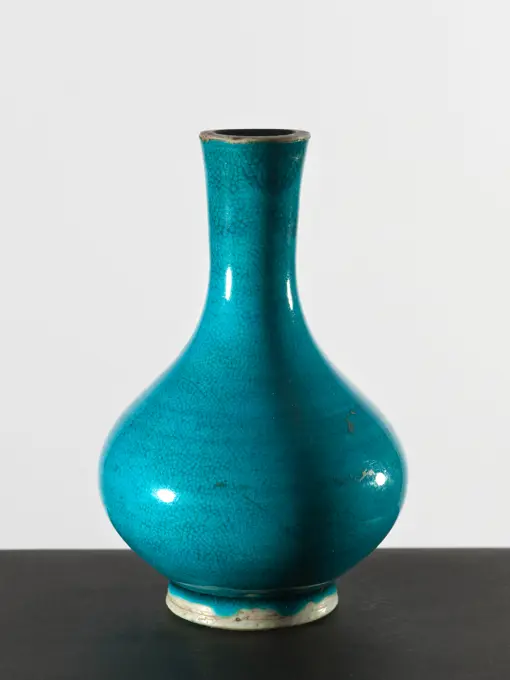
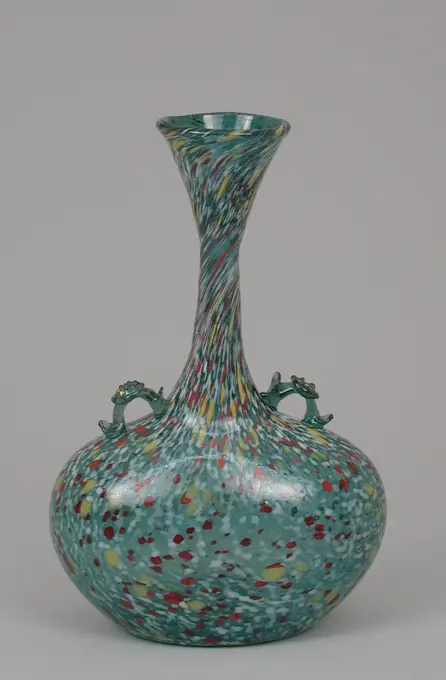
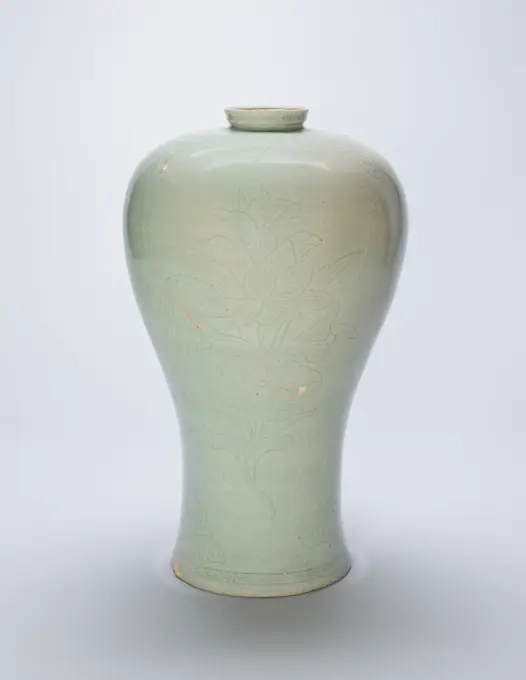
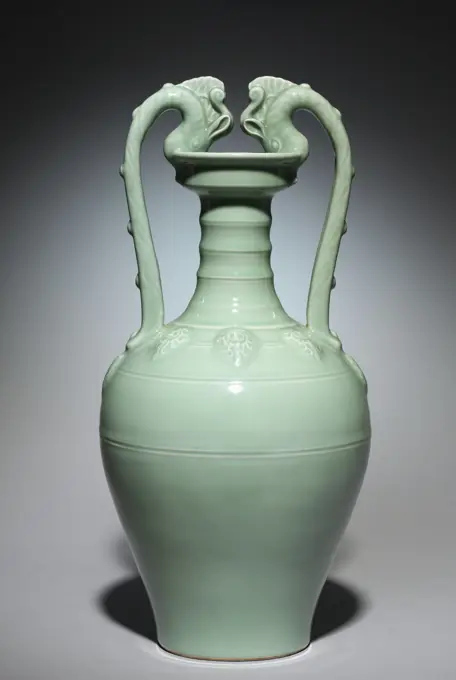
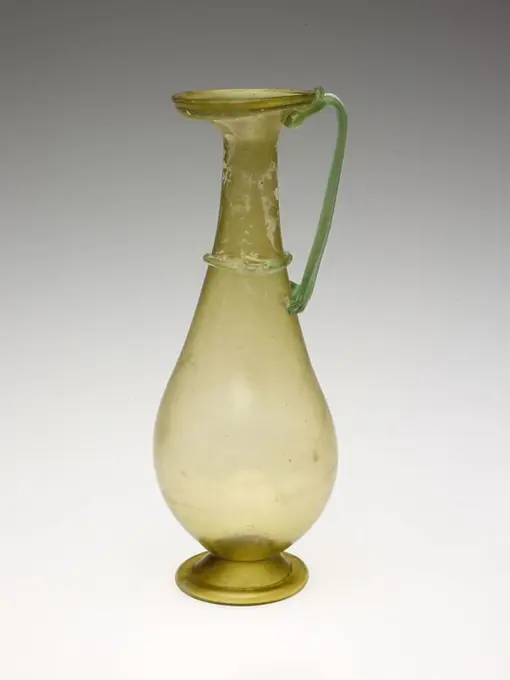
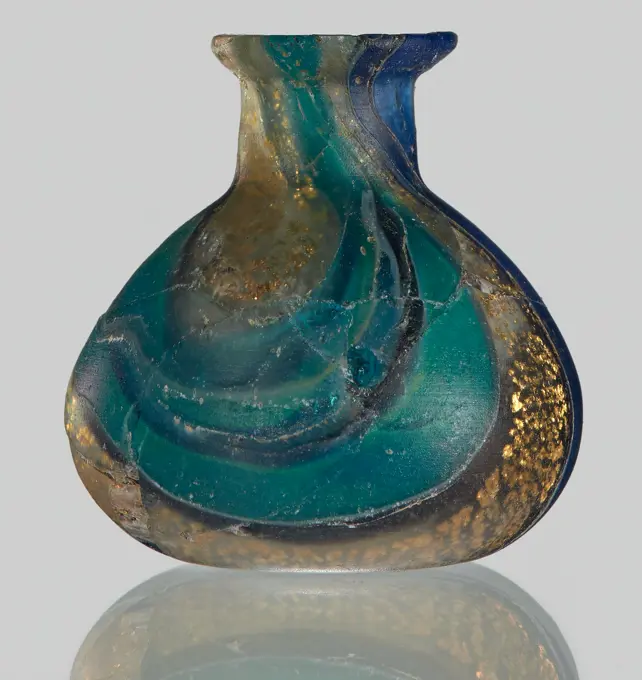
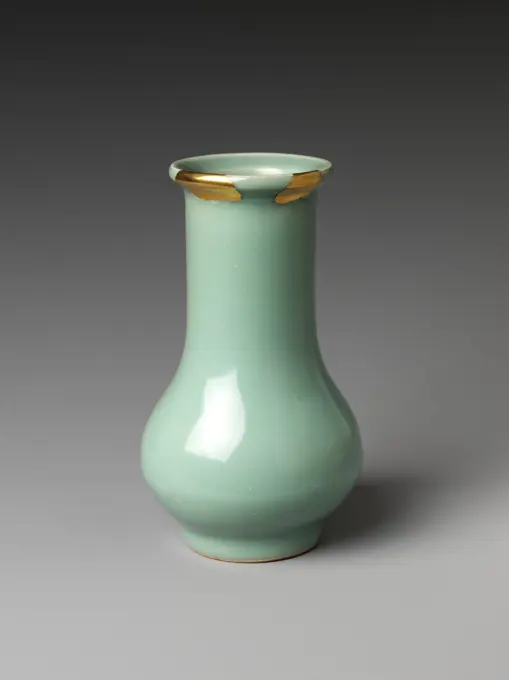
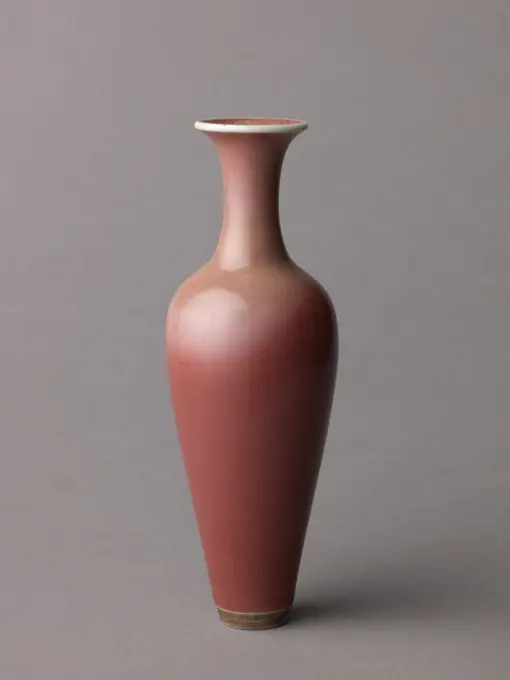
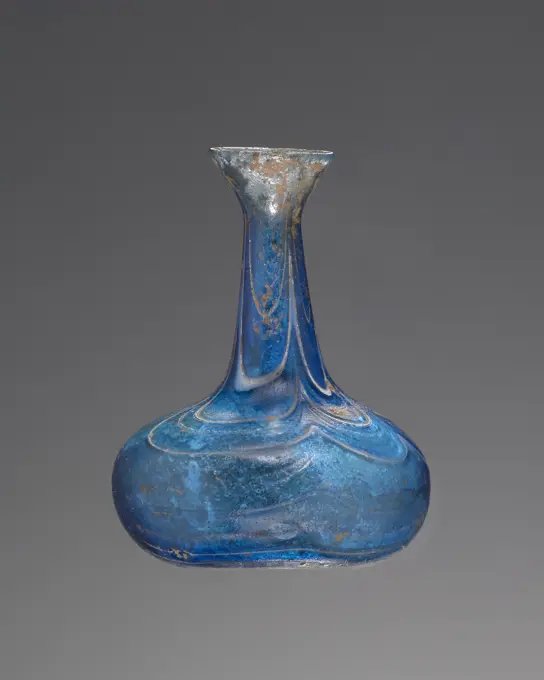
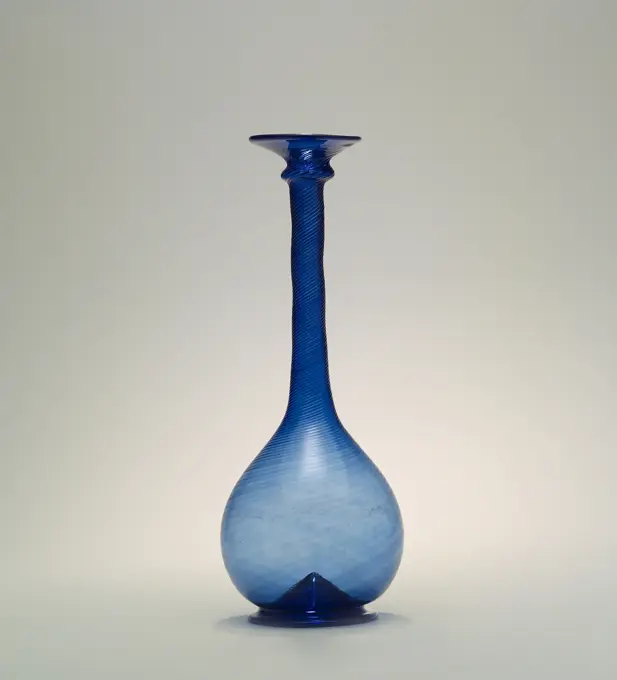
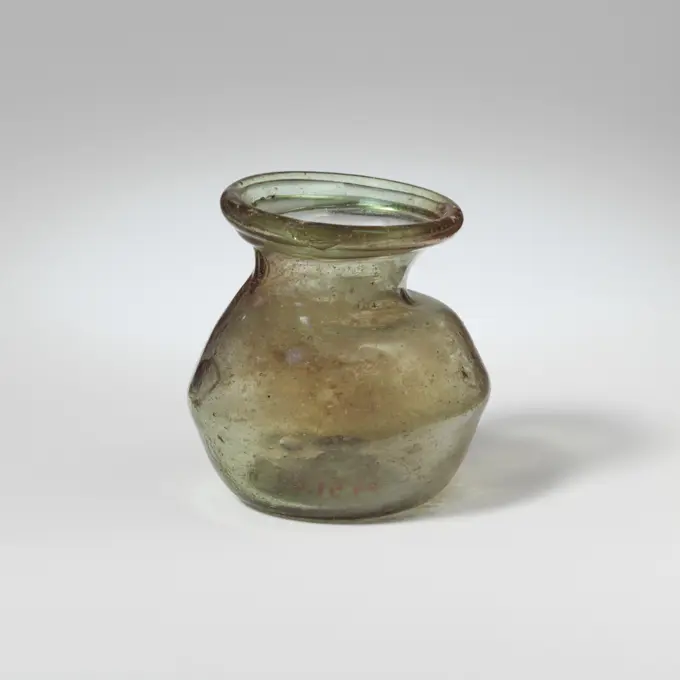
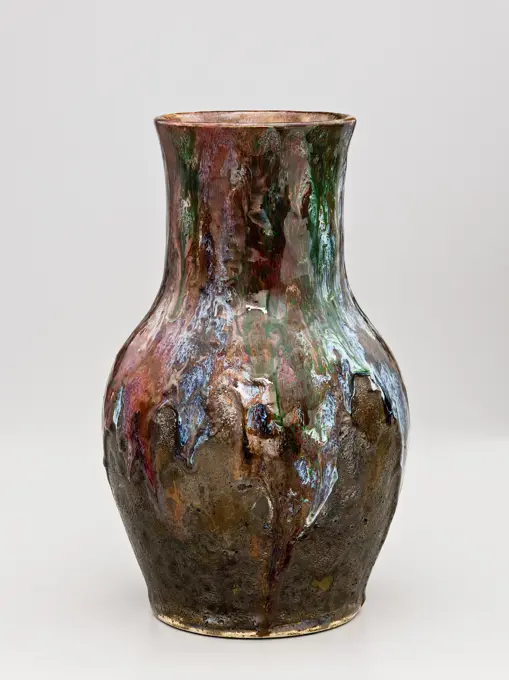
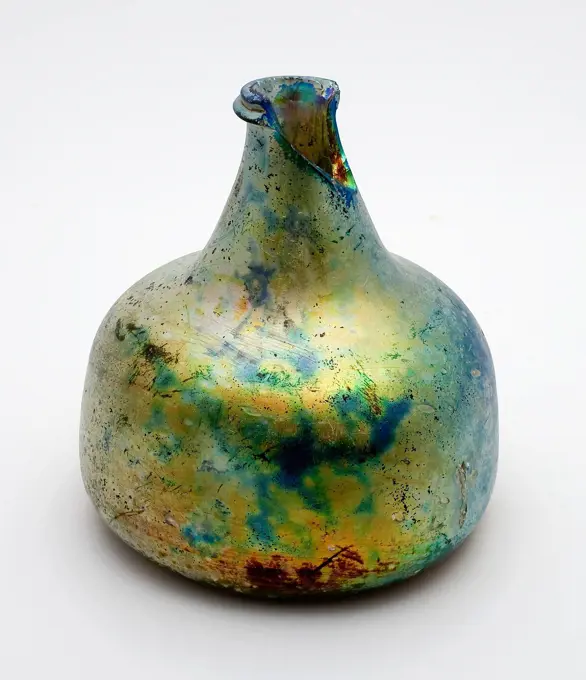
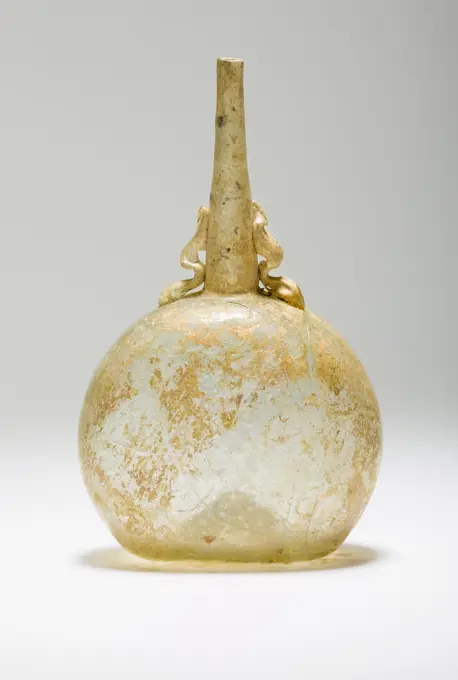
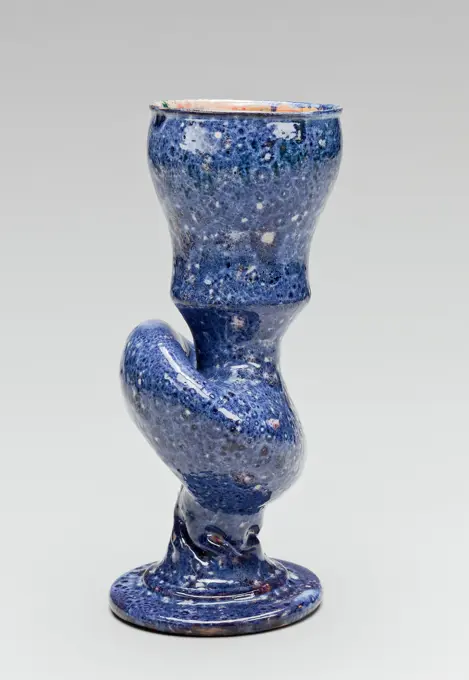
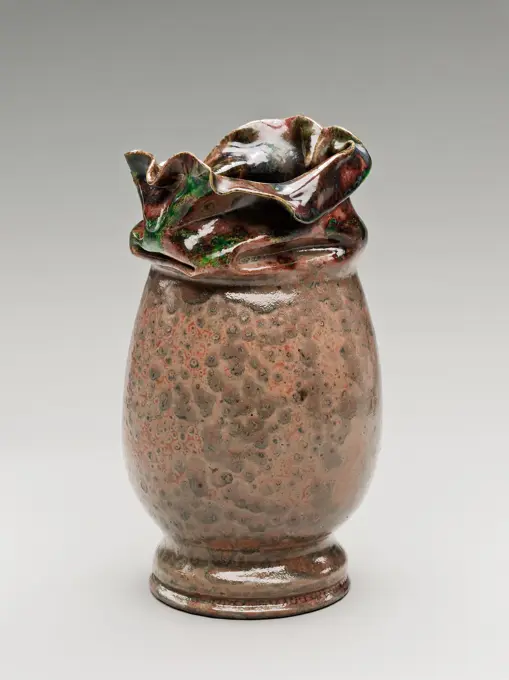
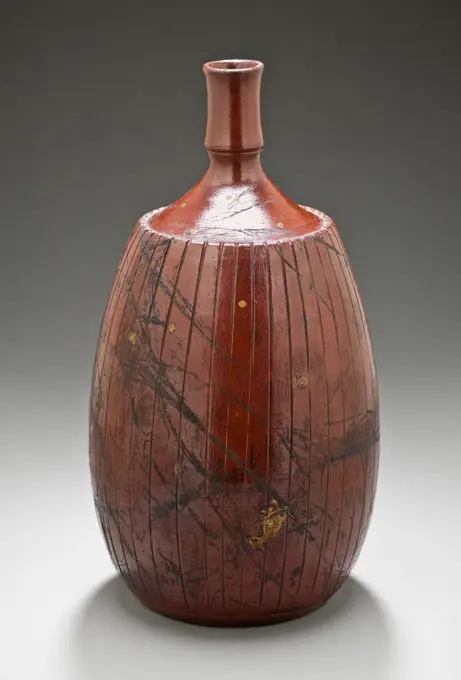
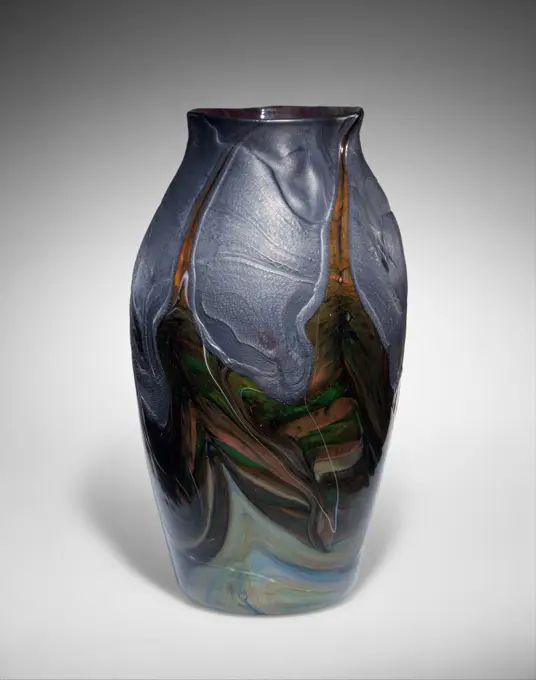
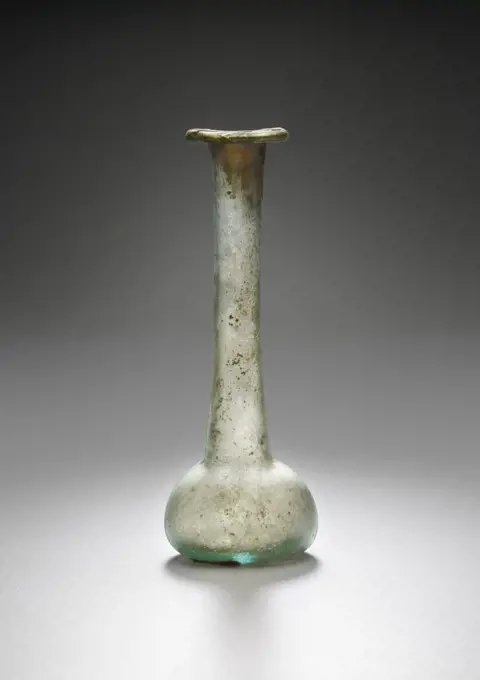
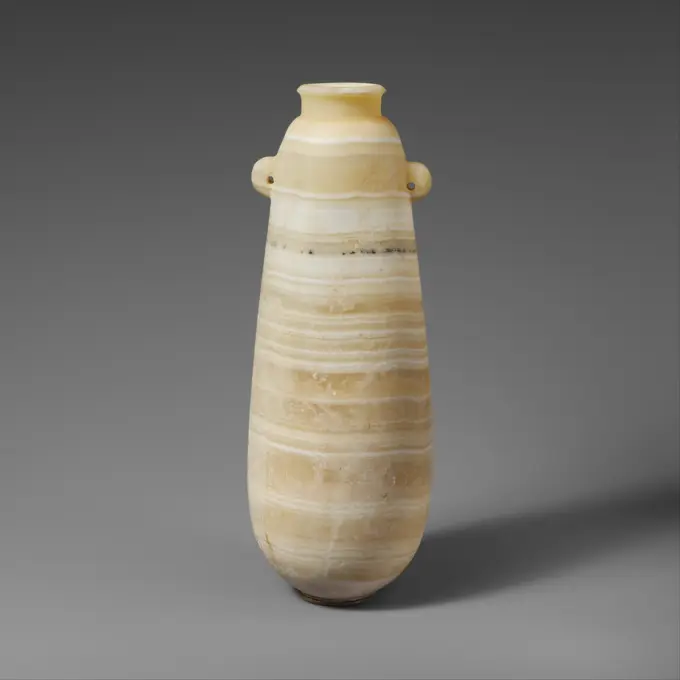
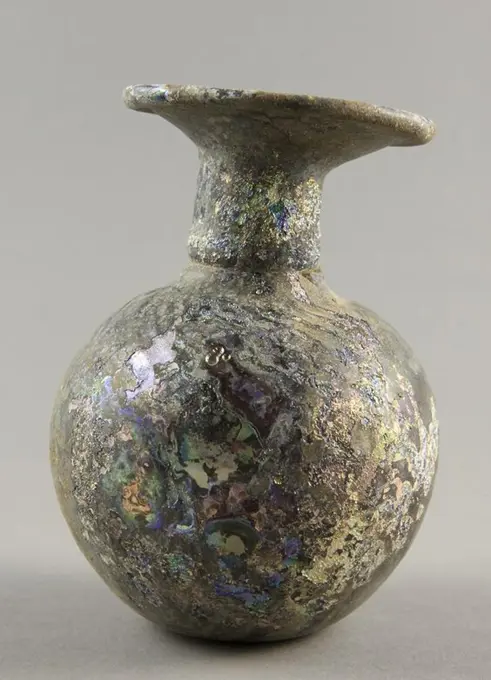
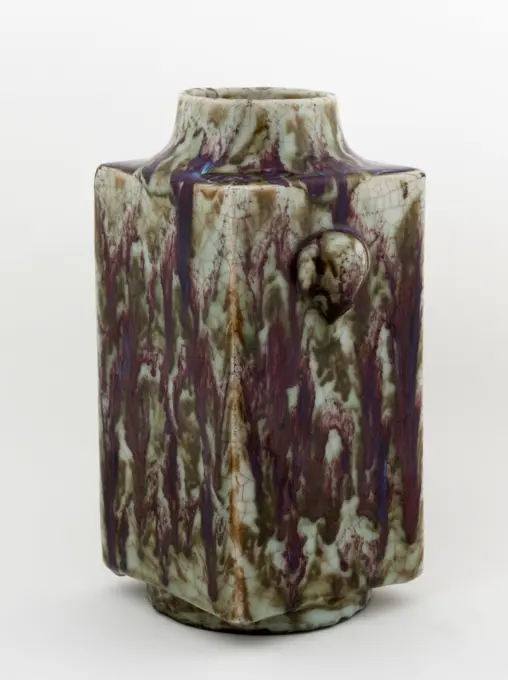
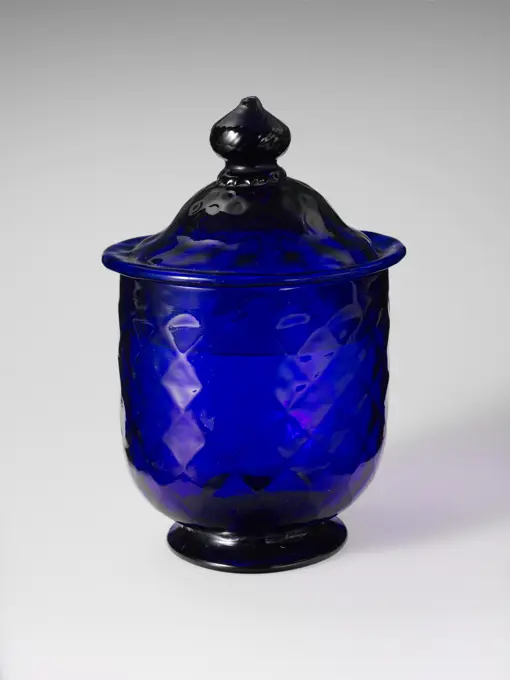
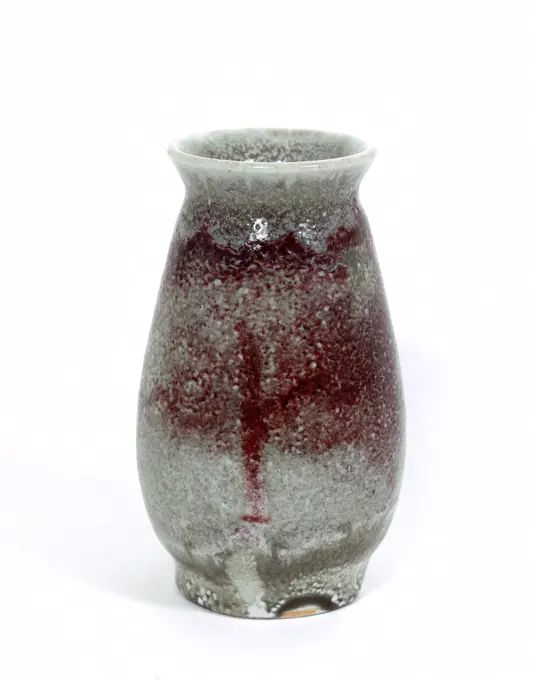
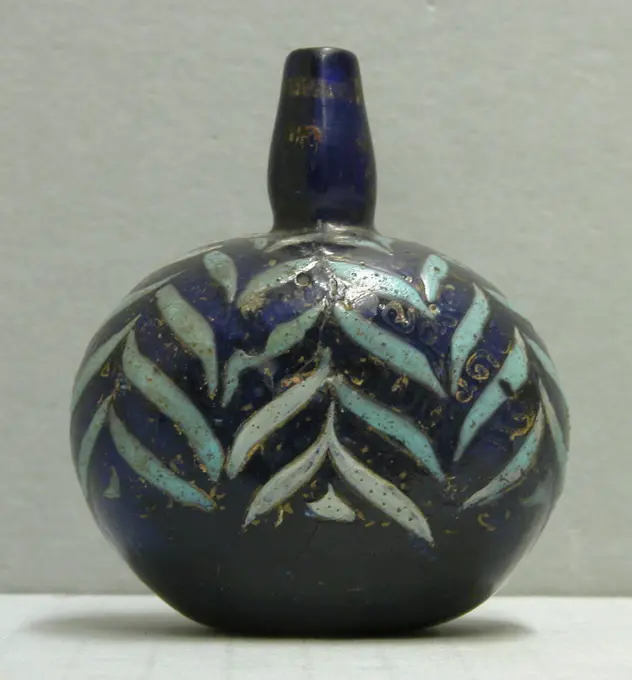
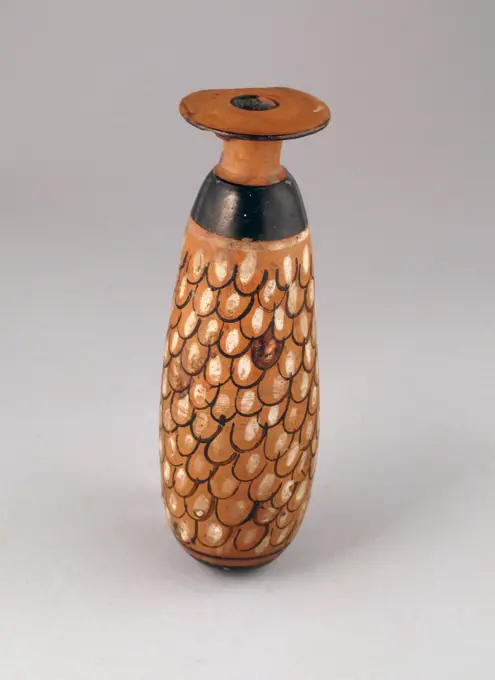
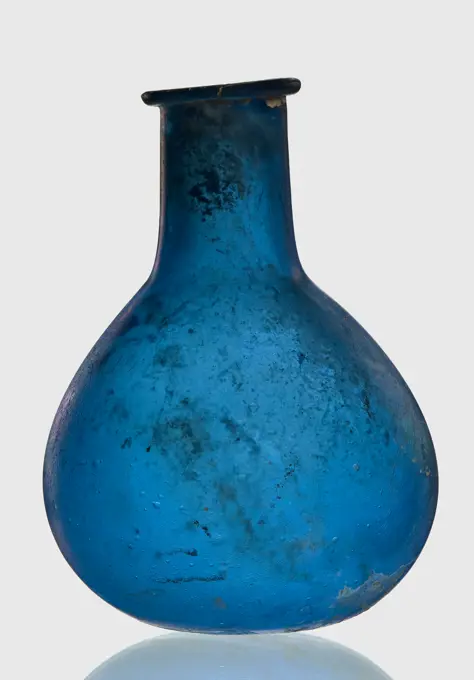
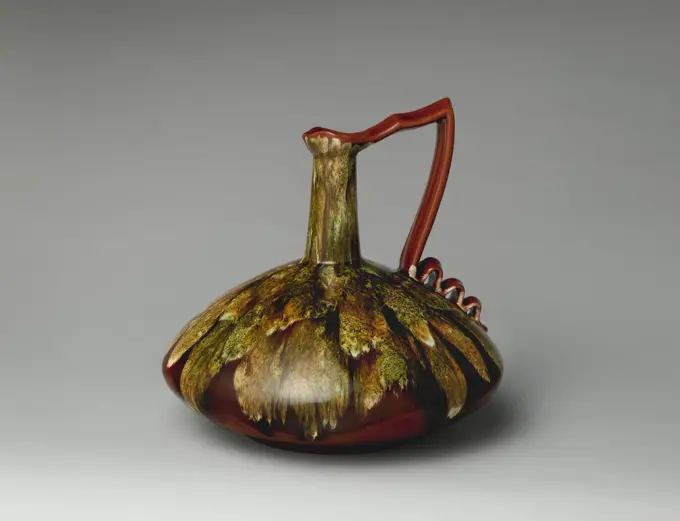
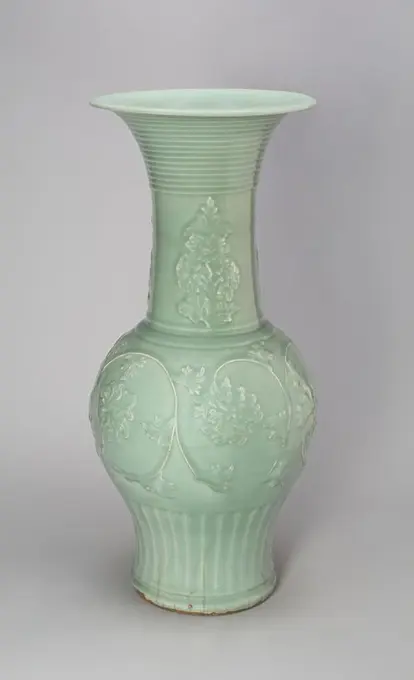
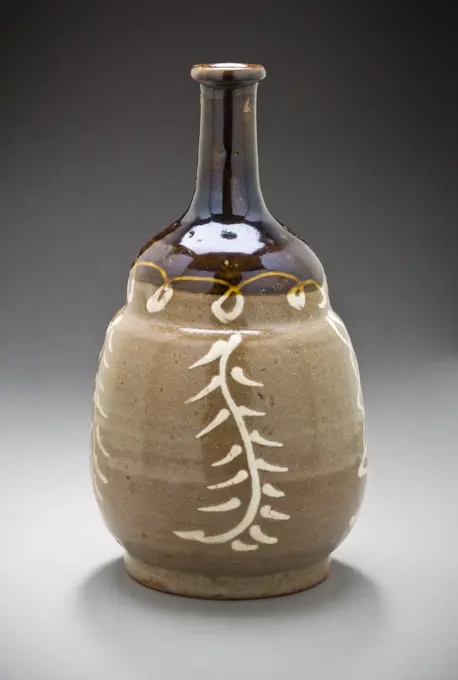
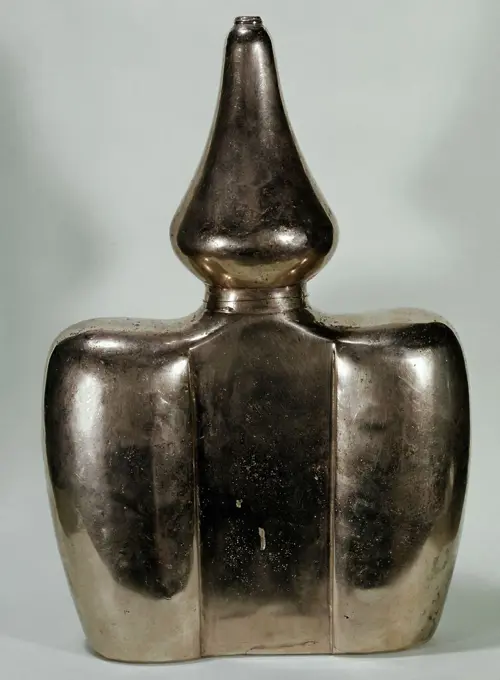
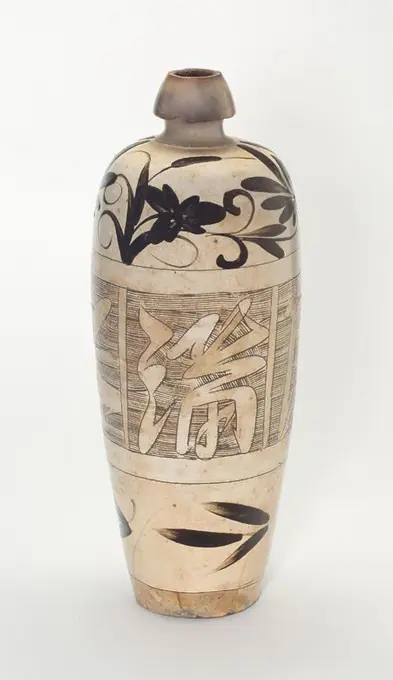
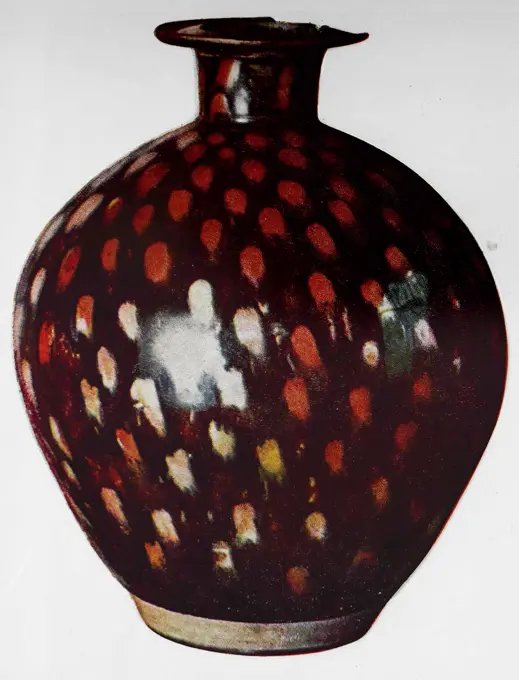
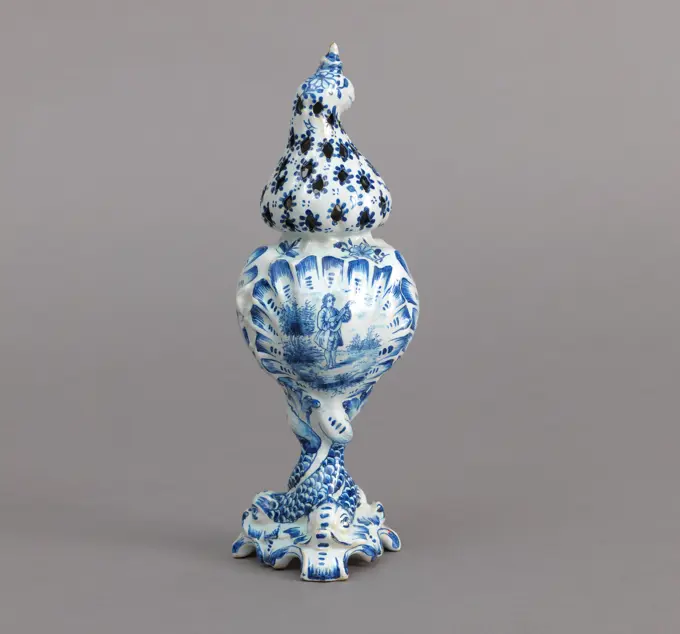
Vase first half of the 19th century China. Vase 47439Maker Unknown, Cologne Bottle or Cruet, c. 1820-40, colorless glass.Vase, Sarah Alice Toohey, American, 1872-1941, Rookwood Pottery, American, 1880 - 1967, Glazed earthenware, Sea green bulbous tapered vase with floral decoration., White clay body, thrown. Low bulbous body with tall wide neck, slightly incurving lip; flat foot. Underglaze slip-decorated with branches of dogwood blossoms around body and neck. Light blue background with light green flowers and leaves. Very light green glaze overall; cracklature. Interior and bottom glazed., Cincinnati, Ohio, USA, 1901, ceramics, Decorative Arts, VaseBottle probably 18th-19th century. Bottle 444762Glass perfume bottle. Culture: Roman. Dimensions: H.: 7 11/16in. (19.5cm)Diam.: 2 1/8in. (5.5cm). Date: 3rd century A.D..Colorless with blue green tinge.Plain, rounded rim; flaring mouth; cylindrical neck, expanding downward and tooled in around base; elongated conical body with convex sides; flat bottom.Intact; some bubbles; dulling, with patches of pitting and iridescent weathering. Museum: Metropolitan Museum of Art, New York, USA.JarPilgrim Flask with the Corpus Christi ca. 1490-1510 German This vessel resembles a pilgrims bottle, with loops on its shoulders for attachment to a cord or strap. Exceptionally, however, a hollow, free-blown image of Jesus crucified (Corpus Christi) is attached to the flask. His body could thus be filled with wine or any other liquid poured into the bottle. The function of this unusual glass is not known. Could it have been used in church celebrations of the Feast of Corpus Christi?. Pilgrim Flask with the Corpus Christi. German. ca. 1490-1510. Free-blown glass with applied decoration. Made in Lower or Middle Rhine, Germany. Glass-VesselsVase. Turquoise glaze porcelain. Epoque Qing (1644-1912) .. Paris, Cernuschi museum. Asian, ceramic, old ceramic art, Chinese object, porcelain, container, dishesBottle 17th century French, Nevers. Bottle 185952Baluster-Shaped Vase with Lotus Flowers 1165-1235 Korea. Celadon-glazed stoneware with underglaze incised decoration .Amphora Vase, 1723-35. China, Jiangxi province, Jingdezhen, Qing dynasty (1644-1911), Yongzheng mark and period (1723-35). Porcelain with celadon glaze; overall: 52.1 cm (20 1/2 in.).Jug. Late Roman or Byzantine; Eastern Mediterranean. Date: 301 AD-500 AD. Dimensions: 19.4 × 7.1 × 7.2 cm (7 5/8 × 2 3/4 × 2 7/8 in.). Glass, blown technique. Origin: Ancient Near East. Museum: The Chicago Art Institute, Chicago, USA.Unguentarium. warsztat egipski, workshop, warsztat italski, workshopSnuff Bottle, 1750-1850, Jade, rose quartz, China, Beneath a crescent moon, a woman sits at the bow of a fishermans boat in a river, playing a stringed instrument called a pipa. The scene comes from a famous Chinese narrative poem called 'The Song of the Pipa Player,' composed by the poet Bai Juyi in 816 CE. In the poem, a man encounters this pipa player and expresses the sadness he feels when he hears her play her melancholy song. The bottles creamy white color is reminiscent of the moonlight mentioned in the poemVase (USA); Made by Louis Comfort Tiffany (American, 1848-1933); "favrile" glassVase China. Vase. China. Stoneware with celadon glaze (Longquan ware), gold lacquer repairs. Southern Song dynasty (1127-1279). CeramicsAmphora vase 1662-1722 Chinese. Amphora vase 460900Bottle. Culture: American. Dimensions: H. 8 in. (20.3 cm). Date: 1815-45. Museum: Metropolitan Museum of Art, New York, USA.Glass perfume bottle 1st century A.D. Roman Colorless with greenish tinge.Flaring rim with slight fold to outer edge; tall, cylindrical neck, tooled in at base; sloping, convex sides to body expanding downward and then curving in to small, slightly concave bottom.Broken around mouth, with two-thirds of rim missing; pinprick bubbles; iridescent weathering.. Glass perfume bottle 239619Glass perfume bottle 2nd-3rd century A.D. Roman Colorless ().Uneven rim, folded out, round, and in, and pressed into flaring mouth; tall, cylindrical neck, expanding downward, tooled in around base; squat, bulbous body, with convex sides; concave bottom.Intact, except for holes around mouth and top of neck; pinprick bubbles; deeply pitted and weathered, with brilliant iridescence on most of surface.. Glass perfume bottle 239669Vase: Ding ware, 1368- 1644. China, Ming dynasty (1368-1644). Porcelain; diameter: 20 cm (7 7/8 in.); overall: 33.7 cm (13 1/4 in.).Flask. UnknownBottle. Culture: China. Dimensions: H. 8 3/4 in. (22.2 cm); Diam. 5 1/2 in. (14 cm). Museum: Metropolitan Museum of Art, New York, USA.Bottle probably 18th-19th century. Bottle. probably 18th-19th century. Glass; dip molded with applied decoration, tooled on the pontil. Attributed to Iran, Shiraz. GlassWide-MouthedJarJar, 1736-95. China, Qing Dynasty (1644-1911), Qianlong reign (1736-95). Porcelain; overall: 13.1 cm (5 3/16 in.).Beaker 15th century German While not created for religious use, glass vessels of this type were sometimes used at the Seder, as illustrations from medieval manuscripts bear witness.. Beaker. German. 15th century. Glass. Glass-VesselsGlass miniature jar 2nd-3rd century A.D. Roman Translucent pale green.Tubular rim folded over and in to flaring mouth; short, tapering neck; lopsided sholuder, horizontal on one side; biconical body, with ridge around center; pushed-in bottom with kick and traces of pontil scar.Intact; large and pinprick bubbles; slight dulling and iridescence, with patch of weathering on one side of body.. Glass miniature jar 239654Glass perfume bottle Roman 1st century CE Translucent blue.Everted rim, folded over and in; cylindrical neck, with horizontal tooling indent around base; piriform body; flat bottom.Intact; some bubbles and inclusions; slight pitting, dulling, and iridescence on exterior, some soil encrustation and iridescent brownish weathering on interior. View more. Glass perfume bottle. Roman. 1st century CE. Glass; blown. Early Imperial. GlassGlass jar. Culture: Roman. Dimensions: H.: 3 3/8 x 3 5/16 x 3 1/8 in. (8.6 x 8.4 x 7.9 cm). Date: ca. 3rd-4th century A.D..Translucent cobalt blue.Rounded, slightly thickened rim; broad, flaring mouth; very short, concave neck; narrow, pushed-in shoulder; bulbous body; kick in bottom with central pontil scar.Intact, but one small area of cracking in side; bubbles, blowing striations, and a few glassy inclusions; pitting, dulling, and iridescence, with some patches of limy brown weathering. Museum: Metropolitan Museum of Art, New York, USA.Vase ca. 1896-1908 Dedham Pottery Steeped in ceramics from birth, Hugh C. Robertson pursued his craft with fierce devotion and a passion for experimentation. From a family of trained English ceramists, he honed his skills in New Jersey before settling in Massachusetts as one of the founders of Chelsea Keramic Art Works and later, Dedham Pottery. Robertsons lifelong explorations in glazes, particularly their color and texture, make him one of the key figures of American art pottery at the turn of the twentieth century.From Chelsea to Dedham, Robertson continued to pursue his passion for innovation, employing the grayish-white stoneware used for Dedhams dinnerware to throw simple forms covered with bold combinations of colored and textured glazes. Dedham Potterys vases are larger, thicker, and heavier than their Chelsea predecessors, and simple, solid forms predominate. On this example, Robertson applied several glazes of different colors. In 1898 a writer for the magazine Arts for AmPitcher. Roman; Levant or Syria. Date: 101 AD-300 AD. Dimensions: 15.8 × 7.4 × 7.4 cm (6.25 × 2.92 × 2.94 in). Glass, blown technique. Origin: Syria. Museum: The Chicago Art Institute, Chicago, USA. Author: ANCIENT ROMAN.Vase first half of the 19th century China. Vase 50938. attributed to De Porceleyne Byl (Justus Brouwer)Delft, c. 1750-1800tin-glazed earthenware (faience)Vase with Pear-Shaped Body, 1644-1911. China, Qing dynasty (1644-1911). Porcelain; overall: 22.6 cm (8 7/8 in.).Vase. Designer: Adelaide Alsop Robineau (American, Middletown, Connecticut, 1865-1929 Syracuse, New York). Dimensions: H. 9-1/8 inches(23.2 cm.). Date: 1928. Museum: Metropolitan Museum of Art, New York, USA.Vase 1880-1890 England. Tin-glazed earthenware, polychrome decorated . William De MorganJuglet Cypriot 750-600 BCE View more. Juglet. Cypriot. 750-600 BCE. Terracotta. Cypro-Archaic I. VasesVase (one of a pair). Culture: China. Dimensions: H. 22 1/2 in. (57.2 cm); Diam. 11 1/2 in. (29.2 cm). Museum: Metropolitan Museum of Art, New York, USA.Belly bottle, half-hammer bottle, bottle holder bottomfound glass, free blown and shaped glass application Bulky bottle half-hammer bottle in clear green glass. Pontil mark under wide raised bottom Body with inward curving ascending wall to convex shoulders and rejuvenated neck (5.0 - 2.7 cm) with imposed all-round sharp glass thread and flared flattened lip V-shaped chip from neck glass wire and lip (3.0 x 2.5 cm) archeology Rotterdam Kralingen-Crooswijk Struisenburg's Gravenweg Oostmaaslaan packing Soil discovery Oostmaaslaan and De's GravenwegVase, 1644-1911. China, Qing dynasty (1644-1911). Glazed porcelain; diameter: 3.8 cm (1 1/2 in.); overall: 7.7 cm (3 1/16 in.); width of mouth: 1.5 cm (9/16 in.).Vase, early 20th century, H.24-15/16 x W.9-7/16 x D.12-5/16 in. (overall, without harp), Glass, France, 20th centuryGlass jug Roman 1st-3rd century CE Translucent pale blue green; handle in same color.Rim folded out, down, round, and in, with beveled outer edge; cylindrical neck expanding slightly downwards; squat, globular body; pushed-in bottom; broad three-ribbed strap handle applied to upper body with three downward trails, drawn up and outwards, then turned in horizontally, and trailed on to top of neck and edge of rim, with one projecting loop above.Intact; many pinprick bubbles; dulling, brilliant iridescence, and creamy weathering. View more. Glass jug. Roman. 1st-3rd century CE. Glass; blown. Imperial. GlassFlask. UnknownGlass perfume bottle Roman late 1st-3rd century CE Translucent dark blue-green.Everted rim, folded over and in, with beveled upper surface; cylindrical neck with broad horizontal indent around base; elongated piriform body; small, slightly concave bottom.Intact, except for weathered chip in underside of rim and irregular chips in bottom; bubbles; dulling, iridescence, and patchy weathering. View more. Glass perfume bottle. Roman. late 1st-3rd century CE. Glass; blown. Imperial. GlassPerfume Sprinkler. Eastern Mediterranean, 12th-13th century. Glass. Glass, free-blown, applied handlesVase ca. 1897-1900 George E. Ohr In many ways George Edgar Ohr was the quintessential Arts and Crafts potter, combining artistic vision with extraordinary skill with his hands. Working in the seaside resort town of Biloxi, Mississippi, he dug the clay, processed and prepared it, threw the shape on the wheel, altered the piece according to his vision, mixed and applied his own glazes, fired the kiln, created his own style of advertising, and took his wares on the road. Ohrs personal mantra was "no two alike," and he was as eccentric as his work was individualistic, with its manipulated forms on ultra-thin thrown vessels, crimping, ruffling, off-centering, and twisting, to create unprecedented forms for the 1890s. To these forms, he applied his own completely new and unusual glazes, applied by sponging, splashing, and spattering, resulting in works that in many ways anticipated the abstract art movements that would find form decades later.Ohr considered the groundbreaking shapes of his Water Jar 1678-88 China. Water Jar. China. 1678-88. Porcelain with peach-bloom glaze (Jingdezhen ware). Qing dynasty (1644-1911), Kangxi mark and period (1662-1722). CeramicsVase, 1700s. China, Qing dynasty (1644-1911). Jade; overall: 17.2 cm (6 3/4 in.).Bottle decorated with chrysanthemums and lotus petals late 13th-14th century Korea The repeating patterns of simplified chrysanthemum flowers that compose the main design on this celadon bottle were achieved using stamps. This technique continued in early Joseon-period buncheong ware.. Bottle decorated with chrysanthemums and lotus petals 50357Vase. California Faience (United States, California, Berkeley, porcelain factory, 1916-1930). United States, circa 1920. Furnishings; Accessories. EarthenwareVase ca. 1897-1900 George E. Ohr In many ways George Edgar Ohr was the quintessential Arts and Crafts potter, combining artistic vision with extraordinary skill with his hands. Working in the seaside resort town of Biloxi, Mississippi, he dug the clay, processed and prepared it, threw the shape on the wheel, altered the piece according to his vision, mixed and applied his own glazes, fired the kiln, created his own style of advertising, and took his wares on the road. Ohrs personal mantra was “no two alike,” and he was as eccentric as his work was individualistic, with its manipulated forms on ultra-thin thrown vessels, crimping, ruffling, off-centering, and twisting, to create unprecedented forms for the 1890s. To these forms, he applied his own completely new and unusual glazes, applied by sponging, splashing, and spattering, resulting in works that in many ways anticipated the abstract art movements that would find form decades later. Ohr left the form of this vase relatively intacSake Bottle in the Form of a Tea Whisk. Japan, mid Edo period (1615-1868), 18th century. Ceramics. Bizen ware; stoneware with reddish glazeVase. Culture: China. Dimensions: H. 6 1/4 in. (15.9 cm). Date: first half of the 19th century. Museum: Metropolitan Museum of Art, New York, USA.Vase "Les Lumineuses" with a verse of Victor Hugo. The studies of East Asian glass art inspired the French artist Emile Gallé on the production of over-catchers, which today belong to the most beautiful and most important glass artworks of Art Nouveau. As a decor, the studied botanist chose predominantly motifs from the plant world and thus promoted the rich floral ornamentation, which is characteristic of the French Art Nouveau style. Gallé, who also made a name for exquisite furniture, represented the artistic claim to shape his glasses and furniture to talking objects. You should speak the language of nature and transport appropriate moods and symbols.Vase with Base, 1736-1795, 11 1/2 x 5 1/2in. (29.2 x 14cm), Jade, China, 18th centuryOinochoe. UnknownVase with phoenix 18th century China. Vase with phoenix 46640Vase 1893-96 Designed by Louis Comfort Tiffany American This object forms part of a group of over forty given to the Museum in 1896 by Louisine and Henry Osborne Havemeyer (96.17.9-.56). The gift was the first American glass to enter the Museum's collection. Most likely prompted by Louis Comfort Tiffany, the Havemeyers presented their collection of Tiffany Favrile glass to the Museum only three years after Tiffany started making decorative blown-glass vessels. The shapes, colors, and finishes of Tiffany's vases and plaques were inspired by the natural world and ancient glass.. Vase 9398Flask 1775-1785 Ottoman Empire. Tombak (gilded copper) and ivory . IslamicCandlestickUnguentarium, 4th-5th century A.D., Pale greenish glass, 11.8 × 4.3 cm (4 5/8 × 1 11/16in.), The Yale-British School Excavations atGerasa, Excavated in Gerasa, Jordan, Gerasa(Jordan), Roman, Containers -GlassLamp. possibly Iran, 10th-11th century. Glass. Glass, free-blown, applied decorationAlabaster alabastron (perfume vase) 6th-5th century B.C. Cypriot The alabastron is particularly large in size. The two vertical lugs are pierced. The neck is short, with a slightly thickened lip.. Alabaster alabastron (perfume vase). Cypriot. 6th-5th century B.C.. Calcite (alabaster). Archaic or Classical. Miscellaneous-Stone VasesAlabastron. East Mediterranean, 6th - 4th century B.C.. Furnishings; Serviceware. Core-formed glassTea caddy ca. 1755 Japan. Tea caddy 63095Jar. Roman; Syria. Date: 101 AD-300 AD. Dimensions: H. 13.5 cm (5 1/4 in.); diam. 10 cm (4 in.). Glass, blown technique. Origin: Syria. Museum: The Chicago Art Institute, Chicago, USA. Author: ANCIENT ROMAN.Vase. Celadon covered porcelain animated by green and purple purple drips. Paris, Cernuschi museum. 78839-13 Asian art, Chinese art, porcelain, container, vaseLamp Shade () 1893-96 Designed by Louis Comfort Tiffany American. Lamp Shade () 4732Small bell-bellied bottle, belly bottle bottle holder soil find glass, bottom. Body with almost straight up wall to convex shoulders and rejuvenated neck with crack and finished glass imposed around going sharp glass thread with large chip and flattened lip with large chip archeology packagingJar 1 CE-100 CE Syria. Glass, blown technique . Ancient RomanVase. Gu-shaped vase of porcelain, covered with a light crackled, monochrome turquoise glaze. The vase has a spherical thickening, spreading foot on foot ring and a trumpet-shaped mouth. Monochromes.Double flask probably 19th century probably Italian. Double flask. probably Italian. probably 19th century. Glass. GlassCovered Sugar Bowl 1780-1820 American or British. Covered Sugar Bowl 2480Ernest Chaplet (1835-1909). Vase. Flammed porcelain. 1909. Museum of Fine Arts of the City of Paris, Petit Palais. 60190-14 Flamee porcelain, vasePitcher. Roman; Levant or Syria. Date: 101 AD-300 AD. Dimensions: 14.3 × 6.4 × 5.7 cm (5 5/8 × 2 1/2 × 2 1/4 in.). Glass, blown technique. Origin: Syria. Museum: The Chicago Art Institute, Chicago, USA. Author: ANCIENT ROMAN.Perfume Sprinkler (Qumqum) early 13th century Globularbodied perfume sprinklers with marvered and combed herringbone designs were popular in thirteenth century Syria, and a few bear further gilded ornament. At first glance, this piece looks like an example of such a technique. Closer inspection reveals its pale blue zigzag design to be enamelpainted on the cobaltcolored body, in imitation of marvering.. Perfume Sprinkler (Qumqum) 452384Vase 1770-1800 American. Vase 9213Snuff Bottle, 17th-19th century, 3 x 2 1/8in. (7.6 x 5.4cm), Glass, China, 17th-19th centuryVase (USA); Produced by Tiffany Glass and Decorating Company; Design Director: Louis Comfort Tiffany (American, 1848-1933); mold-blown favrile glass; 31.2 x 10.8 cm (12 5/16 x 4 1/4 in.); Bequest of Joseph L. Morris; 1966-55-35Vase 19th century Italian, Venice (Murano). Vase 186043Decanter -Alabastron early 4th century B.C. Attributed to the Bulas Group. Alabastron. Greek, Attic. early 4th century B.C.. Terracotta; black-figure. Late Classical. VasesSnuff Bottle China. Snuff Bottle 41586Jug. Roman. Date: 50 AD-250 AD. Dimensions: 15 × 8 × 7.1 cm (5 7/8 × 3 1/8 × 2 3/4 in.). Glass, blown technique. Origin: Roman Empire. Museum: The Chicago Art Institute, FLORENCIA, USA. Author: ANCIENT ROMAN.Candlestick with a conical bulb stem and candleholder and base with a water landscape, anonymous, c. 1775 - c. 1799 Porcelain candlestick with conical steel with nine ring -shaped thickening, bell -shaped base with a ribbed wall and a head -shaped candle holder with a ribbed wall and lobed edge. Painted in underlaze blue. The ring -shaped nodules with blue tires. The foot and head with a continuous river landscape with pavilions, trees, rocks and boats on the water. At the top of the foot, a fled circle on which the upper part of the candlestick is placed. Blue White. Japan porcelain. glaze. cobalt (mineral) painting / vitrification Porcelain candlestick with conical steel with nine ring -shaped thickening, bell -shaped base with a ribbed wall and a head -shaped candle holder with a ribbed wall and lobed edge. Painted in underlaze blue. The ring -shaped nodules with blue tires. The foot and head with a continuous river landscape with pavilions, trees, rocks and boats on the water. At tBottle. Culture: China. Dimensions: H. 6 in. (15.2 cm). Museum: Metropolitan Museum of Art, New York, USA.Flaszka. warsztat wschodniJug ca. 1880 Designed by Christopher Dresser British, Scottish This jug, the shape of which is inspired by ancient Roman glass vessels, reflects one of Dressers more interesting and significant ceramic designs, and is not a common model in his work. This example is notable for the distinctive shape of both the jug and its angular ear-shaped handle, and for the rich, lustrous glazes in shades of mottled brown, light brown, and green. Listen to experts illuminate this artwork's story Listen Play or pause #418. Christopher Dresser and the Birth of Industrial Design Supported by Bloomberg Philanthropies We're sorry, the transcript for this audio track is not available at this time. We are working to make it available as soon as possible.. Jug. British, Middlesbrough. ca. 1880. Earthenware. Linthorpe Pottery Works (British, 1879-1889). Ceramics-PotteryLarge Baluster-Shaped Vase. China. Date: 1300-1368. Dimensions: H. 65.7 cm (25 7/6 in.); diam. 30.0 cm (11 11/16 in.). Longquan ware; stoneware with translucent, pale bluish-green glaze and molded relief floral spray. Origin: China. Museum: The Chicago Art Institute, Chicago, USA.Tea Whisk Form Sake Bottle with Wisteria Design. Japan, Edo period (1615-1868), mid-18th century. Ceramics. Koishiwara ware; stoneware with white slip trail, clear and iron glazesLamp Support; terra-cottaTESORO DE LOS QUIMBAYAS - VASIJA DE ORO - COLOMBIA - 200-1000 DC - REVERSO. Location: MUSEO DE AMERICA-COLECCION. MADRID. SPAIN.Flask. UnknownElongated Ovoid Vase (Meiping) with Stylized Flowers. China. Date: 1115-1199. Dimensions: H. 36.8 cm (14 1/2 in.); diam. 14.3 cm (5 5/8 in.). Cizhou ware; slip-coated stoneware with incised, combed, and overglaze painting in iron brown. Origin: China. Museum: The Chicago Art Institute, Chicago, USA.. Fabric tea bus or chair of stoneware with an ivory lid, partially covered with a blue black and white glaze. The lower part of the bus is unglazed. Old label on the inside with 'satsuma'. Satsuma.Bottle. Culture: China. Dimensions: H. 7 1/4 in. (18.4 cm). Museum: Metropolitan Museum of Art, New York, USA.Vase with graffito of tree peony design, painted in black slip. From the Koryo (Goreyo) (Goreyo) period (918 - 1392)Caster (Netherlands); Attributed to Albertus Kiell; earthenware, glaze; 23 x 8 x 8 cm (9 1/16 x 3 1/8 x 3 1/8 in.); Bequest of Walter Phelps Warren; 1986-61-28StemCupVase, 1723-1735, 11 1/2 x 3 1/2 x 3 1/2 in. (29.2 x 8.89 x 8.89 cm), Porcelain, China, 18th century