Decorative Vases and Bottles

Images of diverse vases and bottles from different eras, showcasing ceramics and glass in various styles and colors.
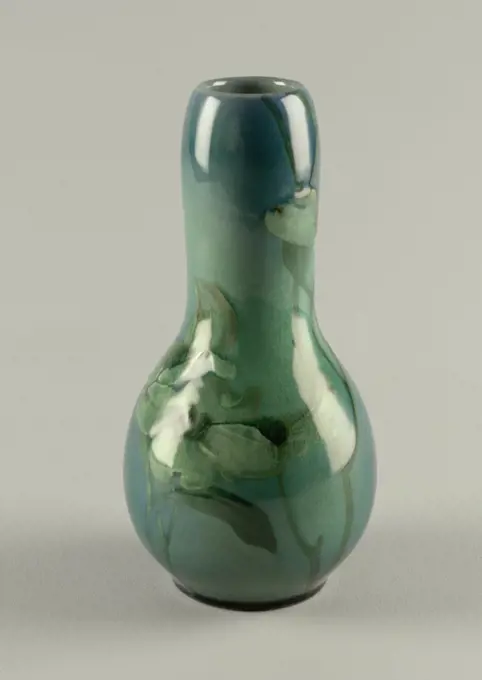
Vase, Sarah Alice Toohey, American, 1872-1941, Rookwood Pottery, American, 1880 - 1967, Glazed earthenware, Sea green bulbous tapered vase with floral decoration., White clay body, thrown. Low bulbous body with tall wide neck, slightly incurving lip; flat foot. Underglaze slip-decorated with branches of dogwood blossoms around body and neck. Light blue background with light green flowers and leaves. Very light green glaze overall; cracklature. Interior and bottom glazed., Cincinnati, Ohio, USA, 1901, ceramics, Decorative Arts, Vase
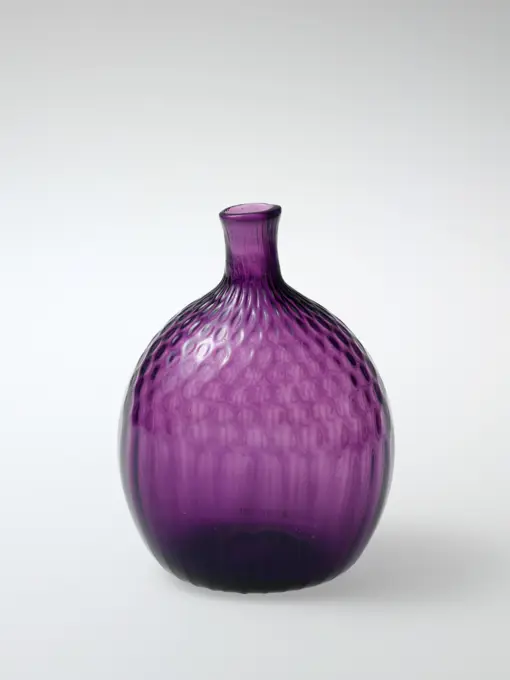
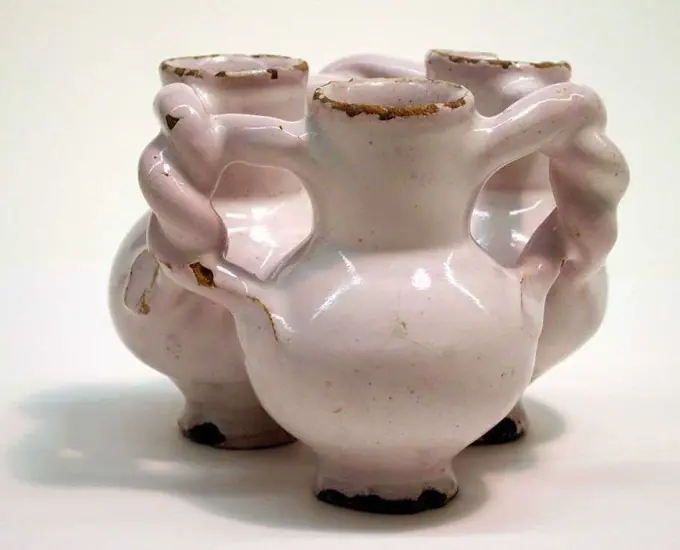
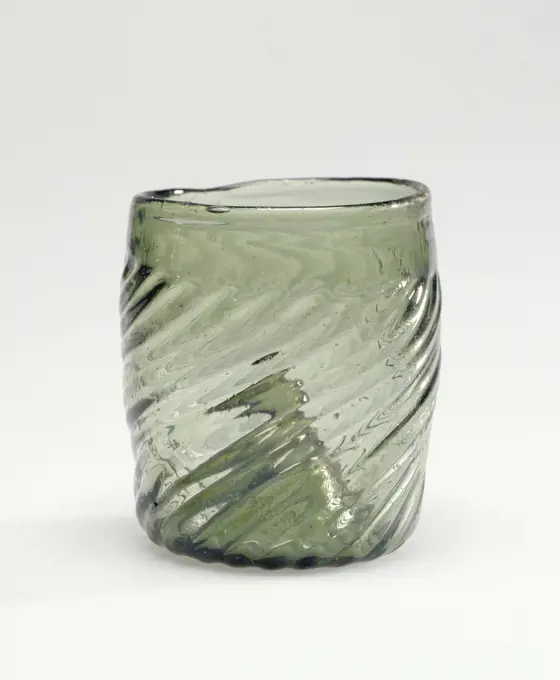
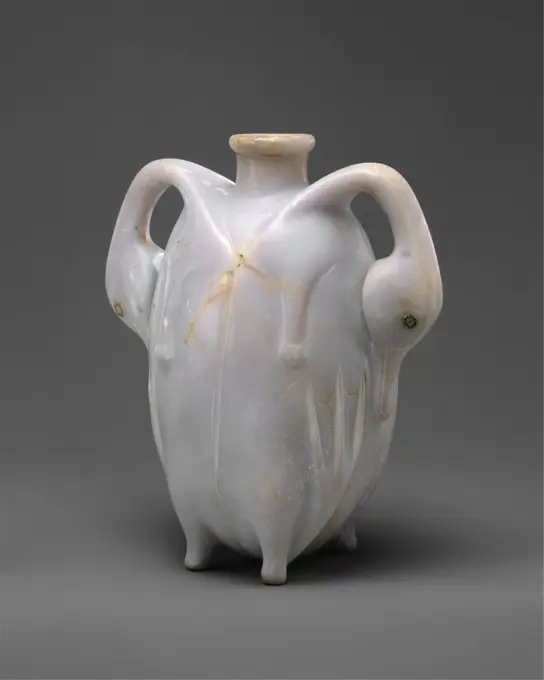
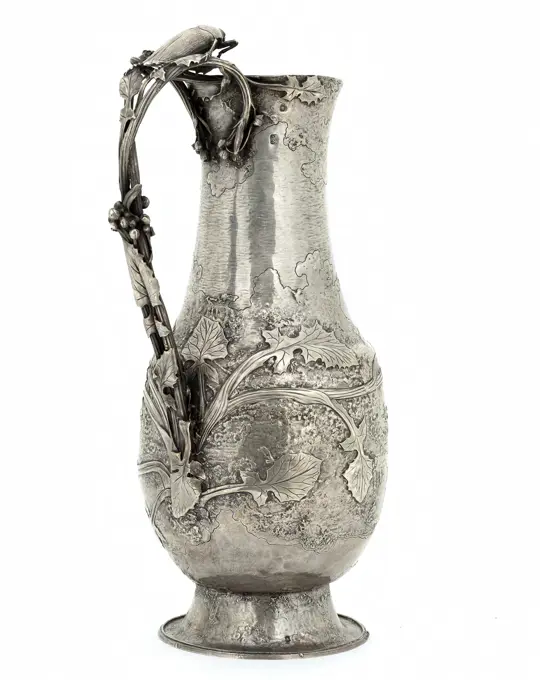
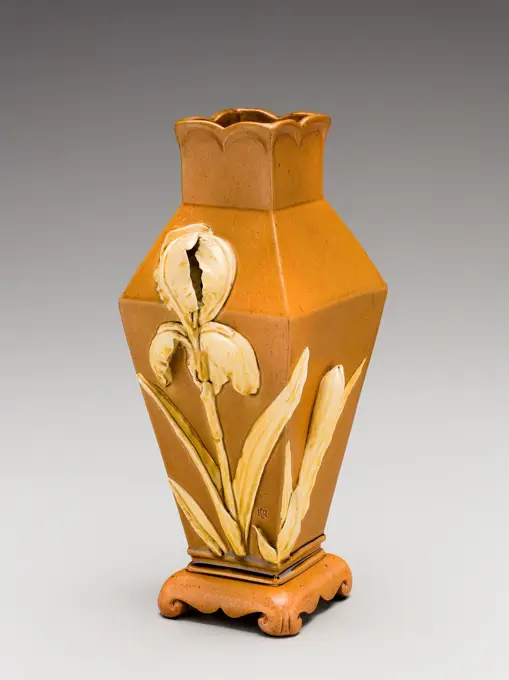
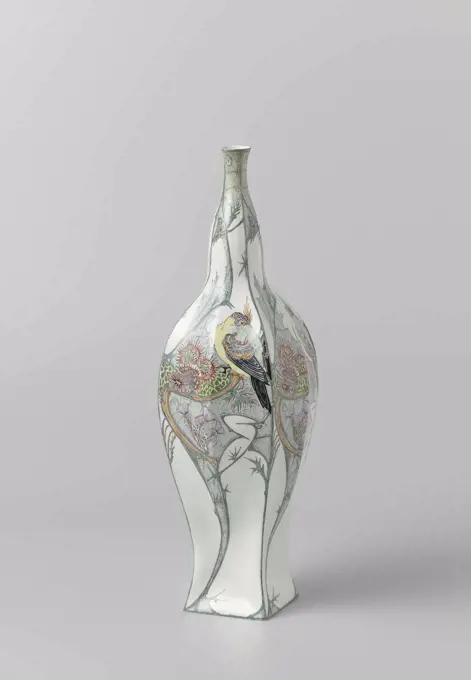
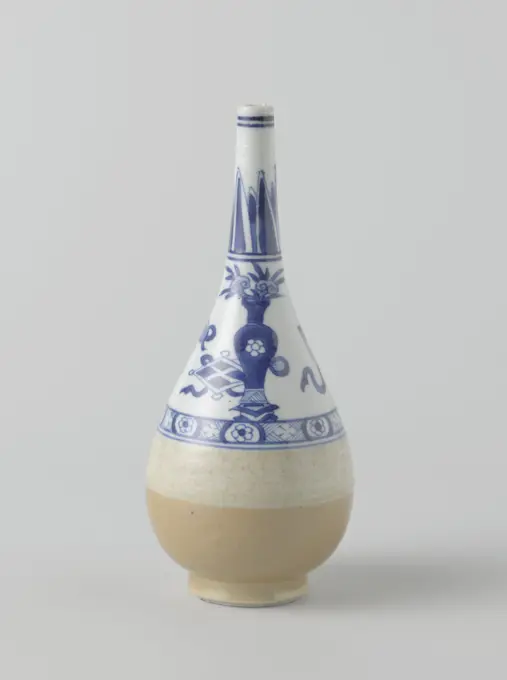
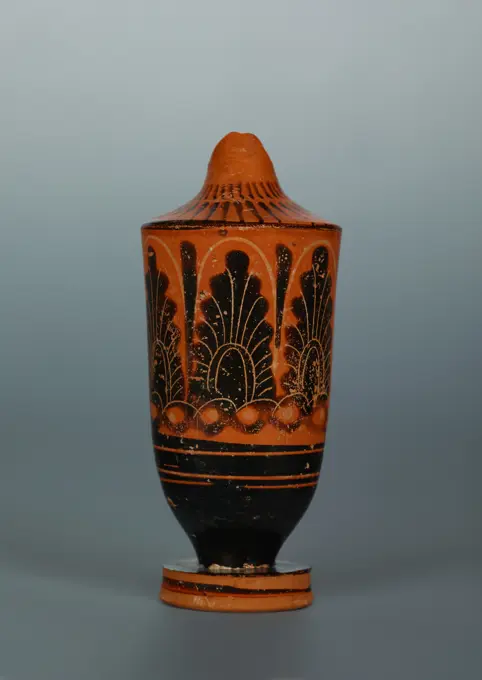
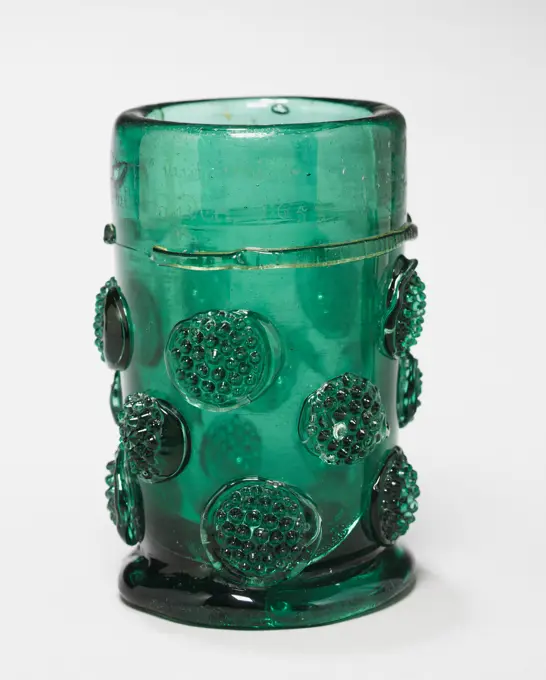
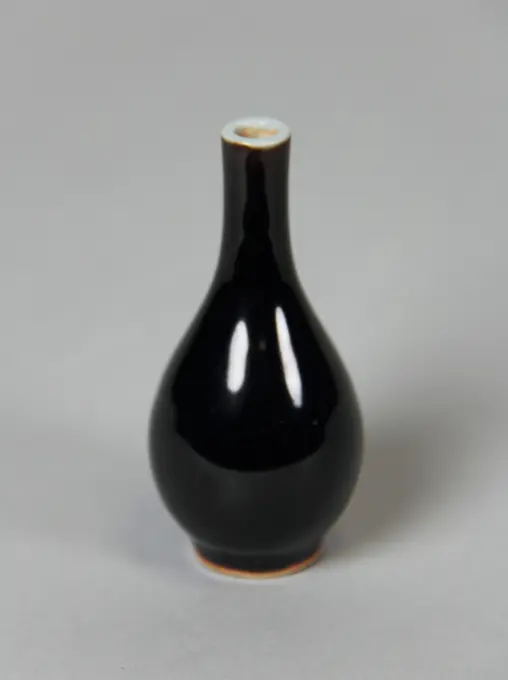
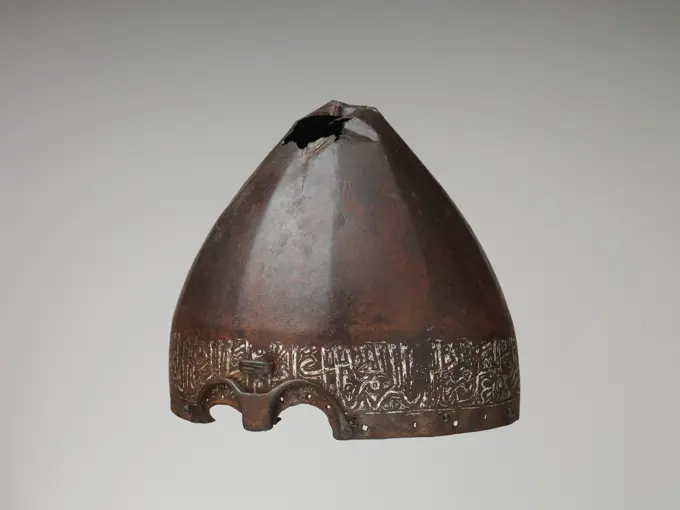
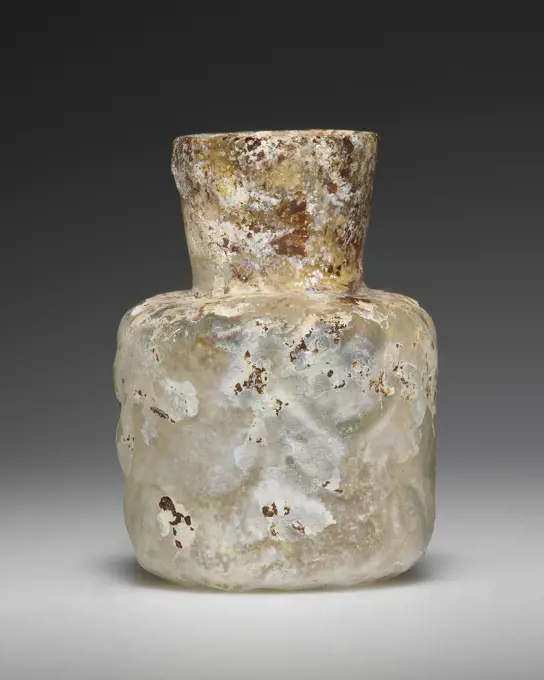
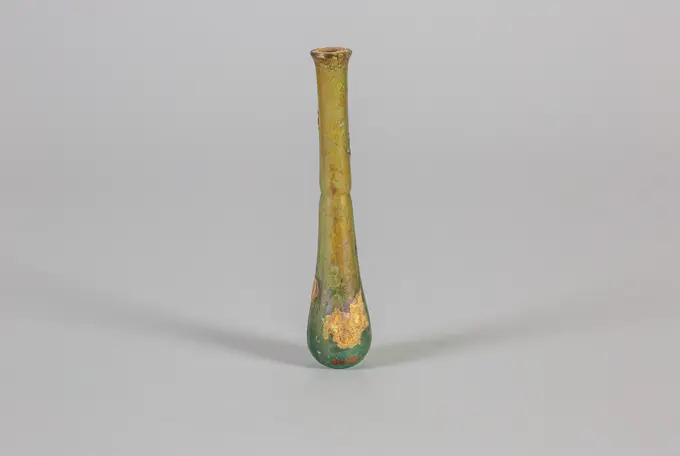
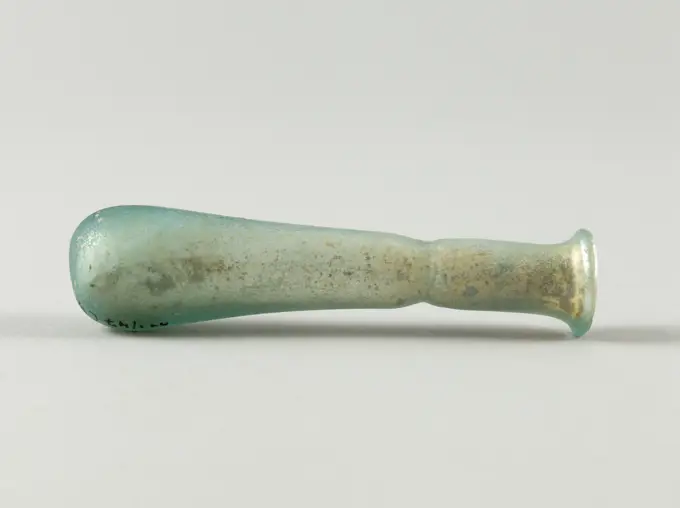
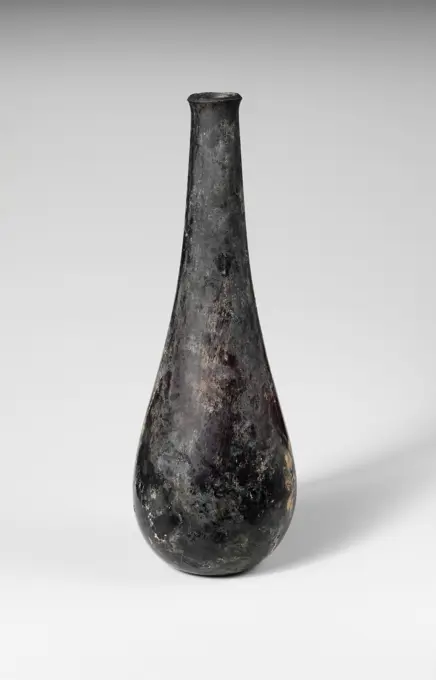
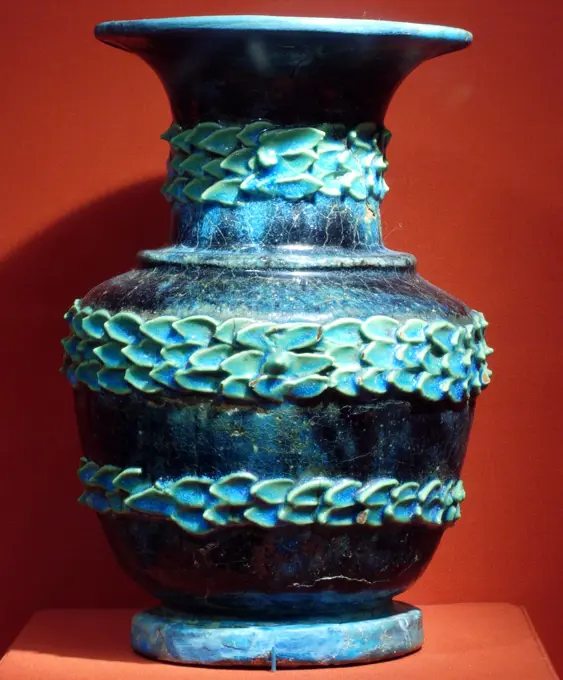
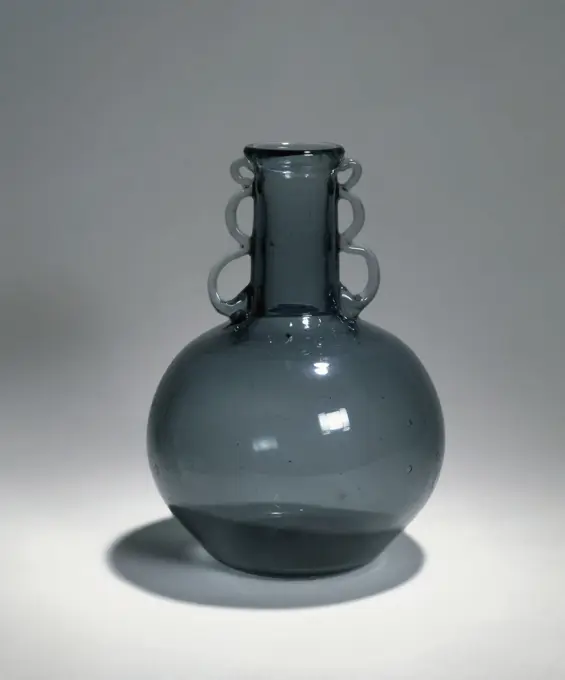
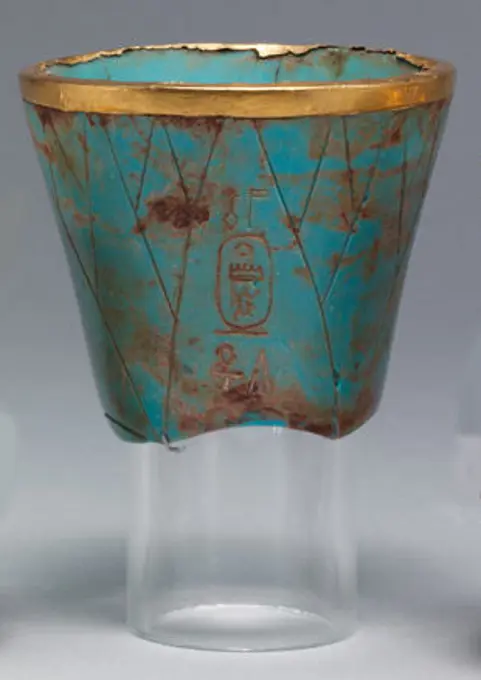
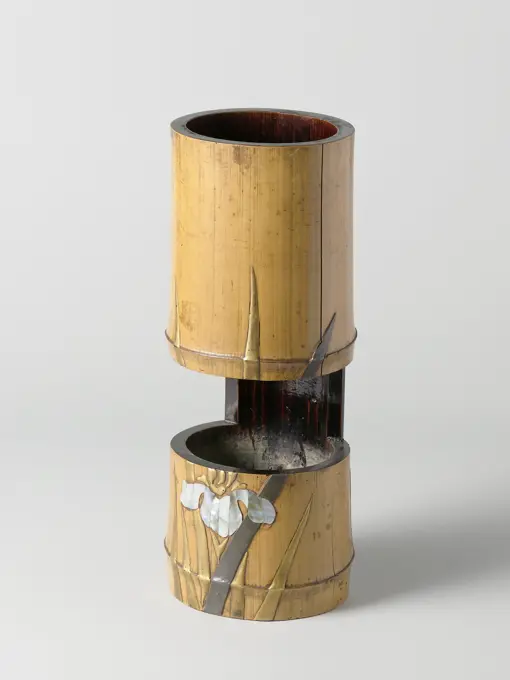
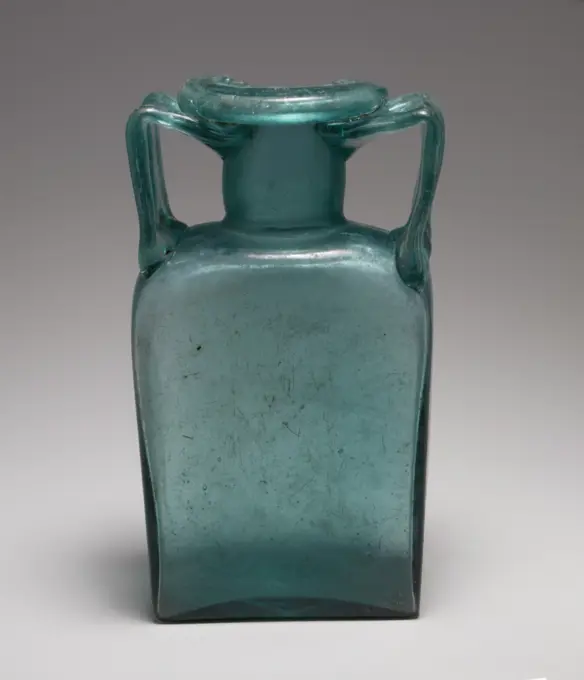
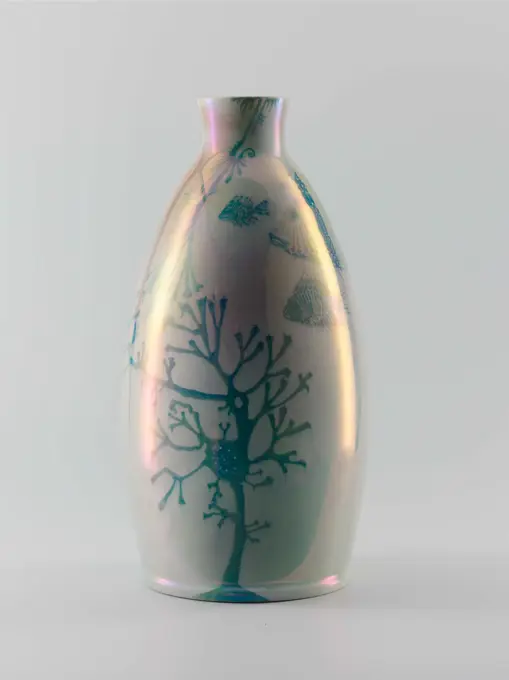
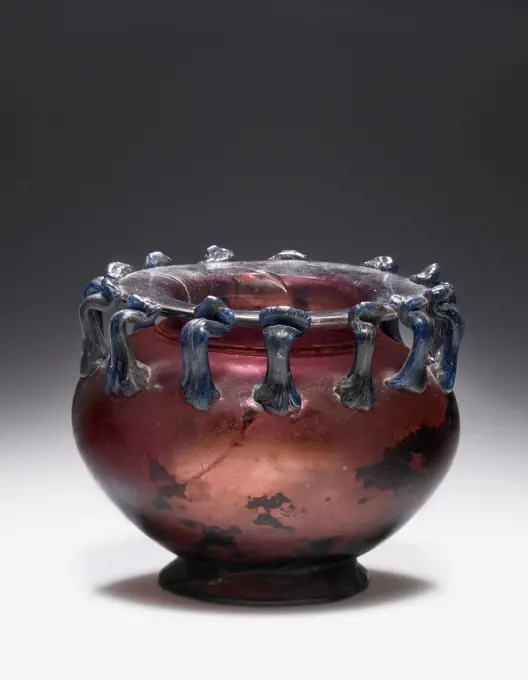
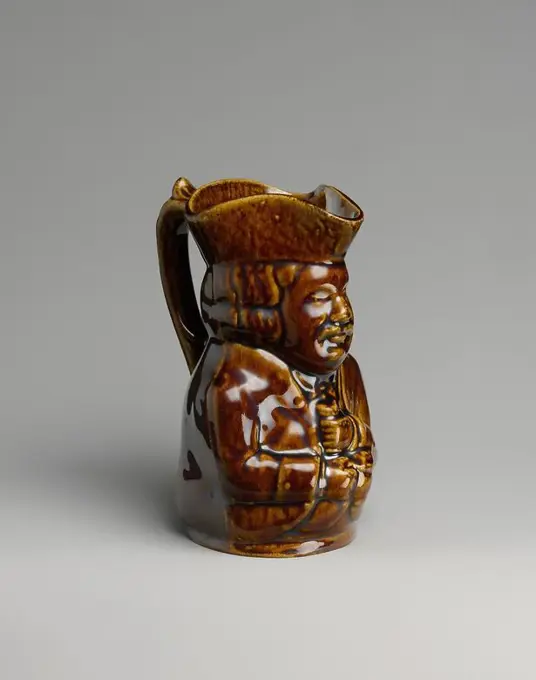
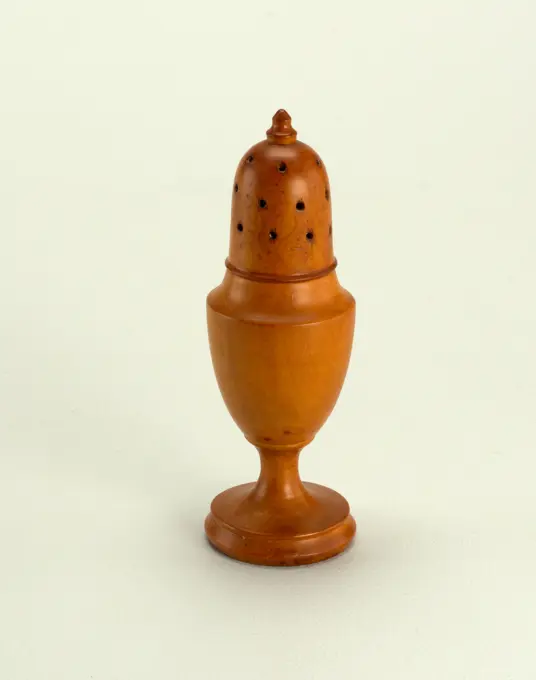
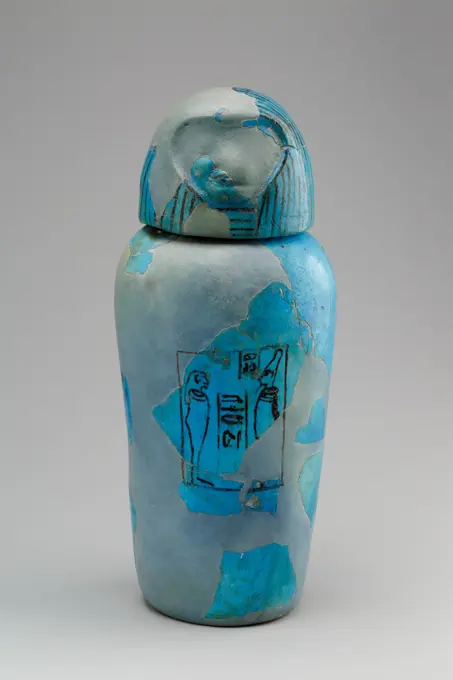
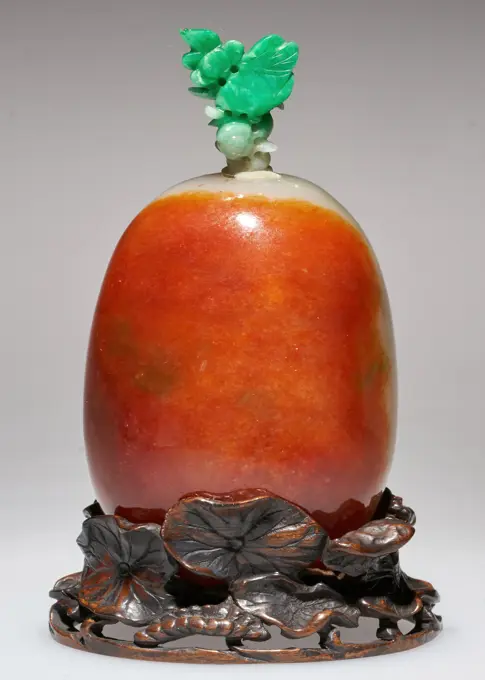
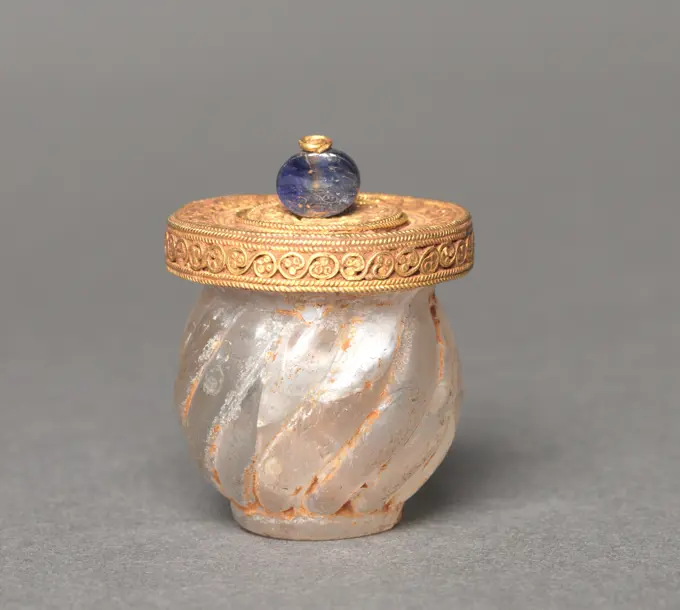
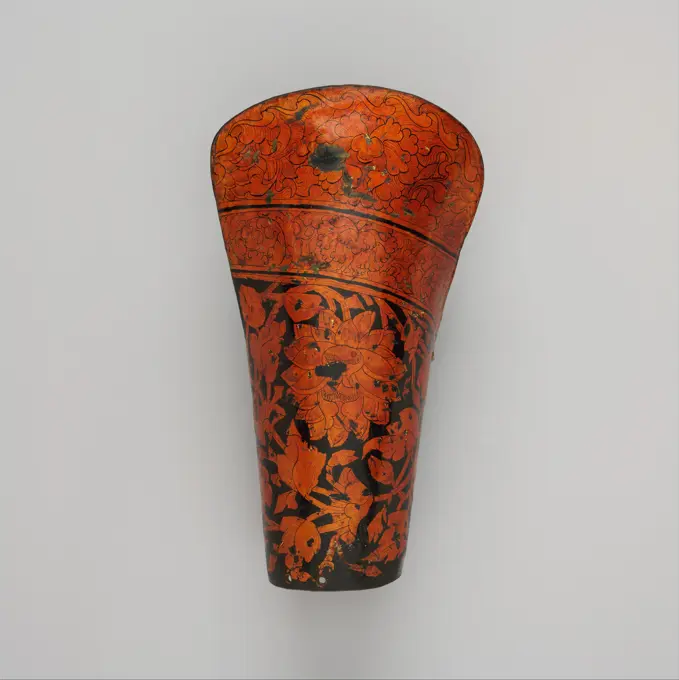
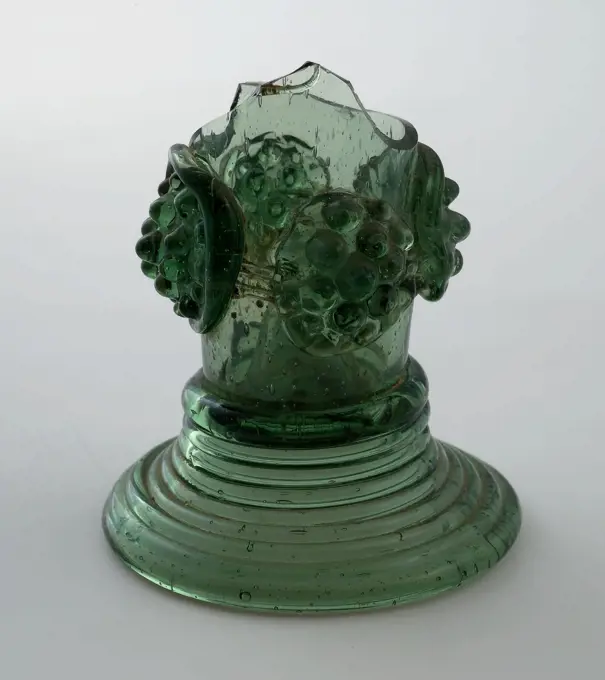
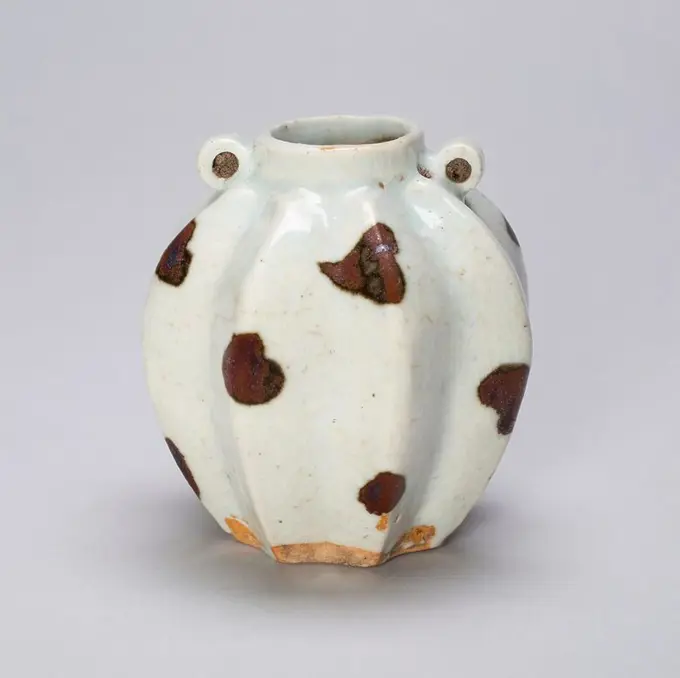
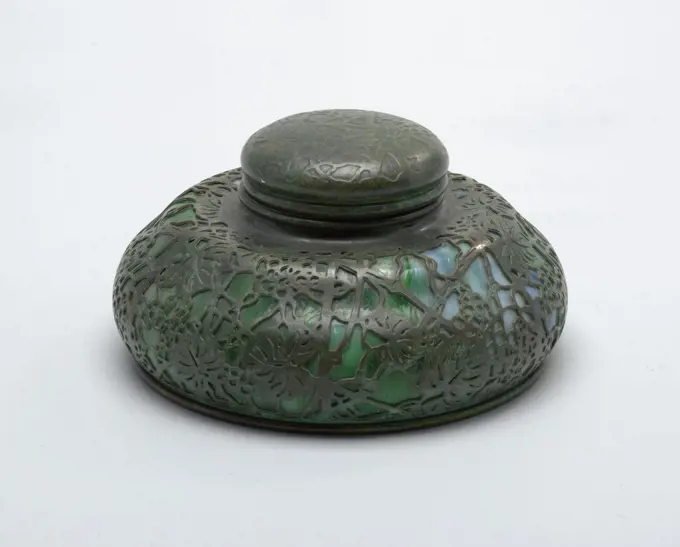
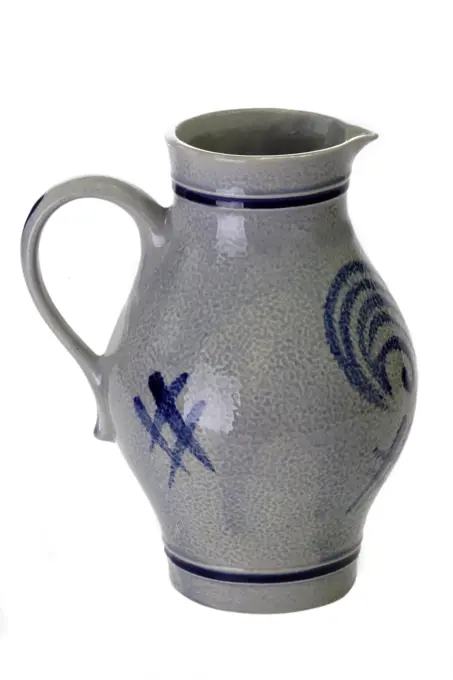
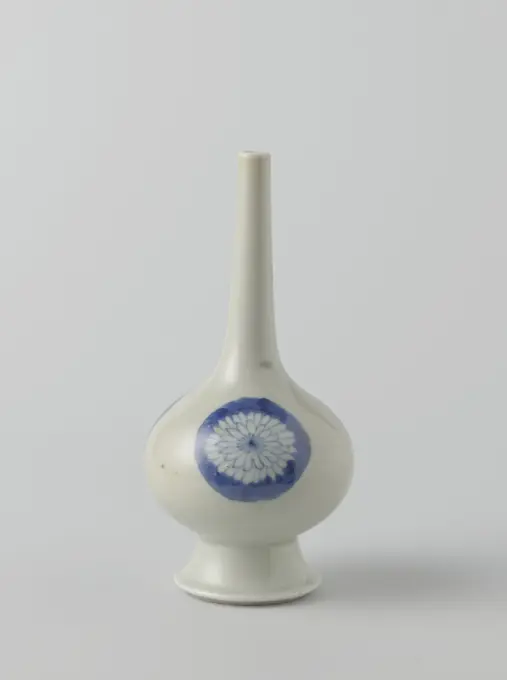
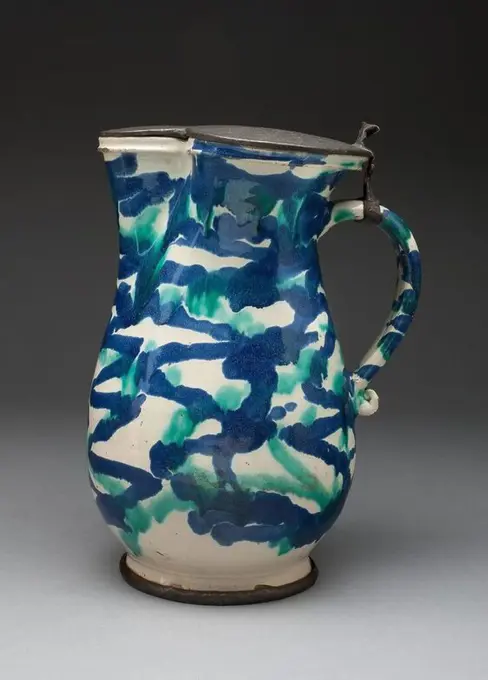
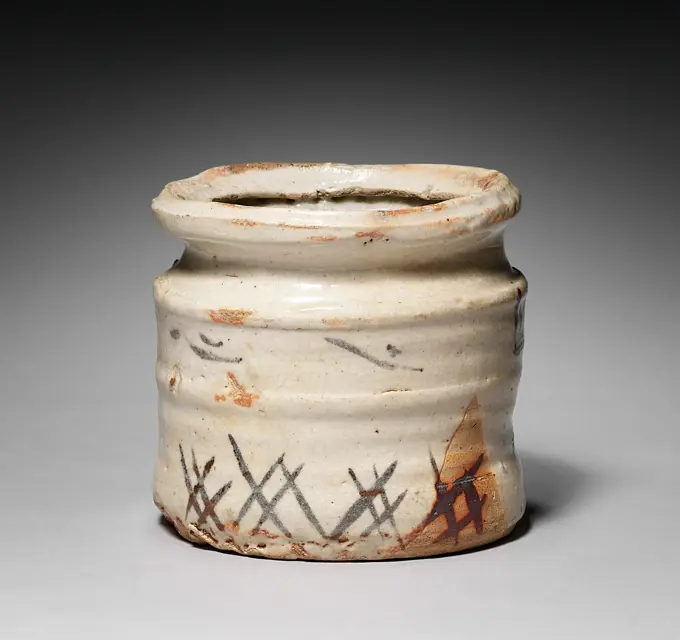
Salt 1800-1860 American. Salt 7050Leather Fedral of the Hens Cup of the company De Ninths, Anonymous, 1725 - 1750 Leather Foodrale. Northern Netherlands leather glassblowing Leather Foodrale. Northern Netherlands leather glassblowingPocket bottle 1769-74 Attributed to American Flint Glass Manufactory. Pocket bottle. American. 1769-74. Blown pattern-molded glass. Made in Manheim, Pennsylvania, United StatesSprinkler Flask; Roman Empire; 2nd - 3rd century; Glass; 5.4 cm (2 1,8 in.)Vase. Culture: China. Dimensions: H. 2 1/2 in. (6.4 cm). Date: first half of the 19th century. Museum: Metropolitan Museum of Art, New York, USA.Ernest Chaplet (1835-1909). Pitcher. Flammed porcelain. 1909. Museum of Fine Arts of the City of Paris, Petit Palais. 60192-19 Pitcher, flame porcelain, containerWaszek with a cover unknownFuddling cup ca. 1630-50 British, Lambeth or Southwark. Fuddling cup 198113Vase c 1900 Austria. Glass . LoetzBeaker; about 1400 - 1450; Mold-blown dark yellowish-green glass; 7.1 x 7 cm (2 13,16 x 2 3,4 in.)Perfume Vessel in the Shape of Two Trussed Ducks ca. 1580-1550 B.C. Late Second Intermediate Period The flask - delicately carved from the rare stone material anhydrite - has the form of a pair of trussed ducklings placed back-to-back. Their necks arch far from the bodies and the joints of their legs make four little knuckles for the vessel to stad on. The birds' eyes are inlaid with copper. Trussed duck were a common offering to the dead. It is, therefore, possible that this vessel, although originally without doubt containing a cosmetic substance, was made for the tomb and not to be used in daily life. Vessels of this material were formerly thought to be of Middle Kingdom date. More recent studies have shown that they should be placed into the late Second Intermediate Period.. Perfume Vessel in the Shape of Two Trussed Ducks 544042Flame” Vase. Designer Theophilus Anthony Brouwer, American, 1864-1932 Maker: Middle Lane Pottery, 1894-1902Vase. Culture: China. Dimensions: H. 6 5/8 in. (16.8 cm); W. 6 in. (15.2 cm). Museum: Metropolitan Museum of Art, New York, USA.Ewer (Iran); glassHenri Husson / Adrien-Aurélien Hébrard. Ewer. Harted, pushed and chiseled silver, silver frog. 1909-1914. Museum of Fine Arts of the City of Paris, Petit Palais. 76390-29 Acute, hammer silver, chisel, leaf, silver frog, insect, regrowthVase ca. 1877-85 Chelsea Keramic Art Works The Chelsea Keramic Art Works was the first American ceramics firm to designate itself an "art pottery." It was founded in Chelsea, Massachusetts, by members of the Robertson family, all of whom had honed their skills in the ceramics industry in Britain before coming to this country. Hugh Robertson, the guiding force behind the pottery, created work that was not only inspired by classical Greek pottery but also by forms and decoration that align with English Reform design. The angular shape of this vase resonates with the innovative shapes developed by Christopher Dresser for the English firms Watcombe and Linthorpe, as well as the glass and metalwork he conceived for various manufacturers. The more direct source for the vessels shape, small stand, and floral decoration was Japanese art—equally admired by Dresser. This vase features a fully modeled iris in white clay over a reddish, mustard-colored glaze. Such naturalistically rendered and asGlass vase with long neckGreen Vase. Dated: c. 1937. Dimensions: overall: 27.9 x 23 cm (11 x 9 1/16 in.). Medium: watercolor, graphite, colored pencil, and gouache on paperboard. Museum: National Gallery of Art, Washington DC. Author: Edward White.Vase, N.V. Haagsche Plateelfabriek Rozenburg, J.W. van Rossum, 1900Rosewater sprinkler or bottle vase with light brown and precious object and antiquities, anonymous, c. 1700 Rose water dripper or porcelain porcelain with pear-shaped body, covered with a cafe-au-lait glaze and painted in underly glaze blue. The lower part of the body is covered with a light brown glaze above which a strap with a thick cream -colored glaze; the upper part in underly glaze blue with a geometric band interspersed with a flower in a medallion, above it valuables (window) and antiques (vase, tripod, scepter, books); The neck with pointed leaf motifs. Monochrome brown with blue and white. China porcelain. glaze. cobalt (mineral) painting / vitrification Rose water dripper or porcelain porcelain with pear-shaped body, covered with a cafe-au-lait glaze and painted in underly glaze blue. The lower part of the body is covered with a light brown glaze above which a strap with a thick cream -colored glaze; the upper part in underly glaze blue with a geometric band interspersed wiBottle 1300-1500 Cologne. Glass .LekythosBeaker, 1653. Germany, probably Saxony, 17th century. Green glass; overall: 12.6 cm (4 15/16 in.).Vase early 18th century China. Vase. China. early 18th century. Porcelain with black glaze. Qing dynasty (1644-1911), Kangxi period (1662-1722). CeramicsHelmet probably ca. 1342-57 Central Asian or Russian, Blue Horde Found in Tibet and rare for both its form and its inscription, this helmet was probably made in central or western Asia and represents an important link between the Islamic cultures of central Asia and the Middle East. The brow of the helmet is encircled by an Arabic inscription damascened in silver that reads in part: "Made at the order of his Excellency, the noble, the exalted, the holy warrior, Sultan Mahmud Jani Beg Khan." Based on comparisons with the inscriptions on fourteenth century Mongol coinage, this appears to refer to Jambek ibn Ozbek, also known as Jalal al-Din Jani Beg ibn Ozbeg, ruler of the Blue Horde and Golden Horde of the Mongols from 1342 to 1357. If this attribution is correct, this helmet would be the only one in existence that bears the name of a contemporary Mongol ruler.. Helmet 32641Swan - shaped Flask. UnknownFlask; Eastern Mediterranean; 10th - 12th century; Glass; 5.8 x 4.5 cm (2 5,16 x 1 3,4 in.)Glass perfume bottle Roman late 1st-3rd century CE Translucent blue-green.Everted rim, folded over and in, and flattened on upper surface; slender, cylindrical neck, with horizontal tooled indent around base; slender conical body, curving in to thick, small, flat bottom.Intact; pinprick and elongated bubbles; deep pitting, creamy weathering, and brilliant iridescence. View more. Glass perfume bottle. Roman. late 1st-3rd century CE. Glass; blown. Imperial. GlassBalsamaire. Gallo-Roman. Glass. Paris, Carnavalet museum. Balsamaire, Gallo-Roman time, perfume bottle, Gallo-Roman, glass, archeological vestigeSnuff Bottle. Culture: China. Dimensions: H. 2 1/2 in. (6.4 cm). Date: late 18th century. Museum: Metropolitan Museum of Art, New York, USA.Cricket Container, 6 7/8 x 2 3/4 x 2 3/4 in. (17.46 x 6.99 x 6.99 cm) (overall), Gourd, ivory, tortoise shell, pigment, ChinaRhyton. Syria - Palestine, Roman, late 1st century to 1st half of 2nd century. Tools and Equipment; rhyta. Light aquamarine glass with heavy iridescence and brown scumGlass bottle ca. 4th-5th century A.D. Roman Translucent deep purple.Slightly everted rim, with beveled outer lip; tall, cylindrical neck, expanding downwards and joining imperceptibly with piriform body; slightly concave bottom.Intact; dulling, pitting, and streaky iridescent weathering.. Glass bottle 245638FOREIGN OLDDecorated jar A.D. 1st century Roman Period Many artworks of the Roman Period in Egypt represent the taste of wealthy urban merchant and rich farming classes of Roman Egypt. Wide trade of luxury works is evident, and Greco-Roman style dominates. Since Egyptian pharaohs had first authorized Greek trading colonies and employed Greek mercenaries in the seventh century BC., there was a considerable Greek presence in Egypt. With Alexander's conquest, Macedonian Greek Ptolemies ruled as successors to the pharaohs, and Ptolemaic Greek and eastern Mediterranean soldiery was heavily settled in parts of Egypt. Although the Ptolemaic kings maintained traditional Egyptian religious and political forms, elite society, of mixed Greek and Egyptian descent, aspired to Greek culture in many respects. With the replacement of a Ptolemaic pharaoh in Memphis and Alexandria by a Roman emperor in Rome, the status of Greek culture and art, if anything, increased. However, multiple cultural influences were t pBeaker 9th-11th century Lambayeque (Sicán). Beaker 309124Daum brothers. "Bottle with two handles". Smoked glass. Museum of Fine Arts of the City of Paris, Petit Palais. Anse, art nouveau, bottle, two, glass smokingLotiform chalice ca. 1479-1425 B.C. New Kingdom This fragmentary cup, in the form of a partially open blue lotus flower, belongs to a group of glass vessels that belonged to three foreign wives of Thutmose III, the nephew and co-ruler of Hatshepsut. At this time, the art of glass manufacture was relatively new to Egypt, but the shape of the cup is typically Egyptian, suggesting that it was made in Egypt and not imported like another glass vessel from the same group (26.7.1175). The outer surface is engraved with a pattern of lotus petals, one of which is inscribed with the words "The Good God, Menkheperre, given life.". Lotiform chalice. ca. 1479-1425 B.C.. Glass, gold. New Kingdom. From Egypt, Upper Egypt, Thebes, Wadi Gabbanat el-Qurud, Wadi D, Tomb of the Three Foreign Wives of Thutmose III. Dynasty 18Rectangular vase with animal masks 19th century China. Rectangular vase with animal masks. China. 19th century. Porcelain with marbled glaze. Qing dynasty (1644-1911). CeramicsVase, anonymous, c. 1900 - c. 1930 Flower vase in the style of Korin, decorated with irises in insert work with mother -of -pearl. Japan bamboo. lacquer (coating). mother of pearl. lead (metal) Flower vase in the style of Korin, decorated with irises in insert work with mother -of -pearl. Japan bamboo. lacquer (coating). mother of pearl. lead (metal)Glass jug with chain handle. Culture: Roman. Dimensions: H. 8 1/8 in. (20.6 cm). Date: 3rd century A.D..Colorless with pale blue green tinge; handle and trails in same glass.Outsplayed rim with flattened upper lip; funnel-shaped mouth and almost no neck; conical body, then turned in sharply with broad, horizontal undercurve; applied solid foot ring, sloping outwards; central kick in bottom with circular pontil mark; chain handle applied to body as two large, thick pads, drawn up and outwards as two rods, pinched together five times to form vertical row of loop, then turned in as a single strap, folded up into a hollow loop above rim, and trailed off in a double fold down underside of mouth over upper trail.Single thick horizontal trail on underside of mouth below rim; a finer trail wound horizontally slightly more than once around top of body; body decorated with a pattern of twenty ribs extending from mouth to edge of side, becoming faint towards bottom.Complete except for weatherCovered SugarBowlCypriot Vase, c. 1895-1900. Tiffany Glass & Decorating Company (American, New York, 1892-1902). Favrile glass; diameter: 7.2 cm (2 13/16 in.); overall: 6.6 cm (2 5/8 in.).Vase 18th century Chinese, for European market The gift of the Hans Syz Collection in 1995 endowed the Museum with nearly three hundred examples of European and Asian ceramics meticulously acquired by Swiss-born collector Dr. Syz (1894-1991) to chart the migration of models and patterns from East to West. Documenting a continuous process of influence and adaptation, these pieces provide a discriminating review of the nuances of stylistic change resulting from three centuries of trade.. Vase. Chinese, for European market. 18th century. Hard-paste porcelain. Ceramics-Porcelain-ExportPair of small angular vases. unknown, craftsman. Fabric tea bus or chair of stoneware with an ivory lid, partially covered with a green-brown glaze. The lower part of the bus is unglazed. Two old labels on the inside with 'satsuma, genre joca / cat. Bing no. 354 'and' oribe '. Part of the lid has been cut off. Satsuma.Glass rectangular bottle 2nd-3rd century A.D. Roman Translucent deep blue green; handles in same color.Partially tubular rim folded out, down, round and in, with flattened upper surface; cylindricalm convex neck, with horizontal tooling marks around the base; horizontal shoulder with large rounded corners; rectangular body with flat sides, tapering downward; thick, concave bottom, pushed in off-center; two broad handles, each with three ribs, applied as a long pad to short edge of shoulder, drawn up vertically, then bent in and down, and attached to neck and underside of rim with upward trail.On bottom, diamond in relief, enclosing a staff with V-shaped finials at both ends, flanked in middle by two relief squares, each containing a hollow circle, perhaps representing a standard or banner.Intact, except for almost one third of the rim and top of the neck; pinprick and larger elongated bubbles; surface scratches, some soil encrustation around tops of handles, and faint iridescence.GreenGlass conical beaker or lamp. Culture: Roman. Dimensions: H.: 7 1/4 x 4 3/4 in. (18.4 x 12.1 cm). Date: 4th-5th century A.D..Colorless with pale green tinge; translucent cobalt blue blobs.Thick, uneven, cracked off rim, with slightly inverted lip; conical body with slightly concave side; small, rounded bottom with slight indentation.Three horizontal bands of cut decoration on body: immediately below rim, a single broad groove; a second similar groove also on upper body; and the third band comprising fine wheel-abraded lines on lower body. Between the second and third cut bands, a band of applied blobs in relief comprising two single large blobs alternating with two groups of six smaller blobs arranged in a downturned triangular pattern.Complete, except for a weathered chip in rim and two large cracks running from rim down body; a few bubbles, mainly in blobs; dulling, slight pitting, and patches limy encrustation, weathering, and iridescence.Conical vessels of this type have been Nursing bottle - Excelsior Glass Company  Excelsior Glass Company. Vase, painted with fish, plants and whose in teal, purple and yellow on a blue fond with red spots and covered with lust grab.Vase, Rookwood Pottery, American, 1880 - 1967, Molded and hand-painted gilded and glazed earthenware, of baluster form, with peach glow matte background, painted with white dogwood blossoms on branches, the neck and foot gilded with a textured pattern of squares, the gilding going into the interior of the neck., 1886, ceramics, Decorative Arts, VaseVessel with 13 Handles; Eastern Mediterranean; 3rd - 4th century; Glass; 8.2 x 9.7 cm (3 1,4 x 3 13,16 in.)Bottle 18th century French. Bottle 186403Bronze lampstand ca. 750-480 B.C. Cypriot Bronze lampstands were luxury objects that were made in various sizes and in more Near Eastern or more Egyptian styles.. Bronze lampstand 244560Vase, Gallé, Emile Gallé, French, 1846 - 1904, Glass, Footed glass vase with dark applied decoration of plants (silhouette-like) on yellow background., late 19th-early 20th century, glasswares, Decorative Arts, VasePenthièvre Vase. Designed by René Lalique (French, 1860-1945); Manufactured by Lalique et Cie (French, founded 1885). Date: 1928. Dimensions: H. 25.4 cm (10 in.). Glass; dark blue, mold blown. Origin: Paris. Museum: The Chicago Art Institute, Chicago, USA.Beaker 13th century. Beaker 448545Snuff Bottle China. Snuff Bottle 41557Small vase. The flowers showed in Hamburg in 1897, probably as a model of a small series. Gifted 1897 by the artistToby Mug. Culture: American. Dimensions: H. 6 in. (15.2 cm). Date: 1830-70. Museum: Metropolitan Museum of Art, New York, USA.Flask 1840-50 Baltimore Glass Works. Flask 3717Caster And Cover; wood, turned, pearBottle 304 B.C.-A.D. 364 Ptolemaic or Roman Period. Bottle 551057Canopic Jar Inscribed for Imsety, with human headed lid ca. 712-332 B.C. Late Period. Canopic Jar Inscribed for Imsety, with human headed lid 571610Snuff Bottle, 1780-1850, 3 1/4 x 1 13/16 x 1 3/8in. (8.3 x 4.6 x 3.5cm), Jadeite, China, Qing dynastyCosmetic Jar with Lid, 500s. Byzantium, early Byzantine period, 6th century. Gold filigree, sapphire, and rock crystal; overall: 3.7 x 2.9 cm (1 7/16 x 1 1/8 in.).BowlVase; Designed by Ludwig Suetterlin; Manufactured by Glashutte Fritz Heckert (Germany); blown, overlaid and enameled glassForearm Guard for the Left Arm possibly 15th-16th century Tibetan or Mongolian The ornament on this arm guard is very similar to that seen on Tibetan horse armor, but it is larger in scale and its style is bolder. Like other arm guards of this type, its decoration consists of gold leaf covered with an orange-toned shellac and painted with a black pigment, with a clear shellac glaze overall. All known examples of Tibetan forearm guards appear to be for the left arm, suggesting that they were never made in pairs but were used on the left arm only. There are two basic types. One has applied iron struts, like those on Tibetan shields and furniture, often with ornamental piercings. The second type, shown here, has no applied iron fittings. Instead, the leather surface is entirely covered with varnished and gilded decoration. The same style and technique of decoration is also found on Tibetan bow cases and quivers.. Forearm Guard for the Left Arm. Tibetan or Mongolian. possibly 15th-16th cenJug -Stirrup. One of a few (cf.Mak 155a).Close-up of two vases, Bohemia, AustriaGreen fragment of roemer, foot with lower part of trunk, with bramble buds, roemer wineglass drinking glass drinkware tableware holder soil find glass, archeology Rotterdam City Triangle Pakkenbrug New Haven archaeological find in the soil Rotterdam Nieuwe Haven 2nd cesspool (square)Lobed Jar in Form of Balambing (Philippine Island Star Fruit). China. Date: 1300-1350. Dimensions: H. 6.9 cm (2 3/4 in.); diam. 6.5 cm (2 9/16 in.). Qingbai ware; glazed porcelain with iron spots. Origin: China. Museum: The Chicago Art Institute, Chicago, USA.Ink well and lid, Louis Comfort Tiffany, (American, 1848-1933), Glass, bronze, One piece of a six-piece desk set. Round ink well with lid decorated favrille glass in a grapevine pattern., New York, NY, USA, ca. 1910-20, glasswares, Decorative Arts, Ink well and lidVase 1845-1855 Bohemia. Glass; cut and stained red .Potty of earthenware, decorated in relief with yellow lemons and black leaves on a yellow-white stock, Groszherzogliche Majolika-manufaktur, c. 1921 - c. 1925 Potty of earthenware, full of shape, decorated in relief, in sludge technology, with yellow lemons and black leaves in yellow -white stock. Karlsruhe earthenware Potty of earthenware, full of shape, decorated in relief, in sludge technology, with yellow lemons and black leaves in yellow -white stock. Karlsruhe earthenwareBembel - Wine Jug Apfelweinkrug freigestellt auf hellem Hintergrund Apple Wine Jug - isolated on white background Copyright: xZoonar.com/Teamarbeitx 452916Bottle c 1849-1852 Bennington. Earthenware . Lyman, Fenton & Co.Daoist Cap, 960-1279. China, Song dynasty (960-1279) - Yuan dynasty (1271-1368). Grayish-green jade with brown and black markings; interior with pink pigment and gold inlays; overall: 7.4 cm (2 15/16 in.).Pair of Bottles 1800-1899 United States. Glass with metal mounts .Snuff Bottle, 1736-1795, 2 3/4 x 1 1/2in. (7 x 3.8cm), Jade, China, 18th centuryVase with ahornt branches, Émile Gallé (workshop or), c. 1904 - c. 1906 Concave, sharpened bottom, flattened spherical body of colorless glass, ending in a long neck. Double überfang in orange and red on a yellow and colorless surface. Decor of ahornt branches with berries, partly matte. On the body the signature gallé with a *. Nancy glass glassblowing / etching / grinding Concave, sharpened bottom, flattened spherical body of colorless glass, ending in a long neck. Double überfang in orange and red on a yellow and colorless surface. Decor of ahornt branches with berries, partly matte. On the body the signature gallé with a *. Nancy glass glassblowing / etching / grindingBottle. Culture: China. Dimensions: H. 4 1/4 in. (10.8 cm). Museum: Metropolitan Museum of Art, New York, USA.Rosewater sprinkler or bottle with celadon green and chrysanthemums, anonymous, c. 1700 - c. 1724 Rose water drops or point bottle on a high base of porcelain with spherical body and long, narrow neck, covered with a celadongroen glaze and painted in under -glaze blue. The bottle is covered with a celladon green glaze and in underly glaze blue three round reserves with chrysanthemum. Monochrome Celadon Green with underly glaze blue. China porcelain. glaze. cobalt (mineral) painting / vitrification Rose water drops or point bottle on a high base of porcelain with spherical body and long, narrow neck, covered with a celadongroen glaze and painted in under -glaze blue. The bottle is covered with a celladon green glaze and in underly glaze blue three round reserves with chrysanthemum. Monochrome Celadon Green with underly glaze blue. China porcelain. glaze. cobalt (mineral) painting / vitrificationScent bottle 1750-1800 German, Zechlin. Scent bottle 196115Jug. Austria, Gmunden. Date: 1700-1725. Dimensions: 27.3 x 19.4 cm (10 3/4 x 7 5/8 in.). Tin-glazed earthenware (faience) and pewter. Origin: Austria. Museum: The Chicago Art Institute, Chicago, USA.Water Container (Mizusashi) with Grasses, late 1500s-early 1600s. Japan, Momoyama period (1573-1615) to Edo period (1615-1858). Stoneware with underglaze iron oxide slip decoration (Mino ware, Shino type); diameter: 19.6 cm (7 11/16 in.); lid: 2.9 x 14.7 cm (1 1/8 x 5 13/16 in.); container: 18.4 cm (7 1/4 in.). Mizusashi are jars used to hold water for the preparation of tea at tea gatherings. This one was produced in the Mino area of present-day Gifu prefecture in central Japan, and is considered one of the finest of its type in existence, based on the complex aesthetic sensibilities developed around the tea ceremony in Japan. It is called a picture Shino” (e-shino) mizusashi, as it has an abstracted design said to resemble an ink painting of reeds along a river bank and small boats in a river on one side, and a geometric pattern on the other. With its irregular shape and thick, luminous glaze, it is of a variety favored by eminent tea masters of the Momoyama period.Flask 1725-1735 Bohemia. Glass .Chocolate Pitcher (Germany); Manufactured by C.A. Lehman & Sohn; glazed earthenwareFlask late 18th-early 19th century British, probably Nailsea. Flask. British, probably Nailsea. late 18th-early 19th century. Glass. GlassCharles Caseau, Flask, c 1936 FlaskLeather case for a mug unknown labelJug with the Head of a Woman 1597 Bohemia. Colorless glass and enamel .Jar 4th-early 5th century Coptic. Jar 475476Jug still bank, 19th century, 3 x 1 3/4 x 1 3/4 in. (7.62 x 4.45 x 4.45 cm), Ceramic, United States, 19th centuryBottle 1 CE-200 CE Syria. Glass, blown technique . Ancient RomanClose-up of a decorative pottery vase in unique formPot Late Period 664-332 B.C. View more. Pot. 664-332 B.C.. Pottery. Late Period. From Egypt, Upper Egypt, Thebes, Deir el-Bahri, Senenmut Quarry, Embalmers' Cache, MMA excavations, 1921-22, 27-28. Dynasty 25-30Small, cylindrical glass bottle, short neck, soul with pontilemark, bottle holder soil find glass, Small glass bottle Cylindrical in shape. Stuffed soul with pontilemark Short neck folded neck. Light greenish tinted glass forest glass archeology Capelle aan den IJssel House in Capelle castle packing store transport Soil discovery: house in Capelle Capelle aan den IJssel.