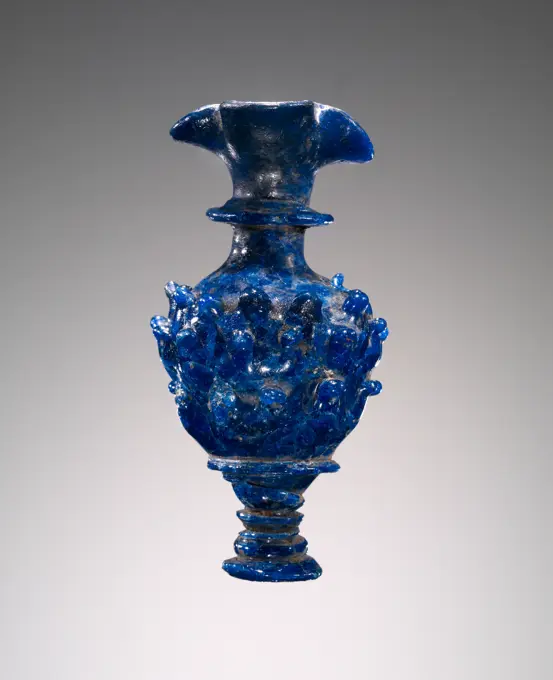
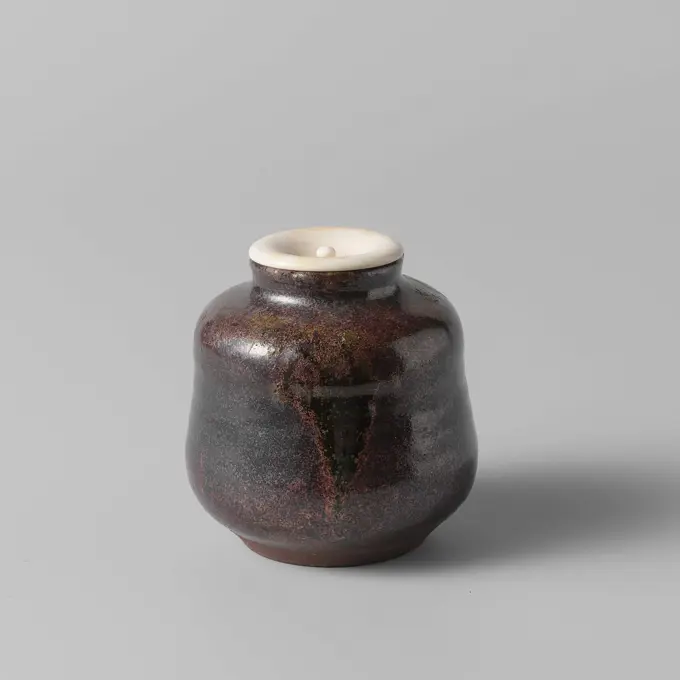
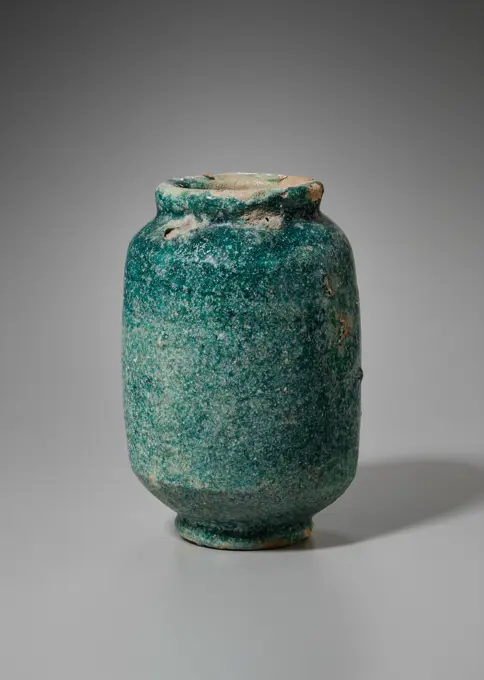
Decorative Vases and Bottles

Artistic vases and glass bottles from different cultures, featuring various shapes, colors, and historical styles in ceramic and glass materials.

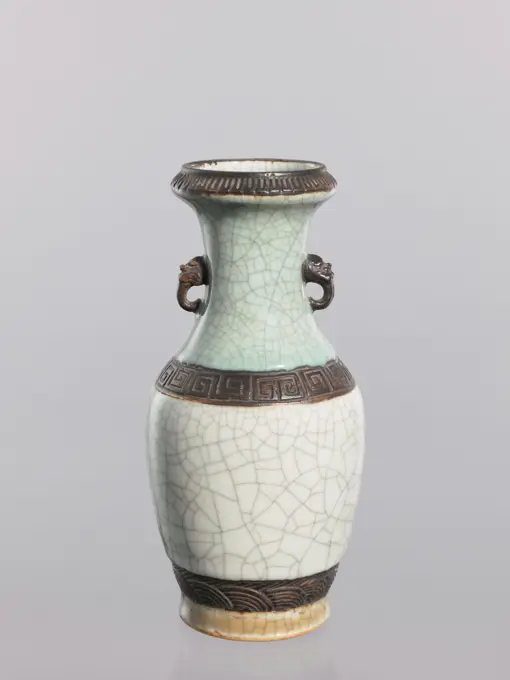
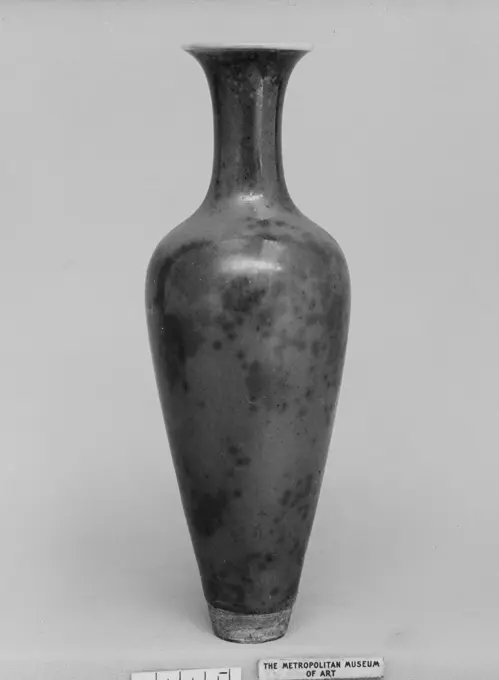
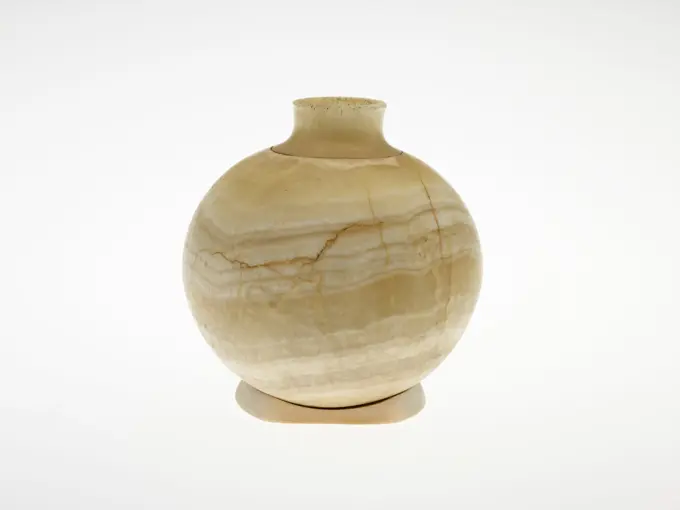
Vase. Covered porcelain striated with brown marbles. Paris, Cernuschi museum. 78841-13 Asian art, container, vase
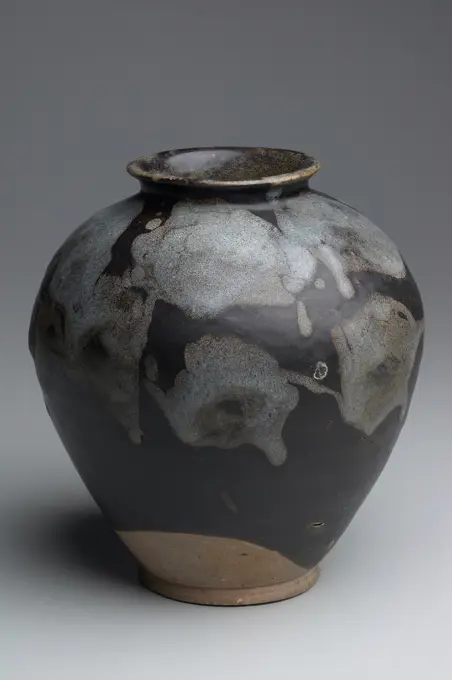
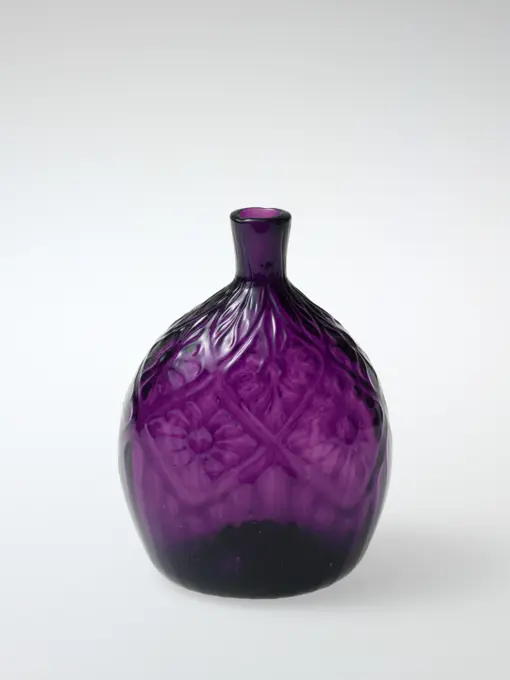
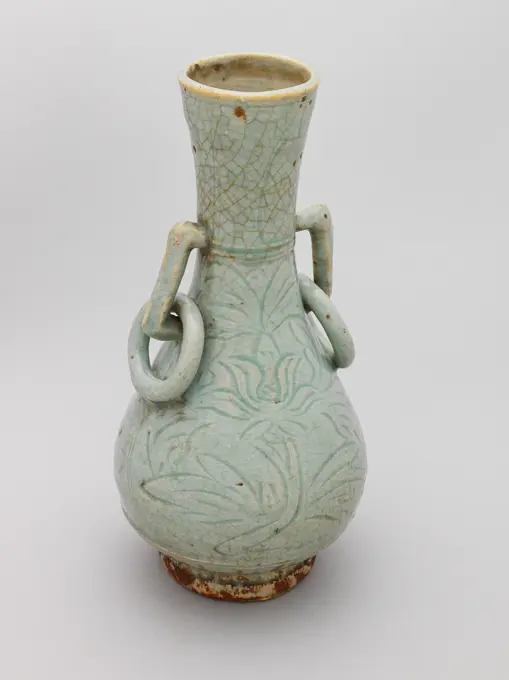
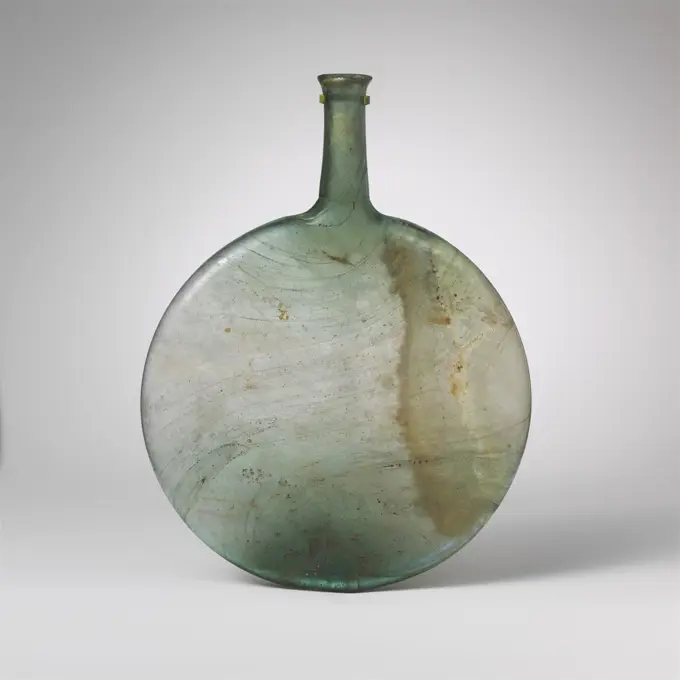
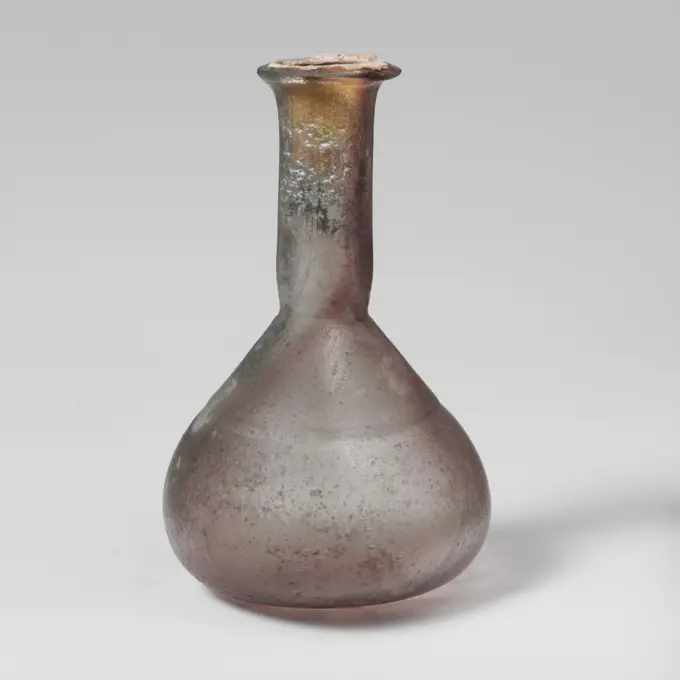
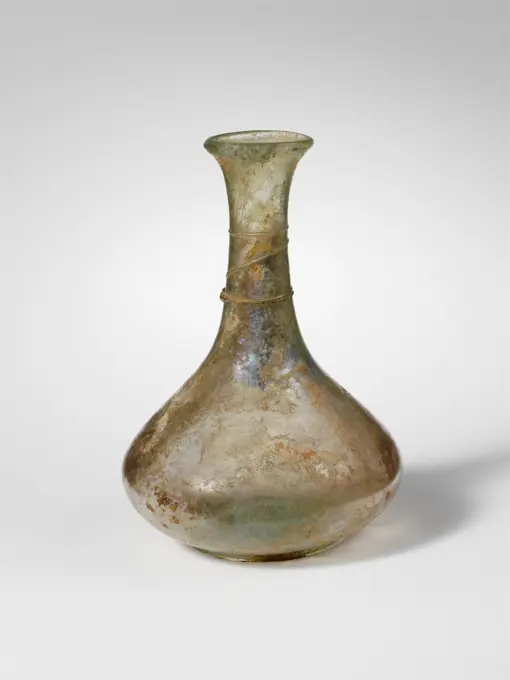
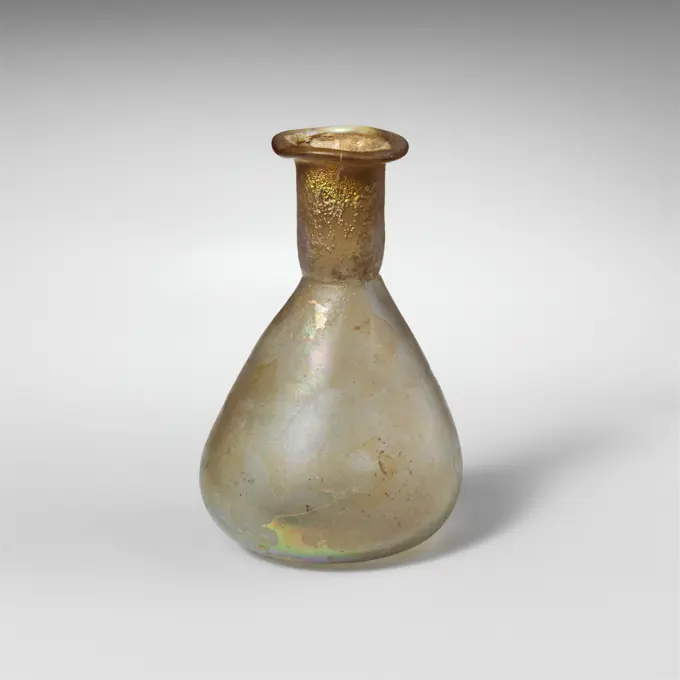
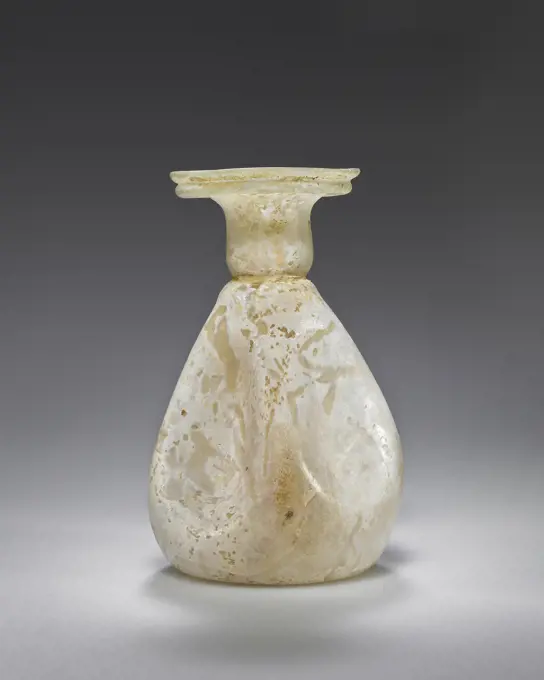
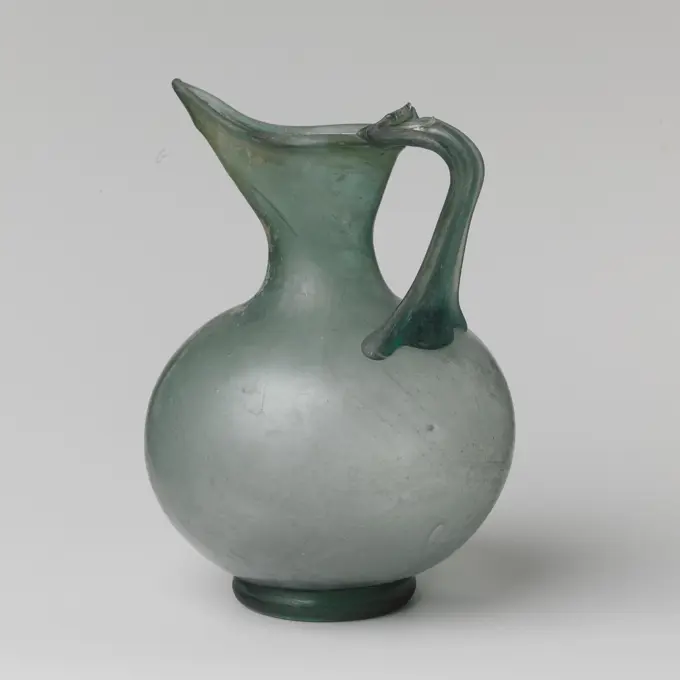
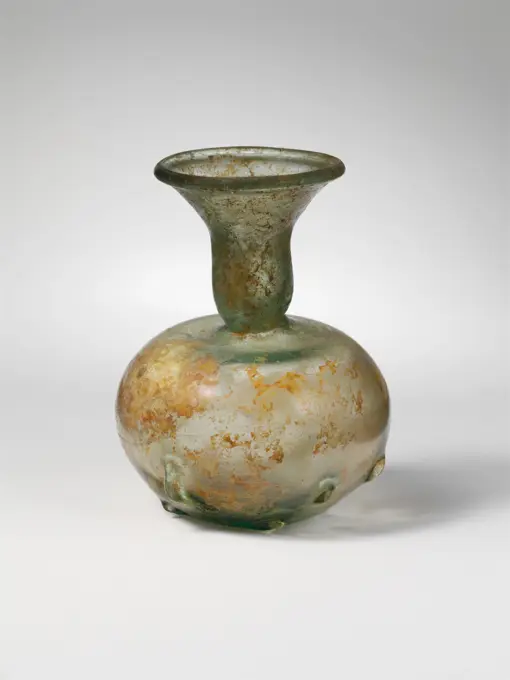
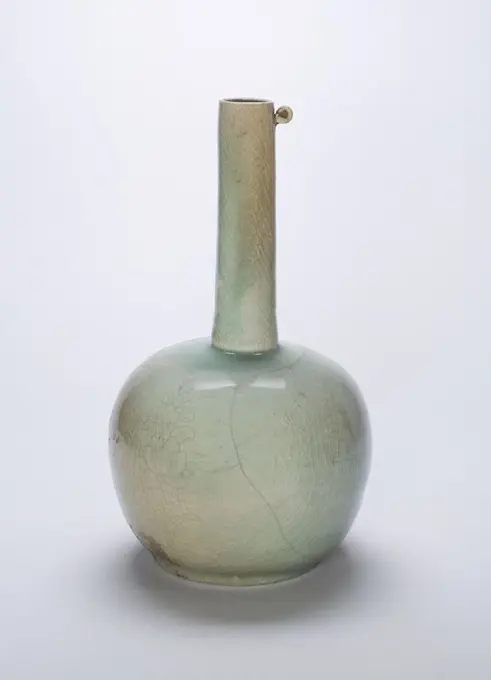
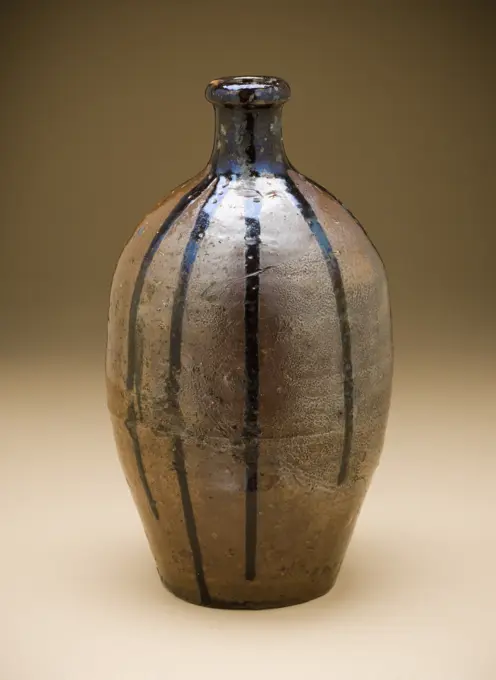
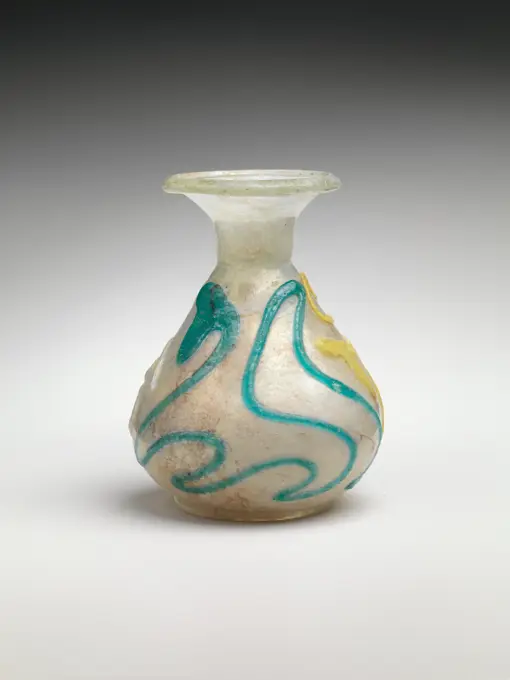
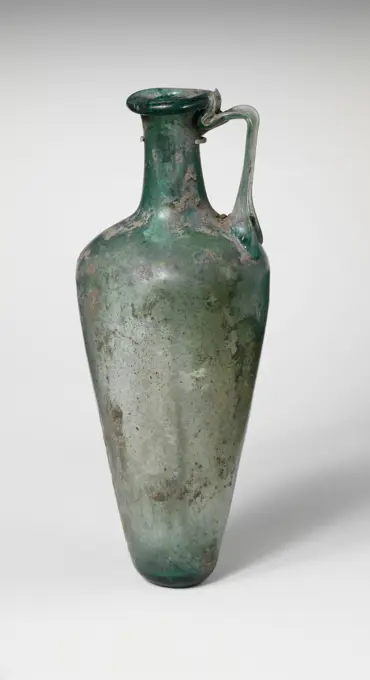
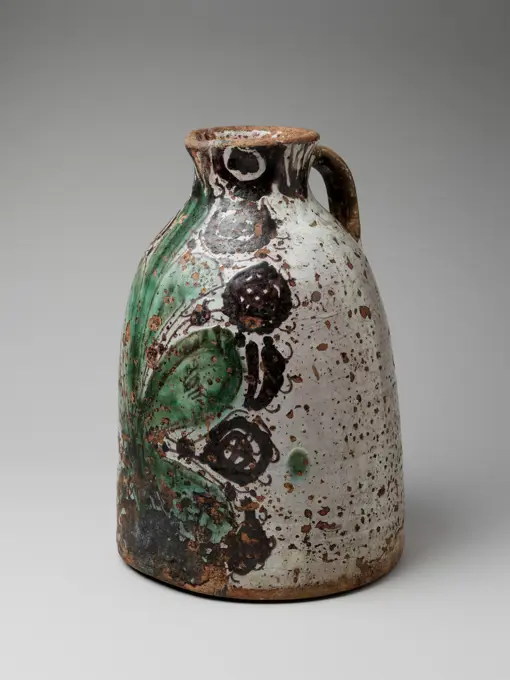
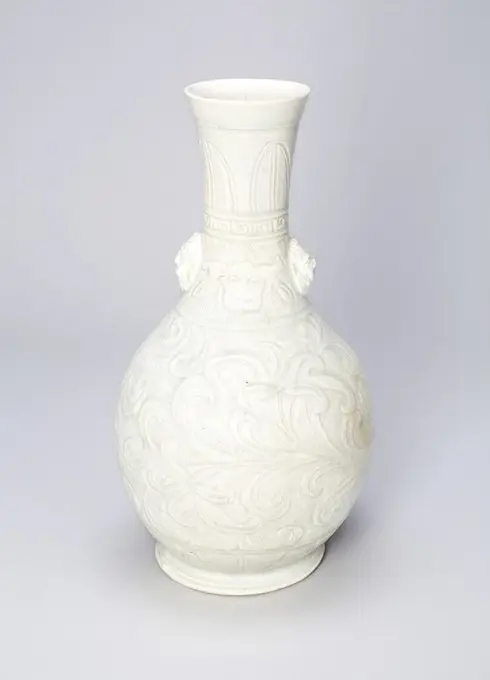
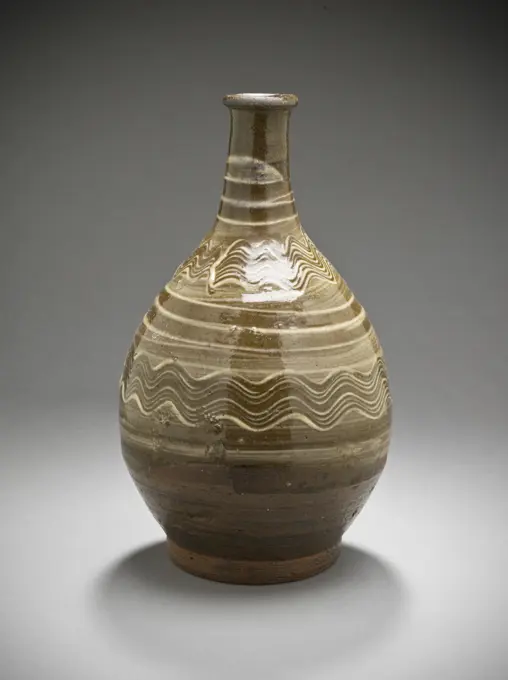
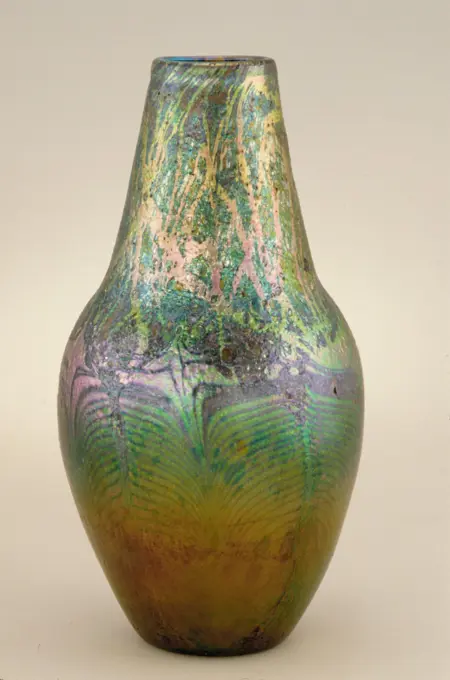
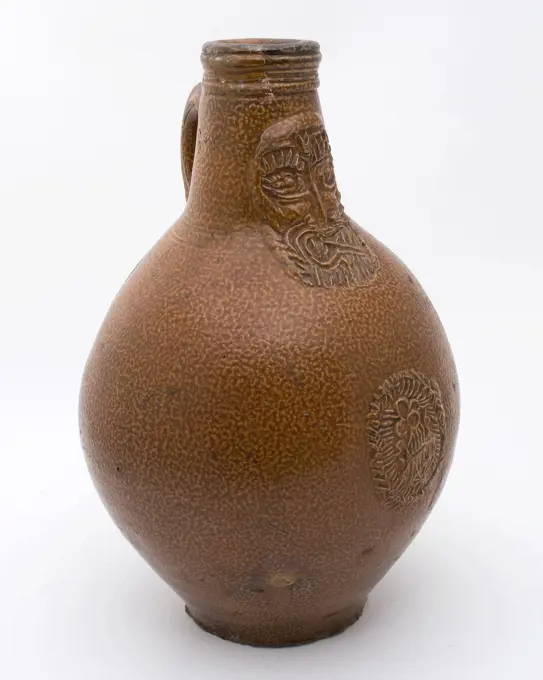
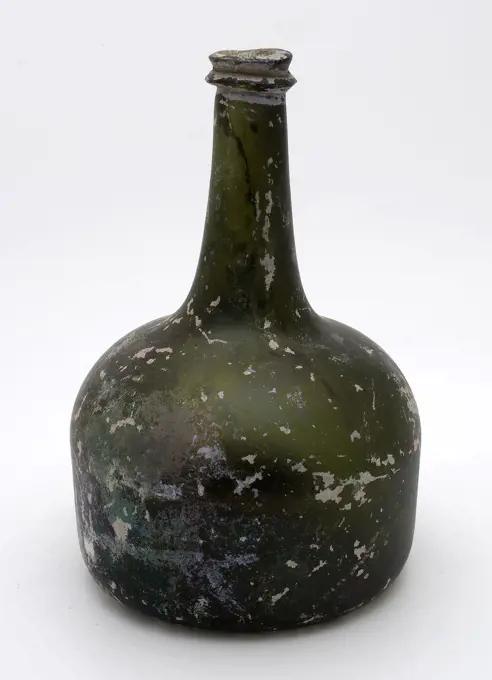
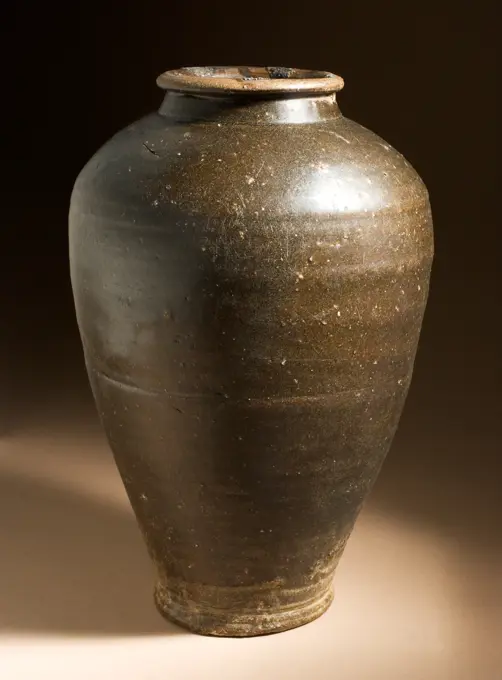
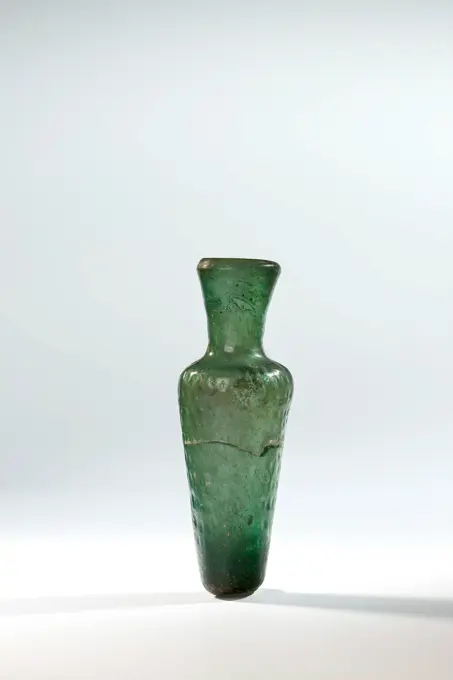
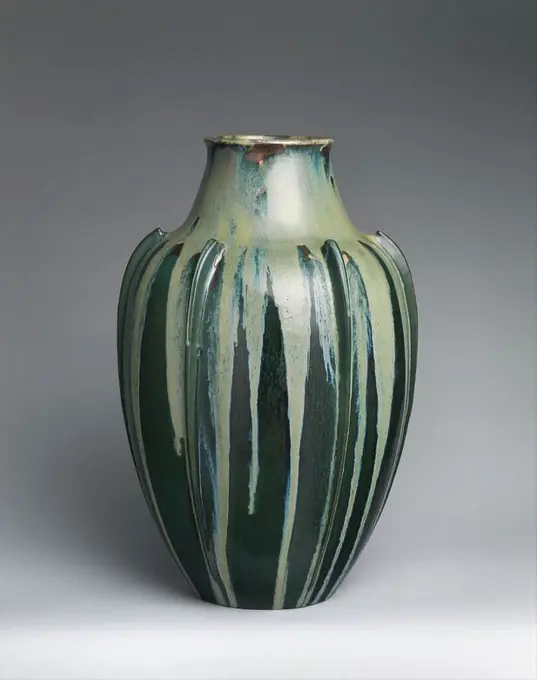
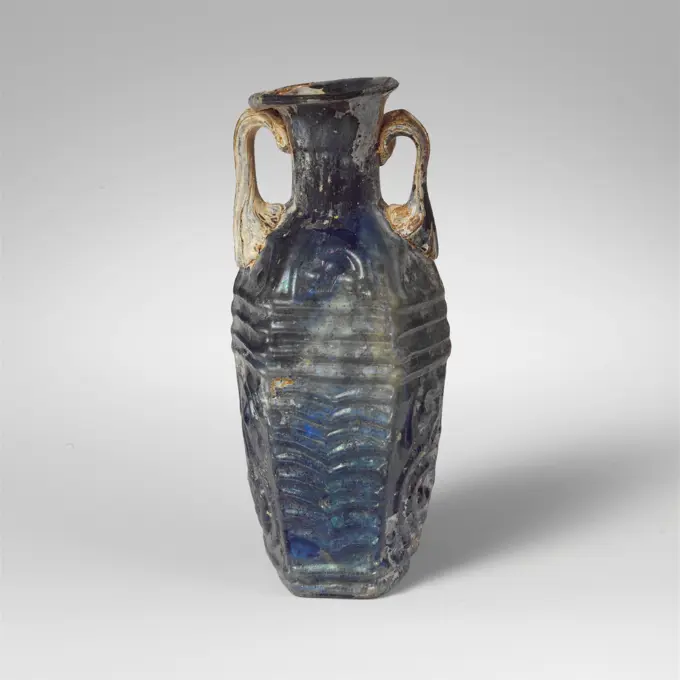
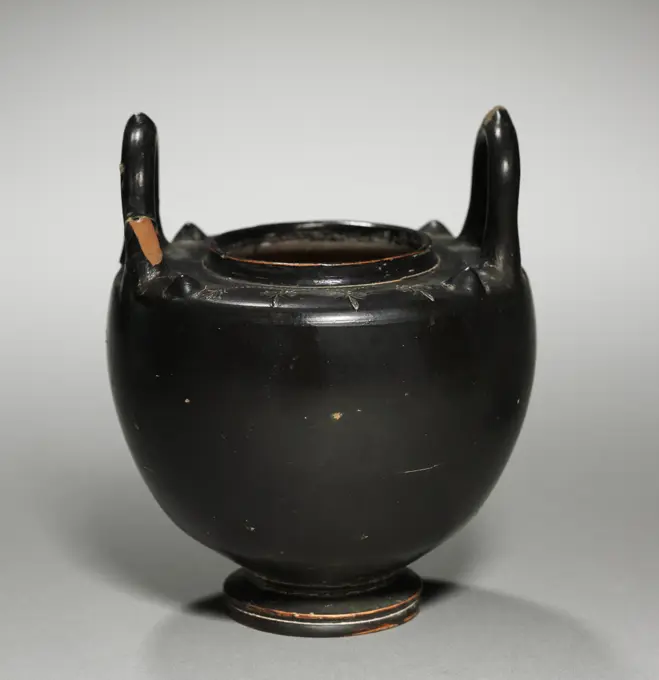
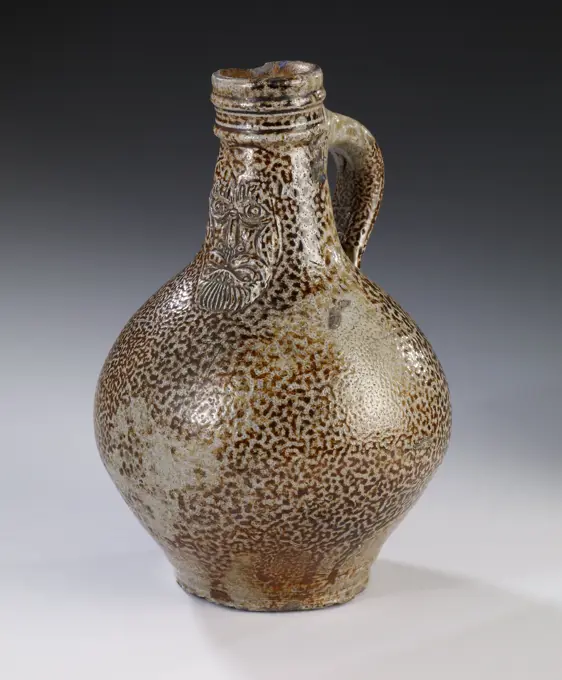
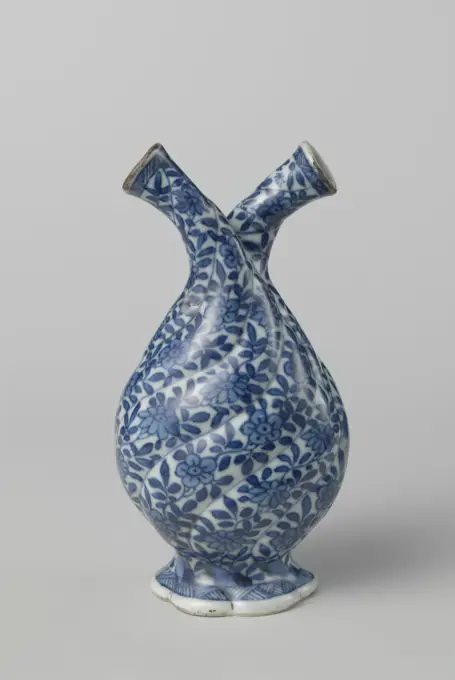
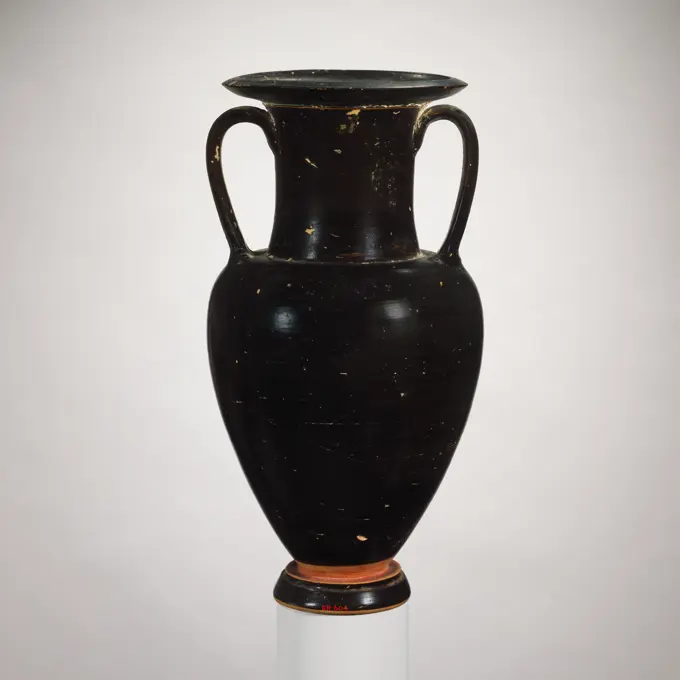
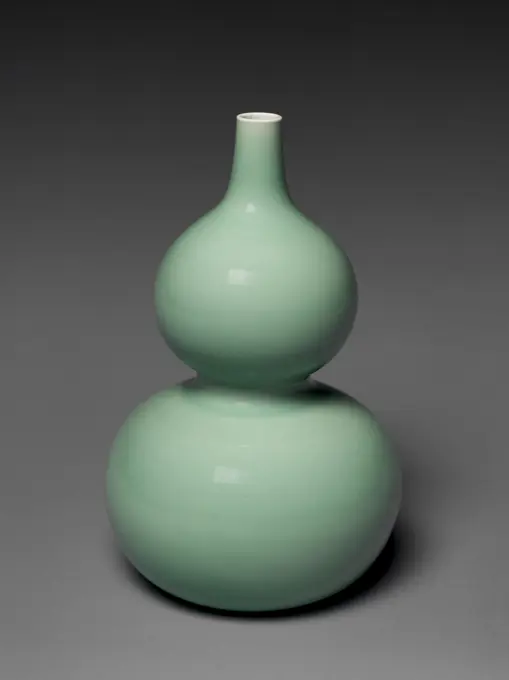
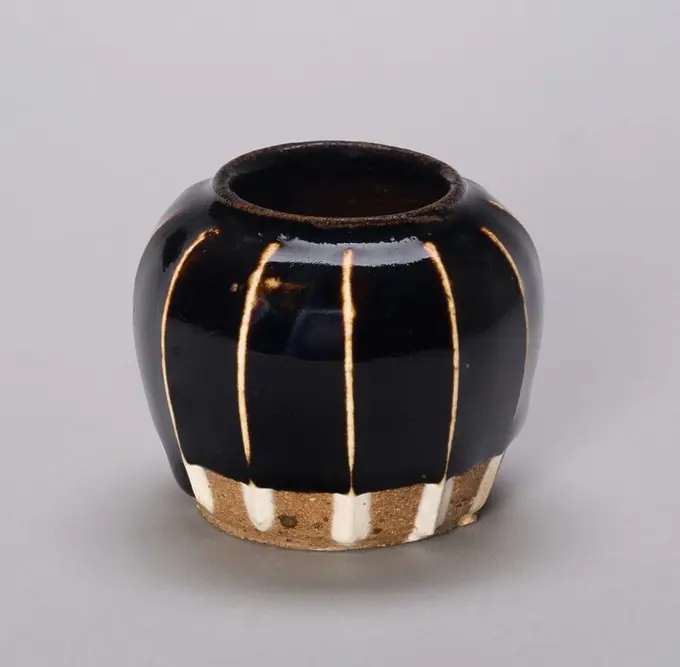
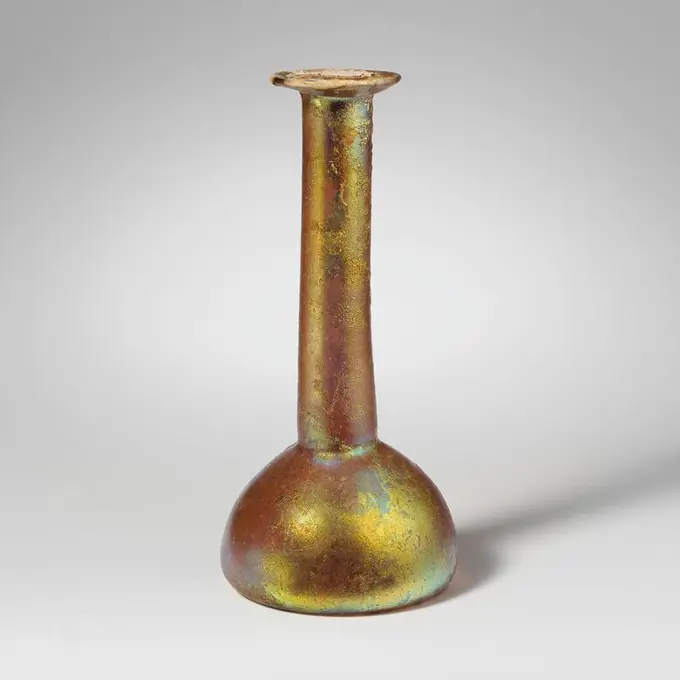
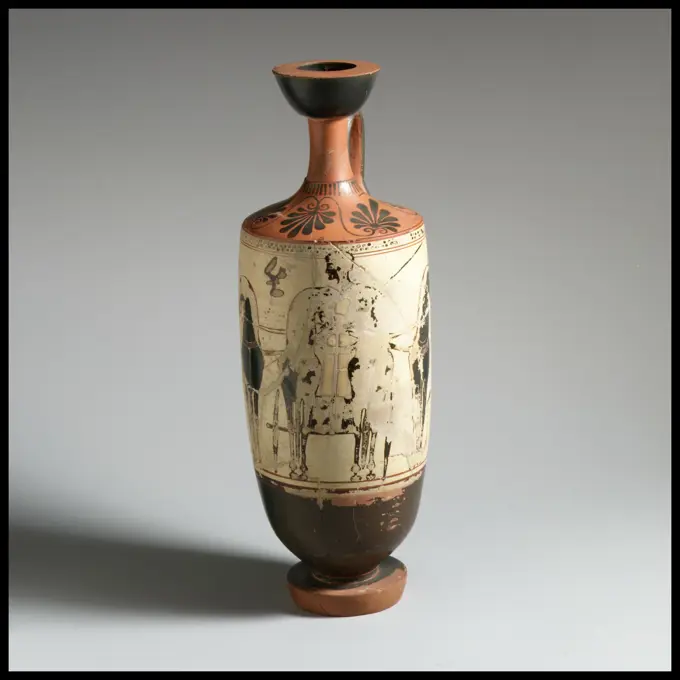
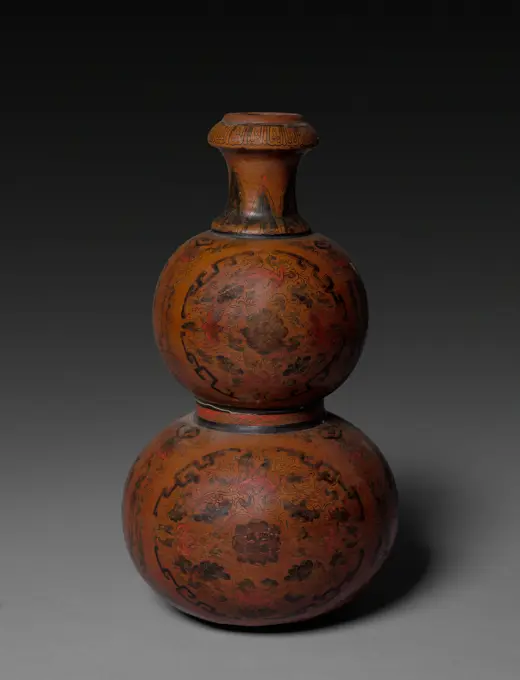
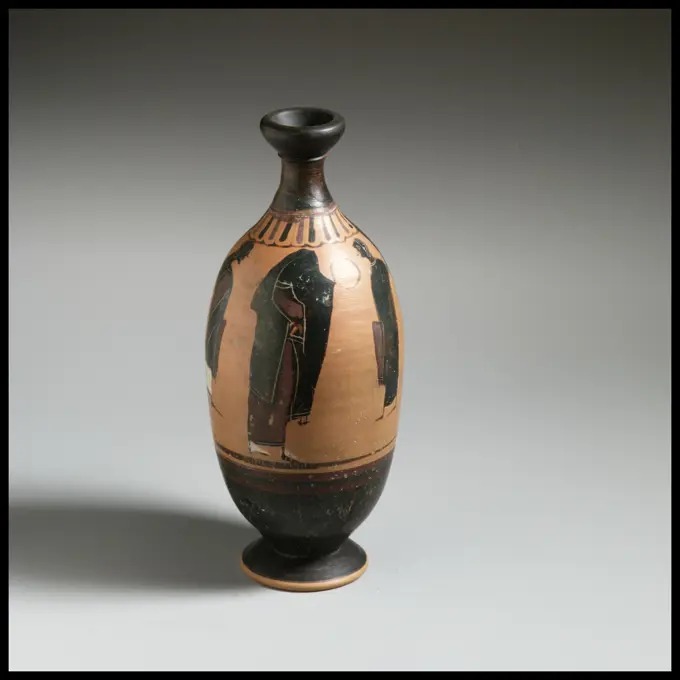
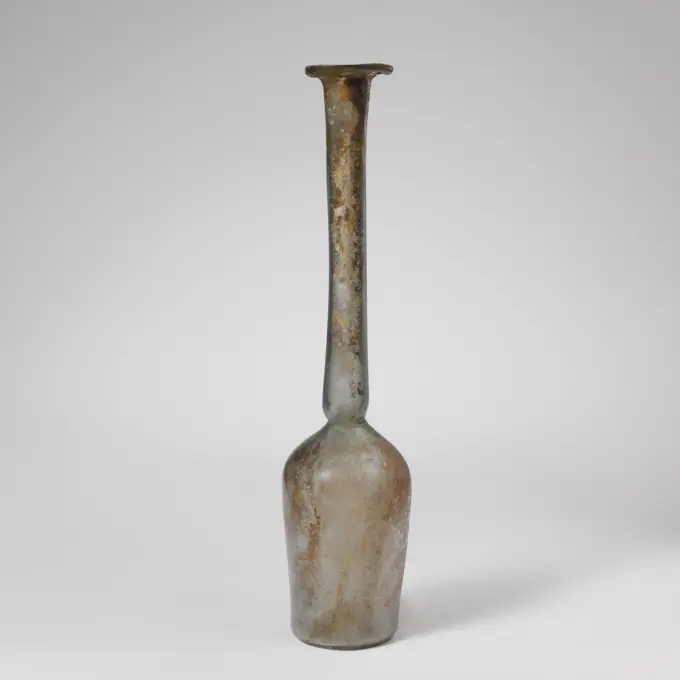
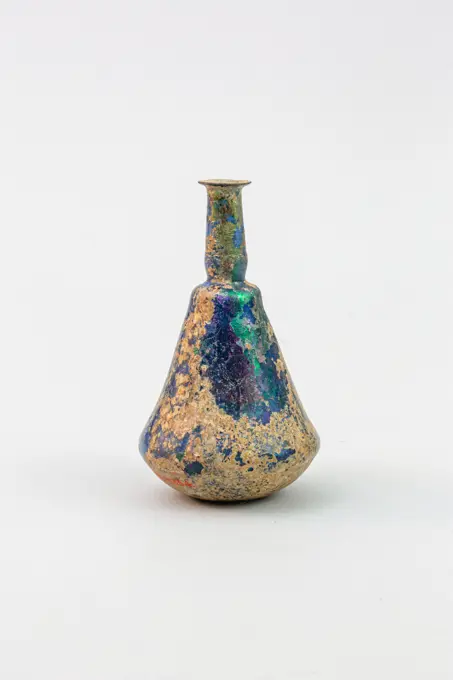
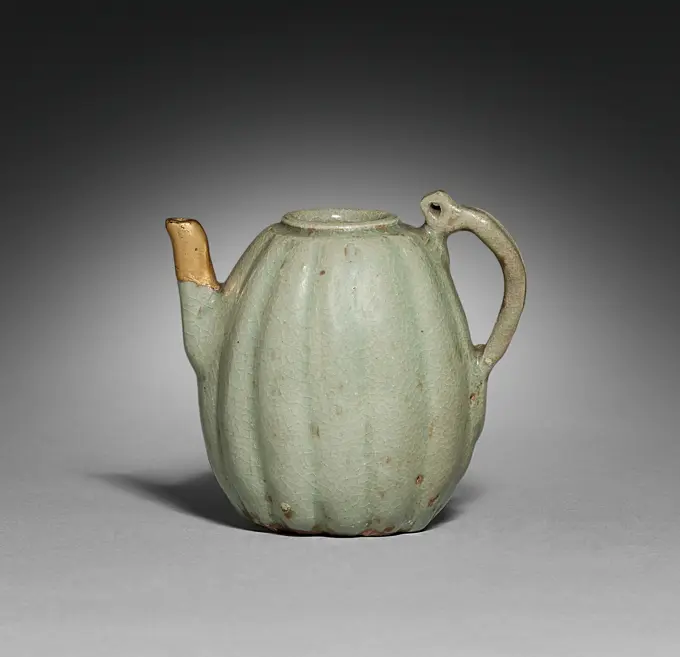
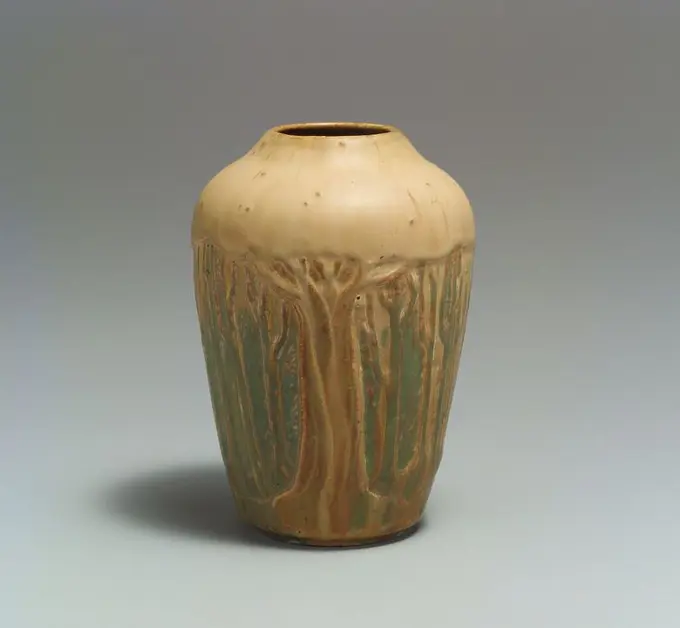
Vase. Covered porcelain striated with brown marbles. Paris, Cernuschi museum. 78841-13 Asian art, container, vaseGlass perfume bottle. Culture: Roman. Dimensions: H.: 4 5/8 x 2 1/2 x 1 in. (11.7 x 6.4 x 2.5 cm). Date: 1st century A.D..Colorless, with trail in opaque white with a greenish tinge.Everted rim folded over and in; cylindrical neck, expanding downwards; globular body; pushed-in bottom.Trail applied to bottom, then wound up over body in a spiral nineteen times, ending on top of neck below rim.Complete, but cracks in body; pinprick bubbles and one black impurity in trail; dulling and faint weathering on exterior, patches of thick soil encrustation and brilliant iridescent weathering on interior. Museum: Metropolitan Museum of Art, New York, USA.Vase (usual name). Sandstone, celadon, incised decor. Cernuschi Museum, Asia Museum of Asia in the city of Paris.Glass flask. Culture: Roman. Dimensions: 3 7/8 in. (9.8 cm)Other: 2 11/16 in. (6.8 cm)Diam. of rim: 1 7/16 in. (3.7 cm). Date: 3rd-4th century A.D..Colorless with bluish green tinge, with same color ribs.Plain rounded, slightly thickened rim; funnel-shaped mouth; short, cylindrical neck, expanding downward; bulbous body; kick in bottom.Ten slanting, vertical ribs, placed unevenly around body, one extending on to neck.Intact; some large and pinprick bubbles; several black, protruding inclusions; pitting, iridescence, and patches of enamel-like weathering. Museum: Metropolitan Museum of Art, New York, USA.Glass perfume bottle 1st century A.D. Roman Colorless, with trail in opaque white with a greenish tinge.Everted rim folded over and in; cylindrical neck, expanding downwards; globular body; pushed-in bottom.Trail applied to bottom, then wound up over body in a spiral nineteen times, ending on top of neck below rim.Complete, but cracks in body; pinprick bubbles and one black impurity in trail; dulling and faint weathering on exterior, patches of thick soil encrustation and brilliant iridescent weathering on interior.. Glass perfume bottle 245349Glass perfume bottle 1st century A.D. Roman Colorless ().Rim folded over and in to horizontal mouth; short, cylindrical neck, tooled in around base; piriform body; small, flat bottom.Intact; many bubbles; deep pitting and iridescent weathering.. Glass perfume bottle 239647Glass lentoid bottle 4th century A.D. Roman Translucent blue green.Everted rim, folded over and in, with flattened upper surface, forming slight constriction to mouth; cylindrical neck, expanding downwards with tooled indents around base; disk-shaped, lentoid body with uneven flat sides and rounded edges; thick internal pad on bottom, with pontil scar.Intact; many bubbles and blowing striations; dulling, pitting, and iridescence on exterior, and patches of brown weathering and iridescence on interior.Flask-shaped bottle with slender neck.. Glass lentoid bottle 245208Glass perfume bottle 1st century A.D. Roman Small perfume bottleColorless with pale bluish tinge and streaked with purple.Beveled rim, folded out, over, and in; tall cylindrical neck, tooled in around base; conical body with rounded sides turned in to uneven, flattened bottom.Wheel-cut horizontal groove around body.Intact; many pinprick bubbles and blowing striations; dulling, some pitting, and iridescent weathering on rim and interior of neck.. Glass perfume bottle 239753Glass flask 3rd-4th century A.D. Roman Colorless with blue green tinge; foot ring and trail in same color.Flaring, oval rim, with beveled outer lip; tall, concave neck, expanding out at bottom to join imperceptibly with conical body, with rounded undercurve; partially tubular foot ring; uneven bottom, thicker at center with low kick and pontil scar.Fine trail, applied as a small pad on lower neck and wound up round neck four times.Intact; a few bubbles; brown soil encrustation, dulling, weathering, and iridescence, especially on interior.. Glass flask 245347Vase with Chrysanthemum Flower Heads. Korea. Date: 1235-1265. Dimensions: H. 8.1 cm (3 3/16 in.); diam. 6.3 cm (2 1/2 in.). Celadon-glazed stoneware with underglaze inlaid decoration of black and white clays. Origin: Korea. Museum: The Chicago Art Institute, Chicago, USA.Glass perfume bottle 1st-2nd century A.D. Roman Colorless with faint yellowish tinge.Uneven rim folded out, over, and in; cylindrical neck with tooling indent around base; conical body, rounded at base; flattened but slanting bottom.Traces of horizontal indent around middle of body.Intact; pinprick bubbles; pitting, dulling, and faint iridescence on exterior, and creamy weathering with iridescence on interior of neck.. Glass perfume bottle 244666Bottle. Dimensions: H. 6 1/2 in. (16 .5cm)Max.diam. 3 5/8 in. (9.2 cm). Date: 9th-10th century.The main decoration of this iridescent glass bottle is made of horizontal rows of hexagons, in a "honeycomb" pattern. This faceted effect was created by slicing off portions of the surface from the original spherical shape. This pattern was well known in Iran and Mesopotamia in the Sasanian era and was revived by the glass-cutters of the early Islamic period. . Museum: Metropolitan Museum of Art, New York, USA.Glass perfume bottle. Culture: Roman. Dimensions: Overall: 3 3/8 x 1 1/4 x 3/4 in. (8.6 x 3.2 x 1.9 cm). Date: 1st-2nd century A.D..Translucent deep blue green.Rim folded out, over and in, with beveled upper surface; cylindrical neck, with tooling indent around base; conical body, curving in to bottom, with deep, jagged pontil scar.Intact; pinprick bubbles and blowing striations; deep pitting, dulling, and patches of brilliant iridescence on exterior, soil encrustation and limy weathering on inside of neck and mouth. Museum: Metropolitan Museum of Art, New York, USA.Vase. unknown, craftsmanSprinkler Flask; Roman Empire; 3rd - 4th century; Glass; 9.8 x 5.8 cm (3 7,8 x 2 5,16 in.)Pear-Shaped Bottle 1280-1325 China. Cizhou ware; stoneware with dark-brown glaze and floral decoration in iron-brown slip .Glass spouted jug 2nd-3rd century A.D. Roman Translucent deep blue green; handle in same color.Oval, outsplayed rim with vertical, rounded and thickened lip; upward-projecting spout at front and indents in sides below; neck expands downwards; globular body; thick, tubular, base ring; pushed-in bottom with pontil scar; three-ribbed handle applied to upper body, drawn up and outwards, then turned in horizontally and pressed onto top of back of rim with small, flattened, projecting thumb rest.Intact; many bubbles, blowing striations, and a few glassy inclusions; dulling, and patches of brownish weathering and iridescence.With pointed mouth and globular body; greenish.. Glass spouted jug 245257Vase - cylinder;  XIX/XXW. (1891-00-00-1910-00-00);Pear-shaped vase with shishi, Monster Heads and Gilded Bands with Ruyi Motif. Pear-shaped vase of porcelain with flared neck and raised edge, covered with a monochrome cracked gray glaze and on biscuit gold. On either side on the shoulder a sample head with ring; Around the foot, shoulder and neck a band with Ruyi motif, decoration in gold-plated biscuit. Poke up; One ring present. Monochromes.Bottle, 1st-2nd century A.D., Free-blown glass, pale bluish, 5.8 × 4.5 cm (2 5/16 × 1 3/4 in.), The Yale-British School Excavations atGerasa, Excavated in Gerasa, Jordan, Gerasa(Jordan), Roman, Containers -GlassGlass flask ca. 2nd-3rd century A.D. Roman Translucent blue green.Everted rim, with folded lip flattened into inside of funnel-shaped mouth; cylindrical neck, tooled in around base; horizontal shoulder; squat, globular body; thick, slightly pushed-in bottom with pontil scar.Around lower body, two horizontal rows of irregular short pinched fins, five in upper row and four in lower.Intact; some pinprick and larger bubbles; faint dulling and iridescence on exterior, patches of brown weathering on interior.. Glass flask 245229Amphora-Shaped Vase (Liuyeping). China. Date: 1662-1722. Dimensions: H. 18.1 cm (7 1/8 in.); diam. 5.4 cm (2 1/8 in.). Porcelain with green crackled glaze. Origin: China. Museum: The Chicago Art Institute, Chicago, USA.Jug -Dark Blue Marbled Flask. UnknownSnuff Bottle, 17th-19th century, 3 1/8 x 1 1/4in. (7.9 x 3.2cm), Glass, China, 17th-19th centuryBottle. Korea. Date: 1135-1165. Dimensions: H. 32.4 cm (12 3/4 in.); diam. 18.7 cm (7 3/8 in.). Celadon-glazed stoneware with underglaze incised decoration. Origin: Korea. Museum: The Chicago Art Institute, Chicago, USA.Vase (Iran); enameled glassSake Bottle with Black Drip Design. Japan, late Edo period (1615-1868), late 19th century. Ceramics. Tanba ware; stoneware with chestnut and black iron glazesGlass snake-thread dropper flask 3rd century A.D. Roman Greenish colorless; colorless, opaque yellow, and translucent turquoise green trails.Everted rim, folded over and in; neck funnel-shaped at top, then cylindrical with constriction on inside at base; squat piriform body; integral base ring; kick in bottom with traces of pontil scar.Three separate trails pressed on to body with notched upper surfaces; one colorless shaped like a serpent with a horned head and long spiral tail, similar trail in opaque yellow, and between these two a longer turquoise trail with similar head, humped body, and spiral tail passing below the yellow trail to form another panel on the other side of the colorless trail.Intact, except for internal cracks and one minor loss on yellow trail; pitting and iridescent weathering; black streaky inclusion in head of turquoise trail.The distinctive blue and yellow colors of the snake-thread trails mark this small flask out as a product of the late Roman glass factorieWine bottle with wine from the wreck of the East Indians' t Vliegend Hart ,, 1700 - 1735 wine Uivid wine bottle of green glass filled with red (port) wine, closed with a cork. The thread that the cork had to keep on the bottle has disappeared. Netherlands glass. wineGlass perfume bottle. Culture: Roman. Dimensions: Overall: 4 1/16 in. (10.3 cm)Diam.: 2 x 7/8 in. (5.1 x 2.2 cm). Date: 1st century A.D..Translucent pale blue green.Rim folded out, over, and in, flattened on top with slight constriction to mouth; cylindrical neck with tooling indents around base; piriform body; thick, slightly concave bottom.Intact; many pinprick bubbles; dulling, pitting, and iridescent weathering, with some soil encrustation on interior. Museum: Metropolitan Museum of Art, New York, USA.Glass jug 2nd-3rd century A.D. Roman Translucent dark blue green; same color handle.Everted rim, folded round and in; slightly concave, cylindrical neck; broad, sloping shoulder; funnel-shaped body, tapering to a thick bottom, with kick and large pontil scar; three ribbed strap handle applied to shoulder with two claws at edges projecting downwards, drawn up, turned in horizontally, and folded onto top of neck and lip of rim.Intact; many pinprick and a few large bubbles; dulling, limy encrustation, and faint iridescence on exterior, encrustation, weathering, and brilliant iridescence on interior.. Glass jug 245441Vase. Design attributed to George Prentiss Kendrick; American, 1850-1919; Decoration attributed to Eva Russell; American, active c. 1905; Grueby Faience Company; Boston, Massachusetts, 1894-1909. Date: 1903-1909. Dimensions: 37.5 × 20.3 × 20.3 cm (14 3/4 × 8 × 8 in.). Glazed earthenware. Origin: . Museum: The Chicago Art Institute, Chicago, USA.Jug 15th century Spanish, Teruel The heavy, simplified form and bold ornament of this jug are typical of the pottery of Teruel, one the earliest centers of Islamic ceramic production in Aragon and one that continued to flourish after the Reconquest. Its traditional bicolor scheme of dark green (from copper oxide) and purplish black (from the oxide of manganese), used for tablewares in al-Andalus from the tenth century, was maintained by potters in Aragon, Valenica, and Paterna for centuries after.. Jug 198963Bearded manner with the year 1607. Bearded manner of stoneware. A Groteske Baardman on the neck. Below is a medallion in which a composite weapon and the year 1607. The medallion is held by lions. Below the individual weapons.Vase with Ox Masks and Upright and Curling Leaves. China. Date: 1127-1279. Dimensions: H. 32.0 cm (12 5/8 in.); diam. 15.3 cm (6 in.). Qingbai ware; glazed porcelain with underglaze carved and molded decoration. Origin: China. Museum: The Chicago Art Institute, Chicago, USA.Sake Bottle with Comb-applied Design. Japan, late 17th - first half of 18th century. Ceramics. Hizen ware, Takeo style; stoneware with iron wash and white slipJar, 8th century, 9 3/8 x 8 1/4 in. (23.81 x 20.96 cm), Huangtao ware Stoneware with splashed phosphatic markings against a dark brown glaze, China, 8th century, The most prominent high-fired Tang ceramics produced in northern China were black wares from the Huang tao kiln, Jia county, in Hunan province. Many pieces made there during the eighth and ninth centuries feature blue, grey, amber, or white phosphatic splashes against rich black grounds. With thick glazes that run, drip and pool together in seemingly random ways, these vessels have freer, more casual appearances than contemporary monochrome ceramics with their carefully controlled shapes and colors. Suffused with milky blue splashes, the dark brown glaze of this kuan jar stops short of the foot. The blue splashes were probably applied with a brush just before firing.Snuff bottle with landscape 19th century China. Snuff bottle with landscape 41571Jar. Roman or Byzantine; Eastern Mediterranean. Date: 101 AD-600 AD. Dimensions: 6.5 × 5.5 × 5.5 cm (2 5/8 × 2 1/8 × 2 1/8 in.). Glass, blown technique. Origin: Mediterranean Region. Museum: The Chicago Art Institute, Chicago, USA. Author: ANCIENT ROMAN.Vase China. Vase. China. Porcelain. Qing dynasty (1644-1911), Kangxi period (1662-1722). CeramicsSquatlekythosGlass bottle mid-1st-2nd century A.D. Roman Colorless with slight pale yellow-green tinge.Collared rim, folded out, down, round, up, and out, with fine, rounded horizontal lip, folded in slightly on one side; cylindrical neck, expanding slightlydownward, tooled around base, forming slightly concave sholuder; globular body; small, concave bottom with central pontil mark.Fine abraded lines in four horizontal bands on upper half of body.Intact; many bubbles; small patches of pitting and iridescent weathering.. Glass bottle 239678Vase 1893-96 Designed by Louis Comfort Tiffany American. Vase 9482Stoneware bearded jug with cartouche, brown speckled glazed, dated, Bartmann juggejug tableware holder bottomfound ceramics stoneware icing saltglaze, handcuffed stamped baked glazed stoneware stonemason gray shard with brown brindled salt-glaze profile rings around the neck sausage ear with short pointy tail In the oval medallion 5 6 abweviated year archeology Rotterdam Bombazijnen cemetary of indigenous earthenware import drink donate beer store wine transport archaeological find in the soil: former Bombazijnen Kerkhof Rotterdam 1905.Glass jug with spout. Culture: Roman. Dimensions: H.: 4 5/8 in. (11.7 cm). Date: 2nd-3rd century A.D..Translucent blue green; handle and spout in same color.Rim folded out, down, over, and in, and flattened on top surface around mouth; cylindrical neck, expanding slightly downwards; short, horizontal shoulder; globular body; low, solid splayed base ring, with tooling marks around sides; slightly convex bottom; thin strap handle, applied to upper body, drawn up and outwards, then turned in horizontally, with flattened fold projecting up and back above rim, and pressed onto edge of rim, with a smaller trail dropping onto top of neck; tubular spout dropped onto body as a blob, piercing side, then drawn out and knocked off.Intact; pinprick bubbles and blowing striations, with many black impurities in handle; faint dulling, weathering, and iridescence on exterior, patches of yellow limy weathering and iridescence on interior. Museum: Metropolitan Museum of Art, New York, USA.Pitcher 1879-82 Christopher Dresser British, Scottish. Pitcher. British, Linthorpe, Yorkshire. 1879-82. Earthenware. Linthorpe Pottery Works (British, 1879-1889). Ceramics-PotteryBelly bottle, clock model, bottle holder soil find glass, neck with imposed all-round sharp glass thread and flattened lip archology packagingJar. Korea, Goryeo dynasty (918-1392), 13th-14th century. Furnishings; Serviceware. Wheel-thrown stoneware with dark brown glazeYellow Oinochoe with body indentations. UnknownKendi vessel;  18th century (1701-00-00-1800-00-00);Bottle. unknown, craftsmanVase. Culture: French, Paris. Dimensions: 17 3/4 × 10 1/4 in., 15.7 lb. (45.1 × 26 cm, 7.1 kg). Maker: Auguste Delaherche (French, Beauvais 1857-1940 Paris). Date: ca. 1890.Determined that pottery vessels should be regarded as true works of art, avant-garde ceramicists in France in the last decades of the nineteenth century transformed their craft into an intellectual and emotional endeavor. The pioneers of this revival were Jean Carriès, Ernest Chaplet, Théodore Deck, and Auguste Delaherche. These revolutionary artist-potters embraced artisanal traditions while pursuing lost techniques through exhaustive experimentation. Reacting to what they viewed as an excessive and improper use of ornament, they celebrated the simplicity and sincerity of their medium, following the tenets of the Art Nouveau style taking place in Europe. Based on the principles of the British Arts and Crafts movement, Art Nouveau artists sought to reform the decorative arts by emphasizing uniqueness and a return tJug. Culture: American. Dimensions: With stopper: 7 1/8 x 6 1/8 in. (18.1 x 15.6 cm). Maker: Rookwood Pottery (American, Cincinnati, Ohio, 1880-1967). Date: 1892. Museum: Metropolitan Museum of Art, New York, USA.Glass hexagonal bottle 1st century A.D. Roman Translucent patchy blue, with deep blue handles.Everted rim, with rounded and partially folded lip; cylindrical neck with wider band at top; convex shoulder; hexagonal body with elongated cross section, tapering downward; uneven, flat bottom; rod handles attached in pads to shoulder, drawn up, turned in and pressed onto top of neck. One continuous mold seam around body, extending up neck, but misaligned causing ridge across bottom.On shoulder, six lunettes in raised outline, each containing a triangular pattern of three small circular bosses; on body, six oblong panels, framed by four horizontal ribs at top and two horizontal ribs at bottom; each half of mold has a matching set of three panels, comprising : a stylized palm frond flanked by inward-facing scroll patterns.Intact; pinprick bubbles; pitting, iridescence, patches of weathering, and slight soil encrustation.Blue Sidonian jug with two handles.. Glass hexagonal bottle 248667Vessel Made 3050 BCE-2630 BCE Egypt. Egyptian alabaster is a form of limestone (calcite) that is found in the Eastern Desert of Egypt. It was favored for cosmetic and ritual offering fishes because of its beautiful color and translucent quality.. Alabaster . Ancient EgyptianPitcher, 1st-5th century, 2 3/4 in. (6.99 cm), Glass, Syria, 1st-5th centuryBlack-Gloss Lebes Gamikos (Nuptial Bowl), c. 425-375 BC. Greek or South Italian. Ceramic; overall: 12 x 10 cm (4 3/4 x 3 15/16 in.); diameter of lid: 6.2 cm (2 7/16 in.); diameter of foot: 4.5 cm (1 3/4 in.).Head Flask; Eastern Mediterranean; about 2nd century; Glass; 19.4 cm (7 5,8 in.)Large Jar with floral sprays, early 20th century, Unknown Korean, 15 1/4 × 15 1/4 × 15 1/4 in. (38.74 × 38.74 × 38.74 cm), Porcelain with cobalt-blue and iron-brown design under glaze, Korea, 20th centuryFlask. UnknownJug, 17th century, 7 1/2 x 5 1/8 in. (19 x 13 cm), Ceramic, Germany, 17th centuryDouble-bodied cruet with two spouts and flowerbands, anonymous, c. 1700 Double oil and vinegar bottle of porcelain with lobed wall and two curved spouts, painted in underlaze blue. The bottle is filled with flower branches with twisted, modeled tires; Some rocks around the foot; Around the foot and around the spouts a decorative band with geometric pattern. Marked on the underside with an artemisia leaf. Edges damaged. Blue White. China porcelain. glaze. cobalt (mineral) painting / vitrification Double oil and vinegar bottle of porcelain with lobed wall and two curved spouts, painted in underlaze blue. The bottle is filled with flower branches with twisted, modeled tires; Some rocks around the foot; Around the foot and around the spouts a decorative band with geometric pattern. Marked on the underside with an artemisia leaf. Edges damaged. Blue White. China porcelain. glaze. cobalt (mineral) painting / vitrificationVase. Culture: China. Dimensions: H. 6 5/8 in. (16.8 cm). Museum: Metropolitan Museum of Art, New York, USA.Vase 1884 Crown Derby The history of the Derby porcelain manufactory can generally be divided into two periods. The old Derby porcelain was produced from 1750 to 1848, and was foremost distinguished by the ownership of William Duesbury I and II. When the original factory closed in 1848, a number of former workers established a separate smaller factory at King Street, Derby, using Crown Derbys original molds and patterns and oftentimes incorporating the factory marks on its wares. Around 1876, a separate company established a factory at Osmaston Road under the name Derby Crown Porcelain Company (and eventually bought the King Street factory in 1935), although the firm did not being producing commercial pieces until two years later. In 1890, the factory was granted the privilege of using the title "Royal Crown Derby Porcelain Company." Although the new Crown Derby continued to produce the firms old eighteenth-century Japan patterns, it became known for making vessels lavishly decoratedGlass perfume bottle 2nd-3rd century A.D. Roman Translucent blue green.Rim folded out, round, and in, flattened on top with irregular mouth; concave cylindrical neck, expanding at base to form small rounded body; thick, concave bottom.Intact; many bubbles; deep pitting and weathering, with brilliant iridescence down one side; soil encrustation blocking inside of neck.. Glass perfume bottle 239795Terracottas lekythos (oil flask) ca. 500-490 B.C. Attributed to the Sappho Painter. Terracottas lekythos (oil flask). Greek, Attic. ca. 500-490 B.C.. Terracotta; Six's technique. Archaic. VasesVase ca. 1898-1918 William J. Walley. Vase. William J. Walley (1852-1919). American. ca. 1898-1918. Stoneware. Made in West Sterling, Massachusetts, United States. Dust tea bus or chair of stoneware with an ivory lid, partially covered with a golden brown glaze. The lower half of the bus is unglazed. Old label on the bottom with 'W637'; Two old labels on the inside with 'Takatori (Inkyu-Shu) / 18th' and 'Ko-Seto'. Seto.Athenian Hydria, 440-430 BC. Greek Attic.. An ancient Greek pitcher with three handles, used for storing water.Terracotta neck-amphora (jar) late 5th century B.C. Attributed to the Owl-Pillar Group The Owl-Pillar Group represents one of the first workshops active in Campania, heavily influenced by Attic prototypes in style and shape. Attic Nolan amphorae were important models, as indicated by this example.. Terracotta neck-amphora (jar) 256615Pumpkin-shaped Jar, c 1900- 1925. Southwest, Santa Clara Pueblo, 20th century. Black ware; overall: 17.5 x 18 cm (6 7/8 x 7 1/16 in.).Gourd-Shaped Bottle (one of a pair) 18th century China. Gourd-Shaped Bottle (one of a pair). China. 18th century. Porcelain with celadon glaze (Jingdezhen ware). Qing dynasty (1644-1911), Qianlong period (1736-95). CeramicsJarlet. China. Date: 1100-1199. Dimensions: H. 5.0 cm (1 15/16 in.); diam. 6.0 cm (2 3/8 in.). Northern blackware, Cizhou type; light grey stoneware with white trailed slip under dark brown glaze. Origin: China. Museum: The Chicago Art Institute, Chicago, USA.Vase. unknown, craftsmanVase 18th century China. Vase 48591Glass perfume bottle. Culture: Roman. Dimensions: 6 1/16in. (15.5cm)Other: 2 13/16 in. (7.2 cm)Diam. of rim: 1 9/16 in. (3.9 cm). Date: 2nd-3rd century A.D..Colorless ().Uneven rim, folded out, round, and in, and pressed into flaring mouth; tall, cylindrical neck, expanding downward, tooled in around base; squat, bulbous body, with convex sides; concave bottom.Intact, except for holes around mouth and top of neck; pinprick bubbles; deeply pitted and weathered, with brilliant iridescence on most of surface. Museum: Metropolitan Museum of Art, New York, USA.Lekythos ca. 500 B.C. Attributed to the Edinburgh Painter. Lekythos 251183 : Attributed to the Edinburgh Painter, Lekythos, ca. 500 B.C., Terracotta, Overall: 11 3/4 in. (29.8 cm) Diameter: 4 1/8  2 1/4  2 9/16 in. (10.5  5.7  6.5 cm). The Metropolitan Museum of Art, New York. Rogers Fund, 1922 (22.139.3)Vase, 1644-1911. China, Qing dynasty (1644-1911). Lacquered wood; overall: 37.5 cm (14 3/4 in.).Jug of pottery with three ears. Brown jar with three ears of pottery. Decorated with three medallions with weapons.. Dust tile bus or chair of stoneware with an ivory lid, covered with a brown glaze. The bottom is unglazed. Takatori.Glass jug. Culture: Roman. Dimensions: H.: 3 3/8 in. (8.6 cm)Diam.: 1 x 2 1/4 in. (2.5 x 5.7 cm). Date: 1st-3rd century A.D..Small, one-handled jug.Translucent pale blue green; handle in same color.Oval rim, partially folded out, round, and in; flaring mouth; cylindrical neck, curving out at base to bulbous body with convex sides; flat but slightly uneven bottom; strap handle attached to body, drawn out, up, and round, and trailed on to top of neck and outer edge of rim with loop above rim.Broken around body with one large irregular hole in side; many bubbles and blowing striations; dulling, pitting, iridescence, and areas of creamy weathering. Museum: Metropolitan Museum of Art, New York, USA.Terracotta lekythos (oil flask) mid-6th century B.C. Greek, Euboean Woman between two youthsThe attenuated shape and the lack of real relation between the shape and decoration indicate that this work is dependent on Attic models.. Terracotta lekythos (oil flask) 254949 Greek, Euboean, Terracotta lekythos (oil flask), mid-6th century B.C., Terracotta, H. 8 11/16 in. (22.1 cm). The Metropolitan Museum of Art, New York. Gift of Ernest Brummer, 1957 (57.12.11)Krateriskos. warsztat wschodniGlass perfume bottle 2nd-3rd century A.D. Roman Translucent pale blue green.Rim folded out, over, and in, with broad mouth; slender, slightly concave cylindrical neck, tooled in around base; sloping shoulder; straight sides to body, tapering downward; pushed-in bottom with deep kick and trace of pontil scar.Intact; some bubbles; dulling and iridescence.. Glass perfume bottle 239626Oval-shaped Tweezers 1000-1400 Peru. Copper alloy . ChimúGlass perfume bottle Roman 1st century CE Translucent blue.Thin, everted rim; slender cylindrical neck, with tooled indent around base; narrow, horizontal shoulder, with rounded edge and vertical band below; carinated body, with side to long, upper body tapering downward and lower side curving in sharply; almost flat bottom.Intact; some bubbles; dulling, pitting, iridescence, and creamy weathering. View more. Glass perfume bottle. Roman. 1st century CE. Glass; blown. Early Imperial. GlassMelon-shaped Wine Ewer, 1100s-1200s. Korea, Goryeo period (918-1392). Celadon ware; diameter: 9 cm (3 9/16 in.); overall: 9.6 cm (3 3/4 in.). Many celadon ceramics, such as these two miniature pots, have been repaired with gold lacquer. Termed kintsugi (literally meaning gold joinery”) in Japanese, this restoration method highlights broken parts with glittering gold mixed with lacquer. Initiated in 15th-century Japan, the technique follows a popular aesthetic concept called wabi-sabi, which finds beauty in imperfect things. Goryeo celadons were considered rare treasures among early 20th-century Japanese collectors; thus, their broken condition is brilliantly highlighted in gold lacquer, as seen here in the repaired spouts, handle, and lid.Vase. Artist: Adelaide Alsop Robineau (American, Middletown, Connecticut, 1865-1929 Syracuse, New York). Culture: American. Dimensions: H. 6 11/16 in. (17 cm). Date: ca. 1905. Museum: Metropolitan Museum of Art, New York, USA.Blue Pitcher with Knobbed Decoration. UnknownVase (USA); Made by Louis Comfort Tiffany (American, 1848-1933); favrile glassVase;  2 after. 19th century (1850-00-00-1900-00-00);Glass barrel jug. Culture: Roman. Dimensions: 4 9/16in. (11.6cm). Date: 3rd century A.D..Translucent blue green; handle in same color.Tubular rim, folded out, round, and in, and flattened on top; slightly uneven cylindrical neck; broad, slightly sloping shoulder; cylindrical body with slightly convex sides; flat bottom, slightly pushed-in at center, with small round pontil mark; broad, flat strap handle attached to top edge of body, drawn up vertically, then turned in and down, and trailed on to underside of rim and top of neck. Body blown into a three-part mold of two vertical sections, extending to base of neck, joined to a disk-shaped base section.Body shaped and decorated like a barrel with three horizontal bands of roughly equal width: a central plain band flanked above and below by bands comprising six continuous horizontal ribs; on bottom, a faint circle around center with indistinct marking outside it, perhaps vestigial lettering.Intact; many pinprick bubbles; small patchesPharmacy pot, XV Century, Ceramics (Blue series, earthenware decorated in blue, with the pineapple motif and fern leaves inspired by the brocades of Islamic fabrics), Barcelona, Height: 29.3 cm. Museum: Museo Fundación Francisco Godia, Barcelona, Cataluña, España.JarVase with peacock blue glaze, 1662-1722. China, Qing dynasty (1644-1911), Kangxi reign (1661-1722). Porcelain; overall: 42 cm (16 9/16 in.).. Fabric tea bus or chair of stoneware with an ivory lid, partially covered with a purple glaze. The lower part of the bus is unglazed. Old label on the bottom with 'W594'. Takatori.Pocket bottle 1769-74 Attributed to American Flint Glass Manufactory The diamond-daisy pattern on this amethyst-colored pocket flask may have been introduced by Stiegel; it is not found on European examples. Many variations of this popular design exist, as seen in other pieces in the collection (see 1980.502.68 and 14.74.17).. Pocket bottle. American. 1769-74. Blown pattern-molded glass. Possibly made in Manheim, Pennsylvania, United States; Possibly made in Elizabeth, Pennsylvania, United StatesVase.   Maker: Paul Revere Pottery, American, 1908-1942CylindricalJar