Decorative Vases and Chalices

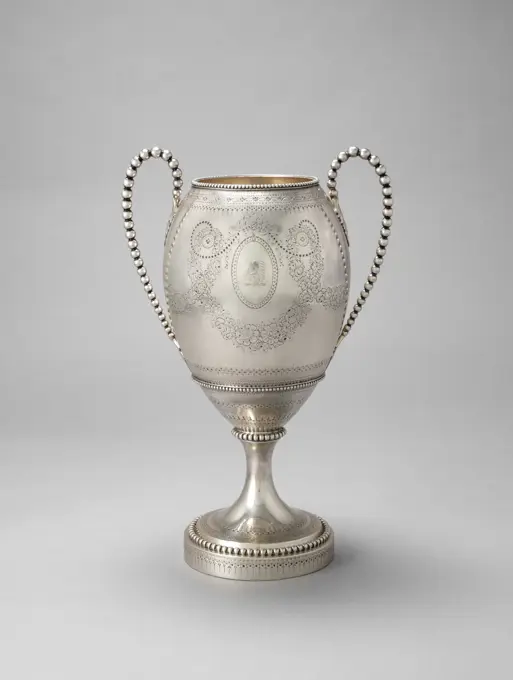
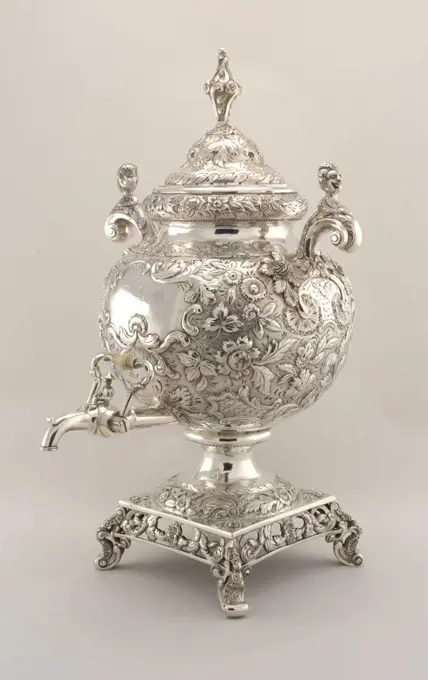
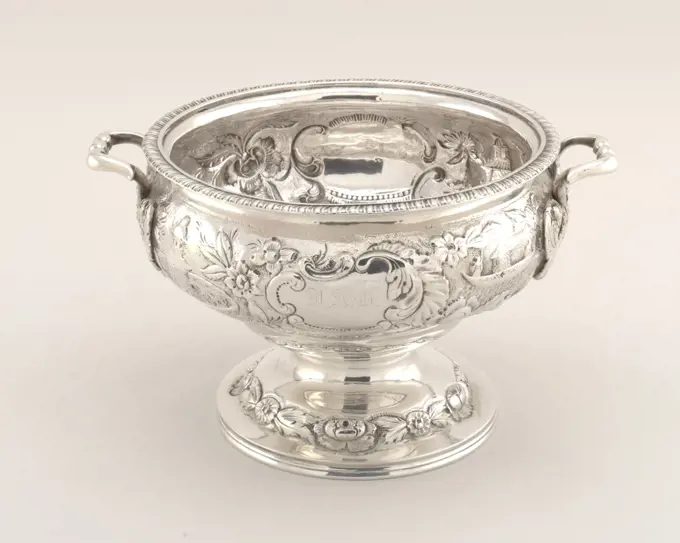
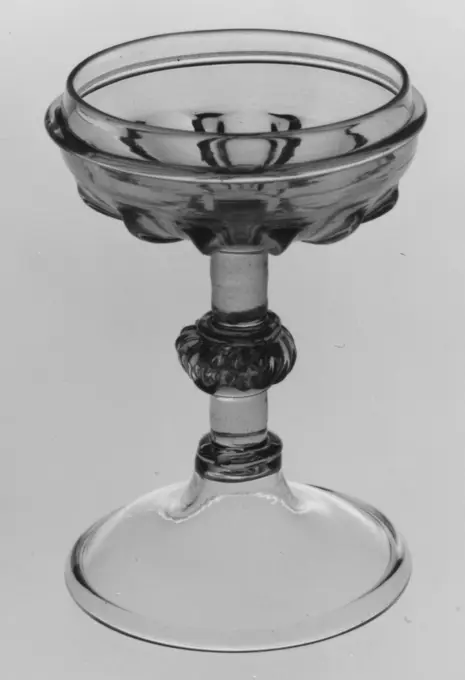
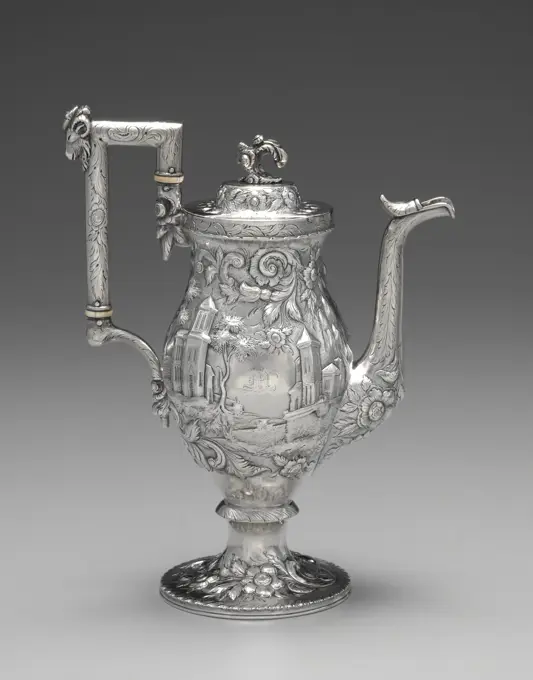
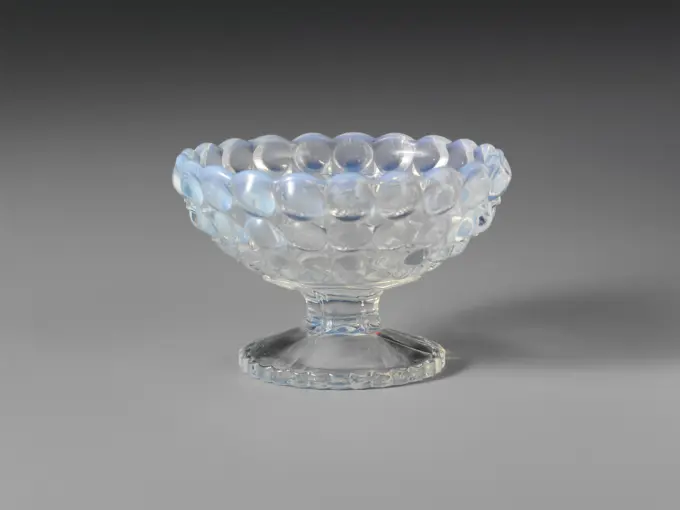
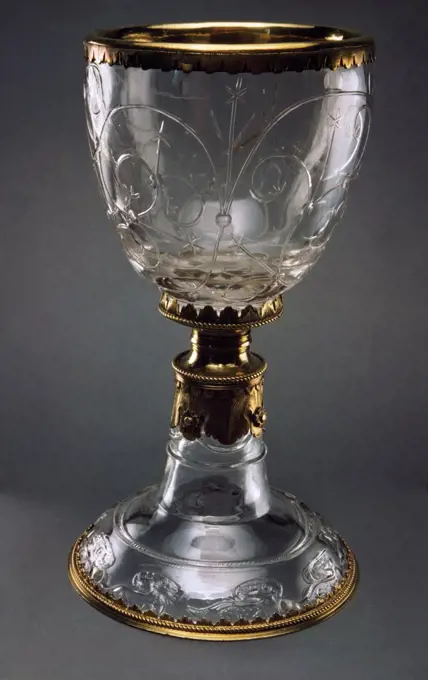
A selection of ornate vases and chalices, characterized by unique shapes and intricate detailing, highlighting fine craftsmanship.

Waza to the soup with the coat of arms Ogo Czyk; Holke, Marcin (Fl. Ca 1765-Ca 1792); The eighties of the 18th century (1780-00-00-1789-00-00);
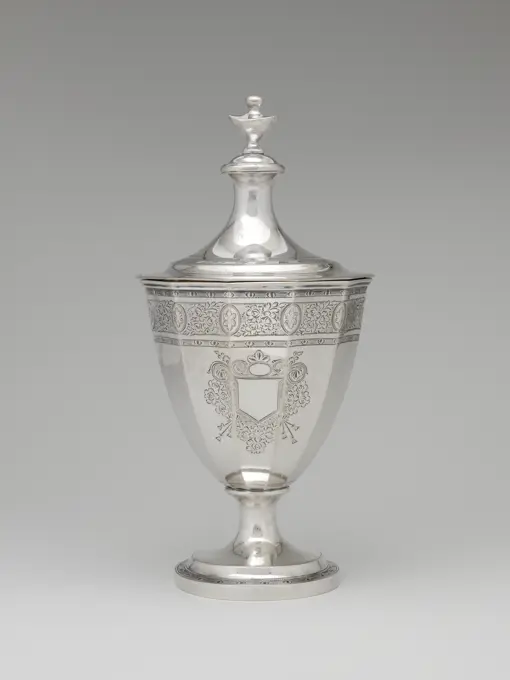
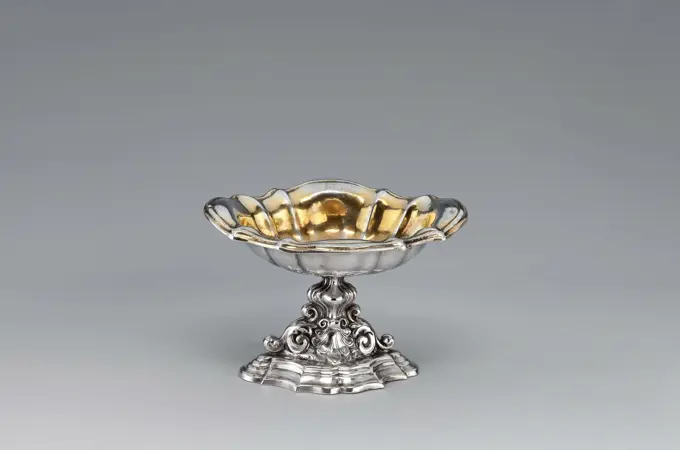
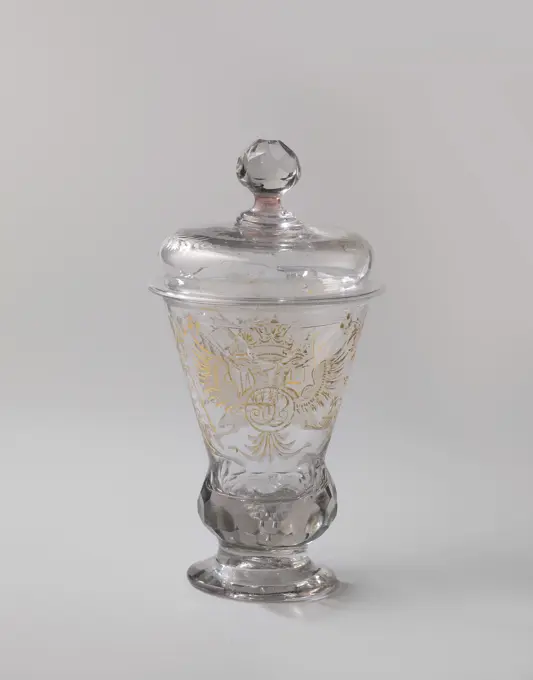
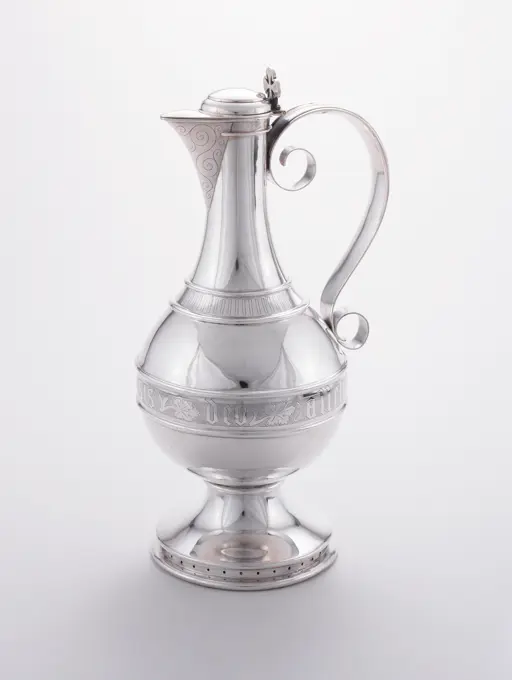
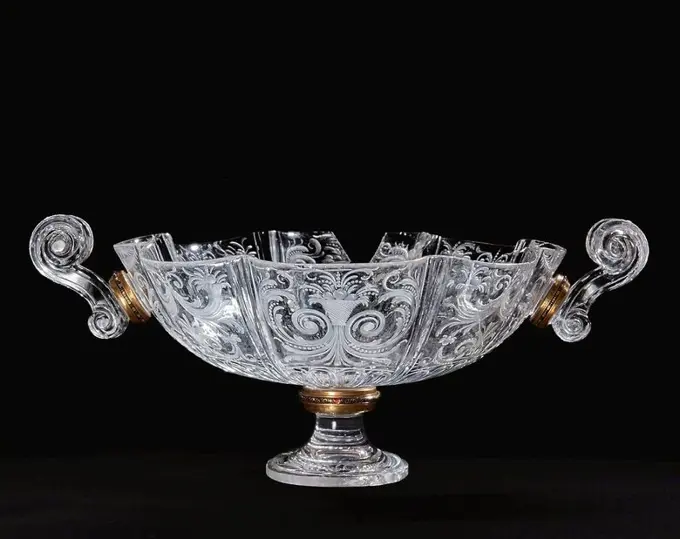
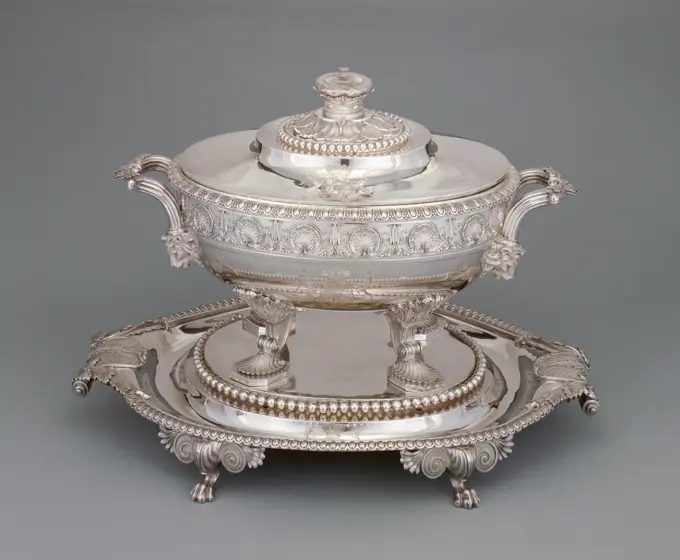
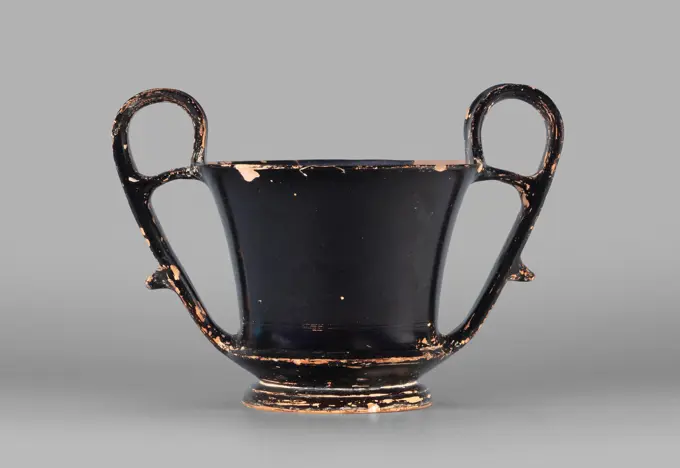
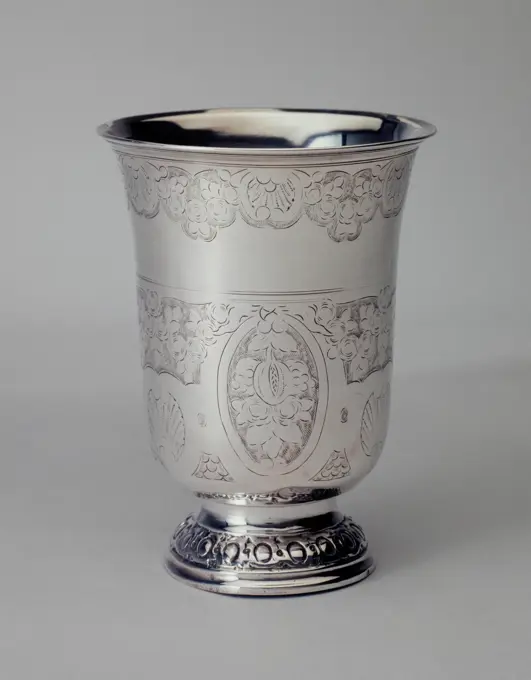
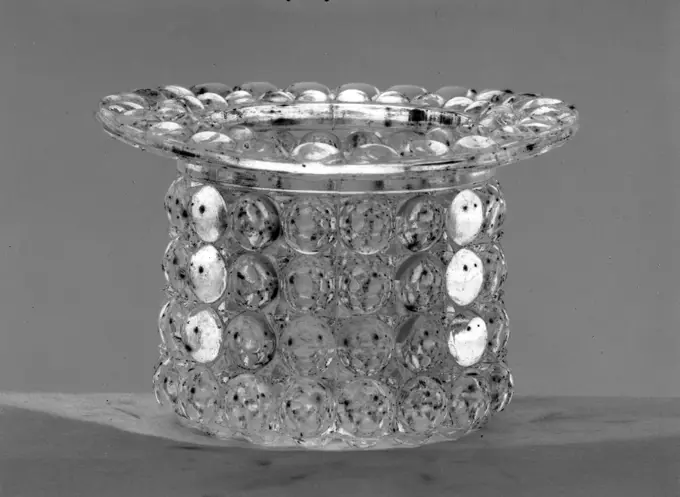
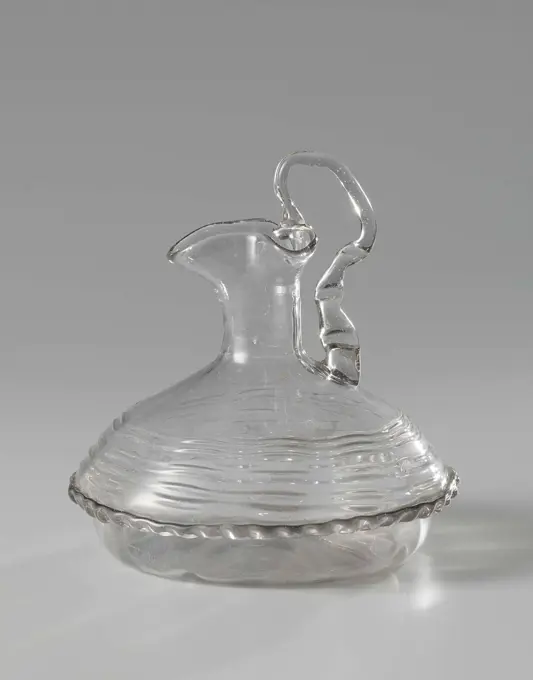
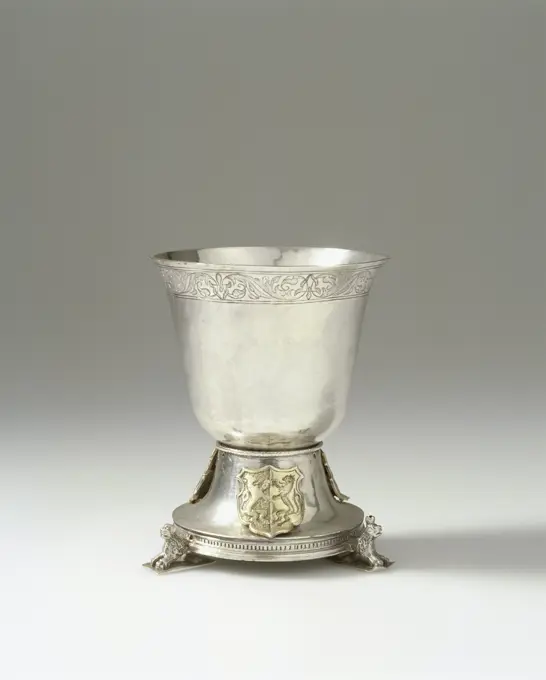
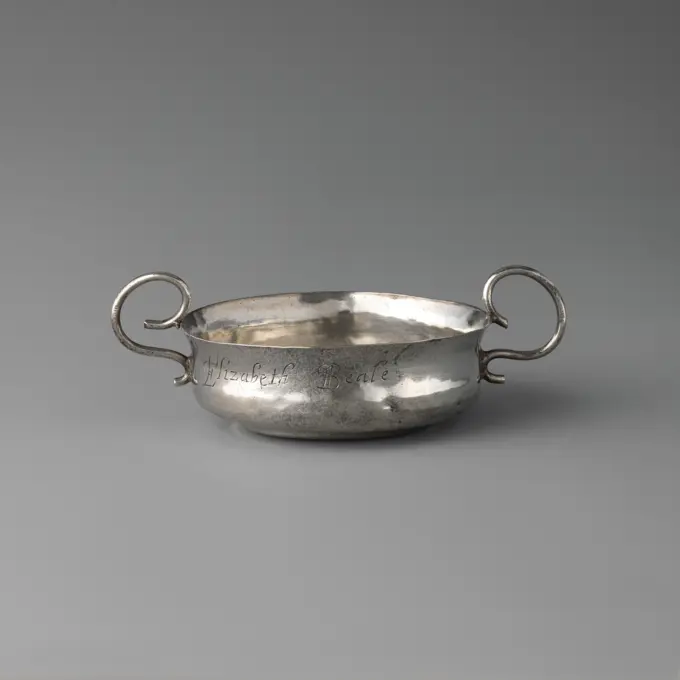
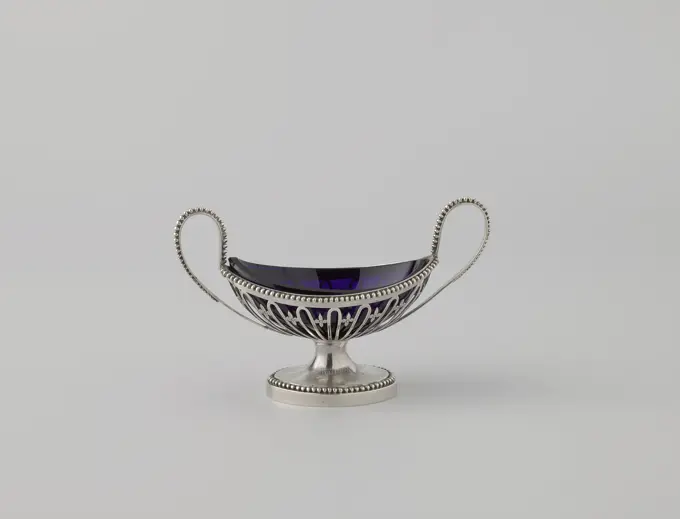
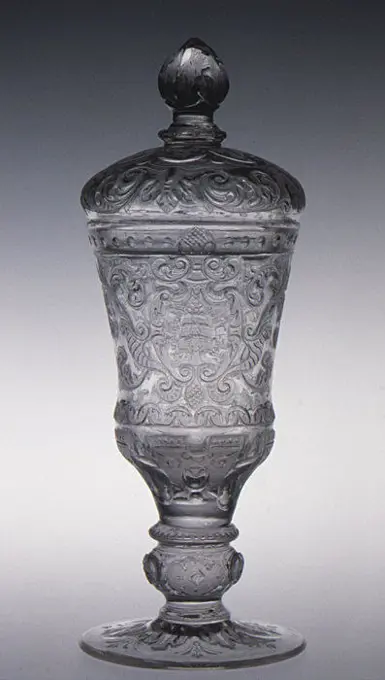
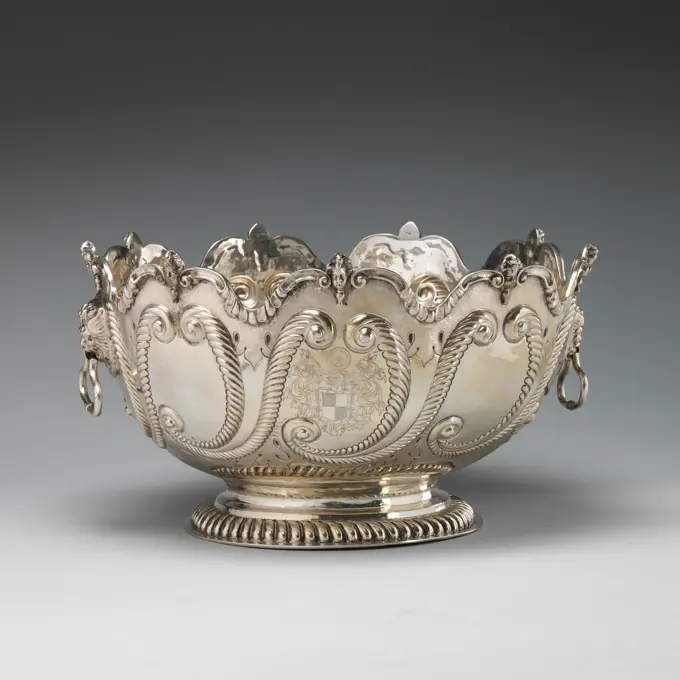
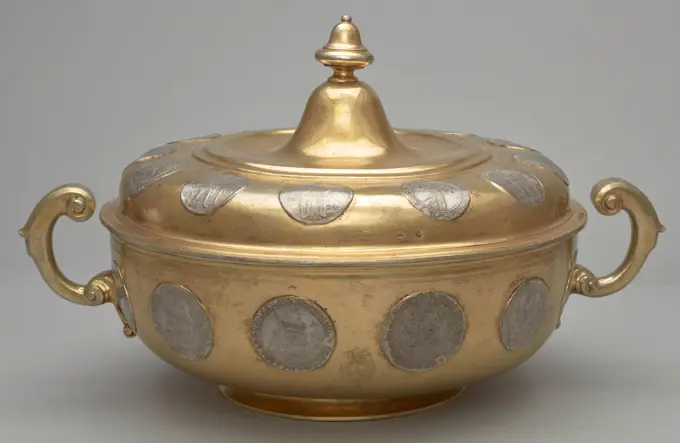
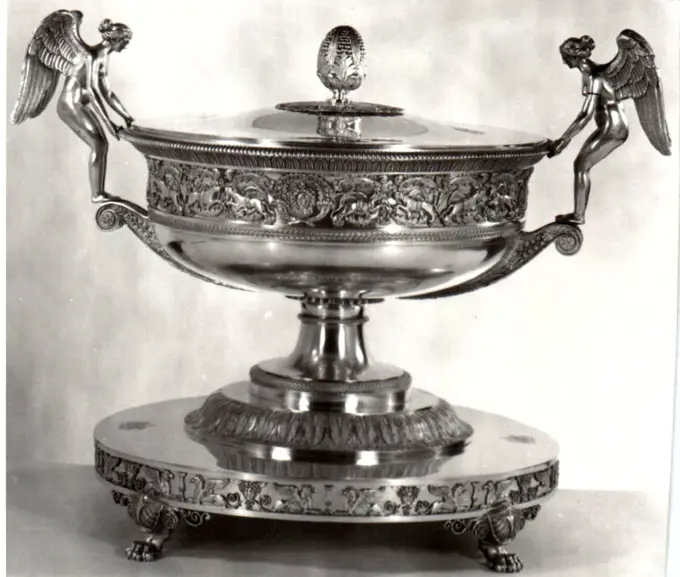
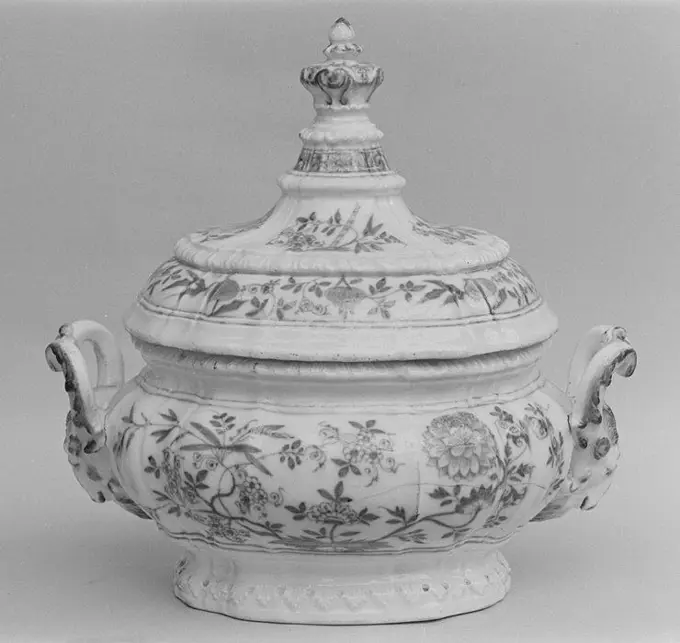
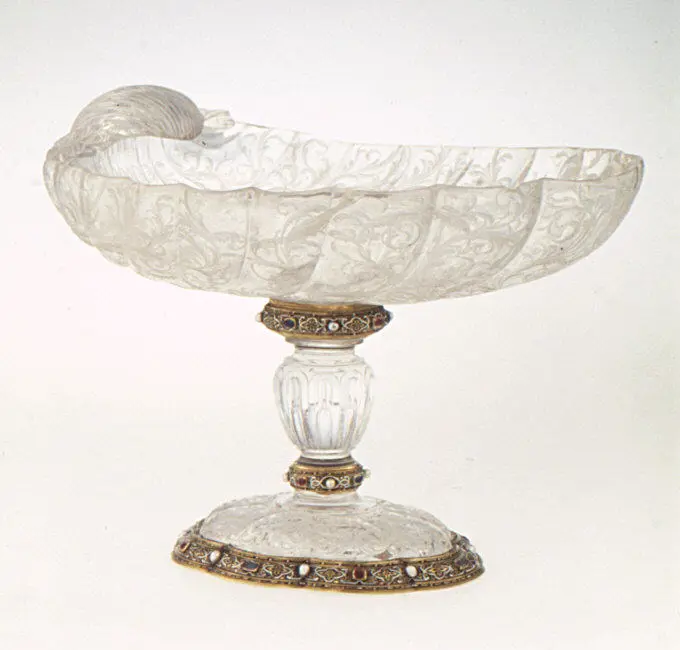
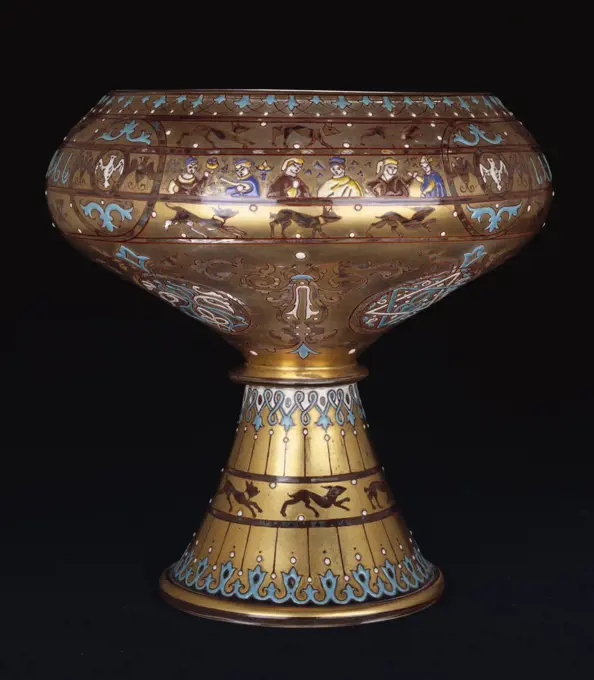
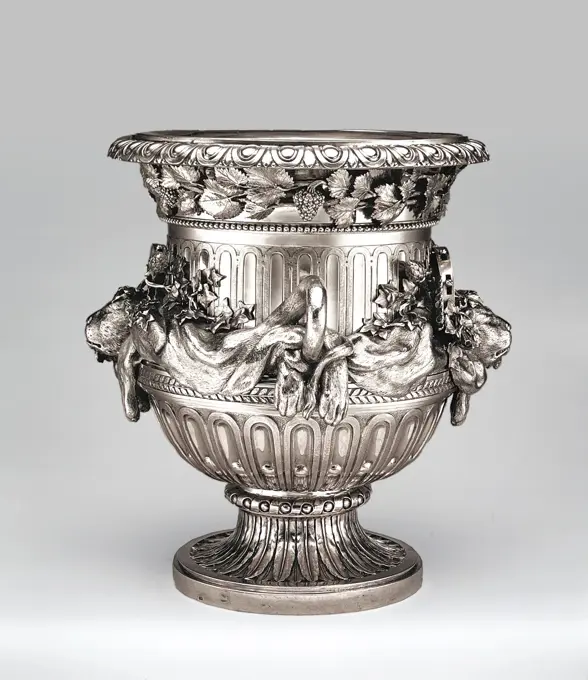
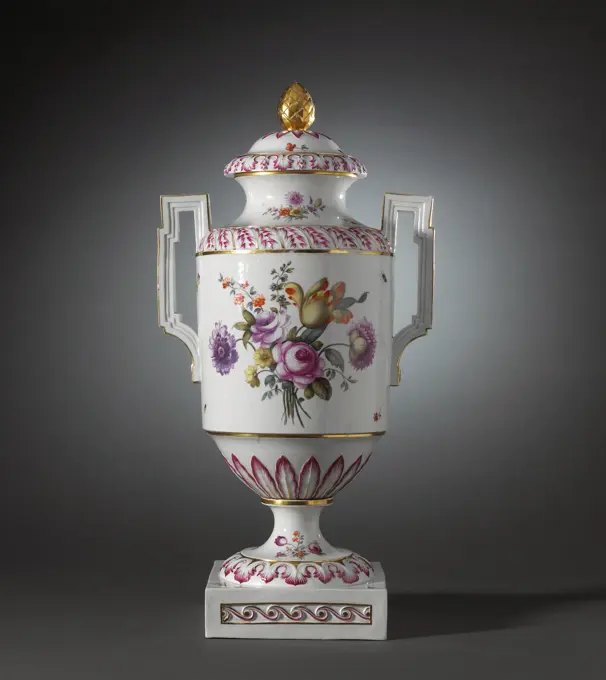
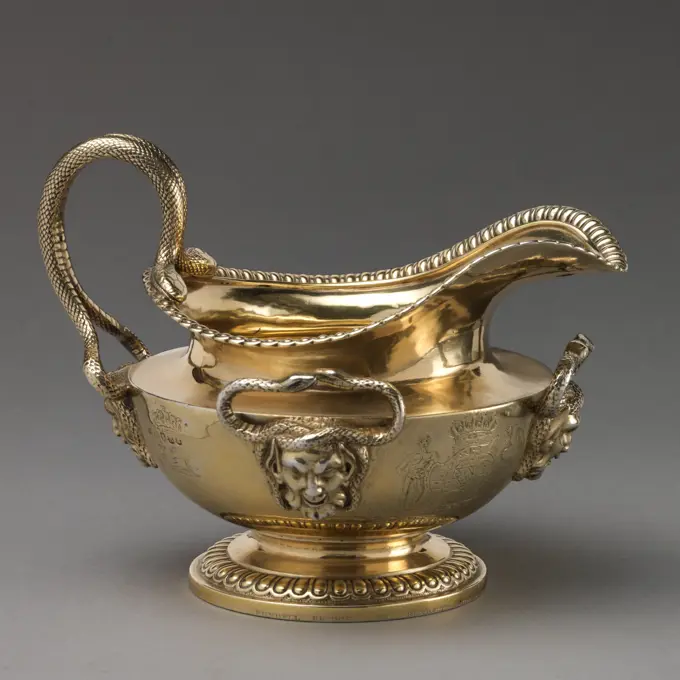
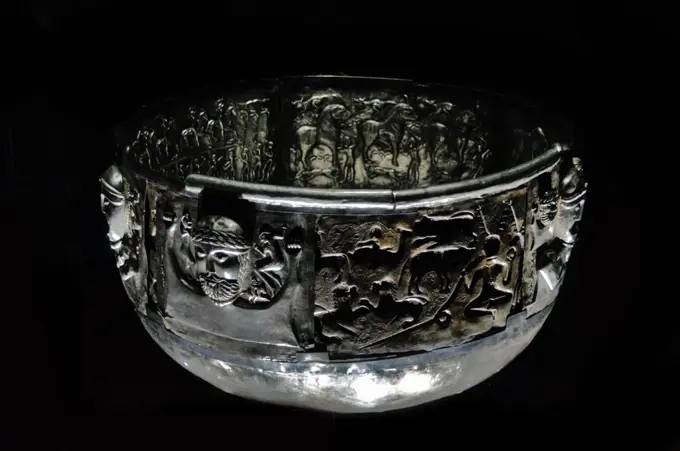
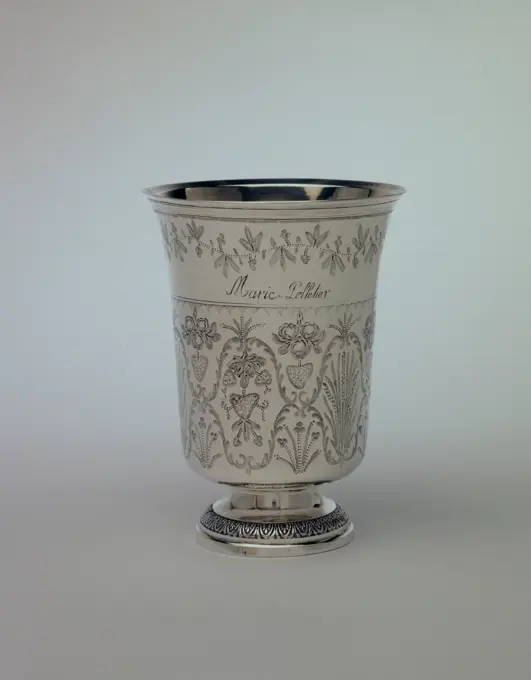
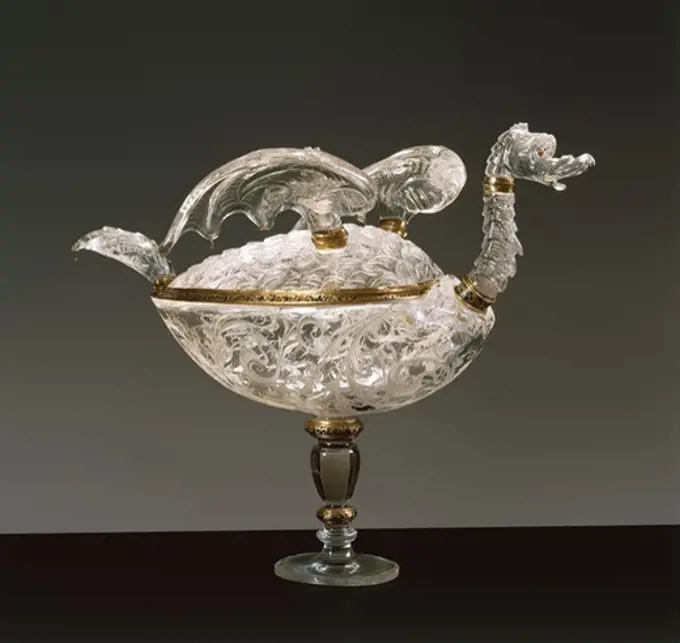
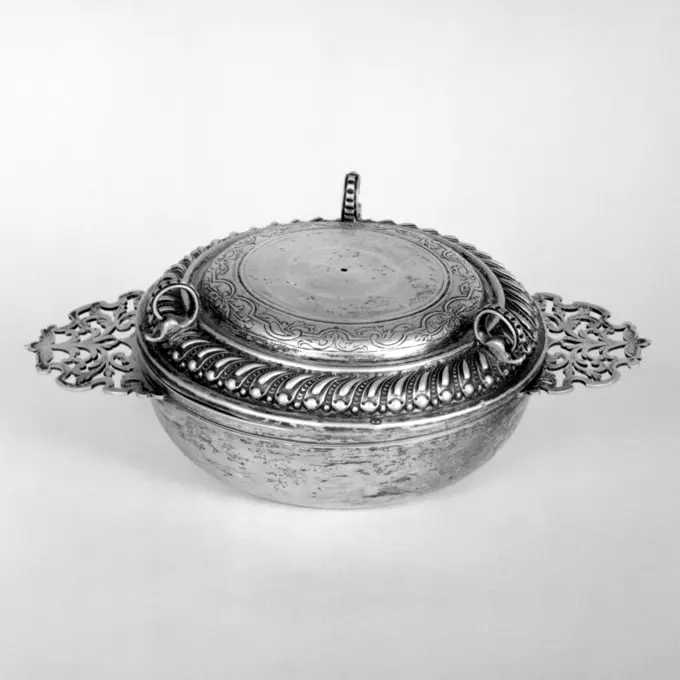
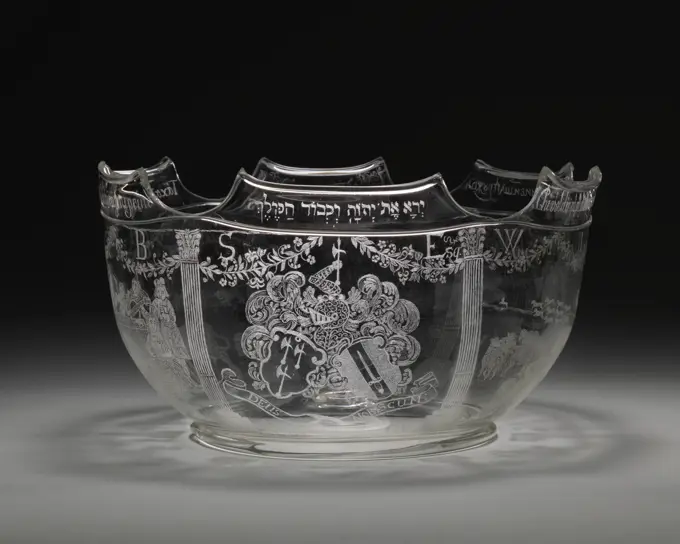
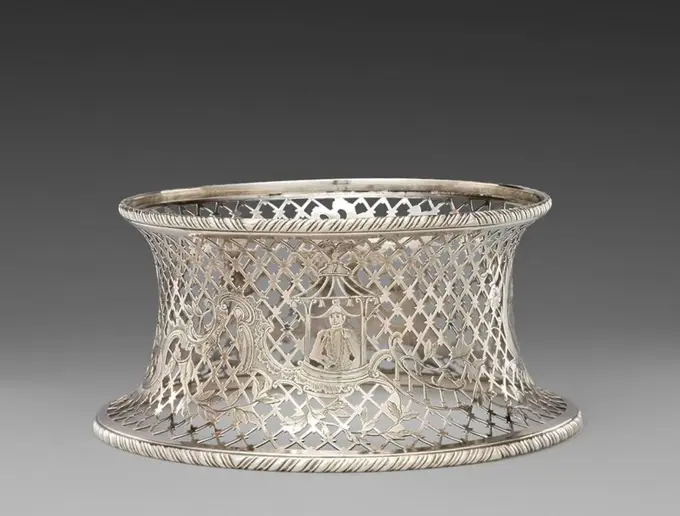
Group of Vases, Porcelinfabriek aan den Amstel, c. 1784 Vase of porcelain. The convex barrel is on a high foot. The top that spreads upwards is open. On either side s-shaped ears, and a gilded, openwork lid. Ouderkerk aan de Amstel porcelain Vase of porcelain. The convex barrel is on a high foot. The top that spreads upwards is open. On either side s-shaped ears, and a gilded, openwork lid. Ouderkerk aan de Amstel porcelainBokaal with the weapon of Anna van Hanover, Anonymous, c. 1735 - c. 1750 goblet Bokaal with curved base of copper. Facet sharpened, baluster -shaped tribe. Bell -shaped chalice with a facet cut, massive bottom with a bubble. On the chalice on a round shield in a cartouche of rolling work, and flanked by flower branches the crowned weapon of Anna van Hanover (1709-1759), the wife of Stadholder Prince William IV (1711-1751). On the reverse of the glass the inscription:. Vivat. Princess. Von. Oranien. Glassblower: Saksennorthern Netherlands Glass. Foot: Copper (Metal) grinding / glassblowingChalice.Sugar urn with cover ca. 1830 Robert and William Wilson. Sugar urn with cover 20426Mosterdpot, Spitsovaal, with openwork wall with pearl lists, Nathanael Teuter, 1805 The four striker ovale, vaulted barrels (A, B, C and D), which have slightly raised walls on the sides, each rest on an oval, strongly rejuvenating foot on a straight -walled base. A hinged, vaulted lid that is crowned by a ribbed pineal -shaped button fits on the body alternating with alternating knots and rosettes. Around the foot, around the upper edge of the body, pearl lists are running over the high rising ears and around the lid. Amsterdam silver (metal) The four striker ovale, vaulted barrels (A, B, C and D), which have slightly raised walls on the sides, each rest on an oval, strongly rejuvenating foot on a straight -walled base. A hinged, vaulted lid that is crowned by a ribbed pineal -shaped button fits on the body alternating with alternating knots and rosettes. Around the foot, around the upper edge of the body, pearl lists are running over the high rising ears and around the lid. AmsterdamWaza to the soup with the coat of arms Ogo Czyk; Holke, Marcin (Fl. Ca 1765-Ca 1792); The eighties of the 18th century (1780-00-00-1789-00-00);Neo-rococo salt cellar. Schreider, Edward (fl. ca 1858-ca 1872), goldsmithIncense barrel, Johannes van der Lely, 1714 Silver incense, with high, spilled four times, vaulted lid. On a chain with a sun -shaped chain plate. Leeuwarden silver (metal) Silver incense, with high, spilled four times, vaulted lid. On a chain with a sun -shaped chain plate. Leeuwarden silver (metal)Sugar Urn 1790-1800 Charles Faris. Sugar Urn 8023Soup Tureen ca. 1865 Chinese, for American market. Soup Tureen. Chinese, for American market. ca. 1865. Silver. Made in ChinaCup and Cover 18th century Japan. Cup and Cover. Japan. 18th century. White porcelain decorated with blue under the glaze, polychrome enamels; mounted in silver gilt (Arita ware, Imari type). Edo period (1615-1868). CeramicsCup on foot with lid, with double -headed eagle with monogram J.E.P. and a weapon trophy, anonymous, c. 1750 - c. 1800 Vaulted foot. Klock -shaped chalice with solid, faceted bottom. On the chalice is a crowned double -headed eagle with the monogram J.E.P. And a weapon trophy engraved. The radgravure is gilded. Germany (possibly) glass glassblowing Vaulted foot. Klock -shaped chalice with solid, faceted bottom. On the chalice is a crowned double -headed eagle with the monogram J.E.P. And a weapon trophy engraved. The radgravure is gilded. Germany (possibly) glass glassblowingFlagon. William Butterfield (England, 1814-1900)John Keith & Co. (England, London, circa 1824-1929). England, 1850-1851. Furnishings; Serviceware. SilverKomfoor on three legs with hollow curved open -sawn wall, Pieter Bronsvelt (attributed to), 1736 The round grinding rests on three legs and has two ears with hinged handles. The cast legs have the shape of a narrower volute with beveled corners, made up of a sphere and a hollow part, both with deepened roughened fields, and decorated with acantus leaves, the upper of which is curd over the profiled bottom edge of the bowl. From this border poured between the legs, symmetrical, openwork decorations from band work with leaf fillets and a fan pattern in the middle. These decorations are connected to each other behind the legs. The flat bottom is contained in the lower edge; In the middle he has a large opening for the burner that is now missing. The hollow vaulted wall has a straight top and is sawn open with two abstract symmetrical patterns made up of volutes, fields of grille and other elements, both of which prevent three times. The top shows an edge of windows and ovals between which. Hansken is in de kelder’ (Hansel is in the cellar) can be read on the shield of the knight in the middle of the dish. Beneath the knight’s feet is an opening. When the dish is filled with drink, Hansel - a tiny baby - rises up. In the 17th century wealthy people used such dishes to announce the forthcoming birth of a child to their friends and family.Toy altar cruet -Covered Bowl. Possibly United States, probably late 18th century. Furnishings; Serviceware. GlassArthur Manwaring, Two-Handled Cup and Cover, 1659/60, silver.Tea Urn, 1781. Henry Greenway (British). Silver and ivory; overall: 47.3 x 26.1 x 25.6 cm (18 5/8 x 10 1/4 x 10 1/16 in.).Baldwin Gardiner, Wine Cooler, c. 1827-48, silver.Tea/hot water urn, Silver, Urn (b) consisting of bulbous circular section repoussé and chased with foliate scrolls and flowers on a punch work ground all centered by two rococo cartouches, the center engraved with initials 'J.A.B', the other on the back with initials 'J.B.P' on Gothic capital letters. Square base pierced with foliate scrolls. Lid (e) with matching floral and foliate decoration and rococo spiral knob finials, unmarked, granular base. Part of a repoussé and engraved tea set consisting of teapot (a), urn with lid (b,e), creamer (c), sugar bowl (d)., Baltimore, Maryland, USA, ca. 1845, metalwork, Decorative Arts, Tea/hot water urnSugar bowl, Silver, ivory, Part of repoussé and engraved tea set consisting of teapot (a), urn with lid (b,e), creamer (c), sugar bowl (d)., Baltimore, Maryland, USA, ca. 1830-46, metalwork, Decorative Arts, Sugar bowlChalice 1827-1828 London. Silver gilt with spessartine garnets . John Bridge (Inscribed by)Two-Handled Cup, 1686. England, London, 17th century (James II). Silver gilt; overall: 23.9 x 32.4 cm (9 7/16 x 12 3/4 in.). Produced a year after the coronation of James II (1633-1701), this silver cup and the accompanying lid celebrate the monarchy and reflect the political and social alliances that underpinned the aristocracy during the 1600s. During their coronation, James II and his second wife Mary of Modena (1658-1718) were carried through the city of London under a silk canopy adorned with motifs inspired by European perceptions of Chinese art, known as chinoiserie. Following the procession, the thirty-two lords involved in the ceremony were each offered a portion of the cloth from the canopy as well as sixteen troy ounces of silver from the posts. At least two of them commissioned cups adorned with chinoiserie to be made from the silver. While it is unclear if this cup once belonged to one of the thirty-two peers, it was almost certainly created in response to the same motifsCup, anonymous, c. 1660 Bokaal of gold, completely enameled on a white stock. The base of the cup, with a flat stain ring with a diamond pattern, is designed as a hill with a gnarled tree trunk on the top, which serves as a tribe of the cup. Enayed Golden Figures are attached to the fully -covered foot. Orpheus sits against the tree trunk, playing on his viola. At his feet there are Amors, Mermaids and many birds, including a peacock, a rooster, a parrot, two swans and two eagles. The top of the tree trunk is surrounded by Amors and red enameled tongues, which enclose the base of the cuppa. On the outside of the cuppa, four performances from the metamorphoses of Ovidius are painted: the creation of heaven and earth (Ovidius, metamorphoses 1, 21-75); the creation of man (Ovidius, metamorphoses 1, 76-88); The Golden Age (Ovidius, Metamorphoses 1, 89-112) and the Silver Age (Ovidius, Metamorphoses 1, 113-124). The performances are separated from each other by poplars. On the inside of theIce Pail, Porcelinfabriek aan den Amstel, c. 1784 - c. 1809 Ice vase on a square plinth, contains a loose inner box that is covered by a deepened lid. The deepened lid is covered by a rushing lid, crowned by a pineal. Multicolored landscapes with birds are painted on the wall and on the lid. Marked: Amstel in blue under the glaze. Ouder-Amstel porcelain Ice vase on a square plinth, contains a loose inner box that is covered by a deepened lid. The deepened lid is covered by a rushing lid, crowned by a pineal. Multicolored landscapes with birds are painted on the wall and on the lid. Marked: Amstel in blue under the glaze. Ouder-Amstel porcelainWorkshop of the Miseroni () / 'Rock crystal drinking vessel with stem motifs and scroll-shaped handles'. Ca. 1610. Rock crystal / Hyaline quartz, Enamel, Gold. Museum: Museo del Prado, Madrid, España. Author: TALLER DE LOS MISERONI.Mortar ca. 1504 Dutch. Mortar 204724Set of three tea caddies with spoons. Culture: British, London. Dimensions: Overall (.1a, b, confirmed): 7 1/4 × 4 7/8 × 3 5/8 in. (18.4 × 12.4 × 9.2 cm);Overall (.1c, confirmed: 1 5/8 × 5 1/2 in. (4.1 × 14 cm);Overall (.2a, b, confirmed): 6 9/16 × 4 3/16 × 3 3/8 in. (16.7 × 10.6 × 8.6 cm);Overall (.2c confirmed): 1 5/16 × 5 in. (3.3 × 12.7 cm);Overall (.3a, b, confirmed): 6 5/8 × 4 × 3 3/8 in. (16.8 × 10.2 × 8.6 cm);Overall (.3c, confirmed): 1 3/8 × 5 in. (3.5 × 12.7 cm). Maker: John Swift (British, active from 1728). Date: 1762-63. Museum: Metropolitan Museum of Art, New York, USA.Footedbowl. Maker, possibly by: James Adam, American, 1755-1798Maker, possibly by: John Adam, American, 1774-1846Urn with cover ca. 1780-90 Wedgwood and Co.. Urn with cover. British, Etruria, Staffordshire. ca. 1780-90. Black basalt ware. Ceramics-PotteryTureen With Cover; lead-glazed earthenware (cream ware”)Lidded terrine and stand, Johannes Schiotling, 1780 The round underput and terrine are attached to each other with a screw. The vaulted dish rests on a low, profiled stand ring. A pearl list runs over the slightly raised outer edge; A double row of acanthus leaves are driven within that. In the middle, where the dish rises, it is driven with two rayed layers of laurel leaves. Dish and Terrine are separated from each other by a wide ring, decorated with a pearl list and trimmed along top and bottom with a narrow cable edge. The lower part of the terrine is decorated with a rayed wreath of hollow Godrons. Around the upper part is a rowed edge with four rectangular panels opened with leaf fillets, separated by square fields with rosettes. A pearl list runs over the top edge. The loose lid closes over this list with a straight wall, so that when the terrine is closed is not visible. The vaulted, rejuvenating lid is driven with a wreath of laurel leaves applied from the middle. It is crowneVase, painted with flowerguirles and lion heads, manufacture Oud-Loosdrecht, c. 1778 - c. 1782 Vase with lid made of porcelain, painted with multicolored flowerguirlandes. The lion heads in brown, red and black with gold ring in the mouth. Golden piping along various edges. Button gilded. Loosdrecht porcelain Vase with lid made of porcelain, painted with multicolored flowerguirlandes. The lion heads in brown, red and black with gold ring in the mouth. Golden piping along various edges. Button gilded. Loosdrecht porcelainPair of Lidded Tureens. Paul Storr (English, 1771 - 1844). Ampoule with a hinged, bold lid and rest on a round foot with a flat bottom edge. The base is made up of a brooch and a nurse, rejuvenating part. The rejuvenating portion is articulated by a flat ring. The body has a convex belly and a straight wall. Pofiled lists along the middle of the wall and along the top. On one side is a triangular spout, on the other side a ear in the form of a volute. The thumb trust has the form of a wide-worked, voted letter, an A and a V, respectively and a V. These are repeated above the spout in engraved form.Salver, Ecuelle And Cover (Germany)Sessile currents; Unknown attic workshop; around 430 BC (-435-00-00--425-00-00);Greece, thin -walled ceramics, table ceramicsHenri-Nicolas Debrie. "Cup". Money. 1750-1800. Museum of Fine Arts of the City of Paris, Petit Palais. 74381-20 Money, silverware, gobletCornelis writer's jar. Cup on round, vaulted foot, which trusses of shells. Hollow strain with engraved leaves, carries a chalical, along the underside through a smooth belt surrounded Cuppa: downstairs his nautical attributes depicted above, a relief is a slag at a port. The lid was awarded by a bald button, including a wreath, hammered acanthus leaves, underneath the same crowned coat of arms (Admiralty of Amsterdam) on crossed anchors and weapon trophies.Pair of candlesticks ca. 1735-40 Possibly by Robert Calderwood. Pair of candlesticks 202371Sauceboat (one of a pair) 1717/18 Paul de Lamerie British. Sauceboat (one of a pair) 238568Glass Goblet 1667-1699 Vienna. Glass, silver gilt, and jewels .Toothpick Holder ca. 1888 Richards and Hartley Flint Glass Co.. Toothpick Holder. American. ca. 1888. Pressed yellow glass. Made in Tarentum, Pennsylvania, United StatesPair Of Vases And Cover; Manufactured by Royal Worcester (England, GB, United Kingdom); porcelain, polychrome and gilt decorationCan. Can with ribbed, slightly inserted bottom. Printed, spherical body with a ribbed wire and excited smooth wires. The neck runs out in a three-passed mouth. Irregularly shaped high-assuming ear.Compote -Kroes with three coats of arms, on three lying lions, Anonymous, c. 1500 - c. 1550 Kroes of silver. The chalice buys out widely; The cone -shaped foot rests on three lying, crowned lions (two crowns have been broken off). Ranks engraved around the lip edge. Three coats of arms have been attached to the foot, one with the weapon of Gelderland, one with a monogram (a large K between a small V and G and one with a weapon: celebrated, 1 and 4, 2 and 3 accompanied by three of three Towers placed in 2 and 1. Gelderland (Possible) silver (metal) engraving Kroes of silver. The chalice buys out widely; The cone -shaped foot rests on three lying, crowned lions (two crowns have been broken off). Ranks engraved around the lip edge. Three coats of arms have been attached to the foot, one with the weapon of Gelderland, one with a monogram (a large K between a small V and G and one with a weapon: celebrated, 1 and 4, 2 and 3 accompanied by three of three Towers placed in 2 and 1. Gelderland (PossibleCALIZ DE SAN SEGUNDO. Location: CATEDRAL DE SANTA MARIA. ASTORGA. LEON. SPANIEN.Wine taster 1687-88 S. H., London. Wine taster. British, London. 1687-88. Silver. Metalwork-SilverStemmed cup () probably 16th century Italian (Venice) or façon de Venise. Stemmed cup () 460728Neo-Rococo Coffee Pot, c. 1840. Samuel Kirk (American, 1793-1872). Silver and ivory; overall: 30.4 x 23.5 x 12 cm (11 15/16 x 9 1/4 x 4 3/4 in.).Footed Dish ca. 1888 Richards and Hartley Flint Glass Co.. Footed Dish 7522Urn (one of a pair) 1778-80 James Neale. Urn (one of a pair). British, Hanley, Staffordshire. 1778-80. Black basalt ware. Ceramics-PotteryJar with lid, with the weapon of Johann Philip von Walderdorff, Aartbischop and Elector of Trier, Anonymous, c. 1756 - c. 1768 Conical foot with turned around and pontil brand. Stam made up of three faceted nodes with a long -dish bubble inserted. Conical, rounded and faceted chalice with a thickened bottom in which an air bubble is stabbed. Lid with a wide flat edge, and a button consisting of three faceted nodi with an elongated bubble. On the chalice, the weapon of Johann Philipp von Waldorff, Aartbisoop and Elector of Trier (1756-1768) was held by two lions on a surface with lambrequins. Displayed is a four -part weapon with a Capricorn with banner in the first and third fifteen minutes and a cross in the second and fourth fifteen minutes. Central a crowned heart shield with horizontal beams in the first and third fifteen minutes and climbing lions crowned in the second and fourth quarter. The helmet sign consists of a lance and a staff. The faceted lid is decorated with flower andChalice, Antiques, HousewaresSilversmith's Art, Italy 19th century. Silver, tripod-shaped sugar bowl with mythological figures-shaped stands and cover with cone-shaped handle.CALIZ. Location: CATEDRAL. LUGO. SPAIN.Tea Caddy (England); Made by David Hennell, Robert Hennell; silverCommemorative beer mug (stein). Malcz, Karol (1797-1867), authorWarwick Vase 1823-1824 England. Silver . Paul StorrPaul de Lamerie, Cream Boat, 1745/46, silver.Inner box of blue glass, Nathanael Teuter, 1805 Inner box of blue glass. Amsterdam glass Inner box of blue glass. Amsterdam glassStanding cup with cover ca. 1700 Workshop of Friedrich Winter In 1687, a glass engraving studio set up under privilege of Count Christoff Leopold von Schaffgotsch granted to Friedrich Winter, to engrave glass in the manner of crystal. Technique was "Hochschnilt," difficult and rare cameo relief done with aid of water mill specially set up in 1690-91 at Petersdorf in the Hirschberger Tal on the Silesian side of the Riesenbirge mountains. Fir-tree and pine cone, devices of the Schaffgotsch, often figure in the decoration. Standing cup with cover 195823Monteith 1695-96 Charles Overing. Monteith. British, London. 1695-96. Silver. Metalwork-SilverNautilus shell box 1619/20, with later restorations British, London The fashion for nautilus cups as table decorations originated in the Low Countries, and impresses us as a typical choice for a seafaring nation. Most of the shells came from distant oceans, and their silver or silver-gilt mounts retained the flavor of the sea by featuring marine motifs. From the Low Countries the fashion for these cups spread to Germany and to England. In England they remained rare, however, and so far as we know this is the only English nautilus cup of the period.. Nautilus shell box 205005Waza with a lid blown up with numismates Holl, Hieronymus (1654 1732)Hundred District; Fraget, Józef (Warsaw; Silver and Plated Products Factory; 1824-1945); 1840 (1840-00-00-1840-00-00);Goblet. UnknownGold Cups, Torques, and Pendant . Unknown 10th-9th century B.C. Gold objects. See individual records for descriptions.Butter with art nouveau motifs. Butter filling consisting of four parts. The subset, the outer bin and the lid are tin and are decorated at Jouvendstil floral motifs. The unforded inner container is made of glass.Inner box of Zoutvat, Christiaan Mensink, 1803 Inner box of blue glass. Amsterdam glass Inner box of blue glass. Amsterdam glassTankard with Biblical Scenes 1569 Passau. Silver gilt .Vase from the dinner set of Hetman Branicki. Odiot, Jean-Baptiste-Claude (fl. 1785-1827), goldsmith, Odiot, Maison (Paryż ; firma złotnicza ; fl. 1690-), goldsmiths companyTureen with cover ca. 1735 Meissen Manufactory German. Tureen with cover 199215Anonymous / 'Small rock crystal ewer with boys and handles in the form of serpents'. 1550 - 1575. Rock crystal / Hyaline quartz, Enamel, Gold, Silver-gilt, Ruby. Museum: Museo del Prado, Madrid, España.Tazza second half 16th century, mounts 19th century Mounts after a design by Reinhold Vasters German The XVI century bowl has been mounted according to designs by Reinhold Vasters. A baluster-shaped stem and lobed foot, both with black-and-white enameled mounts have been added, exactly as indicated by Vasters.. Tazza. Italian, Milan. second half 16th century, mounts 19th century. Rock crystal, gold, enamel, rubies, sapphires, pearls. Natural Substances-Rock Crystal. The shape and the decoration of these sugar casters are derived from vases from Classical antiquity. The holes through which the sugar was sprinkled are cleverly incorporated into the ornamentation of the cap. The sugar was sprinkled over fruit and desserts.A fine brocaded enamelled glass footed bowl. The exterior enamelled with human figures and running animals. Circa 1860-70, 20.7cm high.Footed Bowl second quarter 14th century This standing cup or 'tazza' is composed of three pieces: foot, stem and bowl. The Arabic word "the learned: is repeated three times on the foot. This large vessel probably functioned as a container for fruit or sweetmeats and would originally have been surmounted by a knobbed lid.. Footed Bowl 447702Condiment Set 1809 England. Silver . Rebecca Emes (Maker)Crown on the TorahWine cooler (one of a pair) marked 1781 Ignaz Joseph Würth Austrian The wine coolers formed part of the now dispersed so-called Second Duke of Sachsen-Teschen Service, which originally included all kinds of silver tableware as befit the splendor of royal dining. The overall style is indebted to French Neoclassical designs and encapsulates the strong appreciation of contemporary French art and culture by the patrons, Duke Albert Casimir of Sachsen-Teschen (d. 1822) and his consort, Archduchess Maria Christina of Austria (d. 1798), sister of Queen Marie-Antoinette and daughter of Empress Maria Theresa. Nonetheless, the vigorous design, the sparkling play of textures, and the daring juxtaposition of classical elements with whimsical sculptural details embody the freshness of the Viennese interpretation of high-style French Neoclassicism. In 1780 the duke and archduchess were appointed joint governors of the Austrian Netherlands. Imperial court goldsmith Wiirth created a magnificent servicPot (1 of 2), 1817-18. England, 19th century. Cut glass;Covered vase with birds on a branch and bouquets, Fürstenberg, c. 1785 - c. 1790 Porcelain lid vase on a spreading foot ending in a square pedestal and with a cylindrical body with a round shoulder and narrowing to the foot. Spreading neck with a flat edge and high, angular ears. Painted on the glaze in blue, red, pink, green, yellow, purple, black and gold. On the belly two birds on a branch in a landscape and a bouquet of different flowers. In between sprinkling flowers and insects. The narrowing part to the foot with a band with modeled raised leaf motifs in relief. The shoulder and the foot with the same decoration as on the abdomen with a bond with leaf vines in relief. A flower or insect on the corners of the pedestal. The sides with a curly motif in Bas-relief. Golden Rand. Marked on the bottom with the F and A.F. Fürstenberg porcelain. glaze. gold (metal) painting / gilding / vitrification Porcelain lid vase on a spreading foot ending in a square pedestal and with a cylindricalCream jug (part of a set) 1812/13 Paul Storr British This tea set is an example of work done by Paul Storr while working exclusively for the firm of Rundell, Bridge & Rundell, which supplied designs. The set is probably from a design by William Theed II (1764-1817), who was a product of the art school connected with the Royal Academy. He spent time in Rome and Naples before returning to England as a designer, modeler, and sculptor. From 1803, he was principle designer to the Rundell firm. The teapot is inspired by an ancient Roman hand lamp, the spout recalling the form of the wickholders, the hinged cover was added to bring the "lamp" into line with contemporary teapots. Everything about the set suggests massiveness and strength. The armorial achievement of the first owner, Anne Catherine McDonnell, countess of Antrim, is engravedwith two supporters, a "wild man" crowned with ivy and a falconand is ensigned with the countess' coronet. The McDonnell crest, separately engraved, appearSmall epergne - confetere. Radke, Emil (fl. 1830-ca 1867), goldsmithThe Gundestrup cauldron is a richly decorated silver vessel; thought to date between 200 BC and 300 AD; placing it within the late La Tène period or early Roman Iron Age. The cauldron is the largest known example of European Iron Age silver work. It was found in 1891 in a peat bog near the hamlet of Gundestrup in the Aars parish of Himmerland; DenmarkAJLC Berger. "Cup". Money. 1811-1819. Museum of Fine Arts of the City of Paris, Petit Palais. 74383-4 Money, silverware, gobletGoldsmith's art, Italy, 16th century. Dragon-shaped rock crystal and enamelled gold bowl with lid. Height 23 cm. Saracchi Workshop manufacture.Cup ca. 1870-80 Alfred André French. Cup 194224Écuelle with cover 1714-18 Esaias Busch III. Écuelle with cover 206179Egg-stand 18th century German. Egg-stand 189103 German, Egg-stand, 18th century, Pewter, H. 5 7/8 in. (14.9 cm); Diam. of bowl 4 7/8 in. (12.4 cm). The Metropolitan Museum of Art, New York. Rogers Fund, 1906 (06.794)Paul de Lamerie, Teakettle, Stand, and Lamp, 1726/27, silver.Monteith with the Gibbs and Nelthorpe coats of arms 1700 British Monteiths, filled with ice water, were used to cool wineglasses, which were suspended in the water by the foot held in the notches of the rim. At the time this piece was made, monteiths were primarily of silver; thus this rare example is an unusually large object to be found in glass. The piece was engraved (with a diamond point) with the arms commemorating the marriage of William Gibbs of Horsley Park, Essex, and the heiress Mary Nelthorpe and inscribed with the name of the groom. Around the rim are moralizing inscriptions in Italian, Hebrew, Slavonic, Dutch, French, and Greek (such as "Fear God and honor the King" in the main panel). Cupid sitting between the bride and groom sings from a songbook while musicians assembled around a table play the lute, viol da gamba, and recorder. Other panels are engraved with scenes of country pursuits, such as harvesting and fishing. This monteith is the Museum's earliest example of fPair of vases with covers ca. 1820-40 Lane Delph. Pair of vases with covers 201962Garden Urn Emblematic of Winter 1750-1799 England. Lead .Egg glass; Koenigliche Porzellan Manufaktur (KPM; Berlin; 1763-1918); 1780-1800 (1832-00-00-1850-00-00);Dish Ring. Charles Townsend; Irish, active 1770-1785; Dublin, Ireland. Date: 1772. Dimensions: 9.8 × Diam. 20.3 cm (3 7/8 × Diam. 8 in.). Silver. Origin: Dublin. Museum: The Chicago Art Institute, Chicago, USA.Sugar Bowl Made 1815-1825 Paris. Hard-paste porcelain, polychrome enamels, and gilding . Denuelle Porcelain Manufactory (Manufacturer)