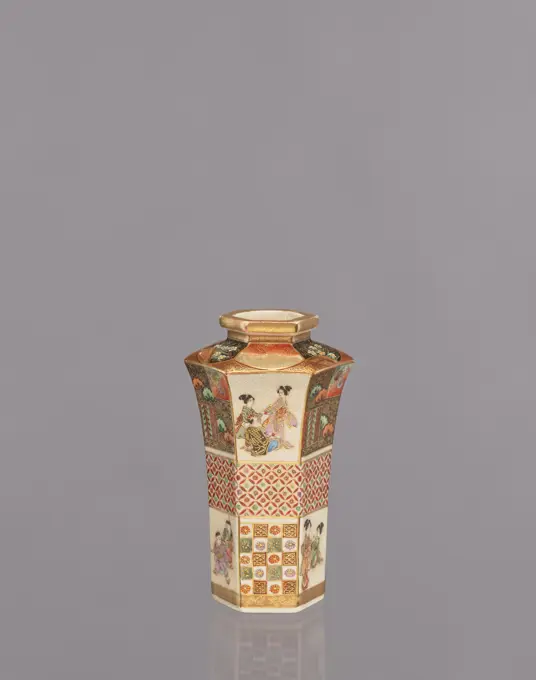
Decorative Vases and Jars

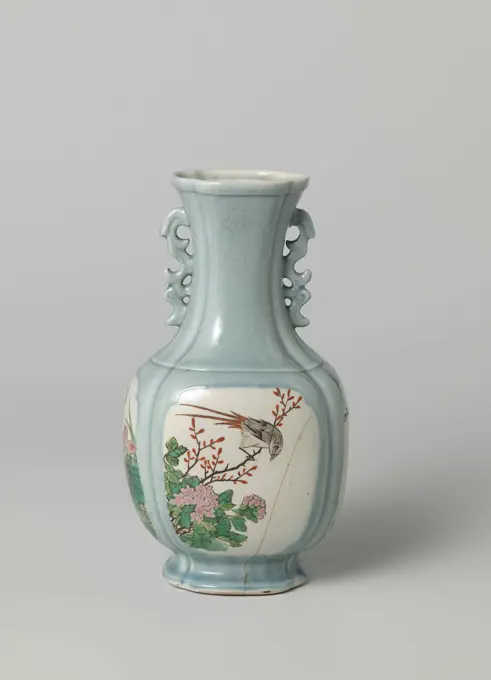
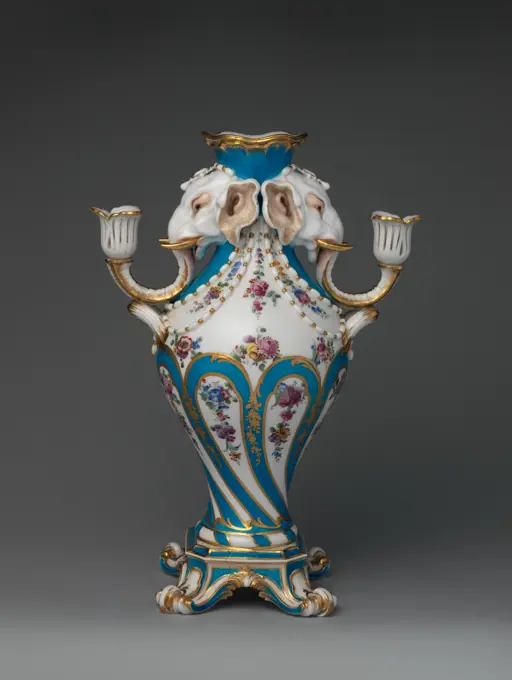
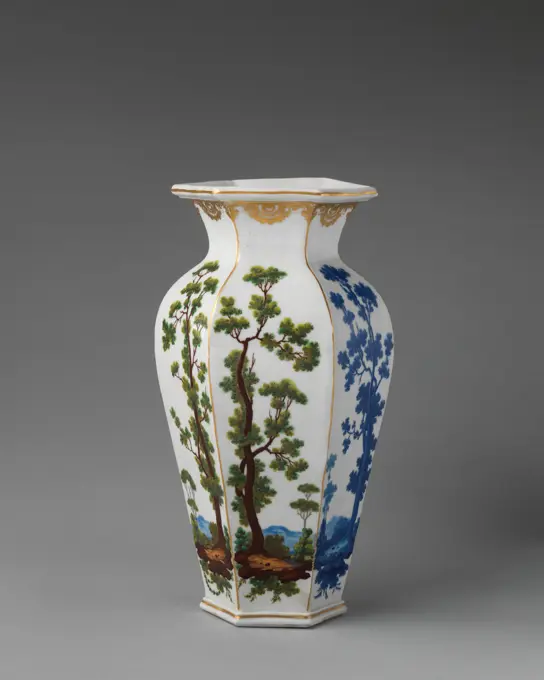
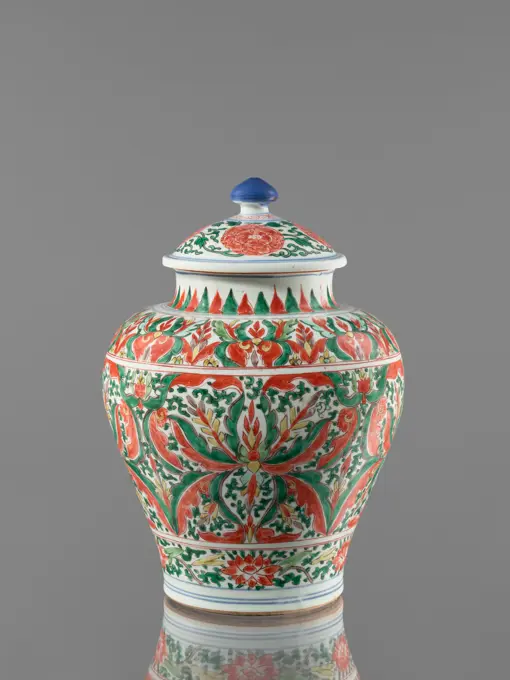
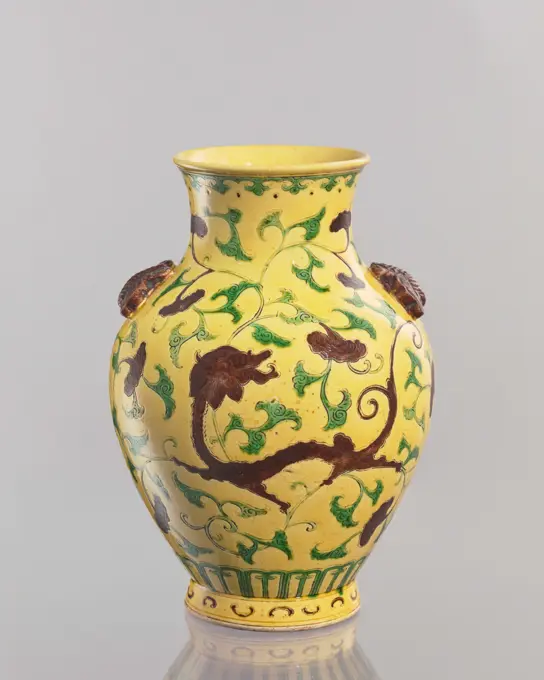
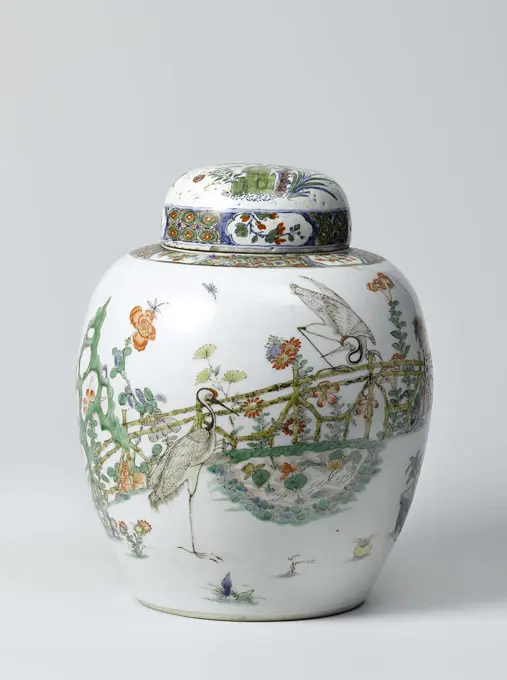
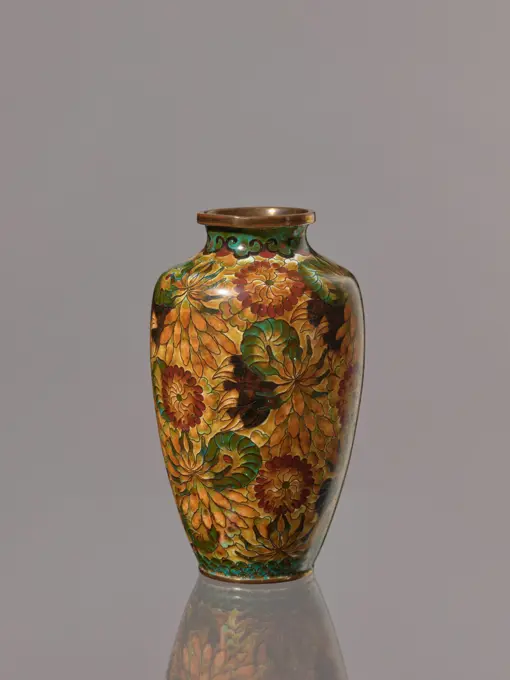
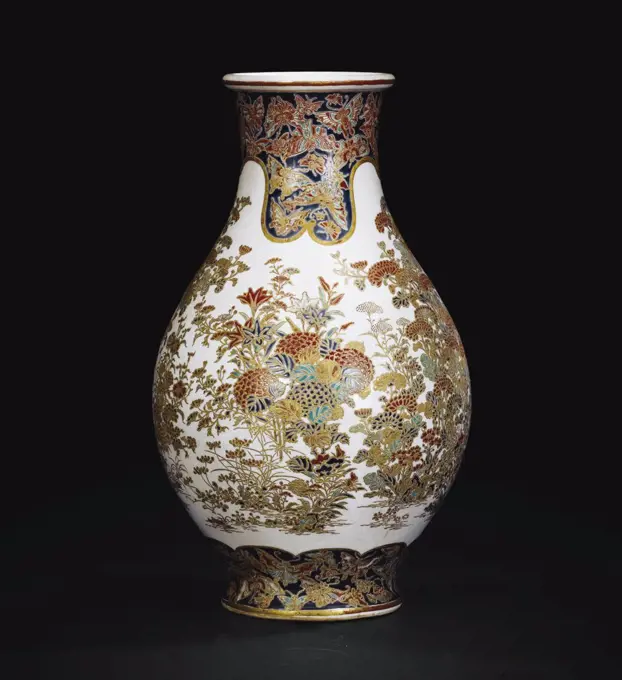
A series of elegantly designed vases and jars, showcasing intricate patterns and vibrant colors. Fine porcelain pieces highlight artistic craftsmanship.
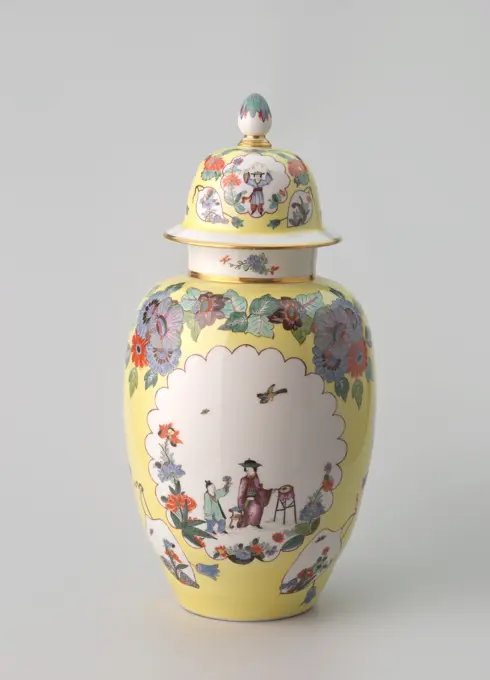
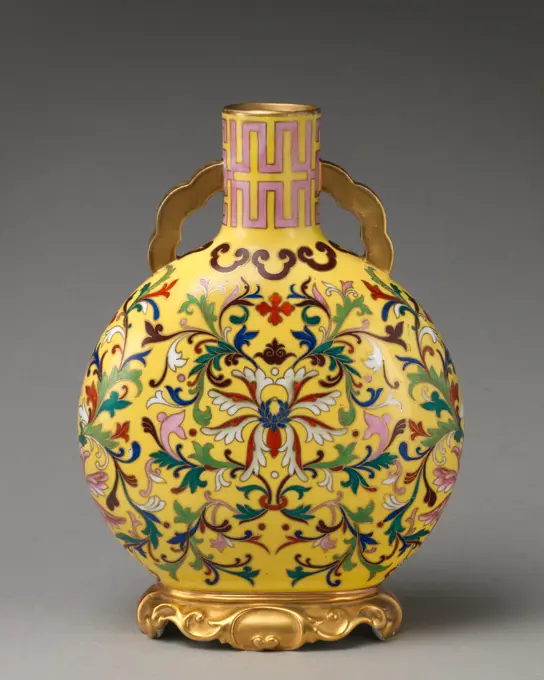
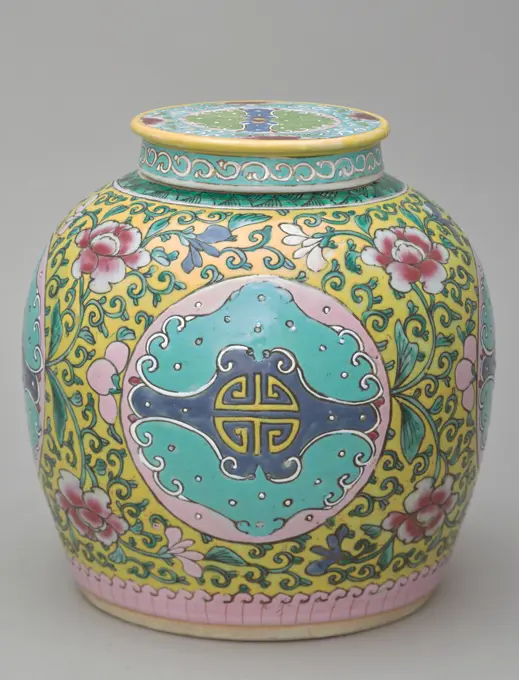
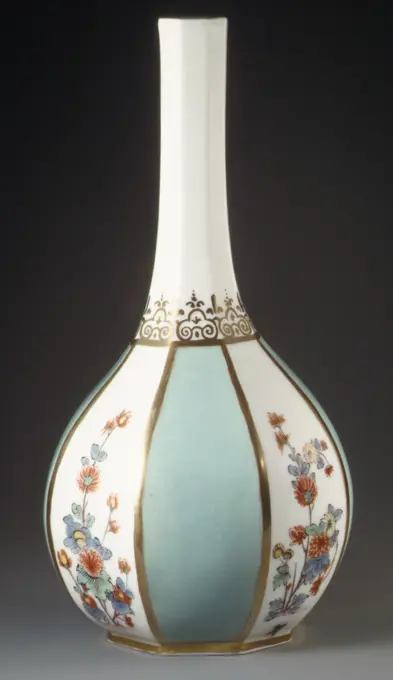
Vase with lid, multicolour painted with Chinese in saved lobed circles in a yellow stock, Meissener Porzellan Manufaktur, c. 1735 Cover of painted porcelain. The vase is covered with a yellow stock, in which two garlands of Indianic blums are painted on the body and lid. Float porcelain Cover of painted porcelain. The vase is covered with a yellow stock, in which two garlands of Indianic blums are painted on the body and lid. Float porcelain
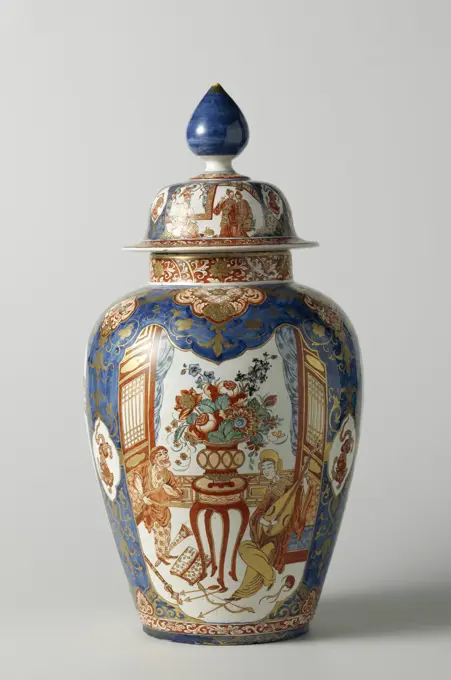
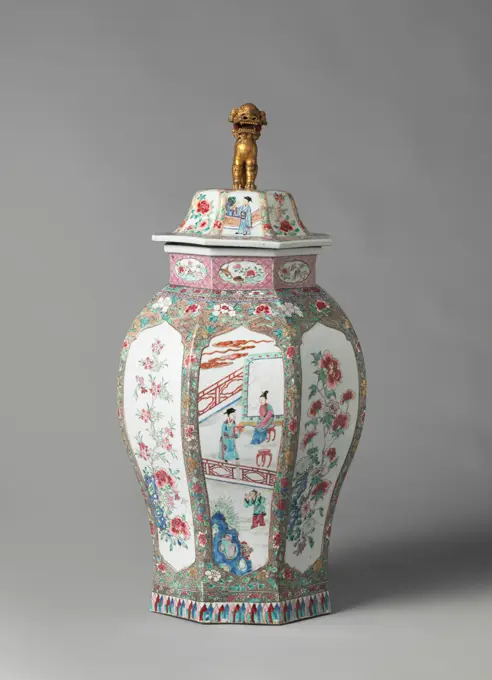
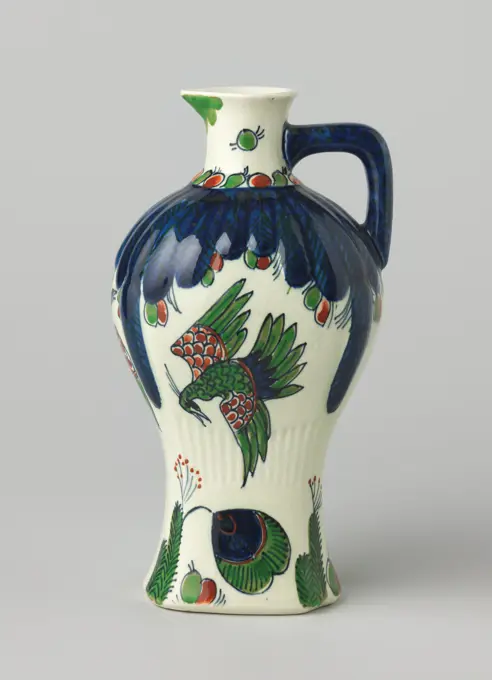
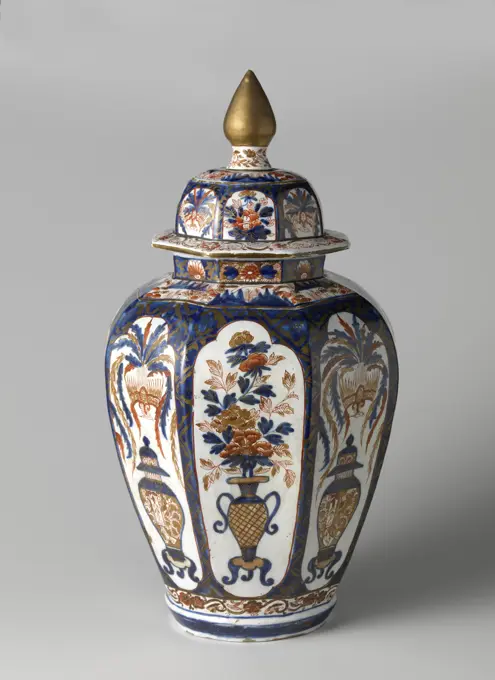
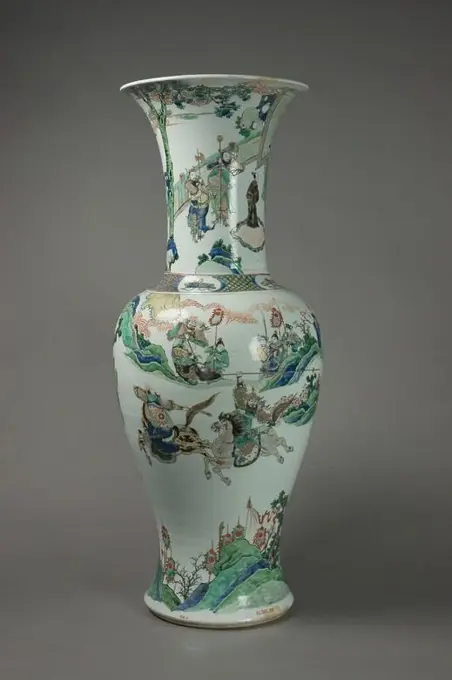
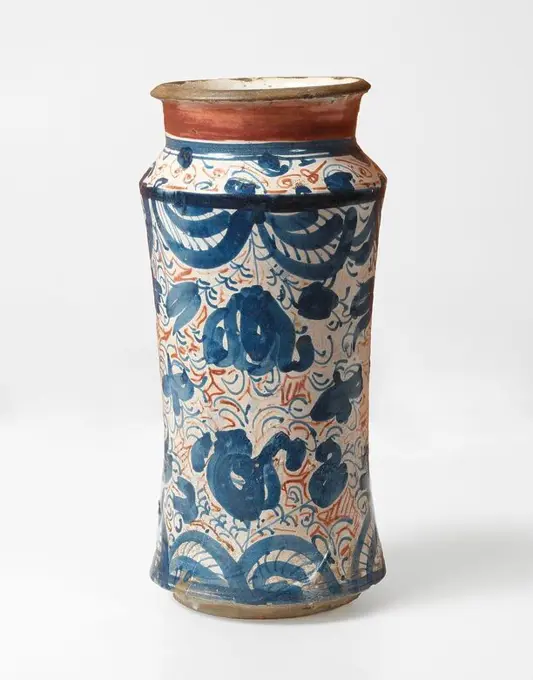
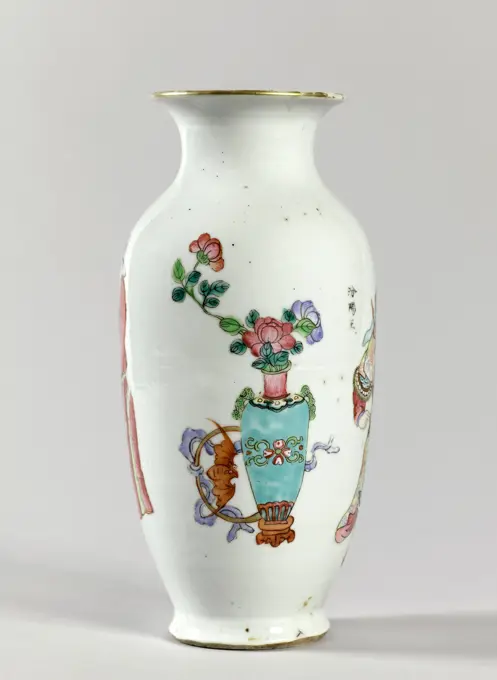
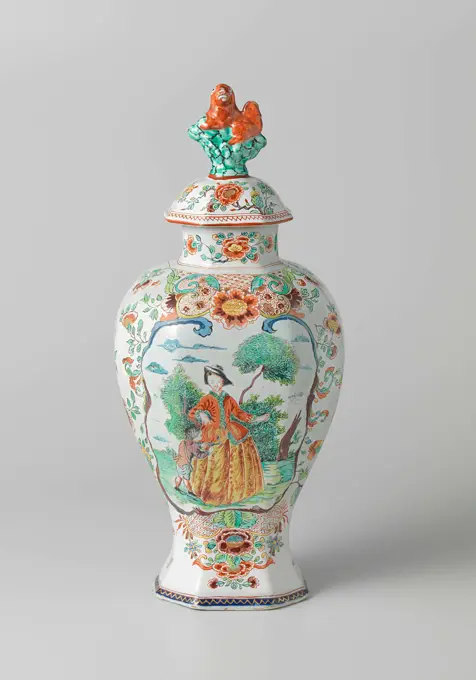
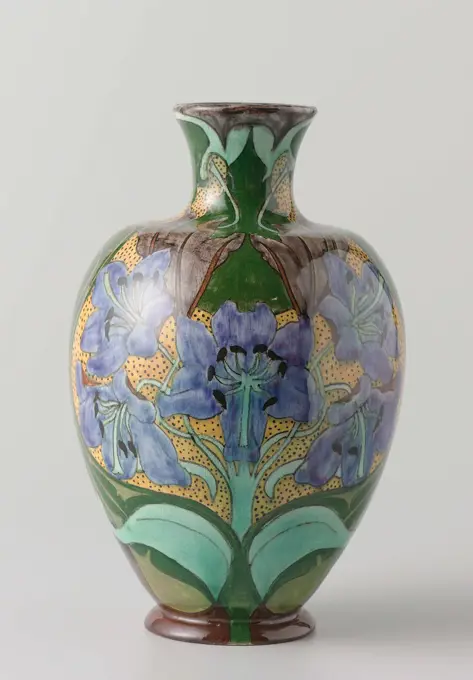
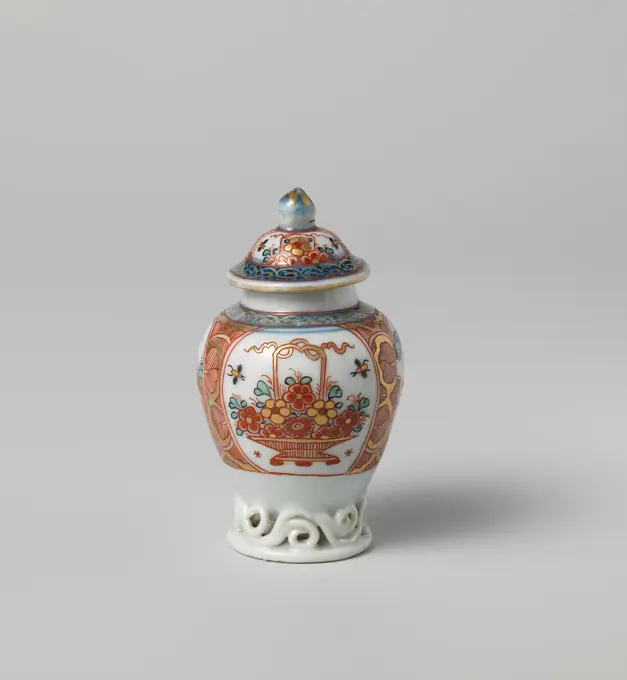
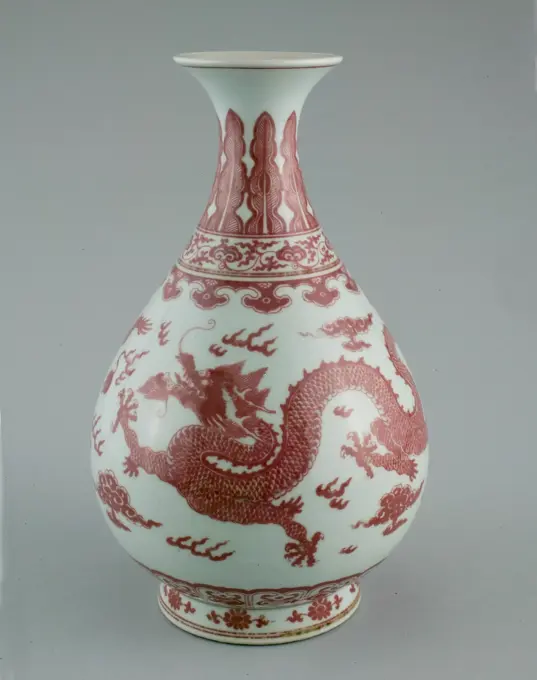
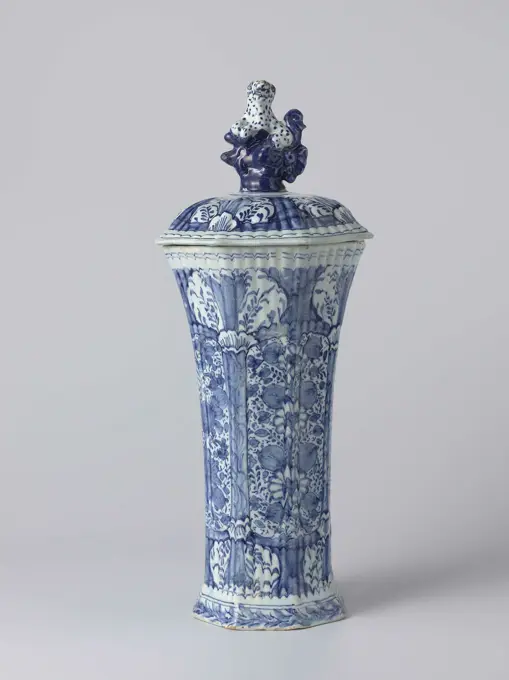
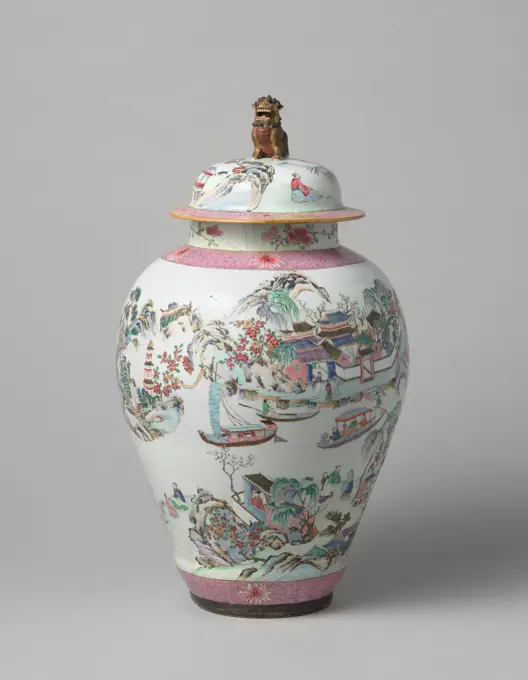
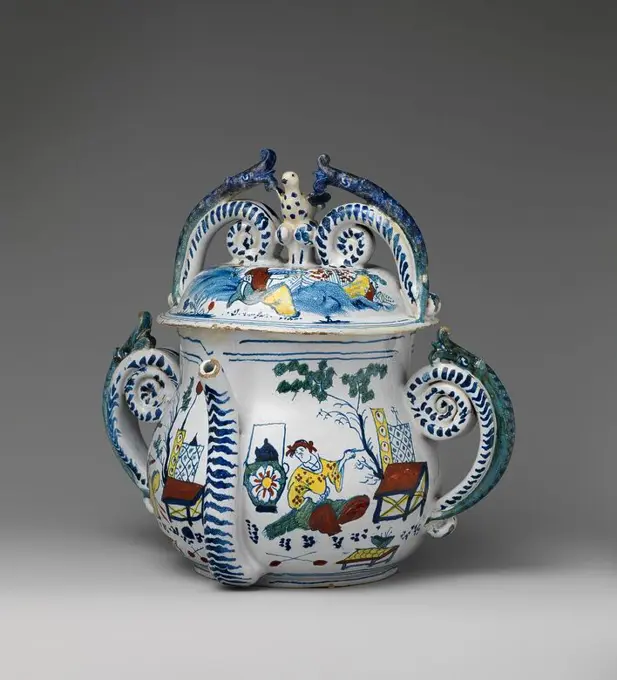
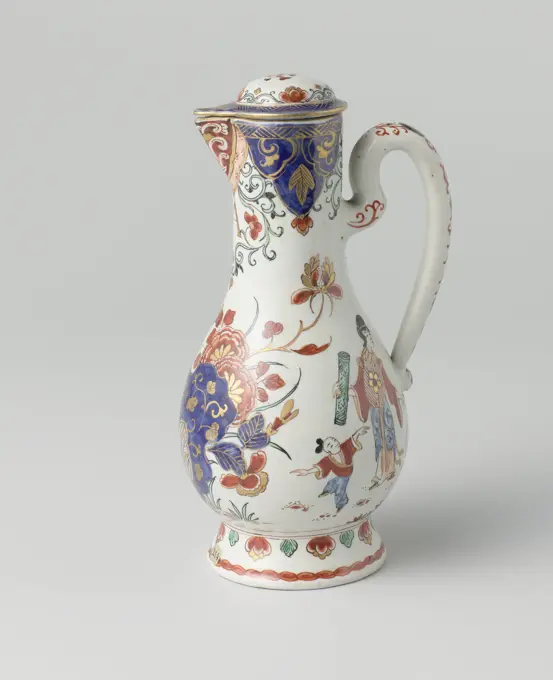
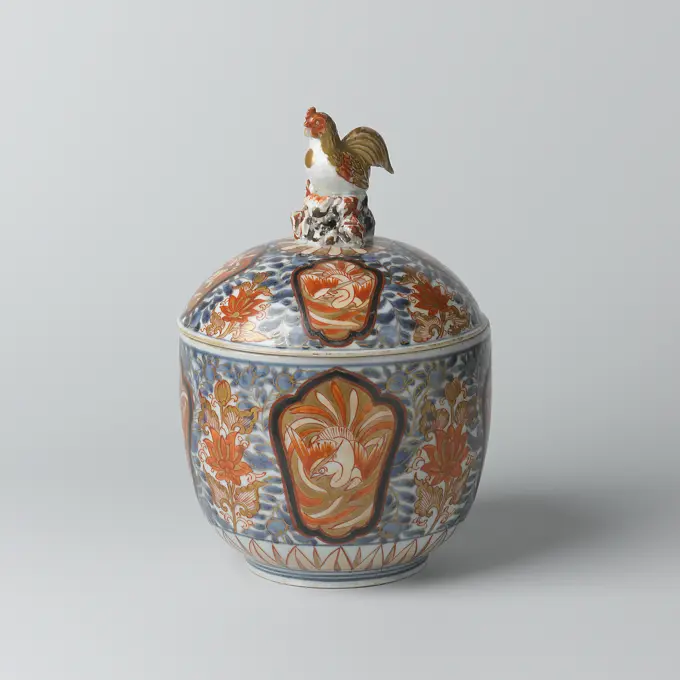
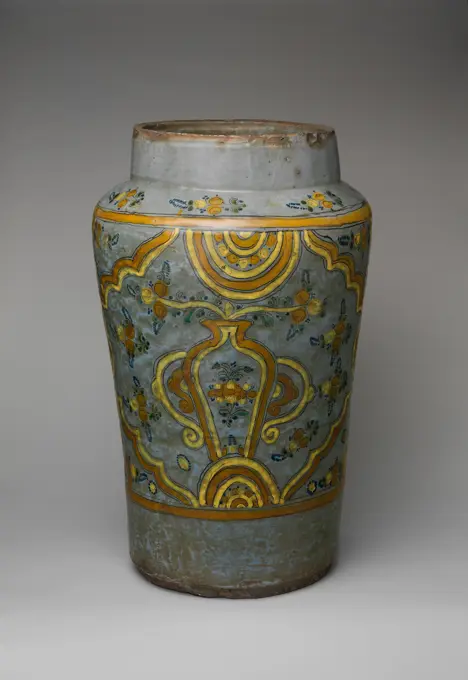
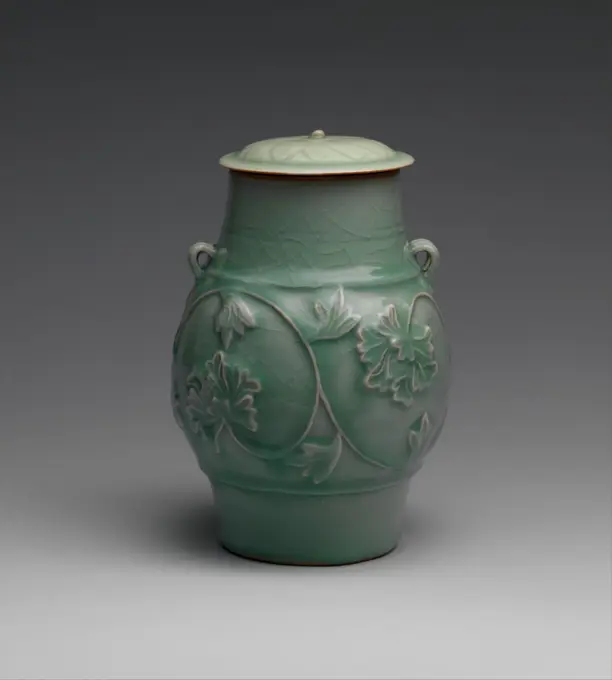
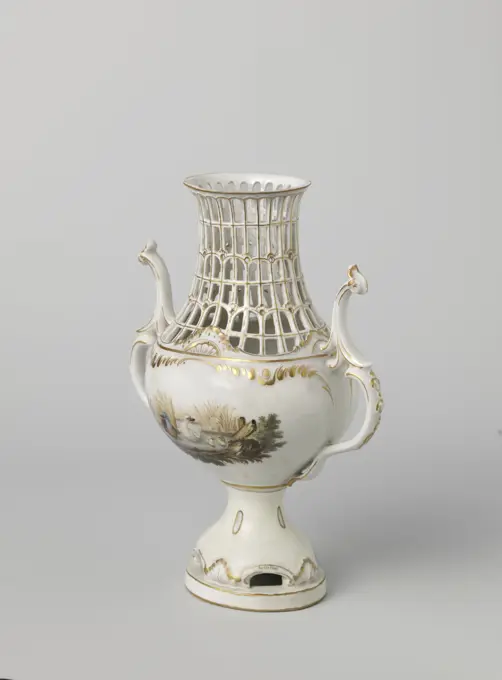
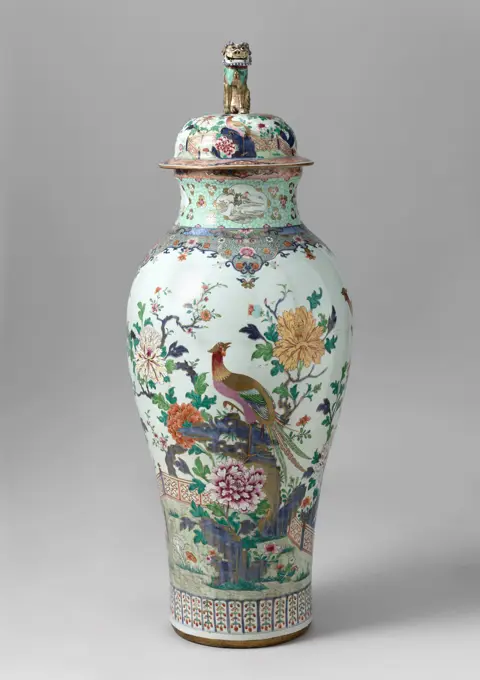
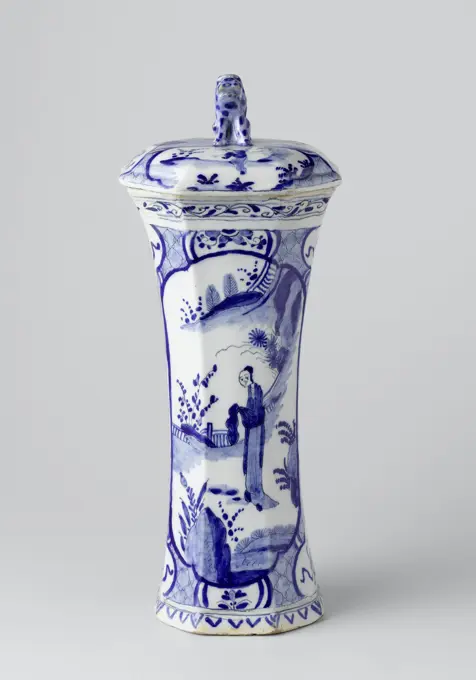
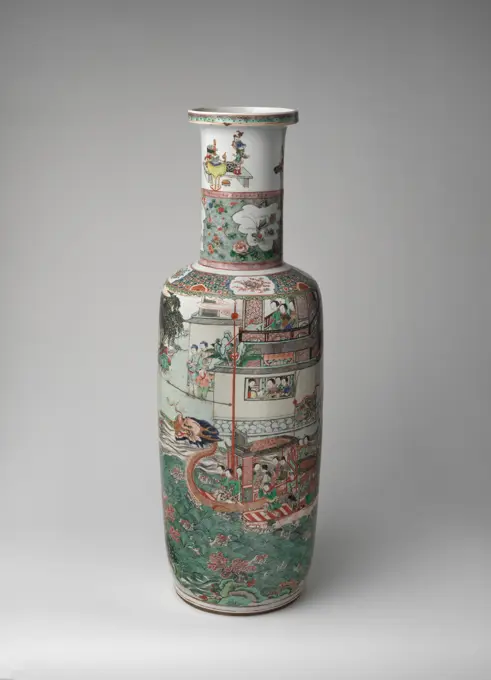
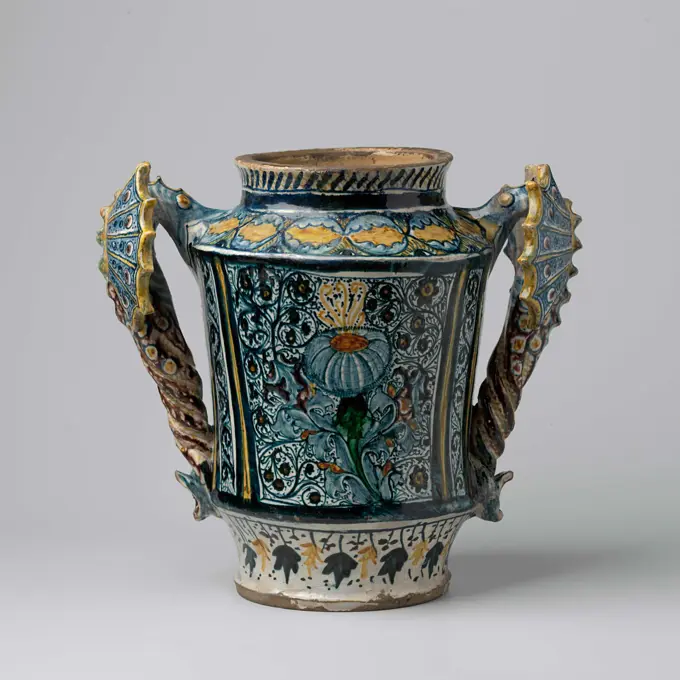
Lidded Jar, the Greek A, c. 1700 - c. 1725 Pot of Faïence with a flat lid. Multicolored painted with flower branches and birds. Delft . Pot of Faïence with a flat lid. Multicolored painted with flower branches and birds. Delft .Vase, painted multily with flowers and birds. Vase of faience. Multicolored painted with flowers and birdsVase with lid, multicolour painted with Chinese in saved lobed circles in a yellow stock, Meissener Porzellan Manufaktur, c. 1735 Cover of painted porcelain. The vase is covered with a yellow stock, in which two garlands of Indianic blums are painted on the body and lid. Float porcelain Cover of painted porcelain. The vase is covered with a yellow stock, in which two garlands of Indianic blums are painted on the body and lid. Float porcelainLidded Jar, the Greek A, c. 1710 - c. 1722 Faaience lid. Multicolored painted. The lid shows the same scenes as the vase and has a pear -shaped blue button. Delft . Faaience lid. Multicolored painted. The lid shows the same scenes as the vase and has a pear -shaped blue button. Delft .Covered vase with powder blue flowering plants in panels, anonymous, c. 1700 - c. 1724 Balus -shaped lid vase made of porcelain, covered with underly glaze blue and painted on the glaze in gold. The outside and lid of the vase are covered with bleu poudré (powder blue). The abdomen is divided into eight scalloped courses with a flowering plant in a rock (peony, chrysanthemum, aster, lotus, prunus). A Ruyi motif between the courses on the shoulder. The neck and lid also with flowering plants in cartouches. Lid vase is part of a cupboard set. Bleu Poudré with gold. China porcelain. glaze. cobalt (mineral). gold (metal) painting / gilding / vitrification Balus -shaped lid vase made of porcelain, covered with underly glaze blue and painted on the glaze in gold. The outside and lid of the vase are covered with bleu poudré (powder blue). The abdomen is divided into eight scalloped courses with a flowering plant in a rock (peony, chrysanthemum, aster, lotus, prunus). A Ruyi motif between the Covered jar with shishi, hoo-birds, flowering plants and floral scrolls, anonymous, c. 1720 - c. 1760 Balus -shaped porcelain lid jar, painted in underly glaze blue and on the glaze red, black and gold. On the abdomen three large cartouches with a shishi between a flowering pair of pair of pair of pair of pair of creeps; The cartouches are separated by tires of curls containing a lobed cartouche with a Hoo-Vogel surrounded by flower vines. On the shoulder a wide band with chrysanthnums interrupted by lobed cartouches with a shishi (lion dog) between a plant. Around the foot and on the neck a bond with lotus vines. A band with curl work on the foot. Is part of a cupboard set. Imari. Japan porcelain. glaze. cobalt (mineral). gold (metal) painting / gilding / vitrification Balus -shaped porcelain lid jar, painted in underly glaze blue and on the glaze red, black and gold. On the abdomen three large cartouches with a shishi between a flowering pair of pair of pair of pair of pair of creepsOctagonal Cover With Flowering Plants And Figures in a Fenced Garden in panels. Octagonal lid of porcelain, painted on the glaze in blue, red, pink, green, purple, black and gold. Covered with piping branches against a background of a spiral pattern. On each of the eight sides a saved, scalloped cartouche with varied flower branches (peony, chrysanthemum, aster, prunus) at a rock or one or more people on a terrace or in a fenced garden in blooming plants and rocks. The edge with eight compartments with flowering plants against a background of blue frog. Lid knob is in the shape of a shishi (lion dog). Lid is part of cabinet set AK-NM-11497. Family Rose.Small covered vase ca. late 18th century Chinese. Small covered vase 460678Pear-shaped, Lobde Vase With Two Bouquets and Flower Scrolls. Pear-shaped vase of porcelain with ribbed wall, thickening in the neck and spreading edge, painted in underglaze blue and on the glaze red, green, yellow, black and gold. Two bouquets with flowers on the wall, the stems together in a holder; The thickening in the neck covered with red with flower drinks in reserve; Four stylized, loose flowers on the neck; golden border; The inner edge with zigzag work. Famille Verte.Ovoid Covered Jar With Flowering Plants in Panels and Ornamental Borders. Egg-shaped porcelain lid pot, painted in underglaze blue. On the belly four scalloped cartouches with a flowering plant at a rock and in the other two a bird on a rock at a flowering plant. Between the cartouches flower drinks. A decorative band on the shoulder and neck. The lid with two lobed cartouches with flowering plants; Painting in between. A crack in the lid; Glaze of the pot partially cracked. Blue White.Can with lid, painted with leaf motifs and birds, the porcelaine bottle, c. 1900 Can with lid (b) of earthenware, painted with leaf motifs and birds in blue, red and green. Marked. Delft earthenware Can with lid (b) of earthenware, painted with leaf motifs and birds in blue, red and green. Marked. Delft earthenwareYellow moon flask 1870s Worcester factory After the end of the Flight, Barr & Barr ownership of the Worcester factory in 1840, the firm went through a succession of owners and mergers before falling under the ownership of Kerr & Binns in 1852. During the partnership, the factory sought to rebuild its former eighteenth-century reputation in porcelain and known for Renaissance-inspired designs. With the establishment of the Royal Worcester Porcelain Company in 1862, the company gradually gained recognition for its Japanese-inspired designs, which formed part of Japonisme, a collective fascination with Japan that took place in Europe and the United States following the opening of Japanese markets to the West by Commodore Perry in 1853. Listen to experts illuminate this artwork's story Listen Play or pause #418. Christopher Dresser and the Birth of Industrial Design Supported by Bloomberg Philanthropies We're sorry, the transcript for this audio track is not available at this time. We are Cylindrical bottle vase with precious objects and floliate scrolls, anonymous, c. 1680 - c. 1720 Cylindrical bottle -shaped vase made of porcelain with a short, spreading neck, painted in underlaze blue. On the abdomen antiques (vase, incense burner, books) and valuables (artemisia leaf, window). Above and under a bond with leaf vines. On the neck a band with pointed leaf motifs. Blue White. China porcelain. glaze. painting / vitrification Cylindrical bottle -shaped vase made of porcelain with a short, spreading neck, painted in underlaze blue. On the abdomen antiques (vase, incense burner, books) and valuables (artemisia leaf, window). Above and under a bond with leaf vines. On the neck a band with pointed leaf motifs. Blue White. China porcelain. glaze. painting / vitrificationSmall vase. Artist: Chinese , Qing Dynasty. Culture: Chinese. Dimensions: Height: 4 3/4 in. (12 cm.). Date: 18th century. Museum: Metropolitan Museum of Art, New York, USA.Cover of a pot, the 3 clocks (attributed to), after Jan van Putten & Co., c. 1820 - c. 1850 Lid of multi -colored painted faïence. The pot is eight -sided and eight courses are painted on the eight sides. In four compartments, a vase with two S-shaped handles, standing on a three-legged pedestal and filled with flowers, is painted in the other four compartments a pot with lid on a three-legged pedestal above which a phoenix. The pot is marked and is part of a couple. Delft earthenware. tin glaze. Lid of multi -colored painted faïence. The pot is eight -sided and eight courses are painted on the eight sides. In four compartments, a vase with two S-shaped handles, standing on a three-legged pedestal and filled with flowers, is painted in the other four compartments a pot with lid on a three-legged pedestal above which a phoenix. The pot is marked and is part of a couple. Delft earthenware. tin glaze.Vase with historical warriors. Culture: China. Dimensions: H. 27 1/2 in. (69.9 cm); Diam. 11 in. (27.9 cm); Diam. of rim 9 3/4 in. (24.8 cm); Diam. of foot 8 1/4 in. (21 cm).The figures on this vase were inspired by illustrations of historical characters in woodblock-printed plays and novels. Those publications became popular in the seventeenth century and influenced porcelain design and other decorative arts.On view during Rotation 1 of exhibition from June 25, 2016 through January 13, 2017. Museum: Metropolitan Museum of Art, New York, USA.Vase with tubes in the shape of bamboo stems. unknown, craftsmanPharmacy pot, First half of the seventeenth century, Ceramics (earthenware decorated in blue and metallic reflections, with plant motifs and concentric arc borders), by Muel (Zaragoza), Height: 26.4 cm. Museum: Museo Fundación Francisco Godia, Barcelona, Cataluña, España.Anonymous. Chinese decor from Juliette Drouet's house in Guernsey, West Wall. White tender porcelain vase decorated flowers and character. Ceramic. 1800-1860. Paris, house of Victor Hugo. 79112-9 Chinese, ceramic art, decor, flower motif, porcelain, vasePot, part of a cupboard set. Pot of Faïence. The belly multicolored painted with a woman with child surrounded by flower branches. The button of the lid is formed by a fo 'lion. The pot belongs to a five-part cabinet set consisting of three lid vases and two pots with lids.. Vase, two identical copies (A and B), polychrhouse painted with symmetrically placed flowers in blue, green and black on black speckled yellow fond on both sides; Furthermore leaves in brown and purple on a green fond; On the sides and the foot brown fond. Green and partial brown fond.Vase with Bird and Flower Design, late 1800s-early 1900s. Korea, Joseon dynasty (1392-1910). Porcelain with underglaze blue; outer diameter: 34.3 cm (13 1/2 in.); overall: 49.4 cm (19 7/16 in.).Bottle with Waves and Auspicious Emblems 14th century Vietnam The history of the shape of this Vietnamese bottle is interesting. It is based on a shape that was popular in China in the fourteenth century. The Chinese pieces are a slight reinterpretation of a shape first found in metalwork in the eighth century, which, in turn, was based on a form introduced from India with Buddhism.. Bottle with Waves and Auspicious Emblems. Vietnam. 14th century. Stoneware painted with cobalt blue under transparent glaze. CeramicsVase. Culture: China. Dimensions: H. 2 1/2 in. (6.4 cm). Date: 19th century. Museum: Metropolitan Museum of Art, New York, USA.Vase with four mascarons. unknown, craftsmanTsun vase; Belvedere (faience manufacture; 1770-1780); 1770-1780 (1770-00-00-1770-00-00);Mosque Lamp, 1585-95. Turkey (Iznik), Ottoman Period, 16th Century. Fritware with underglaze design; overall: 30.4 x 19.7 cm (11 15/16 x 7 3/4 in.); diameter of rim: 19.7 cm (7 3/4 in.). Mosque lamps typically functioned as a lampshade, containing an oil lamp inside. Due to the opacity of this Ottoman lamp, it is likely that its primary function was not illumination. Instead, it would have been hung from chains in a mosque or mausoleum to add to the beauty of the space. This lamp is decorated with bright red carnations and blue hyacinths with additional floral and vegetal elements. The turquoise loops would have served for suspension from the ceiling. It is also possible that lamps like this were used as acoustic devices, softening the echo of prayer and discussion within the mosques halls.Baluster Covered Jar With Pheasants on a Rock Near a Fence and Flowering Plants. Baluster-shaped porcelain lid pot, painted in underglaze blue and on the glaze in blue, red, pink, green, yellow, black and gold. On the wall a pheasant on a rock in blooming plants (peony, prunus) and a fence. A second pheasant, butterflies and birds flies in the air. On the ground other flowers (Aster, Lotus, Prachtanjer), mushrooms (Lingzhi) and a pond with ducks. On the shoulder a decorative band of small flour rosakes with curlwork and loose flowers on it. Above the foot a tire with stylized leaf motifs filled with garlands with lucky symbols (musical stone, mint, window). On the neck a band with 'crackled ice' and prunus blossoms interrupted by lobby cartouches with a landscape in ENCE the chine. The outer edge in Imii colors with a band with clouds on arrearing interrupted by cartouches with lotus drinks. The lid with the same decoration; Cover knob in the shape of a shishi. Family Rose.Ovoid vase with tubes in the shape of bamboo stems. unknown, craftsmanEight ribbed pot with lid of multicolored painted faïence. Octagonal, ribbed pot of multicolored painted faïence, with a lid. The pot is painted with flowers, rocks, birds and a bird in a tree. The pot is part of a couple, the other parts are: two to these pot of equal pots and two identical vases. The parts are marked.Jar with Cover, 19th Century. China, Qing dynasty (1644-1911). Porcelain; overall: 13.9 cm (5 1/2 in.).Vase With Flowering Plants, Bird and Butterfly. Rectangular porcelain vase with oscenips corners, on foot, with escaped neck and two landscaped ears, covered with a light blue, lightly cracked glaze and painted in blue, red, pink and black. On the belly four save square or rectangular courses with oscenips corners with blooming plants (chrysanthemum, lotus, peony, prunus), bird and butterfly. A crack in the wall. Family Rose.Elephant-head vase (vase à tête d'éléphant) 1758-62 Sèvres Manufactory French This remarkable Sèvres porcelain elephant-head vase is one of six in the Metropolitan Museum of Art, four of which were given by Charles and Jayne Wrightsman (see 1983.185.9 and 1983.185.10, .11). Presumably due to the technical challenges and cost of making these vases, relatively few were produced at Sèvres, all of which date to the years around 1760; nineteen examples are known in public collections today.1The design of this vase, one of the few models intended to also serve as a candle holder,2 is attributed to Jean-Claude Duplessis, the head of the sculpture workshop at Sèvres. Elephant-head vases were produced in two slightly different versions. According to Savill (p. 154), one version (shape A) was made without the small handles under the elephant’s trunks, while shape B includes handles and beading on the elephant heads that loops through the handles (as on 1976.155.61). Shape B is more common thBeaker (part of a garniture) ca. 1773 Bristol The unusual decoration, alternating landscapes in blue and the colors of nature, is attributed to an itinerant painter "Socquet" (active 1753-73), about whom little is known.. Beaker (part of a garniture). British, Bristol. ca. 1773. Hard-paste porcelain. Bristol (British). Ceramics-PorcelainLidded vase. unknown, craftsmanVase With Figures Near a Pavilion in Panel Decoration. Porcelain vase, painted in on the glaze blue, red, green, yellow, eggplant and black. The vase is blackly speckled with floral drinks and in reserve different cartouches; on the body two elongated cartouches with persons for and in a pavilion, each time two small cartouches with birds on a branch and a lotus; On the shoulder curl work with flowers interspersed with a bird on a branch in a lobed cartouche; Above a bond with flower branches on black speckles with two cartouches in reserve with people before and in a pavilion. Famille Verte.Vase (part of a garniture) ca. 1752-1753 British, Worcester No factory better illustrates the entrepreneurial underpinnings of the ceramic industry in England during the eighteenth century than the one established at Worcester in 1751.1 Created by a deed of partnership, it was an ambitious and risky undertaking, because the city of Worcester did not have the various resources and potential clientele offered by London. However, the founders of the factory astutely focused on types of products that were not available from the factories established at Chelsea and at Bow several years earlier. Chelsea’s production was aimed primarily at the luxury market, and it included a large number of decorative objects and figures. Bow sought to compete with imported Chinese porcelains and to reach a more middle-class clientele. In contrast, Worcester aimed to provide utilitarian wares that were not made by the other English factories, and it developed styles of decoration that further distinguishedOvoid Covered Jar With Japanese Ladies in Pavillions Among Flowering Plants. Egg-shaped porcelain lid pot, painted in underglaze blue and on the glaze red, black and gold. On the abdomen a continuous representation of various pavilions with Japanese ladies surrounded by a rock and large flowering plants (Peony, Carnation, Prunus, Chrysanthemum) in a fenced garden. On the shoulder a wide bond with peony ranks interrupted by book-shaped cartouches with landscapes or flowering plants. Around the neck a bond with leaf refrices interrupted by groups of three prunus flowers. Around the foot and on the neck a band with alternating a stylized flower drink and chrysanthemums in boxes. The foot with a band with a cloud motif. Imari.Covered cylindrical beaker with flower scrolls, anonymous, c. 1700 Cylindrical cup with lid of porcelain, the body slightly running up, painted in underly glaze blue. On the wall a band with stylized flower vines; Around the edge a band with hanging leaf-shaped cartouches filled with flower vines interspersed with Ruyi motif; Around the foot a band with half leaf motifs. The lid with leaf vines. A few chips in the edge of the lid. Blue White. China porcelain. glaze. cobalt (mineral) painting / vitrification Cylindrical cup with lid of porcelain, the body slightly running up, painted in underly glaze blue. On the wall a band with stylized flower vines; Around the edge a band with hanging leaf-shaped cartouches filled with flower vines interspersed with Ruyi motif; Around the foot a band with half leaf motifs. The lid with leaf vines. A few chips in the edge of the lid. Blue White. China porcelain. glaze. cobalt (mineral) painting / vitrificationVase (Maebyong) with Stylized Floral Sprays 1101-1200 Korea. Stoneware with celadon glaze and underglaze painting .Water night decanter. huta szkła (Neuwelt; 1712- ), glass works, Hoffmann, Wilhelm (1808-1864/1866), glass artist. Egg-shaped porcelain lid pot, painted in underglaze blue and on the glaze red, green, yellow and black. On the belly three times a flowering plant (peony, prunus, chrysanthemum) on a rock. Four decorative tires on the shoulder with arcing, napkin and dependent Ruyi motifs. Above the foot and on the neck a band with pointed motifs. The lid with the same decoration. Arita, Kakiemon style.Vase with Floral and Landscape Decor China. Vase with Floral and Landscape Decor. China. Porcelain painted in overglaze famille verte enamels. Qing dynasty (1644-1911), Kangxi period (1662-1722). Ceramics. Garnitures were extremely popular decorative elements in 18th-century Dutch interiors, where they were placed on cabinets or buffets. Although the forms of some garnitures evolved with the times, popular models, like this set with decorations inspired by Chinese porcelain, remained in production for many decades.Vase;  18th century (1701-00-00-1800-00-00);Vase;  19th/20th century (1891-00-00-1910-00-00);Baluster covered jar with a continuous landscape with figures, boats and pavillions, anonymous, c. 1850 - c. 1899 Balus -shaped porcelain lid jar, painted on the glaze in blue, red, pink, green, black and gold. On the belly a continuous river landscape with people in boats. In the river a few islands with people on terraces or at pavilions. Different pain and prunus trees in the landscape. Bergen in the background. Around the foot and on the shoulder a band with flower vines interrupted by a chrysanthemum. The neck with three peon branches. Two cracks in the neck. Famle Rose. China porcelain. glaze. gold (metal) painting / gilding / vitrification Balus -shaped porcelain lid jar, painted on the glaze in blue, red, pink, green, black and gold. On the belly a continuous river landscape with people in boats. In the river a few islands with people on terraces or at pavilions. Different pain and prunus trees in the landscape. Bergen in the background. Around the foot and on the shoulder a baStorage pot with lid - decorative vase. unknown, craftsmanPilgrim bottle with cover ca. 1725-30 Vienna This bottle is decorated with low-relief portraits of the Habsburg Emperor Charles VI (1685-1740) and Empress Elizabeth (1691-1750), rulers of Austria.. Pilgrim bottle with cover. Austrian, Vienna. ca. 1725-30. Hard-paste porcelain. Ceramics-PorcelainJug with flowers and peacock ca. 1720 Bartholomäus Seuter An independent decorator based in Augsburg, Seuters work indicates the trend towards naturalistic motifs that would characterize later examples of eighteenth-century tin-glazed earthenware in Germany. Seuter in fact worked as a porcelain painter at Meissen, alongside his activities as a goldsmith, silk dyer and copper engraver. The floral designs and peacock found on this jug are characteristic motifs of the early eighteenth century, elaborate designs that enliven the quotidian form of the Enghalskrüge, a type of narrow-necked jug favored by Seuter.. Jug with flowers and peacock. German with German, Augsburg decoration. ca. 1720. Tin-glazed earthenware. Ceramics-PotteryOvoid tea caddy with flower basket and water landscape in panels, anonymous, c. 1725 - c. 1749 Porcelain tea lid, painted in underly glaze blue and on the glaze red, green, black and gold. On the edge of the lid and the lid button, a Japanese decorative strap in underly glaze blue. In the Netherlands a decoration added in email colors. On the wall a wide decorative bond with architecture with four cartouches saved with a river landscape with a man in a boat and a flower basket with two insects alternately. Overecored (Amsterdam Bont). Japanpainter: Netherlands porcelain. glaze. cobalt (mineral). gold (metal) painting / gilding / vitrification Porcelain tea lid, painted in underly glaze blue and on the glaze red, green, black and gold. On the edge of the lid and the lid button, a Japanese decorative strap in underly glaze blue. In the Netherlands a decoration added in email colors. On the wall a wide decorative bond with architecture with four cartouches saved with a river landscape witMulticolored Painted Faïence Fopkan. Fopkan painted multi-colored with birds and flower branches.Ovoid Tea Caddy With Flower Basket and Water Landscape in panels. Porcelain tea bus lid, painted in underglaze blue and on the glaze red, green, black and gold. On the edge of the lid and the lid knob a Japanese decorative band in underglaze blue. Added a decoration in the Netherlands in email colors. On the wall a wide decorative tire with arceing with four cartouches in it with alternating a river landscape with a man in a boat and a flower basket with two insects. Translated / Amsterdam fur.Vase ca. 1760 British. Vase 9297Bottle Vase with Dragons amid Clouds, Chasing Flaming Pearls; Pendant Ruyi; Lingzhi Scrolls; Upright Leaves and Petal Panels; and Florets Encircling Foot 1736-1795 China. Porcelain painted in underglaze red .. Lid of vase of faience. Blue painted with floral decorations. The vase is part of a cabinet set.Baluster covered jar with a continuous landscape with figures, boats and pavillions, anonymous, c. 1850 - c. 1899 Porcelain cover -shaped lid -shaped lid jar, painted on the glaze in blue, red, pink, green, black and gold. On the wall a continuous river landscape with people in boats. In the river a few islands with people on terraces or at pavilions. Different pain and prunus trees in the landscape. Bergen in the background. On the edge a band with flower vines interrupted by a chrysanthemum. The lid button in the form of a shishi (lion dog). The edge of the lid has been broken. Famle Rose. China porcelain. glaze. gold (metal) painting / gilding / vitrification Porcelain cover -shaped lid -shaped lid jar, painted on the glaze in blue, red, pink, green, black and gold. On the wall a continuous river landscape with people in boats. In the river a few islands with people on terraces or at pavilions. Different pain and prunus trees in the landscape. Bergen in the background. On the edge aMilkkan of ribbed multicolored painted faïence with the back of the horn of abundance, filled with flowers, anonymous, c. 1700 - c. 1720 Ribbed milk can of multicolored painted Faïence. The jug has a flat lid and a C-shaped ear. The jug is painted with oval compartments in which a horn filled with flowers. Delft earthenware. tin glaze. Ribbed milk can of multicolored painted Faïence. The jug has a flat lid and a C-shaped ear. The jug is painted with oval compartments in which a horn filled with flowers. Delft earthenware. tin glaze.Vase; Talavera de la Reina; 18th century (1701-00-00-1800-00-00);Vase with peonies and chrysanthemums mid-17th century China. Vase with peonies and chrysanthemums 42397Posset pot with cover. Culture: British, Bristol. Dimensions: Overall: 10 1/2 × 11 in. (26.7 × 27.9 cm). Date: early 18th century. Museum: Metropolitan Museum of Art, New York, USA.Pitcher Bachmi Ski, Alexander (1820 1882)Vase 16th century Italian. Vase 466579Can, part of an oil and vinegar, anonymous, c. 1705 - c. 1725 Can from an oil and vinegar set from Faïence. Multicolored painted. The KAN is part of an oil and vinegar set. Delft . Can from an oil and vinegar set from Faïence. Multicolored painted. The KAN is part of an oil and vinegar set. Delft .Unknown, coffee maker. Tender porcelain, polychrome enamels, wooden handle. Petit Palais, Museum of Fine Arts of the City of Paris.Vase. Thailand, Sawankhalok, 16th century. Furnishings; Accessories. Stoneware with underglaze brown painted decoration and partial brown glazeVase with lid. unknown, craftsmanStroopkan of multicolored painted majolica, anonymous, c. 1525 - c. 1575 Syrupkan of multicolored painted majolica. The jug has a round belly, a wide cylindrical neck and stands on a round foot. The ear is C-shaped and the short spout S-shaped. The KAN is painted with leaf vines and blue tires along the neck and foot. Antwerp earthenware. tin glaze. lead glaze majolica Syrupkan of multicolored painted majolica. The jug has a round belly, a wide cylindrical neck and stands on a round foot. The ear is C-shaped and the short spout S-shaped. The KAN is painted with leaf vines and blue tires along the neck and foot. Antwerp earthenware. tin glaze. lead glaze majolicaVase. unknown, craftsmanVase with Floral, Insect, Bird, and Chinese Designs: Kakiemon Type, late 1600s. Japan, Edo period (1615-1868). Porcelain with overglaze enamel, gilding and carved decoration; diameter: 22 cm (8 11/16 in.); overall: 27.1 cm (10 11/16 in.).. Egg-shaped porcelain lid pot, painted on the glaze in blue, red, green, yellow, eggplant and black. On the wall a fenced garden with two cranes, one standing and one on the fence, at a pond with lotus plants, a rock and a flowering tree (Magnolia). To the pond flowering plants (Chrysanthemum, Prachtanjer, Peony, Aster, Lily) and two flower pots with pine, bamboo and orange. In the Magnolia tree a parrot on a rack. In addition to two flying birds. On the shoulder napkin interspersed with flower branches in cartouches. The lid is later in the same style with underglaze blue advanced from Delftware. The top with flowering plants and birds; The edge with a band napkin interrupted by lobby cartouches with flower branches. Famille Verte.Waza from the cover;  18th century (1601-00-00-1700-00-00);Vase;  after 1920 (1920-00-00-1930-00-00);Scent Bottle and Box, 1750-1775. Staffordshire Factory (British). Enamel on copper with metal mounts; overall: 9.3 x 4.8 cm (3 11/16 x 1 7/8 in.).Satsuma Vase, The Oriental Applied Arts  Przeszo Przyszoci unknownBottle ca. 1730 Meissen Manufactory German Copied from a 17th-century Japanese model.. Bottle 206025Hexagonal vase with women, landscapes and precious objects in panel decoration, anonymous, c. 1700 - c. 1724 Hexagonal vase of porcelain with angular, pear -shaped body and long spreading neck, painted on the glaze in blue, red, green, yellow, eggplant, black and gold. The body is covered with a speckled green soil with small flowers and saved six scallops with a woman (long lijs) in a fenced garden, a landscape and a table with shishi (lion dog) or Qilin with valuables (window, mint) or antiques (vase with coral and peacock springs or lotus stem), lotus flowers hanging between the subjects; On the shoulder a band with flower vines against a speckled green soil; On the neck raised and hanging leaf motifs with flower vines, Swastika symbol, two tires with Ruyi motif next to a band with flower vines against a speckled green soil; the edge with zigzag pattern; Around the foot a band with Ruyi motif. Restored edge. Famle Verte. China porcelain. glaze. gold (metal) painting / gilding / vitrOvoid Jar with Blossom-Like Spotting. China. Date: 700 AD-750 AD. Dimensions: H. 16.5 cm (6 1/2 in.); diam. 17.4 cm (6 13/16 in.). Earthenware with three-color (sancai) lead glazes and resist decoration. Origin: China. Museum: The Chicago Art Institute, Chicago, USA.Octagonal ribbed vase of multicolored painted faïence. Octagonal, ribbed vase of multicolored painted faïence. The vase is painted with flowers, rocks, birds and a bird in a tree. The vase is part of a couple, the other parts are: three identical pots and an identical vase. The parts are marked.Jug with floral scrolls, anonymous, c. 1800 - c. 1849 Jug of stoneware on stand ring with a pear -shaped body with four flattened sides and wide neck. The C-shaped ear is attached to the neck and shoulder. Partly covered with cobalt blue. The jug is decorated with four times a flowering plant in a box surrounded by flower vines. Jug has been broken. Lahntal, Westerwald. Lahntal stoneware. glaze. cobalt (mineral) vitrification Jug of stoneware on stand ring with a pear -shaped body with four flattened sides and wide neck. The C-shaped ear is attached to the neck and shoulder. Partly covered with cobalt blue. The jug is decorated with four times a flowering plant in a box surrounded by flower vines. Jug has been broken. Lahntal, Westerwald. Lahntal stoneware. glaze. cobalt (mineral) vitrificationCovered Jar With Hoo-Birds in panels on a ground of Lotus and Floral scrolls. Porcelain lid pot, painted in underglaze blue and on the glaze red, black and gold. On the outer wall flower drinks with a lotus drink and a cartouche with a hay-bird alternately. A tire with pointed leaf motifs around the foot. Imari.Arita (ceramic production center), Potiche vase with imari decor. Porcelain, polychrome enamels. Petit Palais, Museum of Fine Arts of the City of Paris.Vase (one of a pair) Copeland British ca. 1891-1900 View more. Vase (one of a pair). British, Stoke-on-Trent. ca. 1891-1900. Bone china with enamel decoration and gilding. Ceramics-PorcelainVase. Sèvres Porcelain Manufactory; French, founded 1740; Painted by Louis-Jean Thévenet; French, active 1741/45-1777. Date: 1761. Dimensions: 19 x 19.6 x 14.4 cm (7 1/2 x 7 11/16 x 5 11/16 in.). Soft-paste porcelain, polychrome enamels, and gilding. Origin: Sèvres. Museum: The Chicago Art Institute, Chicago, USA.Flower Pot ca. 1830 Mexican. Flower Pot 4513Jar with peony scroll 14th century China. Jar with peony scroll 51045Vase with ducks in a pond and landscape, porcelain factory aan den Amstel, c. 1784 Vase of porcelain. The convex barrel is on a high foot. The top that spreads upwards is open. S-shaped ears on either side. Originally with lid (BK-NM-8198-2). Ouderkerk aan de Amstel porcelain Vase of porcelain. The convex barrel is on a high foot. The top that spreads upwards is open. S-shaped ears on either side. Originally with lid (BK-NM-8198-2). Ouderkerk aan de Amstel porcelainBaluster covered jar with pheasants on a rock near a fence and flowering plants, anonymous, c. 1750 - c. 1780 Balus -shaped porcelain lid jar, painted in underly glaze blue and on the glaze in blue, red, pink, green, yellow, black and gold. On the wall a pheasant on a rock in flowering plants (peony, prunus) and a fence. A second pheasant, butterflies and birds flies in the air. On the ground other flowers (Aster, Lotus, Prachtanjer), Mushrooms (Lingzhi) and a pond with ducks. On the shoulder a decorative strap of small flower rosettes with curl and loose flowers on it. Above the foot a band with stylized leaf motifs filled with garlands with lucky symbols (music stone, mint, window). On the neck a bond with 'crackled ice' and prunus blossoms interrupted by lobed cartouches with a landscape in Ence de Chine. The outer edge in Imari colors with a bond with clouds on architecture interrupted by cartouches with lotus vines. Famle Rose. China porcelain. glaze. cobalt (mineral). gold (metalGarniture with three vases and two beaker vases, De Drie Posteleyne Astonne (attributed to), c. 1740 - c. 1760 Vase with lid, octagonal, from Faïence, painted in blue. The button of the lid is a sitting lion. Two medallions are painted in the pot within which a landscape with a Chinese figure. The pot is part of a cupboard set, the other parts are: two pots that are equal to the aforementioned pot and two identical vases. The parts are marked. Delft earthenware. tin glaze. Vase with lid, octagonal, from Faïence, painted in blue. The button of the lid is a sitting lion. Two medallions are painted in the pot within which a landscape with a Chinese figure. The pot is part of a cupboard set, the other parts are: two pots that are equal to the aforementioned pot and two identical vases. The parts are marked. Delft earthenware. tin glaze.Vase with performance of dragon boat late 17th-early 18th century China. Vase with performance of dragon boat. China. late 17th-early 18th century. Porcelain painted with overglaze polychrome enamels (Jingdezhen ware). Qing dynasty (1644-1911), Kangxi period (1662-1722). CeramicsAlbarello, painted multi-colored with flower drinks and oval coat of arms. Albarello from multi-colored painted majolica. The vase has a slanted seaming foot and shoulder and a low cylindrical neck. The two ears are winged samples. The Albarello is painted on both sides with fine flower reflections between which a flower (anjelier) and on the other side an oval coat of arms.Jug with the coat of arms of Trier, anonymous, c. 1656 - c. 1680 Jug of stoneware on stand ring with a spherical abdomen and long, narrow neck. The C-shaped ear is attached to the neck and shoulder. A profile and lines on the neck. Partly covered with cobalt blue. On the belly three times the printed and imposed weapon of Trier in relief. To the weapon the inscription 'Carl Casp DC Archiep Trev Princ Elect Admin PRVM Perp' and '1656'. Twice a lion in relief between the three weapons. On the shoulder above a entering line, a band with stamped flowers saved in a blue background. Westerwald. Westerwald stoneware. glaze. cobalt (mineral) vitrification Jug of stoneware on stand ring with a spherical abdomen and long, narrow neck. The C-shaped ear is attached to the neck and shoulder. A profile and lines on the neck. Partly covered with cobalt blue. On the belly three times the printed and imposed weapon of Trier in relief. To the weapon the inscription 'Carl Casp DC Archiep Trev Princ ElectSmall vase. unknown, craftsmanJug with the monogram 'GR' and foliate scrolls, anonymous, 1724 Jug of stoneware on a high base with a spherical body and wide, short neck. The C-shaped ear is attached to the neck and belly. Some lines and profiles on the neck and foot. Partly covered with cobalt blue. On the front of the abdomen in relief a printed and imposed monogram 'gr' (George Rex, or King George of England) in a medallion with the inscriptions 'HW', '1724', a crown and a winged angel's head. The medallion is surrounded by leaf vines. Some blue lines on the neck and foot. A pewter frame with lid is attached to the ear. Westerwald. Westerwald Stoneware. Glaze. Cobalt (Mineral). frame: tin (metal) vitrification Jug of stoneware on a high base with a spherical body and wide, short neck. The C-shaped ear is attached to the neck and belly. Some lines and profiles on the neck and foot. Partly covered with cobalt blue. On the front of the abdomen in relief a printed and imposed monogram 'gr' (George Rex, or King GeorgeBottle ca. 1760-65 British, Staffordshire. Bottle 199559Flower Vase (Bouquetier), c. 1775. Aprey Pottery Factory (French). Faience; overall: 12.7 x 13.4 cm (5 x 5 1/4 in.).Pharmacy Jar. Culture: Spanish. Dimensions: Overall: 11 1/2 x 5 1/4 in. (29.2 x 13.3 cm). Date: second half 15th century. Museum: Metropolitan Museum of Art, New York, USA.Bottle-shaped Vase, 1736-95. China, Jiangxi province, Jingdezhen kilns, Qing dynasty (1644-1911), Qianlong mark and period (1736-95). Porcelain with famille rose overglaze enamel decoration; overall: 51.4 cm (20 1/4 in.). This spectacular vase, one of a pair in the collection, depicts flowering and fruiting peach trees to convey an auspicious message of affluence and long life. Developments in enamel technology led to new possibilities in polychrome decoration of Qing imperial porcelains. Pinks appeared, lending their name to the new palette of overglaze colors (famille rose), and the addition of opaque white allowed painters to vary the value of pigments, enhancing the painterly quality of porcelain decoration.Vase. Ryozan (fl. ca 1880-1920), ceramist