Decorative Vases and Jars

A series of elegantly designed vases and jars, showcasing intricate patterns and vibrant colors. Fine porcelain pieces highlight artistic craftsmanship.
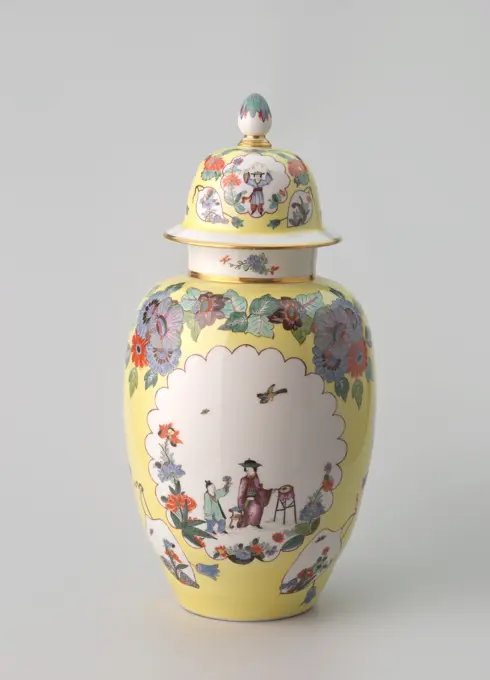
Vase with lid, multicolour painted with Chinese in saved lobed circles in a yellow stock, Meissener Porzellan Manufaktur, c. 1735 Cover of painted porcelain. The vase is covered with a yellow stock, in which two garlands of Indianic blums are painted on the body and lid. Float porcelain Cover of painted porcelain. The vase is covered with a yellow stock, in which two garlands of Indianic blums are painted on the body and lid. Float porcelain
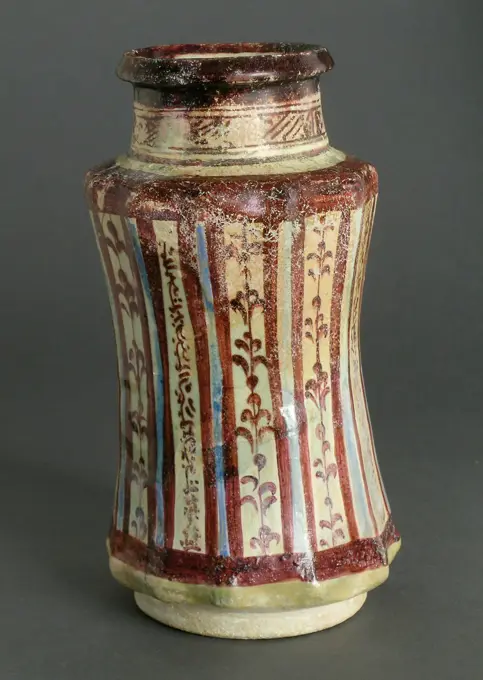
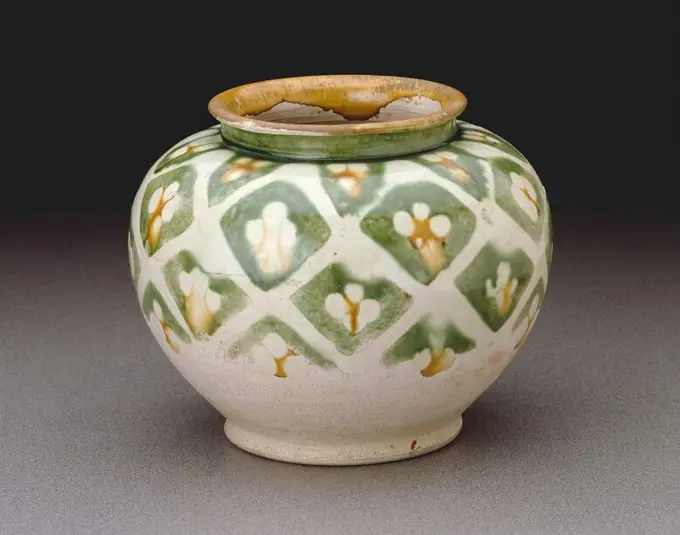
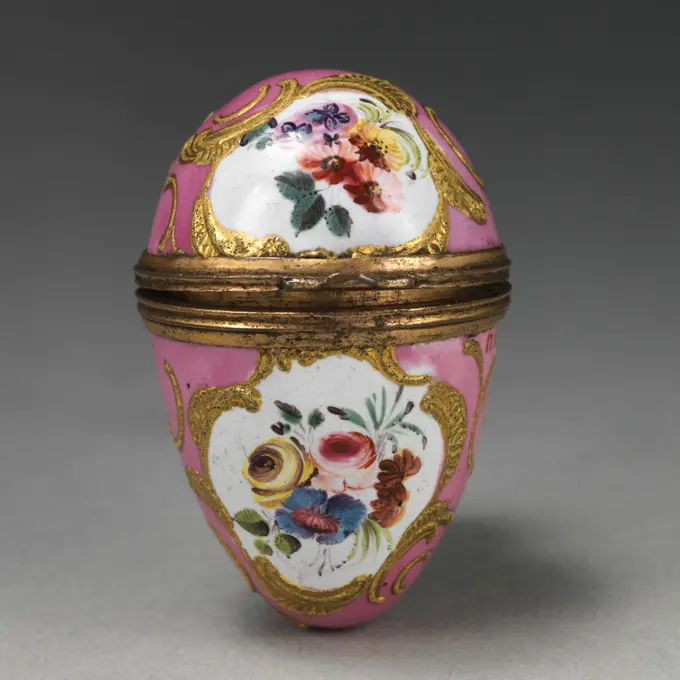
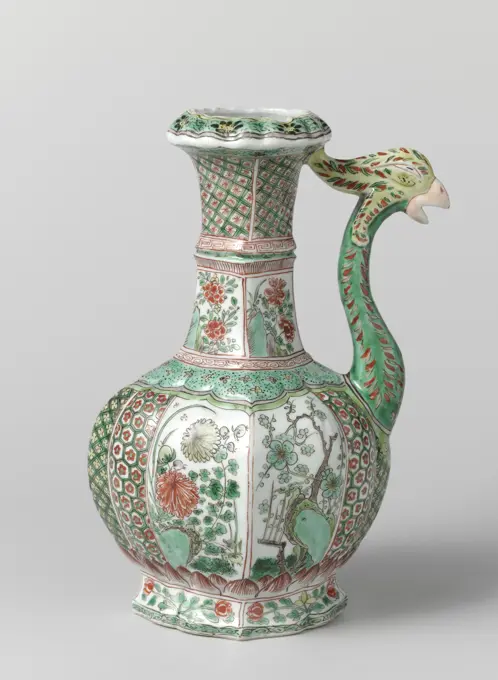
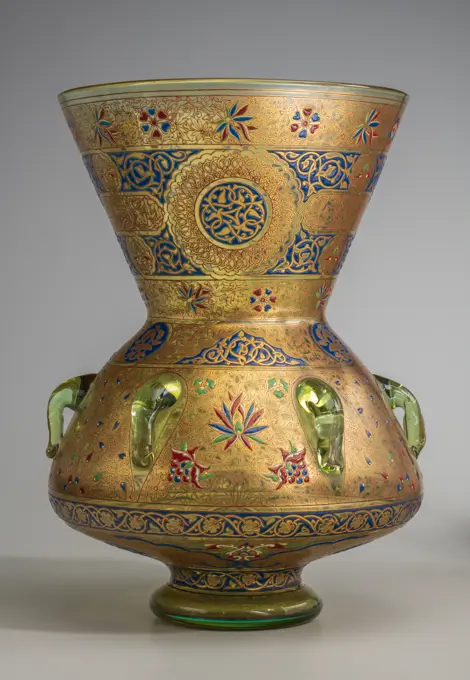
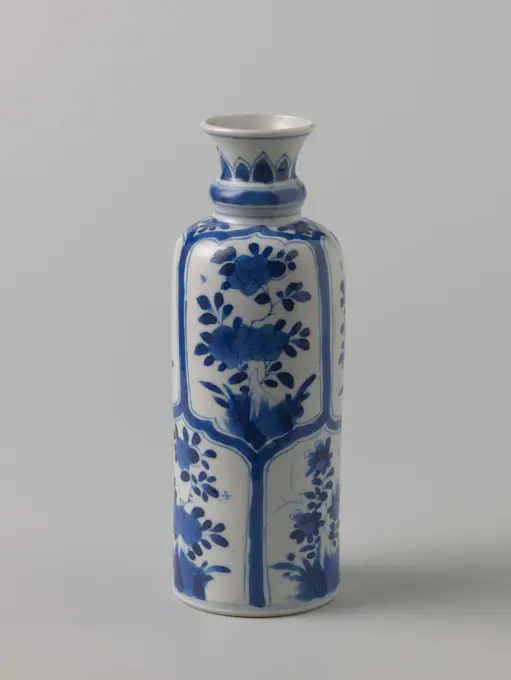
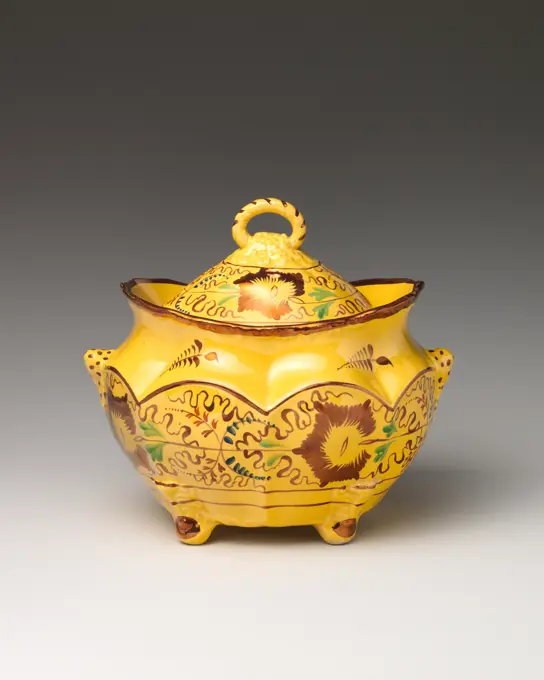
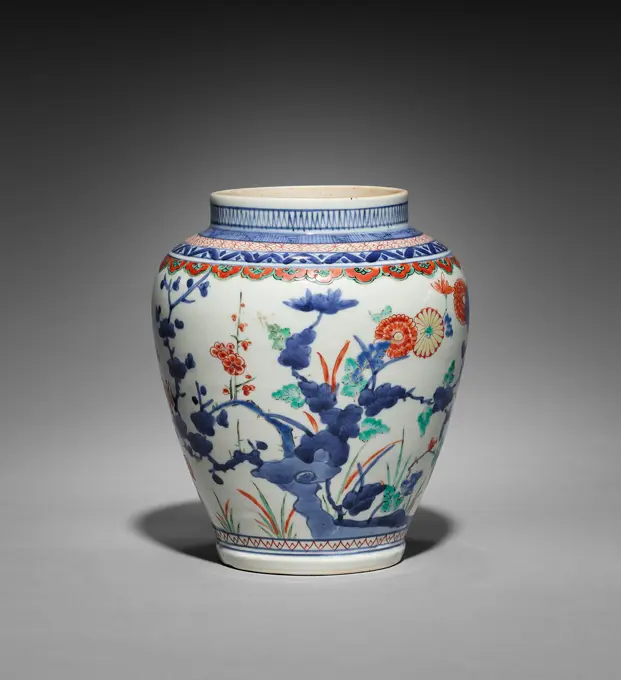
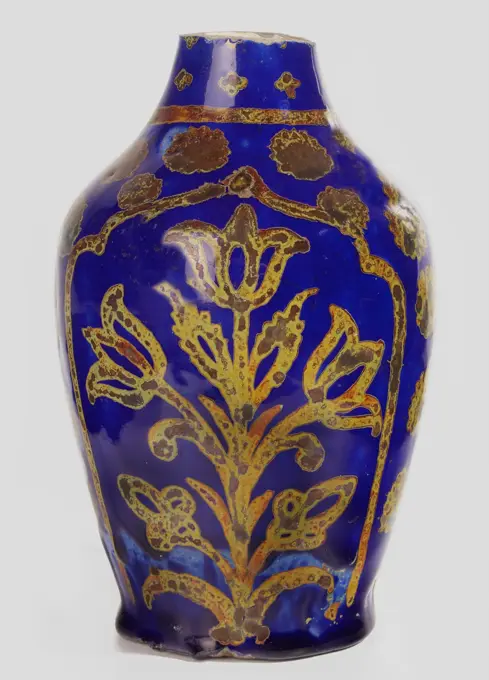
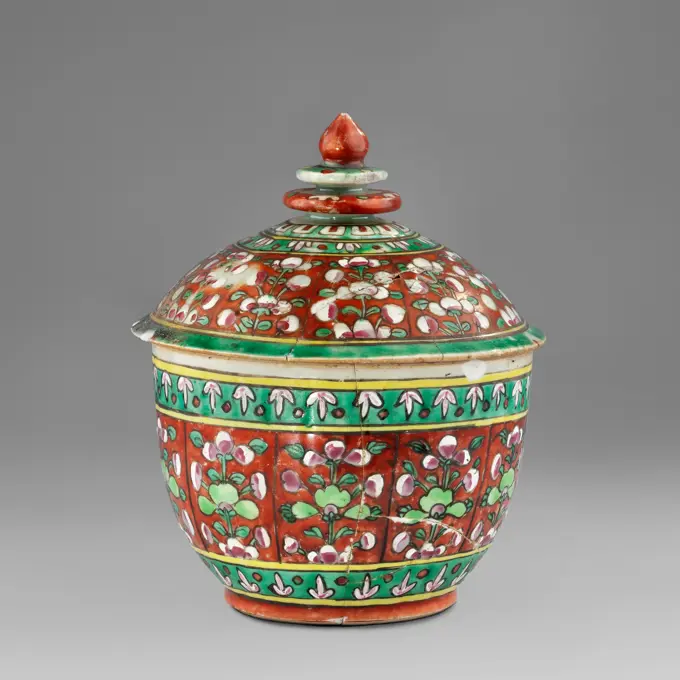
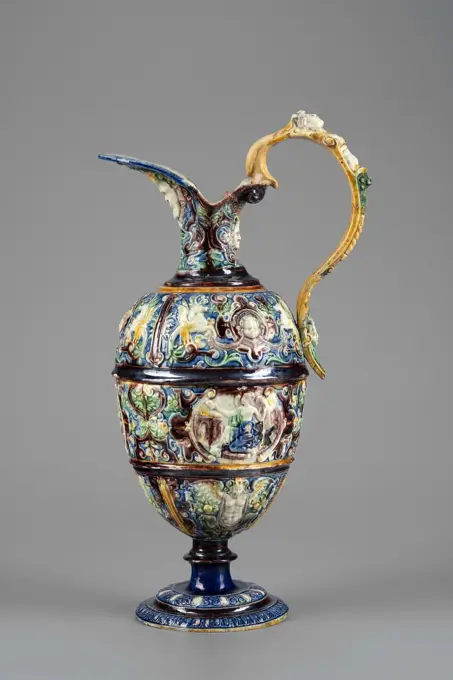
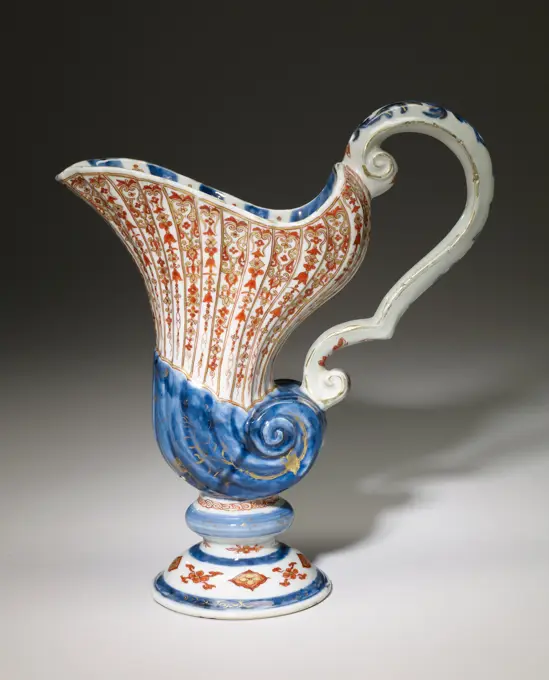
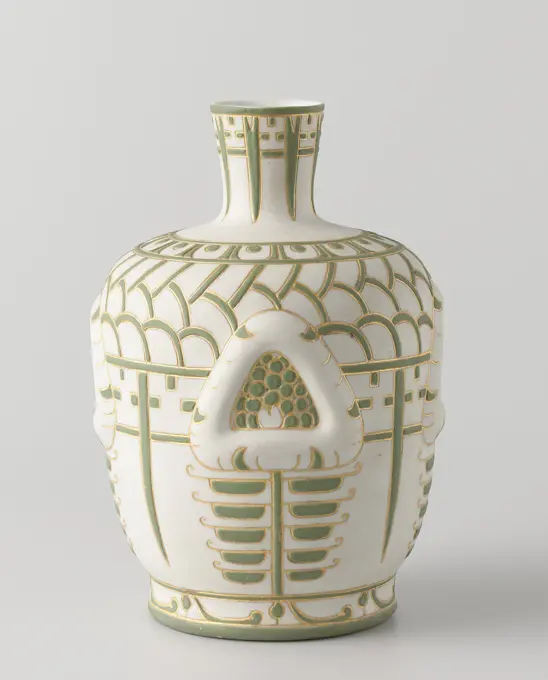
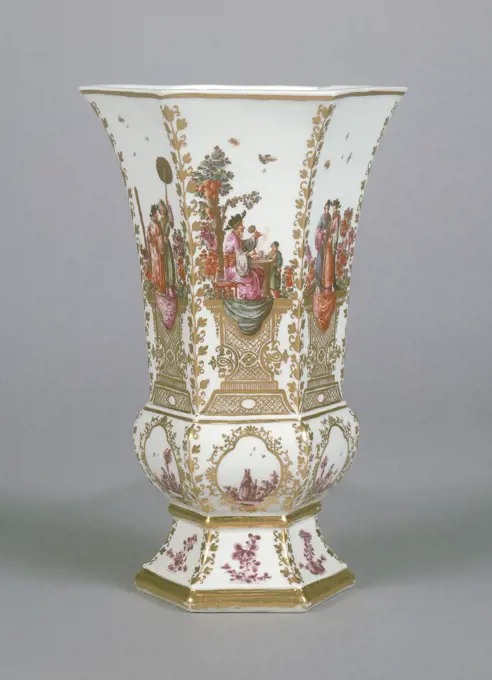
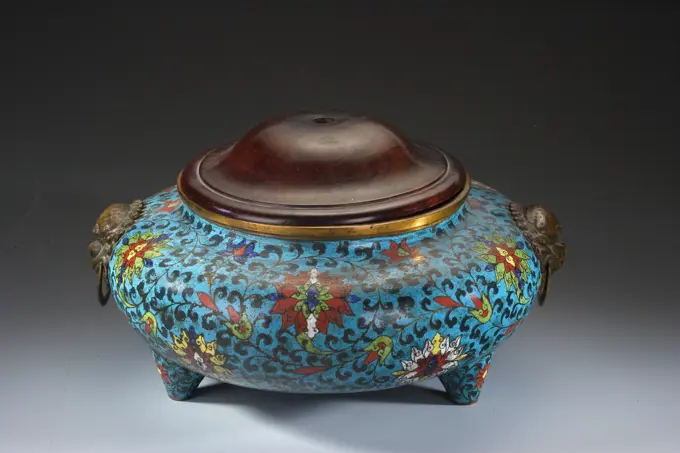
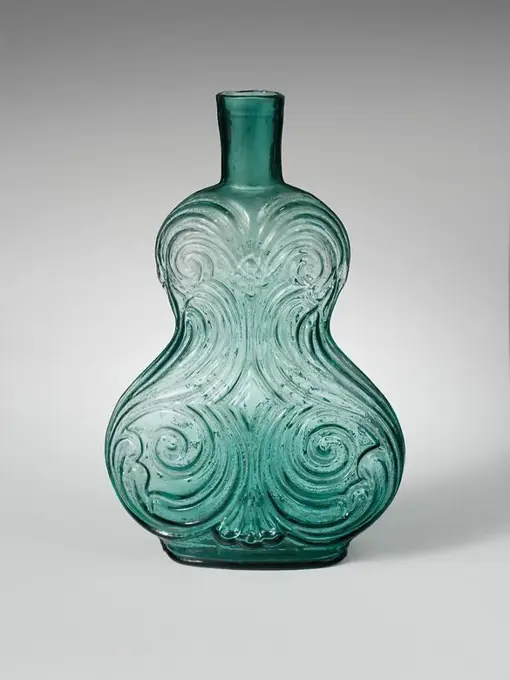
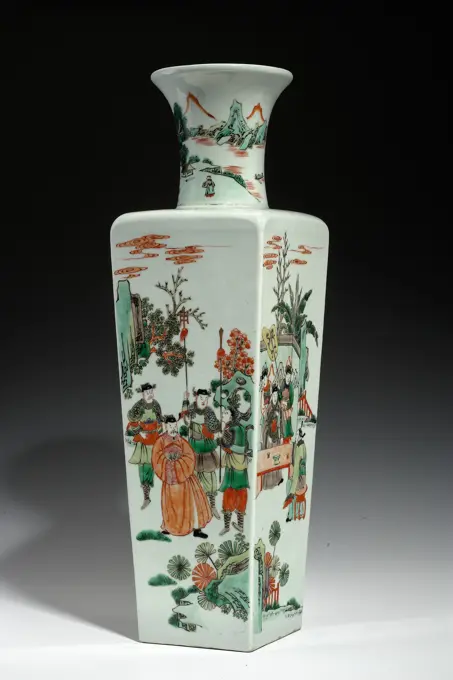
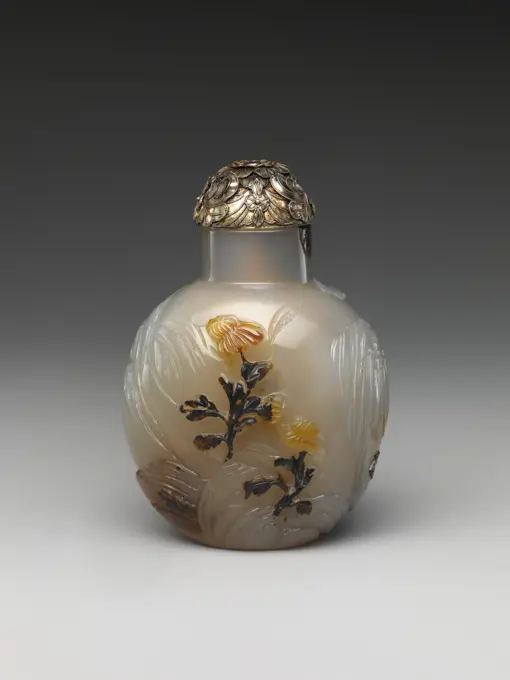
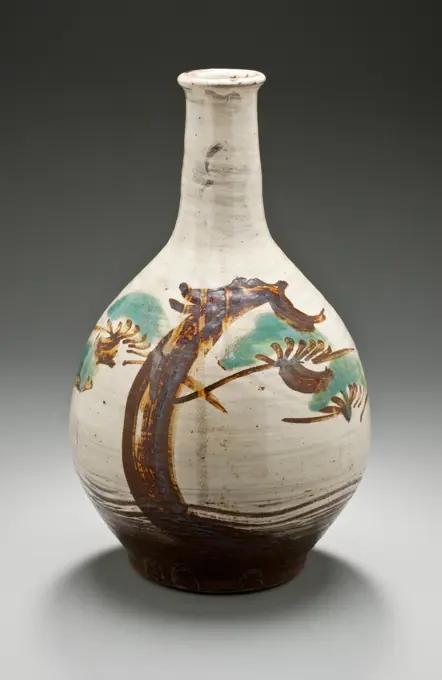
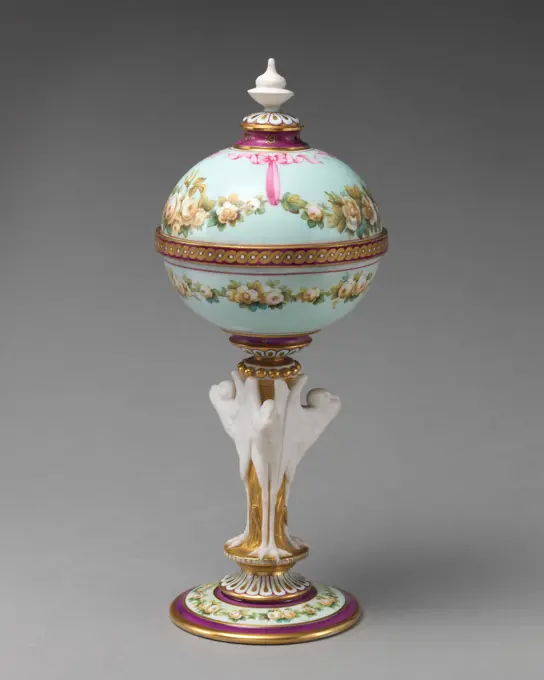
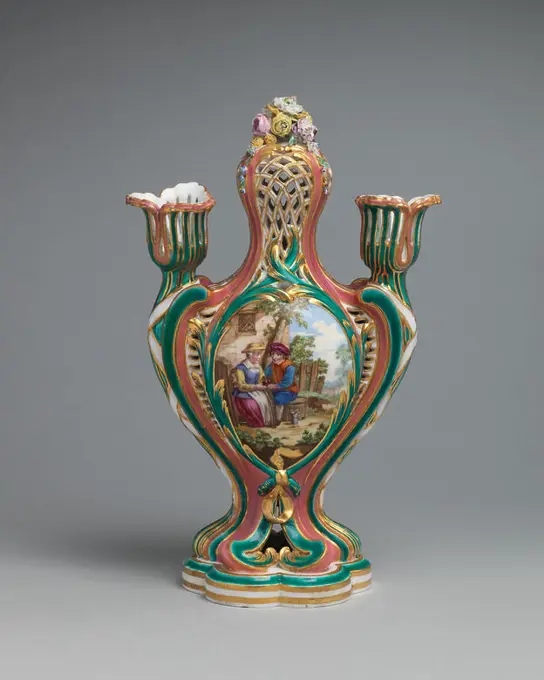
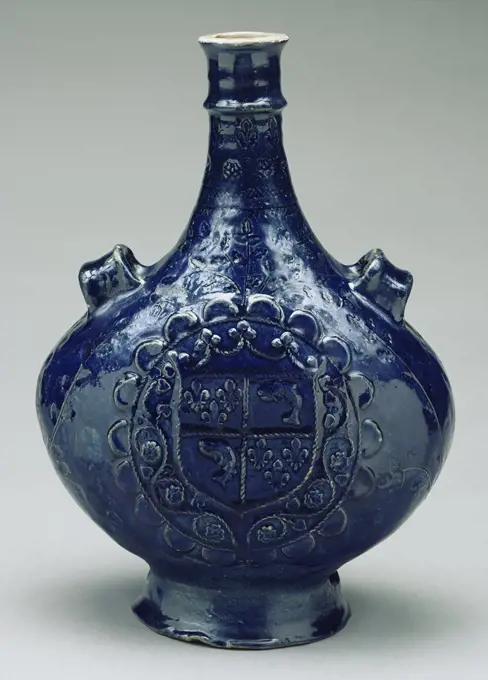
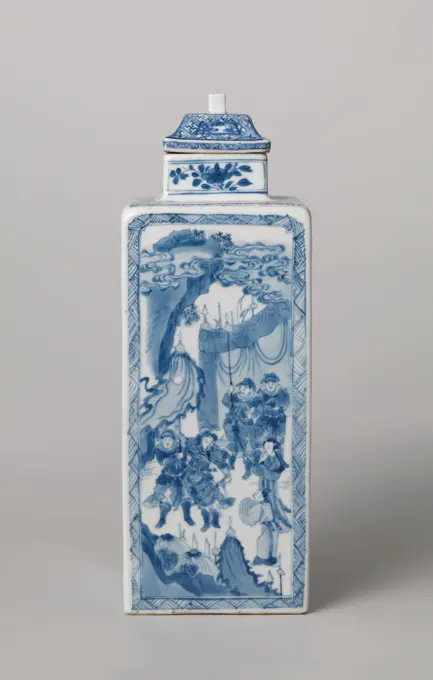
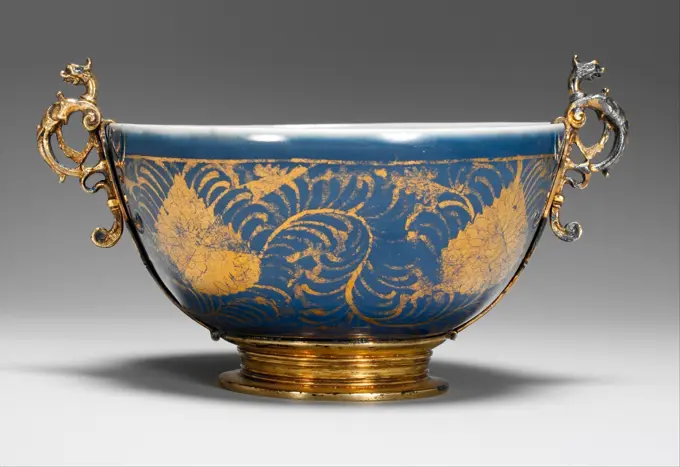
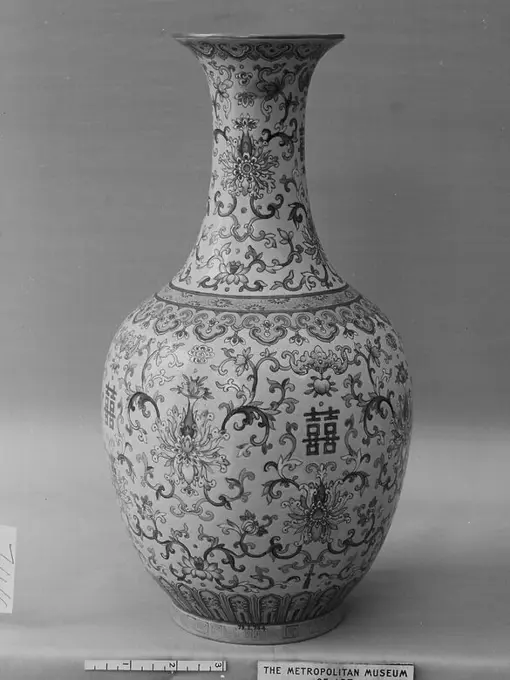
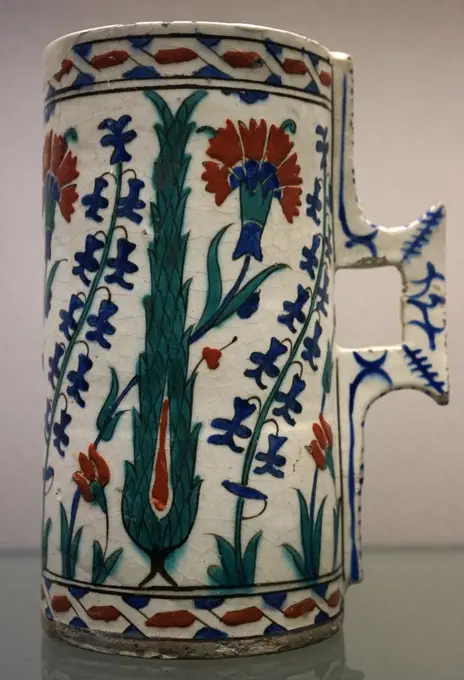
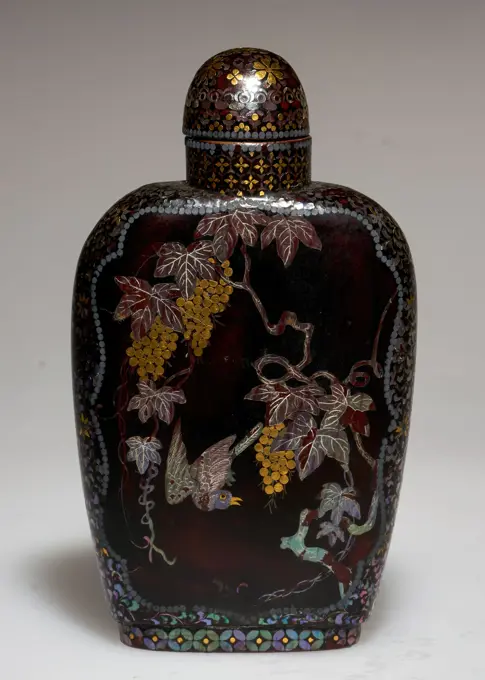
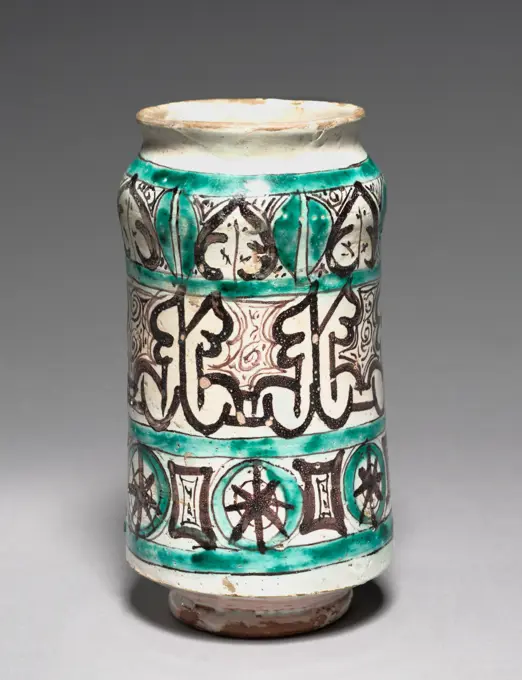
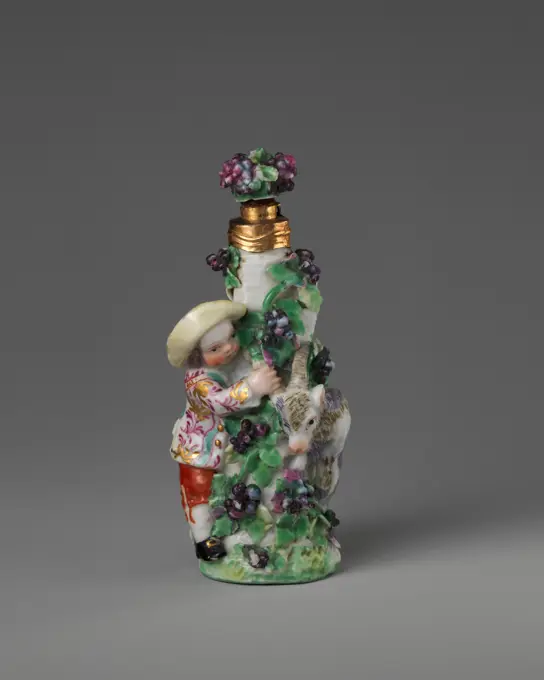
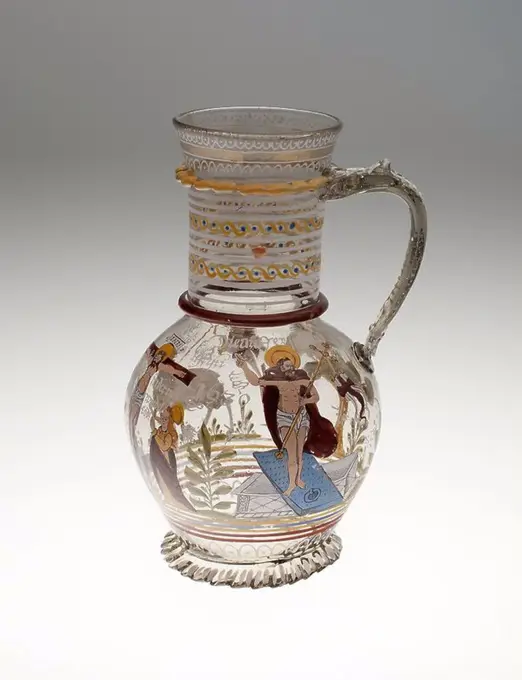
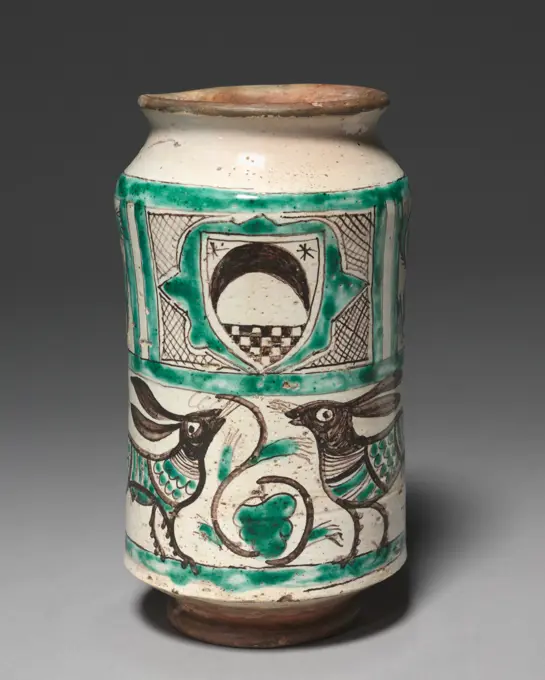
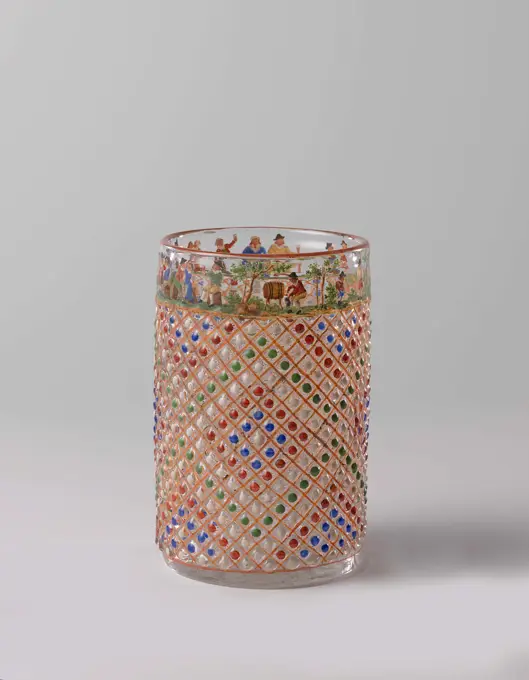
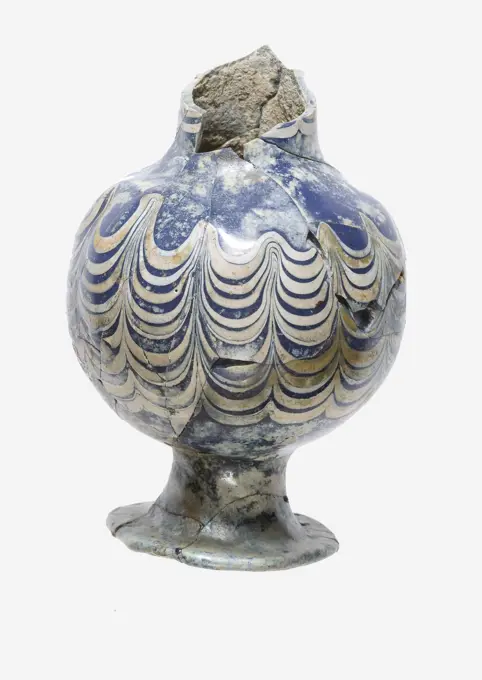
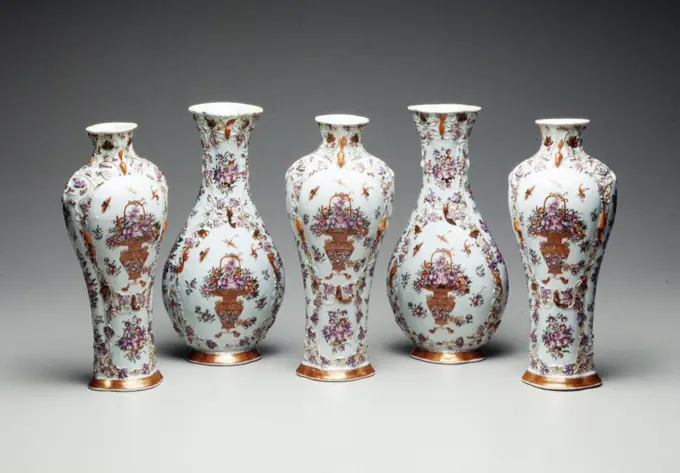
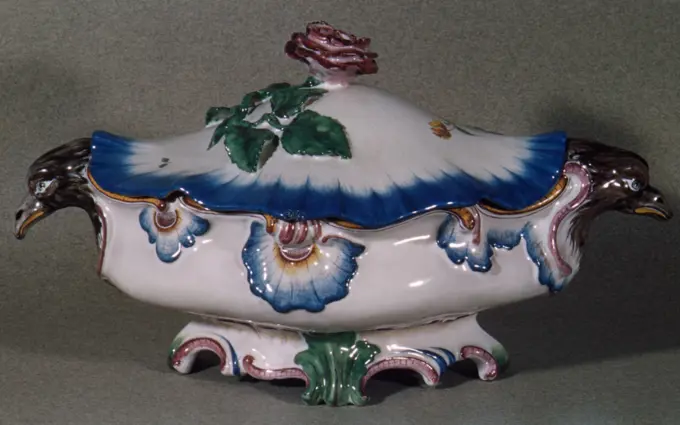
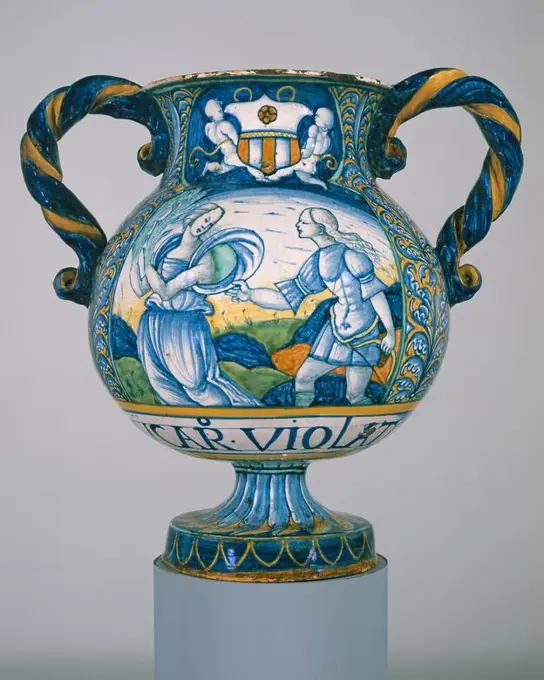
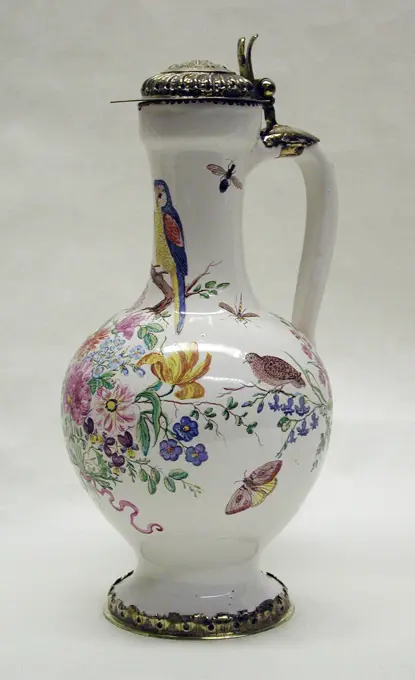
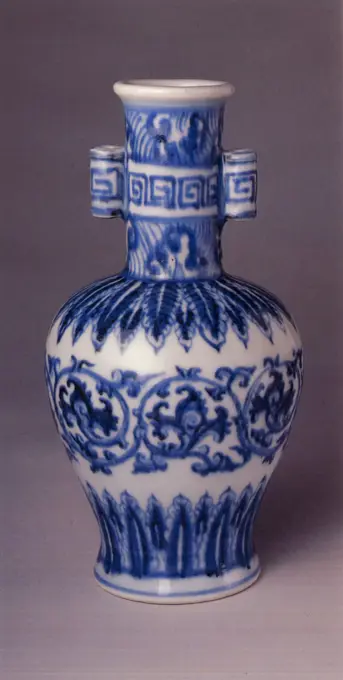
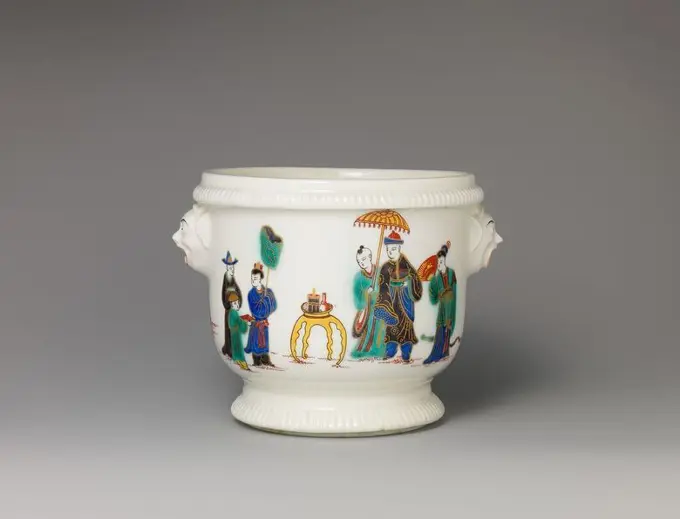
Small vase. unknown, craftsmanMoon (pilgrim) flask - bian hu. unknown, craftsmanAlbarello. Syria, late 12th or early 13th century/circa 6th-7th century A.H.. Ceramics. Fritware, underglaze-and luster-paintedJar. China. Date: 701 AD-750 AD. Dimensions: H. 14.2 cm (5 9/16 in.); diam. 17.4 cm (6 7/8 in.). Earthenware with three-color (sancai) lead glazes. Origin: China. Museum: The Chicago Art Institute, Chicago, USA.Egg-shaped box ca. 1760-1800 British, Staffordshire. Egg-shaped box. British, Staffordshire. ca. 1760-1800. Enameled copper. Enamels-PaintedEwer with flower sprays and spout shaped like a feng huang, anonymous, c. 1700 - c. 1724 Can be made of porcelain with modeled walls, a flared neck with beaten, ribbed edge and spout in the form of a Feng Huang. Painted on the glaze in red, green, yellow, eggplant and black. The wall is divided into four large compartments with flower courses (Lotus, peony, prunus, chrysanthemum) and six smaller compartments with geometric pattern or servetwork; On the shoulder loose flowers against a black speckled green soil; the lower part of the neck with the four flower areas in courses, above it, separated by a meander band, four compartments with servetwork; the edge with flower vines; on the foot a band with lottery branches in courses; Above the foot a band with modeled lotus leaves. Old label on the bottom with 'A. Steel Antiquaire Rokin 156 Amsterdam/ 6910/974009 '. Lid is missing. Famle Verte. China porcelain. glaze. painting / vitrification Can be made of porcelain with modeled walls, a flPhilippe-Joseph Brocard, Mosque Lamp, c. 1880, enameled, gilded, and applied glass.Cylindrical Bottle Vase With Panel Decoration With Flower Sprays. Cylindrical, bottle-shaped vase of porcelain, with thickening in the neck and spreading edge, painted in underglaze blue. Two rows with lobby cartouches on the wall filled with a flower branch on a rock, separated by a blue belt; the shoulder with flowers; The neck with pointed leaf motifs. Blue White.Dish;  19th century (1801-00-00-1900-00-00);. Tea bus with lid, painted porcelain. The bus is painted with Höroltt-chinoiseries and the weapon of the Venetian Morosini family. The tea bus has not been marked.Sugar bowl early 19th century Possibly by S. Dawson. Sugar bowl. British, Staffordshire. early 19th century. Pottery. Ceramics-PotteryJug with the Good Samaritan, anonymous, c. 1600 - c. 1649 Fragment of a jug of stoneware on a high foot with a cylindrical body with a round shoulder. Neck and ear are missing. The ear was attached to the shoulder. Profiles on the abdomen and foot. On the cylindrical part of the abdomen in relief, a printed and imposed bond with the history of the Merciful Samaritan. This includes the inscription 'Da sprach ihsvs zu ihm so hen du hin und thv gleichen auch sant lvce am x capitel 1619' and the brand 'i.c.'. The lower part of the abdomen runs slanted to the foot in Canelures. The shoulder is divided into courses with alternately stamped rosettes or cer kinds. Raeren. Rae stoneware. glaze. cobalt (mineral) vitrification Fragment of a jug of stoneware on a high foot with a cylindrical body with a round shoulder. Neck and ear are missing. The ear was attached to the shoulder. Profiles on the abdomen and foot. On the cylindrical part of the abdomen in relief, a printed and imposed bond with tCovered Jar with Chrysanthemums, Peonies, and Plum, late 1600s. Japan, Edo period (1615-1868). Porcelain with underglaze blue and overglaze color enamel (Hizen ware, Kakiemon type); diameter: 17.8 cm (7 in.); overall: 25.1 cm (9 7/8 in.).Vase;  18th century (1701-00-00-1799-00-00);Jug 1720 Bartholomäus Seuter. Jug 205826The cylinder has been preserved in the Brząd Party;  XVII century (1601-00-00-1700-00-00);cylinders, ceramics, Islamic art, Persian art, vasesVase. unknown, craftsmanEwer. Edward Lycett; American, born England, 1833-1910; Faience Manufacturing Company; American, 1881-1892; Brooklyn, New York. Date: 1886-1890. Dimensions: H. 56.5 × 22.9 × 22.9 cm (22 1/4 × 9 × 9 in.). Earthenware. Origin: United States. Museum: The Chicago Art Institute, Chicago, USA.. Porcelain tea bus with egg-shaped body, painted on the glaze in blue, red, black and gold. On the belly The arms of the families of Schoonhoven and Geraerds. The weapon to the left of the Van Schoonhoven family consists of two fields: above a stork on blue background and under three pike. The arm right from the Geraerds family consists of two fields: above a pigeon and under three roses or flower buds on a black background. The helmet mark is a crown with pearls with a diadem above above. The weapons are on a pedestal in red and gold. The wall is further covered with flower drinks in Bianco Sopra Bianco. Around the foot curling work in relief; around the shoulder a Spearhead border. The lid with flower drinks and a Spearhead border. Glaze partially off the lid knob. Weapon porcelain with email colors.Glass vase with animal painting for Indian market, 1670-1700, 10 x 6 1/2 in. (25.4 x 16.51 cm), Colorless glass with enamel decor, India, 17th-18th century, Venice was the leading center of the international glass trade during the 1400s and 1500s. Muslim traders imported European glassware to India throughout the 1600s. This distinctively shaped vase, made of clear Venetian glass with enameled decoration applied in India, was probably executed for one of the Islamic courts of the Deccan region.Barrel-Shaped Covered Jar With Flower Scrolls And Geometric Patterns. Lid with button of porcelain pot, painted on the glaze in red, green, yellow, eggplant and black with flower drinks and geometric motifs. Decorated with a layer of geometric motifs interrupted by cartouches with a flower branch, and above it a layer with flower reflections saved in a red soil, green button. Famille Verte.Vase - moon flask (pilgrim flask) with a round flattened belly. unknown, craftsmanPharmacy Jar 15th century Spanish. Pharmacy Jar 463085Stone -Good milk jug with a polychrome decoration on the glaze, anonymous, c. 1740 - c. 1760 Pear -shaped milk jug of stoneware, with a polychrome decoration on the glaze. The decoration has a landscape in which a house (church) Behind a fence. The top edge of the KAN is corrugated and has a spout. The ear is C-shaped. England earthenware Pear -shaped milk jug of stoneware, with a polychrome decoration on the glaze. The decoration has a landscape in which a house (church) Behind a fence. The top edge of the KAN is corrugated and has a spout. The ear is C-shaped. England earthenwareFlower Holder 1785-1795 Burslem. Stoneware (jasperware) . Wedgwood Manufactory (Manufacturer)Tho vessel for rice, decorated in the style of bencharong;  1770-1850 (1770-00-00-1850-00-00);Southeast Asia (culture), gift (provenance), Chinese art, Thai artVase 1891-95 Ohio Valley China Company. Vase 20735Tea Leaf Storage Jar with Trompe L'Oeil Brocade Mouth Cover Design. Japan, late Edo period (1615-1868), circa 1800-1850. Ceramics. Satsuma ware; earthenware with overglaze enamels and goldArrow Vase with Persian Inscriptions and Floral Scrolls, 1506-21. China, Jiangxi province, Jingdezhen kilns, Ming dynasty (1368-1644), Zhengde mark and reign (1505-1521). Porcelain with underglaze cobalt blue decoration; diameter: 10.7 cm (4 3/16 in.); overall: 26 cm (10 1/4 in.).Jug - aiguiere. Palissy, Bernard (1510-1589), author, unknown, authorImari shell-shaped ewer, from a two piece set, c. 1725, 11 3/4 x 10 3/16 x 4 3/8 in. (29.85 x 25.88 x 11.11 cm), Porcelain, China, Chinese exportThree vases. Meissen porcelain vases were often sold in sets and displayed on chimneypieces or furniture. These three vases were originally part of a set of five or more pieces. The porcelain is painted with Chinese figures in landscapes, in the style of Johann Gregorius Höroldt, the leading painter at the Meissen porcelain factory.Pilgrim bottle with the arms of France, anonymous, 1665 Jug (pilgrim bottle) of stoneware on a high base with a spherical body and with a narrow neck. Profiles on the neck and the foot. Four small, C-shaped ears on the sides of the abdomen and shoulder. Partly covered with cobalt blue and mangangan purple. On the belly twice in relief the printed and imposed weapon of France with the date '1665', surrounded by a wreath of Fleur-de-Lis and rosettes. A tire stamped rosettes on the neck. The edge is caught in a pewter frame. Grenzau, Westerwald. Westerwald Stoneware. Glaze. Cobalt (Mineral). Manganese oxide. frame: tin (metal) vitrification  France Jug (pilgrim bottle) of stoneware on a high base with a spherical body and with a narrow neck. Profiles on the neck and the foot. Four small, C-shaped ears on the sides of the abdomen and shoulder. Partly covered with cobalt blue and mangangan purple. On the belly twice in relief the printed and imposed weapon of France with the date '1665', suVase with triangles in relief, Adolf Le Comte, c. 1900 Vase of biscuit porcelain, decorated in green and gold. On the wall four times a triangle in relief. The ornamental decoration in green is also in relief. Narrow short neck. Inside glazed. Delft porcelain. biscuit (porcelain, material) Vase of biscuit porcelain, decorated in green and gold. On the wall four times a triangle in relief. The ornamental decoration in green is also in relief. Narrow short neck. Inside glazed. Delft porcelain. biscuit (porcelain, material)Vase Artist's working dates 1866-1923 Silesia. Glass with enamel decoration . Adolph von Heyden (Decorator)One Open Vase of a Garniture of Five Vases; Decoration attributed to Johann Gregor Höroldt (German, 1696 - 1775), Meissen Porcelain Manufactory (German, active 1710 - present); Dresden, Germany; about 1730; Hard-paste porcelain, polychrome enamel decoration and gilding; 27.6 x 17.8 cm (10 7,8 x 7 in.)Vase, two copies Necel, Franciszek (1868 1935)Vase with a lid. Prószków Śląski (fabryka fajansu ;1763-1853), factoryBeaker vase with floral scrolls and auspicious symbols, anonymous, c. 1875 - c. 1899 Porcelain cup vase with a hollow -shaped body, painted on the blue, red, pink, green, yellow and black. On the wall two groups of happiness objects with valuables (musical stone), Lotusrank, tripod, fruit basket and flower vases; Around the edge a decorative band with flower and lotus vines; A decorative band around the foot. Famle Rose. China porcelain. glaze. painting / vitrification Porcelain cup vase with a hollow -shaped body, painted on the blue, red, pink, green, yellow and black. On the wall two groups of happiness objects with valuables (musical stone), Lotusrank, tripod, fruit basket and flower vases; Around the edge a decorative band with flower and lotus vines; A decorative band around the foot. Famle Rose. China porcelain. glaze. painting / vitrificationVase. unknown, craftsmanBlue-ground Ewer with Floral, Tiger-stripe and 'Cintamani' Designs ca. 1580-85. Blue-ground Ewer with Floral, Tiger-stripe and 'Cintamani' Designs. ca. 1580-85. Earthenware; polychrome painted under transparent glaze. Attributed to Turkey, Iznik. CeramicsLi type census on three legs with covers and two antabs in the shape of lion's cars;  19th century (1801-00-00-1900-00-00);Paderewski, Ignacy Jan (1860-1941), Paderewski, Ignacy Jan (1860-1941)-collection, qing (style), Chinese (culture), cloisonné, gift (provenance), kadzielnice, lion (iconogr.), Lotos, dishes, dishes li, ritual vessels, plant (ornament), Chinese art, lotus wrapping (ornament)Pair of vases with a motif of plant flagellum and styIIsed flowers unknownPerfume vase ca. 1761 Chelsea Porcelain Manufactory Vases with perforations were called perfume vases in a 1761 sale catalogue of Chelsea porcelain.. Perfume vase. British, Chelsea. ca. 1761. Soft-paste porcelain. Chelsea Porcelain Manufactory (British, 1745-1784, Gold Anchor Period, 1759-69). Ceramics-PorcelainCandlestick; Prószków L Ski (Factory of the Fajans; 1763-1853); 1770-1783 (1770-00-00-1783-00-00);Flower Pot. Culture: Mexican. Dimensions: H. 13 1/2 in. (34.3 cm). Date: 1750-80. Museum: Metropolitan Museum of Art, New York, USA.Scroll flask. Culture: American. Dimensions: H. 7 3/4 in. (19.7 cm). Date: 1830-40. Museum: Metropolitan Museum of Art, New York, USA.Vase;  19th century (1801-00-00-1900-00-00);Four -sided vase;  XVII/18th century (1662-00-00-1722-00-00);Krieg, dr - collection, Qing (style), ceramics, green family, porcelain, colorful porcelain, figural scenes, Chinese artSnuff Bottle with Birds and Flowers China late 18th-early 19th centurySake Bottle with Pine Tree Design. Japan, Edo period, late 17th - first half 18th century. Ceramics. Hizen ware, Takeo type; stoneware with white slip, iron and copper glazesPot. Pot of faience. Painted multi-colored. The pot is labeled: B-p.Covered Jar with Thousand Flowers (Millefleurs) Design 1796-1820 China. Porcelain painted in overglaze enamels .Beer mug (stein) with tinplated lid. Kreussen (ośrodek ceramiczny ; XVII-XIX w.), factorySugar bowl, belonging to a six-part tête-à-tête, painted with dust pattern in gold, white and blue. Sugar bowl, belonging to a six-part tête-à-tête, painted with a dust pattern consisting of alternating a white band, in which a golden leaf garrier is winding around a blue trim and a wider gold band with lace pattern with flower and leaf garlands. Marked with the crowned monogram CT including 7 in underglazing blue.Potpourri ca. 1860-70 Minton(s) Minton was the most important ceramics factory during the Victorian period and began exhibiting products at the first Great Exhibition of 1851. Founded in 1793 by Thomas Minton at Stoke-on-Trent, the firm initially specialized in transferware pottery before expanding under the ownership of Thomass son Herbert Minton, beginning in 1836. Under the ownership of Colin Minton Campbell, who succeeded his uncle in 1858, the factory became recognized as a specialist producer of Aesthetics movement porcelain, which were inspired by a rich array of exotic and eclectic decorative motifs.. Potpourri. British, Stoke-on-Trent, Staffordshire. ca. 1860-70. Bone china and unglazed porcelain (Parian ware). Ceramics-PorcelainPotpourri vase with candleholders (pot-pourri à bobêche) (one of a pair). Culture: French, Sèvres. Decorator: Figural decoration probably by Charles Nicolas Dodin (French, Versailles 1734-1803 Sèvres); Flower decoration attributed to Pierre-Louis-Philippe (Armand II, called le jeune) (French, working 1746-88, died 1788). Dimensions: Overall (confirmed): 9 1/2 x 6 1/16 x 3 5/8 in. (24.1 x 15.4 x 9.2 cm). Factory: Sèvres Manufactory (French, 1740-present). Modeler: Attributed to Jean-Claude Duplessis (French, ca. 1695-1774, active 1748-74). Date: 1760.These potpourri vases with candleholders reflect the quest for innovation that characterizes so much of the Sèvres factory's production of the 1760s. The vases could have been used as potpourris (the scent of petals inside could waft through the panels of pierced trelliswork at the top), and the two flanking candle sockets allowed them also to serve as candelabra, yet it seems probable that they were primarily intended for decoration. BothSopera, Olot. Museu Català de les Arts i Tradicions Populars.Vase with flowers, birds, and poems. Culture: China. Dimensions: H. 17 1/2 in. (44.5 cm); Diam. of rim: 4 5/8 in. (11.7 cm); Diam. of foot: 4 3/4 in. (12.1 cm). Date: dated 1709.The precise date for the vase is found in the poems and seals that are part of the decoration. One of the poems discusses peonies, particularly those on the mythical mountain Penglai, while the other alludes to the strength and brightness of chrysanthemums. The seal, which appears twice, is that of the "residence of wood and stone" (mu shi ju), the name of an independent kiln or studio at Jingdezhen. Museum: Metropolitan Museum of Art, New York, USA.Pilgrim flask; Unknown; Puisaye, France, Burgundy, Europe; early 16th century; Cobalt-glazed stoneware; Object: H:  33.5 x W:  23.1 x D:  12.8 cm (H:  13 3/16 x W:  9 1/8 x D:  5 1/16 in.)Bottle, Qianlong period, 1736-1795, 8 1/4 x 2in. (21 x 5.1cm), Ivory with red lacquer inlay, China, 18th century, This pair of bottles exemplifies the high, technical standards of the imperial workshops. Bearing Ch'ien lung imperial marks on the bottoms, the pictorial subject matter is drawn from classical literature which, along with popular opera, provided decorative figural scenes for carved lacquer, overglaze porcelain, textiles, and ivory.Four-sided vase. unknown, craftsmanBlue jar enclosed in brass fittings at sharad baug, kutch, Gujarat, India Copyright: xMadhusudanxManek/DinodiaxPhotoxPotpourri Vase with Shepherd 1760-1765 Chelsea. Soft-paste porcelain, polychrome enamels and gilding . Chelsea Porcelain FactoryNécessaire British, Staffordshire ca. 1755-80 View more. Nécessaire. British, Staffordshire. ca. 1755-80. Copper, enamel. Enamels-PaintedSquare bottle with narrative scenes of warriors in a landschape, anonymous, c. 1675 - c. 1699 Porcelain bottle of square bottle, painted in underlaze blue. On lid with a swastika pattern with a cartouche with a lucky symbol (fishing). On the square lid button the character 'fú', happiness. Blue White. China porcelain. glaze. cobalt (mineral) painting / vitrification Porcelain bottle of square bottle, painted in underlaze blue. On lid with a swastika pattern with a cartouche with a lucky symbol (fishing). On the square lid button the character 'fú', happiness. Blue White. China porcelain. glaze. cobalt (mineral) painting / vitrificationVaas puts papavers, Legras & Cie., C. 1900 - c. 1914 Concave, sharpened soil. Run upwards, flattened body with a square mouth with raised sides. Colorless glass, orange code and colorless überfang with brown -pawy glass powder, free and etched with the needle. Decor of red papavers with dark green leaves. Along the edge of the foot and the mouth a gilded edge in Art Nouveau motifs. On the soil the signature Indiana Lcie. La-Plaine-Saint-Denis glass glassblowing / etching / gilding Concave, sharpened soil. Run upwards, flattened body with a square mouth with raised sides. Colorless glass, orange code and colorless überfang with brown -pawy glass powder, free and etched with the needle. Decor of red papavers with dark green leaves. Along the edge of the foot and the mouth a gilded edge in Art Nouveau motifs. On the soil the signature Indiana Lcie. La-Plaine-Saint-Denis glass glassblowing / etching / gildingBowl with Stylized Leaves second half of the 16th century China Made for export, bowls with this type of decoration are often catalogued as kinrande ware after a Japanese term for fabric with gold thread. Although, as the term implies, such wares are thought to have been made primarily for Japan, examples also reached the Middle East and Europe.. Bowl with Stylized Leaves. China. second half of the 16th century. Porcelain painted with cobalt blue under transparent glaze in interior and blue glaze and gold on exterior (Jingdezhen ware); English gilt silver mount, ca. 1590-1610. Ming dynasty (1368-1644). CeramicsVase. Culture: China. Dimensions: H. 13 in. (33 cm). Museum: Metropolitan Museum of Art, New York, USA.Tankard with a painted underglaze with cypresses and flowers from, Iznik, Turkey. Dated 16th CenturySnuff Bottle, 1662-1722, 3 x 1 3/4 in. (7.62 x 4.45 cm), Black lacquer with mother-of-pearl and metallic inlay, China, 17th-18th centuryAlbarello with Pseudo-Kufic Letters, 1300s. Spain, Paterna, 14th century. Tin-glazed earthenware (maiolica); overall: 21.6 cm (8 1/2 in.).Boy with goat ca. 1765 Chelsea Porcelain Manufactory. Boy with goat. British, Chelsea. ca. 1765. Soft-paste porcelain. Chelsea Porcelain Manufactory (British, 1745-1784, Gold Anchor Period, 1759-69). Ceramics-PorcelainPair or Vases, The Young Moriaanshooft (attributed to), c. 1685 - c. 1690 Vase Delft . Vase Delft .Wine Jug with the Lamb of God. Germany. Date: 1625-1635. Dimensions: 22.9 x 9.5 cm (9 x 3 3/4 in.). Glass with enamel decoration. Origin: Germany. Museum: The Chicago Art Institute, Chicago, USA.Vase with cover (vase à btons rompus). Culture: French, Sèvres. Decorator: Attributed to Jean-Baptiste-Etienne Genest (French, active 1752-88). Dimensions: H. 18 3/16 in. (46.2 cm.). Factory: Sèvres Manufactory (French, 1740-present). Date: ca. 1764.This vase is notable for the bold zigzag-and-diamond ornament above the foot, the highly architectural handles, and the draped oak garlands linking the handles to the vase. These elements reflect a growing awareness at Sèvres of the Neoclassical style, which was gaining popularity in France in the 1760s. Curiously, the painted decoration showing soldiers in an encampment, like that found on other early Neoclassical vases from Sèvres, ignores the new stylistic influence. Museum: Metropolitan Museum of Art, New York, USA.Albarello with Two Rabbits, 1300s. Spain, Paterna, 14th century. Tin-glazed earthenware (maiolica); overall: 22.3 x 9.9 cm (8 3/4 x 3 7/8 in.).Cup Korzec'Ming Dynasty, Fahua vase', 15th century. Artist: Unknown.. Vase with porcelain lid, painted multicolored with flowers, a bouquet and two parrots on a branchCup with partying farmers. Flat bottom. Cylindrical body, painted with thickly applied red, green, blue and white dots in a diamond pattern. Along the top edge a frieze with partying farmers, deposited with a brown trim.Zinc pitcher cover; Boles 1798 (1798-00-00-1798-00-00);Bolesławiec Kamionka, Museum of the Polish Army (Warsaw - 1920-) - collection, overlay decorationVase ca. 1390-1353 B.C. New Kingdom. Vase. ca. 1390-1353 B.C.. Glass. New Kingdom. From Egypt, Upper Egypt, Thebes, Malqata, Palace of Amenhotep III, MMA excavations, 1911-12. Dynasty 18Incense burner with lotus scrolls China late 15th-early 16th century. Obelisk van faienceVase, one of a garniture of five, c. 1775, 1 3/4 x 4 3/4 x 3 3/8 in. (4.45 x 12.07 x 8.57 cm), Porcelain, China, 18th centuryVase, painted multi-colored with chinoiseries. Vase of painted porcelain. The vase is painted with a contour-chinoiserie consisting of a timpanating rider, preceded by a boy, wearing a rolled music role on the back and with branches with Indian blumen. The vase has been marked.Tureen with cover ca. 1750-60 Period of Paul Hannong Faience, or tin-glazed and enameled earthenware, first emerged in France during the sixteenth century, reaching widespread usage among elite patrons during the seventeenth and early eighteenth centuries, prior to the establishment of soft-paste porcelain factories. Although characterized as more provincial in style than porcelain, French faience was used at the court of Louis XIV as part of elaborate meals and displays, with large-scale vessels incorporated into the Baroque garden designs of Versailles. Earlier examples of French faience attest to the strong influence of maiolica artists from Italy. Later works demonstrate the ways in which cities such as Nevers, Rouen, Lyon, Moustiers, and Marseille developed innovative vessel shapes and decorative motifs prized among collectors throughout Europe. While faience can be created from a wide mixture of clays, it is foremost distinguished by the milky opaque white color achieved by the aApookers support 'y/y MCuas, a lamp of a lampnkank, C. 1740 k. 178 Pharmacist's spot of blue painted faience with inscription: o/ mucaginum. The pot is on a foot, has an ear and a spout. The pot is marked: LPK. Delft earthenware. tin glaze. cork (bark) Pharmacist's spot of blue painted faience with inscription: o/ mucaginum. The pot is on a foot, has an ear and a spout. The pot is marked: LPK. Delft earthenware. tin glaze. cork (bark)Albarello, painted multicolored with two cartouches: in one a man with a three-stitch, in the other a man with flat dotted hat .. pot of multi-colored painted majolica, with noded neck and foot. Two cartouches are painted on the pot in which a man's portrait and profile. One man wears a hat with a yellow globe (three-pointed hat) and has a round profile. The other man carries a flat, blue and green dotted hat and has a keen profile. Between the cartouches are brords, spirals and a rosette painted.Apothecary Vase (vaso da farmacia). Culture: Italian, Castelli. Dimensions: H. 11 7/8 in. (30.2 cm). Date: ca. 1515. Museum: Metropolitan Museum of Art, New York, USA.Salt barrel. Salt barrel, Rhine gray, down square, from above. Birds ornament.. Porcelain vase, painted multi-colored with flowers, a bouquet and two parrots on a branchJug (Enghalskrug) ca. 1720 Bartholomäus Seuter Bartolomaeus Seuter, goldsmith, worked independently in Augsburg, mainly as an engraver and an enameler of faience and glass, and after 1726, of porcelain.. Jug (Enghalskrug). German, Augsburg. ca. 1720. Tin-glazed earthenware, silver gilt. Ceramics-PotteryVase China Listen to experts illuminate this artwork's story Listen Play or pause #7310. Vase Supported by Bloomberg Philanthropies We're sorry, the transcript for this audio track is not available at this time. We are working to make it available as soon as possible.. Vase 42506Beaker ca. 1765 British. Beaker 373Bamboo-shaped Sake Bottle with Birds, Bamboo and Flowers. Bamboo-shaped porcelain sakefles with a short, narrow neck, painted on the glaze in blue, red, green, yellow and black. A bird on a bamboo roof on the wall. The shoulder with spreader flowers and around the neck a modeled chrysanthemum. Arita, Kakiemon style.Tea caddy 19th century Meissen Manufactory German. Tea caddy 187674JARRA DE CERAMICA DE ARAGON. Location: MUSEO DEL PUEBLO ESPAÑOL. MADRID. SPAIN.Wine glass cooler (seau à verre). Culture: French, Saint-Cloud. Dimensions: Overall (confirmed): 4 5/16 × 5 11/16 × 4 7/8 in. (11 × 14.4 × 12.4 cm). Factory: Saint-Cloud factory (French, before 1698-1766). Date: ca. 1725-30. Museum: Metropolitan Museum of Art, New York, USA.