Decorative Vases and Jars

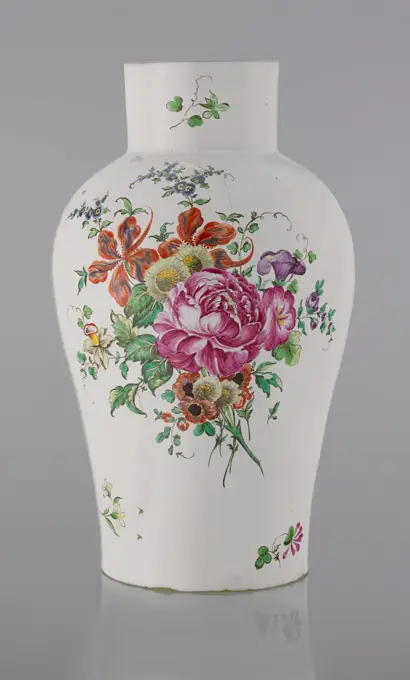
A series of elegantly designed vases and jars, showcasing intricate patterns and vibrant colors. Fine porcelain pieces highlight artistic craftsmanship.
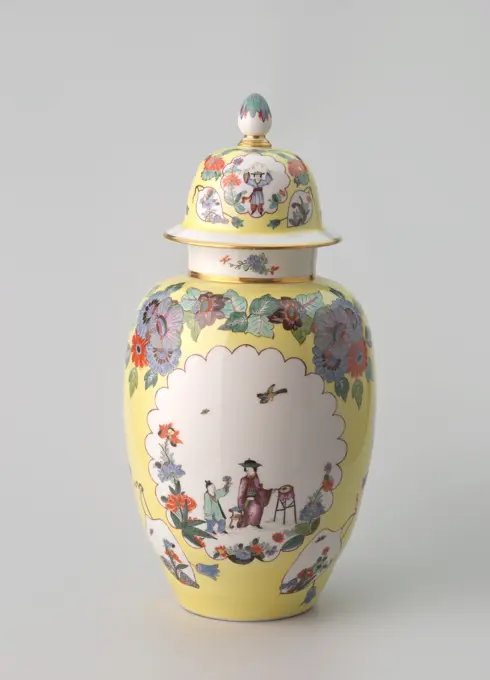
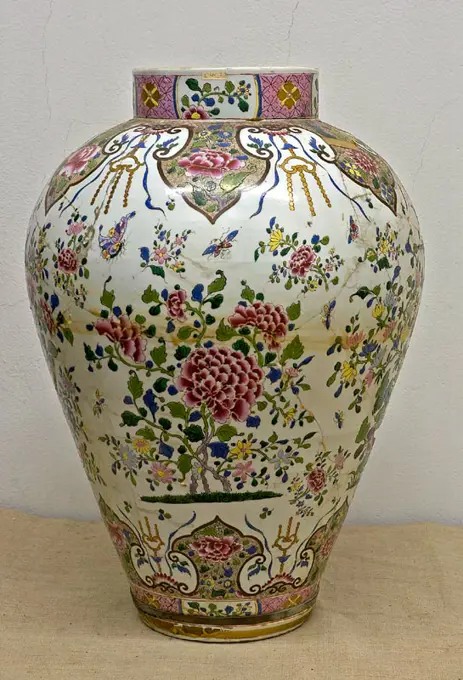
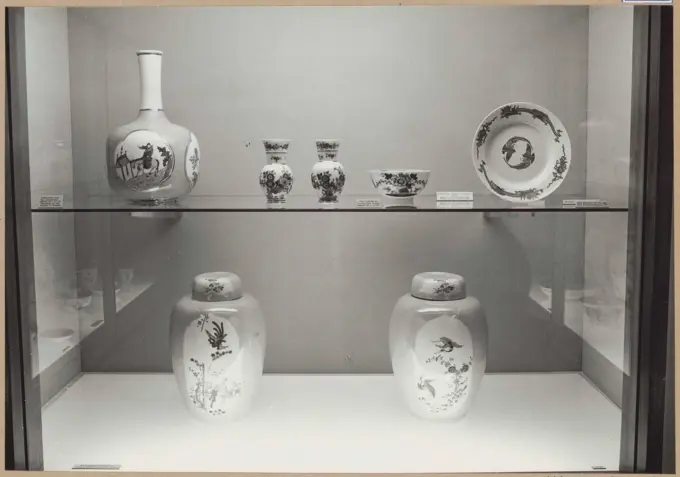
Vase with lid, multicolour painted with Chinese in saved lobed circles in a yellow stock, Meissener Porzellan Manufaktur, c. 1735 Cover of painted porcelain. The vase is covered with a yellow stock, in which two garlands of Indianic blums are painted on the body and lid. Float porcelain Cover of painted porcelain. The vase is covered with a yellow stock, in which two garlands of Indianic blums are painted on the body and lid. Float porcelain
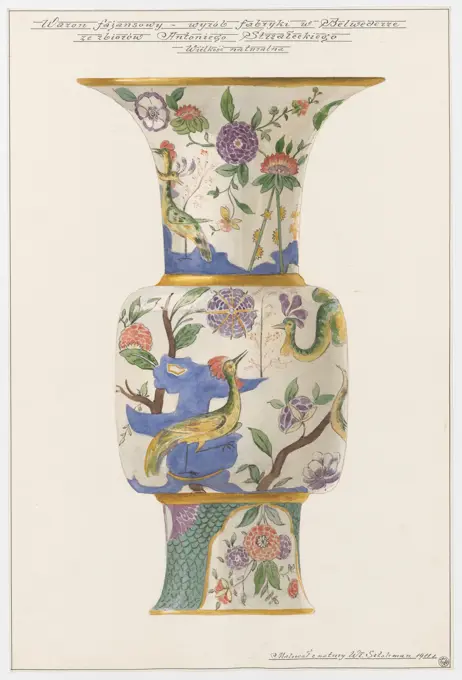
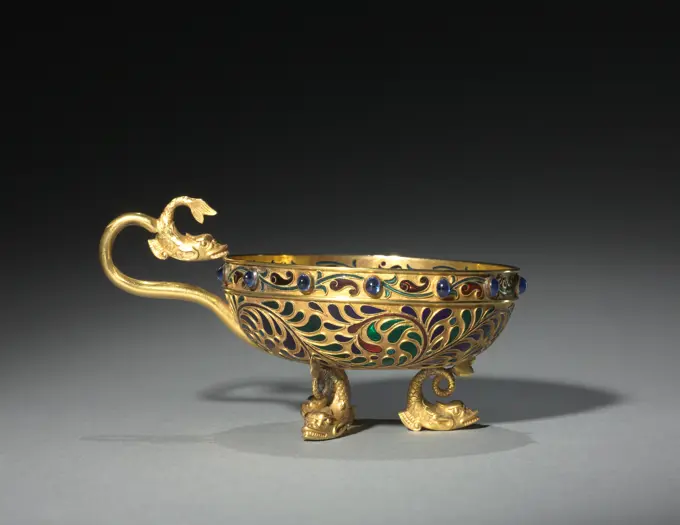
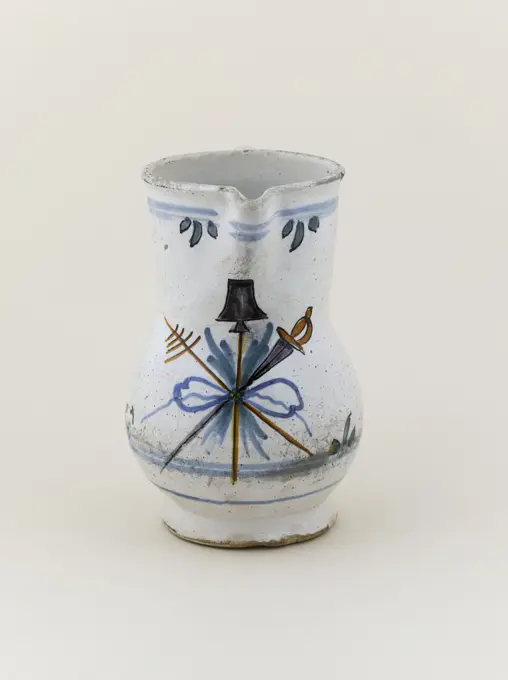
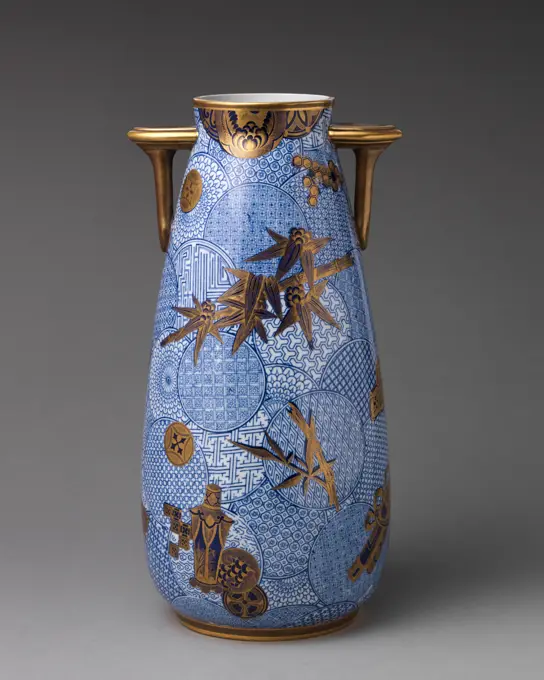
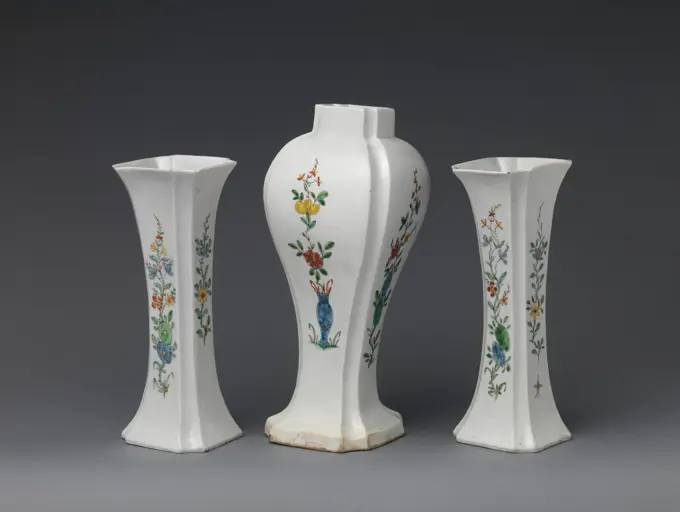
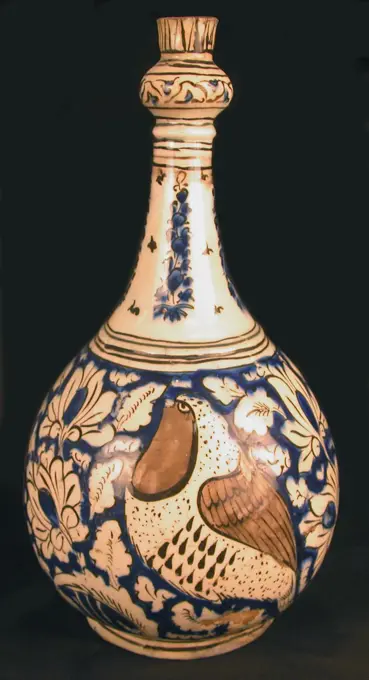
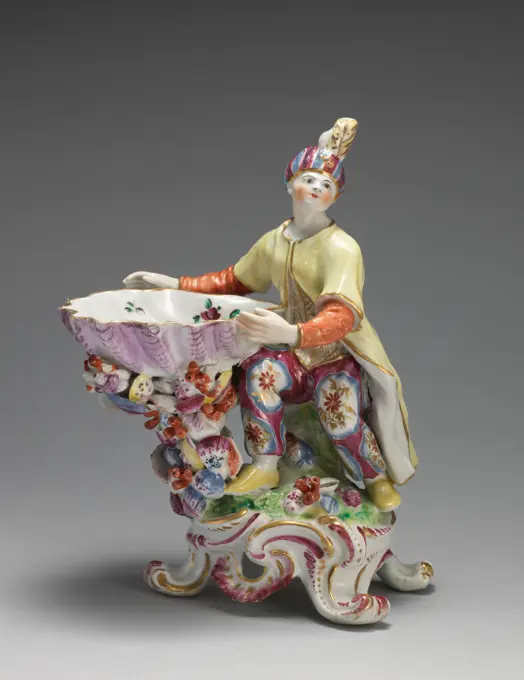
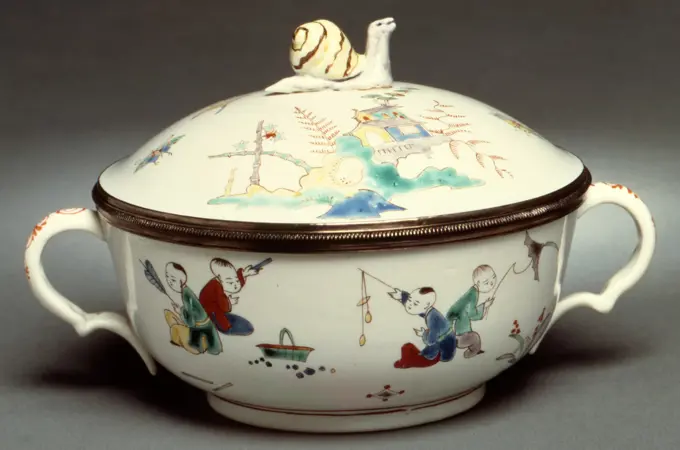
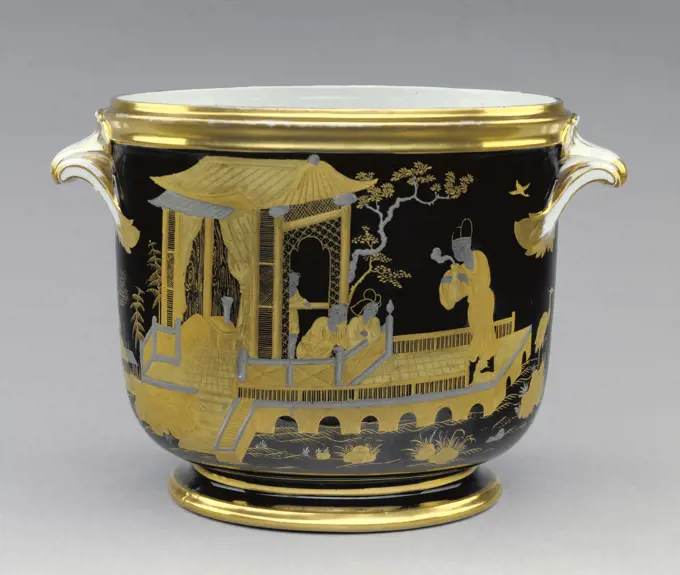
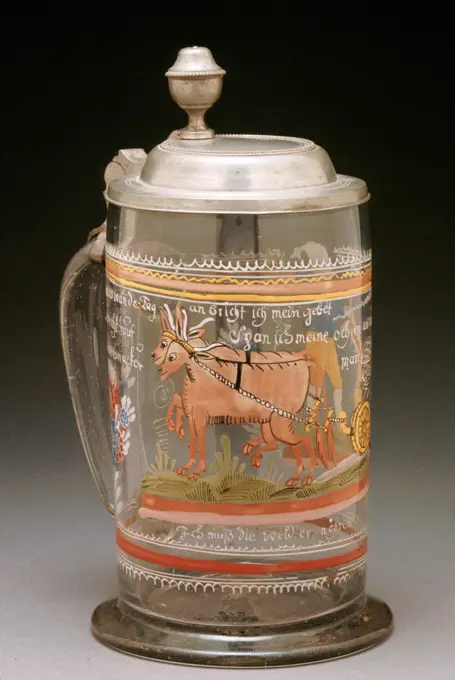
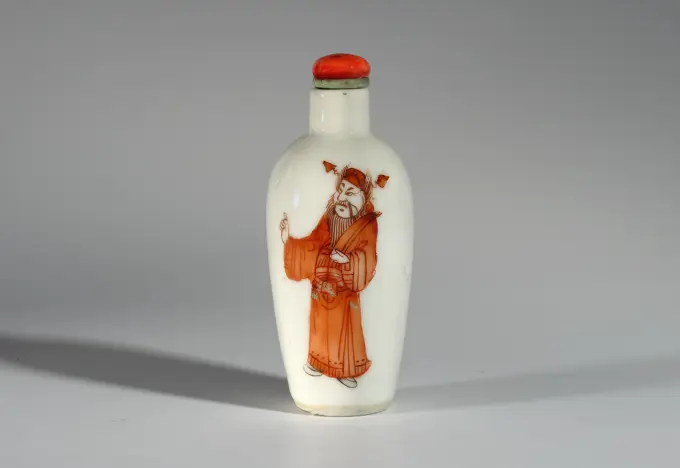
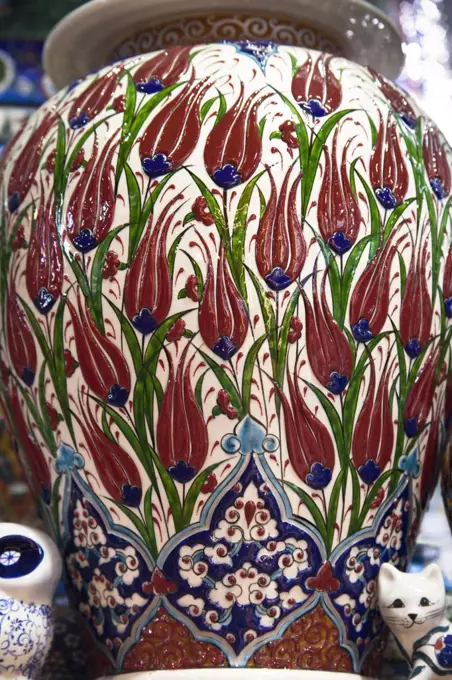
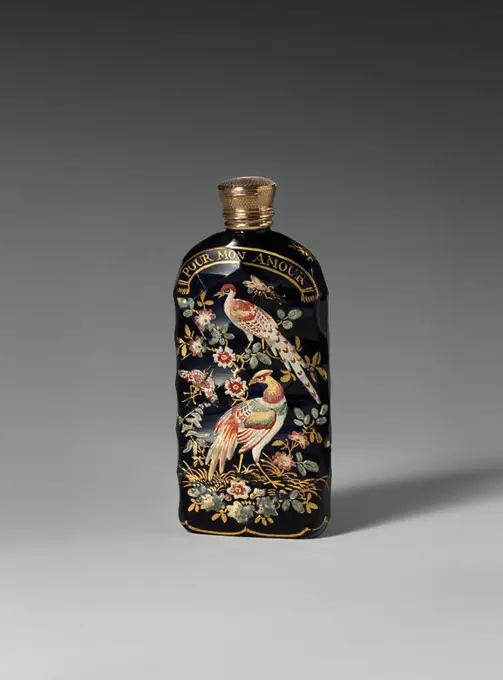
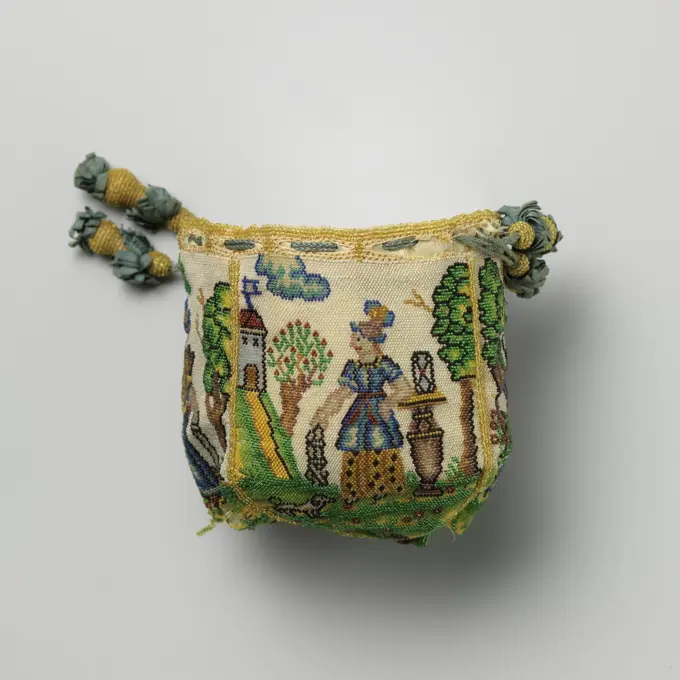
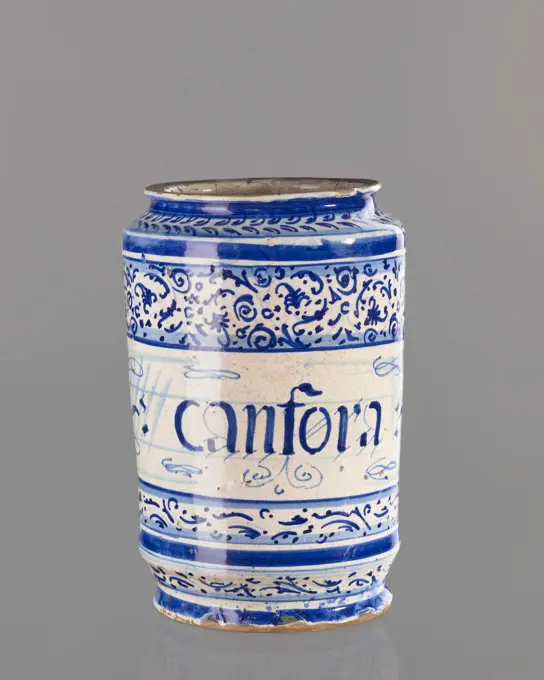
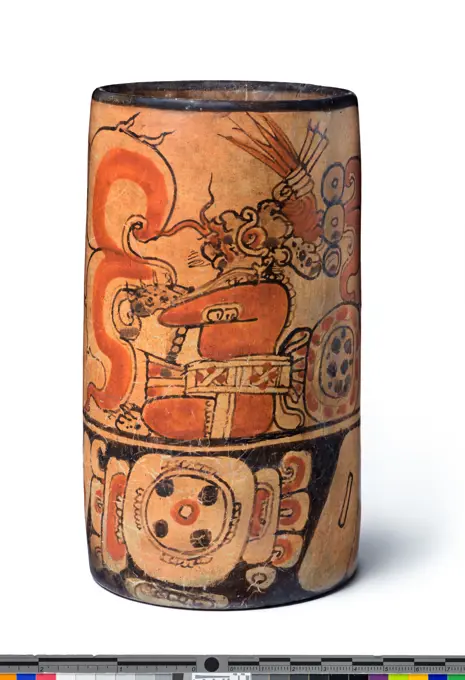
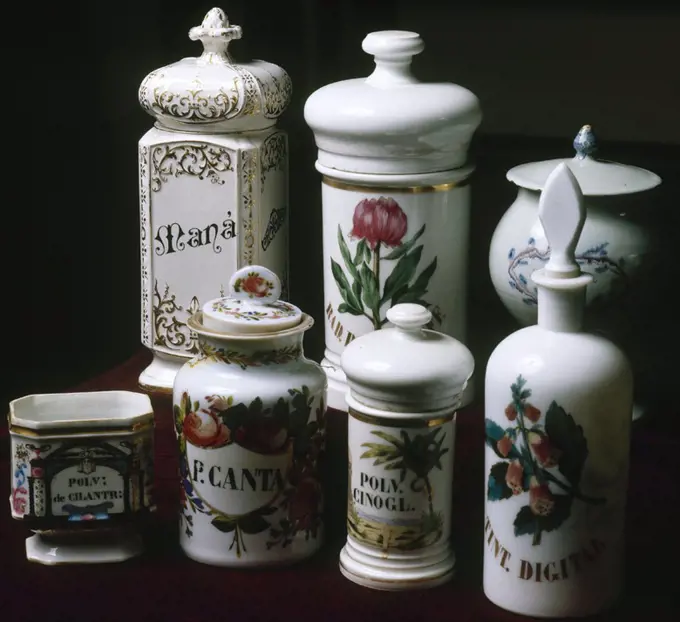
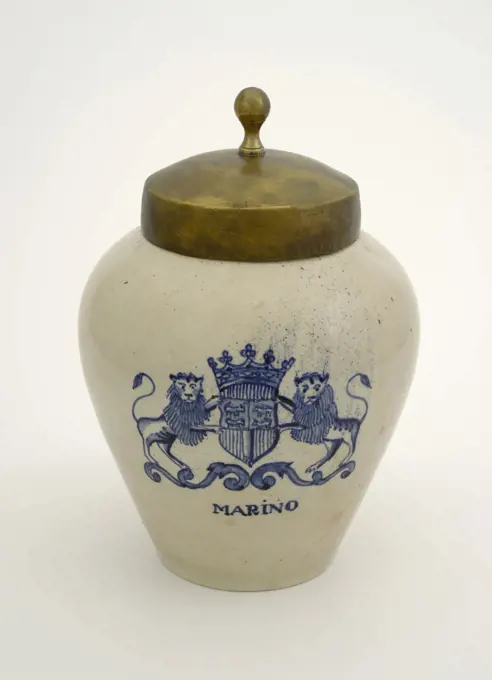
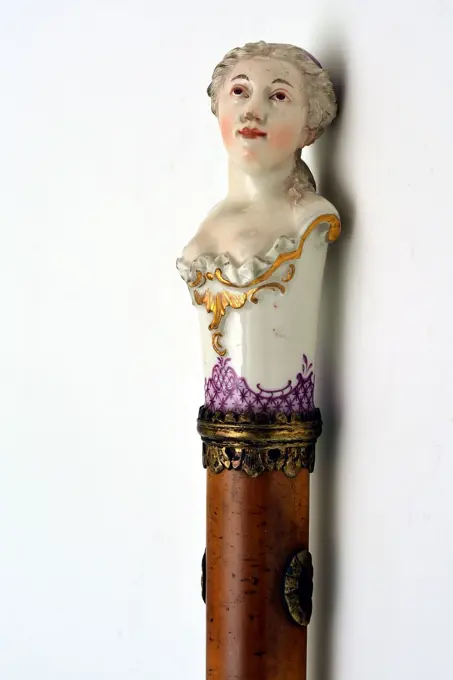
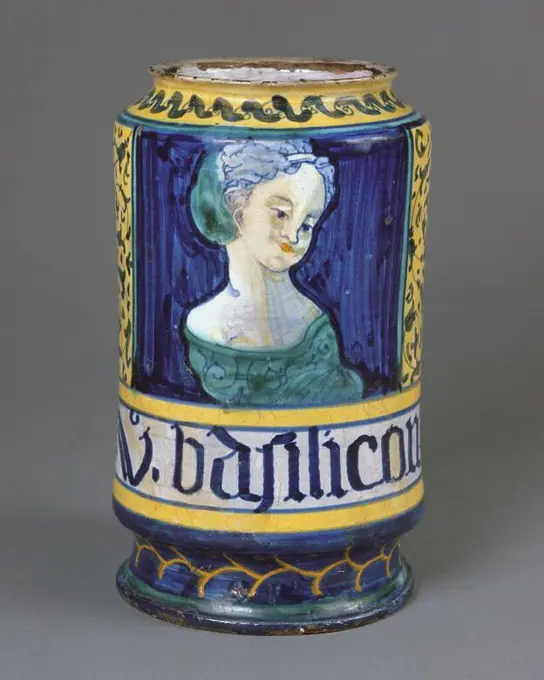
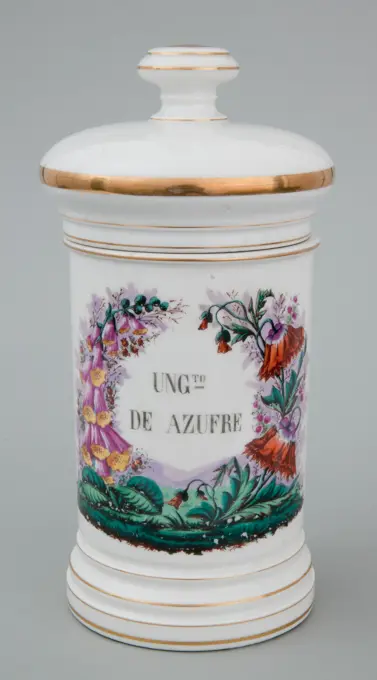
GU cup;  19th century (1800-00-00-1900-00-00);Very old style clay ewer water jar in viewVase China. Vase. China. Porcelain painted in underglaze blue and overglaze polychrome enamels. Qing dynasty (1644-1911), Qianlong mark and period (1736-95). CeramicsSpherical flattened vase with long neck. unknown, craftsmanGuan-type vase with lid and lion figurine on top. unknown, craftsmanVase; Watano, Kutani; 19th century (1801-00-00-1900-00-00);Vase decorated in far-eastern style, from the collection of Antoni Strzałecki ; drawing for the publication: `CERAMIKA POLSKA ZEBRANA STARANIEM DOMINIKA WITKE JEŻEWSKIEGO, MALOWAŁ WŁ. SZTOLCMAN` Polish ceramics collected by the effort of Dominik Witke-Je???????????????????. Sztolcman, Władysław Roman (1873-1950), painterVase with falconers. unknown, craftsman. Vase of porcelain, round ground surface, upwardly rejuvenating and changing into a square, with a square slightly outstanding mouth opening. Many color painted with floral motifs and two adjacent parrots, inside an ornamental decor.Charka (Drinking Vessel), late 1800s-early 1900s. Russia, Moscow(), late 19th-early 20th Century. Gold, plique-a-jour enamels, gold coin, sapphires; overall: 3.1 x 10.2 cm (1 1/4 x 4 in.).Anonymous. Pichet with three orders. Earthenware. 1789-1792. Paris, Carnavalet museum. 72437-32 Beche, Crosse, Painted Decor, Epee, Revolutionary Faience, knot, object, pitcher, Revolution 1789, French revolution, three orders, daily life, 18th 18th 18th 18th 18th centurySnuff Box, c. 1750. England, mid-18th century. Agate with gold mounts; overall: 7 x 5.7 x 5.8 cm (2 3/4 x 2 1/4 x 2 5/16 in.).Vase (one of a pair) 1879 Worcester factory After the end of the Flight, Barr & Barr ownership of the Worcester factory in 1840, the firm went through a succession of owners and mergers before falling under the ownership of Kerr & Binns in 1852. During the partnership, the factory sought to rebuild its former eighteenth-century reputation in porcelain and known for Renaissance-inspired designs. With the establishment of the Royal Worcester Porcelain Company in 1862, the company gradually gained recognition for its Japanese-inspired designs, which formed part of Japonisme, a collective fascination with Japan that took place in Europe and the United States following the opening of Japanese markets to the West by Commodore Perry in 1853. Listen to experts illuminate this artwork's story Listen Play or pause #418. Christopher Dresser and the Birth of Industrial Design Supported by Bloomberg Philanthropies We're sorry, the transcript for this audio track is not available at this time. We arGarniture of three vases ca. 1752-1753 British, Worcester No factory better illustrates the entrepreneurial underpinnings of the ceramic industry in England during the eighteenth century than the one established at Worcester in 1751.1 Created by a deed of partnership, it was an ambitious and risky undertaking, because the city of Worcester did not have the various resources and potential clientele offered by London. However, the founders of the factory astutely focused on types of products that were not available from the factories established at Chelsea and at Bow several years earlier. Chelsea’s production was aimed primarily at the luxury market, and it included a large number of decorative objects and figures. Bow sought to compete with imported Chinese porcelains and to reach a more middle-class clientele. In contrast, Worcester aimed to provide utilitarian wares that were not made by the other English factories, and it developed styles of decoration that further distinguished iAnonymous / "Tinaja", 20th century, Ceramics (painted terracotta), 50 x 50 cm.Jar (bulb pot) ca. 1748 Chelsea Porcelain Manufactory. Jar (bulb pot). British, Chelsea. ca. 1748. Soft-paste porcelain. Chelsea Porcelain Manufactory (British, 1744-1784). Ceramics-PorcelainWaza from the cover;  18th century (1701-00-00-1800-00-00);Beaker with cover German 19th centuryScent Bottle, 1800s. France, 19th century. Porcelain with gold or gilt metal mounts; overall: 5.6 x 3.9 cm (2 3/16 x 1 9/16 in.).ANFORA DE VIDRIO SIGLO XIV - MEDIEVAL. Location: MUSEO DEL VIDRIO. Barcelona. SPANIEN.Black forest mug Beer mug from the Black forest in Germany Copyright: xZoonar.com/IvonnexWierinkx 7465641China, Shanghai, Shanghai Museum, Qing Dynasty (1644-1912 AD) Vase depicting DeersPear-Shaped Bottle with Birds 17th century Like so many ceramics produced in Iran during the Safavid period, the style and decoration of this bottle demonstrates an attempt to emulate the highly-regarded Chinese porcelain. Vegetal forms akin to lotus flowers, and the use of underglaze blue and white indicate the Chinese influences. The vessel's weighty shape is charmingly equated with the rotund pot-bellies of the birds.. Pear-Shaped Bottle with Birds 444893Sweetmeat dish (one of a pair) ca. 1760 Bow Porcelain Factory British. Sweetmeat dish (one of a pair). British, Bow, London. ca. 1760. Soft-paste porcelain. Bow Porcelain Factory (British, 1747-1776). Ceramics-PorcelainDish with Floral Design. Culture: Japan. Dimensions: H. 1 1/8 in. (2.9 cm); W. 5 in. (12.7 cm); L. 6 3/8 in. (16.2 cm). Date: ca. 1660-80s. Museum: Metropolitan Museum of Art, New York, USA.Ming Dynasty Vases ca. 1368-1644  ChinaPorringer with cover (Écuelle) 1732-38 Chantilly. Porringer with cover (Écuelle). French, Chantilly with French, Paris mounts. 1732-38. Soft-paste porcelain, silver. Chantilly (French). Ceramics-PorcelainIncense burner, anonymous, 1850 - 1899 Decorated with a dragon in relief. Japan bronze (metal). gold (metal) Decorated with a dragon in relief. Japan bronze (metal). gold (metal)Cylindrical vase with powder blue and a woman on a terrace, anonymous, c. 1700 - c. 1724 Porcelain roller vase with flat shoulder, straight neck and flared edge, painted in underly glaze blue and on the glaze blue, red, green, yellow, eggplant, black and gold. The wall is covered with bleu poudré (powder blue) with two rectangular reserves with squeezed corners, one filled with a woman with a broom on a terrace with a couch, surrounded by rocks and plants, the other with a woman with a twig and twig and A fan in a fenced garden with a couch and stool, surrounded by rocks, plants and a tree; Around the compartments a decoration in gold, between the compartments a flower vase, around the foot curry, on the shoulder a swastika pattern interspersed with compartments filled with antiques, on the neck flower areas. The edge is broken. Bleu Poudré with Famle Verte. China porcelain. glaze. cobalt (mineral). gold (metal) painting / gilding / vitrification Porcelain roller vase with flat shouldePair of Wine Bottle Coolers; Model originally designed in 1753 by Jean-Claude Duplessis père (French, about 1695 - 1774), Gilded by Jean-Jacques Dieu (French, active 1777 - 1811), Sèvres Manufactory (French, 1756 - present); Sèvres, France; 1791; Hard-paste porcelain; black enamel ground with platinum and gold decoration;Snuff Bottle, 19th century, 3 x 1 7/8in. (7.6 x 4.8cm), Ivory, China, 19th centuryMulticolored painted pipes sled. Pijpslee with curved back and scalloped edges on the sides, multi-colored painted with water landscapes and a shepherd.Kuan vase. Belweder (manufaktura fajansu ; 1770-1780), factoryTower-Jug. Minton Pottery and Porcelain Factory; Stoke-on-Trent, England, founded 1793. Date: 1872. Dimensions: 27 × 13.7 × 17.5 cm (10 5/8 × 5 3/8 × 6 7/8 in.). Tin glazed earthenware with pewter mounts. Origin: England. Museum: The Chicago Art Institute, Chicago, USA.Bottle and stopper China. Bottle and stopper 40947Tankard with Cover. Germany, 1803. Furnishings; Serviceware. Glass, enamel, pewter, metalThree children in a group ca. 1750-55 Saint James's Factory. Three children in a group. British, London. ca. 1750-55. Soft-paste porcelain. Ceramics-PorcelainSnuff Bottle, 1875-1925, 2 3/4 x 1 7/8in. (7 x 4.8cm), Glass, jadeite, China, Qing dynasty, The vases, plum tree branches, books, rocks, and fruit shown on this snuff bottle are together known as 'pure offerings of spring' (suizhao qinggong), a common motif in Chinese painting. These depictions of specific groups of symbolic and functional objects were typically created for the celebration of the New Year; they conveyed good fortune and acted as a reminder for optimism throughout the coming year.Apple still bank, late 19th-early 20th century, 3 1/2 x 4 1/4 x 4 1/4 in. (8.89 x 10.8 x 10.8 cm), Ceramic, 19th-20th centuryVase within the stunning interior of the 17th century Dominican basilica in Cuzco, Peru.Vase by J & L Lobmeyr, Vienna, Austria. Lead glass painted with enamels and gilt. During the 19th century Islamic objects were collected avidly throughout Europe.Showcase with objects of ceramics; Halls of crafts July 1962..Gold emboss and traditional painting on marble vase, Jodhpur, Rajasthan, India Copyright: xSafatxAli/DinodiaxPhotoxFlakonik - snack;  18th century (1701-00-00-1800-00-00);Glezmer, Stanisław (1853-1916), Glezmer, Stanisław (1853-1916)-collection, Zhong Kui (iconogr.), Ceramics, Chinese (culture), Dar (provenance), bottles, bats (iconogr.), Color porcelain, Chinese art, snacksSalt Cellar, c.1890-1900. Marius Hammer (Norwegian, 1847-1927). Gilt silver, enamel; overall: 6 x 10.3 x 3.5 cm (2 3/8 x 4 1/16 x 1 3/8 in.).Girl Holding a Garland 1700-1799 France. Glass; lampwork (verre de Nevers), metal armature .Colourful ceramic pottery vase for sale in the Grand Bazaar, Istanbul, TurkeyPlate 1430-1460 Spanish. Plate 468518Moon flask with Japanese woman 1872 Worcester factory. Moon flask with Japanese woman. British. 1872. Porcelain. Ceramics-PorcelainScent bottle. Culture: British, Bristol. Decorator: Giles Atelier. Dimensions: 3 1/2 × 1 1/2 in. (8.9 × 3.8 cm). Date: 1770-80. Museum: Metropolitan Museum of Art, New York, USA.Pouch with four pattes, with silk with multicolored glass beads the four cardinal virtues: caution, justice, moderation and courage are knitted, with drawstring and large acorns with brush, c. 1685 - c. 1715 Pouch with four pattes, from silk with which with multicolored glass beads the four cardinal virtues, caution, justice, moderation and courage are knitted, with drawstring and large acorns with brush. Caution (temperantia) often runs on a lion, camel or elephant or mixes wine with water. Her attributes are: hourglass, reins in the mouth, miscarriage, skull, glasses, windmill, circle, sword in the sheath. Her animals: pigeon, elephant, lamb on fire, fish. Justice (Justitia): Libra, sword or lecturer's bundle, eagle, passer, crown, code, head in the lap, globe, palm, fenix, ostrich or crane (often with stone in neck, symbol of vigilance). Courage (Fortitudo): Knight in armor or with lion sheet and club of Hercules, sword, shield, spear, scepter, lion, press, anvil, column. France whoWine bottle. Brown glass, metal; blown, painted. St. Petersburg Glassworks. First half of the 18th century. From the collectio of Princes Argutinsky-Dolgorukov. The State Hermitage Museum. Saint Petersburg. Russia.Apothecary Bottle with Initial "M" in Laurel Wreath second half of the 17th century Japan. Apothecary Bottle with Initial "M" in Laurel Wreath 49293Apothecary jar (albarello). unknown, painterCylinder Vessel with Solar Deities. Guatemala or Mexico, Maya, 600-900 CE. Ceramics. Slip-painted ceramicE.GERMANY, MEISSEN, PORCELAIN MUSEUM, DISPLAYPHARMACY PORCELAIN JARS. 19TH CENTURY. University of Madrid. Spain.Earthenware tobacco pot with lid, coat of arms of Rotterdam and MARINO, tobacco pot pot holder ceramic pottery enamel metal copper h pot 19,0 h lid 6,8 baked painted glazed Baluster shaped pot copper arched lid with spherical cup Under arm in underglaze blue: MARINO tobacco heraldry Rotterdam tobacco box smoking storeWalking stick with woman's breasts as a stick button. Legacy Ludwig HansingApothecary jar (albarello). Culture: Italian, Castelli. Dimensions: Height: 7 11/16 in. (19.5cm). Date: ca. 1530-40. Museum: Metropolitan Museum of Art, New York, USA.Pharmacy jar with a lid