Decorative Vases Collection

A variety of vases made from different materials and designs, showcasing intricate motifs and unique shapes, ideal for home decor.
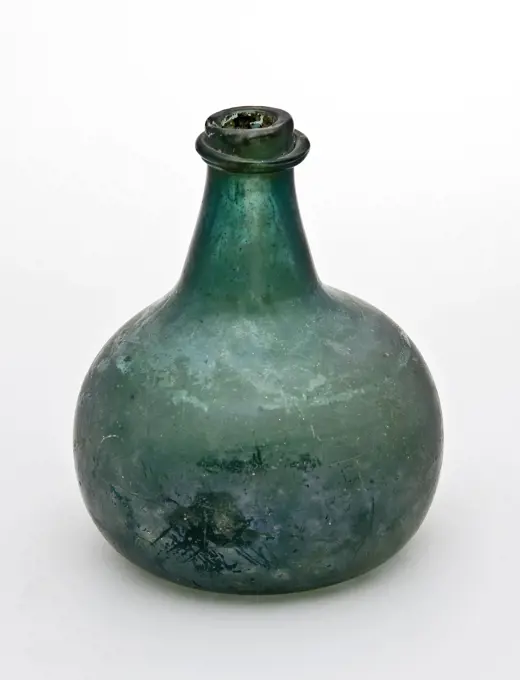
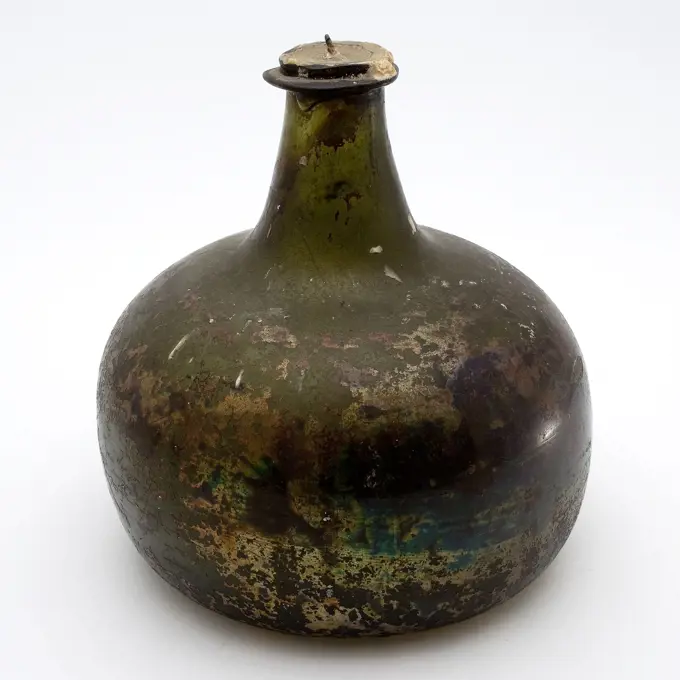
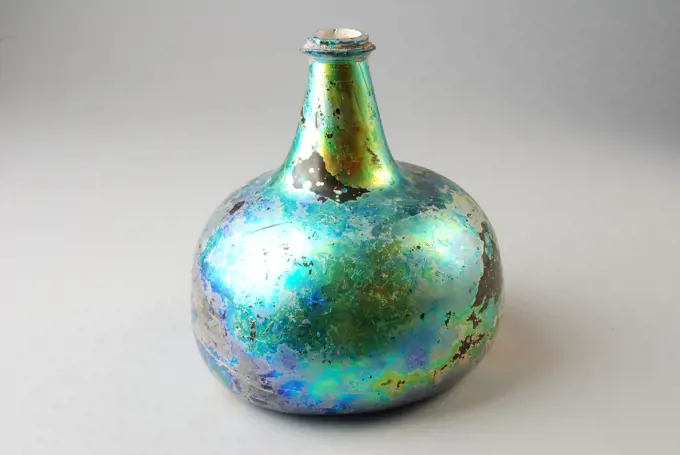
Tubby small bottle in clear moss-green glass, bottle bottle wine bottle stock bottle bottle holder soil find glass, free blown and shaped Tubby bottle in clear moss green glass Bottom (blowpipe) pontilemark on raised bottom. Light ascending soul: 02.5 cm. Round shoulders to eccentrically placed rejuvenated neck. Round imposed glass wire to neck at 1 cm under mouth. Mouth flattened and slightly damaged (presumably by using metal cork strap). By staying in soil light attack on and in the bottle archeology packing transport table
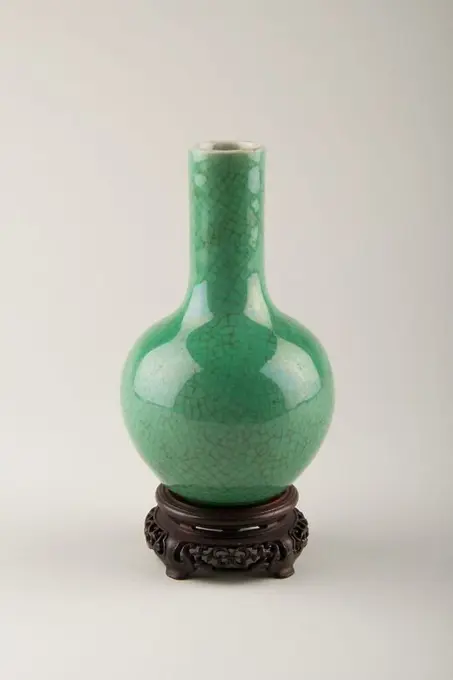
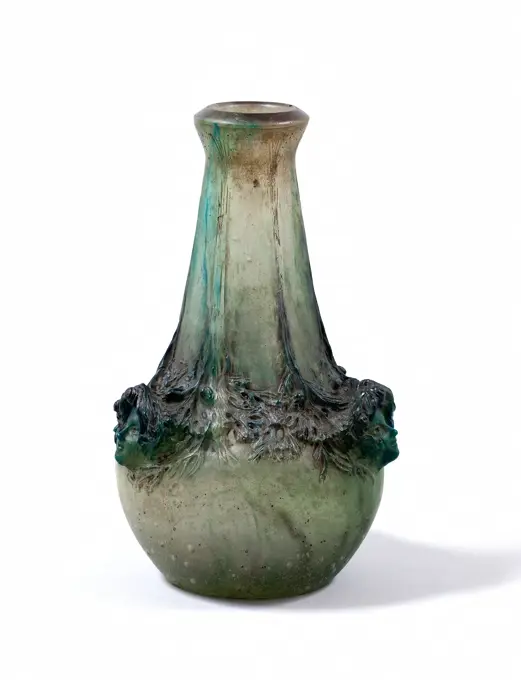
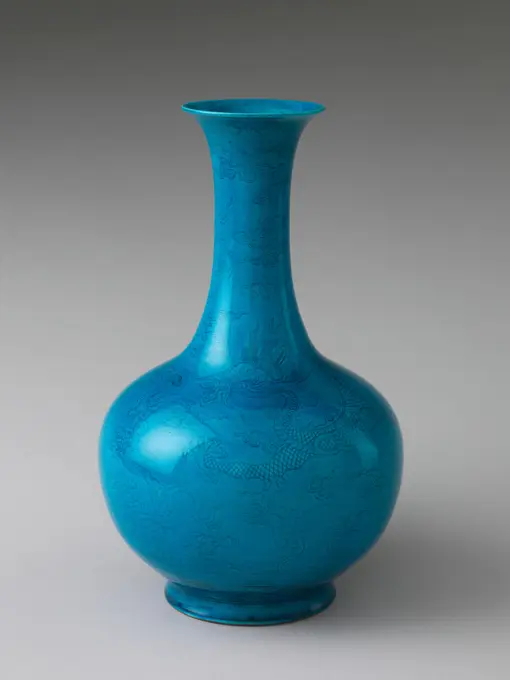
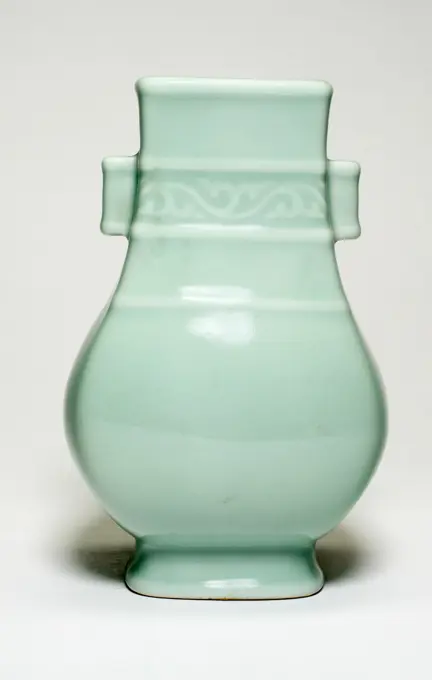
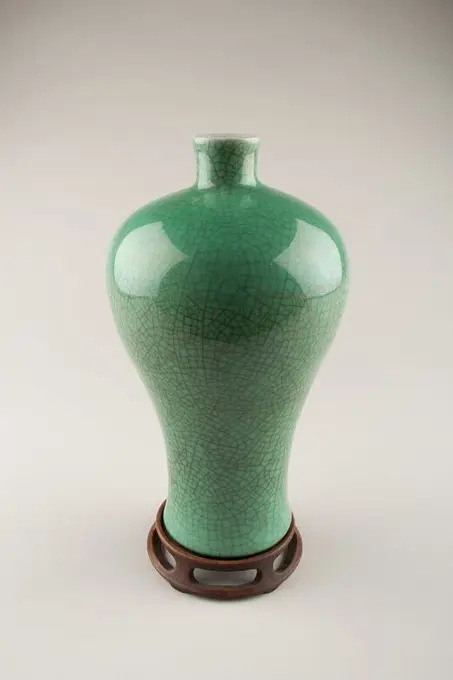
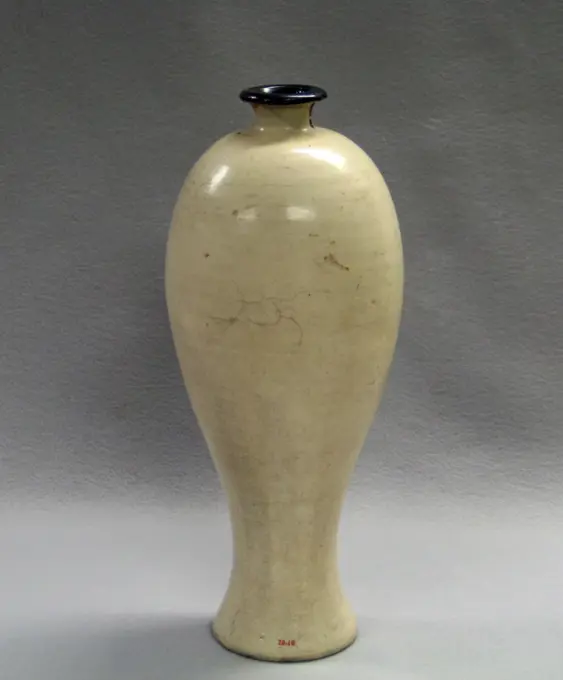
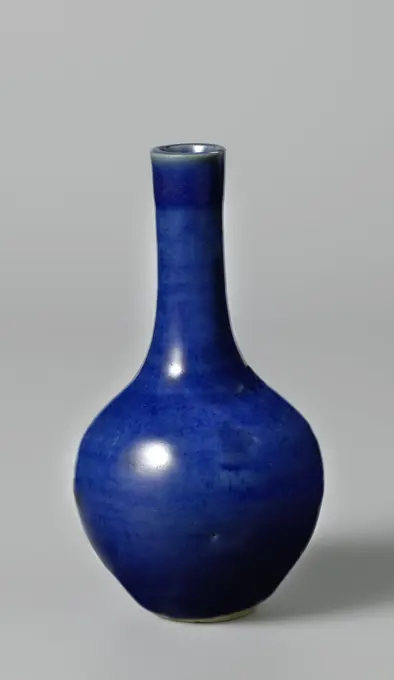
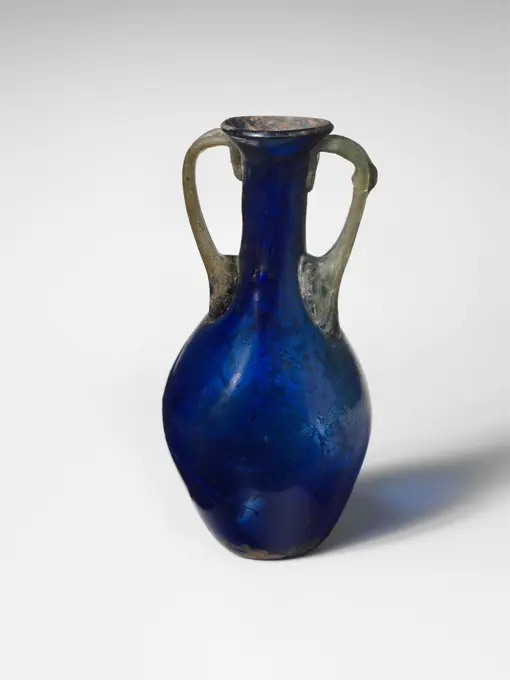
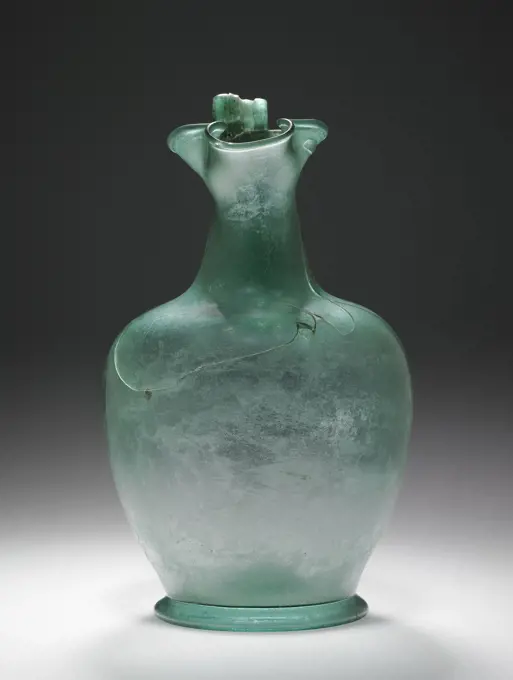
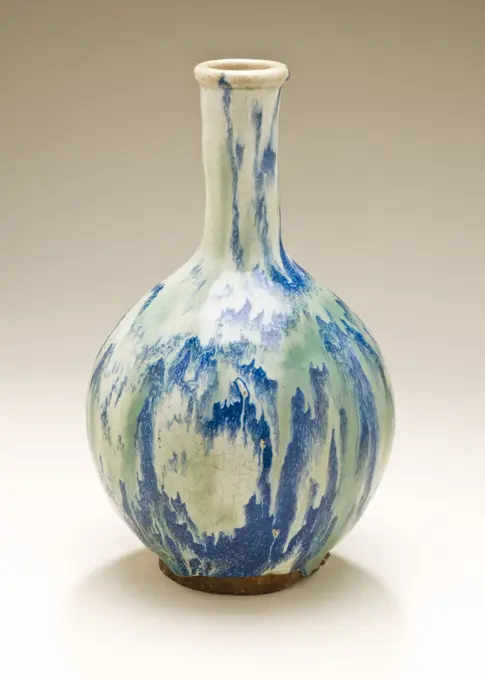
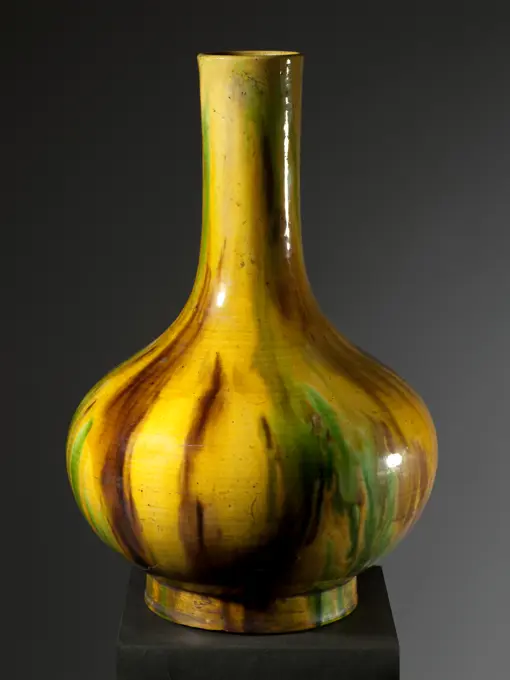
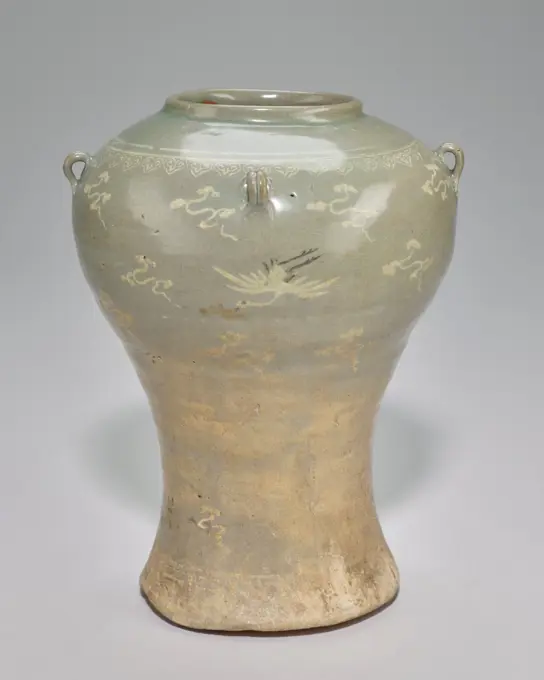
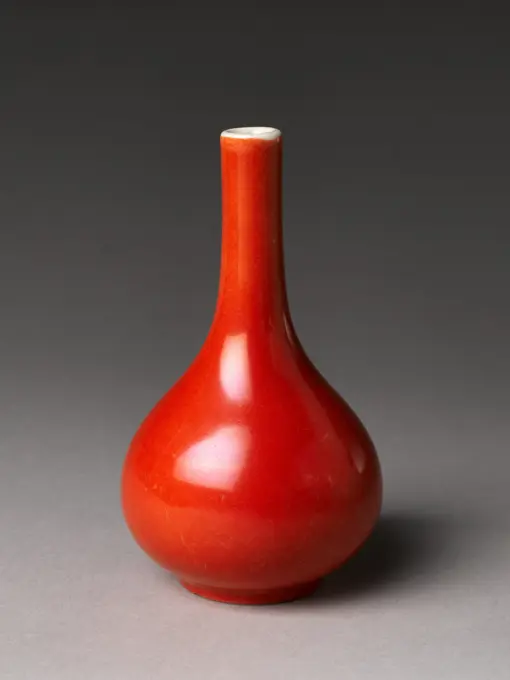
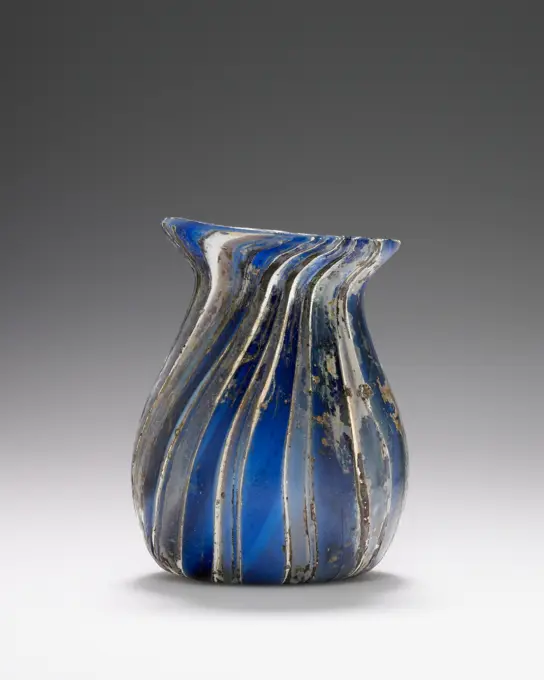
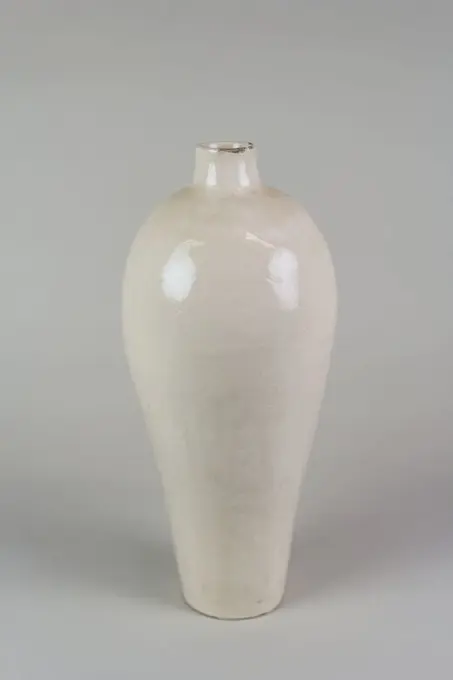
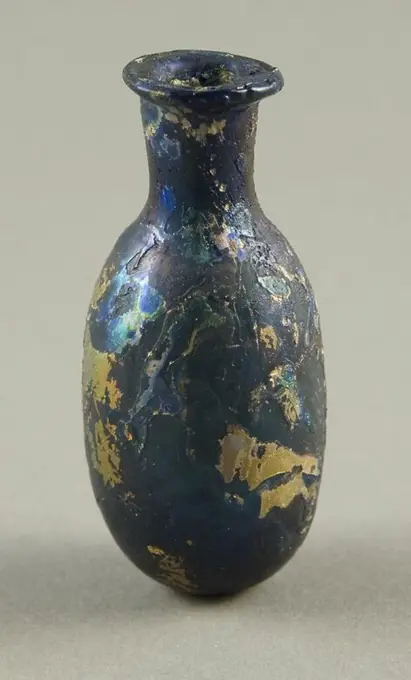
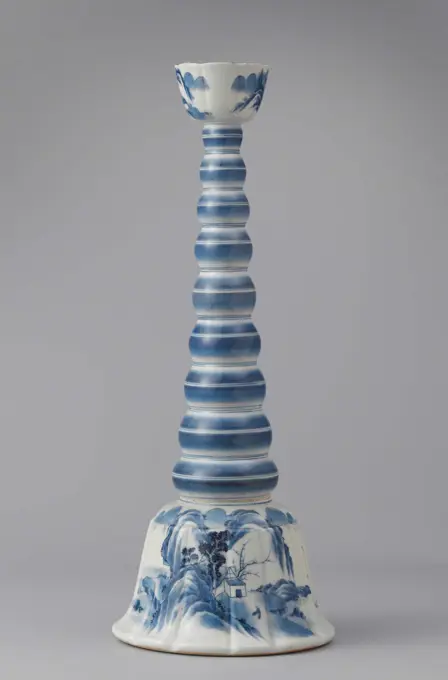
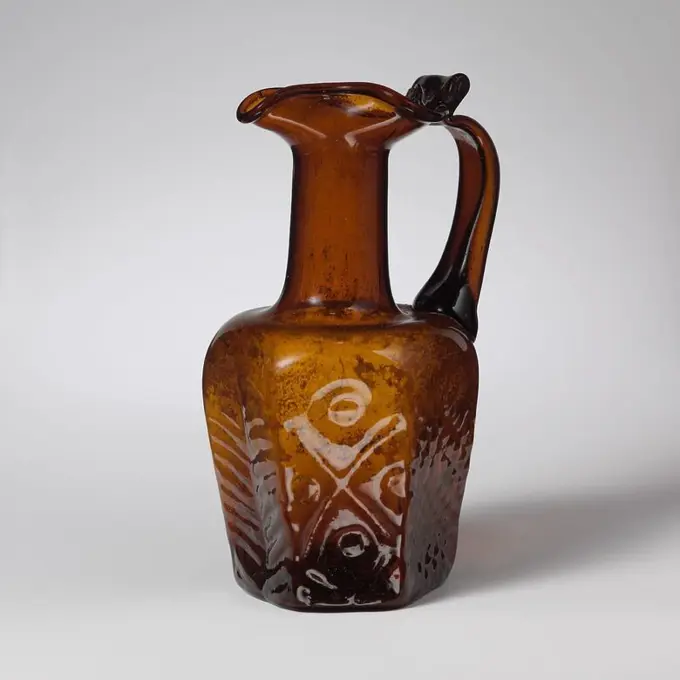
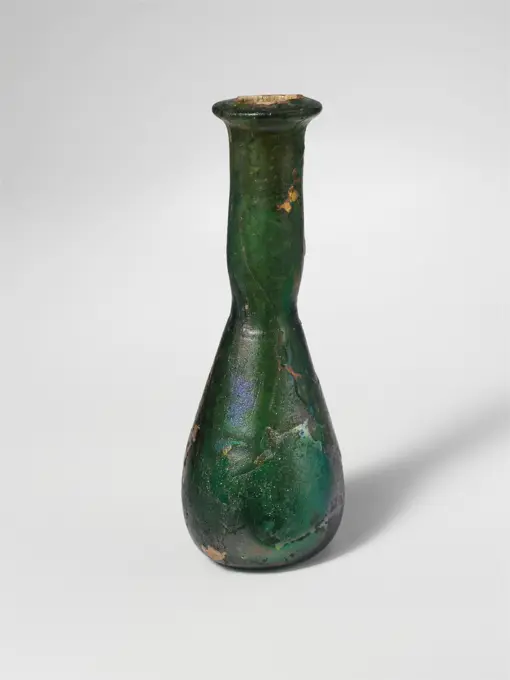
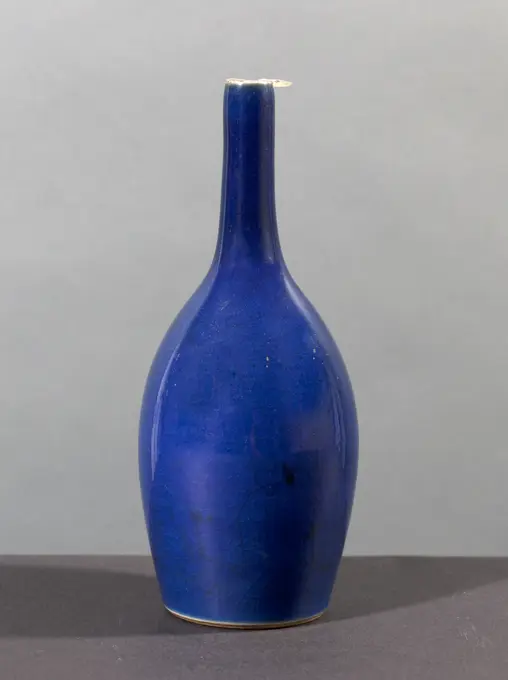
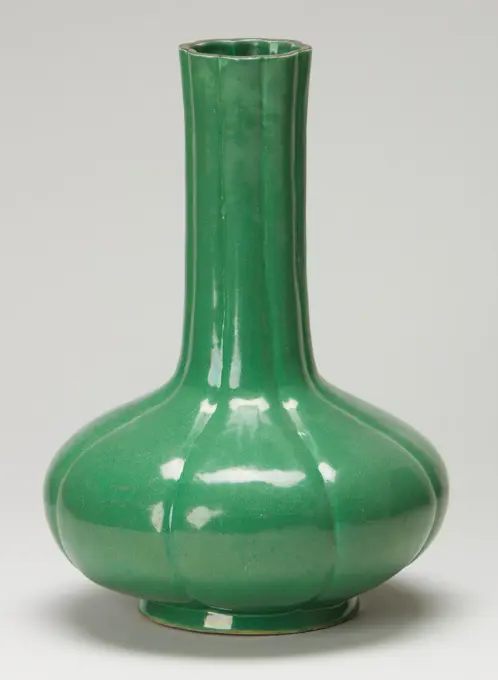
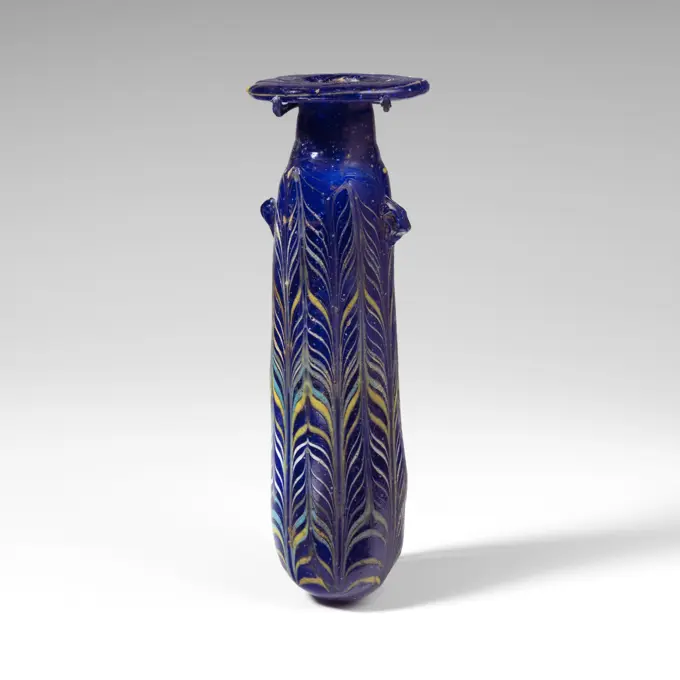
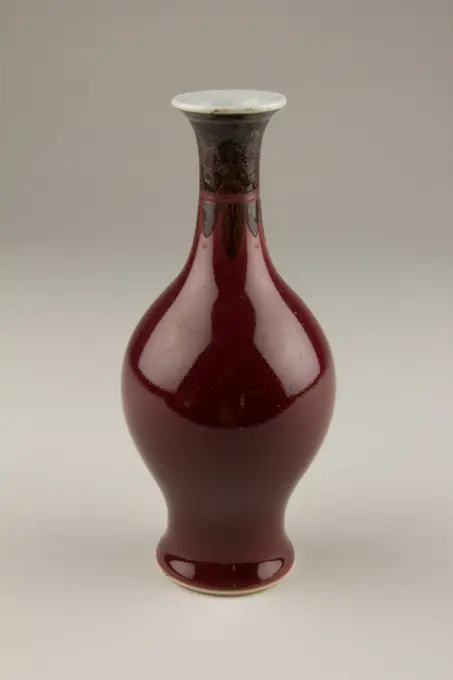
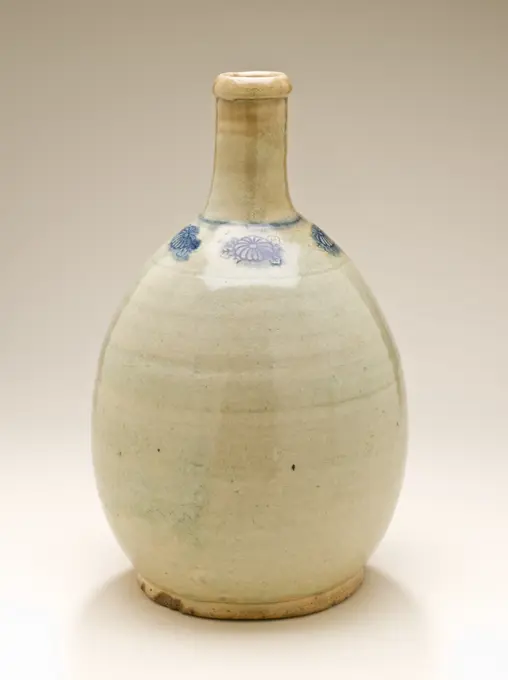
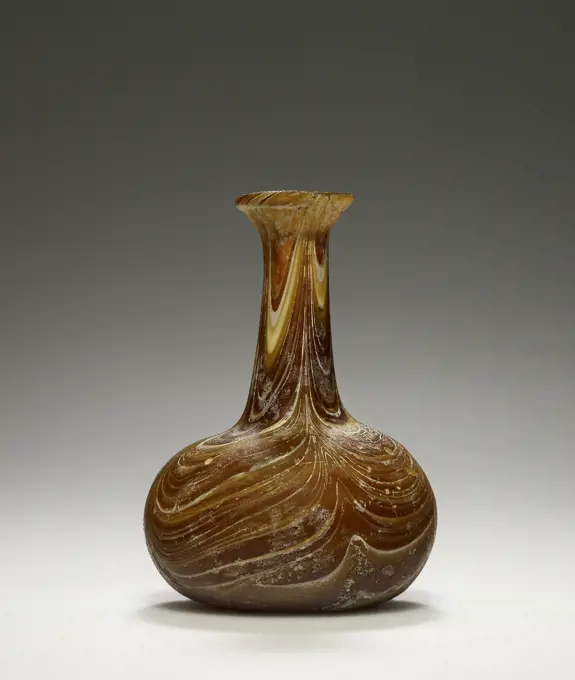
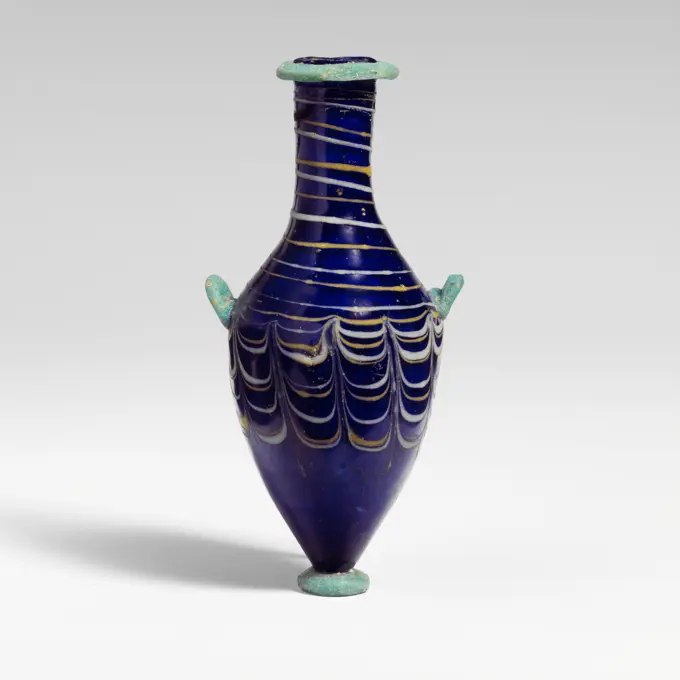
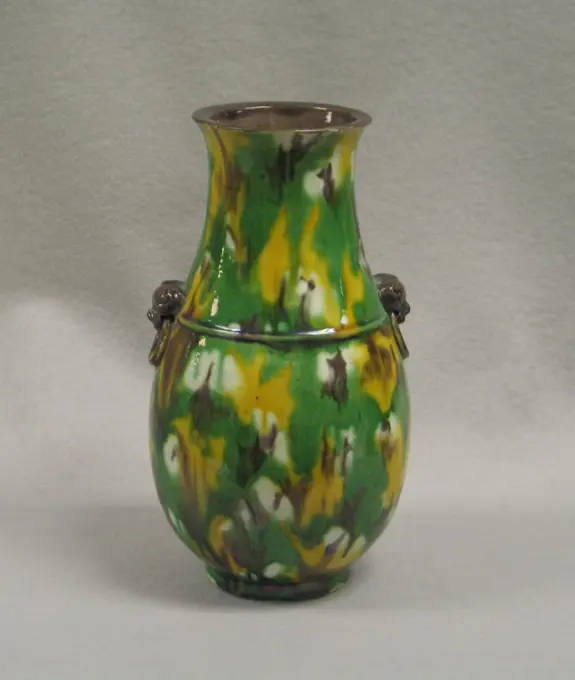
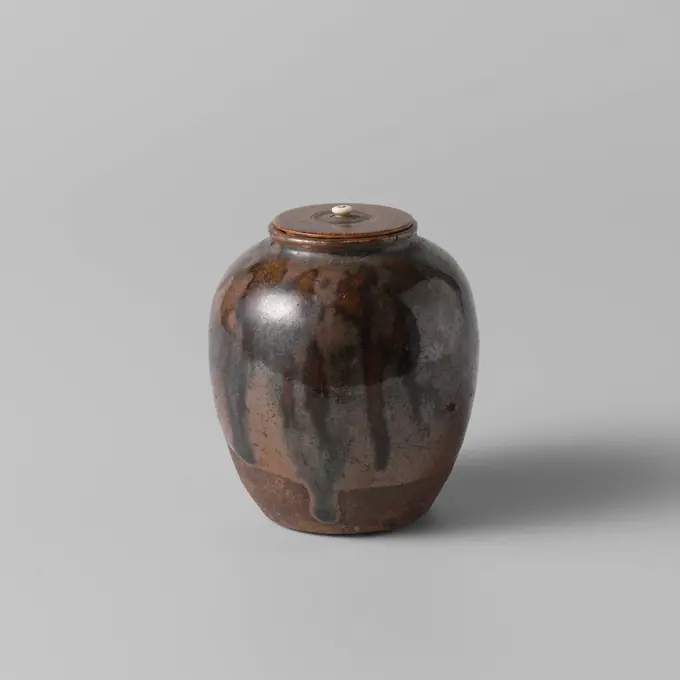
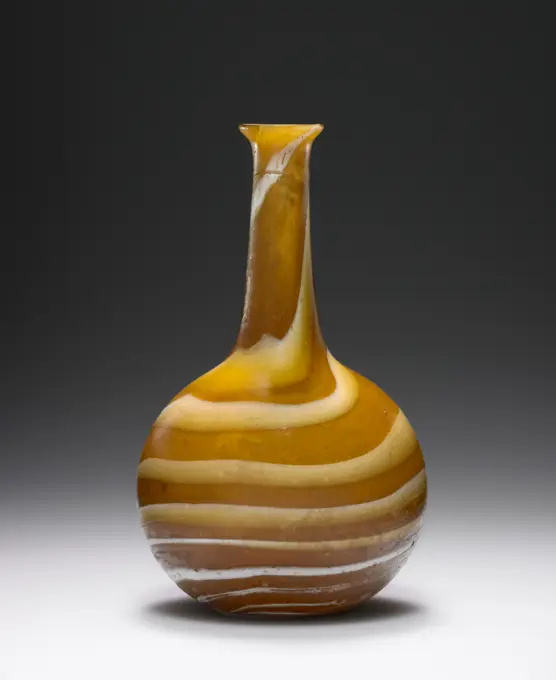
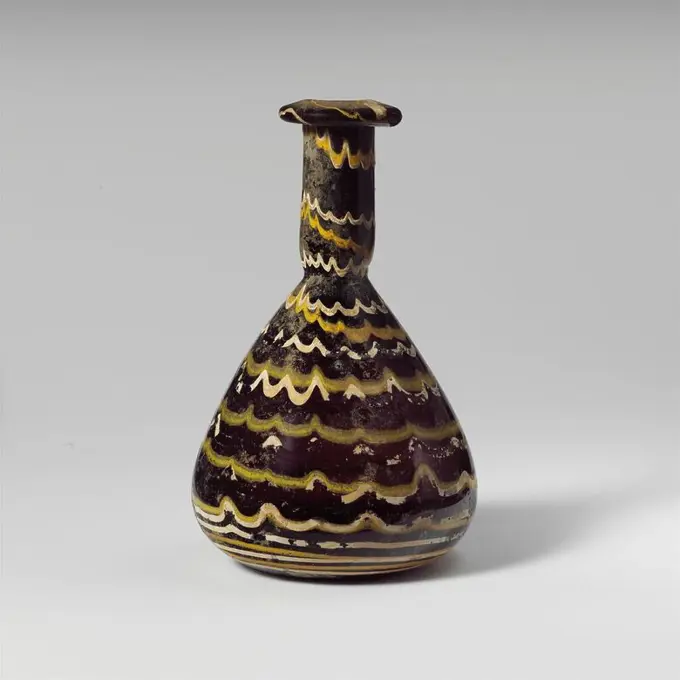
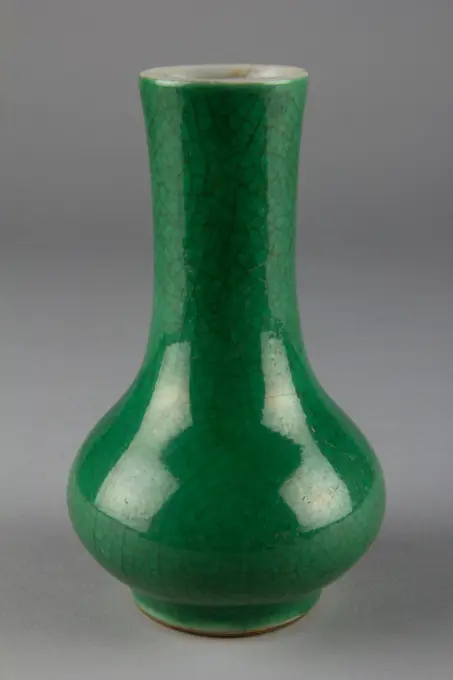
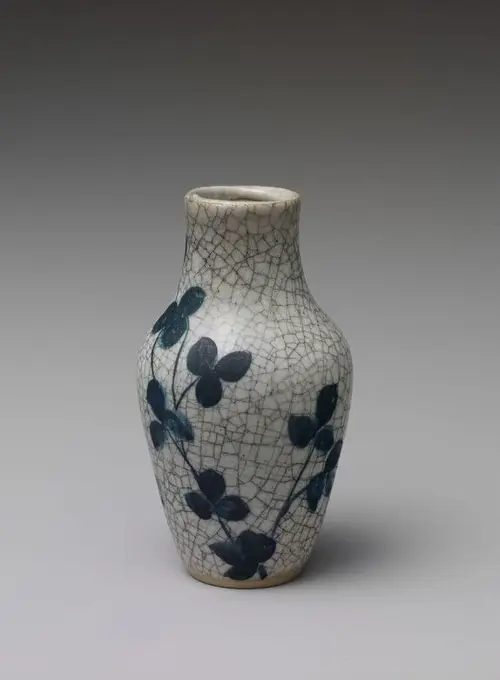
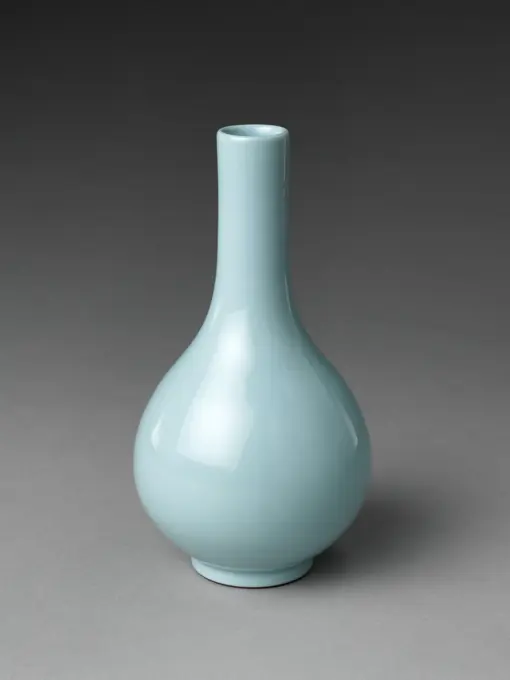
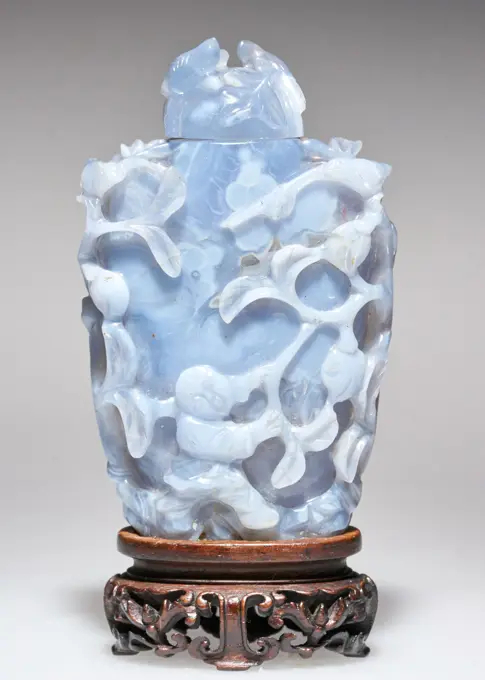
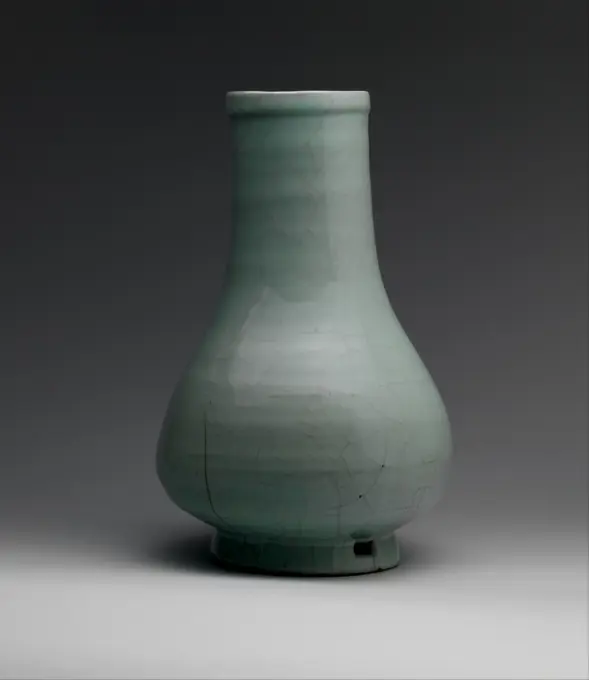
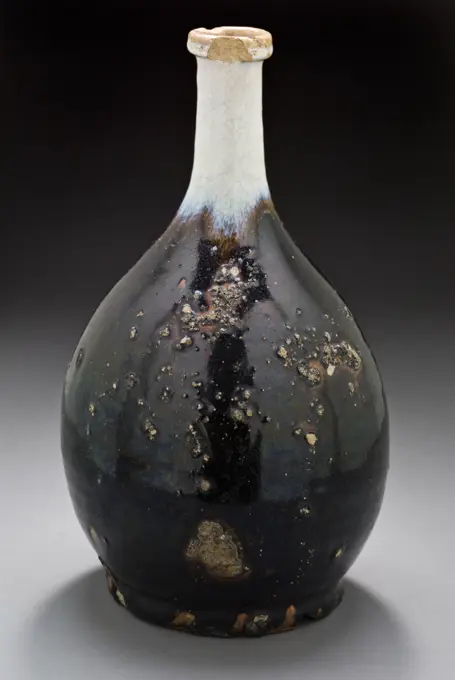
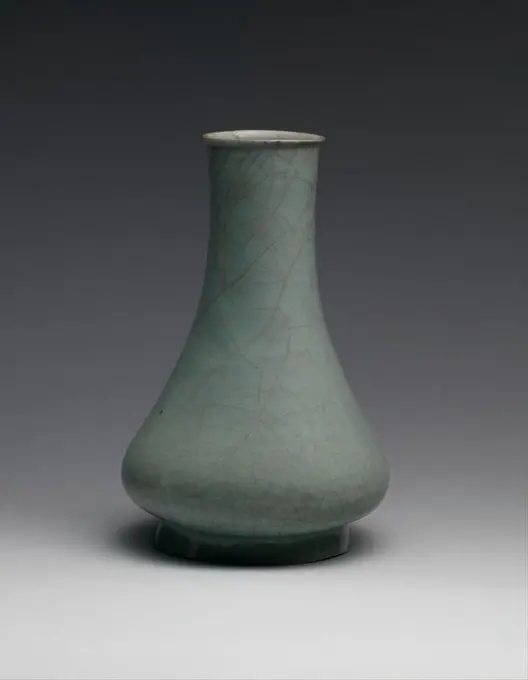
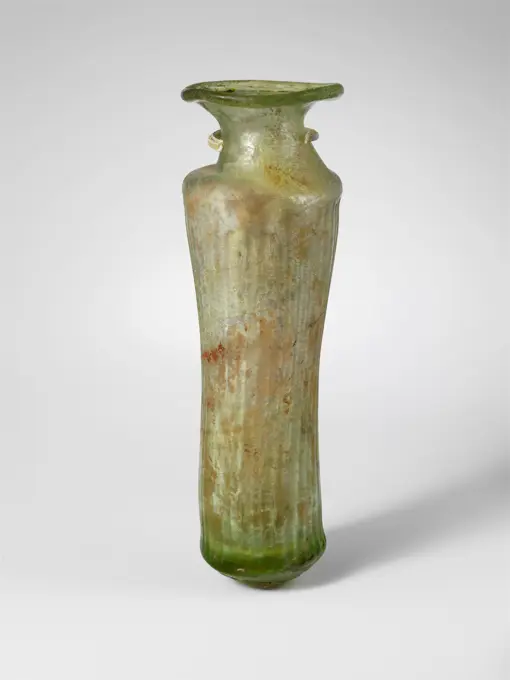
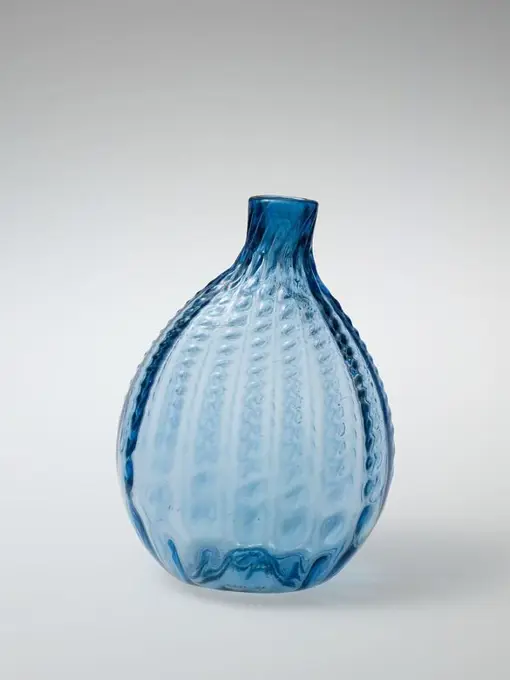
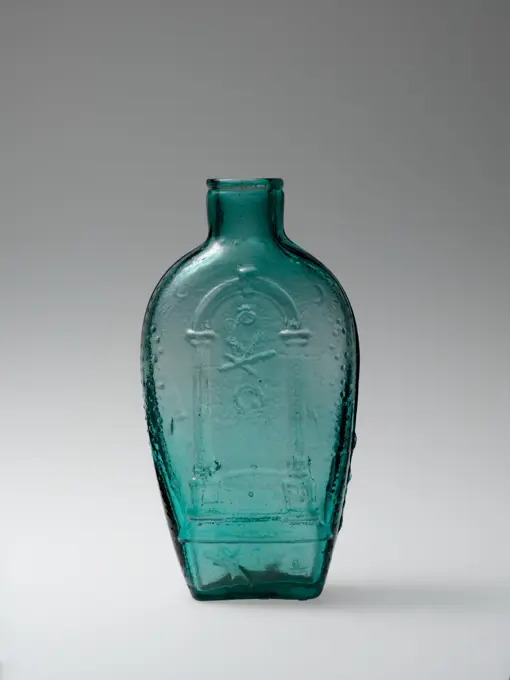
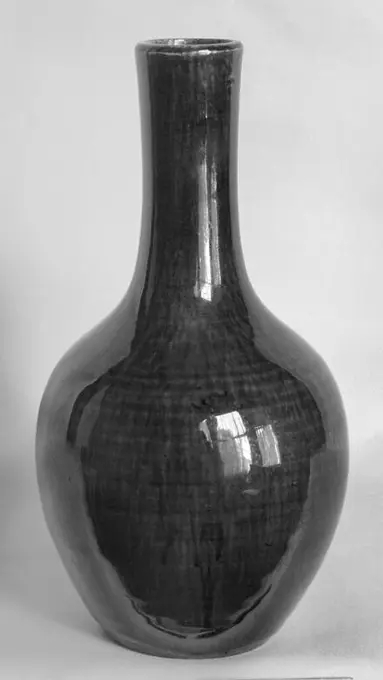
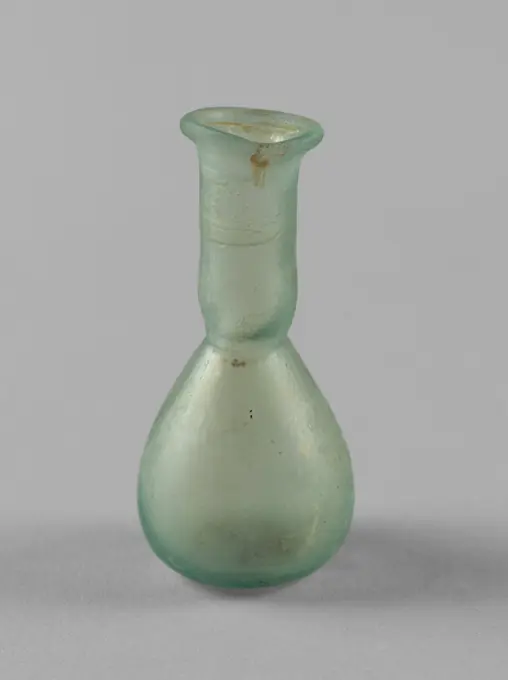
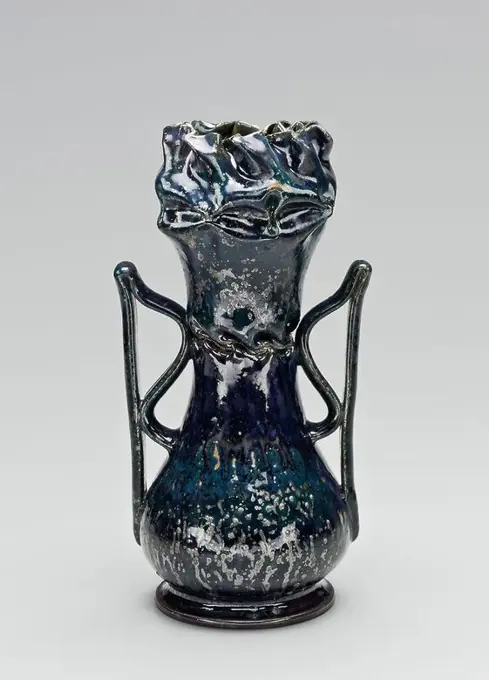
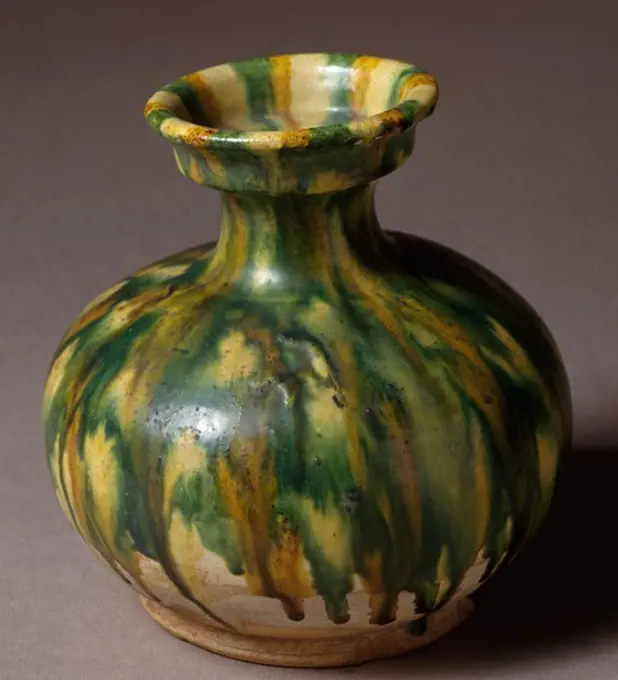
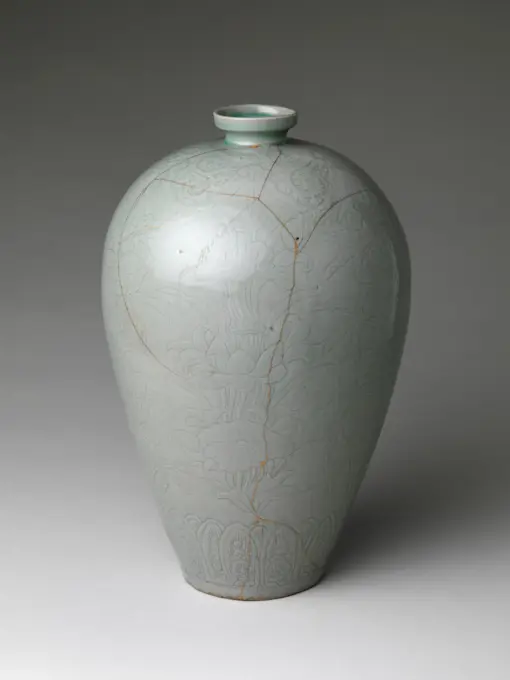
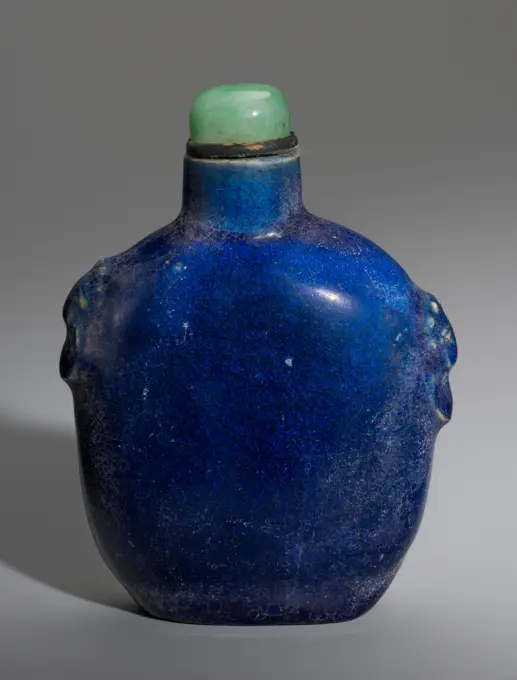
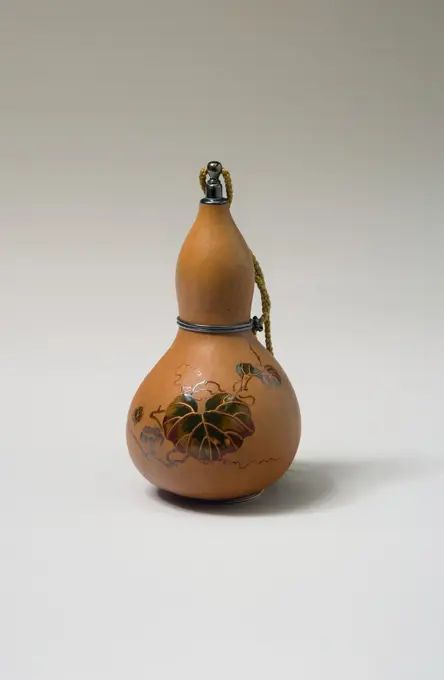
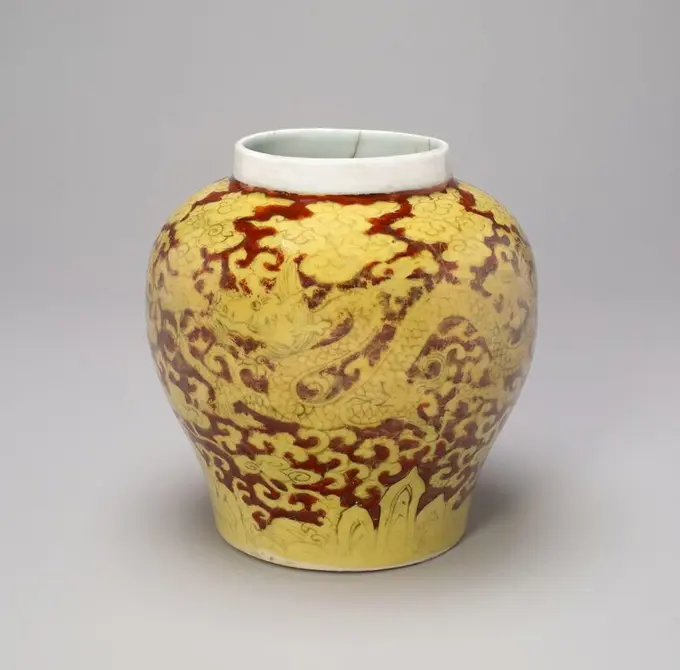
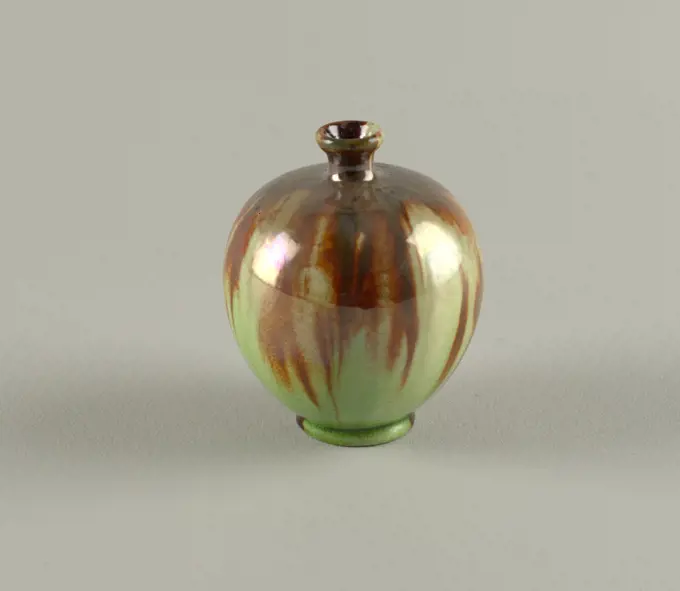
Vase with motifs stylized in sgrafitto technology, Willem C. Brouwer, c. 1905 Vase of earthenware, decorated in sgrafitto technology with stylized motifs in blue -green on brown -black soil. The cylindrical, rejuvenating vase upwards, has squeezed a few centimeters above the foot and has a flared neck. Brands: Brouwers earthenware and monogram, both pressed. Furthermore, an unclear model number and possibly Holland. Leiddorp earthenware Vase of earthenware, decorated in sgrafitto technology with stylized motifs in blue -green on brown -black soil. The cylindrical, rejuvenating vase upwards, has squeezed a few centimeters above the foot and has a flared neck. Brands: Brouwers earthenware and monogram, both pressed. Furthermore, an unclear model number and possibly Holland. Leiddorp earthenwareBottle. Culture: China. Dimensions: H. 5 1/2 in. (14 cm). Museum: Metropolitan Museum of Art, New York, USA.Vase China. Vase 46953Tubby small bottle in clear moss-green glass, bottle bottle wine bottle stock bottle bottle holder soil find glass, free blown and shaped Tubby bottle in clear moss green glass Bottom (blowpipe) pontilemark on raised bottom. Light ascending soul: 02.5 cm. Round shoulders to eccentrically placed rejuvenated neck. Round imposed glass wire to neck at 1 cm under mouth. Mouth flattened and slightly damaged (presumably by using metal cork strap). By staying in soil light attack on and in the bottle archeology packing transport tableBottle China. Bottle 46955Gourd. Milky white porcelain. Cernuschi Museum, Asia Museum of Asia in the city of Paris.François DécoRchemont (1880-1971). Carafe with three sirens. Molten glass. 1912. Museum of Fine Arts of the City of Paris, Petit Palais. 55423-1 Glass paste, sirene, three, carafeVase with Dragons and Bats amid Clouds China. Vase with Dragons and Bats amid Clouds 47305Vase in the Shape of an Archaic Bronze Vessel 1700-1899 China. Celadon-glazed porcelain with underglaze molded decoration .Vase. Culture: China. Dimensions: H. 9 in. (22.9 cm). Museum: Metropolitan Museum of Art, New York, USA.Vase China. Vase 46956Snuff Bottle, 17th-19th century, 3 1/4 x 1 1/8in. (8.3 x 2.9cm), Glass, China, 17th-19th centuryBottle-Shaped Vase 1736-1795 China. Porcelain with tea dust glaze .Jar 14th century China. Jar. China. 14th century. Stoneware with brown and transparent glaze over white slip (Cizhou ware). Yuan dynasty (1271-1368). CeramicsBottle vase with powder blue, anonymous, c. 1800 - c. 1899 Bottle -shaped vase of porcelain with round abdomen and long, narrow neck, painted in underlaze blue. The vase is covered with bleu poudré (powder blue). Monochrome Bleu Poudré. China porcelain. glaze. cobalt (mineral) painting / vitrification Bottle -shaped vase of porcelain with round abdomen and long, narrow neck, painted in underlaze blue. The vase is covered with bleu poudré (powder blue). Monochrome Bleu Poudré. China porcelain. glaze. cobalt (mineral) painting / vitrificationVase;  19th century (1801-00-00-1900-00-00);Glass amphoriskos (flask). Culture: Roman. Dimensions: H.: 3 7/16 in. (8.7 cm). Date: 1st half of 1st century A.D..Translucent yellow green, with pale blue green handle.Uneven, thick, oval rim, folded out, over and in, then flattened into side of flaring mouth; concave neck expanding into shoulder; ovoid body; circular base with flat bottom; rod handle applied to underside of rim and drawn downwards. One continuous mold seam around body and across bottom, extending right up to rim and forming thick ridges to sides of neck and a faint raised line across bottom.Shaped like a miniature storage jar encased in a wicker basket with a thick edge to its mouth around shoulder and decorated around the middle of body with a wreath of paired laurel leaves and berries: on one side leaves running from left to right, on the other from right to left.Intact, but missing all of one and most of the other handle; some large and pinprick bubbles; slight pitting, weathering, and iridescence on exterior,Glass two-handled bottle (amphoriskos) 1st century A.D. Roman Translucent streaky cobalt blue; handles in translucent pale blue green.Flaring rim, with beveled outer lip; cylindrical neck, expanding downwards and merging with elongated globular body; small, concave bottom; two two-ribbed handles applied at base of neck, with claws extending downwards, drawn up and outwards, then bent in and pressed onto underside of rim and down top of neck.Broken and repaired around lower body, with three holes in side; several glassy inclusions, including a large blob in one handle; patches of brown, enamel-like weathering and dulling on handles.. Glass two-handled bottle (amphoriskos). Roman. 1st century A.D.. Glass; blown. Early Imperial. GlassDragon-Handled Amphora 700 CE-750 CE China. Stoneware with creamy white glaze .Bottle. Roman; Levant or Syria. Date: 100 BC. Dimensions: H. 10.5 cm (4 1/8 in.); diam. 6.7 cm (2 5/8 in.). Glass, blown technique. Origin: Syria. Museum: The Chicago Art Institute, Chicago, USA. Author: Ancient Levantine.Oinochoe; Roman Empire; 3rd century; Glass; 21 x 11.8 cm (8 1,4 x 4 5,8 in.)Sake Bottle. Japan, 19th century. Ceramics. Shigaraki ware; stoneware with white slip, blue and rice straw ash glazesVase. "Troid colors" glaze porcelain. Paris, Cernuschi museum. 78839-7 Asian art, Chinese art, porcelain, container, vaseJean Carriès (1855-1894). "Pot circled at wide opening". Enameled sandstone. Museum of Fine Arts of the City of Paris, Petit Palais. 24204-12 Ceramic, circle, gres emaille, wide opening, potBottleMaebyeong with flying cranes and clouds, 13th century, Unknown Korean, 9 1/2 in. (24.13 cm), Stoneware with inlaid design under celadon glaze, Korea, 13th centuryVase 19th century China. Vase. China. 19th century. Porcelain with coral red glaze (Jingdezhen ware). Qing dynasty (1644-1911). CeramicsVase. Culture: China. Dimensions: H. 6 3/8 in. (16.2 cm); Diam. of rim 1 1/2 in. (3.8 cm); Diam. 2 7/8 in. (7.3 cm0; Diam. of foot 1 7/8 in. (4.8 cm). Museum: Metropolitan Museum of Art, New York, USA.Flask. UnknownVase. Culture: China. Dimensions: H. 12 1/2 in. (31.8 cm); W. 5 1/2 in. (14 cm). Museum: Metropolitan Museum of Art, New York, USA.Glass flask Roman 4th century CE Translucent light blue green.Rounded, vertical rim, with outward fold below; funnel-shaped mouth; cylindrical neck expanding downwards; narrow, horizontal shoulder; globular body; slightly concave bottom.Broken and repaired on bottom, with one area of fill; many pinprick bubbles; pitting of surface bubbles, limy encrustation, creamy brown weathering, and iridescence. View more. Glass flask. Roman. 4th century CE. Glass; blown. Late Imperial. GlassBottle. Roman, Levant or Syria. Date: 101 AD-600 AD. Dimensions: H. 6.7 cm (2 5/8 in.); diam. 2.9 cm (1 1/8 in.). Glass, blown technique. Origin: Syria. Museum: The Chicago Art Institute, Chicago, USA. Author: ANCIENT ROMAN.. Candlestick of porcelain with conical stem with nine annular thickenings, bell-shaped base with a ribbed wall and a cup-shaped candle holder with ribbed wall and lobed edge. Painted in underglaze blue. The annular nodules with blue tires. The foot and cup with a continuous river landscape with pavilions, trees, rocks and boats on the water. On the top of the foot a deepened circle where the upper part of the candlestick is placed. Foot and stem are glued together. Blue White.Glass hexagonal jug. Culture: Roman, Palestinian. Dimensions: H. 5 3/8 in. (13.7 cm). Date: 6th-early 7th century A.D..Translucent deep yellow brown, with same color handle.Trefoil rim with thick rounded edge; shallow, funnel-shaped mouth; cylindrical neck that expands slightly downwards; slightly pushed-in horizontal shoulder with rounded outer edge; hexagonal body, tapering downwards, with slightly impressed side panels; deeply pushed-in bottom, with central pontil scar; strap handle, applied to edge of shoulder, drawn up and slightly outward, then curved round and trailed onto edge of rim, with upward tooled, flat thumb rest.On body, six rectangular panels, decorated with matching pairs of three different geometric relief patterns: two vertical lozenges with central dots and half lozenges to either side, a lattice of diamond-shaped bosses, and a stylized palm frond with twelve or thirteen leaves to either side of central stem; on bottom, an indistinct six-pointed star with straigVaseBottle-Shaped Vase, 1736-95. China, Qing Dynasty (1644-1911), Qianlong reign (1736-95). Porcelain; overall: 14.6 cm (5 3/4 in.).Glass perfume bottle 1st-2nd century A.D. Roman Translucent deep blue green.Rim folded out, over and in, with beveled upper surface; cylindrical neck, with tooling indent around base; conical body, curving in to bottom, with deep, jagged pontil scar.Intact; pinprick bubbles and blowing striations; deep pitting, dulling, and patches of brilliant iridescence on exterior, soil encrustation and limy weathering on inside of neck and mouth.. Glass perfume bottle 244707Bottle. Blue monochrome covered porcelain ,. Provenance: China. Paris, Cernuschi museum. 78841-17 Asian art, Chinese art, art of living, bottle, fine ceramic, Ching dynasty, Qing dynasty, Tsing dynasty, bottle, porcelain, containerJules Desbois (1851-1935). Vase. Money. Museum of Fine Arts of the City of Paris, Petit Palais. 79583-10 Silver, vase, 19th 19th 19th 19 19th 19th centuryVase with dragon amid floral scrolls late 17th-early 18th century China. Vase with dragon amid floral scrolls. China. late 17th-early 18th century. Porcelain with incised decoration under green glaze (Jingdezhen ware). Qing dynasty (1644-1911), Kangxi period (1662-1722). CeramicsVase, 1723-1735, 10 3/8 in. (26.35 cm), Porcelain with camellia green glaze, China, 18th centuryBulbous bottle, cat's head, bottle bottle wine bottle bottle holder soil find glass, neck with imposed circumferential sharp glass wire (2x chip 1.5 cm) and dilated lip archeology packing Rotterdam education Academy of Fine Arts and Technical Sciences Cool Coolvest Dijkzigt GJ de Jonghweg City Triangle Blaak Academy of Fine Arts and Technical Sciences Rotterdam.Vase with archaic designs 18th century China. Vase with archaic designs 44169Glass jar. Culture: Roman. Dimensions: H.: 10 1/16 in. (25.6 cm). Date: 1st-3rd century A.D..Translucent pale green.Uneven, ground rim with short bulging neck below; sack-shaped body; thick bottom with small central kick and pontil scar.Ten bands of horizontal wheel-abraded lines on body extending from neck to bottom.Broken and repaired with parts of neck and upper body missing; many pinprick and some larger bubbles, with blowing striations; dulling, slight pitting, and faint iridescence on exterior, some soil encrustation and patches of iridescent weathering on interior.Greenish glass. Museum: Metropolitan Museum of Art, New York, USA.André Metthey/Auguste Renoir. Vase. Earthenware. 1906. Museum of Fine Arts of the City of Paris, Petit Palais. Drawing, Faience, VaseGlass alabastron (perfume bottle) late 4th-early 3rd century B.C. Eastern Mediterranean or South Italian Translucent cobalt blue, with handles in same color; trails in opaque yellow, opaque white, and opaque turquoise blue.Broad horizontal rim-disk, with radiating tooling marks on upper and lower surfaces; cylindrical neck, tapering upward; shallow, uneven shoulder; straight-sided cylindrical body, with slight upward taper and slightly uneven surface; convex, slightly pointed bottom; below shoulder, two irregular trailed knob handles, applied over trail pattern.A fine yellow trail attached at edge of rim-disk; on body, alternating bands of yellow, white, and turquoise blue, tooled from shoulder to undercurve at bottom into a close-set feather pattern in seven vertical patterns with alternating upward and downward strokes.Intact, except for small internal cracks on bottom; some of trails completely weathered, leaving only impressions in sides of body; many tiny white inclusions; some piVase China. Vase 47438Sake Bottle with Impressed Flower Motifs. Japan, Edo period, 1615-1868, 19th century. Ceramics. Seto ware; stoneware with white glaze and blue glaze decorationFlask; Eastern Mediterranean; 1st century; Glass; 7.8 cm (3 1,16 in.)Glass unguentarium (perfume bottle) 3rd century B.C. Greek, Eastern Mediterranean, possibly Alexandrian Translucent cobalt blue, with opaque turquoise blue handles, rim-disk, and pad-base; trails in opaque white and yellow.Turquoise blue trail applied as outsplayed rim-disk around rounded top of neck; tall, slender neck, tapering slightly downward; steeply sloping shoulder; elongated piriform body, tapering downward to applied; small pad-base with uneven flat bottom; two small loop handles applied to edge of shoulder and top of body with everted upward angle.White and yellow trails attached at top of neck and wound down as alternate spiral lines, tooled into a festoon pattern round upper half of body, with twelve upward tooling strokes.Complete except for part of rim-disk and weathered chip in pad-base; one large pitted hole on edge of shoulder; some dulling and pitting, especially of turquoise blue additions, and slight weathering of trail decoration.. Glass unguentarium (perfume bottVase 18th century China. Vase. China. 18th century. Porcelain with "egg-and-spinach" glaze. Qing dynasty (1644-1911), Kangxi period (1662-1722). CeramicsBottle probably 18th-19th century. Bottle 444725Bottle-Shaped Vase 1801-1900 China. Stoneware with turquoise blue glaze splashed with cobalt .. Dust theater or chair of stoneware with a wooden and ivory lid, partly covered with a golden brown glaze. The bottom of the bus is unglazed. Two old labels on the inside with 'seto / 18th' And 'Seto, Shunkei-Yaki'. Shunkei Yaki.Little Black Vase Little black vase on white background Copyright: xZoonar.com/AlainxdexMaximyx 8680362Flask. UnknownVase with a Salt Glaze, anonymous, c. 1910 - c. 1915 Vase of stoneware, covered with salt glaze. The neck is decorated with white circles, dots and spit -selling elongated shapes in relief. Marked with: HSIM in black. Meudon stoneware vitrification Vase of stoneware, covered with salt glaze. The neck is decorated with white circles, dots and spit -selling elongated shapes in relief. Marked with: HSIM in black. Meudon stoneware vitrificationGlass bottle with marvered trails. Culture: Roman. Dimensions: H.: 4 1/2 in. (11.4 cm). Date: 1st century A.D. or later.Translucent deep purple; trails in opaque white and yellow.Thick rim, folded out, down, round, and in, forming slight constriction around mouth, with slightly conical beveled upper surface; cylindrical neck with tooled indent around base; conical body, curving in at base; bottom slightly concave at center.Two trails, one in white, the other in yellow, applied at rim and wound in a spiral down neck and side, the yellow trail ending around edge of bottom and the white ending in a loop across bottom; both marvered and tooled into an irregular zigzag pattern.Intact, except for one small chip in rim and weathering of trails; some bubbles; pitting, dulling, and faint iridescent weathering. Museum: Metropolitan Museum of Art, New York, USA.Water bottle ca. 1755 British, Staffordshire. Water bottle. British, Staffordshire. ca. 1755. Salt-glazed stoneware. Ceramics-PotteryVase 18th century China. Vase. China. 18th century. Porcelain with crackled green glaze (Jingdezhen ware). Qing dynasty (1644-1911). CeramicsFlask 1830-40 Attributed to Coventry Glass Works. Flask 3722Vase 19th century China. Vase 40605Belly bottle, strongly iridescent, conical neck, glass wire around opening, belly bottle bottle holder soil find glass forest glass, free blown belly bottle. Forest glass Stubby belly conical neck. Under the neck opening wound glass wire Stuffed soul with pontilark archeology Capelle aan den IJssel House in Capelle castle packing transport wine Soil discovery: house in Capelle Capelle aan den IJssel.Vase. Culture: American. Dimensions: H. 5 11/16 in. (14.4 cm); Diam. 3 1/8 in. (7.9 cm). Maker: Chelsea Keramic Art Works (1872-1889). Date: ca. 1886-89. Museum: Metropolitan Museum of Art, New York, USA.Vase 18th century China. Vase. China. 18th century. Porcelain with celadon glaze (Jingdezhen ware). Qing dynasty (1644-1911), Qianlong mark and period (1736-95). CeramicsBottleBottle 13th-14th century. Bottle 444975Snuff Bottle, 1800-1900, 3 1/4 x 2in. (8.3 x 5.1cm), Chalcedony, agate, ChinaVase China. Vase. China. Stoneware with blue-green glaze (Guan-ware). Song dynasty (960-1279). CeramicsCrane-neck Sake Bottle. Japan, Edo period (1615-1868), c. 1655-1660. Ceramics. Stoneware with iron and rice straw ash glazesVase. Culture: China. Dimensions: H. 11 in. (27.9 cm). Museum: Metropolitan Museum of Art, New York, USA.Glass bottle 4th-5th century A.D. or later Roman Translucent light green, with yellow green streak in bottom.Uneven rim folded out, round, up, and in; flaring mouth; misshapen cylindrical neck; horizontal shoulder, pushed in on one side; tall, straight-sided body, tapering downwards to projecting bulge at junction with thick, solid, knob-like rounded base with pontil scar.On side, 34 almost vertical ribs.Intact; bubbles and blowing striations; dulling, pitting, and faint iridescence on exterior, reddish soil encrustation and iridescent weathering on interior.. Glass bottle 245212Pocket bottle. Culture: American. Dimensions: H. 6 in. (15.2 cm). Date: 1815-40. Museum: Metropolitan Museum of Art, New York, USA.Vase. Culture: China. Dimensions: H. 7 1/2 in. (19.1 cm). Date: late 18th century. Museum: Metropolitan Museum of Art, New York, USA.Vase Stabrowski, Kazimierz (1869 1929)Figured flask 1820-30 American. Figured flask. American. 1820-30. Blown-molded glass. Made in United StatesBottle. Culture: China. Dimensions: H. 6 in. (15.2 cm). Museum: Metropolitan Museum of Art, New York, USA.Jug (Bartmann jug) with masks, anonymous, c. 1700 - c. 1800 Jug (beard fancier) of stoneware on the standing surface with a printed, spherical body and long, narrow neck. The getting c-shaped ear is attached to the neck and shoulder. Profiles on the neck. On the abdomen in relief three times a printed and imposed medallion with a bearded mask. On the neck, continuously on the shoulder, a bearded man. Frechten. Cheek stoneware. glaze vitrification Jug (beard fancier) of stoneware on the standing surface with a printed, spherical body and long, narrow neck. The getting c-shaped ear is attached to the neck and shoulder. Profiles on the neck. On the abdomen in relief three times a printed and imposed medallion with a bearded mask. On the neck, continuously on the shoulder, a bearded man. Frechten. Cheek stoneware. glaze vitrificationBalsamaire. Gallo-Roman. Glass. Paris, Carnavalet museum. Balsamaire Balsamaire, Gallo-Roman time, perfume bottle, Gallo-Roman, glass, archeological vestigeVase. Culture: American. Dimensions: 11 7/16 x 6 3/8 in. (29.1 x 16.2 cm). Maker: George E. Ohr (American, Biloxi, Mississippi 1857-1918 Biloxi, Mississippi). Date: 1897--1900.In many ways George Edgar Ohr was the quintessential Arts and Crafts potter, combining artistic vision with extraordinary skill with his hands. Working in the seaside resort town of Biloxi, Mississippi, he dug the clay, processed and prepared it, threw the shape on the wheel, altered the piece according to his vision, mixed and applied his own glazes, fired the kiln, created his own style of advertising, and took his wares on the road. Ohr's personal mantra was "no two alike," and he was as eccentric as his work was individualistic, with its manipulated forms on ultra-thin thrown vessels, crimping, ruffling, off-centering, and twisting, to create unprecedented forms for the 1890s. To these forms, he applied his own completely new and unusual glazes, applied by sponging, splashing, and spattering, resulting in woPinecone cup first half 16th century Italian, Deruta This footed cup takes the form of a large pinecone. Its shiny surface is the result of lustering, a complicated technique involving multiple firings and the application of metal oxides to the glazed earthenware. Although the brown color may seem plain at first glance, the refined yet imaginative shape and masterful use of luster make this an extraordinarily accomplished example of Renaissance maiolica.. Pinecone cup. Italian, Deruta. first half 16th century. Maiolica (tin-glazed earthenware), lustered. Ceramics-PotteryBeaker. Artist: JasonVase China. Vase 46942Bottle with Blue Trails. Dimensions: H. 6 11/16 in. (17 cm)Max. Diam. 3 1/8 in. (7.9 cm). Date: 12th century.This appealing pale green bottle was initially blown into a mold with narrow vertical ribs and then inflated so that the ribs appear in very shallow, nearly imperceptible relief. A long, thin trail of dark blue glass spirals around the object, forming an irregular pattern. Additional, shorter trails form a festooned design around the base of the neck, and four small blue blobs dot a larger band created by the spiraling trail. Bottles of this shape and decorated with blobs of glass in contrasting colors were made in Syrian glass factories between the late eleventh and the early thirteenth century. A number of comparable objects and fragments have been excavated in Hama, in west central Syria, and Raqqa, on the bank of the Euphrates River some 150 miles to the northeast. Similar bottles are in museums in Saint Petersburg, Kiev, and Berlin. That a majority of these examples were reFlask. UnknownTerracotta funerary vase in tri-colour, China. Chinese Civilisation, Tang Dynasty, 7th-10th century.Maebyeong with lotus decoration late 11th-early 12th century Korea The effect of the delicately carved lotus design under the translucent celadon glaze is subtle. Literally meaning plum bottle,” maebyeong is a shape inspired by contemporaneous and earlier Chinese vessels. Korean celadon maebyeong developed fuller forms: broad shoulders, as in this piece, or curvilinear contours, as in an example with cranes and clouds displayed nearby.. Maebyeong with lotus decoration. Korea. late 11th-early 12th century. Stoneware with carved and incised design under celadon glaze. Goryeo dynasty (918-1392). CeramicsChinese, Snuff Bottle, porcelain.Basket 19th century Japan. Basket. Japan. 19th century. Bamboo. Edo (1615-1868) or Meiji period (1868-1912). BasketryBottle 1820-40 American. Bottle 604Vase 1800-1900 Designed by Hugh C. Robertson. Vase 9376Vase. Designer Hugh C. Robertson, American, 1845-1908 Manufacturer: Dedham Pottery, American, 1895-1943Altar vase ca. 1820 French, probably La Grésigne. Altar vase 210897Gourd painted with vine leaves, 1810s-1820s, Hara Yōyūsai; Designer: Sakai Hōitsu, Japanese, 1761 - 1828, 7 1/8 × 3 11/16 × 3 3/4 in. (18.1 × 9.37 × 9.53 cm), Gourd with lacquer and gold; metal fittings, silk cord, Japan, 19th century, Several lacquer articles and objects in other media produced by Hara Yōyūsai feature designs by his contemporary, Sakai Hōitsu. Yōyūsai used albums of Hōitsus designs to trace and transfer them to lacquer objects. Here, Yōyūsai paints a design of vines by Hōitsu in lacquer and gold on a gourd.Pot of faience with blue fond. Pot of faience. Multicolored painted with Chinese figures and trees on a blue fond.Vase. Culture: British, Bristol. Dimensions: Height: 4 1/2 in. (11.4 cm). Date: 18th century. Museum: Metropolitan Museum of Art, New York, USA.Snuff bottle late 18th-early 19th century China. Snuff bottle 41247Flask 301 CE-400 CE Syria. Glass . Ancient RomanJar with Paired Dragons Chasing Flaming Pearls amid Stylized Clouds. China. Date: 1522-1566. Dimensions: H. 13.9 cm (5 1/2 in.); diam. 13.8 cm (5 7/16 in.). Porcelain painted in overglaze enamels. Origin: China. Museum: The Chicago Art Institute, Chicago, USA.Vase, Theophilus Anthony Brouwer Jr., American, d. 1932, Brouwer Pottery, American, founded 1903, Middle Lane Pottery, American, Glazed earthenware, Vase in the form of an apple. Light-colored clay body, molded. Spherical body with small raised neck and outward curving lip; molded flat foot. Covered with light apple green, ochre and russet flambe high glaze with slight milky iridescence around shoulder. Bottom and interior glazed. Fine crazing., New York, USA, 1894-1911, ceramics, Decorative Arts, Vase