Decorative Vintage Paperweights

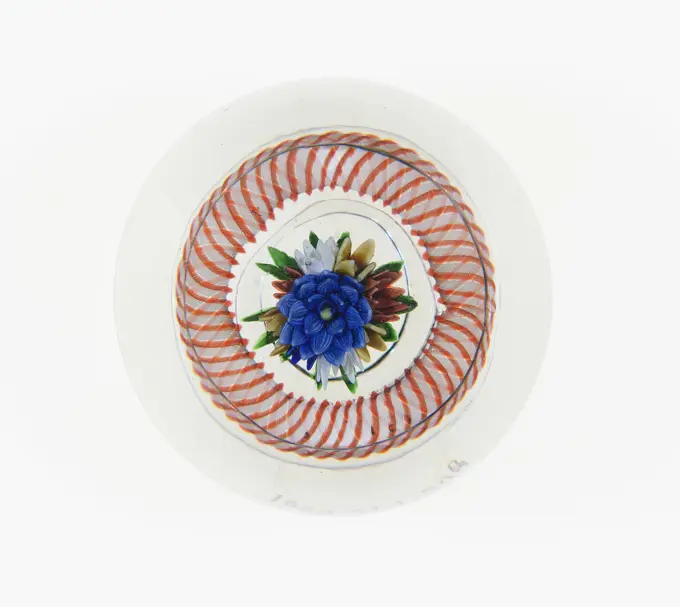
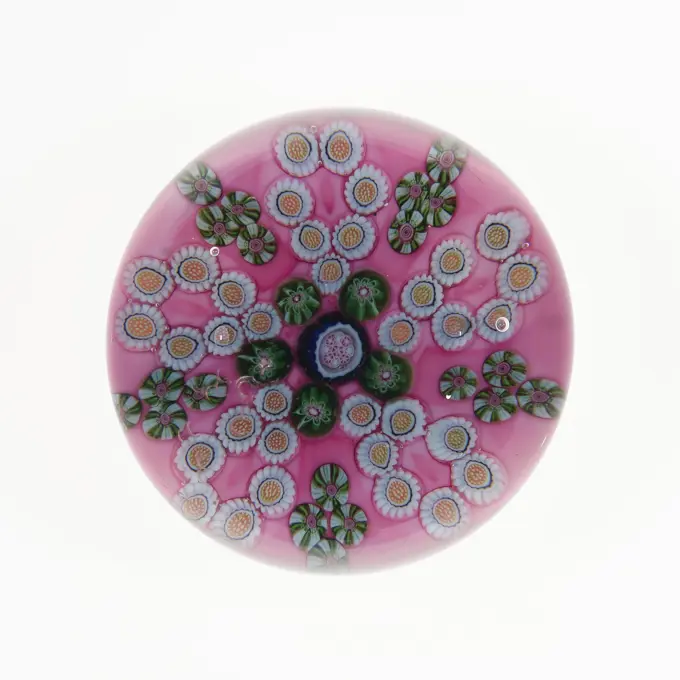
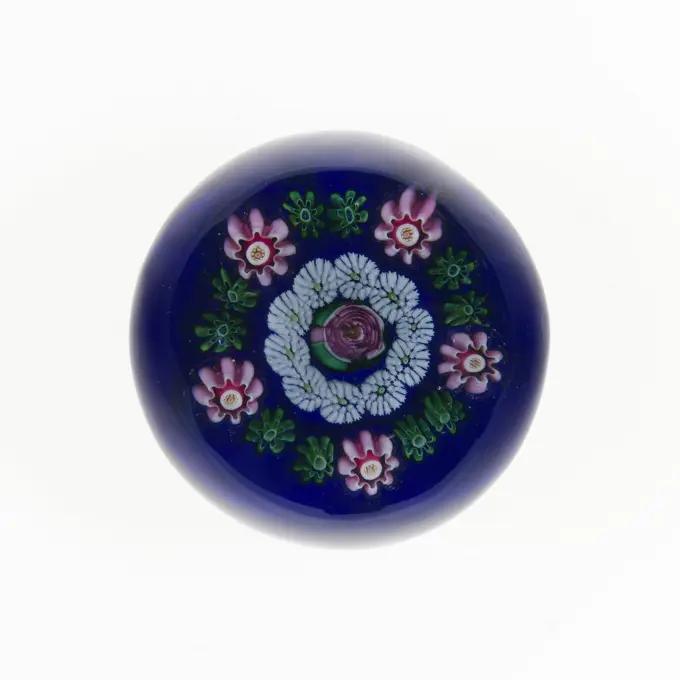
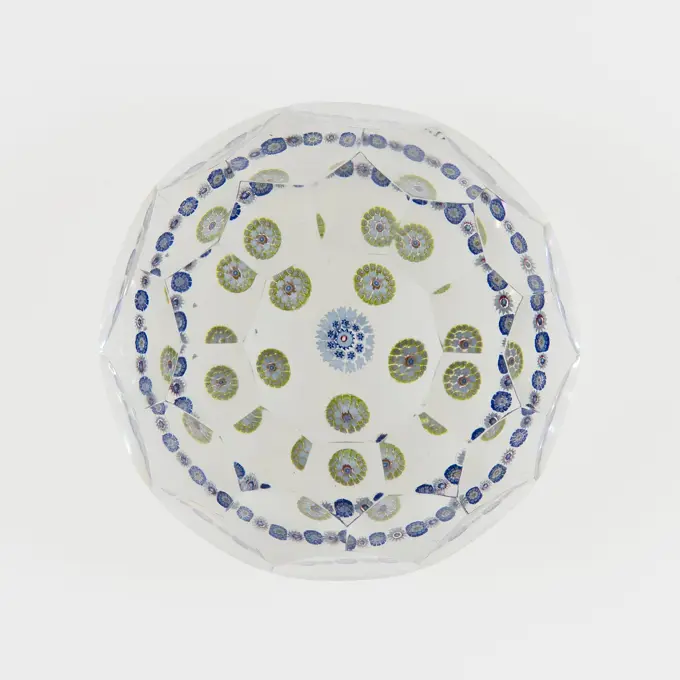
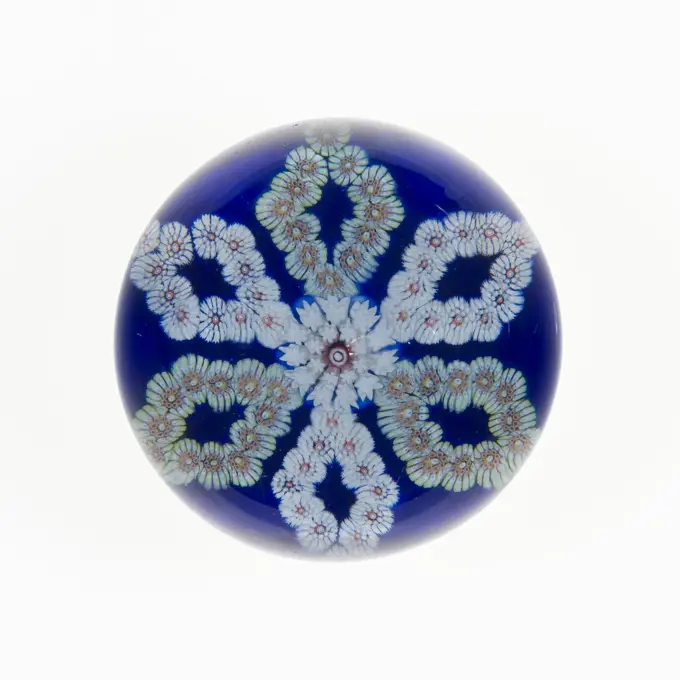
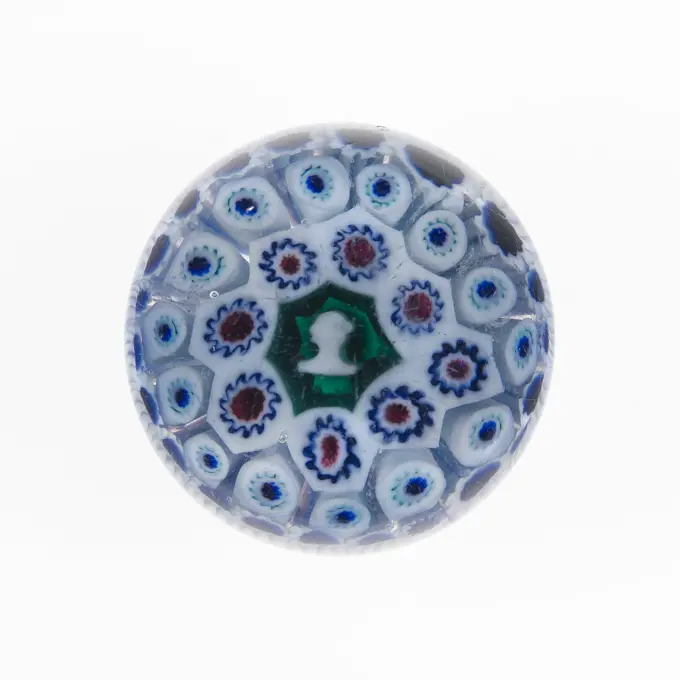
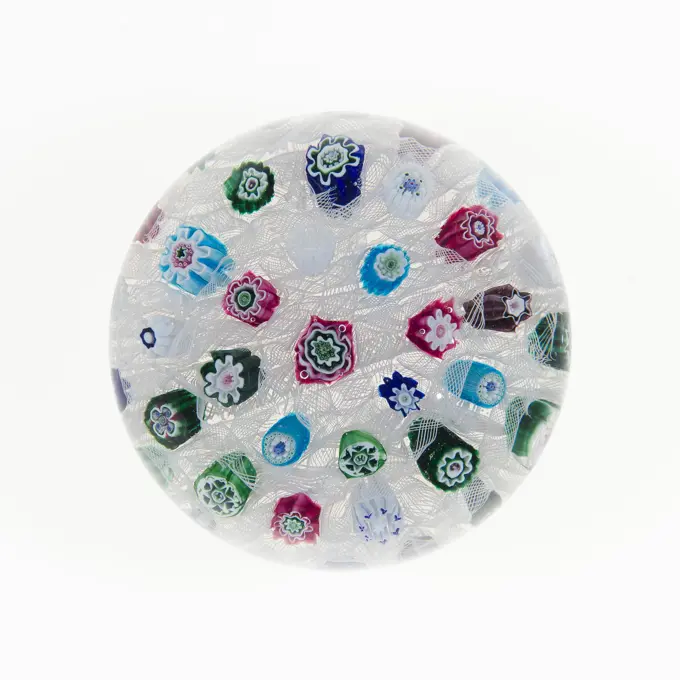
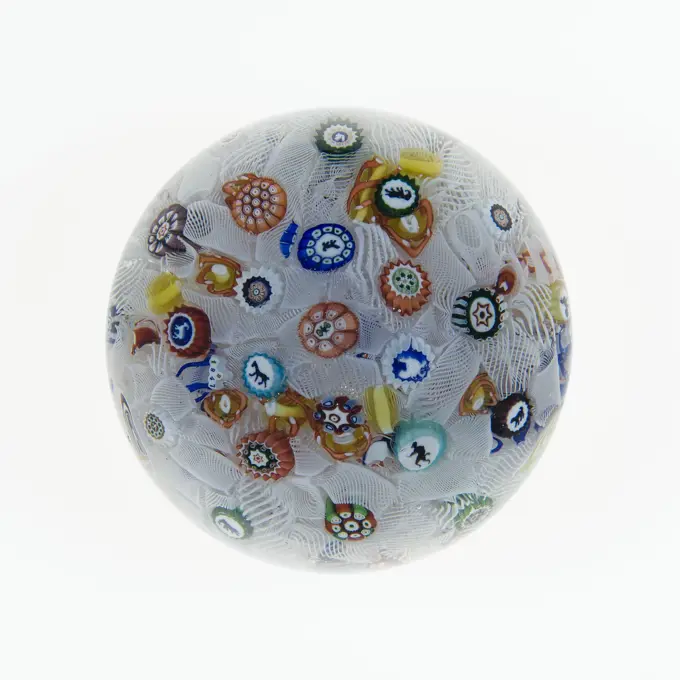
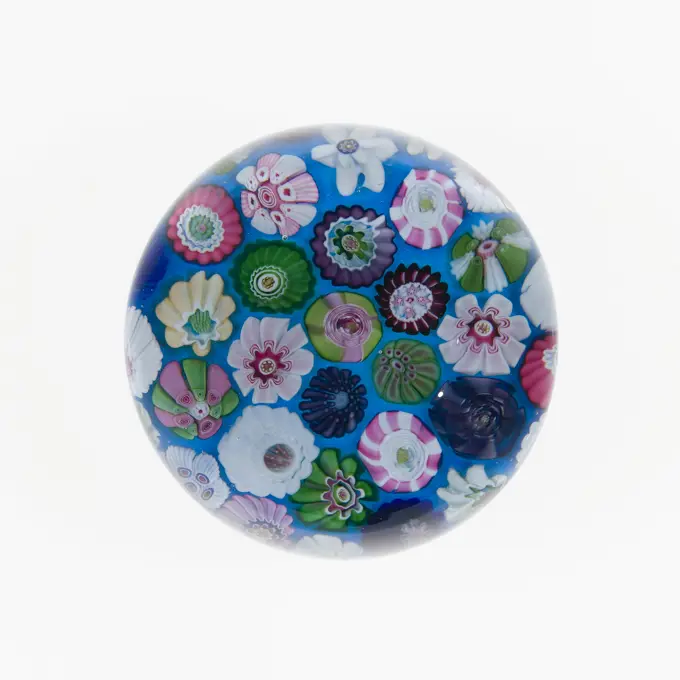
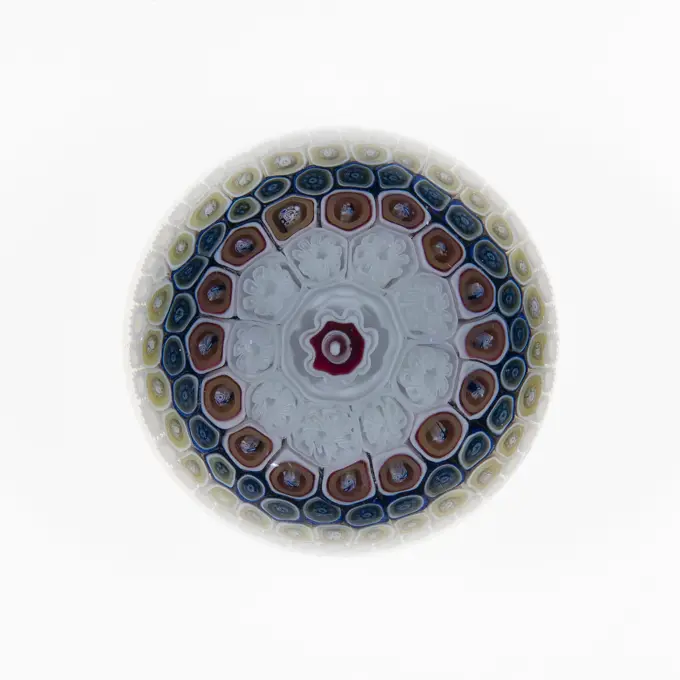
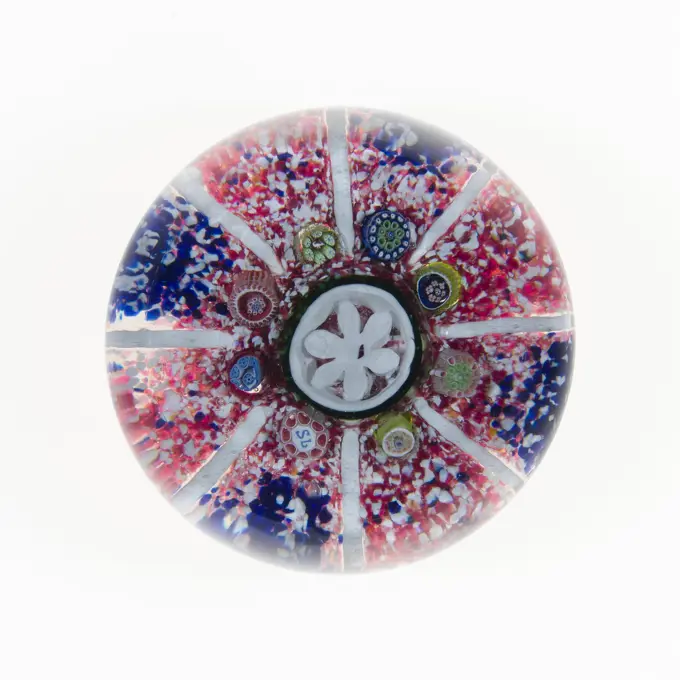
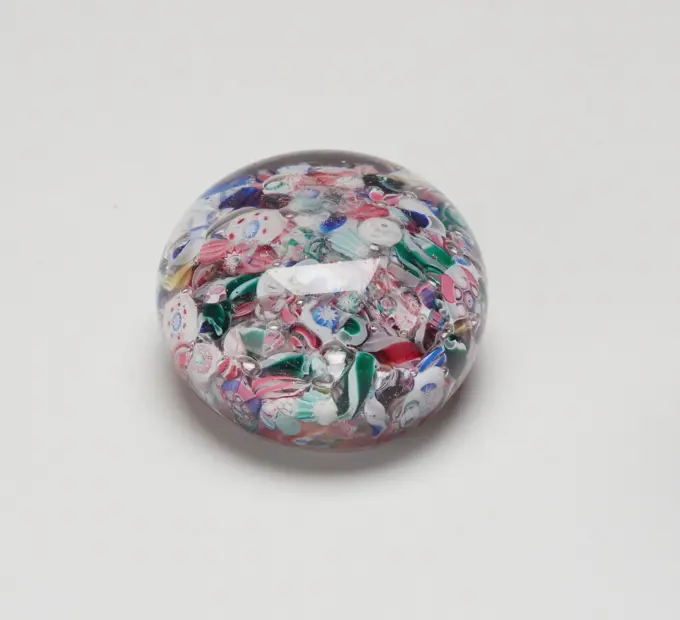
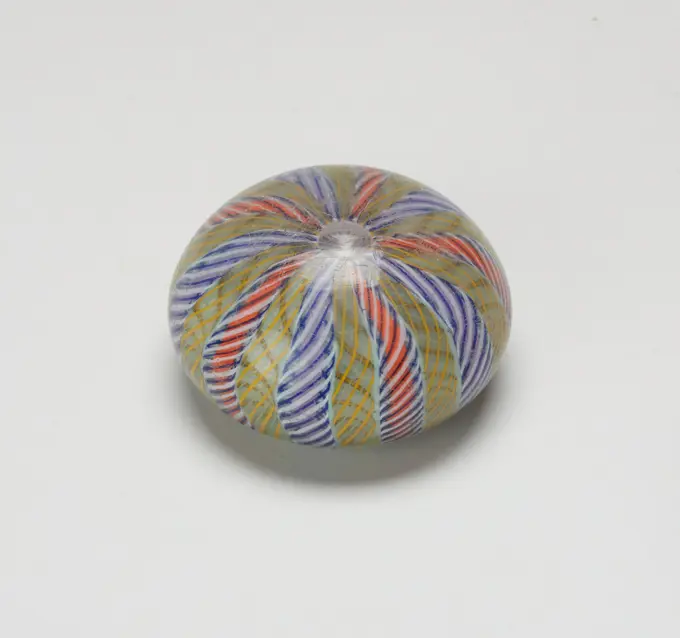
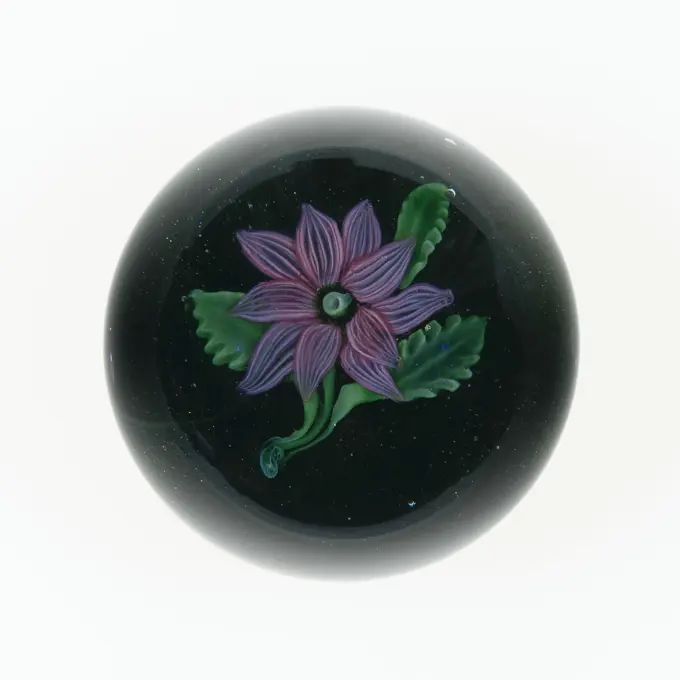
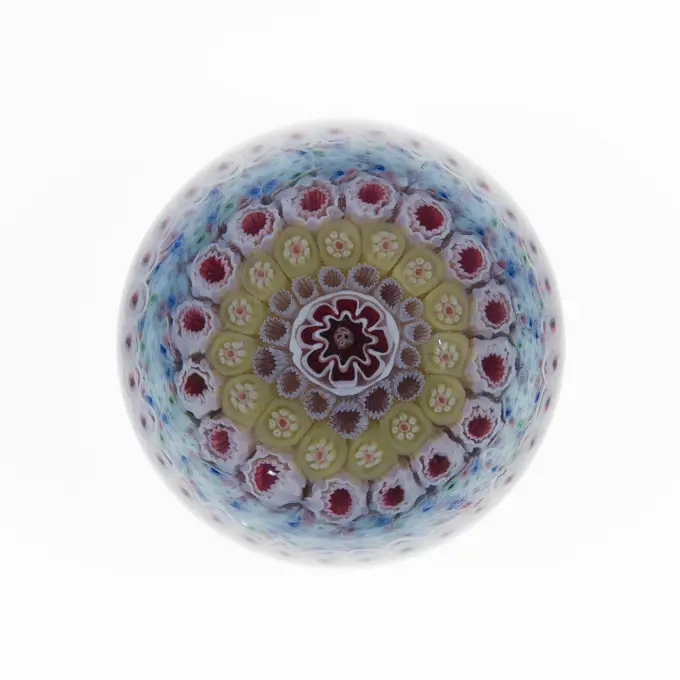
A variety of beautifully designed vintage paperweights utilizing the millefiori technique, showcasing floral and geometric patterns.
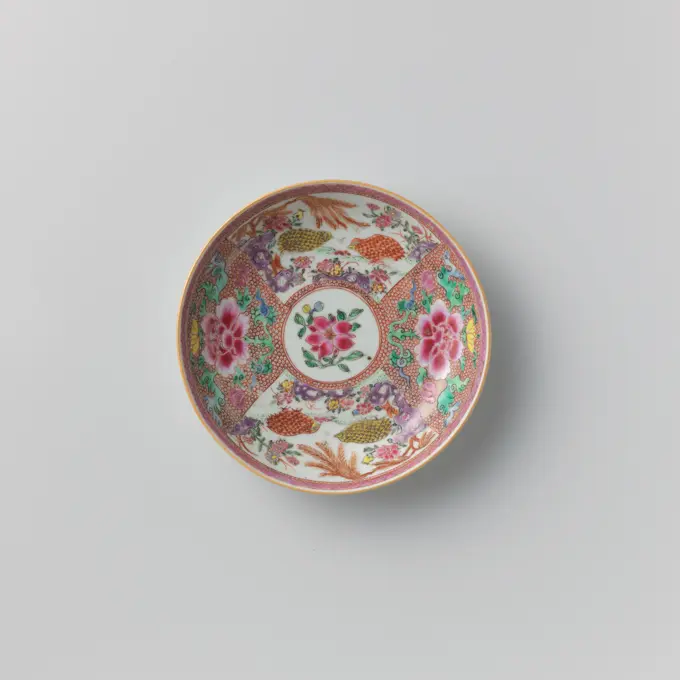
Saucer-dish with quail and floral scrolls on a diaper-pattern, anonymous, c. 1740 - c. 1760 Porcelain dish, painted on the glaze in blue, red, pink, green, yellow, purple, black and gold. In the center a medallion with a flowering plant; On the flat and wall servetwork with twice a peony and lotus drink; Save in the servetwork two fan -shaped compartments with two quail in a landscape with rocks and flowering plants; On the inner edge a band with servetwork. Famle Rose. China porcelain. glaze. gold (metal) painting / gilding / vitrification Porcelain dish, painted on the glaze in blue, red, pink, green, yellow, purple, black and gold. In the center a medallion with a flowering plant; On the flat and wall servetwork with twice a peony and lotus drink; Save in the servetwork two fan -shaped compartments with two quail in a landscape with rocks and flowering plants; On the inner edge a band with servetwork. Famle Rose. China porcelain. glaze. gold (metal) painting / gilding / vitrificatio
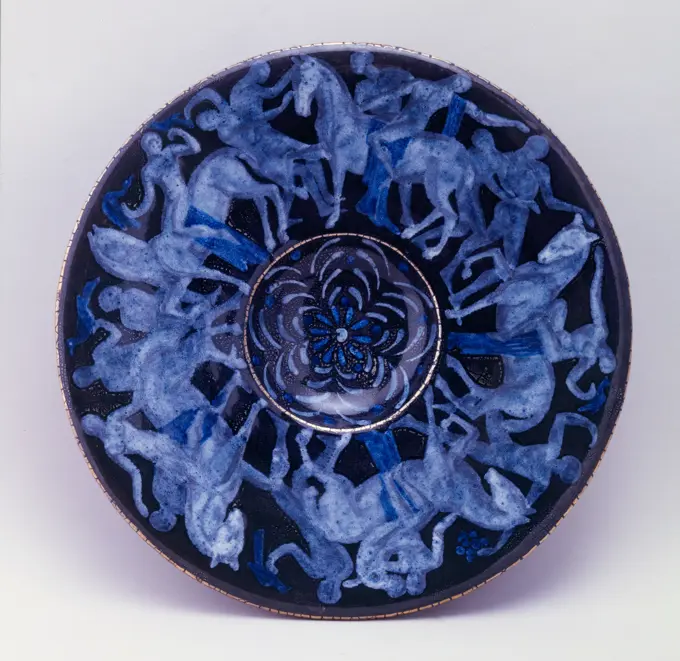
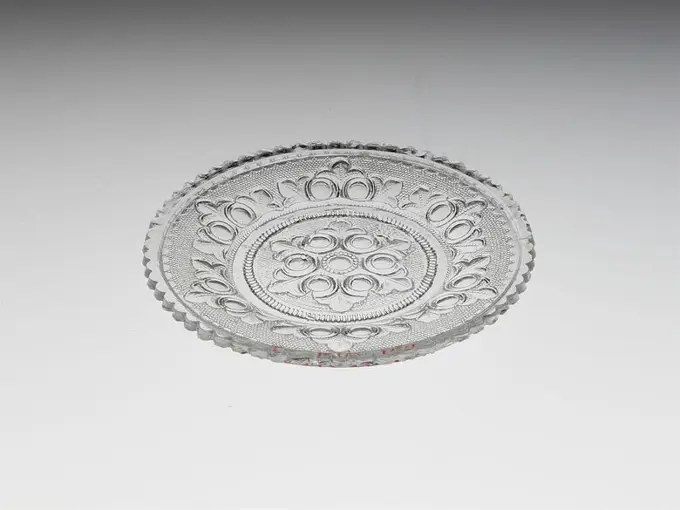
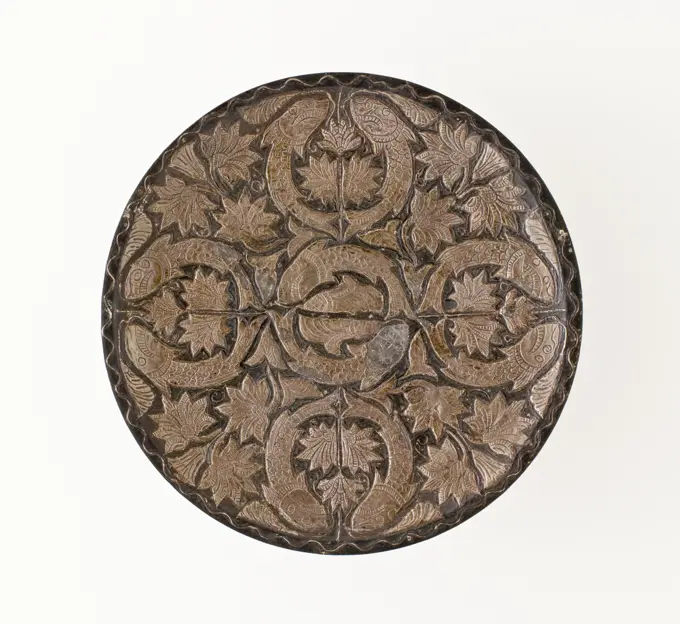
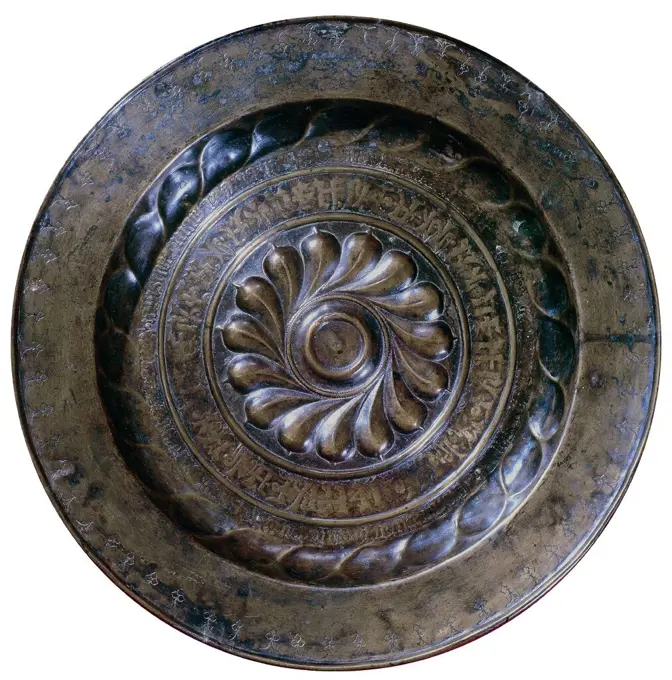
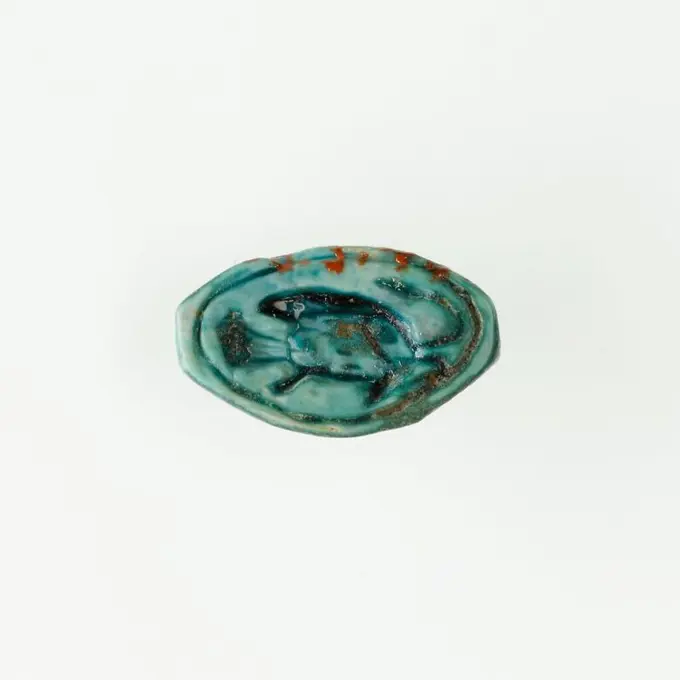
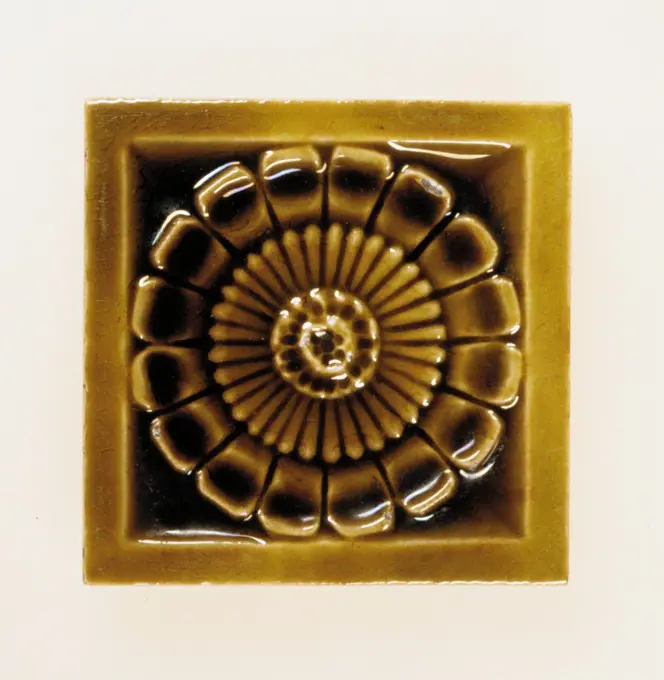
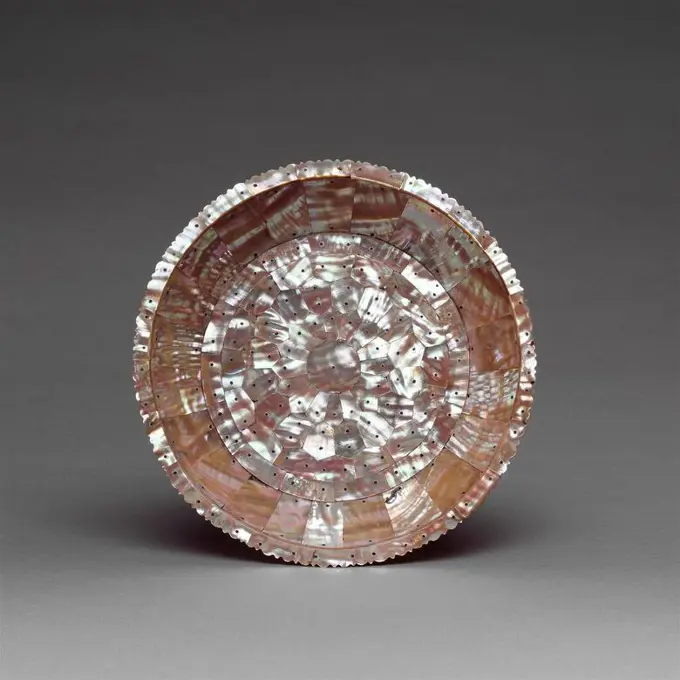
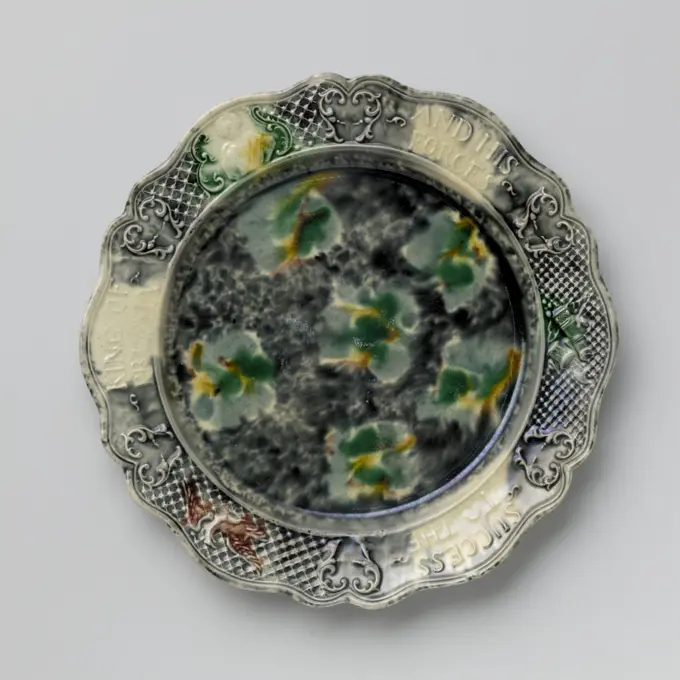
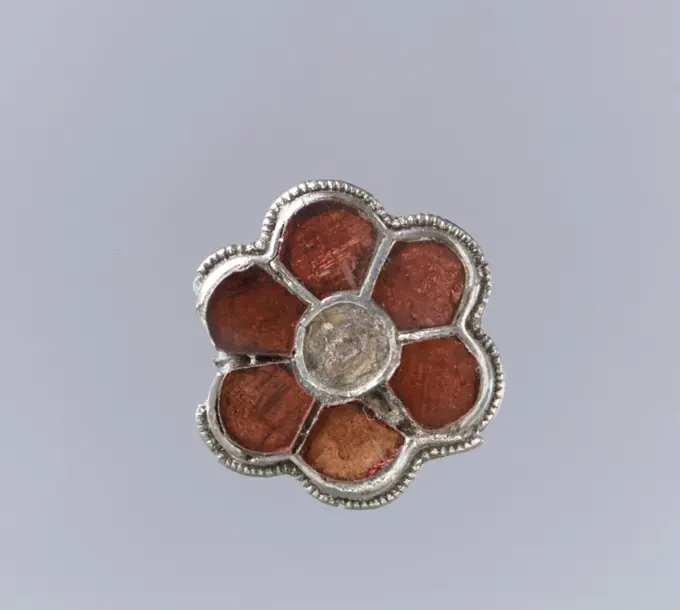
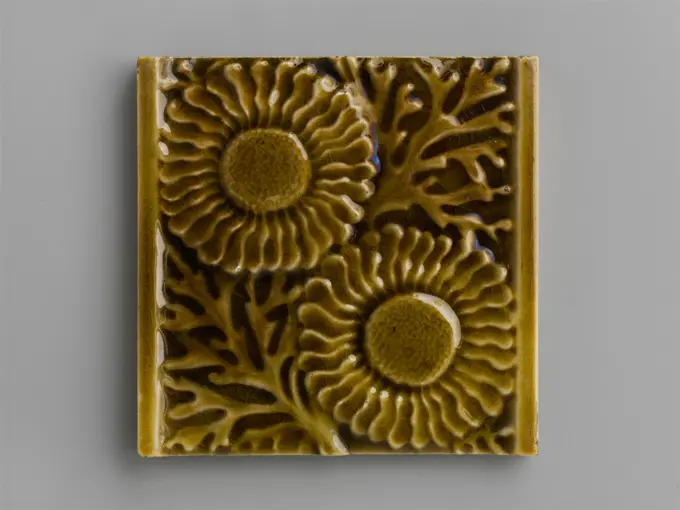
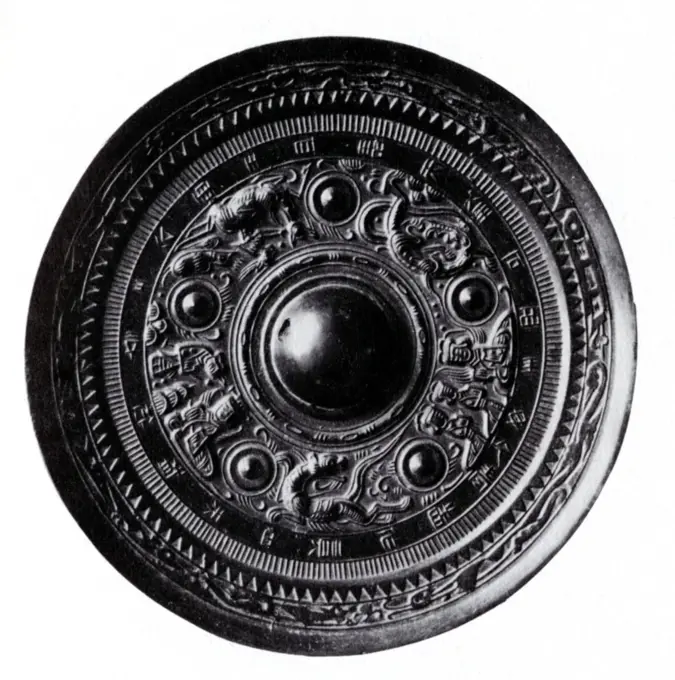
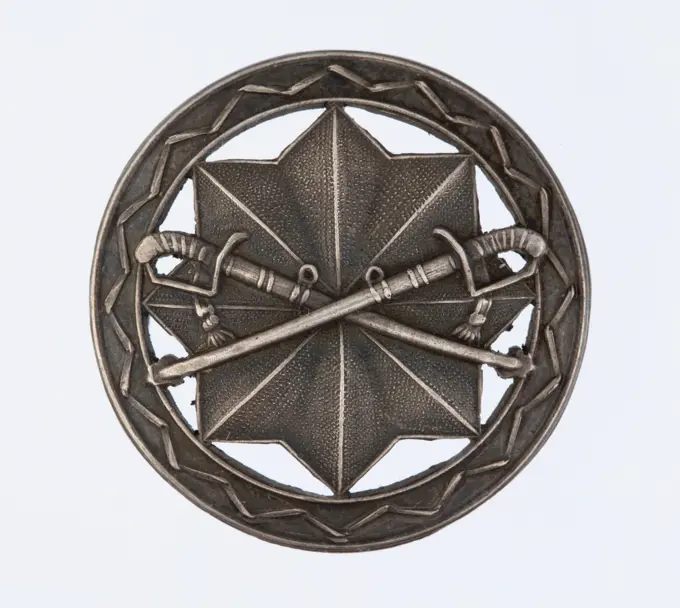
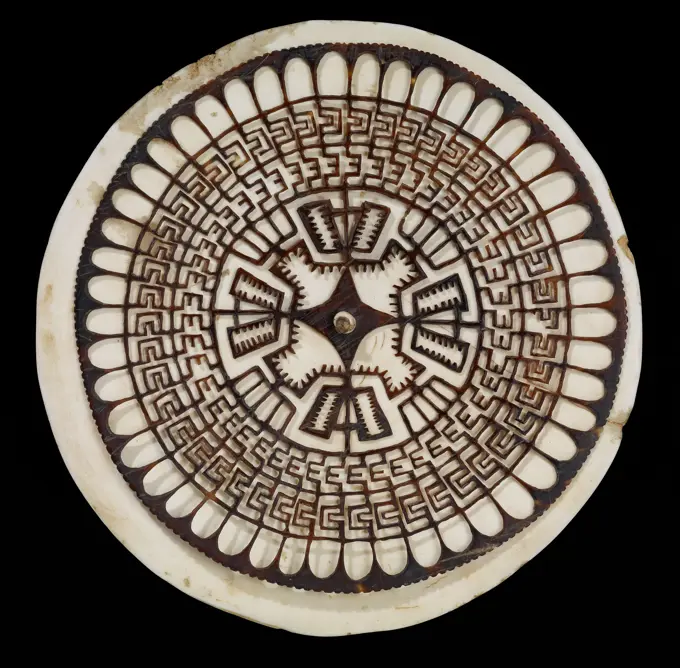
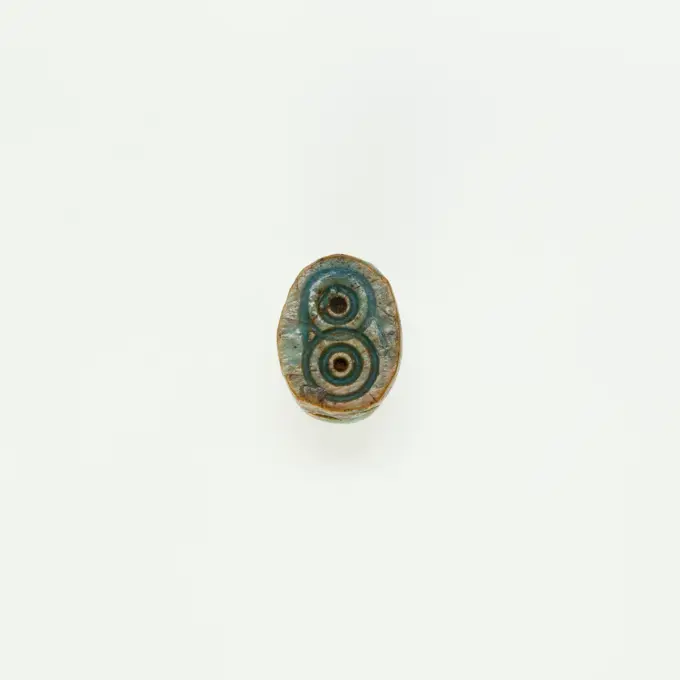
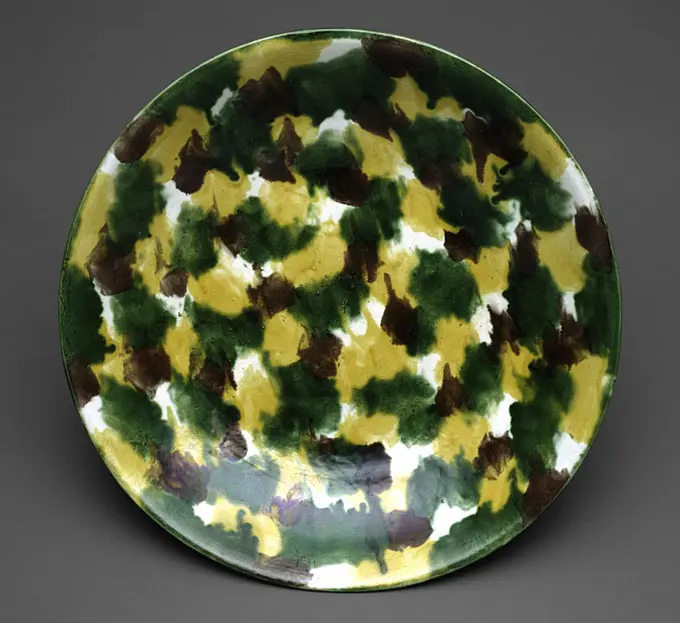
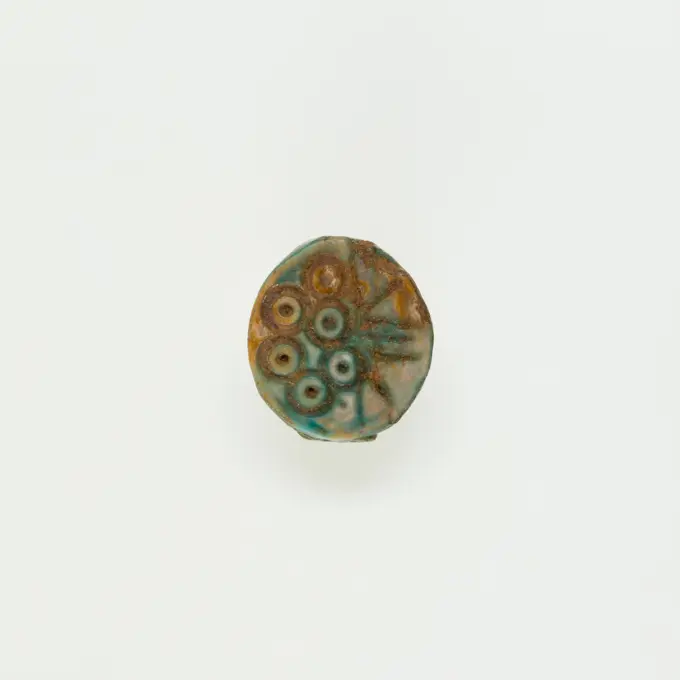
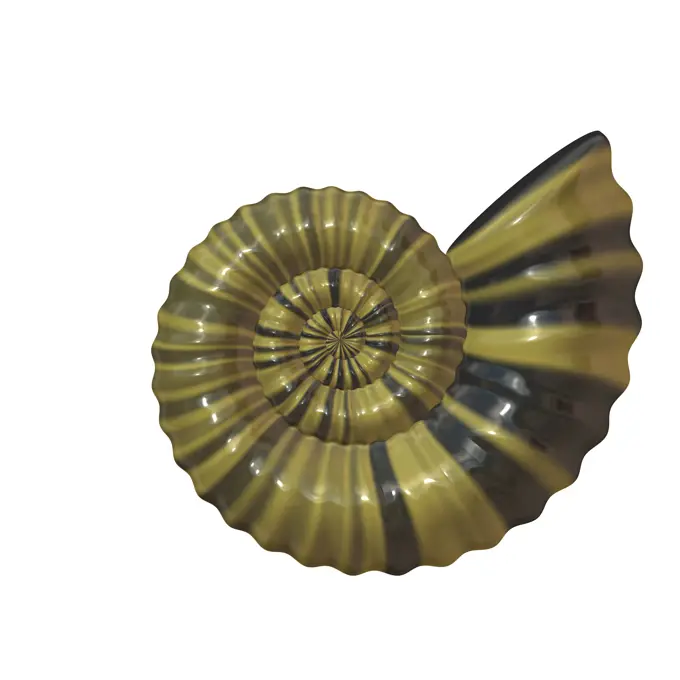
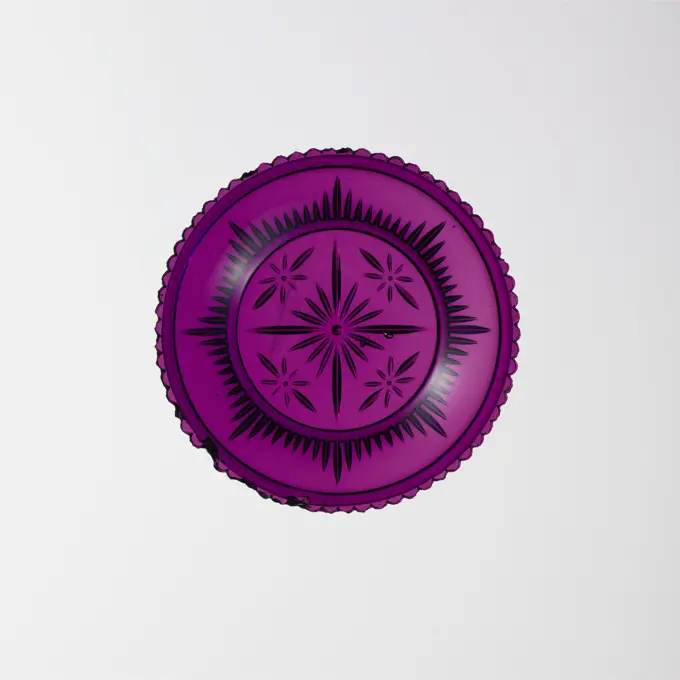
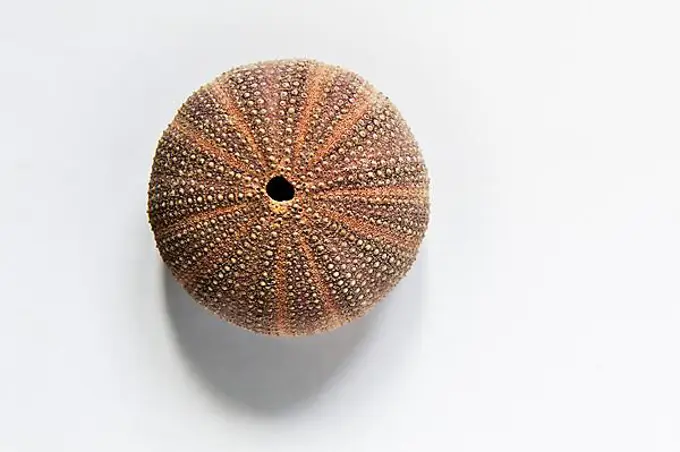
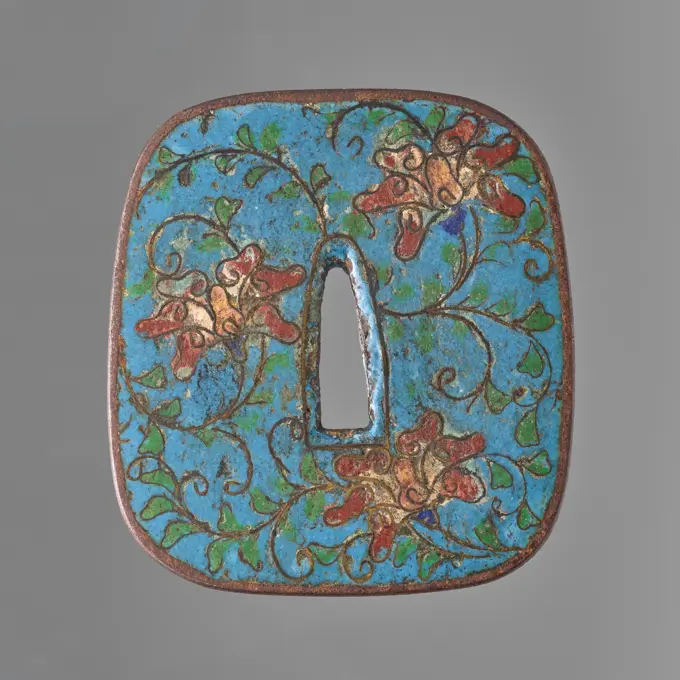
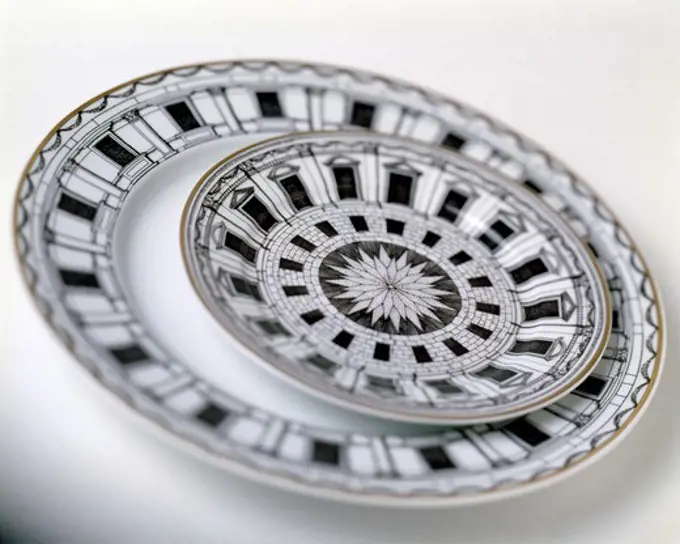
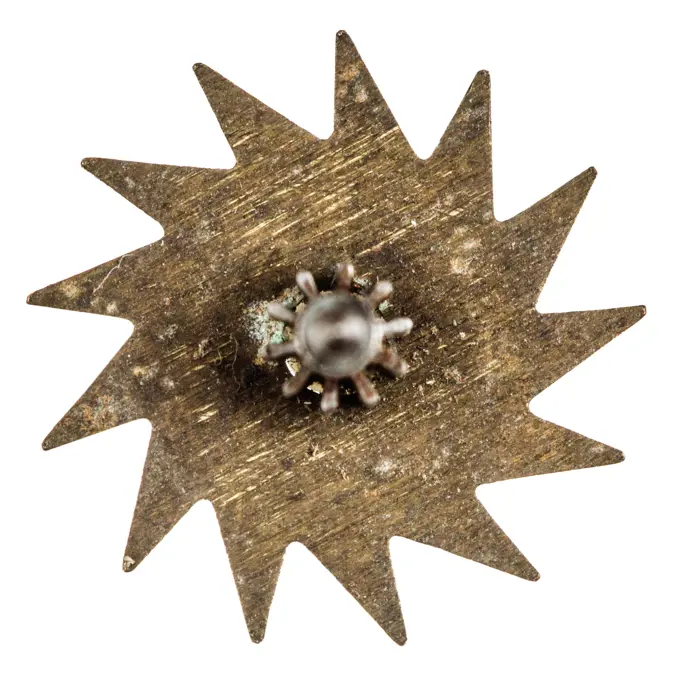
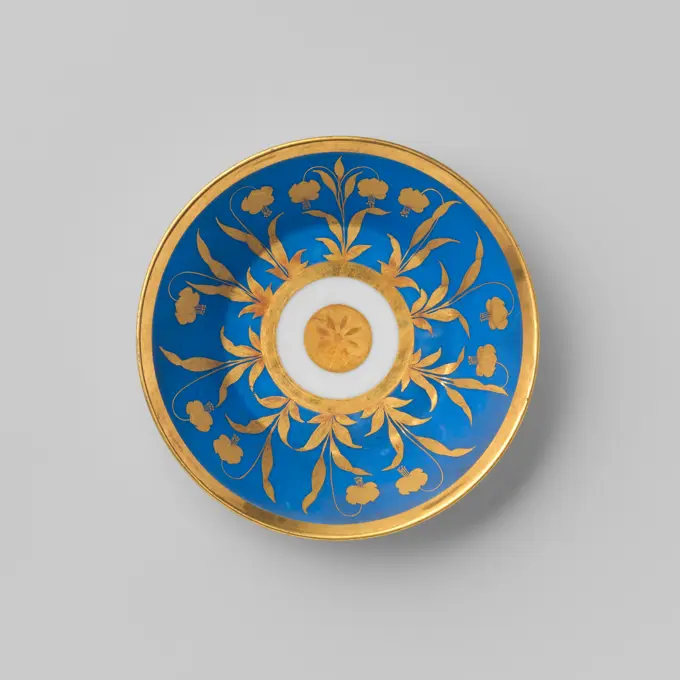
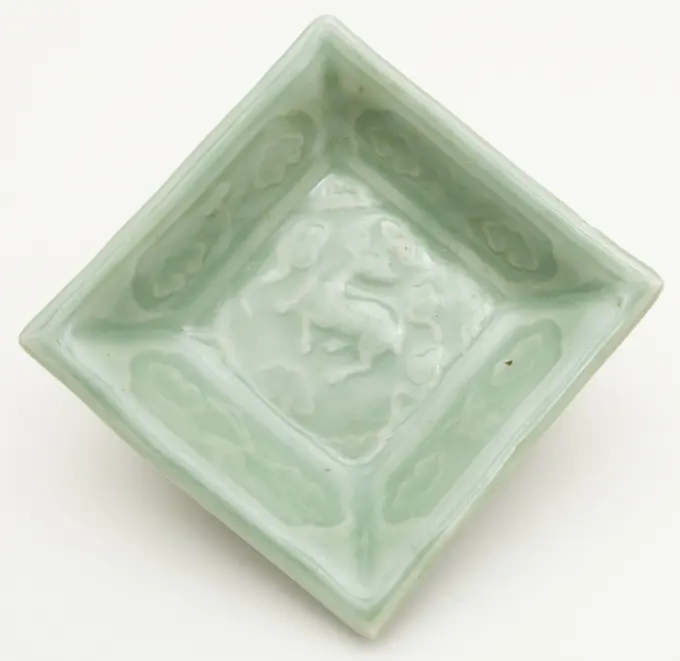
Paperweight 1840-1865 Clichy. This paperweight uses a traditional glass-making technique called millefiori to great effect. Italian for ìone thousand flowers,î millefiori was first developed in fifteenth-century Venice. In the nineteenth century, French glassmakers revived the technique with a cultural twist. Arranged to evoke traditional French gardens such as the Tuileries in Paris, paperweights like this example brought a little of this landscaping magic indoors.From the late 1840s to early 1860s, French manufacturers of fine glass and crystalósuch as Baccarat (Alsace), Clichy (Paris), and Saint-Louis (Lorraine)ócatered to the vast public enthusiasm for beautiful yet functional desk accessories. Paperweights, which were designed to secure loose papers against drafts, were among their most popular products.. Glass . Clichy GlasshouseTop view. Sunflowers, 1881. Earthenware dish. Designer: William De Morgan. Manufacturer: John Heath DavisPaperweight 1840-1865 France. Technological improvements to optical scientific instruments in the mid-nineteenth century spurred a veritable obsession across Europe with identifying and classifying the natural world. Amateur botanists were eager to collect and preserve floral specimens, which they intently researched and catalogued. In response to this broad appeal, French glassmakers made paperweights that portrayed the very botanical subjects that were so enthusiastically sought. Many weights represented specimens with horticultural correctness, but others were entirely fanciful creations. Paperweights like this example speak to the periodís fascination with taxonomic systems.From the late 1840s to early 1860s, French manufacturers of fine glass and crystalósuch as Baccarat (Alsace), Clichy (Paris), and Saint-Louis (Lorraine)ócatered to the vast public enthusiasm for beautiful yet functional desk accessories. Paperweights, which were designed to secure loose papers against drafts, wePaperweight 1801-1900 Clichy. This paperweight uses a traditional glass-making technique called millefiori to great effect. Italian for ìone thousand flowers,î millefiori was first developed in fifteenth-century Venice. In the nineteenth century, French glassmakers revived the technique with a cultural twist. Arranged to evoke traditional French gardens such as the Tuileries in Paris, paperweights like this example brought a little of this landscaping magic indoors.From the late 1840s to early 1860s, French manufacturers of fine glass and crystalósuch as Baccarat (Alsace), Clichy (Paris), and Saint-Louis (Lorraine)ócatered to the vast public enthusiasm for beautiful yet functional desk accessories. Paperweights, which were designed to secure loose papers against drafts, were among their most popular products.. Glass . Clichy Glasshouse (Manufacturer)Paperweight 1801-1900 Clichy. This paperweight uses a traditional glass-making technique called millefiori to great effect. Italian for ìone thousand flowers,î millefiori was first developed in fifteenth-century Venice. In the nineteenth century, French glassmakers revived the technique with a cultural twist. Arranged to evoke traditional French gardens such as the Tuileries in Paris, paperweights like this example brought a little of this landscaping magic indoors.From the late 1840s to early 1860s, French manufacturers of fine glass and crystalósuch as Baccarat (Alsace), Clichy (Paris), and Saint-Louis (Lorraine)ócatered to the vast public enthusiasm for beautiful yet functional desk accessories. Paperweights, which were designed to secure loose papers against drafts, were among their most popular products.. Glass . Clichy GlasshousePaperweight 1801-1900 Clichy. This paperweight uses a traditional glass-making technique called millefiori to great effect. Italian for ìone thousand flowers,î millefiori was first developed in fifteenth-century Venice. In the nineteenth century, French glassmakers revived the technique with a cultural twist. Arranged to evoke traditional French gardens such as the Tuileries in Paris, paperweights like this example brought a little of this landscaping magic indoors.From the late 1840s to early 1860s, French manufacturers of fine glass and crystalósuch as Baccarat (Alsace), Clichy (Paris), and Saint-Louis (Lorraine)ócatered to the vast public enthusiasm for beautiful yet functional desk accessories. Paperweights, which were designed to secure loose papers against drafts, were among their most popular products.. Glass . Clichy GlasshousePaperweight 1801-1900 Lunéville. The colorful geometric clusters embedded in this paperweight reflect the nineteenth-century European fascination with optical effects. Sir David Brewster invented the kaleidoscope in 1815, and its colorful and changing patterns brought great visual entertainment. Paperweights such as this example reformed this childlike pastime for a sophisticated adult audience. Depicted in glass were tiny glittering flowers, small black and blue cameos of figures, and even miniature bottlecaps. These were delicately arranged within the orb for the observant eye to discover.From the late 1840s to early 1860s, French manufacturers of fine glass and crystalósuch as Baccarat (Alsace), Clichy (Paris), and Saint-Louis (Lorraine)ócatered to the vast public enthusiasm for beautiful yet functional desk accessories. Paperweights, which were designed to secure loose papers against drafts, were among their most popular products.. Glass . Baccarat GlassworksSaucer-dish with quail and floral scrolls on a diaper-pattern, anonymous, c. 1740 - c. 1760 Porcelain dish, painted on the glaze in blue, red, pink, green, yellow, purple, black and gold. In the center a medallion with a flowering plant; On the flat and wall servetwork with twice a peony and lotus drink; Save in the servetwork two fan -shaped compartments with two quail in a landscape with rocks and flowering plants; On the inner edge a band with servetwork. Famle Rose. China porcelain. glaze. gold (metal) painting / gilding / vitrification Porcelain dish, painted on the glaze in blue, red, pink, green, yellow, purple, black and gold. In the center a medallion with a flowering plant; On the flat and wall servetwork with twice a peony and lotus drink; Save in the servetwork two fan -shaped compartments with two quail in a landscape with rocks and flowering plants; On the inner edge a band with servetwork. Famle Rose. China porcelain. glaze. gold (metal) painting / gilding / vitrificatioPaperweight 1840-1865 France. Glass . Compagnie de Saint LouisAndré Metthey (1871-1920). Plate. Earthenware. Museum of Fine Arts of the City of Paris, Petit Palais. 79583-30 Horse, faience, dishes, 19th 19th 19th 19 19th 19th century, platePaperweight 1801-1900 Clichy. This paperweight uses a traditional glass-making technique called millefiori to great effect. Italian for ìone thousand flowers,î millefiori was first developed in fifteenth-century Venice. In the nineteenth century, French glassmakers revived the technique with a cultural twist. Arranged to evoke traditional French gardens such as the Tuileries in Paris, paperweights like this example brought a little of this landscaping magic indoors.From the late 1840s to early 1860s, French manufacturers of fine glass and crystalósuch as Baccarat (Alsace), Clichy (Paris), and Saint-Louis (Lorraine)ócatered to the vast public enthusiasm for beautiful yet functional desk accessories. Paperweights, which were designed to secure loose papers against drafts, were among their most popular products.. Glass . Clichy GlasshouseCollar, Medium: silk, metallic yarns on silk Technique: embroidered with couching stitches on satin weave, Cream colored silk collar affixed with thirteen green silk 'cloud' pendants, each with eight petals. Embroidered with polychrome silk and couched gold showing flowers and butterflies., China, 19th century, embroidery & stitching, CollarPaperweight 1840-1865 France. This paperweight uses a traditional glass-making technique called millefiori to great effect. Italian for ìone thousand flowers,î millefiori was first developed in fifteenth-century Venice. In the nineteenth century, French glassmakers revived the technique with a cultural twist. Arranged to evoke traditional French gardens such as the Tuileries in Paris, paperweights like this example brought a little of this landscaping magic indoors.From the late 1840s to early 1860s, French manufacturers of fine glass and crystalósuch as Baccarat (Alsace), Clichy (Paris), and Saint-Louis (Lorraine)ócatered to the vast public enthusiasm for beautiful yet functional desk accessories. Paperweights, which were designed to secure loose papers against drafts, were among their most popular products.. Glass . Clichy GlasshousePaperweight 1801-1900 Clichy. This paperweight uses a traditional glass-making technique called millefiori to great effect. Italian for ìone thousand flowers,î millefiori was first developed in fifteenth-century Venice. In the nineteenth century, French glassmakers revived the technique with a cultural twist. Arranged to evoke traditional French gardens such as the Tuileries in Paris, paperweights like this example brought a little of this landscaping magic indoors.From the late 1840s to early 1860s, French manufacturers of fine glass and crystalósuch as Baccarat (Alsace), Clichy (Paris), and Saint-Louis (Lorraine)ócatered to the vast public enthusiasm for beautiful yet functional desk accessories. Paperweights, which were designed to secure loose papers against drafts, were among their most popular products.. Glass . Clichy GlasshouseCup Plate. Dimensions: Dimensions unavailable. Date: 1825-60. Museum: Metropolitan Museum of Art, New York, USA.Paperweight 1840-1865 France. This paperweight uses a traditional glass-making technique called millefiori to great effect. Italian for ìone thousand flowers,î millefiori was first developed in fifteenth-century Venice. In the nineteenth century, French glassmakers revived the technique with a cultural twist. Arranged to evoke traditional French gardens such as the Tuileries in Paris, paperweights like this example brought a little of this landscaping magic indoors.From the late 1840s to early 1860s, French manufacturers of fine glass and crystalósuch as Baccarat (Alsace), Clichy (Paris), and Saint-Louis (Lorraine)ócatered to the vast public enthusiasm for beautiful yet functional desk accessories. Paperweights, which were designed to secure loose papers against drafts, were among their most popular products.. Glass . Clichy GlasshousePlate with Emblematic Pairs of Fish (mahi-ye maratib). India, Uttar Pradesh, Awadh, Lucknow, circa 1880. Furnishings; Serviceware. Bidri-ware (zarbuland technique)PLATO LIMOSNERO DE FINALES DEL SIGLO XVI. Location: PRIVATE COLLECTION. MADRID. SPAIN.Cowroid Seal-Amulet. Dimensions: L. 1.2 cm (1/2 in.); W. 0.7 cm (1/4 in.); H. 0.4 cm (3/16 in.). Dynasty: Dynasty 18, early. Reign: reign of Thutmose II-Early Joint reign. Date: ca. 1492-1473 B.C..This cowrie-shaped seal-amulet was found with twenty-three scarabs and seal-amulets in the coffin of a young woman who was buried in Hatnefer's tomb (see 36.3.1 and 36.3 26). The back is decorated with incised lines that imitate a metal ring setting (see 36.3.48); the base insscribed with a tilapia fish eating a plant. Museum: Metropolitan Museum of Art, New York, USA.Tile ca. 1882-90 J. and J. G. Low Art Tile Works. Tile 14207Sword Buckle, 1800s. Java. Iron and silver; overall: 43.8 cm (17 1/4 in.); blade: 33.7 cm (13 1/4 in.).Plate. Culture: India (Gujarat). Dimensions: H. 1 3/8 in. (3.5 cm); Diam. 8 1/16 in. (20.5 cm). Date: mid-16th-17th century.On this plate, which has a wooden substrate, pearl shell in various sizes has been applied to the front and sides and secured with pins. The flower motif at the center is often found on such items. Plates as well as ewers and basins, many in shapes derived from European vessels, were produced in Gujarat for the Portuguese trade. The only dated example is a plate in Lisbon that has the year 1568 incised into the bottom. Examples are also known from royal collections in Dresden, Paris, and London. Museum: Metropolitan Museum of Art, New York, USA.Round plate of hard baked pottery; Staffordshire, Anonymous, c. 1756 Round plate of hard baked earthenware, covered with blue-black lead glaze with spots in light blue, green, yellow-brown and manganese. The edge is decorated in relief with fields alternately smooth and filled with grille. On the razes alternately an eagle, a trophy and the portrait of Frederik the Great. On the slippery fields, the inscriptions are successful to the king, king of prussia, and his forces. The sign is part of five plates (BK-1987-40-A to BK-1987-40-F). England earthenware. lead glaze Round plate of hard baked earthenware, covered with blue-black lead glaze with spots in light blue, green, yellow-brown and manganese. The edge is decorated in relief with fields alternately smooth and filled with grille. On the razes alternately an eagle, a trophy and the portrait of Frederik the Great. On the slippery fields, the inscriptions are successful to the king, king of prussia, and his forces. The sign is part ofRosette Brooch 6th century Frankish. Rosette Brooch 465341 Frankish, Rosette Brooch, 6th century, Silver-gilt, beaded filigree edging, garnets with patterned foil ..., Overall: 5/8 x 1/8 in. (1.6 x 0.3 cm). The Metropolitan Museum of Art, New York. Gift of J. Pierpont Morgan, 1917 (17.192.35)Paperweight 1843-1860 Birmingham. Glass . George Bacchus & SonsUkrainian embroidery design element 17Tile, J. & J. G. Low Art Tile Works, 1877 - 1883, Glazed stoneware, Square molded tile made of white clay, impressed and inscription: 'J. & J.G. Low, Patent Art Tile Works, Chelsea Mass. U.S.A., copyright 1881 by J. & J.G. Low'. Tile face is decorated with a stylized flower having two rows of concentric pedals, center rosette, framed in plain border; glazed dark teal blue., Chelsea, Massachusetts, USA, 19th century, tiles, Decorative Arts, TilePaperweight 1840-1865 France. Glass . Clichy GlasshouseMedallion China. Medallion. China. Nephrite. Qing dynasty (1644-1911), Qianlong period (1736-95). JadeButton (France); mother-of-peal, brass, enamel, glassPaperweight 1840-1865 France. Technological improvements to optical scientific instruments in the mid-nineteenth century spurred a veritable obsession across Europe with identifying and classifying the natural world. Amateur botanists were eager to collect and preserve floral specimens, which they intently researched and catalogued. In response to this broad appeal, French glassmakers made paperweights that portrayed the very botanical subjects that were so enthusiastically sought. Many weights represented specimens with horticultural correctness, but others were entirely fanciful creations. Paperweights like this example speak to the periodís fascination with taxonomic systems.From the late 1840s to early 1860s, French manufacturers of fine glass and crystalósuch as Baccarat (Alsace), Clichy (Paris), and Saint-Louis (Lorraine)ócatered to the vast public enthusiasm for beautiful yet functional desk accessories. Paperweights, which were designed to secure loose papers against drafts, weRosette dated 1540 German. Rosette. German. dated 1540. Brass. Miscellaneous-Buckles & OrnamentPaperweight 1843-1860 Lunéville. Technological improvements to optical scientific instruments in the mid-nineteenth century spurred a veritable obsession across Europe with identifying and classifying the natural world. Amateur botanists were eager to collect and preserve floral specimens, which they intently researched and catalogued. In response to this broad appeal, French glassmakers made paperweights that portrayed the very botanical subjects that were so enthusiastically sought. Many weights represented specimens with horticultural correctness, but others were entirely fanciful creations. Paperweights like this example speak to the periodís fascination with taxonomic systems.From the late 1840s to early 1860s, French manufacturers of fine glass and crystalósuch as Baccarat (Alsace), Clichy (Paris), and Saint-Louis (Lorraine)ócatered to the vast public enthusiasm for beautiful yet functional desk accessories. Paperweights, which were designed to secure loose papers against drafts,Galvanoplastic reproduction of the scale on three pomegranates from the Lüneburg Ratssilber. Galvanoplastic reproduction of a scale on three legs in the form of pomegranates. In the middle of the scale two citizens' weapons in email. Partially plated.Subdecast of a butter dish, of multicolorly baked pottery; Staffordshire. Subdecast (oval) Of multicolored hard-baked pottery. The subset is decorated with spotted lead glazing in the colors blue, gray, green and yellow with a mangane dot. The bottom of the dish has dotted in manganese. The subset belongs to a butter dish that is missing and a lid (BK-1987-36-D).. Scale of silver. Walled edge, decorated with lobe ornament and flower and leaf raft.Paperweight 1847 Lunéville. The colorful geometric clusters embedded in this paperweight reflect the nineteenth-century European fascination with optical effects. Sir David Brewster invented the kaleidoscope in 1815, and its colorful and changing patterns brought great visual entertainment. Paperweights such as this example reformed this childlike pastime for a sophisticated adult audience. Depicted in glass were tiny glittering flowers, small black and blue cameos of figures, and even miniature bottlecaps. These were delicately arranged within the orb for the observant eye to discover.From the late 1840s to early 1860s, French manufacturers of fine glass and crystalósuch as Baccarat (Alsace), Clichy (Paris), and Saint-Louis (Lorraine)ócatered to the vast public enthusiasm for beautiful yet functional desk accessories. Paperweights, which were designed to secure loose papers against drafts, were among their most popular products.. Glass . Baccarat GlassworksTile ca. 1882-84 J. and J. G. Low Art Tile Works. Tile 8525Paperweight 1843-1860 Saint-Louis. Technological improvements to optical scientific instruments in the mid-nineteenth century spurred a veritable obsession across Europe with identifying and classifying the natural world. Amateur botanists were eager to collect and preserve floral specimens, which they intently researched and catalogued. In response to this broad appeal, French glassmakers made paperweights that portrayed the very botanical subjects that were so enthusiastically sought. Many weights represented specimens with horticultural correctness, but others were entirely fanciful creations. Paperweights like this example speak to the periodís fascination with taxonomic systems.From the late 1840s to early 1860s, French manufacturers of fine glass and crystalósuch as Baccarat (Alsace), Clichy (Paris), and Saint-Louis (Lorraine)ócatered to the vast public enthusiasm for beautiful yet functional desk accessories. Paperweights, which were designed to secure loose papers against draftPaperweight Made 1845-1855 Clichy. Glass . Clichy GlasshouseOld style bowl with paintingsOrnament, Silver gilt, Sweden, 19th century, jewelry, Decorative Arts, OrnamentPlate - Portneuf potteryTray. India, Maharashtra, Pune, circa 1800. Furnishings; Serviceware. Amalgam-gilt silverPaperweight 1875-1900 England. Glass . George Bacchus & SonsCampanian Black Bowl. UnknownAnonymous / 'Rock crystal salver with gadrooned decoration'. Ca. 1600. Rock crystal / Hyaline quartz, Silver-gilt. Museum: Museo del Prado, Madrid, España.Ornaments 3 (possibly USA); jetTerracotta dish. Culture: Greek, South Italian, Campanian, Teano. Dimensions: Other: 1 5/8 x 10 1/8 in. (4.1 x 25.7 cm). Date: ca. 330-300 B.C..Flat dish with ring base, decorated with ivy vine and stamped pattern. Museum: Metropolitan Museum of Art, New York, USA.Berthe Van Kloskant with golf line, Anonymous, in or after 1854 - in or before 1900 Berthe of natural -colored bobbin: Sluise Duchesse. A double and scalloped wave line runs along the inner edge. Along the outer edge there is a running pattern with a daisy, a three-sheet and a C-Volut on a very open braid ground. A small intermediate pattern shows a bunch hanging on the Gulf line and a daisy. Sluis (Possible) linen (material) bobbin lace Berthe of natural -colored bobbin: Sluise Duchesse. A double and scalloped wave line runs along the inner edge. Along the outer edge there is a running pattern with a daisy, a three-sheet and a C-Volut on a very open braid ground. A small intermediate pattern shows a bunch hanging on the Gulf line and a daisy. Sluis (Possible) linen (material) bobbin laceDrapery Tieback 1810-60. Drapery Tieback 14248Tile (Spain); glazed moulded earthenwarePinhead. Pinhead. Glass. GlassMirror with Queen Mother of the West, Lord of the East, and mythical creatures 2nd-3rd century China By the Han dynasty, mirrors had become an important component of grave goods. Their reflective surface was believed to bring life and light into the darkness of the tomb.. Mirror with Queen Mother of the West, Lord of the East, and mythical creatures 49527Badge of graduation of the Officers' School of the Union of Active Combat, the so called Umbrella Miciński, W., Tetmajer, Włodzimierz (1861 1923)Flower-shaped Bowl with Lotus Scroll and Boy Design in Relief. Korea, Goryeo dynasty (918-1392), 12th century. Furnishings; Serviceware. Molded stoneware with green glazePeter the Great box, Peter I the Great (Tsar of Russia), 1724 box Flat oval ivory box with lid turned by Tsar Peter the Great and honored by him to his doctor Nicolaas Bidloo. On the underside, a inscription is engraved over the entire surface; Decorations in the lid, with centrally three star -shaped twelve -pointed rosettes on top of each other, around oval rings, around it again a double ring of small waves; The side of the lid is formed by a few sloping ridges. Inscription on the lid: Opus Petri Magni Primi Totius Russiae imperatoris propria manu torno factum mihi nicolas bidloo archiatro suo, in aeteram ejus gratia memoriam petropoli clementer largitum consistenter acreligiocomo. This ivory box is stored in an oval box from Tombak with a painting. Sint-Petersburg ivory cutting rosette ~ ornament SiberiaPlate. Culture: China. Dimensions: Diam. 14 1/2 in. (36.8 cm). Date: late 17th-early 18th century. Museum: Metropolitan Museum of Art, New York, USA.Kapkap, 19th century, 3/8 x 6 in. (0.95 x 15.24 cm) (without cord), Clam shell, tortoise shell, cord, shell beads, Solomon Islands, 19th century, Kapkap were worn as pendants, and forehead or belt ornaments by men in the Solomon Islands. Worn in battle and at festivals, these ornaments symbolized personal wealth and status. The size and quality of a man's kapkap generally indicated his social status-the bigger the size, the more valuable it was. The white disk is ground from the shell of the Tridacna, a large sea clam, which was also used for money. The brown inner disk was carved from boiled tortoiseshell and attached to the other half of the ornament by a beaded string. The addition of beads further increased its value and prestige. Kapkap from the Solomon Islands were traded throughout Melanesia, and are still highly valued today for their beauty and use as exchange goods.Dish, painted with the crocus decor, Meisser Porzellan Manufaktur, 1896 Dish of painted porcelain. The dish is painted in green and brown. The dish is marked. Float porcelain Dish of painted porcelain. The dish is painted in green and brown. The dish is marked. Float porcelainHand guard, Tomokane, 1800 - 1825 Round tsuba with a partially completed braid in star shape in positive silhouette; The edge is decorated with stylized Golden Ranks in Nunome-Zogan; Signed "Goshu Hagi Ju Kawaji Gonnojo Tomokane Saku". Japan iron (metal). gold (metal) Round tsuba with a partially completed braid in star shape in positive silhouette; The edge is decorated with stylized Golden Ranks in Nunome-Zogan; Signed "Goshu Hagi Ju Kawaji Gonnojo Tomokane Saku". Japan iron (metal). gold (metal). Round plate (fragmentary) of blue painted faience, with a Wan-Li edge and a bird on the flat. The plate is a soil find out of Delft.Scarab Decorated with Circles ca. 1640-1550 B.C. Second Intermediate Period. Scarab Decorated with Circles 560672Plate (Plato). Unidentified artist. Possibly Guatemala, circa 1790. Furnishings; Serviceware. SilverPaperweight 1840-1865 France. Glass . Compagnie de Saint LouisDish 1701-1722 China. Porcelain painted in egg-and-spinach enamel glazes .Button. Pearl button with ring of carved bosses surrounding a ring of tinted stone-like sequins and a central mirror-glass stone, 1790-1800 .Bumpy empty ceramic plate on a textured concrete background Bumpy empty ceramic plate on a textured concrete background. Kitchen utensil item Copyright: xZoonar.com/TetianaxChernykovax 21723527Paperweight, 19th century, Boston and Sandwich Glass Company, American, Sandwich, Massachusetts, 1825-1888, 1 3/4 x 2 5/8 in. (4.4 x 6.67 cm), Glass, United States, 19th centuryPlateau; Deruta (ceramic family; Ca 1500-); 16th century (1501-00-00-1600-00-00);Sea Urchin Shell by John Kuss, PhotographJade Bi, 1700 - 1800 Disc adorned with two dragons. China jade (rock) Disc adorned with two dragons. China jade (rock)Colander (hole petiel), anonymous, 1700 - 1800 Gatenpateel on three legs and with two horizontal handles. Lines are engraved around the holes in the Pateel. Concentric lines are engraved along the edge. The hole pole is marked with an unreadable brand. Netherlands silver (metal) Gatenpateel on three legs and with two horizontal handles. Lines are engraved around the holes in the Pateel. Concentric lines are engraved along the edge. The hole pole is marked with an unreadable brand. Netherlands silver (metal)Gilt Metal Button, 1790-1810. Made in Birmingham, maker unknownPaperweight 1801-1900 Clichy. Technological improvements to optical scientific instruments in the mid-nineteenth century spurred a veritable obsession across Europe with identifying and classifying the natural world. Amateur botanists were eager to collect and preserve floral specimens, which they intently researched and catalogued. In response to this broad appeal, French glassmakers made paperweights that portrayed the very botanical subjects that were so enthusiastically sought. Many weights represented specimens with horticultural correctness, but others were entirely fanciful creations. Paperweights like this example speak to the periodís fascination with taxonomic systems.From the late 1840s to early 1860s, French manufacturers of fine glass and crystalósuch as Baccarat (Alsace), Clichy (Paris), and Saint-Louis (Lorraine)ócatered to the vast public enthusiasm for beautiful yet functional desk accessories. Paperweights, which were designed to secure loose papers against drafts, wePaperweight, 1825-1840, 1 3/4 x 3 x 3 in. (4.45 x 7.62 x 7.62 cm), Glass, England, 19th centuryScarab ca. 1981-1295 B.C. Middle Kingdom-Early New Kingdom. Scarab 557080Water well of brick isolated on white background. Top down view on well full of water over.Round African tribal ornament. Pattern shown on the ceramic plate. Vector illustration.Paperweight 1840-1865 France. Technological improvements to optical scientific instruments in the mid-nineteenth century spurred a veritable obsession across Europe with identifying and classifying the natural world. Amateur botanists were eager to collect and preserve floral specimens, which they intently researched and catalogued. In response to this broad appeal, French glassmakers made paperweights that portrayed the very botanical subjects that were so enthusiastically sought. Many weights represented specimens with horticultural correctness, but others were entirely fanciful creations. Paperweights like this example speak to the periodís fascination with taxonomic systems.From the late 1840s to early 1860s, French manufacturers of fine glass and crystalósuch as Baccarat (Alsace), Clichy (Paris), and Saint-Louis (Lorraine)ócatered to the vast public enthusiasm for beautiful yet functional desk accessories. Paperweights, which were designed to secure loose papers against drafts, weAn illustration of a beautiful detailed sea shell An illustration of a beautiful detailed sea shell Copyright: xZoonar.com/magannx 1156562Cup Plate 1825-60 American. Cup Plate 2916Sea urchin skeleton from the MediterraneanJelec (Tsuba);  XVII century (1601-00-00-1700-00-00);Close-up of black and white patterned Fornasetti china platesPlate;  beginning of the 20th century (1901-00-00-1910-00-00);Pinion of old clock mechanism, isolated on white background Pinion of old clock mechanism, isolated on white background Copyright: xZoonar.com/OleksandrxKostiuchenkox 9757638Paperweight 1875-1900 England. Glass . George Bacchus & SonsPendant (part 1), 1700s. Belgium, 18th century. Silver gilt and enamel; overall: 11.5 cm (4 1/2 in.).Dish, decorated with golden flowers. Dish of porcelain, decorated with golden flowers on a matte blue ground.Palestinian design elementSquare Dish with Symbols of Longevity and Immortality (Deer, Bats, Fungus, and Clouds) and the Phrase Tian Zhi Mei Lu (Beauty of Heavenly Prosperity) 1279-1368 China. Longquan ware; stoneware with underglaze molded decoration .Paperweight, 19th century, Clichy Glass Works, 1 3/4 x 2 5/8 x 2 5/8 in. (4.45 x 6.67 x 6.67 cm), Glass, France, 19th centuryGlaskristall Glaskristall Copyright: xZoonar.com/lantapixx 1080583Rosette Brooch first half 6th century Frankish Garnets, worked in the cloisonné technique, featured prominently in the luxury jewelry of the Franks. Jewelers would solder small compartments arranged in geometric patterns onto the surface of a metal disk. In those cells, or cloisons, they would place a textured piece of gold foil, which would show through the thin translucent garnet that would then be set on top.. Rosette Brooch 465340 Frankish, Rosette Brooch, first half 6th century, Silver, gilding(), garnets with patterned foil backings, ..., Overall: 13/16 x 1/8 in. (2 x 0.3 cm). The Metropolitan Museum of Art, New York. Gift of J. Pierpont Morgan, 1917 (17.192.34)Breastplate from a Set of "Four Mirrors" (me long bzhi) 15th-17th century possibly Mongolian or Central Asian. Breastplate from a Set of "Four Mirrors" (me long bzhi) 26590Vector Ornamental Cork Beer CoasterCovered Cosmetic Box wih Petalled Rosette, Flying Cranes, Stylized Clouds, and Layered Lotus Petals. Korea. Date: 1201-1300. Dimensions: H. 3.8 cm (1 1/2 in.); diam. 10.2 cm (4 in.). Stoneware with celadon glaze and underglaze inlaid decoration of black and white clay. Origin: Korea. Museum: The Chicago Art Institute, Chicago, USA.Tray (Pan) in the Form of a Plum Blossom with Birds and Flowers. China, Late Southern Song dynasty, about 1200-1279. Furnishings; Serviceware. Carved red lacquer on wood corehigh angle view of a colorful round bench on wooden sidewalk and bush isolated on white background - 3d rendering. top view of a colorful round bench on wooden sidewalk and bush isolated on white