Decorative Wall Tiles

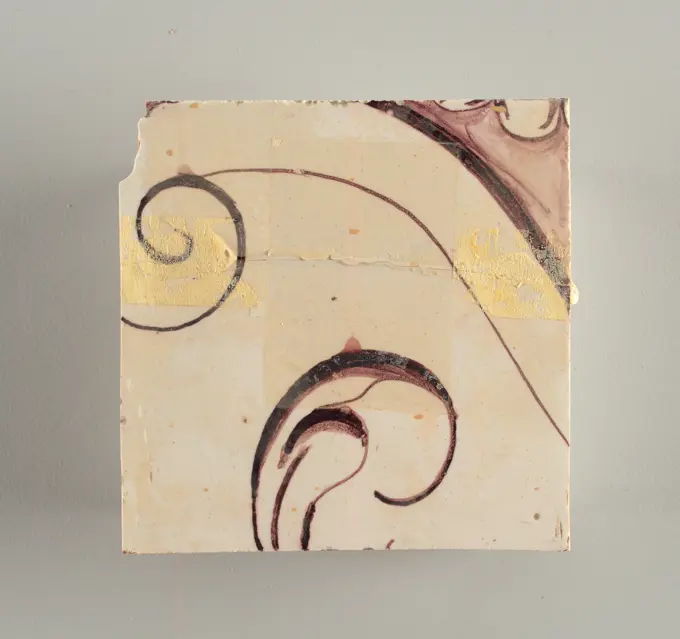
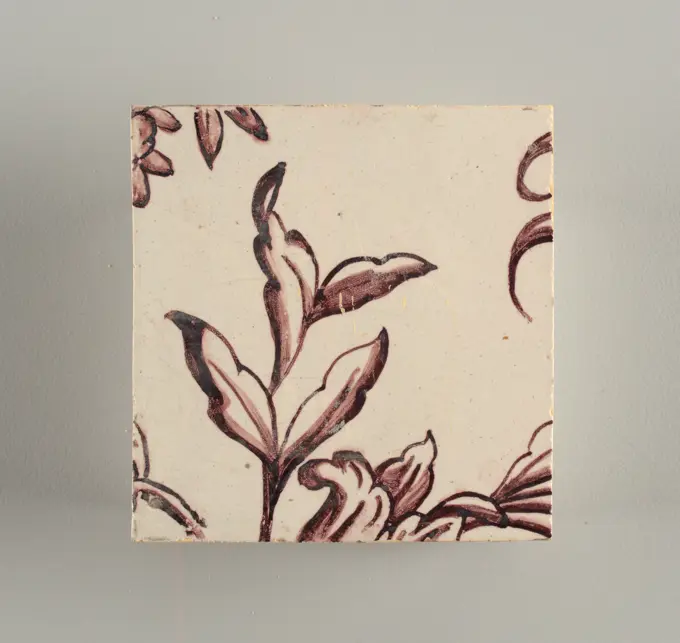
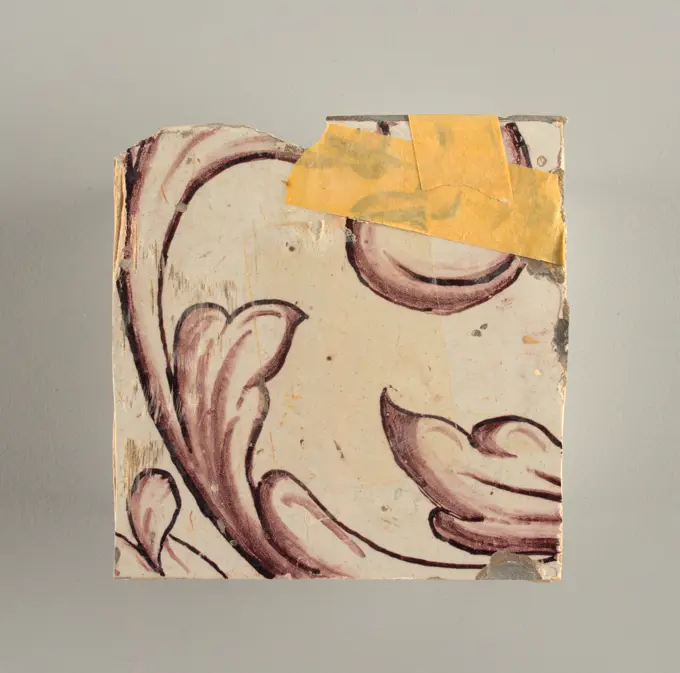
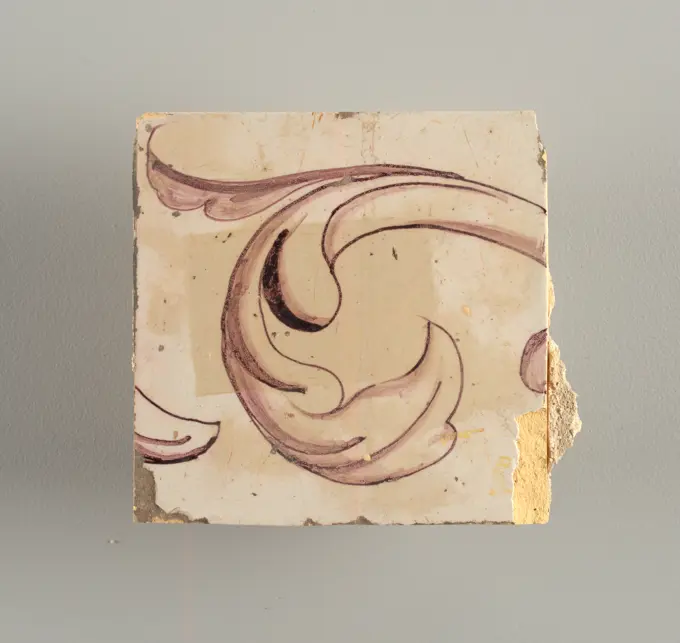
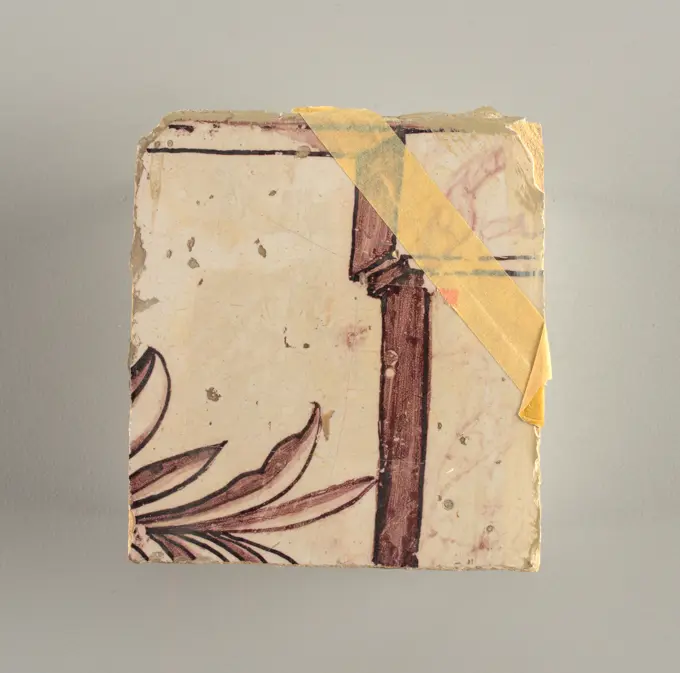
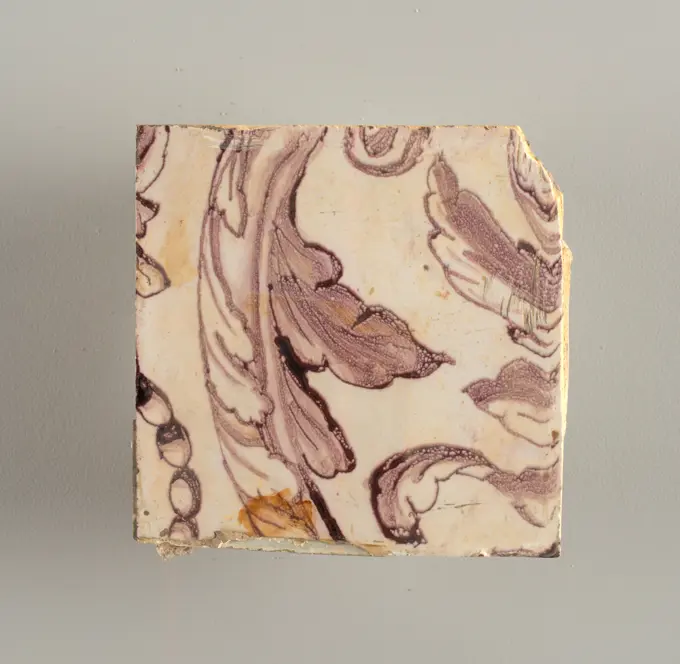
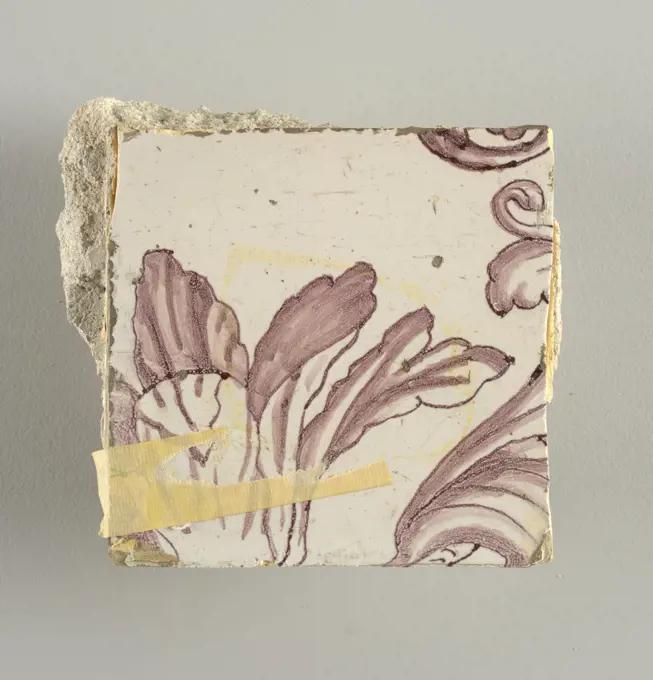
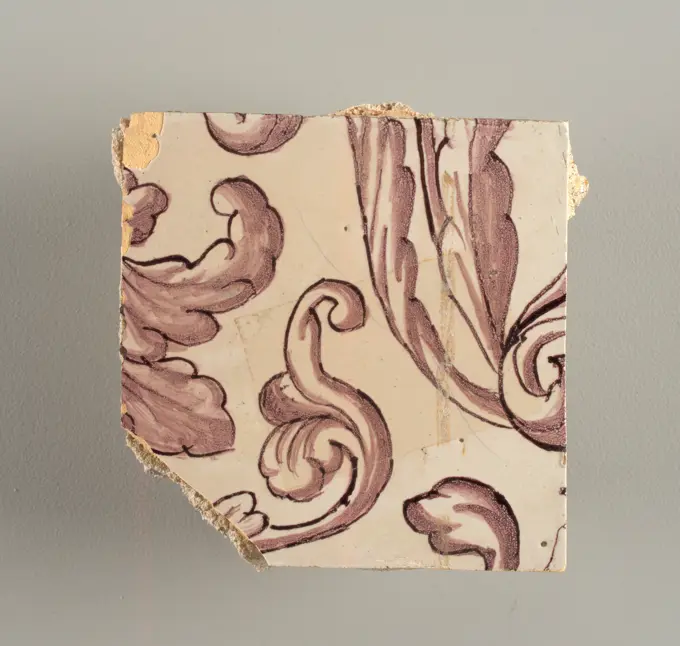
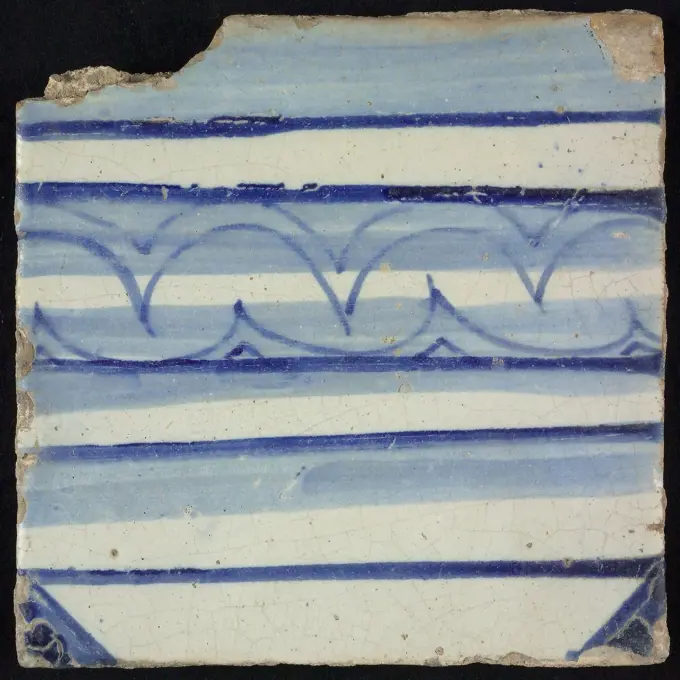
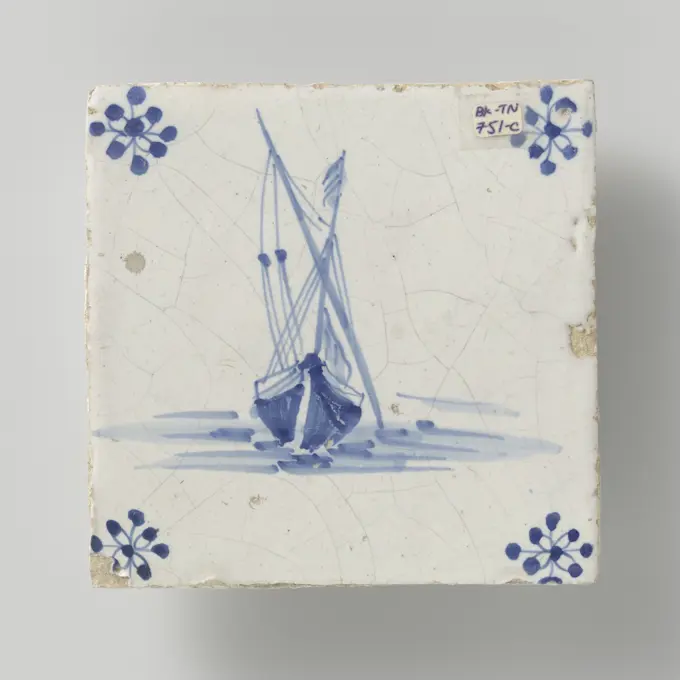
A selection of wall tiles featuring intricate patterns and designs, showcasing tin-glazed earthenware from historical Dutch origins.

Wall Facing (Holland); tin-glazed earthenware, underglaze; 5 tiles tall, various wide
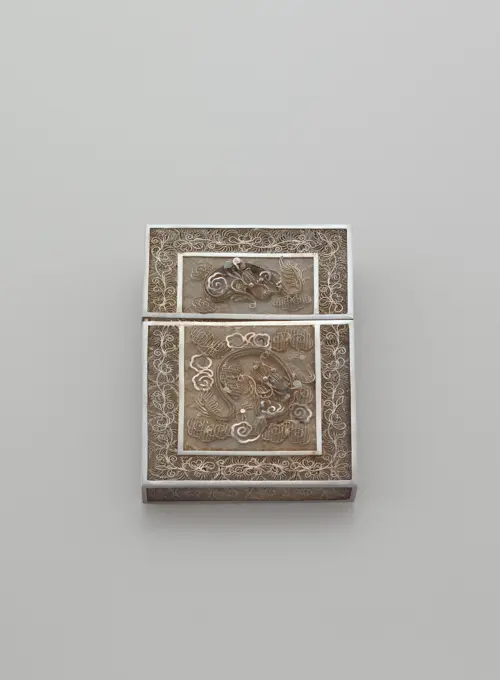
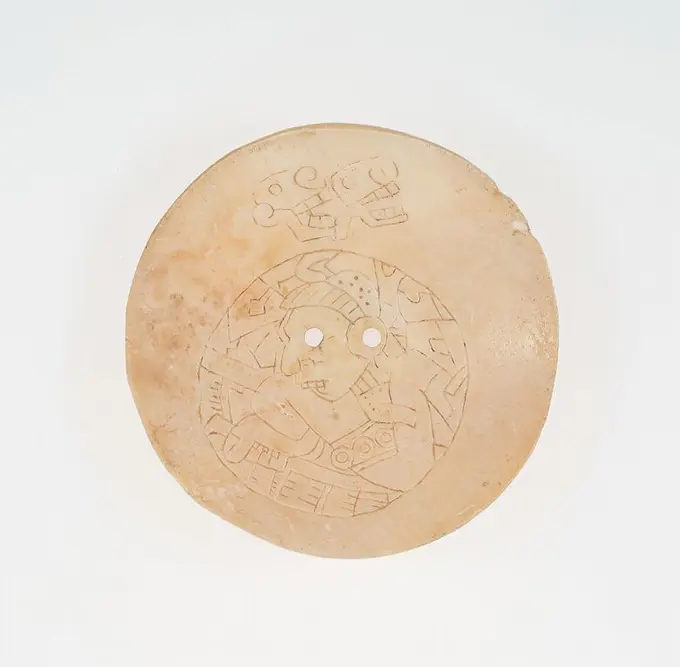
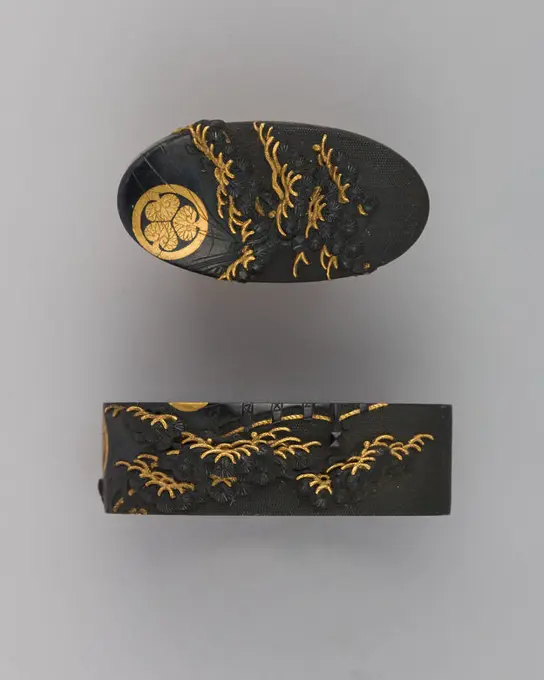
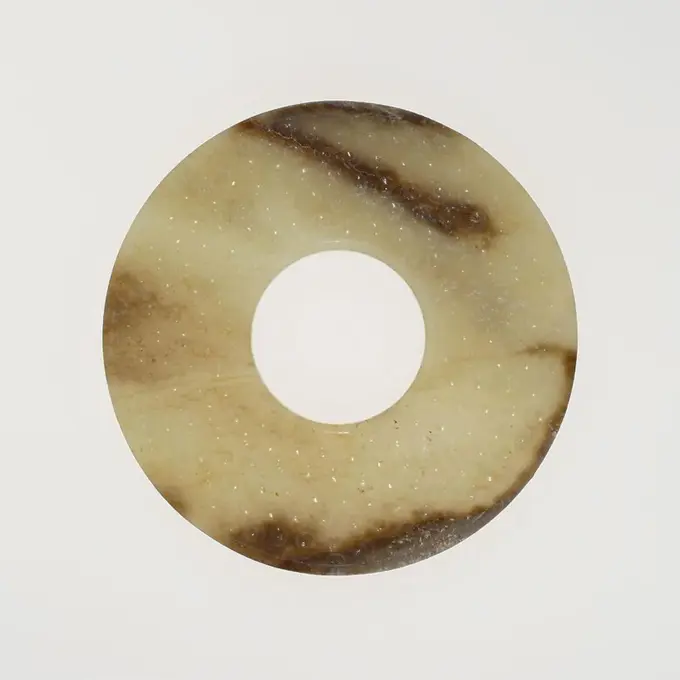
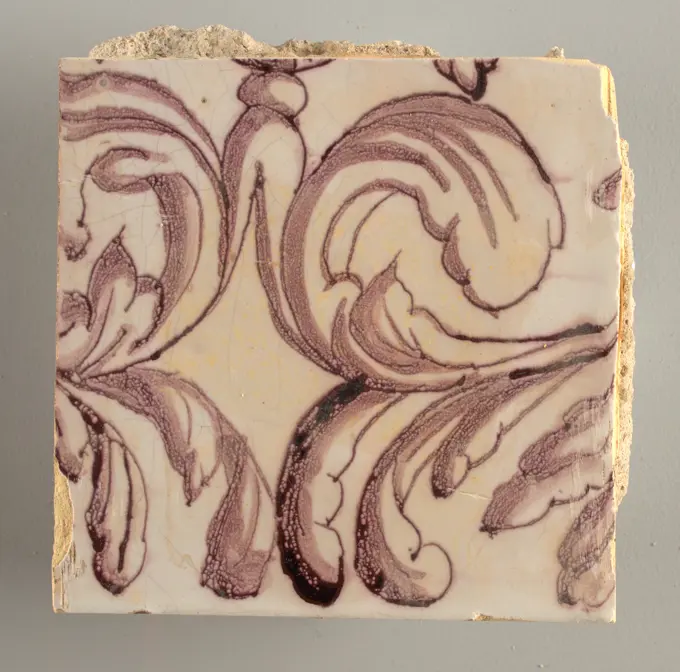
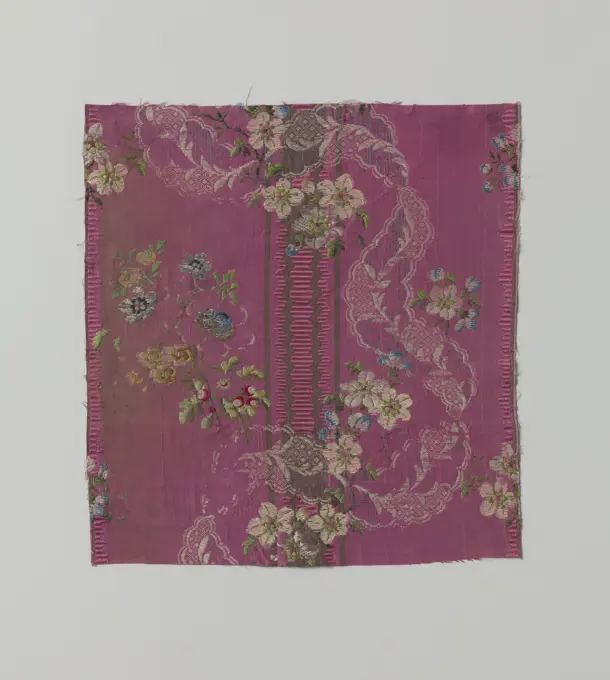
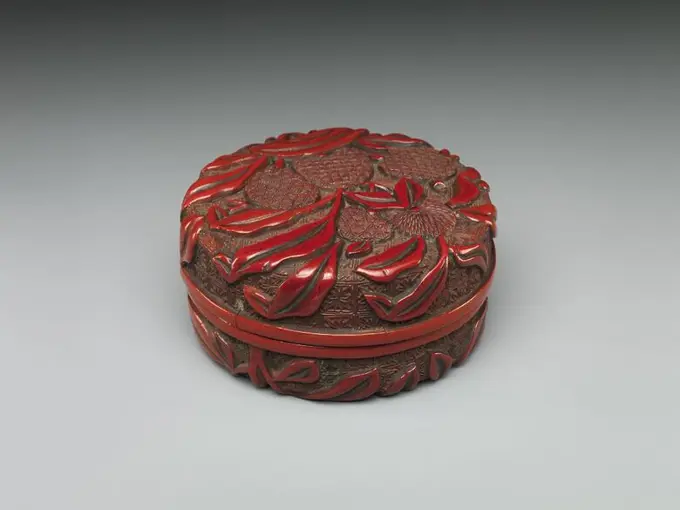
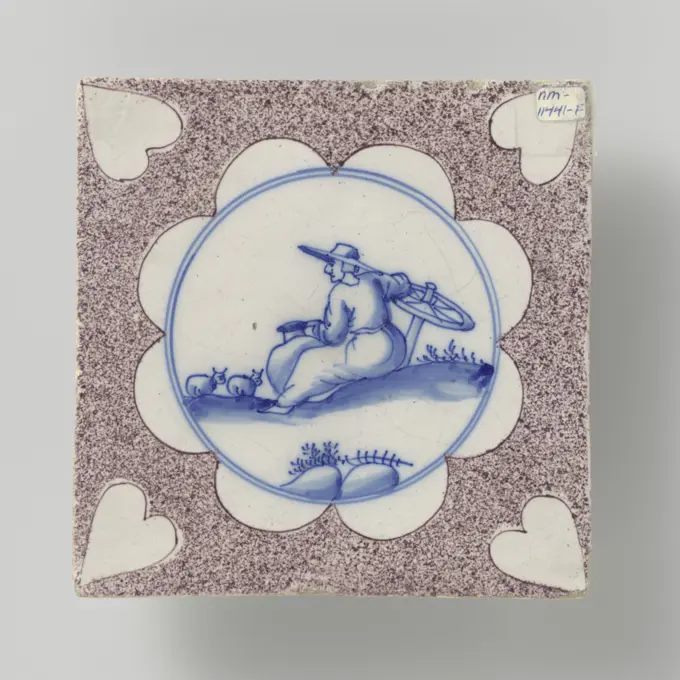
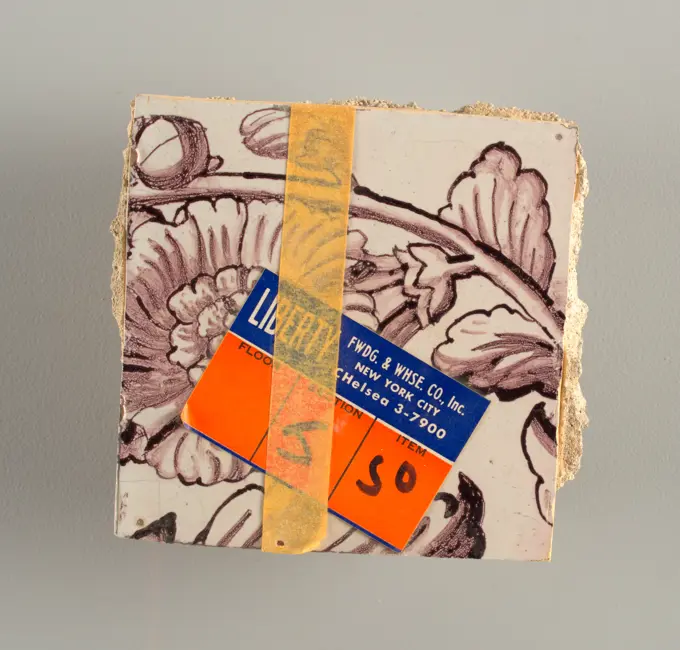
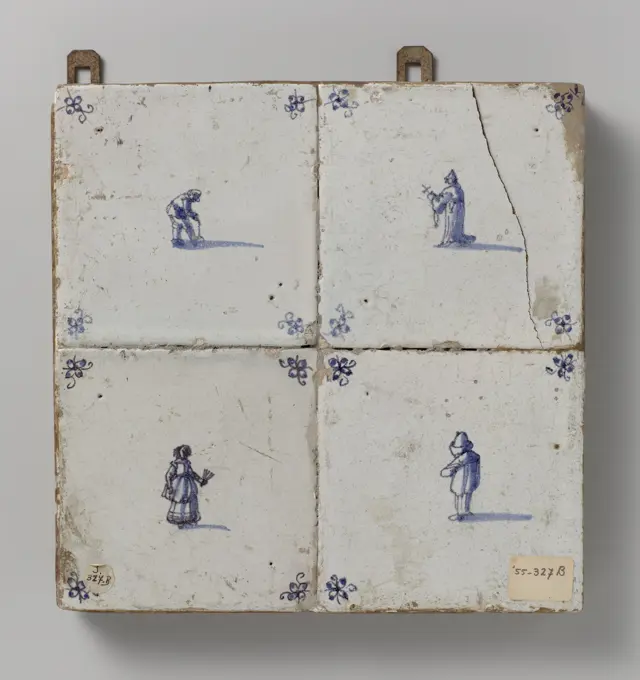
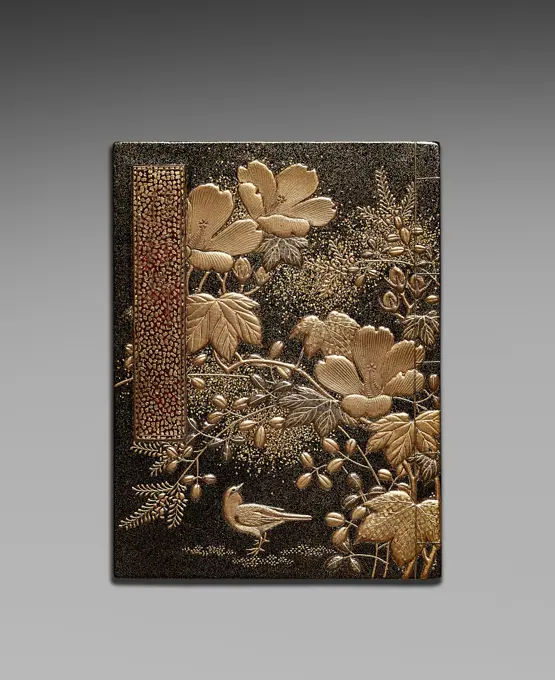
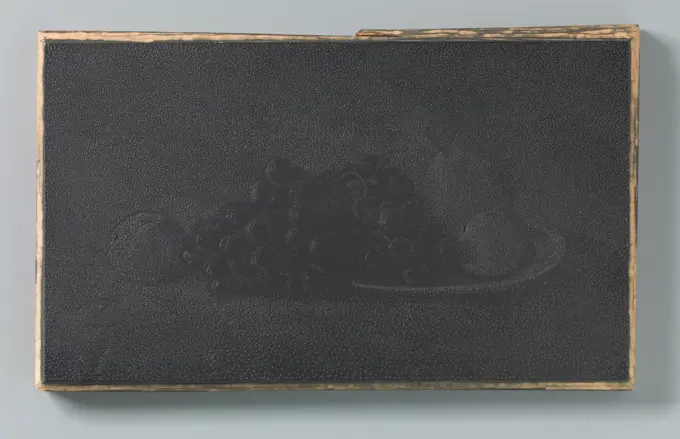
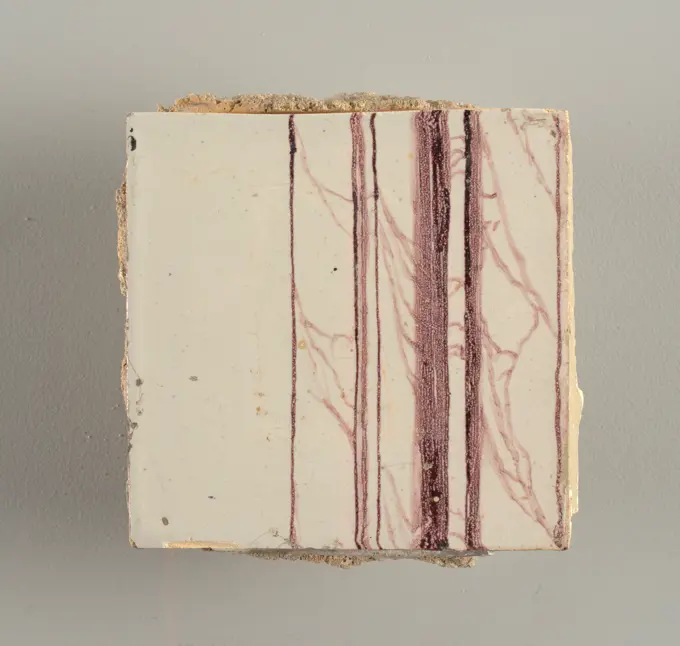
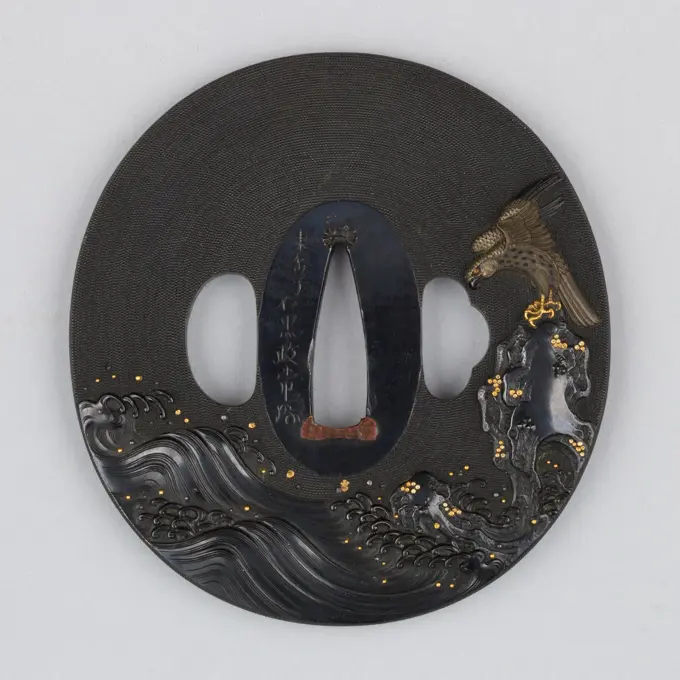
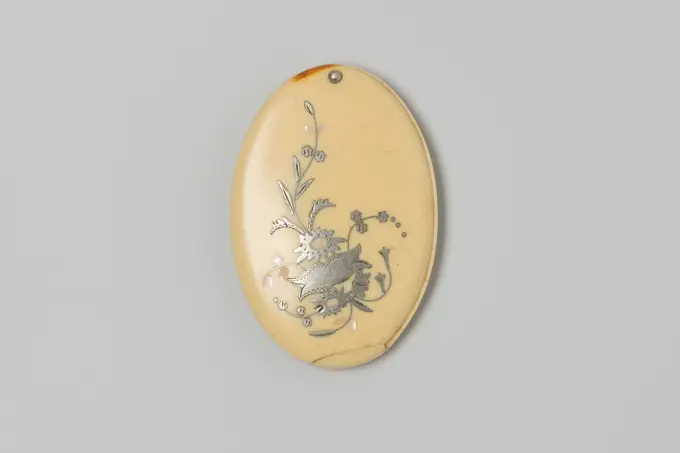
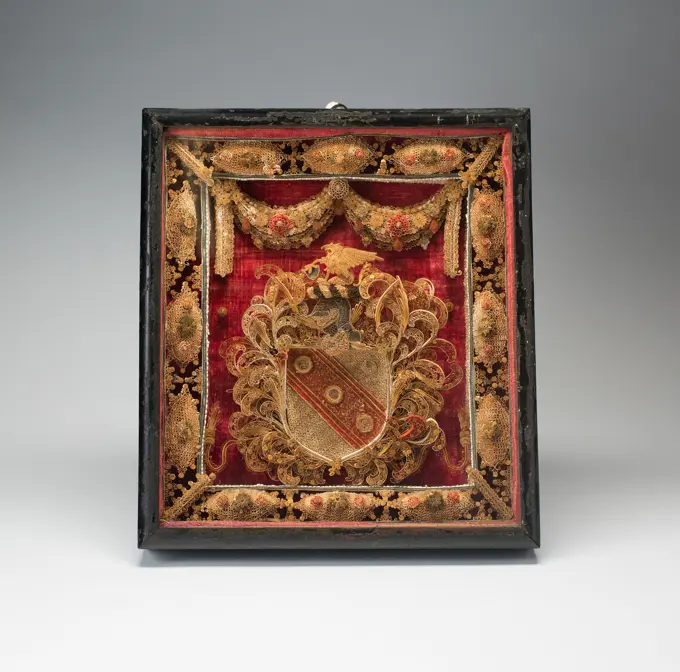
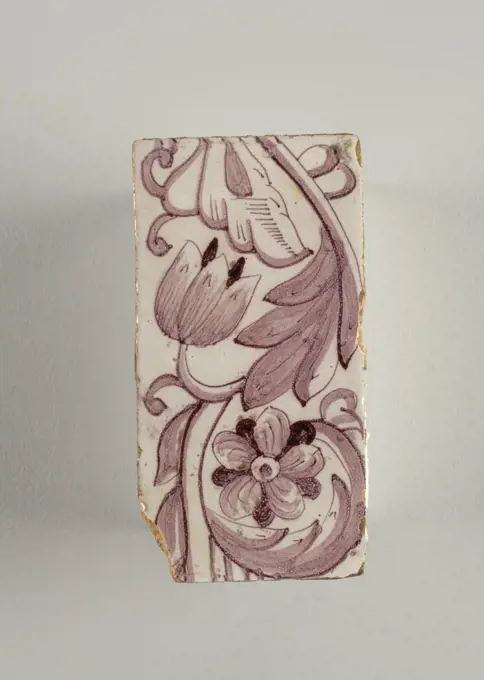
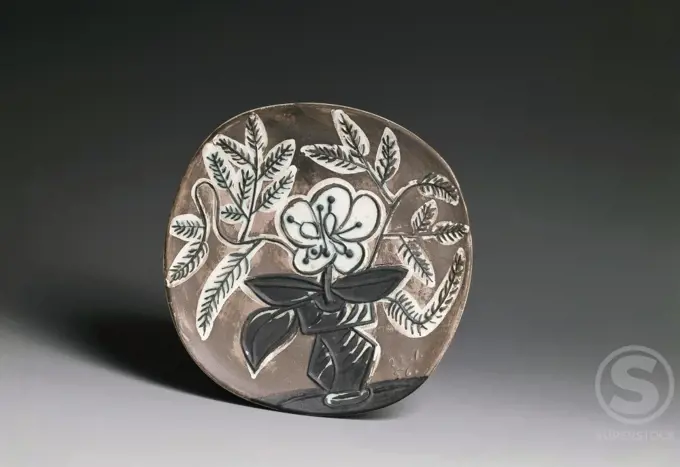
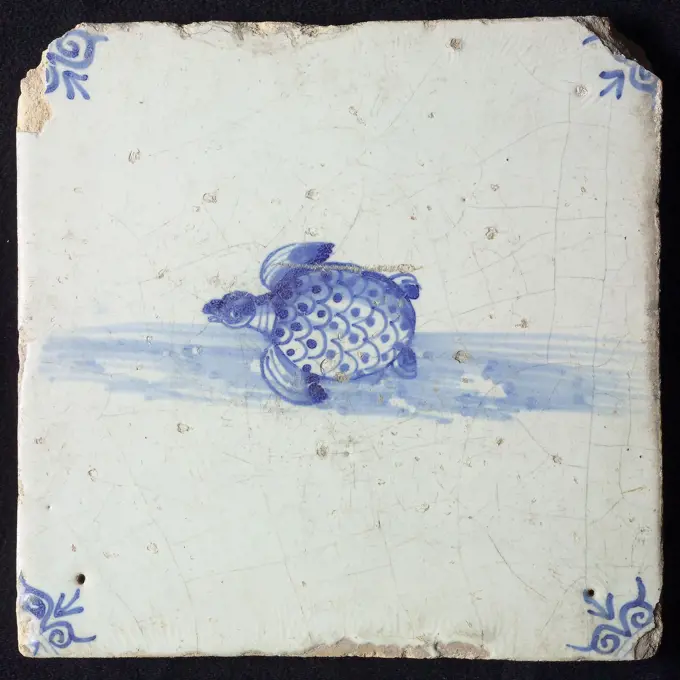
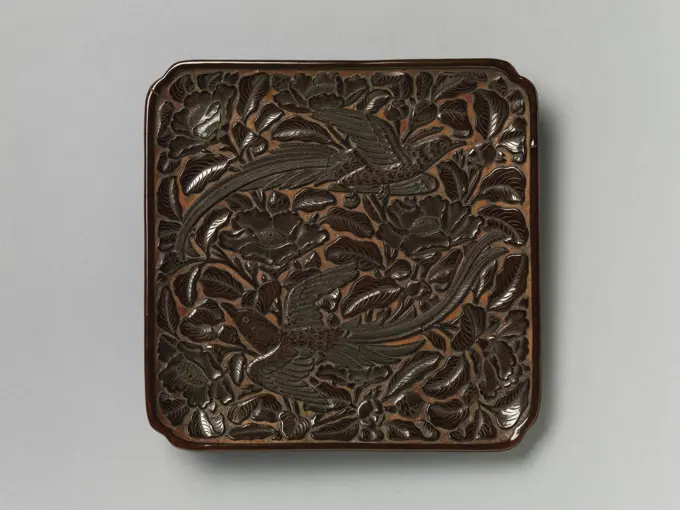
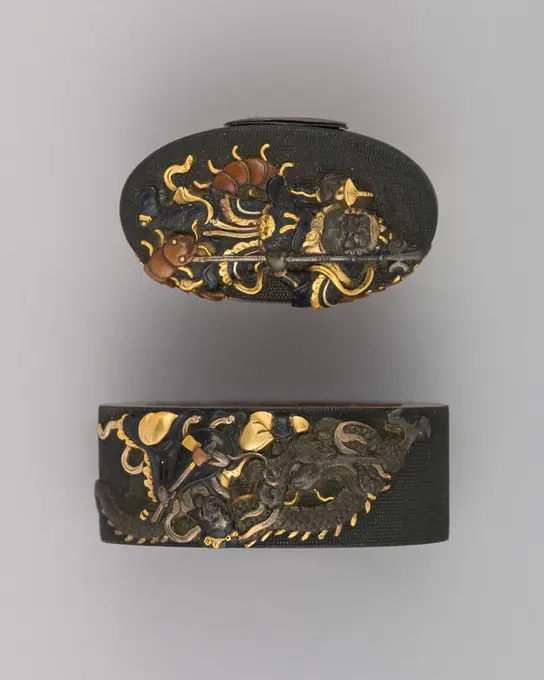
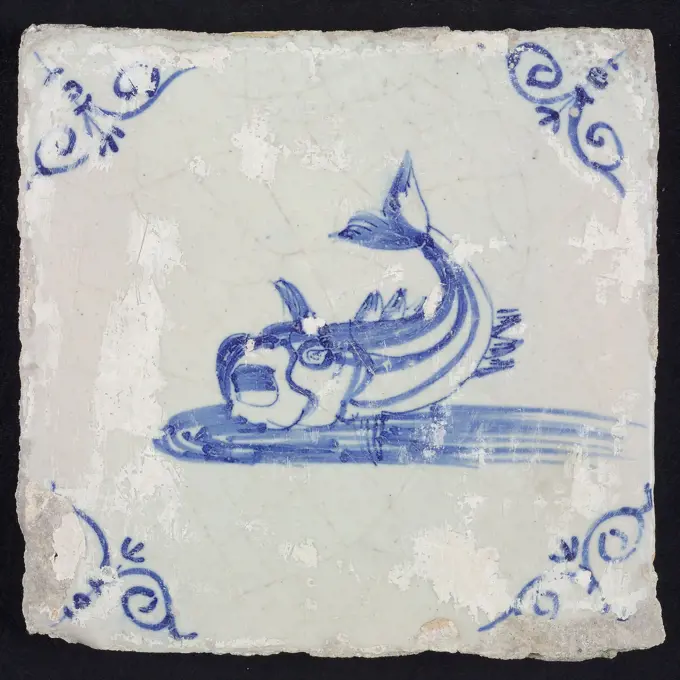
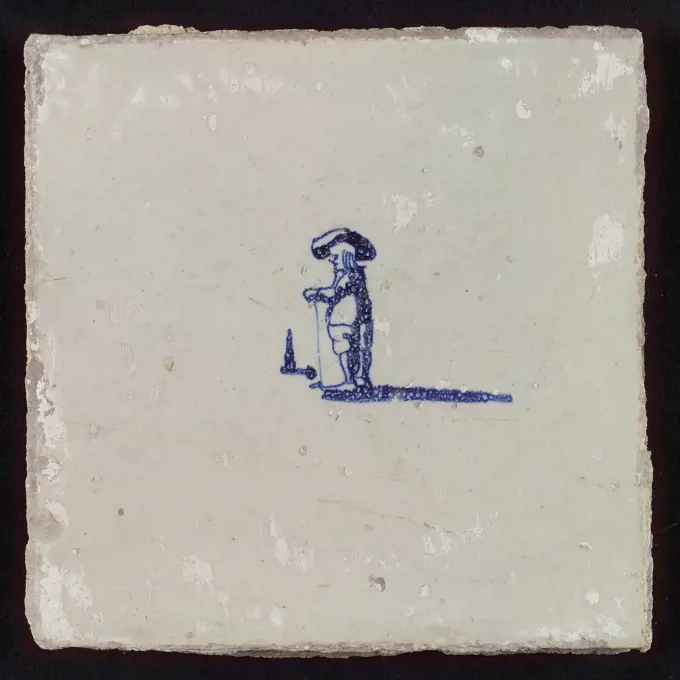
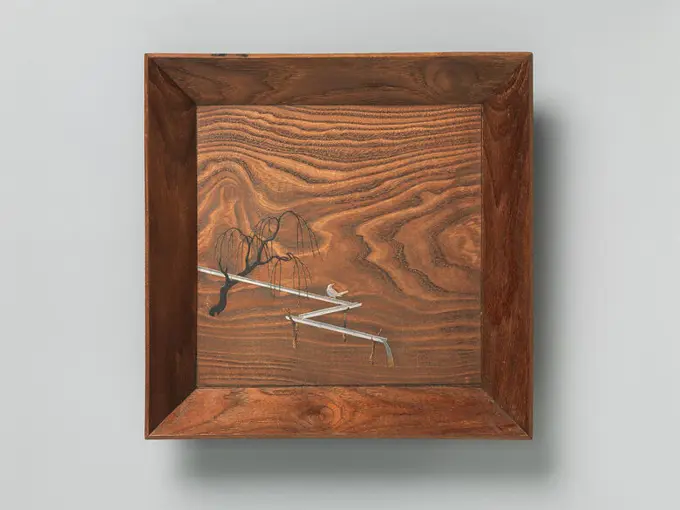
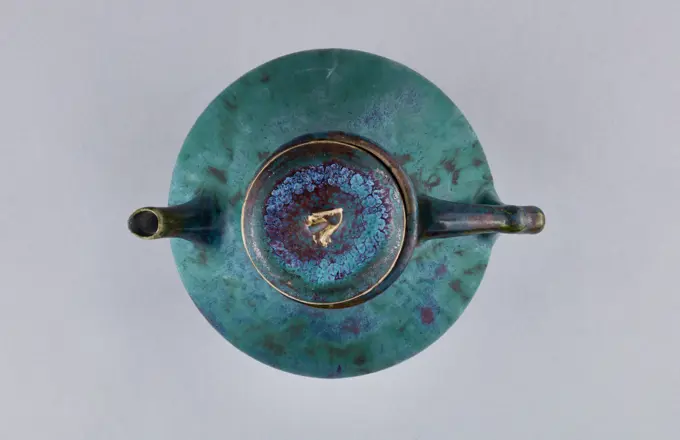
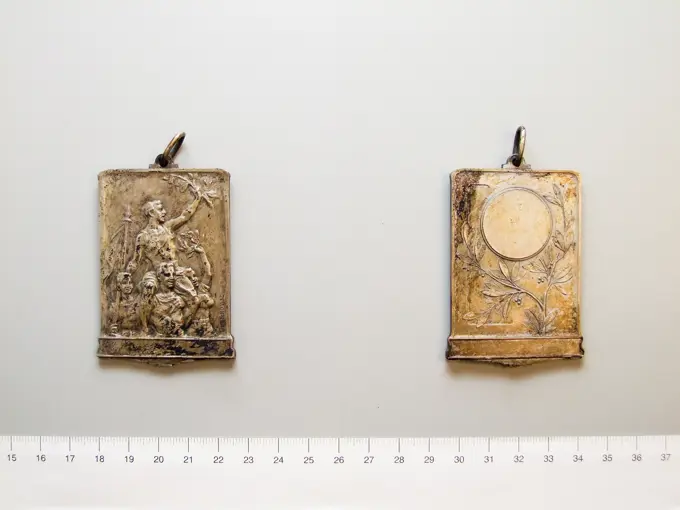
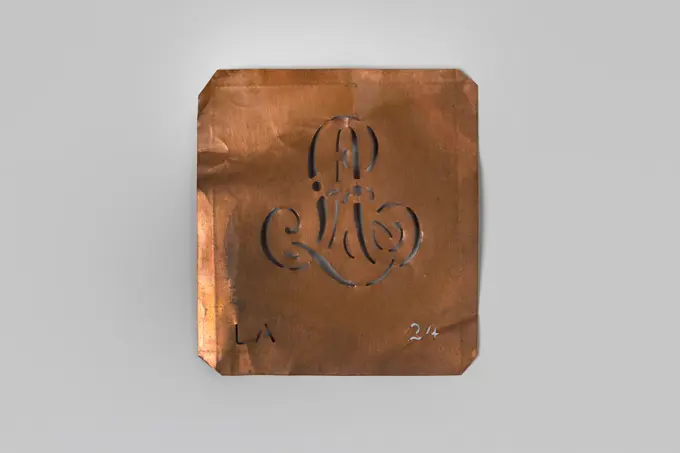
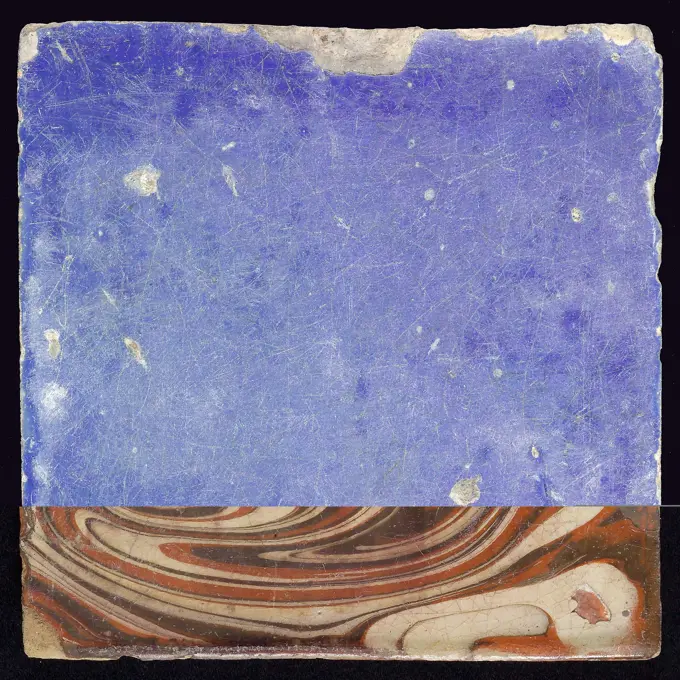
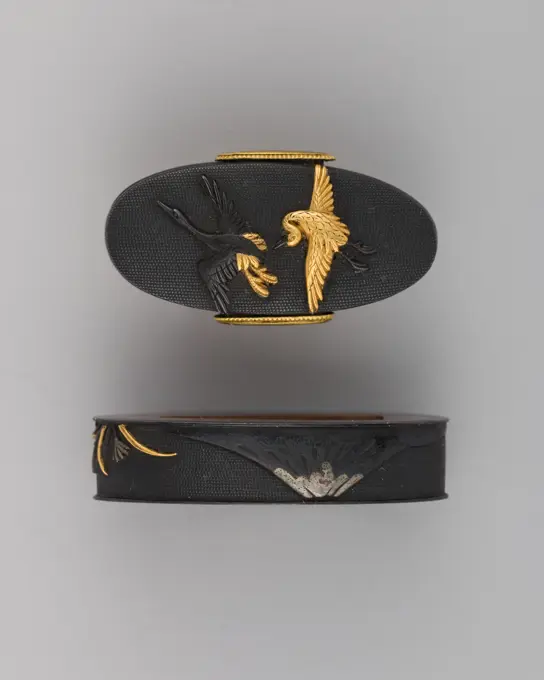
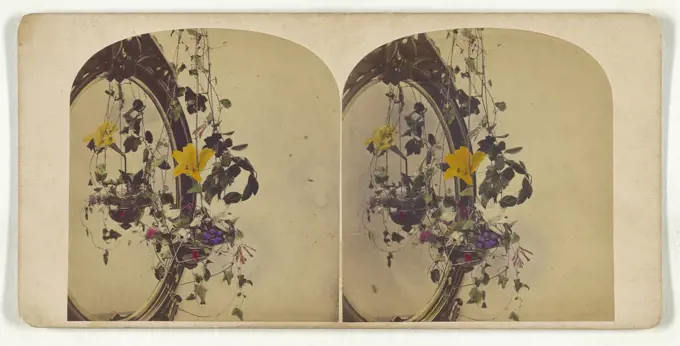
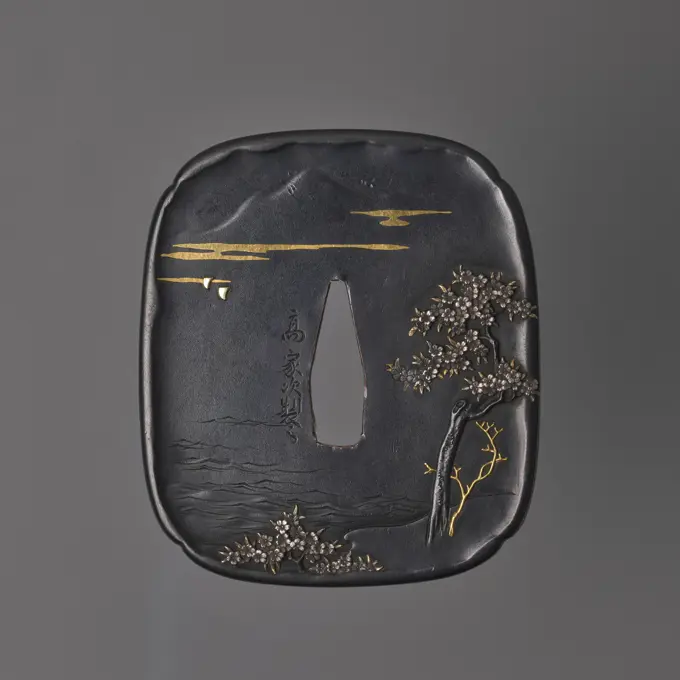
Wall Facing (Netherlands); tin-glazed earthenware, underglaze; 5 tiles tall, various wideWall Facing (Holland); tin-glazed earthenware, underglaze; 5 tiles tall, various wideWall Facing (Holland); tin-glazed earthenware, underglazeWall Facing (Netherlands); tin-glazed earthenware, underglaze; 5 tiles tall, various wideTile Wall Facing (Netherlands); tin-glazed earthenware, underglazeWall Facing (Netherlands); tin-glazed earthenware, underglaze; 5 tiles tall, various wideWall Facing (Holland); tin-glazed earthenware, underglaze; 5 tiles tall, various widePanel; tin-glazed earthenware, underglaze manganese decoration; Overall: H: 147.3 x W: 85.1 cm (58 x 33 1/2 in.)Wall Facing (Netherlands); tin-glazed earthenware, underglaze; 5 tiles tall, various wideWall Facing (Netherlands); tin-glazed earthenware, underglaze; 5 tiles tall, various wideTile Wall Facing (Netherlands); tin-glazed earthenware, underglazeWall Facing (Holland); tin-glazed earthenware, underglazeWall Facing (Netherlands); tin-glazed earthenware, underglaze; 5 tiles tall, various wideTile wall facing, Tin-glazed earthenware, underglaze, Horizontal rectangle. Thirty tiles wide and twenty-three tiles high with opening for fireplace eleven tiles wide and ten high. Foliage arabesques disposed about three vertical axes from which are emphazised by urns at center and right, and at left by the figure of a standing woman carrying an infant on her arm and accompanied by two children., Possibly Rotterdam, Holland, Possibly Delft, Netherlands, ca. 1725, tiles, Decorative Arts, Tile wall facingWall Facing (Holland); tin-glazed earthenware, underglazeWall facing, Tin-glazed earthenware, underglaze, Horizontal rectangle. Thirty-seven tiles wide and twenty-one high with opening for door or window nineteen and one-half tiles high and twelve wide. To left and right of opening, centered canopy above. Left, woman representing Hope, right, a sculputure urn. Centered above opening, a mascaron. Arabesque design of foliage., Possibly Delft, Netherlands, Possibly Rotterdam, Holland, ca. 1725, tiles, Decorative Arts, Wall facingTile Wall Facing (Netherlands); tin-glazed earthenware, underglazePanel; tin-glazed earthenware, underglaze manganese decoration; Overall: H: 147.3 x W: 85.1 cm (58 x 33 1/2 in.)Tile (usual name), 1700. Sandstone covered with enamels. Cernuschi Museum, Asia Museum of Asia in the city of Paris.Filigree box andtopWall Facing (Netherlands); tin-glazed earthenware, underglazeDisc from an Earflare Inscied with a Figure in Contoured Pose. Huaxtec; Veracruz, Gulf Coast, Mexico. Date: 1200-1500. Dimensions: Diam.: 7 cm (2 3/4 in.). Shell with wood. Origin: Veracruz Llave. Museum: The Chicago Art Institute, Chicago, USA. Author: HUASTEC.Sword-Hilt Collar and Pommel (Fuchigashira). Culture: Japanese. Dimensions: Fuchi (a); H. 1 1/2 in. (3.8 cm); Wt. 0.9 oz. (25.5 g); kashira (b); H. 1 5/16 in. (3.3 cm); Wt. 0.5 oz. (14.2 g). Date: ca. 1615-1868. Museum: Metropolitan Museum of Art, New York, USA.Tile wall facing, Tin-glazed earthenware, underglaze, Horizontal rectangle. Thirty tiles wide and twenty-three tiles high with opening for fireplace eleven tiles wide and ten high. Foliage arabesques disposed about three vertical axes from which are emphazised by urns at center and right, and at left by the figure of a standing woman carrying an infant on her arm and accompanied by two children., Possibly Rotterdam, Holland, Possibly Delft, Netherlands, ca. 1725, tiles, Decorative Arts, Tile wall facingWall Facing (Netherlands); tin-glazed earthenware, underglaze; 5 tiles tall, various wideSnuffer with a lid Kościuszko, Tadeusz (1746 1817)Sword Guard (Tsuba). Culture: Japanese. Dimensions: H. 3 1/16 in. (7.8 cm); W. 2 15/16 in. (7.5 cm); thickness 3/16 in. (0.5 cm); Wt. 4.1 oz. (116.2 g ). Date: ca. 1615-1868. Museum: Metropolitan Museum of Art, New York, USA.Wall Facing (Holland); tin-glazed earthenware, underglazeLid or bottom of a snuffbox of mother of pearl from the wreck of the Dutch East Indiaman 't Vliegend Hart, , 1700 - 1735 lid Pairy nut lid or bottom of a pinch box. In VOC setup with a similar part with find number V83-185. Middelburg mother of pearlDOOS, OKADA GYOKUZAN, C. 1800 Round box with a performance of a man with a fan with mother -of -pearl. Signed "gyokuzan". Japan wood (plant material). lacquer (coating). mother of pearl Round box with a performance of a man with a fan with mother -of -pearl. Signed "gyokuzan". Japan wood (plant material). lacquer (coating). mother of pearlRing. China. Date: 400 BC-200 BC. Dimensions: Diam. 3 9/16 in.; 1 1/8 in. flesh; 5/32 average thickness. Jade. Origin: China. Museum: The Chicago Art Institute, Chicago, USA.Tile Wall Facing (Netherlands); tin-glazed earthenware, underglazeMirror, Anonymous, -100 - 100 Mirror from the Han time with black shiny patina. China bronze (metal) Mirror from the Han time with black shiny patina. China bronze (metal)Wall Facing (Netherlands); tin-glazed earthenware, underglaze; 5 tiles tall, various wideFragment multicolored silk mexicaine, 1765 Two fragments multicolored silk tissue. A purple soil has purple stripes on which a white side garland and scattered multicolored flower bouquets. France silk Two fragments multicolored silk tissue. A purple soil has purple stripes on which a white side garland and scattered multicolored flower bouquets. France silkTwee tegels.Two tiles of pottery, painted in green and white. Plain around right in the middle and lobby in the corners.Tile wall facing, Tin-glazed earthenware, underglaze, Horizontal rectangle. Thirty tiles wide and twenty-three tiles high with opening for fireplace eleven tiles wide and ten high. Foliage arabesques disposed about three vertical axes from which are emphazised by urns at center and right, and at left by the figure of a standing woman carrying an infant on her arm and accompanied by two children., Possibly Rotterdam, Holland, Possibly Delft, Netherlands, ca. 1725, tiles, Decorative Arts, Tile wall facing, Tile wall facing, Tin-glazed earthenware, underglaze, Horizontal rectangle. Thirty tiles wide and twenty-three tiles high with opening for fireplace eleven tiles wide and ten high. Foliage arabesques disposed about three vertical axes from which are emphazised by urns at center and right, and at left by the figure of a standing woman carrying an infant on her arm and accompanied by two children., Possibly Rotterdam, Holland, Possibly Delft, Netherlands, ca. 1725, tiles, Decorative ArtsSword Guard (Tsuba) 18th century Inscribed by Ichinomiya Nagatsune Japanese This tsuba features a design of herons and reeds.. Sword Guard (Tsuba) 30090Tile (England); tin-enameled earthenware; L x W x D: 12.8 x 12.8 cm (5 1/16 x 5 1/16 in.)Box with lychees. Culture: China. Dimensions: H. 1 1/2 in. (3.7 cm); Diam. 3 1/8 in. (7.9 cm). Date: 16th century.The English name for this sweet summer fruit found only in Asia is derived from the Chinese lizhi. Lychees are understood to represent fertility and are also symbolic of love, romance, and virtues such as strength. Small boxes of this type, used to hold incense, were also produced in metal and porcelain. Museum: Metropolitan Museum of Art, New York, USA.Hearing stone with representation of two climbing lions, c. 1875 - c. 1900 Hearing stone with representation of two climbing lions, placed in profiled window. The half windows at the top and bottom are filled with star motif. Netherlands earthenware Hearing stone with representation of two climbing lions, placed in profiled window. The half windows at the top and bottom are filled with star motif. Netherlands earthenwareHearing stone with representation of two climbing lions, c. 1875 - c. 1900 Hearing stone with representation of two climbing lions, placed in profiled window. The half windows at the top and bottom are filled with star motif. Netherlands earthenware Hearing stone with representation of two climbing lions, placed in profiled window. The half windows at the top and bottom are filled with star motif. Netherlands earthenwareShield. Mexico, Western Oaxaca, Mixtec-Puebla, 1200-1500. Wood. Wood, shell, resin adhesiveTile with a blue painted pastoral performance, 1680 - 1725 Tile with a blue painted pastoral representation within a scalloped circle surrounded by purple splash. In the corners, a saved heart shape. Belonging to a group of 23 tiles. Netherlands  majolica Tile with a blue painted pastoral representation within a scalloped circle surrounded by purple splash. In the corners, a saved heart shape. Belonging to a group of 23 tiles. Netherlands  majolicaWall Facing (Netherlands); tin-glazed earthenware, underglazeTile (Netherlands); tin-enamelled earthenwareField of four tiles, Anonymous, c. 1640 - c. 1670 Field of four tiles (2 x 2) each with a blue painted figure. In the corners, a spider head. Netherlands earthenware. tin glaze majolica Field of four tiles (2 x 2) each with a blue painted figure. In the corners, a spider head. Netherlands earthenware. tin glaze majolicaNested Boxes with Chrysanthemums (inner box), early 1900s. Japan, Meiji period (1868-1912). Lacquer; overall: 1.4 x 5.8 x 4.2 cm (9/16 x 2 5/16 x 1 5/8 in.).Bird Plaque Ornament 3rd century B.C.-A.D. 2nd century Vicús. Bird Plaque Ornament 315464Still life with grapes and pears, Emilius Wilhelmus Dehé, 1916 - 1947  Wood block for the woodcut 'Still life with grapes and pears'. Netherlands wood (plant material)Tile. Tile with blue painted Chinese symbols inside a four-pass frame. In the corners, a flower cut.Decorative screen. unknown, craftsmanWall Facing (Netherlands); tin-glazed earthenware, underglaze; 5 tiles tall, various wideSword Guard (Tsuba) late 18th-early 19th century Inscribed by Ishiguro Masatsune Japanese This tsuba features a dsign of an eagle perched on a rock above the sea. It forms a pair (Daishō tsuba) with another sword guard also in the Metropolitan Museum's collection (acc. no. 43.120.723).. Sword Guard (Tsuba) 657341Pocket mirror in an ivory pouch. Pocket mirror in oval ivory pouch with inserts of silver and mother-of-pearl in the shape of a flower branch.Shadow Box with Coat of Arms 1675-1725 England. Rolled paperwork, colored and gilded; red velvet; wood frame .Tile, Tin-enamelled earthenware, Vertical rectangles. Each tile with identical pattern of two flowers and leaves on continuous scrolling stem. One flower faces the observer and the other is in profile. Manganese violet on white ground., Holland, 18th century, tiles, Decorative Arts, TilePlate with Flowers by Pablo Picasso, painted ceramic, 1956, 1881-1973Square earthen bin or wall tile, brown glazed. Bin, tile or wall tile.Animal tile, turtle to the left, on piece of ground, in blue on white, corner pattern ox-head, wall tile tile sculpture ceramic earthenware glaze, baked 2x glazed paintedTsuba; Made by Tenkodo Hidekuni (Japanese, Kawabayashi, 1825 - 1891); iron, gold and silver inlaySquare dish with long-tailed birds and camellias first half of the 14th century China Made in a classic two-bird design, this dish is representative of the style of the early fourteenth century. The lacquer artist achieved a nearly three-dimensional image on a flat surface: deep carving creates the relief effect, and fine incisions for the bird feathers and leaf veins convey texture. The red background is relatively visible compared to examples made later in the century.. Square dish with long-tailed birds and camellias. China. first half of the 14th century. Carved black lacquer. Yuan dynasty (1271-1368). LacquerSword Guard (Tsuba). Culture: Japanese. Dimensions: H. 2 7/8 in. (7.3 cm); W. 2 3/4 in. (7 cm); thickness 3/16 in. (0.5 cm); Wt. 4.2 oz. (119.1 g). Date: ca. 1615-1868. Museum: Metropolitan Museum of Art, New York, USA.Sword-Hilt Collar and Pommel (Fuchigashira). Culture: Japanese. Dimensions: Kashira (a); H. 1 5/16 in. (3.3 cm); Wt. 0.6 oz. (17 g); fuchi (b); H. 1 1/2 in. (3.8 cm); Wt. 1.1 oz. (31.2 g). Date: 19th century. Museum: Metropolitan Museum of Art, New York, USA.Animal tile, unknown fish in water to the left with open beak and curled tail, in blue on white, corner motif steered ox's head, wall tile tile sculpture ceramic earthenware glaze, baked 2x glazed paintedTile with angel's head, anonymous, c. 1615 - c. 1625 Tile with a multicolored (blue, yellow and green) painted cherub head in a circle surrounded by acanthus leaves. In the corners, a quarter rosette. Netherlands earthenware. tin glaze majolica Tile with a multicolored (blue, yellow and green) painted cherub head in a circle surrounded by acanthus leaves. In the corners, a quarter rosette. Netherlands earthenware. tin glaze majolicaScene tile, child's play, flasks, wall tile tile sculpture ceramic earthenware glaze, baked 2x glazed painted Blue on white flasksPlate, Italian Villas” Pattern.  Manufacturer: Joseph Heath & Co., British, 1829-1842Square Tray. Artist: Attributed to Shibata Zeshin (Japanese, 1807-1891). Culture: Japan. Dimensions: L. 10 11/16 in. (27.1 cm); W. 10 5/8 in. (27 cm); H. 1 3/4 in. (4.4 cm). Museum: Metropolitan Museum of Art, New York, USA.Empty wooden cutting board for preparing ingredients for preparing a delicious dish Empty wooden cutting board for preparing ingredients for preparing a delicious dish. Kitchen utensils Copyright: xZoonar.com/TetianaxChernykovax 21728331Doily (USA); Manufactured by Deerfield Society of Blue and White Needlework (American, 1896-1926) (United States); linen; Diam.: 23.5 cm (9 1/4 in.)Anonymous. Gold lacquer perfume box appearing 2 shells. Lacquer. Museum of Fine Arts of the City of Paris, Petit Palais. Perfume box, shell, lacquer object, goldWall facing, Tin-glazed earthenware, underglaze, Horizontal rectangle. Thirty-seven tiles wide and twenty-one high with opening for door or window nineteen and one-half tiles high and twelve wide. To left and right of opening, centered canopy above. Left, woman representing Hope, right, a sculputure urn. Centered above opening, a mascaron. Arabesque design of foliage., Possibly Delft, Netherlands, Possibly Rotterdam, Holland, ca. 1725, tiles, Decorative Arts, Wall facingAnimal tile, sitting unknown animal seen from the back, to the right, in blue on white, corner motif spider, wall tile tile sculpture ceramic earthenware glaze, baked 2x glazed paintedTile. Tile decorated with a rosette surrounded by foamy ornament.Three fragments of a bowl, anonymous, c. 1650 - c. 1725 Three fragments of an earthen works bowl, decorated with geometric ornaments in blue on white soil. England (possibly) earthenware. tin glaze. lead glaze majolica Three fragments of an earthen works bowl, decorated with geometric ornaments in blue on white soil. England (possibly) earthenware. tin glaze. lead glaze majolicaThe Baptism in the river Jordan (mould with original impression). In the Middle Ages many cheap, simple religious items were produced, such as this terracotta pax. The mould was created directly from the costly ivory pax adjacent. While the scene of the baptism of Christ is an exact copy, the heraldic shield is omitted. This group of three objects shows how luxury works of art inspired cheap serial products.Lidded Pyxis. Unknownpizza cutting board at black background textureA plateDalpayrat, Pierre-Adrien (n.1844-04-14-D.1910-08-10), High handle coffee maker and short and its cover (main title). Green-blue and fawn sandstone. Petit Palais, Museum of Fine Arts of the City of Paris.Tile with blue painting, tile pilaster footage fragment ceramic earthenware glaze, d 1.0Wooden fragment, decorated with carving, from home De Voorst, Anonymous, c. 1700 Wooden fragment, decorated with cutting. The fragment has a fanning form, made up of opposite S-shaped volutes, held together in the middle by a standing Acanthus leaf. Around a rank of fruits; At the bottom of a floral motif. Northern Netherlands wood (plant material). linden. stain (coating)   House De Voorst Wooden fragment, decorated with cutting. The fragment has a fanning form, made up of opposite S-shaped volutes, held together in the middle by a standing Acanthus leaf. Around a rank of fruits; At the bottom of a floral motif. Northern Netherlands wood (plant material). linden. stain (coating)   House De VoorstSword-Hilt Collar and Pommel (Fuchigashira) Japanese 18th century A fuchigashira is a pair of matching sword fittings comprising the fuchi (collar at the base of the grip of the sword hilt) and kashira (pommel cap at the end of a sword hilt). View more. Sword-Hilt Collar and Pommel (Fuchigashira). Japanese. 18th century. Iron, gold. Sword Furniture-Fuchi-KashiraWhite Metal Plaquette from France ofVictory. Artist: Hippolyte LeRoy, Belgian, 1857-1945CDK Koma kyoryuTile of chimney pilaster, blue on white, blue horizontal band with wave motifs as an ornament, chimney pilaster tile pilaster footage fragment ceramic pottery glaze, baked 2x glazed painted one letter in one corner but not readable and in the other corner number or mark Not legible.Tile with a blue painted pastoral show. Tile with a blue painted pastoral show inside a scallop circle surrounded by purple splashing. In the corners, a saved heart shape. Horse at a group of 23 tiles.Tile, blue painted with a ship, c. 1650 - c. 1680 tile Tile, blue painted with a ship, supposedly farm ship. A spinning head in the corners. Holland earthenware. tin glaze majolicaTile, blue painted with a ship, c. 1650 - c. 1680 tile Tile, blue painted with a ship, supposedly farm ship. A spinning head in the corners. Holland earthenware. tin glaze majolicaRound Plaque 3rd century B.C.-A.D. 2nd century Vicús. Round Plaque 315566Red copper template, rectangular, with punched initials 'la', very fine. Red copper template, for initial L.A. Rectangular, explained with folding edges and calligraphic letters at the bottom. Very nice. Possible for embroidery.Plain light blue tile, floor tile tile sculpture ceramic earthenware glaze, d 1.5Sword-Hilt Collar and Pommel (Fuchigashira) 19th century Japanese A fuchigashira is a pair of matching sword fittings comprising the fuchi (collar at the base of the grip of the sword hilt) and kashira (pommel cap at the end of a sword hilt).. Sword-Hilt Collar and Pommel (Fuchigashira). Japanese. 19th century. Copper-gold alloy (shakud), gold, silver. Sword Furniture-Fuchi-KashiraHanging flower arrangment by a mirror; about 1865; Hand-colored Albumen silver printBronze Plaquette from France ofFloreal. Artist: Raoul Lamourdedieu, 1877-1953Jelec (Tsuba); Takahashi, Iesugu (Fl. Ca 1830-1880); 19th century (1801-00-00-1868-00-00);Section of an ivory cylinder with a hole 7th-6th century B.C. Greek, Laconian Semi-cylindrical section of ivory with hole pierced through center.. Section of an ivory cylinder with a hole 251747 Greek, Laconian, Section of an ivory cylinder with a hole, 7th6th century B.C., Ivory, Other: 3 1/16 in. (7.8 cm). The Metropolitan Museum of Art, New York. Gift of A. J. B. Wace, 1924 (24.195.181)Dessert Dish Dish; Manufactured by J. Ridgway; England; hard paste porcelain, vitreous enamel, goldCalendar, anonymous, c. 1725 - c. 1760 Rectangular calendar of Faïence. Delft . Rectangular calendar of Faïence. Delft .