Decorative Wall Tiles

A selection of wall tiles featuring intricate patterns and designs, showcasing tin-glazed earthenware from historical Dutch origins.

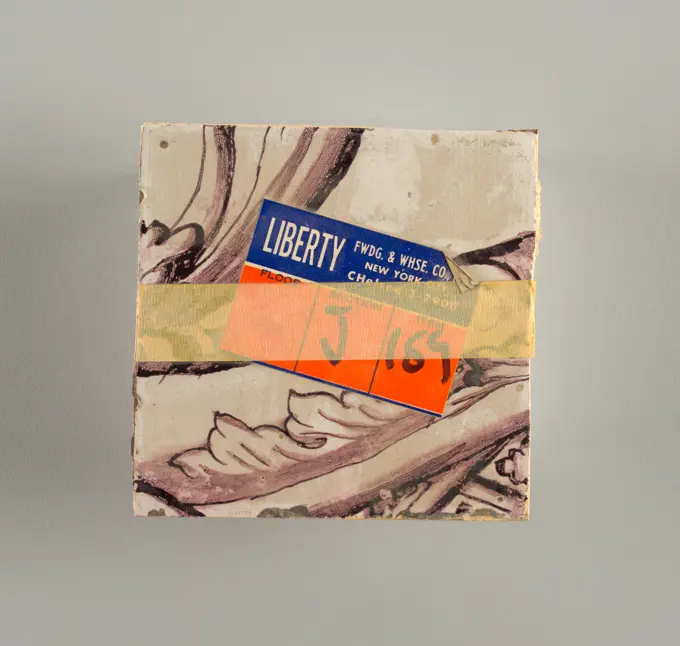
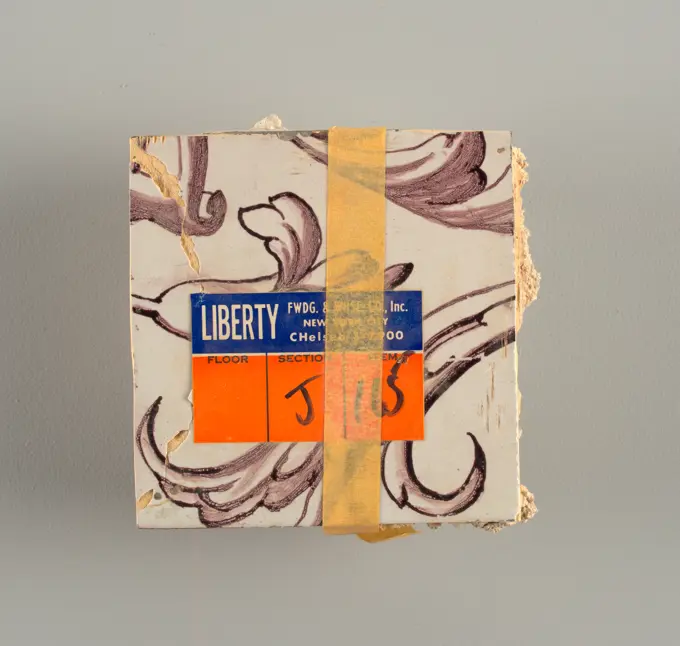
Wall Facing (Holland); tin-glazed earthenware, underglaze; 5 tiles tall, various wide
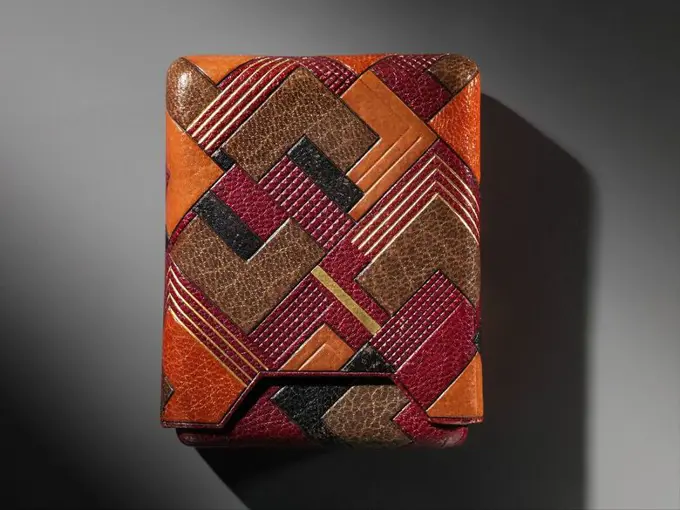
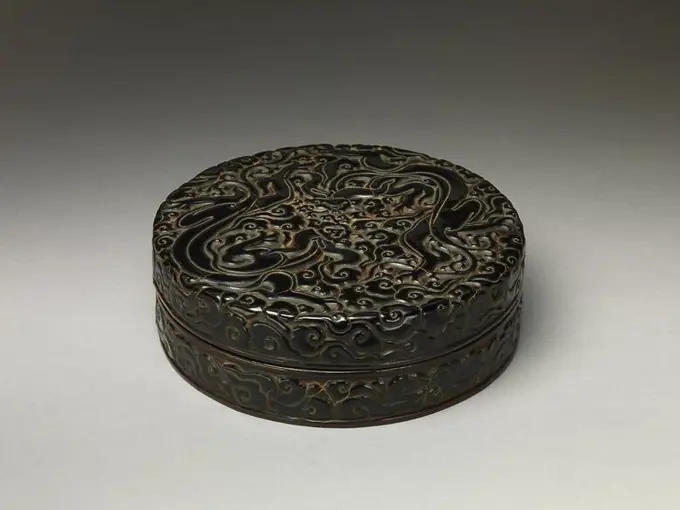
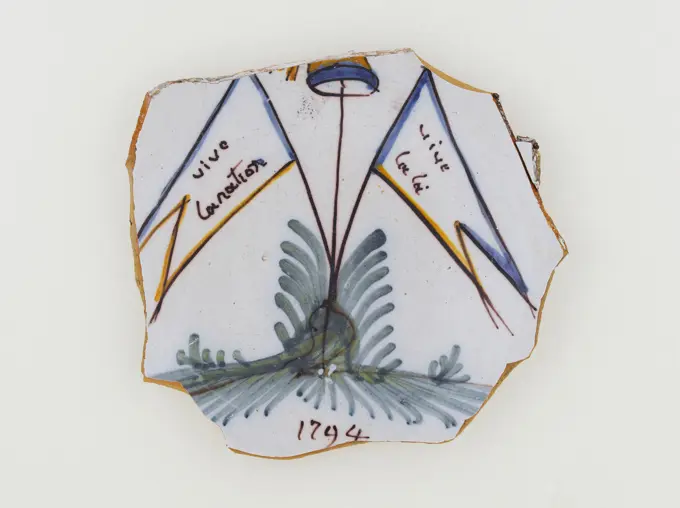
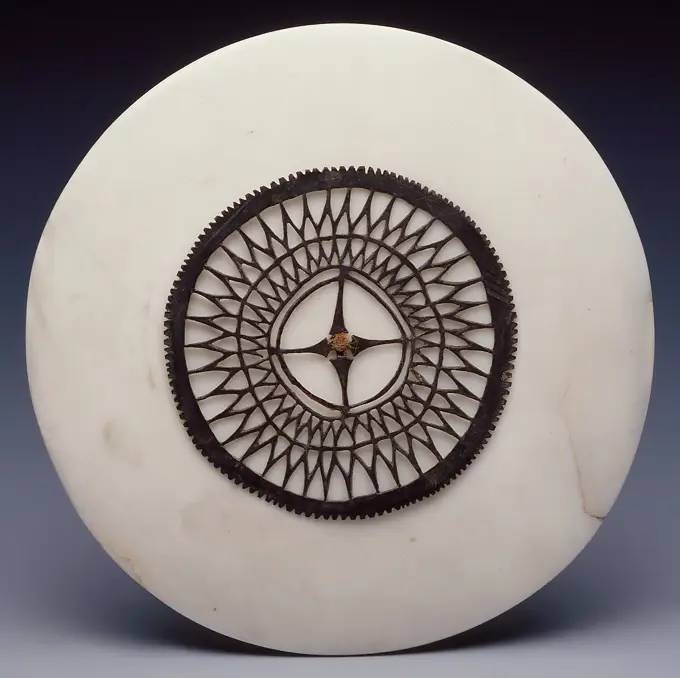
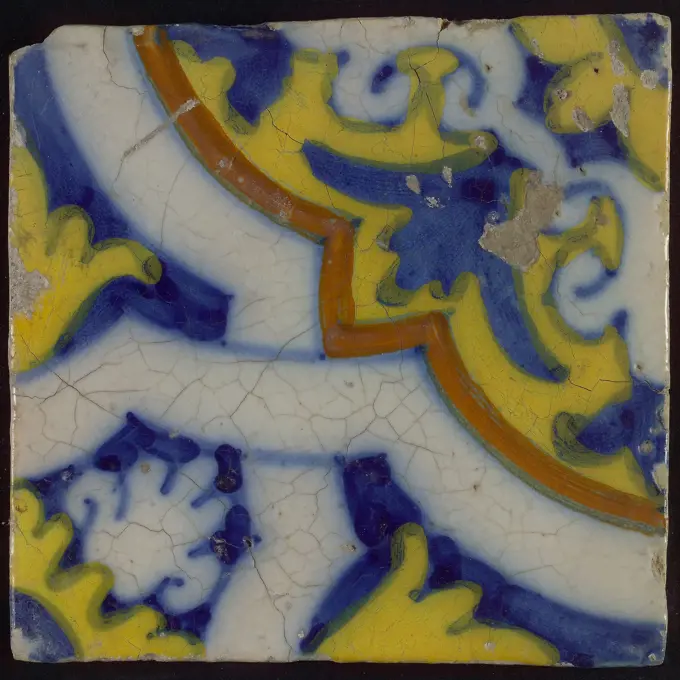
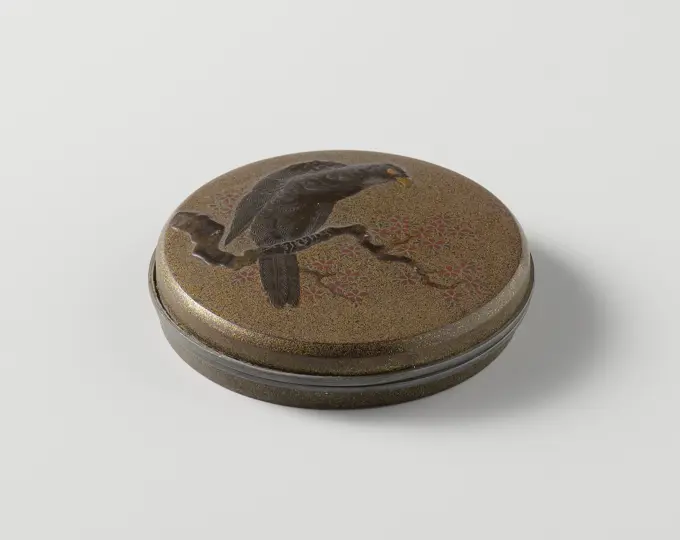
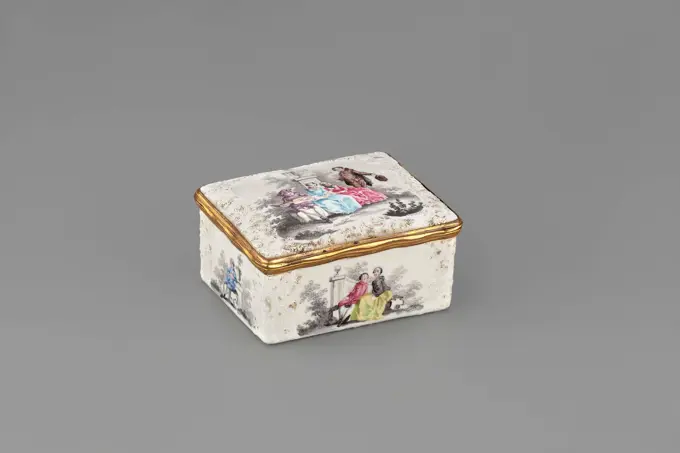
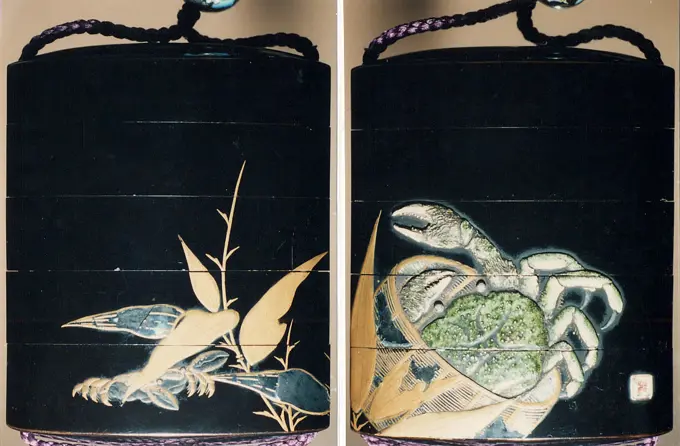
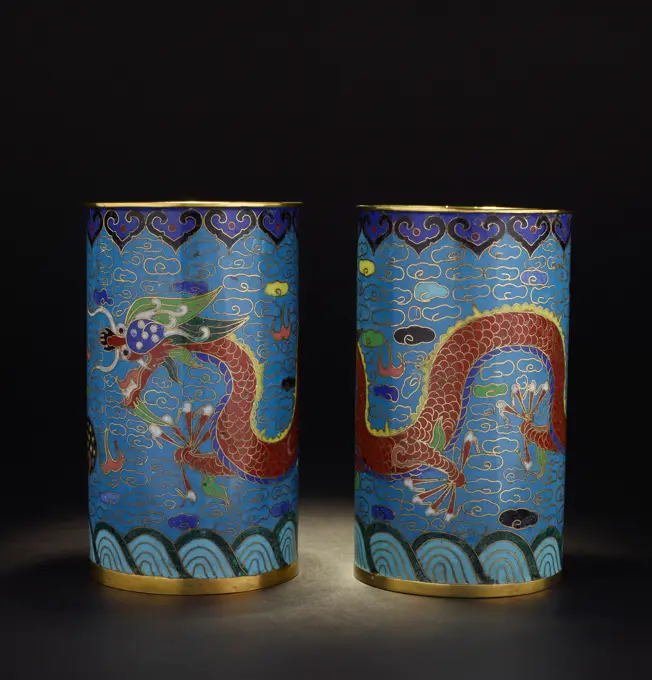
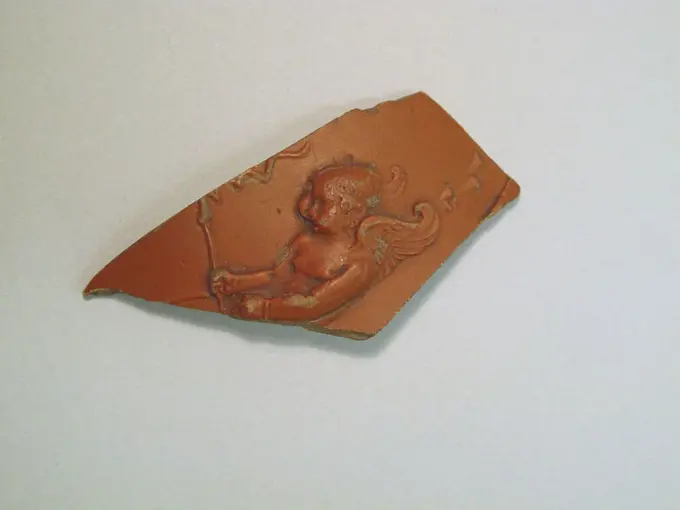
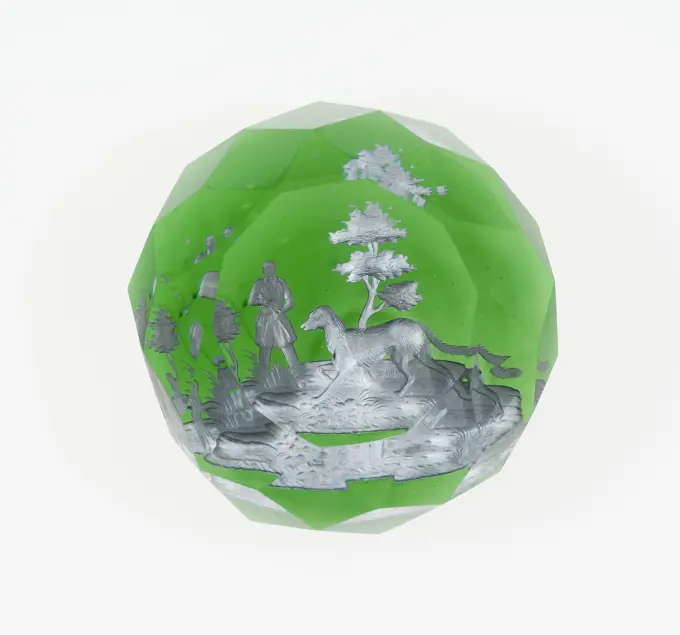
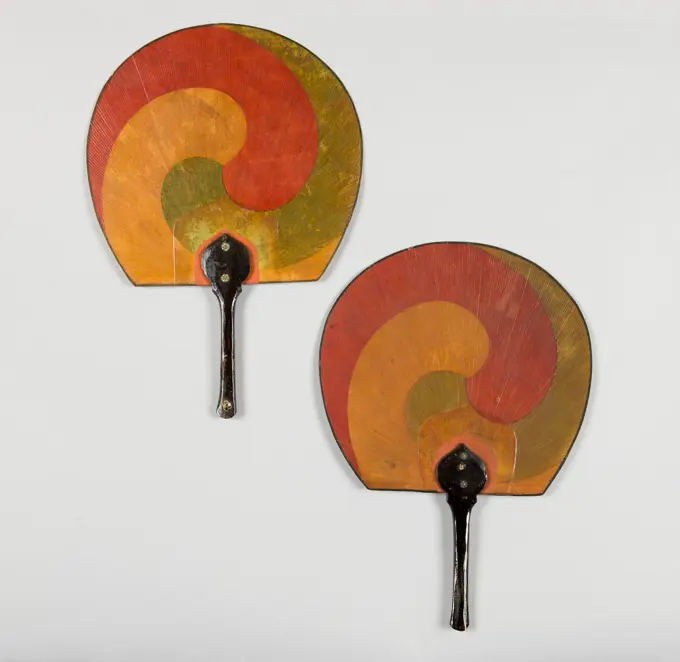
A pair of flat fans of Teguson unknownCigarette Case. Designer: Pierre Legrain (French, Levallois-Perret 1889-1929 Paris). Dimensions: 3 1/8 x 2 1/2 x 1 1/8in. (7.9 x 6.4 x 2.9cm). Date: ca. 1925.Legrain understood the principals and aesthetics of both modern andAfrican art to a degree that most other designers of the period did not--perhaps the result of spending considerable time with his patron, thecouturier Jacques Doucet, and his collection (which included Picasso'smasterpiece Les Demoiselles d'Avignon, several important Cubist works,and a group of African sculptures). These cigarette cases employ thesame vocabulary as his book bindings, only in miniature. Museum: Metropolitan Museum of Art, New York, USA.Trunk on a hardwood floorZhuizhi rush in the shape of a miniature abacus Suanpan unknownPair of boxes with melons and butterflies. Culture: China. Dimensions: H. 1 3/8 in. (3.5 cm); Diam. 2 7/8 in. (7.3 cm). Date: 19th century.The combination of melons and butterflies is a pun on an old idiom that expresses a wish for many offspring, like melons on vines. This encoded meaning makes this pair of boxes a likely gift for a wedding. Museum: Metropolitan Museum of Art, New York, USA.Box with chi dragons amid clouds. Culture: China. Dimensions: H. 3 in (7.6 cm); Diam. 9 5/8 in. (24.4 cm). Date: 13th century.Known as chi, the feline dragons that curve along the surface of this box were inspired by comparable creatures found on Bronze Age vessels, which were rediscovered during the Song dynasty and often reinterpreted in the arts of that period. Although they lack the large horns, prominent snouts, and scaled body of the typical Chinese depiction of the dragon, chi dragons are also regarded as auspicious and protective. Museum: Metropolitan Museum of Art, New York, USA.Inkstand. Culture: Japan. Dimensions: H. 1 3/8 in. (3.5 cm); W. 2 5/8 in. (6.7 cm); L. 4 in. (10.2 cm). Date: mid-19th century. Museum: Metropolitan Museum of Art, New York, USA.Salad bowl to the tree of freedom (fragment). Earthenware. 1792-1794. Paris, Carnavalet museum. 76184-5 Tree, Revolutionary Faience, Liberte, Law, Nation, Revolutionary Periode, French Revolution, SaladierKapkap, 19th century, Unknown Solomon Islands, 3 5/8 in. (9.21 cm), Clam shell, tortoise shell, Papua New Guinea, 19th century, The brown, lace-like discs attached to the white clam shells of these ornaments are made of tortoiseshell. When boiled, tortoiseshell becomes pliable and can be cut into patterns. The marble-like shell of the giant clam is a technically challenging medium, nearly as hard as stone. The art of working it reached a peak on the Solomon Islands in Oceania. The ornaments, called kapkap, were used as exchange goods throughout the region, and are still worn today at festivals, signifying personal wealth and status.Notebook from the VOC room on the Maze (Rotterdam). Booklet with blank pages, partly prepared for silver pen, gold on cut, in gray leather strap (solid leather on wood). On waltze cartouches (from silver) with ship; Metal (silver) clamps, through which a pin. Signature.Ornament tile, diagonally across the tile white braid band motif, corner motif quarter rosette, wall tile tile sculpture ceramic earthenware glaze, baked 2x glazed painted Light yellow shard with fine red dots and square strings. Multicolored: blue (ocher to lemon) yellow and orange on white. Savings technique MoorsRound box with gold lacquer ,, c. 1775 - c. 1800 Round box with gold lacquer. On the lid an eagle on a branch. The edge of the box and the lid is mounted with tin. Japan tin (metal). lacquer (coating). Round box with gold lacquer. On the lid an eagle on a branch. The edge of the box and the lid is mounted with tin. Japan tin (metal). lacquer (coating).Sword-Hilt Collar and Two Pommels (Fuchigashira). Culture: Japanese. Dimensions: Fuchi (a); H. 1 1/2 in. (3.8 cm); Wt. 0.6 oz. (17 g); kashira (b); H. 1 3/8 in. (3.5 cm); Wt. 0.4 oz. (11.3 g); kashira (c); H. 1 3/8 in. (3.5 cm); Wt. 0.4 oz. (11.3 g). Date: ca. 1615-1868. Museum: Metropolitan Museum of Art, New York, USA.backgammon isolated on white Snuffbox with scenes of court play. unknown, authorKobako, two cases for toiletries decorated with the Tokugawa family crest on the lid. unknown, craftsmanWall Facing (Netherlands); tin-glazed earthenware, underglaze; 5 tiles tall, various wideWriting Box (Suzuribako) with Landscape Design 19th century Japan. Writing Box (Suzuribako) with Landscape Design 58138Shards Kraakporcelain from V.O.C. ship De 'Witte Leeuw', Anonymous, Before 1613  Shards Kraakporcelain from V.O.C. ship De 'Witte Leeuw'. Jingdezhen bone china (material)   Sint-HelenaFruit bowl with grape vines, fruits and birds in relief. Fruit bowl of granite pottery with vines, fruits and birds in relief.old book in open drawer top view of old book in open drawer of nightstand Copyright: xZoonar.com/ValeryxVoennyyx 9557814Blue tile with stems and ear of corn left, possibly belonging to chimney pilaster with 13 tiles, tree of bunches of grapes with birds, bird of prey, spider with spiderweb to basket, grain and leaves, tile pilaster footage fragment ceramic pottery glaze, dragonfly grape bunch leaf stem leafScene tile, double child's play, shooting nuts, marbles, corner motif spider, wall tile tile sculpture ceramics pottery glaze tin glaze, in shape made baked glazed painted baked Blue on white marbling nuts shootingA collection of plastic cutlery on a white backgroundScene outside: company in historic clothing in Boat in Slotgracht ..The Portage Sleigh on a Lumber Road, for "Antoine's Moose-Yard," for "Harper's New Monthly Magazine," October 1890 1890 Frederic Remington American. The Portage Sleigh on a Lumber Road, for "Antoine's Moose-Yard," for "Harper's New Monthly Magazine," October 1890. Frederic Remington (American, Canton, New York 1861-1909 Ridgefield, Connecticut). 1890. Woodblock. BlocksSundial Compass (Germany); wood, paper, brass, steel, glass; 2 x 8.6 x 5.7 cm (13/16 x 3 3/8 x 2 1/4 in.); 1957-165-13Sword Guard (Tsuba). Culture: Japanese. Dimensions: H. 2 7/8 in. (7.3 cm); W. 2 5/8 in. (6.7 cm). Date: late 18th century. Museum: Metropolitan Museum of Art, New York, USA.Case (Inrō) with Design of Crab in Basket (obverse); Crab in Bamboo Leaves (reverse) 19th century Japan. Case (Inrō) with Design of Crab in Basket (obverse); Crab in Bamboo Leaves (reverse) 58651Detail of art deco style tile inset into swing bed or hitchkar, near Ahmedabad, Gujarat state, India, AsiaFisherman's pocket, late XIX. GAL1987.142.2Pair of cups with a dragon motif among clouds, over the waves unknownGrahal-Manzara. Carnavalet 2013-2016 collection sites. Numismatics.Mug. Honorand: George Washington, American, 1732-1799, LL.D. 1781Honorand: Gilbert du Motier, Marquis de Lafayette, French, 1757-1834Anonymous, 1780. Wood or painted cardboard, copper metall, gray metal, glass. Palais Galliera, fashion museum of the city of Paris.Vase fragment. Culture: Roman. Dimensions: 1 7/16 × 2 1/4 × 3/16 in. (3.6 × 5.8 × 0.5 cm). Date: 1st century B.C.-1st century A.D..Eros driving a chariot. Museum: Metropolitan Museum of Art, New York, USA.Wall Facing (Netherlands); tin-glazed earthenware, underglazeTien tegels.Ten tiles (2 x 5) with five multicolored (purple, brown purple, orange, yellow and green) chilled tulips shown on every two tiles.Case (Inrō) with Design of Fox Wedding Procession in Rain 19th century Japan. Case (Inrō) with Design of Fox Wedding Procession in Rain 58612Cylinder Seals from Mesopotamia, Neo-Babylonian period circa 500 BCPaperweight 1841-1860 Lunéville. Glass . Baccarat GlassworksBronze plaquette of MauriceRoty.  Artist: Louis-Oscar Roty, French, 1846-1911Cameo with Mythological Figure. Wedgwood Manufactory; England, founded 1759. Date: 1800. Dimensions: 2.5 × 1.4 × 0.6 cm (1 × 9/16 × 1/4 in.). Stoneware (jasperware). Origin: Burslem. Museum: The Chicago Art Institute, Chicago, USA.Group portrait of nine men, Anonymous, 1855 - 1870 photograph. frame   glass. metal. cardboard ambrotype anonymous historical persons portrayed in a group, in a group-portrait. adult man. head-gear: hatCDK unknownVase; from Nancy; France by Emile Galle (1846-1904); of Cameo Glass. This luxury form of art glass involves etching and carving through fused layers of different coloured glass.Animal tile with unspecified mammal, blue decor on white ground, no corner padding, wall tile tile sculpture ceramic earthenware glaze tin glaze, in form made baked glazed painted baked Wall tile with blue decor on white ground Central representation of an animal. Yellow-orange shard No corner fill. Slightly sloping sides of indigenous potteryField of sixteen tiles, Anonymous, c. 1650 - c. 1700 Field of sixteen tiles (4 x 4) each with a multicolored (blue, orange and purple) -painted bird on a branch with berries or on a ground. Netherlands earthenware. tin glaze majolica Field of sixteen tiles (4 x 4) each with a multicolored (blue, orange and purple) -painted bird on a branch with berries or on a ground. Netherlands earthenware. tin glaze majolicaNo. 14. Rock carved by drifting sand, below Fortification Rock, Arizona.. Photographs. 1873. The Miriam and Ira D. Wallach Division of Art, Prints and Photographs: Photography Collection. Geological surveys , United States, West (U.S.), Rock formations , Arizona, Colorado River (Colo.-Mexico)Inr with Scattered Chrysanthemums first half of the 19th century Japan. Inr with Scattered Chrysanthemums. Japan. first half of the 19th century. Four cases; lacquered wood with gold, silver hiramaki-e, togidashimaki-e, red lacquer, muranashiji on black lacquer ground; Netsuke: ivory and metal, kagamibuta type; crossing boat; Ojime: metal bead. Edo period (1615-1868). InrButtonFrench art nouveau hair combs in enamel, shell, gold, and precious stones designed by Paul Follot and Henri Vever.. Color plate from Charles Holme's "Modern Design in Jewellery and Fans," published by the Studio 1902.bookshelves with old wood backdrop. 3D renderingWall Facing (Holland); tin-glazed earthenware, underglazeClose-up of red envelopesWall Facing (Holland); tin-glazed earthenware, underglazeChina CurrencyTile (USA); Designed by Edith Brown (American, b. Canada, 1872-1932); Decorated by Fanny Levine; Made by Paul Revere Pottery (United States); Founded by Saturday Evening Girls Club; glazed earthenware; 9.3 x 9.3 x 1.25 cm (3 11/16 x 3 11/16 x 1/2 in. )Wall Facing (Holland); tin-glazed earthenware, underglazeStone board or clay plate with star-covered nude woman, goddess Nut and Egyptian hieroglyphs cartoon vector illustration. Ancient paper, graphical user interface for game design on white. Stone board, clay tablet and Egyptian hieroglyphsVerso - Reverse. Terracotta Plaque - Portrait of Dr Joseph Priestley, 18th Century. Manufacturer: Josiah Wedgwood (& Sons Ltd). Engraver: P. Bemi.. Inscription on reverse:.. Do.r Priestley. P.BEMITile Wall Facing (Netherlands); tin-glazed earthenware, underglazeWall Facing (Netherlands); tin-glazed earthenware, underglazeDisc 78 laps on the Leclerc day and the Speeches of General June. Pyral disc, the echo of the world, aluminum soul covered with resin. 1951. General Leclerc Museum of Hauteclocque and the Liberation of Paris, Jean Moulin Museum. Speech, pyral disc, vinyl record