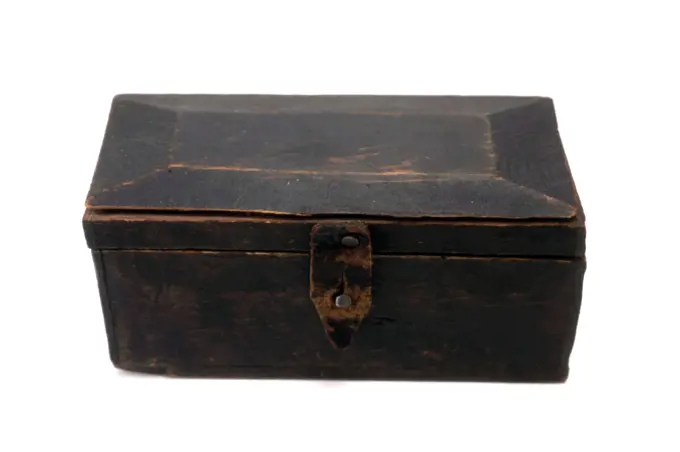
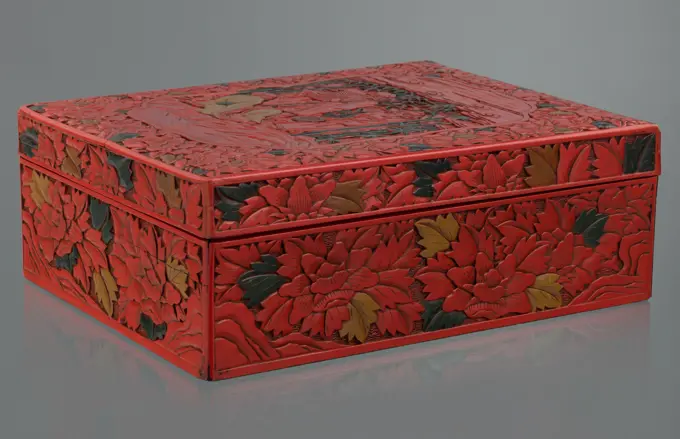
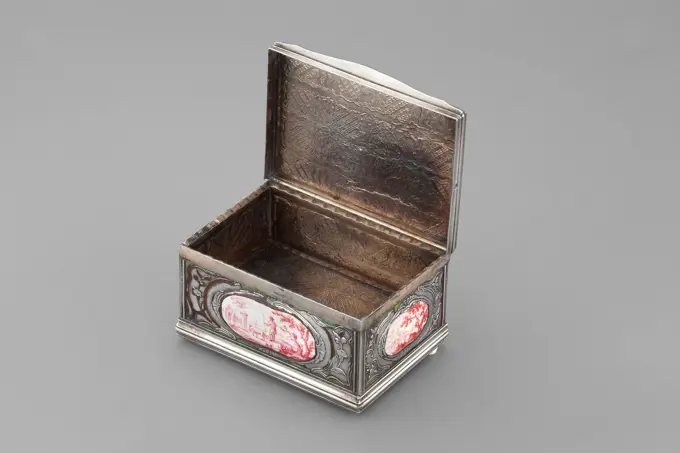
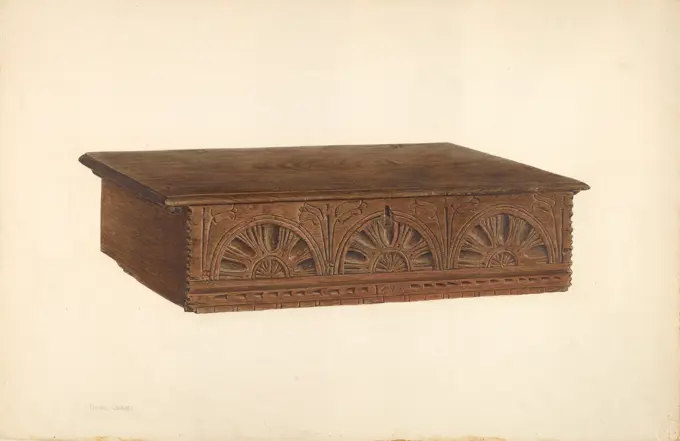
Decorative Wooden Boxes

Intricately designed wooden boxes and chests with ornate carvings and inlaid patterns, reflecting historical craftsmanship from different cultures.
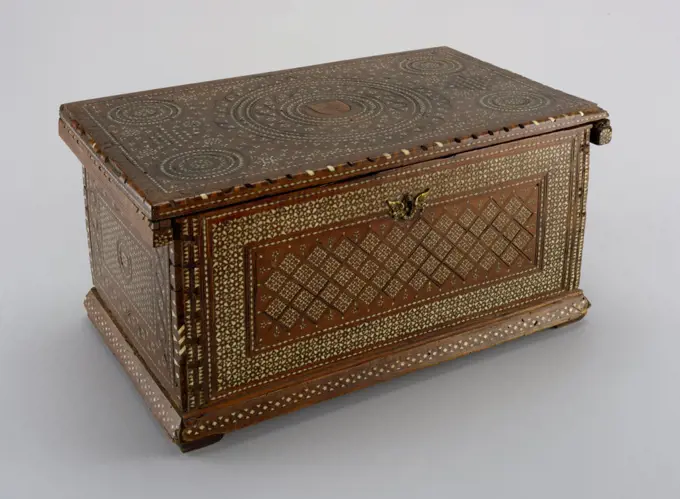
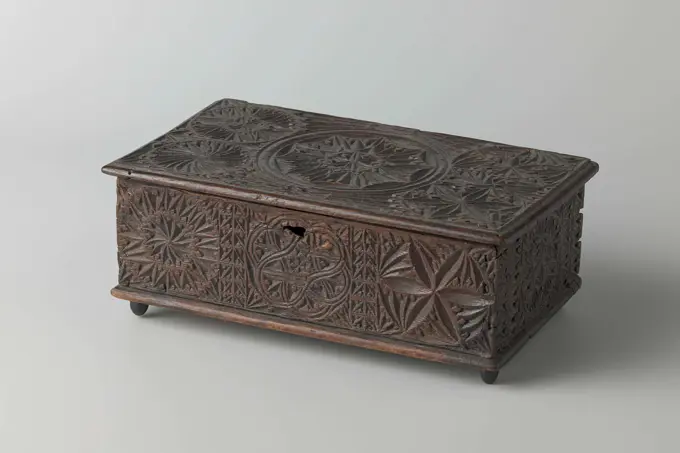
Chest, wood, inlaid, late 15th-early 16th century, furniture, Decorative Arts, Chest
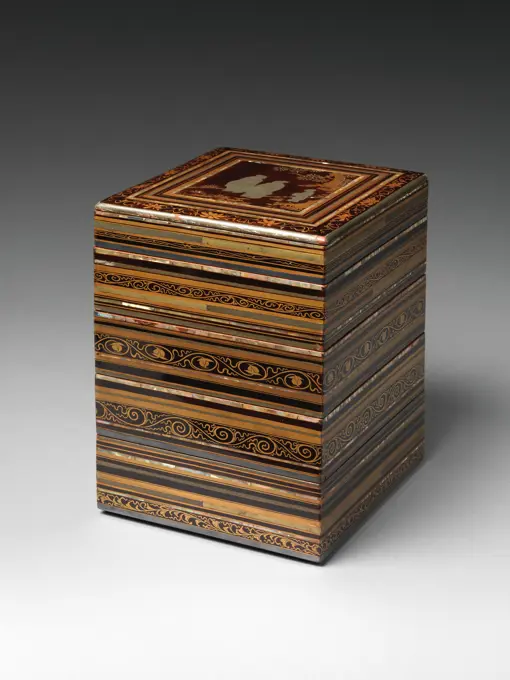
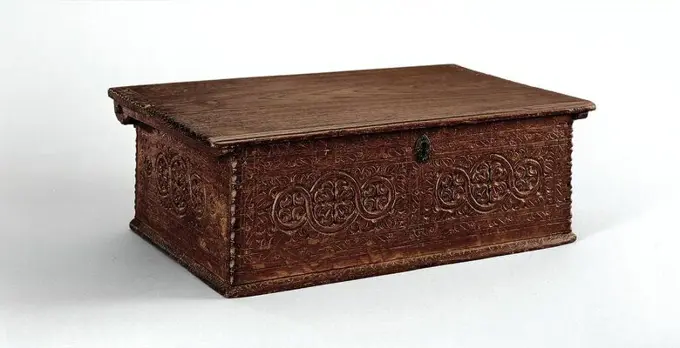
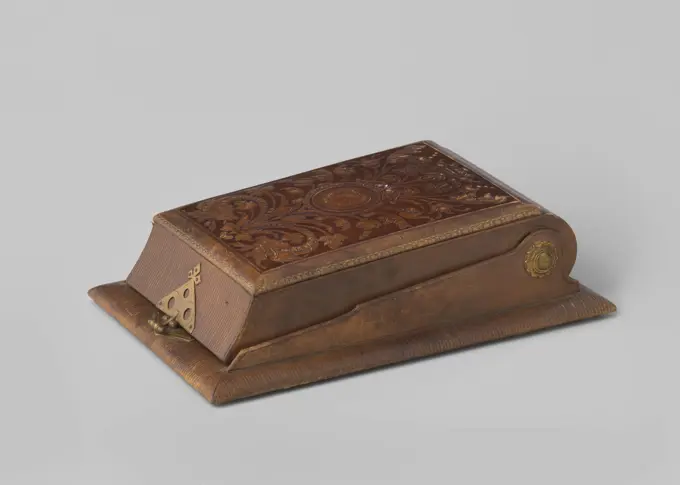
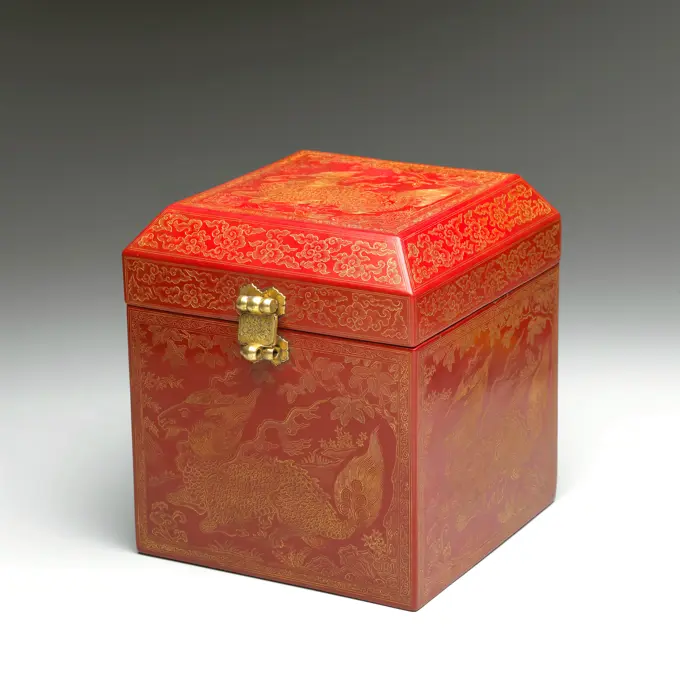
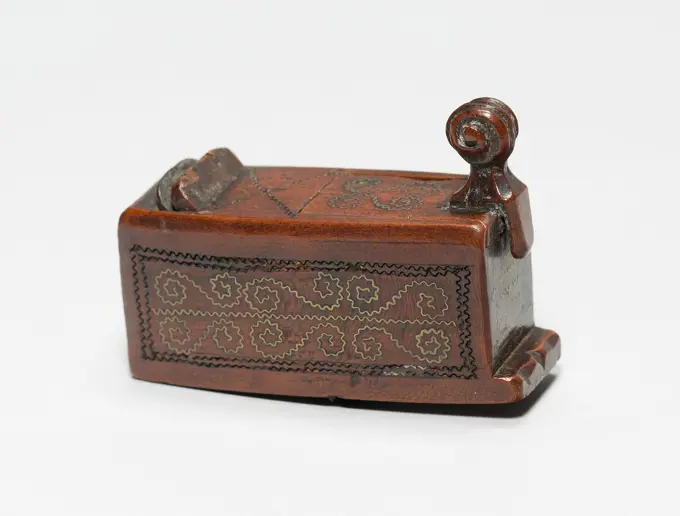
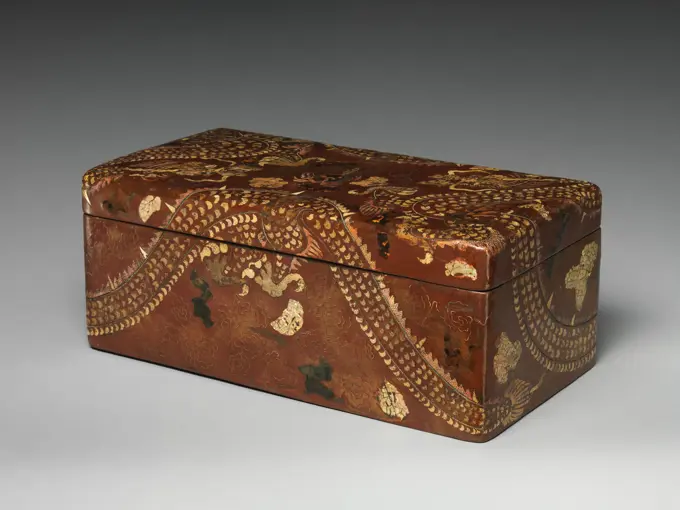
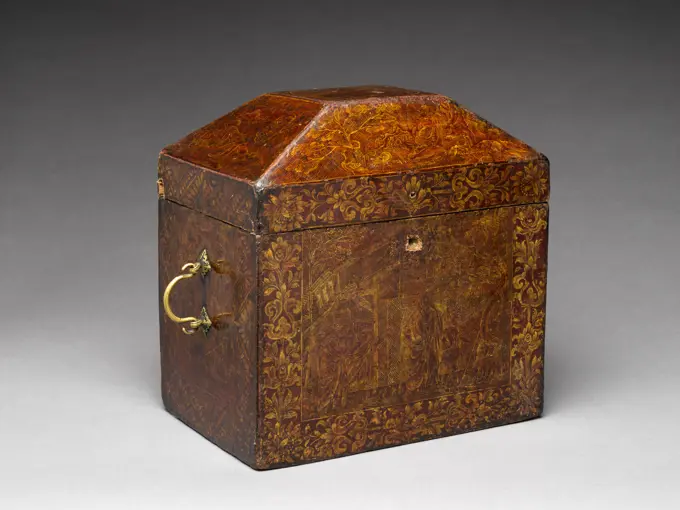
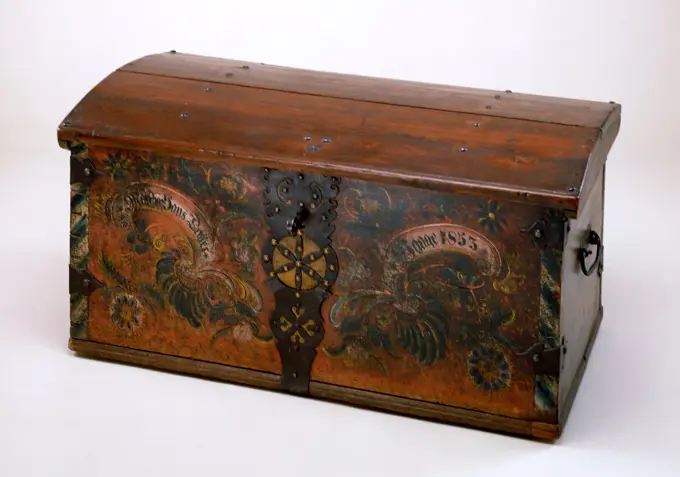
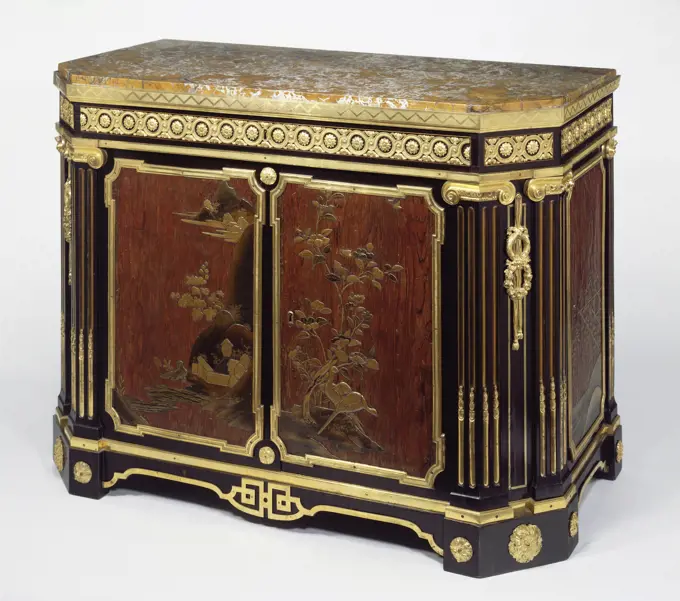
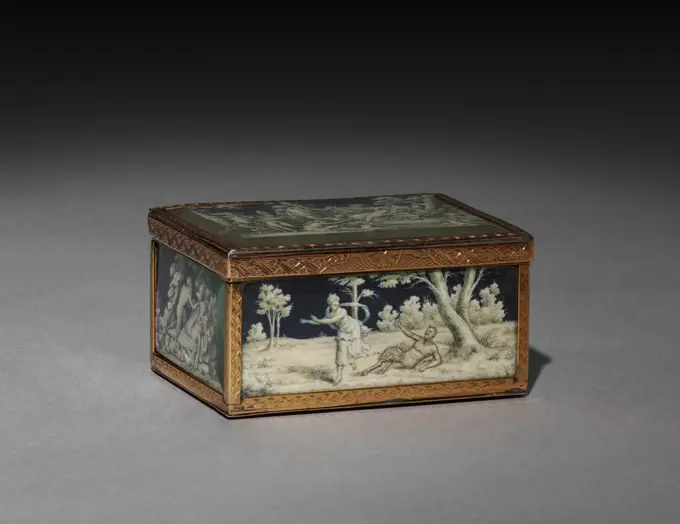
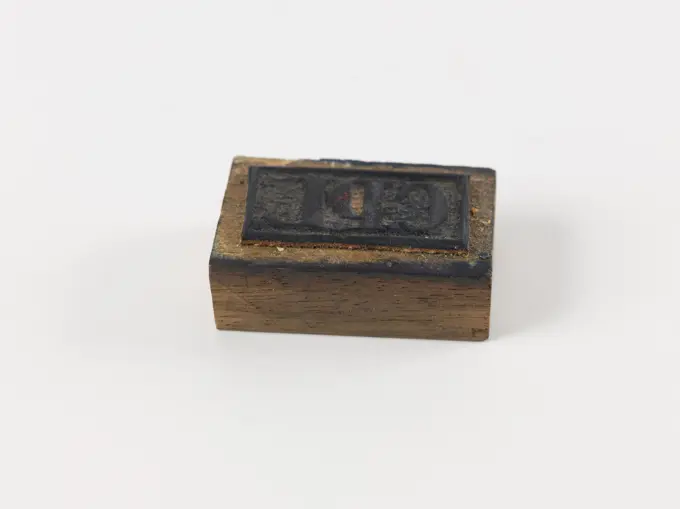
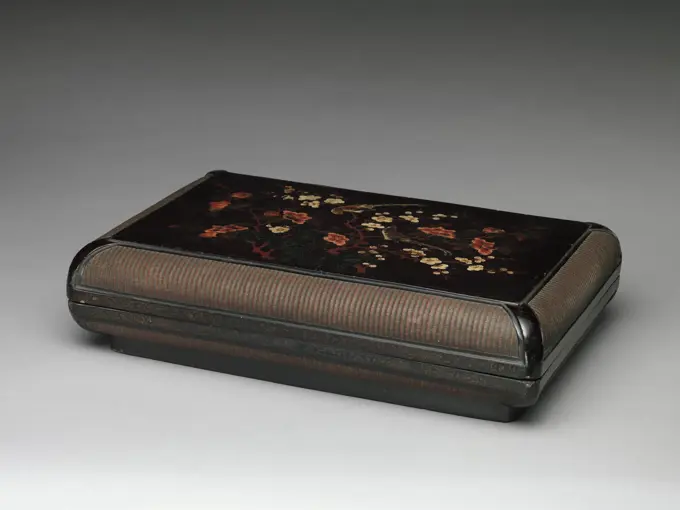
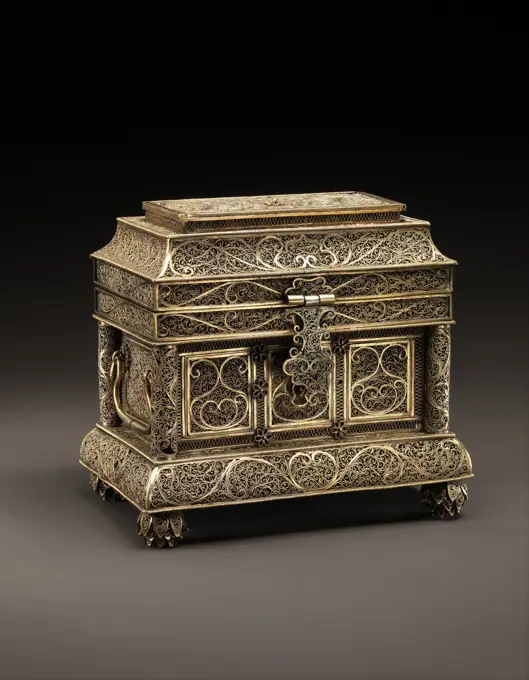
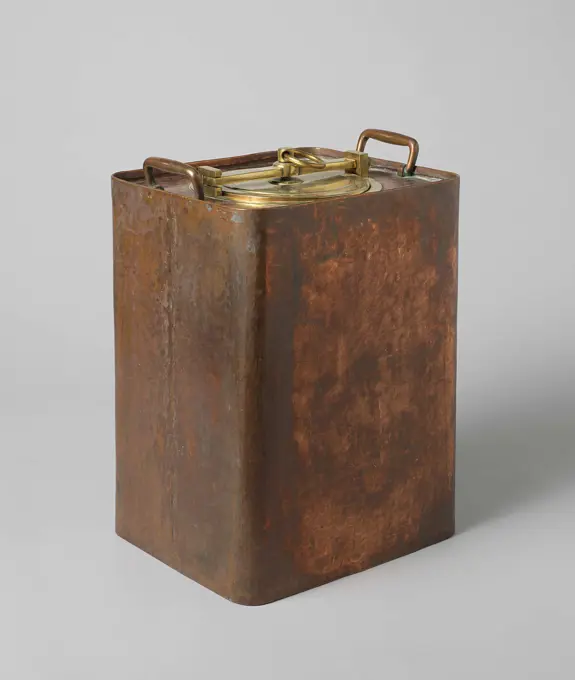
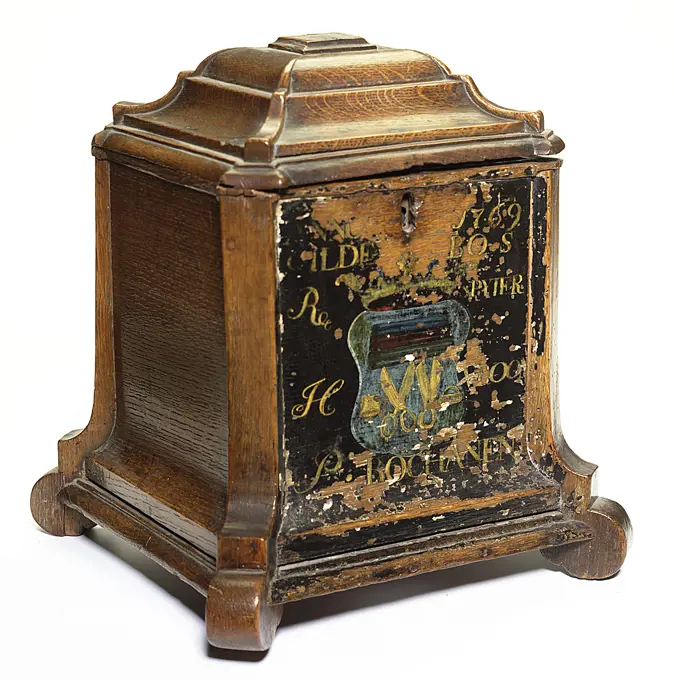
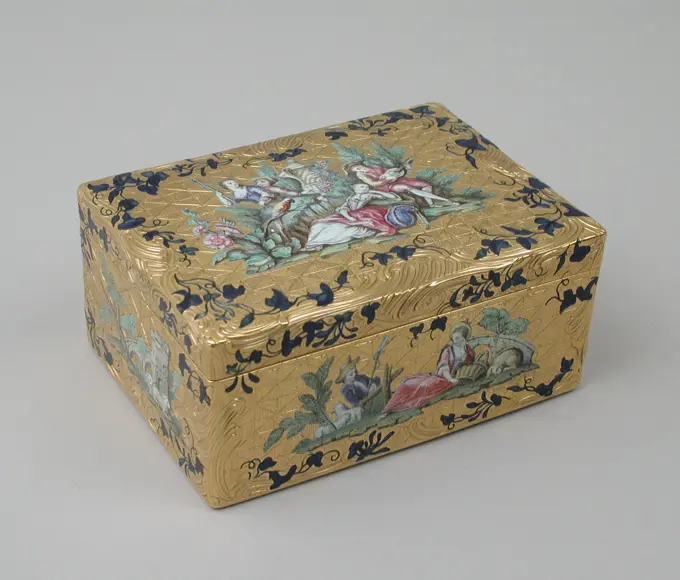
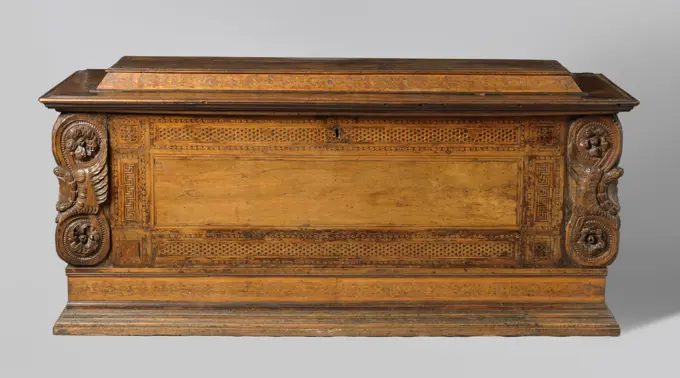
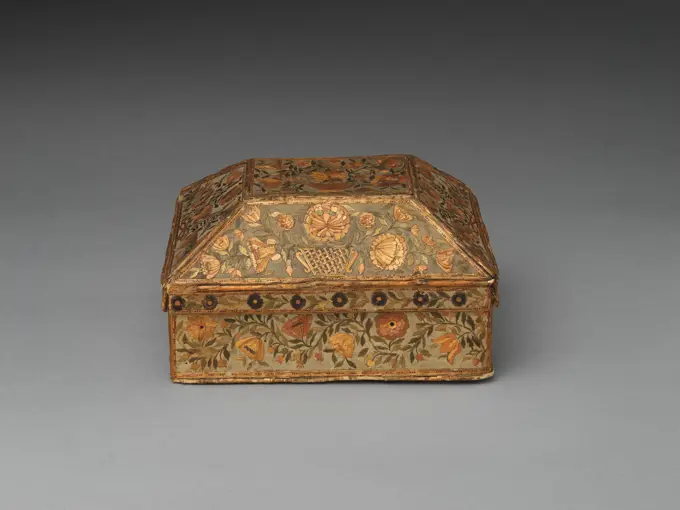
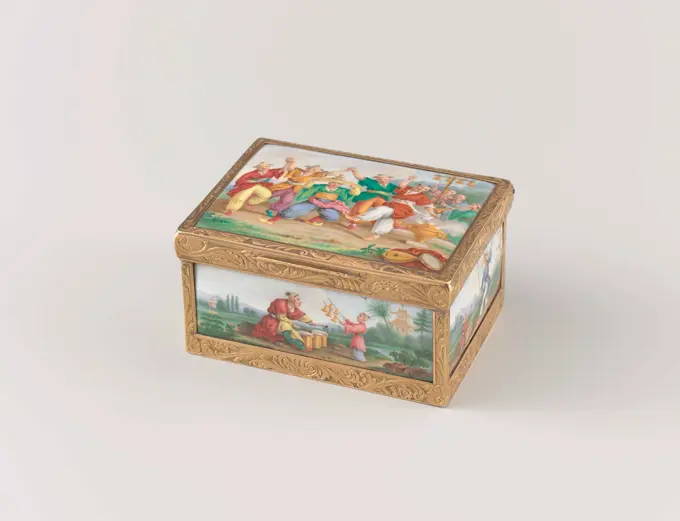
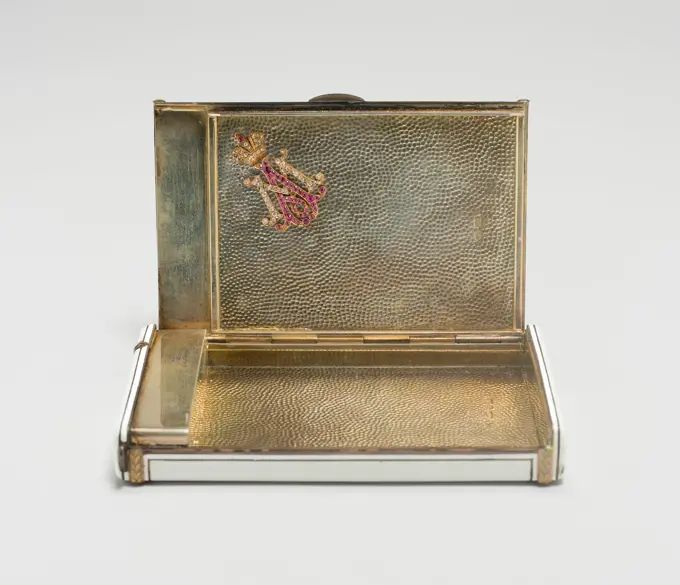
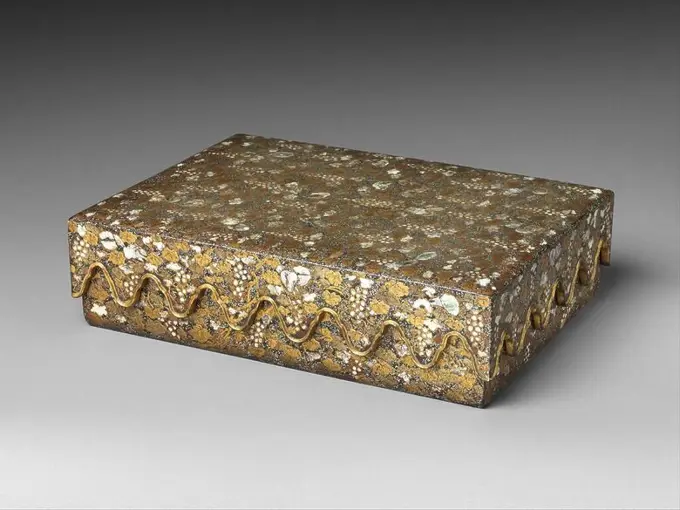
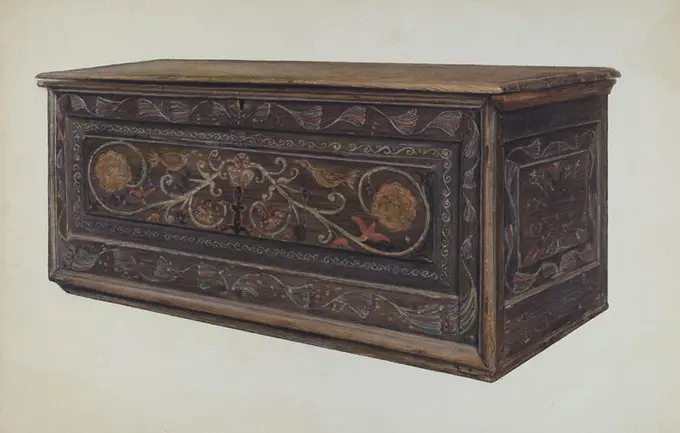
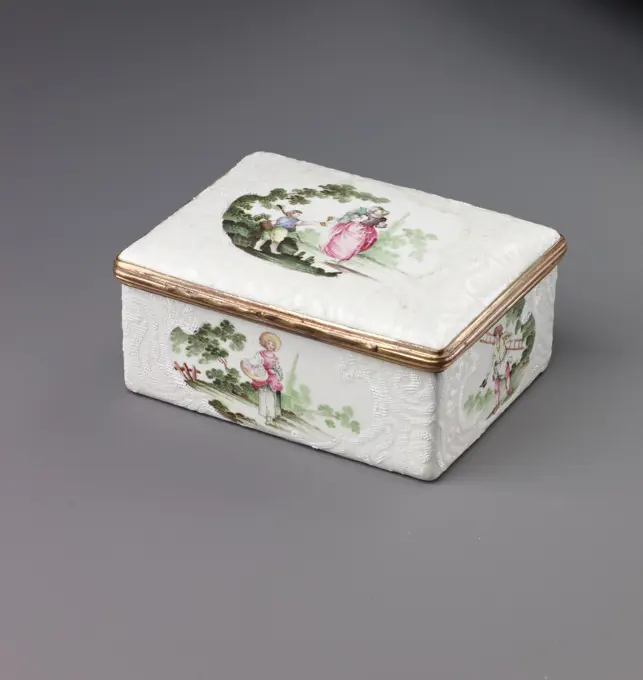
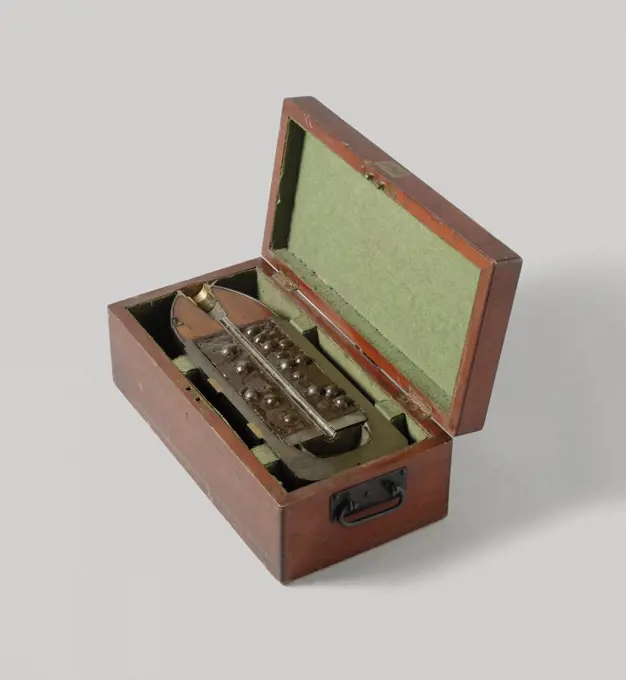
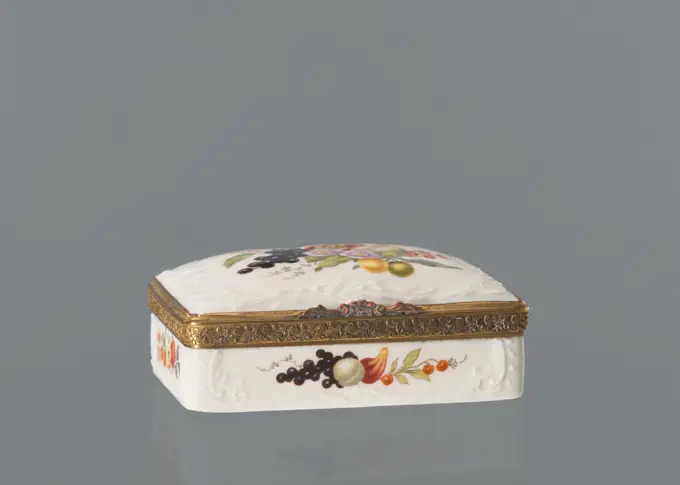
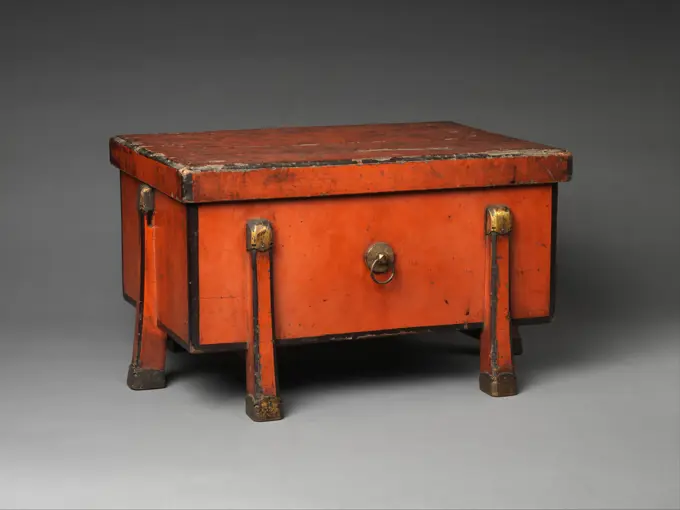
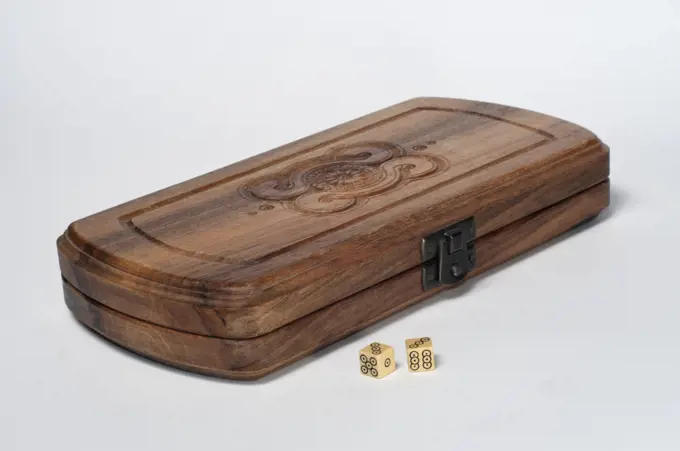
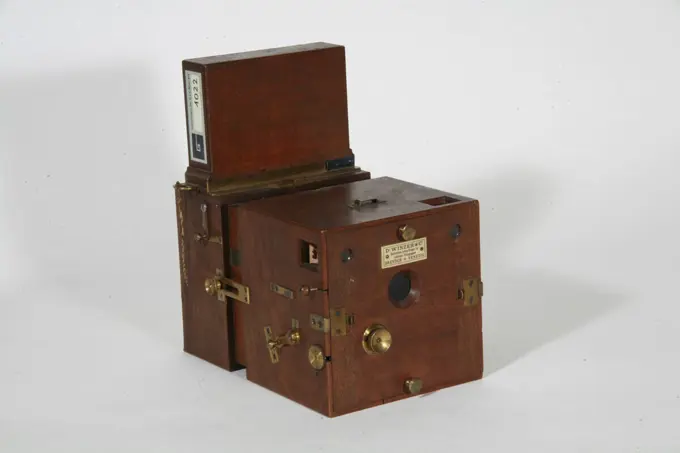
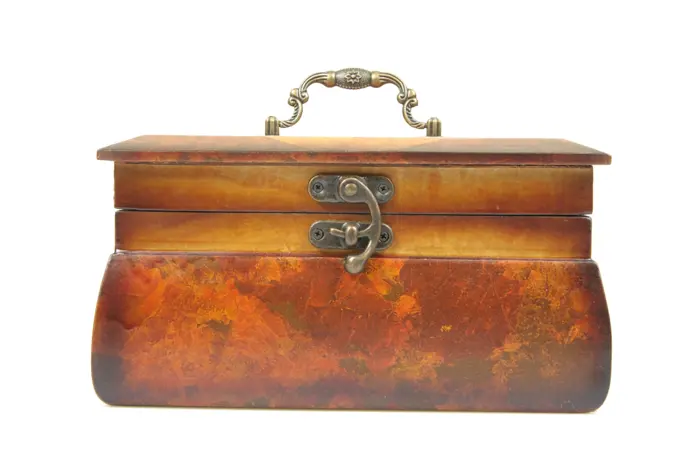
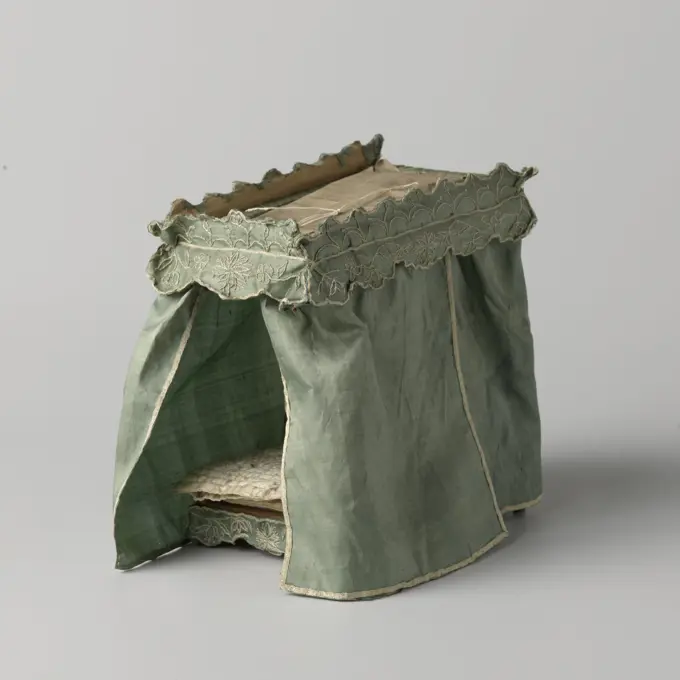
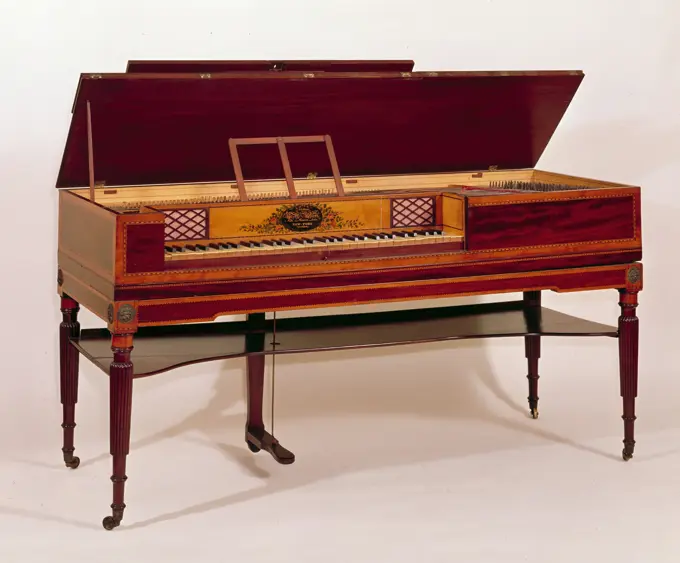
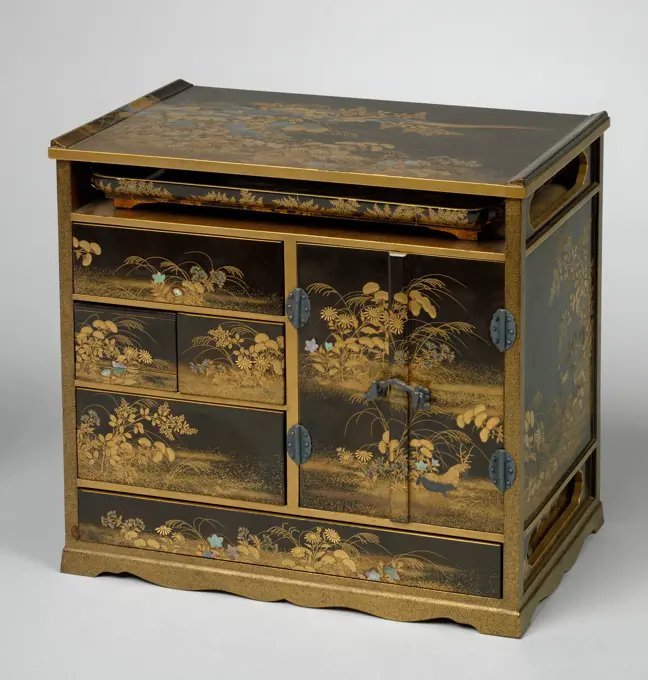
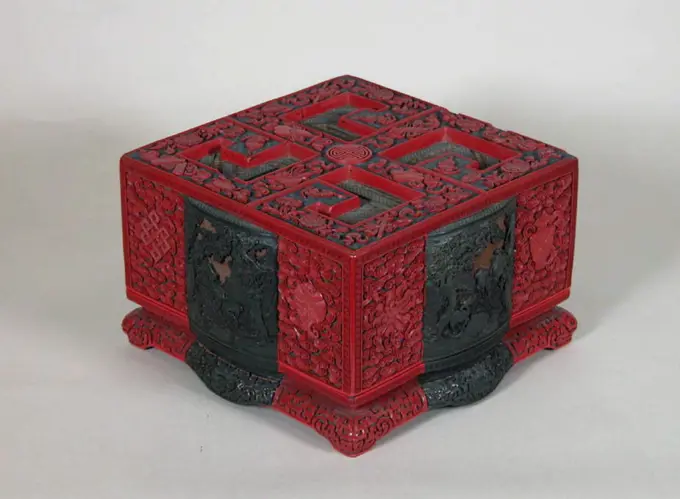
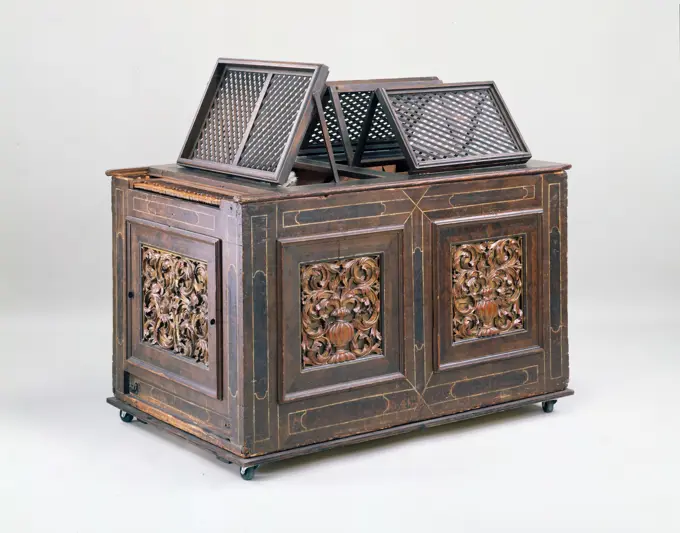
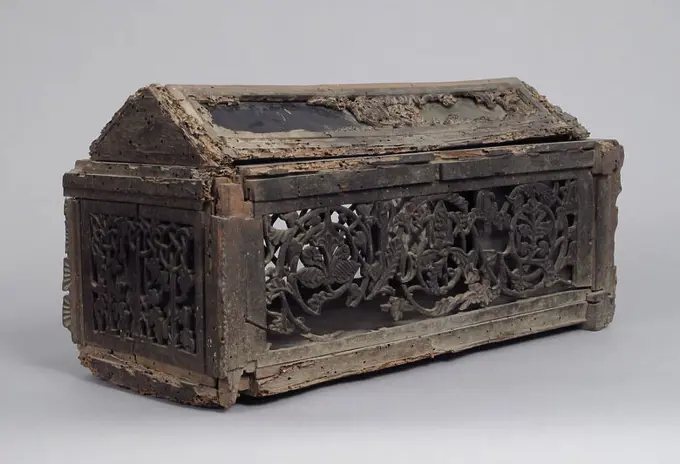
Coffin decorated with curfsnee ornaments including a vase with tulip. Coffin, decorated with carfish ornaments. The rear tire exhibits a plain field on which remains of green paint and a vase with tulip at both ends. The coffin rests on small ebony cellar legs. Three courses internally. The lock is missing.Chest, wood, inlaid, late 15th-early 16th century, furniture, Decorative Arts, ChestFood Box with Striped Decoration and Chinese Figures 17th century Japan The geometric patterns on the sides of this tiered food box derive from Indian and Southeast Asian textiles introduced to Japan through the global trade networks that linked different parts of Asia with one another and with the West. On the boxs top are three figures whose clothing and setting identify them as Chinese. It is possible that the use of figural imagery was spurred by an awareness of figures depicted on contemporaneous lacquer from China and the Ry?ky? Islands (Okinawa).. Food Box with Striped Decoration and Chinese Figures. Japan. 17th century. Lacquered wood with gold and silver hiramaki?e, lead, and mother?of?pearl inlay on black ground. Edo period (1615-1868). LacquerBox -Box. Culture: American. Dimensions: 9 1/2 x 28 1/4 x 18 1/2 in. (24.1 x 71.8 x 47 cm). Maker: Attributed to William Buell (died 1681). Date: 1640-80. Museum: Metropolitan Museum of Art, New York, USA.Box, with leather exaggerated in which the ornaments with bookbinder irons are trapped, Anonymous, 1600 - 1699 Chest, with leather exaggerated in which the ornaments with bookbinder irons are trapped. Handle and lock of forged iron. On four palmwood legs. Complete the inside with marbled paper and finished with a linen strap.  wood (plant material). leather. boxwood (hardwood). beech (wood). iron (metal). boxwood. paper. linen (material) Chest, with leather exaggerated in which the ornaments with bookbinder irons are trapped. Handle and lock of forged iron. On four palmwood legs. Complete the inside with marbled paper and finished with a linen strap.  wood (plant material). leather. boxwood (hardwood). beech (wood). iron (metal). boxwood. paper. linen (material)TrousseauBoxBox c 1670-1700 Connecticut. Oak and maple .Casket with copper batter, on which floral motifs, copper handles, hinges and lock, the latter with iron nails confirmed. On the bottom a piece of white woven wool, attached to the soil.Casket for chess, nine mens morris and backgammon. unknown, authorFamily album with 29 photos, Anonymous, C. Cossa, 1860 - 1917  Photo album with 15 sheets with a total of 29 cabinet photos. The album contains portraits of men, women and children.  photographic support. cardboard. leather. textile materials. metal albumen print historical personsCasket 1716-17 James Fraillon. Casket. British, London. 1716-17. Silver gilt. Metalwork-SilverCoin weight and scales in a weight box. Wooden box, in which copper coin weights and a scale. The lid is decorated with multiple representations on the inside; Most performances are placed within a medallion, charmed around a larger representation in the middle.. Coffin of cypressen wood. The front plate shows a flat stabbed performance with a coat of arms in the middle, left a kneeling nobleman luit player with standing noble woman and to the right a knight in conversation with a noble woman. Left and bottom right A distant panther. The ground is filled with palm backranks. The sides are decorated with ingrangled tendrils, line and leaf ornament. The undersides of the front and side walls are scooped out.Seal Box, c. 1410, 8 5/8 x 7 3/4 x 7 3/4 in. (21.9 x 19.7 x 19.7 cm), Red lacquer with engraved gold decoration (qiangjin), China, 15th century, Made in the imperial Chinese workshops, large, elaborate seals presented in luxurious boxes were among the gifts bestowed on a number of Tibetan dignitaries who traveled to Chinas capital for audiences with the Xuande (r. 1426-35) and Yongle (r. 1403-24) emperors. This presentation box is one of the few known to have survived to the present day, and was possibly given to a Tibetan hierarch in the early 1400s. It is decorated in the engraved gold technique (qiangjin) with a mythological creature called a qilin reclining in a sparse landscape. The auspicious mythical beast is regarded as an emblem of divine justice and the embodiment of princely virtue. The association of the qilin with both divine justice and virtuous rule made it an appropriate gift for political exchange.Coffin with inlaid paint panel. Coffin glued with satin wood on oak core. In the sloping lid, a paint panel is embedded in gold on black ground. Under the lid inside a layout of one large and four small boxes. At the front behind a jautzieur two drawers.Kist van Pine wood, covered with turtle on silver foil (), Anonymous, c. 1600 - c. 1699  Netherlands wood (plant material). pine (wood). silver (metal)  Netherlands wood (plant material). pine (wood). silver (metal)Document Box (Ryōshibako) with Chrysanthemum and Plum (base), late 1800s-early 1900s. Japan, Meiji period (1868-1912). Gold lacquer;Smoothing Plane 1735 Germany. Hardwood, horn, and brass wire inlay .Box 19th century Korea. Box. Korea. 19th century. Lacquer with mother-of-pearl, tortoiseshell, and sharkskin inlay. Joseon dynasty (1392-1910). LacquerMadrid, M.A.N. Arte Edad Media. Arqueta de escribano en madera y taracea, círculo granadino, de finales del s.XIV. Con tapa superior y compartimientos internos para tintero y cáñamo.Chest with the Expulsion of Hagar ca. 1730 China This chest's lid is decorated with an unusual portrait of a pope, most likely Sixtus V (r. 1585-90). The Old Testament tale of Abraham's expulsion of Hagar and her son, Ishmael, to appease his barren wife, Sarah, is depicted on the front of the chest. While the composition was based on European prints, the use of a screen for the background adds a Chinese flair.. Chest with the Expulsion of Hagar. China. ca. 1730. Lacquer painted with gold and oil colors. Ming dynasty (1368-1644). LacquerCasket;  1. PO. 18th century (1701-00-00-1750-00-00);baroque (style), plant decoration, purchase (provenance)Bandbox, John Perkins, Block-printed paper, pasteboard support, Small pasteboard bandbox covered with wallpaper border pattern, pieced so one horizontal border band encircles bottom and a narrow edging strip covers rim of lid. Stylized architectural leaf band in browns and yellows, and band of stripings. Principal banding: on dark green background, green leaves and white camellias with pink and yellow centers, in continuous band. Strip of unfaded color under lid. Remnants of a different floral sidewall paper with a yellow ground around edge on box bottom., New Bedford, Massachusetts, USA, ca. 1835, Wallcoverings, BandboxChest, 19th century, 20 1/2 x 41 1/2 x 20 1/4 in. (52.07 x 105.41 x 51.44 cm), Pine, metal fittings, mounts, Norway, 19th centurySirihkist of Amboina -Wortelhout with Silver, Anonymous batter, 1700 - 1799 Sirihkist, rectangular, from Amboina-rootwood with seizure of silver. The coffin has a hinged lid; Lid and bottom have a profiled edge. Painted red inside. On legs of silver. Fittings in flame-like leaf shape on the corners of the lid and walls and as back plates of the handles on the sides. The lock plate in the form of a betel or pinangnut, a cartouche in the middle of the lid. Four rosettes around the lock plate, as well as on the lid. Key of silver with hold in the shape of a heart contained between two nagas. The hinge plates end in open -sawn motifs. Silver chain as a connection between box and lid. Brands: on hinge plate: surrounded sword = batavia; WC = judge; mt. DB = Daniël Boudewijn Batavia, 18th century.  wood (plant material).. silver (metal) Sirihkist, rectangular, from Amboina-rootwood with seizure of silver. The coffin has a hinged lid; Lid and bottom have a profiled edge. Painted red inside. OnInlaid Box for the Portuguese Market ca.1600 From the late sixteenth century onward, Mughal India actively exported goods to Europe, particularly to Portugal, where such inlaid work was treasured. While many Europeanizing elements are evident in the decoration of this box, the hunting scenes were originally inspired by Persian compositions, which had in turn become popular in Mughal painting. The undulating branches of the birdfilled trees against which the European hunters and animals have been set make this one of the most expressive pieces of its type.. Inlaid Box for the Portuguese Market. ca.1600. Wood (teak); veneered with ebony, inlaid ivory, and lac. Probably made in India, Gujarat, probably Ahmedabad. WoodCabinet; Joseph Baumhauer (French, died 1772); Paris, France; about 1765; Oak veneered with ebony, tulipwood, maple, Japanese cedar, and amaranth; set with panels of seventeenth-century Japanese lacquer; gilt-bronze mounts; jasper top; 89.6 x 120.3 x 58.7 cm (35 1,4 x 47 3,8 x 23 1,8 in.)Box, 1800s. France, 19th century. Painted miniatures under glass mounted in gold; overall: 3.9 x 7.8 x 6.1 cm (1 9/16 x 3 1/16 x 2 3/8 in.).Anonymous. "Encu tampon for the wet stamp of the Parisian Liberation Committee (CPL)". Drink. 1943-1946. General Leclerc Museum of Hauteclocque and the Liberation of Paris, Jean Moulin Museum. 158819-5Square Lantern With Pierced Sides. Square lantern of porcelain with openwork walls, painted on biscuit in blue, green, yellow, eggplant and black. The walls are opened in a medallion in a square decorated with swastika pattern, napkin work and flower raft. To put the square loose flowers in a geometric pattern on a speckled soil. The foot with a wood grain pattern. Email sur biscuit with famille verte colors.Toolbox After Stanisław WyspiańskiBox with gardenia, plum blossoms, and finches late 16th-early 17th century China The technique of combining fine basketry weaving with Chinese lacquer first appeared in the late sixteenth century. Basketry panels were installed on the sides of lacquer containers that were used to present gifts and important documents. The colorful painting of birds and flowers on this cover probably came from a pattern book, as multiblock color printing became popular in southern China in the same period.. Box with gardenia, plum blossoms, and finches 40266An old box isolated on white backgroundPUME WITH A STORS;  19th century () (1801-00-00-1900-00-00);. The decorated decorated decor and originally completely gold-plated object is composed of three parts: the bottom, the wall and the lid. This is attached to the wall with a hinge and can be closed with a pin. It has the shape of a perpendicular roof, the faint rising roof shields at the top of a flat part in the form of a cross. The roof shields have a decoration in the form of flat roof tiles, the rows of which are granulated. The upright sides of the lid have a symmetrical rank ornament, the leaves of which are styled to palmets. In the walls of the coffin there are eight smoothly with a smooth and a granulated edge surrounded in front and a granulated edge and fours on the sides. These are surrounded on three walls surrounded by a string edge and on one side wall by a string ridge and continuous ranking ornaments. At the front in the middle Christ is on the cross with the sun and the moon, and on the left of Maria by hand God, on the right showing a female saint and a head. On theSnuffbox opened on both sides. Cadeau, Etienne-Jean (-1759), goldsmithHenry Granet, Desk Box, c 1940 Desk BoxFiligree Casket with Sliding Top 17th century While filigree was an established tradition in the Deccan in the middle ages, with the cultural presence of the Portuguese in the 16th century, Deccani craftsmen were exposed to a new wave of objects, which were imported from Europe. Finely drawn wires of gold and silver filigree were shaped into a variety of scrolling forms, including the buta, or flame motif, which even is present on the ornamented interior of this object. The lid of this box contains a secret compartment which slides open to hide a prized object, possibly the key.. Filigree Casket with Sliding Top 646829Powder Chest. Rectangular copper crunch box with two handles and a round lid. The lid is provided with a swirl closure consisting of a brass rod that revolves around a bolt in the center of the lid and clamps under two cams on the outer edge of the opening; He is then tightened with the bolt.Guild bus tailors guild with ANNO 1769 GILDE BOS, guild bus holder wood paint leather copper metal h 31.0, P BOCHAREN (front painted) heraldry guild tailor guild tailorTea chest, Pieter Adolf Bruné, 1785 Rectangular, silver tea liability, decorated with a grazed trophy of agriculture with a basket with flowers, a basket with vegetables, a rake, a shovel, a hammer, two scythes, a bag and flowers. Amsterdam silver (metal). wood (plant material) engraving Rectangular, silver tea liability, decorated with a grazed trophy of agriculture with a basket with flowers, a basket with vegetables, a rake, a shovel, a hammer, two scythes, a bag and flowers. Amsterdam silver (metal). wood (plant material) engravingBrass design fitting on antique wooden box, Jodhpur, Rajasthan, India Copyright: xSafatxAli/DinodiaxPhotoxSnuffbox 1750-51 Probably by Claude Lisonnet French In eighteenth-century Europe, Paris led the production of high-quality luxury goods. Parisian goldsmiths made a wide range of small, personal articles such as snuffboxes; étuis to hold sealing wax, tweezers, or utensils for sewing; souvenirs, which contained thin ivory tablets for note taking; and shuttles for knotting lace. Gold snuffboxes and boxes decorated with portrait miniatures were prized and frequently given as royal gifts, often to ambassadors or members of the court in lieu of cash payments for their services. Coveted and admired, these boxes were produced from a variety of materials. The best were skillfully made of gold and embellished with diamonds, enameled decoration, lacquer, and other luxurious materials. By the middle of the century, the taking of snuff had become an entrenched social ritual, and the snuffbox, too, had become an important social prop. Snuffboxes were considered highly fashionable accessories, with sARQUETA: DE SAN MARTIN I EL HUMANO. (DEPOSITO: MUSEO ARQUEOLOGICO NACIONAL).Snuff box with rococo ornaments. Snuff box of gold, with rococo ornaments. Signature.Box ca. 1800 American. Box. American. ca. 1800. Poplar, brass. Made in Pennsylvania, United StatesCassone, anonymous, c. 1500 Case of walnut with poplar wood interior, decorated with Intarsia in different types of wood. The coffin rests on a profiled plinth, above which a wide bond with motifs in Intarsia. The diagonally placed corner styles have the shape of S-Voluten and are decorated with rosettes and a hollow shield with wide wings and flower wreath. Front and sides are framed with motifs in Intarsia as well as the flat lid that carries a hollow pillow on the inside. Florence wood (plant material). walnut (hardwood). poplar (wood). oak (wood) Case of walnut with poplar wood interior, decorated with Intarsia in different types of wood. The coffin rests on a profiled plinth, above which a wide bond with motifs in Intarsia. The diagonally placed corner styles have the shape of S-Voluten and are decorated with rosettes and a hollow shield with wide wings and flower wreath. Front and sides are framed with motifs in Intarsia as well as the flat lid that carries a hollow pillow on theBox 18th century probably French The decoration of this hinged box consists of straw flowers in low relief, which have been adhered to a silk ground. Traces of the original color show that the straw was once very colorful.. Box. probably French. 18th century. Straw, cardboard, silk, paper lining. Natural SubstancesChest and dish, 1618 Case of covered oak, lacquered. Rectangular box with a vaulted lid. There is a hidden drawer in one of the sides. The box is completely painted in gold, red green and blue on a black stock with stylized leaf vines, flowers, birds. On the front, under the keyhole a coat of arms with the monogram VM. Dated 1618. Amsterdam whole: Oak (Wood). varnish. lacquering Case of covered oak, lacquered. Rectangular box with a vaulted lid. There is a hidden drawer in one of the sides. The box is completely painted in gold, red green and blue on a black stock with stylized leaf vines, flowers, birds. On the front, under the keyhole a coat of arms with the monogram VM. Dated 1618. Amsterdam whole: Oak (Wood). varnish. lacqueringWriting table with clan emblems (mon).The high quality of the lacquerwork suggests that this writing table probably belonged to a member of the Maeda clan, who bore an emblem comprised of circles. It is small in format, for use by a woman. All the motifs are meticulously executed. The mon circles are made of gold leaf, each enclosed by a narrow border of gold lacquer.. Snuff box of gold, rectangular, with vaulted lid. Completely enamelled and painted with chinoiseries.Cigarette Case 1875-1899 Saint Petersburg. Silver gilt, gold, enamel, diamonds, and rubies . Fabergé (firm) (Manufacturer)Stationery Box with Decoration of Grapes and Squirrels. Culture: Japan (Ryukyu Islands). Dimensions: H. 4 5/8 in. (11.7 cm); W. 16 1/2 in. (41.9 cm); D. 12 1/4 in. (31.1 cm). Date: 17th century. Museum: Metropolitan Museum of Art, New York, USA.Painted Guilford Chest. Dated: 1935/1942. Dimensions: overall: 37 x 55.6 cm (14 9/16 x 21 7/8 in.) Original IAD Object: none given. Medium: watercolor, colored pencil, gouache, and graphite on paperboard. Museum: National Gallery of Art, Washington DC. Author: Edward F. Engel.Chasse. Culture: German. Dimensions: Overall: 5 5/8 x 8 1/4 x 3 7/8 in. (14.3 x 20.9 x 9.9 cm). Date: 12th century. Museum: Metropolitan Museum of Art, New York, USA.Book band. Book band of silver in which notebook. The plates are decorated with sawing and engravings. The inside is a sundial, a compass and a mirror attached. Content: paper and silver plates with the engraved portraits of the Princes Maurits and Frederik Hendrik.Snuffbox ca.1750-60 German (Dresden) A similarly informal, sketchy technique occurs on other enamel boxes also painted inside the cover with a halflength female figure in dress of about 1750 or earlier.(1) Such miniatures, all undoubtedly after engravings, are common both to enamel boxes and to boxes of Meissen porcelain.(2) Another characteristic feature is the dramatically shaped stippled background in dark tones. On these grounds it is suggested that these enamel boxes also originated in Dresden. The painting inside the cover is not by the same hand as the exterior decoration.. Snuffbox. German (Dresden). ca.1750-60. Enameled copper, copper-gilt mounts. SnuffboxesBoxShrapnel shell, William Armstrong & Co., 1868Money box still bank, 20th century, 2 1/2 x 6 1/2 x 3 11/16 in. (6.35 x 16.51 x 9.37 cm), Wood, United States (probably), 20th centurySnuffbox (can). Koenigliche Porzellan Manufaktur - KPM (Berlin ; 1763-1918), factoryStorage Case (Karabitsu) 1422 Japan The karabitsu (literally, Chinese chest) is a rectangular lidded chest raised on four legs. The name implies a foreign origin for this elegant and functional form, used in Japan since the Nara period (645-794) to store precious objects, but no prototype has survived in China. Although its origin is obscure, the form is well suited to Japanese usage, highly functional for storage in a humid climate and attractive for display in the sparely furnished interiors of traditional architecture. Early extant examples from the twelfth century are black with mother-of-pearl inlay, although a similar undecorated red lacquer chest is recorded to have been made in 1040 for the sacred mirror, one of the three imperial regalia. In its earliest form, the box was square with taller legs; the proportions of this later chest, with shorter and wider legs, give it a more solid appearance. Despite the damage to the lacquer on its lid, this richly colored chest is a prime ePatrontas belonging to arms rack of Cornelis Tromp. Patrontas, trunk-shaped with a cotton carrying strap and breakdown division inside. Red lacquered and decorated with various floral motifs in gold and black.Cast Iron Toy Stove. Dated: c. 1939. Dimensions: overall: 35.8 x 45.6 cm (14 1/8 x 17 15/16 in.) Original IAD Object: 6" high; 8 1/2" wide; 8 1/2" long. Medium: watercolor, graphite, pen and ink, and colored pencil on paper. Museum: National Gallery of Art, Washington DC. Author: Edmond Lorts.Rectangular Pillow with Figural and Landscape Scenes, Double-Lotus Medallions, and (back) Tiger Seated by Trees. China. Date: 1201-1234. Dimensions: 14.6 × 32.6 × 16.5 cm (5 3/4 × 12 13/16 × 6 1/2 in.). Cizhou ware; stoneware, slip-coated and painted in underglaze iron brown slip. Origin: China. Museum: The Chicago Art Institute, USA.Coffin, decorated with gothic traces, crossed arrows, fireplag and Burgundian cross. Coffin of oak. The front plate shows decorations, formed by gothic traces with a heart with two crossed arrows, on the right a fireplace with two crossed sticks and a burgundian cross in the middle, above which an iron lock plate. The box rests on sleeping. Probably from a schuttersgilde.Closed Backgammon Board and DiceLazio Frosinone Veroli S. Andrea Apostolo, Cathedral15. Hutzel, Max 1960-1990 Views of metalwork objects housed in Treasury of S. Andrea Apostolo, including busts, reliquaries, crosses, polittico, boxes. Antiquities: relief sculpture; busts General Notes: Museum, which contains Treasury, is located in the last chapel of the right nave. Thirteen views of (non-metalwork) sculpture from Museum have been assigned numbers at end of Treasury sequence, but there are no negatives corresponding to these prints, nor is there authoritative evidence that these objects are housed in the Cathedral Museum. German-born photographer and scholar Max Hutzel (1911-1988) photographed in Italy from the early 1960s until his death. The result of this project, referred to by Hutzel as Foto Arte Minore, is thorough documentation of art historical development in Italy up to the 18th century, including objects of the Etruscans and the Romans, as well as early Medieval, Romanesque, Gothic, Renaissance and BaroqueFlat box made of wood with pieces of tombs of saints ,, c. 1600 - c. 1800 box Elongated flat box made of wood with sliding lid, containing pieces of tombs of saints. The decoration of pickled mother-of-pearl crosses can also be found on the models of the Holy Supply Chapel in Jerusalem (see NG-NM-7454-1 and N-NM-7455). Jerusalem wood (plant material). mother of pearl. ivory.  the cross ~ symbols of ChristOld Book on White More than three hudred year old book photographed closed from spine side on a white background, showing the design of the embossed cover. Copyright: xZoonar.com/JacquesxJacobszx 6665048Magazine box camera 'Diamant' by Dr. Winzer Dresden, 9 x 12 cm format, with two matt disk slots (damaged), sliding spring closure, 9 plate capacity, wooden body, produced in 1894.I-SILLA PRIORAL DE BLANCA ARAGON Y ANJOU-PROC MON SIGENA-S XIII PINT GOTICA. Location: CATEDRAL VIEJA / MUSEO. Lerida. SPAIN.Tiered Incense Box (Jūkōgō) with Family Crest, Pine, Bamboo, and Plum 18th century Japan. Tiered Incense Box (Jūkōgō) with Family Crest, Pine, Bamboo, and Plum 57965Old chest isolated on the white backgroundWooden casket isolated on a white backgroundIncense Box in Three Compartments Japan mid-19th centuryvery old camera on white backgroundSquare Water Dropper in Underglaze Cobalt - blue. Korea, Korean, Joseon (1392-1910), 19th century. Tools and Equipment; water droppers. Slab-built porcelain with blue painted decoration under clear glaze23-cm Shrapnel Shell in a Wooden Box, W.G. Armstrong & Co, 1868 grenade (ammunition). chest Half a longitudinal sawn-shaped 23 cm grenade cartets, in a wooden box. The grenade is 65.8 cm long and has a caliber of 226 mm. The grenade has two rings for a drawn run with six pulling fields, a ballistic hood filled with wood, a tube hole, a fire guide pipe to the spring load in the bottom and a cartet load of 24 mm diameter bullets on top of the spring load, separated from it Through an iron ring. Newcastle upon Tyne iron (metal). bronze (metal). brass (alloy). lead (metal). wood (plant material)Casket Old metal casket isolated included clipping path Copyright: xZoonar.com/NikolaxObradovicx 7947676Half of a bedspread, ivory -colored, stitched in shell motif, anonymous, c. 1750 Half of a bedspread of ivory seals, filled with an intermediate layer of (ruined) wool; Sticked with light sides wire in a shell motif in the middle and in the corners. Amsterdam (possibly) silk. wool napping Half of a bedspread of ivory seals, filled with an intermediate layer of (ruined) wool; Sticked with light sides wire in a shell motif in the middle and in the corners. Amsterdam (possibly) silk. wool nappingPianoforte, 1800-1825, George Gilfert, American, 33 1/2 x 65 1/2 x 24 1/8 in. (85.09 x 166.37 x 61.28 cm), Mahogany veneer with applewood and ebony inlays, United States, 19th centuryToilet set, c. 1795 Box belonging to the Mirror Standard AK-RAK-2003-8-1. One hollow and one somewhat convex side. Covered with black lacquer with gold decorations. On the lid a monogram ECVB surrounded by a narrow b and with leaf motifs and four small flowers. Around the central medallion a flower band and outside this tire the surface is filled with geometric motifs. Loose flower branches on the sides. Canton whole: Wood (plant material). whole: Lacquer (coating). Looking Glasses lacquering Box belonging to the Mirror Standard AK-RAK-2003-8-1. One hollow and one somewhat convex side. Covered with black lacquer with gold decorations. On the lid a monogram ECVB surrounded by a narrow b and with leaf motifs and four small flowers. Around the central medallion a flower band and outside this tire the surface is filled with geometric motifs. Loose flower branches on the sides. Canton whole: Wood (plant material). whole: Lacquer (coating). Looking Glasses lacqueringFoldable cutlery of iron with case, anonymous, 1750 - 1800 Cutlery of iron, foldable and with pocket. Consists of spoon with silver container, knife and fork. Decorated with flower vines and birds in gold. Southern Germany iron (metal). silver (metal). gold (metal) Cutlery of iron, foldable and with pocket. Consists of spoon with silver container, knife and fork. Decorated with flower vines and birds in gold. Southern Germany iron (metal). silver (metal). gold (metal)Box (USA), ca. 1910-20; Made by Louis Comfort Tiffany (American, 1848-1933); favrile glass, bronze; Overall: 4.1 x 11.4 x 8.6 cm (1 5/8 x 4 1/2 x 3 3/8 in.)Incense Guessing Game, 1615-1868. Japan, Edo period (1615-1868). Lacquer; overall: 23 x 25.4 x 16.6 cm (9 1/16 x 10 x 6 9/16 in.). A popular pastime in the Edo period was a game in which a group of players passed around incense and guessed its name or scent; boxes or cabinets containing all the tools necessary for the game were often part of a womans wedding trousseau. Small pieces of incense would be placed on thin mica plates and heated over hot ash, releasing their aroma for the players to smell as they were passed around. Players then cast their guesses with playing pieces. The game master kept score with the writing set. This game is handsomely decorated with images of deer in an autumn setting. The blue and white porcelain containers in which the incense was passed feature designs of foreigners.Writing Box with Decoration of a Tethered Horse 19th century Tokimichi Japanese. Writing Box with Decoration of a Tethered Horse. Tokimichi (Japanese, act. ca. 1890). Japan. 19th century. Gold and red maki-e on black lacquer. Lacquerancient wooden treasure chest isolated on white background, studio shotCasket with drawers, anonymous, c. 1800 - c. 1850 Lake with drawers and a removable front panel. Five sides of the coffin and the inside of the frontel are decorated with landscapes of the six jewel rivers (Mu Tamagawa). A decoration of insects on the drawers, which are equipped with buds in the form of metal butterflies, the wings of which can move. A leaf vendor motif on the edges. Japan wood (plant material). lacquer (coating). metal Lake with drawers and a removable front panel. Five sides of the coffin and the inside of the frontel are decorated with landscapes of the six jewel rivers (Mu Tamagawa). A decoration of insects on the drawers, which are equipped with buds in the form of metal butterflies, the wings of which can move. A leaf vendor motif on the edges. Japan wood (plant material). lacquer (coating). metalBox with Landscape Scenes and Auspicious Emblems 18th-early 19th century China This box is a quintessential example of the intricate layered surfaces that characterize carved lacquer in the eighteenth and nineteenth centuries. On the lid a geometric background supports a stylized Chinese character for shou, or longevity, which is itself decorated with auspicious motifs such as bats (the Chinese word for which is a homonym for "good fortune"). The four raised black-lacquer panels on the side of the box are carved with scenes of deer and cranes-both symbolic of longevity-in landscapes. They are surrounded by lush clouds that contain the Eight Treasures: a conch shell, a lotus wheel, a parasol, an endless knot, a pair of golden fish, a banner, and a treasure vase. These auspicious symbols, derived from Buddhism, appear often in later Chinese art. Boxes of this shape were used to hold small treasures of various materials and are therefore frequently referred to as treasure boxes.. Box withtattered book stack isolated on white backgroundGold Box, decorated with purple irises ,, 1868 - 1912 Box of gold lacquer decorated with purple irises. Japan wood (plant material). lead (metal). lacquer (coating). mother of pearl inlay (process) Box of gold lacquer decorated with purple irises. Japan wood (plant material). lead (metal). lacquer (coating). mother of pearl inlay (process)Carved Box. Dated: c. 1939. Dimensions: overall: 27.9 x 35.7 cm (11 x 14 1/16 in.) Original IAD Object: 8 1/4" long; 3 3/8" wide; 2 7/8" high. Medium: watercolor, graphite, gouache, and colored pencil on paperboard. Museum: National Gallery of Art, Washington DC. Author: Charles Garjian.Positive Organ 17th century German The positive is a small type of organ with a single manual that can be moved around for performances or religious music or secular chamber music. The organ can generally have a handful of pipes and is not as small as the portative organ, which has a single rank of pipes and, as its name suggests, is meant to be very easily transported. The organ is housed in a rectangular softwood case with six gilt wood panels set into the four sides. The keyboard has forty-nine keys and there are six stops. The larger ranks of pipes are mounted diagonally within the case and two leather straps are pulled to pump the organ. The instrument has three music racks that fold up from the top of the instrument, one for the keyboard player, and one on either side of the instrument to be used by singers or instrumentalists in the performance of chamber music.. Positive Organ. German. 17th century. Woods, metal alloys, leather and various materials.. Germany. Aerophone-OrganCoffret. Culture: Italian. Dimensions: Overall: 9 3/4 x 19 3/4 x 8 3/8 in. (24.8 x 50.2 x 21.3 cm). Date: 13th century. Museum: Metropolitan Museum of Art, New York, USA.BoxBox containing Twenty-Three Samples of Wood From Surinam. Rectangular box with three and twenty wood samples: 1. BradiLief (genus coccoloba, fam. PolygonoCeae) 2. Hiene Nikoe (Unidentified) 3. Siepo (Protium Spec.) 4. Troeta (Unidentified) 5. Djond Joroba (Unidentified) 6. Arratte (Minquartia Guyanensis) 7. White Sugarwood (Sugar Pine of White Maple) 8. Pieterhout (Unidentified) 9. Tataa (not quit) 10. Bosch Papaya (Unidentified) 11. Aretano (Unidentified) 12. Pondo (Unidentified) 13. DREVIA LIGHTION (Unidentified) 14. Lowlandsche Bebe (Pterocarpus Draco) 15. Praprahout (Unidentified) 16. Swietie Boontje (Inga Rubiginosa) 17. Anaura (Iengi-Barki, Licania Heteromorpha or Doekoelia, Couepia SurinaSensis ) 18. Mirahout (Triplelar SurinaSensis) 19. Bastard Cinnamon heart (Acrodiclidium Canella) 20. Beer wood (unidentified) 21. MANPA (Unidentified) 22. Tenge Monie (see above: Siepo) 23. Pritijari (Rutaceae Spec.).Table cabinet. unknown, contractorBox. South Staffordshire, England. Date: 1770-1780. Dimensions: H. 5.4 cm (2 1/8 in.). Metal and enamel. Origin: South Staffordshire. Museum: The Chicago Art Institute, Chicago, USA.