Decorative Wooden Boxes

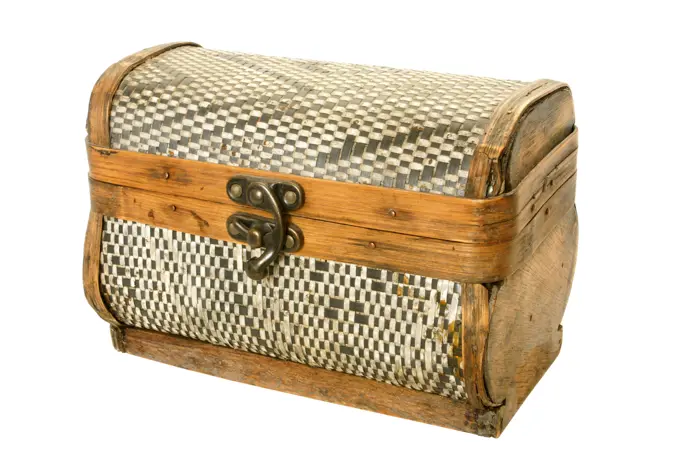
Intricately designed wooden boxes and chests with ornate carvings and inlaid patterns, reflecting historical craftsmanship from different cultures.
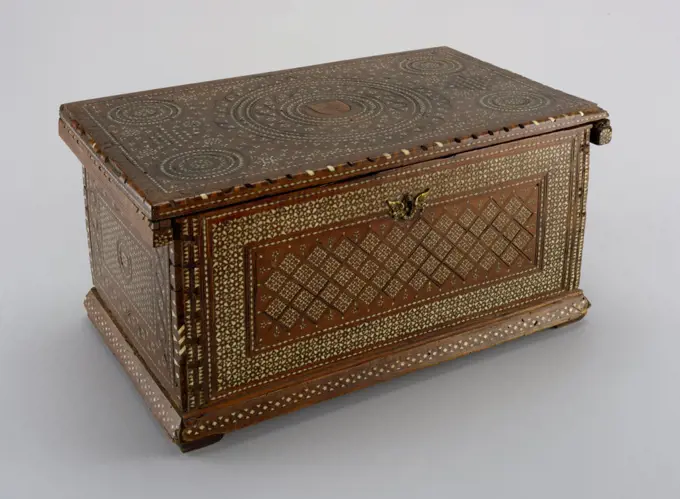
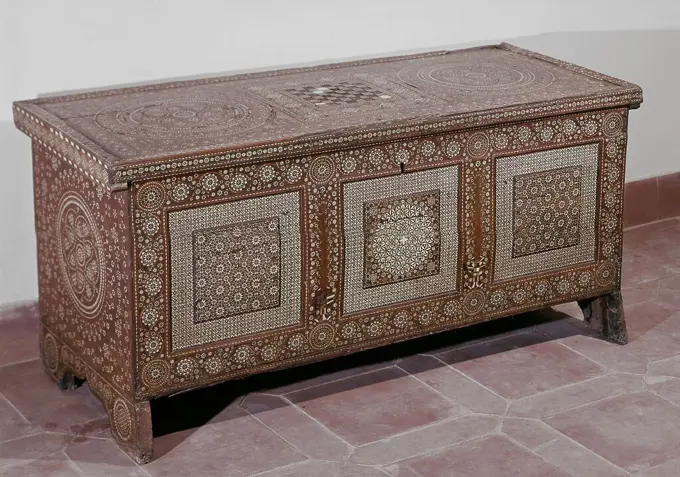
Chest, wood, inlaid, late 15th-early 16th century, furniture, Decorative Arts, Chest
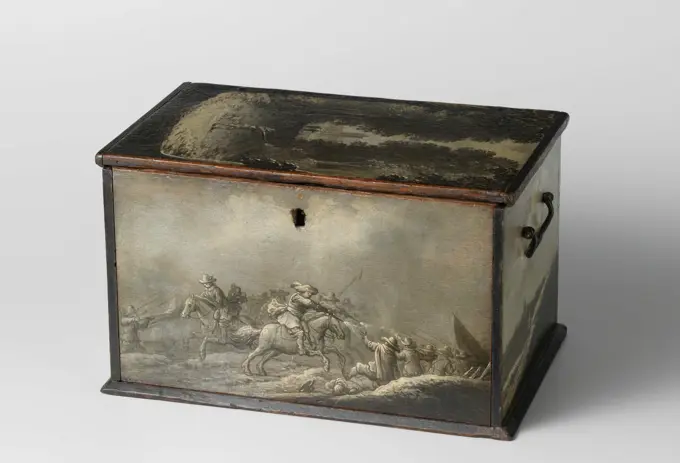
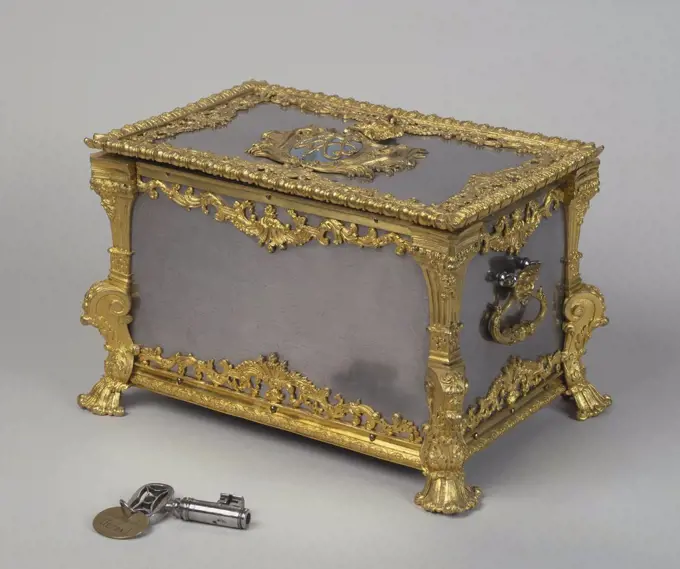
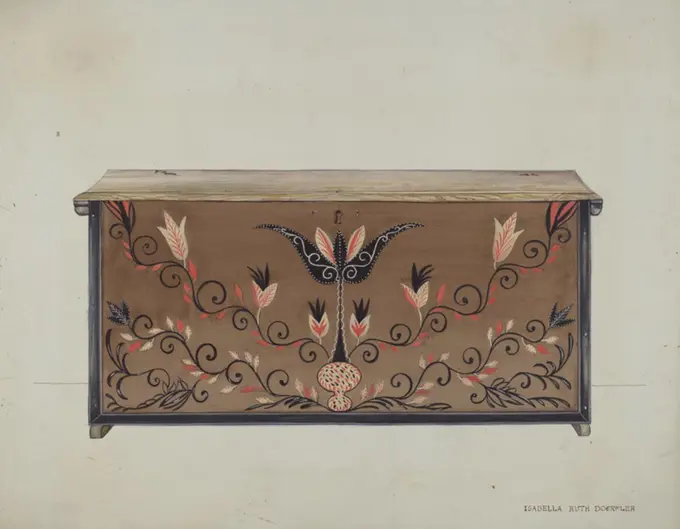
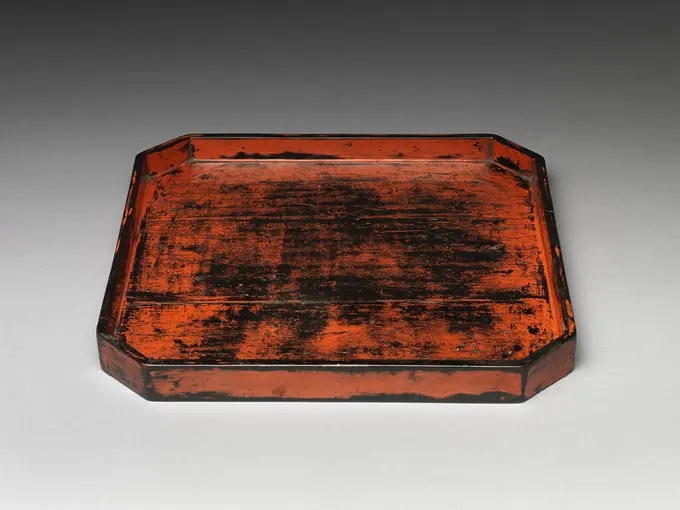
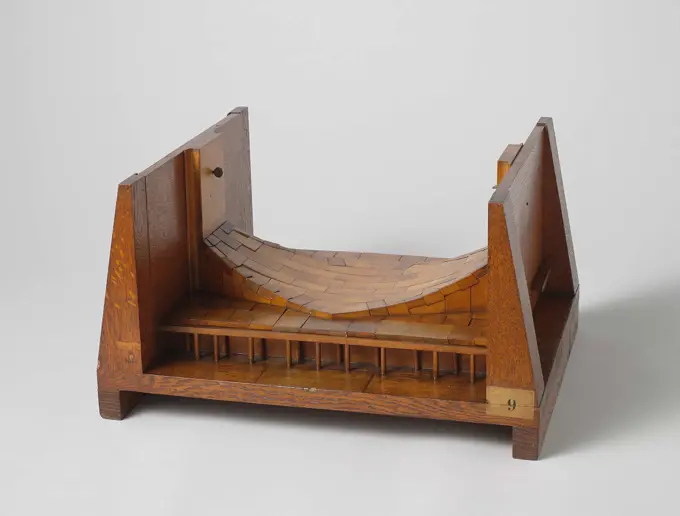
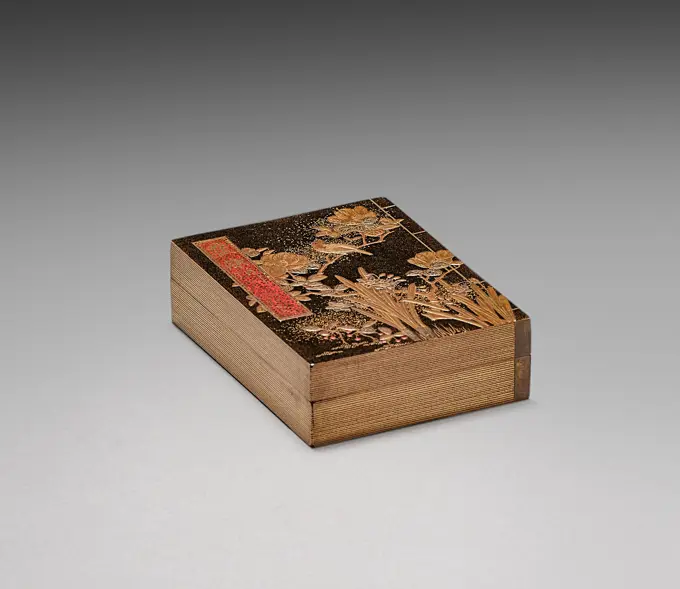
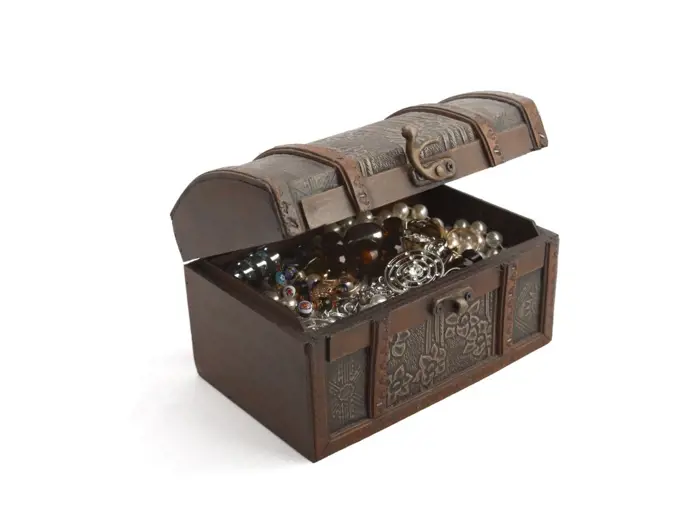
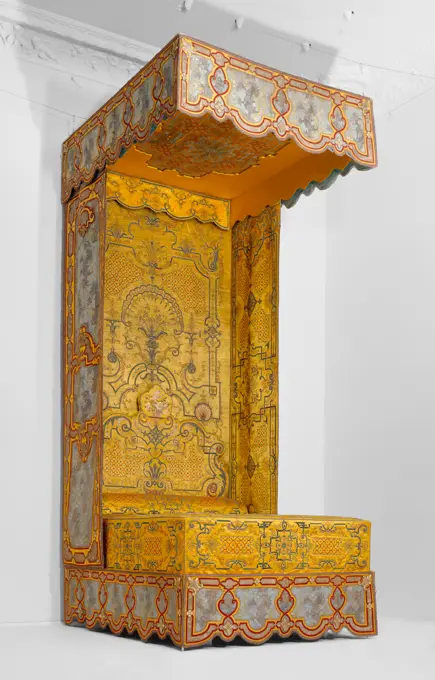
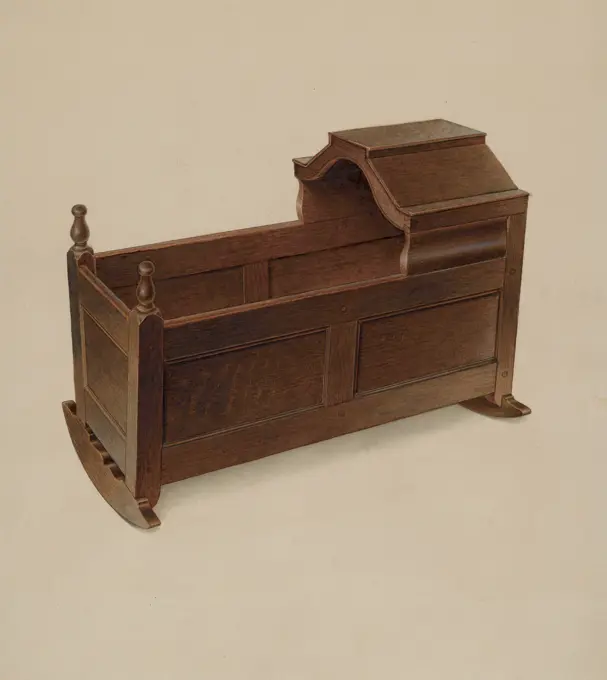
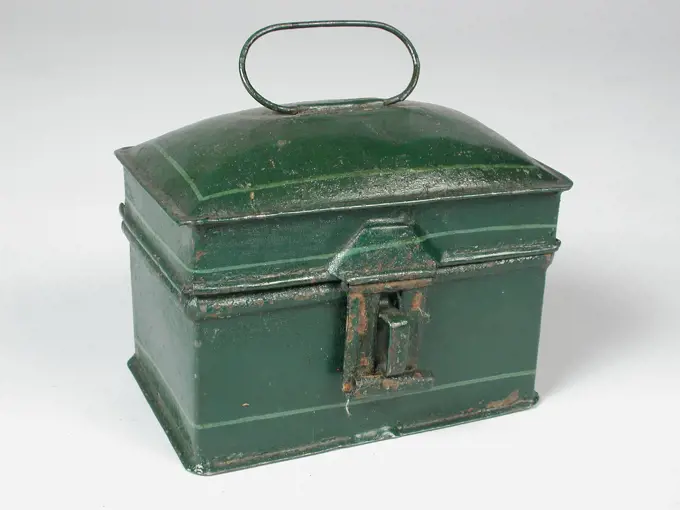
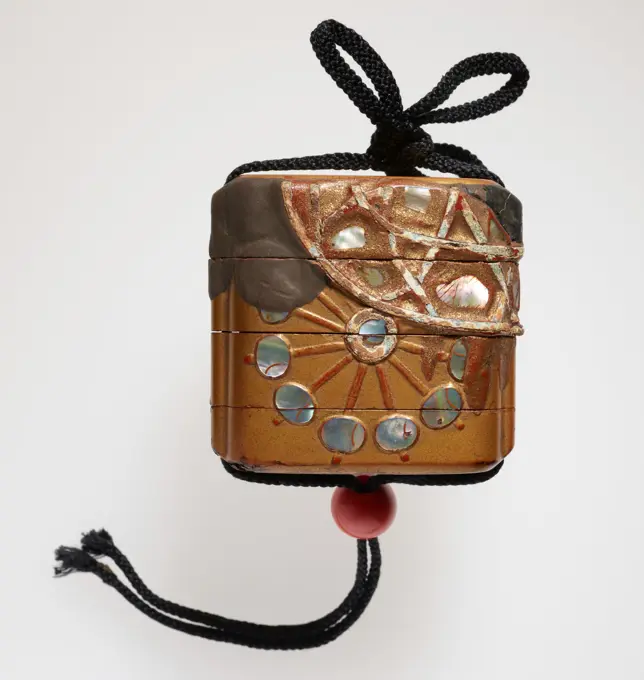
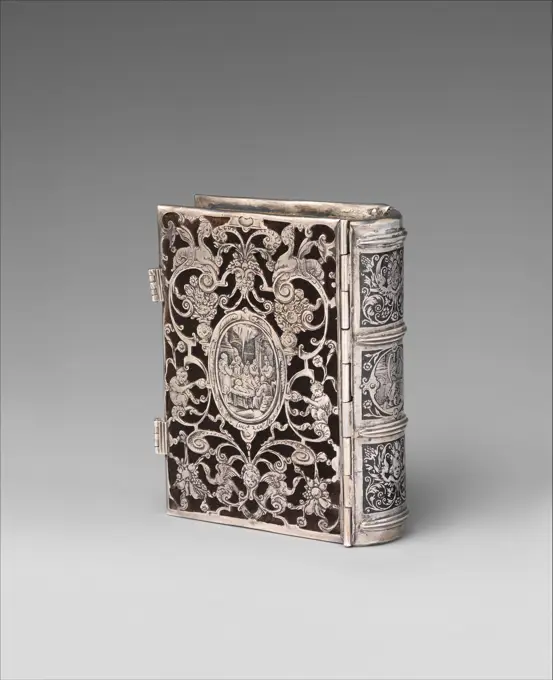
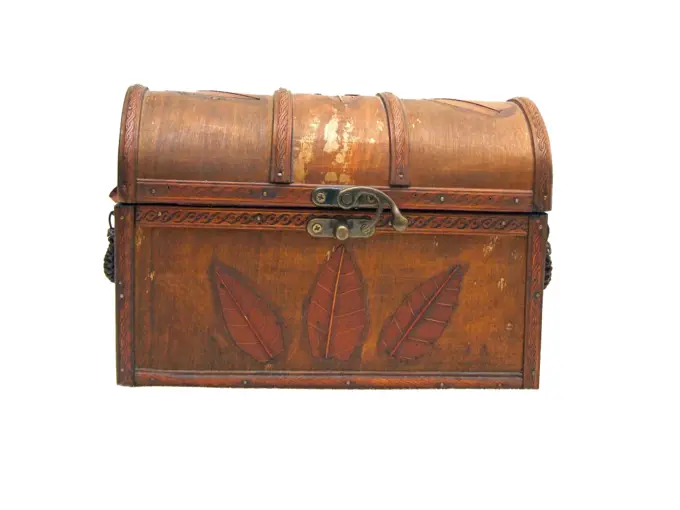
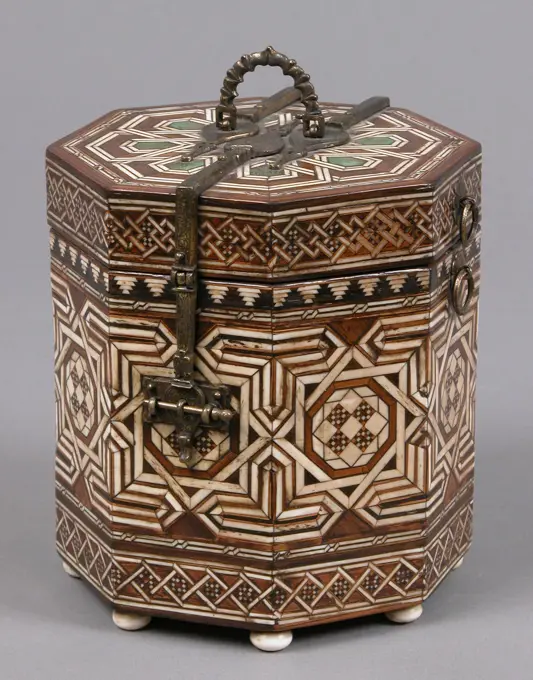
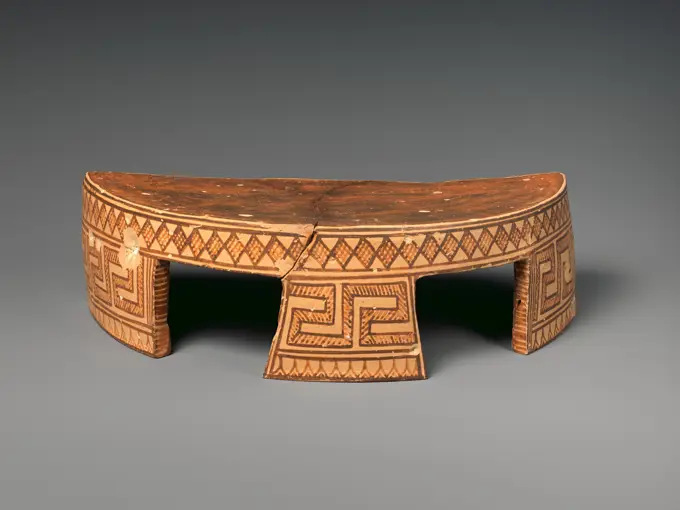
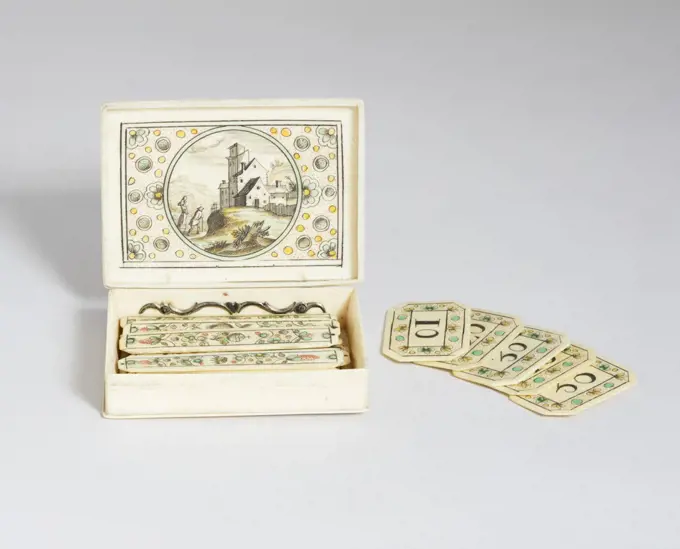
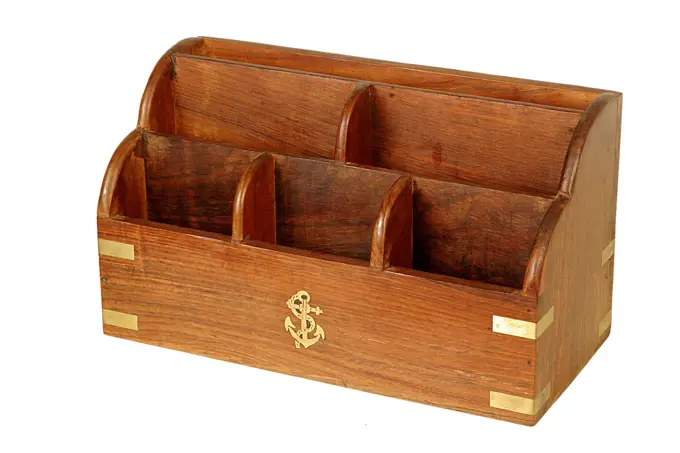
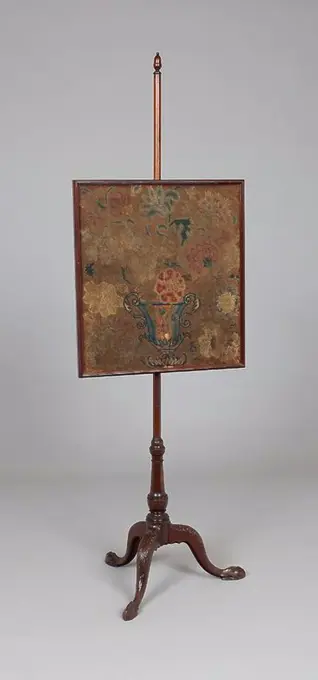
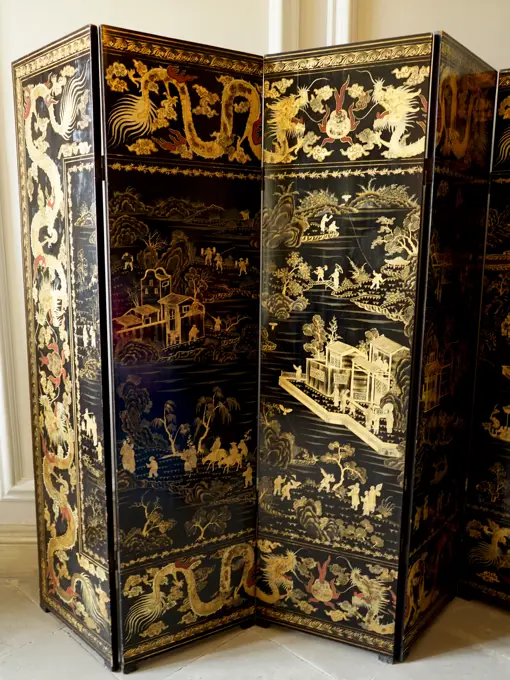
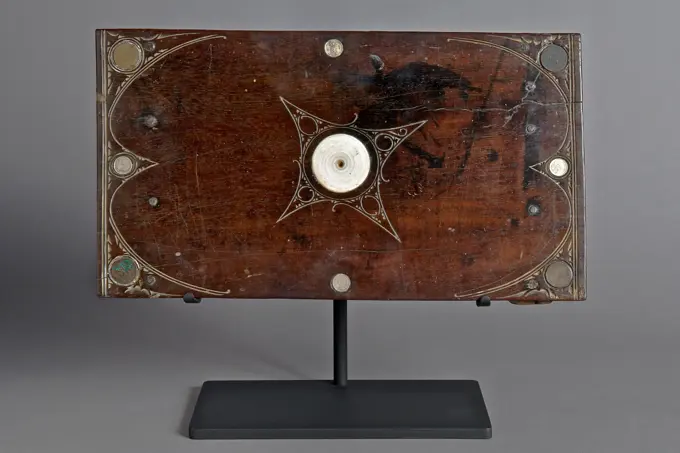
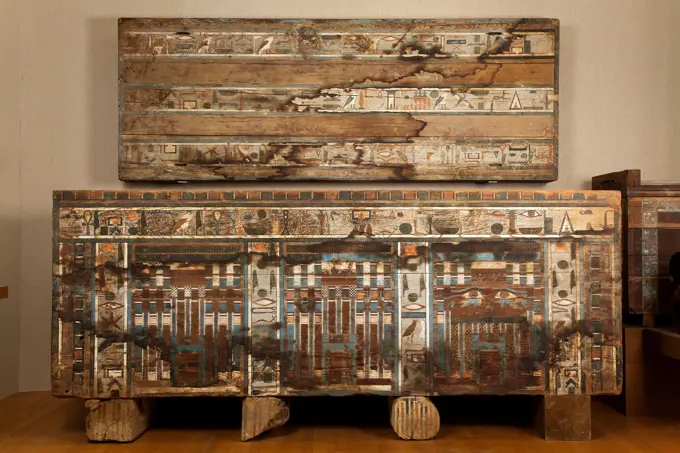
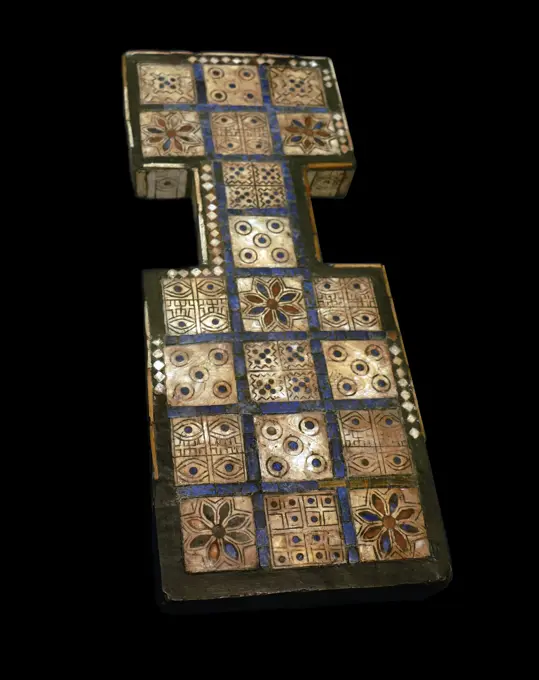
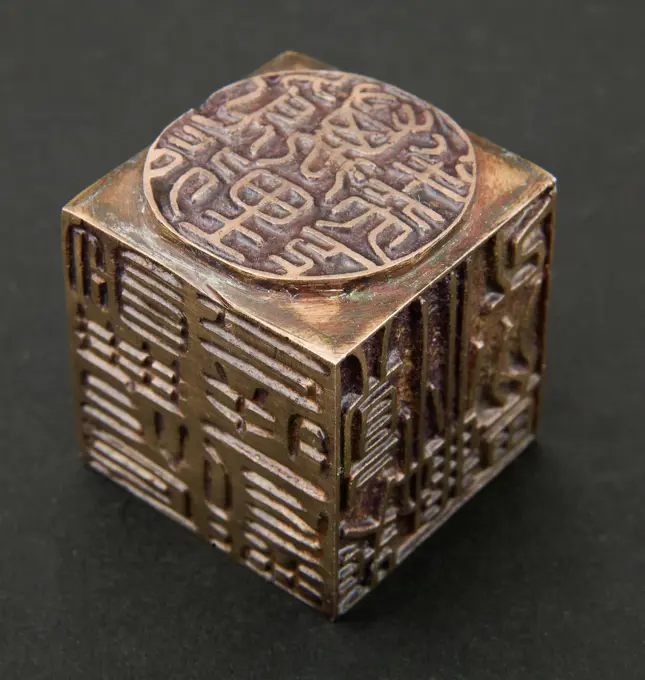
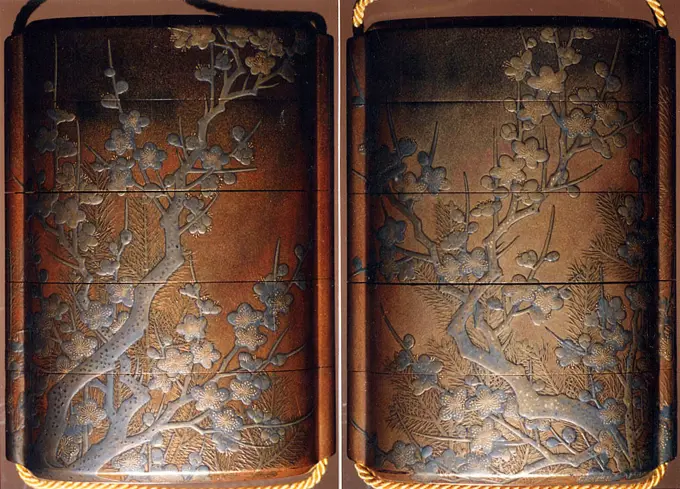
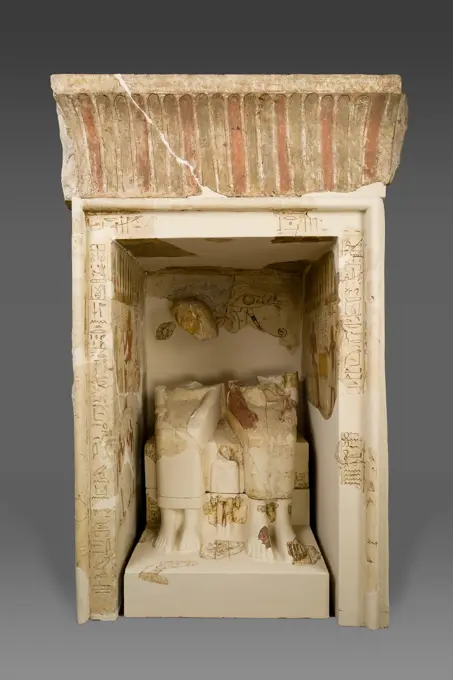
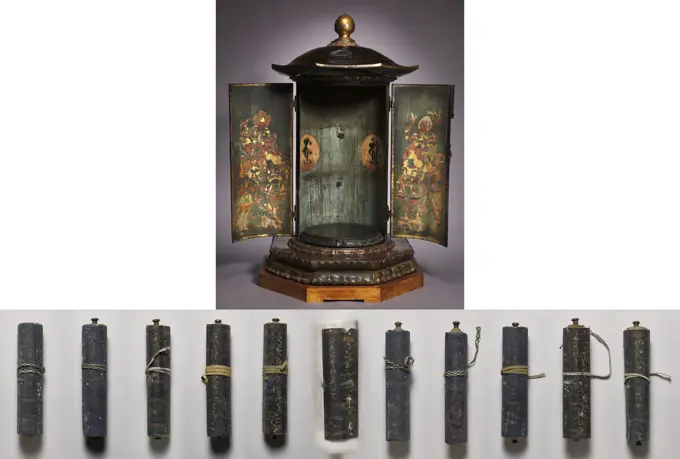
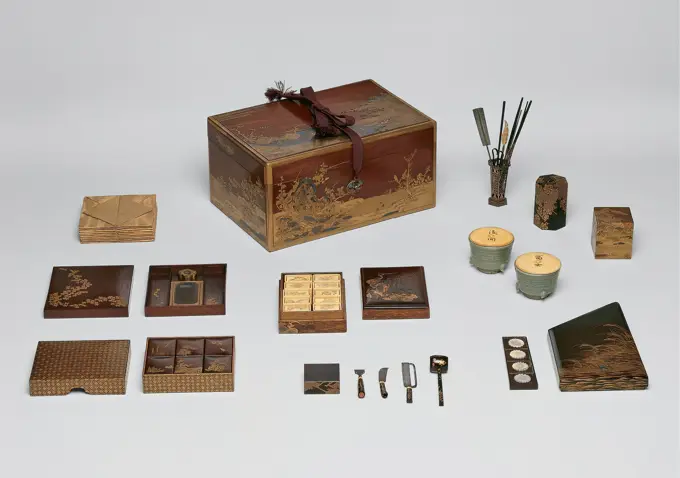
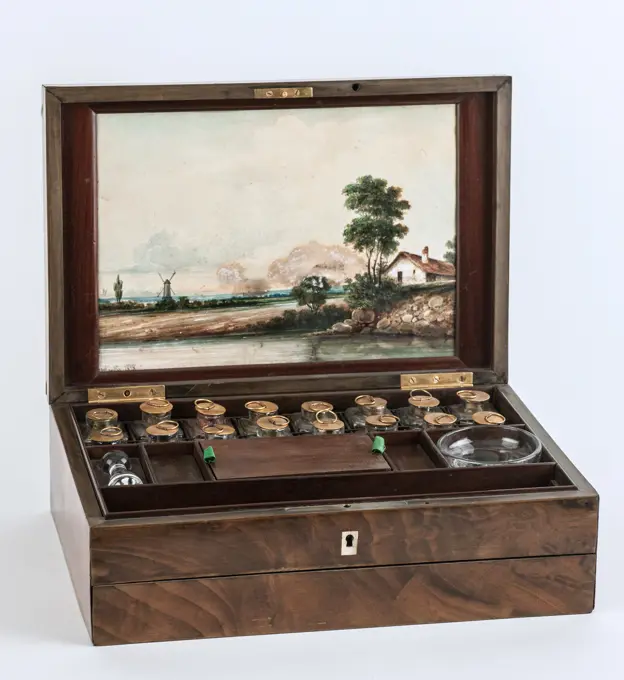
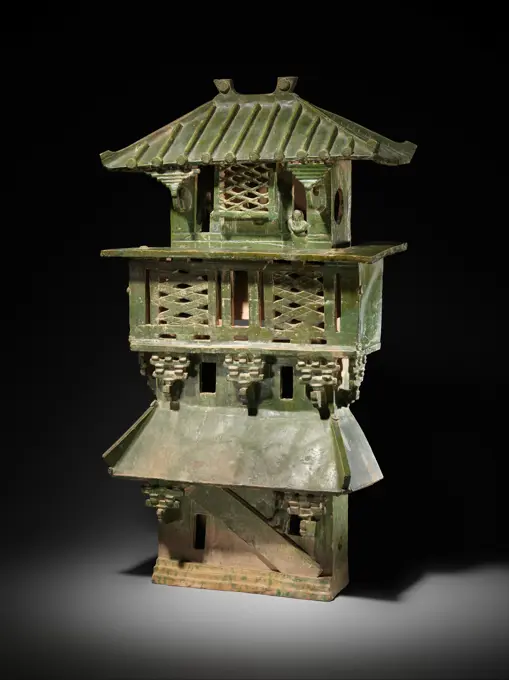
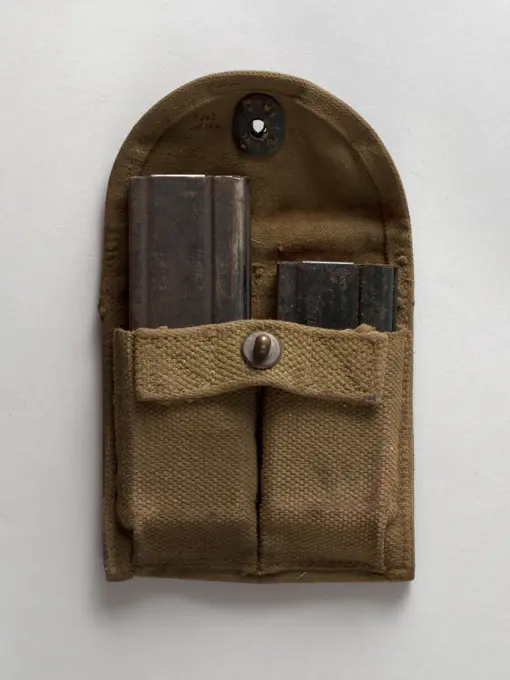
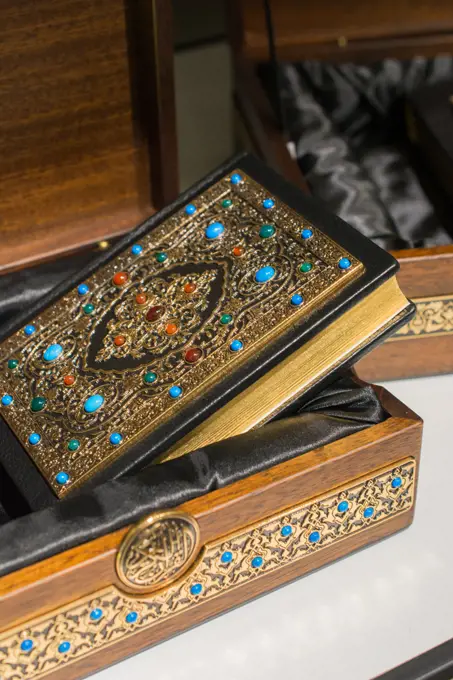
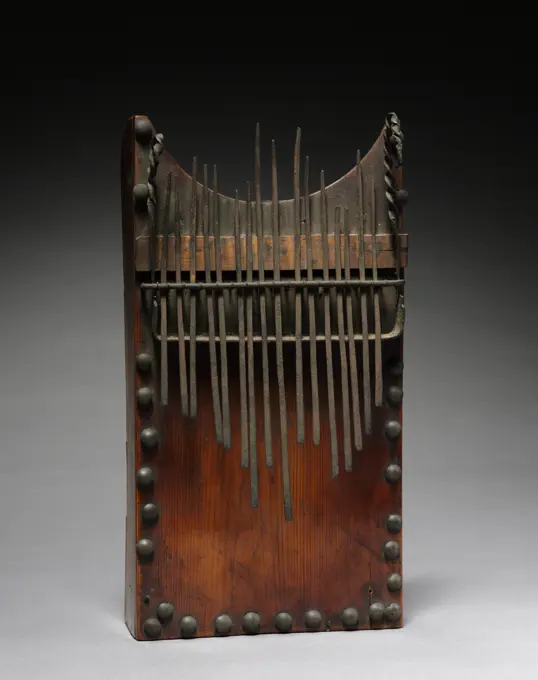
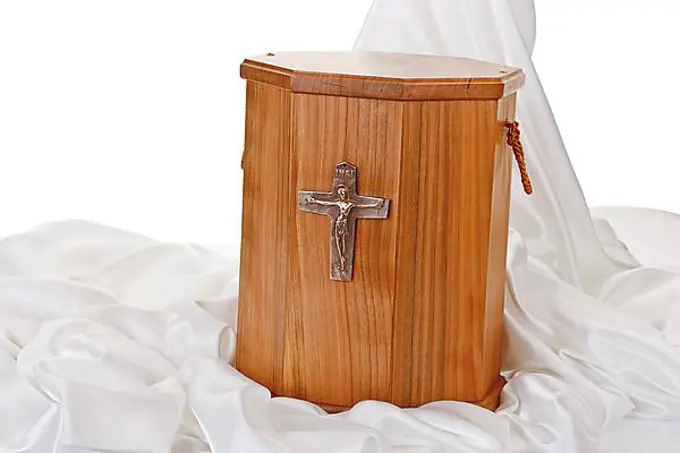
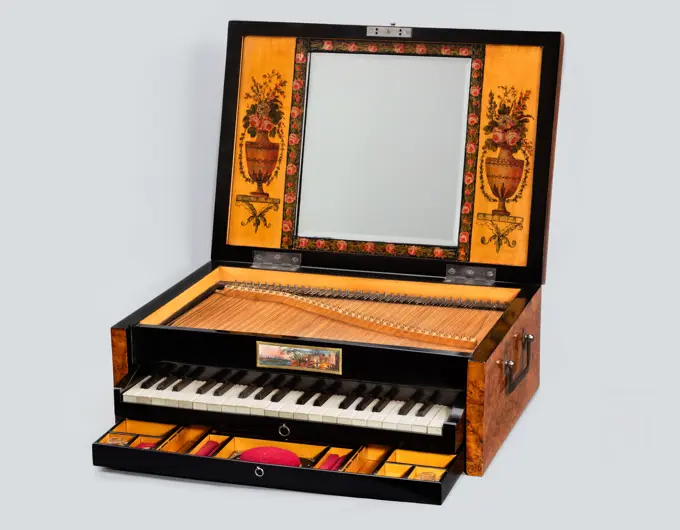
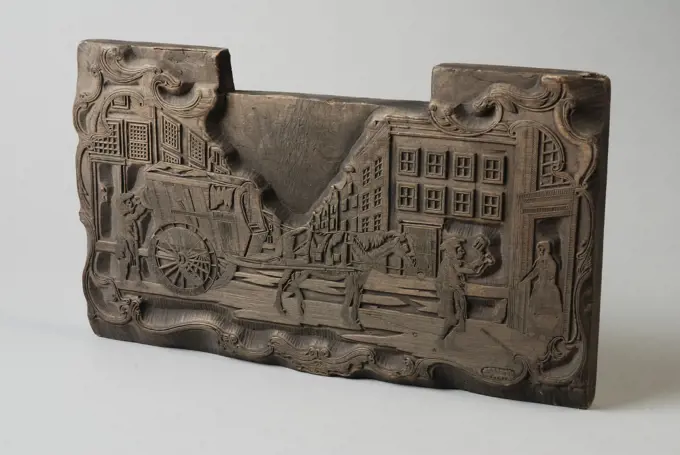
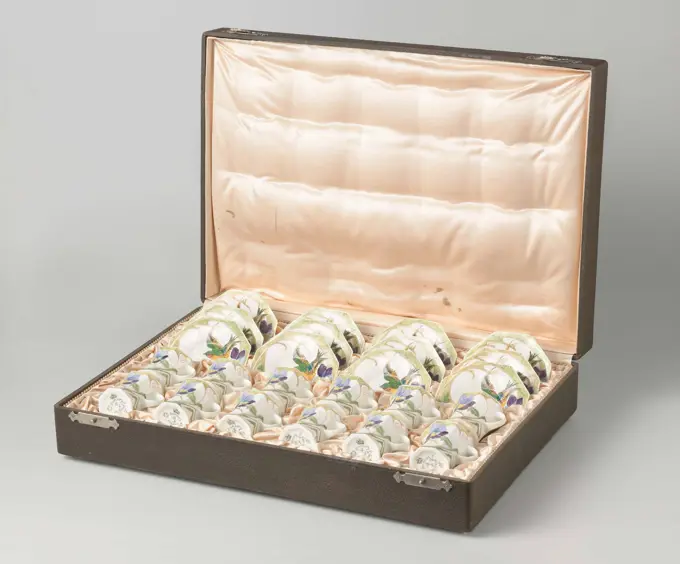
Old casket from birch bark Old casket from birch bark isolated on the white background Copyright: xZoonar.com/OlgaxPopovax 1733079Tiered Food Box with Summer and Autumn Fruits. Artist: Shibata Zeshin (Japanese, 1807-1891). Culture: Japan. Dimensions: H. 16 1/8 in. (41 cm); W. 9 in. (22.9 cm); D. 9 5/8 in. (24.4 cm). Date: ca. 1868-90.This box, designed for the storage and serving of sumptuous edibles at festive occasions, has a continuous design of summer and autumn fruits, including grapes, melons, loquats, and pears. The lacquer ground is a rich, very dark brown decorated with metal and colored lacquer applied using a variety of techniques to create the different fruits. Museum: Metropolitan Museum of Art, New York, USA.. Oak black painted painting box, mounted from inside or lined with red cloth and painted from outside with performances, including two equestrian battles, a grisaille with winter landscape with hunters, a water landscape with a duck cage and ducks, and two village scenes; A shepherd's scene on the inside of the lid. The coffin contains three drawers with drawing ring, the upper of which does not cause the entire width, with 34 painting supplies; under the lid eight boxes of different sizes.Thaetoof with loose lid and inner box of copper, anonymous, 1760 Round mahogany tea dice with loose lid and copper inner box. The four claw legs are made up of volutes and rocailles; Four asymmetrical flower and leaf vines spring from the knees. The sculpted edge at the bottom of the stew shows rosettes in a medallion, above which an openwork bow with leaf work. At the front there is a drawer with a gilded copper button; Two gilded copper bent handles with rocailles and leaf work on the sides. Cover with bell -shaped crown with round button. Northern Netherlands wood (plant material). mahogany (wood). copper (metal) Round mahogany tea dice with loose lid and copper inner box. The four claw legs are made up of volutes and rocailles; Four asymmetrical flower and leaf vines spring from the knees. The sculpted edge at the bottom of the stew shows rosettes in a medallion, above which an openwork bow with leaf work. At the front there is a drawer with a gilded copper button; Two gilded coppeThe Safe-Casket of Peter I, Fromery, Pierre (1659-1738)Guilford Blanket Chest. Dated: c. 1936. Dimensions: overall: 27.9 x 35.1 cm (11 x 13 13/16 in.) Original IAD Object: none given. Medium: watercolor, colored pencil, gouache, and graphite on paper. Museum: National Gallery of Art, Washington DC. Author: Isabella Ruth Doerfler.Serving Tray with Angled Corners. Culture: Japan. Dimensions: H. 1 3/8 in. (3.5 cm); W. 14 7/16 in. (36.7 cm). Date: 15th-16th century.Probably used to hold a simple meal of rice, soup, and vegetables, this tray derives its shape from ceremonial offering trays made of pieced cypress; implements of this type have been used in Japan since the eighth century. Quotidian objects such as this one, which are made of wood covered with black and red lacquer, are treasured in Japan for the effect created over time as the black base emerges from beneath the worn red lacquer topcoat. Museum: Metropolitan Museum of Art, New York, USA.Plejerko in the shape of a manner of the "ruyi" liability from the cover;  18th century (1701-00-00-1800-00-00);Inkstone (Suzuri) with Gourd Vine late 16th-early 17th century Japan. Inkstone (Suzuri) with Gourd Vine 49283Gold cube Small golden cube footstool at parquet floor Copyright: xZoonar.com/Baloncicix 7112115Lodder Endoos, Smith Edward, 1842 - 1843 Loddereindo box of silver, with openwork inner lid. In a coat of arms: Remember and Dr. Birmingham silver (metal) Loddereindo box of silver, with openwork inner lid. In a coat of arms: Remember and Dr. Birmingham silver (metal)Brush Holder mid-19th century Japan. Brush Holder. Japan. mid-19th century. Red lacquer with raised design. Edo (1615-1868) or Meiji period (1868-1912). LacquerModel of the Outer Sill of the Lock at Flushing. Model of the outside threshold of the sea dock lock in Vlissingen showing the improvements and recovery work carried out in 1847-1848 on the lock. The bricks of the lock are each proposed by a loose and numbered piece of wood, which are all to be removed as with a puzzle. The model also shows details of the hosting. Scale 1:50 (Scale by model).Anonymous Roman Master (Italy (Rome)). Cassone (ca. 1550 - 1595). Walnut. 76 x 182 x 62 cm. Museum: Museo Nacional Thyssen-Bornemisza, Madrid.Nested Boxes with Chrysanthemums (inner box), early 1900s. Japan, Meiji period (1868-1912). Lacquer; overall: 0.7 x 5.8 x 4.2 cm (1/4 x 2 5/16 x 1 5/8 in.).Brass design fitting on antique wooden box, Jodhpur, Rajasthan, India Copyright: xSafatxAli/DinodiaxPhotoxA wooden patterned casket  filled with jewelry half open.  Isolated on white backgroundWooden Moveable Type, probably 1800s. China, Nigur, 19th century . Wood; overall: 2 x 1.6 x 1.4 cm (13/16 x 5/8 x 9/16 in.).Hangings for a Bed (Lit à la duchesse). UnknownDoll stove with nine holes. Doll stove with nine holes.Bandbox, Steam Locomotive; USA; block-printed paper, pasteboard support; 41.5 x 32 x 29 cm (16 5/16 x 12 5/8 x 11 7/16 in.)Alfred H Smith, Cradle, c 1936 Cradle. Bird cage decorated with flowers, plants and birds in gold, white and red lacquer.Sewing machine, Silver, Filigree miniature comprising sewing machine form on rectangular table top with decoration in three panels, on scrolled supports. The working parts consist of a treadle, crank, slotted arm, and needle., Italy, mid-19th century, miniatures, Decorative Arts, Miniature, MiniatureSpanish-Arab chest of the Leire monastery, 1004 after Christ. manufactured in the Madinat Al-Zahira workshop, Museum of Navarra, Pamplona, Navarra,Spain.Casket (Cofrecillo). Unidentified artist. Mexico, Puebla, 18th century. Furnishings; Accessories. Wood, metal, tortoiseshell, bonemetal worker: Gresnich, Green painted rectangular miniature bread bin, bread bin drum miniature toy relaxant model metal paint, curved soldered painted tinplate tin Oblong rectangular Sphere lid middle on top of handle Solid latch. Hanging eye at the rear of the valve cover. Dark green with light green piping. Inside: lid green drum dirty 1868 Sibilla van Embden play store kitchen breadBrass design fitting on antique wooden pen box, Jodhpur, Rajasthan, India Copyright: xSafatxAli/DinodiaxPhotoxFarm Shed with Grain Mill 25 CE-220 CE China. This humble-looking burial model illustrates two notable inventions in engineering and architecture that were in used widely during the Han dynasty. The rotary mill, worked by a pedal-operated hammer, was used to prepare grain for flour. The shed that encloses it has a deeply overhanging tile roof supported by a wood column with projecting bracket arms. This type of bracketing, which transferred the weight of the roof to the column, became an increasingly important feature of later Chinese buildings.. Brick-red earthenware with green lead glaze .Snuffbox 1769-1770 Louis Roucel French. Snuffbox 460566Vase, Enameled tôle, Square in plan, flaring toward top, with rolled edges. Red field, decorated on three sides in gilt, with trophies, and a band of grapes in gilt on all four sides., France, ca. 1825, metalwork, Decorative Arts, Vaseisolated old trunk on white background with clipping pathAltar High Chair (Kyo-Yi), 1800s. Korea, Joseon dynasty (1392-1910). Pine nut wood; overall: 128.4 x 52 cm (50 9/16 x 20 1/2 in.).Wide three-case inro showing plovers in flight above waves, stone basket and water wheel, Early 18th century, Koma Kyūhaku; Artist: Style of Ogata Kōrin, Japanese, 1658 - 1716, 2 5/16 × 2 1/2 × 7/8 in. (5.87 × 6.35 × 2.22 cm), Lacquer (kinji, takamaki-e), gold, silver, raden; ojime; silk cord, Japan, 18th century, A number of different motifs are fit onto this compact four case inrō, beginning with a 'plover over waves' design in the style of the Rinpa artist, Ogata Kōrin (1658-1716). The plovers are executed in chunky mother-of-pearl inlays and takamaki-e, and fly over mountainous waves that simulates the look of pewter sheetingan element favored by Kōrin and his predecessor, Hon’ami Kōetsu (1558-1637). Oversized inlays are used for the depiction of the water wheel and rock basket as well, creating an artfully cluttered composition. The imagery of plovers over waves is a common Japanese literary convention, which seems to have first appeared in the Kojiki, an 8th-century compendium oMountain Hermitage in Summer Wang Wen (Chinese, 1497-1576). Mountain Hermitage in Summer, 16th century. Hanging scroll, ink on paper, overall: 93 x 30 3/16 in., 35 in. with rollers.   Asian Art 16th centuryFall-Front Cabinet with the Monogram of Sultan Abdulhamid IISand spreader. Sand spreader of stoneware.Book cover ca. 1610-20 Dutch, possibly Amsterdam This exquisite openwork binding may have been created in Amsterdam, where the book of Psalms it contains was published. The scrolling grotesque decoration includes medallions with The Annunciation (front) and The Adoration of the Shepherds (back), while King David playing before Saul is engraved on the spine. This precious object eloquently illustrates the esteem in which Dutch Protestants held the hundred and fifty Psalms, oft-invoked of lament and praise.. Book cover. Dutch, possibly Amsterdam. ca. 1610-20. Silver, lined with black velvet, containing a contemporary psalter. Metalwork-Silver In CombinationTop Secret Old wooden crate with text Top Secret on dirty concrete floor. Copyright: xZoonar.com/J.xSandvikx 1792982isolated wood boxATRIL DE PLATA LABRADA - SIGLO XVIII. Location: ESCUELAS MENORES-MUSEO UNIVERSITARIO. SALAMANCA. SPAIN.Octagonal Box late 12th or early 13th century Spanish One of the many techniques mastered by woodworkers in al-Andalus was marquetry - fitting small pieces of different materials together, jigsaw-like, to create a pattern. This box incorporates thin slices of different species of wood, some stained green, together with ivory or bone. Its octagonal shape, complemented by 8-pointed stars on the lid and base, is echoed in the central pattern on each of the sides. The band of linked, rotated squares on the sides of the lid strongly resembles a marquetry pattern found on the late-12th or early-13th century minbar of the Qasba Mosque in Marrakech, perhaps made by Andalusi craftsmen, suggesting a similar date for this box.. Octagonal Box. Spanish. late 12th or early 13th century. Ivory or bone, various woods, polychromy, gilt-copper alloy mounts. IvoriesLesser of a butcher. .Chest. Dated: c. 1939. Dimensions: overall: 45.6 x 51.9 cm (17 15/16 x 20 7/16 in.) Original IAD Object: 3'6 3/4"high; 3'6 1/16"wide; 19 5/16"deep. Medium: watercolor, colored pencil, and graphite on paperboard. Museum: National Gallery of Art, Washington DC. Author: Ferdinand Cartier.Terracotta semicircular stand 8th century B.C. Greek, Attic The typology of ceramic shapes was well established as early as the Geometric period. Pieces such as this one, however, demonstrate the existence of atypical shapes that were probably specially ordered for specific functions. The stand may have held offerings, such as fruit and grains.. Terracotta semicircular stand. Greek, Attic. 8th century B.C.. Terracotta. Geometric. VasesARCON DE TARACEA VENECIANA DEL SIGLO XV. Location: CATEDRAL-INTERIOR. Toledo. SPAIN.Box and game pieces, Marten de Vos, Flemish, 1532-1603, Julius Goltzius, Dutch, died ca. 1595, Engraved and stained ivory, Game-counter box, rectangular, with hinged cover showing crowned female figure representing Europe, holding sceptre and orb, seated on a horse-drawn chariot. Inside, game counters. One of a set of four boxes (1960-1-13-1a/v / 4a/v)., Probably France, late 17th century, toys & games, Decorative Arts, Box and game piecesGift box isolated on whiteBirdcageBrass design fitting on antique wooden letter holder box, Jodhpur, Rajasthan, India Copyright: xSafatxAli/DinodiaxPhotoxBox lacquer, AnonymousTravel album Bath with Speeldoos, Anonymous, R. Tudor Williams, 1860 - 1900 musical box Photo album with 22 pages with a total of 22 photos, all cartes-de-visiting. The album mainly contains portraits, but also a number of faces on Bath. A play box has been confirmed in the back of the album.  photographic support. cardboard. leather. metal albumen print historical persons. adult man. adult woman. child. church (exterior). street BathSnuff box unknownGlass bottle, one of eight, c. 1745, Glass bottle with gold stopper and top, Germany, 18th century, The box is decorated with scenes from the life of St. Nicholas of Myra. This fourth century Greek bishop, who was the patron saint of children, sailors and travelers and the guardian of young women, was the forerunner of St. Nicholas or Father Christmas.Retro old chests  for traveling 19th century.chest. Old chests  for traveling 19th century.Puzdro;  the beginning of the 20th century (1900-00-00-1910-00-00);Photo album Leiden students with 211 photos. .Two old historical books beautiful vintage cover on a white background. Two old books beautiful vintage cover on a white backgroundtattered book stack isolated on white backgroundSnuffbox 1758-59 Charles Le Bastier French In eighteenth-century Europe, Paris led the production of high-quality luxury goods. Parisian goldsmiths made a wide range of small, personal articles such as snuffboxes; étuis to hold sealing wax, tweezers, or utensils for sewing; souvenirs, which contained thin ivory tablets for note taking; and shuttles for knotting lace. Gold snuffboxes and boxes decorated with portrait miniatures were prized and frequently given as royal gifts, often to ambassadors or members of the court in lieu of cash payments for their services. Coveted and admired, these boxes were produced from a variety of materials. The best were skillfully made of gold and embellished with diamonds, enameled decoration, lacquer, and other luxurious materials. By the middle of the century, the taking of snuff had become an entrenched social ritual, and the snuffbox, too, had become an important social prop. Snuffboxes were considered highly fashionable accessories, with some merchMan's Bag, first quarter of the 19th century, 16 1/2 x 6 3/16in. (41.9 x 15.7cm) (overall), Leather, silk, metal; embroidered, Morocco, 19th century, Professional male embroiderers living in northern Morocco's Riff Mountains produced leather objects that were used throughout the country. The elaborate embroidery done on leather for men's accessories such as this bag has a long tradition in the country and has been much appreciated by foreign visitors. Delacroix and other European artists working in northern Morocco during the 19th century often included depictions of embroidered leather and other highly decorative fabrics in their paintings.Cardtable. Maker, attributed to: Adam Hains, American, 1768-1846Box 18th century Swiss. Box. Swiss. 18th century. Wood, painted. Woodwork-FurnitureChest of gilded poplar wood, front board decorated with reliefs in stucco and divided by two columns with scaly shaft in three in which performances with regard to the celebration of a festive meal with dance and music in a room, anonymous, c. 1500 Chest of gilded poplar wood. The front board is decorated with reliefs in stucco and is divided by two columns with scaly shaft into three parts, which exhibit performances with regard to the celebration of a festive meal with dance and music, in a room submitted by arches. The left and right field, as well as the sides, show itself in the background repeating leaf motifs and at the top of a edge with arches. The pedestal is profiled. The lid has clamps on the corners. Italy wood (plant material). poplar (wood). stucco. gilding (material). iron (metal) gilding Chest of gilded poplar wood. The front board is decorated with reliefs in stucco and is divided by two columns with scaly shaft into three parts, which exhibit performances with regardFire Screen. American; Eastern Massachusetts. Date: 1760-1785. Dimensions: 158.1 × 50.2 cm (62 1/4 × 19 3/4 in.). Mahogany. Origin: Eastern Massachusetts. Museum: The Chicago Art Institute, Chicago, USA.Box. Round, red lacquer box, decorated with flower branches in yellow, green and bronze paint.Old red tin round candy box Old red tin round candy box isolated on white Copyright: xZoonar.com/AntonxStarikovx 21772363Accordion ca. 1835 British. Accordion 503681Chinese lacquered black and gold, 18th century screenEngraved Board with Shells andCoinsOuter coffin of Hapiankhtifi ca. 1981-1802 B.C. Middle Kingdom The large outer coffin belonging to the steward Hapiankhtifi was found in a pit tomb at Meir. Inside were nested two smaller coffins, one rectangular and the second anthropoid (see 12.183.11b and c.1-.2). The exterior of the outer coffin is decorated with a horizontal band of inscription around the top of the box, and with vertical bands at regular intervals around the sides; the lid is also adorned with long bands of text. These contain offering and mortuary prayers designed to ensure Hapiankhtifi's successful transition to the afterlife and his eternal existence there. A pair of wedjat eyes has been painted at the head end of one of the long sides, so that the mummy, placed on its side within the nest of coffins, could see out. Between the bands of inscription are representations of niches, brightly painted to resemble textiles. These echo the "palace facade" seen on earlier coffins and sarcophagi (see 12.187.54), and reiBarber's case, 18th century, 11 x 4 1/2 x 4 1/2 in. (27.94 x 11.43 x 11.43 cm), Silver, tortoise shell, wood, silk, stone, Portugal, 18th centuryThree-door cabinet made from oak, ebony, pietre dure, gilt-bronze, once owned by King William II. Dated 1838The Royal Game of Ur, found in the Royal Tombs of Ur in Iraq by Sir Leonard Woolley in the 1920s. dating from the First Dynasty of Ur, before 2600 BC, thus making the Royal Game of Ur one of the oldest examples of board gaming Stamp unknownCase (Inrō) with Design of Young Pine Trees behind Flowering Plum Tree mid-18th century Japan. Case (Inrō) with Design of Young Pine Trees behind Flowering Plum Tree 58399Shrine with statues of Amenemhat and his wife Neferu ca. 1850-1750 B.C. Middle Kingdom. Shrine with statues of Amenemhat and his wife Neferu 544166Model of An Officers' Launch, Rijkswerf Vlissingen, 1835 ship model. fully rigged model. instruction model Test model on a standard. Overnaadse double string sloop, stretch around with flat mirror; A foreclosure, five dids and railway sticks, and an open cabin with side rods. Three -part trusses. Easy stir with a curled brass tile stick. The rig consists of a mainsail and breeding, both logger sailing. The model has ten rowing germs, a running corridor and two boat hooks. Scale 1:20 (scale on model). Flushing wood (plant material). brass (alloy). rope. textile materialsRepository for the Great Perfection of Wisdom Sutra and Eleven Volumes of the Great Perfection of Wisdom Sutra, late 1100s. Japan, Heian period (794-1185). Lacquered wood with ink, color, gold, cut gold, and metalwork; height: 160 cm (63 in.). This repository is one of a pair that once contained the scrolls of a religious text called the Great Perfection of Wisdom Sutra. Two discs painted on the back have the sacred syllables representing the Buddha Shakyamuni and the Buddha Amida. Eight of the 16 benevolent but fierce looking deities who protect the text appear on the doors.Box and assorted implements for the incense game, 17th-18th century, Unknown Japanese, 6 × 11 7/8 × 8 in. (15.24 × 30.16 × 20.32 cm), Wood, lacquer, gold; metal utensils, Japan, 17th-18th century, Incense played a prominent role in aristocratic culture of ancient Japan. Aristocrats were expected to know how to mix aromatic imported woods with other plant products and compound them into burnable, fragrant incense. Popular ingredients included aloe, sandalwood, frankincense, pine, lily, cinnamon, and patchouli, among others. In the 1400s, this artful appreciation of incense developed further into the so-called Way of Fragrance, or kōdō, along with the Way of Tea (sadō or chadō) and the Way of Flowers (kadō, better known in the West as ikebana). In incense-based games, played with the set displayed here, participants take turns smelling, appreciating, and guessing the ingredients of a certain type of incense. In one variation of the game called 'Genji Incense' or Genjikō, types of incenseSuitcase Full Of Money With Umbrella AboveWatercolor box fitted with old bottles ". Box: wood, metal, mother -of -pearl, textiles; objects: glass, metal, pigments, paper, watercolor. Paris, museum of romantic life. Box, painting box, old bottle, metal, mother -of -pearl, paper, pigment, glass, watercolor, woodCentral Watchtower 1st-early 3rd century China Pottery models of houses and farm structures were commonly included in Eastern Han burials to provide for the afterlife.. Central Watchtower. China. 1st-early 3rd century. Earthenware with green lead glaze. Eastern Han dynasty (25-220). Tomb PotteryWar 1939-1945. Pocket and its two chargers for US M1 rifle. General Leclerc Museum of Hauteclocque and the Liberation of Paris, Jean Moulin Museum. 75312-2 39-45, American army, armament, weapon, rifle, charger, military equipment, etui, war 1939-1945, ammunition, object, pouch, second world war, canvasHoly Book Quran with decorative cover and  boxAsian gift or jewelry box isolated on a white backgroundThe box where Beard of the Islamic prophet Mohammed is set and displayed at Mevlana Museum in Konya,Turkey.28 August 2017. The box where Beard of the Islamic prophet Mohammed is set Piano, 1900s. Africa, Central Africa, Democratic Republic of Congo, Bushoong, 20th century. Wood, iron, and upholstery studs; overall: 16.2 cm (6 3/8 in.).Wooden urn placed on white velvetHand chair to transport sick people from the Madrid Brotherhood of Refuge, founded in 1615 to feeding the needy and caring the sick who were in the streets of the town. Second half of the 18th century. History Museum. Madrid. Spain.Travel piano. unknown, creatorWooden cliché for blessing with an image of two ashes with horse and wagon, cliché printer's equipment wood, cutting Wooden cliché for New Year's wish with the image of two ashes with horse and wagon; one of them empties container in the back of the car and the other the slave-man runs in front of the car and swings rattle; woman with an ash bucket or kettle in her hand is standing in the doorway of the house; the scene takes place at crossing of two streets with several houses in the background; the image is surrounded by list of C-shaped garlands Unreadable signature below: *** ECK Rotterdam topography cleaning cleaning city service cityscape cleaning service servant professionBuilding block -Bandbox (USA); Manufactured by Jesse Baker; block-printed paper on pasteboard support; 34 x 24 x 25 cm (13 3/8 x 9 7/16 x 9 13/16 in.)Anonymous / 'Case for the Lapis lazuli goblet with dragons and children'. 1650 - 1711. Leather, Wood, Metal, Velvet. Museum: Museo del Prado, Madrid, España.Leather hip flask for alcohol. Twelve heads and porcelain dishes in original rectangular black cassette, which is capittonated with beige side. The heads, with ear, and saucers are octagonal and polychrome painted with violets (purple, light and dark blue and yellow) within an ornamental decor. A bird has also been painted on the dishes. Labeled with: Kroon, Rozenburg, Stork, The Hague (upper each other); On the left the brand before 1913, on the right the work order number 332 (at a head of 333); under the painting mark of c.w.j. 't heart.Studio shot of old bible on white backgroundBox. Round wooden box, black lacquered. On the lid presentation of "the new Fransche Kaffe House" Kalverstraat 224 in AmsterdamPainting on antique wooden small almira , Jodhpur, Rajasthan, India Copyright: xSafatxAli/DinodiaxPhotox