Decorative Wooden Boxes

Intricately designed wooden boxes and chests with ornate carvings and inlaid patterns, reflecting historical craftsmanship from different cultures.
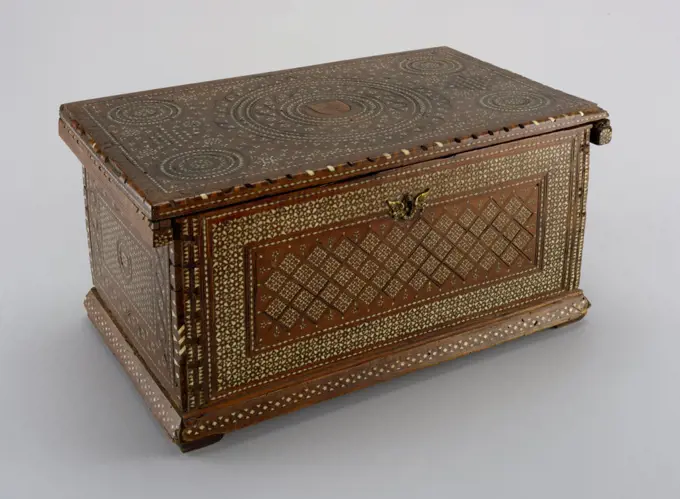
Chest, wood, inlaid, late 15th-early 16th century, furniture, Decorative Arts, Chest
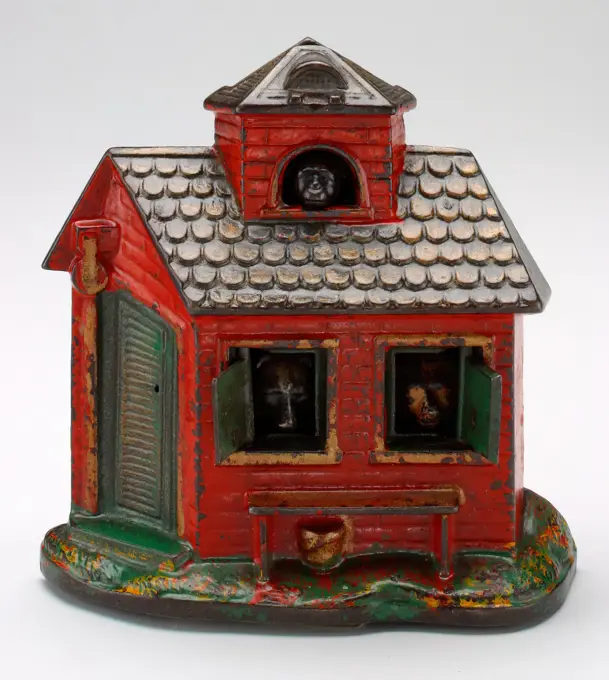
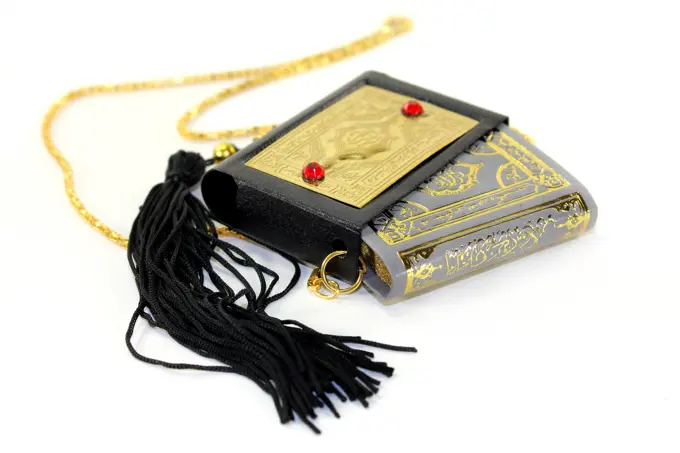
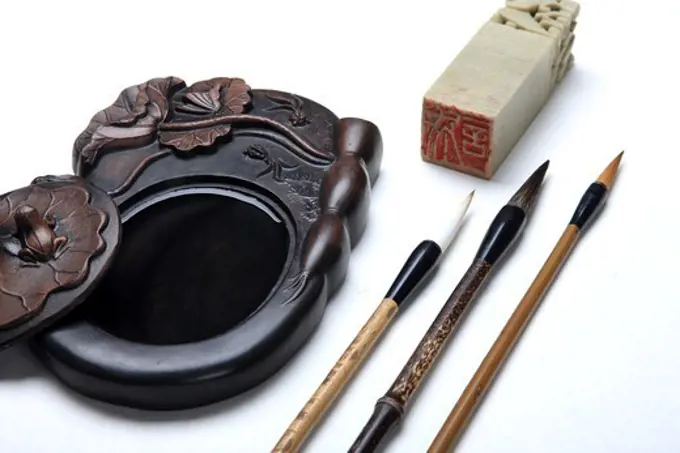
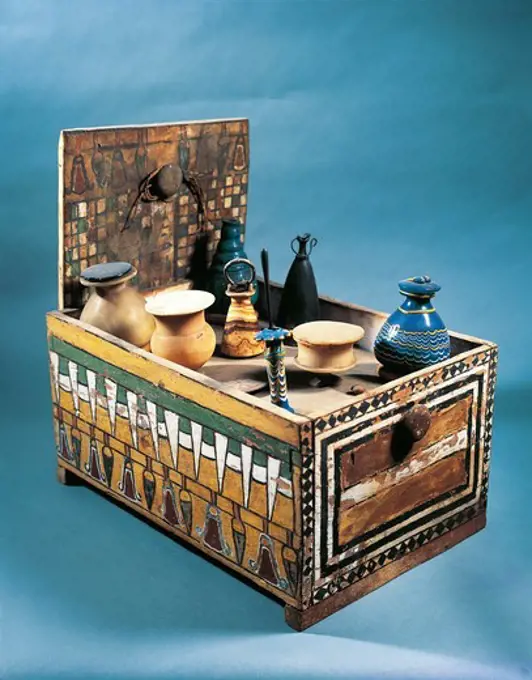
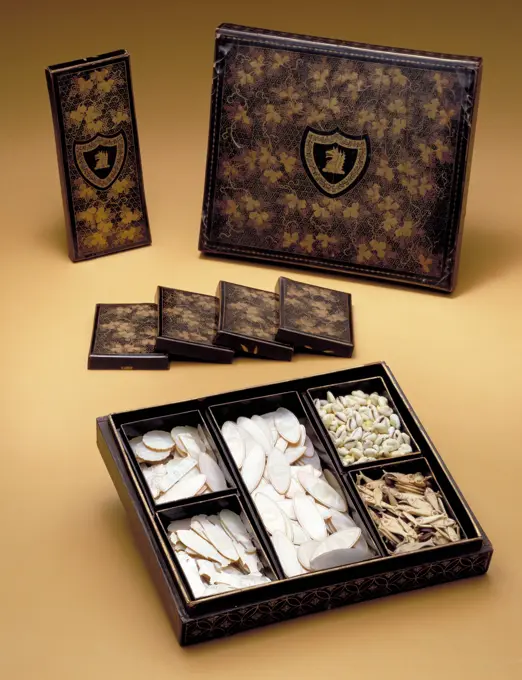
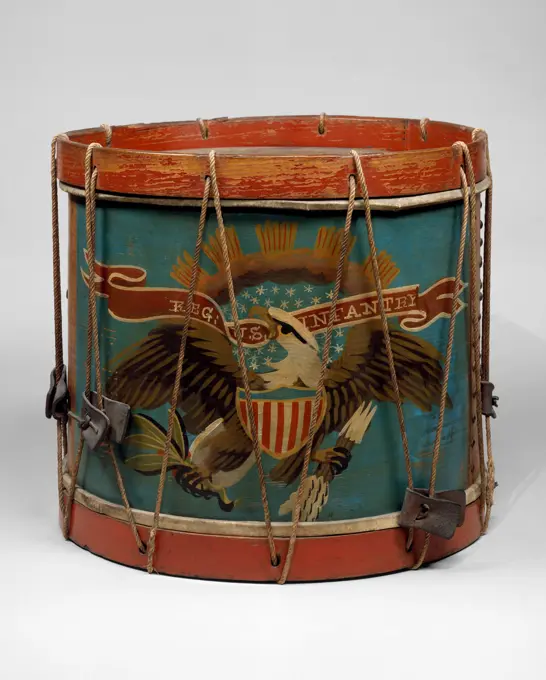
isolated old booksZoo Bank' mechanical bank, c. 1890s, Kyser & Rex Company, Philadelphia, c. 1879-1898, 4 x 4 3/16 x 1 1/2 in. (10.16 x 10.64 x 3.81 cm), Iron, pigment, 19th centuryKoran a Koran with case and chain copyright: xzoonar.com/simonevoigtx 6739329Double-fan Shaped Incense Box. Japan, mid-19th century. Ceramics. Hirado ware; porcelain with blue glazeInk stone and brush penEgypt, Toilet box and vessels from the tomb of Kha and his wife Merit in Deir el-Medina, eighteenth dynastyGame Box, 1790-1810, 2 1/2 x 11 1/2 x 10in. (6.4 x 29.2 x 25.4cm), Lacquer, wood, ivory, mother-of-pearl, cowry shells and beans, China, 18th-19th centurySide Drum ca. 1864 Attributed to Ernest Vogt American Side drums were the most important instrument in the infantry of European armies and were commonly in use in the colonies of British North America beginning in the middle of the seventeenth century. Such drums were part of the "field music" along with fifes and used to provide cadences for marching armies as well as to signal all aspects of an infantry soldiers day from sounding a wake up alarm, to signaling meals, calling soldiers for drill practice, announcing the mail call, and telling soldiers to go to bed. Side drums were worn on a sling to the players side, hence its name. Snares, or cords, strung across the bottom head rattled when the drum was played and gave it a characteristic buzzing sound.This side drum from the 1860s bears a stenciled eagle design that was typical of the thousands of instruments produced for use by the Union army during the Civil War. The eagle is painted on a blue field, which means it was used in th