Decorative Wooden Boxes

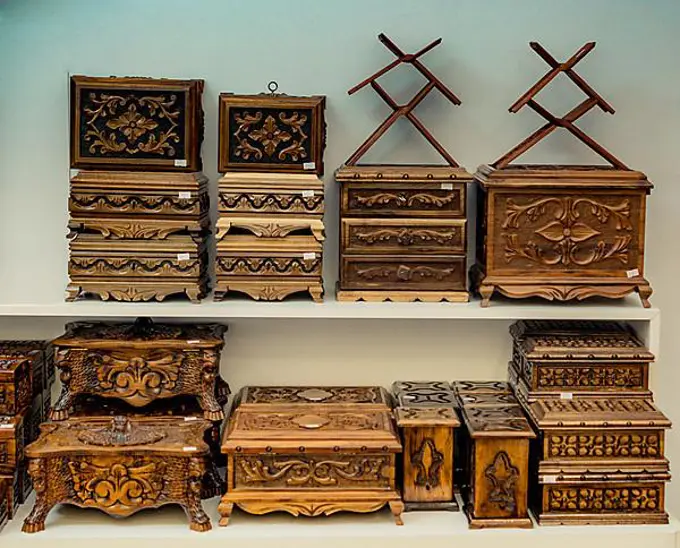
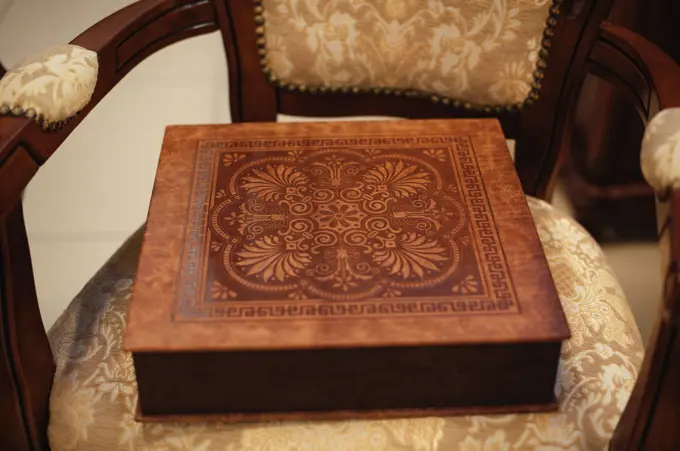
An array of ornately decorated wooden boxes from different periods, featuring intricate carvings, vibrant colors, and various historical styles.

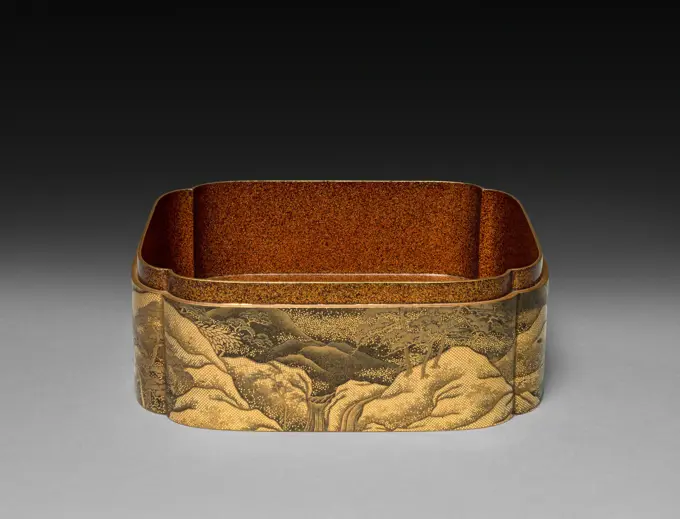
Box, anonymous, 1725 - 1825 Box with lid and inner box for writing paper. Decoration of a garden fence with blossoms and mourning willows that rise above it. Japan wood (plant material). lacquer (coating) Box with lid and inner box for writing paper. Decoration of a garden fence with blossoms and mourning willows that rise above it. Japan wood (plant material). lacquer (coating)
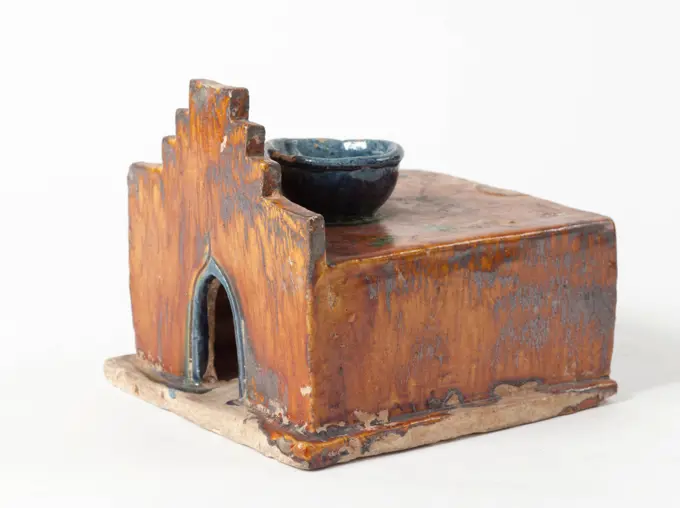
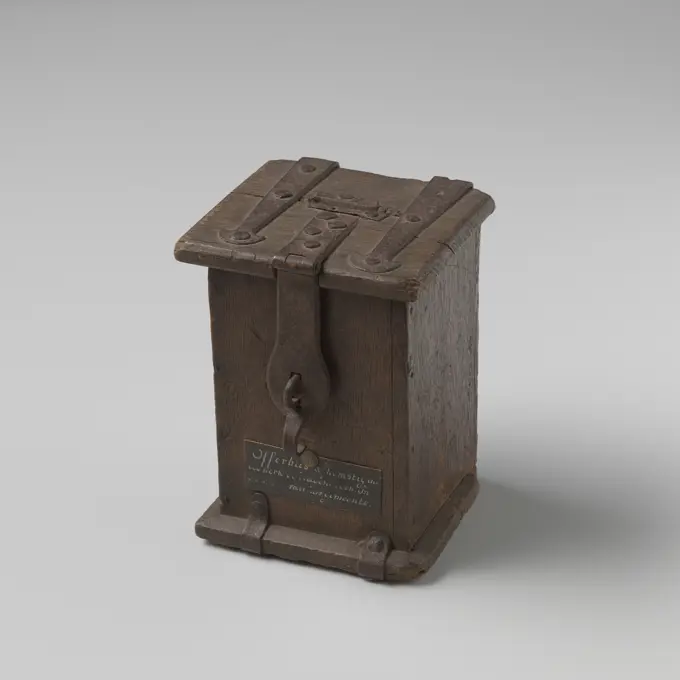
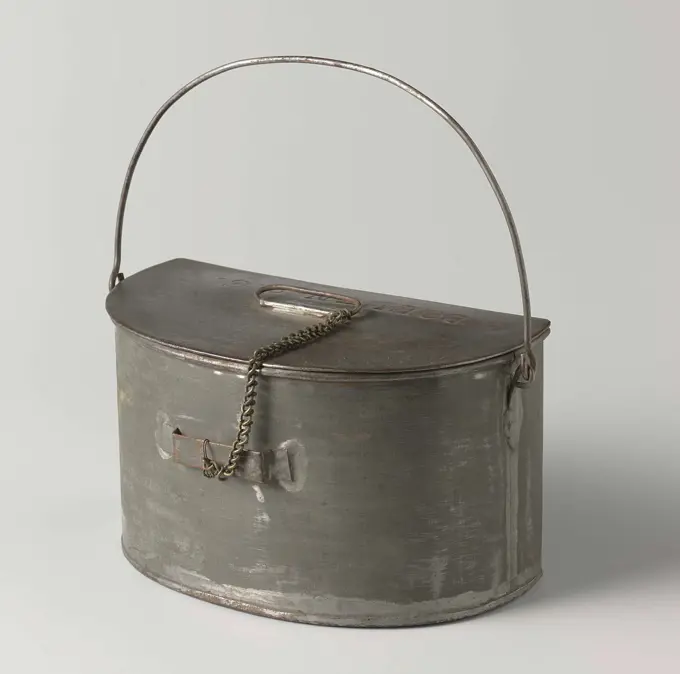
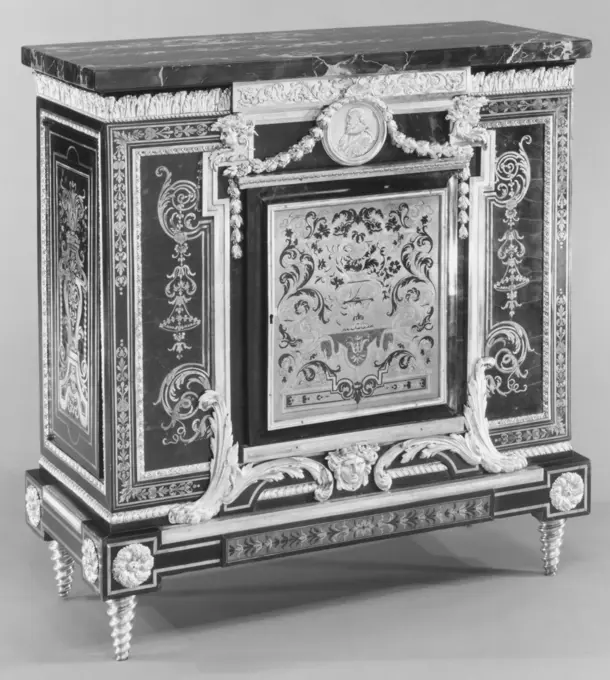
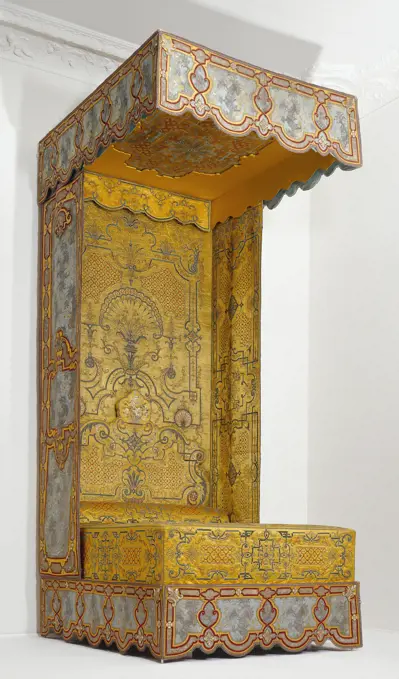
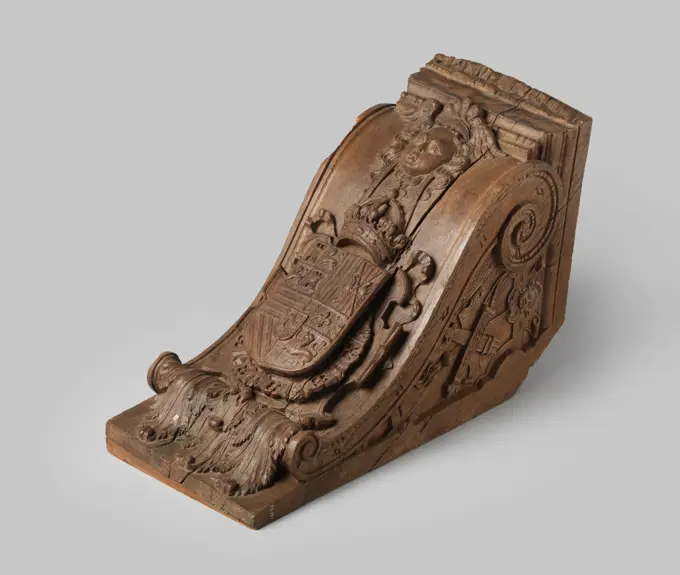
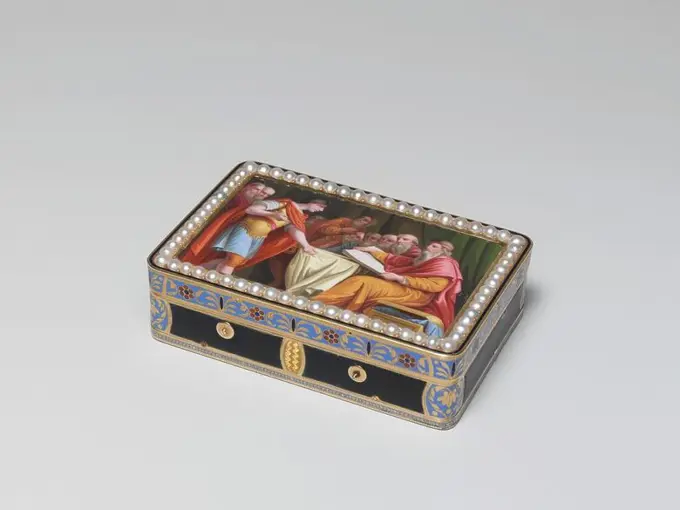
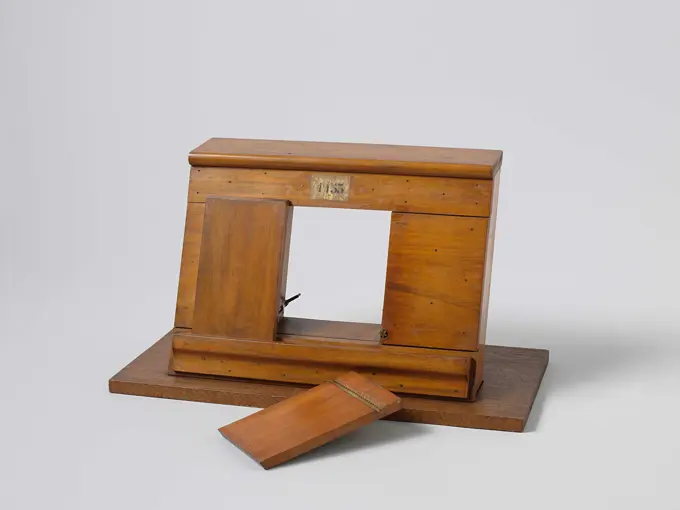
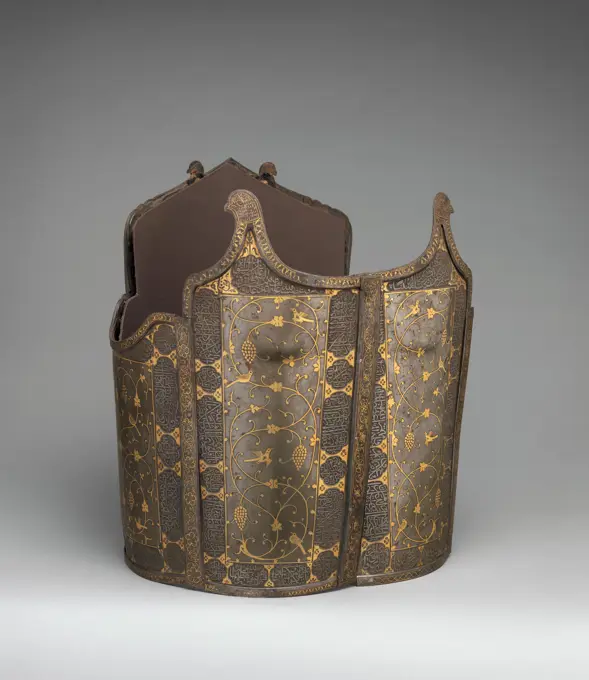
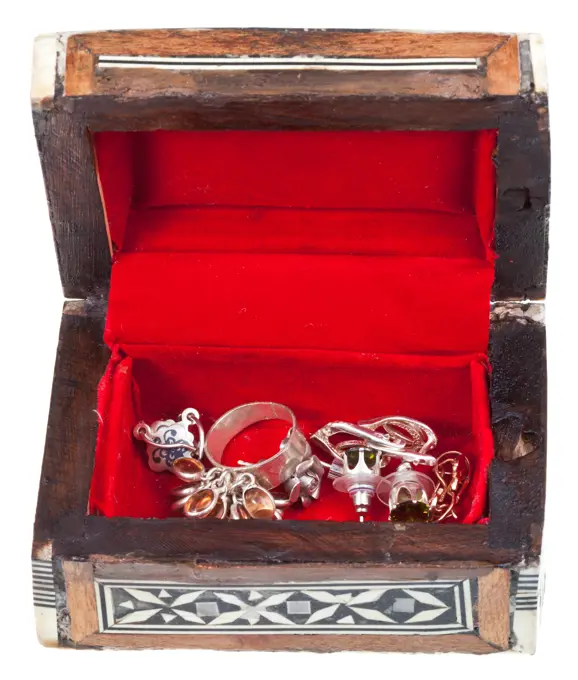
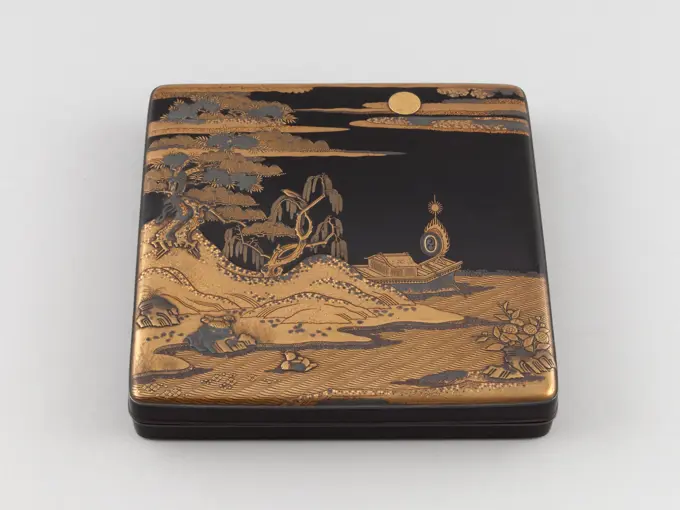
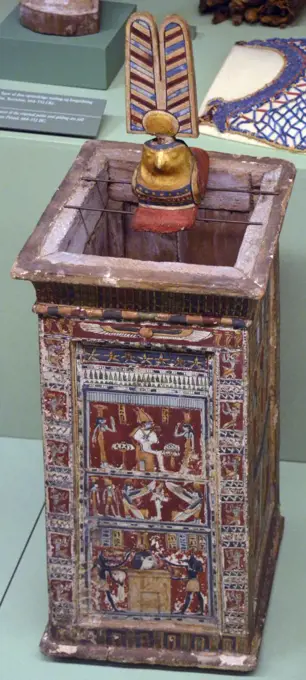
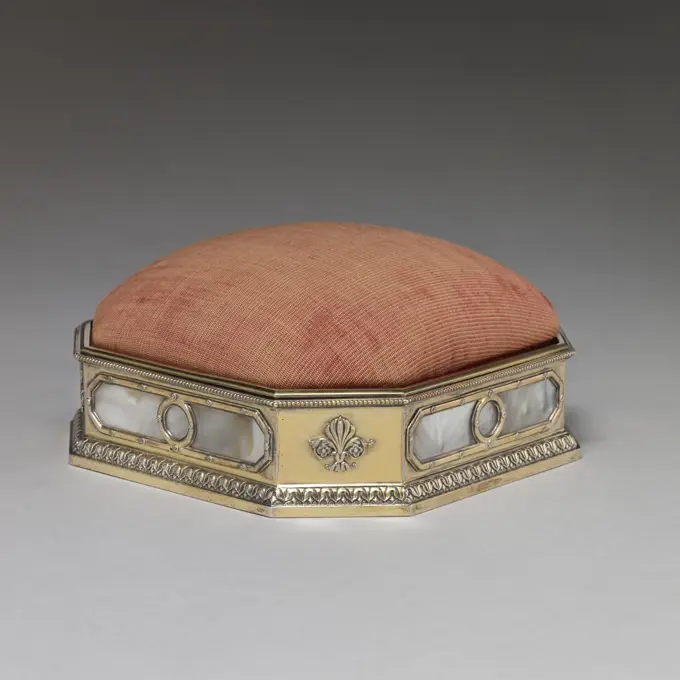
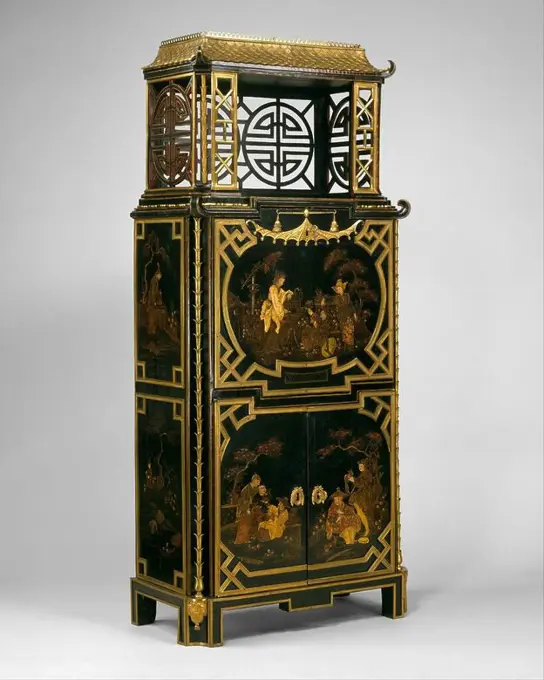
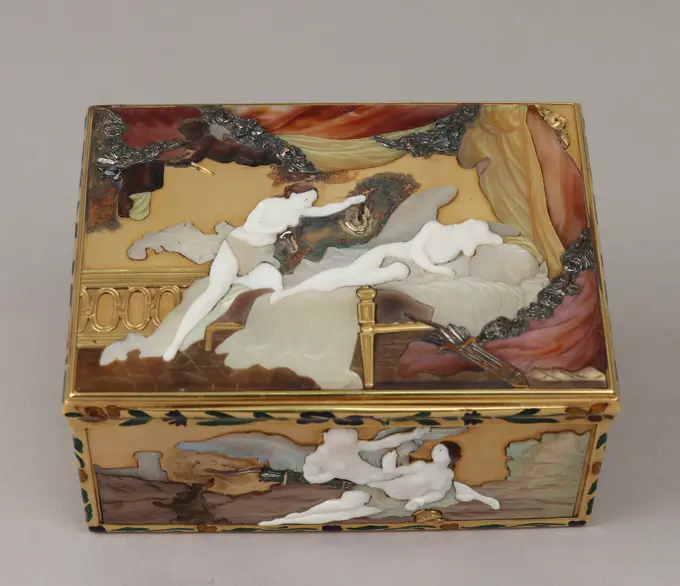
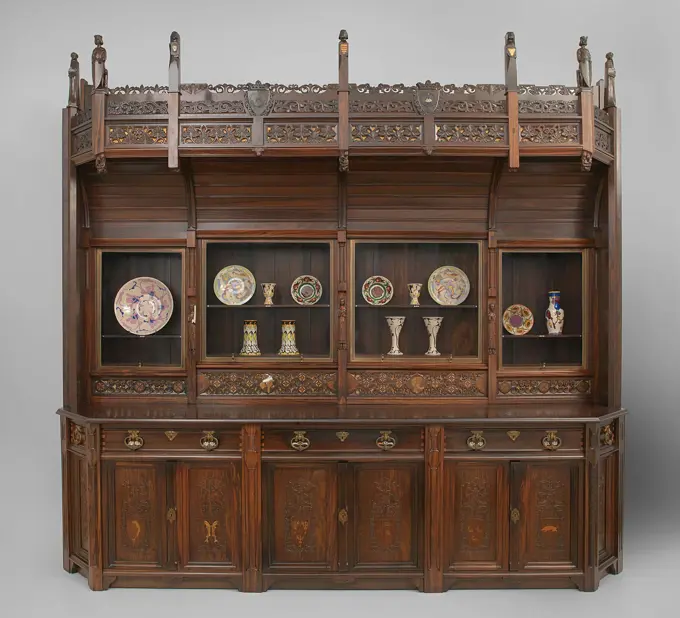
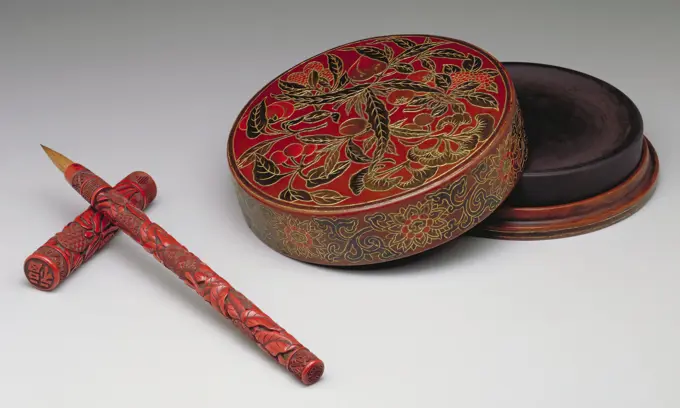
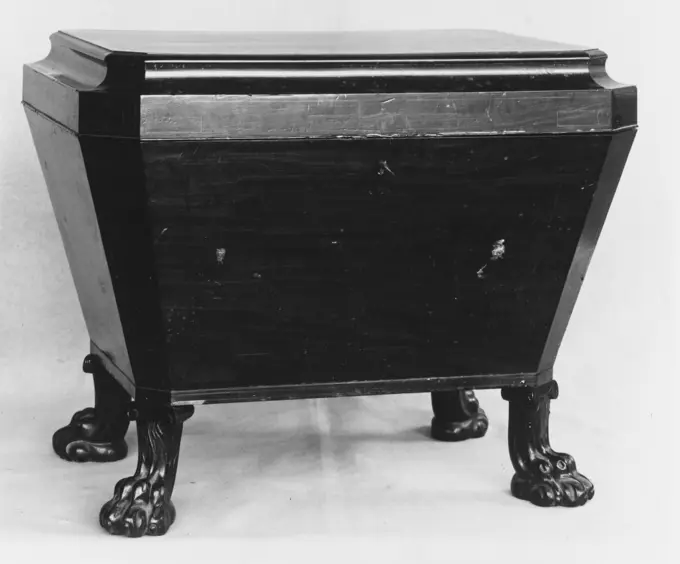
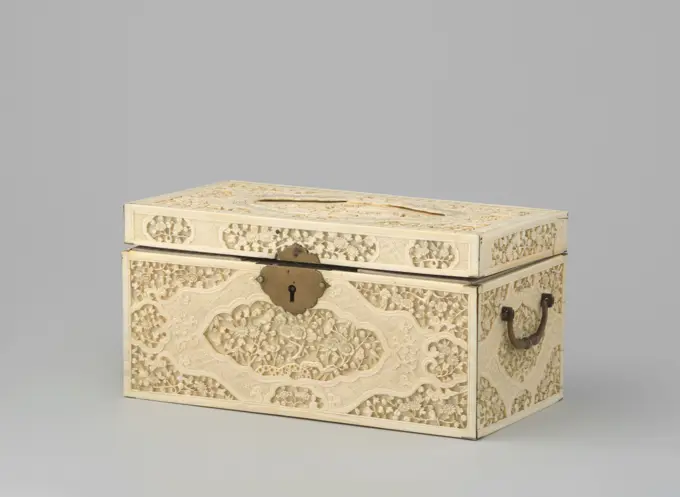
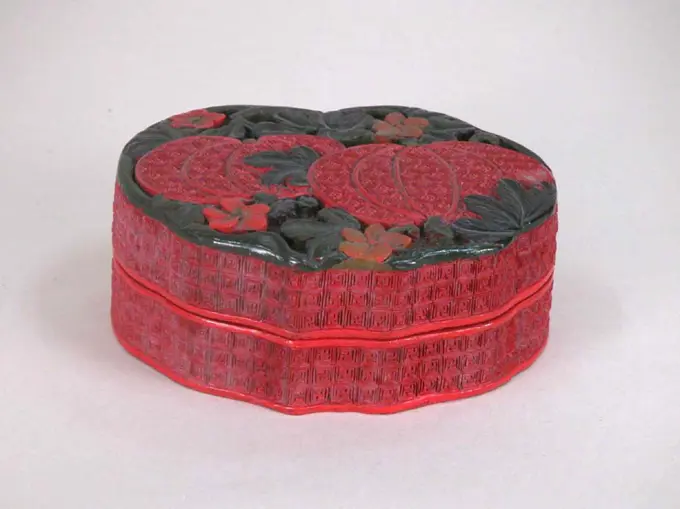
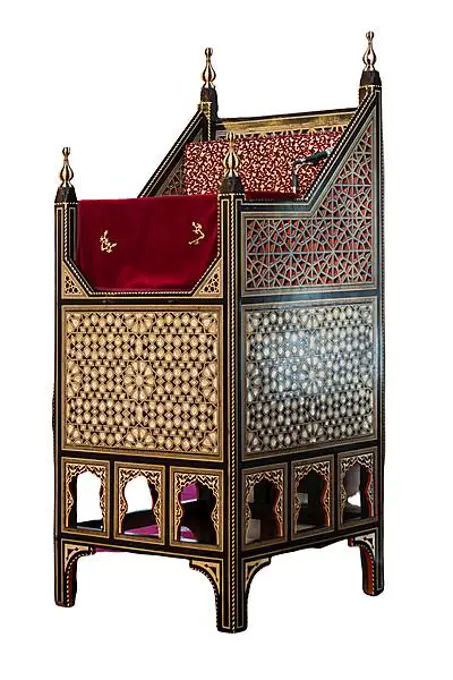
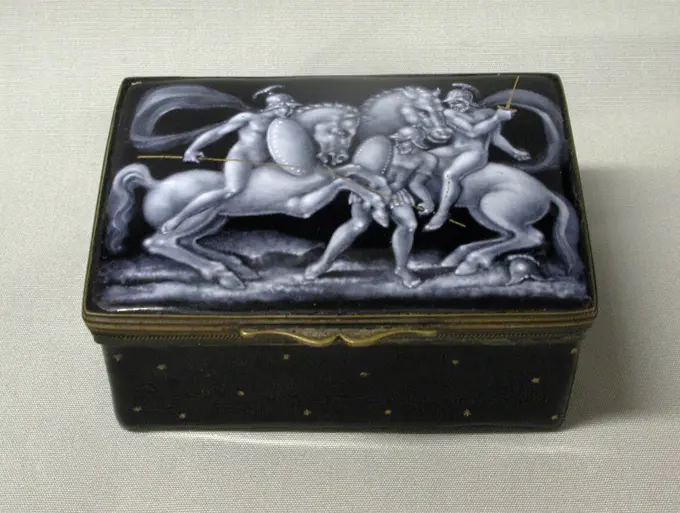
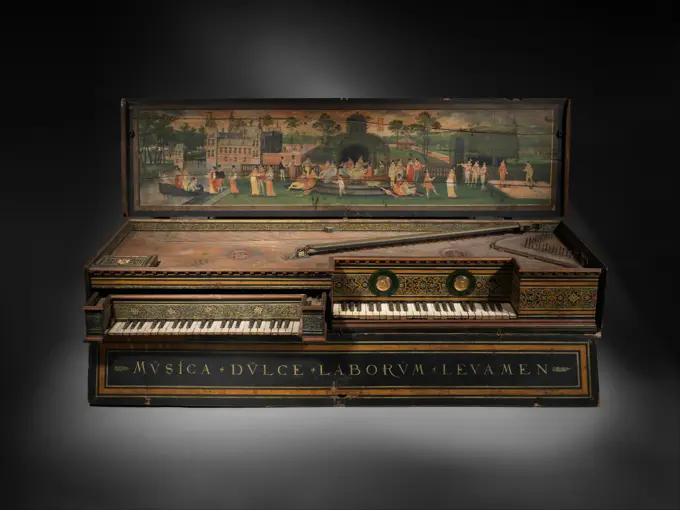
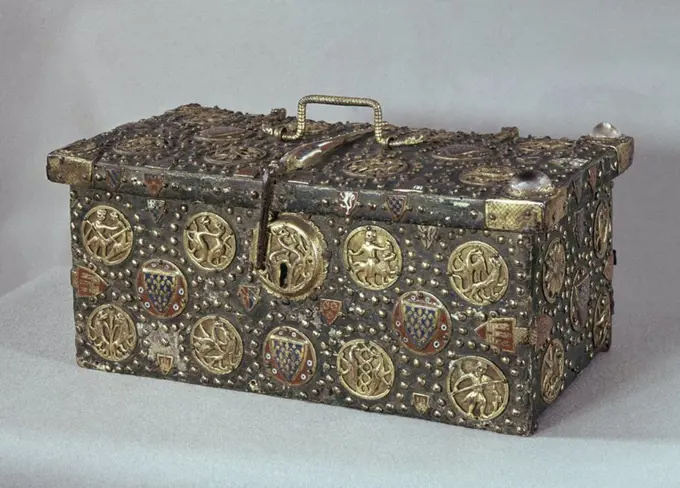
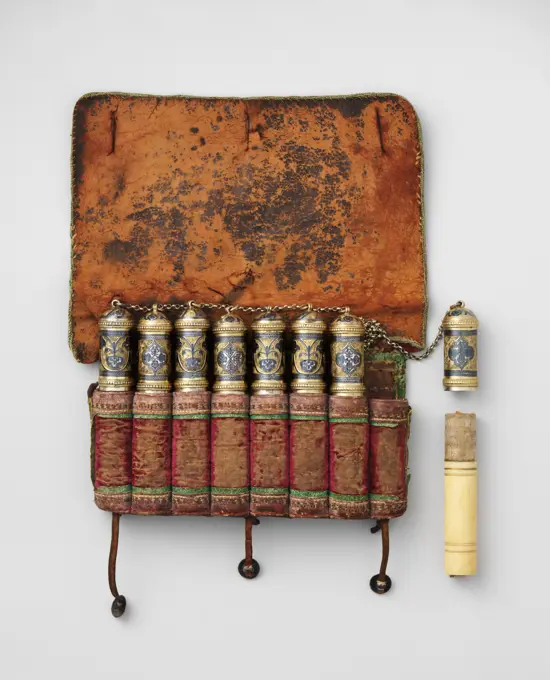
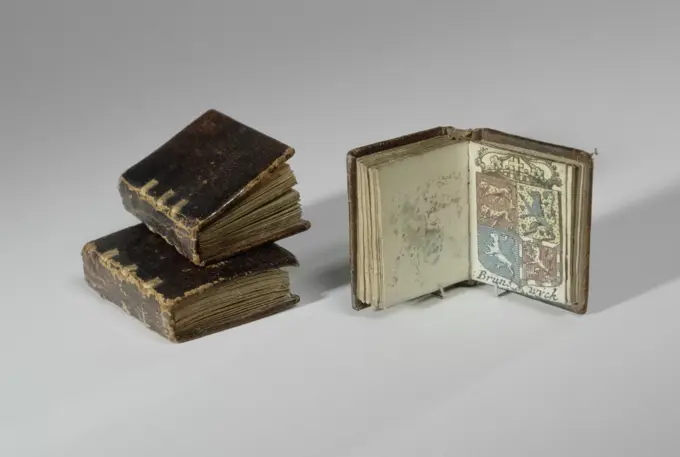
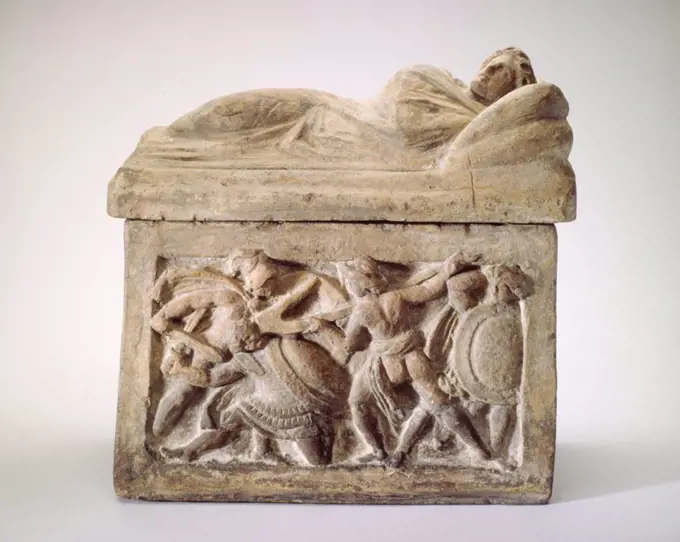
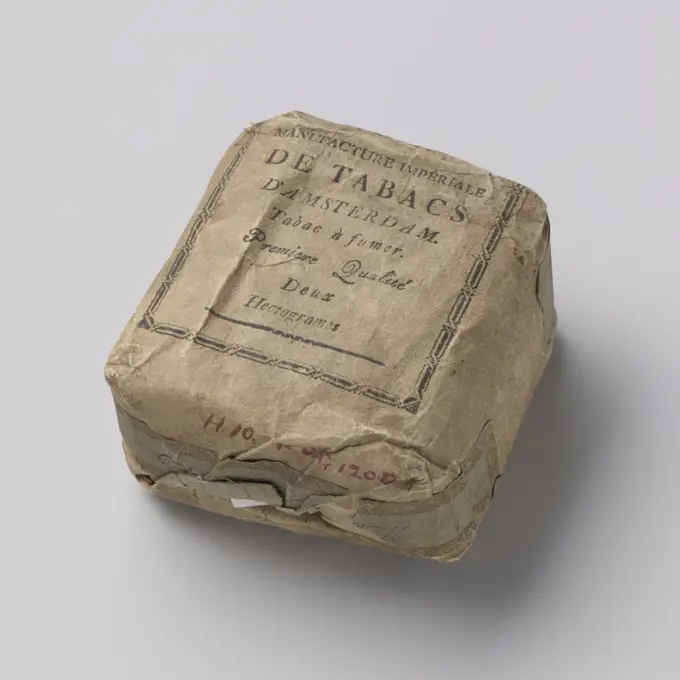
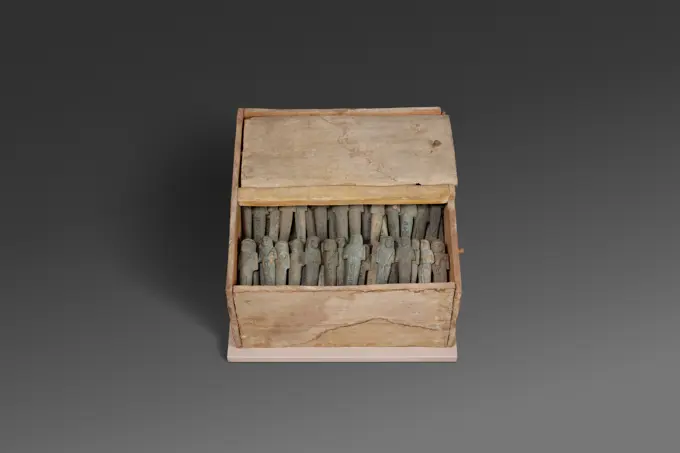
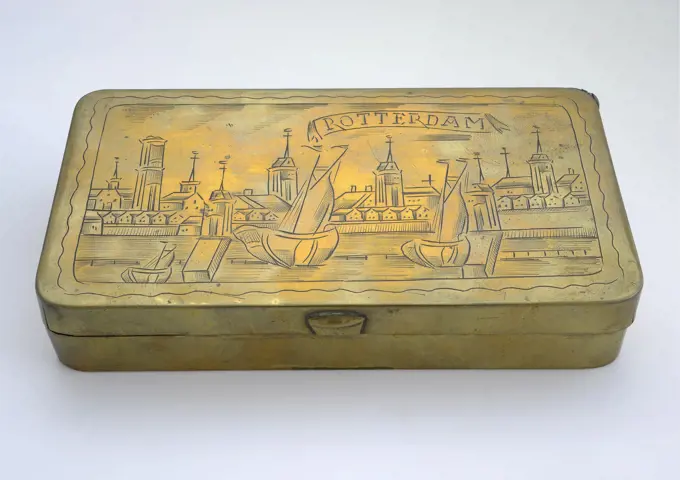
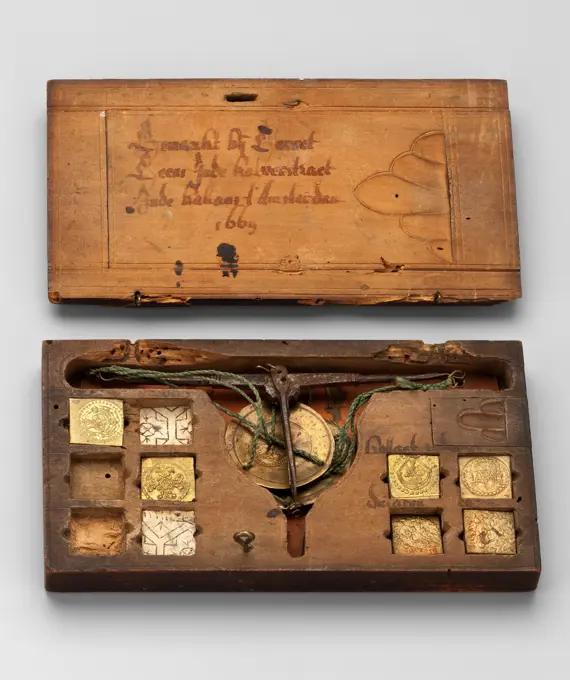
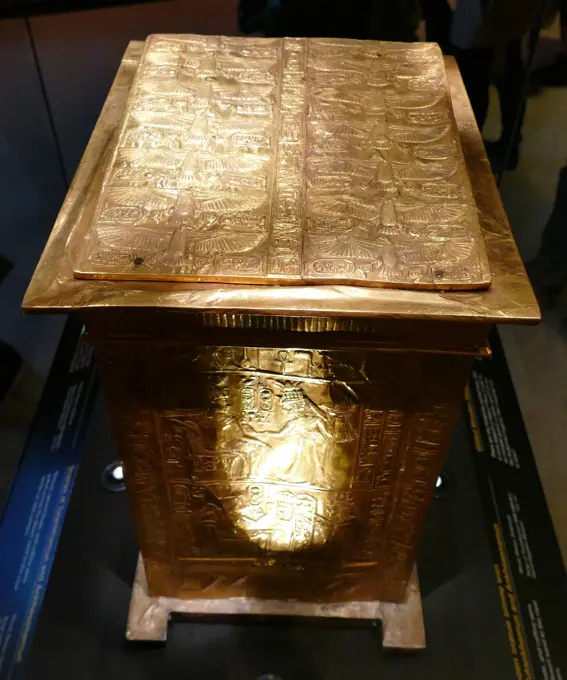
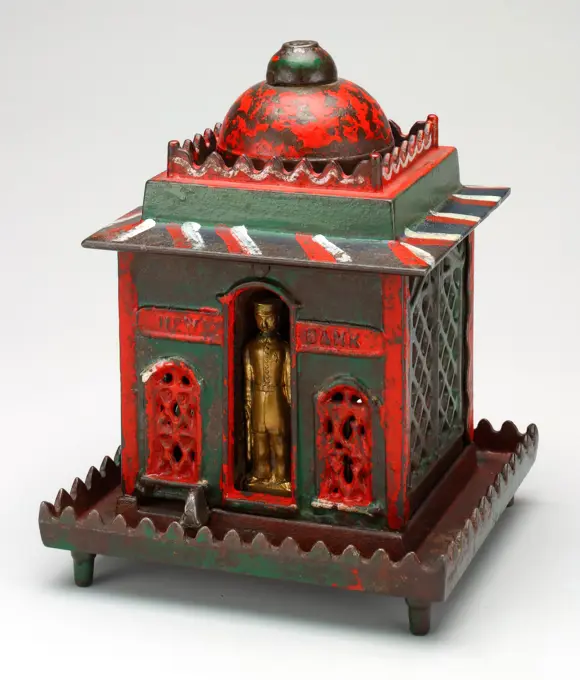
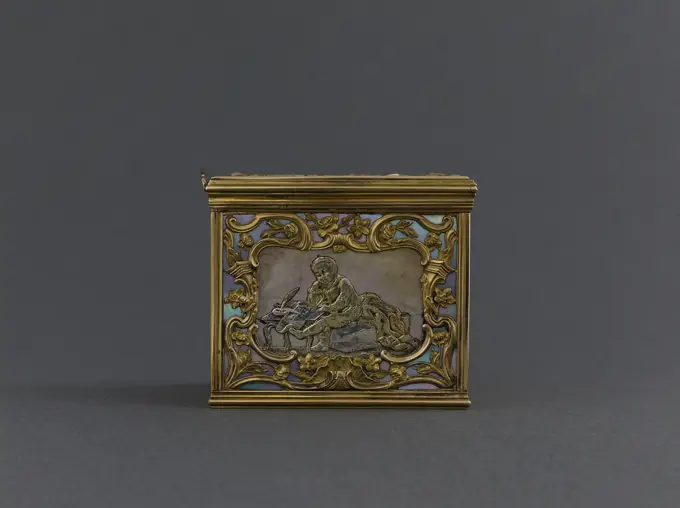
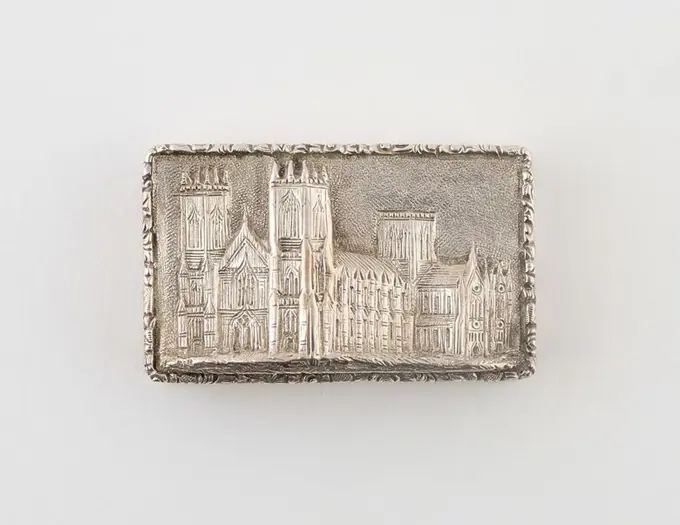
Bed (usual name). Sandstone, molding, molded decor, celadon. Cernuschi Museum, Asia Museum of Asia in the city of Paris.Box;  2. PO. 19th century (1850-00-00-1900-00-00);Fourneau ". Terracotta with polychrome glaze (Sancai). China, Tang dynasty (618-907). Paris, Cernuschi museum. Chinese art, Chinese ceramic, tang dynasty, stove, polychrome glacide, Chinese object, terracottaBandbox (USA); block-printed paper, pasteboard support; 39 x 30.5 x 25 cm (15 3/8 x 12 x 9 13/16 in.)Offer bus. An oak sacrifice bus with iron from a church in Wageningen.ARQUETA DE SAN GENADIO - RELICARIO DE ALFONSO III EL MAGNO- AÑO 866-910-TALLER DE GAUZON-PLATA DORADA-30,3 CM LARGO. Location: CATEDRAL DE SANTA MARIA-MUSEO. ASTORGA. LEON. SPAIN.Dining boiler worn by J. Boelen JKzn., In 1830/32 voluntary flank member, later corporal holl. Schutterij, 1st department 1st bat.; Dining boiler of the royal land power ca. 1820-1850. Iron semicircular boiler with handle and holder. On the back letters. Lid with ditto letters, handle and copper chain connected to boiler. Coming from J. Boelen JKZN., Voluntary Flanceur, later in 1830/32, North Holland Schutterij, 1st Department. 1st bat.ChestLow cabinet (meuble à hauteur d'appui) (one of a pair) late 18th century after a design by André Charles Boulle French This pair of low cabinets (see also 1974.391.1a, b), or meubles à hauteur dappui, demonstrates the strong influence that André Charles Boulle and the exuberant style of marquetry known as Boulle-work exerted upon furniture production in France well after his death in 1732. Dating to the mid-to late-eighteenth century, each cabinet is veneered with ebony panels richly decorated with Boulles signature usage of marquetry, consisting of tortoiseshell, brass, and sometimes pewter, and integrated into a floral and foliate design. The central panel of each cabinet is surmounted by a portrait medallion, with the first piece (1974.391.1a) featuring Henri IV, King of France (1589-1610), whose head is turned in profile to the right; the matching piece (1974.391.2a) contains the portrait of Maximilien de Béthune, duc de Sully (1560-1641), in profile turned to the left. The decisAnne Ger, Box, c 1936 BoxHangings for a Bed (Lit à la duchesse); France; about 1690 - 1715; Silk satin with applied sections of silk lamps; embroidery and trim of silver, silver-wrapped silk thread, silk cord, and silk floss; linen and bast linings; wool padding; paper; 415.9 x 181.6 x 182.9 cm (163 3,4 x 71 1,2 x 72 in.)Box of children's cubes - Marshal Christmas, National Relief, Winter Help ". Wood. 1942-1942. General Leclerc Museum of Hauteclocque and the Liberation of Paris, Jean Moulin Museum. 158837-5Saltcellar 1830-40 American. Saltcellar. American. 1830-40. Lacy pressed blue glass. Made in New England, United StatesKorbeel with the weapon of the king of Spain, hanging on a mascaron, anonymous, c. 1580 Korbeel of oak on which the coat of arms of the king of Spain, hanging on a mascaron in the form of a winged angel's head. Coming from the broken house Warmoesstraat 145 in Amsterdam. Amsterdam oak (wood) Korbeel of oak on which the coat of arms of the king of Spain, hanging on a mascaron in the form of a winged angel's head. Coming from the broken house Warmoesstraat 145 in Amsterdam. Amsterdam oak (wood)LapdeskSnuffbox ca. 1750 Meissen Manufactory German. Snuffbox 201878Bible illustrations, c. 1550 - c. 1699    wood (plant material)Card case, Stained, embossed, tooled, and gilded leather, In the form of a book, with the words 'Nouvelle annee' on the spine, and with a love alter with doves, hearts, flaming torch and quiver of arrows on the covers. Opening across the middle to reveal the card holder., France, mid-19th century, containers, Decorative Arts, Card caseMusic Box. Culture: Swiss. Dimensions: L. 8.3 cm (3 1/4 in.) x W. 5.7 cm (2 1/4 in.) x D. 2.2 cm (7/8 in.). Date: ca. 1820.Oblong gold and enamel music box. The borders enamelled blue and yellow, the cover bearing an enamelled classical miniature bordered by half pearls. Museum: Metropolitan Museum of Art, New York, USA.Model of A Gun Port of a Floating Battery. Model of a part of the ship's wall with a gun port, on a base plank. On the outside, two heavy plates are placed in a row of wheels, about which they can slide back and forth. At the rear, the plates are equipped with a toothed rail: for both plates there is a gear, from inside operated with a swelling, to move the plates back and forth. Scale 1:10 (derived).Chest withdrawersJohn Cooke, Birch Bark Sewing Basket, 1938 Birch Bark Sewing BasketCuirass 17th century Steel armor, such as this steel cuirass, was frequently inscribed with pious inscriptions and verses from the Qur'an. The inscriptions on this steel cuirass have a talismanic function; they are drawn from sura 98 (Bayyinah, of Clear Proof) and describe God as the God of Light. They allude to the rewards He will bestow upon believers and the punishment He will mete out to unbelievers and evildoers. The chahar-aina (four-mirror) refers to the four originally undecorated steel plates, which were hinged together to produce a cuirass of this type. Here, the light imagery is accentuated by the interplay of the steel plates and the Quranic verses.. Cuirass 444624open small red treasure box open small red treasure box isolated on white background Copyright: xZoonar.com/VVxVoennyyx 5039074Chest withdrawersBox offered by Honoré de Balzac (1799-1850) to Zulma Carraud (1796-1889). Paris, Balzac house. 34296-20 French actor, cinematographic adaptation, French writer, various objects, litterian work, portrait, XIX th century, film, sceneIncense Box mid-19th century Japan. Incense Box 57606Reading Stand with Chrysanthemums and Autumn Grasses, early 1600s. Japan, Momoyama period (1573-1615). Wood with lacquer and sprinkled gold powder (maki-e), metal fittings; overall: 53.3 x 30.5 x 45.7 cm (21 x 12 x 18 in.).Table to write in lacquer representing a ship moving away from the shore, Japan, 18th century. EDO period (1600-1867). Lacquered wood. Museum of Fine Arts of the City of Paris, Petit Palais. Broken, black background, lacquer, ship, gold, landscape, edo period, shore, writing table, woodCanopic chest i.e. container for the viscera of the 'Leading hour-priest of Amun' Nes-Min. The chest is shaped like a small shrine, a so-called naos. Wood. Ptolemaic period, c 300 BC.Trom, anonymous, c. 1750 - c. 1800 drum Met Opschrift: Honi be that badly thinks about it. Netherlands wood (plant material). copper (metal). rope. leatherSet of wooden boxes of light brown colorLantern. Bronze; cast. Egypt. 7th-8th centuries. The State Hermitage Museum. Saint Petersburg. Russia.Pincushion André Aucoc 1887-1911 View more. Pincushion. French, Paris. 1887-1911. Silver gilt, mother-of-pearl, red velvet. Metalwork-SilverDrop-front secretaire (secrètaire à abattant). Culture: French, Paris. Dimensions: 60 x 26 3/4 x 13 3/8 in. (152.4 x 67.9 x 34cm). Maker: René Dubois (1737-1799, master 1755). Date: ca. 1770-75.The form of this secretary, with its pierced pagoda-shaped top, is exceptional in French furniture. Although furniture in the Chinese taste was designed and executed in England during the second half of the eighteenth century, French chinoiserie was almost always limited to the surface decoration. The Oriental scenes in imitation lacquer on the front panels are based on designs for The Four Elements by François Boucher, known from engravings (1740) by Pierre Aveline. The element of fire, apparently the only one for which the original drawing by Boucher exists (now in the Metropolitan), shows a man pouring hot tea into the cup of a seated man who also appears twice on the front of the secretary. Charming tea-drinking scenes formed an important aspect of chinoiserie decoration. Museum: MetropolitNecessaire (probably England); shagreen, silver plateSnuffbox 1750 Claude de Villers In eighteenth-century Europe, Paris led the production of high-quality luxury goods. Parisian goldsmiths made a wide range of small, personal articles such as snuffboxes; étuis to hold sealing wax, tweezers, or utensils for sewing; souvenirs, which contained thin ivory tablets for note taking; and shuttles for knotting lace. Gold snuffboxes and boxes decorated with portrait miniatures were prized and frequently given as royal gifts, often to ambassadors or members of the court in lieu of cash payments for their services. Coveted and admired, these boxes were produced from a variety of materials. The best were skillfully made of gold and embellished with diamonds, enameled decoration, lacquer, and other luxurious materials. By the middle of the century, the taking of snuff had become an entrenched social ritual, and the snuffbox, too, had become an important social prop. Snuffboxes were considered highly fashionable accessories, with some merchants advert1/8 Schepel from Enkhuizen. Chasing seats for dry goods from 1/8 Schepel, v.z.v. Stamps and labels.Sideboard. This substantial sideboard was the most expensive piece of furniture manufactured by the Amsterdam fine art dealer Van Wisselingh & Co for display at the 1904 Worlds Fair hosted by St. Louis, Missouri (USA). The companys head designer, Lion Cachet, favoured exuberant ornamentation, but this was constrained by the sideboards sober structure. The copper handles on the drawers are suspended from monkeys heads.Necessaire with Scent Bottles, early 1800s. France, early 19th century. Painted wood with gold mounts; overall: 7.8 x 6.1 x 3.1 cm (3 1/16 x 2 3/8 x 1 1/4 in.).Inkstone with Fitted Box, early 19th century, Lu T'ung, Chinese, active late 18th -early 19th century, 1 3/8 x 4 13/16 in. (3.5 x 12.22 cm), Red and black lacquer with engraved-gold decoration and sand lacquer inkstone, China, 19th century, One of the more unusual uses of lacquer during Ming and Qing was the production of inkstones. This circular stone has the right texture and porosity to make a good grinding utensil yet it is lighter and easier to carry than a stone or ceramic version. The circular cover of the fitted box is decorated with the 'filled-in and engraved-gold' technique (tianqi). It displays ginkgo leaves, longan berries, cherries, and lychee on top with a more formal lotus scroll motif decorating its side register. All of these auspicious plants are outlined in gold and the general style can be seen as a revival of the Wanli period (1573-1619). The bottom of the base bears the mark of Lu Tong, a late eighteenth-early nineteenth-century lacquer artist.Cellaret 1800-1830 Attributed to Duncan Phyfe Scottish. Cellaret 1523The Detective camera popular circa 1900. Used glass plates.Box (middle), late 1800s. Japan, Meiji period (1868-1912). Wood with lacquer and gold; overall: 4.4 x 12.3 x 11.4 cm (1 3/4 x 4 13/16 x 4 1/2 in.).Bandbox And Lid (USA); block-printed on handmade paper, pasteboard support; 48 x 40 x 31 cm (18 7/8 x 15 3/4 x 12 3/16 in.)TrunkLeather studded luggage box on the rear of a horse coachBrown natural leather classic wedding photobook and album Brown natural leather classic wedding photobook and album ,model released, Symbolfoto ,property released Copyright: xZoonar.com/AndriixShevchukxASxphotographyx 8682449 ,model released, Symbolfoto ,property releasedHandicraft jharokha on black background  Rajasthan  India Copyright: xMohammedxSharif/DinodiaxPhotoxArqueta, siglo XVIII. Colección privada.Fairy Tale House' still bank, c. 1880s, 7 5/16 x 6 1/2 x 4 9/16 in. (18.57 x 16.51 x 11.59 cm), Metal, pigment, England, 19th centuryTheekist, anonymous, 1775 - 1800 Rectangular teaist with three inner buses; on the short silk brass ears; Brass reinforcement angles on the upper edge of the box and the bottom edge of the lid. The four sides and the lid of the coffin are decorated with flower vines cut into high relief. A central field is always surrounded by a wide ornamental band filled with servetwork. On the lid a river landscape has been cut in the central field with pavilions, a boat and people; On the sides, the field is filled with the same flower vines as beyond. The decoration of the lid is enclosed by a narrow meander band. The rectangular (pewter) Inner buses are covered with ivory. They have a round, flat cap. The tops of the buses are decorated with servetwork in which cartouches with flower vines are saved. On the sides a central rectangular field with flower vines, surrounded by a wide band with servetwork. China ivory Rectangular teaist with three inner buses; on the short silk brass ears; Brass reinfBox China. Box. China. Cinnabar lacquer. Qing dynasty (1644-1911), Qianlong period (1736-95). LacquerWooden minbar, sermon pulpit of Ottoman times isolated on white backgroundSnuffbox mid-19th century possibly Sèvres Manufactory French In eighteenth-century Europe, Paris led the production of high-quality luxury goods. Parisian goldsmiths made a wide range of small, personal articles such as snuffboxes; étuis to hold sealing wax, tweezers, or utensils for sewing; souvenirs, which contained thin ivory tablets for note taking; and shuttles for knotting lace. Gold snuffboxes and boxes decorated with portrait miniatures were prized and frequently given as royal gifts, often to ambassadors or members of the court in lieu of cash payments for their services. Coveted and admired, these boxes were produced from a variety of materials. The best were skillfully made of gold and embellished with diamonds, enameled decoration, lacquer, and other luxurious materials. By the middle of the century, the taking of snuff had become an entrenched social ritual, and the snuffbox, too, had become an important social prop. Snuffboxes were considered highly fashionable accessorieDouble Virginal 1581 Hans Ruckers the Elder Flemish This double virginal is the earliest known instrument by Hans Ruckers, who founded a dynasty that dominated Flemish harpsichord building for a hundred years.Double virginals consist of a large instrument (called "the mother"), with its keyboard placed off-center, and a small virginal ("the child"), tuned an octave above that of the large instrument and stored in the space next to its keyboard. Either instrument may be played by itself, or the small virginal may be removed from its space and placed on top of the larger one. When this is done, the keys of the "child" are activated when those of the "mother" are played, thereby causing both instruments to sound at once, in octaves.The rectangular shape is typical of Flemish virginals. When not in use, the front panel swings up to conceal the keyboards, and the lid closes to protect the strings. The inner surfaces, revealed when the instrument is opened, are decorated with painted patternAlkmaar 1/128 Sackroom. Shunting size of 1/128 bag, equipped with calibration and labels.COFRE LLAMADO DE SAN LUIS PROCEDE DE LA ABADIA DE NOTRE DAME DE LYS - ORFEBRERIA - S XIII. Location: MUSEO DEL LOUVRE-ORFEBRERIA. France.Powder Charge Container 19th century Caucasian. Powder Charge Container 32273Elongated pillow consisting of two equal halves, lined with red velvet decorated with silver passing. Interior of wood glued with turtle and equipped with compartments with painted lids with role lists of ebony. Brass slot Mid-front.. model: The elongated mirror cushion consists of two lying, equal halves that close mid-front by a small brass slot. The key has been missing since the purchase. These halves are connected to each otherCabinet, from a set of model furniture, 17th century, 7 1/2 x 6 1/8 x 3 1/8 in. (19 x 15.6 x 7.9 cm), Glazed ceramic, China, 17th centuryWapenboek, Anonymous, c. 1690 - c. 1710 Wapenboek. Bound in leather. Amsterdam leather. calf (leather). paper Wapenboek. Bound in leather. Amsterdam leather. calf (leather). paper18-cm Palliser Shell in a Wooden Box, Royal Laboratory, 1870 grenade (ammunition). chest Half a pointed 18 cm grenade, painted red, in a wooden box. The grenade is 42 cm long and has a caliber of 176 mm. It is cracked in length, the nose is still intact. The grenade has two rings of holes for cams, which are not applied, for a drawn run with three pulling fields and is hollow; In the bottom a bus of a softer metal is cast with a filling hole. Two shallow holes have been applied under the nose, for the ammunition crane. There are two large tapered holes in the wall, so that the grenade has been bursting. Woolwich iron (metal). brass (alloy). lead (metal). wood (plant material)Church and psalm book in a serenary band and with silver locks. Church and psalm book in solid band and with silver locks, on which the parents were presented in six driven women figures.Tray 17th century China. Tray 60948Cinerarium de terracota con su tapadera. Urna etrusca con un relieve delantero representado la lucha de un hombre con tres guerreros. Arcilla, Siglo II a.C. Altura: 22,30 cm, Longitud: 34,50 cm. Anchura: 18 cm. Lugar de procedencia: Chiusi (Italia). Museum: MUSEO ARQUEOLOGICO, MADRID, SPAIN.Pakje Tobacco from the French era, Imperial Tabaks factory, 1811  Pack of tobacco from the French era. Square pack of tobacco of dirt-beige paper with inscription in black, on one side in Dutch, on the other in French. On top twice the eagle on a thunder cloud. Sealed with a strip of light blue paper printed in red and black, under broken and open. Amsterdam paper cutting / printing / writing (processes)  NetherlandsShabti Box and Shabtis of Gautsoshen ca. 1000-945 B.C. Third Intermediate Period The low square box with two flat lids is made of thin boards of wood, white-washed on the outside. The interior is divided into two sections, and each lid is fastened by a tenon and two pegs. Designed to hold shabtis, small figures meant to work on behalf of the deceased in the afterlife, it is different in shape from the other shabti boxes found in the same tomb (see for example 25.3.20.1a-c).Along with fragments of a second example, this box was found near a deposit of 374 unusual wood shabtis inscribed for Gautsoshen (see 25.3.22a-f), and so is assumed to belong with this burial.. Shabti Box and Shabtis of Gautsoshen. ca. 1000-945 B.C.. Faience, wood, clay seal. Third Intermediate Period. From Egypt, Upper Egypt, Thebes, Deir el-Bahri, Tomb MMA 60, Pit, burial 4, MMA excavations, 1922-24. Dynasty 21Copper tobacco box with face on Rotterdam, tobacco box holder metal copper, die-cast engraved Rectangular flat box with hinged lid at front lid small thickening to open the box easier on lid in garland ROTTERDAM heraldry tobacco topography cityscape Rotterdam smoking save snuff boxWeight with 18 branches to weigh coins in the box;  1669 (1669-00-00-1669-00-00);Baroque (era), numismats, scales, dragonfliesGilded wooden shrine with depictions of Tutankhamun and Ankhesenamun. From the tomb of King Tutankhamun. 1326 BCApothecary chest -New Bank' mechanical bank, c. 1877, Anthony Smith; Manufacturer: J. & E. Stevens Company, Cromwell, Connecticut, 1843-1950s, American, 5 3/4 x 4 1/2 x 4 1/2 in. (14.61 x 11.43 x 11.43 cm) (approximate), Iron, pigment, 19th centuryPierre-Médard Mothet. Necessary in gold and mother -of -pearl, side faces. 1754-1765. Paris, Cognacq-Jay museum. 58146-1 Box, write, child, lateral face, necessary, mother -of -pearl, gold, pen, sceneWooden box Luxurious wooden box with shiny silver ornaments Copyright: xZoonar.com/Baloncicix 14274266Vinaigrette with View of Eley Cathedral. Taylor and Perry; Birmingham, England. Date: 1839-1840. Dimensions: 4.5 × 3.2 cm (1 3/4 × 1 1/4 in.). Silver and silver gilt. Origin: Birmingham. Museum: The Chicago Art Institute, Chicago, USA.