Egyptian Artifacts and Game Pieces

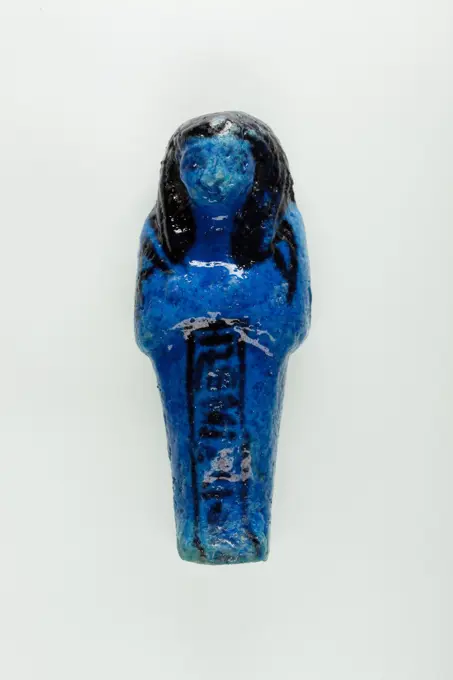
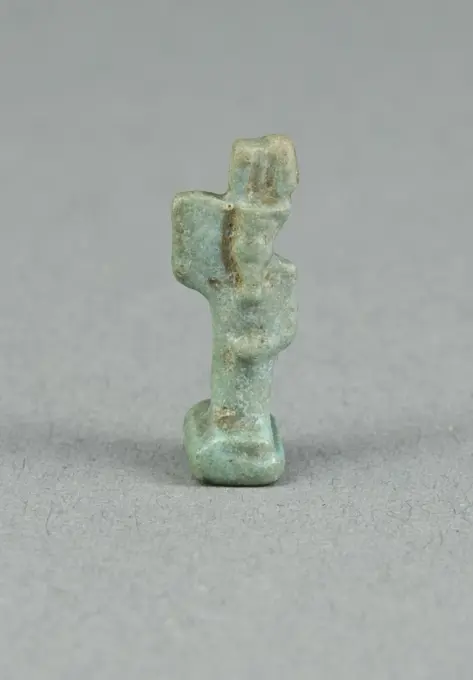
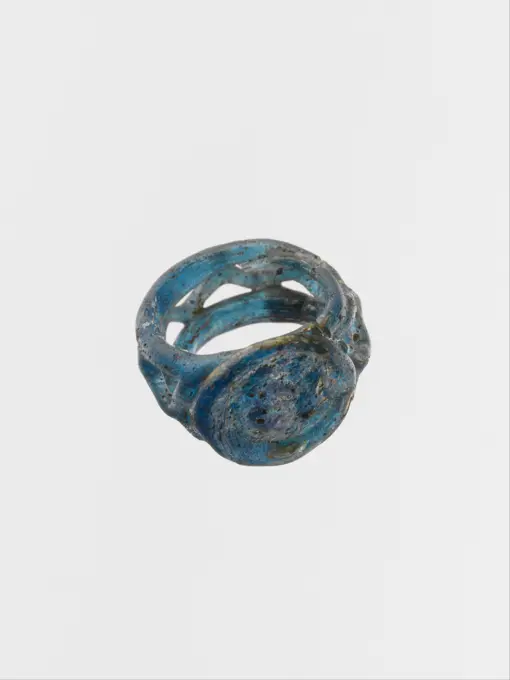
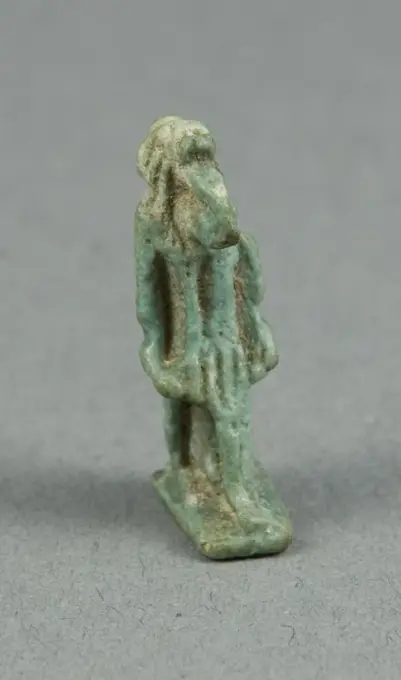
Collection of ancient Egyptian artifacts, including game pieces and shabti figures, with intricate designs reflecting historical craftsmanship.
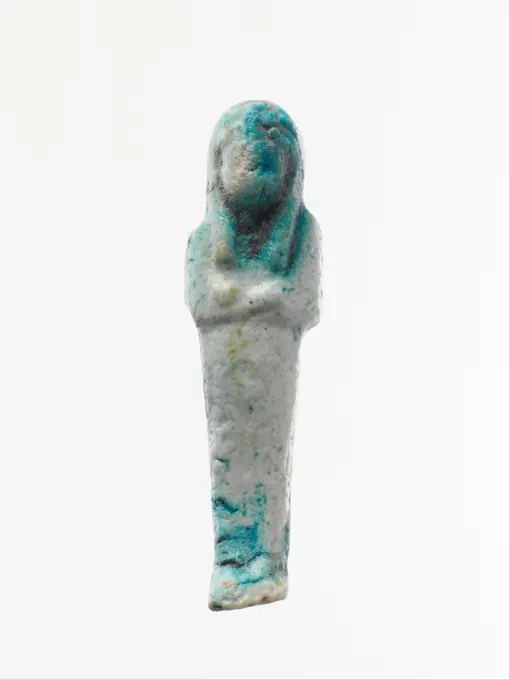
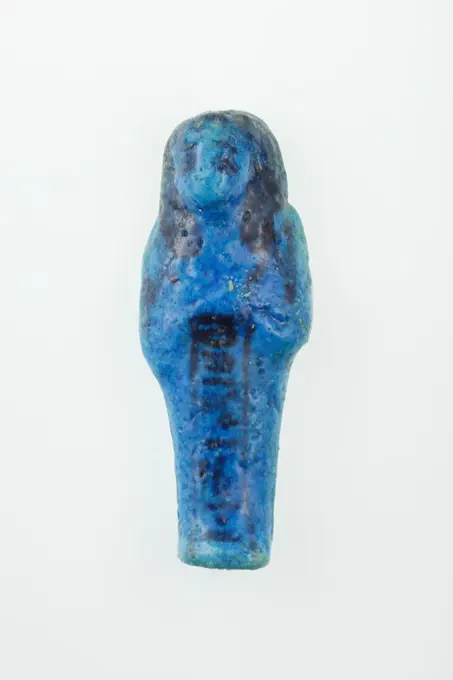
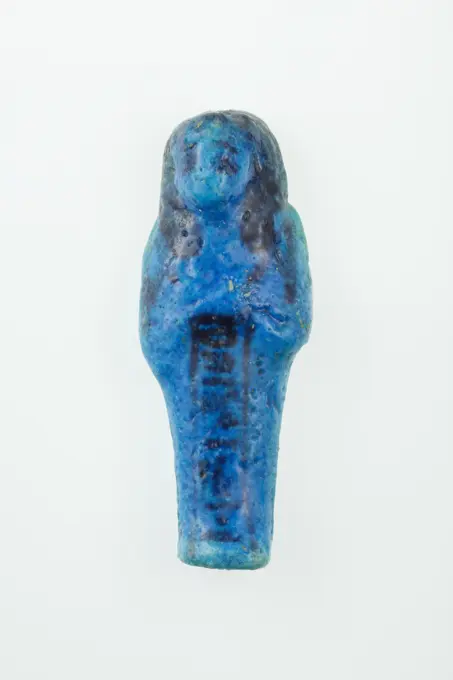
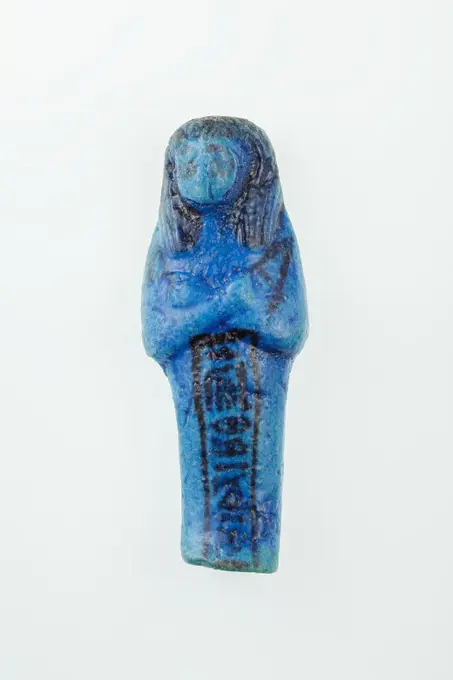
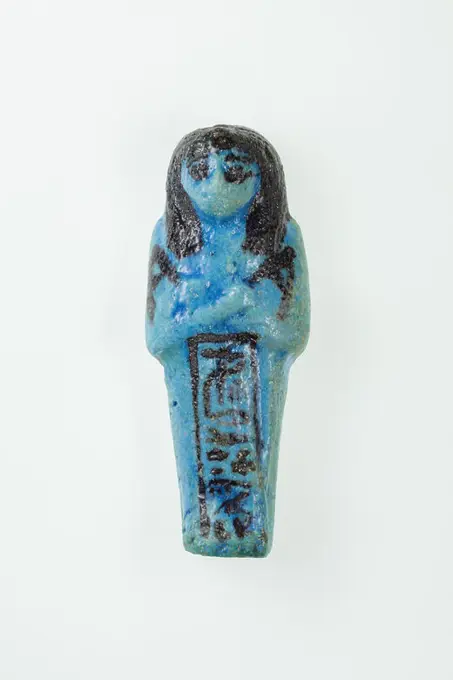
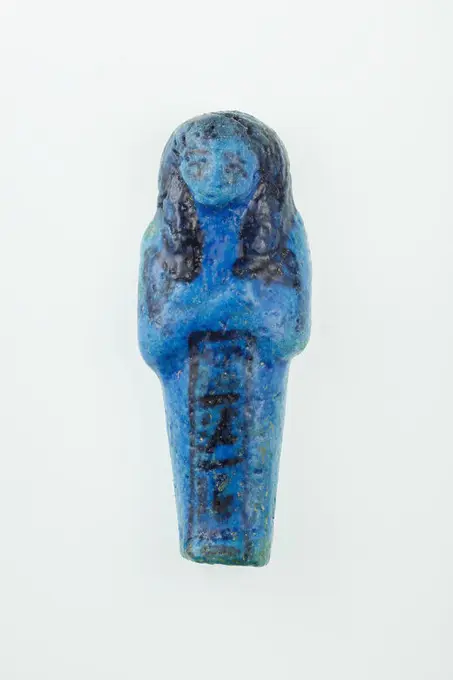
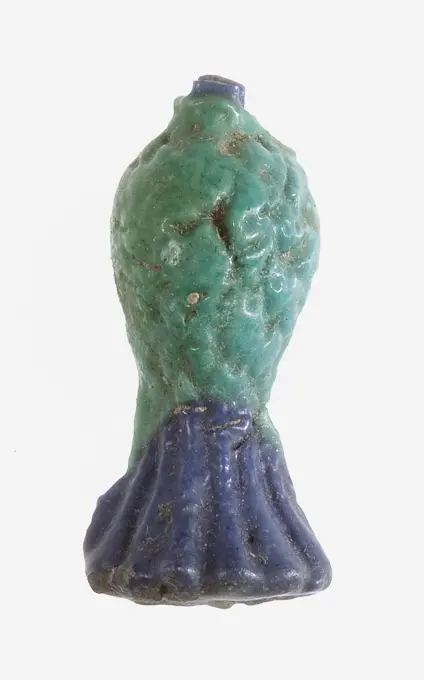
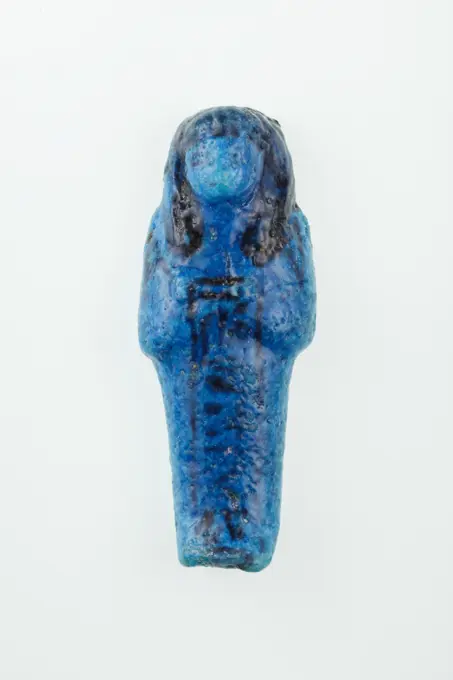
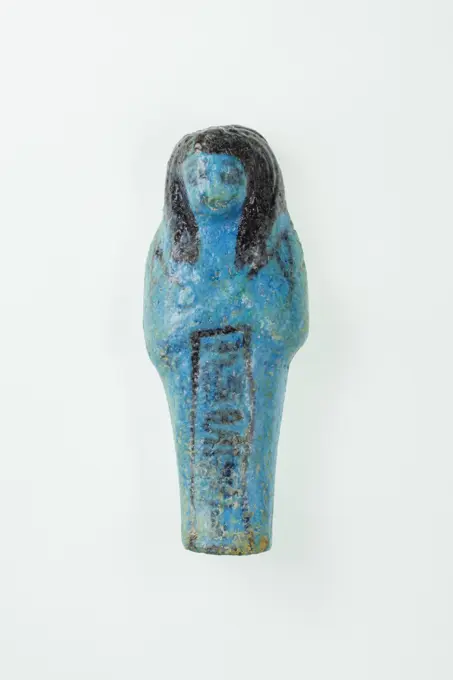
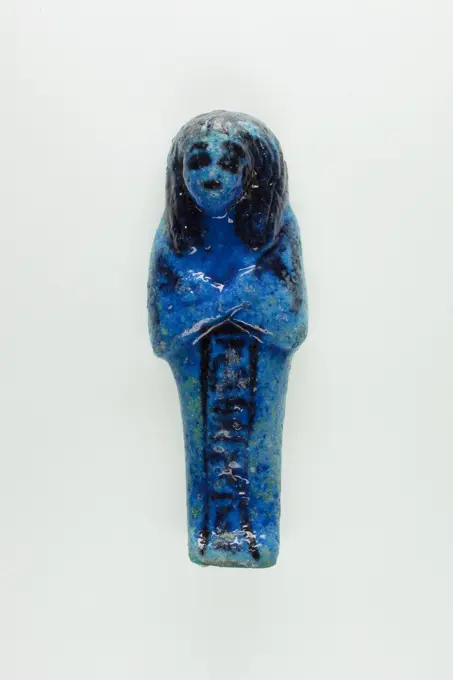
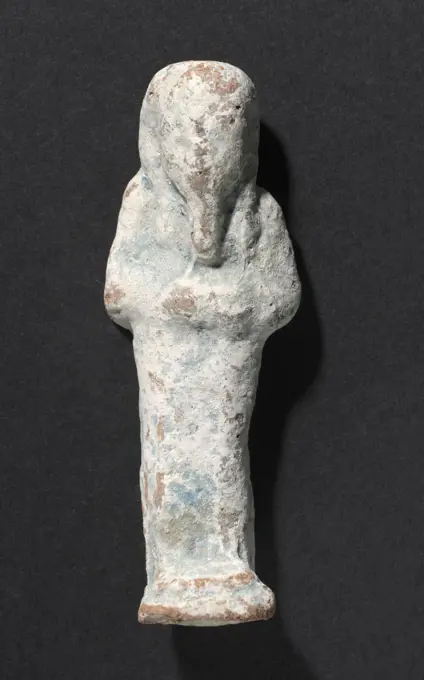
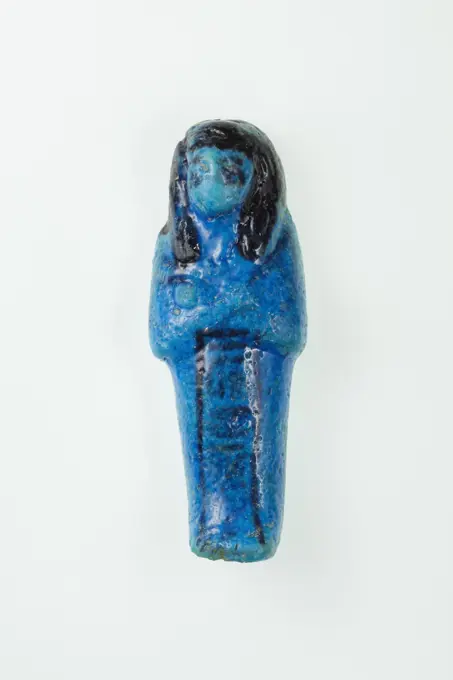
Faience Ushabti ca. 1090-900 B.C. Egyptian Ushabti were buried in large numbers in Egyptian graves believed to ensure the resurrection of the body with which they were placed.. Faience Ushabti 243763
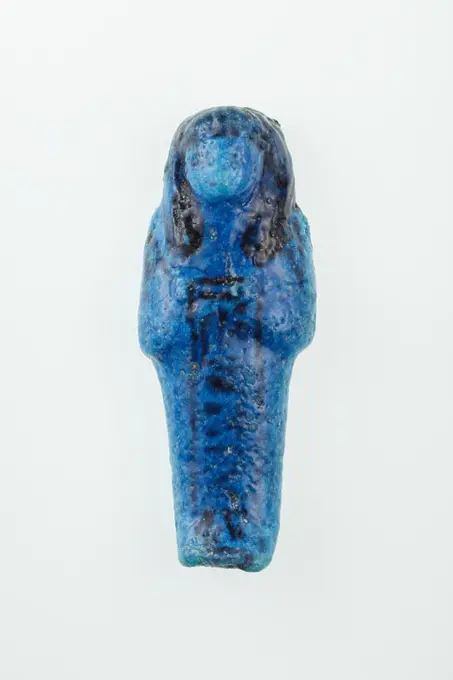
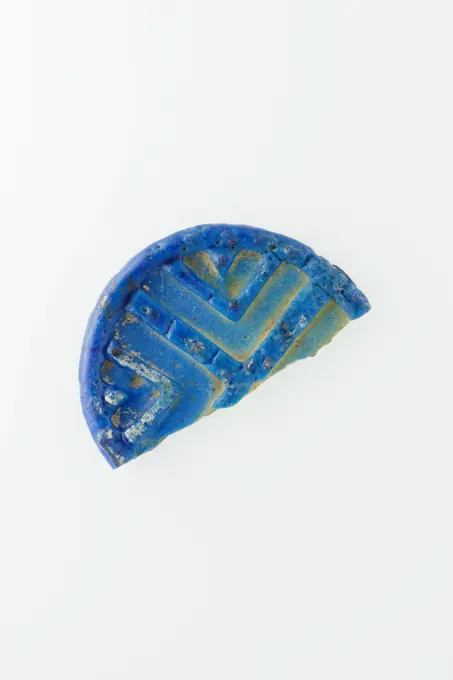
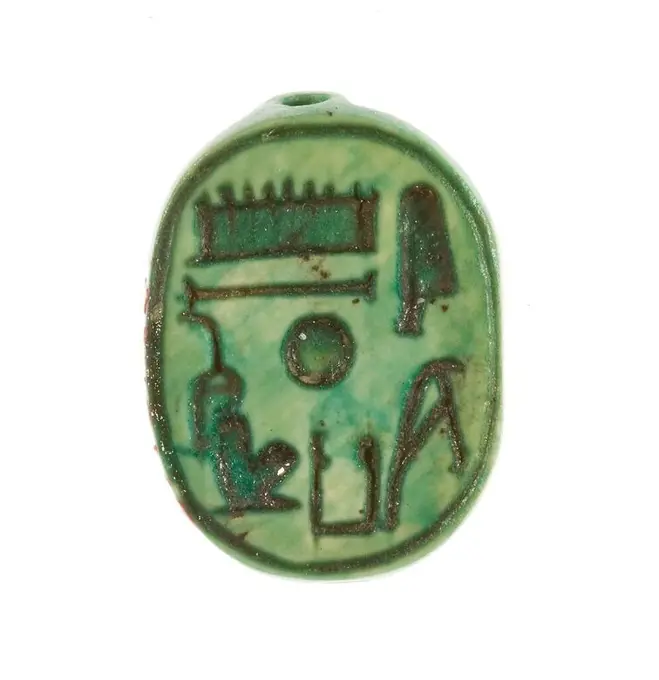
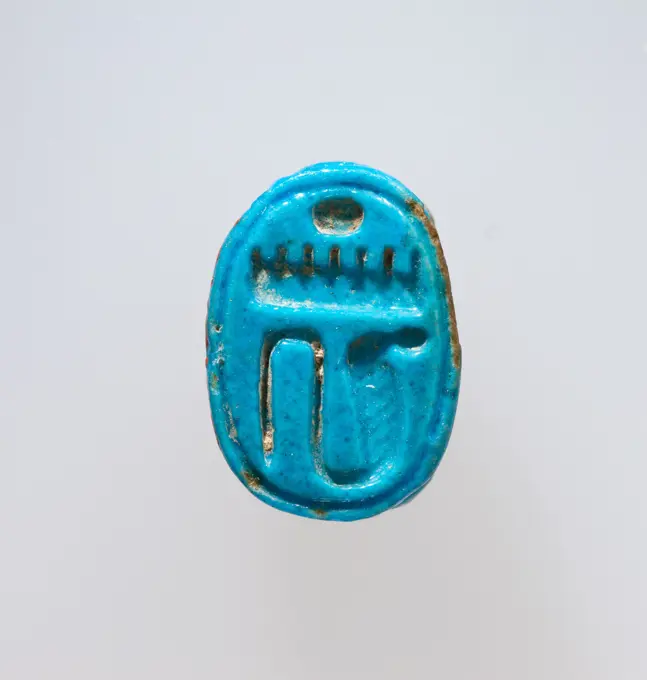
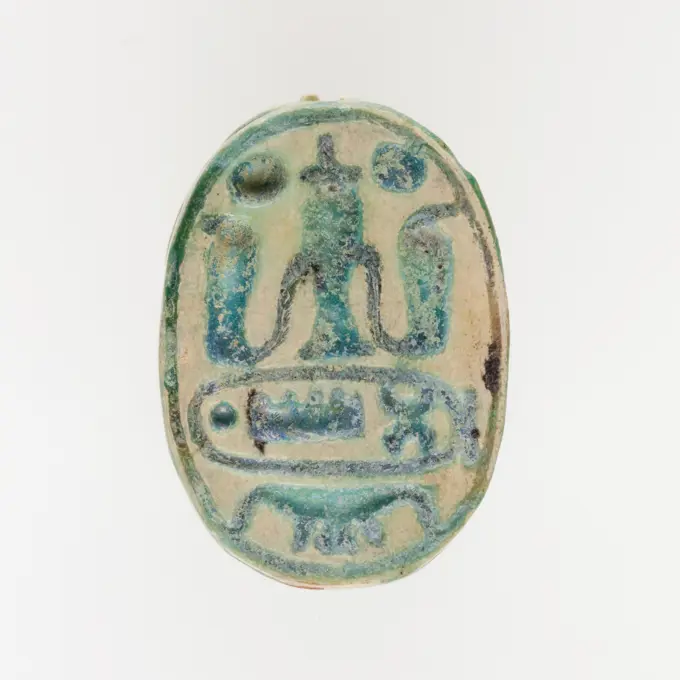
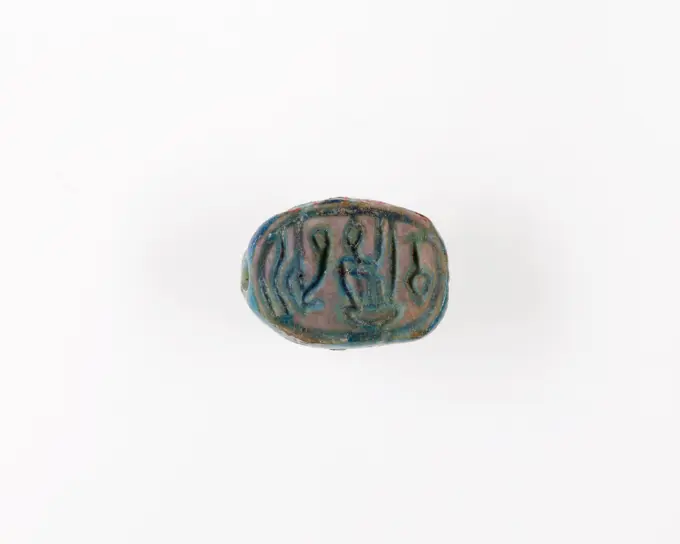
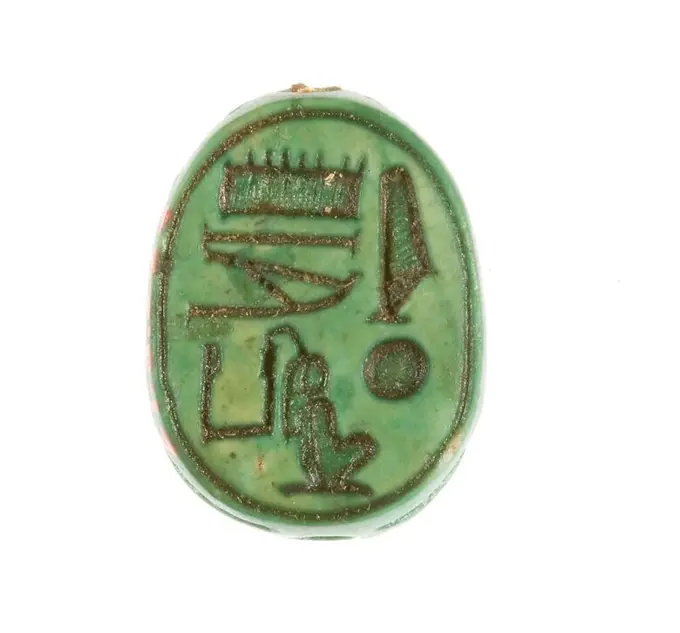
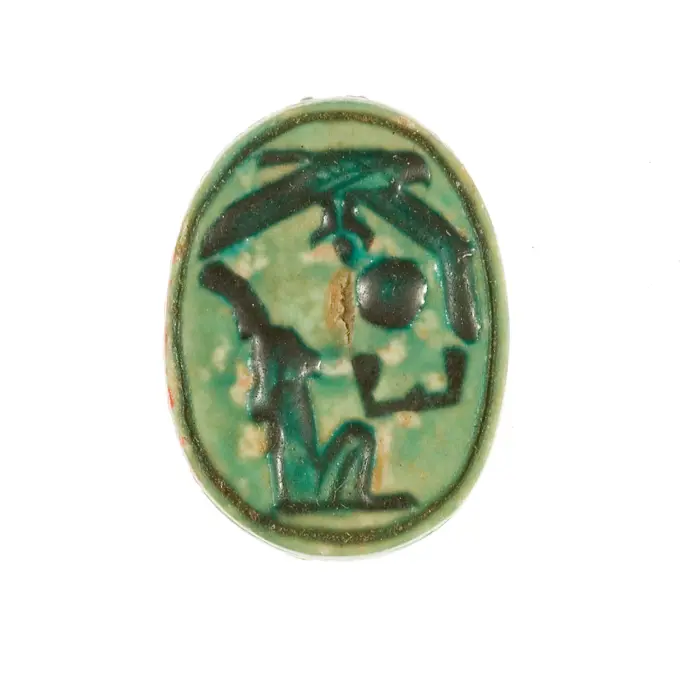
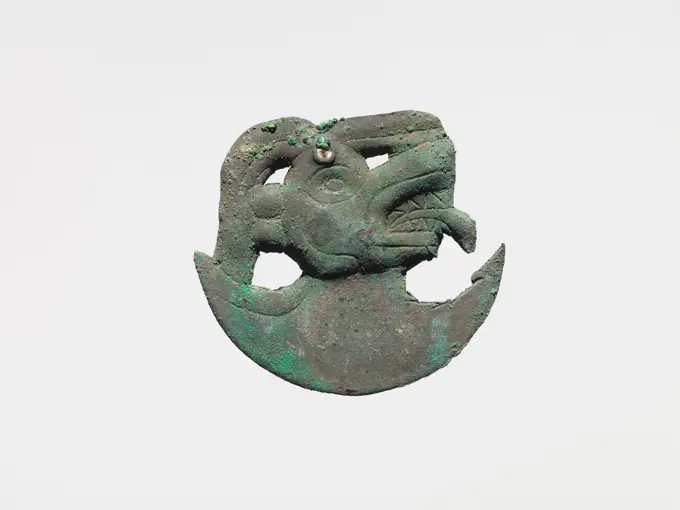
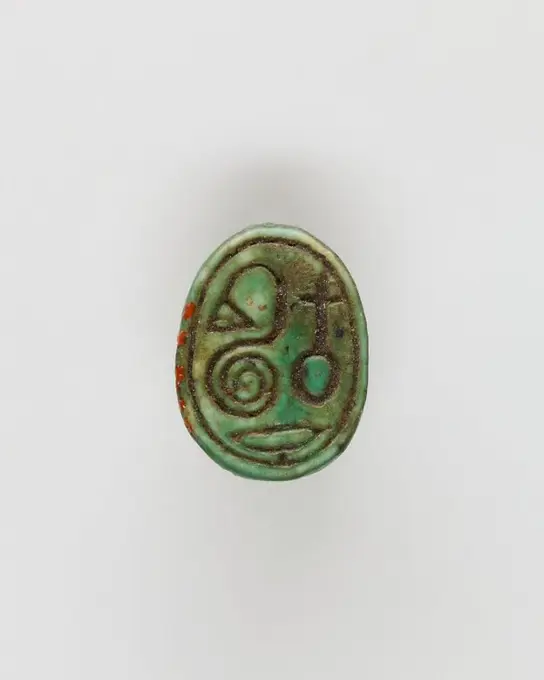
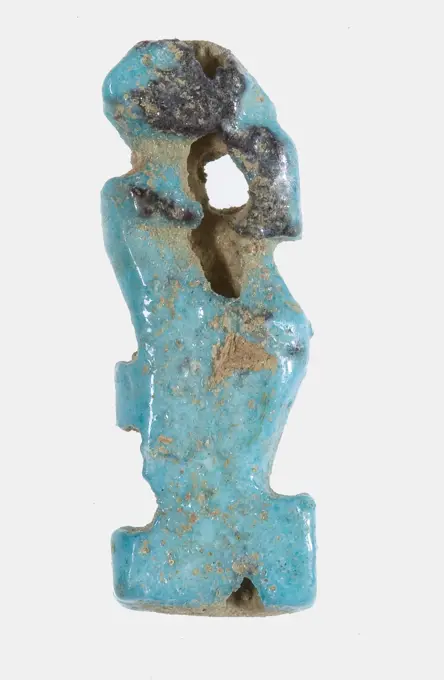
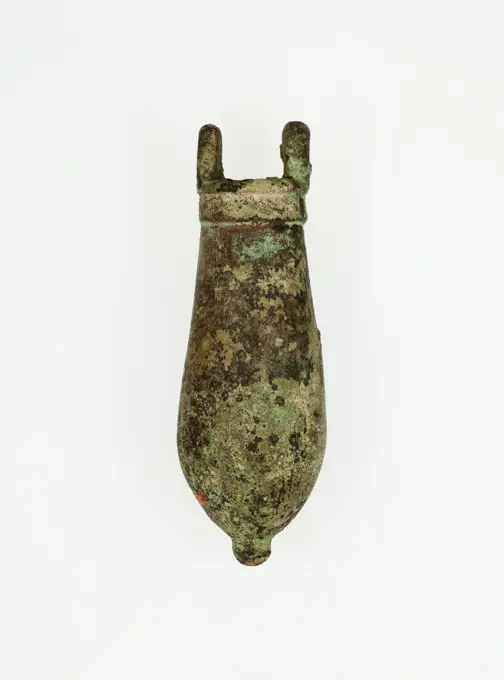
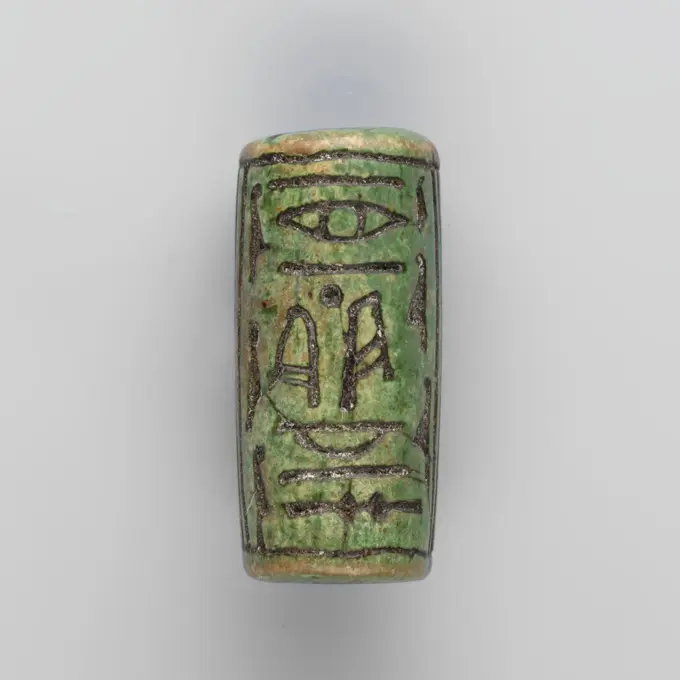
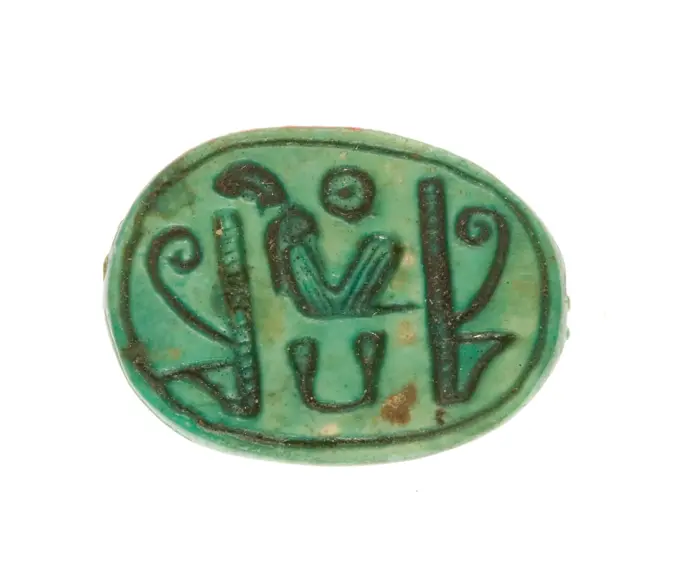
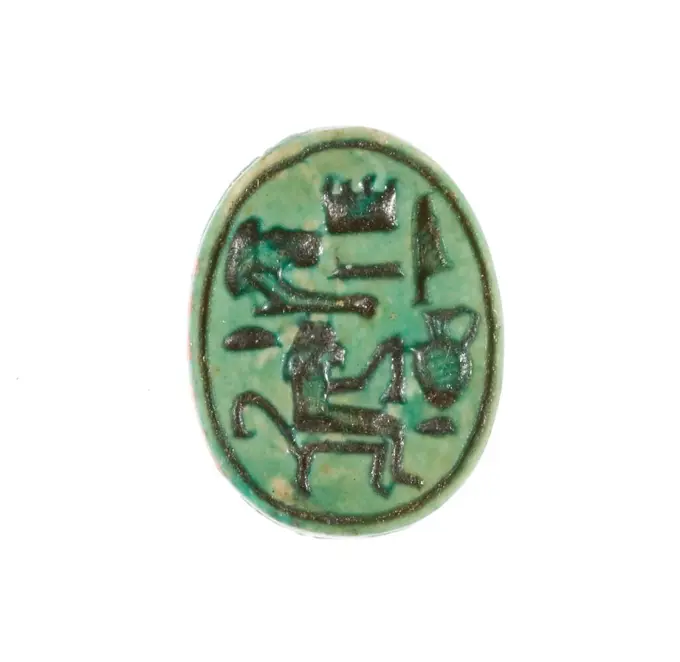
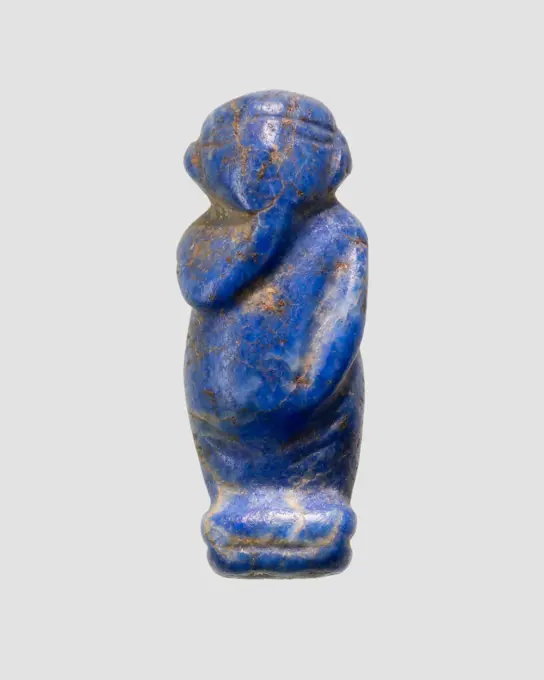
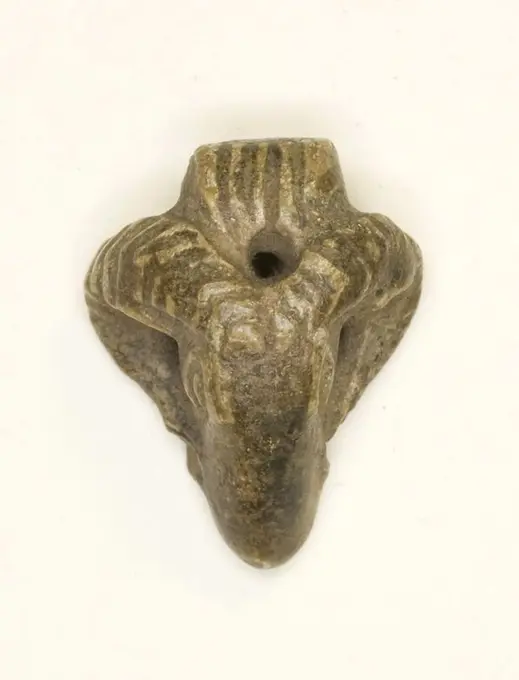
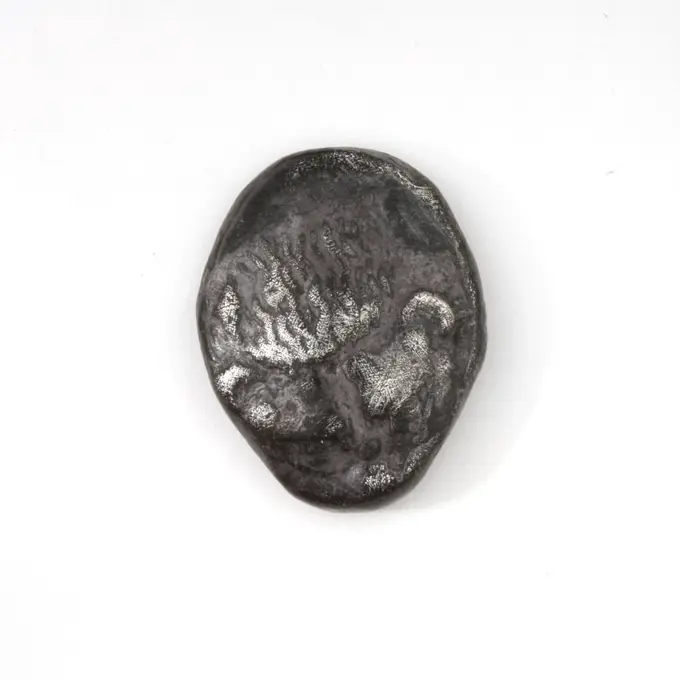
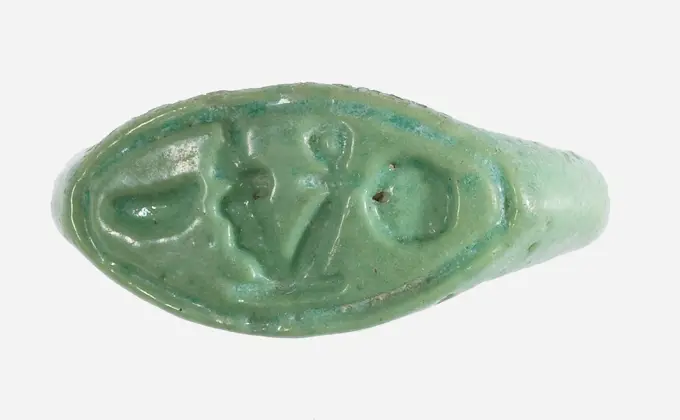
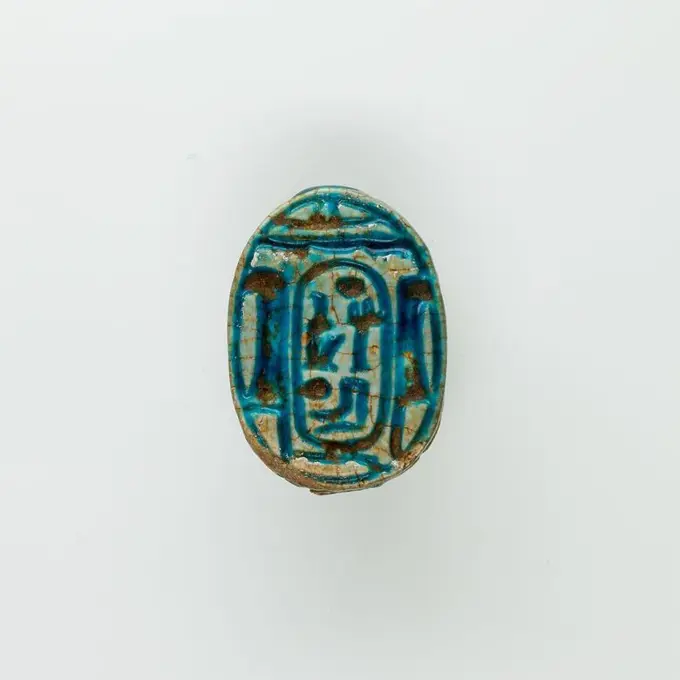
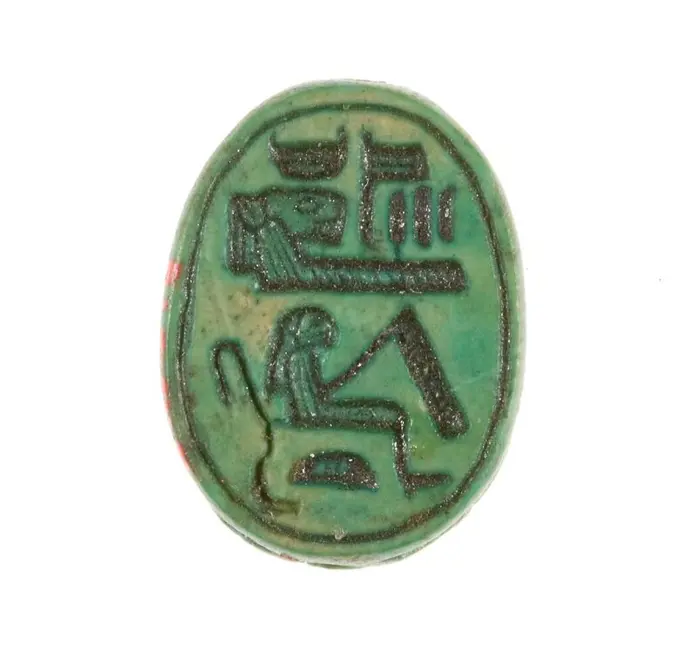
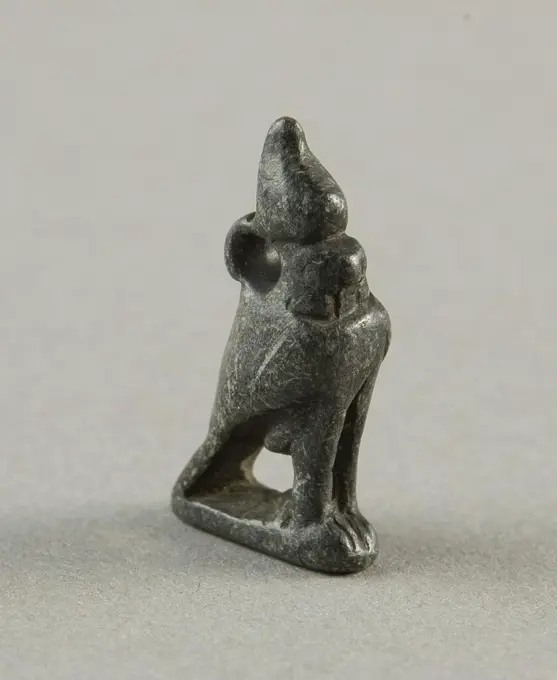
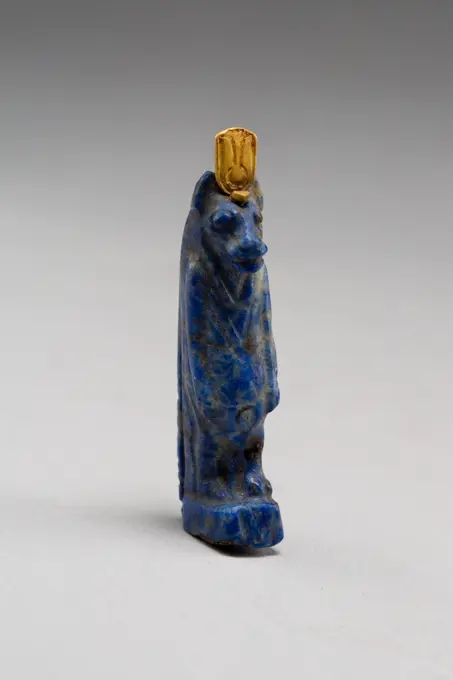
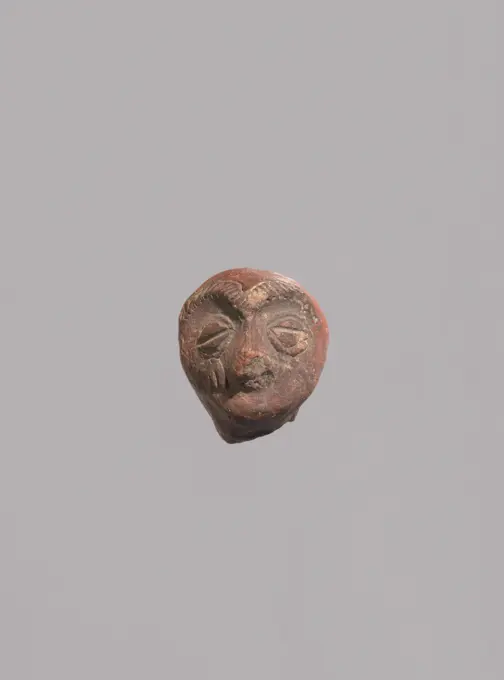
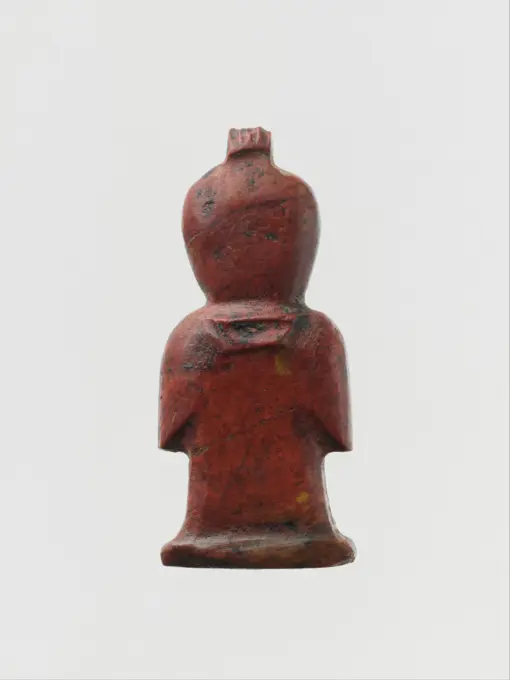
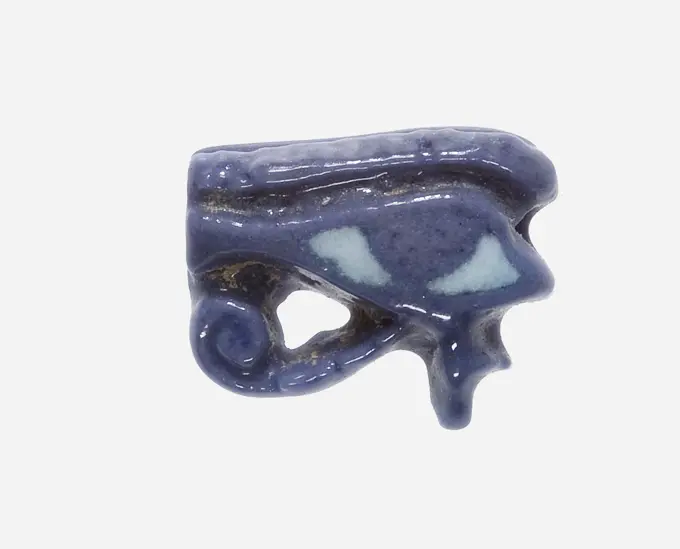
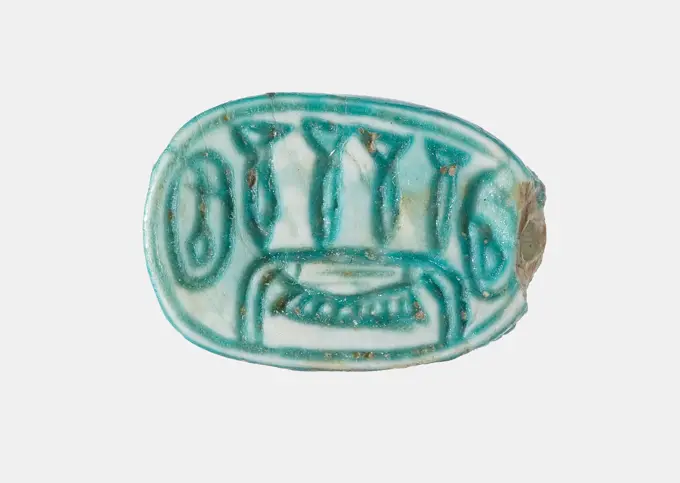
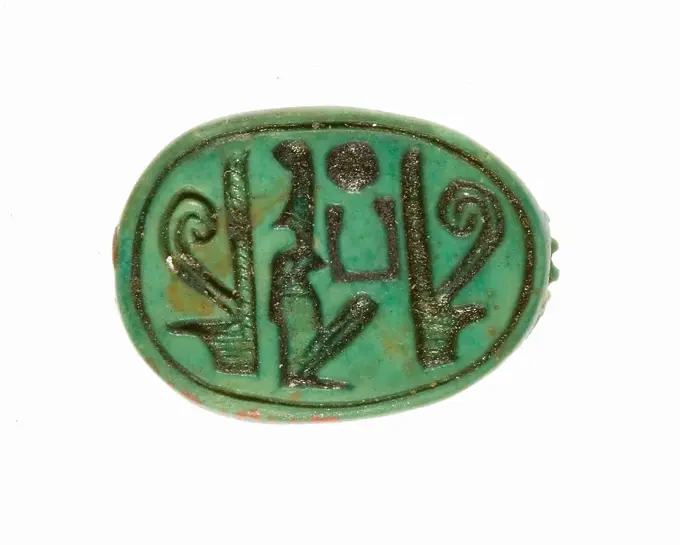
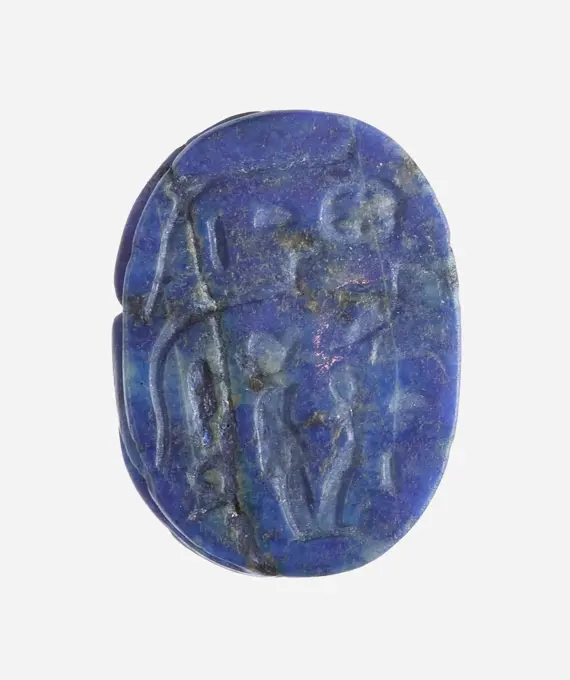
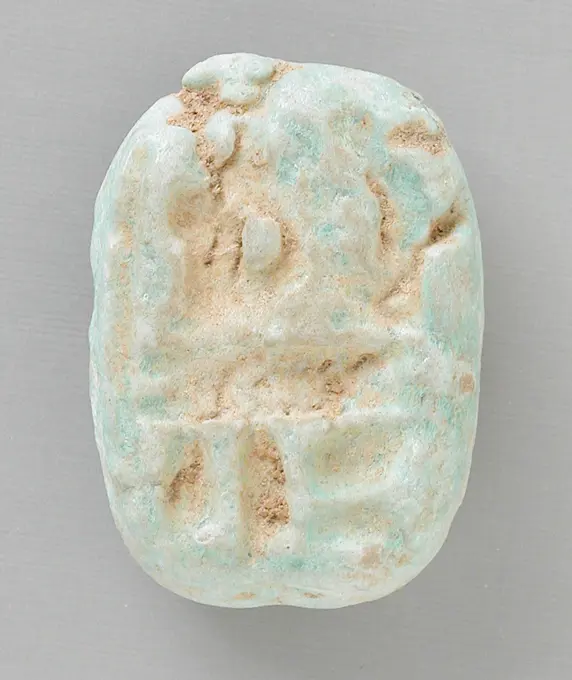
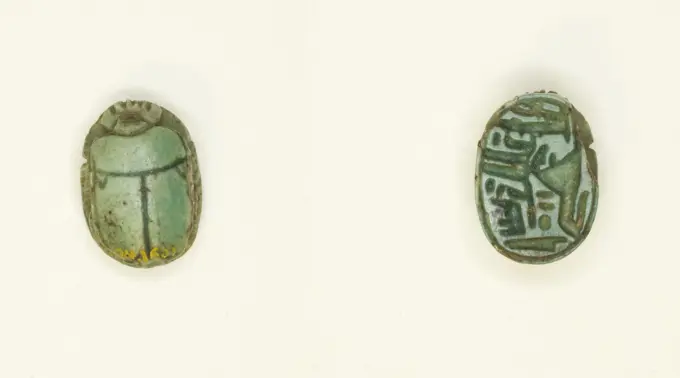
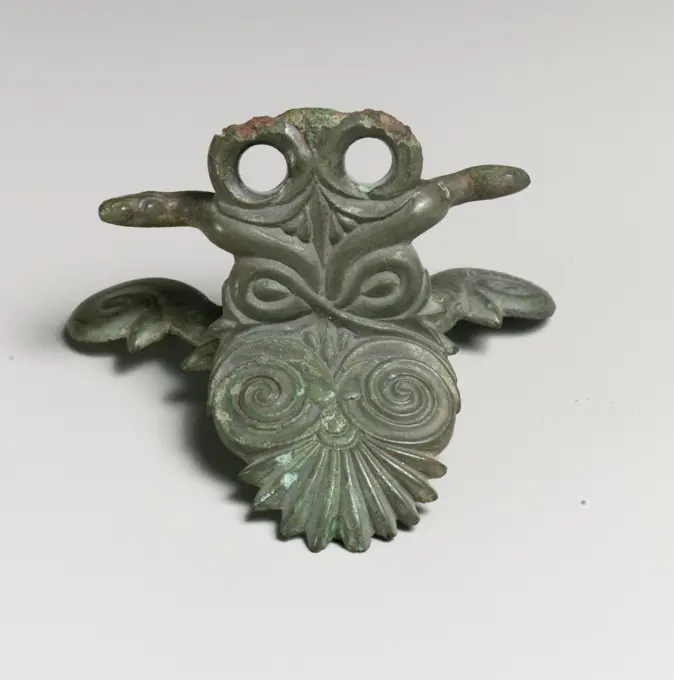
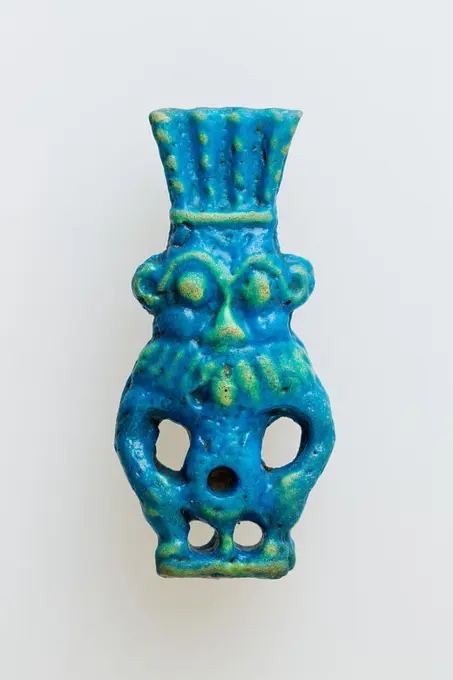
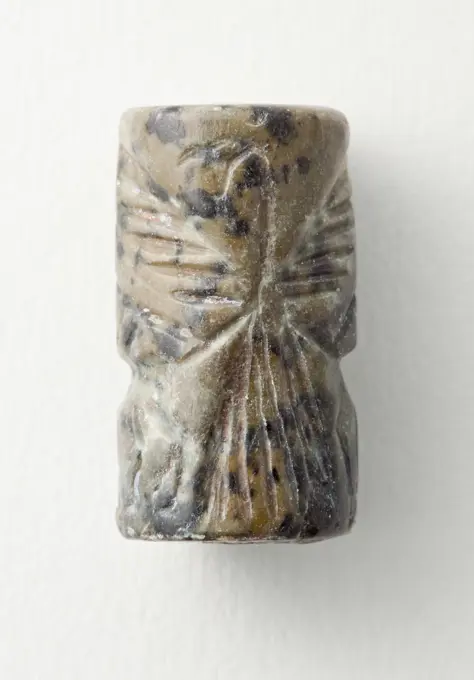
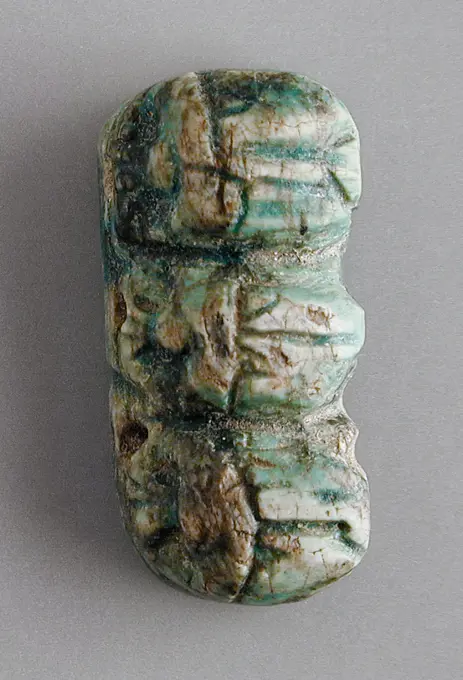
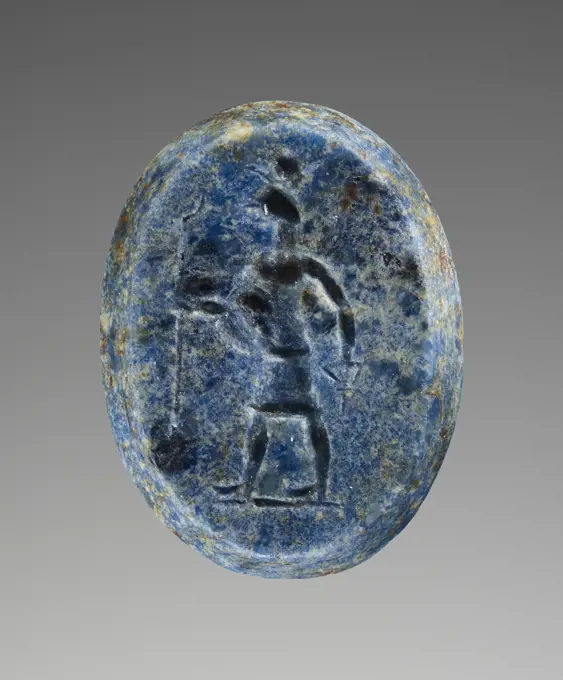
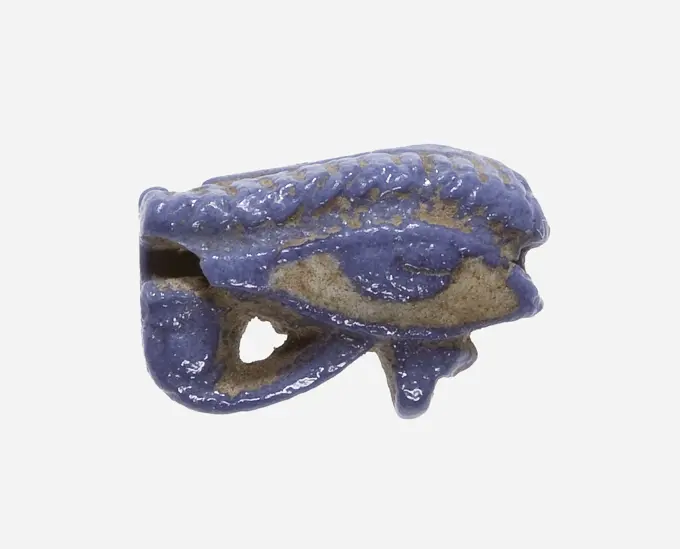
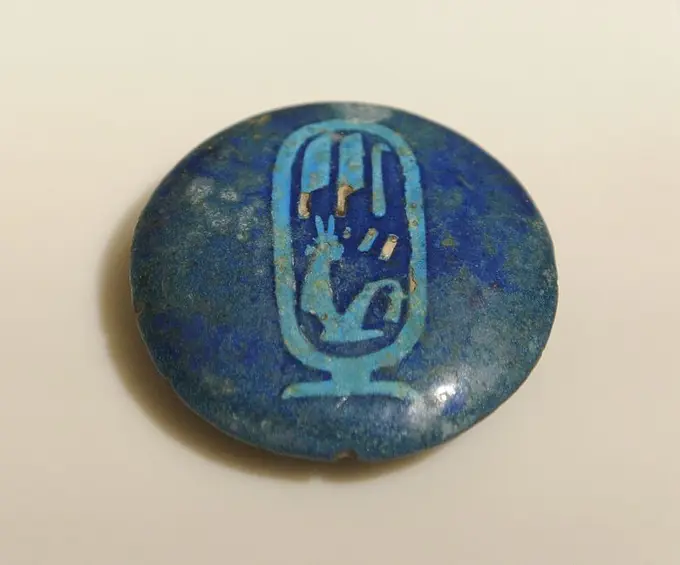
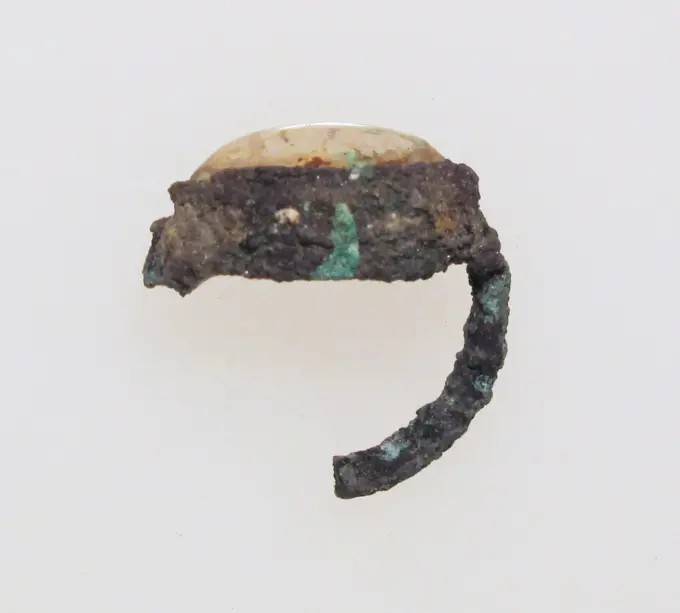
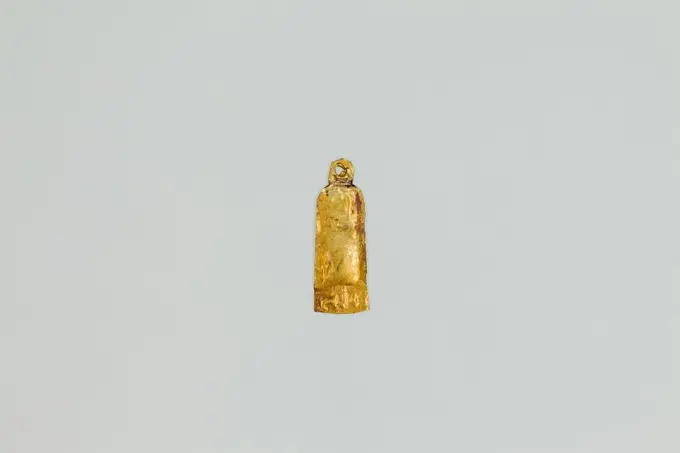
Game piece with lion head Third Intermediate Period-Late Period ca. 1070-525 B.C. View more. Game piece with lion head. ca. 1070-525 B.C.. Faience. Third Intermediate Period-Late Period. From Egypt, Upper Egypt, Thebes, Sheikh Abd el-Qurna, MMA excavations. Dynasty 21-26Worker Shabti of Nany. Dimensions: H. 8.8 × W. 3.3 × D. 1.9 cm (3 7/16 × 1 5/16 × 3/4 in.). Dynasty: Dynasty 21. Reign: reign of Psusennes I. Date: ca. 1050 B.C..See 30.3.28.1a, b. Museum: Metropolitan Museum of Art, New York, USA.Scarab Inscribed with the Name of the God Amun-Re ca. 1479-1458 B.C. New Kingdom. Scarab Inscribed with the Name of the God Amun-Re. ca. 1479-1458 B.C.. Steatite (glazed). New Kingdom. From Egypt, Upper Egypt, Thebes, Deir el-Bahri, Temple of Hatshepsut, Foundation Deposit 8 (H), MMA excavations, 1926-27. Dynasty 18, earlyWorker Shabti of Nauny ca. 1050 B.C. Third Intermediate Period See 30.3.28.1a, b. Worker Shabti of Nauny. ca. 1050 B.C.. Faience. Third Intermediate Period. From Egypt, Upper Egypt, Thebes, Deir el-Bahri, Tomb of Meritamun (TT 358, MMA 65), first corridor, burial of Nauny, MMA excavations, 1928-29. Dynasty 21Faience Ushabti ca. 1090-900 B.C. Egyptian Ushabti were buried in large numbers in Egyptian graves believed to ensure the resurrection of the body with which they were placed.. Faience Ushabti 243763Wadjet-eye Stamp Seal inscribed "Maatkare, Beloved of Amun". Dimensions: l. 1.7 cm (11/16 in); w. 1.2 cm (1/2 in); h. 0.8 cm 5/16 in). Dynasty: Dynasty 18. Reign: Joint reign of Hatshepsut and Thutmose III. Date: ca. 1479-1458 B.C.. Museum: Metropolitan Museum of Art, New York, USA.Worker Shabti of Nany. Dimensions: H. 8.6 × W. 3.1 × D. 1.8 cm (3 3/8 × 1 1/4 × 11/16 in.). Dynasty: Dynasty 21. Reign: reign of Psusennes I. Date: ca. 1050 B.C..See 30.3.29.1a, b. Museum: Metropolitan Museum of Art, New York, USA.Scarab ca. 1479-1458 B.C. New Kingdom. Scarab. ca. 1479-1458 B.C.. Faience. New Kingdom. From Egypt, Upper Egypt, Thebes, Deir el-Bahri, Hatshepsut Hole, Hathor Shrine, MMA excavations, 1922-23. Dynasty 18Ring Fragment with ankh ca. 1390-1353 B.C. New Kingdom. Ring Fragment with ankh. ca. 1390-1353 B.C.. Faience, blue. New Kingdom. From Egypt, Upper Egypt, Thebes, Malqata, Palace of Amenhotep III, MMA excavations, 1910-11. Dynasty 18Worker Shabti of Nany. Dimensions: H. 8.8 × W. 3.4 × D. 2.3 cm (3 7/16 × 1 5/16 × 7/8 in.). Dynasty: Dynasty 21. Reign: reign of Psusennes I. Date: ca. 1050 B.C..See 30.3.27.1a, b. Museum: Metropolitan Museum of Art, New York, USA.Scarab of Thutmose III ca. 1479-1429 B.C. New Kingdom The underside of this scarab is inscribed with a cartouche holding the name Menkheperre, the prenomen of pharaoh Thutmose III (Dynasty 18, ca. 1479-1425 B.C.) He was venerated after his death and the name of this great ruler continued to appear on stamp seals long after his reign, even into the Late Period (ca. 664-525 B.C.). Below is the sign of gold (nub) and above is the sign for praise (hes-vase) flanked by a pair of uraei with sun disks above their heads. The composition expresses praise to the pharaoh and calls for his protection.. Scarab of Thutmose III 557076Worker Shabti of Nany. Dimensions: H. 8.8 × W. 3.4 × D. 2.1 cm (3 7/16 × 1 5/16 × 13/16 in.). Dynasty: Dynasty 21. Reign: reign of Psusennes I. Date: ca. 1050 B.C..See 30.3.29.1a, b. Museum: Metropolitan Museum of Art, New York, USA.Scarab Inscribed Lady of the Two Lands Maatkare (Hatshepsut). Dynasty: Dynasty 18, early. Reign: Joint reign of Hatshepsut and Thutmose III. Date: ca. 1479-1458 B.C.. Museum: Metropolitan Museum of Art, New York, USA.Scarab Inscribed with Hieroglyphs ca. 1740-1640 B.C. Middle Kingdom This late Middle Kingdom scarab is incised with three hieroglyphs: the wedjat-eye, symbol for health and well-being, the Red Crown of Lower Egypt, symbolizing royal authority, and the hieroglyph for good and beautiful (nfr). These signs are not meant to form words but are chosen for their positive, protective meaning. The details on the scarab's back and sides indicate that it dates to mid to late Dynasty 13 (ca. 1750 -1640 B.C.) and that it may have been carved at a workshop in present-day Tell el-Dab'a (ancient Avaris).. Scarab Inscribed with Hieroglyphs 545255Shawabty of Ditamenpaankh, 715-656 BC. Egypt, Late Period, Dynasty 25. Terracotta; overall: 2 x 1.7 x 1.1 cm (13/16 x 11/16 x 7/16 in.).Scarab for Maatkare (Hatshepsut), Beloved of Amun. Dimensions: L. 1.7 cm (11/16 in.); W. 1.3 cm (1/2 in.); H. 0.7 cm (1/4 in.). Dynasty: Dynasty 18, early. Reign: Joint reign of Hatshepsut and Thutmose III. Date: ca. 1479-1458 B.C.. Museum: Metropolitan Museum of Art, New York, USA.Scarab Inscribed with the Name Maatkare (Hatshepsut) with a Falcon Above ca. 1479-1458 B.C. New Kingdom During the 1926-1927 excavation season, the Museum's Egyptian Expedition uncovered three foundation deposits along the eastern enclosure wall of Hatshepsut's funerary temple at Deir el-Bahri in Western Thebes. Among the contents were 299 scarabs and stamp-seals. Sixty-five of these are now in the Egyptian Museum, Cairo, and the rest were acquired by the Museum in the division of finds.Among the inscriptions on the bases of these scarabs and seals are examples of every title Hatshepsut held, from the time she was "king's daughter" during the reign of her father, Thutmose I; through the time she was queen of her half-brother, Thutmose II; and during her regency and co-reign with her nephew/step-son, Thutmose III.The base of this scarab is inscribed with Hatshepsut's throne name, Maatkare. Above, a falcon, with wings outstretched, symbolically protects the ruler. A similar inscription mCrescent Ornaments 6th-7th century Moche (Loma Negra). Crescent Ornaments. Moche (Loma Negra). 6th-7th century. Copper. Peru. Metal-OrnamentsAmulet - bóstwo z głową szakala (bóg Anubis). unknown, authorTile from marsh scene. Dimensions: H. 4.3 × W. 4 cm (1 11/16 × 1 9/16 in.). Dynasty: Dynasty 18. Reign: reign of Akhenaten. Date: ca. 1353-1336 B.C.. Museum: Metropolitan Museum of Art, New York, USA.Scarabs. Dimensions: L. 1.2 cm (1/2 in.); W. 0.9 cm (3/8 in.); H. 0.5 cm (3/16 in.). Dynasty: Dynasty 18, early. Reign: reign of Thutmose II-Early Joint reign. Date: ca. 1492-1473 B.C..This scarab was found with twenty-three other scarabs and seal-amulets in the coffin of a young woman who was buried in Hatnefer's tomb (see 36.3.1 and 36.3 26). The base is inscribed with a decorative pattern that includes a nefer hieroglyph (meaning good or beautiful).. Museum: Metropolitan Museum of Art, New York, USA.Amulet ca. 1802-1450 B.C. Late Middle Kingdom-Early New Kingdom. Amulet. ca. 1802-1450 B.C.. Faience. Late Middle Kingdom-Early New Kingdom. From Egypt, Memphite Region, Lisht North, Cemetery south of pyramid, House A1, so-called "faience factory", MMA excavations, 1920-22. Dynasty 13-18, earlyFinial with Figure. Culture: Moche. Dimensions: H. 1 7/8 x W. 1 9/16 in. (4.8 x 4 cm). Date: 2nd-7th century. Museum: Metropolitan Museum of Art, New York, USA.Situla 600 BC-100 AD Late Period - Roman Period See 58.76.5 for a discussion of situlae of this type. Here no decoration can be recognized any longer.. Situla 551032Amulet of squatting baboon 525-30 BC Late Period-Ptolemaic Period Starting in the later Late Period and continuing through the Ptolemaic Period, a type of glass amulet cast by pressing the glass into a shallow open mold appears. The back was left rough, and the amulets may look ragged because glass overflowed the mold around the edges. The earlier amulets are monochrome, bi- or multicolor amulets supplement the repertoire during the Ptolemaic Period. Some of the amulets can be specifically tied to spells of the Book of the Dead - for example, acc. no. 17.194.2526 - and most are clearly funerary amulets, presumably meant to be wrapped between the bandages of the mummy where the presence of the amulet would do its job irrespective of its degree of finish.. Amulet of squatting baboon. 525-30 BC. Glass. Late Period-Ptolemaic Period. From EgyptAmulet of the God Bes 1069 BCE-332 BCE Egypt. Faience . Ancient EgyptianCrescent Ornament 6th-7th century Moche (Loma Negra). Crescent Ornament. Moche (Loma Negra). 6th-7th century. Silvered copper. Peru. Metal-OrnamentsBake  Cylidric with pseudo-hieroglyphs;  19th century () (1801-00-00-1900-00-00);Ring Fragment ca. 1390-1353 B.C. New Kingdom. Ring Fragment. ca. 1390-1353 B.C.. Faience, Blue, green. New Kingdom. From Egypt, Upper Egypt, Thebes, Malqata, Palace of Amenhotep III, MMA excavations, 1910-11. Dynasty 18Scarab Inscribed with the Name Maatkare (Hatshepsut) Flanked by Two Red Crowns ca. 1479-1458 B.C. New Kingdom During the 1926-1927 excavation season, the Museum's Egyptian Expedition uncovered three foundation deposits along the eastern enclosure wall of Hatshepsut's funerary temple at Deir el-Bahri in Western Thebes. Among the contents were 299 scarabs and stamp-seals. Sixty-five of these are now in the Egyptian Museum, Cairo, and the rest were acquired by the Museum in the division of finds.Among the inscriptions on the bases of these scarabs and seals are examples of every title Hatshepsut held, from the time she was "king's daughter" during the reign of her father, Thutmose I; through the time she was queen of her half-brother, Thutmose II; and during her regency and co-reign with her nephew/step-son, Thutmose III.After the death of her husband, Hatshepsut became regent for her nephew who was a small child. The length of this regency period is uncertain, with estimates ranging fromScarab Inscribed Hatshepsut United with Amun. Dimensions: L. 1.5 cm (9/16 ); w. 1.2 cm (1/2 in.). Dynasty: Dynasty 18, early. Reign: Joint reign of Hatshepsut and Thutmose III. Date: ca. 1479-1458 B.C..During the 1926-1927 excavation season, the Museum's Egyptian Expedition uncovered three foundation deposits along the eastern enclosure wall of Hatshepsut's funerary temple at Deir el-Bahri in Western Thebes. Among the contents were 299 scarabs and stamp-seals. Sixty-five of these are now in the Egyptian Museum, Cairo, and the rest were acquired by the Museum in the division of finds.Among the inscriptions on the bases of these scarabs and seals are examples of every title Hatshepsut held, from the time she was "king's daughter" during the reign of her father, Thutmose I; through the time she was queen of her half-brother, Thutmose II; and during her co-reign with her nephew/step-son, Thutmose III.On the base of this scarab, Hatshepsut's personal name (Hatshepsut) is written with the phAmulet of Harpokrates  ca. 1850-1640 B.C. Middle Kingdom. Amulet of Harpokrates  557328Shabti 380 BCE-343 BCE Egypt. Faience . Ancient EgyptianVotive Cow Plaque ca. 1479-1458 B.C. New Kingdom. Votive Cow Plaque. ca. 1479-1458 B.C.. Blue faience. New Kingdom. From Egypt, Upper Egypt, Thebes, Deir el-Bahri, Hatshepsut Hole, Debris from the Hathor shrine, MMA excavations, 1923-24. Dynasty 18Amulet of a Ram's Head. Egyptian. Date: 1550 BC-664 BC. Dimensions: 1.6 × 1.3 × 0.6 cm (5/8 × 1/2 × 1/4 in.). Steatite. Origin: Egypt. Museum: The Chicago Art Institute, Chicago, USA. Author: Ancient Egyptian.Diobol; Pantikapaion; 1. W. 5th century BC (-500-00-00--476-00-00);Nadczarzyorze, Terlecki, Ignacy (1860-1916), Terlecki, Ignacy (1860-1916)-collection, depressed square (numism.), Lions, lion scalp (iconogr.), Swastika (iconogr.), Purchase (provenance), animalsAmulet of the Goddess Isis 700 BCE-1 BCE Egypt. Faience . Ancient EgyptianGlass medallion with winged Victory 1st century B.C.-3rd century A.D. Roman Opaque turquoise green.Oval; flat back; slightly beveled edges; front molded in high relief with bust of winged Nike (Victory).Facing front but head turned slightly to left; hair parted in middle and arranged into a topknot; wings behind shoulders; proper right hand raised to shoulder holding a palm frond behind head, appearing in right upper field.Intact; dulling, pitting on back, and slight creamy weathering.. Glass medallion with winged Victory. Roman. 1st century B.C.-3rd century A.D.. Glass, turquoise blue; cast. ImperialWorker Shabti of Nany. Dimensions: H. 8.8 × W. 3.4 × D. 2 cm (3 7/16 × 1 5/16 × 13/16 in.). Dynasty: Dynasty 21. Reign: reign of Psusennes I. Date: ca. 1050 B.C..See 30.3.29.1a, b. Museum: Metropolitan Museum of Art, New York, USA.Shawabty of Ditamenpaankh, 715-656 BC. Egypt, Late Period, Dynasty 25. Terracotta; overall: 5.8 x 1.6 x 1.6 cm (2 5/16 x 5/8 x 5/8 in.).Engraved Gem. UnknownRing, Prenomen of Amenhotep III ca. 1390-1352 B.C. New Kingdom Inscribed on this ring is the throne name of pharaoh Amenhotep III "Nebmaatre" that can be translated as "(The god) Re is the lord of truth," written here with three hieroglyphs. A sun disk for the name of the sun god Re is on teh left. In the center is a depiction of the goddess Maat that is used as a hieroglyph for the concept of truth, as she embodied the principle of world order, truth, and justice. She is depicted squatting and with the sign of life (ankh) on her knees. The ostrich plume that signifies her name is on her head. Other writings for this royal name use the Maat feather alone, but the small figure of the goddess herself might express a more direct and intimate relationship between the king and this goddess. On the right is a rounded sign that reads "neb" meaning "lord." Every Egyptian king had five names and four of them, including the throne name that is used here, were chosen when a king ascended the throScarab of Amenemhat III. Dimensions: L. 1 × W. 0.7 × H. 0.5 cm (3/8 × 1/4 × 3/16 in.). Dynasty: Dynasty 12. Reign: reign of Amenemhat III. Date: ca. 1859-1813 B.C..Scarab shaped seal inscribed with the prenomen of Amenemhat III, Nimaatre. Museum: Metropolitan Museum of Art, New York, USA.Scarab of Ramesses II. Dimensions: L. 1.9 cm (3/4 in.). Dynasty: Dynasty 19-20. Date: ca. 1295-1070 B.C.. Museum: Metropolitan Museum of Art, New York, USA.Worker Shabti of Nany ca. 1050 B.C. Third Intermediate Period See 30.3.26.1a, b. Worker Shabti of Nany. ca. 1050 B.C.. Faience. Third Intermediate Period. From Egypt, Upper Egypt, Thebes, Deir el-Bahri, Tomb of Meritamun (TT 358, MMA 65), first corridor, burial of Nany, MMA excavations, 1928-29. Dynasty 21Greece, Sarmacja, Olbia, approx. 400 350 BCE, AE MintPendant: Female Head in Profile. UnknownAmulet of the God Min or Amun-Min 1070 BCE-332 BCE Egypt. Faience . Ancient EgyptianGlass openwork finger ring ca. 4th century A.D. Roman Translucent blue.Circular hoop made from two parallel rods with zigzag trail drawn around between them; circular flat bezel with thicker rounded edge.Bezel stamped with a female portrait head in profile to right with bun on back of head.Intact, but one open crack in one rod near junction with bezel; many pinprick and a few larger bubbles; dulling, pitting, and iridescent weathering.Blue ring of three interlaced glass threads and round bezel with head in relief.. Glass openwork finger ring 249581Amulet of the God Thoth 664 BCE-332 BCE Egypt. Faience . Ancient EgyptianAmulet - Plaque with Representation of SekhmetCauris de Bronze, 0399. BM1. Cernuschi Museum, Asia Museum of Asia in the city of Paris.Amulet of a Seated Ape 1700 BCE Egypt. Steatite . Ancient EgyptianAmulet of the God Bes 1069 BCE-332 BCE Egypt. Faience . Ancient EgyptianCornflower Pendant ca. 1390-1353 B.C. New Kingdom. Cornflower Pendant. ca. 1390-1353 B.C.. Faience. New Kingdom. From Egypt, Upper Egypt, Thebes, Malqata, Palace of Amenhotep III, MMA excavations, 1910-11. Dynasty 18Scarab Inscribed for the God's Wife Hatshepsut. Dimensions: L. 1.8 cm (11/16 in); w. 1.3 cm (1/2 in); h. 0.8 cm (5/16 in). Dynasty: Dynasty 18, early. Reign: Joint reign of Hatshepsut and Thutmose III. Date: ca. 1479-1458 B.C..This scarab was found in a foundation deposit associated with Hatshepsut's funerary temple at Deir el-Bahri. The base is inscribed with her personal name, Hatshepsut ("foremost of noblewomen") linked with the title God's Wife. Hatshepsut inherited the title while she served as principal queen of her half-brother, Thutmose II. Later in her life, after taking on the titles of King, Hatshepsut passed the title to her daughter, Neferure (see scarab 27.3.326). Museum: Metropolitan Museum of Art, New York, USA.Boat;  525-343 BC ; Half period, 27-30 dynasty (-525-00-00--343-00-00);Mordant 15th century French. Mordant. French. 15th century. Bronze. Miscellaneous-Buckles & OrnamentAmulet of the God Horus as a Falcon with Double Crown. Egyptian. Date: 664 BC-332 BC. Dimensions: 2.5 × 1.6 × 0.6 cm (1 × 5/8 × 1/4 in.). Steatite. Origin: Egypt. Museum: The Chicago Art Institute, USA. Author: Ancient Egyptian.Taweret amulet 664-30 B.C. Late Period-Ptolemaic Period. Taweret amulet 570356Worker Shabti of Nany ca. 1050 B.C. Third Intermediate Period See 30.3.29.1a, b. Worker Shabti of Nany. ca. 1050 B.C.. Faience. Third Intermediate Period. From Egypt, Upper Egypt, Thebes, Deir el-Bahri, Tomb of Meritamun (TT 358, MMA 65), first corridor, burial of Nany, MMA excavations, 1928-29. Dynasty 21Head - figurine fragment. unknown, craftsmanTerracotta jug fragment. Culture: Roman. Dimensions: width 7.01 cm.. Date: 1st half of 2nd century A.D..Fragment of an applied medallion from a vase; male figure with branch, beside a tripod. Museum: Metropolitan Museum of Art, New York, USA.Inlay, profile bust fitted from sections 200 BC-100 AD Ptolemaic Period-Roman Period Glass figural inlay elements could be fitted in individual wooden cells, or placed immediately adjacent to other elements and attached to a background as they have been to create this bust'.. Inlay, profile bust fitted from sections. 200 BC-100 AD. Glass. Ptolemaic Period-Roman Period. From EgyptStatuette of a man with object in hand 4th-1st century B.C. Italic Round object in the right hand.. Statuette of a man with object in hand 246295Red jasper amulet of tyet 664-304 B.C. Egyptian Amulet of a girdle tie.. Red jasper amulet of tyet 243718Worker Shabti of Nauny ca. 1050 B.C. Third Intermediate Period See 30.3.27.1a, b. Worker Shabti of Nauny. ca. 1050 B.C.. Faience. Third Intermediate Period. From Egypt, Upper Egypt, Thebes, Deir el-Bahri, Tomb of Meritamun (TT 358, MMA 65), first corridor, burial of Nauny, MMA excavations, 1928-29. Dynasty 21Worker Shabti of Nany ca. 1050 B.C. Third Intermediate Period See 30.3.26.1a, b. Worker Shabti of Nany 625723Wedjat Eye Amulet ca. 1390-1353 B.C. New Kingdom One of the most popular amulets in ancient Egypt, the wedjat eye represents the healed eye of the god Horus. It depicts a combination of a human and a falcon eye, since Horus was often associated with a falcon. Its ancient Egyptian name, wedjat, means "the one that is sound (again)." In Egyptian mythology Horus eye was injured or stolen by the god Seth and then restored by Thoth. The wedjat eye embodies healing power and symbolizes rebirth. An amulet in this shape was thought to protect its wearer and to transfer the power of regeneration onto him or her. This particular wedjat eye shows the typical style of the New Kingdom, in which the spiral element sits directly underneath the cosmetic line, while in later examples it is situated much lower (see for example 89.2.415). On the backside of the piece is a nfr-sign, the hieroglyph for "good" or "beautiful.". Wedjat Eye Amulet. ca. 1390-1353 B.C.. Faience. New Kingdom. From Egypt, Upper EScarab ca. 1981-1640 B.C. Middle Kingdom. Scarab. ca. 1981-1640 B.C.. Brigth blue glazed steatite. Middle Kingdom. From Egypt, Memphite Region, Lisht South, tomb of Senwosretankh, Surface burial 55, MMA excavations, 1932-33. Dynasty 12-13Scarab Inscribed with the Name Maatkare (Hatshepsut) Flanked by Two Red Crowns. Dimensions: L. 1.7 cm (11/16 in.); W. 1.2 cm (1/2 in.). Dynasty: Dynasty 18, early. Reign: Joint reign of Hatshepsut and Thutmose III. Date: ca. 1479-1458 B.C..During the 1926-1927 excavation season, the Museum's Egyptian Expedition uncovered three foundation deposits along the eastern enclosure wall of Hatshepsut's funerary temple at Deir el-Bahri in Western Thebes. Among the contents were 299 scarabs and stamp-seals. Sixty-five of these are now in the Egyptian Museum, Cairo, and the rest were acquired by the Museum in the division of finds.Among the inscriptions on the bases of these scarabs and seals are examples of every title Hatshepsut held, from the time she was "king's daughter" during the reign of her father, Thutmose I; through the time she was queen of her half-brother, Thutmose II; and during her regency and co-reign with her nephew/step-son, Thutmose III.After the death of her husband, HatshepsScarab Inscribed with the Name and Titles of Vizier Djedkhonsuiufankh ca. 818-700 B.C. Third Intermediate Period This scarab is inscribed with the name and titles of a dignitary, Djedkhonsuiufankh. Scarab Inscribed with the Name and Titles of Vizier Djedkhonsuiufankh. ca. 818-700 B.C.. Lapis lazuli. Third Intermediate Period. From Egypt. Dynasty 23Molded Faience Plaque with Throne Name of Tawosret. Egypt, New Kingdom, 19th Dynasty, reign of Tawosret (1209 - 1201 BCE). Sculpture; plaques. FaienceScarab Criosphinx and Maat with Name of Amun-Ra 1550 BCE-525 BCE Egypt. Faience . Ancient EgyptianPair of bronze situla (bucket) handles 6th century B.C. Etruscan A symmetrical arrangement of volutes, palmettes, and entwined serpents forms a highly decorative pair of handles that originally were attached to a bronze situla. The pairs of holes at the top of each attachment would have held bronze swing handles.. Pair of bronze situla (bucket) handles 248080Shawabty of Ditamenpaankh, 715-656 BC. Egypt, Late Period, Dynasty 25. Terracotta; overall: 6.7 x 2.3 x 1.7 cm (2 5/8 x 7/8 x 11/16 in.). High demand for shawabtys in the Late Period, a time when as many as 400 or more shawabtys were placed in the tomb with the deceased, gave rise to a specialized container for storing them: the shawabty box. This example is inscribed for the lady of the house, Ditamenpaankh, and was probably one of a pair originally made for her. The single-masted boat on the box's lid is perhaps an allusion to the pilgrimage of the deceased to the holy city of Abydos, the cult city of Osiris, king of the dead. The shawabtys inside are crude, mass-produced examples cast in an open mold. Made of terracotta, their blue paint imitates more costly shawabtys made of faience. As for the shawabty spell, it has been removed from its traditional location on the shawabty's front and relocated onto the sides of box, where it needed only to be written once, thus expediting produBes. Dimensions: l. 6 cm (2 3/8 in.) × w. 2.9 cm (1 1/8 in.). Date: 664-30 B.C..This small double-sided figure depicts the beloved god Bes with his body of a dwarf, leonine head, and feather headdress. The bright blue faience is has linear details in an equally bright contrasting yellow-green, so that the god looks a bit like a cookie with icing. Museum: Metropolitan Museum of Art, New York, USA.Scarab Decorated with Crossing Lines ca. 1550-1070 B.C. New Kingdom. Scarab Decorated with Crossing Lines 557068Cylinder Seal. Iran, Mesopotamia or Syria, Agade period, about 2334-2154 B.C.. Tools and Equipment; seals. Gray and black serpentineScarabs from Hatshepsut Foundation Deposits ca. 1479-1458 B.C. New Kingdom. Scarabs from Hatshepsut Foundation Deposits. ca. 1479-1458 B.C.. Steatite (glazed). New Kingdom. From Egypt, Upper Egypt, Thebes, Deir el-Bahri, Temple of Hatshepsut, Foundation Deposit 7 (G), MMA excavations, 1926-27. Dynasty 18, earlyVase fragment ca. 1981-1640 B.C. Middle Kingdom. Vase fragment 556909Amulet of the God Bes 1069 BCE-664 BCE Egypt. Faience . Ancient EgyptianTriple Beetle Scarab. Egypt, New Kingdom (1569 - 1081 BCE). Jewelry and Adornments. FaienceBuckle Cypriot. Buckle 244412Engraved Gem with Bes-Pantheos and Anubis; Italy; A.D. 100-250; Lapis lazuli; 1.2 × 0.9 × 0.2 cm (1,2 × 3,8 × 1,16 in.)Necklace spiral 9th-8th century B.C. Italic, Villanovan. Necklace spiral. Italic, Villanovan. 9th-8th century B.C.. Bronze. Geometric. BronzesShabti. Egypt, Middle Kingdom - Ptolemaic Period (2061 - 31 BCE). Sculpture. Faience, green glazeScarab Inscribed with the Throne Name of Thutmose I ca. 1504-1492 B.C. New Kingdom. Scarab Inscribed with the Throne Name of Thutmose I. ca. 1504-1492 B.C.. Faience. New Kingdom. From Egypt. Dynasty 18Wedjat Eye Amulet ca. 1390-1353 B.C. New Kingdom One of the most popular amulets in ancient Egypt, the wedjat eye represents the healed eye of the god Horus. It depicts a combination of a human and a falcon eye, since Horus was often associated with a falcon. Its ancient Egyptian name, wedjat, means "the one that is sound (again)." In Egyptian mythology Horus eye was injured or stolen by the god Seth and then restored by Thoth. The wedjat eye embodies healing power and symbolizes rebirth. An amulet in this shape was thought to protect its wearer and to transfer the power of regeneration onto him or her. This particular wedjat eye shows the typical style of the New Kingdom, in which the spiral element sits directly underneath the cosmetic line, while in later examples it is situated much lower (see for example 89.2.415).. Wedjat Eye Amulet. ca. 1390-1353 B.C.. Faience. New Kingdom. From Egypt, Upper Egypt, Thebes, Malqata, South Village, MMA excavations, 1911-12. Dynasty 18Worker Shabti of Nauny ca. 1050 B.C. Third Intermediate Period See 30.3.27.1a, b. Worker Shabti of Nauny. ca. 1050 B.C.. Faience. Third Intermediate Period. From Egypt, Upper Egypt, Thebes, Deir el-Bahri, Tomb of Meritamun (TT 358, MMA 65), first corridor, burial of Nauny, MMA excavations, 1928-29. Dynasty 21Button of a chest with the cartouche of Tiy. New Kingdom. 18th Dynasty. 1388-1351 BC. Neues Museum. Berlin. Germany.Boat;  around 945- 715 BC ; 3rd transition period, 22-23 dynasty (-945-00-00--715-00-00);Ring with scaraboid. Ring with scaraboid 243639Figure 4th-7th century Coptic. Figure 479603Fragment Steel van Fork or Spoon from the wreck of the East Indians Hollandia, Anonymous, 1700 - in Or Before 1743 spoon Cutlery, fragment: stem of fork or spoon; fragm, sim. NG 1980-27H536a. Netherlands copper (metal)   SecondFragment buyer from the wreck of the East Indieschief Hollandia. Parts or artifacts; eroded fragments: Materials; Copper.Amulet of the God Pataikos 747 BCE-332 BCE Egypt. Faience . Ancient EgyptianAper amulet. Dimensions: l. 1.7 cm (11/16 in.) × h. 0.6 cm (1/4 in.). Dynasty: Dynasty 26-29. Date: 664-380 B.C.. Museum: Metropolitan Museum of Art, New York, USA.Inlay 664-610 B.C. Late Period, Saite A quantity of faience hieroglyphs and border elements was found in the tomb or courtyard of Nespekashuty. These are displayed in galleries 127 and 130. They are of similar size and manufacture, so seem to have belonged to a single object, likely of wood. Some of the signs belong to the standard offering formula, others mention Osiris and Anubis, so they certainly suggest an item of funerary furniture - a box, a screen, or a coffin although coffins are not usually inlaid in faience and remnants of Nespekashuty's were painted.Unfortunately, there are no signs indisputably pointing to Nespekashuty's names or titles. Although it seems likely that the fairly elaborate piece of equipment to which they testify belonged to the main burial of this tomb, and not to the Third Intermediate Period burials found in the courtyard or to the material apparently cleared from the Hathor Shrine at Deir el Bahri or to the other sets of late shabtis found in the vicinitAmulet of the Lunar Crescent 1600 BCE-400 CE Egypt. Glass . Ancient Egyptian