Egyptian Artifacts and Game Pieces

Collection of ancient Egyptian artifacts, including game pieces and shabti figures, with intricate designs reflecting historical craftsmanship.
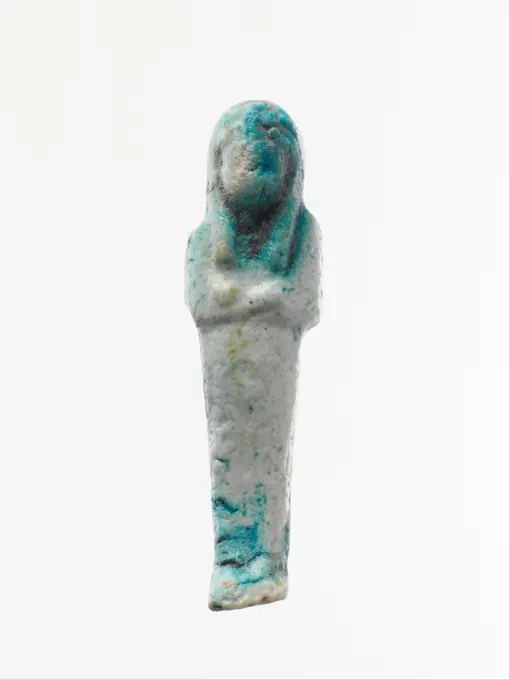
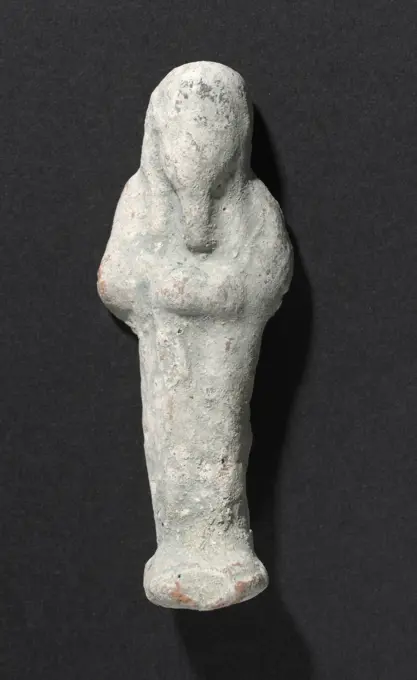
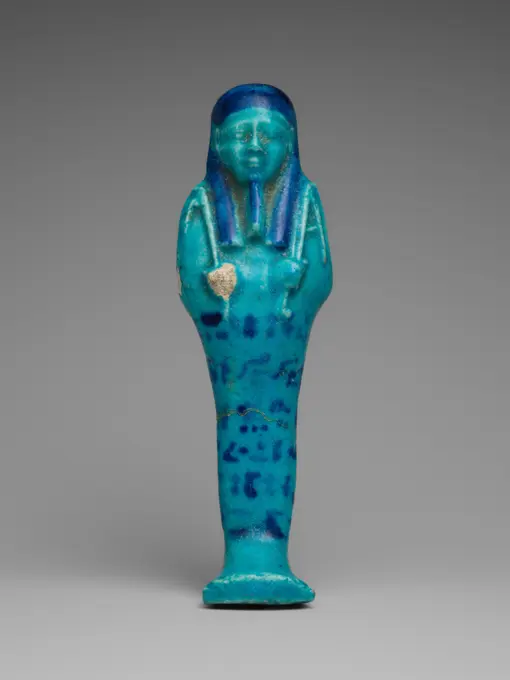
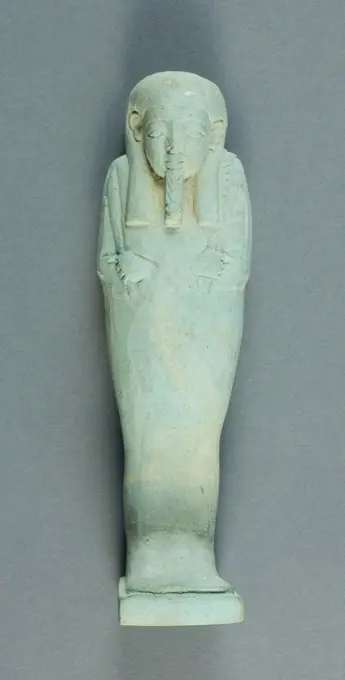
Faience Ushabti ca. 1090-900 B.C. Egyptian Ushabti were buried in large numbers in Egyptian graves believed to ensure the resurrection of the body with which they were placed.. Faience Ushabti 243763
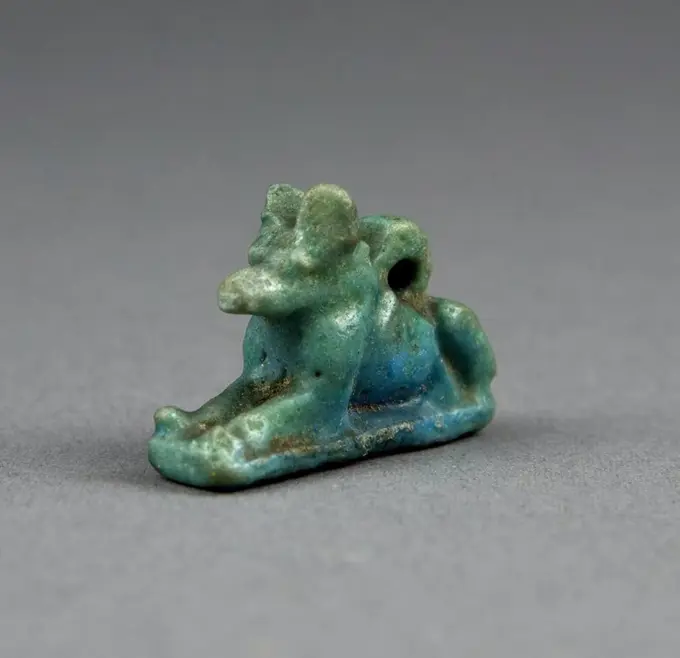
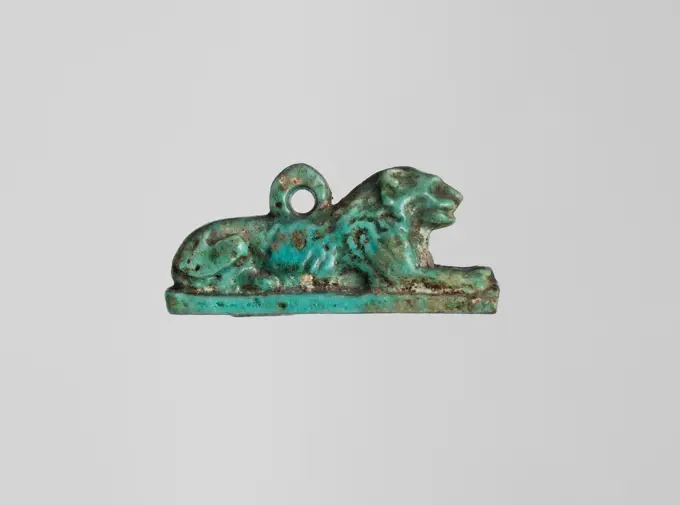
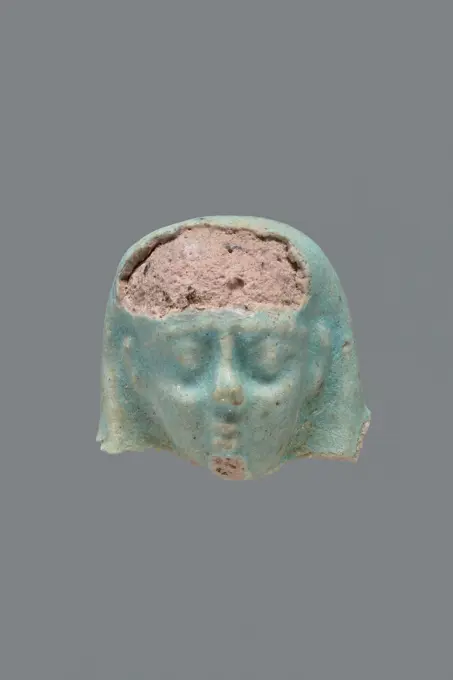
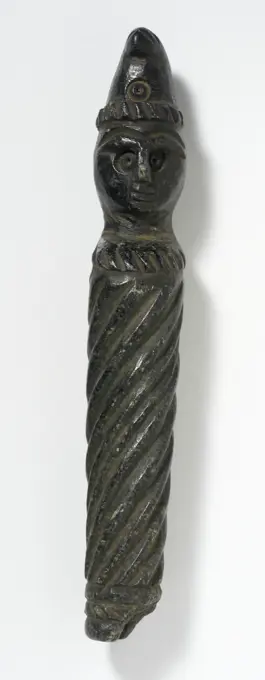
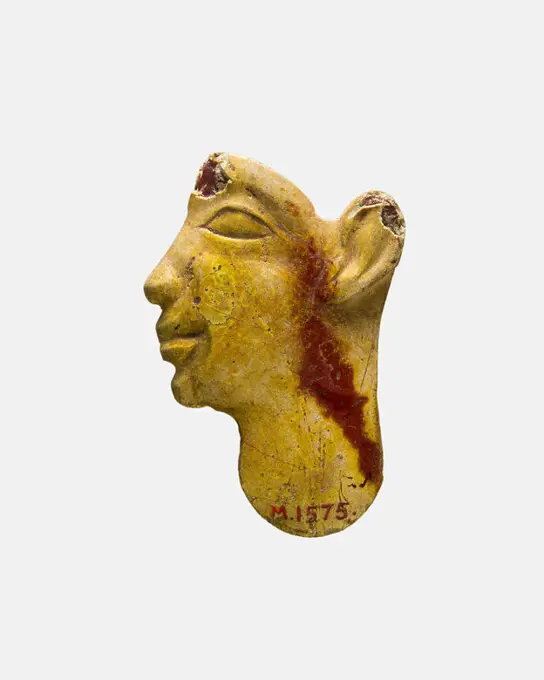
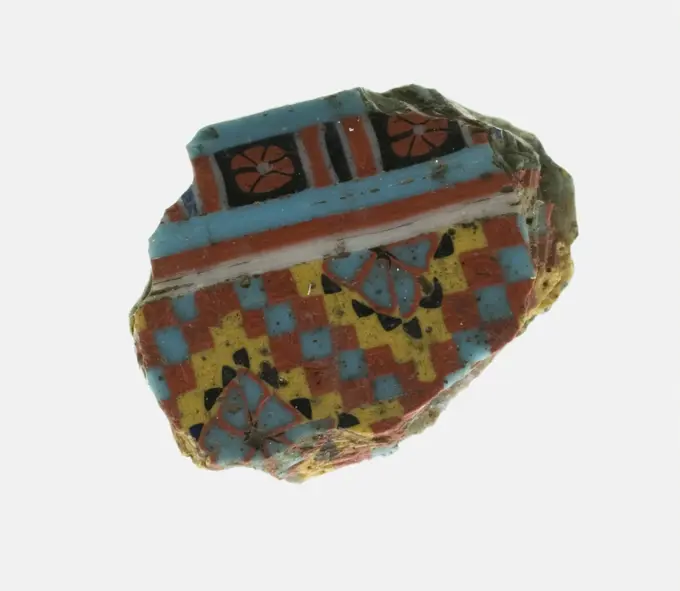
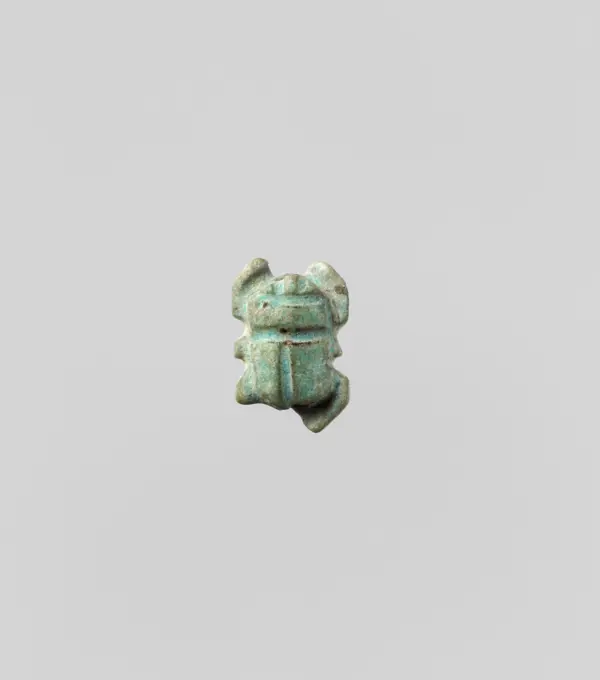
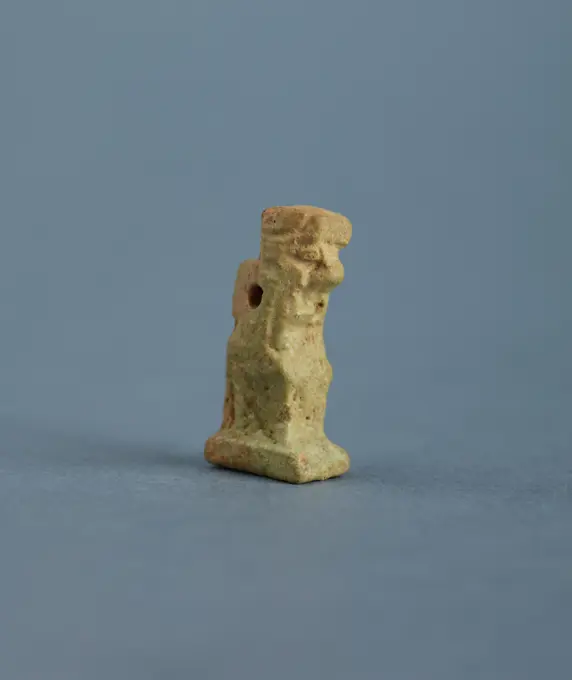
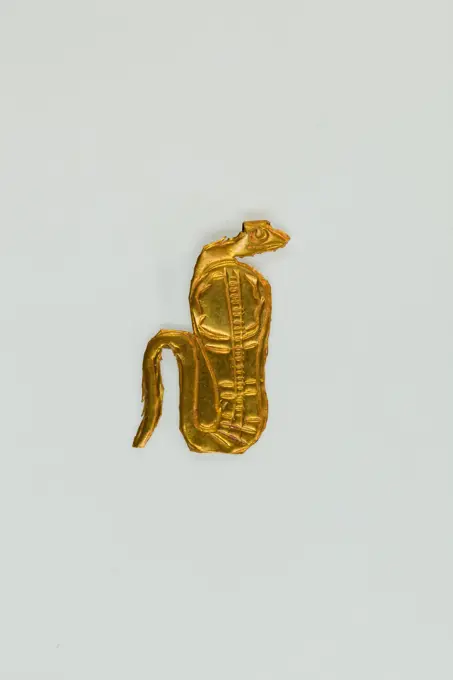
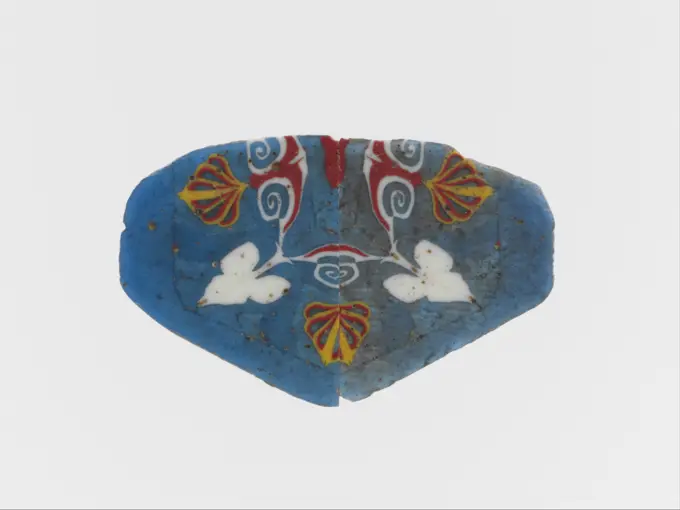
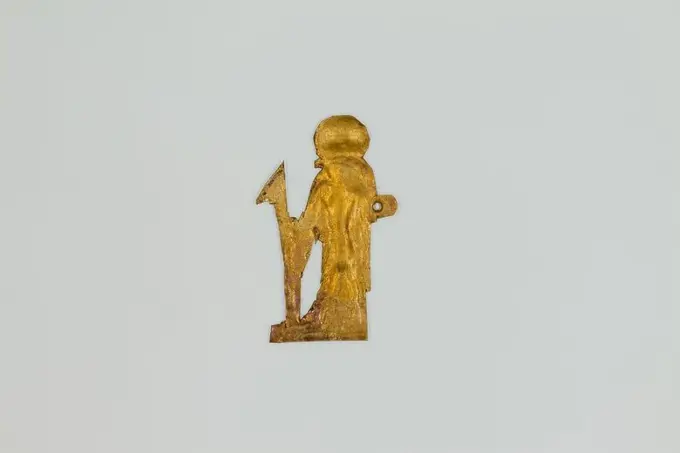
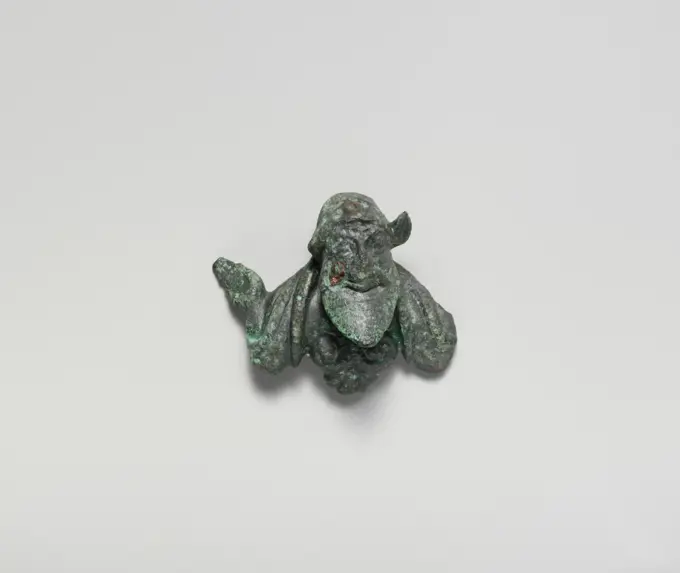
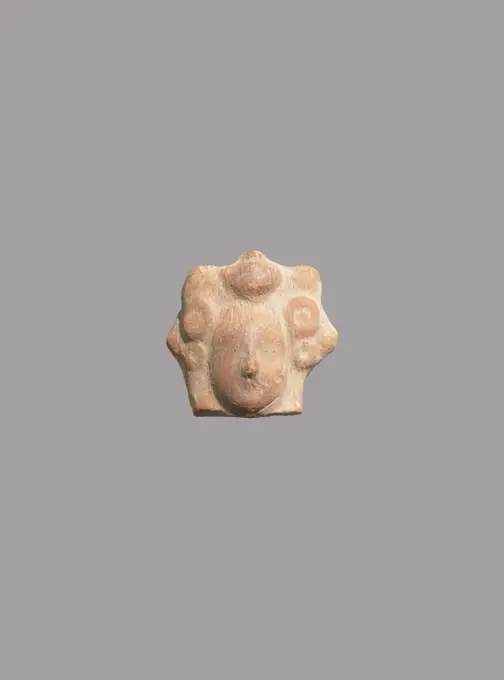
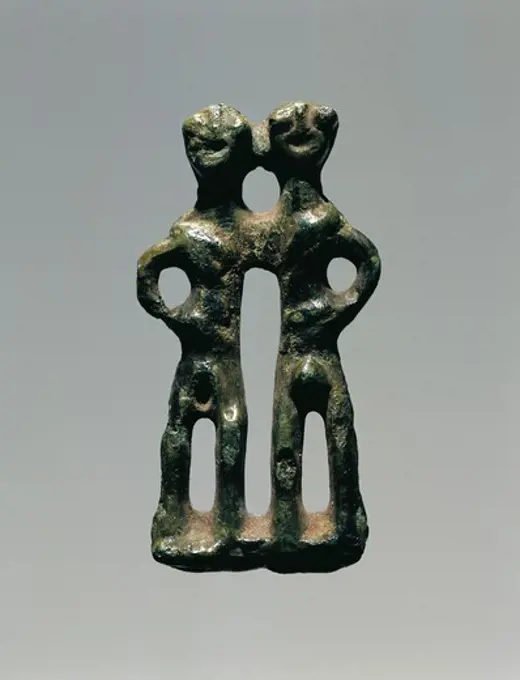
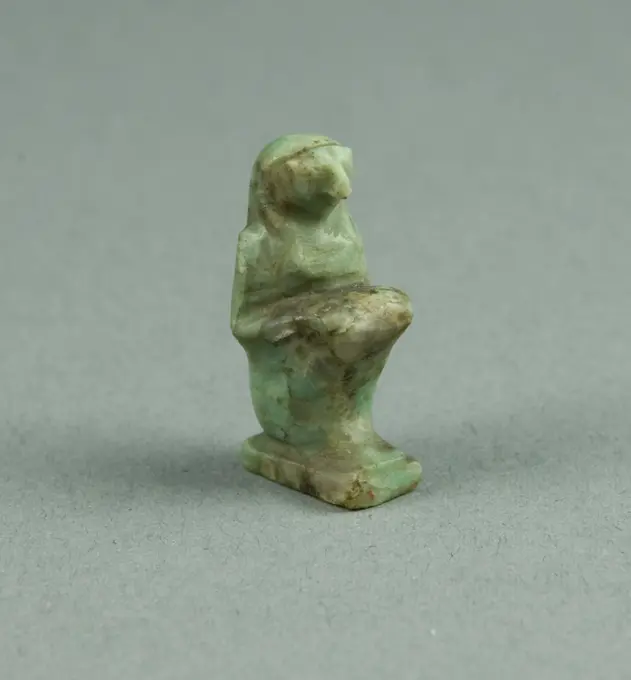
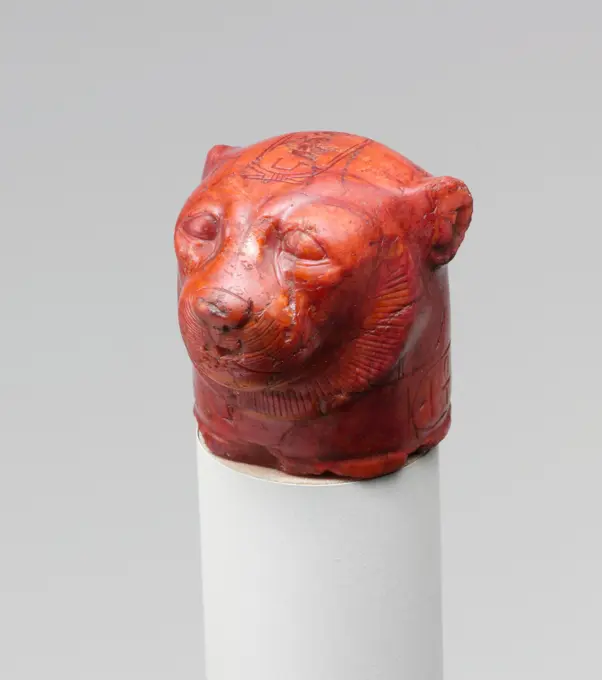
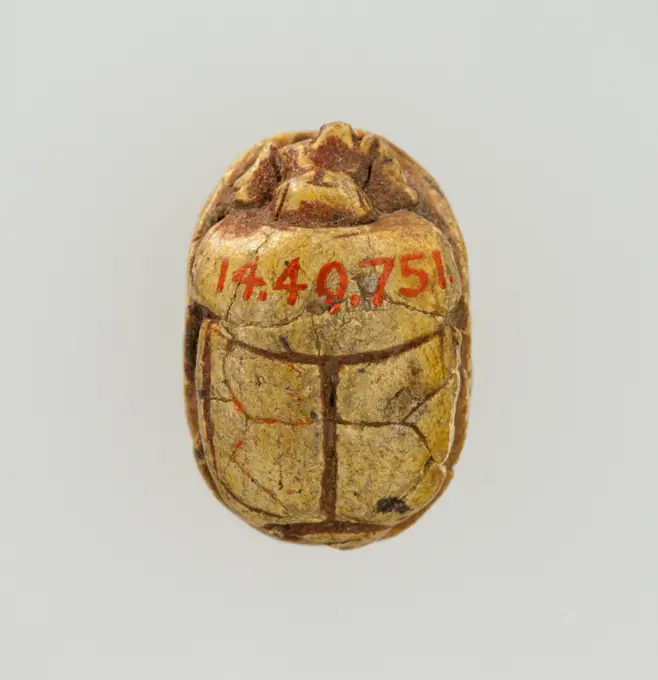
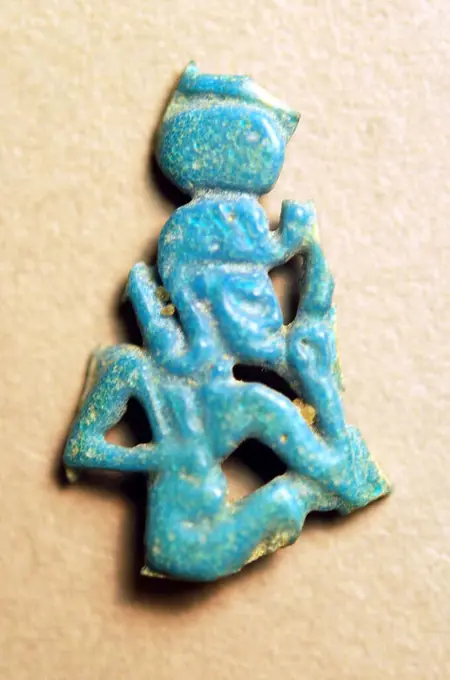
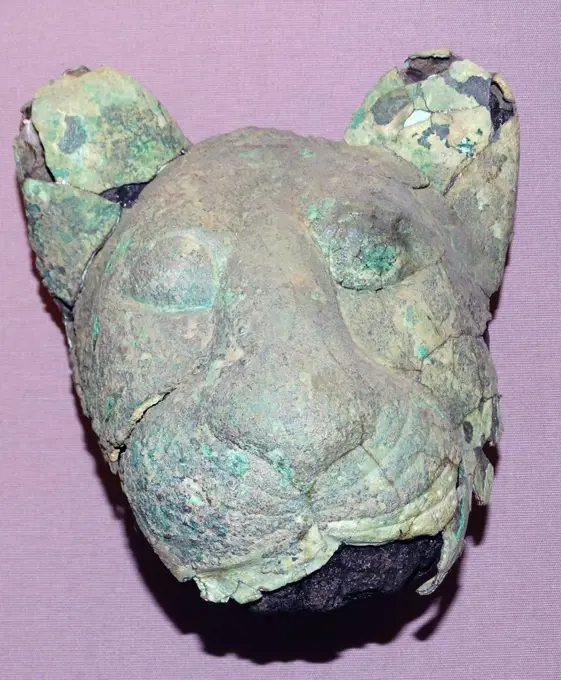
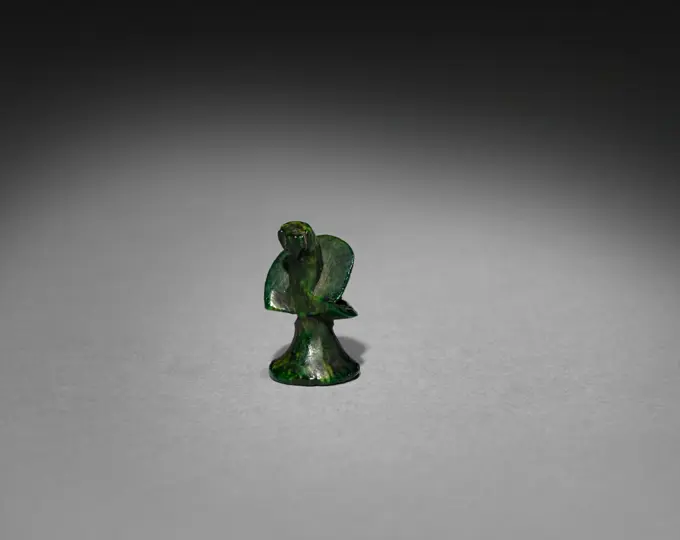
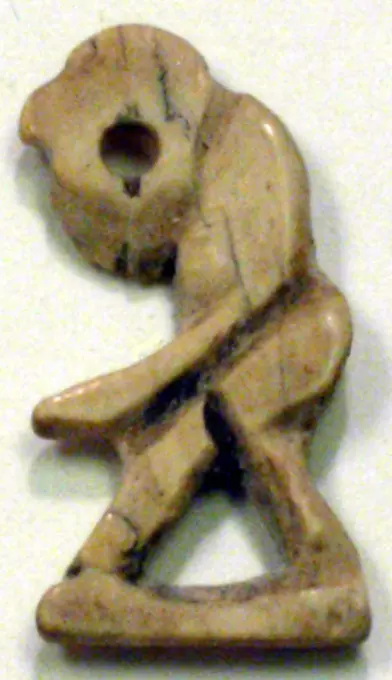
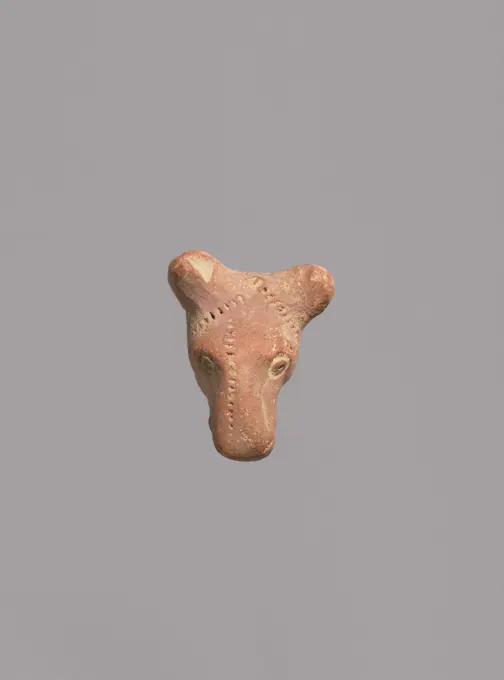
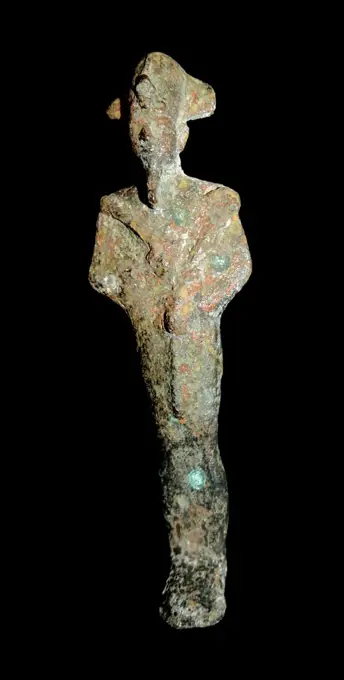
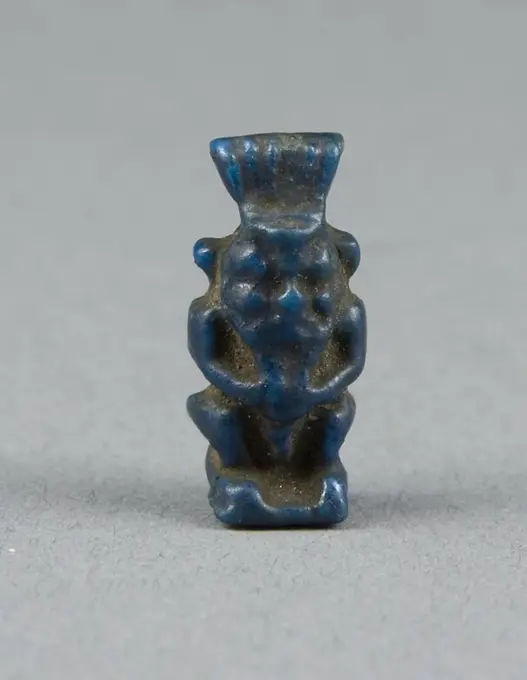
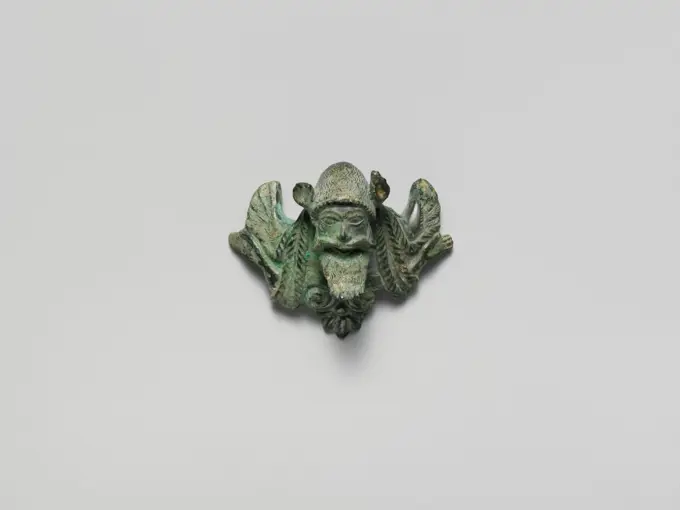
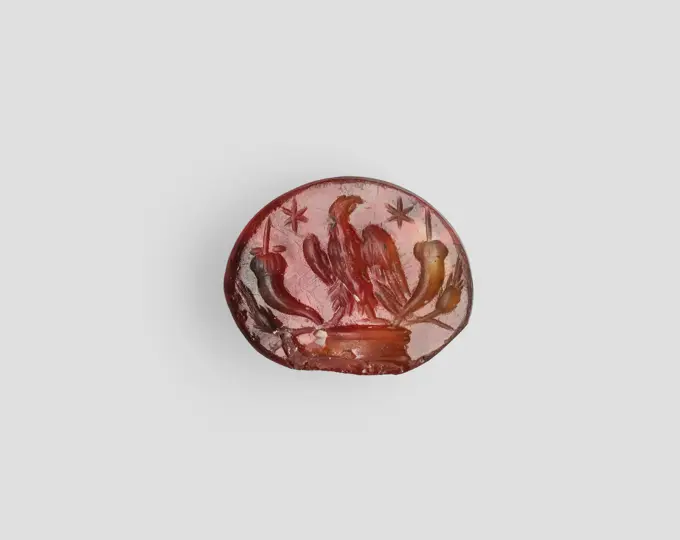
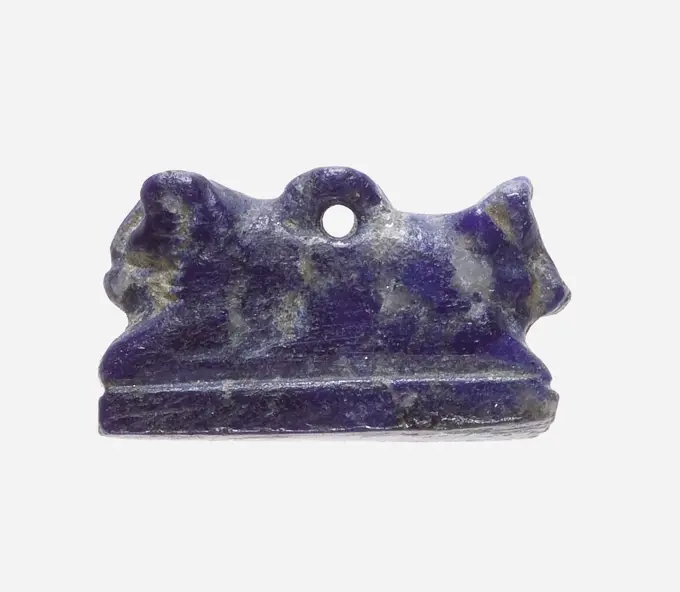
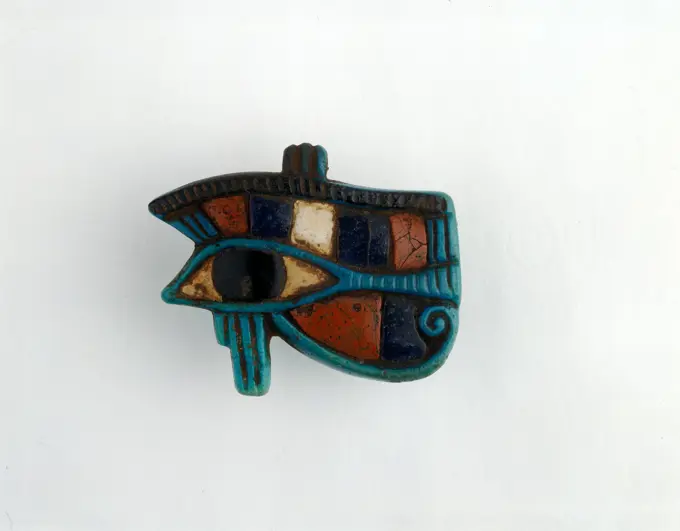
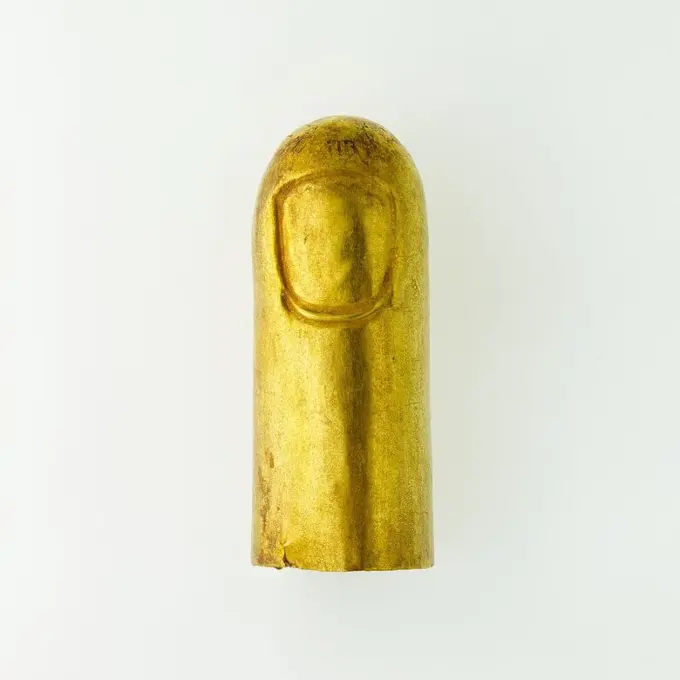
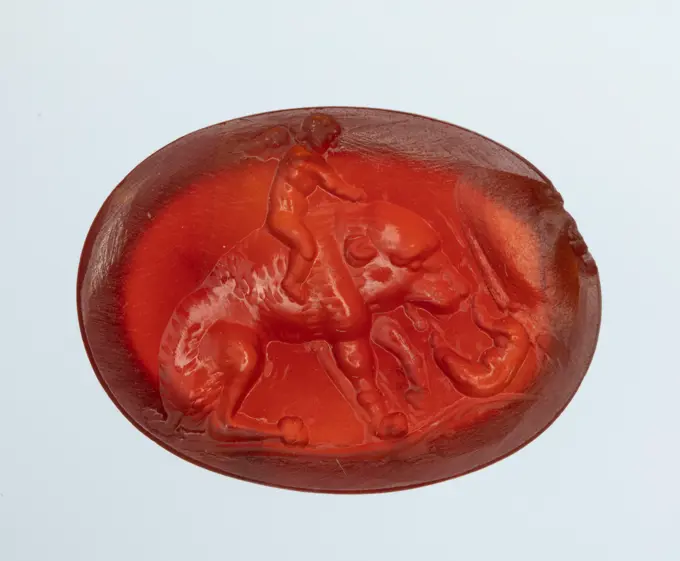
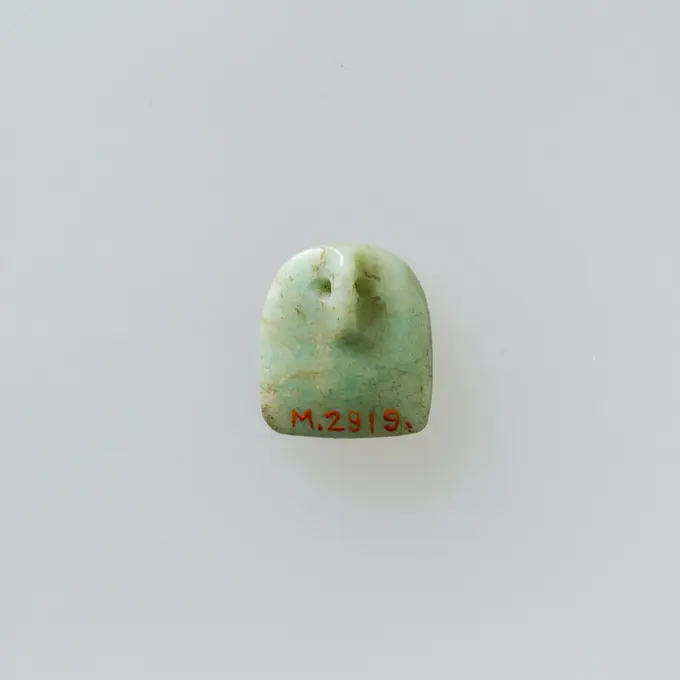
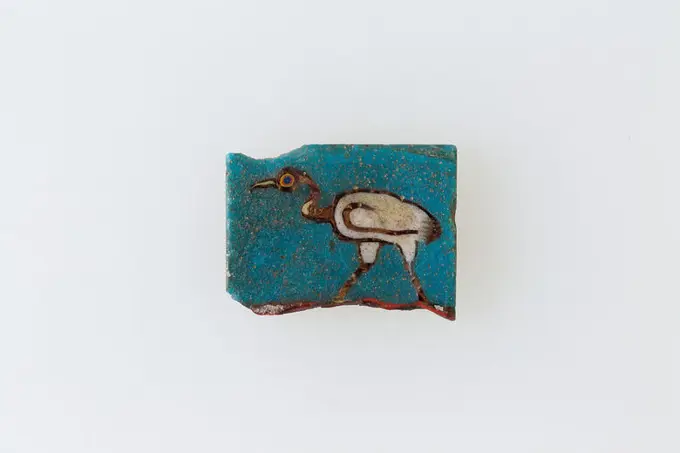
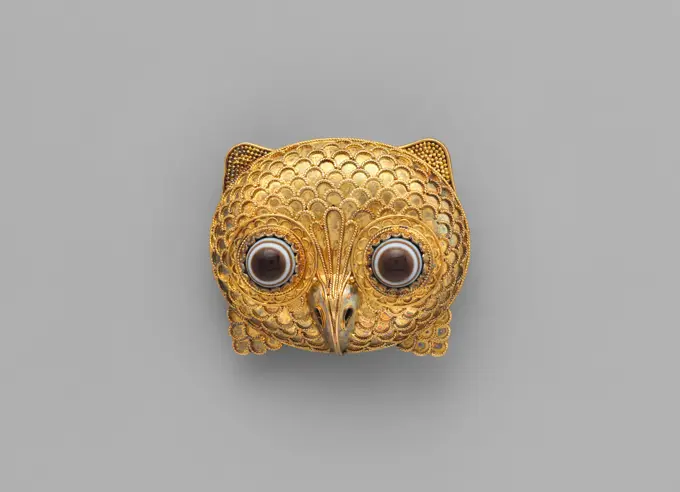
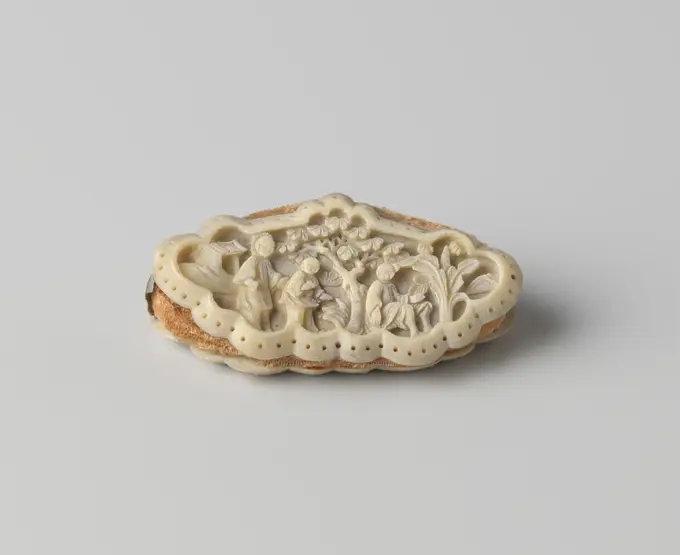
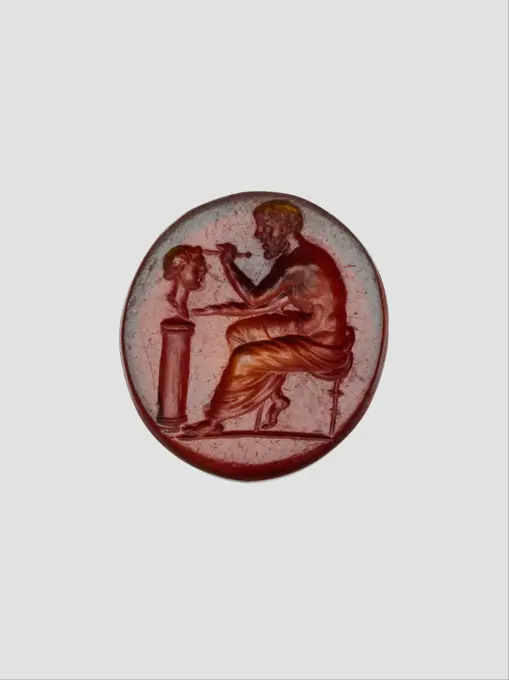
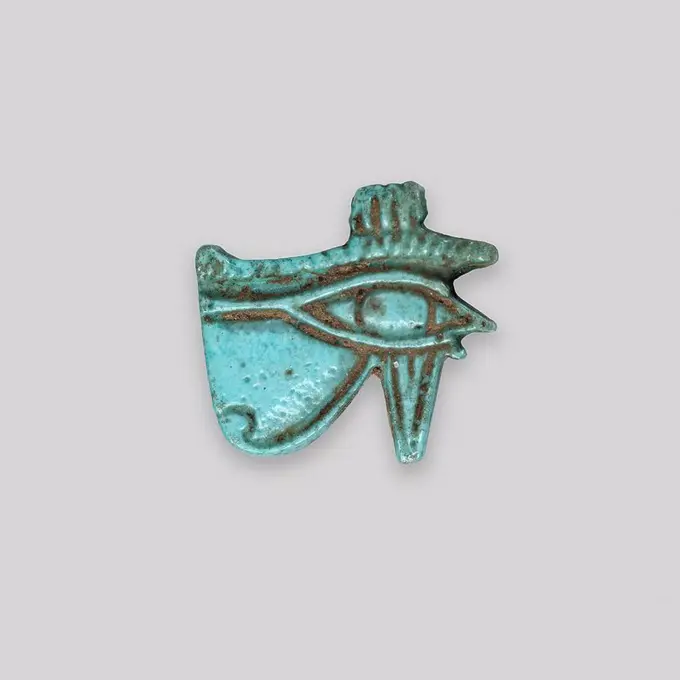
Amulet of an Unidentified Goddess 332 BCE-30 BCE Egypt. Faience . Ancient EgyptianAmulet - lew. unknown, authorShawabty of Ditamenpaankh, 715-656 BC. Egypt, Late Period, Dynasty 25. Terracotta; overall: 6.8 x 1.8 x 1.7 cm (2 11/16 x 11/16 x 11/16 in.). High demand for shawabtys in the Late Period, a time when as many as 400 or more shawabtys were placed in the tomb with the deceased, gave rise to a specialized container for storing them: the shawabty box. This example is inscribed for the lady of the house, Ditamenpaankh, and was probably one of a pair originally made for her. The single-masted boat on the box's lid is perhaps an allusion to the pilgrimage of the deceased to the holy city of Abydos, the cult city of Osiris, king of the dead. The shawabtys inside are crude, mass-produced examples cast in an open mold. Made of terracotta, their blue paint imitates more costly shawabtys made of faience. As for the shawabty spell, it has been removed from its traditional location on the shawabty's front and relocated onto the sides of box, where it needed only to be written once, thus expediting pChild's Finger Ring, 1540-1296 BC. Egypt, New Kingdom, Dynasty 18. Wood; diameter: 1.7 cm (11/16 in.); overall: 1.7 cm (11/16 in.).Crayfish. Culture: Moche (Loma Negra). Dimensions: Length 2 in. (5.1 cm). Date: 390-450. Museum: Metropolitan Museum of Art, New York, USA.Pendant: monkey 7th century B.C. Etruscan May at one time, been part of a necklace or worn as a pendant, noting the small perforation in his head. The crouching monkey is a popular motif derived from Egypt. It might have reached Etruria via imported East Greek pottery.. Pendant: monkey 256213Jar 12th century. Jar. 12th century. Earthenware; decorated in black under transparent green-blue glaze. Probably from Iran, Nishapur. CeramicsBoat;  Unspile (0-00-00-0-00-00);Fragment uszebti. unknown, authorPendant. Western Inner Mongolia, 4th-3rd century B.C.. Jewelry and Adornments; pendants. Bronze, castAmulet of the God Nehebkau 1070 BCE-656 BCE Egypt. Faience . Ancient EgyptianScarab ca. 1479-1458 B.C. New Kingdom. Scarab. ca. 1479-1458 B.C.. Faience. New Kingdom. From Egypt, Upper Egypt, Thebes, Deir el-Bahri, Hatshepsut Hole, Hathor Shrine, MMA excavations, 1922-23. Dynasty 18Handle. Egypt, Greco-Roman Period (305 BCE - 337 CE). Sculpture. SchistInlay profile head. Dimensions: H. 3.9 × W. 2.6 cm (1 9/16 × 1 in.). Date: 500-30 BC. Museum: Metropolitan Museum of Art, New York, USA.Banded agate ring stone. Culture: Roman. Dimensions: Length: 5/8 in. (1.6 cm). Date: ca. 1st century B.C.-3rd century A.D..AresThe inscription lightly scratched in the field is not ancient. Museum: Metropolitan Museum of Art, New York, USA.Fragment of a Checkerboard Patterned Inlay 100 BCE-1 BCE Italy. In ancient Rome, there was a high demand for colorful glass that could dazzle banquet guests alongside the expensive silver and gold serving wares meant to impress. Fragments like this one would have once been a part of larger mosaic dishes. The mosaic pattern was made by sagging molten glass into bowl-shaped molds, a technique used on many of these fragments is similar to millefiori, ìthousand flowersî in Italian, a modern glass-making method in which tiny rods of colored glass are bundled together, wrapped in a sheet of glass, fused, and then thinly sliced to reveal swirls of a flower-like patterns. They were arranged side by side, sometimes together with bits of colored glass, and fused together with heat.. Glass, mosaic technique . Ancient EgyptianScarab amulet ca. 1295-1070 B.C. New Kingdom, Ramesside. Scarab amulet. ca. 1295-1070 B.C.. Faience. New Kingdom, Ramesside. From Egypt, Memphite Region, Lisht North, Cemetery, MMA excavations, 1920-22. Dynasty 19-20Horse Accoutrement. Western Inner Mongolia, 5th-4th century B.C.. Tools and Equipment; horse trappings. Bronze, castVase fragment 1st century B.C.-1st century A.D. Roman Floral pattern.. Vase fragment 250393Amulet - CatUraeus Amulet of Djedmutesankh ca. 1000-945 B.C. Third Intermediate Period The Priestess of Amun Djedmutesankh was buried with this miniature gold uraeus (rearing cobra) tied to the forehead of her mummy. The uraeus was a symbol of royalty, worn on the brow to protect the individual by spitting fire at his or her enemies. This cobra was thought by the excavators to reflect Djedmutesankh's status as a daughter or wife of one of the High Priests of Amun who controlled the Theban region during Dynasty 21.For other objects from the burial of Djedmutesankh, see 25.3.1-.3; 154a-d;.17-.18; .24; .27; and .167-.170.. Uraeus Amulet of Djedmutesankh 548256Glass mosaic inlay late 1st century B.C.-early 1st century A.D. Egyptian, Roman Translucent blue ground; decoration in opaque white, yellow, and red, and translucent purple, appearing black.Polygonal, flat, and very thin plaque.Symmetrical ivy leaf and palmette motif arranged on a square frame around a central compressed design, with a palmette with spiral volutes below on sides of square and ivy leaves in solid white at corners.Broken across middle with almost half of motif missing; upper and underside and edge ground and polished; pitted surface bubbles.The inlay is made from two sections cut from the same cane of mosaic glass, with decoration appearing in mirror image.Fragment of blue hexagon, backed on double thickness of colorless; many colored flowers.. Glass mosaic inlay 249630Pearls. Glare, China, Iv-Iie s. to. J.-C. Par musée musée malée. Beauty, jewel, Asian civilization, Chinese civilization, pearl, glass, veroterieRe-Harakhty amulet. Dimensions: l. 2.4 cm (15/16 in.) × h. 1.5 cm (9/16 in.). Dynasty: Dynasty 26-29. Date: 664-380 B.C.. Museum: Metropolitan Museum of Art, New York, USA.Bronze attachment with satyr head late 6th century B.C. Etruscan Helmet attachment that depicts Acheloos, a river god who can change into a serpent or a bull. Thus, he is often shown with bovine ears.. Bronze attachment with satyr head. Etruscan. late 6th century B.C.. Bronze. Archaic. BronzesShabti of PadinisutGlass bead ca. 2nd-4th century A.D. Roman Green and yellow glass bead.. Glass bead. Roman. ca. 2nd-4th century A.D.. Glass. Imperial. GlassWomen's head - a fragment of the figurine;  III-II century BC () (-300-00-00--201-00-00);Prehistory, Czech Republic, 6th century b.C. Hallstatt culture. Votive bronze statuette representing a man and a woman.Heart Scarab of Khay ca. 1635-1458 B.C. Second Intermediate Period-Early New Kingdom. Heart Scarab of Khay. ca. 1635-1458 B.C.. Jasper (green). Second Intermediate Period-Early New Kingdom. From Egypt, Upper Egypt, Thebes, Asasif, Courtyard CC 41, Pit 2, Burial D 3, On body, MMA excavations, 1915-16. Dynasty 17-Early Dynasty 18Uszebti. unknown, authorBlowjob head .. Four-angled pipe cup decorated with the bust of the empress and the weapon of Austria.Amulet of the God Kebehsenuf ( ) 1070 BCE-656 BCE Egypt. Turquoise . Ancient EgyptianCast Pendant. UnknownHead of a Leopard with the Name of Hatshepsut ca. 1479-1458 B.C. New Kingdom Two jasper gaming pieces almost identical to this one are known. One is on loan to the Antikenmuseum Basel, the other is in the Egyptian Museum, Cairo. Presumably all three were part of a set used for playing senet and twenty squares, two board games popular in the New Kingdom.The leopard head has been carved with great detail. A cartouche with Hatshepsut's throne name, Maatkare, is visible on the top of its head, and "Hatshepsut, linked with Amun" is inscribed on the back of the neck.. Head of a Leopard with the Name of Hatshepsut 547625Scarab Inscribed for an Unknown Queen Wy ca. 1550-1295 B.C. New Kingdom. Scarab Inscribed for an Unknown Queen Wy. ca. 1550-1295 B.C.. Steatite, glazed . New Kingdom. From Egypt. Dynasty 18Fragmentary Amulet of Horus the Child. Dimensions: H. 1.8 cm (11/16 in); w. 1.1 cm (7/16 in); th. 0.1 cm (1/16 in). Dynasty: Dynasty 18. Reign: reign of Amenhotep III. Date: ca. 1390-1352 B.C.. Museum: Metropolitan Museum of Art, New York, USA.Amulet of the God Anubis. Egyptian. Date: 1070 BC-656 BC. Dimensions: 2.2 × 3.2 × 0.8 cm (7/8 × 1 1/4 × 5/16 in.). Faience. Origin: Egypt. Museum: The Chicago Art Institute, Chicago, USA. Author: Ancient Egyptian.Handle in the form of a nude girl. Culture: Etruscan. Dimensions: length 7.59 cm.. Museum: Metropolitan Museum of Art, New York, USA.Scarab with Papyrus and Beetle ca. 1550-1295 B.C. New Kingdom The underside of this scarab shows a scarab beetle between a pair of papyrus stems. A sun disk is placed above. All motifs refer to renewal and regeneration.. Scarab with Papyrus and Beetle. ca. 1550-1295 B.C.. Faience. New Kingdom. From Egypt, Memphite Region, Lisht North, Cemetery, debris, MMA excavations. Dynasty 18Scarab Inscribed with a Geometric Pattern ca. 1479-1458 B.C. New Kingdom. Scarab Inscribed with a Geometric Pattern. ca. 1479-1458 B.C.. Steatite (glazed). New Kingdom. From Egypt, Upper Egypt, Thebes, Deir el-Bahri, Temple of Hatshepsut, Foundation Deposit 7 (G), MMA excavations, 1926-27. Dynasty 18, earlyShabti of Padipepet 664 BCE-525 BCE Egypt. Faience . Ancient EgyptianMolded Faience Plaque with Throne Name of Tawosret. Egypt, New Kingdom, 19th Dynasty, Reign of Tawosret (1209 - 1201 BCE). Sculpture; plaques. FaienceCopper alloy heads of two lions or cubs. Babylonian models of lions, may have acted as guardian figures at the entrance to the temple.2nd millennia BCSnuff Bottle (stopper), 1644-1911. China, Qing dynasty (1644-1911). Glass; overall: 8.6 cm (3 3/8 in.).Monkey amulet ca. 2150-1950 B.C. Late Old Kingdom-Early Middle Kingdom. Monkey amulet 555596Glass oval set in a gilt bronze ring. Culture: Greek. Dimensions: Overall: 1 1/4 x 11/16 in. (3.2 x 1.8 cm). Date: 3rd-2nd century B.C..Aphrodite holding her himation behind her body. Museum: Metropolitan Museum of Art, New York, USA.Bulls head - figurine fragment. unknown, craftsmanAncient egyptian figure of a god (Osiris)Cameo Gem; Italy; late 1st century B.C. - early 1st century A.D; Sardonyx; 1.1 x 1 cm (7,16 x 3,8 in.)Venus victoriousBlue faience foundation plaque. Ancient Egypt. .Amulet of the God Bes. Egyptian. Date: 1069 BC-664 BC. Dimensions: 1.9 x 1 x 0.5 cm (3/4 x 3/8 x 3/16 in.). Faience. Origin: Egypt. Museum: The Chicago Art Institute, Chicago, USA. Author: Ancient Egyptian.Cosmetic Saucer Decorated with Swans 1550 BCE-1070 BCE Egypt. Swans, which appear on the underside of this dish, are often included in romantic or erotic compositions. Their portrayal on this dish may be a reference to the allure of cosmetics.. Stone . Ancient EgyptianBronze helmet attachment late 6th century B.C. Etruscan Rogers Fund, 1919 (19.192.56)Arthur Darby Nock Fund, in memory of Gisela M. A. Richter, 1973 (1973.11.2) Depicted on each of these decorative bronzes (97.22.7 and 1973.11.2 are from Civita Castellana) is a satyr with long hair, heavy beard, and mule ears who extends his arms and holds his hands open. Only one satyr (19.192.56) is wingless.. Bronze helmet attachment. Etruscan. late 6th century B.C.. Bronze. Late Classical. BronzesGemma (intaglio) z przedstawieniem orła stojącego na ołtarzu, po bokach rogi obfitości. warsztat rzymski, workshopBroken antique doll headAmulet - bóg Bes. unknown, authorHead of a Black man 4th century B.C. Greek, South Italian, Campanian. Head of a Black man. Greek, South Italian, Campanian. 4th century B.C.. Terracotta. Late Classical. TerracottasAmulet: lion and bull back to back 522-343 B.C. Late Period. Amulet: lion and bull back to back. 522-343 B.C.. Lapis lazuli. Late Period. From EgyptScarab ca. 1981-1640 B.C. Middle Kingdom. Scarab. ca. 1981-1640 B.C.. Brigth blue glazed steatite. Middle Kingdom. From Egypt, Memphite Region, Lisht South, tomb of Senwosretankh, Pit 7, MMA excavations, 1932-33. Dynasty 12-13Udjat Eye of Ra, 1297-1185 BCE, 1 9/16 x 1 3/4 in. (4.0 x 4.4 cm), Faience and semi-precious stones, Egypt, 13th-12th century BCEToe stall. Dimensions: L. 4.6 cm (1 13/16 in.); W. 1.9 cm (3/4 in.). Dynasty: Dynasty 18. Reign: reign of Thutmose III. Date: ca. 1479-1425 B.C.. Museum: Metropolitan Museum of Art, New York, USA.Fragment Pijpenkop, Jan van Aten, 1750 - 1780 Fragment piping head with a crown, a fish and three waves, and the letters I v a. Of the excavations on the Hofstede Arentsburg 1827-1831 under the supervision of Professor Reuvens. Gorinchem pipe clay Fragment piping head with a crown, a fish and three waves, and the letters I v a. Of the excavations on the Hofstede Arentsburg 1827-1831 under the supervision of Professor Reuvens. Gorinchem pipe claySeven Amulets on a String of Beads. Dimensions: L. of strand 19.5 cm (7 1/2 in.); L of crocodile amulet 3 cm (1 3/16 in.). Dynasty: Dynasty 18. Reign: reign of Amenhotep III. Date: ca. 1390-1353 B.C..These amulets were found together in a pot that was in the same house as the Menat necklace 11.215.450. They were strung together with the small blue beads to keep them together. Museum: Metropolitan Museum of Art, New York, USA.Signet ring ca. 1295-1070 B.C. New Kingdom, Ramesside. Signet ring. ca. 1295-1070 B.C.. Blue faience. New Kingdom, Ramesside. From Egypt. Dynasty 19-20Foundation Deposit Plaque ca. 1153-1147 B.C. New Kingdom, Ramesside. Foundation Deposit Plaque. ca. 1153-1147 B.C.. Faience. New Kingdom, Ramesside. From Egypt, Upper Egypt, Thebes, Asasif, Temple of Ramesses IV, Foundation deposit, MMA excavations, 1935-36. Dynasty 19Ring Neferkheprure-Waenre (Akhenaton) 1352 BCE-1336 BCE Egypt. Faience . Ancient EgyptianVessel Fragment 9th-12th century. Vessel Fragment. 9th-12th century. Mosaic glass. Country of Origin Egypt. GlassBliżej KulturyScarab ca. 1479-1458 B.C. New Kingdom. Scarab. ca. 1479-1458 B.C.. Faience. New Kingdom. From Egypt, Upper Egypt, Thebes, Deir el-Bahri, Hatshepsut Hole, Hathor Shrine, MMA excavations, 1922-23. Dynasty 18Shield shaped attachment or amulet with four holes connected by diagonals 332 BC-364 AD Ptolemaic or Roman Period. Shield shaped attachment or amulet with four holes connected by diagonals. 332 BC-364 AD. Feldspar. Ptolemaic or Roman Period. From EgyptJar with Cover (lid), 19th Century. China, Qing dynasty (1644-1911). Porcelain; overall: 13.9 cm (5 1/2 in.).Piggyback Copper Frogs 10th-15th century () Peruvian. Piggyback Copper Frogs 315424Plaque, black ibis hieroglyph. Dimensions: H. 1.7 × W. 2.2 cm (11/16 × 7/8 in.). Date: 100 BC-100 AD.A mosaic glass technique allowed multiples of an image to be created: a figural or design composition was made by bundling colored glass canes, which were then drawn out into a long bar. The bar was then sectioned at right angles, probably by striking the bar with appropriate tools, to produce small inlay tiles. The tile would then be smoothed and polished on the face intended to appear outwards. Museum: Metropolitan Museum of Art, New York, USA.Amulet - plakietka z 6 bóstwami. unknown, authorBrooch in the form of an owl head ca. 1860 Firm of Castellani This object and the group to which it belongs (see also 2014.713.1-.10) reflect the keen interest in historical styles in nineteenth-century Europe. Artists and designers looked to various artistic periods for forms and motifs. There was also an interest in reproducing works of art from earlier epochs with historical accuracyan approach that is particularly evident in the taste for so-called archaeological jewelry (jewelry based on excavated examples from antiquity), which reached its zenith in the middle of the century.The jewelry made during this period encompassed Etruscan, ancient Roman, early Christian, Byzantine, and medieval styles. The firm of Castellani in Rome both pioneered and dominated the production of archaeological jewelry. Founded by Fortunato Pio Castellani in 1814, the company was run by three generations of the family before closing in 1927. Castellani jewelry achieved enormous popularity in the highest Pincushion with top and top of ivory. Pincushion with top and top of ivory. The blades have a scalloped edge, in which a row of simple holes were drilled for decoration; Inside Chinese ladies at a table in a landscape. The cushion of (discolored) red velvet.Amulet  touristFemale Figure (tunjo). Culture: Muisca. Dimensions: H. 2 5/8 x W. 3/4 in. (6.7 x 1.9 cm). Date: 10th-16th century. Museum: Metropolitan Museum of Art, New York, USA.Amulet, Heart with human head ca. 1295-1070 B.C. New Kingdom, Ramesside. Amulet, Heart with human head. ca. 1295-1070 B.C.. Rock crystal, steatite, carnelian. New Kingdom, Ramesside. From Egypt. Dynasty 19-20Scarab ca. 1479-1458 B.C. New Kingdom. Scarab. ca. 1479-1458 B.C.. Blue faience. New Kingdom. From Egypt, Upper Egypt, Thebes, Deir el-Bahri, Hatshepsut Hole, Hathor Shrine, MMA excavations, 1922-23. Dynasty 18Disk late 18th century. Disk. late 18th century. Gold with enamel. Attributed to Iran. JewelryCarnelian ring stone ca. 1st -3rd century A.D. Roman This is a rare depiction of an artist at work. In his right hand, he holds a stick-like object that has a round knob at one end and is pointed at the other and slightly thickened, likely a brush. In his left hand, he holds another object, which is evidently not a mallet but perhaps a palette seen in perspective. Ancient marble sculpture was often brightly painted. The artist holds his tool lightly and is probably painting rather than modeling.. Carnelian ring stone 244919Amulet of the Eye of the God Horus (Wedjat). Egyptian. Date: 305 BC-30 BC. Dimensions: 1.6 × 1.7 × 0.5 cm (5/8 × 5/8 × 1/4 in.). Faience. Origin: Egypt. Museum: The Chicago Art Institute, Chicago, USA. Author: Ancient Egyptian.