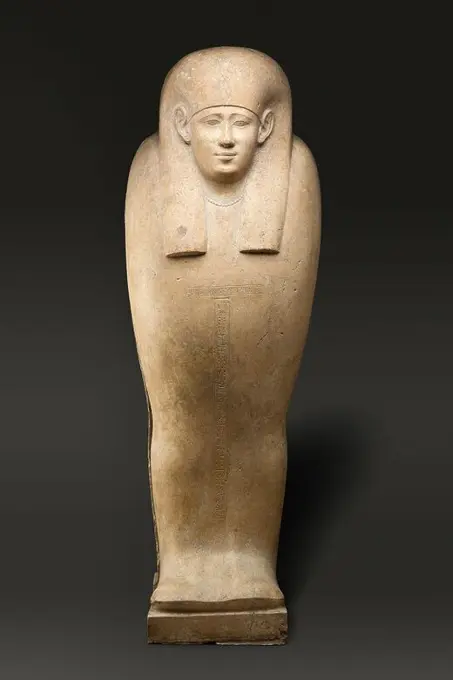
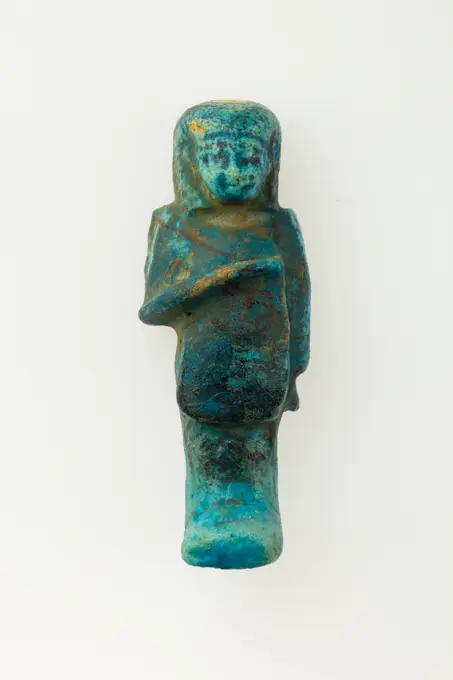
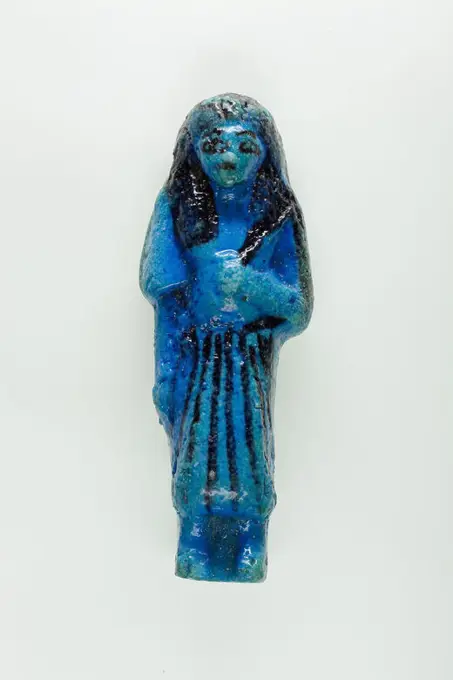
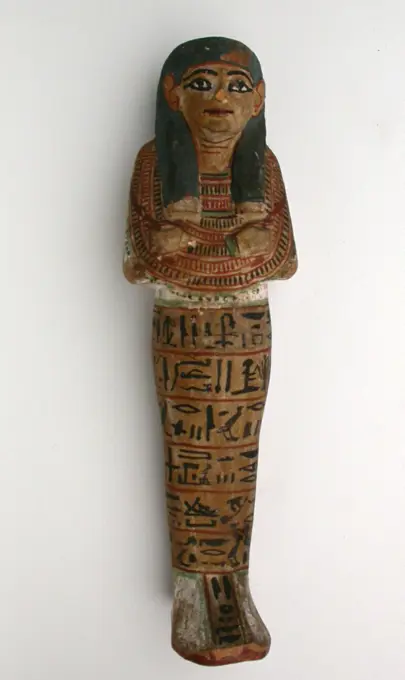
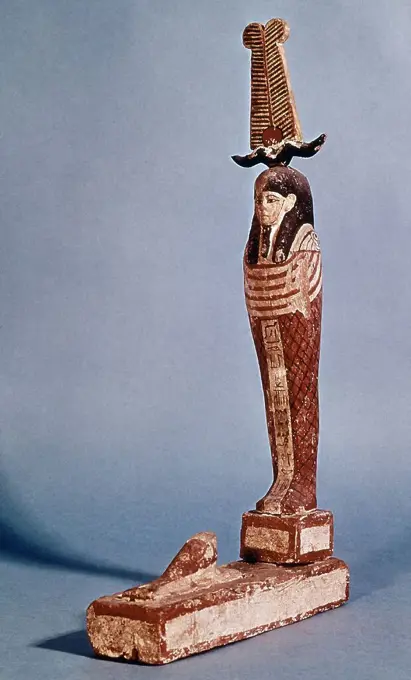
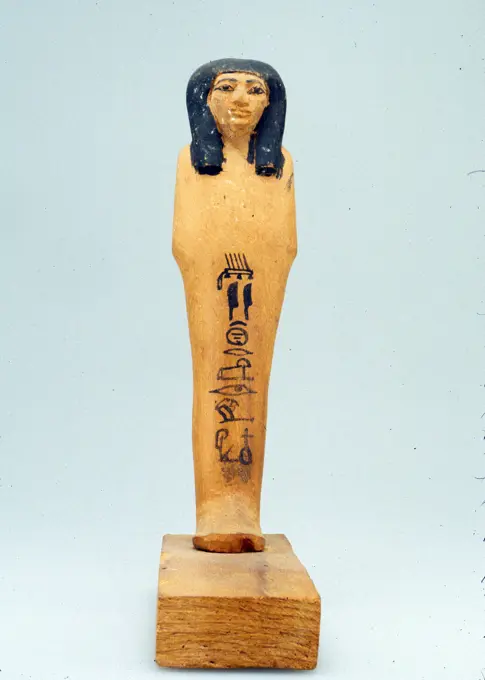
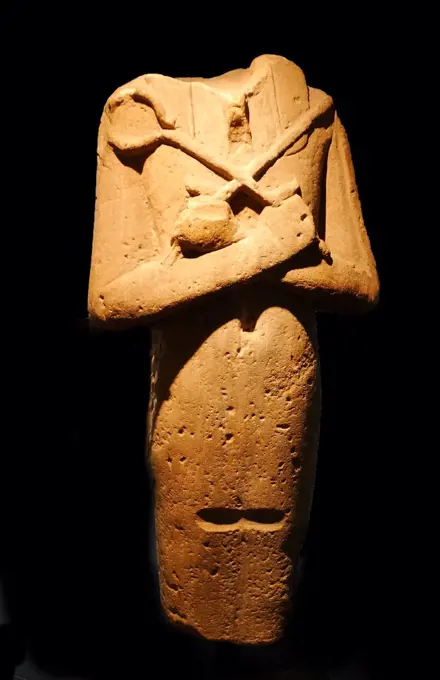
Egyptian Shabtis of Henettawy

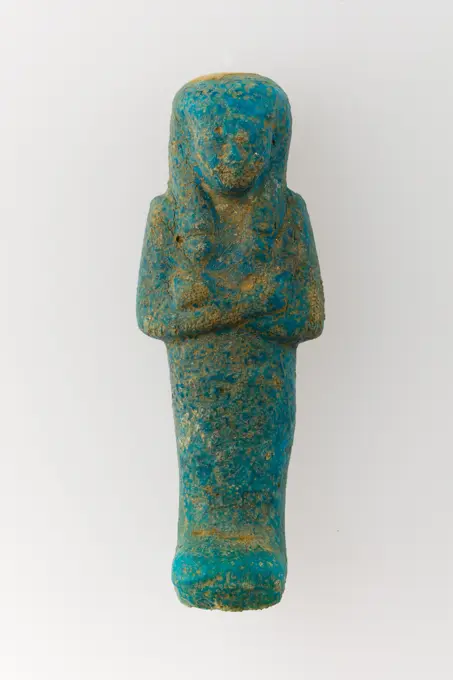
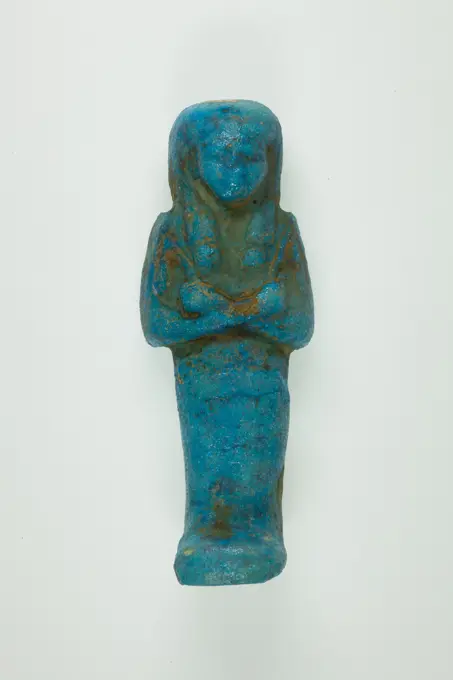
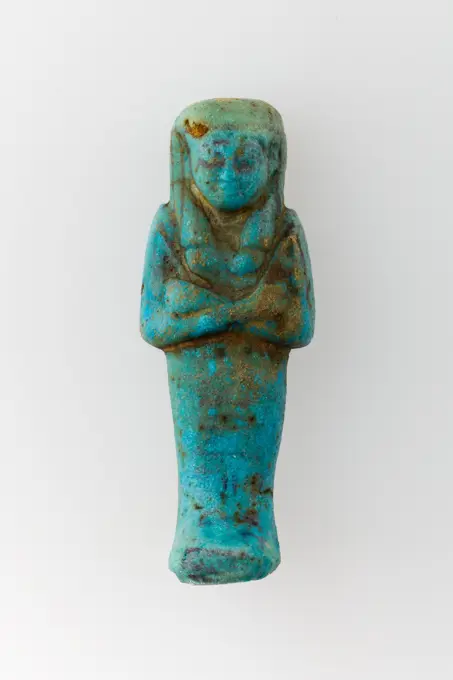
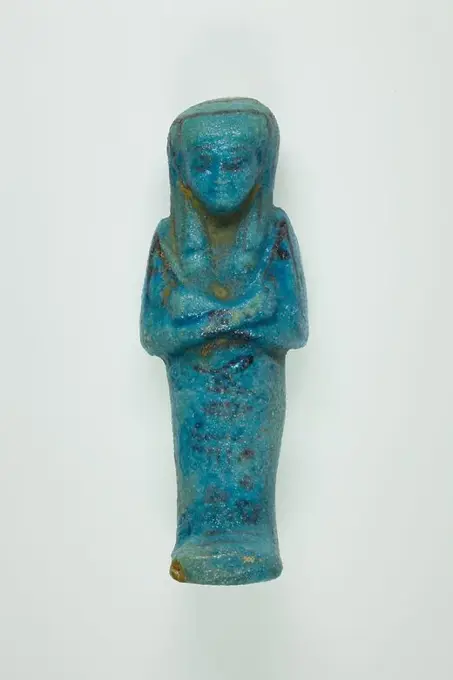
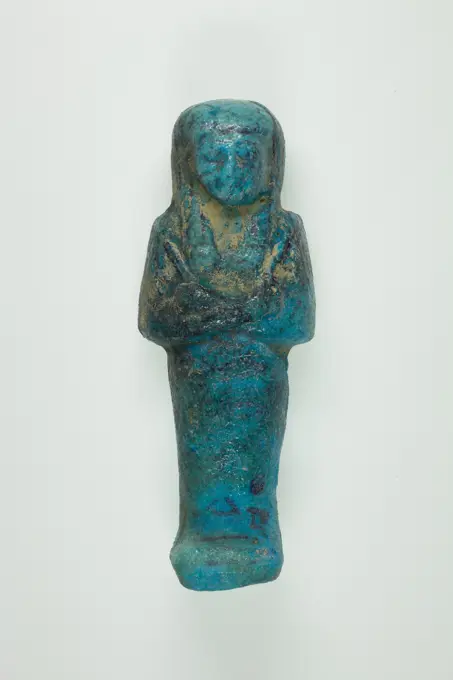
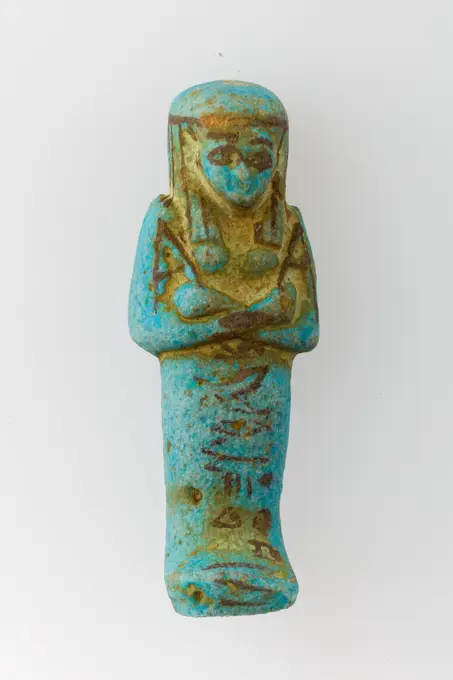
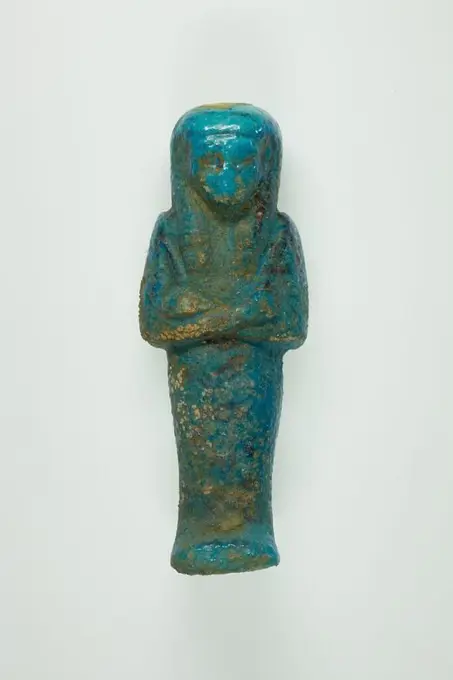
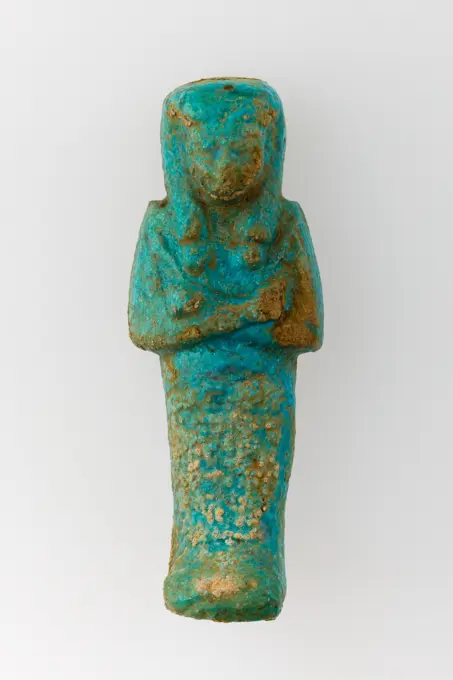
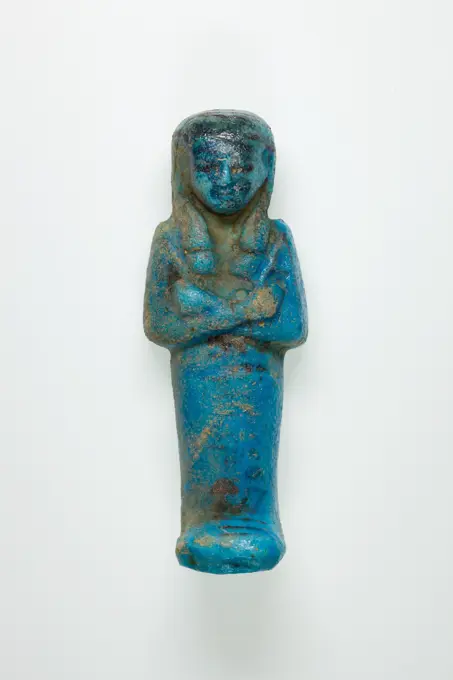
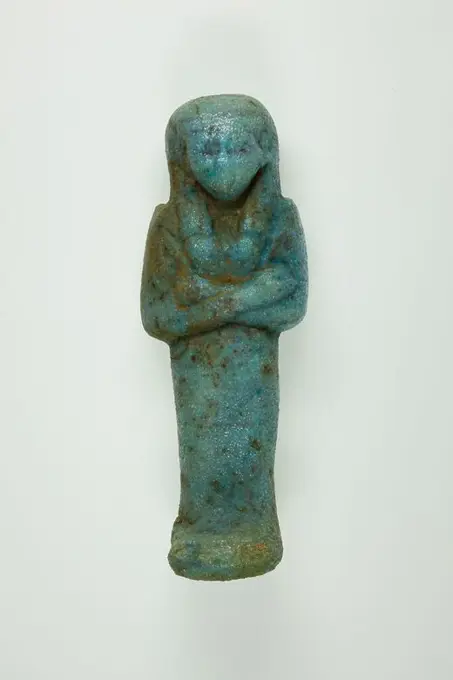
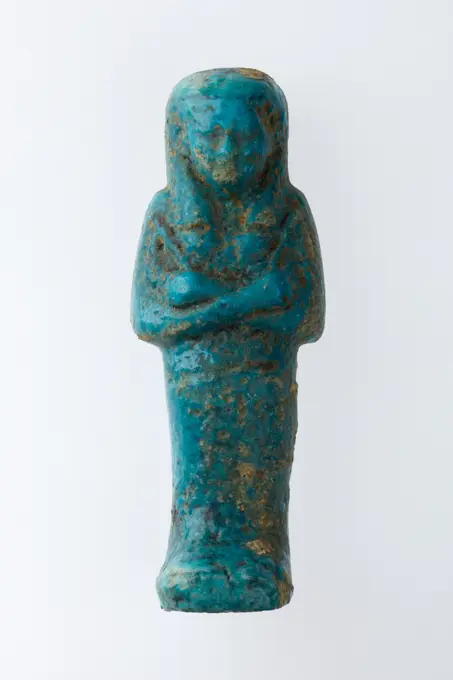
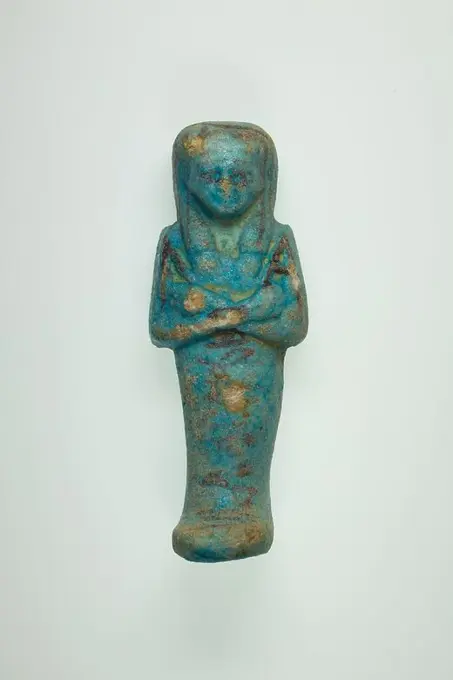
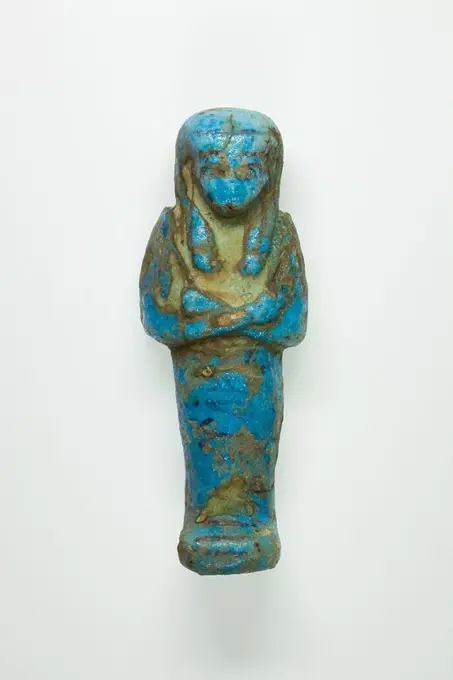
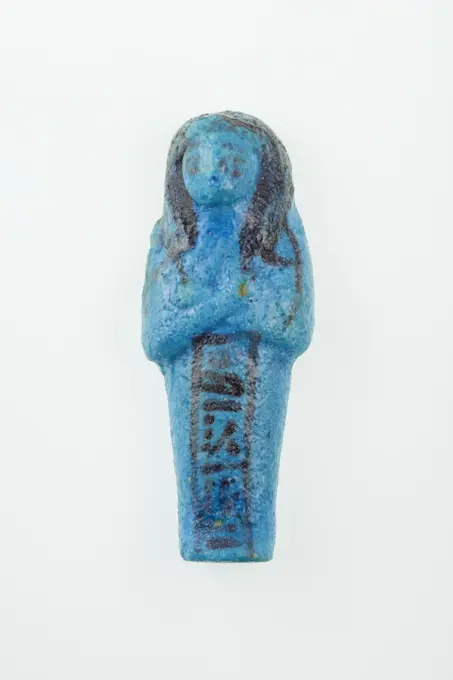
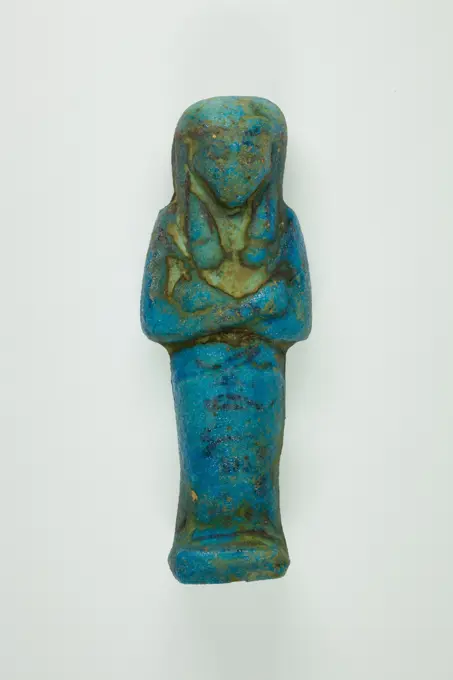
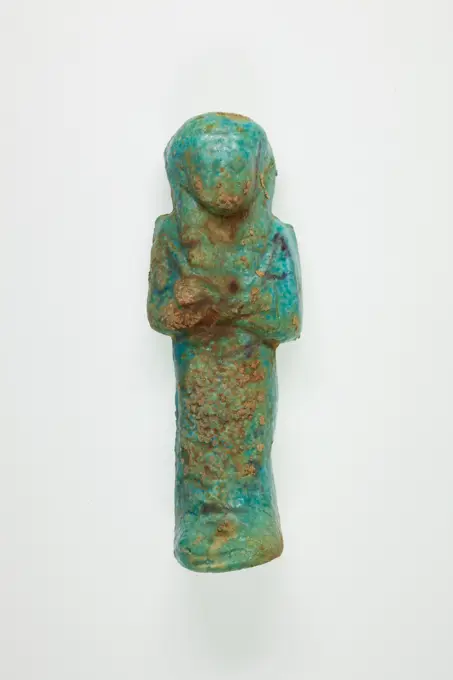
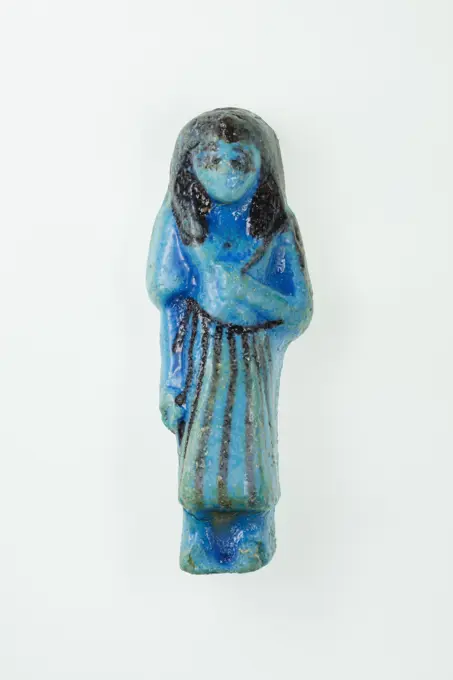
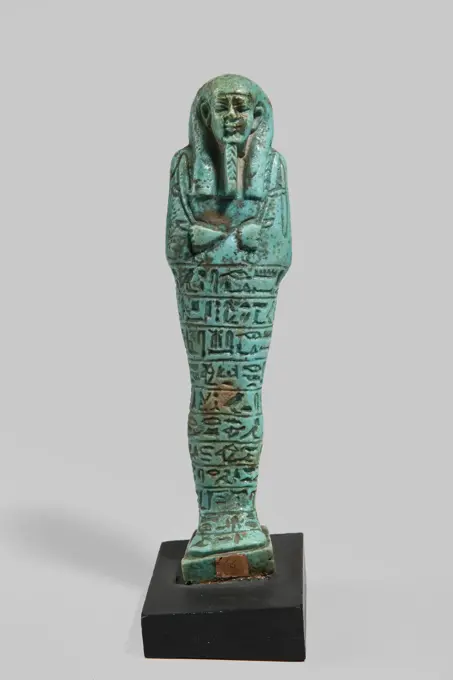
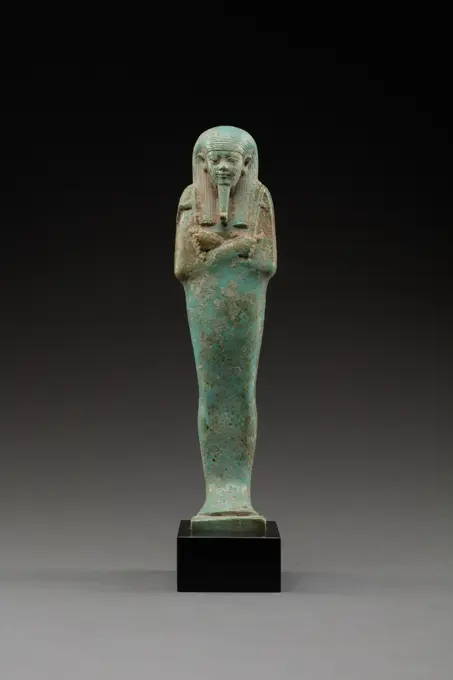
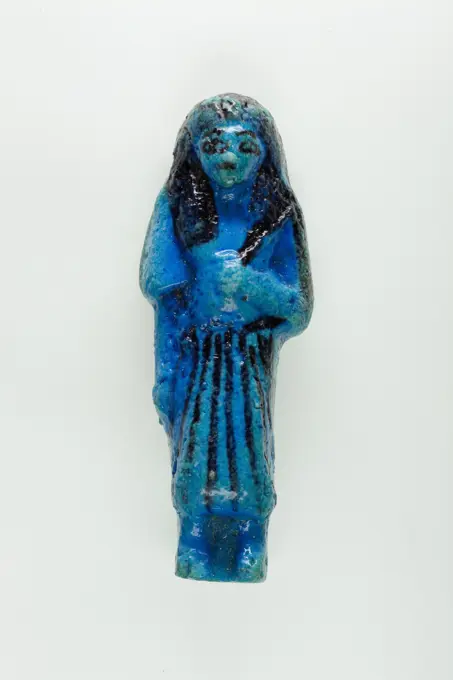
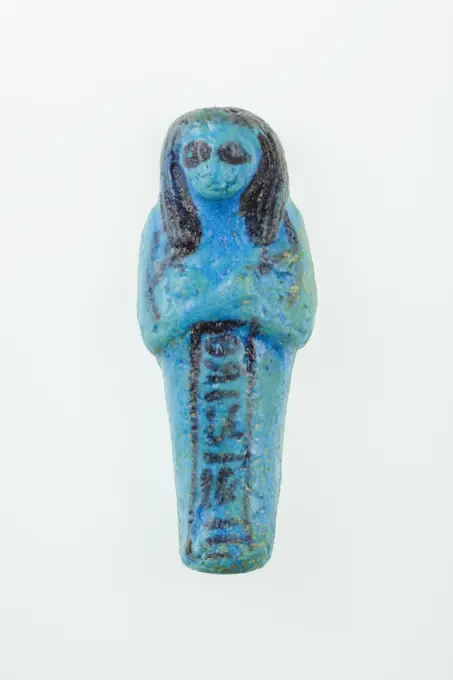
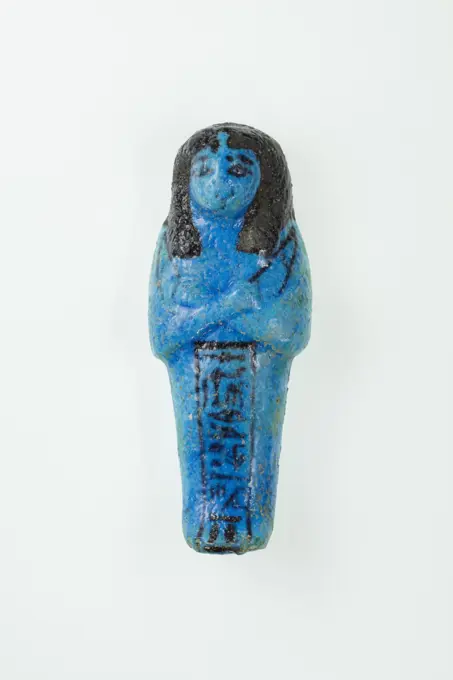
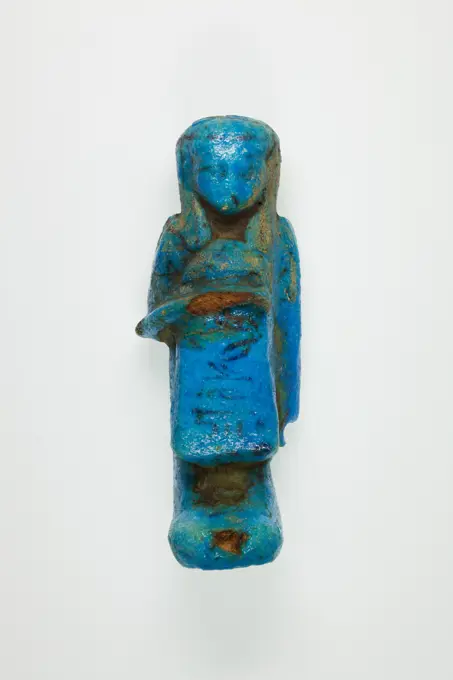
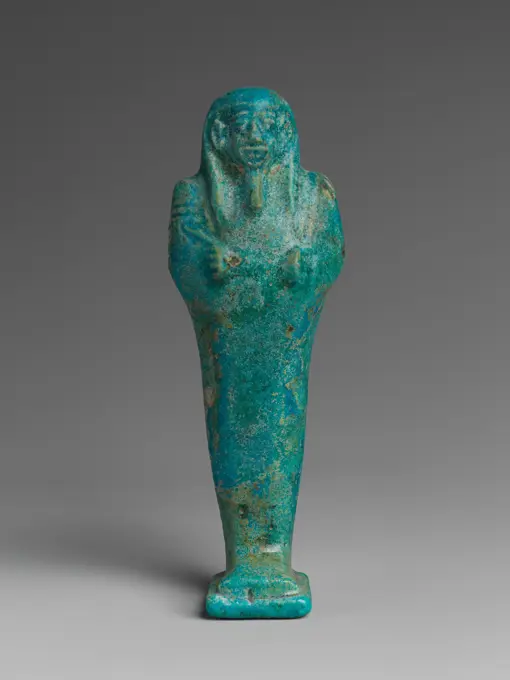
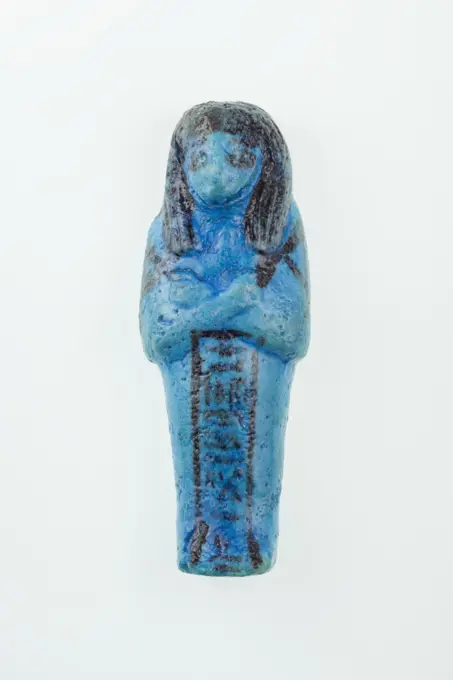
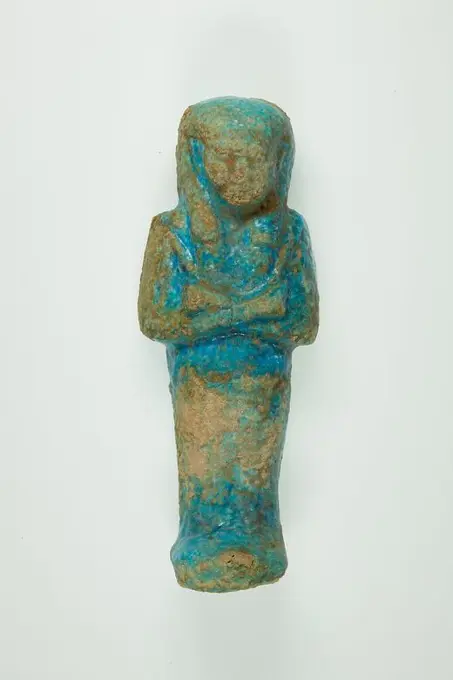
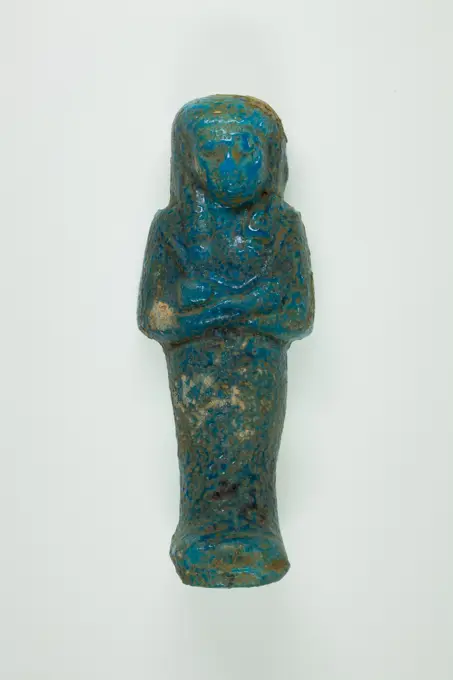
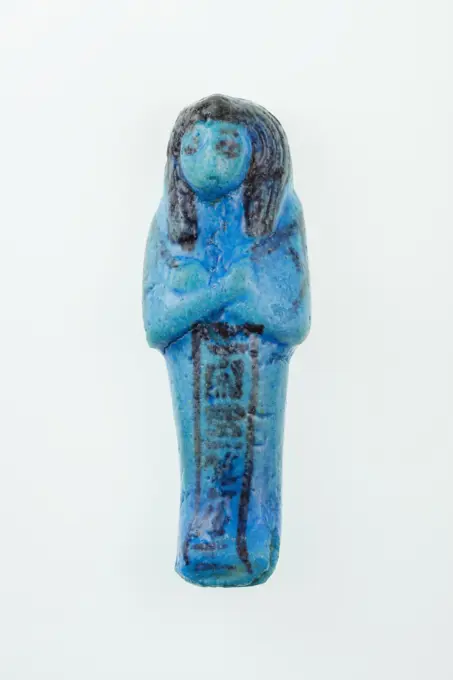
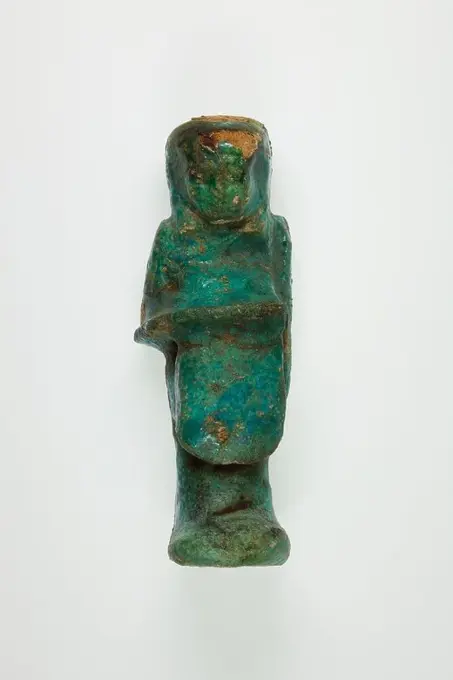
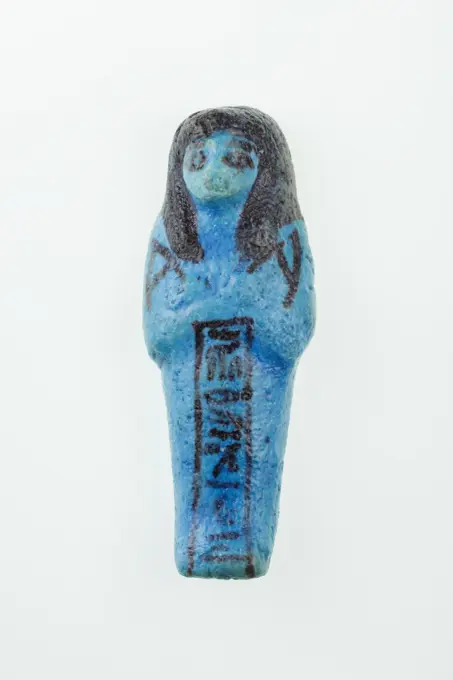
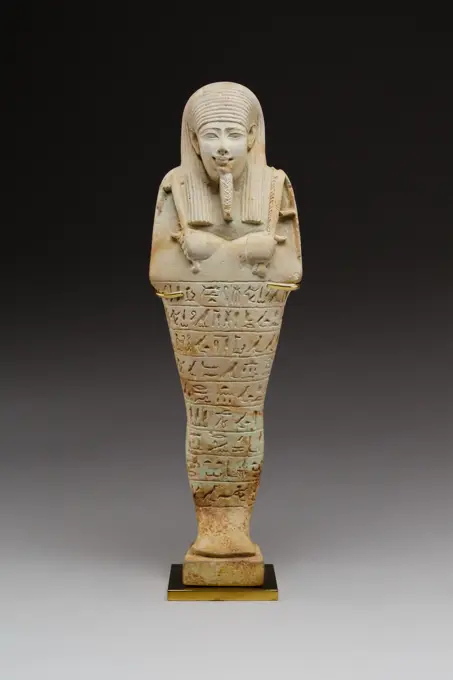
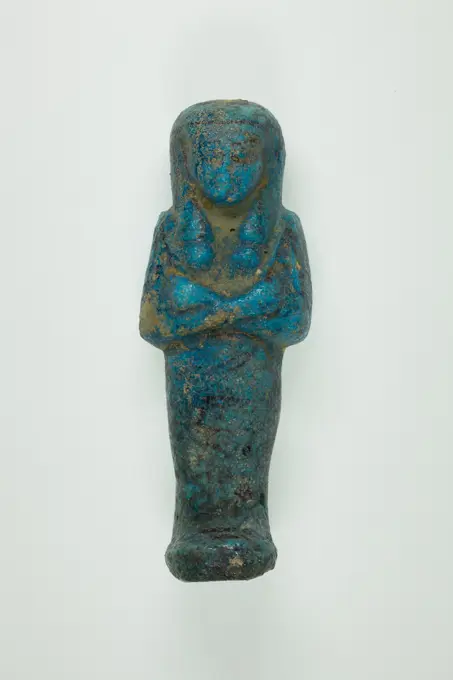
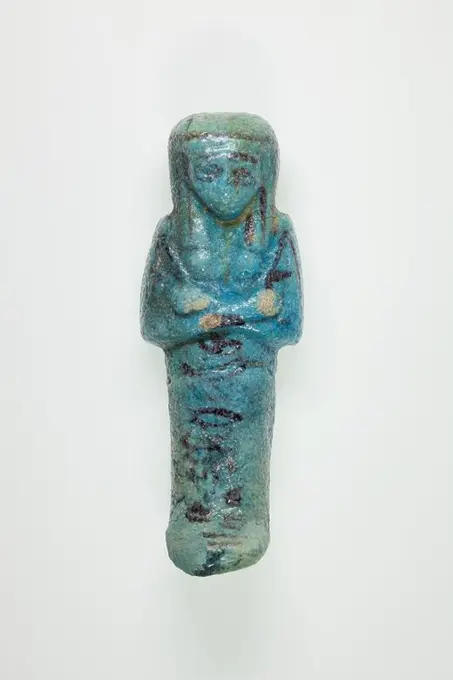
Colorful ancient Egyptian shabti figurines, representing the worker Henettawy, showcasing detailed craftsmanship from circa 990-970 B.C.
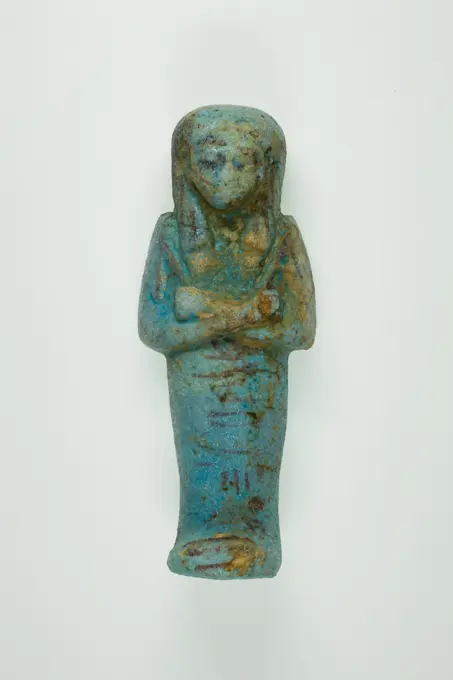
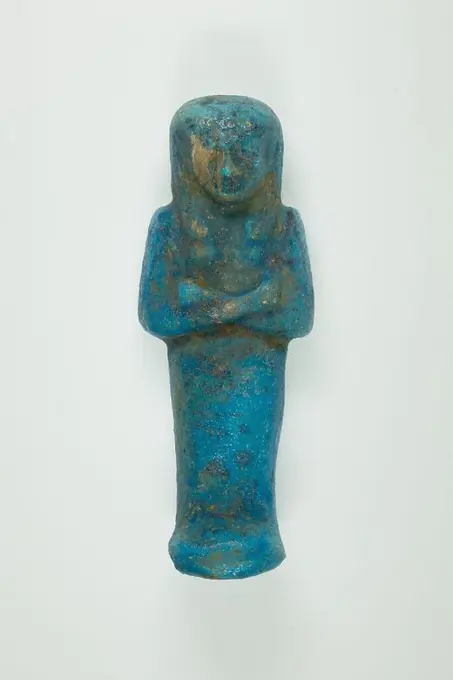
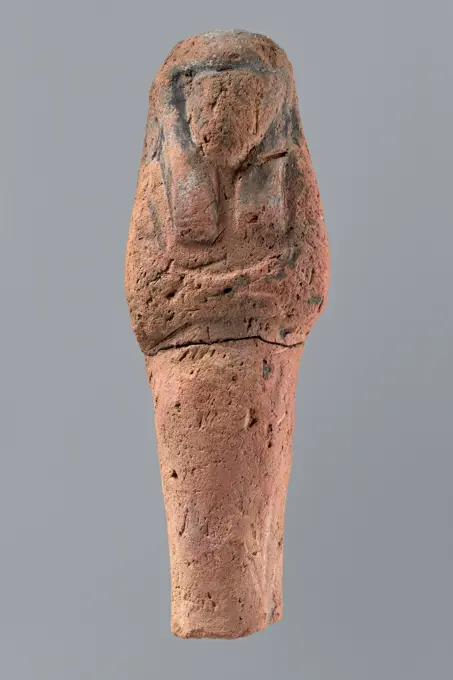
Worker Shabti of Henettawy (C), Daughter of Isetemkheb ca. 990-970 B.C. Third Intermediate Period. Worker Shabti of Henettawy (C), Daughter of Isetemkheb. ca. 990-970 B.C.. Faience. Third Intermediate Period. From Egypt, Upper Egypt, Thebes, Deir el-Bahri, Tomb MMA 60, Chamber B, Burial of Henettawy C (4), MMA excavations, 1923-24. Dynasty 21
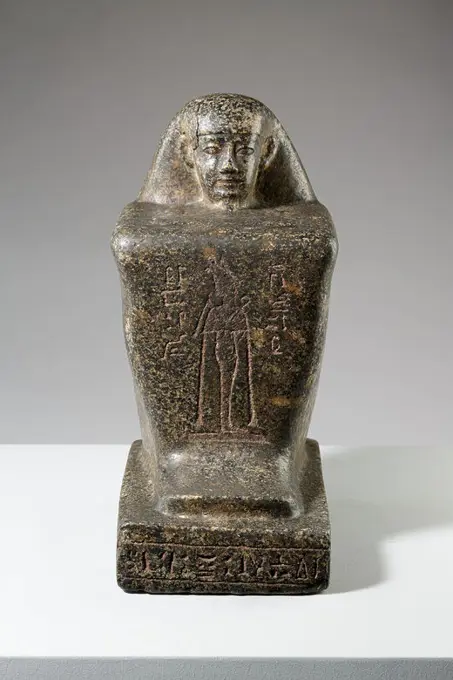
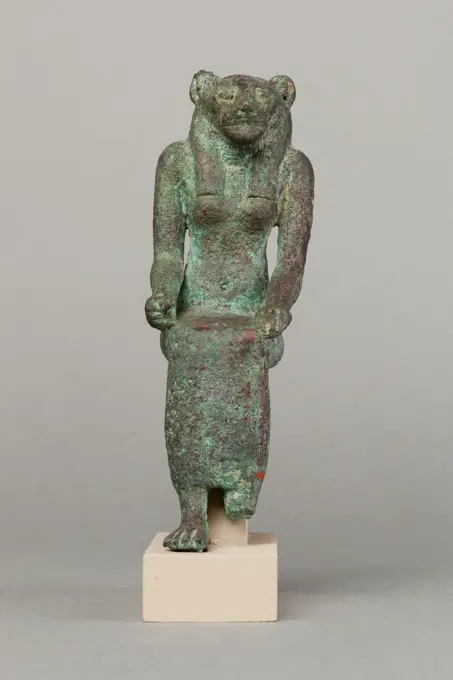
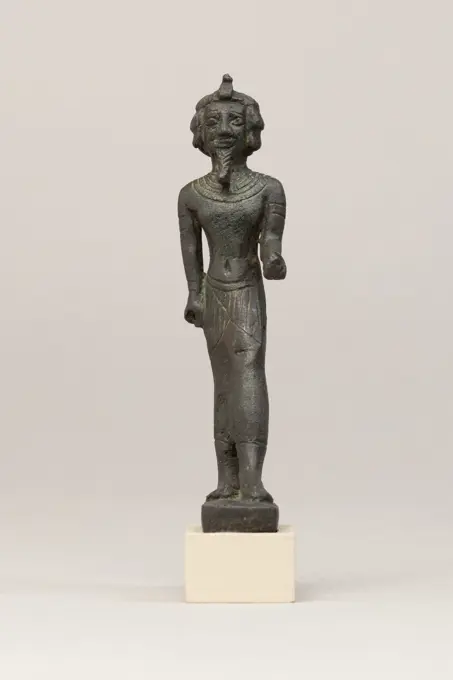
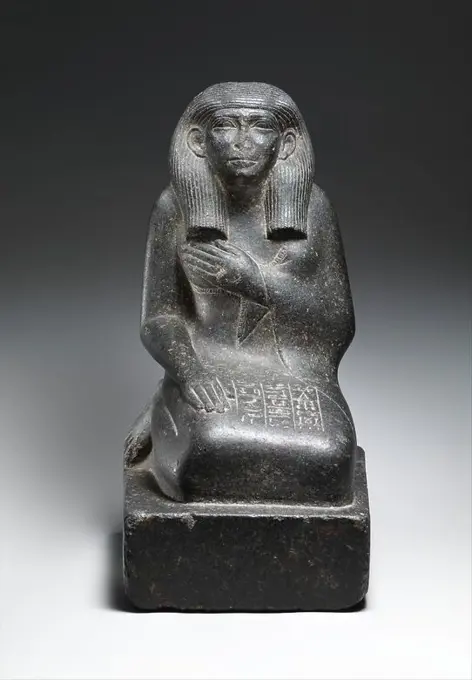
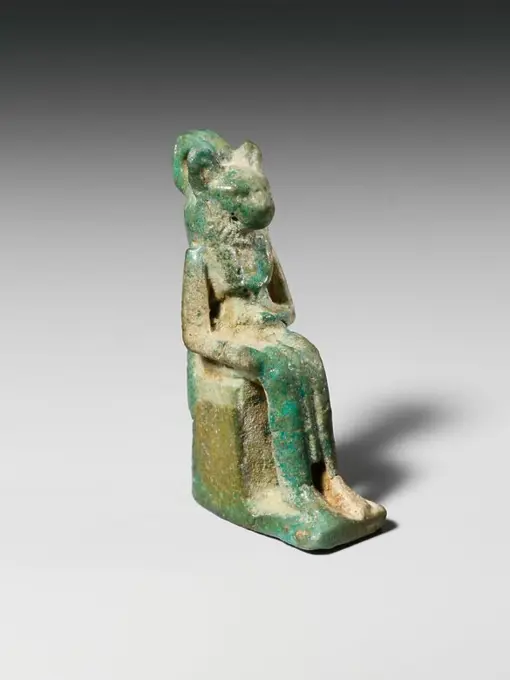
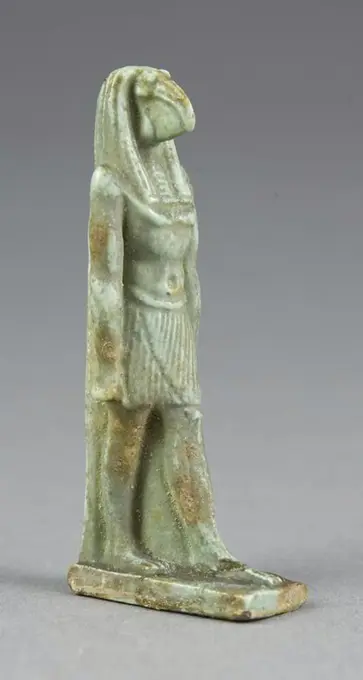
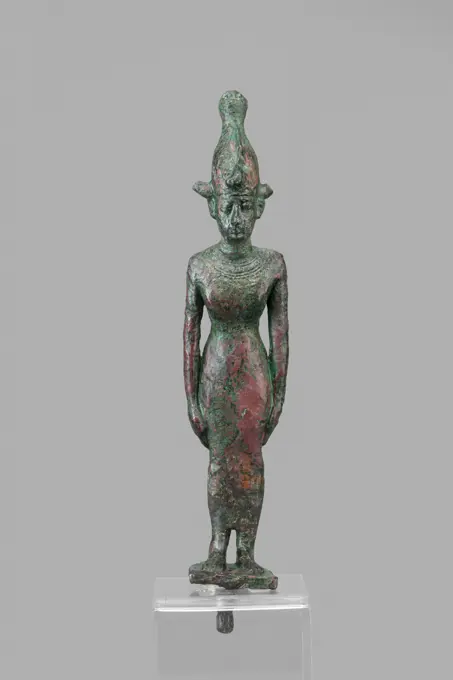
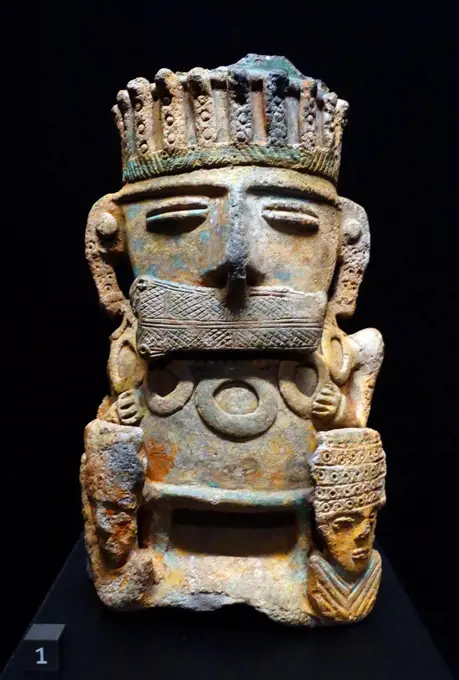
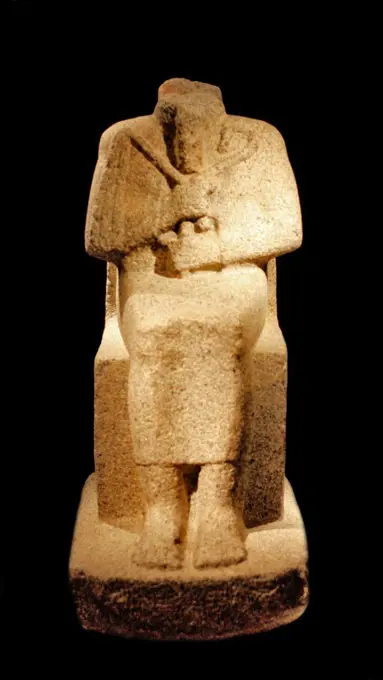
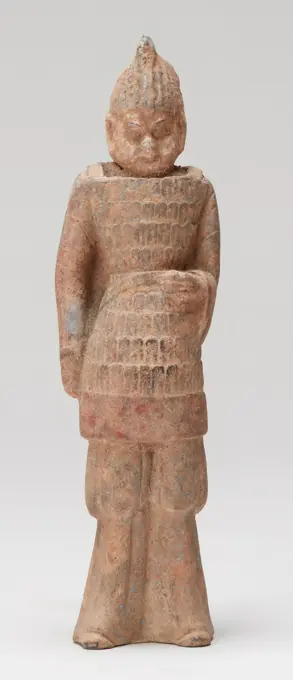
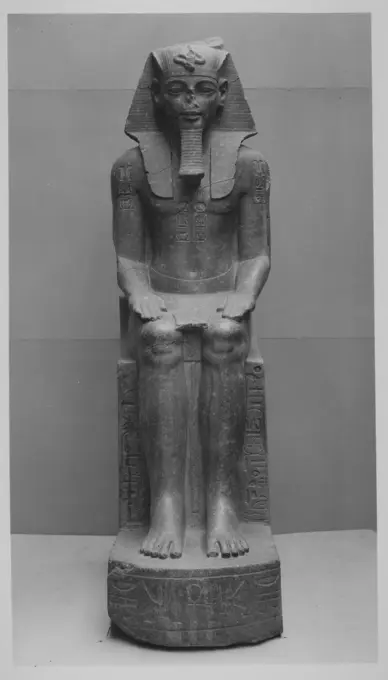
Worker Shabti of Henettawy (C), Daughter of Isetemkheb. Dimensions: h. 12 × w. 4.5 × d. 2.9 cm (4 3/4 × 1 3/4 × 1 1/8 in.). Dynasty: Dynasty 21. Date: ca. 990-970 B.C.. Museum: Metropolitan Museum of Art, New York, USA.Worker Shabti of Henettawy (C), Daughter of Isetemkheb ca. 990-970 B.C. Third Intermediate Period See 25.3.19.. Worker Shabti of Henettawy (C), Daughter of Isetemkheb 591015Worker Shabti of Henettawy (C), Daughter of Isetemkheb ca. 990-970 B.C. Third Intermediate Period. Worker Shabti of Henettawy (C), Daughter of Isetemkheb. ca. 990-970 B.C.. Faience. Third Intermediate Period. From Egypt, Upper Egypt, Thebes, Deir el-Bahri, Tomb MMA 60, Chamber B, Burial of Henettawy C (4), MMA excavations, 1923-24. Dynasty 21Worker Shabti of Henettawy (C), Daughter of Isetemkheb ca. 990-970 B.C. Third Intermediate Period. Worker Shabti of Henettawy (C), Daughter of Isetemkheb 625524Worker Shabti of Henettawy (C), Daughter of Isetemkheb ca. 990-970 B.C. Third Intermediate Period See 25.3.19.. Worker Shabti of Henettawy (C), Daughter of Isetemkheb 591022Lion-headed goddess 664-30 B.C. Late Period-Ptolemaic Period Lion-headed goddesses in Egypt encompassed numerous deities including Sakhmet, Wadjet, and Bastet, among others. In this guise, the goddesses were fierce protective deities, but ones that could also bring about destruction on behalf of the gods, both through violence and through plague and pestilence. This figure utilizes several iconographic elements common to many lion-headed goddesses including the seated posture, the lions mane combined with a tripartite wig, and the long gown. A shallow break at the top of the head indicates that the goddess once wore a crown; in some cases a crown can help narrow down the possible identity of a lion-headed goddess, although without an inscription, a precise identification is still difficult. A square casting patch on her buttocks marks the location of an ancient repair.. Lion-headed goddess 570673Worker Shabti of Henettawy (C), Daughter of Isetemkheb. Dimensions: h. 12.1 × w. 4.3 × d. 3.5 cm (4 3/4 × 1 11/16 × 1 3/8 in.). Dynasty: Dynasty 21. Date: ca. 990-970 B.C.. Museum: Metropolitan Museum of Art, New York, USA.Seated statue of Kay ca. 1950-1640 B.C. Middle Kingdom. Seated statue of Kay. ca. 1950-1640 B.C.. Granodiorite. Middle Kingdom. From Egypt, Memphite Region, Lisht South, tomb of Senwosretankh, debris, MMA excavations, 1932-33. Dynasty 12-13Amulet of the God Nefertem 1070 BCE-656 BCE Egypt. Faience . Ancient EgyptianWorker Shabti of Henettawy (C), Daughter of Isetemkheb ca. 990-970 B.C. Third Intermediate Period. Worker Shabti of Henettawy (C), Daughter of Isetemkheb 625465Uszebti Psamtyk-sa-Neita. unknown, authorKing Mentuhotpe, schist statue from Thebes, 1750 BC, EGYPT.Uszebti. unknown, authorWorker Shabti of Henettawy (C), Daughter of Isetemkheb ca. 990-970 B.C. Third Intermediate Period See 25.3.19.. Worker Shabti of Henettawy (C), Daughter of Isetemkheb 591054Maat 664-30 B.C. Late Period-Ptolemaic Period This statuette may represent the goddess Maat, who was the embodiment of cosmic order in Egyptian thought. In statuette form, Maat is generally shown in a crouched, seated position and often sits on an openwork plinth, rather than in the standing position shown here. Nevertheless, other standing examples are known and several features suggest that the statuette represents Maat; the fillet that ties at the back of the head is normally worn by Maat and the broken protrusion at the top of the head was probably a single feather, Maat’s signature attribute. Maat did not have a large cult of her own, but instead was often presented as an offering to other gods, and some preserved groupings of copper alloy statuettes show Maat seated in front of another deity in an offering tableau.. Maat 551773Worker Shabti of Henettawy (C), Daughter of Isetemkheb. Dimensions: h. 11.6 × w. 4.3 × d. 3.4 cm (4 9/16 × 1 11/16 × 1 5/16 in.). Dynasty: Dynasty 21. Date: ca. 990-970 B.C.. Museum: Metropolitan Museum of Art, New York, USA.Onuris 664-30 B.C. Late Period-Ptolemaic Period Onuris is depicted here, recognizable by his short hair and distinctive garment, which comprises a long skirt with a short kilt worn overtop. His curled hair is arranged in three layers of thick, almost shaggy locks. A break at the top of the head shows where his crown would have rested; the crown would have comprised four tall feathers, either represented flat and side-by-side or forming a three-dimensional cylinder. Onuris was a fierce god, known for capturing enemies in battle or hunting dangerous animals. In this role, he personified good conquering and controlling forces of chaos and disruption. Most copper alloy statuettes show him with his right arm raised in the act of spearing a defeated enemy or animal, or holding a rope, which presumably he used to snare his prey. This representation is unusual, first for the treatment of the thick locks of hair, and second for the arm position; his right arm is not raised in a striking positioWorker Shabti of Henettawy (C), Daughter of Isetemkheb ca. 990-970 B.C. Third Intermediate Period See 25.3.19.. Worker Shabti of Henettawy (C), Daughter of Isetemkheb 591058Worker Shabti of Henettawy (C), Daughter of Isetemkheb ca. 990-970 B.C. Third Intermediate Period. Worker Shabti of Henettawy (C), Daughter of Isetemkheb 623249Shabti of the Commander of the Royal Fleet Tjanenhebu Late Period 570-526 BC See 10.130.1047a View more. Shabti of the Commander of the Royal Fleet Tjanenhebu. 570-526 BC. Faience. Late Period. Presumably from Egypt, Memphite Region, Saqqara, Tomb of Tjanenhebu. Dynasty 26 (Saite)Uszebti. unknown, authorDAMA DE AUXERRE - 640/630 AC - GRECIA ARCAICA. Location: MUSEO DEL LOUVRE-ESCULTURAS. France.Funerary Figure of Akhenaten ca. 1353-1336 B.C. New Kingdom, Amarna Period During the reign of Akhenaten, many funerary figures were made for the king in a variety of materials and styles. However, none of these seems to have been inscribed with chapter six of the Book of the Dead, the shabti spell that compelled the figure to perform work for its owner in the afterlife. This is the only complete funerary figure of Akhenaten that is known. In this example, the king wears royal beard and a head covering known as the khat with a cobra, the protector of the king, at the brow.. Funerary Figure of Akhenaten. ca. 1353-1336 B.C.. Granite. New Kingdom, Amarna Period. From Egypt; Probably from Middle Egypt, Amarna (Akhetaten). Dynasty 18Worker Shabti of Henettawy (C), Daughter of Isetemkheb. Dimensions: h. 11.9 × w. 4.3 × d. 3.3 cm (4 11/16 × 1 11/16 × 1 5/16 in.). Dynasty: Dynasty 21. Date: ca. 990-970 B.C.. Museum: Metropolitan Museum of Art, New York, USA.Worker Shabti of Henettawy (C), Daughter of Isetemkheb ca. 990-970 B.C. Third Intermediate Period See 25.3.19.. Worker Shabti of Henettawy (C), Daughter of Isetemkheb 591061Worker Shabti of Henettawy (C), Daughter of Isetemkheb. Dimensions: H. 11.6 × W. 4.3 × D. 3.5 cm (4 9/16 × 1 11/16 × 1 3/8 in.). Dynasty: Dynasty 21. Date: ca. 990-970 B.C..See 25.3.19. Museum: Metropolitan Museum of Art, New York, USA.Block Statue of Neskhemenyu, son of Kapefha. Dimensions: H. 31 cm (12 3/16 in.); W. 15.5 cm (6 1/8 in.); D. 18.2 cm (7 3/16 in.). Date: 4th century B.C.. Museum: Metropolitan Museum of Art, New York, USA.Painted limestone ancestor bust. 19th or 20th Dynasty, about 1295-1070 BC. Probably from ThebesShabti of Hor Late Period (Saite) ca. 688-525 B.C View more. Shabti of Hor. ca. 688-525 B.C. Faience. Late Period (Saite). From Egypt. Dynasty 26Worker Shabti of Henettawy (C), Daughter of Isetemkheb. Dimensions: h. 11.8 × w. 4.4 × d. 3.3 cm (4 5/8 × 1 3/4 × 1 5/16 in.). Dynasty: Dynasty 21. Date: ca. 990-970 B.C.. Museum: Metropolitan Museum of Art, New York, USA.Worker Shabti of Nany ca. 1050 B.C. Third Intermediate Period See 30.3.28.1a, b. Worker Shabti of Nany. ca. 1050 B.C.. Faience. Third Intermediate Period. From Egypt, Upper Egypt, Thebes, Deir el-Bahri, Tomb of Meritamun (TT 358, MMA 65), first corridor, burial of Nany, MMA excavations, 1928-29. Dynasty 21Worker Shabti of Henettawy (C), Daughter of Isetemkheb ca. 990-970 B.C. Third Intermediate Period. Worker Shabti of Henettawy (C), Daughter of Isetemkheb 625508Worker Shabti of Henettawy (C), Daughter of Isetemkheb ca. 990-970 B.C. Third Intermediate Period See 25.3.19.. Worker Shabti of Henettawy (C), Daughter of Isetemkheb 591787Thutmose III (Tuthmosis), Thutmose the Great, pharaoh of the Eighteenth Dynasty. Officially, Thutmose III ruled Egypt for almost 54 years and his reign is usually dated from 28 April 1479 BC to 11 March 1425 BC, from the age of two and until his death at age 56. Hhowever, during the first 22 years of his reign, he was coregent with his stepmother and aunt, Hatshepsut, who was named the pharaoh. Thutmose served as the head of Hatshepsut's armiesJackal-headed Horus of Nekhen, from Upper Egypt, statuette in attitude of jubilance, bronze, late period, 664-332 BC, Egypt, collection of the British Museum.Uszebti. unknown, authorKing Ramesses VI. fragment of the lid of the monarchís mummiform sarcophagus. Ramesses is shown as Osiris, ruler of the afterlife. 20th Dynasty, reign of Ramesses VI (about 1143-1136 BC). From Western Thebes, Valley of the Kings, EgyptStatue of the Nurse Sitsnefru. Dimensions: H. 38.6 cm (15 3/16 in.); W. 20.7 cm (8 1/8 in.); D. 26.5 cm (10 7/16 in.). Dynasty: Dynasty 12. Date: ca. 1900 B.C..During the Old Kingdom, women were often depicted seated in this position at the feet of their husbands; now the same attitude has been elevated to a statuary pose in its own right. In the Middle Kingdom, many small statuettes were created of anonymous nursing women, but here Sitsnefru's name is inscribed on a statue of considerable size and presence. She was surely attached to an elite, perhaps even royal, household. Museum: Metropolitan Museum of Art, New York, USA.Sarcophagus of Djedhor. Dimensions: L. 197.3 × W. 63 × D. 57 cm (77 11/16 × 24 13/16 × 22 7/16 in.). Date: 200-150 B.C..Djedhor was a royal scribe as well as a priest of Min and Hathor. Besides his name and titles, the inscription on his stone sarcophagus also mentions his mother Tikas. Faint traces of paint are found on the pupils. Museum: Metropolitan Museum of Art, New York, USA.Female Bes. Dimensions: h. 7.9 cm (3 1/8 in). Dynasty: Dynasty 12-13. Date: ca. 1981-1640 B.C.. Museum: Metropolitan Museum of Art, New York, USA.Shawabty in Dress of Everyday Life, 1295-1186 BC. Egypt, New Kingdom, Dynasty 19. Polychrome faience; overall: 13.5 x 5 x 3.2 cm (5 5/16 x 1 15/16 x 1 1/4 in.).Head of a statue of the king Sesostris 111 12th dynasty 1875-1840 BC Thebes / Karnak Rose graniteOverseer Shabti of Henettawy (C), Daughter of Isetemkheb ca. 990-970 B.C. Third Intermediate Period See 25.3.19.. Overseer Shabti of Henettawy (C), Daughter of Isetemkheb 590989Overseer Shabti of Nany. Dimensions: H. 9.6 × W. 3.4 × D. 2.5 cm (3 3/4 × 1 5/16 × 1 in.). Dynasty: Dynasty 21. Reign: reign of Psusennes I. Date: ca. 1050 B.C..See 30.3.26.1a, b. Museum: Metropolitan Museum of Art, New York, USA.Shabti of the Scribe Huy wearing a Bat-pendant. Dimensions: H. 8.5 cm (3 3/8 in). Dynasty: Dynasty 19. Date: ca. 1295-1185 B.C..Shabtis were small magical figures deposited in a tomb to answer for the deceased should he or she be called upon to do labor in the afterlife. This figure depicts Huy as he was in life: clothed in a fashionable pleated tunic and wraparound shawl and wearing an amulet associated with the goddess Hathor around his neck. His wig is of a type that seems to have been popular with both scribes and military personnel during the late 18th dynasty. Museum: Metropolitan Museum of Art, New York, USA.Shabti (Funerary Figurine) of Mayet 1295 BCE-1186 BCE Egypt. Wood, gesso, pigment . Ancient EgyptianOverseer Shabti of Nany ca. 1050 B.C. Third Intermediate Period See 30.3.27.1a, b. Overseer Shabti of Nany. ca. 1050 B.C.. Faience. Third Intermediate Period. From Egypt, Upper Egypt, Thebes, Deir el-Bahri, Tomb of Meritamun (TT 358, MMA 65), first corridor, burial of Nany, MMA excavations, 1928-29. Dynasty 21SZCHYBTI AMENIRDIS;  664-525 BC ; Half period, 26 dynasty (-664-00-00--525-00-00);Gołuchów, a collection of ancient EgyptShabti (Ushabti) of the Overseer of the Fleet, Hekaemsaf ca. 570-526 B.C. Late Period (Saite) Discovered in 1903 in the tomb of the Overseer of the Royal Fleet, Hekaemsaf, this shabti, one of a set of 401, exemplifies a high point in the manufacture of such funerary figures. The mummiform shabti stands on a low pedestal; this, and the shallow pilaster behind echo the form of a statue. The long wig and curled beard are markers of divinity, indicating that Hekaemsaf has been transformed into a being capable of participating in the afterlife. The agricultural tools he holdsa pick in one hand, a hoe in the other, and a basket slung over his backprepare him to carry out labor in the afterlife should he be called on to do so by the gods. Hekaemsaf’s tomb was a deep shaft with the main burial chamber and two smaller chambers for family members at the bottom. The subsidiary chambers had been looted by ancient tomb robbers, but Hekaemsaf’s rich burial was intact. The mummy of this high officiFemale statue. Late 1st century BC - Early 1st century AD. Ruyezh. Kerch Historical and Archaeological Museum. Autonomous Republic of Crimea. Ukraine.Overseer Shabti of Nany ca. 1050 B.C. Third Intermediate Period See 30.3.26.1a, b. Overseer Shabti of Nany. ca. 1050 B.C.. Faience. Third Intermediate Period. From Egypt, Upper Egypt, Thebes, Deir el-Bahri, Tomb of Meritamun (TT 358, MMA 65), first corridor, burial of Nany, MMA excavations, 1928-29. Dynasty 21Amulet of Egyptian goddess Sekhmet. Made from Faience about 3,400 years ago. Found at Saqqara, Egypt, Africa.Female Figure of the Early Spedos Type. UnknownESTATUILLA DE PTAH-SOKARIS-OSIRIS - 664-342 AC - ARTE EGIPCIO - MADERA PINTADA - 59x11,5 cm. Location: MUSEO ARQUEOLOGICO NACIONAL-COLECCION. MADRID. SPANIEN.Faience amulet in the form of a lion-headed deity. Culture: Egyptian. Dimensions: H.: 1 3/4 in. (4.4 cm). Date: 664-30 B.C..Amulets representing animals were attributed to a deity: a hawk for Ra, the Sun God, a lion for Sakhmi, the War Goddess, a ram for Khnum and a cat for Bast. Museum: Metropolitan Museum of Art, New York, USA.Standing FigureAmulet of Thoth. Egyptian. Date: 332 BC-30 BC. Dimensions: 6.25 × 2.75 × 2 cm (2 3/8 × 1 1/8 × 3/4 in.). Faience. Origin: Egypt. Museum: The Chicago Art Institute, Chicago, USA. Author: Ancient Egyptian.Worker Shabti of Nauny ca. 1050 B.C. Third Intermediate Period See 30.3.28.1a, b. Worker Shabti of Nauny. ca. 1050 B.C.. Faience. Third Intermediate Period. From Egypt, Upper Egypt, Thebes, Deir el-Bahri, Tomb of Meritamun (TT 358, MMA 65), first corridor, burial of Nauny, MMA excavations, 1928-29. Dynasty 21Worker Shabti of Nany. Dimensions: H. 8.8 × W. 3.2 × D. 2 cm (3 7/16 × 1 1/4 × 13/16 in.). Dynasty: Dynasty 21. Reign: reign of Psusennes I. Date: ca. 1050 B.C..See 30.3.30.1a, b. Museum: Metropolitan Museum of Art, New York, USA.Shabti of the Treasurer of Lower Egypt Pa-abumeh, called Psamtik-seneb Late Period 595-380 BC Although there a number of shabtis for Pa-abumeh in collections around the world, including 22 in Cairo and eight at The Met, the location of his tomb is not known. As a Treasurer of the King of Lower Egypt and King's Acquaintance, it is possible that he was buried at Saqqara, where many of the highest officials of his time had their tombs.No two of Pa-abumeh's shabtis at The Met are identical, but all are mummiform, with the arms crossed over the chest and the hands and head emerging from the wrappings. The features of the faces are generally well-defined, and the strap that holds the long divine beard to the chin can be seen in several examples, including this one. The left hand holds a hoe and the right hand holds a pick, along with a twisted cord that leads to a basket behind the left shoulder.Nine horizontal lines of inscription cover the body and legs, wrapping around to meet on either sWorker Shabti of Nany ca. 1050 B.C. Third Intermediate Period See 30.3.27.1a, b. Worker Shabti of Nany. ca. 1050 B.C.. Faience. Third Intermediate Period. From Egypt, Upper Egypt, Thebes, Deir el-Bahri, Tomb of Meritamun (TT 358, MMA 65), first corridor, burial of Nany, MMA excavations, 1928-29. Dynasty 21Overseer Shabti of Henettawy (C), Daughter of Isetemkheb ca. 990-970 B.C. Third Intermediate Period. Overseer Shabti of Henettawy (C), Daughter of Isetemkheb 591807Shabti of Djedhor Late Period-Ptolemaic Period ca. 360-300 BC View more. Shabti of Djedhor. ca. 360-300 BC. Faience. Late Period-Ptolemaic Period. From Egypt, Northern Upper Egypt, Abydos, Cemetery G, Petrie Tomb 50 (Djedhor), Egypt Exploration Fund excavations. Dynasty 30 or laterWorker Shabti of Nauny ca. 1050 B.C. Third Intermediate Period See 30.3.29.1a, b. Worker Shabti of Nauny. ca. 1050 B.C.. Faience. Third Intermediate Period. From Egypt, Upper Egypt, Thebes, Deir el-Bahri, Tomb of Meritamun (TT 358, MMA 65), first corridor, burial of Nauny, MMA excavations, 1928-29. Dynasty 21Osiris God figurine;  664-525 BC ; Half period, 26 dynasty (-664-00-00--525-00-00);Scen.Gal.Eg.Uszebti Ramesa. unknown, authorWorker Shabti of Henettawy (C), Daughter of Isetemkheb. Dimensions: h. 12.3 × w. 4.6 × d. 3.2 cm (4 13/16 × 1 13/16 × 1 1/4 in.). Dynasty: Dynasty 21. Date: ca. 990-970 B.C.. Museum: Metropolitan Museum of Art, New York, USA.Iraq, Tell al-Rimah, Female face, fritTERRACOTA PRECOLOMBINA. Location: PRIVATE COLLECTION. QUITO. ECUADOR.Maya Deity. 9th century, limestone. This towering sculpture of the Maya god Chahk - an able warrior and an embodiment of rain, thunder and lightening - guarded a royal building. His multiple roles are indicated by the axe he raises menancingly in his right hand.Statuette of Eros. UnknownWorker Shabti of Henettawy (C), Daughter of Isetemkheb ca. 990-970 B.C. Third Intermediate Period. Worker Shabti of Henettawy (C), Daughter of Isetemkheb 625503God's Wife Tagerem, daughter of the priest Imhotep 300-250 B.C. Ptolemaic Period The priestess Tagerem was God's Wife of the god Re in Sakhebu in the southwestern Delta, a temple functionary of special order, intimate of the god. The statue embodies the perfected ideal of the female form attained in the early part of the Egyptian Ptolemaic period (approximately 300-250 B.C.): demure in its composure and yet alluring.A recent study (Panov 2018) notes that the possibilities grew in the Late Period for women to record elements of their own biographies on stelae and statues. While men's biographies deal with their careers, women's deal with their families and religious roles. Frequently employed epithets sugest the ideal woman was amiable, both well-spoken and useful in what she says, beautiful, and kind toward others.. God's Wife Tagerem, daughter of the priest Imhotep 587759Uszebti. unknown, authorWorker Shabti of Nauny ca. 1050 B.C. Third Intermediate Period See 30.3.28.1a, b. Worker Shabti of Nauny. ca. 1050 B.C.. Faience. Third Intermediate Period. From Egypt, Upper Egypt, Thebes, Deir el-Bahri, Tomb of Meritamun (TT 358, MMA 65), first corridor, burial of Nauny, MMA excavations, 1928-29. Dynasty 21Figurine of the goddess (Satet);  664-332 BC ; Late period (-664-00-00--332-00-00);Set (Mitol.), Scen.gal.eg.Statuette of Mut or Nekhbet ca. 1070-664 B.C. Third Intermediate Period-Kushite Period. Statuette of Mut or Nekhbet. ca. 1070-664 B.C.. Cupreous alloy. Third Intermediate Period-Kushite Period. From Egypt. Dynasty 21-25Statuette of an Officer Egyptian Art Staatlich Museum, Berlin, Germany Official Standing on High Base 9th century China. Official Standing on High Base 52550Terracotta statuette of a person of high rank from Colombia. Dated 15th CenturySeated figure of king Aramatelqo with hieroglyphic inscription Napatanisch, c. 550 BC grey Granite.Tomb Figure, c. 600, 8 3/8 x 2 3/8 x 1 3/4in. (21.3 x 6 x 4.4cm), Polychromed earthenware, China, 6th-7th centuryKing Tutankhamun, the Golden King and Great Pharaohs exhibition, Seattle Center, Washington StateOverseer Shabti of Henettawy (C), Daughter of Isetemkheb. Dimensions: H. 12.1 × W. 4.3 × H. 3.9 cm (4 3/4 × 1 11/16 × 1 9/16 in.). Dynasty: Dynasty 21. Date: ca. 990-970 B.C.. Museum: Metropolitan Museum of Art, New York, USA.Statuette of the goddess Neith. Late Period, Dynasty 26 664525 B.C. Egypt. Cupreous alloyWorker Shabti of Nany ca. 1050 B.C. Third Intermediate Period See 30.3.28.1a, b. Worker Shabti of Nany. ca. 1050 B.C.. Faience. Third Intermediate Period. From Egypt, Upper Egypt, Thebes, Deir el-Bahri, Tomb of Meritamun (TT 358, MMA 65), first corridor, burial of Nany, MMA excavations, 1928-29. Dynasty 21Bronce egipcio (VI-V a.C.).Museo de Menorca. Maó.Baleares.España.Shabti of Wedjahor, born of Shedet 380-332 B.C. Late Period This shabti is one of about 400 of Horwedja found in a tomb at Hawara. Horwedja was the son of Shedet, and a priest of Neith.Horwedja and a number of other individuals were buried in the tomb, excavated by Petrie in 1888-1889. Many of the mummies were wrapped with rich amulet sets, and a few of them like Horwedja had fine sarcophagus and coffin sets.. Shabti of Wedjahor, born of Shedet. 380-332 B.C.. Faience. Late Period. From Egypt, Fayum, Hawara, Tomb of Wedjahor, Petrie excavations 1888-1889. Dynasty 30Worker Shabti of Henettawy (C), Daughter of Isetemkheb ca. 990-970 B.C. Third Intermediate Period. Worker Shabti of Henettawy (C), Daughter of Isetemkheb 625510Basalt Statuette MacGregor Man 3100 B.C. Polished Black Basalt FigureStanding Ceramic Figure. Culture: Moche. Dimensions: H x W: 6 1/4 x 4 1/4in. (15.9 x 10.8cm). Date: 3rd-5th century. Museum: Metropolitan Museum of Art, New York, USA.Striding Man ca. 2100-1950 B.C. First Intermediate Period-early Middle Kingdom A few examples of copper alloy burial statuary of nonroyal individuals appear beginning in the late Old Kingdom or First Intermediate Period.. Striding Man 558997Emilia-Romagna Bologna Bologna Museo Civico Archeologico Sale III, IV, V07. Hutzel, Max 1960-1990 Specific Location: Sale III, IV, V (Egyptian antiquities) Owner: Museo Civico Archeologico Antiquities: III: basalt sculptural fragments; reliefs from the tomb of Horemheb; funerary stele; dynasties XVIII, XIX, XX, Ptolomeic dynasty reliefs, generally in limestone. IV: XVIII, XIX dynasty sculptures in granite, limestone, sarcophagi, statuette in basalt, statuette in wood, statuettes in bronze, statuette faience, mummy mask: V: basalt sculptures of Horus, Sekhmet, limestone stele (Antiq. count: 202); Republican portrait sculpture, Republican cippi with portrait bust, cippus with portraits (single and group), cippi with inscriptions from all periods, architectural fragments, basin with inscription, torso fragment of cuirassed figure of the 1st century AD (Nero) (Antiq. count: 185); disk lamps from the late republic to 6th century, with erotes, animals, erotica, mythological scenes, menorah, Porträt zum Gedenken Memorial portrait, Akan region, Twifo-Hemáng, Ghana, 17th century, hand-modeled fired clay, MEB, Barcelona, Catalonia, Spain LicenseRF Copyright: xZoonar.com/Tolox 23171273Image of Celtic deity with wild boar and wearing torque. Stone. Musee de St GermainWorker Shabti of Henettawy (C), Daughter of Isetemkheb. Dimensions: h. 11.9 × w. 4.4 × d. 3.3 cm (4 11/16 × 1 3/4 × 1 5/16 in.). Dynasty: Dynasty 21. Date: ca. 990-970 B.C..See 25.3.19. Museum: Metropolitan Museum of Art, New York, USA.Colossal Seated Statue of Amenhotep III, reworked, reinscribed by Merneptah ca. 1390-1353 B.C. New Kingdom This colossus of Amenhotep III, whose distinctive facial features are still recognizable despite their damaged state, once adorned the temple he built to Amen-Re in Luxor (ancient Thebes). Like so many Dynasty 18 monuments, this statue, along with its partner (22.5.1), was usurped a century and a half later by Merneptah, who had it moved from its original location to the eastern portal of the temple. Merneptah's deeply incised titulary contrasts with the restrained carving of the sema tawy ("Unification of the Two Lands") motif on both sides of the throne of the other, larger colossus. While the broad, flat planes and bold proportions are typical of Egyptian architectural statuary, these two pieces are distinguished by the quality of their sculptural details, such as the rendering of the faces and the elements of the costumes.. Colossal Seated Statue of Amenhotep III, reworked, reBase of Osiris Figure of Hatnefer (see 47.105.2) ca. 1479-1458 B.C. New Kingdom. Base of Osiris Figure of Hatnefer (see 47.105.2). ca. 1479-1458 B.C.. Wood, paint. New Kingdom. From Egypt, Upper Egypt, Thebes, Sheikh Abd el-Qurna, Tomb of Senenmut (TT 71), below, radim, MMA excavations, 1935-36. Dynasty 18Amenhotep II,Amenophis II, Pharaoh of the 18th dynasty of Egypt. C. 1427-1401 BC. Sphinx head, diorite.Osiris-shaped statue of Pharaoh Ramesses II. Sandstone. 19th Dynasty, reign of Ramesses II (1290-1224 BC). The pharaoh is holding two of the royal attributes: the crook (hekat) and the flail (nekhakha).