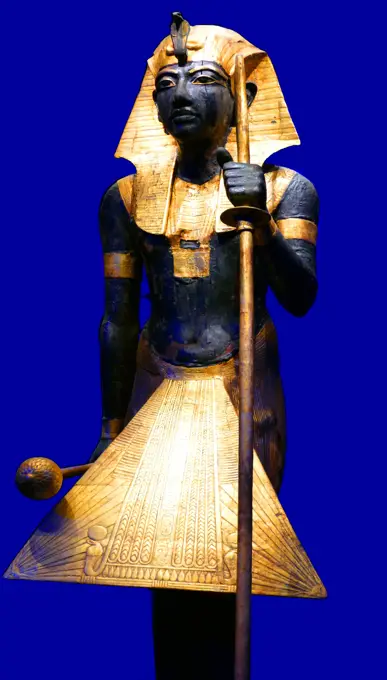
Egyptian Shabtis of Henettawy

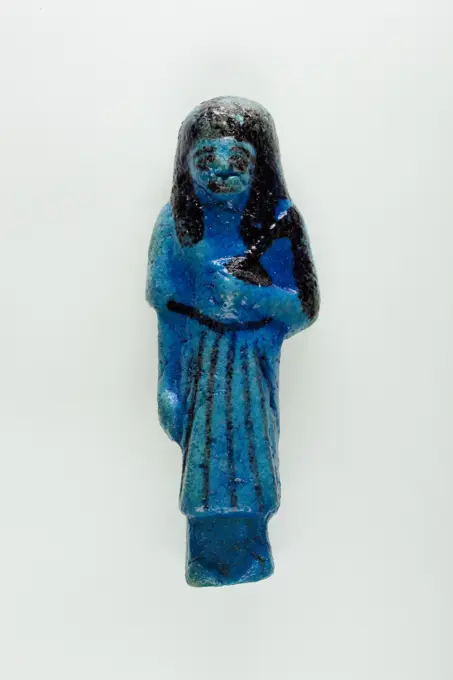
Colorful ancient Egyptian shabti figurines, representing the worker Henettawy, showcasing detailed craftsmanship from circa 990-970 B.C.
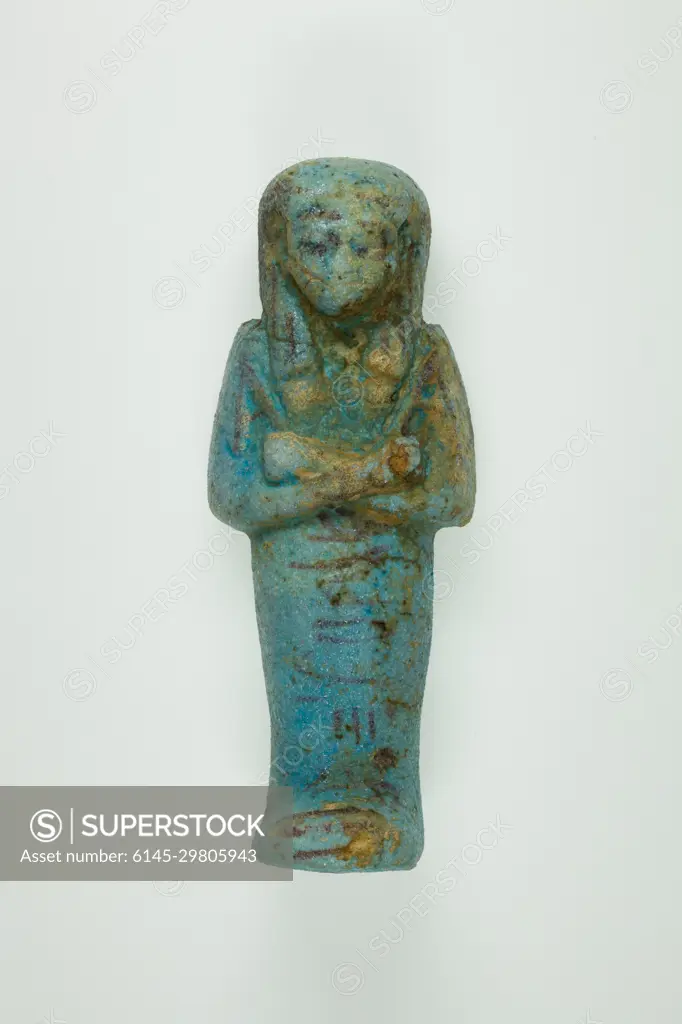
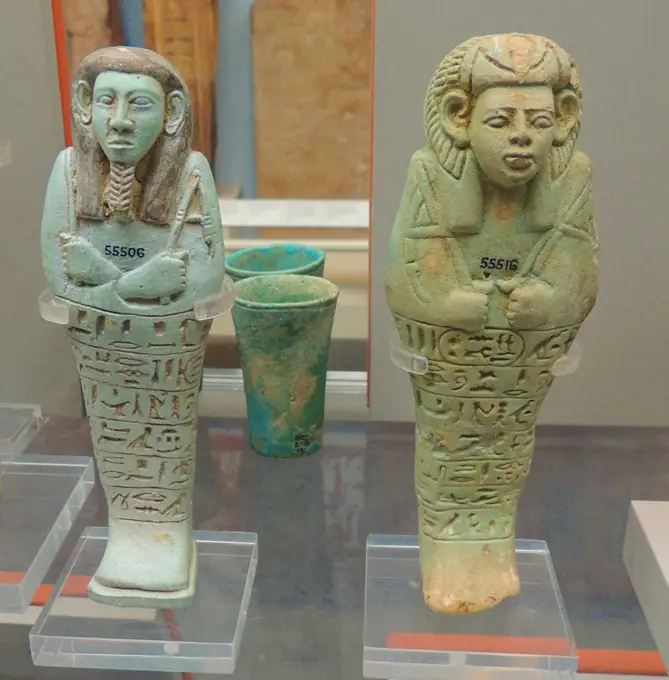
Worker Shabti of Henettawy (C), Daughter of Isetemkheb ca. 990-970 B.C. Third Intermediate Period. Worker Shabti of Henettawy (C), Daughter of Isetemkheb. ca. 990-970 B.C.. Faience. Third Intermediate Period. From Egypt, Upper Egypt, Thebes, Deir el-Bahri, Tomb MMA 60, Chamber B, Burial of Henettawy C (4), MMA excavations, 1923-24. Dynasty 21
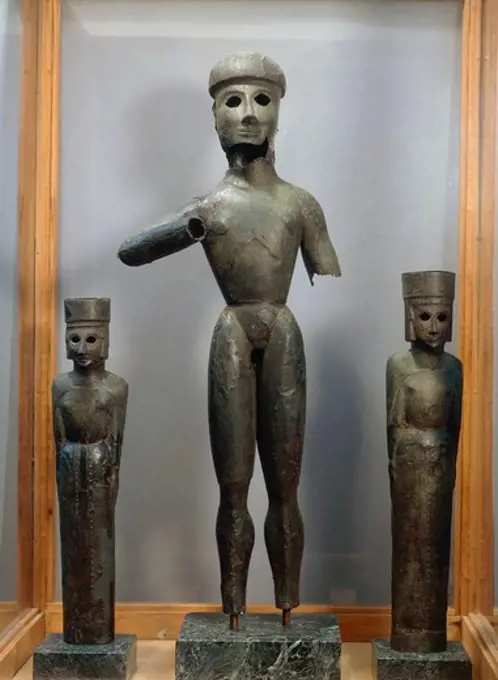
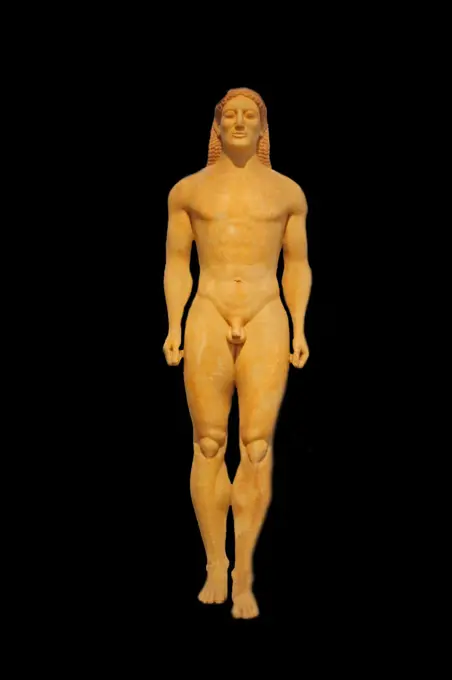
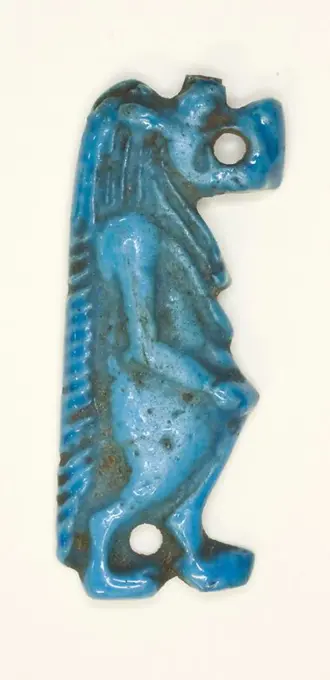
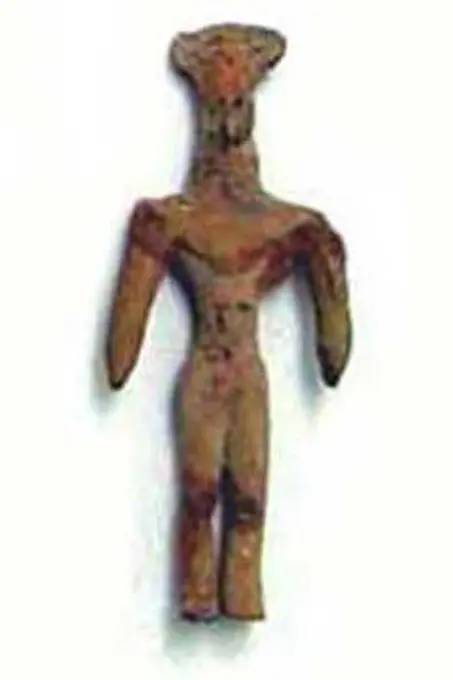
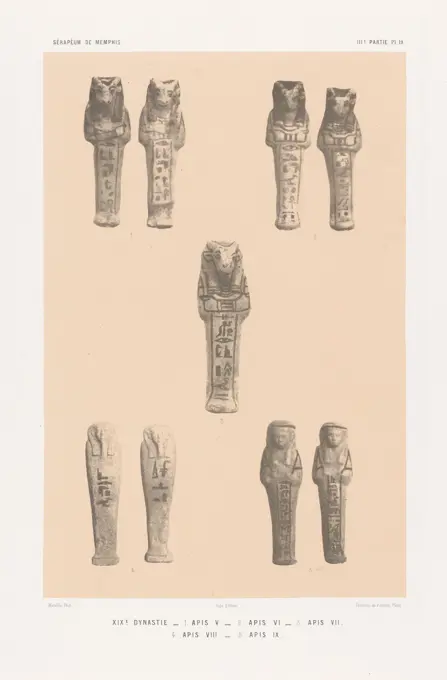
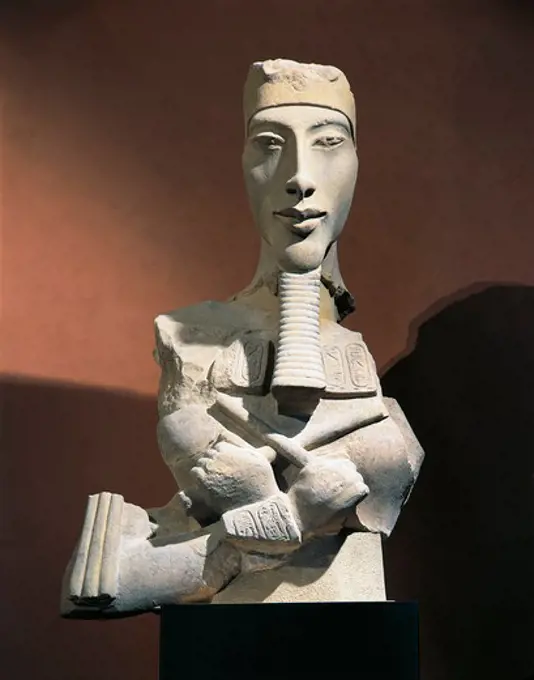
Painted gres Osiriac colossus of Amenhotep IV from Egypt, Thebes, Luxor West Bank, KarnakGreece, Crete, Delphinion di Dreros, Bronze statue of Divine triad, Apollo of Dreros between Artemide and LatonaRelief Fragment of Khety, from Inscription in Sculptured Corridor ca. 2030-1640 B.C. Middle Kingdom. Relief Fragment of Khety, from Inscription in Sculptured Corridor 577168Cycladic figures, 25th century BC. Artist: UnknownOverseer Shabti of Nany ca. 1050 B.C. Third Intermediate Period See 30.3.26.1a, b. Overseer Shabti of Nany. ca. 1050 B.C.. Faience. Third Intermediate Period. From Egypt, Upper Egypt, Thebes, Deir el-Bahri, Tomb of Meritamun (TT 358, MMA 65), first corridor, burial of Nany, MMA excavations, 1928-29. Dynasty 21Statue of Ptah-Sokar-Osiris 305 BCE-30 BCE Egypt. This vibrantly painted statue represents the ancient Egyptian funerary deity Ptah-Sokar-Osiris. The god is depicted in the form of a mummy with red linen wrappings covered by an intricate net of multicolored beads. The statue would have been placed in the tomb of its owner, a woman named Ese-ir-di-es (ìIsis is the one who gave herî). Columns of hieroglyphic text on the front and back state that she will be provided with the offerings necessary for her continued survival in the afterlife, including food and drink.. Wood, preparation layer, pigment, gold, and textile . Ancient EgyptianEgyptian statue of unknown woman. Limestone bust. Museum: The Field Museum, BERLIN, USA.Fragment of the hand of a giant statue of Pharaoh Ramesses II, Karnak Temple Complex, Karnak, Luxor Governorate, Egypt, AfricaPhotolithographs from the publisher Gide, featuring details about the Apis bulls from the XVIIIe and XIX dynasties of ancient Egypt. Notable entries include Apis V, who died under Rathothis; Apis I, who died under Séti Ier; and Apis II, who died in the 16th year of Ramsès II. The work was issued in 1857 in ParisStatue of a kouros, Parian marble, found in Anavyssos, Attica. It had been stolen and taken to France from where it was returned in 1937. The body is powerful and articulate, with emphasized musculature. The statue was funerary and stood on the grave of Kroisos, as is indicated by the epigram on the base: 'Stop and mourn at the grave of dead Kroisos, whom the raging Ares destroyed when he fought among the defenders', about 530 B.C.Figure of Fertility Goddess ca. 2700-3000 B.C. Baluchistan. Figure of Fertility Goddess. Baluchistan. ca. 2700-3000 B.C.. Terracotta. Ceramics'Study of the Head of a Young Man from The Ptolemaic Dynasty'. Ancient Egypt, 3rd - 1st century BC. Dimensions: height 10,5 cm. Museum: State Hermitage, St. Petersburg.Egipt, Głowa władcy egipskiego (Tut-ankh-Amon), odlew gipsowy, 30 x 15 x 15 cm, odlany z oryginału znajdującego się w Brukseli w Palais de Cinquantenaire; ze zbiorów Muzeum Narodowego w Warszawie, nr inw. Vr.St.82 (74243). Ryś, Jan (1889-1939), photographerprobably head of pharaoh Shabaka, granite, 25th dynasty, 716-702 BC, probably Heliopolis, Egypt, collection of the British Museum.Amulet of the Goddess Tawaret (Thoeris). Egyptian. Date: 1550 BC-1295 BC. Dimensions: 3.3 × 1.3 × 0.3 cm (1 5/16 × 1/2 × 1/8 in.). Faience. Origin: Egypt. Museum: The Chicago Art Institute, Chicago, USA. Author: Ancient Egyptian.DIOSA ISIS CON SU HIJO HORUS EN BRAZOS(FIGURA EN BRONCE). Location: MUSEO ARQUEOLOGICO NACIONAL-COLECCION. MADRID. SPAIN.Painted and gilded cedarwood coffin lid of the painting of Piinudjem II, Princess Neschons from the exhibition: Ramses the Great and the Gold of the Pharaohs, Cologne, North Rhine-Westphalia, Germany, EuropeHead of a Queen Mother, Cast brass, Benin, Nigeria, 16th century. A special altar for Queen Mother was maintained within the royal city. Queen Idia, mother of Oba Esigie, king of Benin from the late fifteenth to the early sixteenth century, played a key role in her son's military campaigns against the Igala people, which may have been over control of the Niger waterway. Benin finally won these wars and made the Igala king a vassal of the Oba. British MuseumSyrian with Lion & Ram  Found at Nimrud, Fort Salmanassar Late 19th C. BCE Artist Unknown Ivory Iraq National Museum, Baghdad, IraqGolden death mask of Sheshonq II from the exhibition: Ramses the Great and the Gold of the Pharaohs, Cologne, North Rhine-Westphalia, Germany, EuropeNefertiti (3 4 View) 1350 BC Egyptian Art Limestone Staatliche Museen Preussischer Kulturbesitz,(Agyptisches Museum und Papyrussammlung), BerlinShabti of Painedjem/Panehsy ca. 1070-664 B.C. Third Intermediate Period or later. Shabti of Painedjem/Panehsy. ca. 1070-664 B.C.. Faience. Third Intermediate Period or later. From Egypt; Probably from Egypt, Upper Egypt, Thebes, Southern Asasif, Royal Cache, Tomb of Inhapi (TT 320). Dynasty 21Osirid Funerary Figure. Egypt, Late Period to Ptolemaic Period (724 - 31 BCE). Sculpture. Wood, gesso, paintFaience Shabits of King Senkamanisken and Wife Queen Nasalsa 623 B.C. Full Size Bust of Nefertiti. Busto tamano natural de Nefertiti. 1335 B.C.. Berlin, Egyptian Museum. Germany. Author: TUTMOSE o DYEHUTYMOSE (1330 a. c.). Location: NEUES MUSEUM. BERLIN. DEUTSCHLAND. NEFERTITI. AMENOFIS IV ESPOSA. AKENATON ESPOSA.Jewels of Queen Hetepheres: pendant, Old Kingdom, Dynasty IVPharaoh Thutmose IV and his queen, 1933-1934. Artist: UnknownMale figure with Flared Headdress ca. 2700-3000 B.C. Baluchistan. Male figure with Flared Headdress. Baluchistan. ca. 2700-3000 B.C.. Terracotta. CeramicsA carved stone face in the Campeche Regional Museum displaying prehispanic antiquities.Gide, Paris, Poitevin, Alphonse-Louis, Marville, Charles, Five Apis ushabtis and four ushabtis, found at the Serapeum at Memphis, recto - printed, This page is part of a cover., photomechanical print, page, photographs, photographically illustrated books, SÉRAPÉU DE MEMPHIS IIIe PARTIE PL.19, XIXe DYNASTIE_1.APIS V _ 2. APIS VI, height 339 mm, width 226 mm, French, 1816-07-18 - 1879, photographer, 1852 - 1857, paper, photolithography, 1819 - 1882, cliché maker, Publication (Event), Publication, publisherGilded wooden statue of the Ka of King Tutankhamun from the tomb of the king. 1326 BCWinged Goddess ca. 1295-712 B.C. Late New Kingdom or early Third Intermediate Period This kneeling woman is a goddess with protective outspread wings. On her head are cows' horns and a sun disk, which are elements that could be worn by various goddesses. Nut, the goddess of the sky, is often depicted with outstretched wings, but similar representations are also known for the goddess Isis.The piece features several small holes that were made for either sewing the pieces onto a mummy's wrappings or for incorporating them into beaded nets, which were placed on top of a wrapped mummy.. Winged Goddess. ca. 1295-712 B.C.. Faience. Late New Kingdom or early Third Intermediate Period. From Egypt; Possibly from Egypt, Northern Upper Egypt, Abydos. Dynasty 19-2218th Dynasty Egyptian dyad of man and wife. Made of limestone and dated approximately 1350 BC.Shadow Puppet Head, 20th century, 5 in. (12.7 cm), China, 20th centuryMask of a woman, from Egypt, Roman Period, c100-c120. Artist: UnknownSarcophagus for the viscera. 1375 - 1358 BC. 18th Dynasty. Made in plated wood with golden sheets inlaid. From the Tut-Ankh-Amun's treasure. Egyptian art. New Kingdom. Jewelry. EGYPT. CAIRO. Cairo. Egyptian Museum. Proc: EGYPT. QUENA. Dayr al-Bahri. Valley of the Kings. Tomb of Tutankhamun.The ancient Egyptian pharaoh Tutankhamun on an Egyptian post stampPrince Rahotep and His Wife Nofret, Egypt, 4th Dynasty. Artist: UnknownA life size wooden mummy of the King, for robing purposes. It is carved out of hard wood, painted and gilt; and is without doubt a portrait of the young King. February 23, 1923. (Photo by Harry Burton, The Times Official Pictures).