Elegant Antique Chairs

A collection of ornate antique chairs showcasing intricate woodwork, rich upholstery, and classic design from various historical periods.
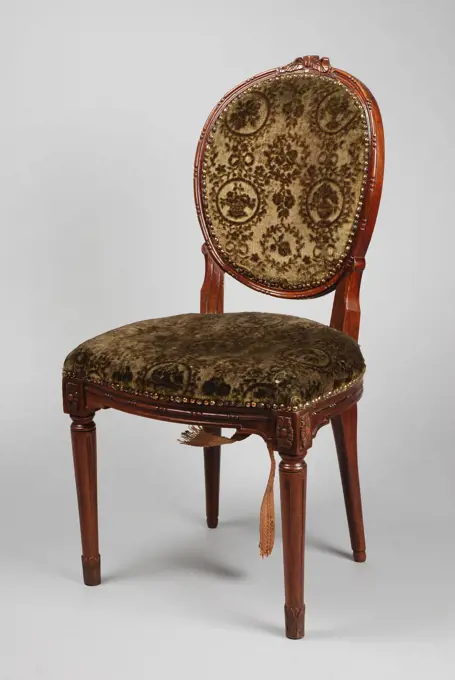
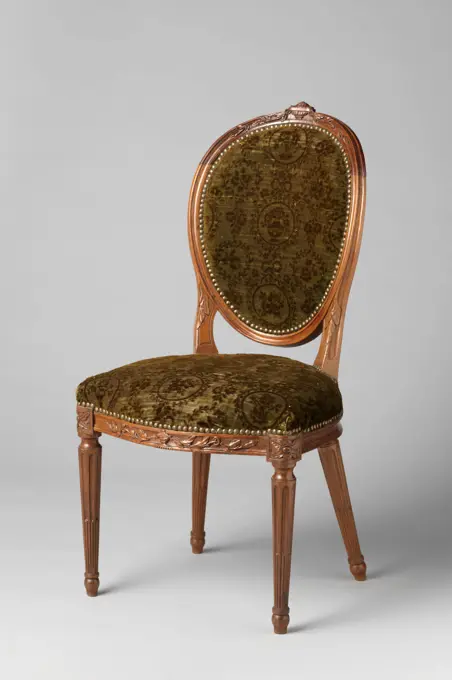
Mahogany Louis Seize medallion chair, medallion chair seat furniture furniture interior design wood mahogany velvet metal, With bow as crest and dark green ropes with medallions round rejuvenated legs with cannelures Louis XVI Louis XVI Louis Seize
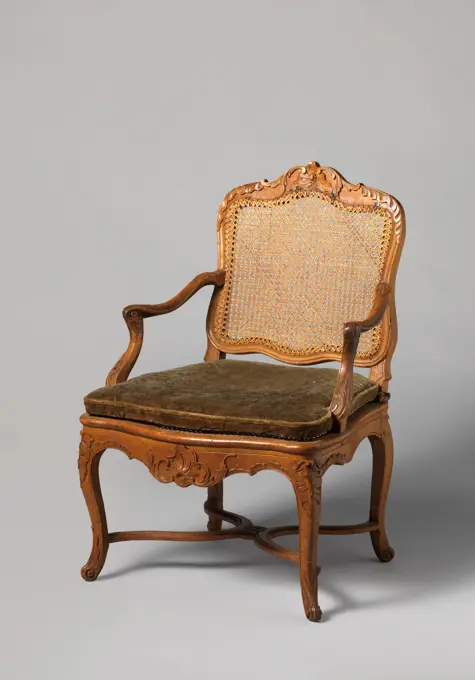
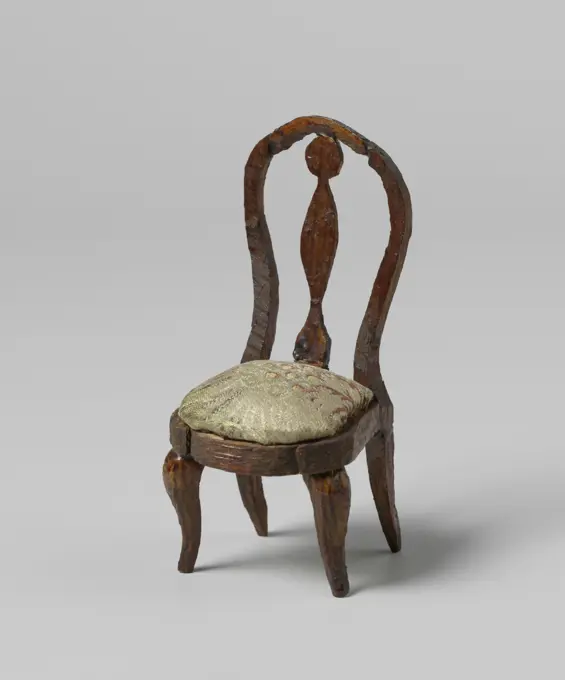
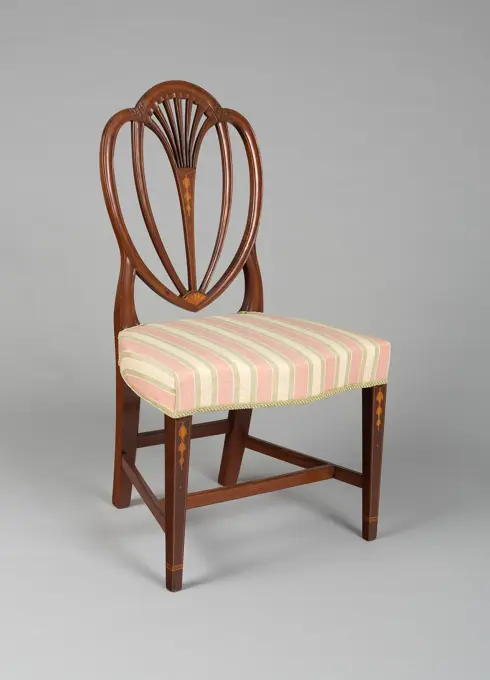
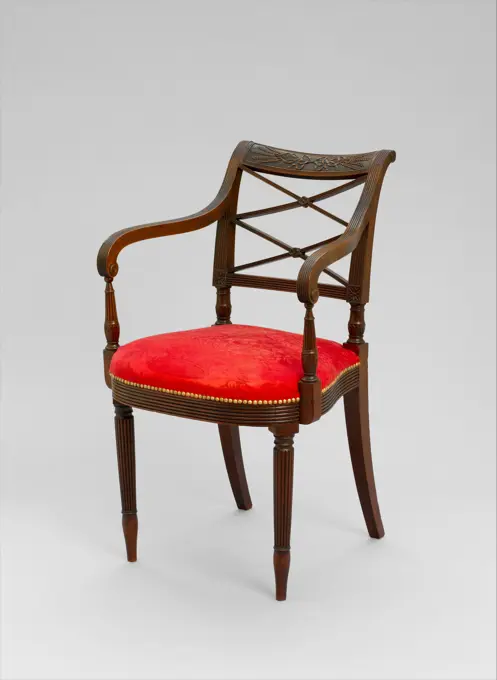
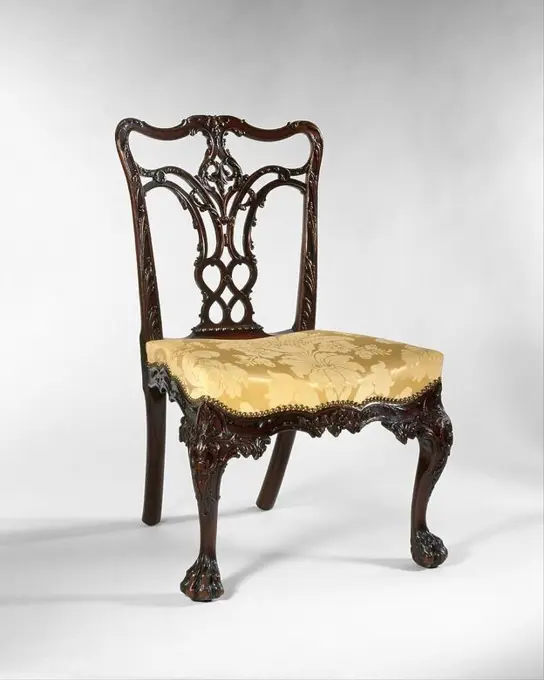
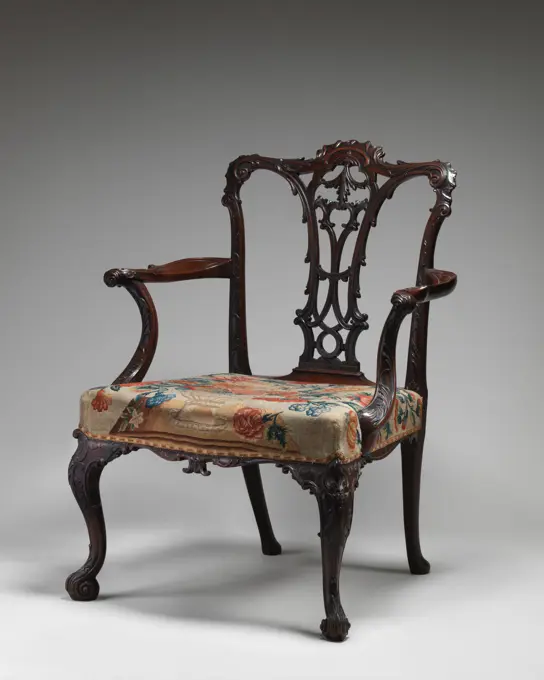
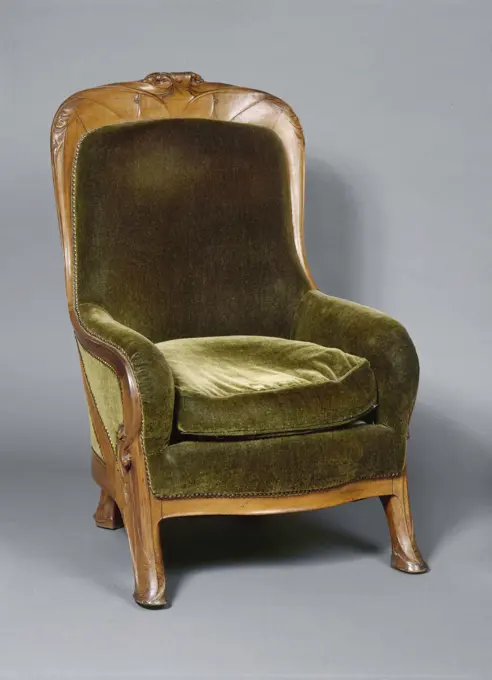
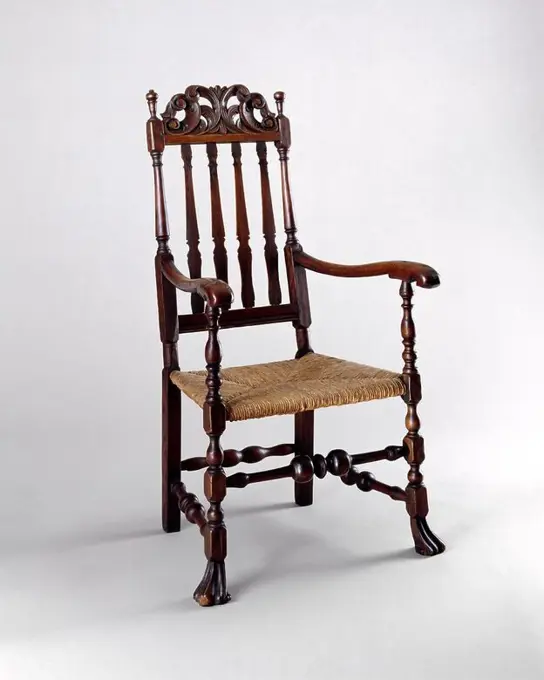
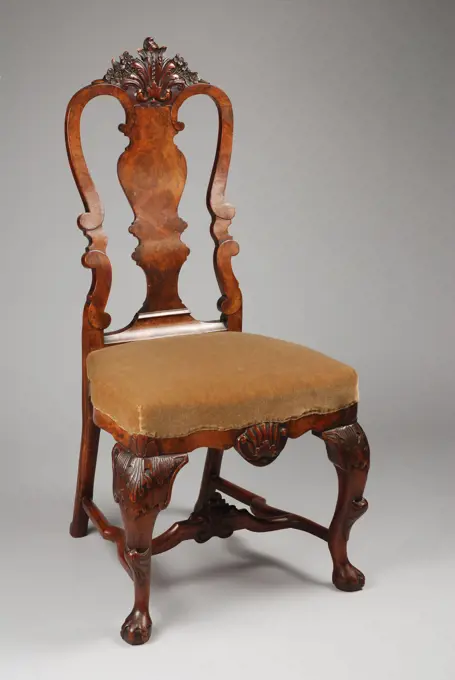
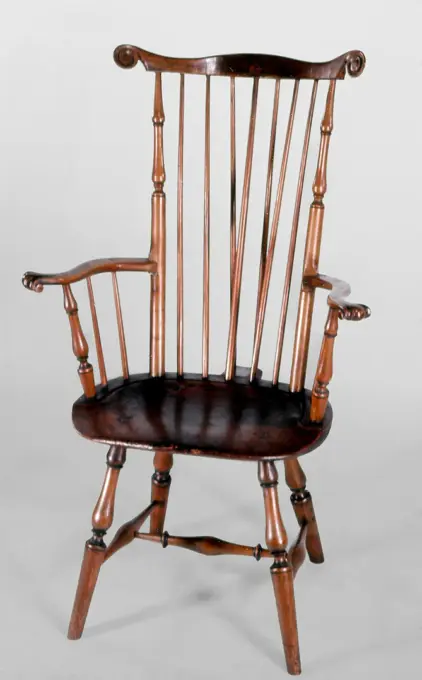
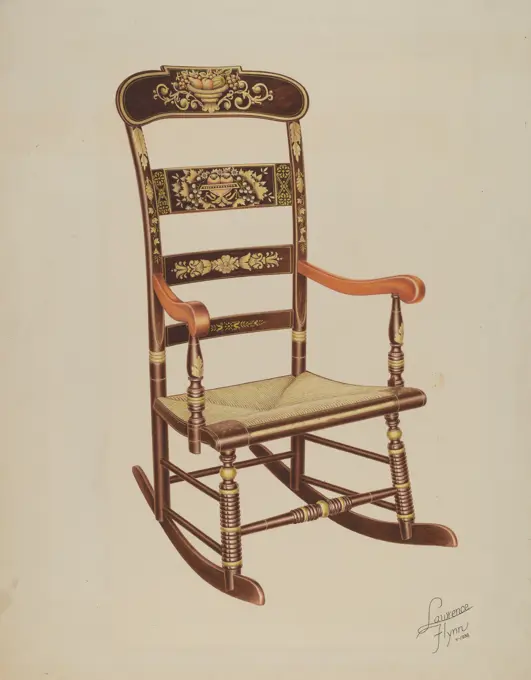
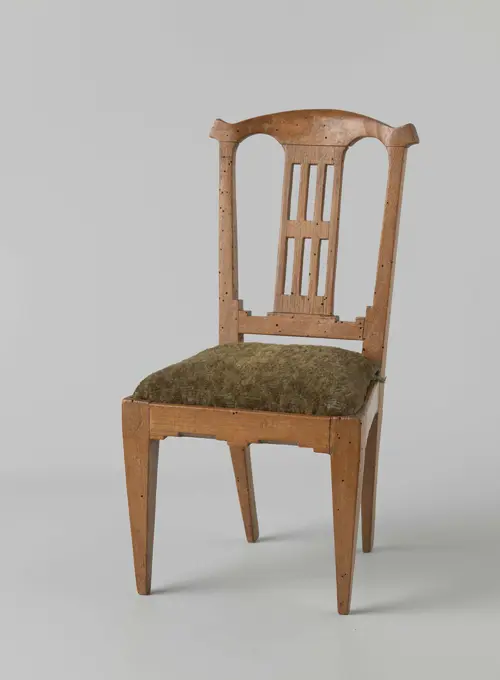
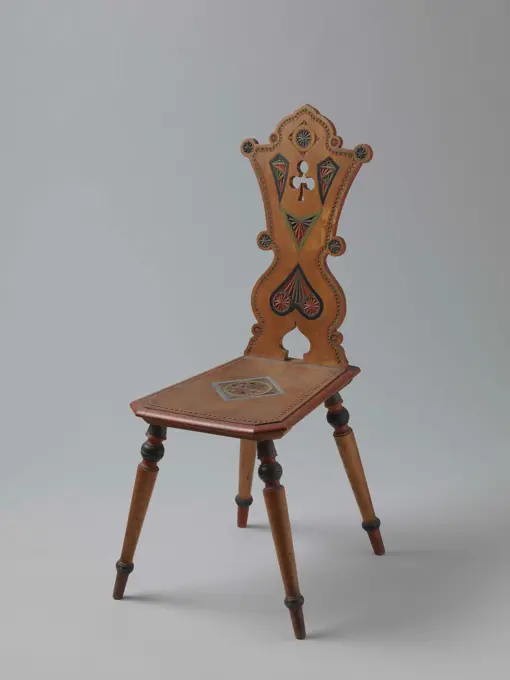
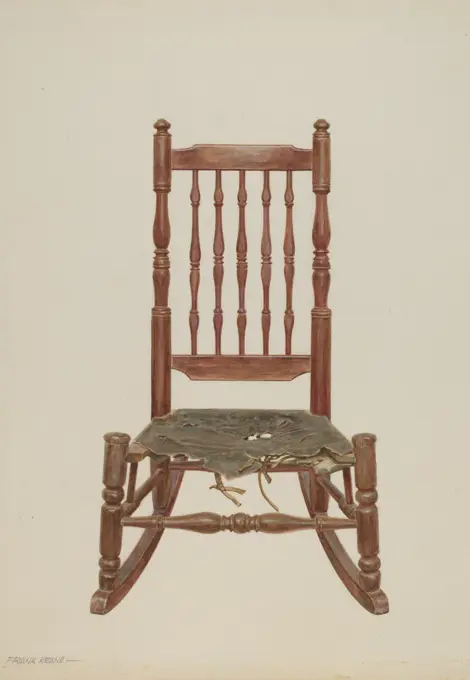
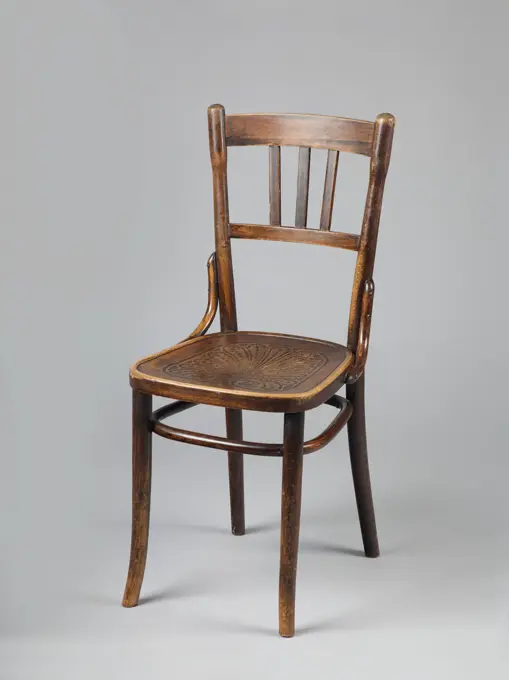
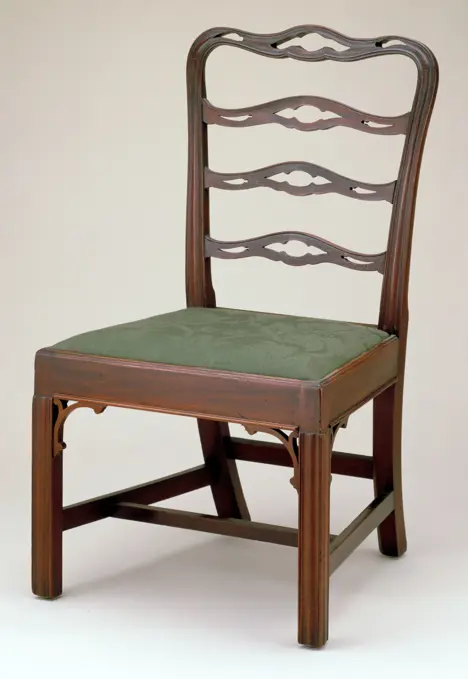
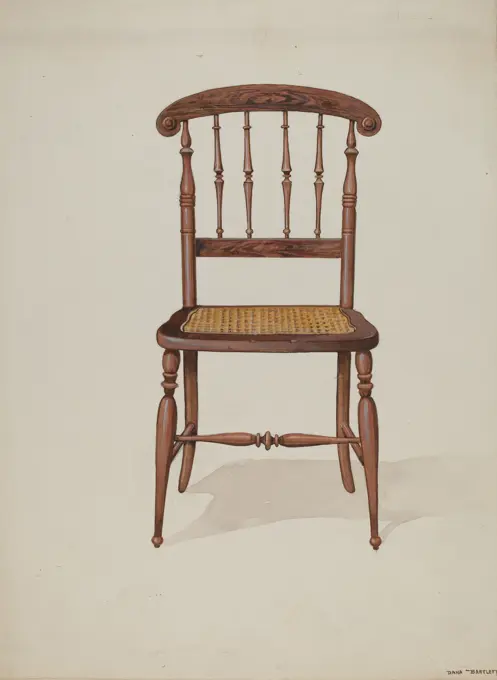
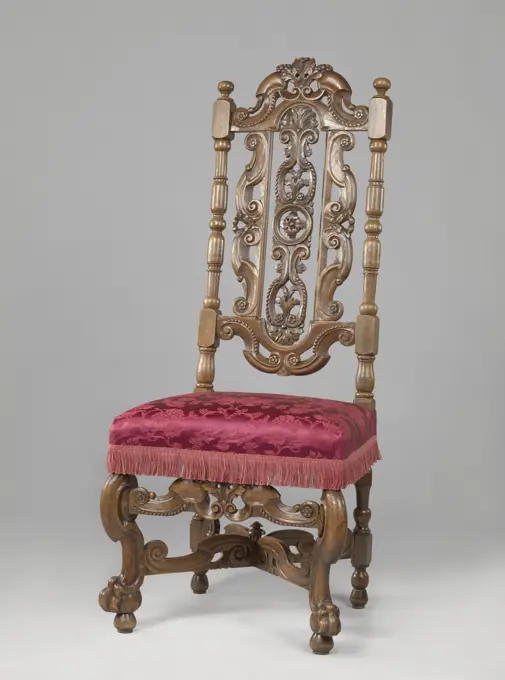
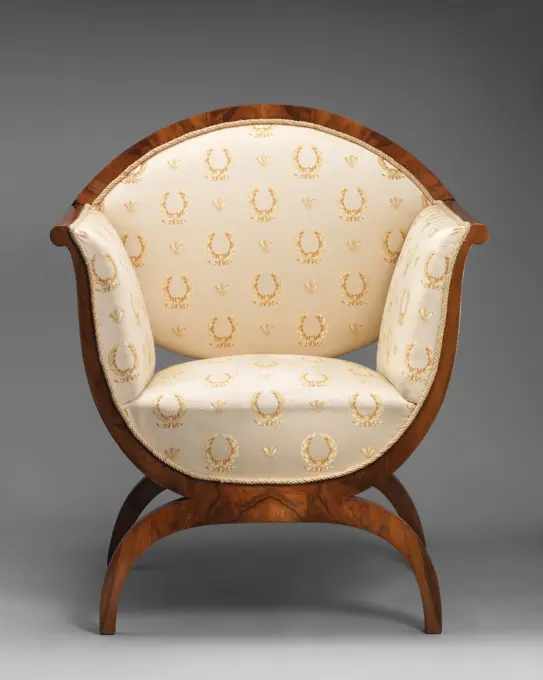
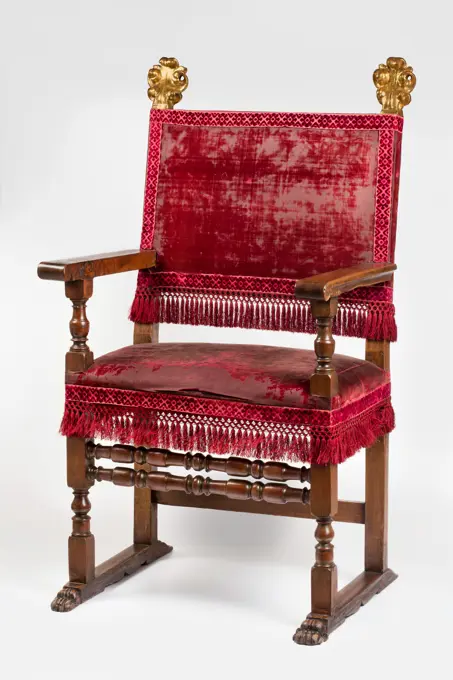
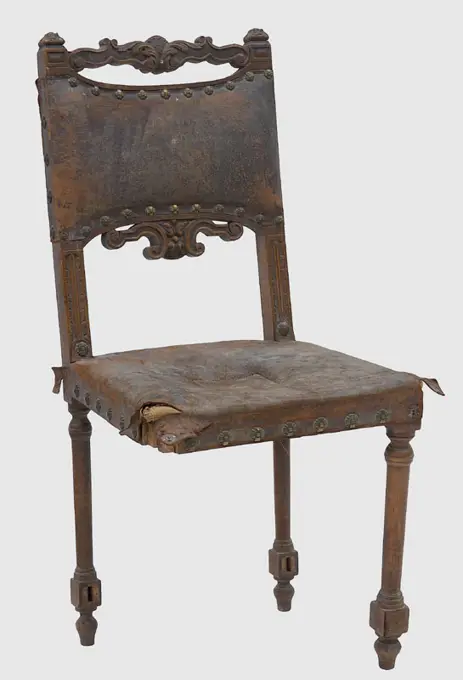
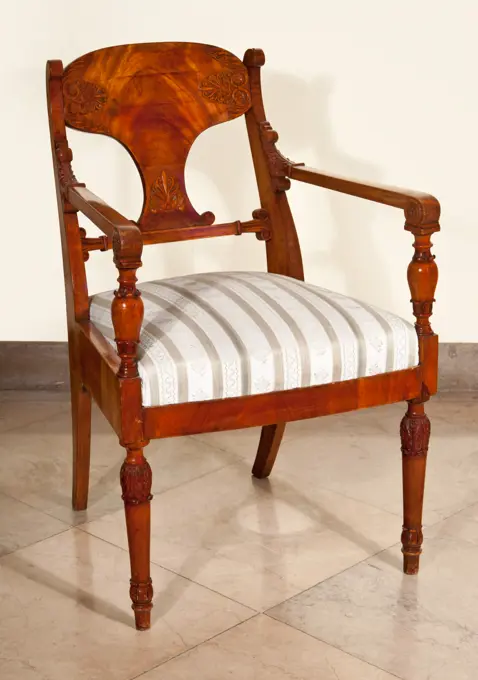
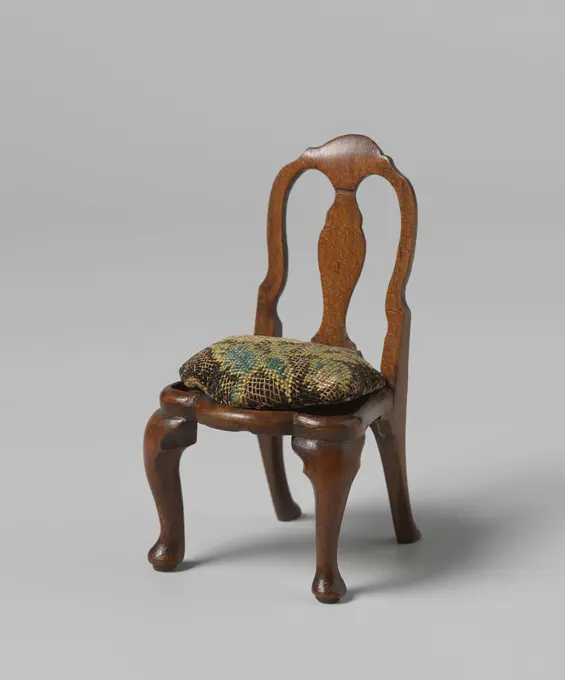
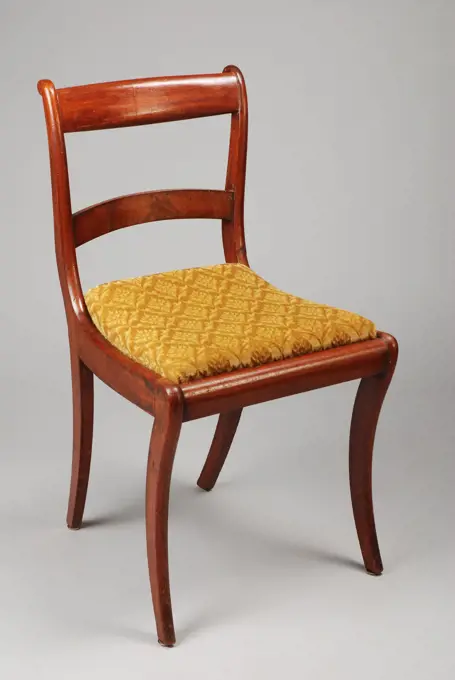
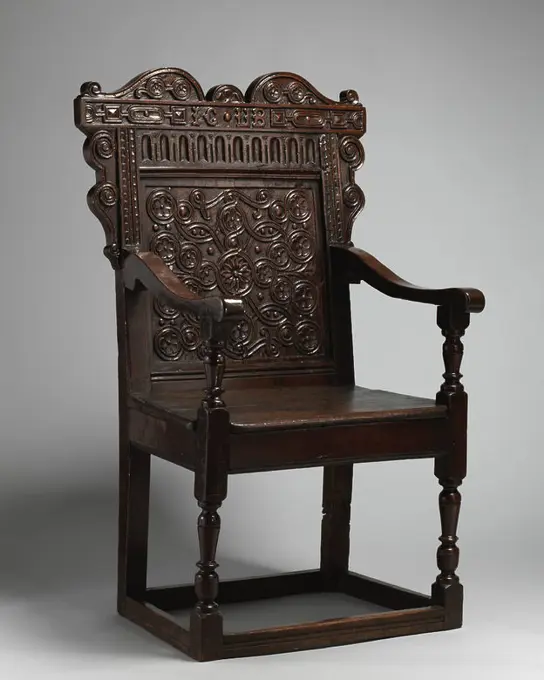
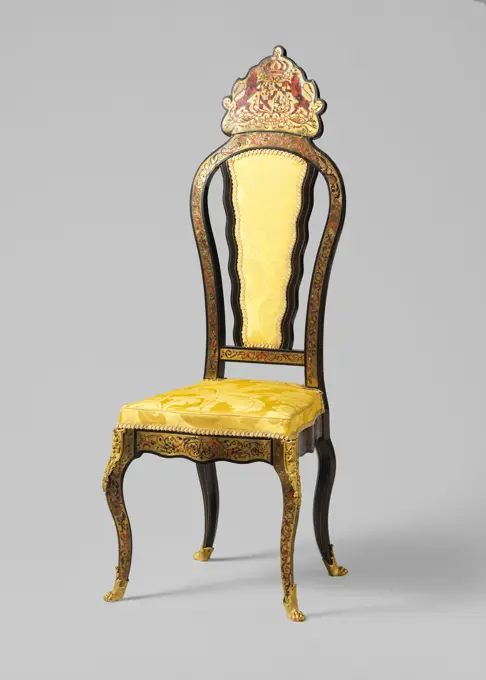
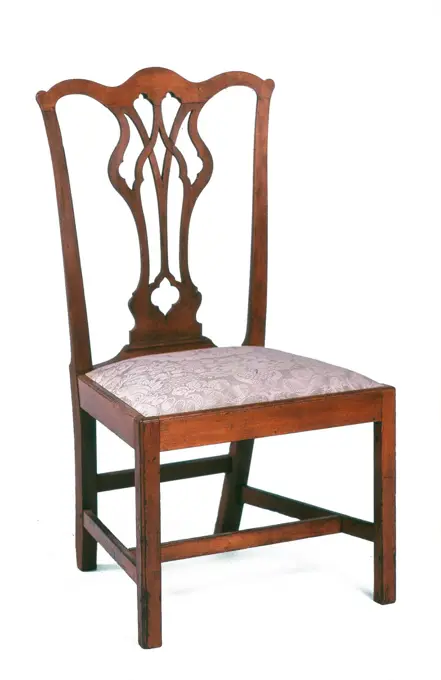
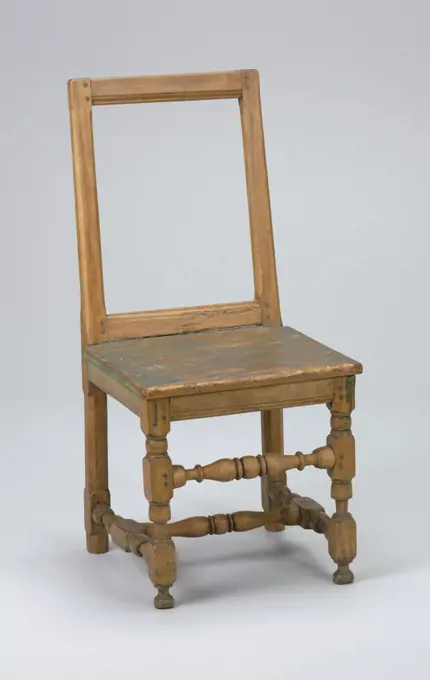
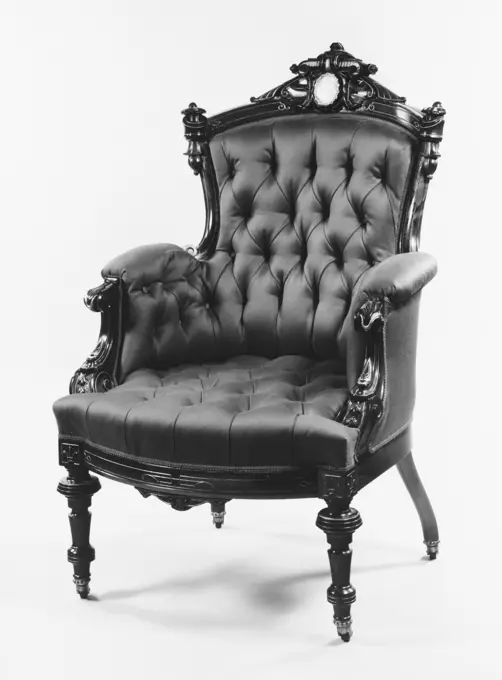
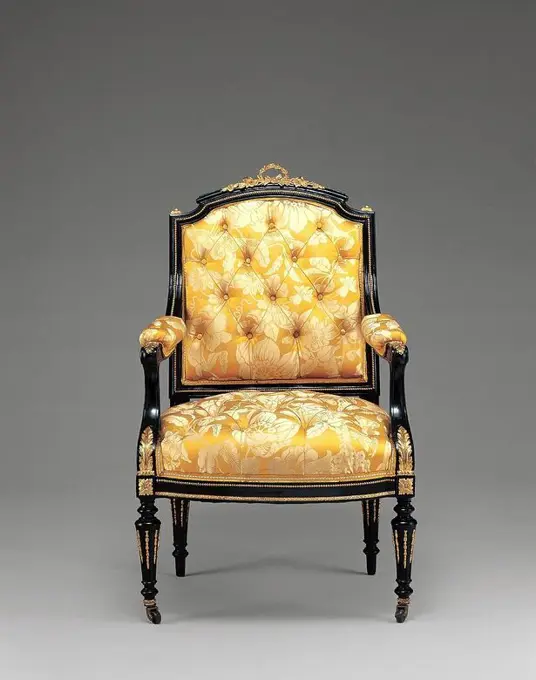
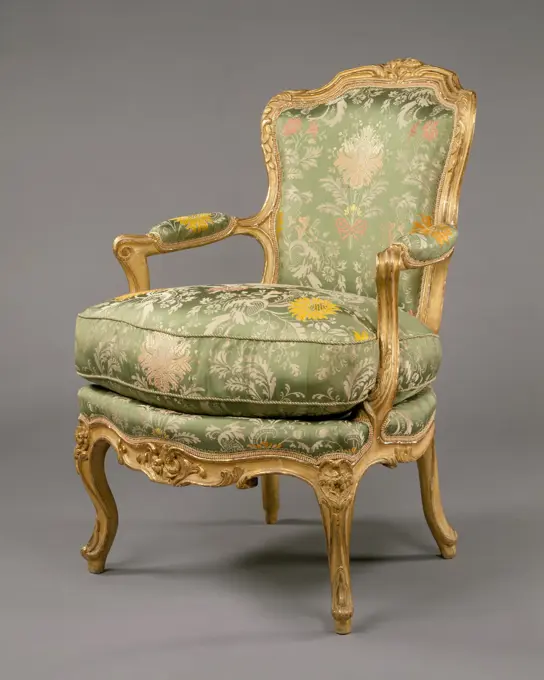
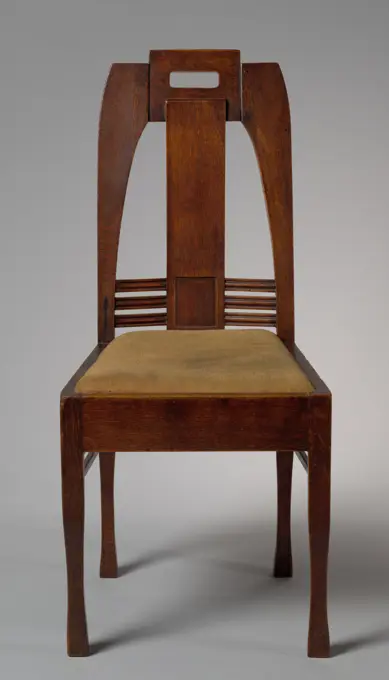
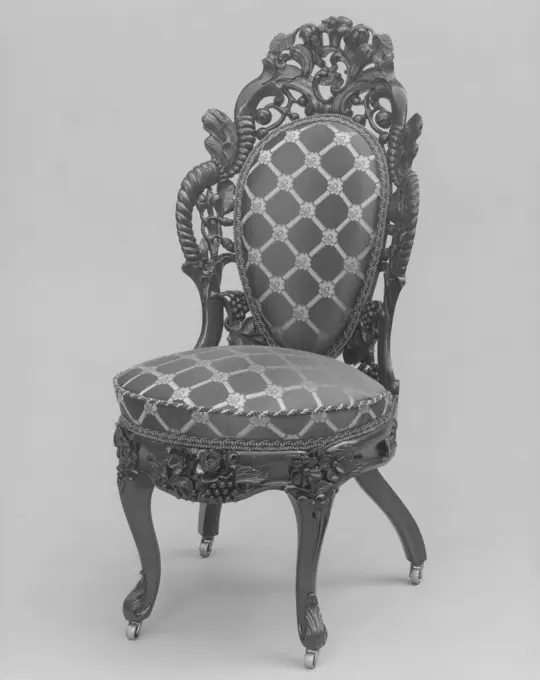
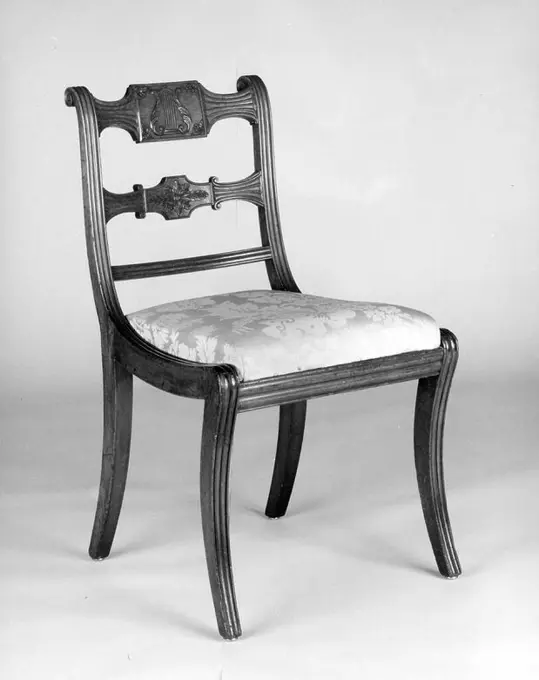
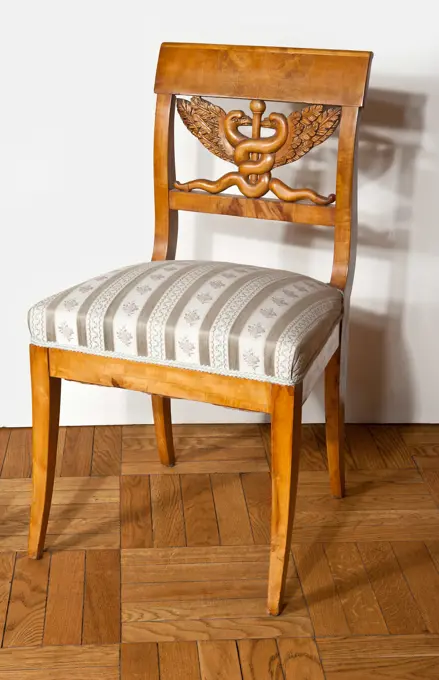
Side chair. Culture: American. Dimensions: H. 38 in. (96.5 cm). Date: 1755-75.The distinctive designs of the crest-rail shell, pierced splat, and claw-and-ball feet on this chair indicate a Newport origin. The execution, as well as the ample form and powerful stance, is in the manner of the preeminent Newport maker John Goddard (1723- 1785). The chair has an unrestored old finish, and the original upholstery foundation survives beneath the old seat cover of dark green velvet. Museum: Metropolitan Museum of Art, New York, USA.Arm chair of nut and beech wood with s-shaped overhoeks placed legs; X-shaped cross with rosette; Cut flower and leaf motifs, back and seat of reeds, with loose pillow, anonymous, c. 1750 Arm chair of nut and beech wood (ameblement) with s-shaped overhoeks placed legs, connected by a flung X-shaped cross with rosette. Rules and sills and legs are decorated with cut flower and leaf motifs. Back and seat of braided reeds. Loose pillow of green Shaved Trijp (Modern). See also: BK-16852-A to C. France wood (plant material). walnut (hardwood). beech (wood). Arm chair of nut and beech wood (ameblement) with s-shaped overhoeks placed legs, connected by a flung X-shaped cross with rosette. Rules and sills and legs are decorated with cut flower and leaf motifs. Back and seat of braided reeds. Loose pillow of green Shaved Trijp (Modern). See also: BK-16852-A to C. France wood (plant material). walnut (hardwood). beech (wood).Chair of nut and beech wood with S-shaped overhoeks placed legs; X-shaped cross with rosette; Cut flower and leaf work, Reed back and seat, with loose pillow, anonymous, 1750 Chair of Note and Beukehout (ameblement) with s-shaped overhoeks placed legs, connected by a flung X-shaped cross with rosette. Rules and sills and legs are decorated with cut flower and leaf motifs. Back and seat of braided reeds. Loose pillow of green Shaved Trijp (Modern). See also BK-16852-E T/including P. France wood (plant material). walnut (hardwood). beech (wood). Chair of Note and Beukehout (ameblement) with s-shaped overhoeks placed legs, connected by a flung X-shaped cross with rosette. Rules and sills and legs are decorated with cut flower and leaf motifs. Back and seat of braided reeds. Loose pillow of green Shaved Trijp (Modern). See also BK-16852-E T/including P. France wood (plant material). walnut (hardwood). beech (wood).Mahogany Louis Seize medallion chair, medallion chair seat furniture furniture interior design wood mahogany velvet metal, With bow as crest and dark green ropes with medallions round rejuvenated legs with cannelures Louis XVI Louis XVI Louis SeizeChair , c. 1900. France, Nancy , early 20th Century. Mahogany; overall: 96.5 x 56.5 x 50.2 cm (38 x 22 1/4 x 19 3/4 in.).Demay, Jean-Baptiste (n.1758-D.1848-03-14), Cabriolet armchair, file with caduceus reason (main title). Wood, mahogany, bronze, covered with green velvet. Petit Palais, Museum of Fine Arts of the City of Paris.Chair with round, open backrests with middle style, the seat with flower and leaf motifs, anonymous, c. 1750 - c. 1800 Seat of Vurenhout, brown varnished, round open backrests with middle style; Round pre-line, backward hind legs and overhoeks placed S-shaped front legs; seat covered with silk with flower and leaf motifs: color scheme with green, yellow, pink or red flowers or leaves; Staff over hard filling tense with many threads on the bottom visible under thick layer of varnish. Amsterdam (possibly) spruce (wood). silk Seat of Vurenhout, brown varnished, round open backrests with middle style; Round pre-line, backward hind legs and overhoeks placed S-shaped front legs; seat covered with silk with flower and leaf motifs: color scheme with green, yellow, pink or red flowers or leaves; Staff over hard filling tense with many threads on the bottom visible under thick layer of varnish. Amsterdam (possibly) spruce (wood). silkFurniture. Armchair from mahogany children's stay consisting of three chairs and two armchairs. The round front legs are decorated with turning and with a border of semicircular profiles. The label-shaped hind legs run over in the back window with curved styles and upper spray and with an intermediate rule, decorated with symmetrically placed leaf classes, between which a vertically profiled lock piece. The S-shaped armrests and struts end in a volute; The underside of the struts wear semicircular profiles. Clad seat.Chair. unknown, authorSide Chair c 1790-1800 Baltimore. Mahogany, walnut, and ash . Artist unknownSide chair. Culture: American. Dimensions: H. 33 1/2 in. (85.1 cm). Date: ca. 1845. Museum: Metropolitan Museum of Art, New York, USA.Armchair 1805-15 Possibly Duncan Phyfe Scottish. Armchair 14842Side Chair (England); Designed by L.N. Cottingham; Manufactured by Samuel Pratt; oak. Chair of mahogany, beech wood and with mahogany venated plywood resting on four legs. The four legs have dark colored convex feet. The flat shaking front legs have zigzag sawn fronts. The hind legs run through in the back styles. The back styles rejuvenate. The wide rules on which the seat rests on the bottom in a zigzag shape sawn and contain dark colored downwardly dark triangles. The upper spray is timpane-shaped. Both the seat and the backrest are lined with wool with geometric patterns in green, yellow and brown.Furniture, Anonymous, 1850 - 1875 Arm chair from mahogany children orulement consisting of three chairs and two arm chairs. The round front legs are decorated with turning and with a border of semicircular profiles. The saber -shaped hind legs run into the back window with bent styles and upper sill and with an intermediate rule, decorated with symmetrically placed leaf skins, between which a vertically profiled final piece. The S-shaped armrests and struts end in a volute; The underside of the struts wear semi -round profiles. Covered session. Northern NetherlandsNetherlands wood (plant material). mahogany (wood). textile materials Arm chair from mahogany children orulement consisting of three chairs and two arm chairs. The round front legs are decorated with turning and with a border of semicircular profiles. The saber -shaped hind legs run into the back window with bent styles and upper sill and with an intermediate rule, decorated with symmetrically placed leaf skins, between whichSide Chair. Culture: American. Dimensions: 37 x 22 1/2 x 23 in. (94 x 57.2 x 58.4 cm). Maker: Attributed to Benjamin Randolph (American, 1737-1792); Possibly carved by Hercules Courtenay (American (born England), 1744-1784). Date: ca. 1769.This magnificently carved chair is part of a suite of furniture made for the Second Street house of General John Cadwalader (1742-1786), which was reputed to have the richest parlor furnishings in pre-Revolutionary Philadelphia. In its ample proportions, saddle seat, and scalloped skirts, the chair is English, but its construction and naturalistic carving are pure Philadelphia. Museum: Metropolitan Museum of Art, New York, USA.Chair. unknown, authorArmchair. Maker, possibly by: Eliphalet Chapin, American, 1741-1807Furniture. Chair of Iepenhout, the front legs and the head of walnut, the back and the sitting window are glued with root nut wood. The overhoeks placed S-shaped front legs are decorated with rocaille motifs. The H-shaped cross is scalloped. The scalloped sitting room has a loose green velvet cushion with a pattern of leaves and flowers. The horizontally healed back has a symmetrically outerbly middle coaster, corner styles in the form of S volutes and an upper sprin decorated with rocaille motifs and bird cups.Armchair ca. 1755-60 British. Armchair. British. ca. 1755-60. Mahogany, needlework. Woodwork-FurnitureChair with open backrest with middle style, the seat with green velvet, anonymous, c. 1750 Chair of mahogany, round open backrests with middle style; Straight pre-line, backward hind legs and overhoeks placed S-shaped front legs; Seat covered with green velvet with filling on board paper. Amsterdam (possibly) mahogany (wood). velvet (fabric weave) Chair of mahogany, round open backrests with middle style; Straight pre-line, backward hind legs and overhoeks placed S-shaped front legs; Seat covered with green velvet with filling on board paper. Amsterdam (possibly) mahogany (wood). velvet (fabric weave)Side Chair (one of two). England. Date: 1815-1825. Dimensions: 84.5 × 46.4 × 50.8 cm (33 1/4 × 18 1/4 × 20 in.). Mahogany and ebony; slip seat with modern upholstery. Origin: England. Museum: The Chicago Art Institute, Chicago, USA.Side Chair. Dated: c. 1937. Dimensions: overall: 36.3 x 30.1 cm (14 5/16 x 11 7/8 in.) Original IAD Object: 33 1/2"high, 18 1/4"wide, 16 3/4"deep. Medium: watercolor, colored pencil, and graphite on paperboard. Museum: National Gallery of Art, Washington DC. Author: Frank Wenger.Chippendal chair (lined seat) (dummy title). Carved and textile wood. House of Victor Hugo - Hauteville House.Chair;  1850-1860 (1850-00-00-1860-00-00);Hector Guimard (1867-1942). Armchair. Museum of Fine Arts of the City of Paris, Petit Palais. 24018-10 Art Nouveau, Armchair, furniture, velvet, green, woodBanister-back armchair. Culture: American. Dimensions: 44 1/2 x 23 x 22 1/2 in. (113 x 58.4 x 57.2 cm). Date: 1720-40.The carved crest rails on top of tall-back William and Mary-style chairs imparted an aura of importance to the sitter by providing a background of flourishes. The large scale and verve of the carving on this chair, with its stylized central leafage and play of repeating C-scrolls, are particularly effective. Museum: Metropolitan Museum of Art, New York, USA.joiner, Rococo chair with horse and bird in the backrest, chair furniture furniture interior design wood walnut elmwood burr walnut silk, cut stitched veneered Above the seat fish with the head to the right Pendant of 80481 debossed number under the seat: I home interior rococo shippingSide Chair ca. 1725-90 American. Side Chair 1627Walnut Queen Anne chair, chair furniture furniture interior design walnut beech wood velours burr walnut wood, Carving on the hood the front and backrest line and lines veneered with carrot green velvet cover Queen Anne. Oak chair. The front and hind legs are interconnected by means of an H-shaped cross with pin and hole compounds, the pins of which are stitching through the legs. The sloping slinked back styles end up in bird cups and rest on the cross. The handrail rests on props at the session and these also serve as hind legs. The backrest is both above and under connected by an intermediate rule. The upper rule contains a sliced star shape in the middle. Between the rules there is a panel that is coated with brown leather and secured with copper nails. The seat is also covered with brown leather and secured with copper nails.Isadore Goldberg, Armchair, 1941 ArmchairArm chair of mahogany, covered with green trijp, anonymous, 1775 - 1800 Arm chair of Mahoniehout, covered with green trijp, belonging to an ameblement. The hind legs of the conical, scanned legs are backwards. The sitting window is round; The oval hired back window rests on C-shaped struts with acanthus leaf. The front rule and the top sill are decorated with a vase, in the midst of branches with leaves, hung on rings. The chair has S-shaped armrest pits and S-shaped armrests with pillows and volute. See also: BK-18323-B/N. Northern NetherlandsNetherlands wood (plant material). mahogany (wood). wool. horsehair. Arm chair of Mahoniehout, covered with green trijp, belonging to an ameblement. The hind legs of the conical, scanned legs are backwards. The sitting window is round; The oval hired back window rests on C-shaped struts with acanthus leaf. The front rule and the top sill are decorated with a vase, in the midst of branches with leaves, hung on rings. The chair has S-shaped armrestDesk Chair (Fauteuil de cabinet). Attributed to Étienne Meunier (Menuisier) (French, master 1732)Chair. Culture: British. Dimensions: Overall: 39 3/4 × 23 1/4 × 24 in. (101 × 59.1 × 61 cm). Date: ca. 1730-40. Museum: Metropolitan Museum of Art, New York, USA.SidechairSide Chair. Dated: 1935/1942. Dimensions: overall: 35.7 x 29 cm (14 1/16 x 11 7/16 in.) Original IAD Object: none given. Medium: watercolor, colored pencil, and graphite on paperboard. Museum: National Gallery of Art, Washington DC. Author: Francis Law Durand.Armchair, 1500s. France, Henri II style, 16th century. Walnut; overall: 115.9 x 59.7 x 52.4 cm (45 5/8 x 23 1/2 x 20 5/8 in.).Office chair of Dr. W. Drees, Otto Wagner, 1902 - 1910  Drees probably purchased this office chair shortly after 1910. He used him throughout his life. The session was renewed once. The chair can be seen on various photos of Drees at his desk. It was a progressive purchase: Thonet stood for modern furniture. Vienna beech (wood). metal. ziting: plywood gluing  The HagueArmstoel van populierenhout, anonymous, 1700 - 1800 Poplar wood arm chair, with mats seat. The armrests are round and have turned sections. The sports are thin and fainting. The two back sports are flat, the upper is scumed. Northern Netherlands wood (plant material). poplar (wood). Poplar wood arm chair, with mats seat. The armrests are round and have turned sections. The sports are thin and fainting. The two back sports are flat, the upper is scumed. Northern Netherlands wood (plant material). poplar (wood).corner reading chair Chair; France; wood (walnut, fruitwood), upholstery, ironFan-back windsorarmchairLawrence Flynn, Stencilled Rocker, 1938 Stencilled RockerFurniture. Chair of elm wood with square, towards bottom, rejuvenating legs. The back is open with two arches; The center web has rectangular interruptions. The chair wears a loose kissing of green tripe.Chair with curf's cut decoration. Chair with curf's cut decoration (Hindeloopen).Sidechair.   Maker: Jonathan Gostelowe, American, 1745-1795Frank M Keane, Rocking Chair with Rawhide Seat, c 1938 Rocking Chair with Rawhide SeatChair of partially veneered and painted Satijnhout, Anonymous, 1785 - 1800 Partially veneered and painted satin wood chairs, resting on canalized conical articulated front legs and backwards bent hind legs. The connection between the armrest pits and the faintly curved armrests is C-shaped. The back is slightly bent and decorated in the middle with a vertical connection, on which painted medallions, free to 18th-century representations. The seat is stretched with reeds and equipped with loose embroidered pillows. See also: BK-16137-A to E. Great Britain wood (plant material). satinwood (wood). rattan. textile materials Partially veneered and painted satin wood chairs, resting on canalized conical articulated front legs and backwards bent hind legs. The connection between the armrest pits and the faintly curved armrests is C-shaped. The back is slightly bent and decorated in the middle with a vertical connection, on which painted medallions, free to 18th-century representations. The seaChair; Johann Kohn & Cie (Radom; Furniture Factory of Green; End of the 19th century -1939); 1900-1914 (1900-00-00-1914-00-00);gift (provenance), palmetsChair in Neo Renaissance style with hidden parts and with a covered seat, anonymous, c. 1880 - c. 1920 Chair belonging to a set of three chairs and an armchair made of walnut with a covered seat. The flared legs are connected by a flung H-shaped cross and a also flung for sport. The covered back window rests on articulated struts. The armchair has flagging armrest stars and armrests. See: BK-19959-116-A/D.  wood (plant material). walnut (hardwood). textile materials Chair belonging to a set of three chairs and an armchair made of walnut with a covered seat. The flared legs are connected by a flung H-shaped cross and a also flung for sport. The covered back window rests on articulated struts. The armchair has flagging armrest stars and armrests. See: BK-19959-116-A/D.  wood (plant material). walnut (hardwood). textile materialsChair. Dated: 1935/1942. Dimensions: overall: 29.9 x 22.7 cm (11 3/4 x 8 15/16 in.) Original IAD Object: none given. Medium: watercolor, colored pencil, graphite, and heightening on paper. Museum: National Gallery of Art, Washington DC. Author: Bernard Gussow.Armchair ca. 1710 British. Armchair. British. ca. 1710. Walnut; oak and walnut veneer. Woodwork-FurnitureArmchair late 17th-early 18th century French. Armchair. French. late 17th-early 18th century. Carved and gilded beechwood; red damask (not original to the frame). Woodwork-FurnitureChippendale ladderback side chair, c. 1770, 38 1/2 x 22 1/4 x 22 in. (97.79 x 56.52 x 55.88 cm), Mahagony, United States, 18th centuryPair of Side Chairs c 1755-1790 New England. Mahogany . Artist unknownDana Bartlett, Windsor Chair, 1936 Windsor Chair. High chair from Nuthout. The furniture is stretched with cane and has overhangs set front legs, which are decorated with acanthus leaves, between naked armorets that carry fruit food. The open-worked prosposal shows a shield with AB 1707 in the middle and on both sides of this amorets that wear acanthus drinks and above the shield a fruit farm. The back window shows openwork acanthus drinks and has a semi-circular crowning, consisting of a female bra and two multi-months.Chair with front legs, X -shaped cross, covered with a flower pattern, anonymous, 1685 - 1700 Chair of Notenhout, covered with bronze -colored, pressed tripe with floral pattern. The chair has overhoeks placed front legs in the form of broken S-Voluten and rests on lion's trees that include bulbs. The X-shaped cross has broken S-Voluten, as well as the forSport. There is a button at the intersection. The high, open work also shows S-Voluten. The elongated centerpiece is decorated with circle and rosette in the middle and up and bottom with acanthus leaf and rosettes. Northern NetherlandsNetherlands walnut (hardwood). Chair of Notenhout, covered with bronze -colored, pressed tripe with floral pattern. The chair has overhoeks placed front legs in the form of broken S-Voluten and rests on lion's trees that include bulbs. The X-shaped cross has broken S-Voluten, as well as the forSport. There is a button at the intersection. The high, open work also shows S-Voluten. The elongated centerpieArmchair ca. 1830 Austrian. Armchair. Austrian. ca. 1830. Walnut veneer; coniferous and walnut secondary woods. Woodwork-FurnitureFurniture, Georges Jacob, 1775 - 1800 Arm chair, covered, of white with gray painted beech wood. Above the conical legs are square houses with rosettes, on which the vase -shaped armrest stars rest, which stand on square basements. The armrests with cushions end in a cylindrical button with cannelures and rosette, neighborhoods C-shaped inner and walk with an acanthus leaf in the detached scanned colonets of the back, which have Tuscan capitals. The seating rules and sills show stabbing. On the styles vases. France wood (plant material). beech (wood). textile materials. paint (coating) Arm chair, covered, of white with gray painted beech wood. Above the conical legs are square houses with rosettes, on which the vase -shaped armrest stars rest, which stand on square basements. The armrests with cushions end in a cylindrical button with cannelures and rosette, neighborhoods C-shaped inner and walk with an acanthus leaf in the detached scanned colonets of the back, which have Tuscan capitArmchair. Armchair of walnut resting on sliced legs and fencing. The square seat and back, as well as the back stamps and struts and the armragger pads are coated with, later applied, gold leather and attached with gold-plated nails. The faint bent armrests end in volutes, decorated with a rosette on the outside. The legs rest on new bobbins.Armchair. unknown, creatorChair. unknown, authorFlorence Truelson, Carved Oak Chair, c 1937 Carved Oak ChairKitchen Chair (plank bottom). Dated: c. 1941. Dimensions: overall: 40.6 x 30.6 cm (16 x 12 1/16 in.) Original IAD Object: none given. Medium: watercolor, colored pencil and graphite on paperboard. Museum: National Gallery of Art, Washington DC. Author: Sydney Roberts.Side Chair 1740-1760 Portugal. Walnut, walnut veneer; upholstery .Armchair. unknown, authorCarved Side Chair. Dated: c. 1937. Dimensions: overall: 63 x 50.4 cm (24 13/16 x 19 13/16 in.) Original IAD Object: 32"high, seat 17"high x 18"wide x 17"deep. Medium: watercolor, colored pencil, graphite and some heightening on paperboard. Museum: National Gallery of Art, Washington DC. Author: Robert Stewart.Cherry chair () Wood, with coated seat, rectangular backraair with openwork vase with garlands and rosettes. Cherry cherry with a clad seat and resting on conical legs, the hind legs of which distracts something. The rectangular back window is open and shows a cut-away vase pattern with garlands, placed above rosettes, on the corners and in the middle. The sitting rule is decorated in front of garlands within a rectangular open field, and on the side with a dental motif.Armchair. unknown, creatorAnonymous. "Cabriolet chair". Carved beech. 1750. Paris, Carnavalet museum. 101428-22Ralph Russell, Windsor Chair, c 1941 Windsor ChairChair of Mahoniehout, covered with green Trijp, Anonymous, 1775 - 1800 Chair of Mahoniehout, covered with green trijp, belonging to an ameblement. The hind legs of the conical, scanned legs are backwards. The sitting window is round; The oval hired back window rests on C-shaped struts with acanthus leaf. The front rule and the top sill are decorated with a vase, in the midst of branches with leaves, hung on rings. See also: BK-18323-A/B and D/N. Northern NetherlandsNetherlands wood (plant material). mahogany (wood). velvet (fabric weave) Chair of Mahoniehout, covered with green trijp, belonging to an ameblement. The hind legs of the conical, scanned legs are backwards. The sitting window is round; The oval hired back window rests on C-shaped struts with acanthus leaf. The front rule and the top sill are decorated with a vase, in the midst of branches with leaves, hung on rings. See also: BK-18323-A/B and D/N. Northern NetherlandsNetherlands wood (plant material). mahogany (wood). velveSeat, belonging to an eleven-part am family. Chair, made from walnut, belonging to an eleven-part ambulance, consisting of a bank and ten seats. The seat of downtime with leaf and floral motifs in silk on linen grid, with a soft filling.Chair. unknown, authorButton chair, the backrest with two transverse rules, the seat of braided piping, anonymous, c. 1750 - c. 1760 Four button chairs made of dark brown stained wood; backrest with two cross rules; Low model with seat of braided piping. Amsterdam (possibly) wood (plant material). tule (grass material) Four button chairs made of dark brown stained wood; backrest with two cross rules; Low model with seat of braided piping. Amsterdam (possibly) wood (plant material). tule (grass material)Seat, belonging to an eleven-part am family. Chair, made from walnut, belonging to an eleven-part ambulance, consisting of a bank and ten seats. The seat of downtime with leaf and floral motifs in silk on linen grid, with a soft filling.Mahogany Biedermeier chair, chair seating furniture furniture interior design wood mahogany velvet, Veneered hood and sparse saber legs and ocher yellow velor upholstery on the seat backstyles ending in volutes BiedermeierArmchair. Culture: British. Dimensions: Overall: 45 3/4 × 28 3/4 × 21 in. (116.2 × 73 × 53.3 cm). Date: 17th century.The feet have been cut, bringing the stretchers flush with the floor. Museum: Metropolitan Museum of Art, New York, USA.ChairWing Chair. Dated: 1941. Dimensions: overall: 49.3 x 38.5 cm (19 7/16 x 15 3/16 in.) Original IAD Object: none given. Medium: watercolor, gouache, colored pencil, and graphite on paperboard. Museum: National Gallery of Art, Washington DC. Author: Rolland Livingstone.Armchair - Berra;  KON. XVIIIW. (1785-00-00-1795-00-00);Side Chair (England); mahoganySide Chair 1700-1730 American. Side Chair 1547antique chair in front of white backgroundSide Chair 1795-1810 American. Side Chair. American. 1795-1810. Mahogany. Made in New York, United StatesChair of Ebben Veneer with Boulle Marqueteria. Chair with Boulle MarqEuterie made from Ebben veneer. With Dutch weapon on the hood. On the chair label from Noordeinde Palace. Stamped: Caillad.Sidechair. Maker, possibly by: Eliphalet Chapin, American, 1741-1807Side Chair 1720-40 American. Side Chair 7549Armchair, Anonymous, c. 1615 - c. 1625Side chair, wood, This side chair is comprised of turned stretchers, a flat seat, and an open back. The void rectangular area of the chair's back may have been filled with webbing at one point. The chair rests on elaborately carved legs and feet., Canada, early 18th century, furniture, Decorative Arts, Side chairPair of Chairs 1790-1800 New York City. Mahogany, ash, and soft maple . Artist unknownSide Chair. Dated: 1941. Dimensions: overall: 50.8 x 37.9 cm (20 x 14 15/16 in.). Medium: watercolor, colored pencil, and pen and ink on paperboard. Museum: National Gallery of Art, Washington DC. Author: Lelah Nelson.Armchair 1868-70 Attributed to John Jelliff American This armchair, one of a pair (see 68.133.3), originally furnished the sitting room, or rear parlor, of the mansion built for Jedediah Wilcox at 816 Broad Street in Meriden, Connecticut. Completed in 1870, the house was heralded as one of the states grandest residences. The rooms en suite rosewood furnishings, which included a sofa (68.133.1), side chairs (68.133.4-.5), an overmantel mirror (68.134.11), and window cornices (68.134.8-.10), are embellished with mother-of-pearl medallions featuring a ladys head in profile and incised and gilded decoration. The suite is attributed to John Jelliff and Co. of Newark, New Jersey, based on a nearly identical armchair in the collection of the Newark Museum of Art and its accompanying bill of sale from the Jelliff firm. Although Jelliff and Co. operated a showroom in Newark, they also retailed their furniture across the country through a variety of regional wholesalers. Wilcox, or perhaps thArmchair. Culture: American. Dimensions: 40 3/4 x 25 1/2 x 20 in. (103.5 x 64.8 x 50.8 cm). Maker: Léon Marcotte (1824-1887). Date: ca. 1860.This armchair is part of a suite of Louis XVI-style furniture that John Taylor Johnston (1820-1893) purchased from the firm of Ringuet-Leprince and L. Marcotte in about 1856. This international firm had showrooms in both Paris and New York, and it is believed that at least some of the pieces of the suite were made in Paris for the New York commission. Johnston, a railroad executive and the first president of The Metropolitan Museum of Art, used the furniture in the music room of his residence at 8 Fifth Avenue. The suite (68.69.1-68.69.11, 68.165.1-68.165.6) includes two sofas, two armchairs, a table, two matching cabinets, a third large cabinet, six matching side chairs, a pair of lyre-back side chairs, and a firescreen. After Ringuet-Leprince retired in 1860, the firm became known as L. Marcotte and Company. Léon Marcotte was New York's most noSet of four armchairs (fauteuils en cabriolet) ca. 1750-60 French The flowing curvilinear silhouette of this armchair, one of a set of four, places it firmly in the middle of the eighteenth century. The continuous curve of the back extends into the legs, rails, and arms with a grace epitomizing the Rococo style. Possibly part of a larger set, the chairs are unstamped and the maker remains unknown. The chairs are not identical but display small differences in their carved decoration: the sprays of flowers at the top of the back and at the center of the front seat rail vary from one to another. The carved flowers, leaves, and scrolls on the outer back indicates that these chairs are sièges courants, which could be moved about and placed informally in the center of the room as opposed to sièges meublants, which remained formally arranged against the walls.. Set of four armchairs (fauteuils en cabriolet). French. ca. 1750-60. Carved and gilded beechwood, upholstered in modern green broché.Side Chair. Peter Behrens (German, 1868-1940). Oak; overall: 98.5 x 45.1 x 55.9 cm (38 3/4 x 17 3/4 x 22 in.).Side Chair 1850-60 Attributed to John Henry Belter. Side Chair 1735Side Chair. Culture: American. Dimensions: 33 1/4 x 19 1/4 x 21 1/4 in. (84.5 x 48.9 x 54 cm). Date: ca. 1815.Boston chair makers developed several versions of the ancient Greek klismos form, this model being one of the most popular. The fine, crisp carving on the crest and stay rails is characteristic of Boston, as are the reeds in the legs, stile, and seat rail, which are bolder and fewer in number than in the chairs' New York and Philadelphia counterparts. The upholstery foundations on the slip seats are original and provide an accurate period shape, crisp and rectilinear at the sides and gently contoured at the front. Museum: Metropolitan Museum of Art, New York, USA.Chair. Schinkel, Karl Friedrich (1781-1841), designer, unknown, author