Elegant Antique Tables

A collection of ornate tables, showcasing various designs and styles, featuring intricate carvings and diverse uses from writing to dining.
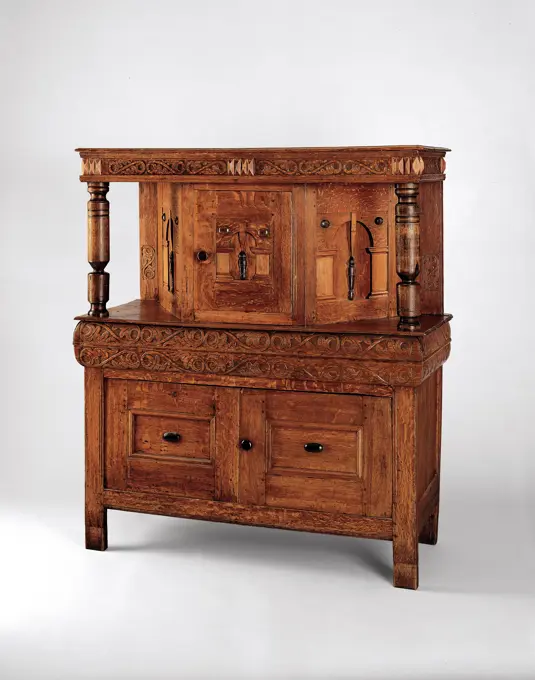
Cupboard American 1670-1700 Early colonial cupboards were ordinarily built in two parts, with one or both units enclosed. The trapezoidal upper section of this cupboard has one central door, while the rectangular lower portion has two doors that open onto a single compartment with a shelf. The large, boldly carved midmolding on the shelf between the upper and lower sections conceals a hidden drawer.
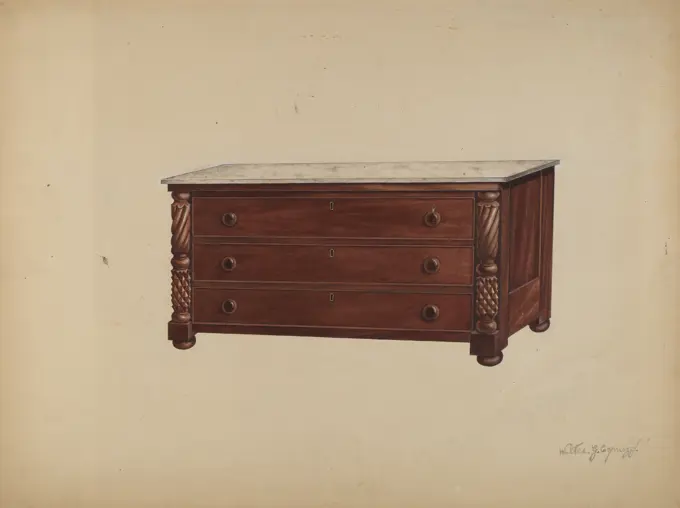
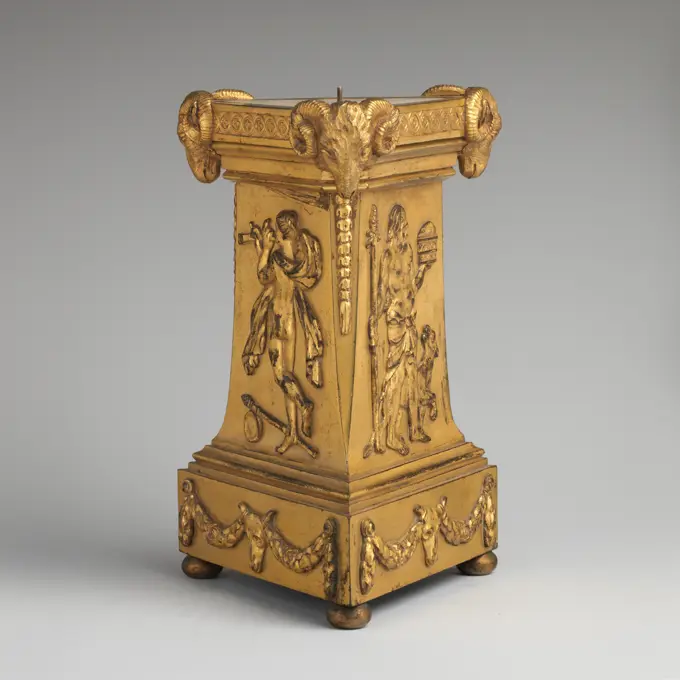
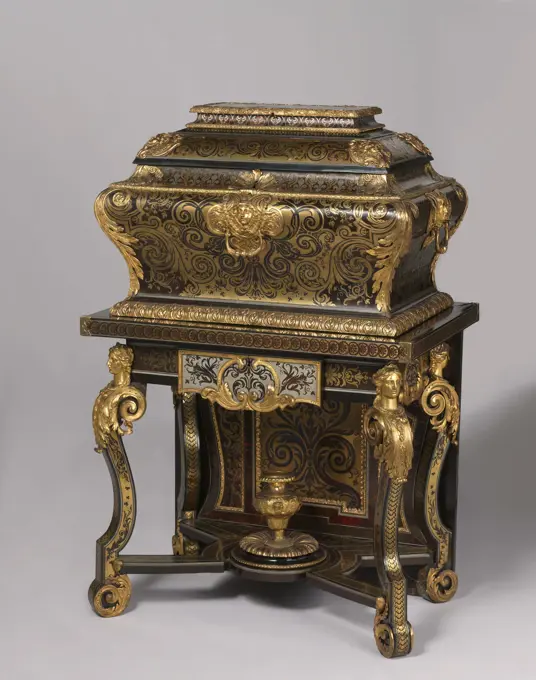
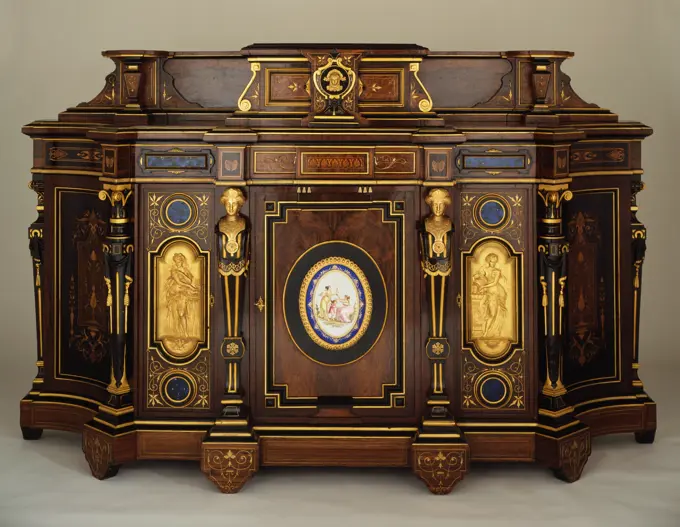
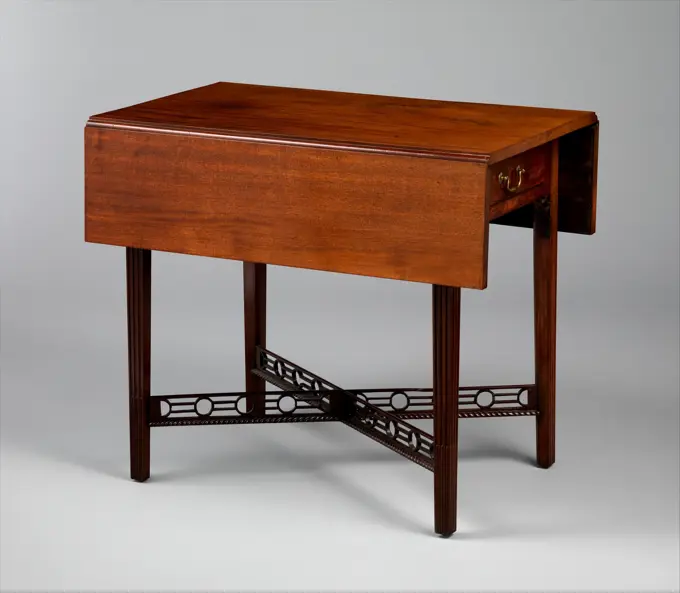
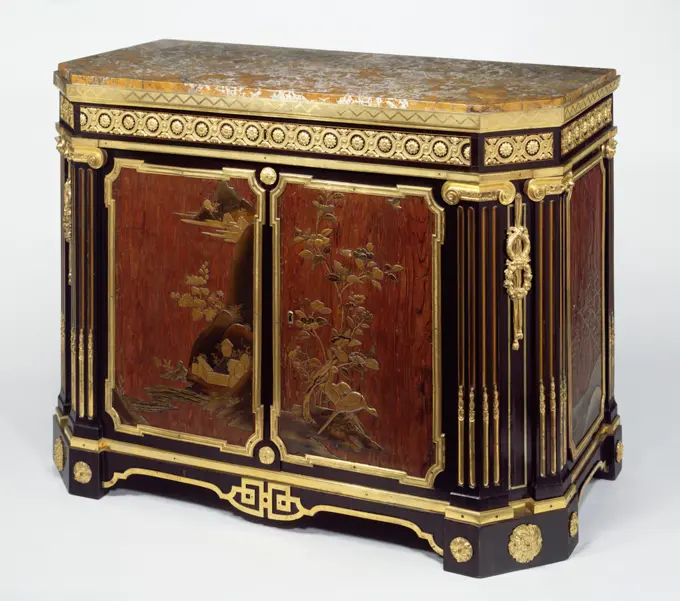
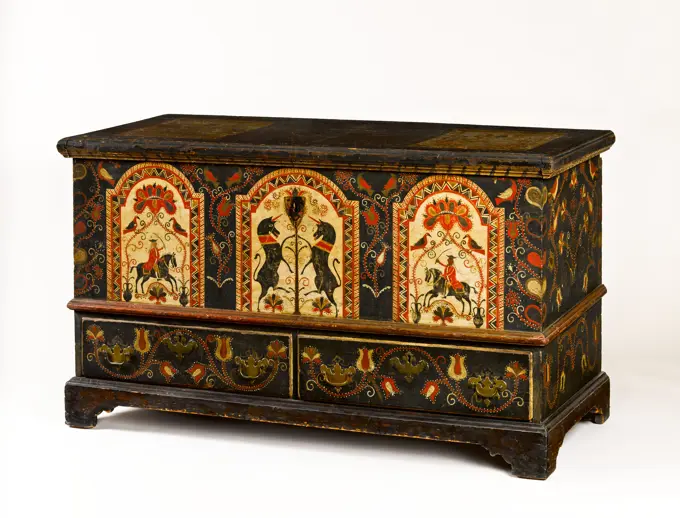
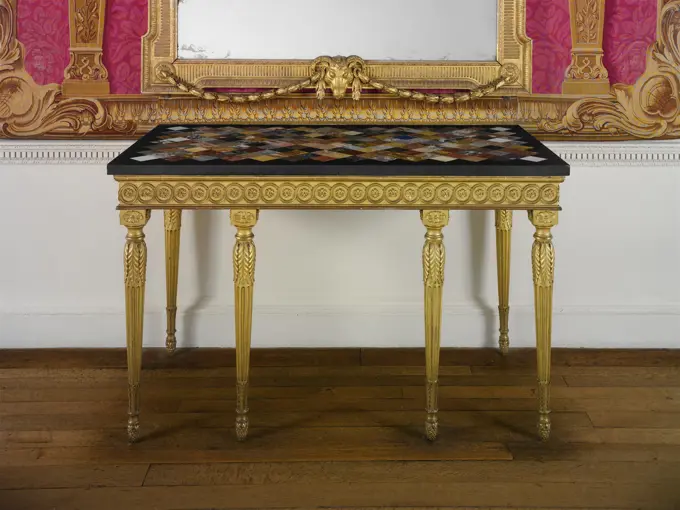
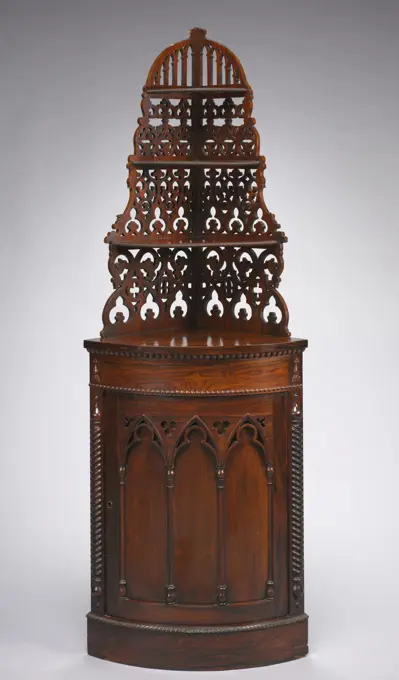
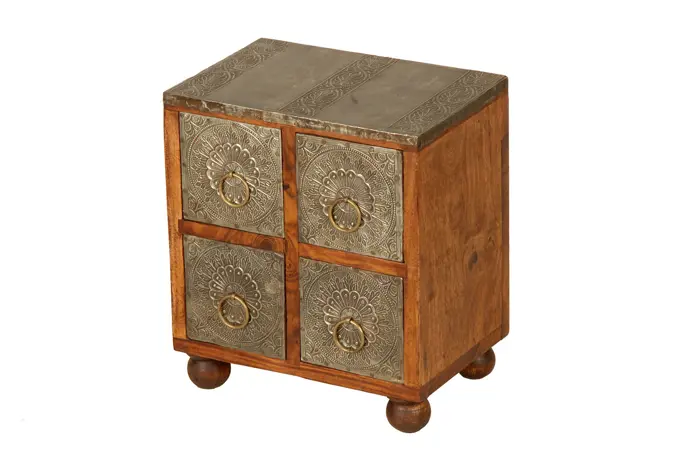
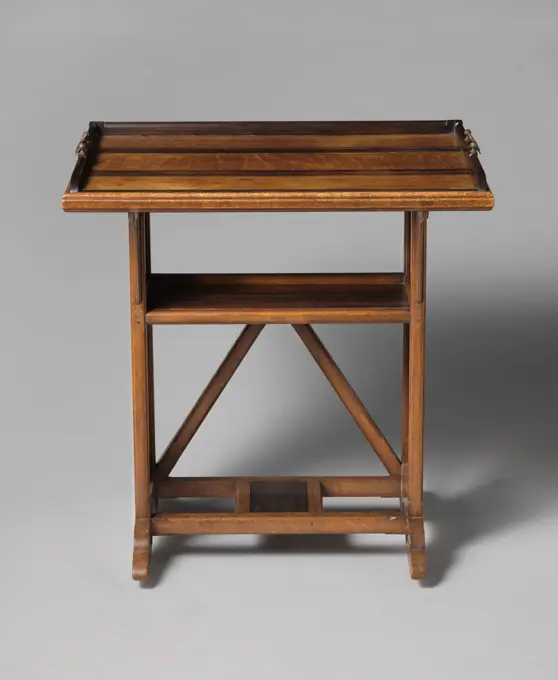
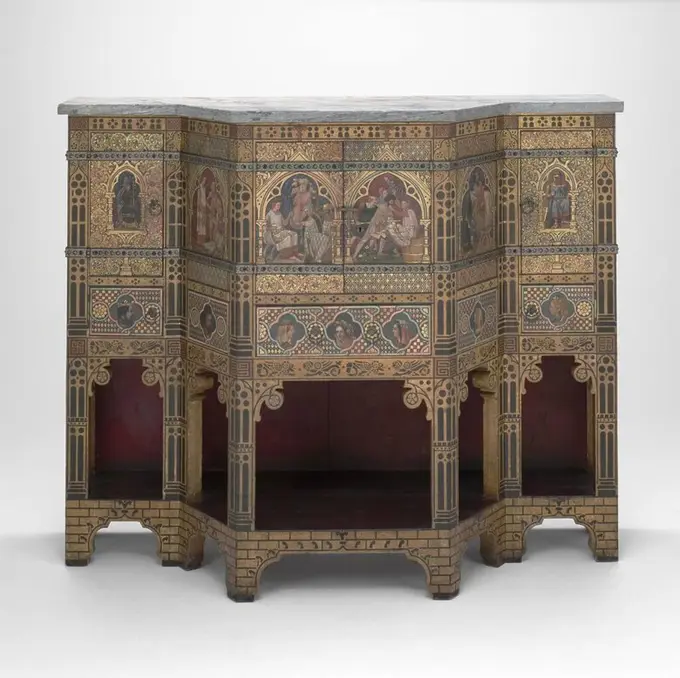
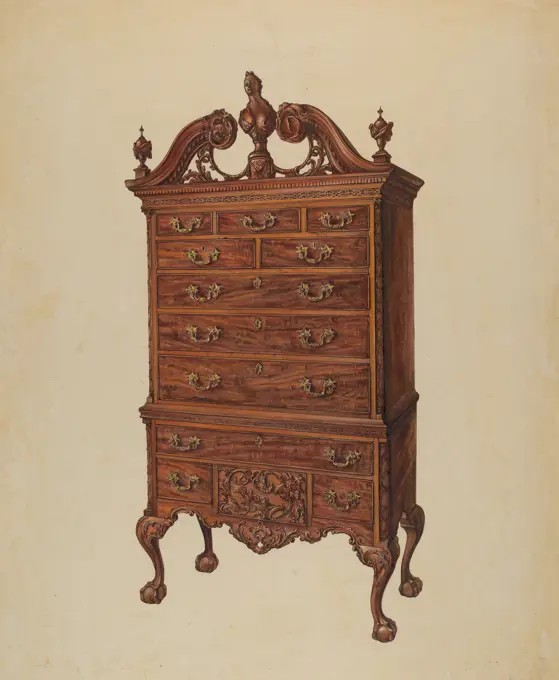
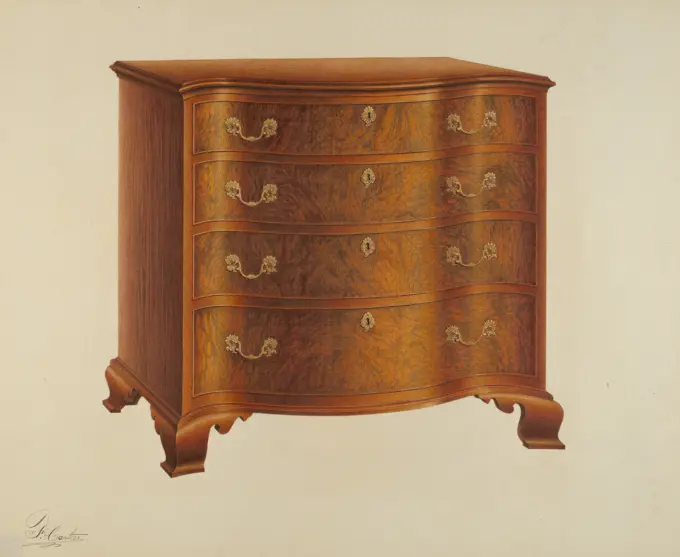
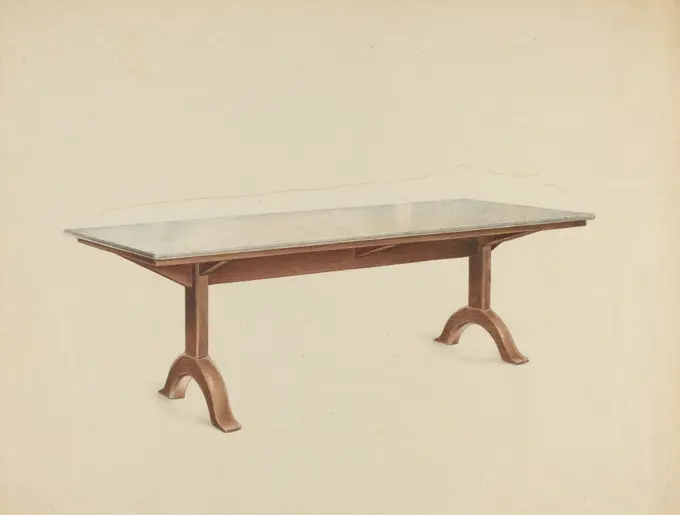
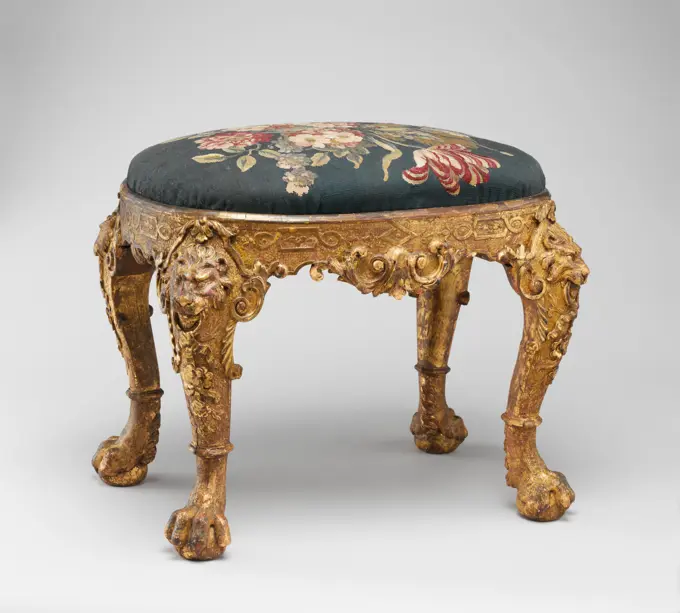
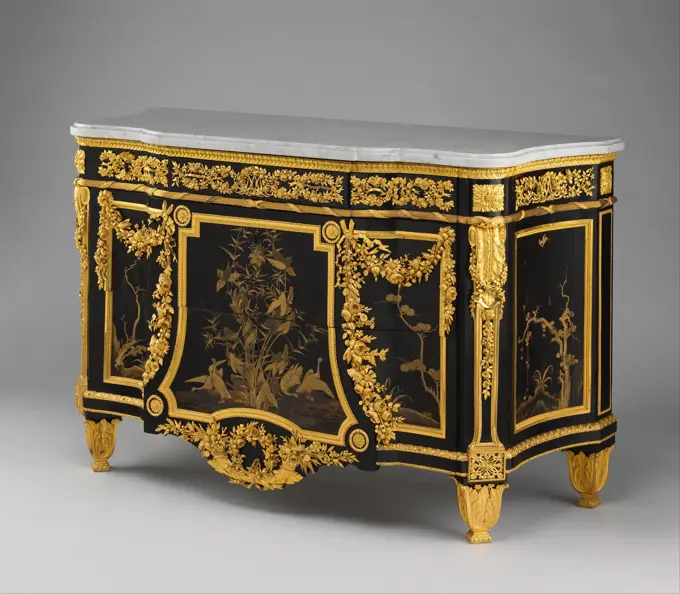
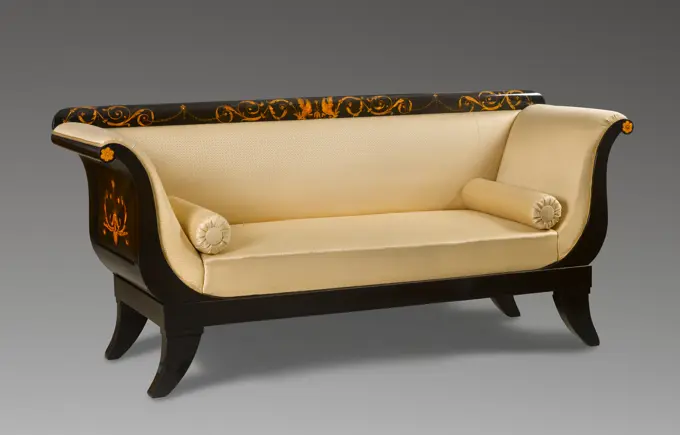
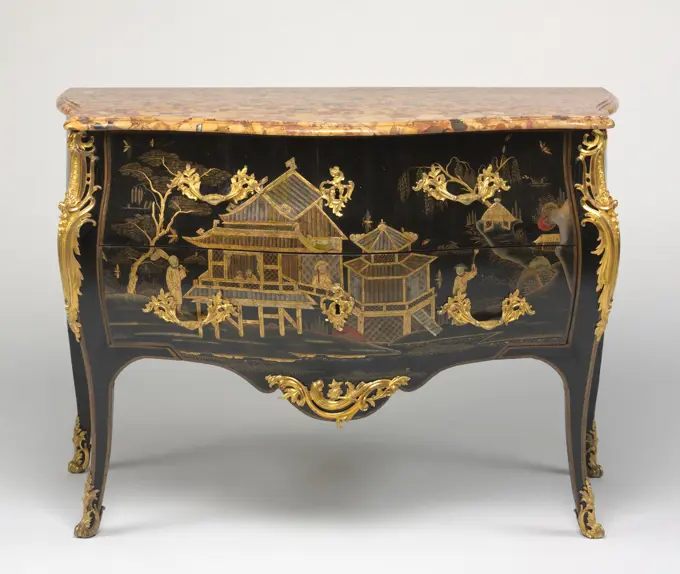
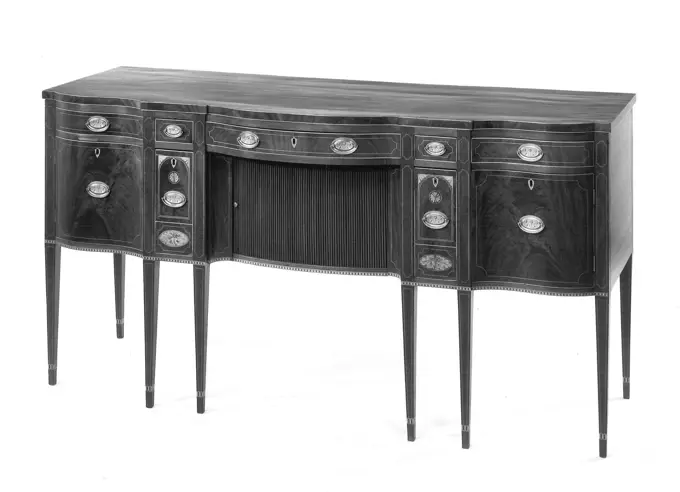
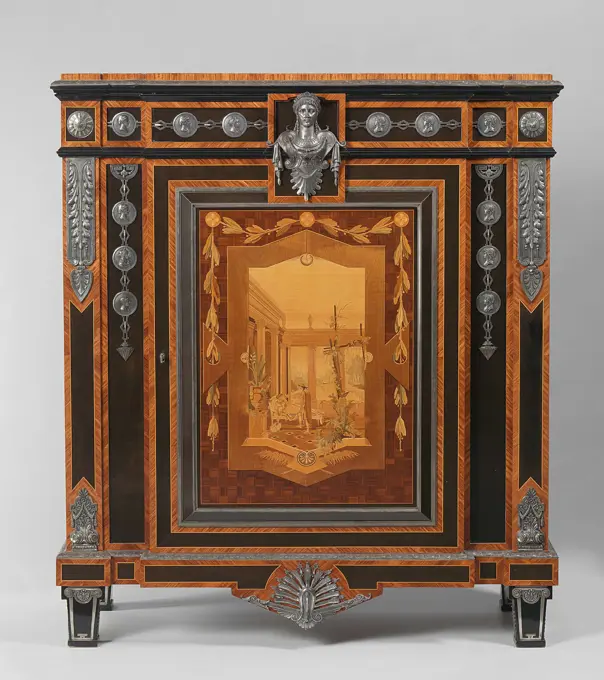
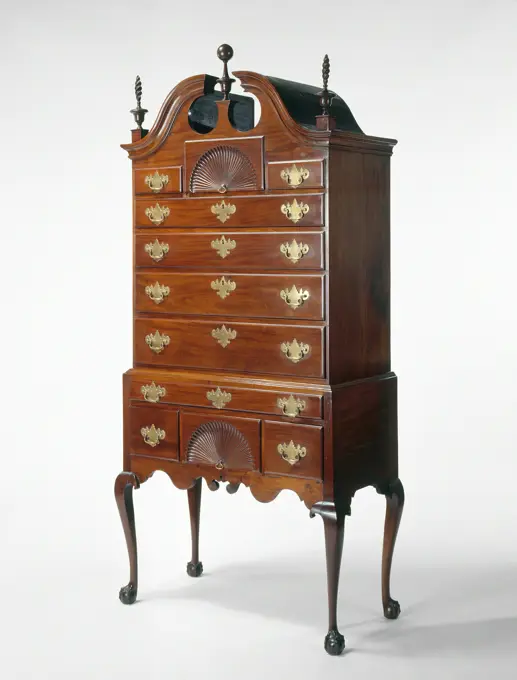
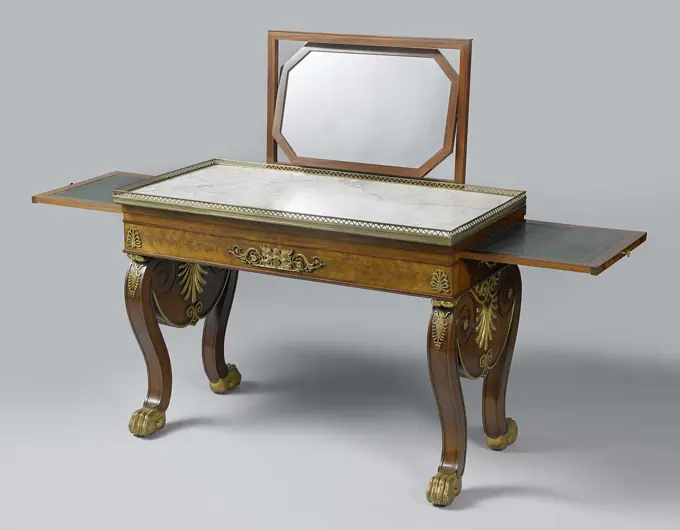
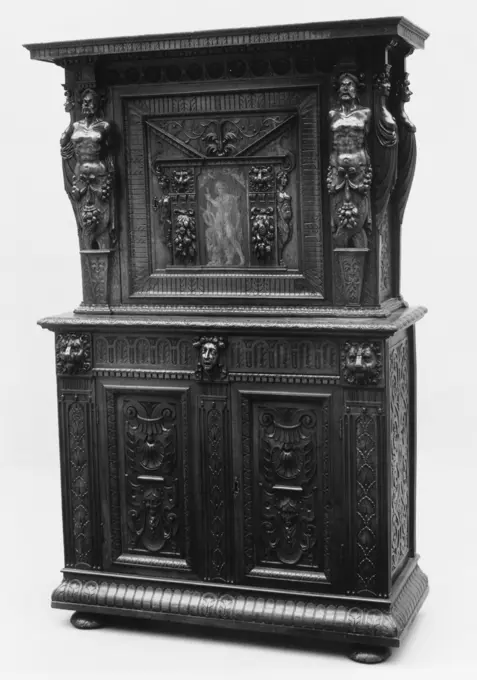
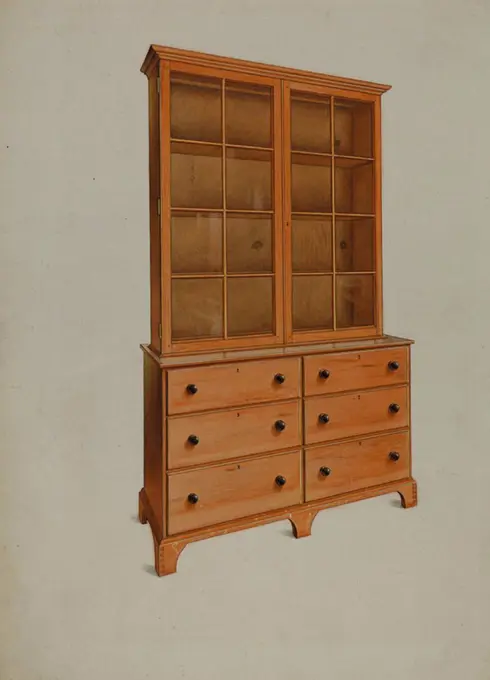
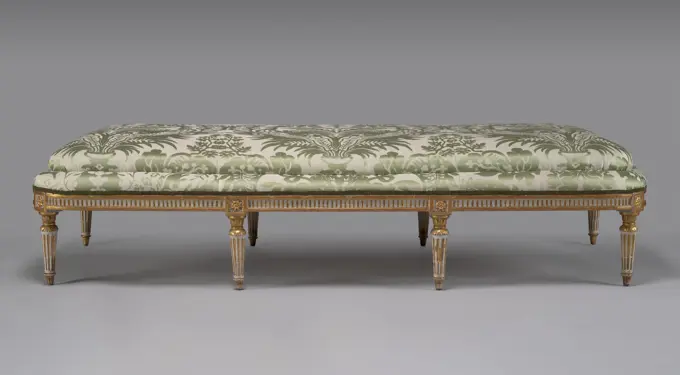
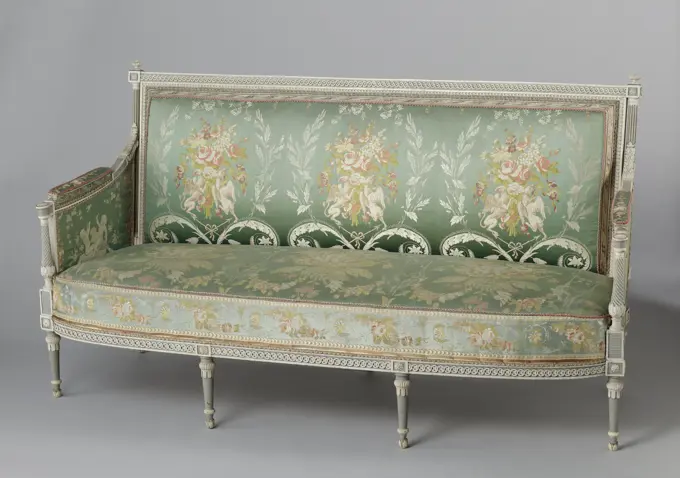
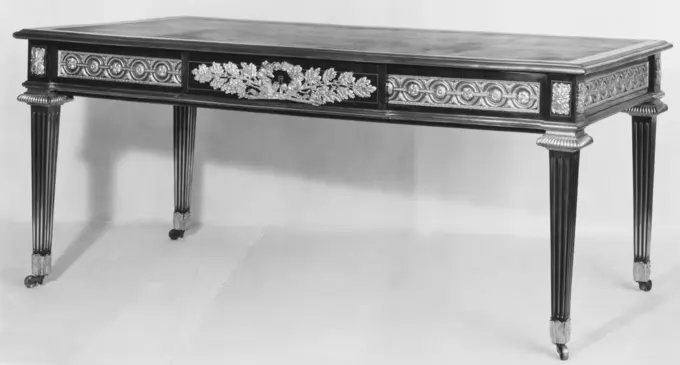
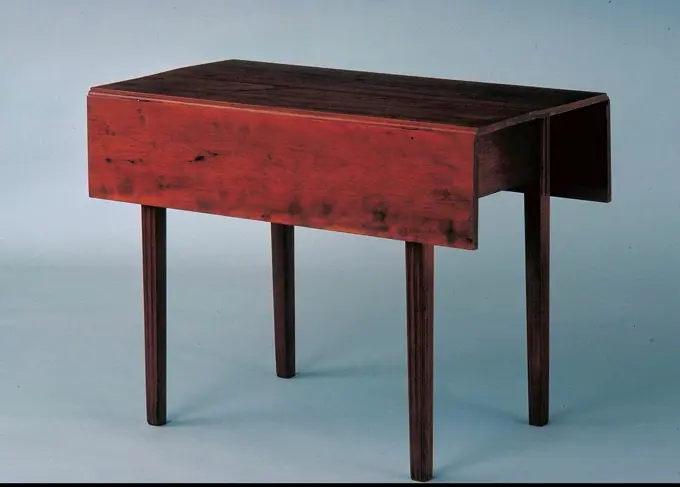
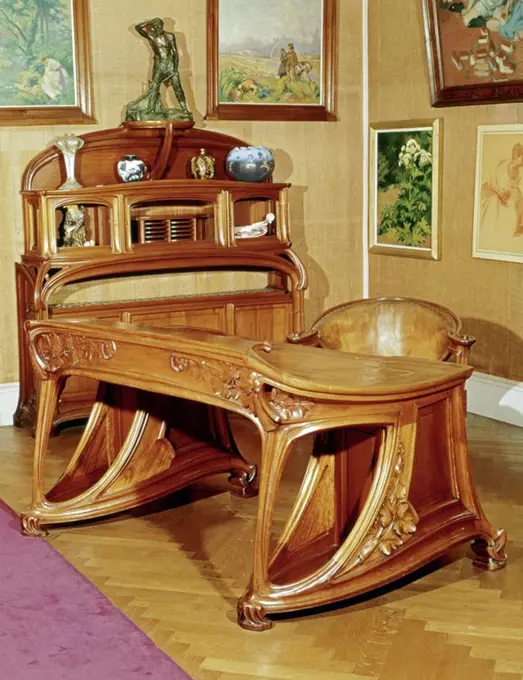
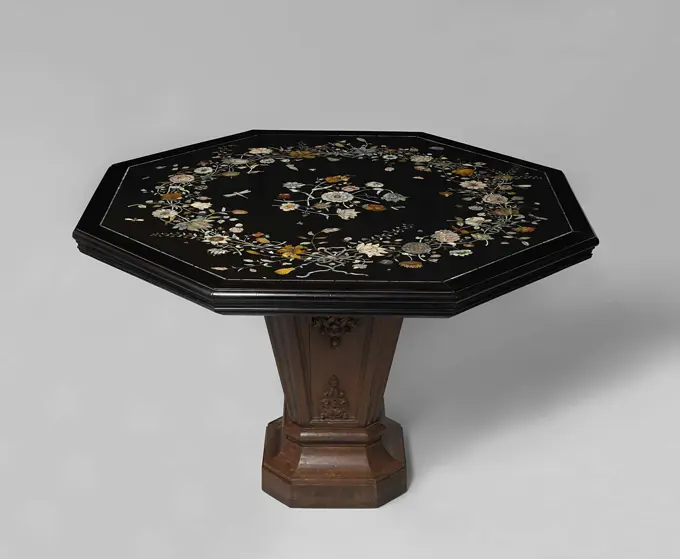
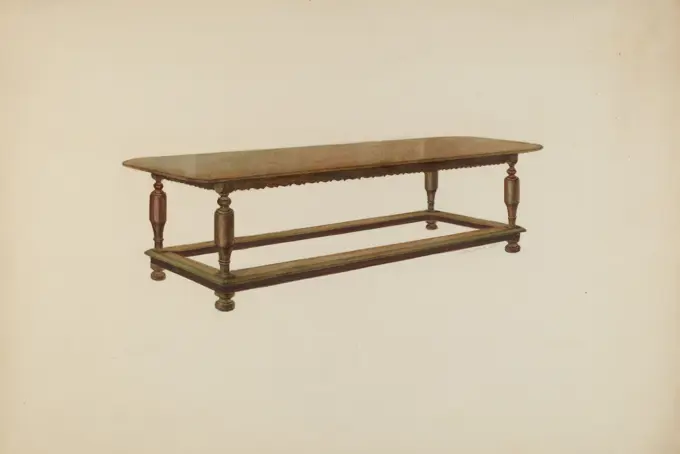
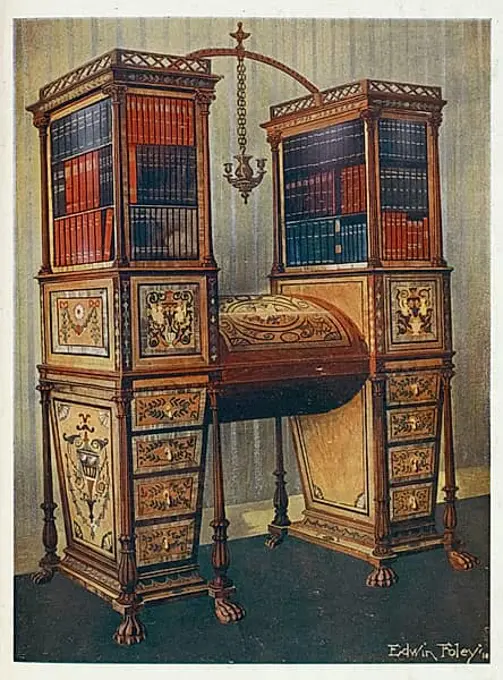
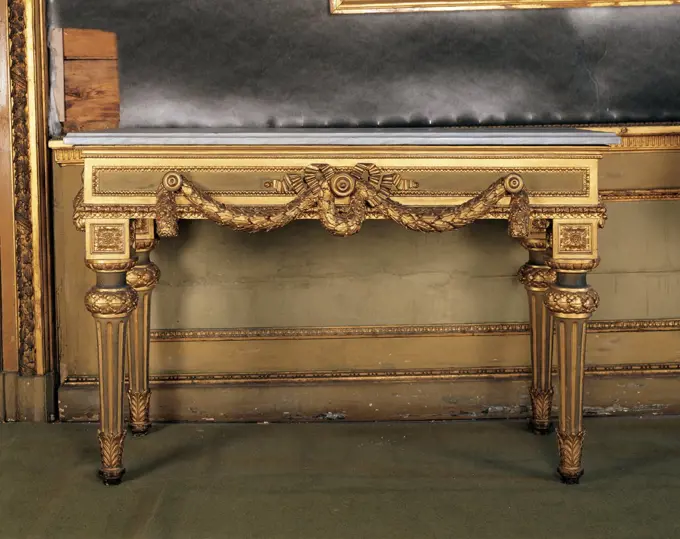
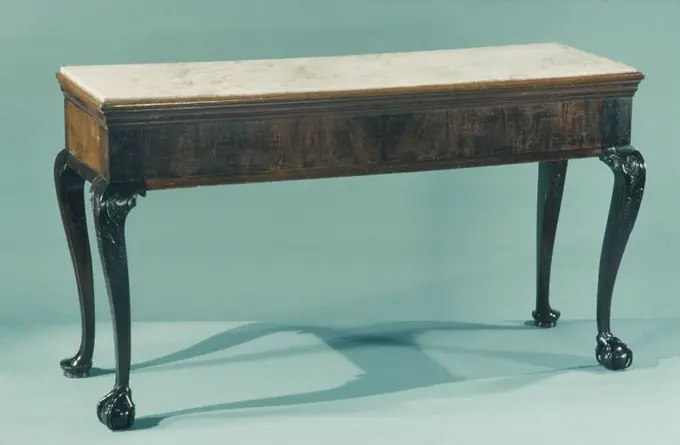
. Roentgen was renowned for his marquetry, which is composed, like a jigsaw puzzle, of tiny pieces of different wood, without engraved details. He called this technique à la mosaïque. On this tabletop the Greek hero Aeneas is shown fleeing the burning city of Troy carrying his father Anchises on his back. This story is recounted by the Roman poet Virgil in the Aeneid, an epic poem about Aeneas heroic deeds.Gaming TableTable. Table of Coromandewood inlaid with tin strips. The round leaf has a raised middle part. The chassis rests with a circular rule on five wide legs with corrugated sides. The rule that is slightly curved above each leg is connected to the leaf by five styles placed above the legs, which rest on a profiled basis and are bent slightly in the hallway. At the point where they bend out again, they are connected by a leaves also increased.Desk, Mahogany, burl walnut, burl elm, rosewood veneers, maple, pine, ash, gilt metal, With slant front upper desk portion, with flame-grained matched mahogany veneers below a raised gilt-metal gallery with brass knop finials that elevates on racheted supports; the interior with contrasting maple writing surface and burl veneers and drawer fronts, with ormolu borders and document drawer fronts, the sides of the top with eagle and lyre mounts, resting on a cabinet base with matched flame-grained veneered doors with lyre form mounts at the centers of the front and sunburst on centers of the sides, trophy mounts on upper and acorn mounts on lower corners, the interior with shelves, on square bracket feet below a band of branded leaf-tip decoration., Austria, 19th century, furniture, Decorative Arts, DeskUnknown, Tricoteuse (or work) Table, 2nd quarter 19th century, satinwood.Table withDrawerChest of drawers 1675-1700 Attributed to The Symonds Shop By the 1670s, the chest-of-drawers form, first made in Boston, had spread to neighboring Massachusetts port towns. Within the architectural framework of this chest, this is an intricate play of geometric shapes created by applied mitered moldings that oppose and echo one another. Such complexly patterned surface decoration links a group of furniture with histories of ownership in Salem.. Chest of drawers 2005Chest of Drawers. Culture: American. Dimensions: 45 3/4 x 40 3/4 x 21 3/4 in. (116.2 x 103.5 x 55.2 cm). Date: 1835-40.The green background and the red and yellow ornamental borders are characteristic of painted furniture from the Schwaben Creek Valley in Schuylkill County, Pennsylvania. A recent study for the Pennsylvania German Society has determined this chest's decoration to be unique. Museum: Metropolitan Museum of Art, New York, USA.DiningTableCommode ca. 1780 French. Commode 195472Cabinet from the basics;  1720-1740 (1720-00-00-1740-00-00);Walter G Capuozzo, Chest of Drawers, 1935 1942 Chest of DrawersPedestal ca. 1770-80 Matthew Boulton British. Pedestal. British, Soho near Birmingham. ca. 1770-80. Gilt bronze. Metalwork-Gilt BronzeClose-up of a wooden cabinetChair. unknown, joinerTable. Dated: 1935/1942. Dimensions: overall: 22.7 x 28.9 cm (8 15/16 x 11 3/8 in.). Medium: watercolor and graphite on paperboard. Museum: National Gallery of Art, Washington DC. Author: Frank Wenger.Rectangular table Bernard II van Risenburgh ca. 1765. These caskets on stands probably served no practical purpose. They were made as works of art, to add lustre to a princely chamber. They are ornamented with marquetry of tortoiseshell and brass, supplementedwith some pewter. Boulle specialized in this technique, which is known as boullework. The shape of the fittings accords well with the patterns of the marquetry.Anonymous Venetian Master (Italy (Venice)). Cassone (ca. 1560). Walnut and gilding. 55.5 x 175.5 x 62 cm. Museum: Museo Nacional Thyssen-Bornemisza, Madrid.Table. unknown, authorChest, Villa Demidoff, Walnut, ivory and fruitwood inlay, Possibly Venetian; rectangular chest on base with overhanging lid, all with certosina decoration. Three inset square panels on front, one on each end, with geometric inlay; inlaid stylized jardinière with flowers between front panels; arabesque flower and vine border around front and sides. Hinged lid decorated with three large circles with stylized designs, filling ornament and linked 'S' border. Interior has shelf on two sides and deep compartment with hinged cover on third side. Inlay on interior., Italy, 16th century, furniture, Decorative Arts, ChestTeatableParlor Cabinet. United States, New York, 1865-1880. Furnishings; Furniture. Rosewood, ebonized hardwood, various inlays, incised gilding, bronze, porcelain, faux lapis-lazuli, gilt, brass, maple, tulip poplarPembroke table 1770-80 American. Pembroke table 20593Cabinet. Joseph Baumhauer (French, died 1772)Chest ca. 1780 American Twentieth-century American collectors prized the distinctive eighteenth-and early-nineteenth-century pottery, fraktur, and furniture made by immigrants of Switzerland, the Palatinate, and the Upper Rhine Valley of Germany, who had settled throughout southeastern Pennsylvania. A sampling of this Pennsylvania German "folk art" later appeared in the Index of American Design, a Federal Arts Project of the New Deal era, which helped to popularize aesthetics among modern collectors and artists. The unicorn and men-on-horseback design on this painted chest are motifs often depicted on marriage chests created in Berks County.. Chest. American. ca. 1780. Yellow pine, tulip poplar. Made in Berks County, Pennsylvania, United StatesFurniture, Anonymous, 1700 - 1725 Pedestone of gilded and sculpted wood. The round pedestal rests on three volute -shaped legs, between which leaves with flowers. A stabbed grinding list has been applied to the cover plate. Northern NetherlandsNetherlands wood (plant material). gilding (material) gilding Pedestone of gilded and sculpted wood. The round pedestal rests on three volute -shaped legs, between which leaves with flowers. A stabbed grinding list has been applied to the cover plate. Northern NetherlandsNetherlands wood (plant material). gilding (material) gildingConsole, by Manifattura Parmigiana, perhaps by Marchetti Ignazio, 1786, 18th Century, gilded wood. Italy: Emilia Romagna: Parma: San Quintino Church. View wall table console gilded wood cones zoomorphic vase phytomorphic motifsTable. London, England. Date: 1715-1725. Dimensions: 81.3 x 181 x 81.3 cm (32 x 71 1/4 x 32 in.). Walnut; marble or other stone top (likely replacement). Origin: London. Museum: The Chicago Art Institute, Chicago, USA.Side table table top 1759, base 1794 Table top by John Wildsmith The specimen-marble table top was supplied by John Wildsmith in 1759. Affluent Englishmen are known to have collected marble and pietre dure tabletops while visiting Italy on their grand tours. Lord Coventry never traveled to Italy, however, and this tabletop is a rare example of London manufacture, documented by the payment to the craftsman John Wildsmith in 1759. Wildsmith, who was also responsible for the marble mantelpiece in the tapestry room, inlaid 176 squares of differently colored hardstone specimens in a diagonal checkerboard pattern in order to display "all the curious sorts." The "large frame.. on turned legs, neatly carved and the whole gilt in burnished gold" was supplied much later, in 1794, by the London firm of John Mayhew and William Ince.. Side table 202229Plantentafel. .FootstoolCorner Cabinet (Étagère), c. 1840-50. America, probably New York. Rosewood; overall: 191.8 x 67.3 x 48.3 cm (75 1/2 x 26 1/2 x 19 in.).Ferdinand Cartier, Desk, c 1941 DeskPainting table. Culture: China. Dimensions: H. 31 1/2 in. (80 cm); W. 73 1/4 in. (186.1 cm); D. 29 7/8 in. (75.9 cm). Date: late 16th-early 17th century. Museum: Metropolitan Museum of Art, New York, USA.Brass metal design fitting on antique wooden box, Jodhpur, Rajasthan, India Copyright: xSafatxAli/DinodiaxPhotoxBlock-front Secretary (walnut). Dated: c. 1940. Dimensions: overall: 54.3 x 30.5 cm (21 3/8 x 12 in.) Original IAD Object: 82"high; 33"wide; 16"deep. Medium: watercolor, colored pencil, graphite and heightening on paperboard. Museum: National Gallery of Art, Washington DC. Author: JOHN HALL.Tea table with a removable tray and open work walls in a bean pattern, Theo Nieuwenhuis, c. 1910 Tea table of oak and coromandel wood resting on four rounded, flat legs that rest on sliding caps. The legs are interconnected by means of an H-shaped cross with a double cross line within which a panel of Coromandelhout is applied. The space between the two side styles is filled with two panels above each other that are open in pods within a bean pattern. At the height of the center, a intermediate sheet of Coromandelhout is fitted in a frame of oak. The intermediate leaf is connected to the rule between the two legs by means of two schuinge -plateed struts. The top is at the bottom by means of consoles connected to the legs. The top consists of an open framework with raised edges. Inside this falls a removable tray that consists of three panels of oak with lanes of Coromandelhout in between. The tray has raised edges on three sides. On the edges on the sides, a handle of copper is attacheSideboard and Wine Cabinet. Designed by William Burges; English, 1827-1881; Painted by Nathaniel Hubert John Westlake; English, 1833-1921; Made by Harland & Fisher; London, England. Date: 1859. Dimensions: 126.5 × 157 × 58 cm (49 3/4 × 61 3/4 × 22 3/4 in.). Pine and mahogany, painted and gilded; iron straps; and metal mounts. Origin: London. Museum: The Chicago Art Institute, Chicago, USA.Elisabeth Fulda, Highboy, c 1938 HighboyFerdinand Cartier, Chest of Drawers, c 1939 Chest of DrawersJohn W Kelleher, Shaker Dining Table with Marble Top, c 1953 Shaker Dining Table with Marble TopStool ca. 1725-35 Tapestry woven at Soho. Stool 203737Commode (Secrétaire à abattant) 1783 Jean Henri Riesener French Jean-Henri Riesener created this splendid commode and its companion secretary (20.155.11) for Marie-Antoinette in 1783. They were commissioned for the queens Grand Cabinet Intérieur at Versailles, where she kept the collection of Japanese lacquer boxes she had inherited from her mother, Empress Maria Theresa (1717-1780) of Austria. So that their surface decoration would harmonize with that of the boxes, choice fragments of seventeenth-century Japanese lacquer were reused as veneer for these pieces of royal furniture. The shiny black and gold lacquer and lustrous ebony form a striking background for the exceptionally beautiful gilt-bronze mounts. Consisting of swags and interlaced garlands of naturalistic flowers, these jewel-like mounts incorporate the queens initials in the frieze as well as handles shaped like rippling ribbons. Enclosed behind the fall front of the secretary, several secret drawers are hidden beneath tBox. Culture: American. Dimensions: 7 x 26 1/4 x 17 in. (17.8 x 66.7 x 43.2 cm). Date: 1660-1700.The most common small storage unit in the seventeenth century was the rectangular box with a hinged lid. Boxes provided a place to keep valuables, documents, writing implements, books, and small articles of apparel. Except for one rare example decorated with applied moldings, these boxes are carved utilizing a vocabulary of stylized plant forms and simple geometric shapes. The boxes are all of simple five-board nailed construction and have a deep association with America's so-called "Pilgrim Century." They were avidly sought after by the earliest collectors of seventeenth-century American oak furniture, hence their acquisition by the museum in 1910 as part of the foundation for the museum's collection of early American furniture. Museum: Metropolitan Museum of Art, New York, USA.Cabinet; Hoffmann, Friedrich Gottlob (Leipzig; Furniture Factory; Ca 1785-1806); around 1790 (1785-00-00-1795-00-00);Globe-Shaped Work Table. Vienna, Austria. Date: 1815-1825. Dimensions: H. 100.3 cm (39 1/2 in.). Fruitwood and fruitwood veneers interior with ebonizing and gilding. Origin: Vienna. Museum: The Chicago Art Institute, Chicago, USA.Couch;  1. W. 19th century (1801-00-00-1825-00-00);Empire (style), grotesque (ornament), griffins, vegetable decoration, akantowa wrappingChest of Drawers (Commode), c. 1750- 1765. Probably by Adrien Faizelot Delorme (French). Oak, black lacquer with raised chinoiserie decoration, gilt metal mounts, marble top; overall: 89.6 x 128.3 x 81.9 cm (35 1/4 x 50 1/2 x 32 1/4 in.).Dressing Box with SwingingGlass.   Maker: Jonathan Gostelowe, American, 1745-1795Sideboard.   Maker: James Tabele, American, 1771-1827Table (Occasional). Dated: 1938. Dimensions: overall: 41.7 x 32.8 cm (16 7/16 x 12 15/16 in.) Original IAD Object: none given. Medium: watercolor, colored pencil, and graphite on paper. Museum: National Gallery of Art, Washington DC. Author: Michael Riccitelli.Games Table, early 17th century, 33 3/8 x 40 3/4 x 27 3/8 in. (84.77 x 103.51 x 69.53 cm), Huang hua-li hardwood, burlwood, ivory, China, 17th centuryThree -door bookcase of Eikhout, c. 1863 Three -door bookcase of oak, glued with presumably walnut, with carving in black stained wood. Amsterdam oak (wood). walnut (hardwood). wood (plant material). glass cutting Three -door bookcase of oak, glued with presumably walnut, with carving in black stained wood. Amsterdam oak (wood). walnut (hardwood). wood (plant material). glass cuttingTable ca. 1725 French. Table. French. ca. 1725. Carved and painted oak; marble. Woodwork-FurnitureChest (Spain); wood, walnutVirginal. .Stand shaped like a miniature table with flowering plants, anonymous, c. 1700 - c. 1724 Standard of porcelain in the form of a miniature table, painted on biscuit in blue, green, yellow, eggplant and black. On the leaf a rock with flowering plants, magnolia and prunus, and a bird surrounded by a band with zigzag pattern; the edge with curl and a band with Meander motif; The legs with a wood grain motif. Email sur biscuit with family distance colors. China porcelain. glaze. painting / vitrification Standard of porcelain in the form of a miniature table, painted on biscuit in blue, green, yellow, eggplant and black. On the leaf a rock with flowering plants, magnolia and prunus, and a bird surrounded by a band with zigzag pattern; the edge with curl and a band with Meander motif; The legs with a wood grain motif. Email sur biscuit with family distance colors. China porcelain. glaze. painting / vitrificationCabinet. At the 1867 Exposition Universelle in Paris the cabinet-maker Charles Diehl caused a great stir with a jewellery cabinet in a Greek Revival style. This is a somewhat plainer version of that cabinet. All the motifs of the inlaid work on the door refer to Greek antiquity, as do the silvered bronze fittings, which imitate Classical figures and coins.Table. unknown, joinerChest Of Drawers (England); wood; 1968-158-22-a/dChest. Dated: probably 1941. Dimensions: overall: 50.8 x 38.1 cm (20 x 15 in.) Original IAD Object: 2'6" x 1'4" x 2'6". Medium: watercolor, colored pencil, and graphite on paperboard. Museum: National Gallery of Art, Washington DC. Author: Lelah Nelson.Portable Bookcase, 1755-1765. Pinto Collection - Purchased from Edward H Pinto, 1965.. This rare, portable bookcase was made in England, around 1760. The cabinet maker has followed the fashions of the period, both in his use of mahogany and in the design of the Gothic arched doors. Wealthy people in the eighteenth century had many more opportunities to travel than previous generations. Cabinet makers made a wide range of furniture which was suitable for carrying with them on long land or sea voyages.Silver cabinet, Jan Adolf Hillebrand, 1844  Silver cabinet whose face is controlled by turning, where all flagged mahogany colonets and pinacles are inlaid with an ivory piping, and further by IJl traceing work, both on a background of mirrors and against a wooden stock, and by the many complicated Robbells. The two cupboard halves tend lightly towards each other. The interior is veneered with various light, drawn types of wood and houses a number of surprises. Next to the drawers in the upper cabinet are secret drawers, and behind the hidden mechanism rotating central style, a whole series of drawers and boxes, some secret, is hiding. The two top drawers of the base cabinet have flapping fronts and are decorated as small secretaires, behind which secret drawers again; The lower drawers can only be opened after small, difficult to find pins have been removed. The fronts of the drawers in the interior are decorated with small -scale geometric marquetery. The furniture is marked in threeKunstkabinet, Anonymous, 1800 - 1899  Southern Germany softwood. walnut (hardwood). interieur: looking glasses  Southern Germany softwood. walnut (hardwood). interieur: looking glassesTilt-top Tea Table 1840-50 American. Tilt-top Tea Table 8286Pair of Corner Cupboards. Jacques Dubois (French, 1694 - 1763, master 1742)Corner Cupboard (Encoignure). Jacques Dubois (French, 1694 - 1763, master 1742)High Chest of Drawers c 1760-1775 Salem. This high chest is an excellent example of Newportís stylistic interpretation of the high chest form and a testament to the genius of the Goddard-Townsend school of cabinetmaking. The applied, raised panels on the top of the faÁade work to harmoniously integrate the bonnet to the rest of the chest. The ornament is subdued, accentuating the form rather than fighting it. The pierced claws of the feet are a particular characteristic of 18th-century Newport cabinetry.. Mahogany and white pine . Artist unknown. The king gave young Dutch cabinetmakers an opportunity to produce furniture for his palace. The required style was Empire’, whose very name and references to Classical antiquity meant that even the furniture represented Napoleon’s imperial ambitions. The Amsterdam furniture-maker Carel Breytspraak made this dressing table for the bedchamber of Crown Prince Napoleon Louis.Armoire 19th century Style of Hugues Sambin French. Armoire 192768Dog grate, 1720-1725, 26 1/4 x 37 3/4in. (66.7 x 95.9cm), Steel, England, 18th centuryShaker Cabinet. Dated: c. 1937. Dimensions: overall: 28 x 20 cm (11 x 7 7/8 in.) Original IAD Object: 88" high; 50 1/2" wide. Medium: watercolor and graphite on paperboard. Museum: National Gallery of Art, Washington DC. Author: John W. Kelleher.Banquet;  XVIII/XIXW. (1791-00-00-1810-00-00);Sofa, anonymous, c. 1793 - C. 1795 Canapé from the Kopseublement, from white and blue-gray painted beech wood, on 7 conical legs. The seating rules and sills of the back window show stabbed braid tire with rosettes. Vase -shaped struts support the armresters with cushions, which are worn by closed sides, and that overflow into the scanned back styles. The upholstery shows floral motifs on light blue satin soil, on the back with griffins. Ordered for: Nieuwe Gracht 74, Haarlem. See: BK-15615-A-P and BK-15616-A/B. furniture worker: Netherlandsdesigner: Amsterdam wood (plant material). beech (wood). silk. paint (coating) Canapé from the Kopseublement, from white and blue-gray painted beech wood, on 7 conical legs. The seating rules and sills of the back window show stabbed braid tire with rosettes. Vase -shaped struts support the armresters with cushions, which are worn by closed sides, and that overflow into the scanned back styles. The upholstery shows floral motifs on light blue satin Writing table (bureau plat) ca. 1780 Jean-François Leleu This bureau plat by Jean-François Leleu exemplifies the Neoclassical style favored by elite French patrons at the end of the eighteenth century. Jean-François Leleu (1729-1807) was trained, alongside his rival Jean-Henri Riesener, in the workshop of Jean-François Oeben. Leleu became a master ébéniste in 1764 and enjoyed the patronage of wealthy aristocrats, including the Prince de Condé, Louis-Joseph de Bourbon. Similar to the pieces produced for the prince de Condés Palais-Bourbon, this table reflects the strong, masculine Neoclassical forms favored by Leleu, evidenced by the tapering architectural legs and gilt-bronze ornaments. A similar writing table is rendered in the 1808 portrait of Charles Maurice Talleyrand by François Gérard also in the museums collection (2012.348).References:Yannick Chastang. Paintings in Wood: French Marquetry Furniture. London: The Wallace Collection, 2001.Kahtyrn Calley Galitz, "François Gérard: PembroketableWritting Desk, art Nouveua. Author: EUGENE-VALLIN.ARMARIO - SIGLO XVI. Location: AYUNTAMIENTO. HUESCA. SPAIN.Tabletop. This tabletop is the masterpiece of the renowned Dirck van Rijswijck, who kept it in his workshop to show visitors. It was particularly admired for the extraordinary naturalism of the mother-of-pearl inlay, which combined shells of various colours to create refined depictions of flowers and insects.Small Table. Alfred-Emanuel-Louis Beurdeley (France, 1847-1919)A. Beurdeley et Cie (France, Paris, 1804-1895). France, Paris, circa 1880. Furnishings; Furniture. Wood, ormolu, lacquerTable ca. 1780 American. Table. American. ca. 1780. Cherry, pine. Made in Connecticut, United StatesAustin L Davison, Refectory Table, 1938 Refectory TableFurniture around the turn of the century 1900, Double secretary and bookcase cabinet inlaid by the sisters (1910, 1911), The sisters inlaid double secrétaire and bookcase cabinet (1910, 1911) .jpgWall table, by Bolgie Francesco, 1789, 18th Century, carved wood. Italy, Piemonte, Turin, Royal Palace. Whole artwork. Wall table console table furniture furnishings interior: fittings design festoon laurel garland ribbon bow gold marquetries.Antique wooden almira, Jodhpur, Rajasthan, India Copyright: xSafatxAli/DinodiaxPhotoxSmall table with Floral Scroll 14th-15th century Korea The three-pointed leaves of the scroll on this table are characteristic of Goryeo decoration.The interesting aspect of the floral scroll seen here is the form of the flower a "half-flower" made up of three heart-shaped petals arranged in a semicircle.. Small table with Floral Scroll 40501Wall rack or étagère of walnut with three shelves, connected by teared styles .. Wall rack or étagère of walnut with three horizontal shelves connected by two times three teared styles. The two lower shelves are provided in the middle of scalloped extensions, which are connected by short-chopped styles. The shelves are shocked by the short corners; The styles have a turned button under and above. The rack is hung on two flat scalloped styles with eyes.Model of a bed-style () With copper conferation nails. Model of a bed-style () With copper conferation nails.BreakfastTablePier Table. Culture: American. Dimensions: 28 x 50 x 17 in. (71.1 x 127 x 43.2 cm). Maker: Attributed to John Goddard (1724-1785). Date: 1760-90.Unlike the majority of Newport marble slab tables, this table has a straight skirt. Moreover, it is unique among Rhode Island slab tables for its partially recessed marble top; with a depth of only 16 inches, it is also the shallowest. The attribution to John Goddard is based on its claw feet and carved knees, which are similar in design to those of a tea table he made for Jabez Bowen in 1763 and those of a drop-leaf table he made for James Atkinson. Museum: Metropolitan Museum of Art, New York, USA.Writing Box ca. 1550-80 North Italian, Venice (). Writing Box. North Italian, Venice (). ca. 1550-80. Poplar; leather, tooled, silhouettecut, engraved, gilded, silvered and painted; partially gilded metal mounts; brand-stamped and colored paper.. WoodworkSwiss made chest of drawers for a dolls house 1795Lessons, lectern standard furniture interior design oak wood mahogany walnut wood, Oak wood with mahogany veneered hexagonal column with three legs oblique reading height adjustable.Archie Thompson, Bishop Hill Square Desk, 1939 Bishop Hill Square DeskSettee 1771-1772 England. Mahogany and painted leather . Joseph Walter (Cabinetmaker)Neckrest (Isicamelo) 1801-1900 South Africa. In the 19th and early 20th centuries, a neckrest formed part of a brideís dowry. Though highly abstracted, the form of this example appropriately evokes a bull, a source of wealth and a means of ancestral communication. However, its exceptionally large size suggests that this neckrest may have been a nonfunctional prestige object in the treasury of a nobleman.. Wood . Northern NguniCassetta frame (pair with 1975.1.2169) 1880-1900, style early 17th century Italian, Rome. Cassetta frame (pair with 1975.1.2169). Italian, Rome. 1880-1900, style early 17th century. Poplar back frame with ebony and ebonized pearwood upper moldings; glass; pewter; silver wire.. FramesSchrank c 1790 Berks County. Tulip . Artist unknownCheese stand 1764 John Parker British. Cheese stand 205025