Elegant Armchairs

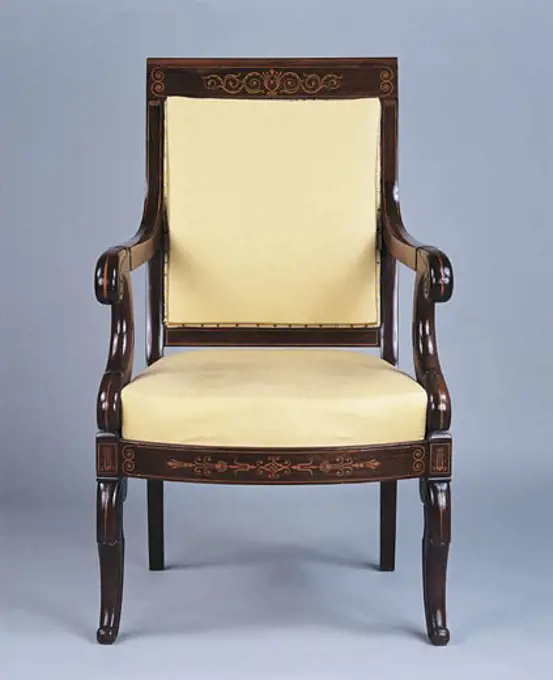
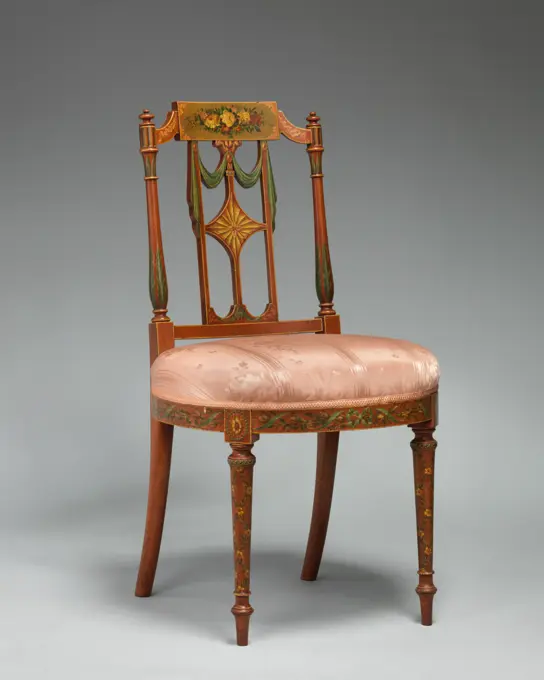
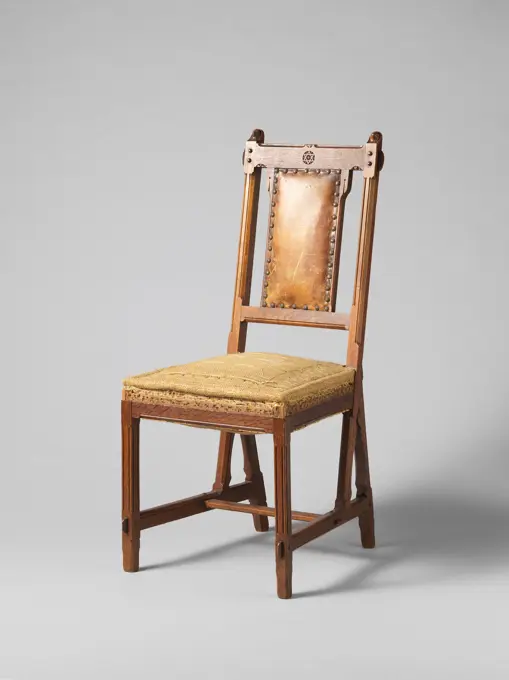
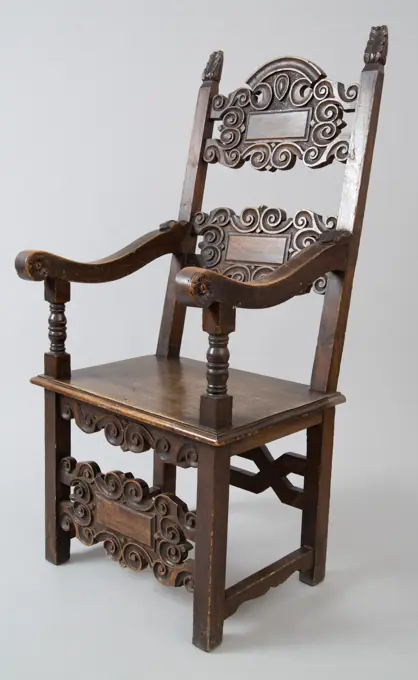
Collection of ornate armchairs, featuring rich woods and unique designs. Each piece embodies a blend of classic elegance and historical significance.
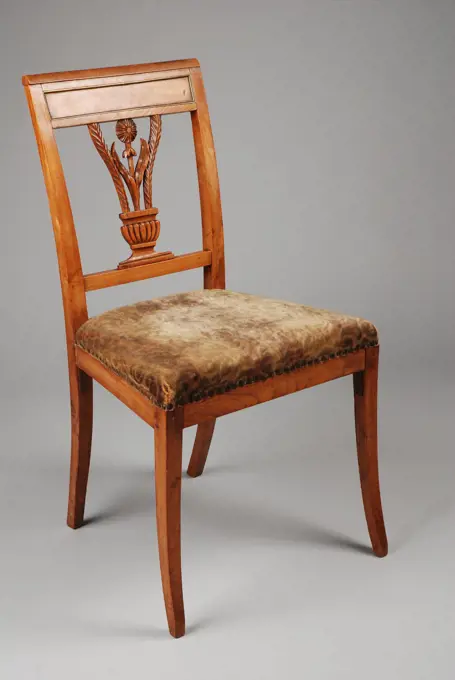
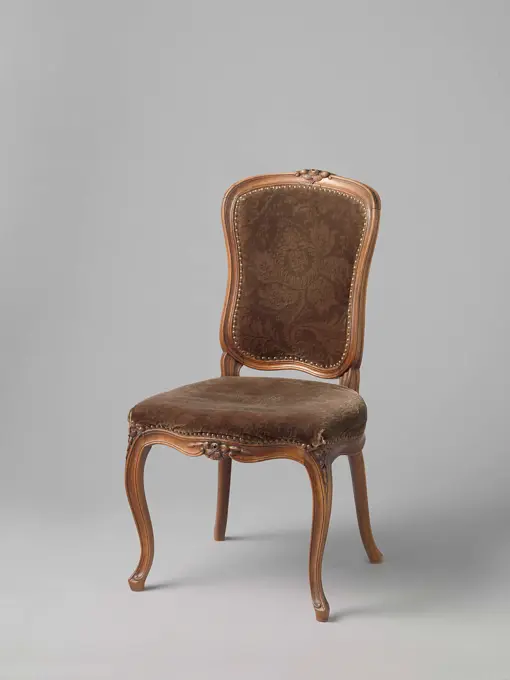
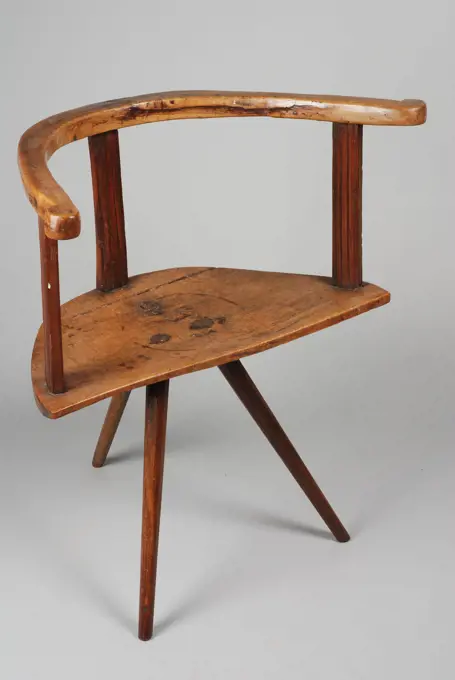
Eggshade Louis Seize straight chair, straight-seat chair furniture furniture interior design wood elmwood brass velvet, With flower vase as back in the hood brass profiled frame slightly curved legs velor upholstery with brown stripe pattern and floral relief Louis XVI Louis XVI Louis Seize
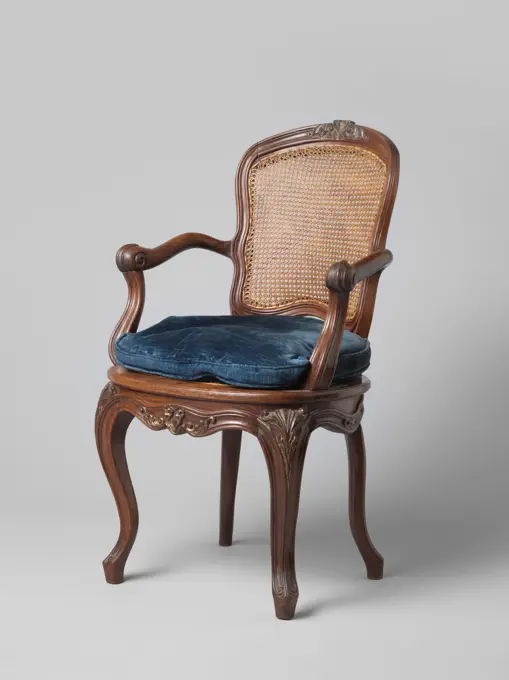
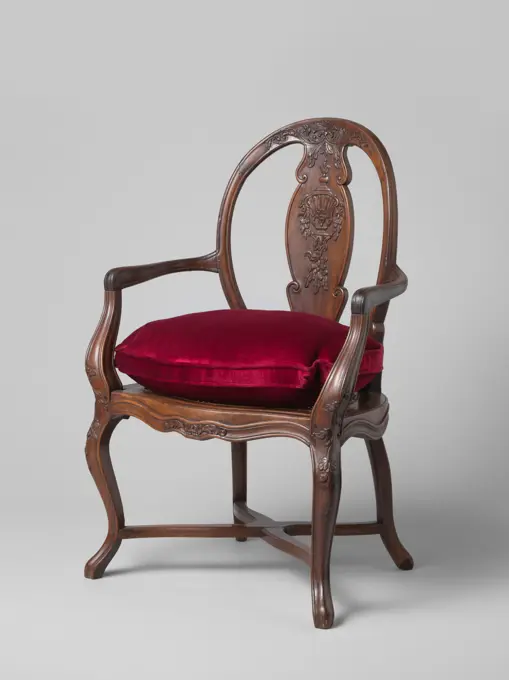
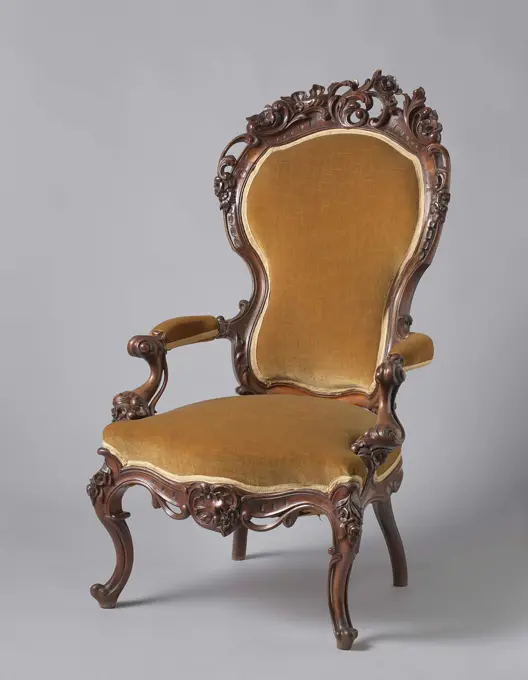
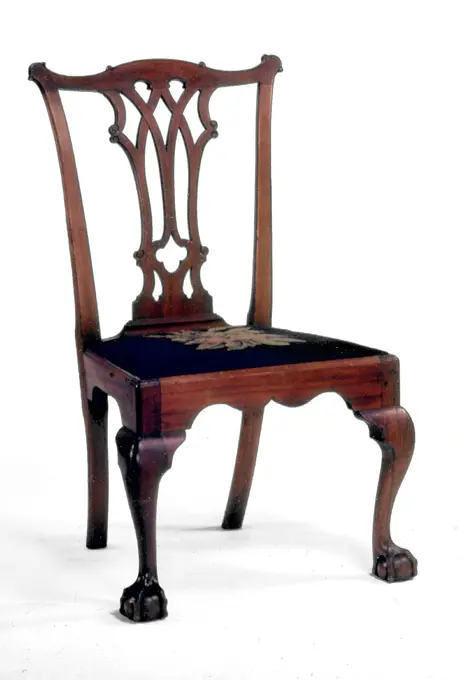
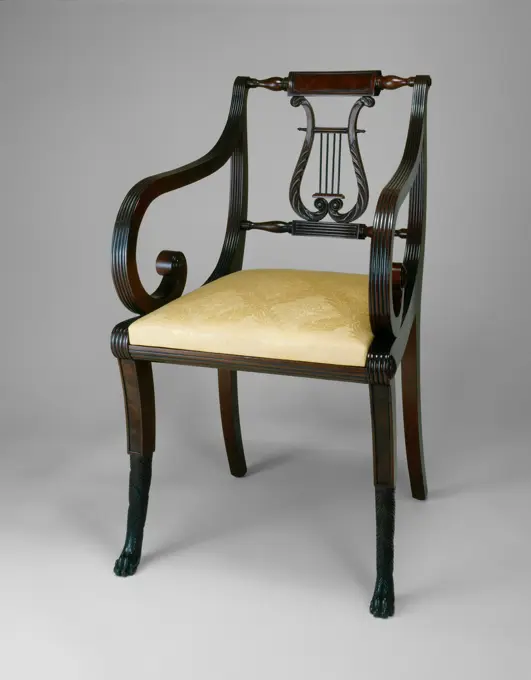
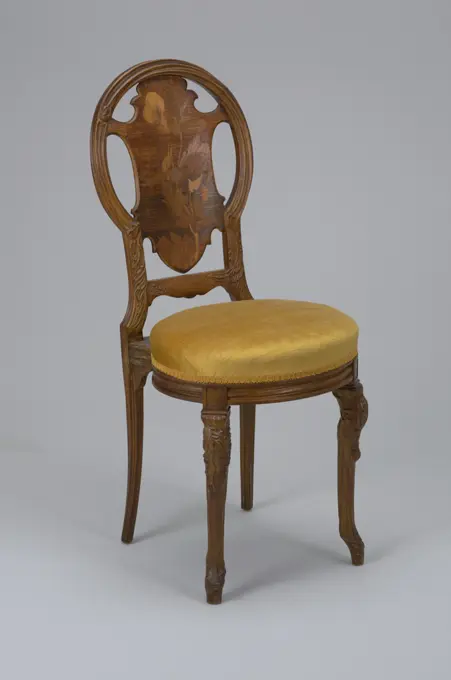
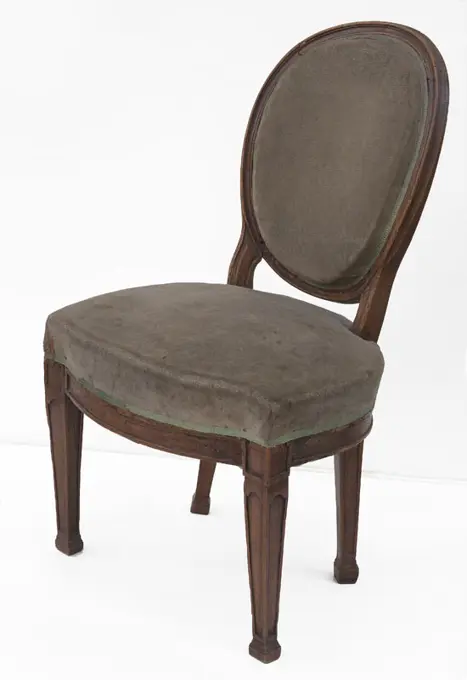
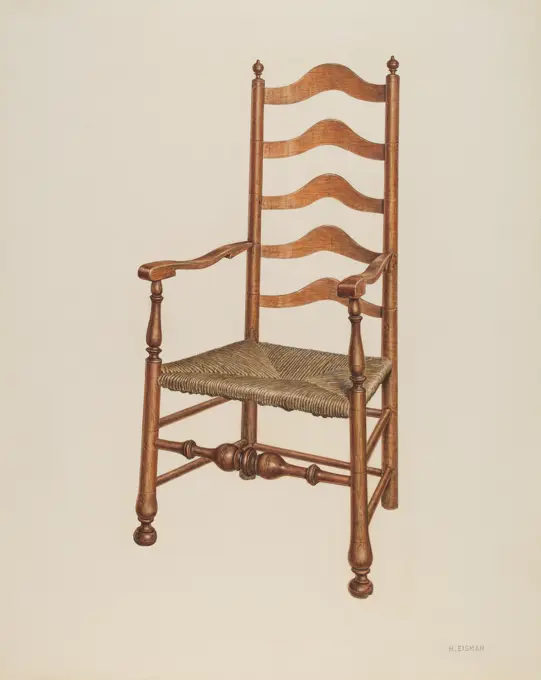
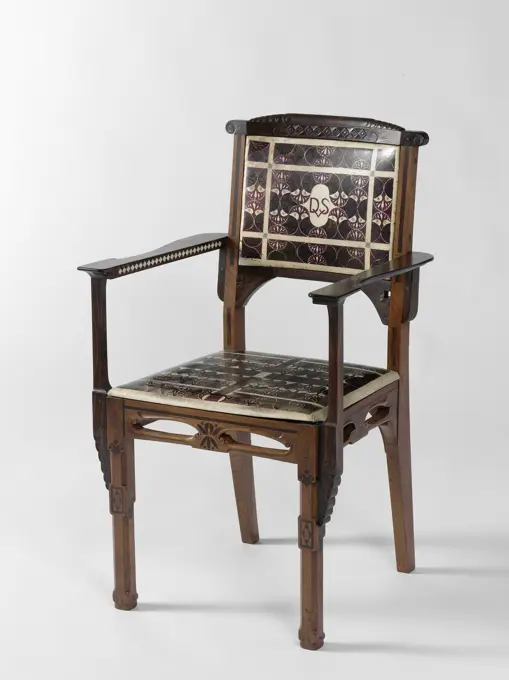
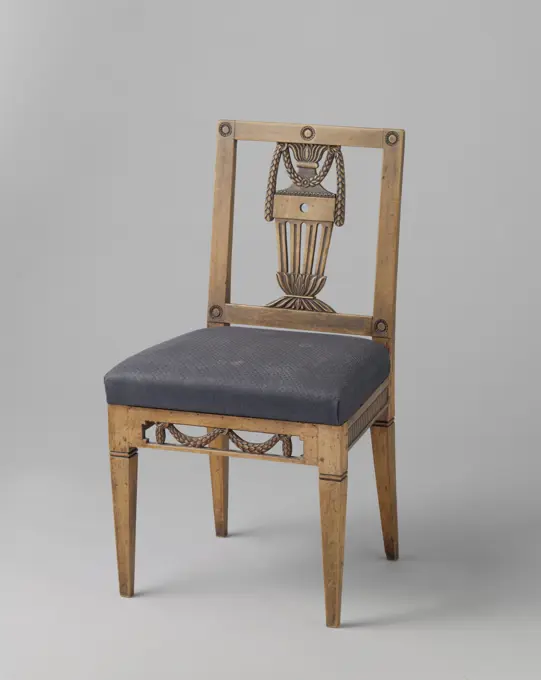
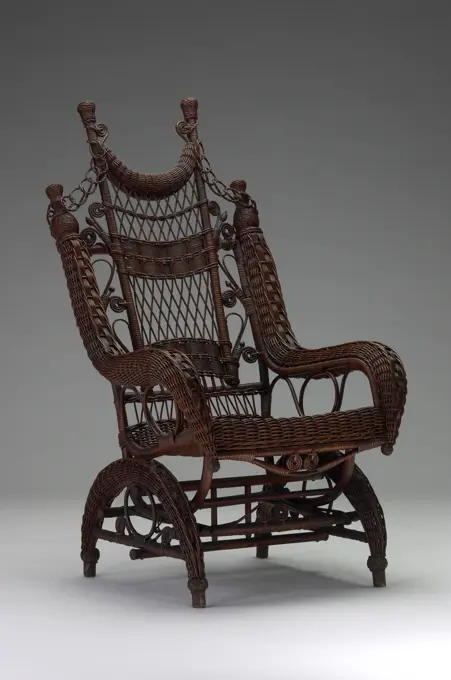
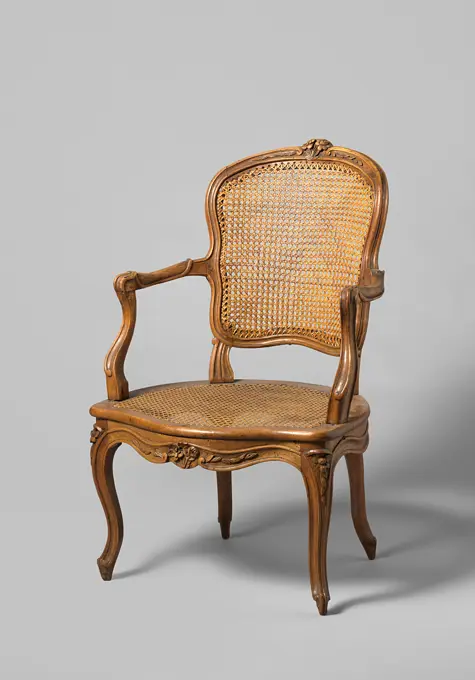
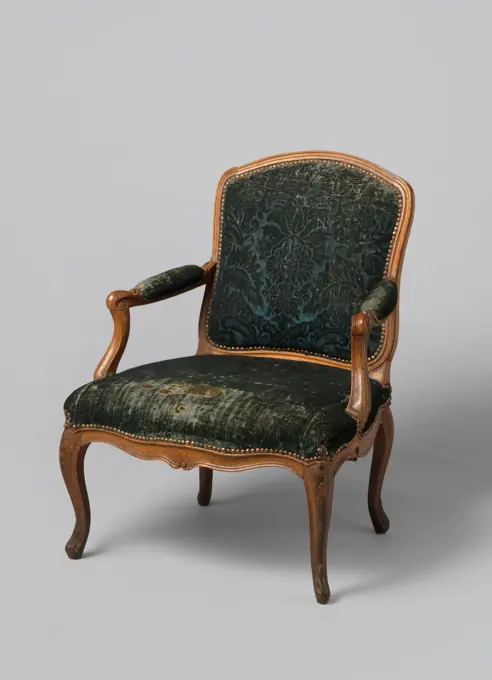
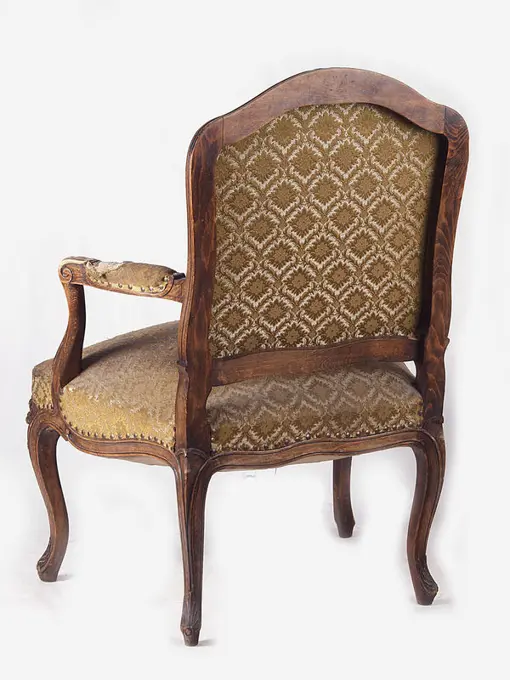
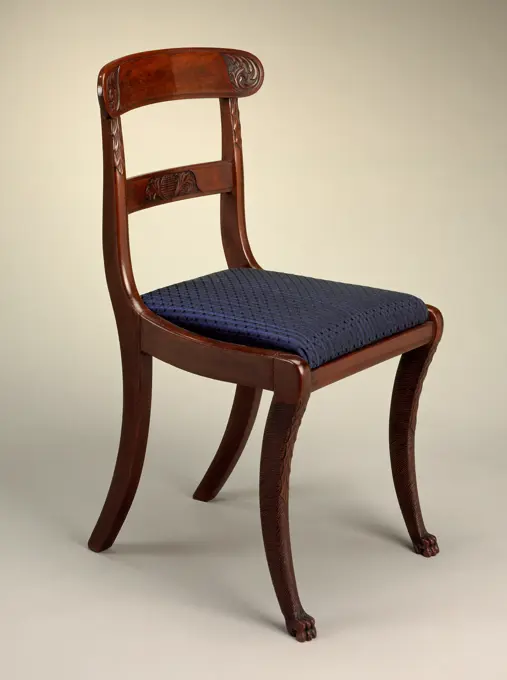
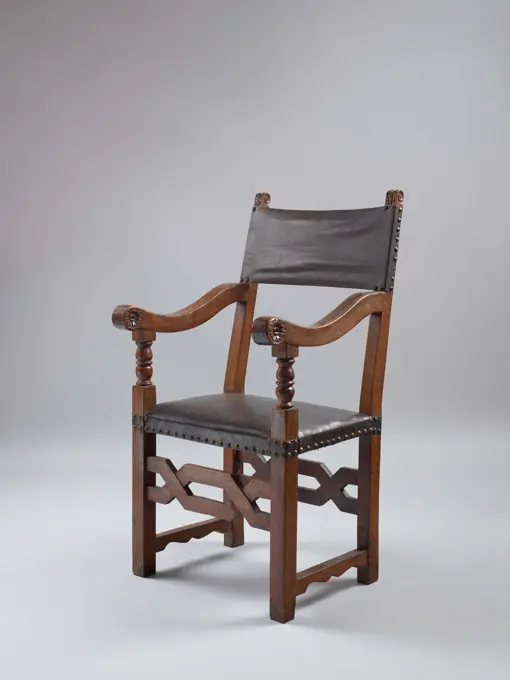
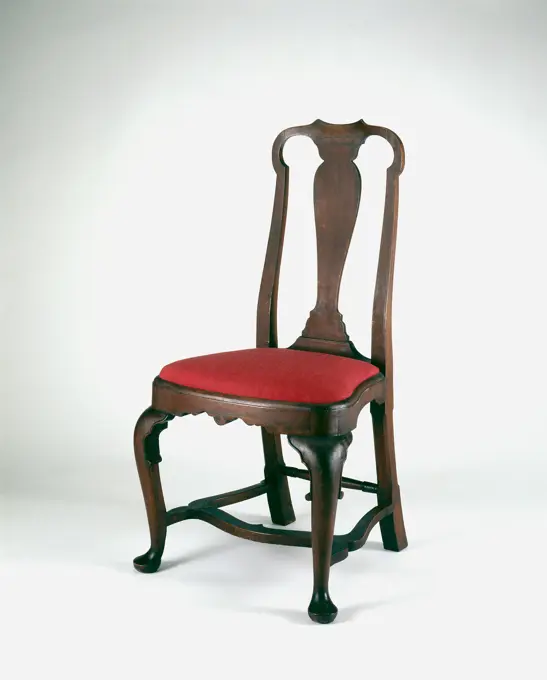
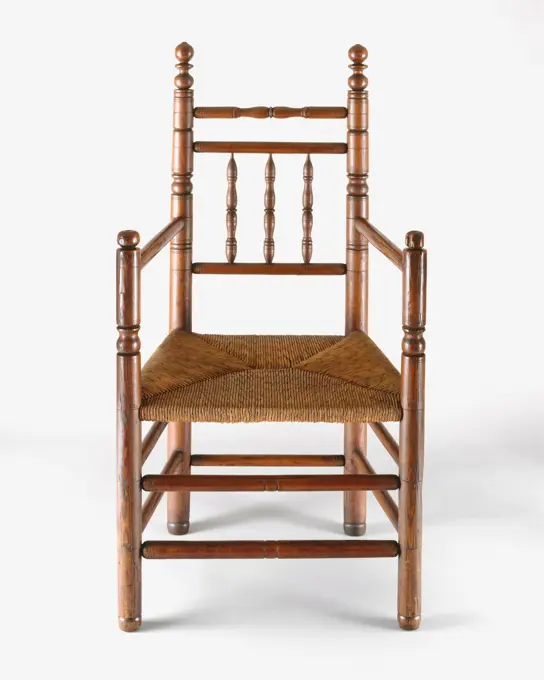
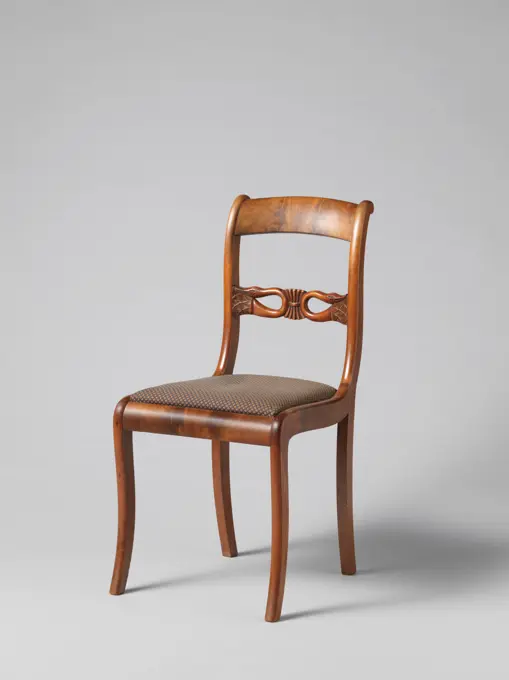
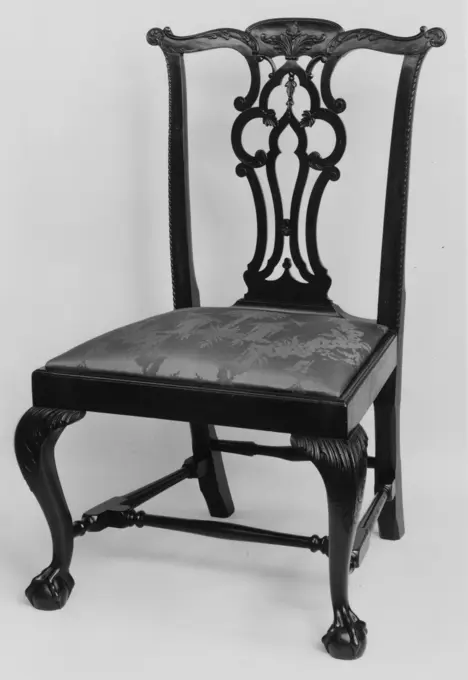
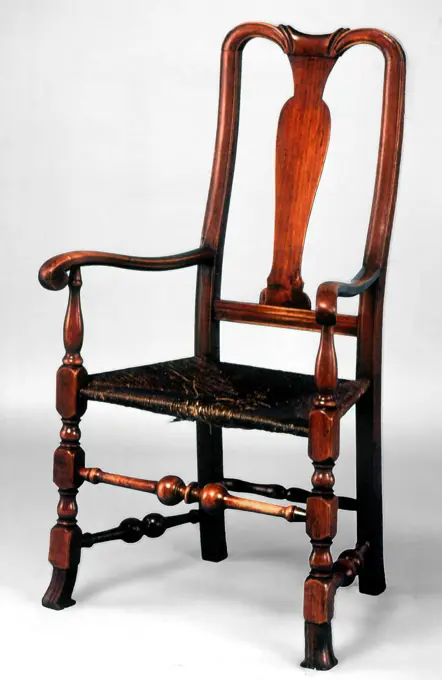
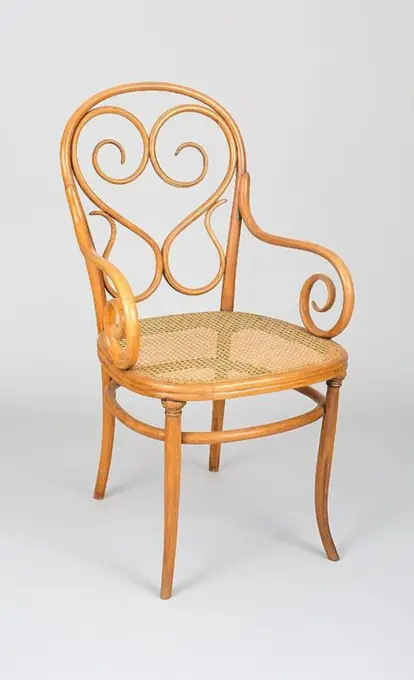
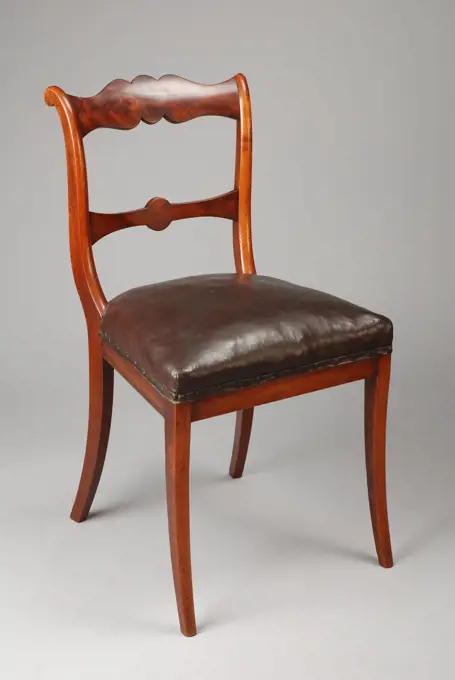
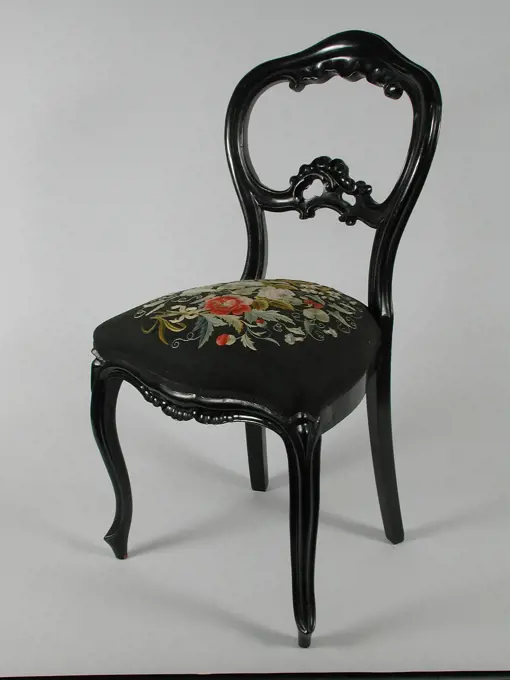
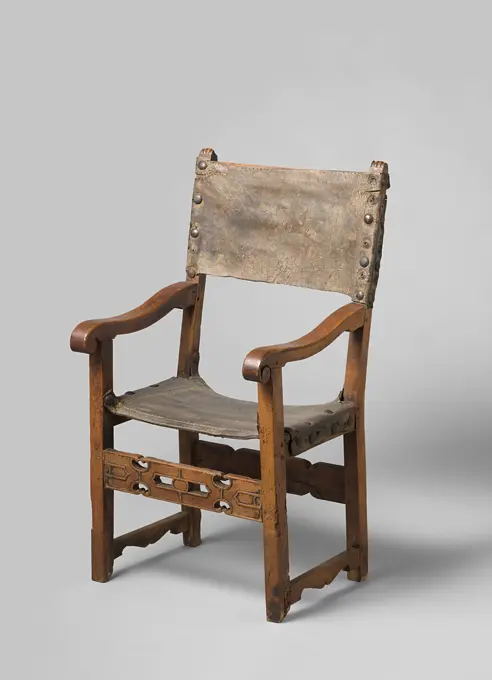
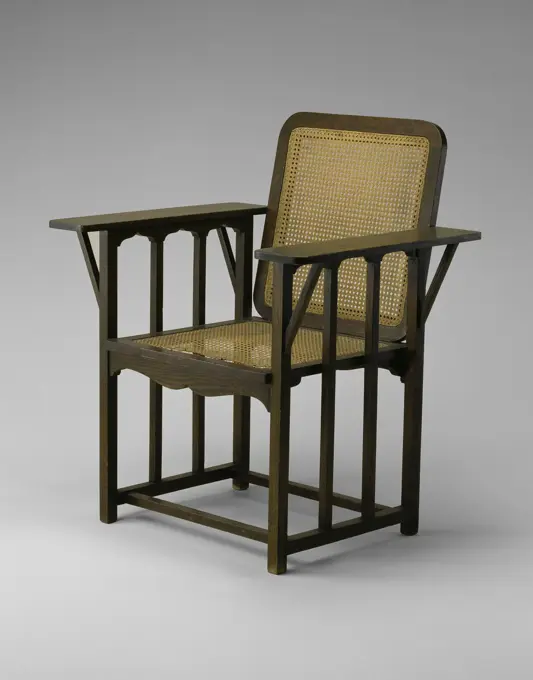
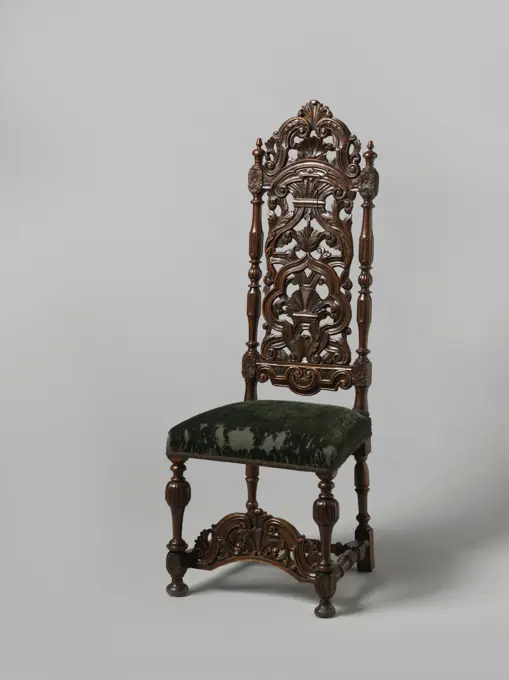
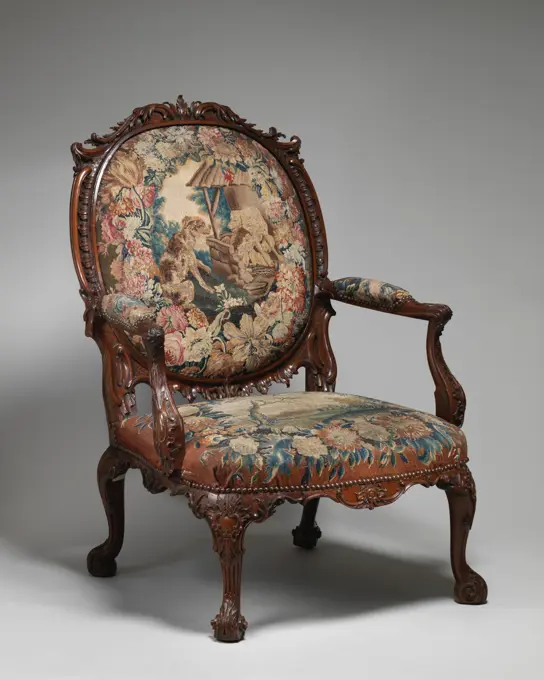
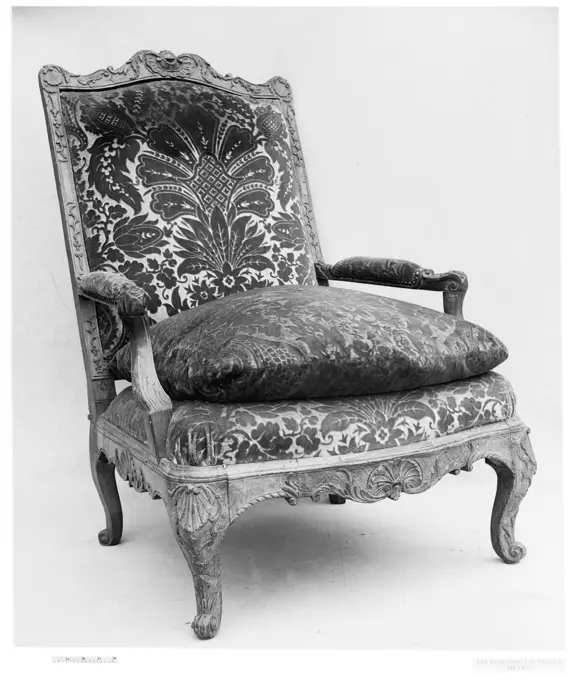
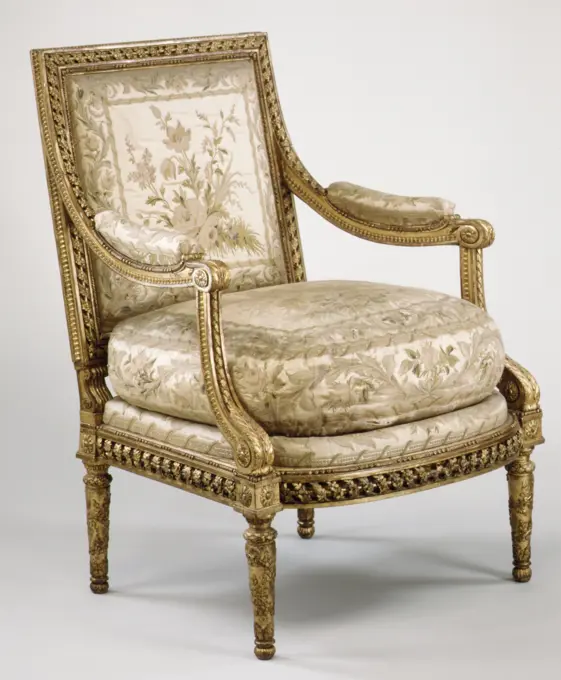
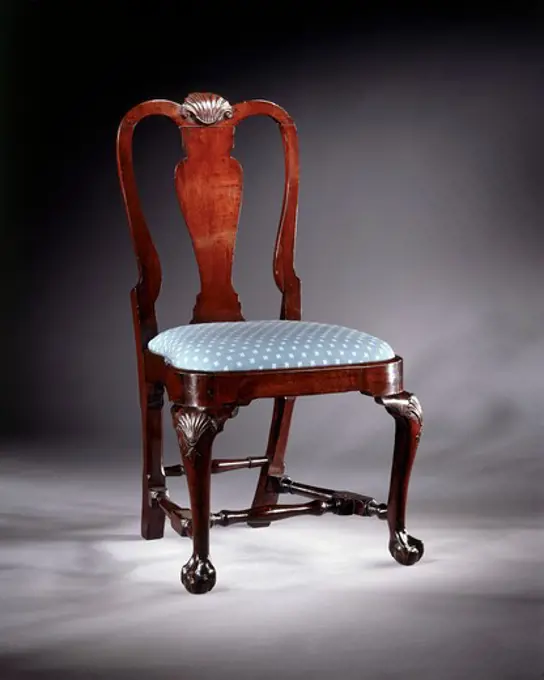
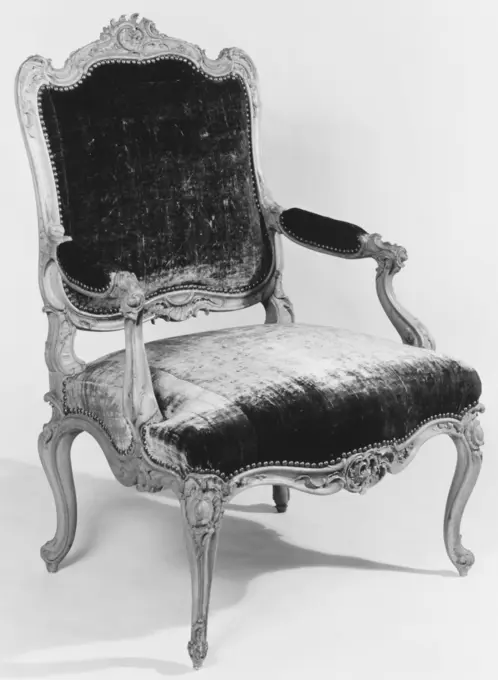
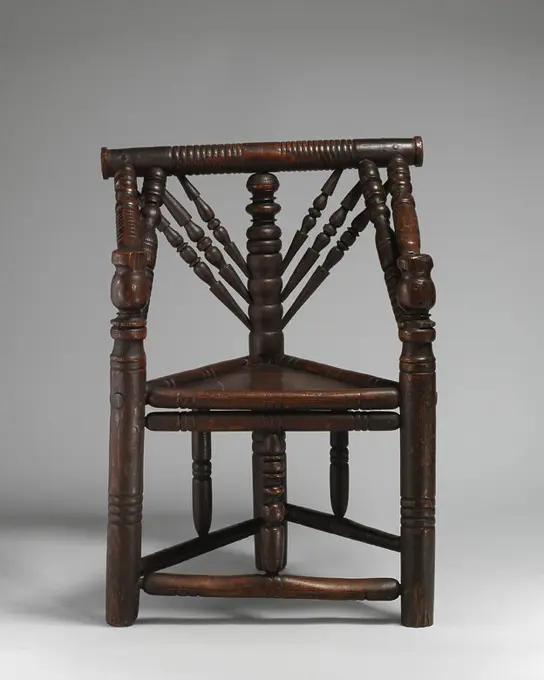
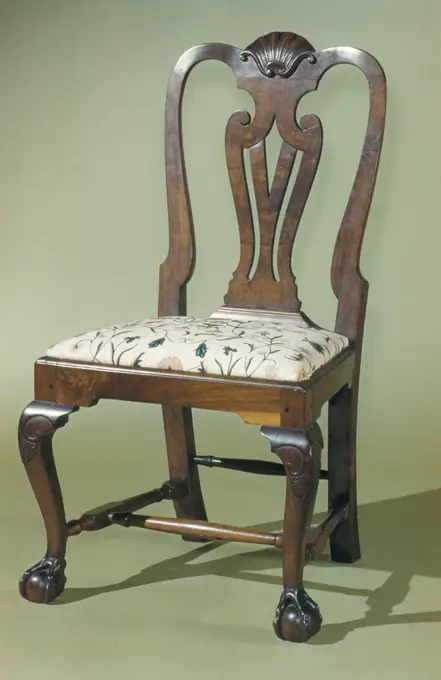
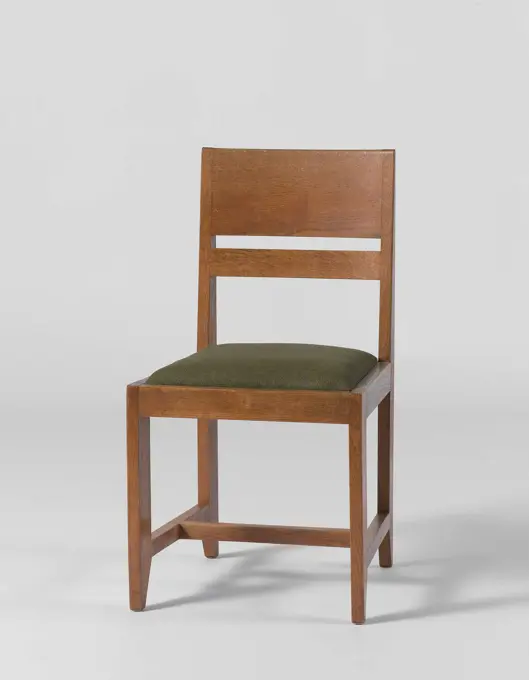
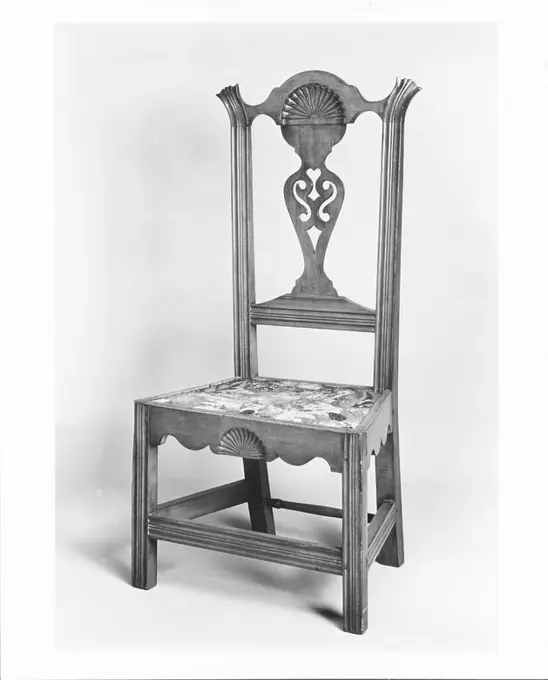
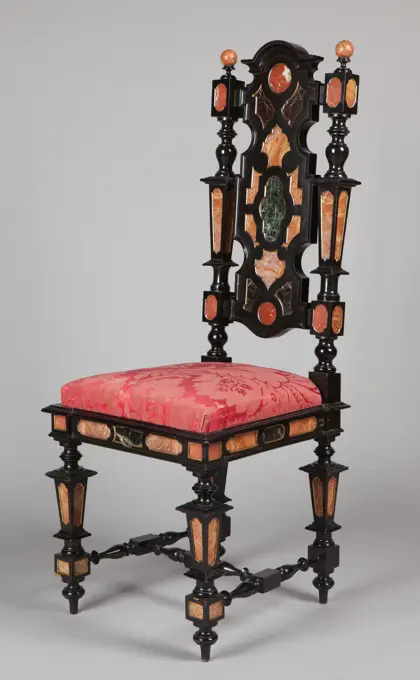
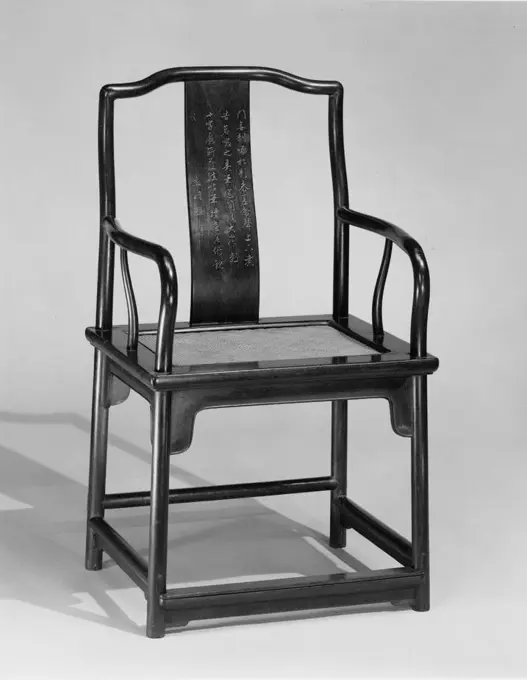
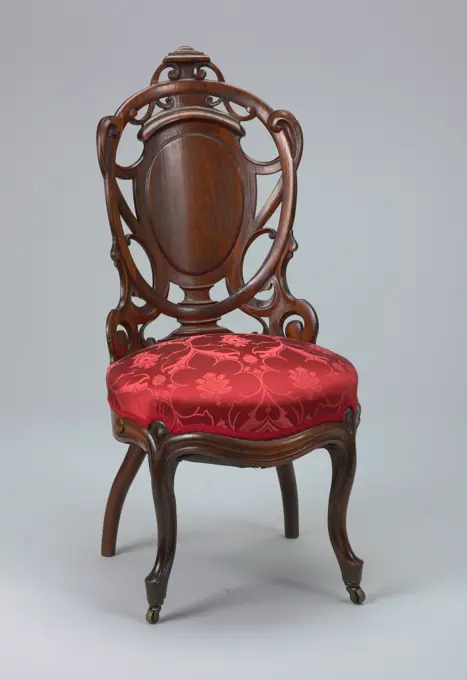
Side Chair (USA); Attributed to John Henry Belter (American, b. Germany, 1804 - 1863), Springmeyer Brothers (United States); laminated rosewood and oakArmchair. Bracelet from brown varnished beech wood, with cane. The S-shaped legs, connected by a swimmered X-shaped cross, go into the seat rules. Various parts carry decorations. The trapezoidal sitting window is shifted at the front and vaulted on the sides. The armrest tricks have been placed backwards and S-shaped in the outward-looking armrests, ending in a volute. The stifed back window, at top and bottom, has stretched S-shaped styles.Side chair, Mahogany caned seat, Both chairs, rounded and reeded seat rail; rounded and reeded tapering legs. Top rail carved with 'thunderbolt design,' tied with bow. Below top rail, two diagonal, crossing bars, reeded., New York, USA, ca. 1812, furniture, Decorative Arts, Side chair. Armchair of oak, beech and coromandany with a vertical leaf with abstract decoration in the open backrest. Modern upholstery.Close-up of an armchair, FranceSide chair (one of a pair) ca. 1795 British. Side chair (one of a pair). British. ca. 1795. West Indian satinwood, beech, birch, modern silk. Woodwork-FurnitureChair of iron wood and seated with rattan seat (series of 4 chairs). Chair (series of four Identical Chairs BK-1994-a, B, C, D) of iron wood with sitting with rattan. Stuffed back legs and overhoeks placed S-shaped front legs that end in lioners and are decorated at the top of shellpy motifs. The cross has scalloped residues and a scaled cross sport. The hind legs are connected under the session by a second cross sport. The bottom edge of the front and sides in front and sides is made up of two s vultuts with a shell pattern in the middle. The high back has scalloped styles and a wide baluster-shaped middle sheet that is crowned by a shell whose leaf bells depend on leaf volutes, and that is decorated from below with a standing sheet bell on a pedestal. Where the styles hit the center leaf, they end up volutes decorated with leaf motifs.Chair with a brown leather upholstery. Oak chair. The front and hind legs are interconnected by means of an H-shaped cross with pin and hole compounds, the pins of which are stitching through the legs. The sloping slinked back styles end up in bird cups and rest on the cross. The handrail rests on props at the session and these also serve as hind legs. The backrest is both above and under connected by an intermediate rule. The upper rule contains a sliced star shape in the middle. Between the rules there is a panel that is coated with brown leather and secured with copper nails. The seat is also covered with brown leather and secured with copper nails.Eggshade Louis Seize straight chair, straight-seat chair furniture furniture interior design wood elmwood brass velvet, With flower vase as back in the hood brass profiled frame slightly curved legs velor upholstery with brown stripe pattern and floral relief Louis XVI Louis XVI Louis SeizeSidechairChair with seat of braided rattan, s-shaped overhoeks placed front legs and seat rules decorated with stretched S-shaped profiles and leaf work. top sill with palmet, anonymous, 1750 - 1775 Chair of Djatihout with a seat of braided rattan. The S-shaped front legs and the seating rules are decorated with stretched S-shaped profiles and leaf work. The backwards angular hind legs turn into the stretched S-shaped profiled backstyles. The curved upper sill shows a sculpted palmet in the middle. The open-worked center leaf has stretched S-shaped sides, destroyed and decorated with rosettes at the top, they include an openwork palmet shape. Indonesia wood (plant material). rattan Chair of Djatihout with a seat of braided rattan. The S-shaped front legs and the seating rules are decorated with stretched S-shaped profiles and leaf work. The backwards angular hind legs turn into the stretched S-shaped profiled backstyles. The curved upper sill shows a sculpted palmet in the middle. The open-workChairKoloniale armstoel, anonymous, c. 1700 - c. 1800 Armchair. Seat with dust covered, back with rattan. A set of six. Indonesia velvet (fabric weave). rattan Armchair. Seat with dust covered, back with rattan. A set of six. Indonesia velvet (fabric weave). rattanChair in Neo Renaissance style with sliced parts and with a lined seat., Liberty (furniture maker), 1880 - 1920 Chair belonging to a set of three chairs and an armchair of walnut with a covered seat. The flared legs are connected by a flung H-shaped cross and a also flung for sport. The covered back window rests on articulated struts. The armchair has flagging armrest stars and armrests. See: BK-19959-116-A/D.  wood (plant material). walnut (hardwood). textile materials. horsehair Chair belonging to a set of three chairs and an armchair of walnut with a covered seat. The flared legs are connected by a flung H-shaped cross and a also flung for sport. The covered back window rests on articulated struts. The armchair has flagging armrest stars and armrests. See: BK-19959-116-A/D.  wood (plant material). walnut (hardwood). textile materials. horsehairkoloniale armstoel, anonymous, c. 1700 - c. 1800 Arm chair with h between legs. Seat with dust covered, back with rattan. One from a set of 6 Indonesia velvet (fabric weave). rattan Arm chair with h between legs. Seat with dust covered, back with rattan. One from a set of 6 Indonesia velvet (fabric weave). rattanColonial armchair with rattan sitting and kissing. Colonial Armchair with Rattan Seat and CushionChair. unknown, creatorAnonymous, convertible armchair (main title). Wood, embroidered fabric with flowers. Petit Palais, Museum of Fine Arts of the City of Paris.Armchair. unknown, authorChair of partially veneered and painted Satijnhout, Anonymous, 1785 - 1800 Partially veneered and painted satin wooden chair, resting on a canaled conical articulated front legs and backwards bent hind legs. The connection between the armrest pits and the faintly curved armrests is C-shaped. The back is slightly bent and decorated in the middle with a vertical connection, on which painted medallions, free to 18th-century representations. The seat is stretched with reeds and equipped with loose embroidered pillows. See also: BK-16137-A to C and E/F. Great Britain wood (plant material). satinwood (wood). rattan. textile materials Partially veneered and painted satin wooden chair, resting on a canaled conical articulated front legs and backwards bent hind legs. The connection between the armrest pits and the faintly curved armrests is C-shaped. The back is slightly bent and decorated in the middle with a vertical connection, on which painted medallions, free to 18th-century representationArm chair of walnut with flared parts. Army tut with female bust on vase -shaped, round pedestal. Covered with nailed velvet., Anonymous, 1650 Covered armchair of walnut, resting on flared legs with houses and connected by a flung H-shaped cross and a sliced upper sport, installed between two houses. The flinged armrests are supported by arms, which consist of female busts, placed on a vase -shaped round pedestal. The upholstery is nailed. The backs' backs are smooth. Northern Netherlands wood (plant material). walnut (hardwood). velvet (fabric weave) Covered armchair of walnut, resting on flared legs with houses and connected by a flung H-shaped cross and a sliced upper sport, installed between two houses. The flinged armrests are supported by arms, which consist of female busts, placed on a vase -shaped round pedestal. The upholstery is nailed. The backs' backs are smooth. Northern Netherlands wood (plant material). walnut (hardwood). velvet (fabric weave)Armchair from mahogany with violin backrest. Decorated with roccailing and partially cut-away flower and leafwork. Back and armrests covered .. Armchair from mahogany. The framework of the high violin-coated backrest, the armrests and the rules and legs are decorated with rocaillic and partly open-worked flower and leaf drinks.Armchair (one of two). Northern Europe. Date: 1825-1835. Dimensions: 88.9 x 49.5 x 68.6 cm (35 x 19 1/2 x 27 in.). Wood, possibly cherry. Origin: Northern Europe. Museum: The Chicago Art Institute, Chicago, USA.SidechairChair with S -shaped legs placed overhoeks on Bokhoeven, Anonymous, 1740 - 1760 Chair belonging to ameublement consisting of six covered walnut chairs and one arm chair, resting on overhoek-placed stretched s-shaped legs on boxing farms, which turn into the sitting window. The rounded, sculpted, sitting window has decorated decorations in floral pattern; As well as the upper sill of the elongated covered back window that is slightly sculpted from below and from the side. The stretched S-shaped armrests are supported by stretched out-in-backed S-shaped struts with volute and acanthus leaf decorations. Northern Netherlands (possibly) wood (plant material). walnut (hardwood). textile materials Chair belonging to ameublement consisting of six covered walnut chairs and one arm chair, resting on overhoek-placed stretched s-shaped legs on boxing farms, which turn into the sitting window. The rounded, sculpted, sitting window has decorated decorations in floral pattern; As well as the upper siArmchair c 1815 New York City. Mahogany . Artist unknownArm chair with styles that have been crowned with shielding sitting lions. Covered with red velvet., Anonymous, c. 1640 - c. 1650 Covered armchair made of rosewood. The legs, in the shape of the base, slightly cut Tuscan columns, rest on houses, which are connected by four sports scolded on the underside. The armrests are articulated like the legs and rest on houses at the height of the sitting window. The flat -held armrests end up in closed volutes at the front. The rectangular back window scores backwards; The styles are crowned by shield -bearing lions. Burned brand: B B M. Netherlands wood (plant material). rosewood (wood). textile materials. velvet (fabric weave) Covered armchair made of rosewood. The legs, in the shape of the base, slightly cut Tuscan columns, rest on houses, which are connected by four sports scolded on the underside. The armrests are articulated like the legs and rest on houses at the height of the sitting window. The flat -held armrests end up in closed volutSide Chair (France); Designed by Emile Gallé (French, 1846-1904); Manufactured by Etablissement Gallé; Retailed by Marshall Field and Co.; pearwood, various woods (marquetry), upholstery (replaced); 90.5 x 39 x 37 cm (35 5/8 x 15 3/8 x 14 9/16 in. )Banister-back sidechairTable Chair. unknown, authorChair with overhoeks placed S-shaped legs on bookshoes. Chair belonging to Ameublement consisting of six coated walnut chairs and one armchair, resting on overhoeks stated S-shaped legs on boxing hooves, which proceed in the seating. It was rounded at the front, sitting room wears decorations in floral pattern; As well as the upper spray of the elongated coated back window that is slightly scalloped from below and from the side. The stretched S-shaped armrests are supported by backwards stated S-shaped struts with volute and acanthus blade decoration.Side Chair (England); carved mahoganyChair. unknown, creatorArmchair;  End of the 19th century (1890-00-00-1900-00-00);Winnicki-Radzewicz, Aleksander (1911-2002), Winnicki-Radzewicz, Aleksander (1911-2002)-collection, gift (provenance), plant decorations, shells (ornament), neobarok (style), secession (style), animal pawsChair of Mahoniehout, covered with green trijp, anonymous, 1775 - 1800 Chair of Mahoniehout, covered with green trijp, belonging to an ameblement. The hind legs of the conical, scanned legs are backwards. The sitting window is round; The oval hired back window rests on C-shaped struts with acanthus leaf, are decorated with a vase, amidst branches with leaves, hung on rings. See also: BK-18323-A/E and G/N. Northern NetherlandsNetherlands wood (plant material). mahogany (wood). Chair of Mahoniehout, covered with green trijp, belonging to an ameblement. The hind legs of the conical, scanned legs are backwards. The sitting window is round; The oval hired back window rests on C-shaped struts with acanthus leaf, are decorated with a vase, amidst branches with leaves, hung on rings. See also: BK-18323-A/E and G/N. Northern NetherlandsNetherlands wood (plant material). mahogany (wood).Francis Law Durand, Side Chair, 1935 1942 Side ChairHarry Eisman, Armchair, 1940 ArmchairArmchair, Kunsthandel E.J. van Wisselingh, c. 1905 Arm chair of Coromandel and walnut resting on four legs. The front legs contain inserted geometric motifs. Between the front legs is at the top, below the seat, a sill that is open on either side of an imposed flower. The hind legs run into the backstyles. The backstyles are inlaid with a, twice interrupted, vertical stripe of Coromandelhout. The backrest consists of an open and a closed part. The closed part, at the top, consists of a panel with a curved decorative rule at the top and an intermediate rule at the bottom. At the height of the center of the front legs are struts on which the armrests rest. The struts broaden to the bottom and are served on one side. The armrests also rest on the back on struts, attached to the side of the backstyles. The armrests have a wavy shape on the outside and are inlaid on the inside with ivory in a diamond motif. The seat and panel of the backrest are covered with batikt parchment on which a red,Side Chair 1700-1720 American Tall, stately, and covered in its original "Russia" leather, this high-back chair is a fine example of the fully developed William and Mary style. It is crowned with a characteristic Boston-school crest rail featuring C-scrolls and foliage. The calfskin leather is of the type made near Saint Petersburg in the seventeenth and eighteenth centuries. Usually dyed red and embossed with a tiny lattice pattern, it was tanned and dressed with bark extracts and oils to make it supple and less subject to decay and insect infestation.. Side Chair 1621Chair of cherry () Wood, with covered seat, rectangular back window with openwork vase with garlands and rosettes, Anonymous, 1785 - 1800 Cherry wood chair with a covered seat and resting on conical legs, the hind legs of which slightly give way. The rectangular back window is open and shows an open worked vase motif with garlands, placed above rosettes, on the corners and in the middle. The seat is decorated at the front with garlands within a rectangular open field, and on the side with a tooth motif. Northern Netherlands (possibly) wood (plant material). cherry (wood). textile materials Cherry wood chair with a covered seat and resting on conical legs, the hind legs of which slightly give way. The rectangular back window is open and shows an open worked vase motif with garlands, placed above rosettes, on the corners and in the middle. The seat is decorated at the front with garlands within a rectangular open field, and on the side with a tooth motif. Northern Netherlands (possibly) Chair. unknown, authorRockingChair. Manufacturer: A. H. Ordway and Company, AmericanArmchair. England. Date: 1805-1815. Dimensions: 86.7 × 55.3 × 47 cm (34 1/8 × 21 3/4 × 18 1/2 in.). Carved mahogany, modern upholstery. Origin: England. Museum: The Chicago Art Institute, Chicago, USA.Chair. Mohr, Jan (fl. ca 1825-1850), joinerArmchair of walnut with s-shaped overhoeks. Paws set with carving of flowers and leaves. Back and seat of braided reeds. With loose cushion .. Nut wood (Ameublement) with back and seat of braided reeds. The stretched S-shaped overhoeks places places set with profiling go without interruption in the seating frame and are decorated with stabbed flowers. Scalloped front seat with flower and leaf work. Backwards placed armrest tricks S-shaped; Holded armrests ending in Volutes. Upper rule window with volutes. With loose cushion. See also: BK-16851-A T / M G.ArmchairArmstoel, anonymous, c. 1750 Arm chair, covered, made of lacquered beech wood. The S-shaped legs placed overhoek, ending in an Acanthus leaf, turn into the sculpted preset rules. The trapezoidal sitting window is slightly bent at the front and arched on the sides. The armrests turn outside, have cushions and end in volutes. The struts pass the S-shaped in the armrests. The stupid back window has slightly bent styles and sills. Profile lists with small volutes follow the chair in his contour. France wood (plant material). beech (wood). textile materials Arm chair, covered, made of lacquered beech wood. The S-shaped legs placed overhoek, ending in an Acanthus leaf, turn into the sculpted preset rules. The trapezoidal sitting window is slightly bent at the front and arched on the sides. The armrests turn outside, have cushions and end in volutes. The struts pass the S-shaped in the armrests. The stupid back window has slightly bent styles and sills. Profile lists with small volutes followArmchair. unknown, authorSide Chair. United States, New York, 1825-1835. Furnishings; Furniture. Mahogany, upholstery (replaced)Armchair. unknown, creatorArmchair. Culture: American. Dimensions: 43 x 24 x 19 1/2 in. (109.2 x 61 x 49.5 cm). Date: 1750-80. Museum: Metropolitan Museum of Art, New York, USA.Side Chair (USA); Made by John Hewitt (American, 1777-1857); mahogany, poplar, horse hairSide Chair c 1730-1760 Newport. The triangular trade with the West Indies and England created by merchants in Newportóone of the busiest commercial seaports in colonial Americaóhad an impact on the artistic styles developed in the region. The elongated back and rounded shoulders on this chair were inspired by furniture made in China specifically for the English market.. White pine . Artist unknownMahoniehout arm chair, covered with Trijp, Theo Nieuwenhuis, c. 1910  Amsterdam mahogany (wood). ebony (wood). beech (wood). wool  Amsterdam mahogany (wood). ebony (wood). beech (wood). woolSpindle-back armchair 1660-1700 American The finials on this chair fall within a broad category that features a prominent spherical form at the top above one or two reels, a ring, or ball in many configurations. Such finials are found on seventeenth-century turned chairs from southern New England, in southeastern Massachusetts (10.125.236) and the Connecticut shore (10.125.208) that appear to date toward the end of the 1600s, and in the eighteenth century they become ubiquitous.. Spindle-back armchair 174Chair with Swans, Anonymous, 1830 Chair from a set of ten chairs and four arm chairs of partly solid and partly glued mahogany on elm core. Loose covered seats. The square hind legs areas backwards. Nine chairs and an armchair have square, slightly rounded at the front, front legs; The rest has round articulated front legs. The stretched S-shaped backs have a sculpted intermediate rule with a palmet flanked by two swans bending back with the necks. The flat volute -shaped armrests run high in the back. Northern NetherlandsNetherlands wood (plant material). mahogany (wood). elm (wood). textile materials Chair from a set of ten chairs and four arm chairs of partly solid and partly glued mahogany on elm core. Loose covered seats. The square hind legs areas backwards. Nine chairs and an armchair have square, slightly rounded at the front, front legs; The rest has round articulated front legs. The stretched S-shaped backs have a sculpted intermediate rule with a palmet flanked by two swans . Stadhouders chair from walnut, lined with red velvet, resting on S-shaped legs. The armrests and armrests are S-shaped. The upper spray of the high back has the crowned weapon of the province of Groningen in the middle, placed on a canoe shell. On the back embossed the weapon of Orange-Nassau is embroidered, surrounded by a flower wreath in silver thread. Hereby a loose cushion (inv.no. BK-NM-1138) and a footstool (inv.no. BK-NM-1139). From the Court of Provincial in Groningen.Side chair 1760-90 American Many Massachusetts chairs in the so-called Chippendale style seem to have been inspired by Robert Manwarings "Cabinet and Chair-Makers Real Friend and Companion" (1765) rather than by the designs of Thomas Chippendale himself. For instance, the splat outline of this richly carved chair follows plate 9 in Manwarings guide.. Side chair 1608Alvin M Gully, Queen Anne Side Chair, 1936 Queen Anne Side ChairSet of sixchairsArmchair. Michael Thonet; Austrian, 1796-1871; Thonet Brothers; Austria, founded 1849. Date: 1855-1865. Dimensions: 97.8 × 50.8 × 49.5 cm (38 1/2 × 20 × 19 1/2 in.). Bentwood, caning. Origin: Austria. Museum: The Chicago Art Institute, Chicago, USA. Author: MICHAEL THONET.Mahogany Biedermeier chair, chair furniture furniture interior design wood mahogany elm wood textile tarpaulin, veneered and scalloped hood and lining saber-shaped legs and rear pillars ending in volutes covered with dark brown canvas BiedermeierChair, mahogany, covered with velor d'Utrecht, on which a squeezed sunflower pattern. Chair covered with velor d'Utrecht, on which a pressed large sunflower pattern. The S-shaped front legs end in a bird claw with ball and are extra profiled to about the welfx. The hind legs neighborhood in spread stand back. The seat rules and the back rules and sills are vaulted. The upper spray of the coated back window is crowned by a small floral pattern. The upholstery is nailed. The hollow curved back window rests on cannellated vaulted struts.Side Chair 1730-50 American. Side Chair 1570Arm chair of walnut with petit-point upholstery, anonymous, c. 1700 - c. 1725 Arm chair of walnut with petit-point upholstery and oak backstyles and hind legs. The seats rest on overhoeks placed S-shaped legs. The front legs have a volute with a leaf motif at the bottom and a shell motif above the swelling. The Amleggerstutten passes into hold armrests, ending in Acanthusvoluut. The upholstery shows motifs of flower vases and bouquets. Part of an ameblement of six arm chairs (inv.no. BK-16024-A to -F), from Castle Eerde (O.). Northern Netherlands wood (plant material). walnut (hardwood) embroidering Arm chair of walnut with petit-point upholstery and oak backstyles and hind legs. The seats rest on overhoeks placed S-shaped legs. The front legs have a volute with a leaf motif at the bottom and a shell motif above the swelling. The Amleggerstutten passes into hold armrests, ending in Acanthusvoluut. The upholstery shows motifs of flower vases and bouquets. Part of an ameblement of six arHigh-back chair (pair with 1975.1.1998) late 19th or early 20th century Northern Africa (Morocco) or Syrian (). High-back chair (pair with 1975.1.1998) 460825Mahogany chair, 1906. Artist: Shirley Slocombe.Chair with swans. Chair from a set of ten seats and four armchairs from partially solid and partly glued mahogany on moors wood core. Loose coated seats. The square hind legs deviate backwards. Nine chairs and an armchair have square, slightly rounded, front legs; The rest has rounded front legs. The stretched S-shaped backs have a sculpted intermediate rule with a palmet flanked by two degrees, with the biods of doubling swans. The flat filler-shaped armrests run high in the back.Armchair (USA); Attributed to Springmeyer Brothers (United States), John Henry Belter (American, b. Germany, 1804 - 1863); mahogany, laminated ash, oak and other woods. Walnut chair with upholstery of blue green sheet, decorated on the back with an embroidered coat of arms with Dutch lion, a royal wreath and a spell. The conical fluted legs, with chalice leaves decorated, are nosed at the top, above which a crowning grant carries the corner volutes of the trapezoidal seating. H-shaped cross with leaf motifs, just like on the rules, and a rosette. High rod window on decorated struts with styles and merge stamps; Semi-round upper spray with volutes and wreath.Fa. Johann Diedrich Schmidt & Co. en Cord Heinrich Schmidt, Straight neo-rococo chair, upright chair seat furniture furniture interior design wood mahogany shellac textile, Black polished mahogany with black upholstery embroided with multicolored flowers in crest and apron rocailles and other rococo carving Rotterdam City center Cool Schiedamsesingel neorococo Supposedly delivered to the Polak-Rosenthal couple in front of their house Schiedamsesingel 143 Rotterdam.Button chair, the backrest with two cross rules, the seat of braided piping. Four button chairs from dark brown pickled wood; backrest with two transverse rules; Low model with seat of braided piping.Side Chair. Culture: American. Dimensions: 34 5/8 x 17 3/8 x 18 3/8 in. (87.9 x 44.1 x 46.7 cm). Date: 1835-50. Museum: Metropolitan Museum of Art, New York, USA.Ernest A Towers, Jr, Corner Windsor Chair, c 1939 Corner Windsor ChairArmchair. Armchair from walnut. The square legs run back into the back stamps and in front of the armrest. The front legs are connected by a processed flat rule; The hind legs through a flat, above and below challenge, rule. The front and hind legs are again connected to each other by low-placed rules, which are brace-shaped below. The stretched S-shaped armrests end in volutes. The leather upholstery of the back and seat is lost with copper nails. See: BK-16879-a.Armchair c 1894-1896 Michigan. Green-stained oak with caned inserts . David Wolcott KendallChair with covered seat and sculpted openwork back. Decoration of broken volutes, shell motifs and acanthus leaf, anonymous, 1700 Chair of Notenhout. The furniture has a covered seat and baluster -shaped front legs with brush -shaped thickening of the upper part. The forSport has openwork broken S-Voluten with acanthus leaves on either side of a shell. The high, openwork and sculpted back rests twisted on rotated struts and has articulated detached corner styles. Upper and sill are scalloped and show broken volutes, shell motifs and acanthus leaf. Inside the window a shell motif, acantus leaf and band work. The upholstery new. Northern NetherlandsNetherlands wood (plant material). walnut (hardwood). velvet (fabric weave) Chair of Notenhout. The furniture has a covered seat and baluster -shaped front legs with brush -shaped thickening of the upper part. The forSport has openwork broken S-Voluten with acanthus leaves on either side of a shell. The high, openwork and sculpted back rests tBeechwood chair, chair furniture furniture interior design beech wood oak wood, Semicircular seat and backrest on three slanted legs.Armchair (one of four) 1755-65 Tapestry probably woven at Royal Manufactory Beauvais 1664-1789 These chairs are from a set of six armchairs and two settees supplied to the third Duke of Ancaster (1714-1778) for Grimsthorpe Castle, Lincolnshire. The set was originally partially gilt and upholstered with Gobelins coverings (now Rijksmuseum, Amsterdam) after designs by Francois Boucher. The present coverings were applied between 1934 and 1858.. Armchair (one of four). British and French, probably Beauvais. 1755-65. Mahogany; wool and silk (18-21 warps per inch, 7-9 per centimeter). Tapestry probably woven at Royal Manufactory Beauvais 1664-1789. Woodwork-FurnitureAntique chair before stripping.Side chair, one of a pair, c. 1710, 40 x 21 x 18in. (101.6 x 53.3 x 45.7cm), Walnut, England, 18th centuryArmchair first quarter 18th century French. Armchair. French. first quarter 18th century. Carved walnut, velvet cover. Woodwork-FurnitureArmchair (Fauteuil à la reine) (one of a pair) (part of a set) ca. 1780-85 Georges Jacob French The Museum has two armchairs (fauteuils à la reine) and two side chairs (chaises courantes) that were made about 1780 by Jacob; one of the armchairs is shown here. The carved and gilded frames reveal the finesse of the woodcarver's technique. The pieces are upholstered in white silk satin embroidered with colored silks; the design is in the style of Philippe de la Salle, the most prominent designer of woven silk fabrics of the period.. Armchair (Fauteuil à la reine) (one of a pair) (part of a set) 202142Armchair;  II PO. 19th century (1851-00-00-1900-00-00);Chippendale Side Chair ca. 1770 Antique Furniture Turned Armchair 1650-1700 American. Turned Armchair 146Armchair (one of a pair) ca. 1760 German. Armchair (one of a pair) 205790Three-legged chair. Culture: British. Dimensions: Height: 32 1/2 in. (82.6 cm). Date: late 16th-early 17th century. Museum: Metropolitan Museum of Art, New York, USA.Seat, belonging to an eleven-part am family. Chair, made from walnut, belonging to an eleven-part ambulance, consisting of a bank and ten seats. The seat of downtime with leaf and floral motifs in silk on linen grid, with a soft filling.Side Chair 1760-85 Attributed to John Goddard In this rare instance, the characteristic Newport knee carving, usually found on that citys finest high chests and tables, was employed on a side chair. The spherical ball feet and fleshy bulges above the rear talons are features associated with the cabinetmaker John Goddard (1724-1785).. Side Chair 1670Armchair (France); Attributed to Louis Majorelle (French, 1859 - 1926); carved and gilt wood, silk needlepoint. Oak chair resting on four legs. The legs are interconnected by means of an H-shaped cross. The front legs have a sloping side on both the top and top. The hind legs continue in the back styles to the top. The backrest consists of a wide plush with a narrow rule below. There is an open space in between and below. The loose seat rests on four lines that connect the legs at the top. The seat is covered with green wool.Roundabout Chair. United States, Rhode Island, Newport, 1750-1770. Furnishings; Furniture. Mahogany, pine, maple and replaced leather upholsteryChair 1790-1810 American. Chair 1660Side Chair. Culture: American. Dimensions: 44 7/8 x 22 x 17 in. (114 x 55.9 x 43.2 cm). Maker: Attributed to Major John Dunlap (1746-1792); Attributed to Samuel Dunlap (active ca. 1789-1815). Date: 1770-90. Museum: Metropolitan Museum of Art, New York, USA.Side chair (one of four) (part of a set). Culture: German, Würzburg. Dimensions: 39 1/2 x 19 1/4 x 17 1/2 in. (100.3 x 48.9 x 44.5cm). Maker: Attributed to Johann Michael Bauer (German, Westheim 1710-1779 Bamberg). Date: ca. 1763-64.The settees and chairs illustrated here (see 1974.356.114-.121) were made for the Franckenstein Pavilion in the gardens of Seehof Castle near Bamberg, one of the three summer residences in Southern Germany used by Adam Friedrich von Seinsheim, prince bishop of Würzberg and Bamberg. A true garden enthusiast, it was under von Seinsheim that the gardens of Seehof were embellished, which must have resembled the still extant Rococo gardens completed by von Seinsheim at Veitshöchheim. His love for gardens and garden imagery also carried over into the interior decoration and furnishings of his castles, as the Seehof furniture demonstrates. A unique example of German Rococo furniture executed in a more flamboyant style than its French prototypes, the ensemble was Ruth Bialostosky, Side Chair, c 1939 Side ChairVenetian furniture suit  chairArmchair 17th century China The calligraphy by the two leading talents of Suzhou, Zhu Yunming (1461-1527) and Wen Zhengming (1470-1559), imparts a literary and aesthetic dimension to these functional objects.. Armchair 54284Side chair (one of a pair). Culture: British. Dimensions: Overall: 36 × 26 × 25 1/2 in. (91.4 × 66 × 64.8 cm). Date: ca. 1735-40. Museum: Metropolitan Museum of Art, New York, USA.