Elegant Bowls Collection

Assorted bowls made from different materials including terracotta and stoneware. Designs highlight various shapes and finishes, suitable for home decor and culinary uses.

Bowl -  Jones & Walley Jones & Walley
Bowl - Jones & Walley Jones & Walley
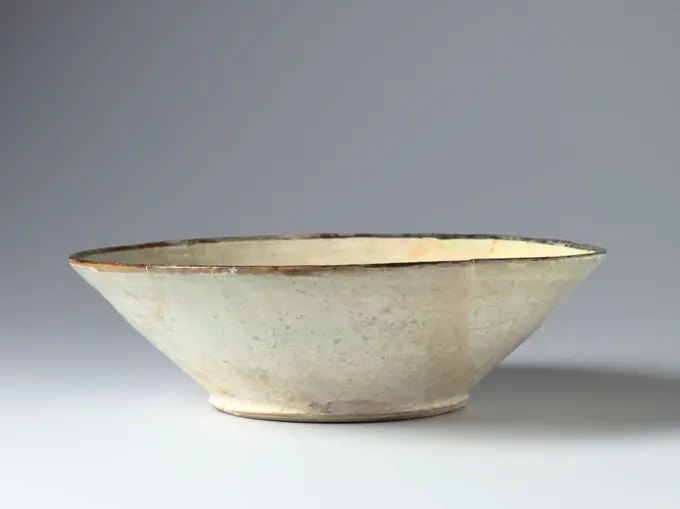
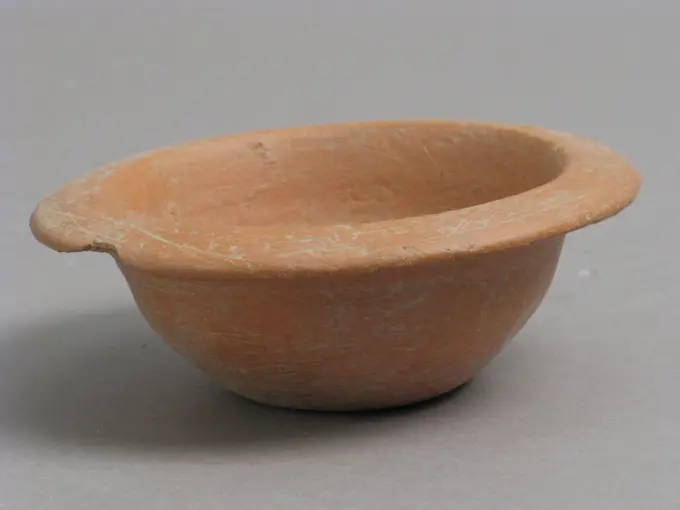
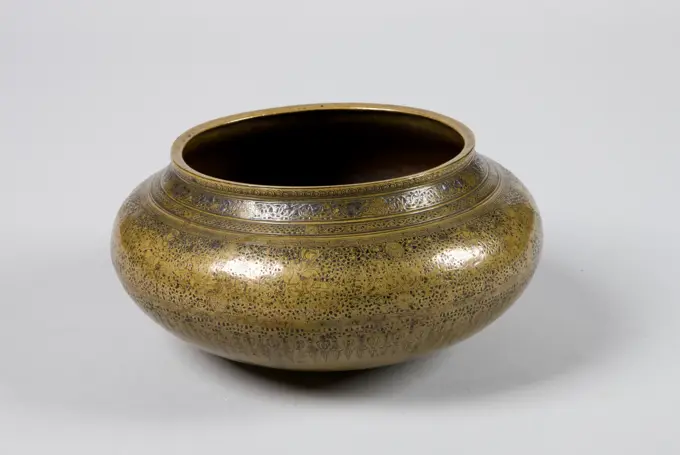
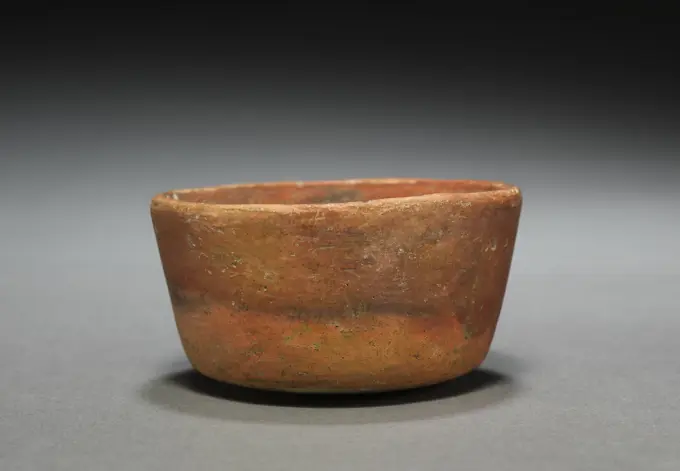
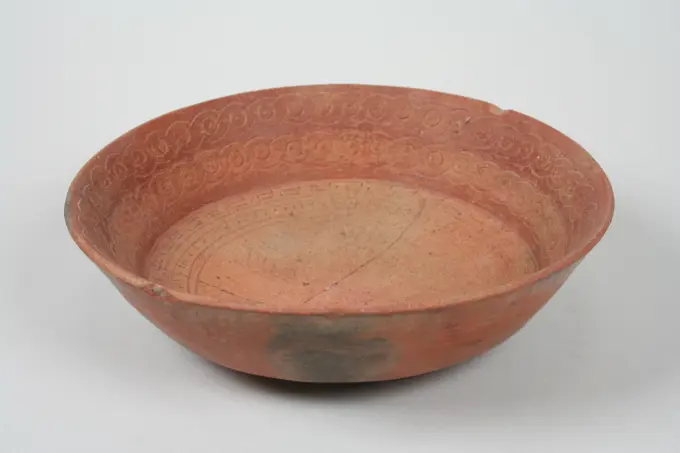
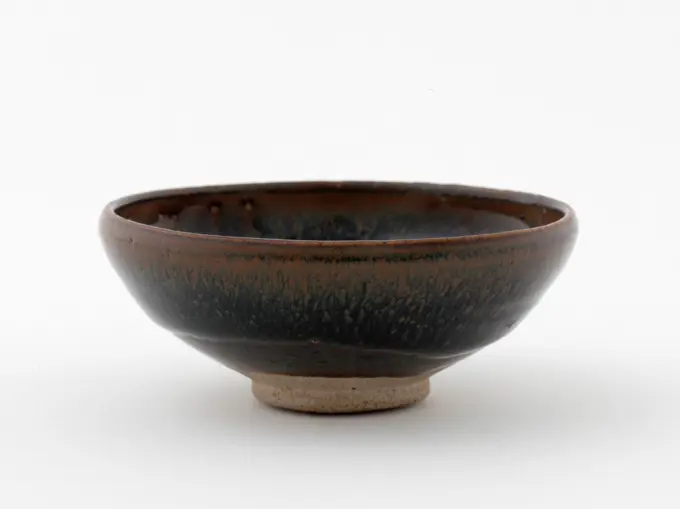
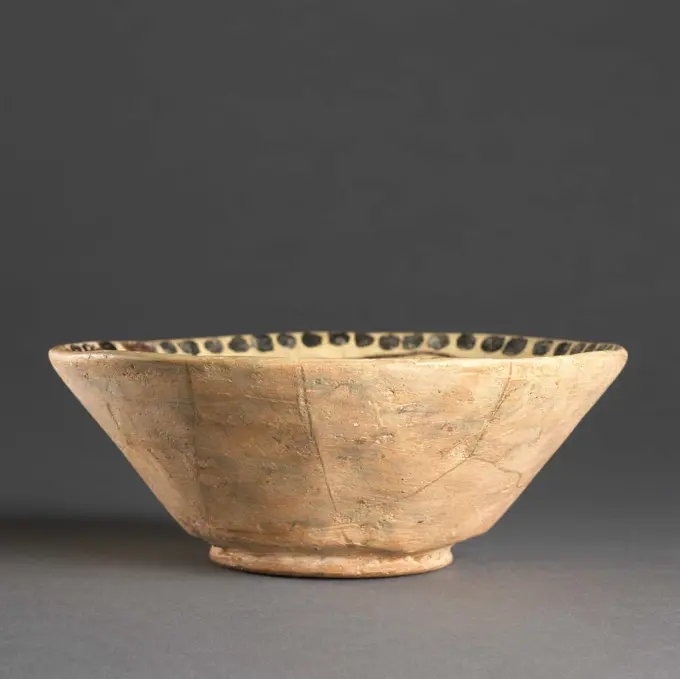
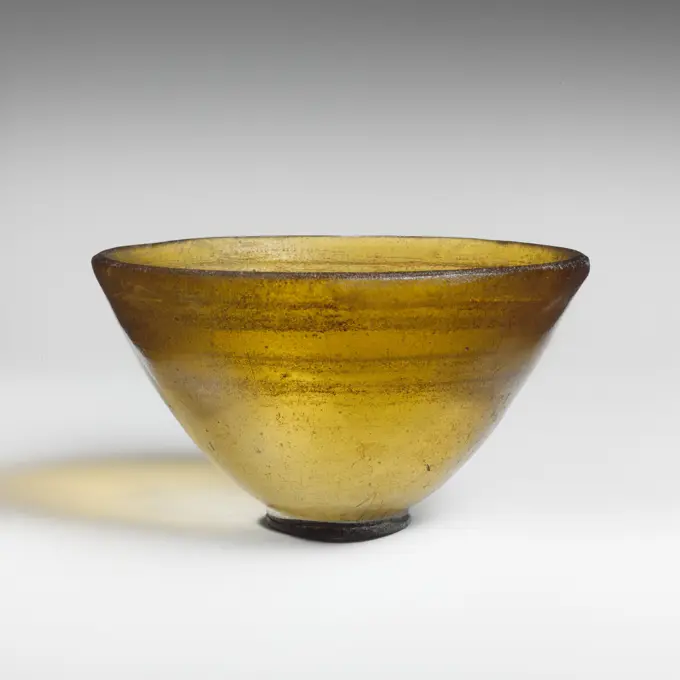
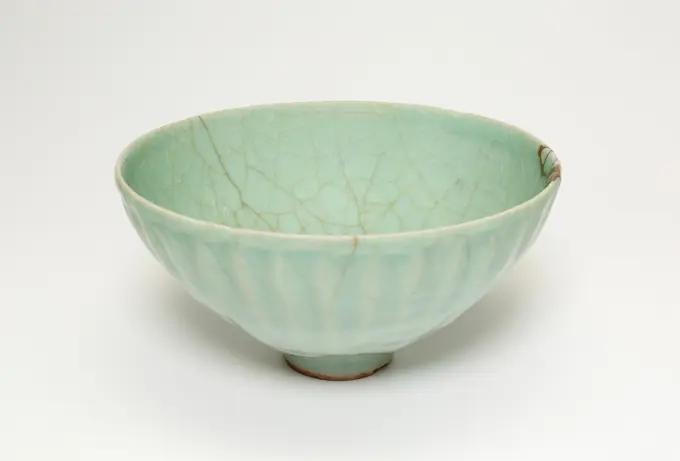
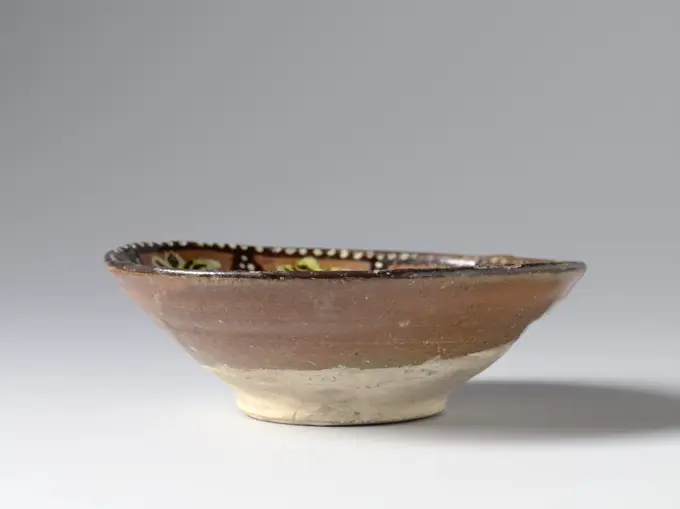
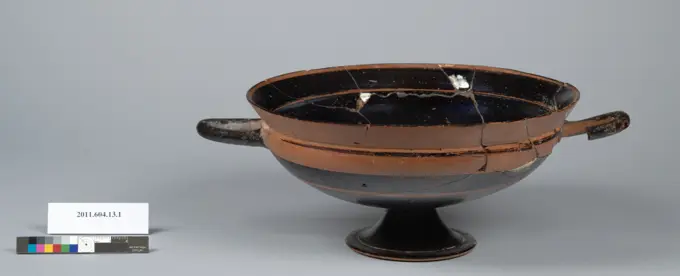
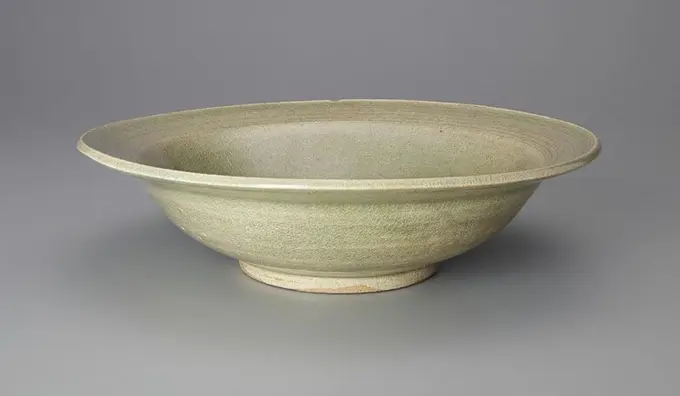
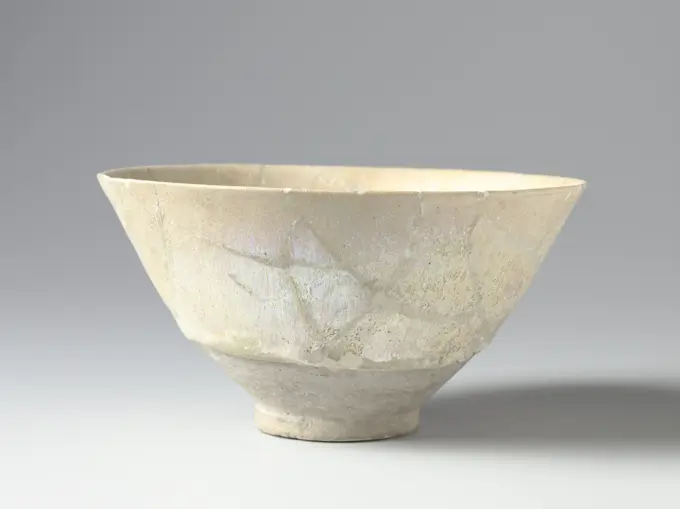
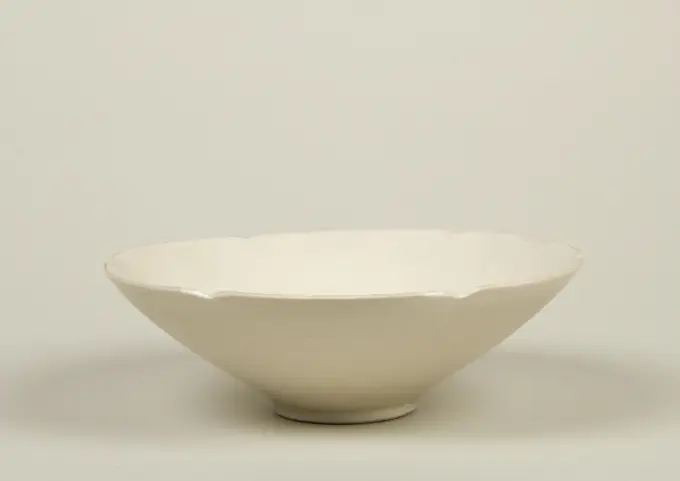
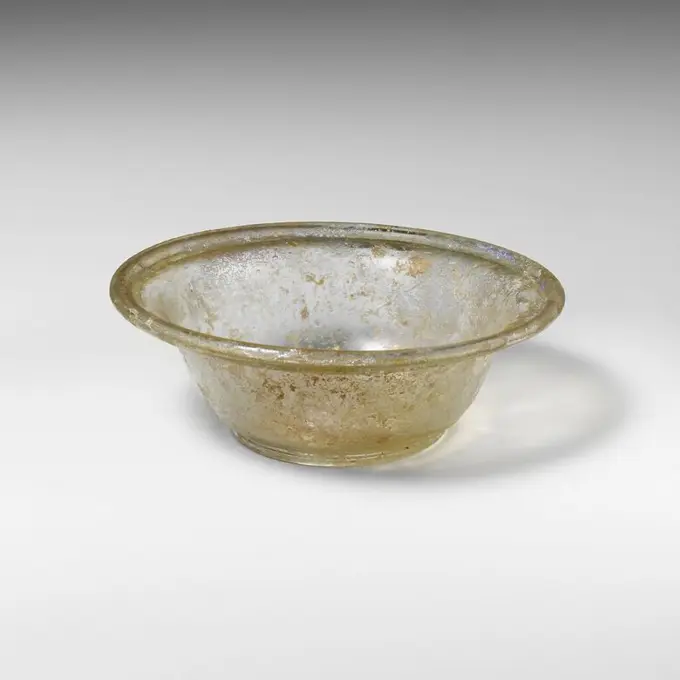
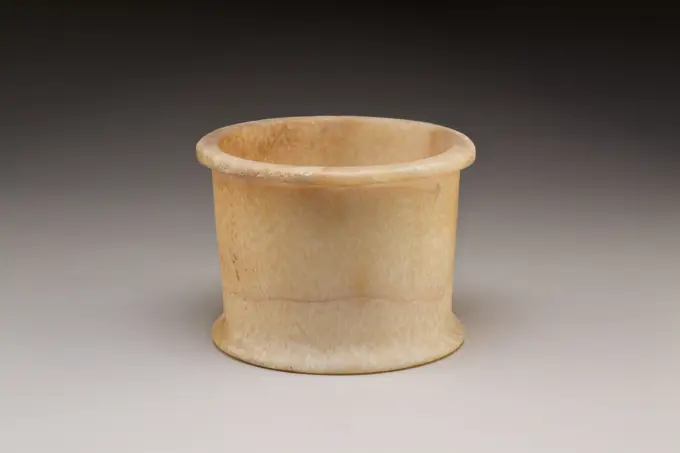
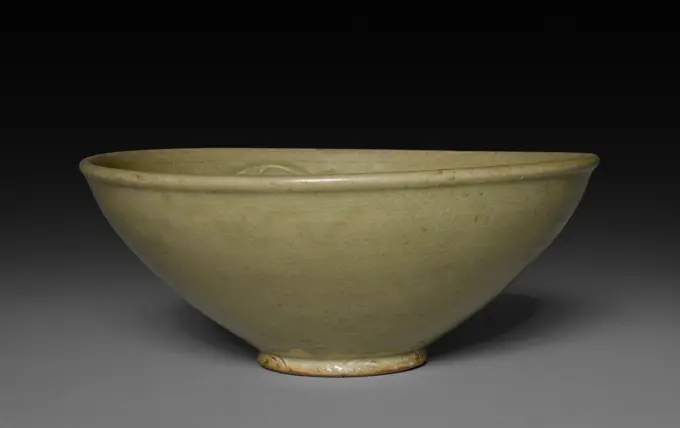
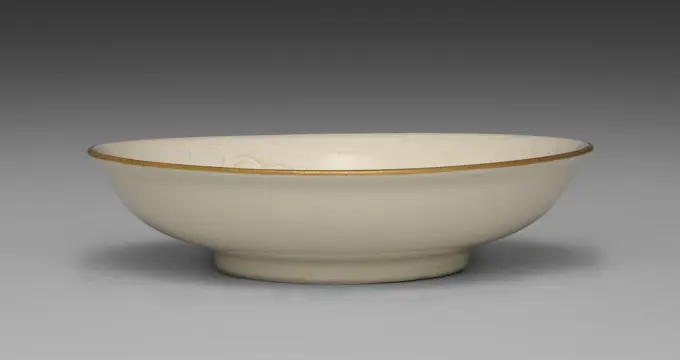
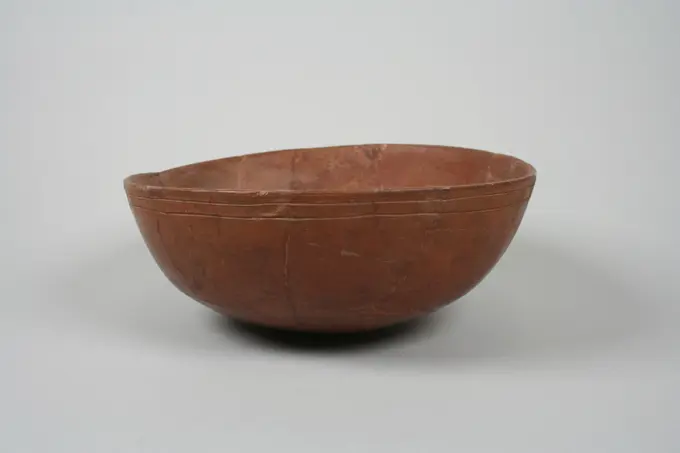
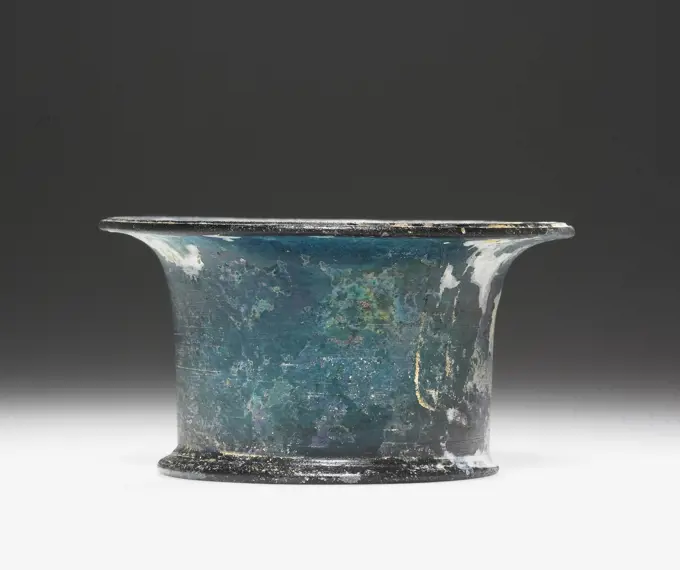
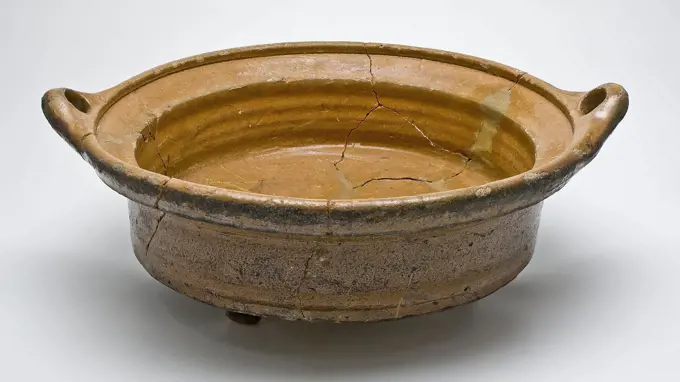
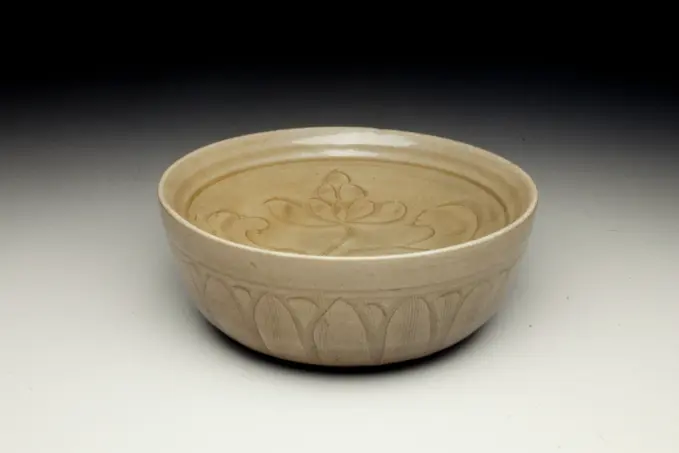
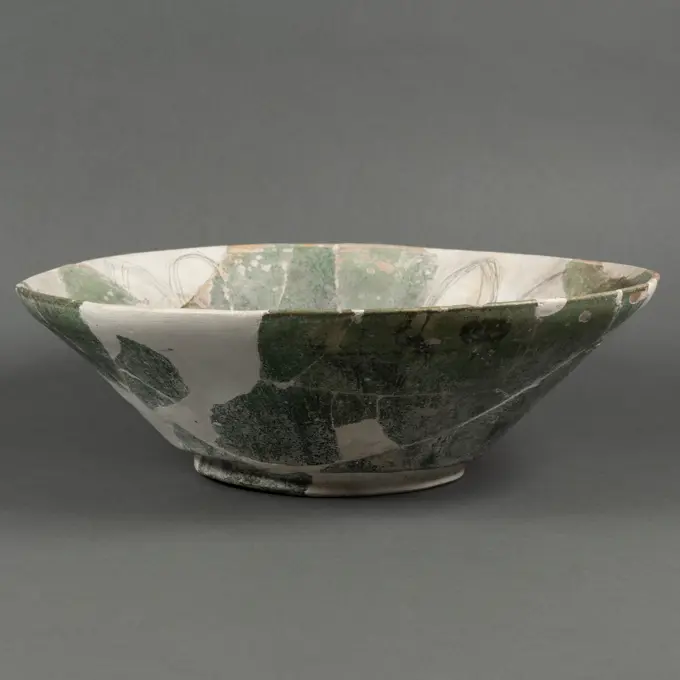
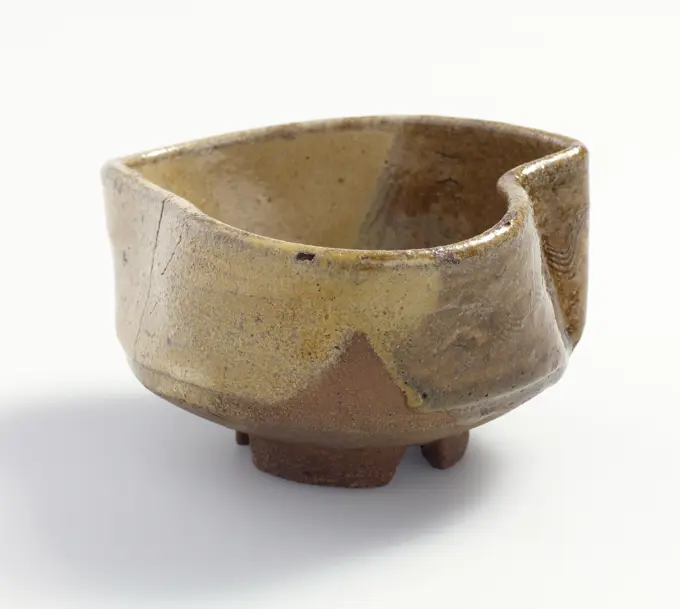
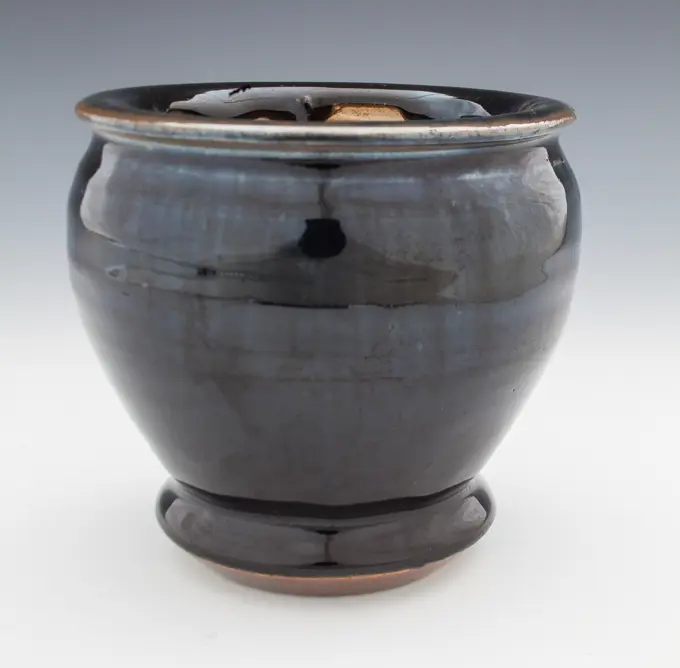
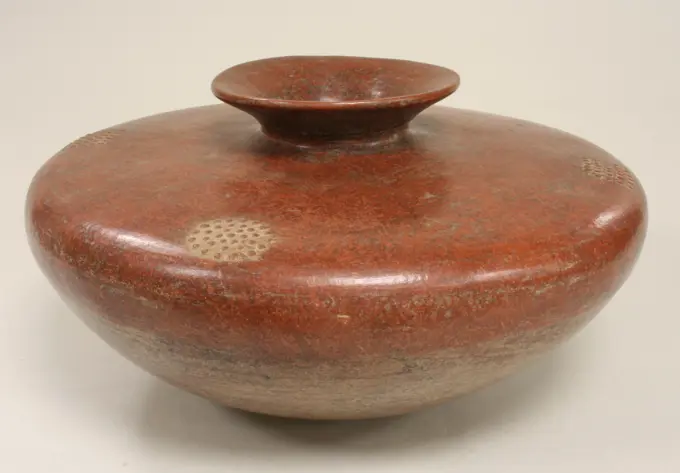
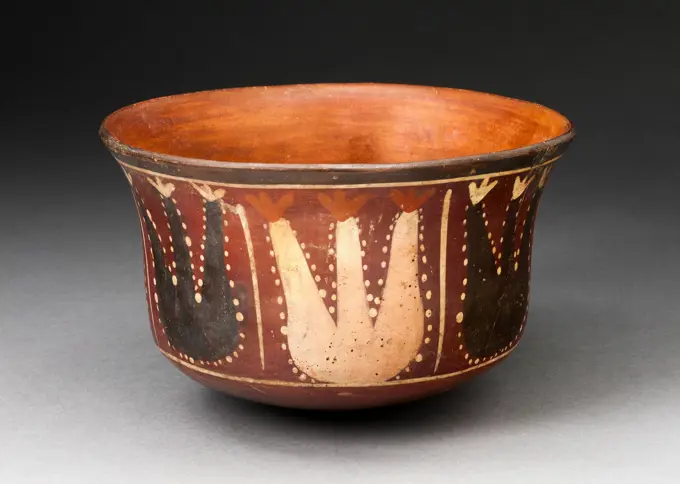
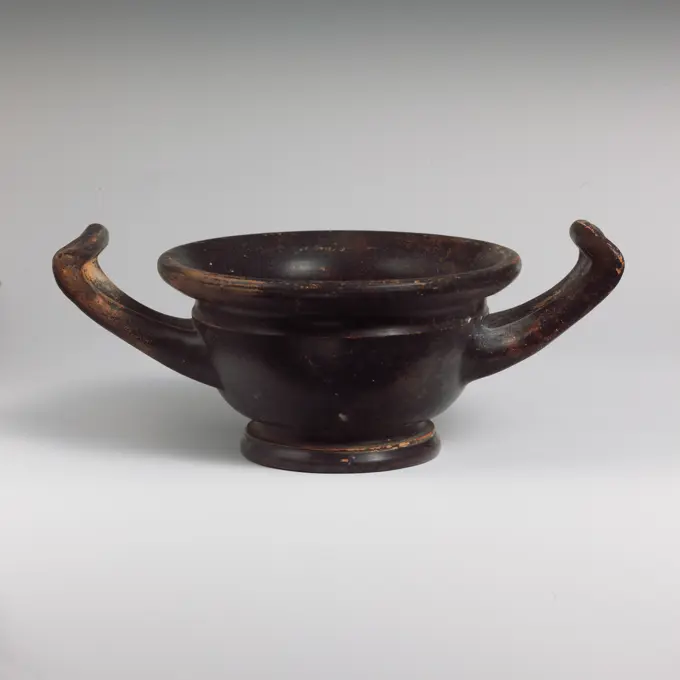
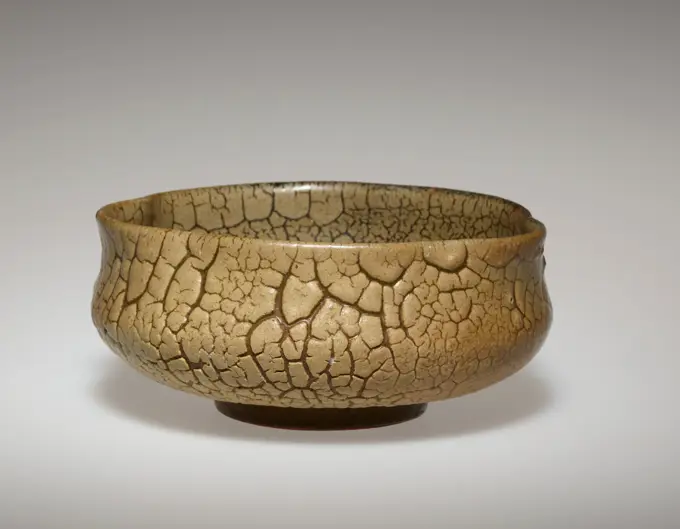
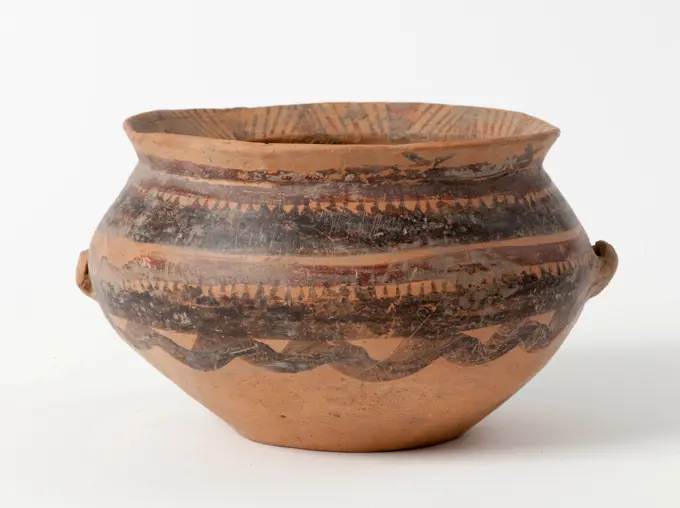
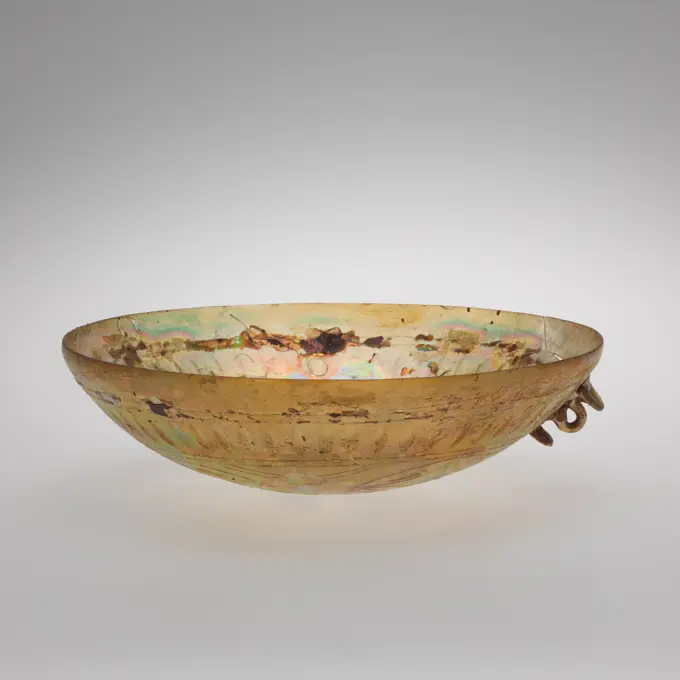
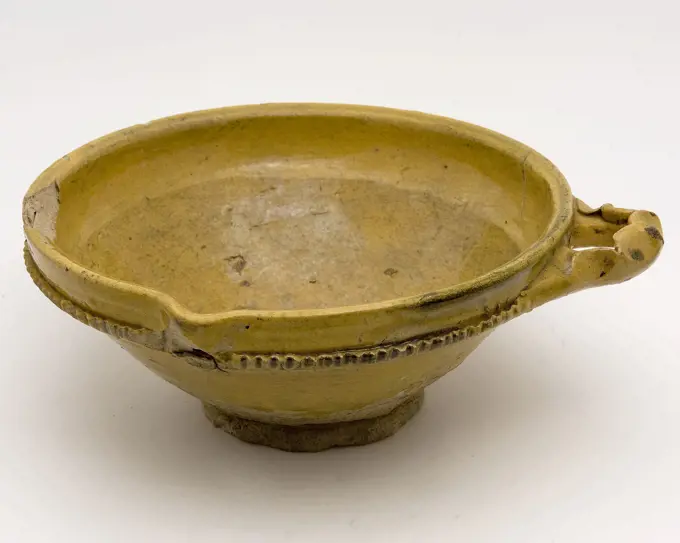
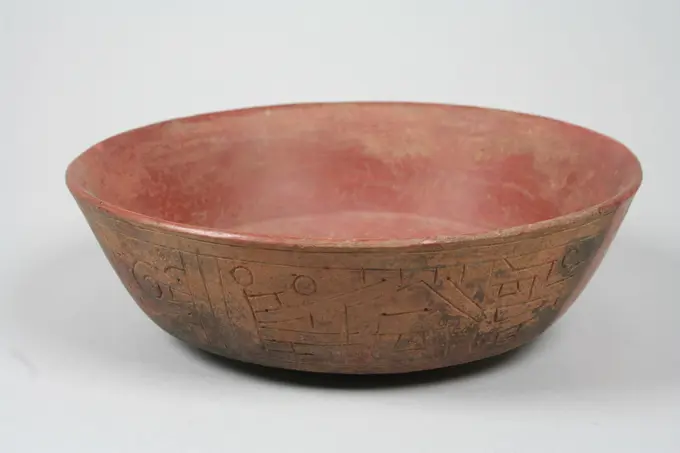
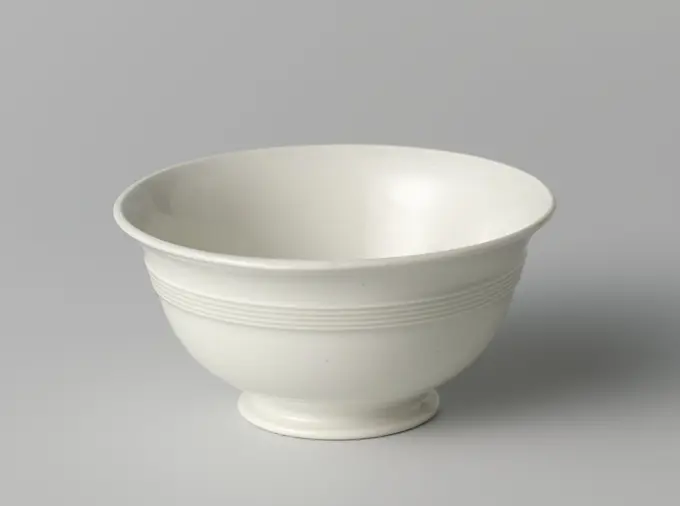
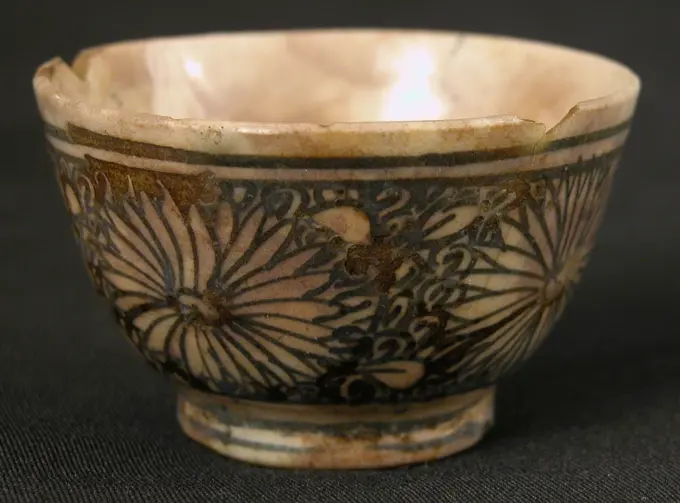
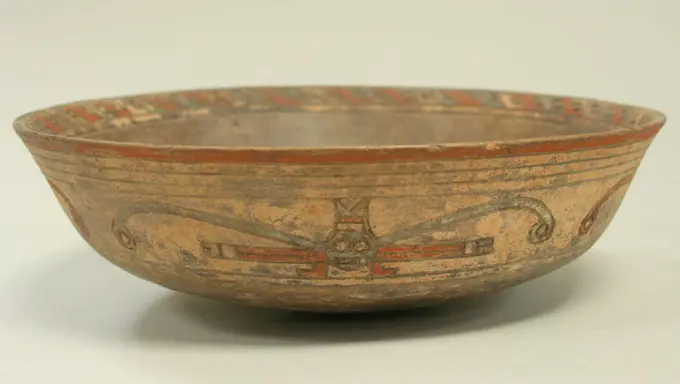
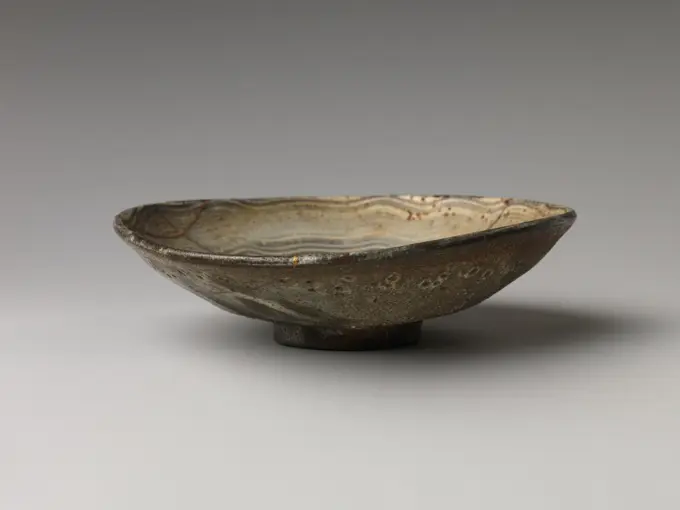
Bowl -  Jones & Walley Jones & WalleyBol ". Terracotta. Vietnam-Xe-Xive s. Paris, Cernuschi museum. 72186-35 Bowl, Vietnamese object, terracottaDeep bowl, anonymous, c. 1368 - c. 1644 Deep bowl of stoneware, covered with a translucent, slightly gray glaze. Two cracks in the wall; A chip in the edge and a few in the foot ring. The edge is unglazed. Yiangnan thing. China stoneware. glaze vitrification Deep bowl of stoneware, covered with a translucent, slightly gray glaze. Two cracks in the wall; A chip in the edge and a few in the foot ring. The edge is unglazed. Yiangnan thing. China stoneware. glaze vitrification. Come from quartz frying with a white tin-lead-alkalilation on which a decor in luster. A star-shaped geometric motif on the inside.. Come of earthenware decorated with brown-black sludge decoration on a white sludge engine. On the bottom a bird and on the inner wall a band from Pseudocript.Bowl China. Bowl 52602Bowl. UnknownBowl 4th-7th century Coptic. Bowl 478817Glass bowl 2nd-3rd century A.D. Roman Colorless with greenish tingeOutsplayed, horizontal, rounded rim, folded down and in onto undercurve; sides tapering downward; base ring; deep, concave bottom with pontil scar.Intact; pinprick bubbles; dulling, pitting, and iridescence, with small patches of creamy weathering.. Glass bowl 239851Tea bowl with a grey red glaze, anonymous, anonymous, c. 1575 - c. 1599 Theekom van Steengoed, partially covered with a gray Orange -red glaze. The lower part of the bowl is unglazed. Two repairs in the edge. Style of Chojiro. Raku (red). Japan stoneware. glaze vitrification Theekom van Steengoed, partially covered with a gray Orange -red glaze. The lower part of the bowl is unglazed. Two repairs in the edge. Style of Chojiro. Raku (red). Japan stoneware. glaze vitrificationBowl with four small decorations on the rim, anonymous, c. 900 - c. 1099 Come of earthenware with white sludge and a painting in black sludge with four times a decoration on the edge under a transparent lead glaze. nishapursamardD earthenware. glaze painting / vitrification Come of earthenware with white sludge and a painting in black sludge with four times a decoration on the edge under a transparent lead glaze. nishapursamardD earthenware. glaze painting / vitrificationDish (usual name). Sandstone with brown-black decoration under cover. Cernuschi Museum, Asia Museum of Asia in the city of Paris.Bol. Grabs. Paris, Museum Causori. Asian art, table art, bowl, old ceramic, container, dishesVase - bowlCup, 3rd-2nd Millenium BC. Iran, Luristan (), 3rd-2nd Millenium BC. Earthenware; diameter: 7.7 cm (3 1/16 in.); overall: 4.4 cm (1 3/4 in.).Incised Dish 7th-4th century B.C. Paracas. Incised Dish. Paracas. 7th-4th century B.C.. Ceramic, slip. Peru. Ceramics-ContainersTea bowl unknownCeladonBowlTea bowl. Terracotta with brown-yellow covered. China, between 960 and 1279. Paris, Cernuschi museum. 72687-9 Asian art, bowl a the, ancient ceramic, covered, email, glacide, Chinese object, Chinese pottery, terracotta, terracotta emailleePlate Roman Reddish glaze with stamp in center.. Plate. Roman. Terracotta; red-glazed. VasesBowl. "Hare fur" covered sandstone. Paris, Cernuschi museum. 78845-8 Asian art, table art, bowl, old ceramic, container, dishesFooted Bowl. China, possibly Henan province. Date: 1100 BC-900 BC. Dimensions: H. 11.5 cm (4 1/2 in.); diam. 17.8 cm (7 in.). Burnished gray earthenware with carved and incised decoration. Origin: China. Museum: The Chicago Art Institute, Chicago, USA.. Come of pottery decorated on the inner wall with a bird in polychrome sludge in colors black, green, red and white on engine on Engobe of white sludge.Rinse bowl of hard-baked pottery; Staffordshire .. Rinse bowl of hard-baked pottery. The milk jug is covered with a brown-marbled lead glaze and decorated embossed with partly gold-plated vines with leaves and grape fees. The flushing bowl belongs to a teapot (BK-1977-245-a) and a milk jug (BK-1977-245-b).Bowl withChrysanthemumsGlass conical bowl mid-2nd-early 1st century B.C. Greek, Syro-Palestinian Translucent honey brown.Upright rounded but uneven rim; undulating side, tapering diagonally downward; convex bottom.On interior, a single horizontal groove below rim, cut irregularly.Broken and repaired, with one hole and several chips in side; internal strain cracks around rim; some bubbles; one patch of whitish iridescent weathering below rim on exterior, and dulling and faint weathering on interior.Rotary grinding marks on interior; some irregular tooling marks below rim on exterior.. Glass conical bowl 245790Glass conical bowl mid-2nd-1st century B.C. Greek, Eastern Mediterranean Translucent pale greenish yellow.Angular, ground rim; slightly convex side, tapering diagonally downward; convex bottom.On interior, four horizontal grooves cut in a band on upper half of side.Intact; pinprick and a few larger bubbles; dulling, pitting, and small patches of reddish soil encrustation in grooves.Rotary grinding marks on interior; many surface scratches on exterior.Amber pointed bowl with concentric circles cut on inside.. Glass conical bowl. Greek, Eastern Mediterranean. mid-2nd-1st century B.C.. Glass; cast and cut. Late Hellenistic. GlassFluted Bowl 960 CE-1300 China. Celadon-glazed stoneware with underglaze molded decoration .Dish (usual name). Sandstone with brown-black decoration under cover. Cernuschi Museum, Asia Museum of Asia in the city of Paris.Bowl with stylized flowering plants in panels, anonymous, c. 900 - c. 999 Come of earthenware decorated in manganese brown and white sludge with flowering plants in compartments of dotted lines on Engobe of red -brown sludge. Nishapur earthenware. glaze painting / vitrification Come of earthenware decorated in manganese brown and white sludge with flowering plants in compartments of dotted lines on Engobe of red -brown sludge. Nishapur earthenware. glaze painting / vitrificationTerracotta kylix (drinking cup) early 6th century B.C. East Greek Interior, black glaze; Exterior, black glaze band at juncture of the offset lip and bowl of the kylix; below, intersecting the black glaze, a band of reserve. Terracotta kylix (drinking cup). East Greek. early 6th century B.C.. Terracotta. Archaic. VasesTea Bowl: Jian ware, 960- 1279. China, Fujian province, Song dynasty (960-1279). Stoneware; diameter: 9.3 cm (3 11/16 in.); overall: 3.9 cm (1 9/16 in.).Undecorated painted bowl with flaring sides. Culture: Paracas. Dimensions: Overall: 2 1/4 in. (5.72 cm)Other: 7 1/4 in. (18.42 cm). Date: 6th-3rd century B.C. (). Museum: Metropolitan Museum of Art, New York, USA.Bowl with Naeseom InscriptionDish with Incised Rings. Thailand, Chiang Rai Province, Muang Phan. Date: 1301-1400. Dimensions: 6.6 × 25.6 × 25.6 cm (2 9/16 × 10 1/16 × 10 1/16 in.). Stoneware with celadon glaze. Origin: Northern. Museum: The Chicago Art Institute, Chicago, USA.Bowl with five blue lines, anonymous, c. 1175 - c. 1224 Come from quartz-frit goods decorated in under-glaze blue with five vertically flared stripes under a transparent, irized alarm laze. Iran earthenware. glaze painting / vitrification Come from quartz-frit goods decorated in under-glaze blue with five vertically flared stripes under a transparent, irized alarm laze. Iran earthenware. glaze painting / vitrificationBowl. Culture: Coptic. Dimensions: Overall: 1 9/16 x 3 3/4 in. (3.9 x 9.6 cm). Date: 4th-7th century. Museum: Metropolitan Museum of Art, New York, USA.Pot ". Terracotta. Vietnam-Xe-Xive s. Paris, Cernuschi museum. 72361-12 Vietnamese object, pot, terracotta. Come from Quartz Fritgoed covered with black sludge engobe from which decoration is cut off in 'silhouette' under a monochrome turquoise alkalilation. A stylized flower (Lotus) In a double circle on the bottom. On the inner edge a band with medallions with a window.Bowl -Terracotta bowl. Culture: Greek, South Italian, Campanian. Dimensions: H. 2 in. (5.1 cm)diameter 5 1/2 in. (14 cm). Date: 4th century B.C..The bowl has lost its original medallion. The tondo 06.1021.273a, from a different bowl, was added in modern times. Museum: Metropolitan Museum of Art, New York, USA.Stem Bowl, 14th-15th century, 7 1/8 x 10 5/8 x 10 5/8 in. (18.1 x 26.99 x 26.99 cm), Stoneware with carved decor under white glaze, Myanmar (Burma), 14th-15th centuryBowl 10th-11th century China. Bowl 50661Bowl, Fluted 10th century Byzantine. Bowl, Fluted 465980Glass bowl. Culture: Roman. Dimensions: Diameter: 4 3/16 in. × 2 1/16 in. (10.6 × 5.2 cm)Height: 1 1/2 in. (3.8 cm). Date: 2nd-3rd century A.D..Colorless with greenish tingeOutsplayed, horizontal, rounded rim, folded down and in onto undercurve; sides tapering downward; base ring; deep, concave bottom with pontil scar.Intact; pinprick bubbles; dulling, pitting, and iridescence, with small patches of creamy weathering. Museum: Metropolitan Museum of Art, New York, USA.small Cylindrical Jar ca. 1504-1447 B.C. New Kingdom. small Cylindrical Jar. ca. 1504-1447 B.C.. Travertine (Egyptian alabaster). New Kingdom. From Egypt, Upper Egypt, Thebes, Asasif, Tomb of Neferkhawet (MMA 729), east chamber, Burial of Baki (III), outside coffin at head, MMA excavations, 1934-35. Dynasty 18, earlyBowl, 1100s-1200s. China, Jin dynasty (1115-1234). Glazed light gray porcelain, Northern Celadon ware, Yaozhou type; diameter: 18.2 cm (7 3/16 in.); overall: 7.4 cm (2 15/16 in.).. Come from Quartz Fritgoed decorated with alternating dots and stylized flower drinks in six-part flat distribution in blue and black under transparent alkalilation.Dish (usual name). Sandstone with brown-black decoration under cover. Cernuschi Museum, Asia Museum of Asia in the city of Paris.Bowl with Decoration of Boys in Waves 11th-12th century China. Bowl with Decoration of Boys in Waves 72728Bowl, 18th century, Unknown Korean, 3 3/4 x 11 1/2 x 11 1/2 in. (9.5 x 29.21 x 29.21 cm), Bronze, Korea, 18th centurySmall Dish from Dining Set with Plum Blossoms and Cracked-Ice, c. 1875-78. Seifū Yohei II (Japanese, 1844-1878). Porcelain with molded designs; overall: 2.9 x 11.5 cm (1 1/8 x 4 1/2 in.).Bulb Bowl China. Bulb Bowl 49217Undecorated painted bowl 4th-3rd century B.C. Paracas. Undecorated painted bowl 308345Footed Bowl 1100 BCE-900 BCE China. Burnished gray earthenware with carved and incised decoration .Glass inkwell 1st-2nd century A.D. Roman Translucent light green with blue tinge.Central circular mouth with rounded inverted lip; horizontal shoulder, curving down at edge; folded, tubular flange between shoulder and side; convex side tapering down and in; thick, slightly concave bottom with pontil mark at center.Intact; a few bubbles; dulling and faint iridescence on exterior, soil encrustation and iridescent weathering on interior.With perforated cover attached; plain glass.. Glass inkwell. Roman. 1st-2nd century A.D.. Glass; blown. Early to Mid Imperial. GlassBowl; Eastern Mediterranean or Italy; end of 1st century B.C. - 1st century A.D; Glass; 4 x 7.5 cm (1 9,16 x 2 15,16 in.)Pottery cooking pot on three legs, low and wide model with two angled hook ears, cooking pot tableware holder utensils earthenware ceramic earthenware glaze lead glaze, hand turned set glazed baked Cooking pot red shard glazed except the bottom two ears three legs lid edge rings Low and wide model with slightly curved bottom Straight sidewall with excellent top edge. Two reclining hook ears angled up to the bovan edge attached archeology Valckensteyn Poortugaal Albrandswaard indigenous pottery kitchen cooking nutrition food preparation Soil discovery: canal at kitchen castle Valckensteyn at Poortugaal now Albrandswaard 1961Bowl with Calligraphic Strokes 1100-1399 China. Jizhou ware; light grey stoneware with dark brown glaze and painting in overglaze buff .Bowl with Foliate Rim second half of the 12th century Korea. Bowl with Foliate Rim 42296Bowl -Brush Washer, 10th-11th century, 2 7/16 x 6 1/8 in. (6.19 x 15.56 cm), Yaozhou ware Porcelaneous stoneware with carved and incised lotus decor under green glaze, China, 10th-11th centuryIncised bowl with eye motif. Culture: Paracas. Dimensions: Overall: 2 1/8 in. (5.4 cm)Other: 7 5/8 in. (19.41 cm). Date: 5th-3rd century B.C.. Museum: Metropolitan Museum of Art, New York, USA.Bowl - Portneuf potteryFragment of a Bowl early 10th century View more. Fragment of a Bowl. early 10th century. Earthenware; white slip under green glaze, incised. Excavated in Iran, Nishapur. CeramicsClog-shaped' tea bowl, 1614-1624, Unknown Japanese, 3 3/16 x 4 3/4 x 5 7/8 in. (8.1 x 12.07 x 14.92 cm), Takatori ware, Uchigaso kiln; glazed stoneware, Japan, 17th century, This tea bowl combines a thick, whitish glaze with a translucent amber one on a triangular-shaped form, known in Japanese as a kutsugata chawan, or 'clog-shaped tea bowl.' This was a name given to peculiarly shaped tea bowls, which were thought to resemble footwear worn by some Buddhist priests. The combination of this glazing technique and distorted shape is unique to a single kiln, Uchigaso, which was active only between 1614 and 1624. This kiln was one of several in the northeastern area of the island of Kyushu that produced Takatori wares, so called for Mount Takatori located nearby. Early Takatori wares were created primarily by Korean potters who had been relocated to Kyushu by powerful local warlords during two Japanese invasions of the Korean peninsula in the 1590s. These potters tea wares, which were quitGeorges Despret (1862-1952). Cut. Glass, glass paste. XIXth-XXth century. Museum of Fine Arts of the City of Paris, Petit Palais. 19th XIXth XIX 19th 19th 19th century, XXth XXth XX 20th 20th 20th centuryBowlBowl 18th century China. Bowl 46754Glass bowl. Culture: Roman. Dimensions: 1 7/8 x 4 3/4in. (4.8 x 12cm). Date: 2nd-3rd century A.D..Colorless with pale blue green tingeRounded rim, folded up, out, and down, with exterior horizontal rib below; flaring, broad mouth; double convex sides to body, curving in to integral base ring; bottom with deep, rounded kick and pontil scar.Broken and repaired, with two holes in sides; many pinprick bubbles; some dulling and faint iridescence, with patches of weathering film. Museum: Metropolitan Museum of Art, New York, USA.Shallow Ribbed Bowl, 50 BC-AD 100. Roman, Eastern Mediterranean. Glass; overall: 4.2 x 12.6 cm (1 5/8 x 4 15/16 in.).Waszek with enamel in an iridescent color unknownBowl. Culture: China. Dimensions: H. 4 13/16 in. (12.2 cm); Diam. 8 5/8 in. (21.9 cm). Date: 9th-10th century. Museum: Metropolitan Museum of Art, New York, USA.Dish (Pan). China, Song dynasty, 960-1127. Furnishings; Serviceware. Ding-type ware, wheel-thrown stoneware with transparent glaze and metal rimJar 2nd century B.C.-A.D. 3rd century Colima. Jar 314629Water Pot (Shuicheng) in the Form of a Lotus Pod. China, Jiangxi Province, Jingdezhen, Chinese, late Ming dynasty, 1550-1644. Furnishings; Cookware. Wheel-thrown porcelain with applied and incised decoration and clear glazeBowl - Portneuf potteryBowl Depicting Abstract Plants, Probably Cactus Made 180 BCE-500 CE Peruvian South Coast. Ceramic and pigment . NazcaTerracotta cup-kantharos (drinking cup) ca. 400-350 B.C. Greek, Attic Ring foot, high squared handles, offset lip; incised groove above the foot. On reserved underside, two narrow rings and a dot.. Terracotta cup-kantharos (drinking cup) 254433 Greek, Attic, Terracotta cup-kantharos (drinking cup), ca. 400350 B.C., Terracotta, H. 2 13/16 in. (7.2 cm); diameter 4 5/8 in. (11.8 cm); width with handles 7 in. (17.8 cm). The Metropolitan Museum of Art, New York. Rogers Fund, 1941 (41.162.262)Tea bowl with white glaze, 19th century, Unknown Japanese, 2 3/4 x 5 1/4 x 5 1/4 in. (7 x 13.34 x 13.34 cm), Glazed earthenware, Japan, 19th centuryJar ". Terracotta with polychrome decoration. Neolithic period (around 8000 BC). Paris, Cernuschi museum. Anse, Chinese art, Chinese Ceramic, container, oval form, jar, decorative motif, neolithic period, container, terracottaGlass bowl 4th century A.D. Roman Translucent pale green; handle in same color.Vertical, knocked-off rim; shallow curving body and bottom; small loop handle applied to side before cut decoration, flanked above and below with projecting flanges, tooled flat.Cut decoration comprising on upper side, two concentric grooves below rim above a row of vertical elongated oval facets, flanked below by two more concentric grooves, all interrupted by handle on one side; on lower side and bottom, a circle divided into quadrants by cross of double lines, flanked at center by four elongated oval facets forming an open square, each arm of which ends in a splayed V shape (one enclosing bottom of handle) with circular facet at join, and in each quadrant an oval containing a lozenge-shaped star with cross arms and large central circular facet, and an elongated oval facet between circle and each side of star.One large chip in rim, broken and repaired, but otherwise complete; pinprick bubbles; deep pittingBronze kylix (drinking cup) 4th-3rd century B.C. Greek The number of metal vases that has survived since antiquity is minimal because they were melted down to serve other purposes. The extant pieces are mainly of the Classical and Hellenistic periods, luxury tableware in bronze and silver. The shapes of drinking cups are particularly varied.. Bronze kylix (drinking cup). Greek. 4th-3rd century B.C.. Bronze. Late Classical or Hellenistic. BronzesLobed bowl 11th-12th century China. Lobed bowl 48153. Come from quartz fritgoed decorated with brush green luster and blue lead glazing on an oprake white tin-lead-alkali acid. On the outside wall a wide bond with curl work with medallions saved in this with a rank motif.Monochrome Bowl, 15th century, 2 9/16 x 7 1/8 in. (6.51 x 18.1 cm), Kalong ware Stoneware with light blue celadon glaze, Thailand, 15th centuryYellow earthenware bowl with pinched lying ear, pouring lip, ribbed edge as decoration, ear bowl bowl crockery holder earth discovery ceramic earthenware glaze lead glaze, hand turned decorated glazed baked earthenware bowl bowl white shard entirely covered with yellow lead glaze pouring pin pinched and lying ear stand ring. Ornamental border with ridges or teeth under the top edge along the perimeter of the outside archeology indigenous pottery food drink milk skimming food prepare servingFlared bowl with bird 6th-4th century B.C. Paracas. Flared bowl with bird 308399Come, cream -colored, with a band with horizontal ridges on the belly, Peter Regout, c. 1801 - c. 1879 Come from earthenware, creamware, with a band with horizontal ridges on the belly. Maastricht earthenware Come from earthenware, creamware, with a band with horizontal ridges on the belly. Maastricht earthenwareBowl. Culture: Coptic. Dimensions: Overall: 1 9/16 x 3 3/4 in. (3.9 x 9.6 cm). Date: 4th-7th century. Museum: Metropolitan Museum of Art, New York, USA.Dish with Flaring, Lobed, and Barbed Rim 907 CE-960 CE China. Ding-type ware; glazed porcelain .Small stoneware dish or salt plate on stand, Kerbschnittdecor, salt bowl salt barrel tableware holder soil find ceramic stoneware, shaped glazed fried Small dish on stand. Gray stoneware glazed Up curved dish edge. Exterior decorated with line pattern possibly applied manually; kerbschnitt or kerfsneetechniek possibly formed in mold. Industrial stoneware. Salt scale archeology Valckensteyn Poortugaal Albrandswaard indigenous pottery import salt condiment food serve serve Soil discovery of Poortugaal castle Valckensteyn.Bowl - Portneuf potteryPottery comes on stand ring, girth under the edge, two holes in the edge, bowl baking utensils earthenware ceramics earthenware glaze lead glaze, hand-turned glazed earthenware bowl on stand. Semicircular shape with protruding and profiled top edge. Undercutting under the edge Red internal glazed chute Two round holes in the rim probably to confirm handle or handle (see notes) archeology Rotterdam IJsselmonde indigenous pottery cooking kitchen nutrition food preparation Soil discovery: Castle IJsselmonde pit 1 Rotterdam 1972.Cup 18th century. Cup 444470Cup; Roman Empire; 1st - 2nd century; Glass; 7 x 7 cm (2 3,4 x 2 3,4 in.)Incised Painted Bowl 5th-2nd century B.C. Paracas. Incised Painted Bowl 308699Shallow Bowl ca. 1780, or earlier Japan. Shallow Bowl. Japan. ca. 1780, or earlier. Pottery with inlaid designs, covered with a transparent glaze (Karatsu ware, Mishima type). Edo period (1615-1868). CeramicsBowl withouthandle, late 1st century B.C.-1st century A.D., Terracotta, 4.8 × 9.2 cm (1 7/8 × 3 5/8in.), Roman,Gaulish, Roman, Containers -CeramicsCups. .