Elegant Bowls Collection

Assorted bowls made from different materials including terracotta and stoneware. Designs highlight various shapes and finishes, suitable for home decor and culinary uses.

Bowl -  Jones & Walley Jones & Walley
Bowl - Jones & Walley Jones & Walley
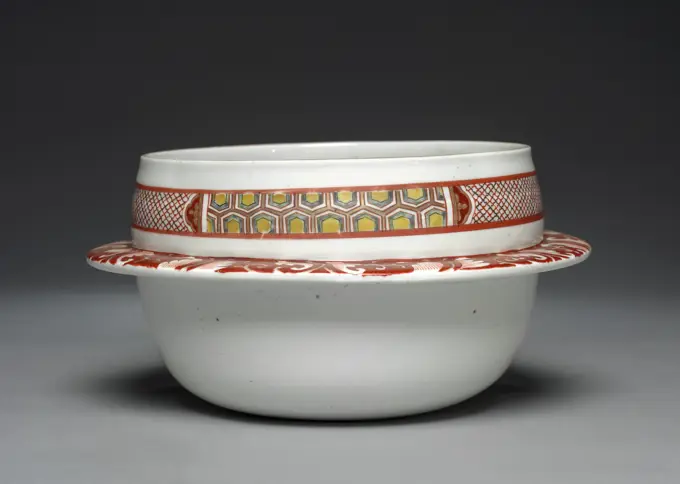
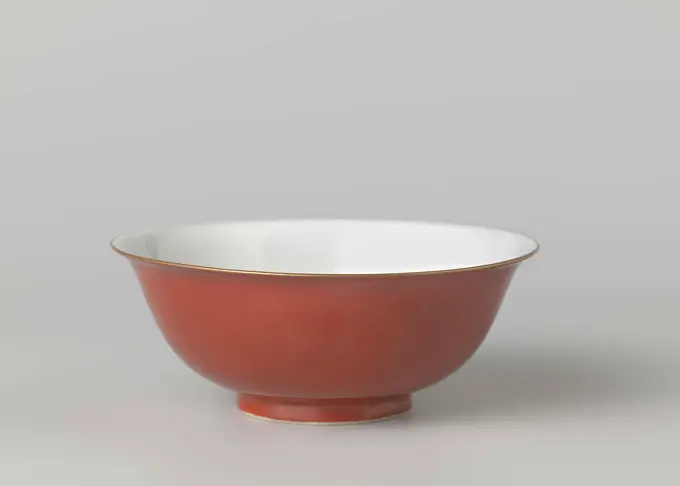
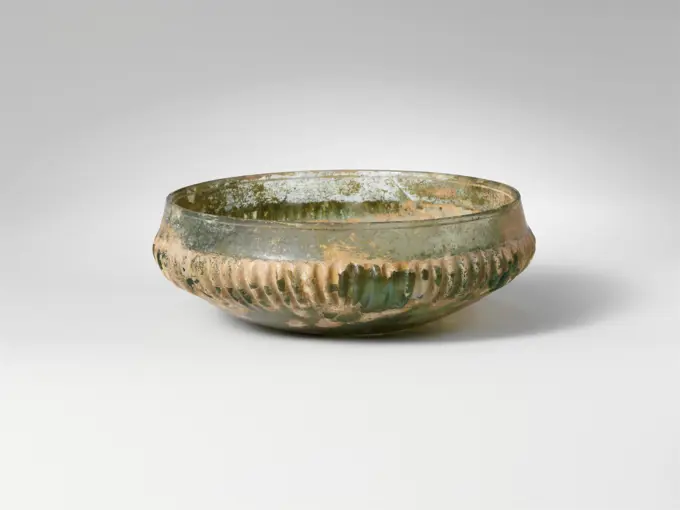
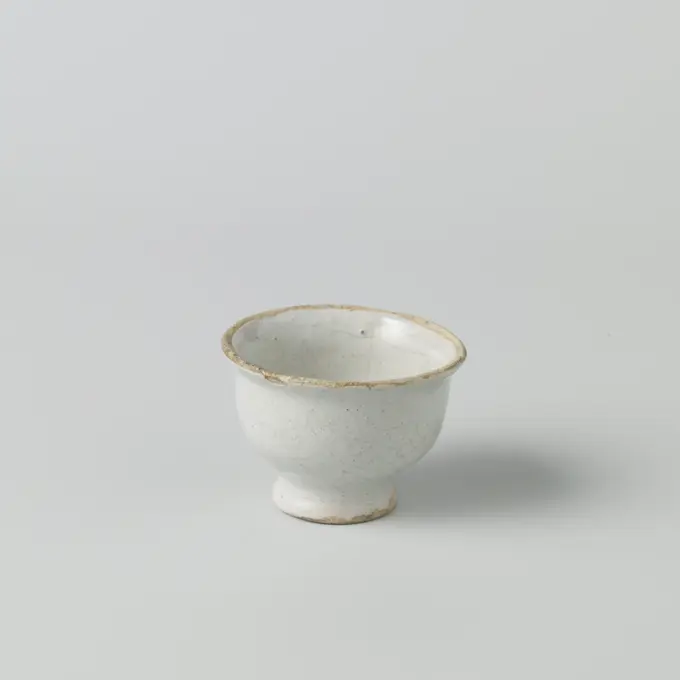
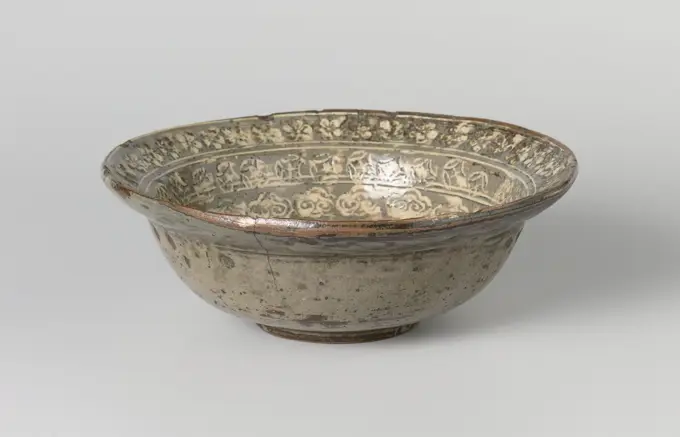
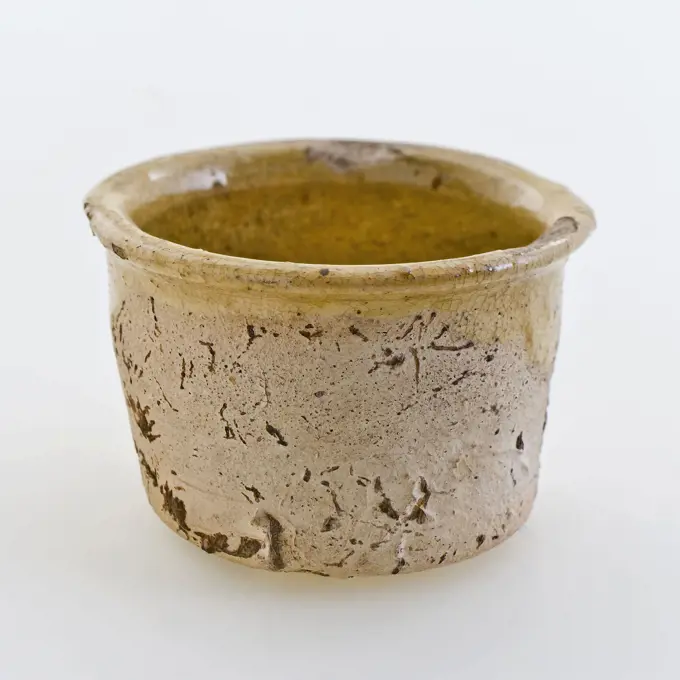
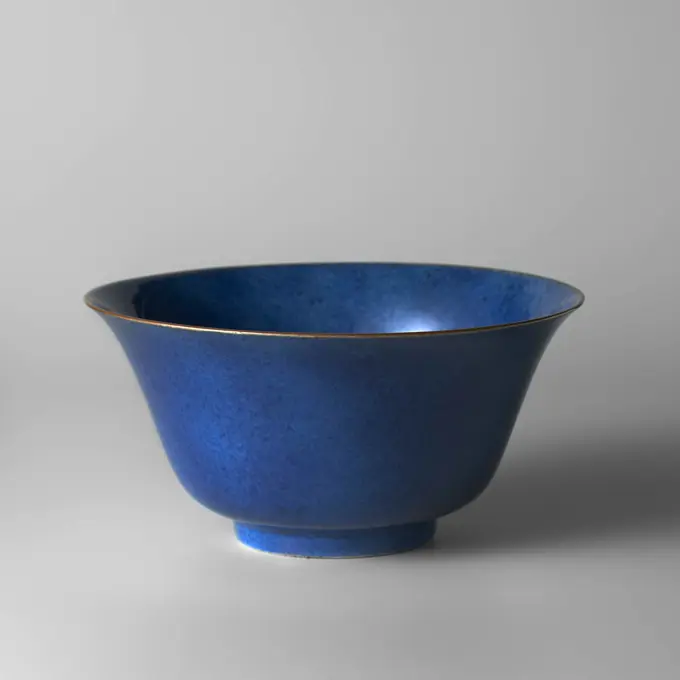
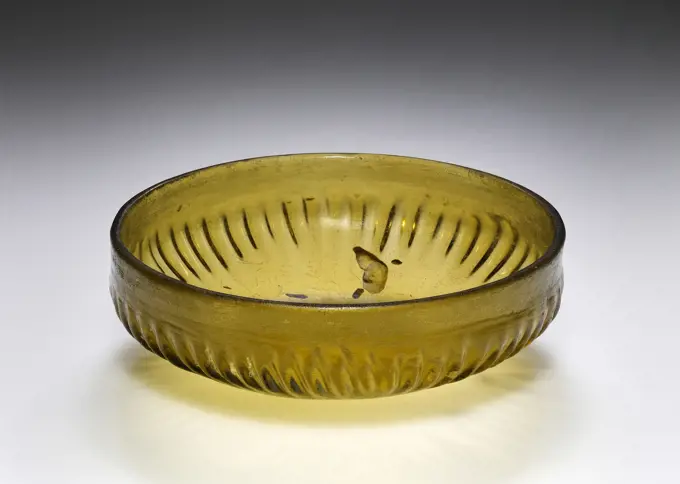
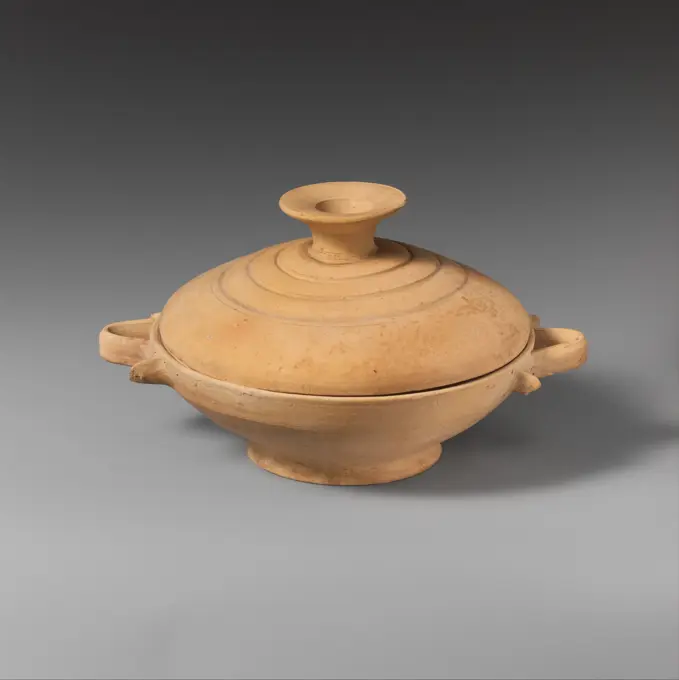
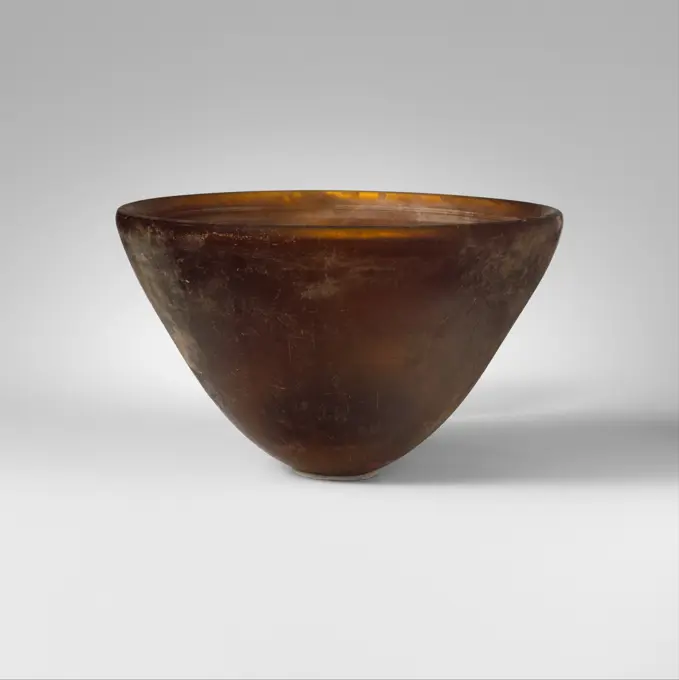
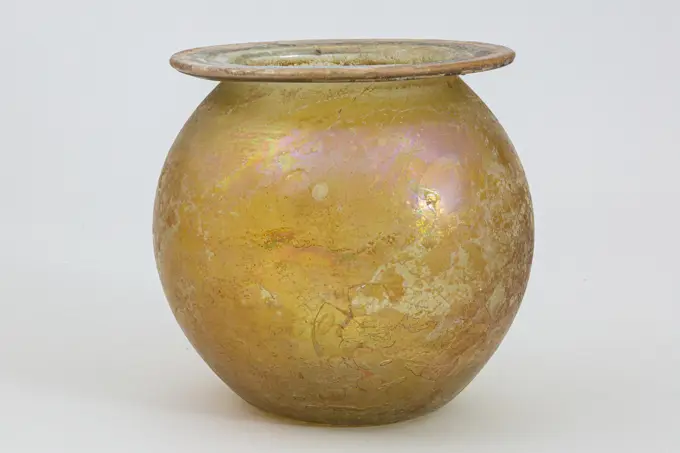
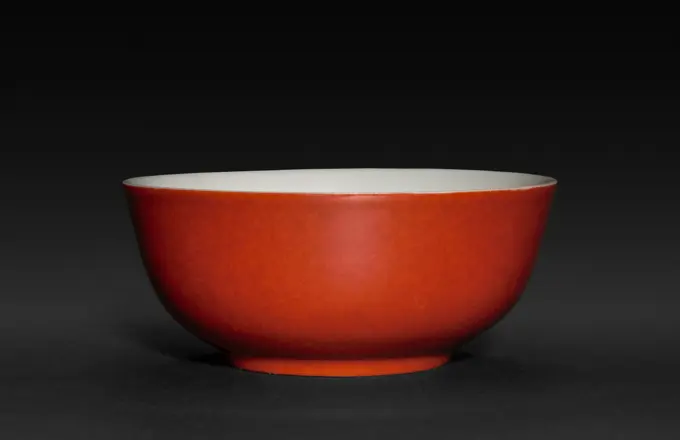
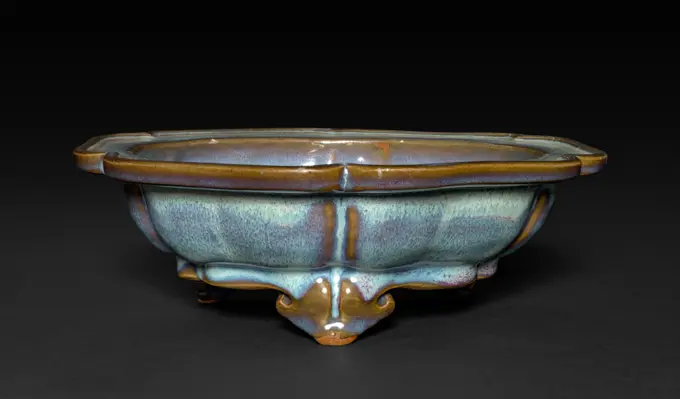
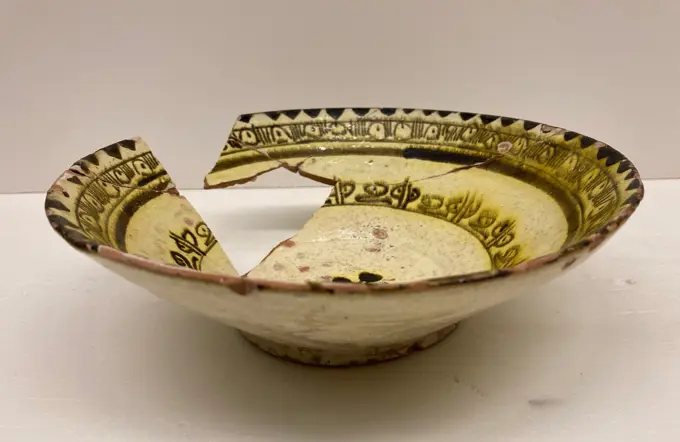
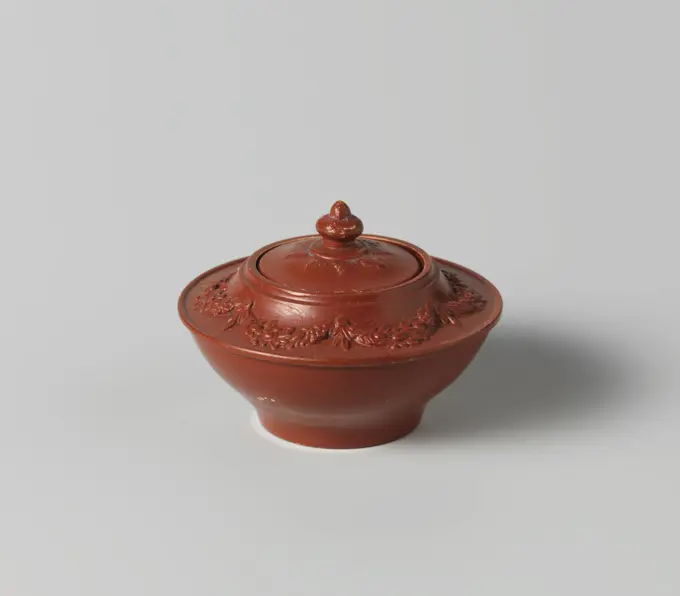
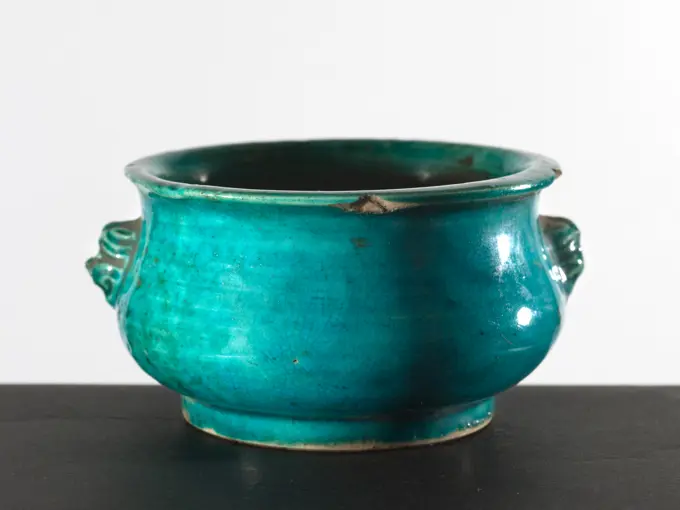
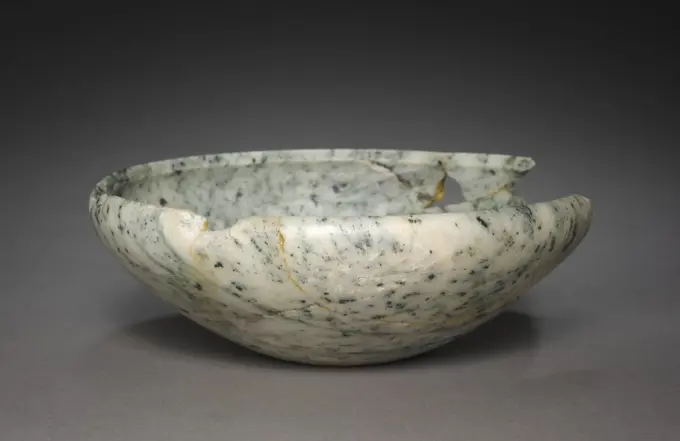
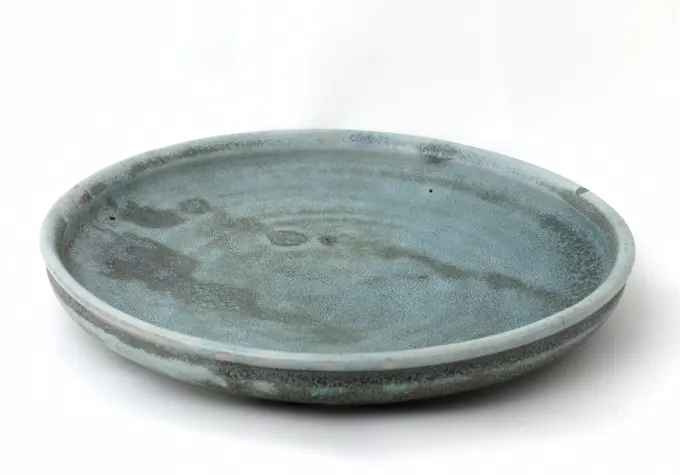
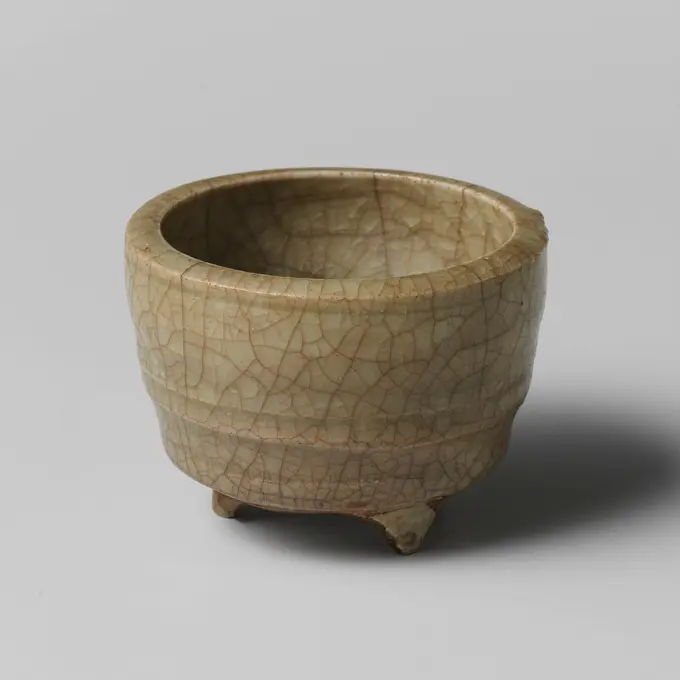
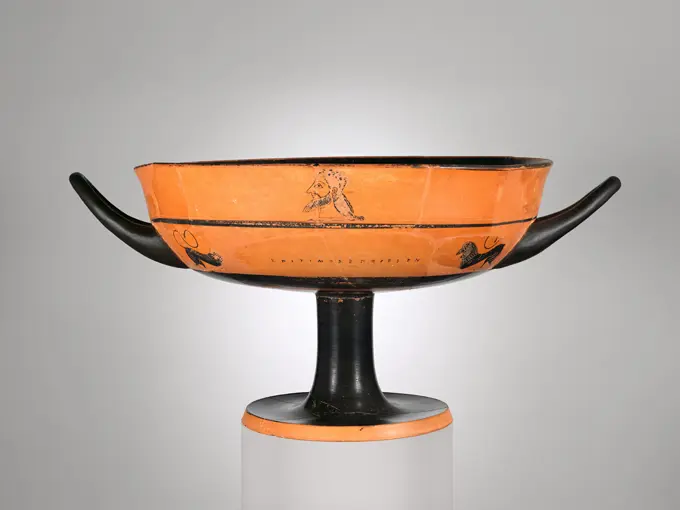
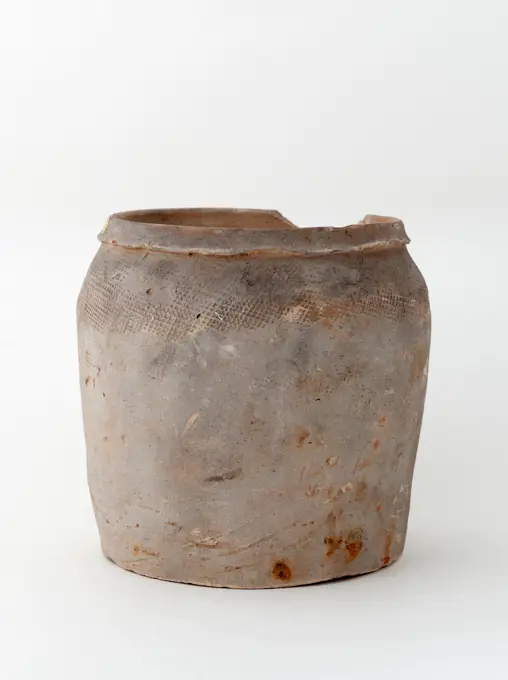
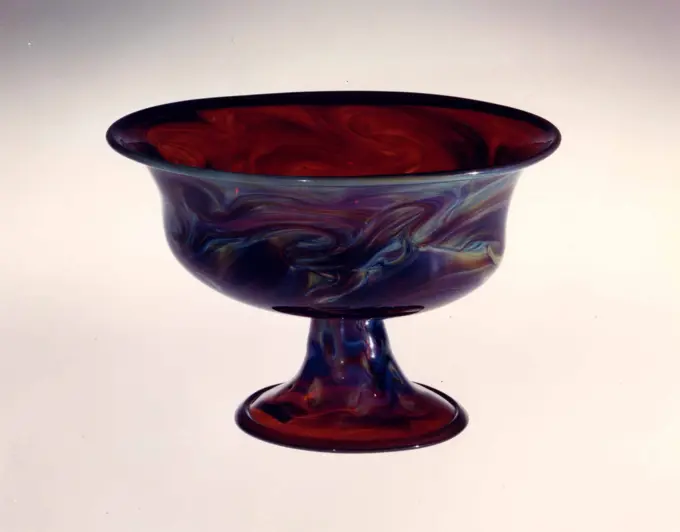
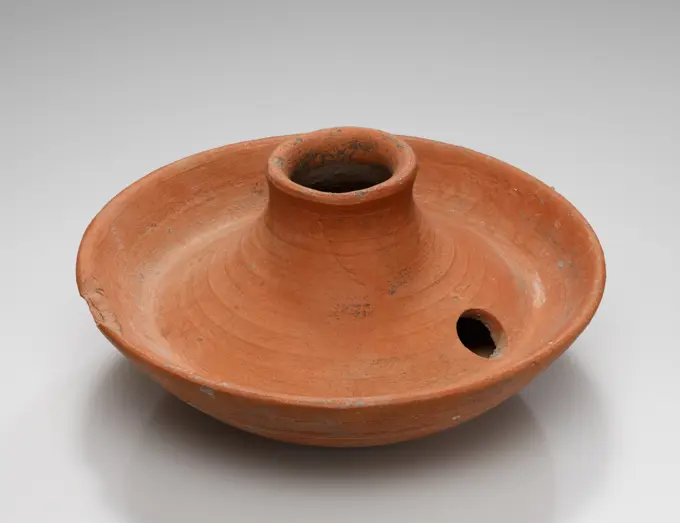
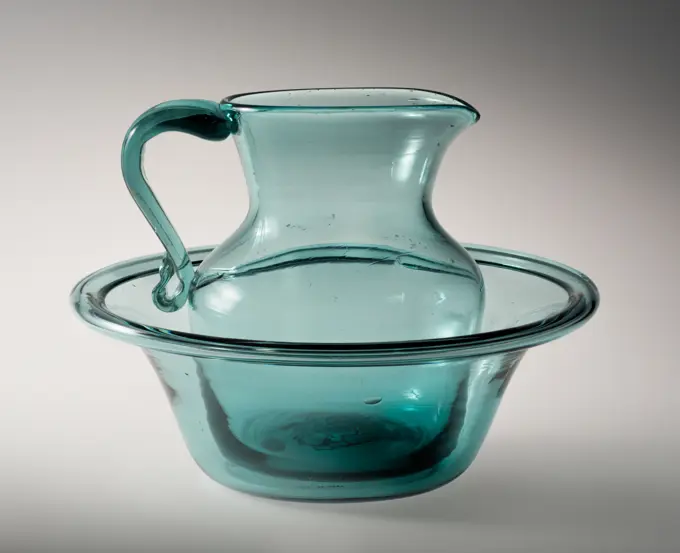
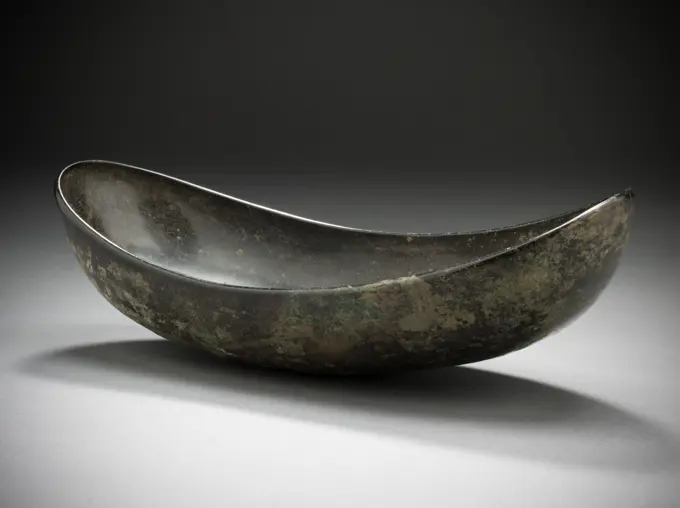
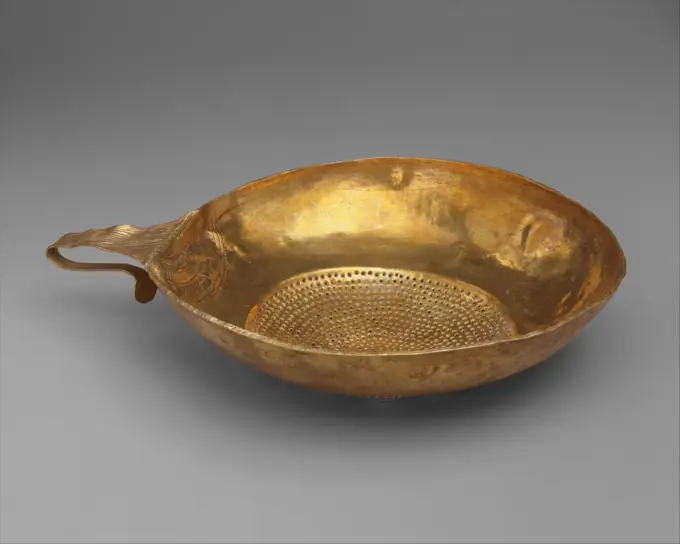
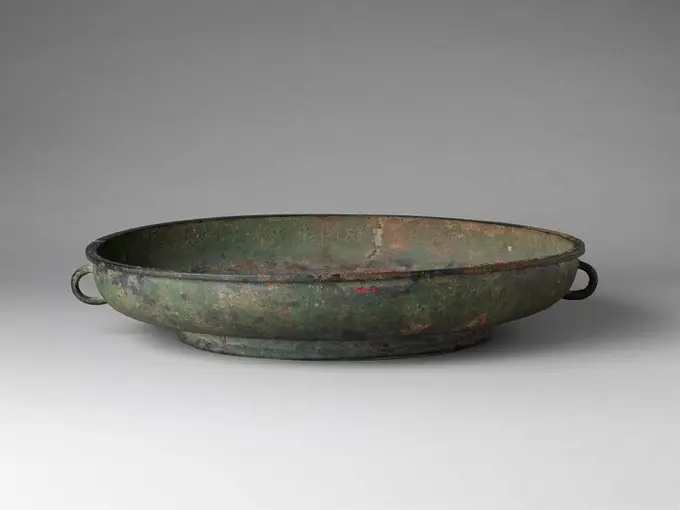
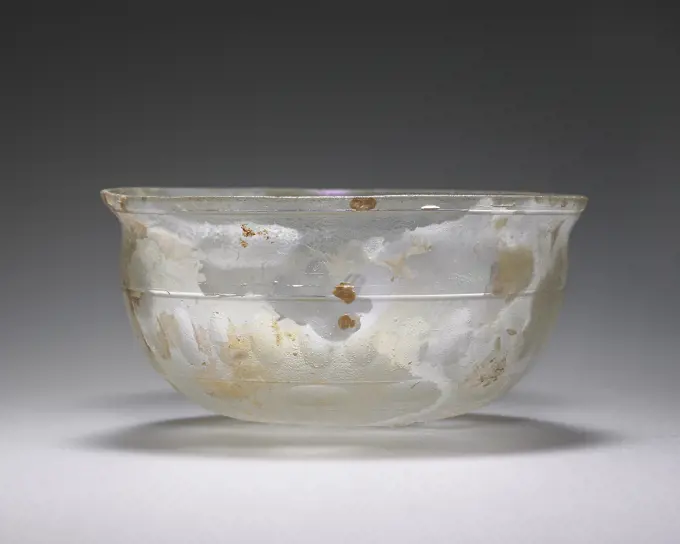
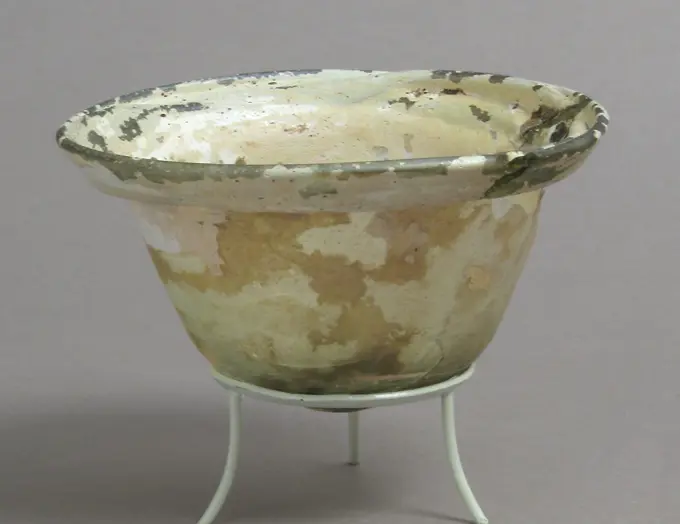
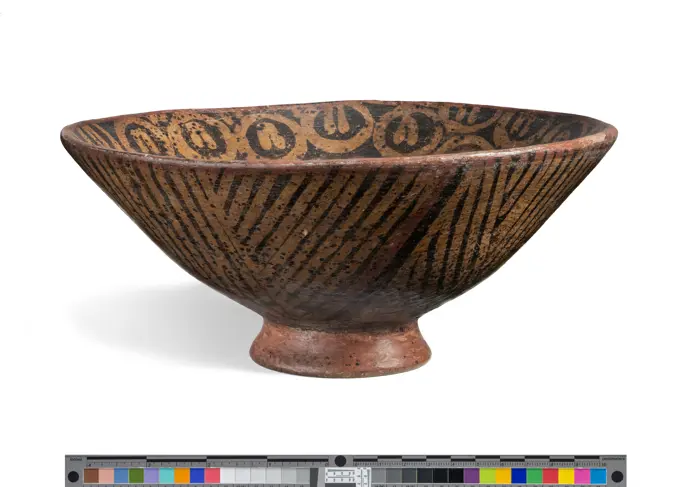
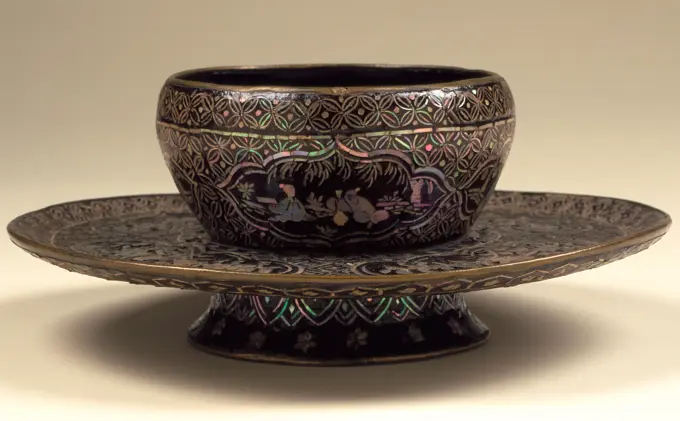
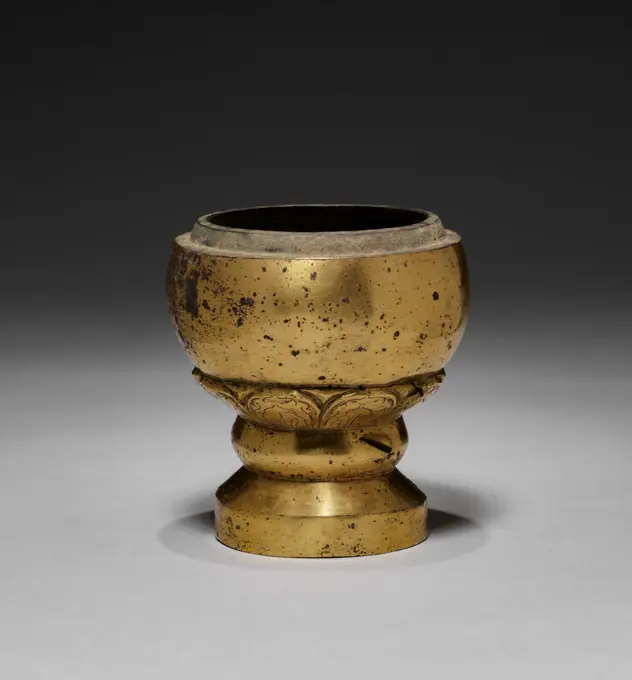
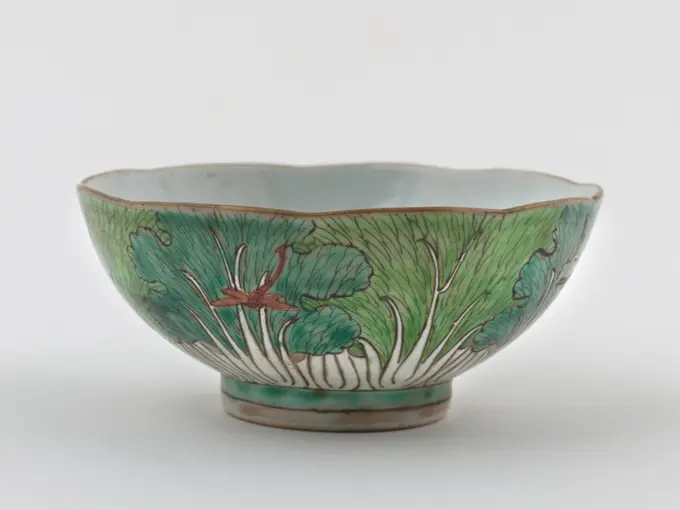
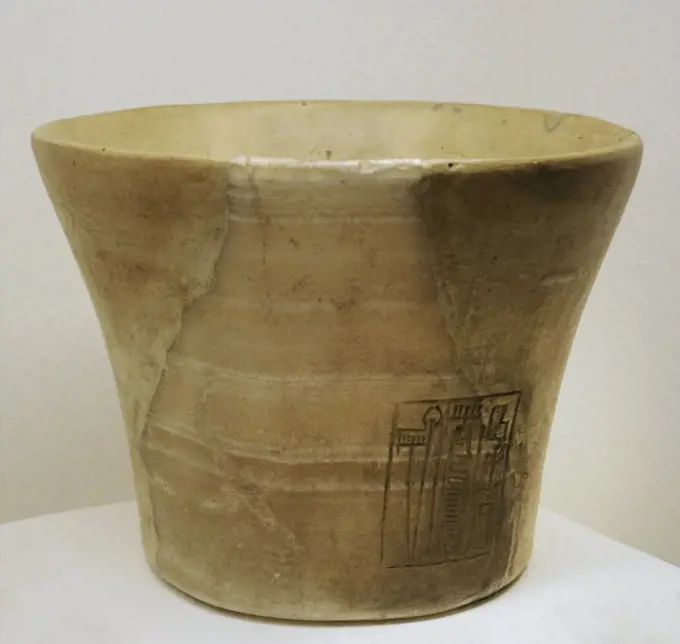
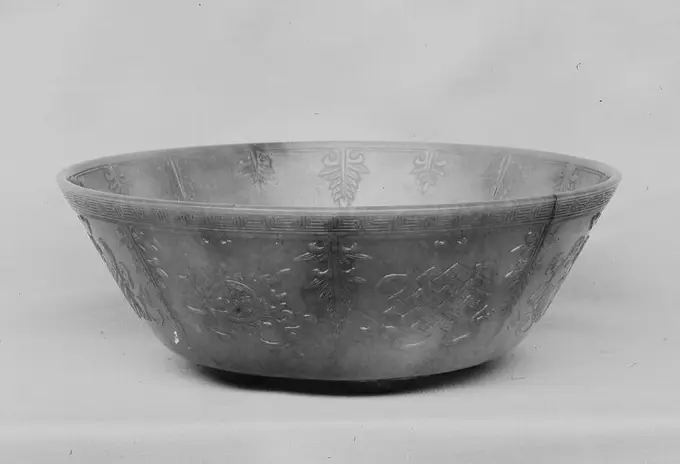
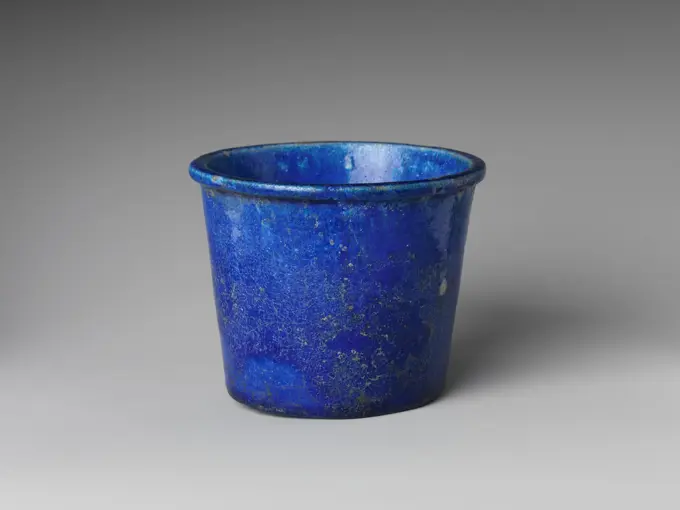
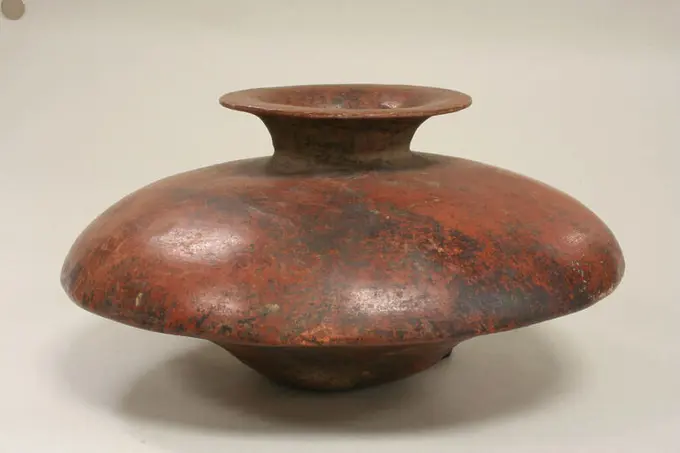
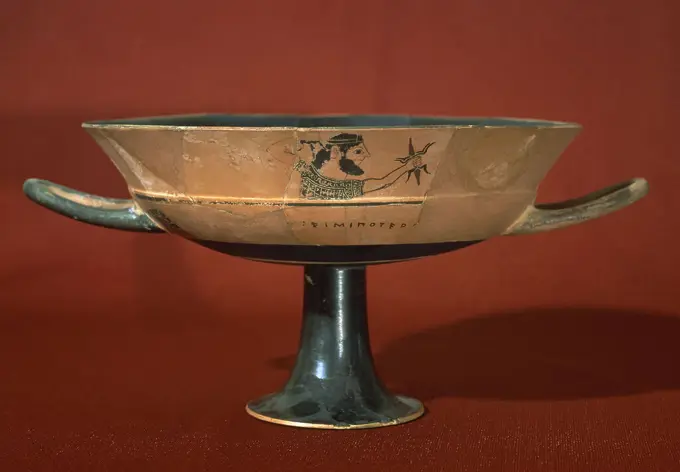
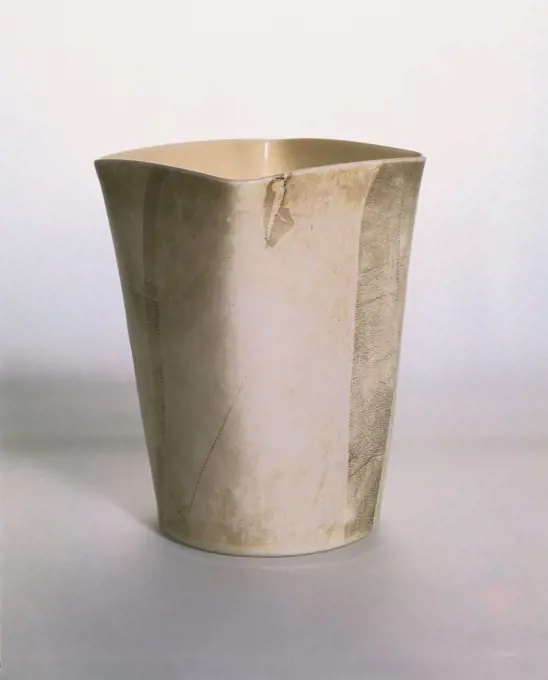
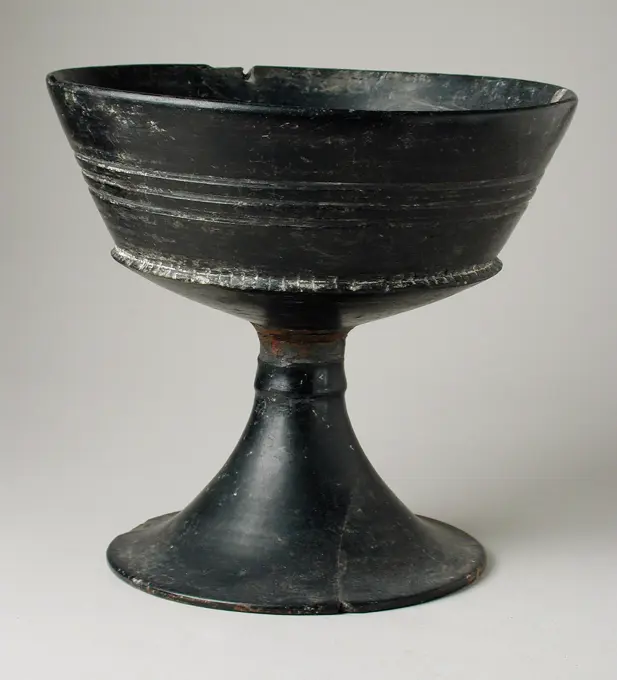
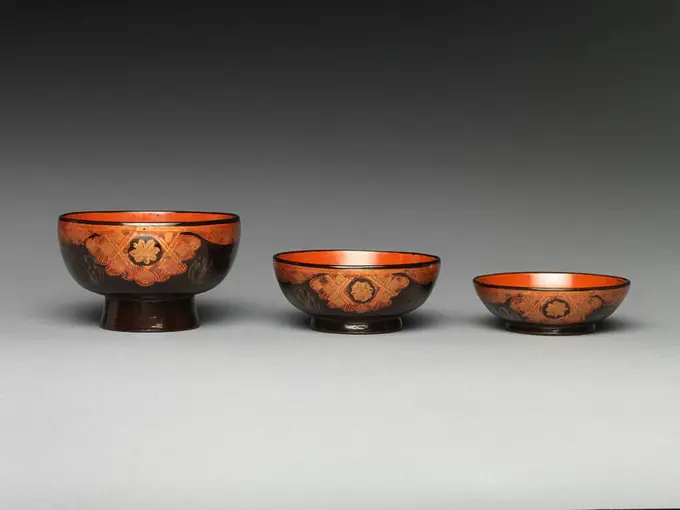
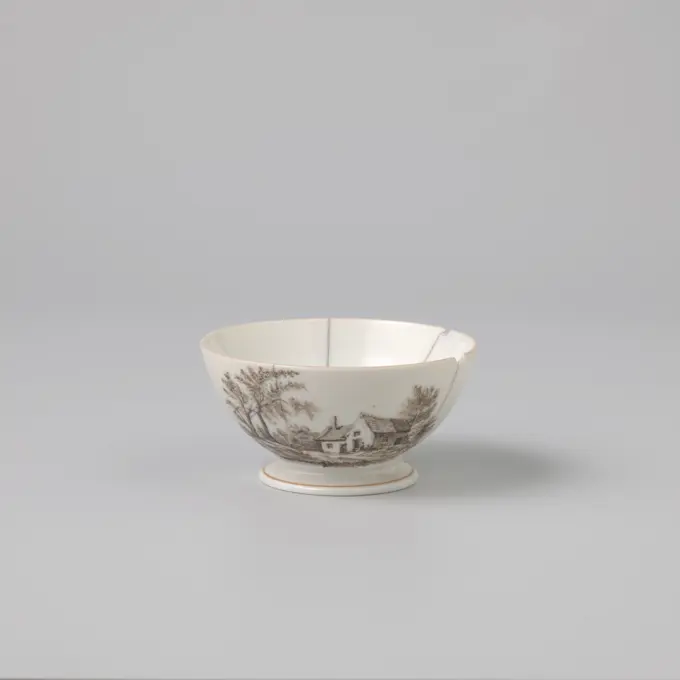
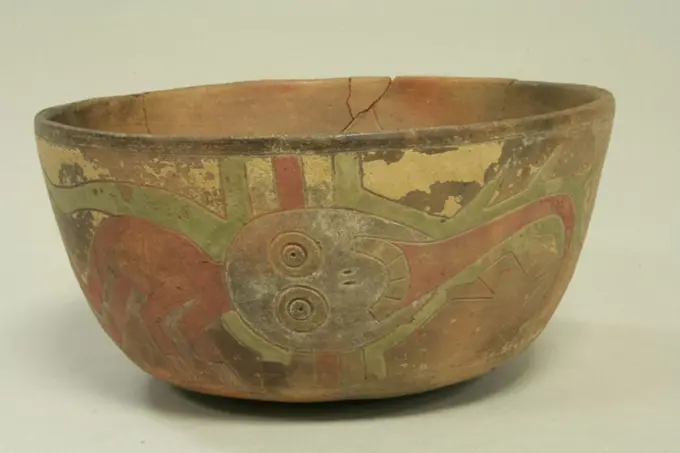
Bowl;  Old PARice Container: Ko Imari Type, late 1600s. Japan, Edo period (1615-1868). Porcelain with overglaze enamel and gold decoration; diameter: 23 cm (9 1/16 in.); diameter of mouth: 17.7 cm (6 15/16 in.); overall: 11.8 cm (4 5/8 in.).VASIJA DE CERAMICA CON DECORACION INCISA - S XX. Location: ALFARERIA. LAS PALMAS. GRAN CANARIA. SPAIN.Kom, anonymous, c. 1475 - c. 1550 Half -spherical bowl of multi -colored painted lead glaze pottery. On the inside of the bowl, a portrait of a woman desired to the left is painted. Geometric tires are painted along the edge. Lombardy earthenware. lead glaze Half -spherical bowl of multi -colored painted lead glaze pottery. On the inside of the bowl, a portrait of a woman desired to the left is painted. Geometric tires are painted along the edge. Lombardy earthenware. lead glazeNesting Bowl. Culture: Coptic. Dimensions: Overall: 2 11/16 x 6 9/16 in. (6.9 x 16.7 cm). Date: 4th-7th century. Museum: Metropolitan Museum of Art, New York, USA.Bowl With Pearl Chasing Dragon Between Clouds And Flames. Bell-shaped bowl of porcelain, covered with a red glaze and painted in underglaze blue. The outside of the bowl is covered with a monochrome red glaze (sang de boeuf), except within the foot ring; At the bottom of the bowl in a medallion a pearl rooting dragon between clouds and flames in blue and white. Monochromes.Glass ribbed bowl late 1st century B.C.-mid 1st century A.D. Roman Translucent blue green.Vertical rim with rounded top edge; plain band sloping obliquely outward around top of sides, then bulging outward before curving in sharply to flat bottom.On interior, four concentric grooves: one just below rim, two in a band at junction of side and bottom, and one small, broader circle at center; on exterior, eighty-two short, close-set, and sharply defined vertical ribs of slightly varying length and width, with tops ground off, arranged around the bulging middle section of body.Intact, but several internal cracks around rim; few bubbles; large areas of iridescent creamy brown weathering.Rotary grinding marks on plain band around top of sides and on interior.. Glass ribbed bowl 245198Head on high foot, anonymous, c. 1650 - c. 1750 Half -spherical head of undecorated faience, on a high base. England earthenware. tin glaze. Half -spherical head of undecorated faience, on a high base. England earthenware. tin glaze.Bowl with a flower roundel and ornamental borders, anonymous, anonymous, c. 1700 - c. 1799 Come from stoneware, covered with a white sludge and a gray -green glaze. On the bottom an Ingrift flower rosette; Around it always large tires with flowers, Ruyi motifs and valuables (mint). The Ingred Decoration is filled with white sludge (Mishima technology). The outer wall with a tire printed. Three old labels on the bottom with 'W702', 'Mishima Satsuma/ 17th century, beginning' and 'or Mishima Karatsu'. Three baking cracks in the wall; Some chips in the edge. Satsuma. Japan stoneware. glaze engraving / vitrification Come from stoneware, covered with a white sludge and a gray -green glaze. On the bottom an Ingrift flower rosette; Around it always large tires with flowers, Ruyi motifs and valuables (mint). The Ingred Decoration is filled with white sludge (Mishima technology). The outer wall with a tire printed. Three old labels on the bottom with 'W702', 'Mishima Satsuma/ 17th century, beginPottery ointment jar, gray shard, internally glazed yellow, ointment jar pot holder soil find ceramic earthenware glaze lead glaze, hand-turned glazed baked Pottery ointment jar gray shard internal yellow glazed on stand arch archeology Rotterdam Oude Plantage health care indigenous pottery pharmacy store sell craft Soil discovery: Oude Plantage 1956 Rotterdam.Georges Despret (1862-1952). Cut. Glass, glass paste. XIXth-XXth century. Museum of Fine Arts of the City of Paris, Petit Palais. 19th XIXth XIX 19th 19th 19th century, XXth XXth XX 20th 20th 20th centuryBell-shaped bowl with powder blue. Bell-shaped bowl of porcelain with flared wall and spreading edge, painted in underglaze blue and brown. The bowl is fully covered with bleu poudré (powder blue) with a brown edge. Marked on the bottom with a flower in a double circle. Monochrome bleu poudré.Two-piece bronze mold for flat plate, cast molding tool tools base metal bronze, cast turned Two-piece bronze mold for casting flat plate with profile edge Rotterdam tin foundry tin stainer tin Meeuws Druy craft Shapes are from the van origins 18th century Rotterdam tinnegieter J Druy. The large molds that were not signed or dated were the property of the tinker guild and were rented to the small tin caster.Basketweave” Bowl 1000-1127 China. Qingbai ware; porcelain with underglaze carved decoration .Come or scallo, painted multi-colored with a bear between leaves. Half spherical bowl of multicolored painted majolica. On the inside of the bowl a bear is painted between leaves (in Grafitto).Earthenware chamber pot, yellow glazed, pot holder sanitary soil find ceramic earthenware glaze lead glaze, archeology drainsUndecorated painted bowl with flared sides. Culture: Paracas. Dimensions: Overall: 2 5/16 in. (5.95 cm)Other: 6 1/2 in. (16.51 cm). Date: 6th-3rd century B.C. (). Museum: Metropolitan Museum of Art, New York, USA.Ribbed Bowl; Eastern Mediterranean or Italy; 1st century B.C; Glass; 4.5 x 13.5 cm (1 3,4 x 5 5,16 in.)Terracotta lekanis (dish) with lid 5th century B.C. Greek, Attic This lekanis is unusual for being unglazed, though it is precisely potted. The piece belonged to Raymond Duncan, brother of Isidora Duncan.. Terracotta lekanis (dish) with lid. Greek, Attic. 5th century B.C.. Terracotta. Classical. Vases. Bowl of earthenware decorated with a trade decoration in SGRaffito (reducing), alternately filled with curlwork and covered with blue glaze.Bowl with Floral and Wave Pattern 1115-1234 China. Yaozhou ware; celadon-glazed stoneware with underglaze carved and incised decoration .Bowl China. Bowl 48487Glass conical bowl mid-2nd-early 1st century B.C. Greek, Eastern Mediterranean Translucent honey brown.Angular, slightly inverted rim; slightly undulating straight side, tapering diagonally downward; convex bottom.On interior, one narrow and one broad horizontal groove cut in a band below rim; on exterior, two lightly abraded small concentric circles around bottom.Intact; some pinprick bubbles; dulling, pitting, and patches of creamy brown weathering with very slight iridescence.Rotary grinding marks on interior; many surface scratches on exterior.Hemispherical and conical bowls were two of the most common and popular shapes of the Late Hellenistic period. They were fashioned not only in glass but also in metal and pottery. Those made of glass were later supplanted by deeply colored varieties and by bowls decorated with tooled ribs.. Glass conical bowl 245429Glass cinerary urn (olla) Roman mid-1st-2nd century CE View more. Glass cinerary urn (olla). Roman. mid-1st-2nd century CE. Glass; blown. Mid Imperial. Glass. Come of pottery decorated with manhese brown and red sludge on Engobe of white sludge. On the Inner Low Pseudocript. On the underside two old labels with 'Collection Oosterbaan-Lugt' and 'Collection Vecht / Amsterdam'.Pan c 1825 Ohio. Blown glass . Artist unknownBowl, 1723-35. China, Jiangxi province, Jingdezhen kilns, Qing dynasty (1644-1911), Yongzheng reign (1722-35). Porcelain; diameter: 9 cm (3 9/16 in.); overall: 3.9 cm (1 9/16 in.).Flower Pot Stand or Bulb Bowl, 1300s-1400s. China, possibly Henan province, Yuan dynasty (1271-1368) - Ming dynasty (1368-1644). Glazed gray stoneware, Jun ware; diameter: 25.4 cm (10 in.); overall: 8.6 cm (3 3/8 in.).Come from earthenware, Turner type Black Basalt., Turner, c. 1780 - c. 1800 Come from English pottery, with reliefs on beige surface of a reading, sitting, mourning and kneeling woman in a classical style. The reading woman is sitting under a tree, the sitting woman plays with an amortje, the mourning woman sits under a tree with a dog and the kneeling woman for an altar on which a vase. Between these representations also in relief: a plant and a butterfly, a vase and a dragonfly and a flowerpot and a bird. At the bottom of the bowl a killed edge and upright unadorned edge as a foot. Marked: Turner. England earthenware Come from English pottery, with reliefs on beige surface of a reading, sitting, mourning and kneeling woman in a classical style. The reading woman is sitting under a tree, the sitting woman plays with an amortje, the mourning woman sits under a tree with a dog and the kneeling woman for an altar on which a vase. Between these representations also in relief: a plant and Cup. China. Date: 1723-1735. Dimensions: H. 4.8 cm (1 7/8 in.); diam. 5.8 cm (2 1/4 in.). Porcelain with crimson pink glaze. Origin: China. Museum: The Chicago Art Institute, Chicago, USA.Bowl, 4th-2nd century BCE, 4 1/16 x 7 3/4 x 6 3/16 in. (10.3 x 19.7 x 15.7 cm), Pottery, pigment, Mexico, 4th-2nd century BCEPlate third quarter 18th century Thomas Giffin. Plate. British, London. third quarter 18th century. Pewter. Metalwork-PewterBowl. Culture: Japan. Dimensions: H. 2 1/2 in. (6.4 cm); Diam. 4 1/2 in. (11.4 cm). Date: 1700. Museum: Metropolitan Museum of Art, New York, USA.Bowl 9th century Although a variety of types from Nishapur and elsewhere used a black which stains the surrounding glaze yellow, pieces of the group to which this belongs run true to type. Especially characteristic are the sawtooth border, the sketchy pseudo-inscription bands and the crosslike motif at the center. The latter is known in fine polychrome-on-white ware as well.. Bowl. 9th century. Earthenware; white slip under clear yellow glaze. Excavated in Iran, Nishapur. CeramicsGlobular Bowl with Painted Text. Guatemala, Northern Peten, Maya, 600-900 CE. Ceramics. CeramicSugar bowl of red hard baked earthenware, children's toys., Anonymous, c. 1830 - c. 1860 Half -ball -shaped sugar bowl of red, hard baked pottery. The pot has a stand ring. The sugar bowl is in relief with garlands of leaves and fruits. The sugar bowl is part of a miniature tea set (BK-15429-A to BK-15429-D). Bohemia earthenware Half -ball -shaped sugar bowl of red, hard baked pottery. The pot has a stand ring. The sugar bowl is in relief with garlands of leaves and fruits. The sugar bowl is part of a miniature tea set (BK-15429-A to BK-15429-D). Bohemia earthenwareVase in the shape of Gui. Porcelain dressed in turquoise glaze. Paris, Cernuschi museum. 78838-7 Asian art, Chinese art, porcelain, container, vaseRing-Handled Cup. China. Date: 618 AD-906 AD. Dimensions: H. 5.0 cm (2 in.); diam. 9.4 cm (3 11/16 in.). Slip-coated earthenware with cobalt blue and lead yellow streaks. Origin: China. Museum: The Chicago Art Institute, Chicago, USA.Bowl 12th-13th century China. Bowl. China. 12th-13th century. Porcelain with white glaze (Ding ware). Jin dynasty (1115-1234). CeramicsBowl -Dish, 2770-2573 BC. Egypt, Early Dynastic Period, Dynasties 2-3. Anorthosite gneiss; diameter: 22 cm (8 11/16 in.); overall: 7.6 cm (3 in.).Ernest Chaplet (1835-1909). Flat. Flammed porcelain. 1893. Museum of Fine Arts of the City of Paris, Petit Palais. 60192-11 Flamee porcelain, dish. Incense burner from stoneware on three short legs and with a ribbed wall, covered with a light green-gray enamel. Celadon.Terracotta kylix: lip-cup (drinking cup) ca. 550-540 B.C. Signed by Epitimos Interior, archer on horseback and warrior dismountingExterior, obverse and reverse, profile heads above, inscription between animals belowDuring the third quarter of the sixth century B.C., the lip-cup and the band-cup were the two preferred types of drinking cup. The lip-cup's exterior is clay-colored, and the usual decoration consists of a figural motif at the top and an inscription and palmettes below. Many variations occur, however. The profile head is a favorite motif, particularly associated with a painter called Sakonides but popular also with his contemporaries.. Terracotta kylix: lip-cup (drinking cup). Greek, Attic. ca. 550-540 B.C.. Terracotta; black-figure. Archaic. VasesRoman fragment pot with potter stamp from Archaeological site of Complutum in Alcalá de Henares ( Madrid ). SPAIN.Bowl;  End of the 19th century (1890-00-00-1900-00-00);Jar ". Terracotta. Vietnam-Xe-Xive s. Paris, Cernuschi museum. 72185-17 Jar, Vietnamese object, terracottaCylinder Beaker Form Vessel. Eastern Mediterranean, 5th - 11th Dynasty (2513 - 2061 BCE). Furnishings; Serviceware. CalciteFooted bowl ca. 1500 Italian (Venice). Footed bowl 460754Bowl with Spider Decoration, c. 750-1250. Colombia, Highland Nariño region, Piartal style, 8th-13th Century. Ceramic, slip; diameter: 8.2 x 20.8 cm (3 1/4 x 8 3/16 in.); overall: 8.1 cm (3 3/16 in.).Bowl;  around 3100 -K.2686 BC; Early body period (-3100-00-00--2686-00-00);Deposit of the University of Warsaw from 1937-1939, stone vessels, Polish-French excavations in Edfu (Egypt)Lamp. UnknownSuncook Glassworks, Pitcher and Washbowl, c. 1839-50, dark aquamarine glass.Dish with a lavender blue glaze, anonymous, c. 960 - c. 1279 Scale of stoneware, covered with a lavender blue, slightly crawling glaze. To the edge the color changes to a yellow -brown tint. Jun. China stoneware. glaze vitrification Scale of stoneware, covered with a lavender blue, slightly crawling glaze. To the edge the color changes to a yellow -brown tint. Jun. China stoneware. glaze vitrificationWestward Ho!/Pioneer pattern footed dish c 1876 Philadelphia. Glass . Gillinder and Sons (Manufacturer)Hexagonal Vase 1700-1899 China. Celadon-glazed porcelain .Bowl. Iran, Sasanian period (225-650 A.D.). Furnishings; Serviceware. SilverBowl China. Bowl 50519Strainer ca. 1279-1213 B.C. New Kingdom, Ramesside Wine services do not seem to have a long history in Egypt, but appear to have been introduced in the New Kingdom when wine-drinking became a feature of elite society in the Ramesside Period. This gold strainer is intended for a wine service, removing sediment from the beverage as it is poured out of jugs, jars or flasks into bowls, goblets or situlae for drinking. The strainer indicates that most if not all of the Tell Basta vessels belonged to just such a wine service, certainly a very special one associated with a temple festival.. Strainer 545169Basin (Pan). Culture: China. Dimensions: H. 3 1/4 in. (8.3 cm); Diam. 17 1/4 in. (43.8 cm); W. (with loop handles) 18 12 in. (47 cm); Diam. of foot 11 in. (27.9 cm). Museum: Metropolitan Museum of Art, New York, USA.Bowl. UnknownBowl; Eastern Mediterranean; 2nd - 3rd century; Glass; 3.8 x 8 cm (1 1,2 x 3 1,8 in.)Palm Cup 7th-8th century Frankish. Palm Cup 465749 Frankish, Palm Cup, 7th8th century, Glass, Overall: 2 3/16 x 3 15/16 in. (5.6 x 10 cm). The Metropolitan Museum of Art, New York. Gift of J. Pierpont Morgan, 1917 (17.193.405)Footed Bowl with Geometric Design. Colombia, Nariño Highlands or Ecuador, Carchi, Nariño or Carchi, 750-1250 CE. Ceramics. Resist-painted ceramicPlate 1757-84 George Grenfell (or Greenfell). Plate. British, London. 1757-84. Pewter. Metalwork-PewterCup Stand (Tuozhan) with Cartouches Showing Figures in Landscapes, Birds, and Flowers. China, Chinese, Middle Ming dynasty, about 1450-1550. Furnishings; Serviceware. Black lacquer on wood core with mother-of-pearl inlayCenser, early 600s. China, Tang dynasty (618-907). Gilt bronze; overall: 23.8 x 14.3 cm (9 3/8 x 5 5/8 in.).Bowl. Porcelain decorated with enamels. Paris, Cernuschi museum. 78840-9 Asian art, table art, bowl, old ceramic, container, dishesSumer. Mesopotamia. Bowl with a votive inscription of Rimush (23th century BC) : "Rimush, king of Kish". Alabaster, Lagash. Sargonic Period. Akkadian Empire. The state Hermitage Museum. Saint Petersburg. Russia.Wide-necked jar and lid naming Thutmose III ca. 1479-1425 B.C. New Kingdom In Theban tomb paintings dating to Dynasty 18, servants are sometimes shown anointing guests with perfumed oils and ointments stored in small stone jars. A set of cosmetic jars highlighted with gold foil (26.8.29a, b-26.8.39) are associated with the grave goods of three foreign wives of Hatshepsut's nephew, Thutmose III. Most of these vessels are inscribed with the king's cartouche, marking them as royal gifts.The inscription on this jar reads: "the Good God, Menkheperre (Thutmose III).". Wide-necked jar and lid naming Thutmose III 547632Bowl. Culture: China. Dimensions: H. 2 3/8 in. (6.1 cm); W. 6 3/4 in. (17.1 cm). Museum: Metropolitan Museum of Art, New York, USA.Maker: Cornelius Wynkoop, b. 1701, Bowl, ca.1725-40, Silver, 3 9/16 in. (9 cm), Made in New York, New York, American, 18thcentury, Containers -MetalsCup 500-200 B.C. Late Period-Ptolemaic Period Faience cups of this type are frequent in the Late Period. A recent study of faience vessels notes that examples were found in the western dump at the Sacred Animal Necropolis at Saqqara, where datable documents belong to the 5th-4th centuries B.C. The cups vary in size; examples are known that were inscribed and found in sets of 7 for the 7 sacred oils. The type may have continued to be produced during the Graeco-Roman period, but the quality of the glaze here - very thick and most with craquelure in a regular manner - seems characteristic of the Late Period.. Cup 551796Pottery dish on three fins, bottom unglazed, dish crockery holder soil find ceramic earthenware glaze lead glaze, hand turned glazed fried Dish red shard brown lead glaze three fin legs. Bowl shaped mirror and narrow flag Slightly thickened dish edge archeology Valckensteyn Poortugaal Albrandswaard indigenous pottery kitchen food nutrition cooking food preparation serving Soil discovery: canal at kitchen castle Valckensteyn at Poortugaal now Albrandswaard 1961.Bronze phiale (libation bowl) with four swinging handles. Culture: Etruscan. Dimensions: H. 2 13/16 in. (7.1 cm) diameter 14 9/16 in. (37 cm) width including handles 19 7/16 in. (49.3 cm). Date: ca. 550 B.C..This large phiale may have been used for washing hands and feet before a banquet. Museum: Metropolitan Museum of Art, New York, USA.Rinse bowl, purple red with golden edges. Rinse bowl of porcelain, part of a coffee set, body purple red, with golden edges. On top of a wide golden trim in which an engraved leaf drink. Brands: C, X, 11.3 (reimbursement). Note: Light crack in flush bowl.Jar. Culture: Colima. Dimensions: H. 6 7/16 x Diam. 13 3/8 in. (16.4 x 34 cm). Date: 2nd century B.C.-A.D. 3rd century. Museum: Metropolitan Museum of Art, New York, USA.KYLIX ATICA PROCEDENTE DE LA NECROPOLIS DE MEDELLIN (BADAJOZ) FECHADA ENTRE EL 560 Y EL 550 AC. Location: MUSEO ARQUEOLOGICO NACIONAL-COLECCION. MADRID. SPAIN.Cup on tall base. unknown, craftsmanBowl 12th-13th century. Bowl 447360Quadrangular Vase, by Scarpa Carlo, 1934, 20th Century, Unknow. Italy, Veneto, Venice, Private Collection. Whole artwork. Vase glass light tones: hues: shades beige.Bracelet. China, Chinese, Ming dynasty, 1368-1644. Jewelry and Adornments; bracelets. Abraded jadeBowl -Lantern. Artist: Dirk Van Erp (1862-1933). Culture: American. Dimensions: 4 3/4 × 15 1/8 × 6 1/4 in., 1.8lb. (12.1 × 38.4 × 15.9 cm, 816.475 Grams). Date: ca. 1920.This hand-hammered copper lamp was made by iconic Arts and Crafts metalsmith Dirk van Erp, who apprenticed under his father in the Netherlands before immigrating to America. Table lamps were a staple of the firm's output, however, this elongated "oil lamp" is unusual in design, perhaps unique or one of very few. Museum: Metropolitan Museum of Art, New York, USA.Plate, 18th century, 1/2 x 8 1/8 x 8 1/8 in. (1.27 x 20.64 x 20.64 cm), Pewter, England, 18th centuryTea Bowl (Chawan) with Sword-Pommel Pattern. China, Late Southern Sung dynasty or early Yuan dynasty, about 1200-1368. Furnishings; Serviceware. Carved black and red lacquer on wood coreBucchero ChaliceTea Bowl with the 'Three Friends of Winter'. Come from stoneware, covered with a cream-colored glaze and painted in underglaze blue. On the outside wall the 'three friends of the winter' (pine, prunus, bamboo). Kyoyaki.BakingDishDish, Ladle And Tray (England); Manufactured by Wedgwood (United Kingdom); glazed earthenware (queen's ware) with overglaze decorationFooted Bowl. UnknownBowl 18th-19th century. Bowl 453651Three Nesting Bowls (Mitsuwan). Culture: Japan. Dimensions: A: Tallest bowl: H. 3 1/4 × Diam. 5 1/4 in. (8.3 × 13.3 cm)B: Medium bowl: H. 2 1/4 × Diam. 4 7/8 in. (5.7 × 12.4 cm)C: Shortest bowl: H. 1 1/2 × Diam. 4 5/8 in. (3.8 × 11.7 cm). Date: 1573-1615. Museum: Metropolitan Museum of Art, New York, USA.Cup with two landscapes, anonymous, c. 1850 Porcelain head on spreading foot, painted on the glaze in black and gold. On the outer wall twice a landscape with a building between trees. In one of the landscapes there are two people in front of the house. On the underside illegible signs and the inscription 'Joh: VII US 37B'. Europe porcelain. glaze. gold (metal) painting / gilding / vitrification Porcelain head on spreading foot, painted on the glaze in black and gold. On the outer wall twice a landscape with a building between trees. In one of the landscapes there are two people in front of the house. On the underside illegible signs and the inscription 'Joh: VII US 37B'. Europe porcelain. glaze. gold (metal) painting / gilding / vitrificationBumpy empty ceramic plate on a textured concrete background Bumpy empty ceramic plate on a textured concrete background. Kitchen utensil item Copyright: xZoonar.com/TetianaxChernykovax 21723508Painted Bowl 6th-4th century B.C. Paracas. Painted Bowl. Paracas. 6th-4th century B.C.. Ceramic, pigment. Peru. Ceramics-ContainersBowl. Byzantine, 11th-12th century. Furnishings; Serviceware. CeramicStem Cup with Florets. China. Date: 618 AD-906 AD. Dimensions: H. 7.1 cm (2 13/16 in.); diam. 9.3 cm (3 11/16 in.). Stoneware with yellow glaze and underglaze mold-impressed decoration. Origin: China. Museum: The Chicago Art Institute, Chicago, USA.Large HMISPHRIC CUT ". GRS covered transparent green reflections. Paris, Muse Cernuschi. Large HMISPHRIC CUT Asian art, extreme-East art, Vietnamese art, ceramic, cut, gres, dishesDish. Culture: Etruscan. Dimensions: Overall: 7 11/16in. (19.5cm)Other: 9 11/16in. (24.6cm). Date: 7th century B.C..On high foot, red ware, undecorated. Museum: Metropolitan Museum of Art, New York, USA.