Elegant Bowls Collection

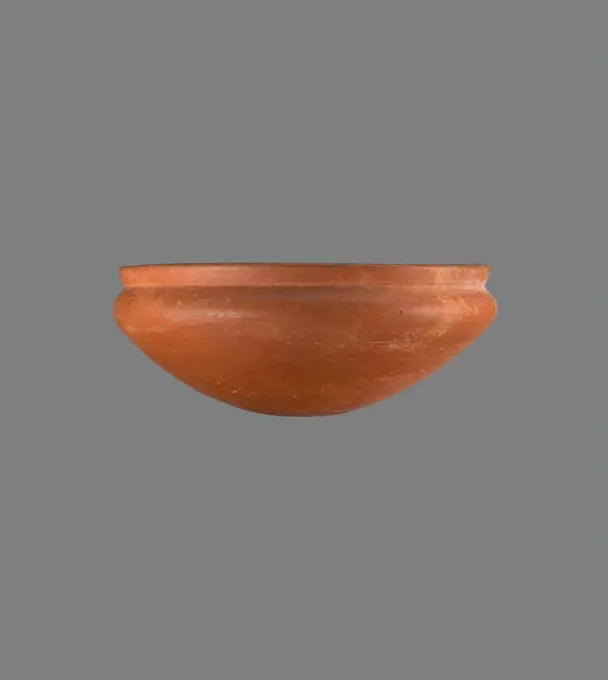
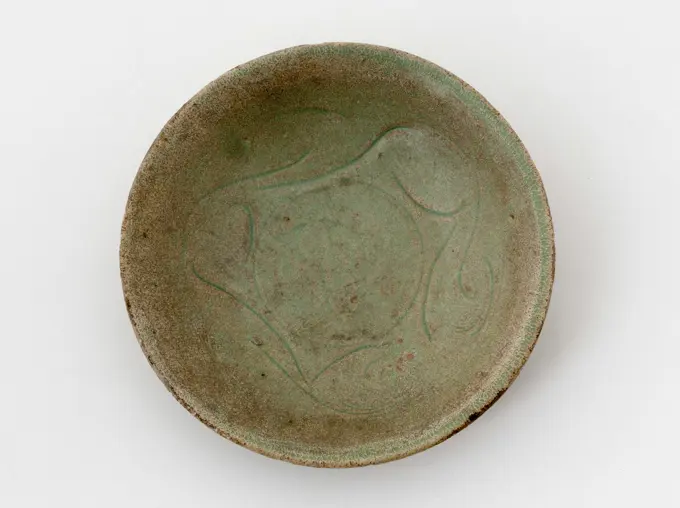
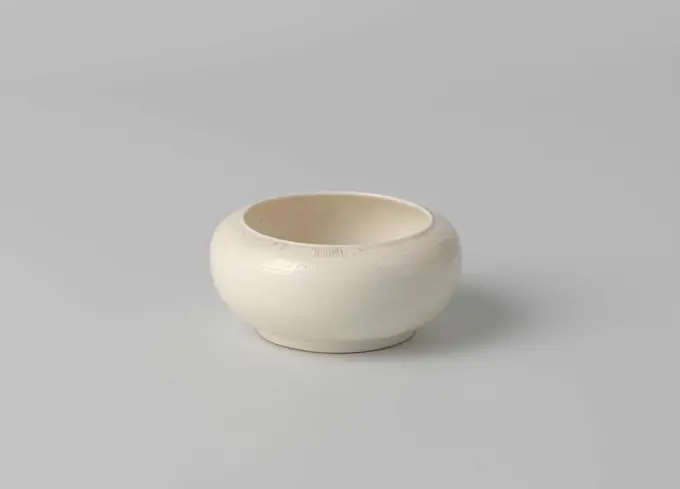
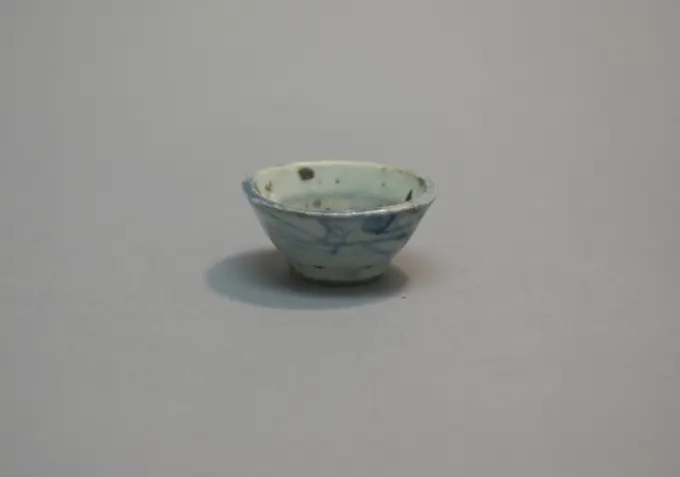
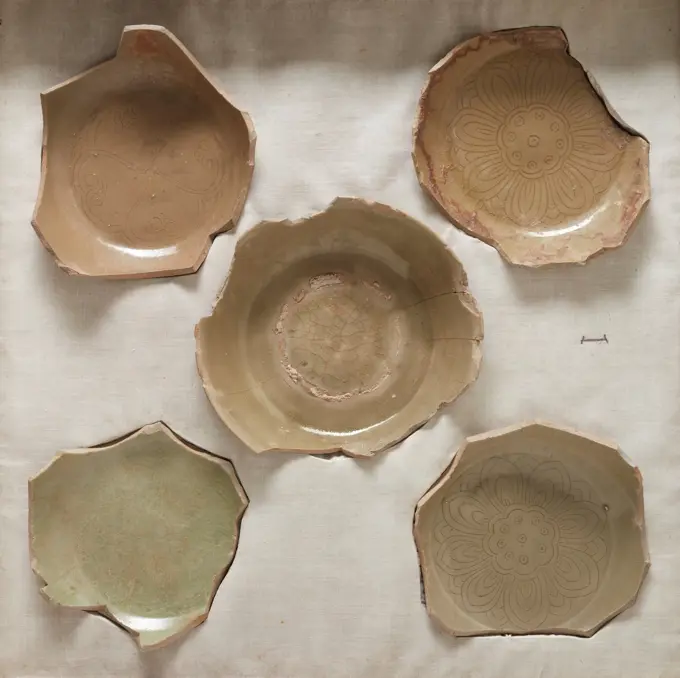
Assorted bowls made from different materials including terracotta and stoneware. Designs highlight various shapes and finishes, suitable for home decor and culinary uses.

Bowl -  Jones & Walley Jones & Walley
Bowl - Jones & Walley Jones & Walley
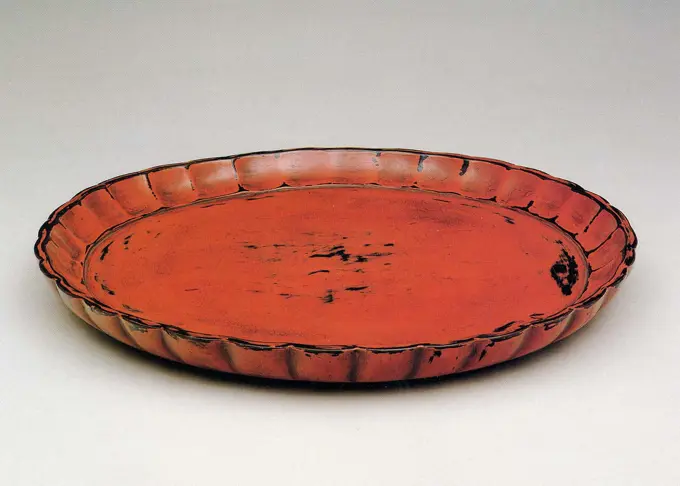
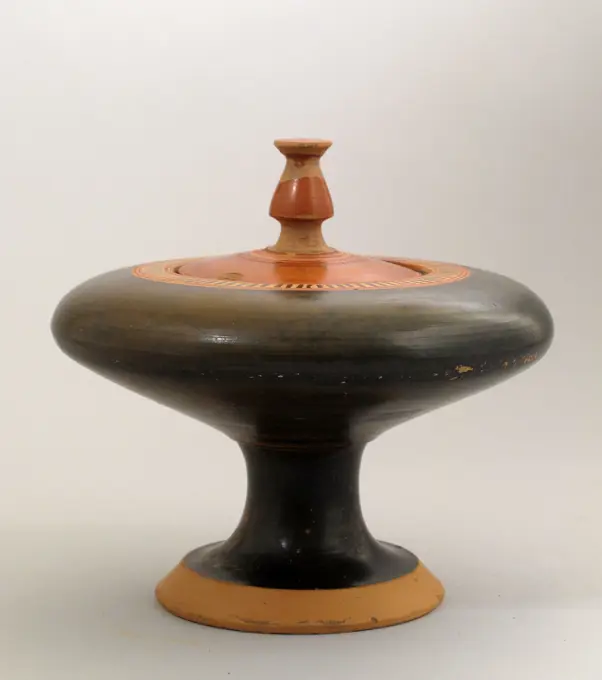
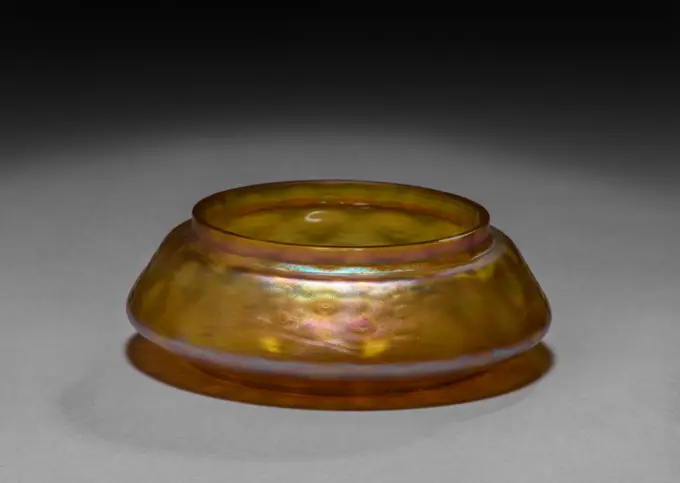
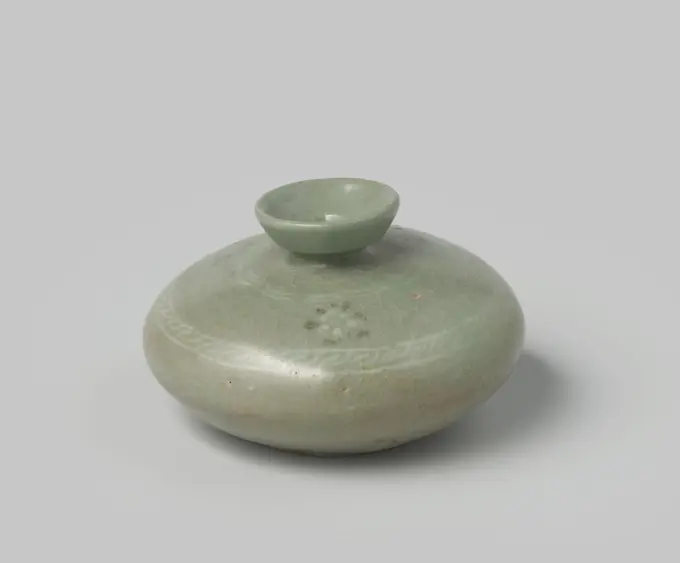
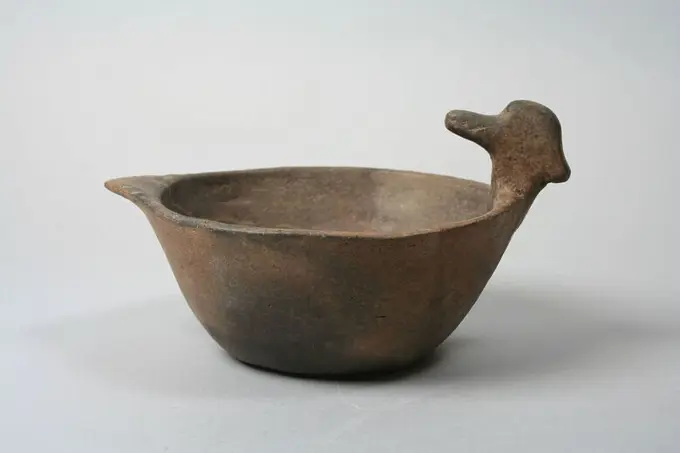
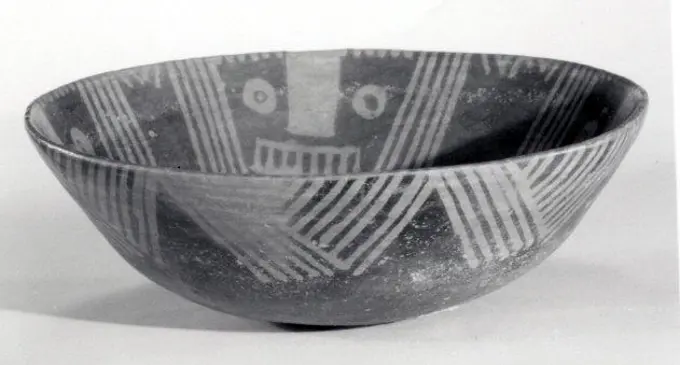
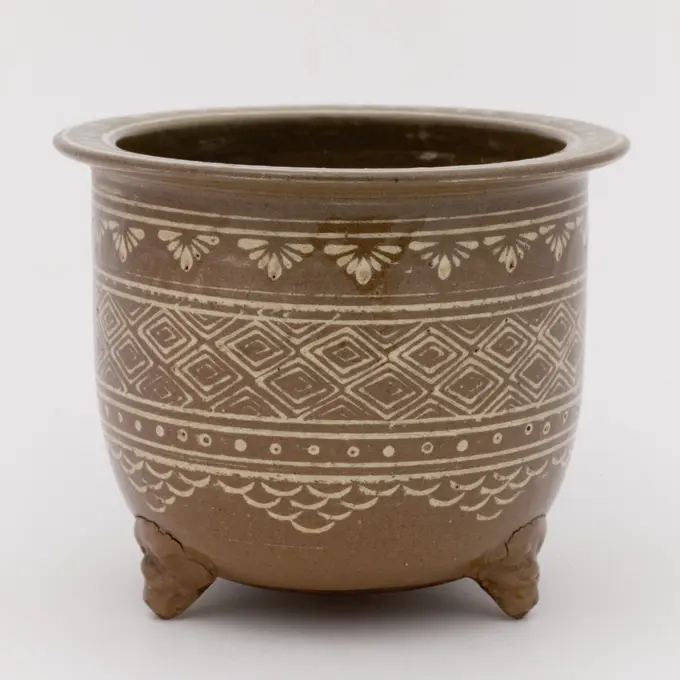
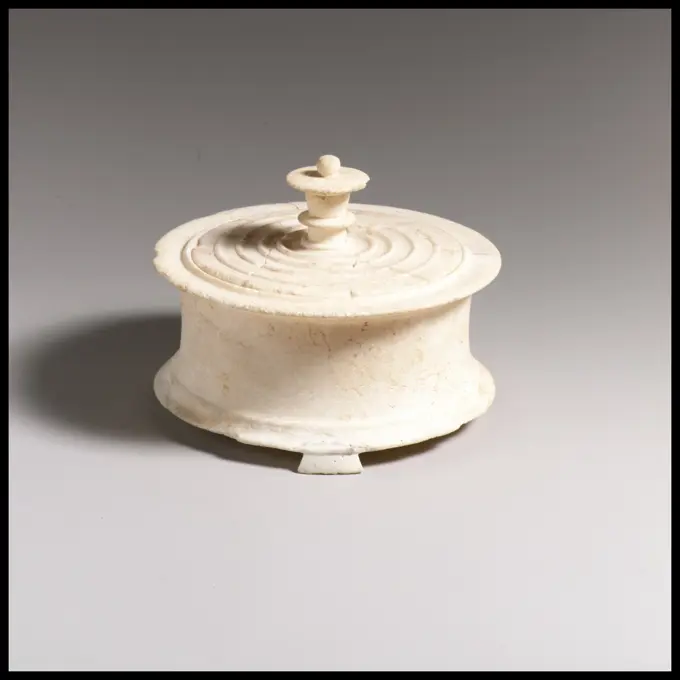
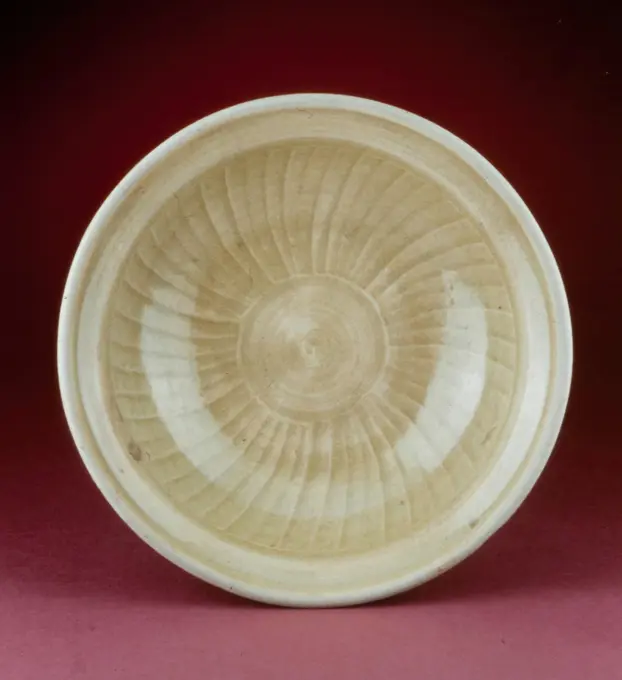
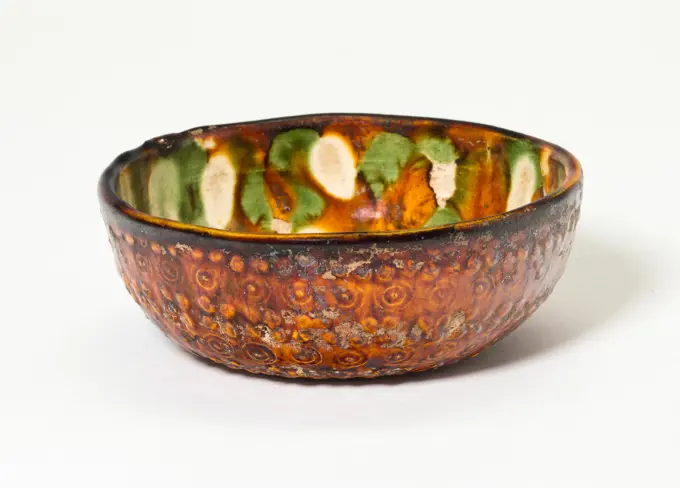
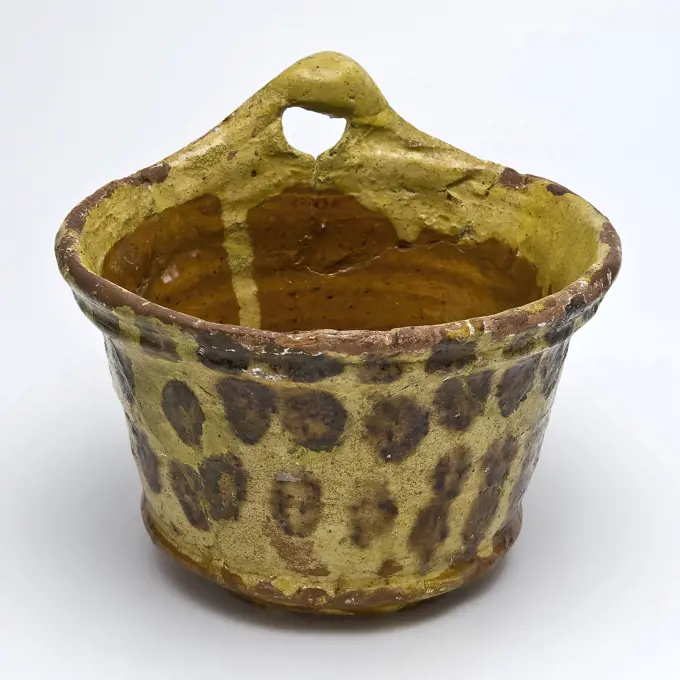
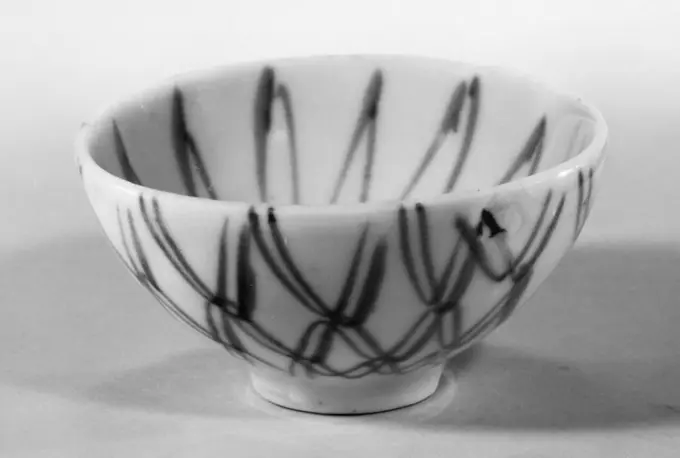
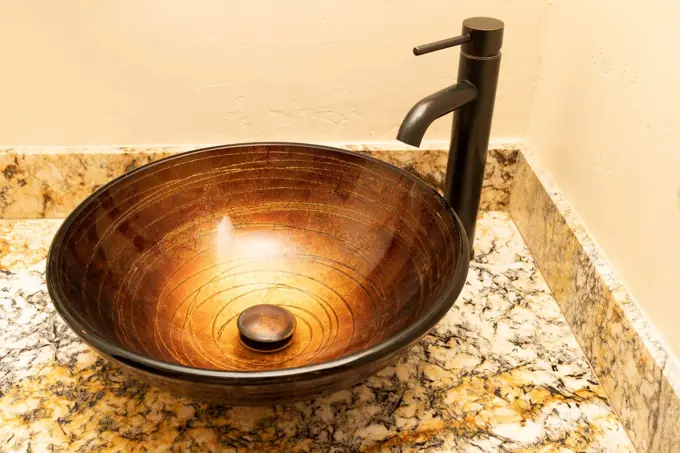
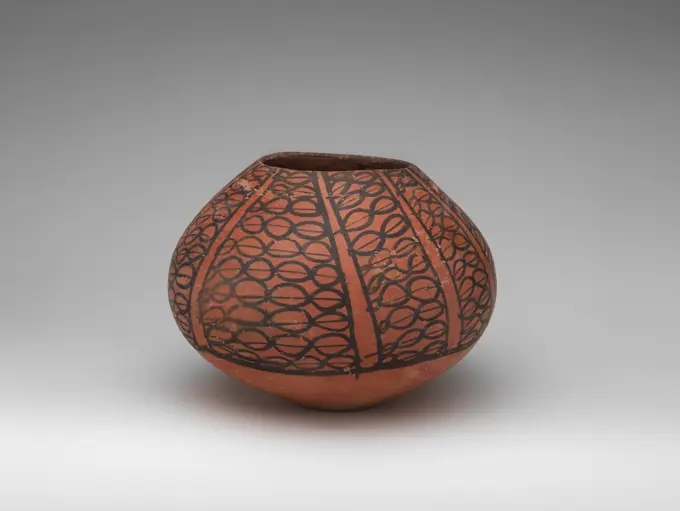
Basket 19th century Japan. Basket. Japan. 19th century. Bamboo. Edo (1615-1868) or Meiji period (1868-1912). BasketryMedum bowl;  around 2686- 2181 BC; Old state (-2686-00-00--2181-00-00);Basket. England, Staffordshire, circa 1755. Furnishings; Accessories. Salt-glazed stonewareCup ". GRS covered Cladon. Paris, Muse Cernuschi. Cup Asian art, extreme-East art, Vietnamese art, ceramic, cut, gres, dishesPaduan or Venetian 15th or 16th Century, A Bowl, late 15th  early 16th century A BowlTureen. Jagmin, Stanisław (1875-1961), authorNaczynko. nieznany warsztat północno mezopotamski, workshopStoneware bowl with minute traces of gold pigment, from the Koryo Dynasty. Dated 13th CenturyTray with scalloped rim 15th-16th century Japan. Tray with scalloped rim. Japan. 15th-16th century. Red lacquer; Negoro ware,. Momoyama period (1573-1615). LacquerPlemochoe with lid late 6th century B.C. Assigned to Kothons Type B The rim curves in to prevent spilling.. Plemochoe with lid. Greek, Attic. late 6th century B.C.. Terracotta; black-glaze. Archaic. VasesCup with profile edge and two groove edges, twisted, anonymous, c. 1675 - c. 1700 A cup of twisted maple wood with under one profile edge and two double groove edges. Amsterdam maple (wood) A cup of twisted maple wood with under one profile edge and two double groove edges. Amsterdam maple (wood)Glass dish 4th century A.D. Roman Colorless with yellow tinge.Tubular, flaring rim, folded out, down, and in, with narrow, slightly convex inner shoulder; S-shaped side to body, curving in to integral tubular base ring; concave bottom, thickened at center and traces of small pontil mark.Intact; pinprick bubbles; pitting, dulling, and iridescence, with most of exterior covered in thick enamel-like weathering.. Glass dish 239892Bowl with Rounded Sides and a Band or Scroll Work. Bowl of soft-paste porcelain (Pte tendre), covered with a creamy glaze. Around the edge two carrative decorative tires, one with arcing and a curling work. Glaze is slightly cracked. Monochromes.Cup for Use with Diamond-Point 20th century China. Cup for Use with Diamond-Point 62065Box, c. 1898-1902. Tiffany Glass & Decorating Company (American, New York, 1892-1902). Favrile glass, enamel on copper; 14 cm (5 1/2 in.). By 1900 Tiffany had expanded his empire by increasing the firms production of “fancy goods,” including inkstands, candlesticks, clocks, small boxes, desk sets, tea screens, and other functional objects. Along with the array of artistic glass designs from his factory in Corona, Queens, works in ceramic, bronze, other metals, and even jewelry abounded. These smaller, more affordable luxury items were designed with as much thought to artistry as the great stained glass windows and lamps through which the firm enjoyed unrivaled success.Oil bottle with floral scrolls, anonymous, c. 1100 - c. 1200 Oil lessons of stoneware with a printed pear -shaped body and short, spreading neck, covered with a white sludge and a green glaze. On the abdomen various entry decorative tires, one with flower vines. The entered decoration is filled with white sludge (Sanggam technology). Celadon. Korea stoneware. glaze engraving / vitrification Oil lessons of stoneware with a printed pear -shaped body and short, spreading neck, covered with a white sludge and a green glaze. On the abdomen various entry decorative tires, one with flower vines. The entered decoration is filled with white sludge (Sanggam technology). Celadon. Korea stoneware. glaze engraving / vitrification. Come of quartz frying goods decorated with inscriptions and plant motifs in luster on surface of oprake white tin-lead-alkali acid.Bowl, Bird Head on Rim. Culture: Mississippian. Dimensions: Height 2-7/8 in.. Date: 11th-14th century. Museum: Metropolitan Museum of Art, New York, USA.Bowl 2nd-1st century B.C. Paracas. Bowl 308474Burnt-Parfum (Koro). Sandstone, light brown covered, decor of engraved and stamped patterns and filled with white slip. End of the 18th-early 19th century. Paris, Cernuschi museum. Japanese art, burn-brown, light brown, Japanese ceramic, beginning of 19th XIX 19th 19th 19th 19th century, white slip, Estamper, End 18th 18th 18th 18th 18th 18th 18th century, GRES, KORO, serious motifCup, painted with golden piping. Cup of porcelain, high foot; The edges, also between foot and cup, decorated with piping in gold.Marble pyxis (box) late 5th-early 4th century B.C. Greek, Attic Greek marble-working of the Classical period is generally associated with architecture and monumental sculpture. This vase is remarkable for its precision and delicacy. It is likely that it was orginally painted.. Marble pyxis (box) 256856Vase with marbled decor, N.V. Plateelbakkerij Ram, c. 1925 - c. 1930 Vase of pottery with outstanding mouth edge, the bottom half of the body ribbed. Covered with a green, yellow and gray -marbled decor. Luxor pottery. Arnhem earthenware marbled paper Vase of pottery with outstanding mouth edge, the bottom half of the body ribbed. Covered with a green, yellow and gray -marbled decor. Luxor pottery. Arnhem earthenware marbled paperPlate China. Plate. China. Porcelain. Qing dynasty (1644-1911), Kangxi period (1662-1722). CeramicsPlate. unknown, craftsmanEmpty ceramic plate on a dark textured background. Preparing kitchen utensils for a family dinnerDish (Pan)Bowl (one of a pair) China. Bowl (one of a pair) 50721Footed dish, Favrile glass, Pale gold metallic luster on exterior of transparent glass, forming band of spectral colors around inner portion of broad, flat rim; relief band on lower exterior of bowl consisting of two rows each containing twelve round designs on blister-like background; low foot., USA, ca. 1900, glasswares, Decorative Arts, Footed dishSankampang Bowl, 15th century, 2 7/16 x 8 3/8 x 8 3/8 in. (6.19 x 21.27 x 21.27 cm), Earthenware, celadon glaze, Thailand, 15th centuryBowl with Swirls 700 CE-750 CE China. Earthenware with three color (sancai) lead glazes and underglaze molded decoration .Platter 17th-18th century British. Platter. British. 17th-18th century. Pewter. Metalwork-Pewterclay cup, mug isolated on white backgroundSoap head of red earthenware with hanging eye, glazed glaze in brown and yellow, pot container holder earth discovery ceramic earthenware glaze lead glaze clay, hand turned set glazed baked Salt pan or soap dish of red earthenware glazed internal brown with yellow edge external yellow with brown spots 'tiger' fixing eye partly restored with plaster castings decoration in the form of two slits horizontally across the abdomen archeology Valckensteyn Poortugaal Albrandswaard indigenous pottery kitchen emplacement stock decorate Soil discovery: canal at kitchen castle Valckensteyn at Poortugaal now Albrandswaard 1961.Wine cup 18th century Japan. Wine cup 52313Saucer ca. 1720-25, decorated ca. 1725-30 Meissen Manufactory German. Saucer 199148Cup late 17th-18th century. Cup 444513Ancient ceramics, Arkeologi Museoa, Aqueologico museum, Bilbao, Bizkaia, Basque Country, Spain.Glazed bowl ca. 6th-8th century A.D. Sasanian or Islamic. Glazed bowl 322930Tea bowl, 19th century, Unknown Japanese, 3 1/2 x 4 1/2 x 4 1/2 in. (8.9 x 11.43 x 11.43 cm), Raku ware; stoneware; wood, Japan, 19th centuryTerracotta statuette base. Culture: Greek, South Italian, Tarentine. Dimensions: H. 1 1/8 in. (2.9 cm)Diameter: 3 5/8 in. (9.2 cm). Date: 3rd century B.C..For statuette. Museum: Metropolitan Museum of Art, New York, USA.Close-up of china bowlCup with handle and spout ca. 10th century B.C. Iran. Cup with handle and spout. Iran. ca. 10th century B.C.. Ceramic. Iron Age I. Northern IranCup with cover China. Cup with cover 43838Size of 1/16 Boisseau from Delft, Anonymous, 1800  Spans size of 1/16 Boisseau, equipped with label and number. Delft wood (plant material)   DelftLobed Dish. China, Henan Province. Date: 960 AD-1279. Dimensions: H. 2.0 x diam: 10.7 cm (13/16 x 4 3/16 in. ). Stoneware with brown glaze. Origin: Henan. Museum: The Chicago Art Institute, Chicago, USA.Terracotta statuette base 3rd century B.C. Greek, South Italian, Tarentine For statuette.. Terracotta statuette base 248619Footed Bowl (Coppa). UnknownEarthenware salt bowl on column, white glazed, three stand lobes, salt bowl salt barrel tableware holder soil find ceramic earthenware glaze tin glaze, hand turned baked glazed baked Pottery salt bowl on column Flowing transitions from column to shell and bottom. White glazed Top edge strongly curled shallow shell Soil with soul on three stand lobes Delftware archeology indigenous pottery food salt condiment servingFlower-shaped Dish, anonymous, c. 1000 - c. 1099 Scale of stoneware modeled in the shape of a flower with six leaves, covered with a transparent enamel with a light blue tint. On the flat a medallion with leaf vines entered. Baking sand on the bottom. Qingbai. China stoneware. glaze engraving / vitrification Scale of stoneware modeled in the shape of a flower with six leaves, covered with a transparent enamel with a light blue tint. On the flat a medallion with leaf vines entered. Baking sand on the bottom. Qingbai. China stoneware. glaze engraving / vitrificationHexagonal Flower Pot, 1300s-1400s. China, Henan province, Yuxian, Juntai, Ming dynasty (1368-1644). Porcelaneous stoneware, numbered Jun ware; overall: 12.5 x 15 cm (4 15/16 x 5 7/8 in.). This deep hexagonal flowerpot, one of a pair in the collection, is numbered "8" and bears additional inscriptions to indicate specifically the location of its usage within the palace: "for use in the Study of Illumination (Mingchuang yong)" within the "Hall ofCultivating the Mind (Yangxin Dian)" of the Forbidden City. The inscriptions seem to suggest the Qing imperial provenance of this pair.Bumpy empty ceramic plate on a textured concrete background Bumpy empty ceramic plate on a textured concrete background. Kitchen utensil item Copyright: xZoonar.com/TetianaxChernykovax 21723554Empty wooden bowl on a vintage kitchenEmpty plastic, ceramics bowl.Spit dish with eye, spout and stem as handle, grease trap baking utensil holder earthenware ceramics earthenware glaze lead glaze d 47.0 w 21,5 hand-formed pierced glazed baked Red earthenware internally glazed single glaze wipe on the bottom handle with top folded inwards folded edges one mounting eye and spout two pinched legs Grease catcher or spit dish archeology Capelle aan den IJssel House in Capelle castle kitchen hearth roasting grilling fat oil food preparation lighting Soil discovery: moat south side House in Capelle ± 1395 - ± 1500 Capelle aan den IJssel 1963.Prestige Bowl (purukei), c. 1900, 13-1/8 x 27-1/2 x 22-9/16 in. (7.9 x 69.9 x 57.3 cm), Wood, Admiralty Islands, 19th-20th Century, In the Admiralty Islands, prestige bowls were carried as part of wedding processions through the village with other dowry gifts, and used to hold coconut oil at the bridal feast. The bowl was expertly sculpted from one large block of wood on Lou, one of the smaller islands in the Admiralty group, and traded from there. The handles, made separately and attached with nut paste, are purely ornamental. The bowl may represent a spirit ship - the handles are similar in style to the decorative prow and stern of ceremonial canoes.copper singing bowl  in female hand on white backgroundCome, decorated with a network of green dots, anonymous, c. 1600 - c. 1650 Come from lead glaze pottery, with an ear. The bowl is decorated in white sludge with a network of green dots. North Holland earthenware. lead glaze Come from lead glaze pottery, with an ear. The bowl is decorated in white sludge with a network of green dots. North Holland earthenware. lead glazePottery making process. Pottery making process. Process of making a potteryBowl Fragment, 476-502, Dia.4-1/4 in., Yueh ware, China, 5th-6th centuryceramic cup and saucer isolated on white backgroundSet of Ceramic Plates and Dried flowers with sackcloth decorative textile on white background. Ceramic tableware, Beautiful arrangement.Wooden bowl on tableBranches on the saucer;Close-up of a decorative pottery bowl in unique patternCeramic pot for food isolated on white with clipping pathTable setting on a wooden tableMashiko sencha tea set, late 20th century, Unknown Japanese, 3 1/8 × 3 1/4 in. (7.94 × 8.26 cm), Stoneware, Japan, 20th centuryBracelet probably 14th-15th century The earliest known examples of this type of seamless mosaic glass bracelet are from the late thirteenth century; it continued to be produced well into the nineteenth century at Hebron, in Palestine. This bracelet, together with thirty-three others in the collection, comes from UpperEgypt and was probably made during the Mamluk period.. Bracelet. probably 14th-15th century. Glass. Attributed to Egypt or Syria. GlassGolden Greek Glass Bowl Vessel Bathroom Sink And Faucet Set In Antique Rubbed Bronze Finish On Granite Countertop, Beige Walls. Close Up Bath Fixture. HorizontalJar with geometric designs ca. 5300-4300 B.C. This jar has a narrow mouth and a squat, globular body that sits on a small, concave base. It is made of a reddish clay decorated with black ovals arranged into rows and separated into panels by several pairs of thick horizontal lines. There are four small holes around the mouth, which may have been used to secure a lid. The jar was made by hand, and possibly finished on a slow wheel.This type of pottery, sometimes called Cheshmeh Ali ware,’ originated in the region around Tehran in the late sixth millennium BC and is found throughout northern Iran. A very similar jar was excavated at Kara Tepe, a prehistoric site about 22 miles (36 km) southwest of Tehran, and another vessel with similar decoration but with a high foot was found at Ismailabad, about 50 miles (80 km) northwest of Tehran. The function of this jar is not clear. Its medium size, thin walls and decorations suggest it was not a storage vessel, but was used in some sort of groupSANGRADOR VIDRIADO EN EL INTERIOR-UTILIZADO EN LA MATANZA-ARTE POPULAR S XX. Location: ALFARERIA. NIÑODAGUIA. Orense. SPAIN.Jade item