Elegant Candle Holders

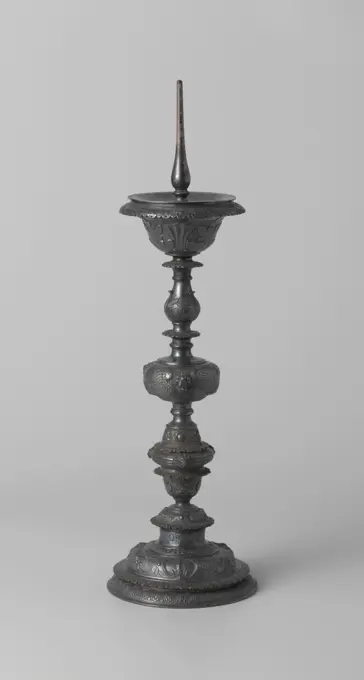
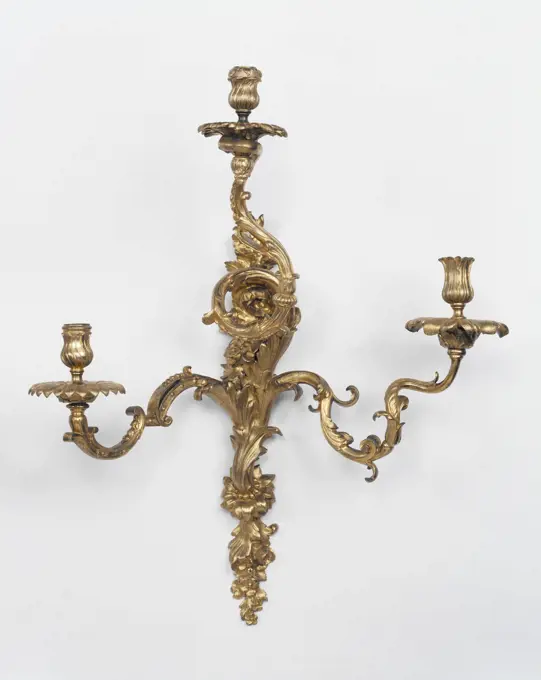
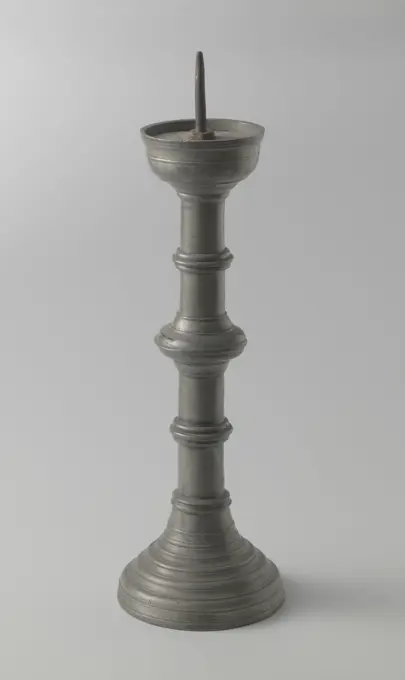
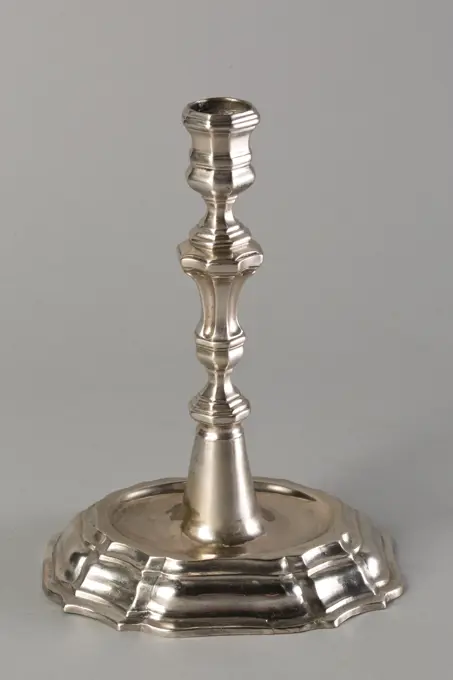
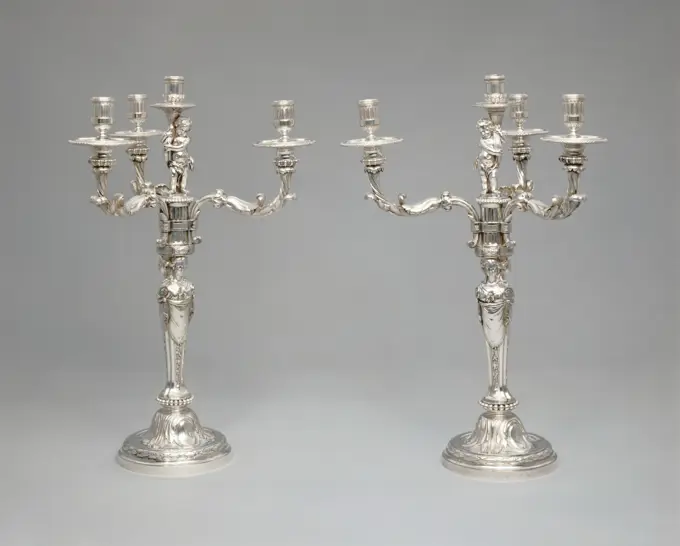
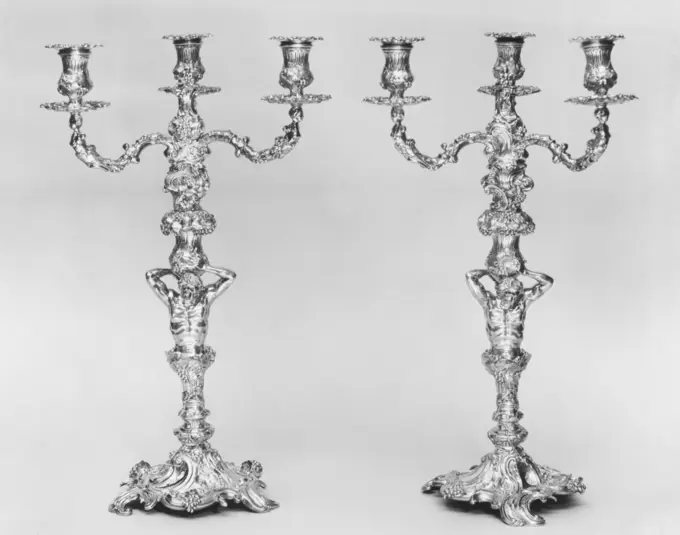
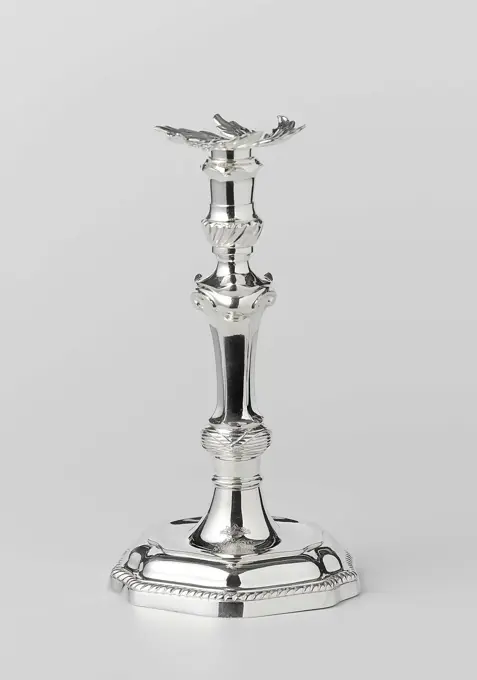
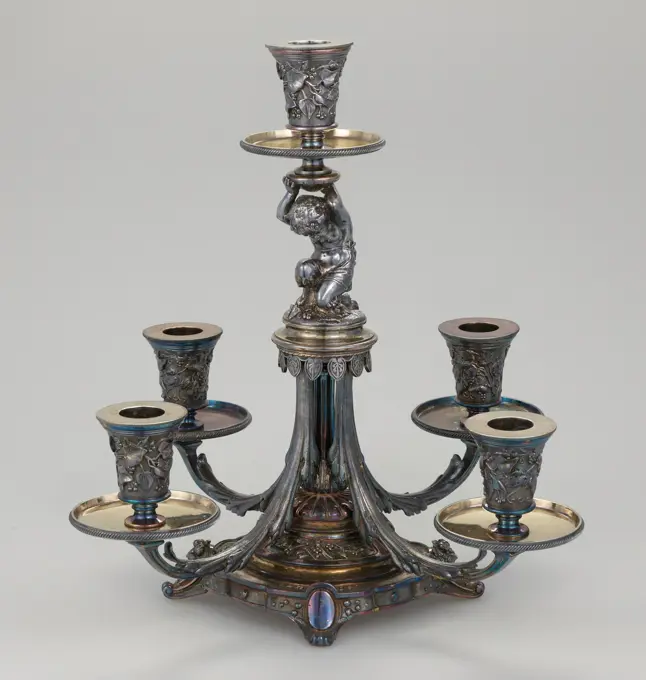
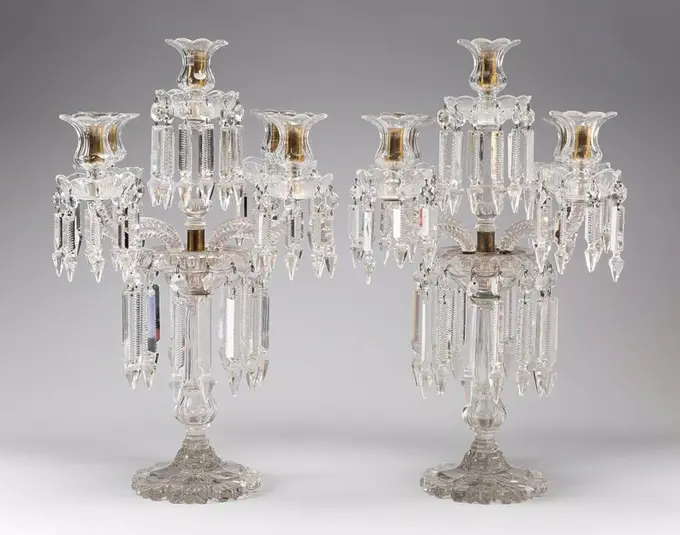
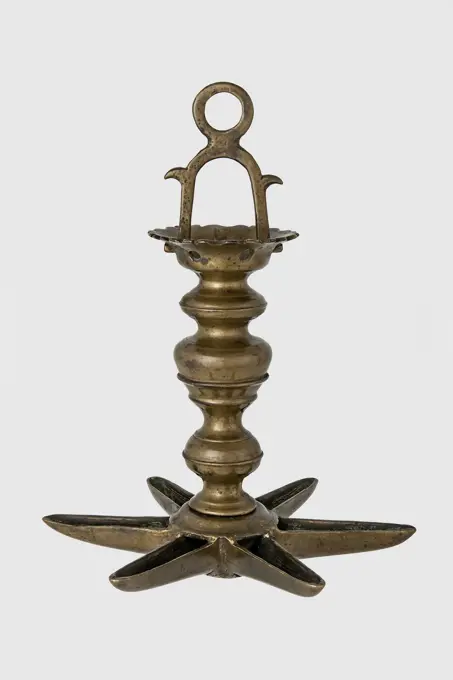
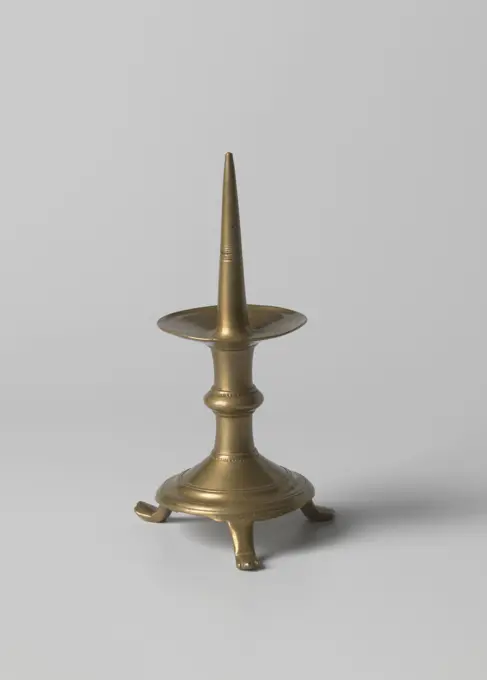
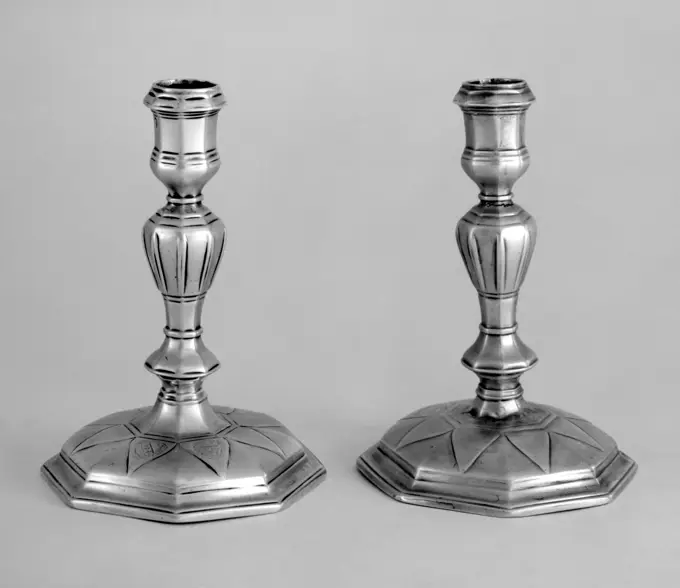
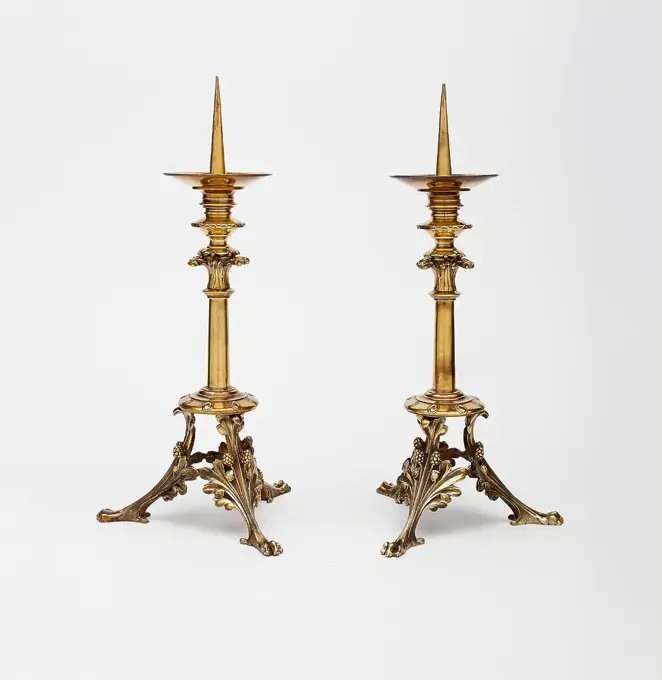
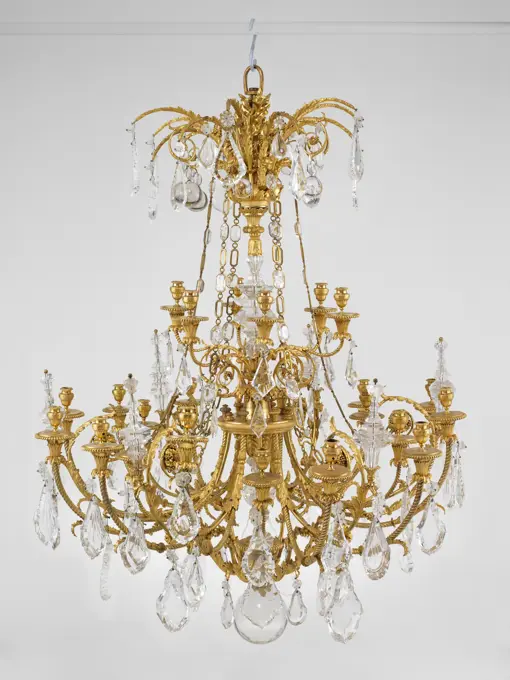
A variety of decorative candle holders and candelabra in silver and metalwork, showcasing intricate designs and historical artistry.

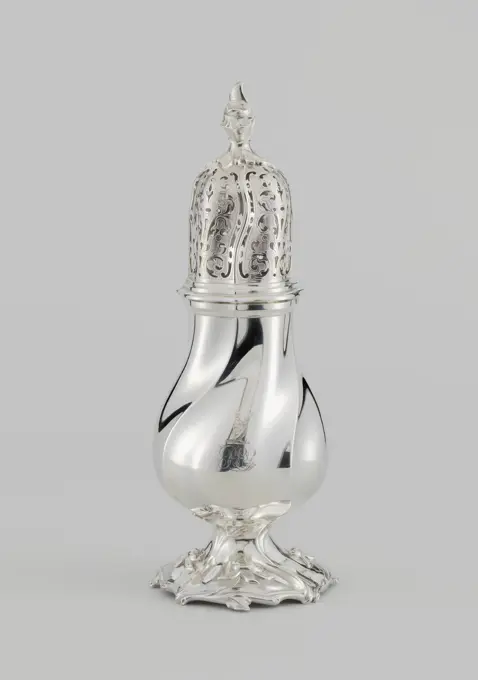
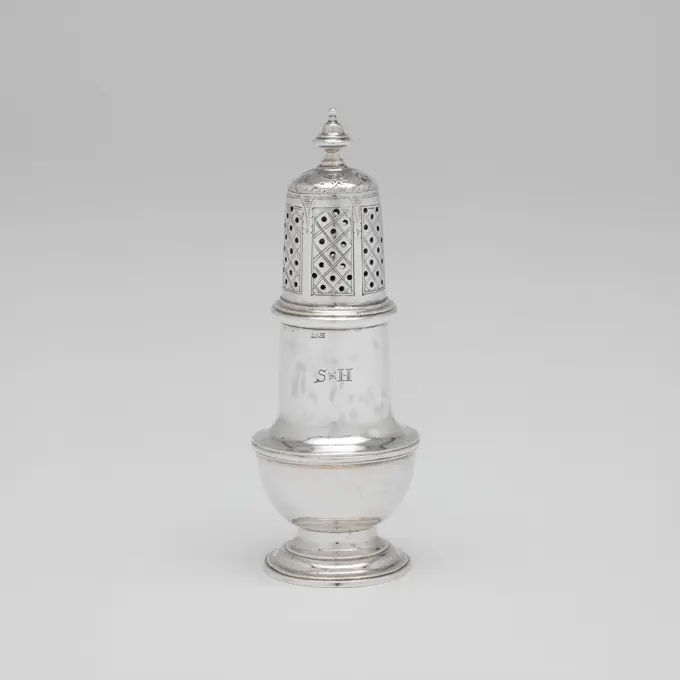
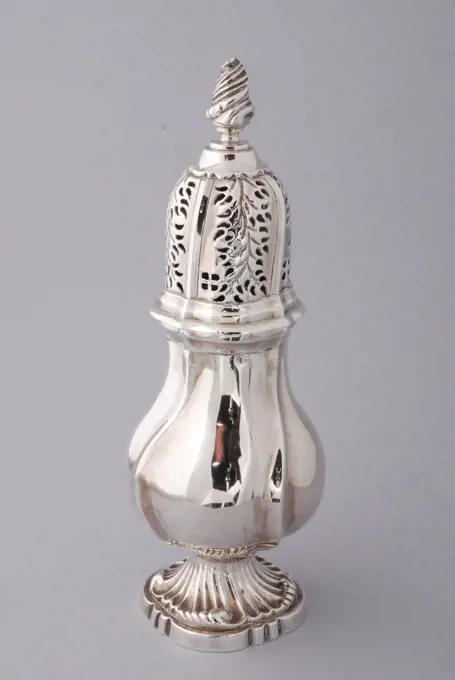
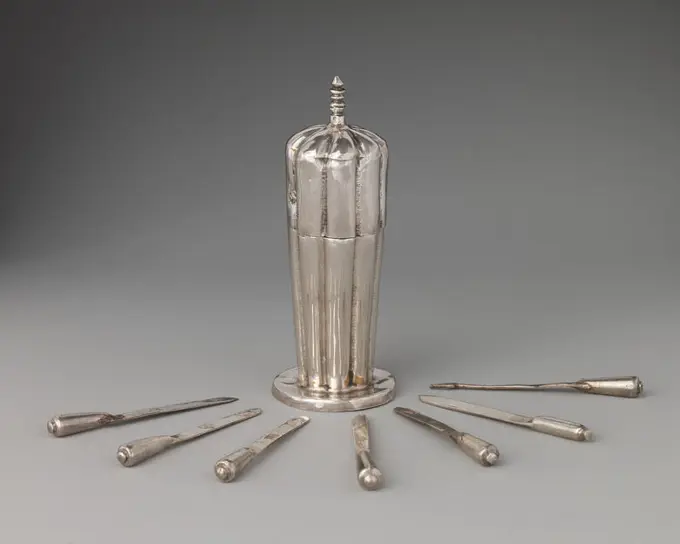
Sugar Caster (one of a pair) (sucrier à poudre); Simon Gallien (French, died 1757 (master 1714)); Paris, France; 1743; Silver; 26 × 11.4 cm, 1042.44 g (10 1,4 × 4 1,2 in., 33.5152 ozt.);
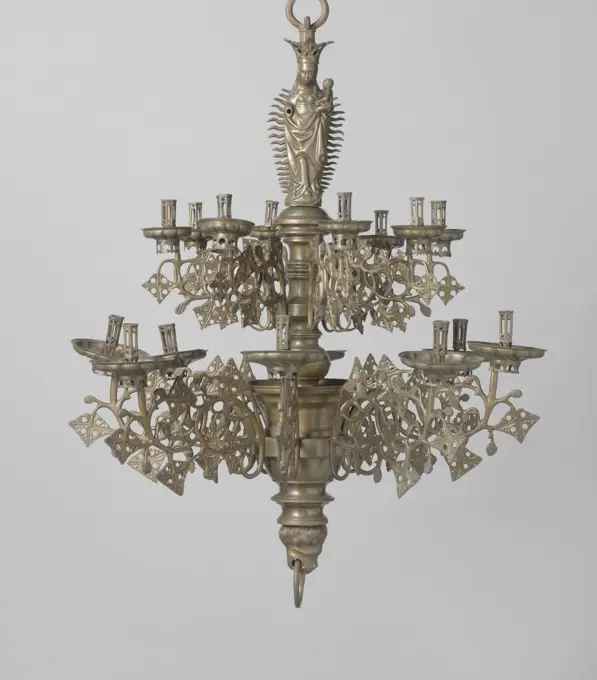
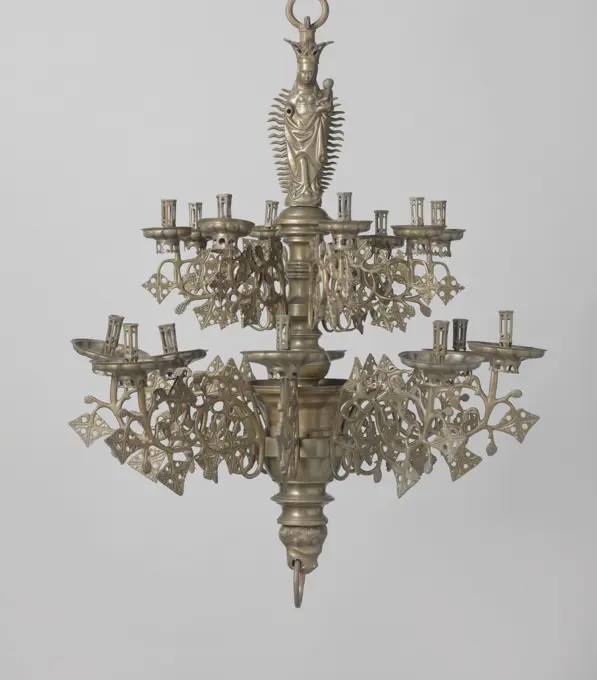
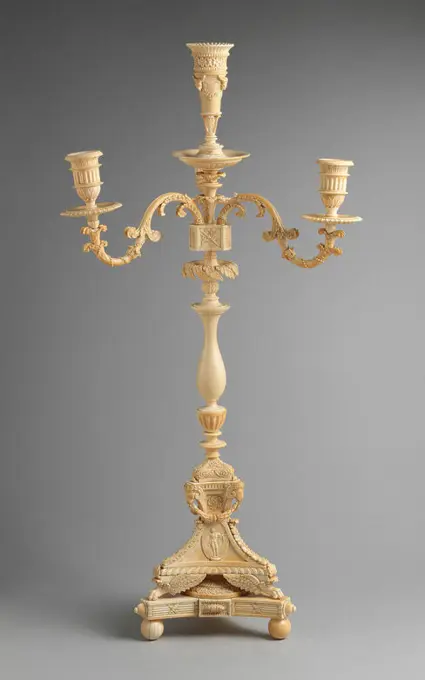
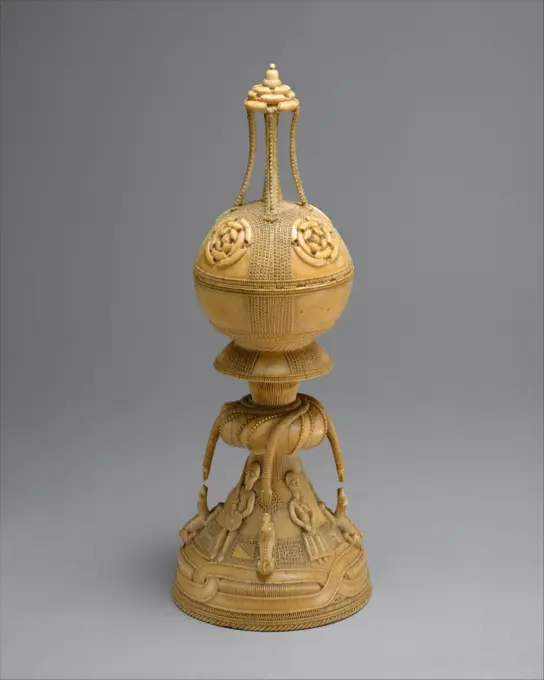
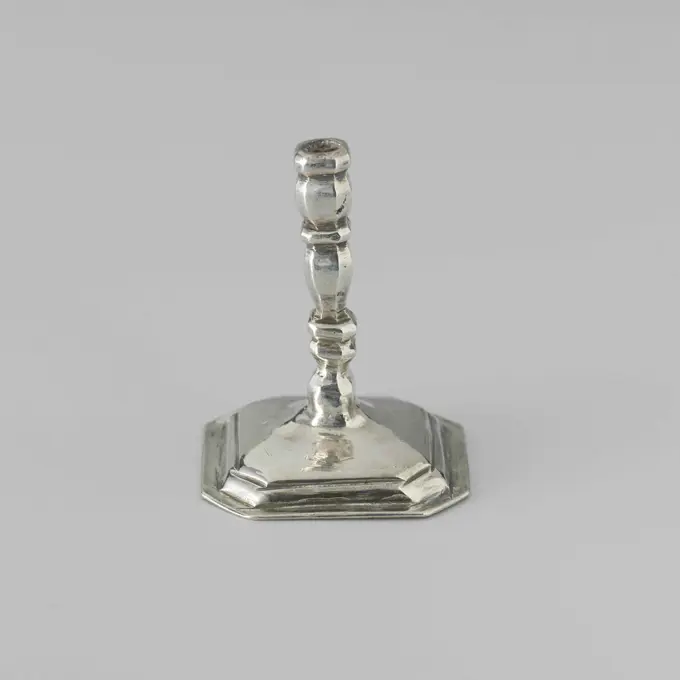
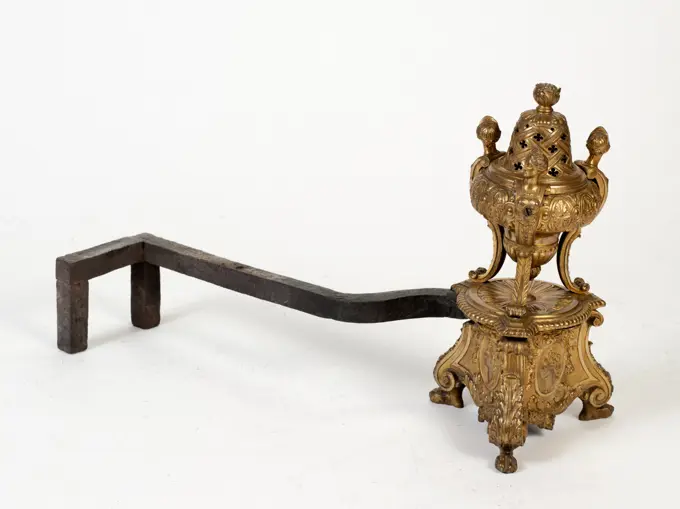
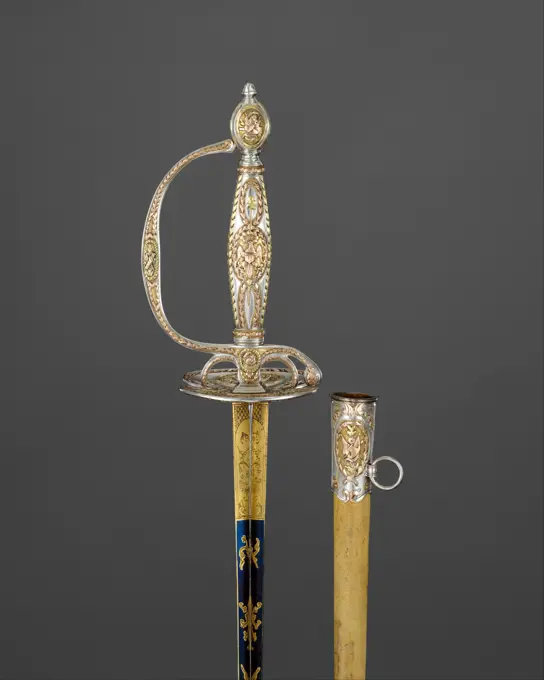
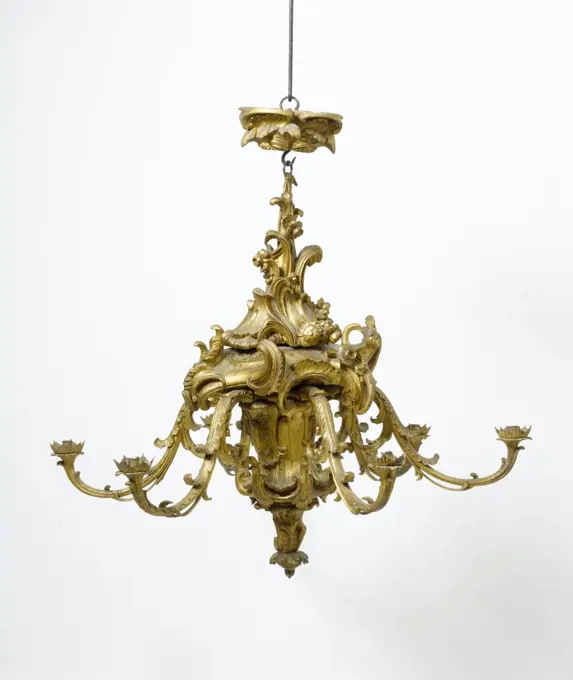
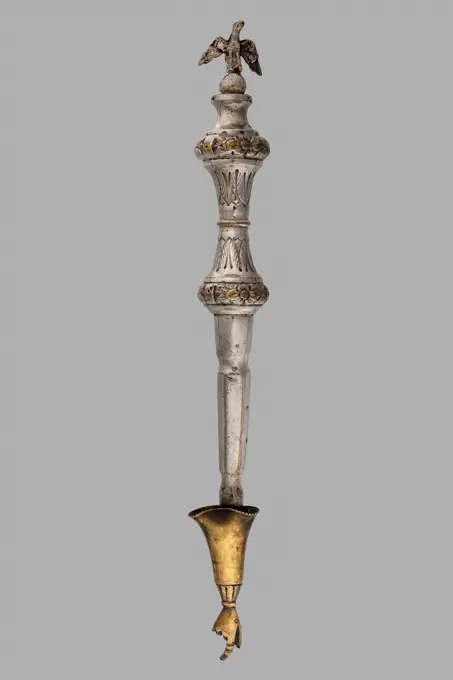
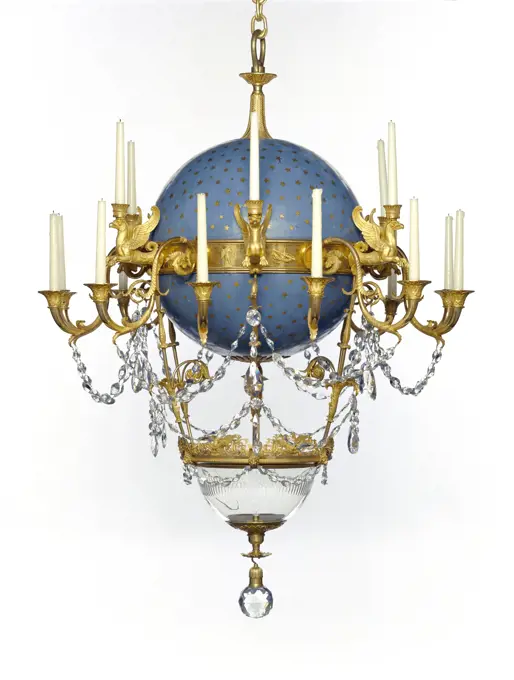
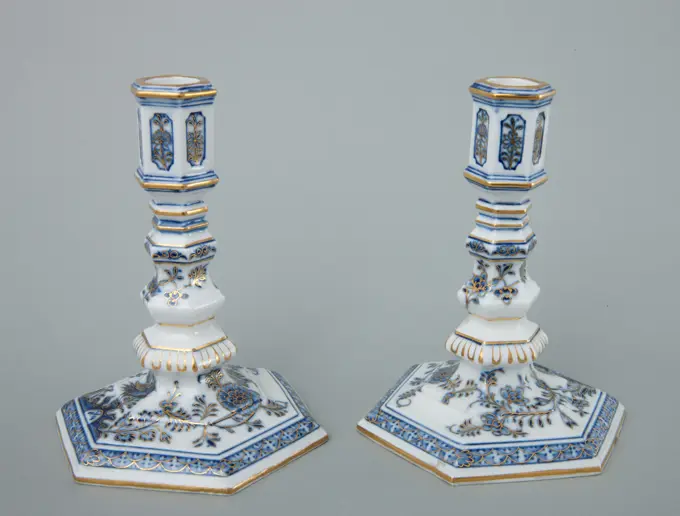
Sugar Caster (one of a pair) (sucrier à poudre); Simon Gallien (French, died 1757 (master 1714)); Paris, France; 1743; Silver; 26 × 11.4 cm, 1042.44 g (10 1,4 × 4 1,2 in., 33.5152 ozt.);CandlestickCandelabrum, Alphonse Giroux & Cie, 1799-1867, Gilt bronze, Three-legged gold decorative clock with three lower arms and one raised center arm for candlesticks. Insects are scattered among the candelabrum., Paris, France, ca. 1875, metalwork, Decorative Arts, CandelabrumSugar Caster (one of a pair) (sucrier à poudre); Simon Gallien (French, died 1757 (master 1714)); Paris, France; 1743; Silver; 26.7 × 11.7 cm, 1018.11 g (10 1,2 × 4 5,8 in., 32.7329 ozt.);Arm with candle holder of candle crown of two heights, each with eight arms, 1525 - 1550 Candle arm belonging to a candle crown of two heights with maria figure at the top. The arm is bent twice and is decorated with nine grape bunches and five vine leaves. The round fat catcher is decorated at the bottom with six round lobes. The candle holder is six -flared, opened, placed on a double hollow -round -profiled pedestal, transferring to a protruding with thread. This is the fifth arm of the bottom ring, numbered with 5 round points. The candle holder is unnumbered. Southern Netherlands brass (alloy) casting Candle arm belonging to a candle crown of two heights with maria figure at the top. The arm is bent twice and is decorated with nine grape bunches and five vine leaves. The round fat catcher is decorated at the bottom with six round lobes. The candle holder is six -flared, opened, placed on a double hollow -round -profiled pedestal, transferring to a protruding with thread. This is tVase. Acquired by the artist at the World's Fair 1900 in ParisAnonymous. Tree. Carved and painted oak. 1700-1725. Paris, Carnavalet museum. Furniture, furnitureArm with candle holder of candle crown of two heights with eight arms each, c. 1525 - c. 1550 Candle arm belonging to a candle crown of two heights with maria figure at the top. The arm is bent twice and is decorated with four grapes bunches and five vine leaves. The round fat catcher is decorated with fish bladder motifs at the bottom and has an excellent edge of cross flowers towards the middle, which masks the placement on the arm. The candle holder is six -flat, opened, placed on three vertical styles, transferring to a threaded protrusion. This is the second arm of the upper ring, numbered with 2 round points. The candle holder is numbered with 2 shallow points. Southern Netherlands brass (alloy) casting  Barneveld Candle arm belonging to a candle crown of two heights with maria figure at the top. The arm is bent twice and is decorated with four grapes bunches and five vine leaves. The round fat catcher is decorated with fish bladder motifs at the bottom and has an excellent edge Arm with candle holder of candle crown of two heights with eight arms each, c. 1525 - c. 1550 Candle arm belonging to a candle crown of two heights with maria figure at the top. The arm is bent twice and is decorated with nine grape bunches and five vine leaves. The round fat catcher is decorated with fish bladder motifs at the bottom and has an excellent edge of cross flowers towards the middle, which masks the placement on the arm. The candle holder is six -flat, opened, placed on three vertical styles, transferring to a threaded protrusion. This is the second arm of the bottom ring, numbered with 6 round points. The candle holder is numbered with 6 diagonal notches. Southern Netherlands brass (alloy) casting  Barneveld Candle arm belonging to a candle crown of two heights with maria figure at the top. The arm is bent twice and is decorated with nine grape bunches and five vine leaves. The round fat catcher is decorated with fish bladder motifs at the bottom and has an excellent edgeFour-light candelabrum. Culture: probably Indian, Murshidabad. Dimensions: Overall: 31 1/4 × 16 3/4 in. (79.4 × 42.5 cm). Date: ca. 1790.Solid ivory furniture, ornaments, and candlesticks after English models were produced in the Bengal district of Murshidabad beginning in the second half of the eighteenth century. They were commissioned by nawabs to furnish their reception rooms for the convenience of their English guests or sometimes presented as gifts to esteemed East India Company officials. This candelabrum exhibits numerous elements of English Neoclassical style but handled in an Indian manner. Museum: Metropolitan Museum of Art, New York, USA.Whatnot. Fraget, Józef (Warszawa ; Fabryka Wyrobów Srebrnych i Platerowanych ; 1824-1945), goldsmiths companyGalvanoplastic reproduction of an altar candlestick decorated with fruits, flowers and angel heads, fa. Elkington & Co., 1881 Galvanoplastic reproduction of an altar candlestick decorated with driven fruits, flowers, masks and angelic heads. London copper (metal). silver (metal) Galvanoplastic reproduction of an altar candlestick decorated with driven fruits, flowers, masks and angelic heads. London copper (metal). silver (metal)Tribe of candle crown of two heights, Anonymous, 1650 The bottom of the tribal part decorated with grooved rings is at the top of the baluster formg, then turns into a stand ring with openings for the eight arms. They are marked with the numbers a up to and including eight left to the left of the opening. The stand ring has closed, round holes, which indicate that the candle crown has ever been elected. Amsterdam (possibly) brass (alloy) casting The bottom of the tribal part decorated with grooved rings is at the top of the baluster formg, then turns into a stand ring with openings for the eight arms. They are marked with the numbers a up to and including eight left to the left of the opening. The stand ring has closed, round holes, which indicate that the candle crown has ever been elected. Amsterdam (possibly) brass (alloy) castingOne pair of Wall Lights (appliques); Attributed to André-Charles Boulle (French, 1642 - 1732, master before 1666); Paris, France; about 1715 - 1720; Gilt bronze; 50 x 53 cm (19 11,16 x 20 7,8 in.)Candelabra (one of a pair). England, London; James Paltro (English, active 1739-c. 1758). Date: 1757-1758. Dimensions: 39.4 × 36.2 cm (15 1/2 × 14 1/4 in.). Silver, cast and chased. Origin: London. Museum: The Chicago Art Institute, Chicago, USA.Tin candlestick with three nodi and candle pin, anonymous, 1500 - 1600 Candlestick Van Tin, inside cave. The pedestal is, with a wooden core, is wide at the bottom and runs upwards and narrower through the hollow and convex rings placed above each other. There is a cylindrical shaft on the foot, with four smooth parts separated by three wide nodes. The upper and lower nodi consist of three convex rings. The middle nodus is higher and wider. On the shaft is the fat catcher, with a wooden core and in the middle a candle pin of iron. Lower Rhine region tin (metal). wood (plant material). iron (metal) casting Candlestick Van Tin, inside cave. The pedestal is, with a wooden core, is wide at the bottom and runs upwards and narrower through the hollow and convex rings placed above each other. There is a cylindrical shaft on the foot, with four smooth parts separated by three wide nodes. The upper and lower nodi consist of three convex rings. The middle nodus is higher and wider. On the shaft Covers; The czech republic; End of the 17th century (1680-00-00-1700-00-00);Patek Stanisław, Piotrowski Adam Marian, Dar (provenance)Candle crown of two heights, each with six arms, anonymous, c. 1475 - c. 1500 The object consists of an iron rod with an iron hook and the next cast parts: the maria figure, the right hand sounded to her arm, her left hand with the Christ child, the crown riveted on her head, the trunk, the riveted lion's head , The Trek Ring, twice six arms with the corresponding fat catchers and wrought iron candle pins. The standing maria figure is surrounded by a jet wreath. Her rug and cloak are decorated with punched star motifs. Mantel closure and necklace are also punched. The predominantly hollow -rounded tribe has two stand rings with six notches each, which are marked with one to five notches. The last notch per ring is unnoticed. The arms are bent twice and are unnoticed, or always marked on the mounting nocks I to IIIII. They are decorated with two grape bunches and two vine leaves (above) and four grape bunches and five wingerd leaves (below). The round fat catchers have openwork, serrateArm of a candle crown in three heights, Anonymous, 1625 - 1650 The arm is provided with a ridge on the tribe side, in which a hole is applied to secure them with a pin in the stand rings. The S-shaped arm has the shape of a hose with a tail-wrinkled tail and outside a lifted head with a round button on it, in which the hole provided with a thread is applied to confirm the candle holders with the fat catchers. The arm is cast using the same model as the other arms of the wreath. The round candle holder is vase -shaped with a profiled rib. At the top she has two holid profile, and a protruding edge and at the bottom of a foot consisting of two holy -round profiles. The foot runs out in a rejuvenating screw end with a center hole. The convex fat catcher is smooth at the top and has fish bladder -like godrons and a rib at the bottom. The fat catcher is cast using the same model as the other fat catchers of the wreath. The pins are decorated with convex buttons. This is the second arm of thArm of a candle crown in three heights, Anonymous, 1625 - 1650 The arm is provided with a ridge on the tribe side, in which a hole is applied to secure them with a pin in the stand rings. The S-shaped arm has the shape of a hose with a tail-wrinkled tail and outside a lifted head with a round button on it, in which the hole provided with a thread is applied to confirm the candle holders with the fat catchers. The arm is cast using the same model as the other arms of the wreath. The round candle holder is vase -shaped with a profiled rib. At the top she has two holid profile, and a protruding edge and at the bottom of a foot consisting of two holy -round profiles. The foot runs out in a rejuvenating screw end with a center hole. The convex fat catcher is smooth at the top and has fish bladder -like godrons and a rib at the bottom. The fat catcher is cast using the same model as the other fat catchers of the wreath. The pins are decorated with convex buttons. This is the second arm of thCandlestick, two-armed, the legs supported with lions. The candlestick consists of a feet placed on three legs with a strain. This is poured into one whole. The two-armed turner has been placed on top, to which two candle holders are screwed into the ends. The slightly ascending foot, which is equipped with fine grooved rings, has a raised edge, so that he can also serve as a fat catcher. The legs have sitting lions. The profiled hexagonal strain has a hexagonal knot at the bottom and in the middle and runs striker so that the upper part can be used as a candle pin. The turner has a hexagonal hole in the middle. The two arms end in dragon heads with two legs below. In this, the two eight-severe front and rear perforated holders are screwed on vertical annular feet. The foot is restored to the bottom and in the edge, probably due to the watering can that has made the object. One leg has been reconnected. An addition to this piece is an angel (BK-NM-2381-A).CandlestickCandlestick, anonymous, 1740 - 1770 FaiMence candlestick. Blue painted. Delft . FaiMence candlestick. Blue painted. Delft .Two candlesticks, Adam Loofs, 1687 Round candlestick, consisting of a foot, a trunk in the form of a standing female figure, a fat catcher and a candle holder. The vaulted base rests on the right -wing base, which is decorated with an edge of alternating palmets and acanthus leaves. Marked and dated. The Hague silver (metal) casting Round candlestick, consisting of a foot, a trunk in the form of a standing female figure, a fat catcher and a candle holder. The vaulted base rests on the right -wing base, which is decorated with an edge of alternating palmets and acanthus leaves. Marked and dated. The Hague silver (metal) castingCandlestick; molded and engraved silverSilversmith: Johannes La Blanc, Bell-shaped, silver bell with clapper, decorated with leaf garlands, acanthus leaf motifs and rosettes, table bell sound medium silver, cast appliqued bell-shaped bell, with clapper, fluted baluster-shaped stem vase-shaped knob on profiled handle end inside bottom bell (debossed) communication sound mealMerchandise, anonymous, c. 1590 - c. 1596 salt (condiment vessel) Tin salt vessel, three -part, cylindrical with a stretched bell shape. The two lower parts have a cavity for salt or herbs at the top. On the middle part, a uivally -shaped lid fits with a round ball that ends in a peak and in which four holes are. This part could probably be screwed loose. The bottom of this consists of a pewter plate. Traces of cashing are visible. England (possibly) tin (metal) casting / soldering  Nova Zembla. Saving HuysSilver lid, Jacques-Nicolas Roëttiers, c. 1772 - c. 1773 Round, high lid of silver. Dome -shaped and rising and crowned by a pineapple as a button. Paris silver (metal) Round, high lid of silver. Dome -shaped and rising and crowned by a pineapple as a button. Paris silver (metal)Ciborio de cobre con apliques de cristal de roca. 25,5x9,5 cm. Westfalia, Alemania, s.XIV.Pair of Candelabra. Robert-Joseph Auguste (French, 1723 - 1805, master by royal order 1757)Candle holder. Customer from buyer, on a tripod.Silversmith's Art, Great Britain 19th century. Silver six-branched candlestick, Victorian style.. Candle arm belonging to a candle wreath of two heights with maria figure at the top. The arm is bent twice and is decorated with nine grape vegetables and five winger leaves. The round fat catcher is decorated at the bottom with fishing blozen motifs and has a downward edge of cross flowers in the middle, which masks the placement on the arm. The candle holder is sixted, opened, placed on three vertical styles, overtreen in a thread protrusion. This is the second arm of the lower ring, numbered with 4 round points. The candle holder is numbered 4 diagonal notches.Pair of candelabra 1747-48 Paul de Lamerie British. Pair of candelabra. British, London. 1747-48. Silver. Metalwork-SilverCup of Zwartsluis.On the occasion of the Peace of Nijmegen in 1678, Hendrik Bentinck, Lord of Diepenheim, presented this cup to Zwartsluis, a fortified town under his jurisdiction. How it was to be used is indicated in the inscription on the cup, which translates as: Serving Zwartsluis is this work of art, kept in the Town Hall with its honour at heart; a cup from which there to drink wine, when to make merry is both deserved and fine.’. Candlestick of silver. The foot and trunk are hexagonal. The fat catcher has the shape of a lobed leaf. At the foot the engraved weapon of Rotterdam.Salt barrel. Diabolo-shaped salt barrel on three bolts. The salt barrel is decorated with roughened parts between smooth blowing. The salt barrel is marked: Mt. = Foot 158.Standing cup with cover (hanap) 16th century German, Augsburg. Standing cup with cover (hanap) 192057Candle of candle crown, c. 1475 - c. 1485 Candle arm belonging to a candle crown of three heights with Maria Chapel in the middle. The arm is bent twice and has eleven leaves. The fat catcher rests at the end, which has a vertical serrated edge with cruciferous motifs on the underside. The candle holder is six-flagged with a perforated side on the front and back and has a vertical ring-shaped lower piece. This is the first arm of the bottom ring (pedestal), numbered with 1 dot. Southern Netherlands brass (alloy) casting Candle arm belonging to a candle crown of three heights with Maria Chapel in the middle. The arm is bent twice and has eleven leaves. The fat catcher rests at the end, which has a vertical serrated edge with cruciferous motifs on the underside. The candle holder is six-flagged with a perforated side on the front and back and has a vertical ring-shaped lower piece. This is the first arm of the bottom ring (pedestal), numbered with 1 dot. Southern Netherlands brass (alloyStam of candle crown of two heights, c. 1800 - c. 1875 The object consists of a round rod of cast iron, an iron split pin and the following parts of yellow icing: the hanging ring, a strain in mushroom shape, a stand ring, a tribal part in the balus form, a stand ring, a hollow -round intermediate piece, the ball, the button. Both stand rings have openings to confirm the six arms, which are unnoticed or marked with one to five dots. The button forged on the rod and ends wide and ends in a button. The whole round rod has a narrow crack for the split pin at the top. The pins have coarse vase -shaped buttons. It can be seen that the sphere has been cast in two halves. Netherlands brass (alloy). iron (metal) casting The object consists of a round rod of cast iron, an iron split pin and the following parts of yellow icing: the hanging ring, a strain in mushroom shape, a stand ring, a tribal part in the balus form, a stand ring, a hollow -round intermediate piece, the ball, the button. Both Pair of candlesticks (part of a toilet service) 1736-37 J.M. (). Pair of candlesticks (part of a toilet service) 200256Epergne base. unknown, goldsmithCandle crown, C. van der Aa (silversmith), c. 1863 - c. 1881 Crown with two rows of six arms above each other, attached to a profiled trunk with a sphere at the bottom. At the top of the trunk is a ring, to which three crocheted rods are attached. The rods are turned and each have a sphere in the middle. The crown is marked: Mt. = C. van der Aa and a sword. Schoonhoven silver (metal) Crown with two rows of six arms above each other, attached to a profiled trunk with a sphere at the bottom. At the top of the trunk is a ring, to which three crocheted rods are attached. The rods are turned and each have a sphere in the middle. The crown is marked: Mt. = C. van der Aa and a sword. Schoonhoven silver (metal)Lamp Stand. Afghanistan, 12th century. Metal. BronzeKandelaar, part of an ensemble, Hoeker & Zoon company, 1891 Silver candlestick, part of an ensemble Amsterdam silver (metal) Silver candlestick, part of an ensemble Amsterdam silver (metal)Sleeve. A forged iron octagonal needle sleeve with screw-on lid by engraving with leaf ornament.Lidded Saltcellar 15th-16th century Sapi-Portuguese This saltcellar is both an extraordinary example of skilled workmanship and an artifact that epitomizes a singularly important convergence of cultures. In the second half of the fifteenth century, Portuguese explorers and traders were impressed by the considerable talent of ivory carvers along the coast of West Africa. As a result, they were inspired to commission works of this kind for their patrons, which ingeniously combine both European and African aesthetics and forms. During this period, salt and pepper were costly commodities and elaborate receptacles were appropriate for their storage in princely homes.This work contains imagery relating to indigenous Sapi belief systems. The four snakes, associated with mystical wealth, appear to confront four growling dogs. According to regional traditions, dogs are considered spiritually astute animals able to see spirits and ghosts that are invisible to humans. This depiction of the dogs, Candle holder. Candlestick on a square, vaulted foot with beveled corners. The trunk of the candlestick and the edge of the foot have been profiled. The candlestick is labeled: STK. = Amsterdam, MT. = Citroen 1975, no. 970 and a ax. The candlestick is the same as the candlestick with Invnr. BK-NM-4336-J.Fire. Chenet. Chiseled and gilded bronze. 1720. Paris, Carnavalet museum. Bronze chisel, cheminee, chenet, dore, 18th 18th 18th 18th 18th 18th 18 century, fire,Double flasks 18th century probably German. Double flasks. probably German. 18th century. Glass. GlassCongressional Presentation Sword with Scabbard of Colonel Marinus Willett (1740-1830) hallmarked for 1785-86 C. Liger French This sword is one of ten "elegant swords" awarded by the Continental Congress to various officers for meritorious action against the British during the American Revolution. Owing to lack of funds, the swords were not executed until 1785-86. They were made not by an American craftsman but by one of the finest fourbisseurs (sword retailers) in Paris. The decoration, in part prescribed by Congress, includes the coat of arms of the United States on one side of the grip and an appropriate presentation inscription on the other. This example is inscribed "Congress to Col. Willett, Oct. 11, 1777." These congressional swords are the first in a long tradition of specially designed presentation swords that would be awarded to America's military leaders throughtout the next century. Listen to experts illuminate this artwork's story Listen Play or pause #4413. Smallsword of CCandlestick with legs with stylized animal heads, anonymous, 1375 - 1425 The object consists of a foot and a trunk that may have been poured and turned in one whole. The round foot, which is decorated with three double grooved rings, has a raised middle and a raised edge. He stands on three legs, which are equipped with stylized animal heads. The trunk, which is profiled at the bottom and decorated with a knot, retains its hexagonal shape more or less to the top. Northern Netherlands (possibly) brass (alloy) casting The object consists of a foot and a trunk that may have been poured and turned in one whole. The round foot, which is decorated with three double grooved rings, has a raised middle and a raised edge. He stands on three legs, which are equipped with stylized animal heads. The trunk, which is profiled at the bottom and decorated with a knot, retains its hexagonal shape more or less to the top. Northern Netherlands (possibly) brass (alloy) castingChandelier, Anonymous, c. 1750 - c. 1770Halloween partyVenom - tip;  2. PO. 19th century (1851-00-00-1900-00-00);Bronisław Krystall. Testament (Warsaw - Exhibition - 2015/2016), Krystall, Bronisław (1887-1983) - collection, Torah, glue code, heraldic eagle, eagles, synagogue (cult), testamentary record (provenance)Candelabra from a centerpiece, c. 1864, H.12-1/4 x Dia.13 in. (overall), Electroplate, England, 19th centurycandlestick against the wall with the mirrorStrooibus, Pieter van der Kruyf, 1768 Silver spreading bus with four twisted ribs that start on the foot, alternate over the pear -shaped abdomen with a twisted swelling, then perceived in the corners of a closing horizontal profile and continuing over the high cap. This is crowned by a leaf rosette and a flower -wrapped flower as a button. On the foot, which enclosed through a leaf vank is four applivled flowers. On one of the swellings there is a monogram from PEG in engraving. Above which a deer as a helmet sign. Brands: The Hague, W (1768), kl. Leeuw, P.K. The Hague silver (metal) Silver spreading bus with four twisted ribs that start on the foot, alternate over the pear -shaped abdomen with a twisted swelling, then perceived in the corners of a closing horizontal profile and continuing over the high cap. This is crowned by a leaf rosette and a flower -wrapped flower as a button. On the foot, which enclosed through a leaf vank is four applivled flowers. On one of the swellings therCharles Adam, Caster, 1714/15, silver.Copper dining room lamp with a volant of glass beads, Theo Nieuwenhuis, c. 1914 The object consists of the actual of two parts and a ring composite, which includes the electrical lighting, a decorative hood attached to four strips, a tube and a ceiling piece. The parts are equipped with etched, and stretched or cut out. Green or frosted glass stones are mounted on the ring of the lower hood. Hang cords with glass beads against the ornament cover. A few years ago a new frame and a Plalstic inner cap were installed, as well as a crepe -colored with brown glass beads decorated. Amsterdam copper (metal). kralen: glass. textile materials etching / sawing The object consists of the actual of two parts and a ring composite, which includes the electrical lighting, a decorative hood attached to four strips, a tube and a ceiling piece. The parts are equipped with etched, and stretched or cut out. Green or frosted glass stones are mounted on the ring of the lower hood. Hang cords with glass beadsClose-up of a group of cruet in a stand, EnglandSugar-sugar sugar bowl; Harris, Charles Stuart (Fl. 1852-1897), Harris, C.S. & Sons (London; company z Otnicz; Fl. 1817-1933); 1897/98 (1897-00-00-1898-00-00);Set of three casters 1741-42 Paul de Lamerie British. Set of three casters 205006Spice Tower, 19th century, H.10-3/4 x Dia.2-3/8 in. (irregular), Silver, Germany, 19th centuryWedgwood, Wedgwood and Cut-Glass Candlesticks (pair), 19th century, porcelain and glass.Cart;  19th century (1801-00-00-1900-00-00);Small candlestick from the Swan" dinner set. Eberlein, Johann Friedrich (1695-1749), sculptor, Koenigliche Porcellain Fabrique, Meissen (1710-1763), factoryGueridone with octagonal leaves, tapered, profiled strain on three S-shaped legs. Gueridone of walnut, with octagonal leaf with raised edge, tapered, profiled trunk on three S-shaped legs.Pair of Candelabra, François Désiré Froment-Meurice, 1853 Kandelaber of partially gilded silver. On the Kandelaber an angel is combined with feet and arms in a lush rococo style and with decorative motifs in an Arabic idiom. Paris silver (metal). gilding (material) gilding Kandelaber of partially gilded silver. On the Kandelaber an angel is combined with feet and arms in a lush rococo style and with decorative motifs in an Arabic idiom. Paris silver (metal). gilding (material) gildingCruet Stand (Huilier), 1766. Robert Joseph Auguste (French, 1723-aft 1795). Silver and glass; overall: 20.8 x 14.6 cm (8 3/16 x 5 3/4 in.).. The holder consists of an oval container with a profiled edge that ends in leaf shapes along the concave basis. The legs have the shape of grape roses. The Ajour processed bottle holders are decorated with garlands and bell-shaped motifs. A column in the form of a Tuscan column, awarded an amphora between the bottles. On the base two wreaths with grape vines for the silver caps of the bottles.Caster 1740-50 Jacob Hurd American. Caster 1468Candlestick Depicting the Triumph of Diana, c. 1565. Attributed to Jean II de Court (French, bef 1583). Painted enamel (grisaille) on copper; overall: 33.6 cm (13 1/4 in.).Brooch, anonymous, 1800 - 1900 A brooch of gold in the shape of a tube. Below the unadorned top, a hexagonal baluster -shaped middle part follows, which, like the narrow hexagonal point with small motifs of four engraved points, is decorated. (Belonging to a Zeeland costume)  gold (metal) A brooch of gold in the shape of a tube. Below the unadorned top, a hexagonal baluster -shaped middle part follows, which, like the narrow hexagonal point with small motifs of four engraved points, is decorated. (Belonging to a Zeeland costume)  gold (metal)Bartholomeus van der Tooren, Silver herb spreader or sugar spreader , sugar sprinkler sprinkler crockery holder silver, Silver herb spreader or sugar spreader With smooth spins from foot to lid sprinkle serve sugarKey European 19th century View more. Key. European. 19th century. Iron, silver. Metalwork-IronPapier Maché Copy of A Chinese Helmet Probably theatrical. Culture: Chinese. Date: 18th-19th century. Museum: Metropolitan Museum of Art, New York, USA.Lamp , Lamps. The Massachusetts WPA Federal Art Project Photograph CollectionScent Bottle 1850-1899 Bohemia. Glass; blown, cut, stained red, engraved and gilded .Chandelier; Gérard-Jean Galle (French, 1788 - 1846); Paris, France; about 1818 - 1819; Gilt bronze; enameled metal; glass; 129.5 x 96.5 cm (51 x 38 in.)Candlestick, two copies Mi Nia (Meissen)Pendant possibly Austrian 19th century View more. Pendant. possibly Austrian. 19th century. Gold, enamel, pearls. JewelryMiniature tazza. Artist: James Scott. Culture: Irish, Dublin. Dimensions: 1 × 2 1/2 in. (2.5 × 6.4 cm). Date: ca. 1828. Museum: Metropolitan Museum of Art, New York, USA.Merchandise, anonymous, c. 1590 - c. 1596 candlestick Candlestick, four -part consisting of a wide -ranging circular foot decorated with egg frame, a flat fat bowl decorated with egg list, a baluster -shaped shaft above which a disc -shaped knot and a cylindrical candle holder with two round leakage holes. House candlestick. Netherlands tin (metal) casting  Nova Zembla. Saving Huys. Eliza GodfreyInkstel, rounded rectangular, with three glass jars, Theodorus Gerardus Bentvelt, 1824 The rectangular leaves with rounded corners rest on four printed spherical, ribbed legs. The wall is made up of a straight, ribbed strap and a smooth vaulted part, along which a cable edge runs at the top. On the raised central part of the leaf are three cylindrical, low holders with profiled lower and upper edge. Three tons -shaped jars of colorless glass fit in, decorated with a sharpened diamond pattern. The middle jar has a fixed silver lid, in which a pattern is sawn from a stylized flower surrounded by stars. A smooth, silver ring is mounted on the neck of the other two, on which a silver lid fits. This has a straight wall with a profile edge at the bottom and a cable edge at the top, and a slightly vaulted top. The middle jar is intended for sand; The other two for ink. The three holders are secured by means of a long pin under the bottom of the leaf. Around the middle holder is the inscriptioPair of Candelabra. England. Date: 1835-1840. Dimensions: 6 × 38.9 × 39 cm (22 1/8 × 15 3/8 × 15 1/2 in.). Glass and brass. Origin: England. Museum: The Chicago Art Institute, Chicago, USA.Hanging Sabbath lamp. unknown, authorOne of four salt vessels, Francois Marcus Simons, 1803 Semi-spheres on four claw legs, standing on a square plate, which rests on four ball-shaped claw legs. The container is gilded on the inside. Marked and dated. The Hague silver (metal) casting Semi-spheres on four claw legs, standing on a square plate, which rests on four ball-shaped claw legs. The container is gilded on the inside. Marked and dated. The Hague silver (metal) castingArm of a candle crown in two heights, Anonymous, 1630 The S-shaped arm is provided with a ridge on the trunk side with an opening to secure it with a pin in the stand rings. At the trunk the arm is decorated on the end and to the center with two stylized dolphin heads and with three pairs of curls or leaves executed in lobe style. To the outside, the arm ends in a lip, in which a hole provided with a thread is applied, to confirm the candle holder and the fat catcher. The arm is cast using the same model as the other arms of the wreath. The cylindrical candle holder has two profiled ribs, two grooved rings and profiled excellent edge. The fat catcher is deepened twice at the top towards the center. At the bottom it is profiled around the hole on the somewhat spherical middle and ribbed on the edge and with two grooved rings. The fat catcher has been cast using the same model as the other fat catchers of this wreath. The pin is equipped with a vase -shaped button. This is the third arm Candlestick, four -part, anonymous, c. 1590 - c. 1596 candlestick Candlestick, four -part consisting of a wide -ranging circular foot decorated with egg frame, a flat fat bowl decorated with egg list, a baluster -shaped shaft above which a disc -shaped knot and a cylindrical candle holder with two round leakage holes. House candlestick. Netherlands tin (metal) casting  Nova Zembla. Saving HuysCandlestick, anonymous, c. 1200 - c. 1300 The object, which is cast in one whole, has a flattened-konic base, resting on three stylized claw legs, a trunk with a knot, a fat catcher and a large candle pin. The profiles on the trunk and around the foot are accentuated with a dot -driven dots. The candle pin shows traces of a thread. Northern Netherlands (possibly) copper alloy casting The object, which is cast in one whole, has a flattened-konic base, resting on three stylized claw legs, a trunk with a knot, a fat catcher and a large candle pin. The profiles on the trunk and around the foot are accentuated with a dot -driven dots. The candle pin shows traces of a thread. Northern Netherlands (possibly) copper alloy castingHand drawing isolated illustration of old street carving lamp in black color on white backgroundCandlestick 1600-1700. Candlestick. 1600-1700. BrassGueridon on baluster -shaped tribe, anonymous, c. 1700 - c. 1800 Gueridon of teak wood. The articulated stream, decorated with studs and grunts, rests on three legs, attached to a cylinder -shaped part of the trunk, including a final piece. The legs show leaf work on the swelling and end in a ring with studs and a slender animal claw. The trunk is largely baluster -shaped, completely covered with stabbed, upset leaves. The round leaf runs slanted to the trunk and is covered with grunts at the bottom. Indonesia wood (plant material). teak (wood) Gueridon of teak wood. The articulated stream, decorated with studs and grunts, rests on three legs, attached to a cylinder -shaped part of the trunk, including a final piece. The legs show leaf work on the swelling and end in a ring with studs and a slender animal claw. The trunk is largely baluster -shaped, completely covered with stabbed, upset leaves. The round leaf runs slanted to the trunk and is covered with grunts at the bottom. IndonesiMiniature knife. Culture: British, London. Dimensions: Length: 1 1/2 in. (3.8 cm). Maker: George Manjoy (British, active 1685-ca. 1720). Date: late 17th century. Museum: Metropolitan Museum of Art, New York, USA.Pair of candlesticks 1715-16 Thomas Folkingham. Pair of candlesticks 205033Candlestick (England); brassPair of Altar Candlesticks. Eugène Emmanuel Viollet-le-Duc; French, 1814-1879; Made by Placide-Benoît-Marie Poussielgue-Rusand; French, 1824-1889; Paris, France. Date: 1862. Dimensions: 1: 42.2 x 21 x 18.4 cm (16 5/8 x 8 1/4 x 7 1/4 in.)2: 41.9 x 21 x 17.8 cm (16 1/2 x 8 1/4 x 7 in). Gilded cast bronze. Origin: Paris. Museum: The Chicago Art Institute, USA. Author: Viollet-le-Duc.Twenty-four-light chandelier (lustre) (one of a pair) ca. 1790 French Numerous entries in the account book for the period 1748-58 of the marchand-mercier Lazare Duvaux show that he not only sold, shipped, and installed chandeliers but also took them apart for cleaning or repairs and reassembled them afterward. At times Duvaux would also provide crystal drops, finials, and globes to replace missing ones or mend those that were broken. This may explain why the late eighteenth-century frames of this magnificent pair of chandeliers incorporate earlier crystal pendants in their design. Arranged in three tiers, ropetwisted candle arms alternate with inward-scrolling branches decorated with acanthus leaves, stylized seedpods, and crystal finials. The elaborate model further includes gilt-bronze chains with crystal beads as well as a profusion of crystal drops and balls raining down from the umbrella-shaped row of arms near the top and from the multiple branches below. The splendid impression