Elegant Chairs

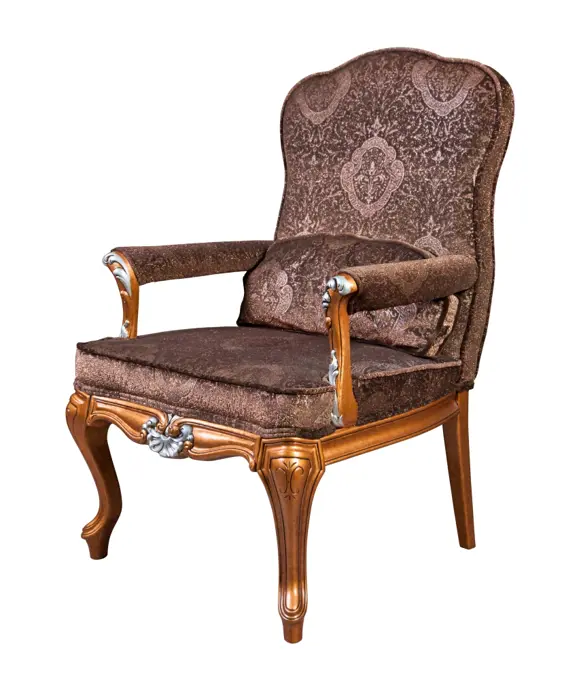
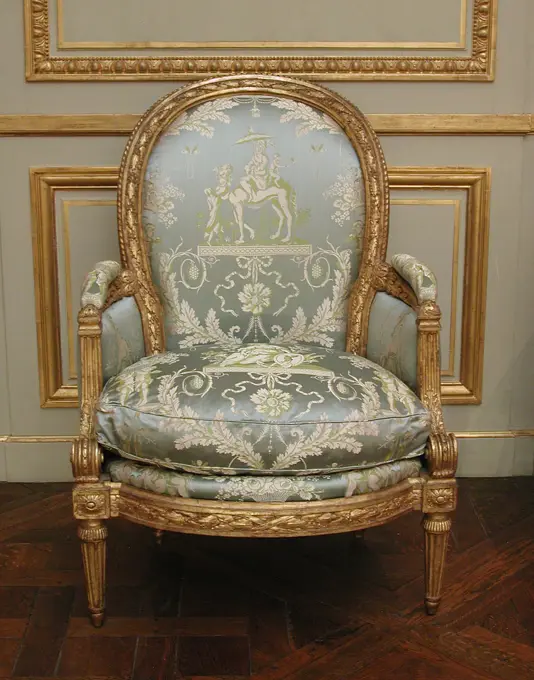
Chairs from different periods and styles, featuring intricate carvings and upholstery, showcasing elegance in furniture design.

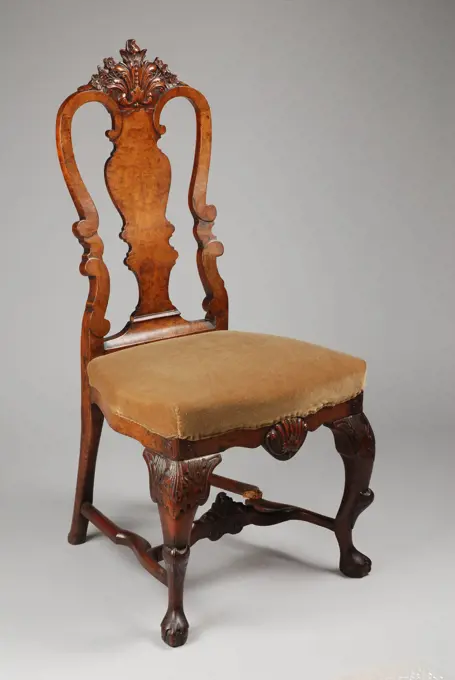
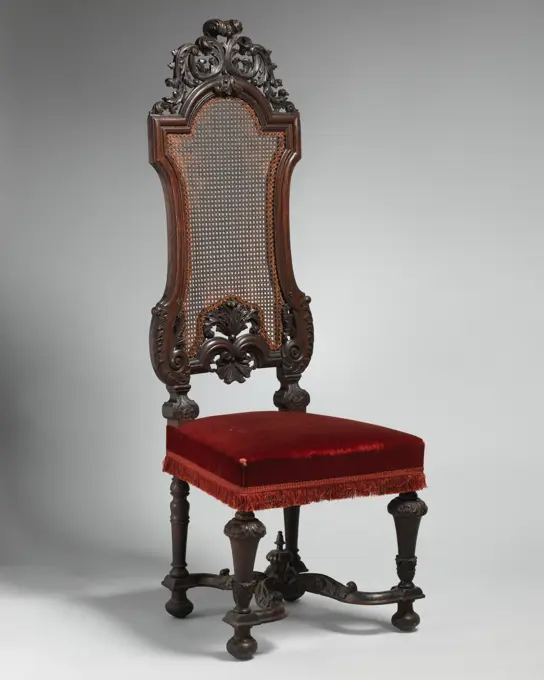
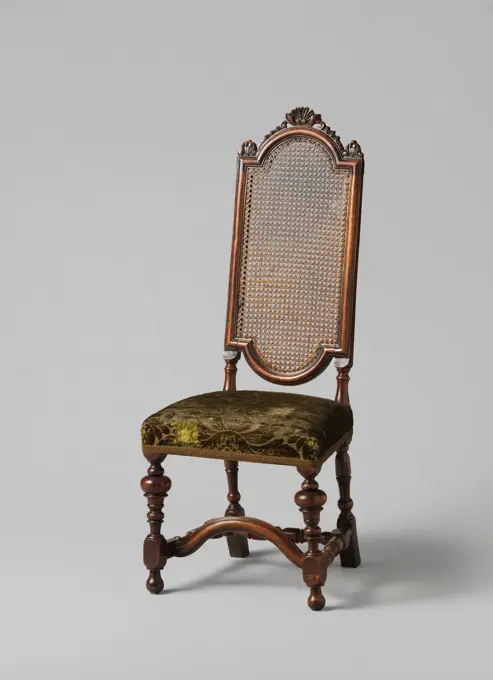
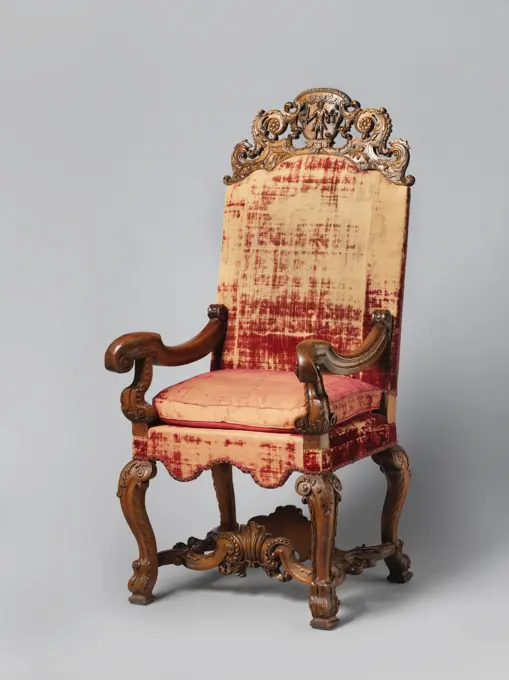
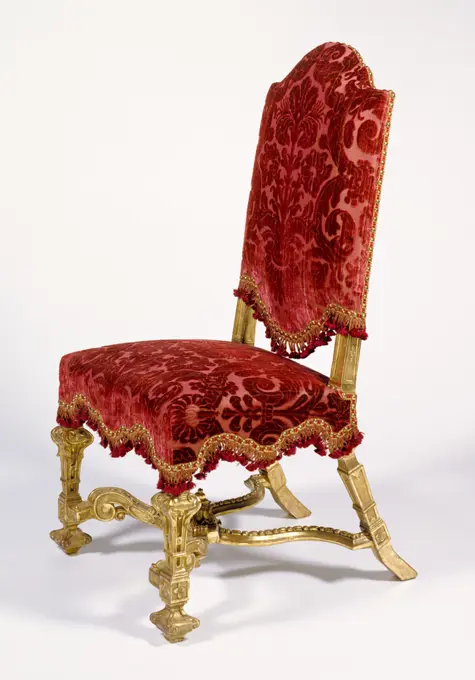
Walnut Régence chair, chair furniture interior design wood walnut velvet rattan, High braided backrest and red velvet seat twisted legs and lines under seat with inserted ornaments régence Daniel Marot
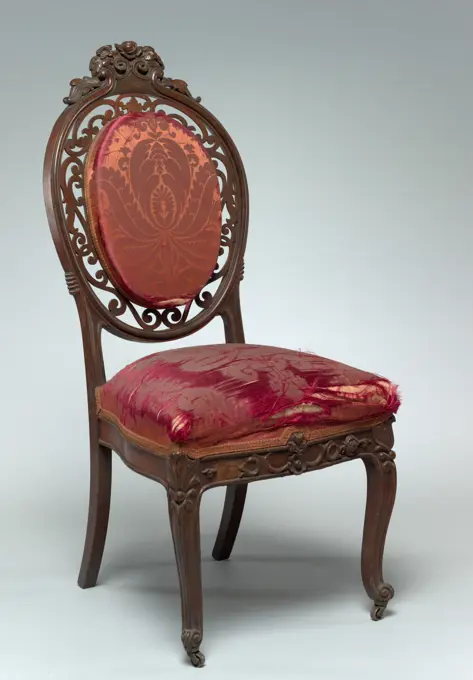
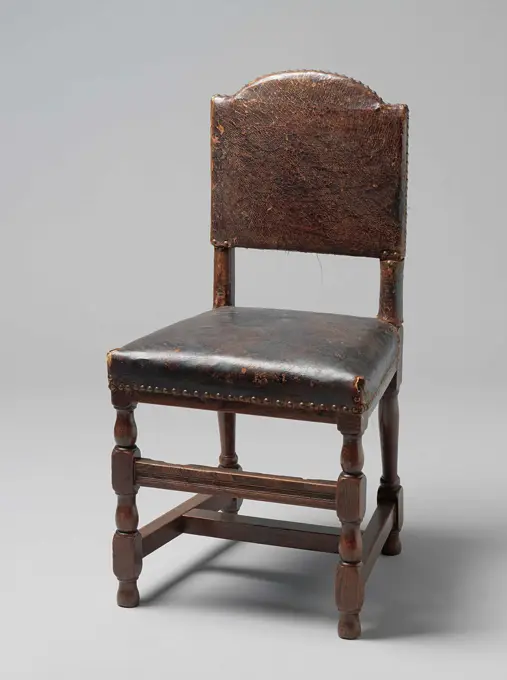
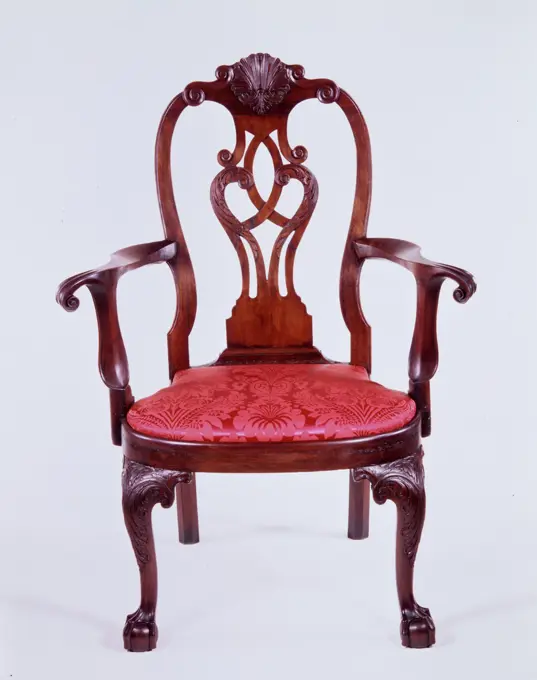
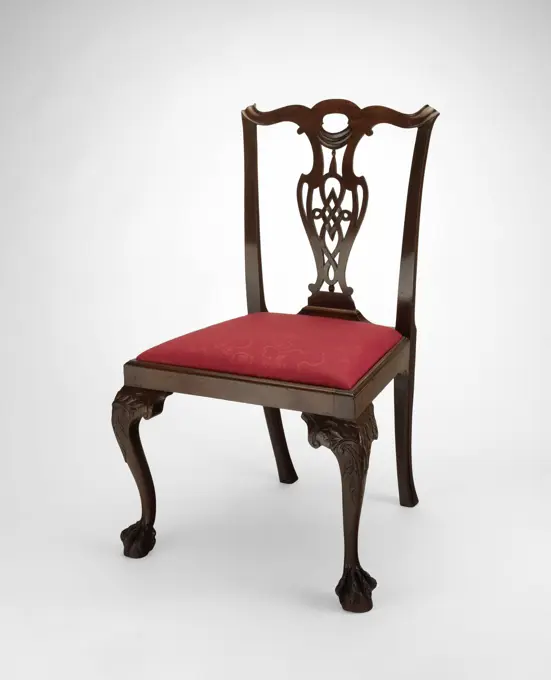
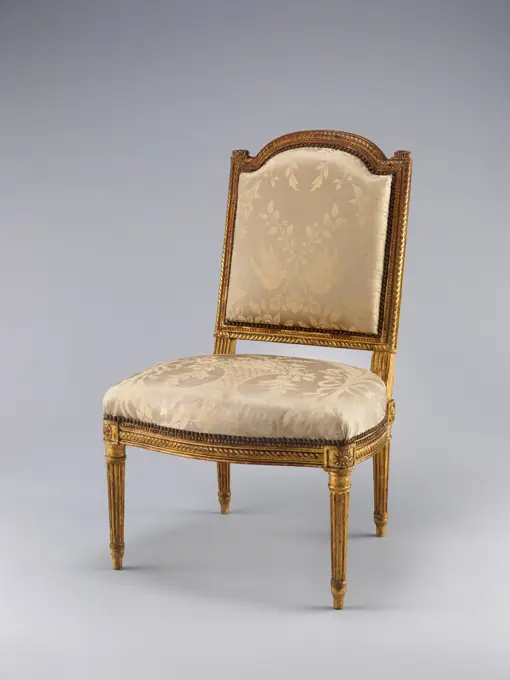
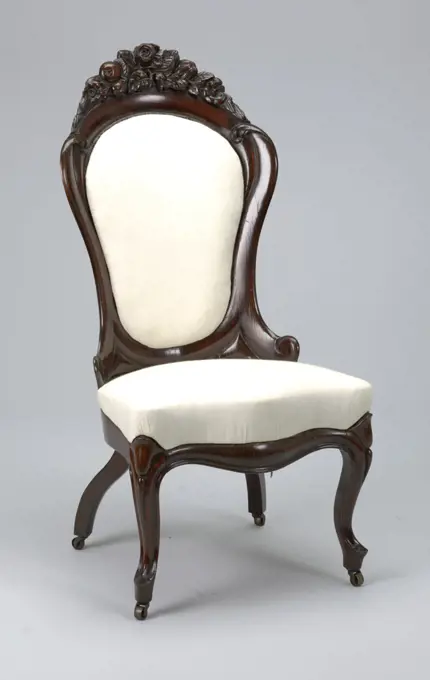
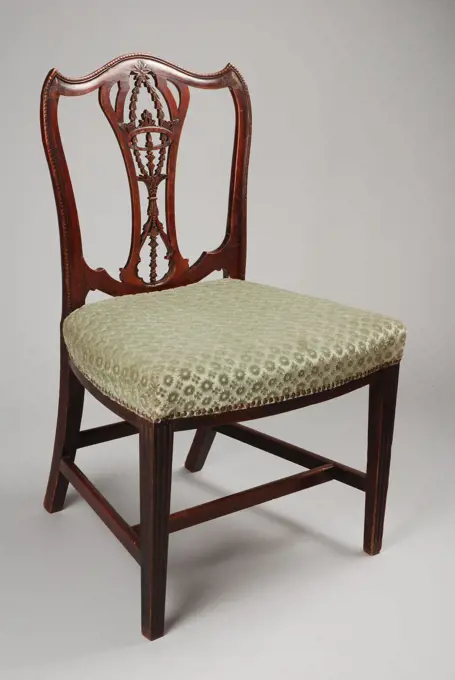
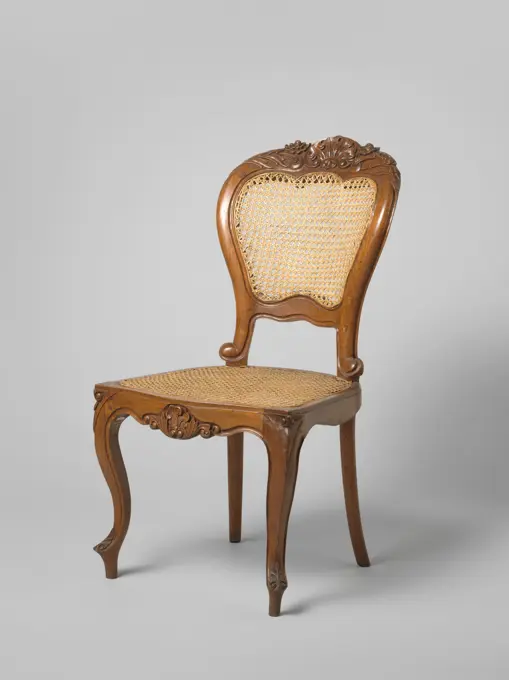
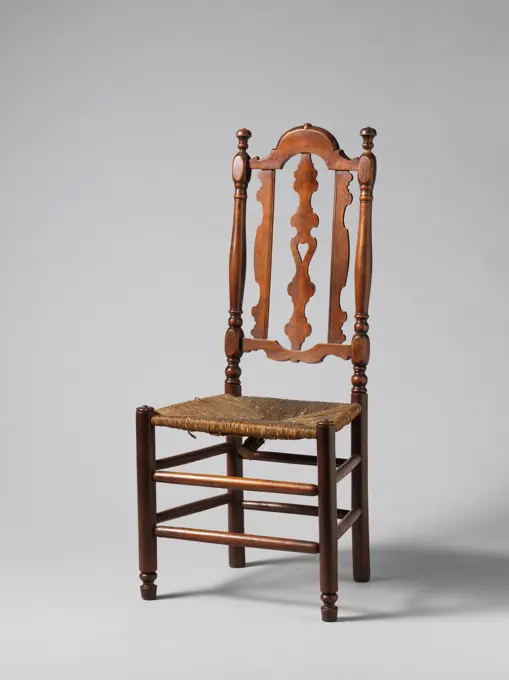
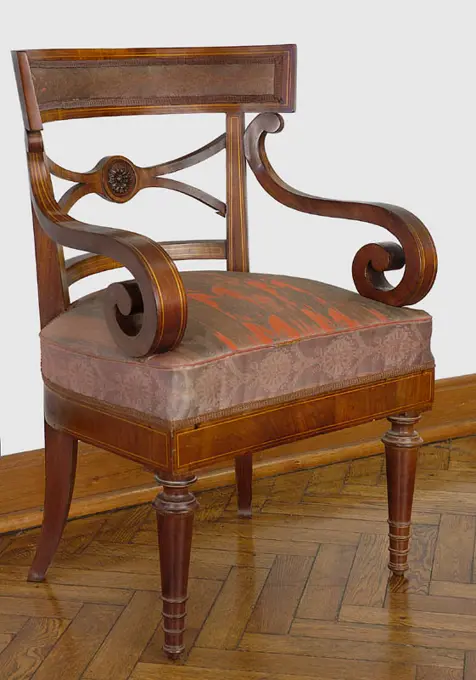
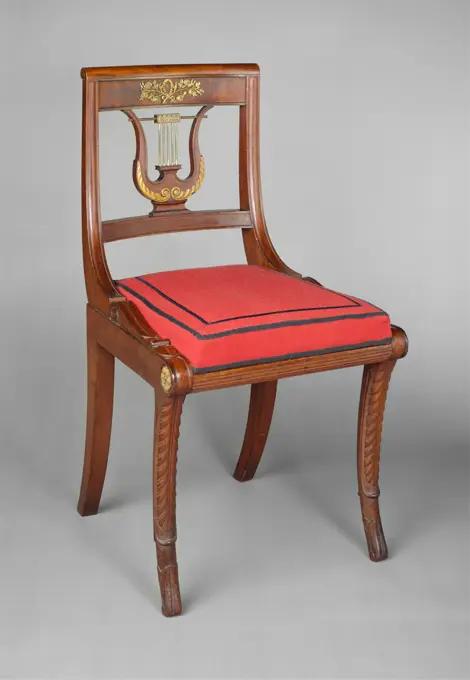
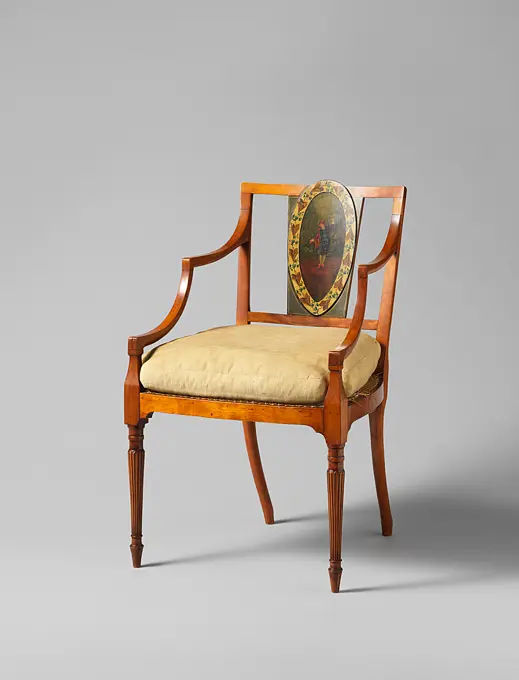
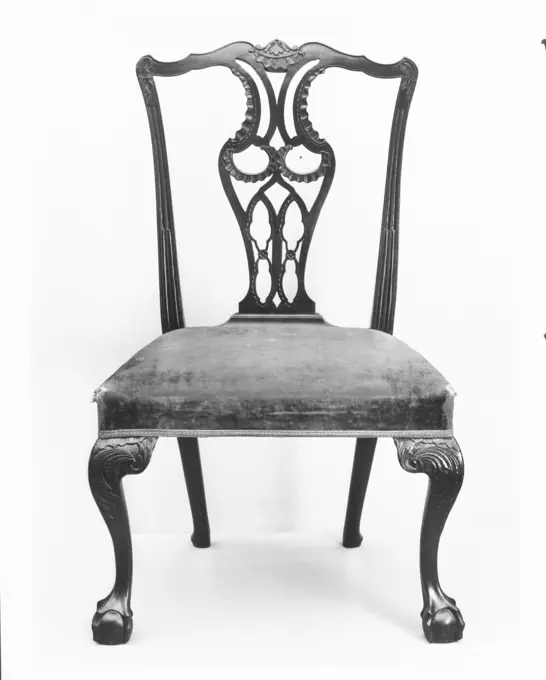
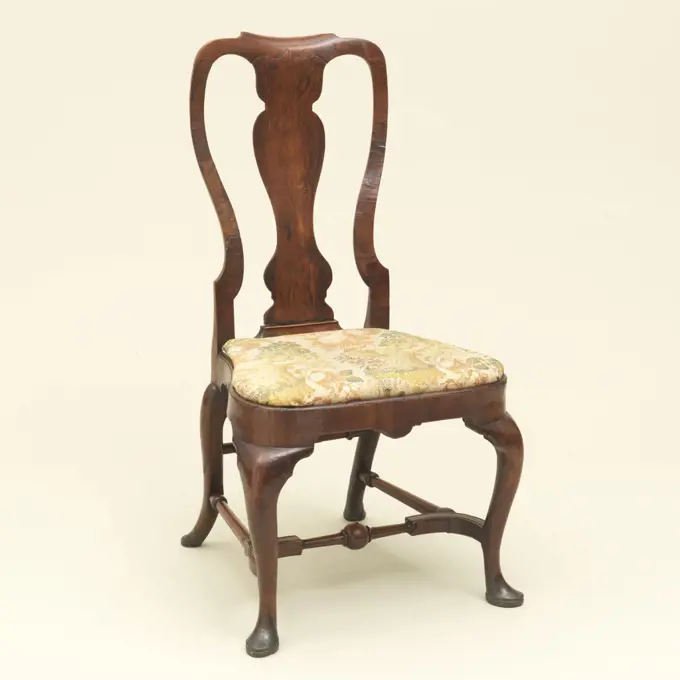
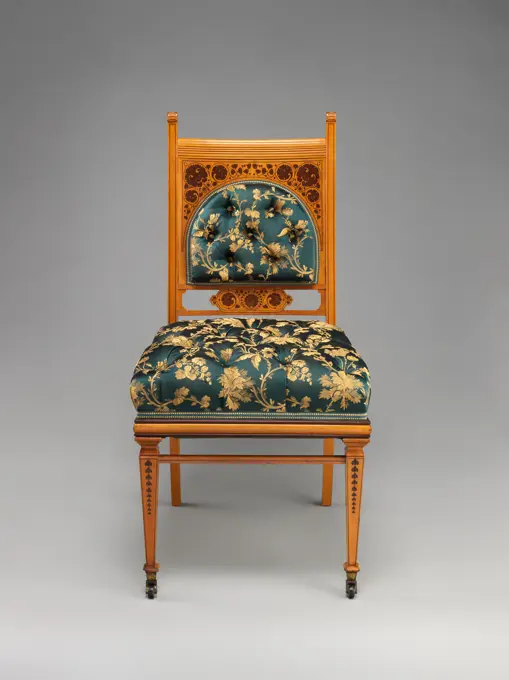
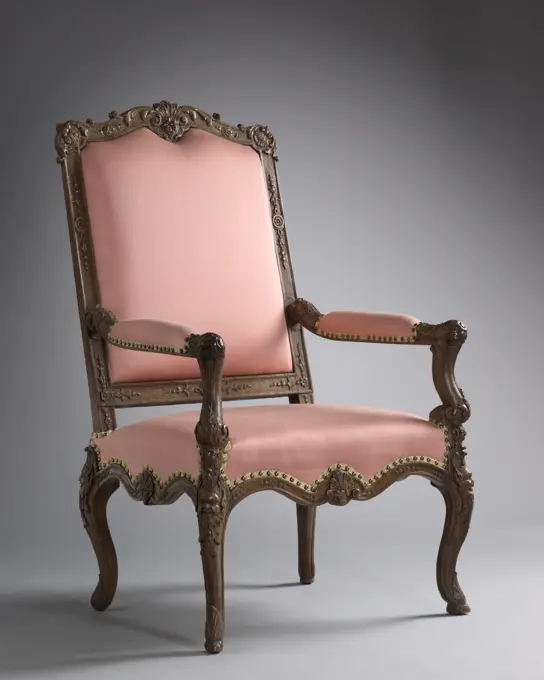
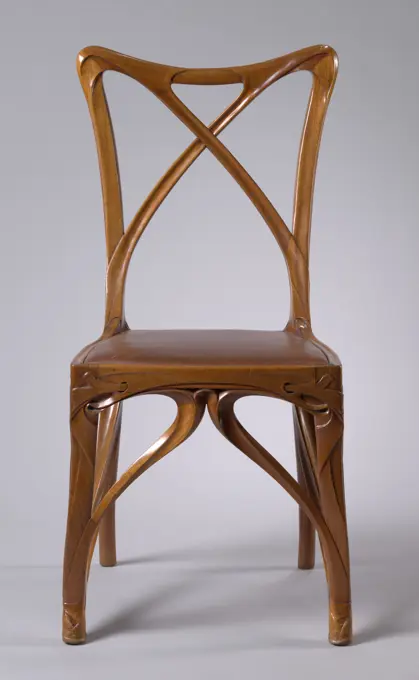
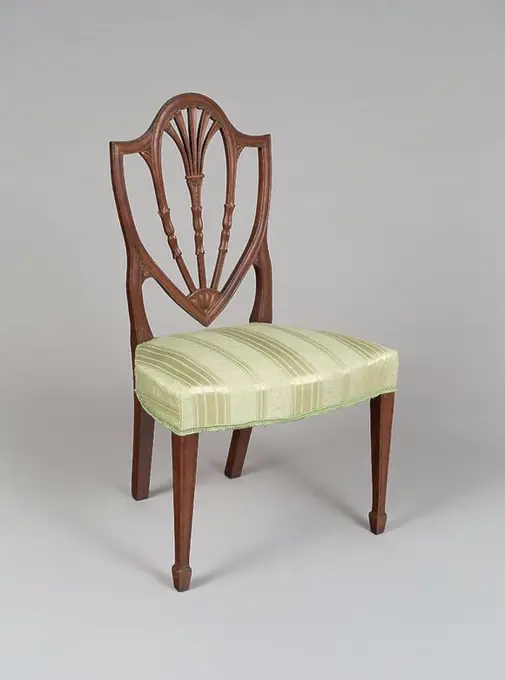
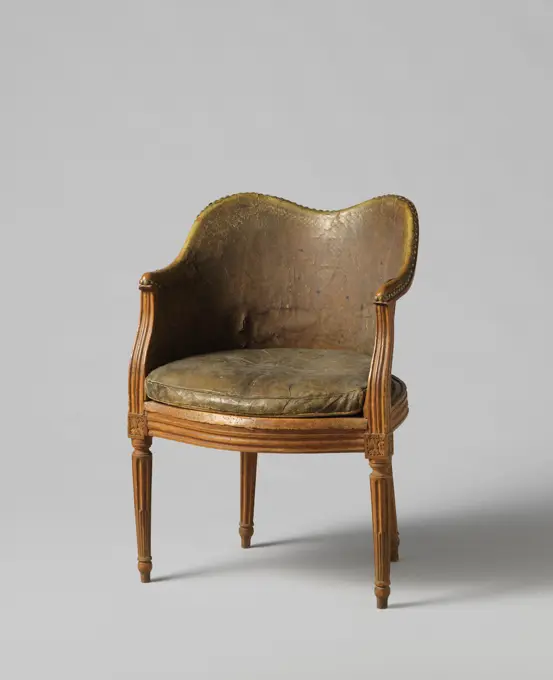
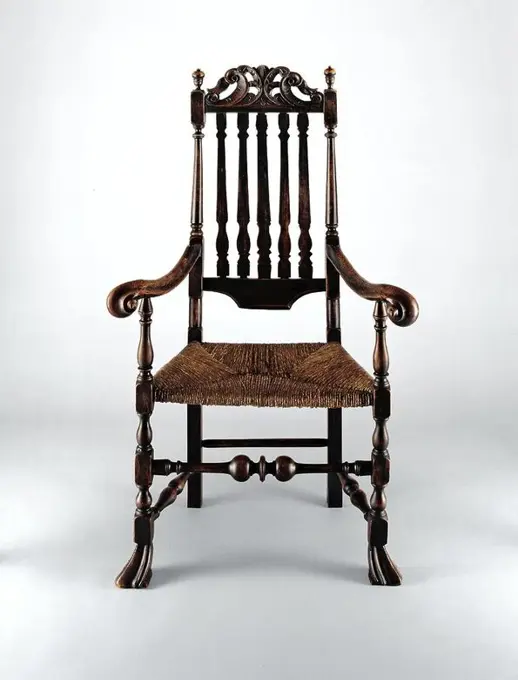
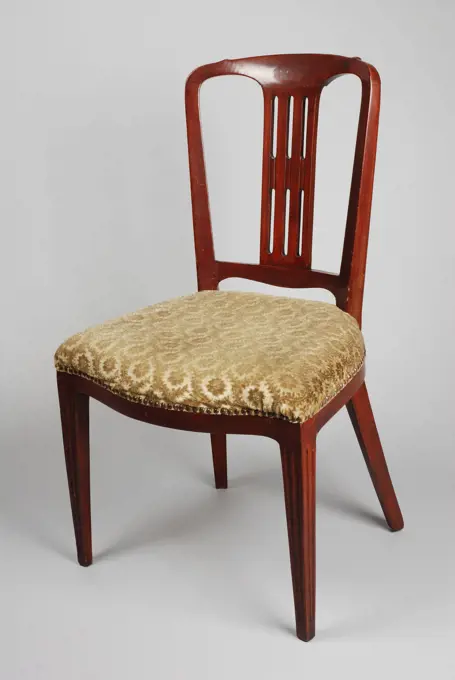
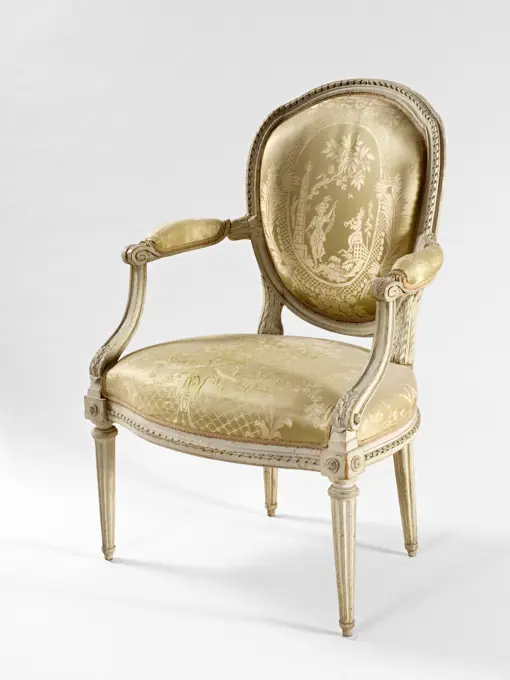
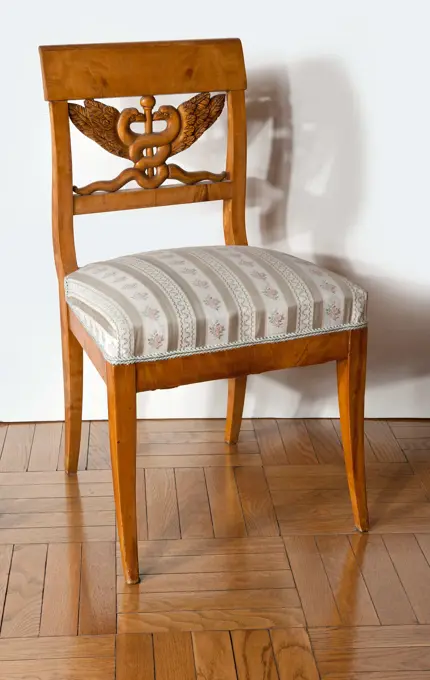
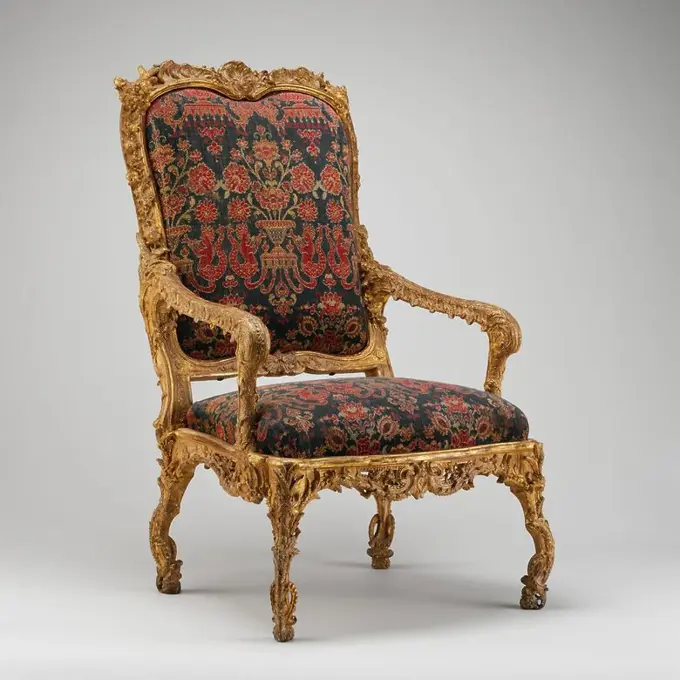
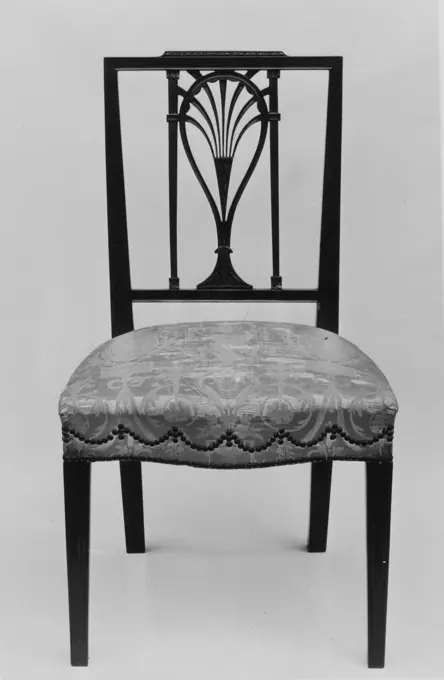
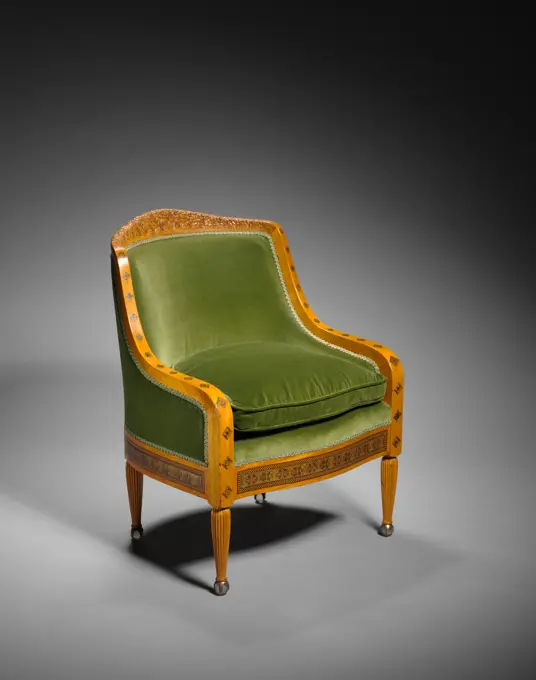
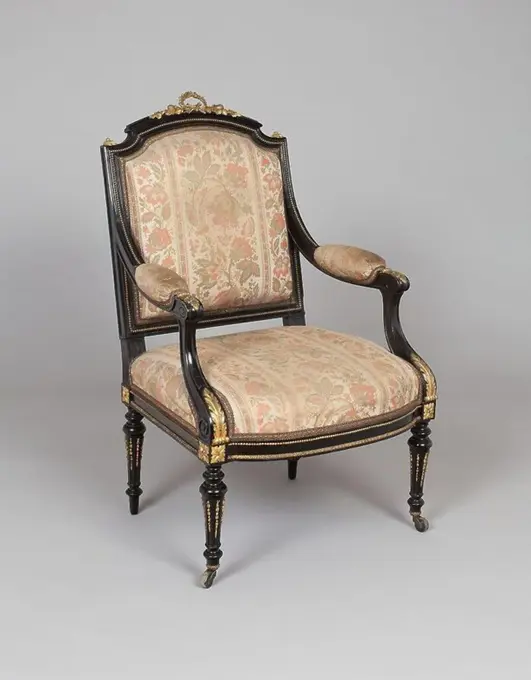
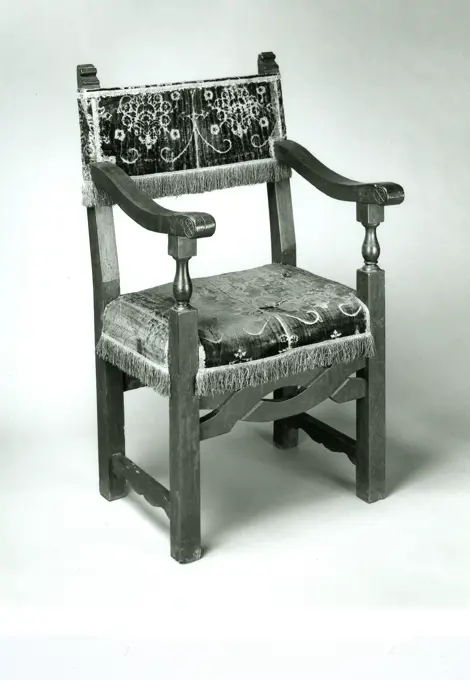
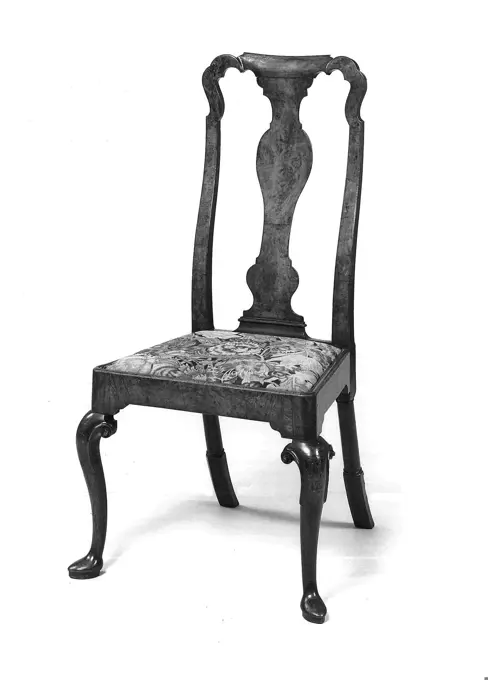
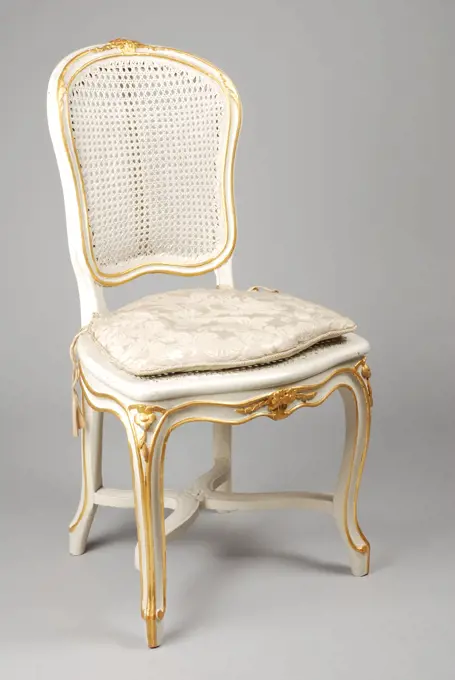
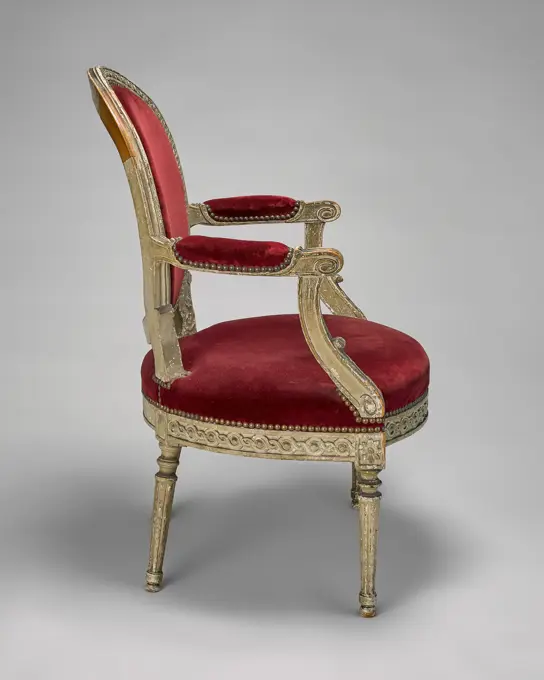
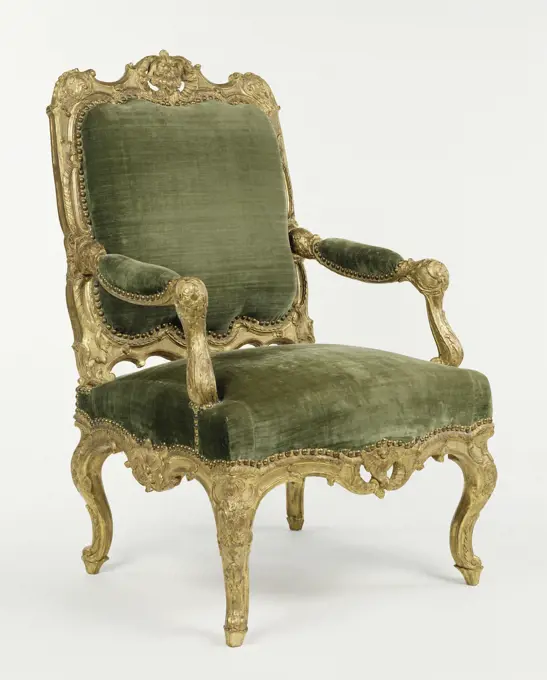
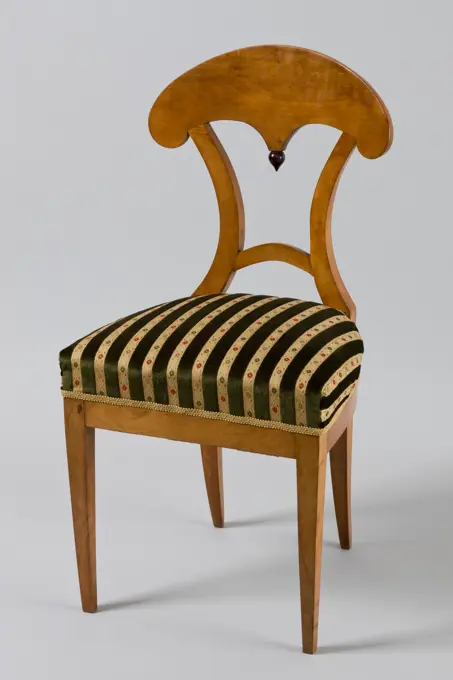
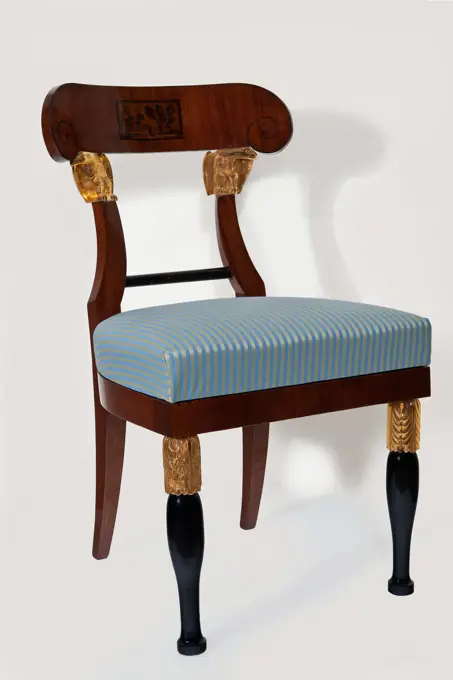
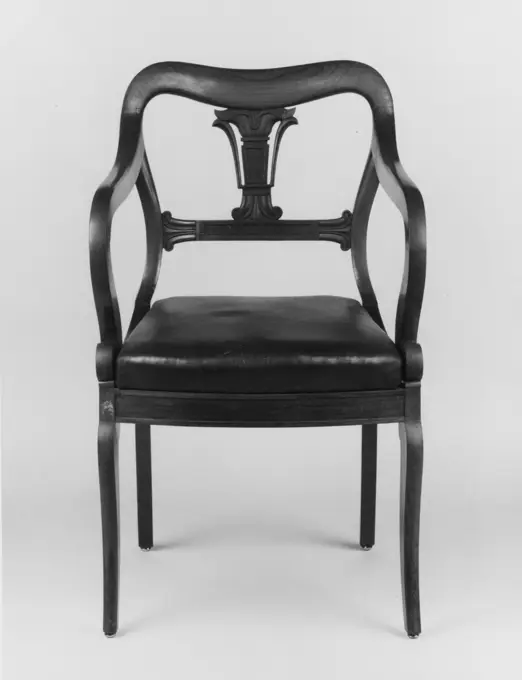
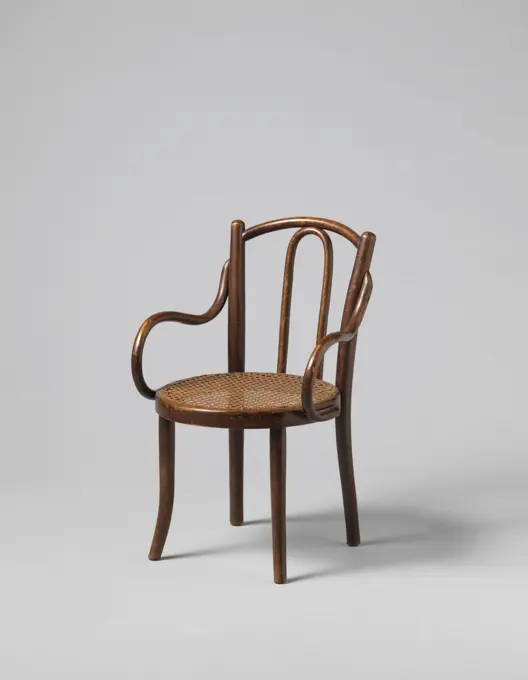
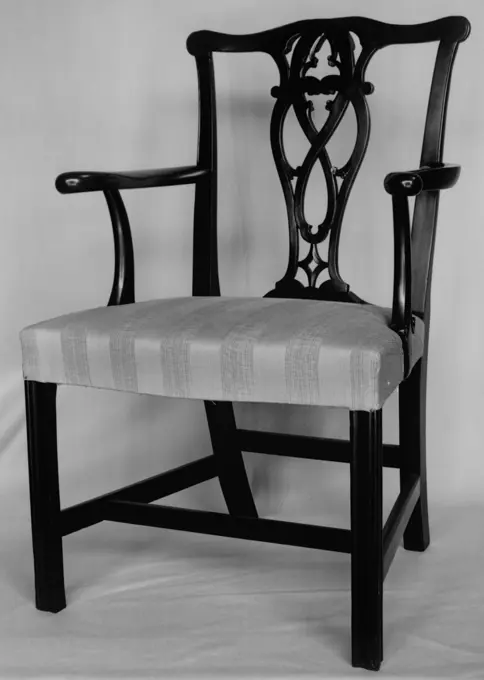
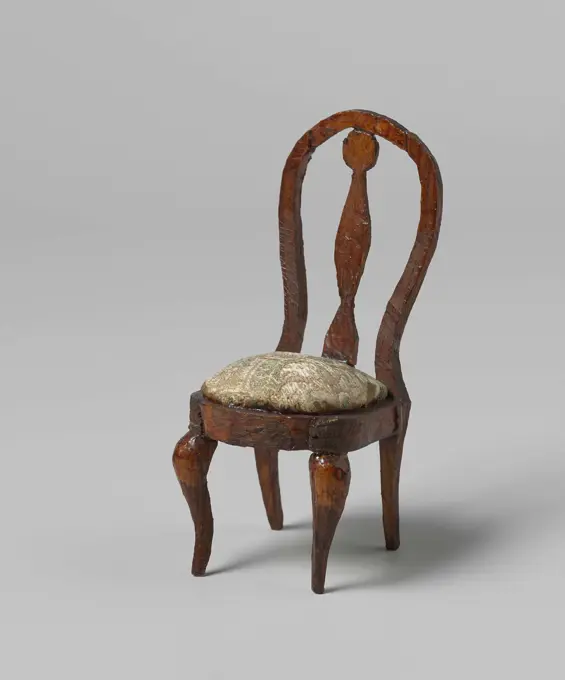
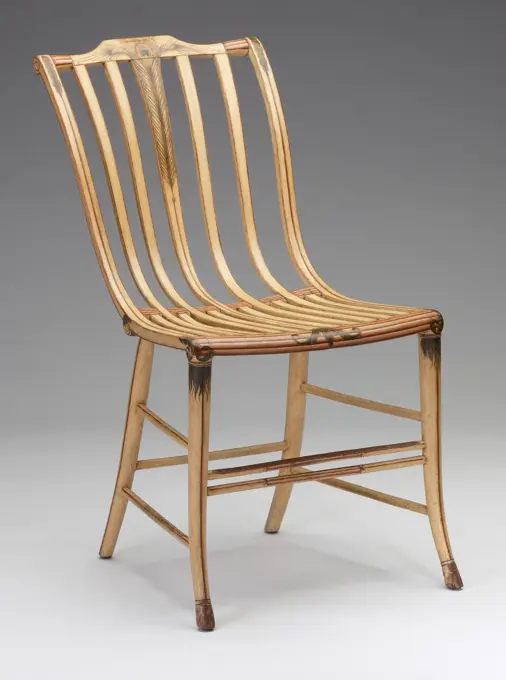
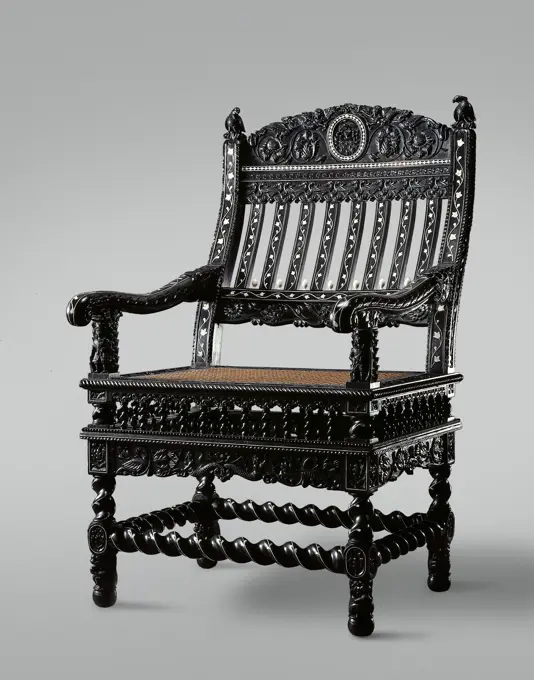
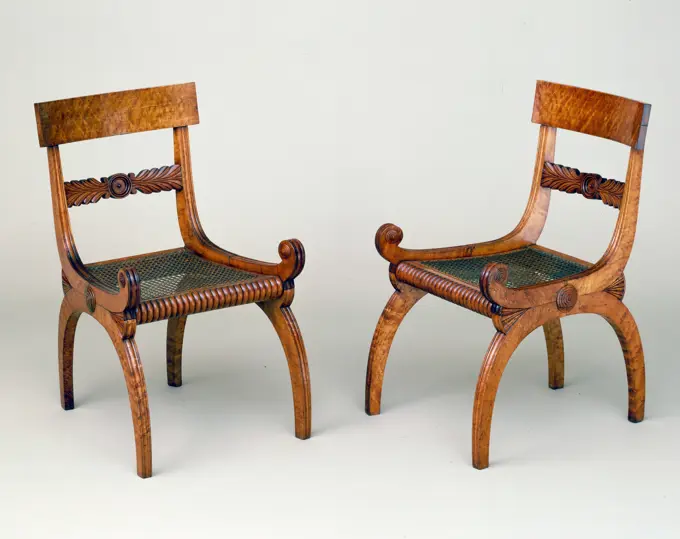
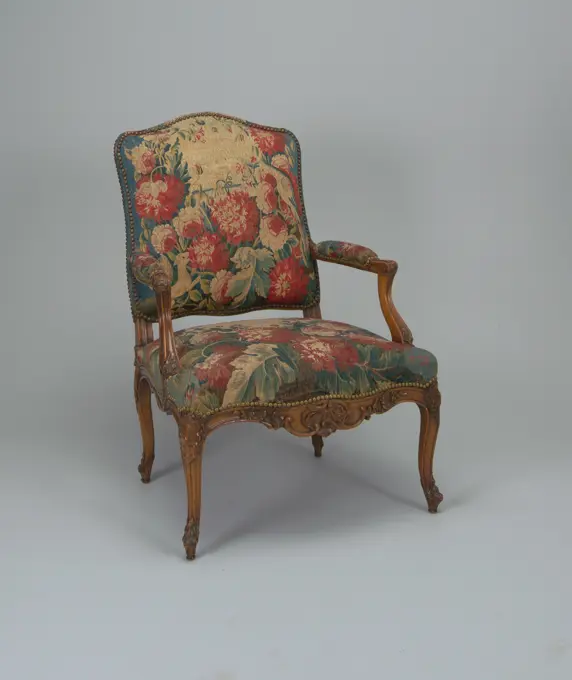
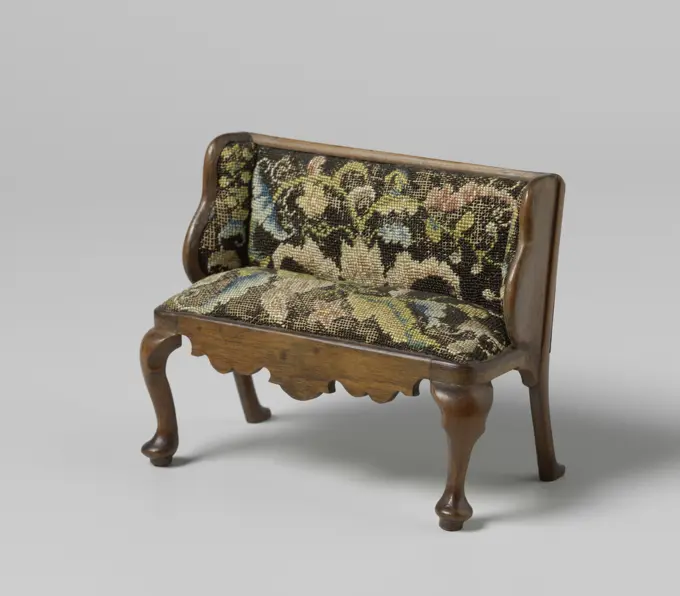
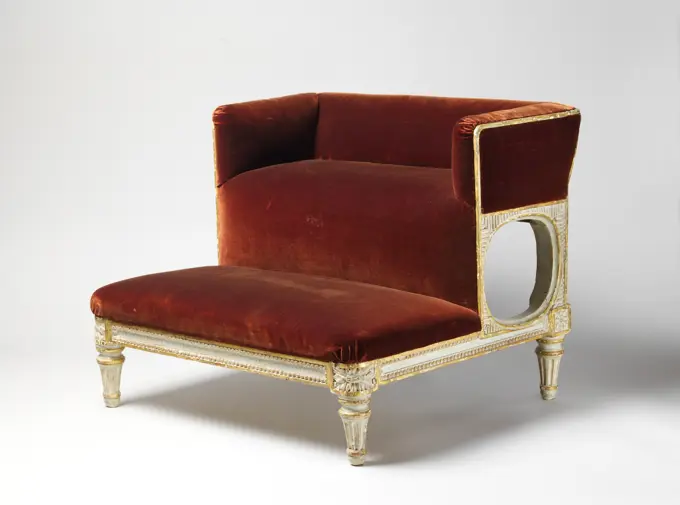
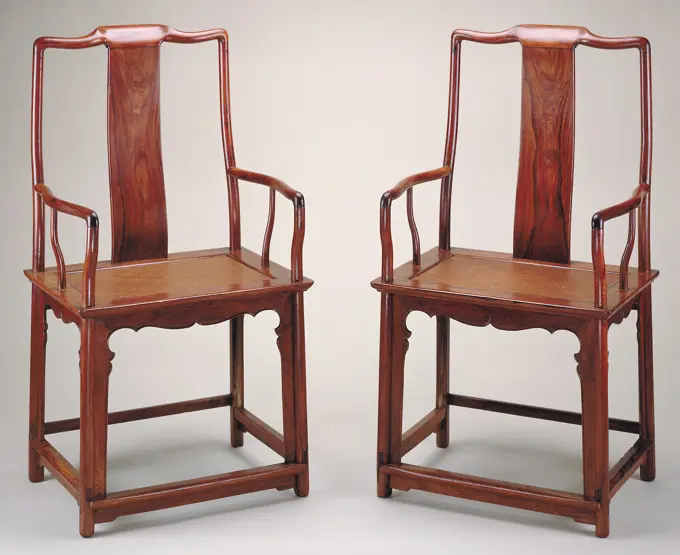
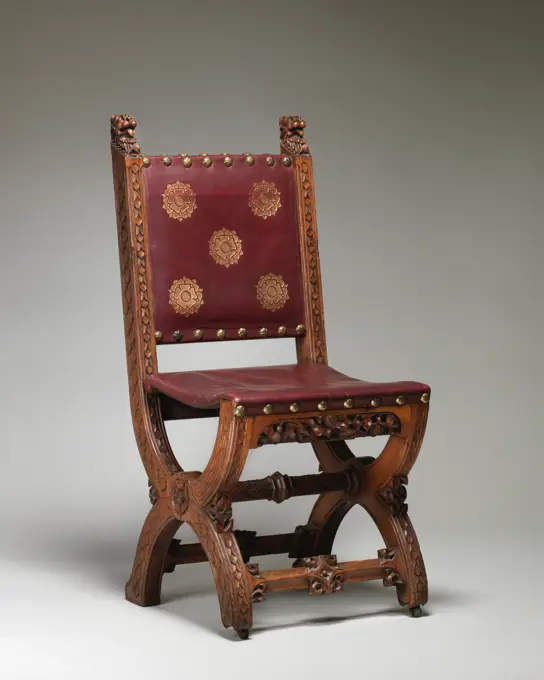
Side Chair (one of two) 1815-1825 England. Mahogany and ebony; slip seat with modern upholstery .Walnut Queen Anne chair, chair furniture furniture interior design walnut beech wood velor burr walnut wood, Carving on the hood the front and backrest line and lines veneered with root walnut green velor upholstery Queen AnneSide Chair, c. 1855. Charles H. White (American, 1796-1876). Rosewood, red silk damask; overall: 104.1 x 45.7 x 43.8 cm (41 x 18 x 17 1/4 in.).Dining Chair. Theophil Hansen; Danish, 1813-1891. Date: 1865-1875. Dimensions: 89.2 × 46.4 × 61 cm (35 1/8 × 18 1/4 × 24 in.). Walnut and beech with modern velvet upholstery. Origin: Vienna. Museum: The Chicago Art Institute, Chicago, USA.Walnut Régence chair, chair furniture interior design wood walnut velvet rattan, High braided backrest and red velvet seat twisted legs and lines under seat with inserted ornaments régence Daniel Marotarmchair, Kimbel & Cabus, New York, New York, USA, active 1863-1882, Ash, leather, brass, Upholstered seat and back with decorative brass nail heads, incised decoration on wood frame, the seat supported on diagonal front legs reinforced by a turned stretcher, slightly splayed back legs rise to seat back., New York, New York, USA, ca. 1870-73, furniture, Decorative Arts, armchairChilds ChairOak chair with sitting and back of leather. Eight oak chairs with leather sitting and back. The legs show home and suffered and are connected by an H-shaped cross. There is a wide advance at the front, between two houses. The hind legs neighborhood. The back rests high on the struts and is bent from above.Armchair, Carved walnut, Upholstered rounded channeled back crested with carved spray of two flowers - curved padded arms - shaped rails frame upholstered seat, channeling conturned into the cabriole front legs - front rail carved similarly as cresting cabriole rear legs., France, mid-18th century, furniture, Decorative Arts, ArmchairArmchair ca. 1755 American This armchair is significantly larger than most made in this period and exudes a confident monumentality. It was made in the 1750s, when the taste for naturalistic ornamentmostly leaves and shellswas first being grafted onto the curvilinear Queen Anne forms of the 1730s.. Armchair 182Side Chair c 1760-1785 Boston. Designs for American furniture of the colonial period were usually based on European precedents, whether from an exact prototype, from designs in pattern books, or from the memory of an immigrant craftsman. In the case of this chair, the craftsman based the design on both an English chair that was imported into Boston sometime around 1750 and on a design plate from Thomas Chippendaleís pattern book, The Gentleman and the Cabinetmakerís Director, published in 1762. With its delicate proportions and crisp carvings, this chair is one of the boldest expressions of the Boston Rococo style.. Mahogany with oak and maple . Artist unknownSide chair (Chaise à la reine) (part of a set) 1786-87 Jean Baptiste Boulard Various games of cards and chance, such as lansquenet, faro, quadrille, piquet, and cavagnole, had long been popular entertainment at the French court, where the stakes were high and entire fortunes could be won or lost at the gaming table. Reporting to Empress Maria Theresa on March 18, 1777, the Austrian diplomat Florimond-Claude de Mercy-Argenteau declared: "The gambling of the Queen grows more and more unrestrained. The public know that the identical games, strictly prohibited to them by the laws of Paris, are played nightly and to excess by the Queen."1 To accommodate all those who might wish to participate in the play, a large set of furniture consisting of thirty side chairs, six voyeuses, or spectators' chairs, and a fire screen was ordered on August 12, 1786, for Louis XVI's Salon des Jeux (Gaming Room) at the Chateau de Fontainebleau. A label pasted underneath the seats of the Museum's three chairsAnonymous. "Chair". Beech, silk velvet. 1701-1800. Paris, Carnavalet museum. 101428-19Side chairs, laminated rosewood, hardwood, cotton upholstery, metal, (D) Upholstered, laminated rosewood back in shape of inverted pear, topped by carved flowers-and-fruit garland; elongated S-scroll on each side of back. Upholstered spring seat on rosewood frame with serpentine front, cabriole forelegs with slipper seat, scrolled at each side, on tapered supports; reverse-curve rear legs; casters., USA, ca. 1850, furniture, Decorative Arts, Side chairsMahogany straight Chippendale chair, straight-seat chair seat furniture furniture interior design wood mahogany beechwood velvet brass, Open worktop in which crown and garlands light green velor upholstery rejuvenated front legs with cannelures ChippendaleMahogany Biedermeier chair, chair furniture furniture interior design wood mahogany elm wood textile tarpaulin, veneered and scalloped top and tassel saber-shaped legs and rear pillars ending in volutes covered with dark brown canvas BiedermeierChair in Neo-Rococo style of djatihout, seat and back stretched with reeds, anonymous, 1850-1875 Chair in neo-Rococo style of djatihout and with reeds stretched seat and back. S-shaped bent front legs and scallops, all cut with leaf motifs. Broadening back window with scalloped lower and upper sill that rests on volute-shaped struts and of which the crown is cut with flower and leaf motifs. Indonesia wood (plant material). rattan Chair in neo-Rococo style of djatihout and with reeds stretched seat and back. S-shaped bent front legs and scallops, all cut with leaf motifs. Broadening back window with scalloped lower and upper sill that rests on volute-shaped struts and of which the crown is cut with flower and leaf motifs. Indonesia wood (plant material). rattanChairFurniture set: chairChair, Anonymous, 1700 - 1750 Chair of cherry wood with mats seat. The legs and eight sports are turned. The corner styles of the back are column -shaped articulated with thickening in the middle. The lower and upper sill are symmetrically sawn out, as well as the middle track that shows an open heart as a middle part and both styles on either side. Vases have been applied as a crowning styles. Northern NetherlandsNetherlands wood (plant material). cherry (wood) Chair of cherry wood with mats seat. The legs and eight sports are turned. The corner styles of the back are column -shaped articulated with thickening in the middle. The lower and upper sill are symmetrically sawn out, as well as the middle track that shows an open heart as a middle part and both styles on either side. Vases have been applied as a crowning styles. Northern NetherlandsNetherlands wood (plant material). cherry (wood)Armchair. Culture: British. Dimensions: Overall: 44 1/4 × 29 3/4 × 22 3/4 in. (112.4 × 75.6 × 57.8 cm). Date: ca. 1740. Museum: Metropolitan Museum of Art, New York, USA.Chair; Campbell, Robert (London; Furniture Factory; FL.1754-1793); 1780-84 (1790-00-00-1800-00-00);Armchair. unknown, authorSide chair 1815-19 Attributed to Charles-Honoré Lannuier This rare and beautiful version of the New York lyre-back chair, part of a large set once owned by the Baltimore merchant James Bosley, is firmly attributed to the French-born and -trained cabinetmaker Lannuier, who worked in New York City from 1803 until 1819. Compared with examples often attributed to the great Scottish master craftsman Duncan Phyfe, which survive in far greater number, Lannuier's lyre-back chair is more richly ornamented in gilded brass and has a hard-edged rectilinear quality closer to French Empire precedents. But it is not a slavish copy of a French design. The chair is a fresh and innovative variation on a theme that melds Lannuier's highly refined sensibilities with the New York vernacular.Throughout his relatively short but brilliant career in the city, Lannuier cast himself as the French alternative to the illustrious Phyfe, who worked more in the English Regency style. This chair was acquired to serve Chair of partially veneered and painted satin wood. Partly veneered and painted satin seat, resting on channeled conical articulated front legs and backwardly curved hind legs. The connection between the armrests and the faint bent armrests is C-shaped. The back is bent and decorated in the middle with a vertical connection, on which painted medallions, free to 18th-century representations. The seat is stretched with cane and equipped with loose embroidered cushions. See also: BK-16137-A and C to f.ChairSide Chair 1770-90 American This richly carved Gothic-splat New York chair is part of a set or sets of chairs that descended in the Verplanck family of New York. In addition, the museum owns an armchair and six other side chairs (see 40.137.1; 62.250.1-.3; 63.22.1-.2; 1984.287 for set). All of the chairs exhibit close similarities and may have been made in one shop, although close examination reveals splats from two different templates, carving by two different hands, and the incised marks of two separate sets. The carving of crest rail and splat on this chair matches that on the armchair and four of the side chairs (1984.287, 62.250.1-.3, and 63.22.1). The seat has been reupholstered in a reproduction of fabric that descended in the Verplanck family.. Side Chair 1721Side chair, Walnut with walnut veneer on poplar seat rail, Slip seat. Plain cabroile legs ending in club feet; rounded back, vase-shaped splat. Seat-rail, shaped, and back are veneered. Legs joined by stretchers, the front one of turned baluster form., England, late 19th century, furniture, Decorative Arts, Side chairArthur Johnson, Armchair, c 1937 ArmchairSide chair 1881-82 George A. Schastey & Co. In 1881, Arabella Worsham, then-mistress of railroad magnate Collis P. Huntington, hired George A. Schastey & Co. to decorate her townhouse at 4 West Fifty-Fourth Street in New York City. The resulting artistic interiors would have been considered the height of cosmopolitan style in the early 1880s and were emblematic of Worshams quest to fashion her identity as a wealthy, prominent woman of taste. When Worsham married Huntington in 1884, she sold the house, fully furnished, to John D. and Laura Spelman Rockefeller, who made few subsequent changes to the decorations. Following Mr. Rockefellers death, the house was demolished in 1938, yet some furnishings, large-scale architectural elements, and three interiors were preserved, and the rooms were donated to local museums by John D. Rockefeller Jr. This side chair of satinwood and purpleheart, one of a pair, is part of the suite (2009.226.1-.4) that furnished Worshams elaborately decorated drFurniture. Armchair of Iepenhout and other types of wood on overhoeks placed S-shaped legs, ending in a claw around a ball and decorated above the swellings with seedill motifs. The hind legs deviate backwards. The H-shaped cross and the bottom of the front seat are scalloped. The kissing of green floral velvet is loosely tense on a window. The back has a symmetrically cut-out middle coaster and scalloped corner styles that go into the head with degenerate volutes. Stretched S-shaped armrest tricks.Furniture, Anonymous, 1700 - 1750 Arm chair of elm wood and other types of wood on angle-placed S-shaped legs, ending in a claw around a ball and above the swellings decorated with rocaille motifs. The hind legs areas backwards. The H-shaped cross and the underside of the prescription are sculpted. The pillow of green floral velvet is tense on a window. The back has a symmetrically sawn -out center -track and scalloped corner styles that turn into the head with bonding volutes. Stretched S-shaped armrest stars. Northern NetherlandsNetherlands wood (plant material). elm (wood). walnut (hardwood). Arm chair of elm wood and other types of wood on angle-placed S-shaped legs, ending in a claw around a ball and above the swellings decorated with rocaille motifs. The hind legs areas backwards. The H-shaped cross and the underside of the prescription are sculpted. The pillow of green floral velvet is tense on a window. The back has a symmetrically sawn -out center -track and scalloped corner sChair;  1930-1939 (1930-00-00-1939-00-00);Set of six armchairs. UnknownArmchair, c. 1715-1723. France, 18th century. Oak; overall: 116.9 x 71.2 x 74.3 cm (46 x 28 1/16 x 29 1/4 in.).Chair (one of a set of six) ca. 1695 British. Chair (one of a set of six). British. ca. 1695. Walnut, caning; velvet not original to frame. Woodwork-FurnitureArmchair 1735-50 Attributed to the Workshop of Solomon Fussell. Armchair 220Armchair;  1835-1845 (1835-00-00-1845-00-00);UpholsteredarmchairSide Chair, c. 1900. France, Paris. Mahogany; overall: 96.5 x 46.1 x 49.5 cm (38 x 18 1/8 x 19 1/2 in.). During the 1890s a new style emerged that reflected naturalistic and symbolic motifs found in Japanese and other Asian design. This movement rejected the historicism that had dominated architecture and design during the previous decades and took hold across Europe and America too. In France the style was known as "Art Nouveau," after the name of the gallery belonging to its chief proponent Siegfried Bing, the Maison de L'Art Nouveau (House of the New Art). This side chair typifies Art Nouveau style with its curving lines that seamlessly flow from one to another. This abstract use of curvilinear lines to create form and decoration was one of the major motifs favored by art nouveau designers to evoke naturalistic or organic design. Art Nouveau reached its apex at the 1900 world's fair in Paris, which was intended to herald the new century with a new style of art. However, critics andChair (one of a pair). American; New York City area, New York. Date: 1780-1790. Dimensions: 97.8 × 55.9 × 53.3 cm (38 1/2 × 22 × 21 in.)(overall); seat: 55.9 × 45.7 cm (22 × 18 in.). Mahogany. Origin: New York City. Museum: The Chicago Art Institute, Chicago, USA.Arm chair made of beech wood with four fluted legs, semi -circular sitting window and s -shaped bent scanned arms, back and seat of reeds, with loose cushion of leather, anonymous, 1785 - 1800 Arm chair made of beech wood, resting on four conical -canling legs. The sitting window is semi -circle -shaped and has profiled rules. The stretched S-shaped arms are scanned. The hold back window is bent at the top. The back and seat are covered with modern reed; The back has a nailed leather upholstery all around and the seat has a loose leather pillow. France wood (plant material). beech (wood). leather Arm chair made of beech wood, resting on four conical -canling legs. The sitting window is semi -circle -shaped and has profiled rules. The stretched S-shaped arms are scanned. The hold back window is bent at the top. The back and seat are covered with modern reed; The back has a nailed leather upholstery all around and the seat has a loose leather pillow. France wood (plant material). beech (Armchair. Culture: American. Dimensions: 48 x 29 1/2 x 16 7/8 in. (121.9 x 74.9 x 42.9 cm). Date: 1700-1730. Museum: Metropolitan Museum of Art, New York, USA.Eight wooden straight Louis Seize chair, straight-seat chair furniture furniture interior design wood elm wood velvet, Open backrest with four slats modern green velvet upholstery on the seat wood stained in mahogany upholstery original Louis XVI Louis XVI Louis SeizeChair, Anonymous, 1700 Chair of Notenhout, the seat with floral, bronze -colored Trijp, stretched the back with reeds. The furniture has round baluster -shaped legs; The front legs show a sphere in the upper part. The forSport has an arc shape; The rear cross -sport and side sports show rotated sections. The high back has a profiled window with scalloped sills and as a crown a shell with hanging festin and small volutes in the form of bells on either side. The seating rules are made of beech wood. Northern NetherlandsNetherlands wood (plant material). walnut (hardwood). Chair of Notenhout, the seat with floral, bronze -colored Trijp, stretched the back with reeds. The furniture has round baluster -shaped legs; The front legs show a sphere in the upper part. The forSport has an arc shape; The rear cross -sport and side sports show rotated sections. The high back has a profiled window with scalloped sills and as a crown a shell with hanging festin and small volutes in the form of bells oSplat-back armchair. Culture: American. Dimensions: 40 5/8 x 27 x 17 in. (103.2 x 68.6 x 43.2 cm). Maker: Attributed to the shop of John Gaines III (American, 1704-1743). Date: 1735-43.In the design and construction of this armchair, the incline of the back, relaxed slope of the arms, and forward pull of the powerful ram's-horn handgrips are in perfect balance. The scrolls, foliate carvings, and piercing of the crest rail and the extended length and breadth of the outward-sweeping carved feet are design elements associated with John Gaines III. Trained by his father, a turner and chairmaker in Ipswich, Massachusetts, Gaines moved in 1724 to Portsmouth, where his shop remained active until 1745. Museum: Metropolitan Museum of Art, New York, USA.Side Chair 1710-30 American. Side Chair 1612Jean-Baptiste SENÉ (1748-1803). Cabriolet armchair. Beech, around 1780. Paris, Carnavalet museum. Convertible Cabriolet armchair, stretch, furniture, furnitureChair. Schinkel, Karl Friedrich (1781-1841), designer, unknown, authorChair, back with vase-shaped middle leaf, the seat with burgundy velvet. Chair of mahogany. The back is open with a vase-shaped middle leaf. The chair has a trapezoidal open seating window with a loose seat with burgundy velvet.Armstoel, anonymous, 1500 - 1600 Arm chair of nuthout, partially gilded. The front legs end as struts, which are decorated at the top with leaf consoles, and who support the armrests, ending in volutes. The sawn -out presence, prefigure and back sports are decorated with, among other things, stabbed leaf motifs, rosettes and volutes. The backstyles, crowned with leaf motifs, Hellen backwards. The upper sport of the back wears a coat of arms with flowers, bullets and a star. The legs are square. See also BK-16646-A, B and C. Italy wood (plant material). walnut (hardwood). gilding (material) gilding Arm chair of nuthout, partially gilded. The front legs end as struts, which are decorated at the top with leaf consoles, and who support the armrests, ending in volutes. The sawn -out presence, prefigure and back sports are decorated with, among other things, stabbed leaf motifs, rosettes and volutes. The backstyles, crowned with leaf motifs, Hellen backwards. The upper sport of the back wearChair with overhoeks placed front legs, x-shaped cross and tripe coating with flower pattern. Woodwood chair, lined with bronze-colored, squeezed tripe with floral pattern. The chair has overhangs placed front legs in the form of broken S-volutes and resting on lion crafts that include spheres. The X-shaped cross has broken S volutes, as well as advance. There is a button at the intersection. The high, openwork back also shows S volutes. The elongated center piece is decorated with circle and rosette in the middle and above and below with acanthus leaf and rosettes.Armchair (fauteuil à la reine). Culture: French, Paris. Dimensions: H. 46-1/2 x W. 28 x D. 23-1/4 in. (118.1 x 71.1 x 59.1 cm). Date: ca. 1690-1710.In the most recent catalogue of the furniture at Versailles,1 where two related armchairs à chssis (with drop-in seats) are on display in the refurbished bedroom of Louis XIV, this extraordinary chair model was described as "to be dated probably to the second quarter of the eighteenth century."2 This proposed dating was based on "the setting back of the armrest supports" and "the absence of a stretcher" between the legs.3 The chair's overall appearance, however, as well as the Italianate, trapezoidal form of the seat make an earlier date much more plausible. Also, the ornamentation and the minimally curved, rather straight-looking arms with their stylized-volute "hand knobs" betray the pervasive influence of Charles Le Brun (1619-1690), director of the royal manufactory at the Gobelins and of the Académie Royale de Peinture et de ScChair of green painted beech wood, with reeds stretched, s-shaped legs, scalloped rules and cutting work of flower and leaf work, Félix Leroy, 1750 Chair of green painted beech wood. The furniture is stretched with reeds and tranquility on angle-placed S-shaped legs, which end in an acanthus leaf and turn into the seating rules without interruption. Flower branches have been applied to the swellings of the front legs and on the center of the prescription rule. The back window has stretched S-shaped styles and a scalloped top and sill. The upper sill also shows flower branches in the middle. The chair is stamped inside the rear seat: "F.Leroy". France wood (plant material). beech (wood). rattan. paint (coating) cutting Chair of green painted beech wood. The furniture is stretched with reeds and tranquility on angle-placed S-shaped legs, which end in an acanthus leaf and turn into the seating rules without interruption. Flower branches have been applied to the swellings of the front legsSide Chairs (England); wood, tapestry upholstery, fabricOak chair, chair furniture furniture interior design oak wood without beech wood, Semicircular seat and backrest five bars, three of which have baluster-shaped contour.Side Chair 1795-1805 American. Side Chair 1613Armchair, c. 1891-93. Louis Comfort Tiffany (American, 1848-1933), Tiffany Glass & Decorating Company (American, New York, 1892-1902). Primavera with inlays of brass an various woods; overall: 82.9 x 63.2 x 64.3 cm (32 5/8 x 24 7/8 x 25 5/16 in.). Louis Comfort Tiffany began his artistic career as a painter, having studied with George Innes and Samuel Colman in America as well as with various artists in Paris. While he achieved some early success with his orientalist works, his interests were soon drawn to interior furnishings and design. He collaborated with other artisans to form Associated Artists in 1879 and began work on major commissions such as the Mark Twain House (1881) and the White House for President Chester Arthur (1882). He debuted designs for furniture at the 1893 Chicago world's fair, and this armchair is believed to have been among those pieces. Even after he achieved enormous success with his glass production, Tiffany continued to produce interior furnishings and desCourt's chair of walnut and elm wood, covered with red velvet and with a loose pillow. With stabbed attachment with acanthus voluten and shield with lambrequins with image of Justitia, Anonymous, 1700 - 1725 Right chair of walnut with front legs and armrest stars of elm wood, covered with red velvet and with a loose pillow. The rest on overhoeks placed S-shaped legs, decorated with acanthus leaf. The armrests are completely and end in a volute. The upper sill has a stabbed attachment, decorated with acanthus fillets on either side of a shield with lambrekijns, on which Justitia stands. Probably the presidential seat in the Hof van Holland, Zeeland and W. Friesland in The Hague. Northern Netherlands wood (plant material). walnut (hardwood). elm (wood). velvet (fabric weave) Right chair of walnut with front legs and armrest stars of elm wood, covered with red velvet and with a loose pillow. The rest on overhoeks placed S-shaped legs, decorated with acanthus leaf. The armrests are completWriting-arm Windsor Chair Writing Chair; USA; ash, maple, and beech woods, leather; brassArmchair. Leon Marcotte; American, born France, 1824-1887. Date: 1860-1865. Dimensions: 98.4 × 64.8 × 61.6 cm (38 3/4 × 25 1/2 × 24 1/4 in.). Ebonized cherry and ormolu. Origin: United States. Museum: The Chicago Art Institute, Chicago, USA.Chair, alternating glossy and dull black painted and decorated with gold-plated edges and some gold-colored batter pieces. Covered with orange velor .. Black-dyed wooden chair and cabriolet, with orange-red tripe and passing coated and with gold-plated metal batter. The overhoeks placed stretched S-shaped front legs carry batter with bows and dependent tendrils. The curved profiled rule carries a floral pattern in the middle. The openwork, hollow profiled back consists of curved shapes, between which a French lily, an oval and a bouquet; A bow on the upper spray. Finish with gold-plated tires on red bolus. See: BK-1971-257-A and c.. Painted armchair from beech wood, lined and light green and gold. The overhoeks placed S-shaped legs go into the scalloped rules. Multiple parts carry stabbed decorations. The struts and healed armrests are stretched S-shaped; The struts run back in through movement, from the sitting window to the armrests that distracted outside. The stifed back window is scalloped to the top and sides. Contour reinforced by profile tires with volutes. Marked on the inside.Armchair back and seat 15th or 16th century (textiles); late 19th century (woodwork) Italian () or American (United States). Armchair back and seat 460619Vintage classical style Chair in white roomSideChairWhite painted straight rococo chair, chair furniture furniture interior design wood elm paint leaf gold rattan damask, Rattan seat and back cawio legs with brace-shaped underrun extra style in back carving gilded with loose gray damask cushion rococoArmchair, Augustus Welby Northmore Pugin, c. 1840 Arm chair, which has a fixed back and a loose seat, resting on four curved legs that run through crosswise in the also curved supports of the straight armrests and the backstyles. The back is crowned with a bell -shaped cartouche in which an unplanned coat of arms. The legs are connected to the front and rear by a low-placed cross-rule. The back has round upper corners and is crowned by a bell -shaped cartouche in which an unplanned coat of arms. The legs, rules, styles and handrails are all profiled. The feet and fronts of the handrails are cut with stylized oak leaves and on either side of the crown of the back the upper style curls over, ending in similar leaves. The swing between the legs are cut with triangular leaf rosettes. Along the underside of the legs runs a tree trunk with leaf voltuten. The chair has modern upholstery of imitation leather. York oak (wood). imitation leather cutting Arm chair, which has a fixed back and a loRetro style armchair isolated on whiteantique armchair made of cherry wood from the biedermeier time antique armchair made of cherry wood from the biedermeier time Copyright: xZoonar.com/BorisxZerwannx 7006117Anonymous, convertible armchair (main title). Painted wood, Bordeaux velvet. Petit Palais, Museum of Fine Arts of the City of Paris.Button chair, the backrest with two cross rules, the seat of braided piping. Four button chairs from dark brown pickled wood; backrest with two transverse rules; Low model with seat of braided piping.Shaker side chair, c. 1840, 41 1/4 x 18 x 13 1/2 in. (104.78 x 45.72 x 34.29 cm), Wood, cane, United States, 19th century, This chair was used by brothers and sisters in the Shaker community of Enfield, CT (1793-c.1918). Similar to chairs from other Shaker communities, like Canterbury, New Hampshire and Harvard, Massachusetts, this object is almost entirely comprised of lathe-turned posts and stretchers and has noticeably graduated rear slats. The slight slant to the legs allows one to lean back in the chair, supported by rear tilts or ball-and-socket feet at the bottoms of the rear stiles, a distinctively Shaker feature.Four Armchairs; about 1735; Gilded walnut; modern upholstery;ChairSide Chair. Unknown maker, EnglishChest of drawers. Wojciechów - Fabryka Mebli Giętych (Wojciechów ; fabryka mebli giętych ; 1870-1939), factoryFootball;  1815-1830 (1815-00-00-1830-00-00);Chair. unknown, creatorArmchair ca. 1835 Attributed to the Workshop of Duncan Phyfe Scottish This chair has been attributed to Duncan Phyfe on the basis of its workmanship and fine materials. The inverted lotus splat and stay rail are similar to, if more elaborate than, those on chairs Phyfe made in 1825 for his daughter Eliza on the occasion of her marriage.. Armchair 234Side Chair c 1856-1865 New York City. Rosewood . J. & J.W. Meeks (Manufacturer)Venetian furniture suit  chairHigh chair with bent legs and backstyles and a sitting window stretched with mattewerk, Gebrüder Thonet, c. 1850 - c. 1880 High chair from round -bent beech wood resting on four legs. The curved hind legs continue in the styles of the backrest with a slightly curved upper sill. The backrest has a curved horseshoe shape in the middle. The S-shaped curved armrests are attached from the middle of the back styles and continue along the sides of the sitting window. The seat consists of a round frame stretched with mattewerk Austria wood (plant material). beech (wood). rattan High chair from round -bent beech wood resting on four legs. The curved hind legs continue in the styles of the backrest with a slightly curved upper sill. The backrest has a curved horseshoe shape in the middle. The S-shaped curved armrests are attached from the middle of the back styles and continue along the sides of the sitting window. The seat consists of a round frame stretched with mattewerk Austria wood (plant mArmchair ca. 1760-65 British. Armchair. British. ca. 1760-65. Mahogany. Woodwork-FurnitureChair with round, open backrests with middle style, the seat with flower and leaf motifs. Sterehout chair, brown varnished, round open backrests with middle style; round rule, back plane legs and overhoeks placed S-shaped front legs; Seat covered with silk with flower and leaf motifs: coloring cream with green, yellow, pink or red flowers or leaves; Staff about hard filling stretched with many wires on the bottom visible under thick layer of varnish.Child's Rocking Chair. Dated: c. 1942. Dimensions: overall: 41.2 x 30.3 cm (16 1/4 x 11 15/16 in.) Original IAD Object: 21 1/2"high; 12 1/2"square. Medium: watercolor, colored pencil, and graphite on paperboard. Museum: National Gallery of Art, Washington DC. Author: Herman O. Stroh.SideChair.   Maker: Samuel Gragg, American, 1772-1855Ebony armchair, inlaid with ivory and decorated with nereïs, flowers and birds, armrests are stuck by figure of a European soldier, back with oval weapon: child, anonymous, c. 1690 - c. 1700 Ebony arm chair with inlaying of ivory. Richly decorated with nereids, flowers and birds. A standing European soldier among the armrests. On the back the coat of arms of the English family child, probably Josiah Child (1630-1699), Governor of the EIC in the 1980s and according to Horace Walpole owner of 20 Eben Chairs on his Winstead estate (friendly announcement Jan Veenendaal, 9 May 2012 ). India ebony (wood). ivory. bone (material). rattan Ebony arm chair with inlaying of ivory. Richly decorated with nereids, flowers and birds. A standing European soldier among the armrests. On the back the coat of arms of the English family child, probably Josiah Child (1630-1699), Governor of the EIC in the 1980s and according to Horace Walpole owner of 20 Eben Chairs on his Winstead estate (friendly announcemKlismos side chair, one of a pair, c. 1825, Unknown American (Philadelphia, Pennsylvania), 32 3/4 x 19 1/4 x 22 1/2 in. (83.19 x 48.9 x 57.15 cm), Bird's eye and tiger maple, and maple veneer, United States, 19th centurySide Chair 1860-70 American. Side Chair 1653Chair (USA); Attributed to Duncan Phyfe (American, 1768-1854); turned, carved, and joined mahogany (legs and back), mahogany veneer (frame), oak, maple, ash (secondary wood in frame), brass (casters)antique chair in front of white backgroundArmchair (France); wood, metal, tapestry; 103 x 74 x 76 cm (40 9/16 x 29 1/8 x 29 15/16 in. ); 1970-2-1Bank, belonging to an eleven -piece amblement, anonymous, c. 1750 Bank, made of walnut, belonging to an amazy consisting of a bank and ten seats. The seat of neighboring duration with leaf and floral motifs in silk on linen grid, with a soft filling. Amsterdam (possibly) Walnut (Hardwood). Seat: Silk. seat: Bank, made of walnut, belonging to an amazy consisting of a bank and ten seats. The seat of neighboring duration with leaf and floral motifs in silk on linen grid, with a soft filling. Amsterdam (possibly) Walnut (Hardwood). Seat: Silk. seat:Hugo family's coat of arms embroidered. House of Victor Hugo - Hauteville HouseBed steps (Marchepied de lit) late 18th century possibly by Jean Baptiste Boulard French eighteenth-century beds in the homes of the highest echelons of society tended to be lofty, as it was customary to pile them with three or more mattresses filled with straw, wool, horsehair or feathers. The piled-up bedding created a considerable height, as is indicated by a Scottish traveler, the poet Tobias Smollett (1721-1771) who noted in 1766, French beds are so high, that sometimes one is obliged to mount them by the help of steps.” Stepstools or bed steps were used to ascend safely into bed, as is seen in contemporary illustrations. Known as a marchepied de lit, such bed steps were often made to match the frame of the bed next to which they were used and would be upholstered in the same material as the bed hangings. These particular bed steps consist of two upholstered treads above straight rails which are carved with beading while the two sides are pierced with an oval. The corners directlChair. Schinkel, Karl Friedrich (1781-1841), designer, unknown, authorArmchair with Continuous Yoke Back, one of a pair, c. 1600, 44 1/2 x 23 1/4 x 17 1/2 in. (113.03 x 59.06 x 44.45 cm), Huang-hua-li hardwood, China, 16th-17th century, The elegant proportions and fluid lines of this chair results from the slender members used and the crest rail and armrests, which turn continuously into their respective front and rear posts. The rounded right angle joints, commonly translated as 'pipe joints,' are however inherently weak and the chair shows evidence of once having had its corner joints strengthened with metal reinforcements.Dining room chair from the Speakers House, Palace of Westminster 1859 Augustus Welby Northmore Pugin This chair comes from the Palace of Westminster which was rebuilt after a devastating fire in 1834 by Charles Barry. Having won the competition to design the building in a Gothic style, Barry was assisted by A. W. N. Pugin who was responsible for the entire interior and for much of the architectural decorative features of the Palace. This particular chair originally furnished the Speaker's House which was completed in 1859.The architect and designer A.W.N. Pugin, was one of the foremost proponents of the Gothic style believing it to be the only possible Christian style. His writings and designs exerted great influence, and among his best known projects is his work on the Palace of Westminster. Although Pugins furniture is generally plain and solid without much ornamentation, the pieces he designed for the Palace of Westminster are more embellished as can be seen in the decorative carvArmchair (Bergère) (one of a pair) (part of a set) ca. 1770 Louis Delanois French. Armchair (Bergère) (one of a pair) (part of a set) 210749