Elegant Decorative Boxes

A range of ornamental boxes featuring intricate designs and materials, displaying cultural craftsmanship and artistic detailing.

Wood box with four small boxes in the inside in which fish (chips) of bone, anonymous, c. 1700 - c. 1720 Wood box with four small boxes in the inside in which fish from bone. The woodwork is painted red on the outside and covered with gold ornaments: figures in parchment cut out in Louis Xive style.  wood (plant material). beech (wood). paint (coating). parchment (animal material). horn (animal material) Wood box with four small boxes in the inside in which fish from bone. The woodwork is painted red on the outside and covered with gold ornaments: figures in parchment cut out in Louis Xive style.  wood (plant material). beech (wood). paint (coating). parchment (animal material). horn (animal material)
Wood box with four small boxes in the inside in which fish (chips) of bone, anonymous, c. 1700 - c. 1720 Wood box with four small boxes in the inside in which fish from bone. The woodwork is painted red on the outside and covered with gold ornaments: figures in parchment cut out in Louis Xive style. wood (plant material). beech (wood). paint (coating). parchment (animal material). horn (animal material) Wood box with four small boxes in the inside in which fish from bone. The woodwork is painted red on the outside and covered with gold ornaments: figures in parchment cut out in Louis Xive style. wood (plant material). beech (wood). paint (coating). parchment (animal material). horn (animal material)
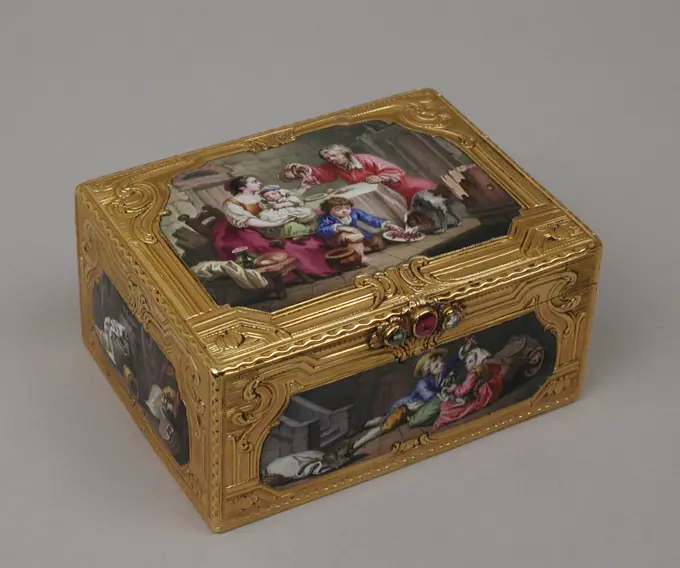
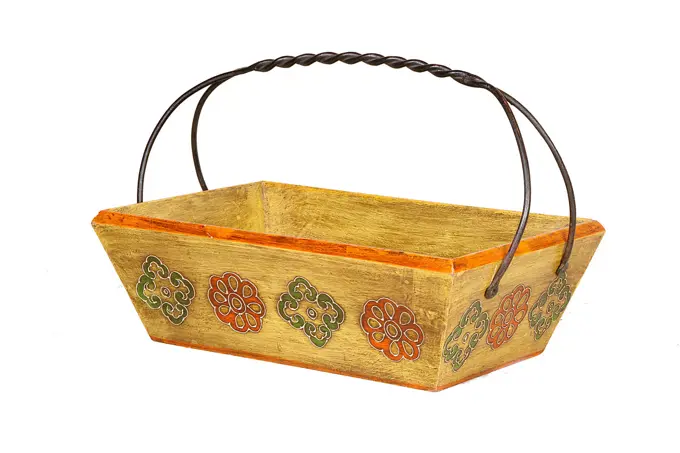
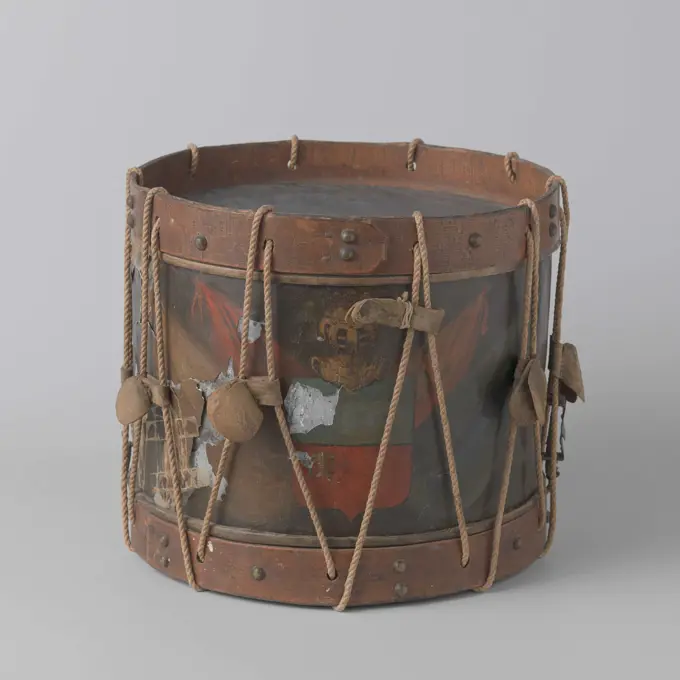
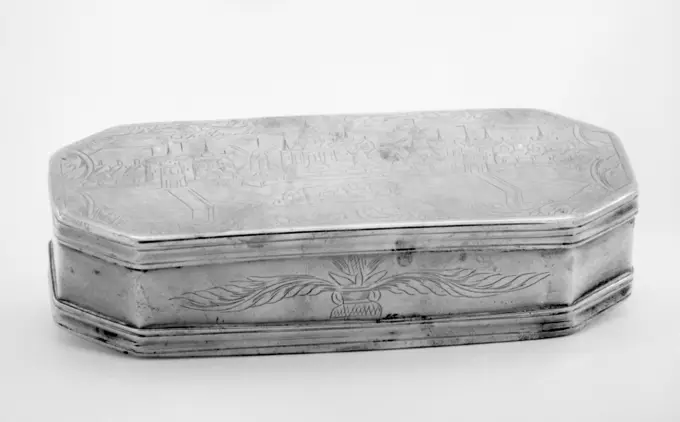
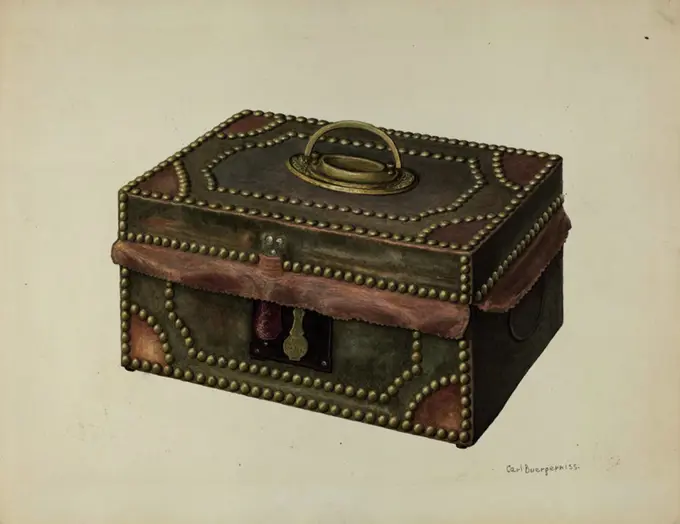
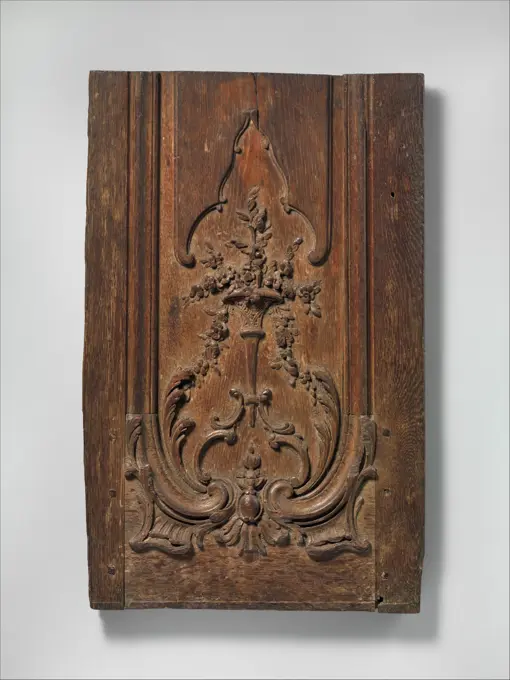
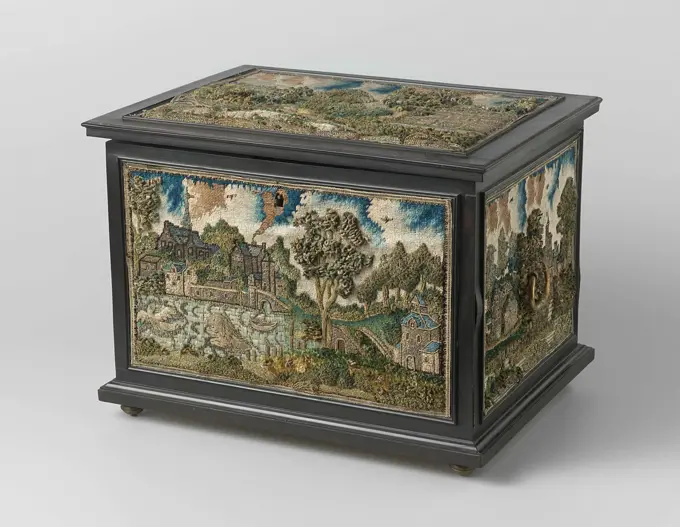
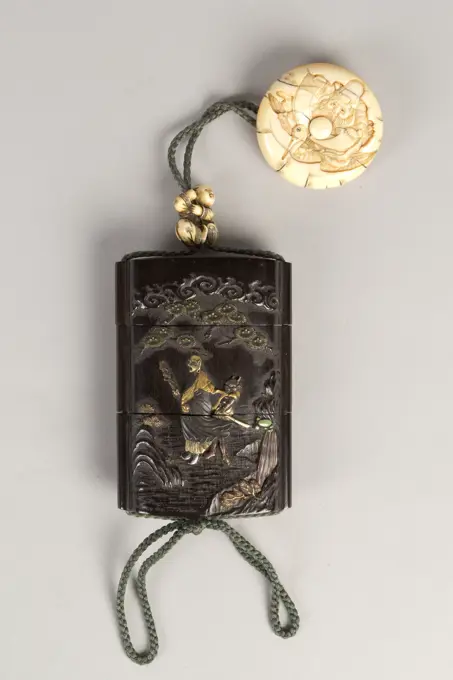
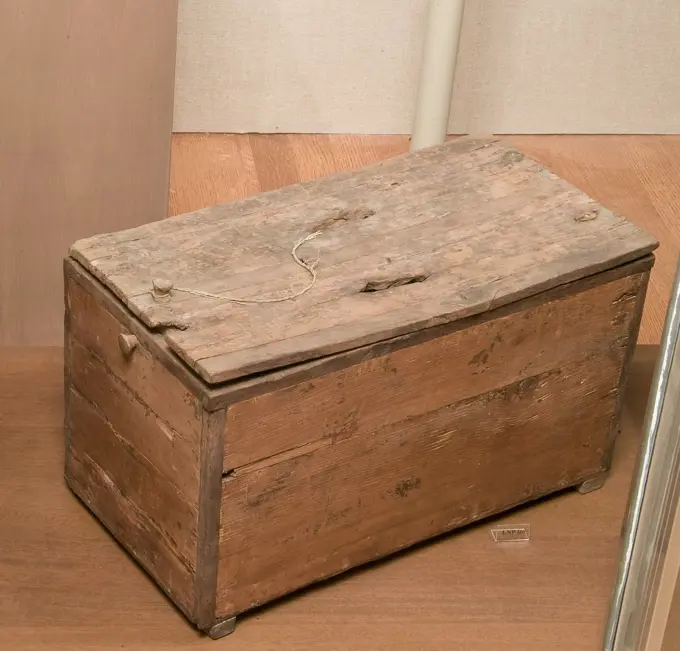
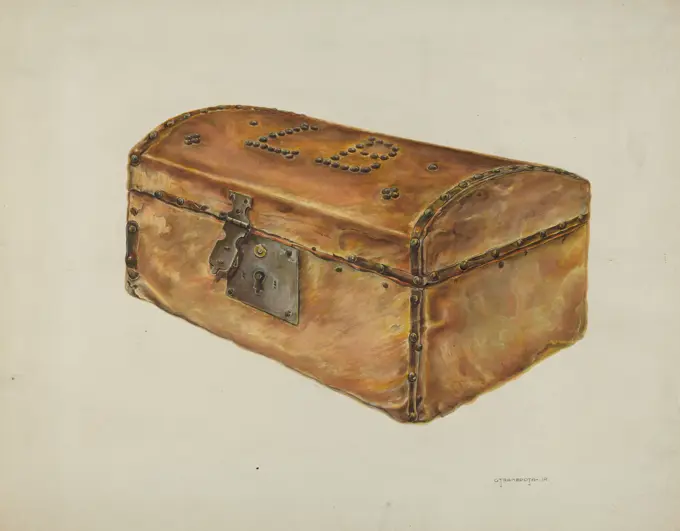
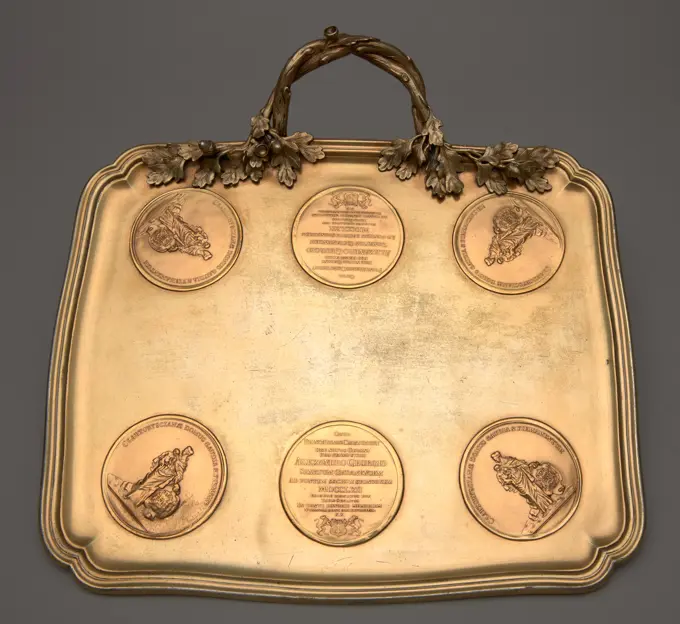
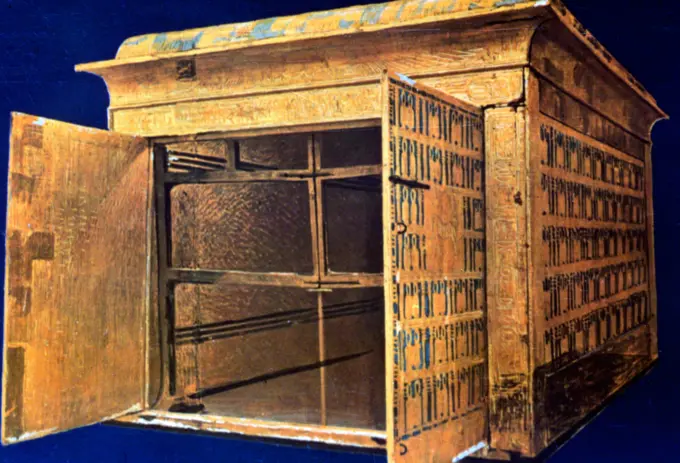
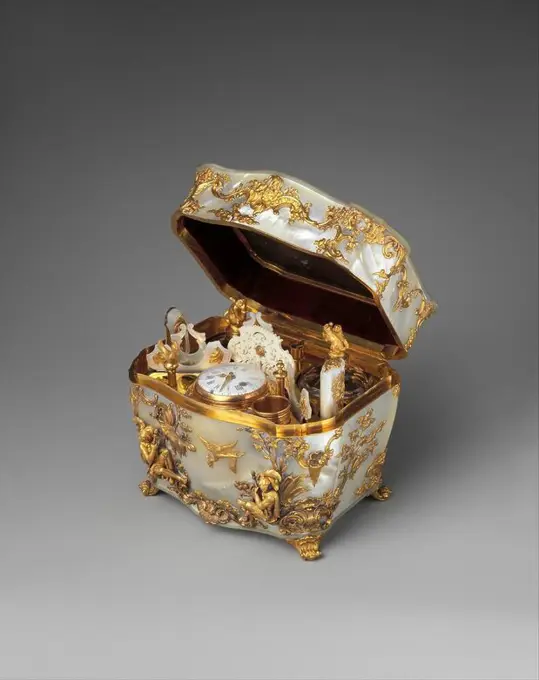
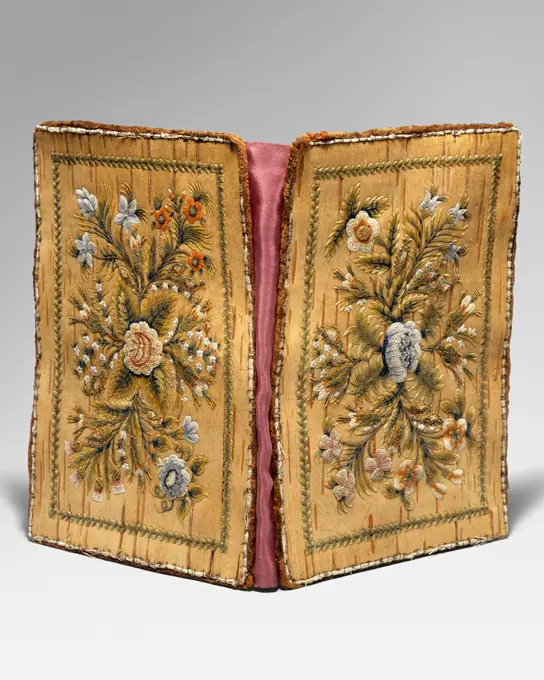
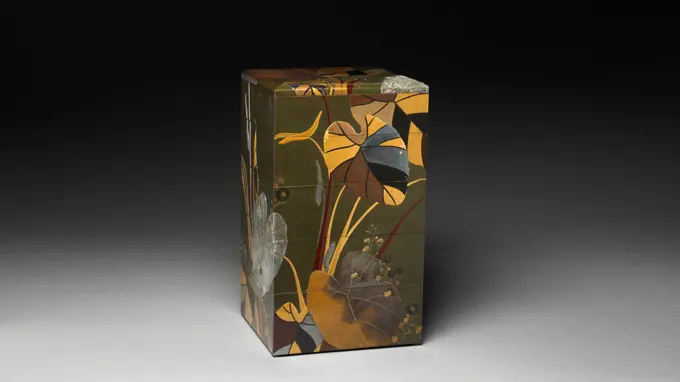
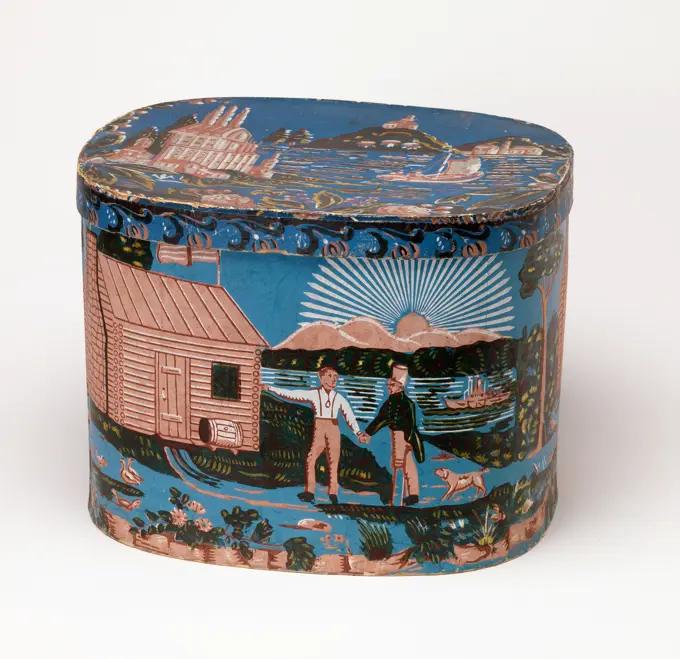
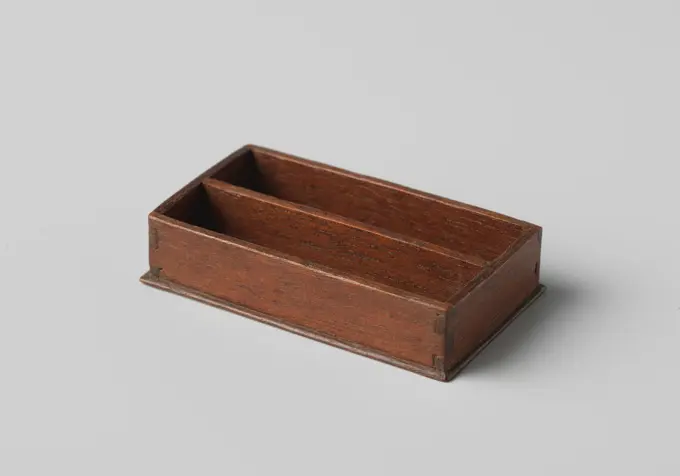
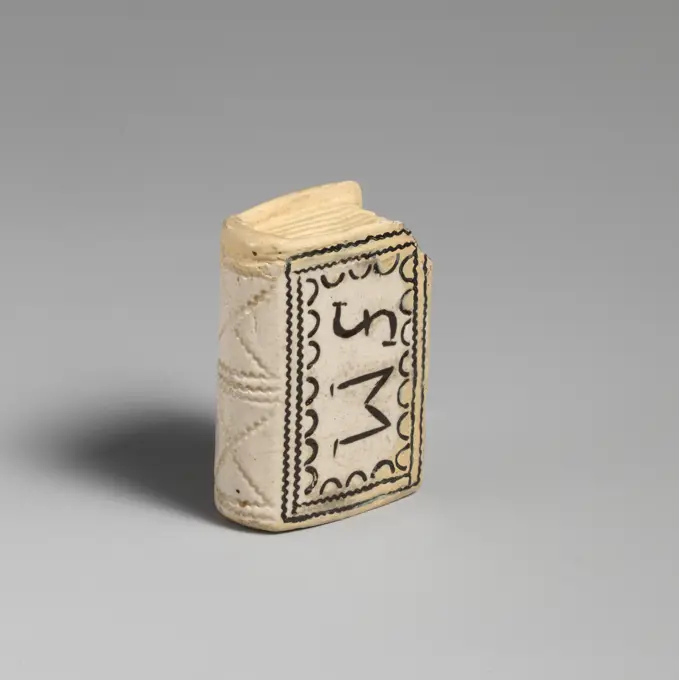
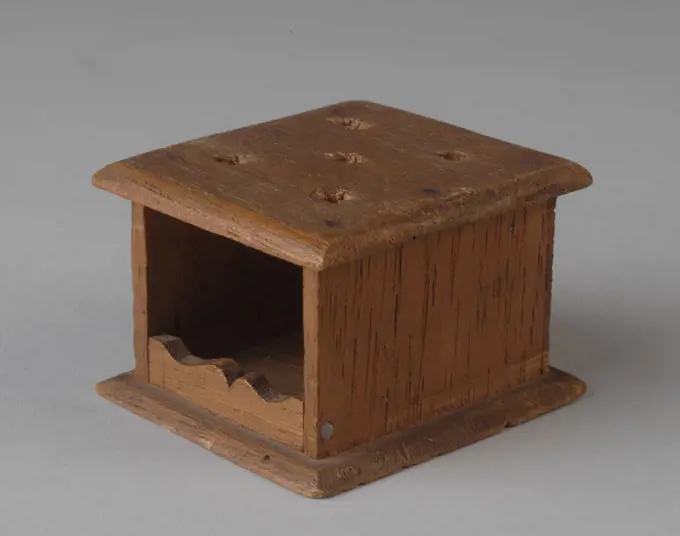
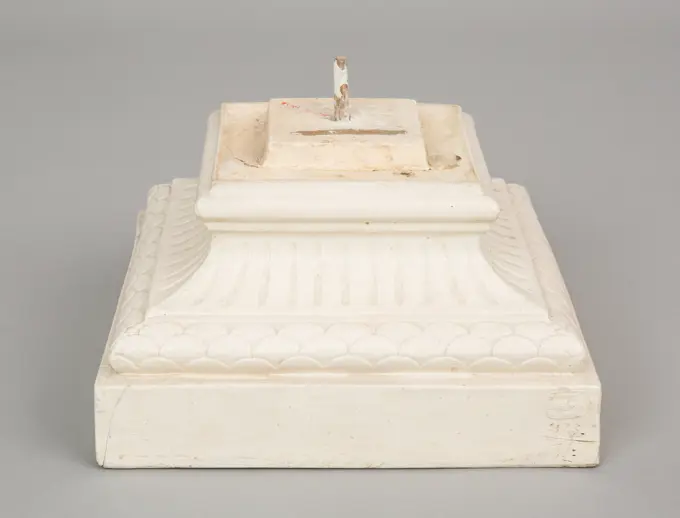
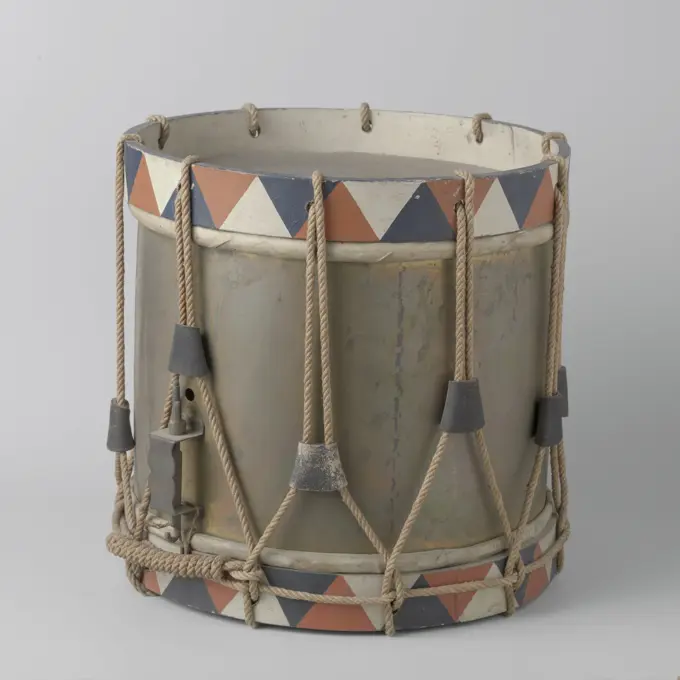
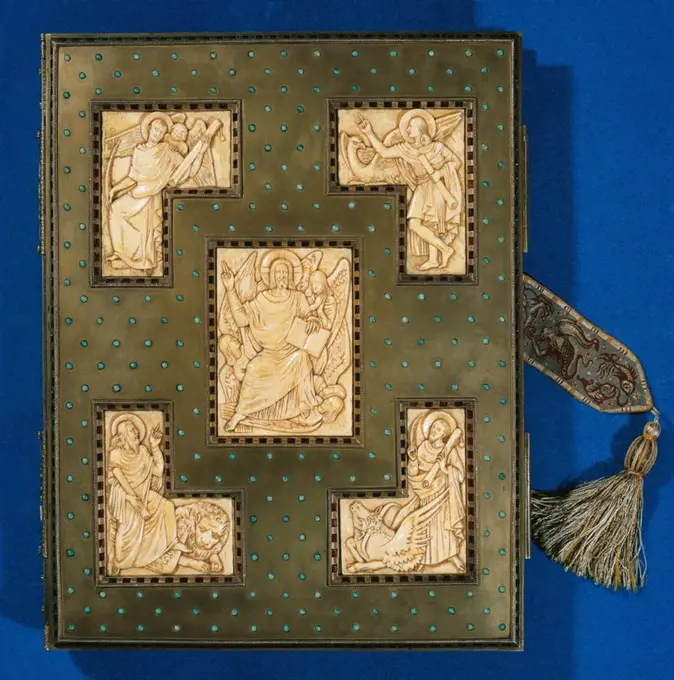
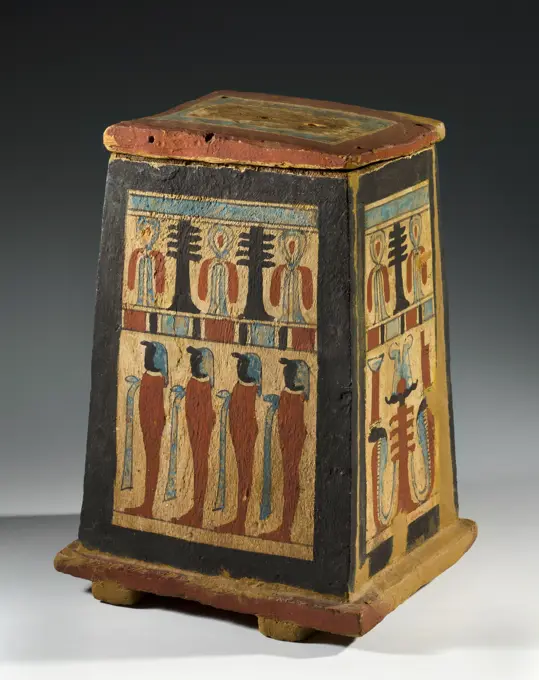
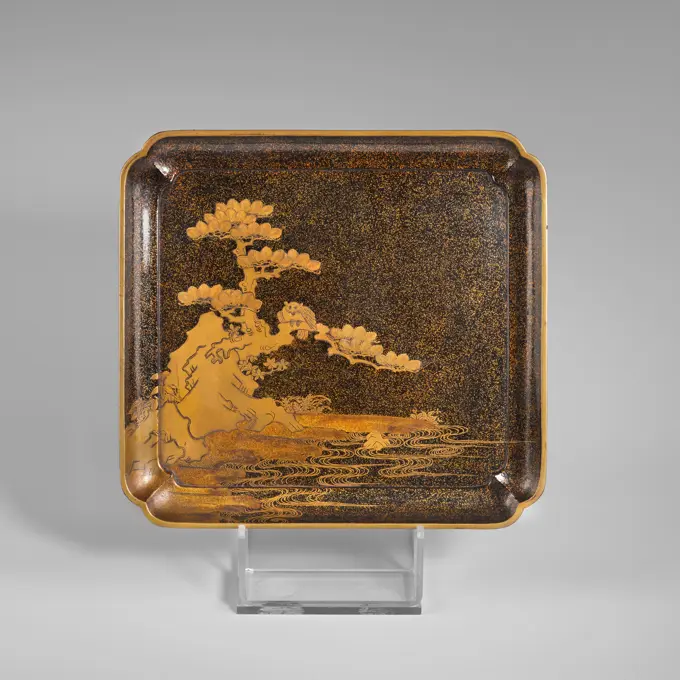
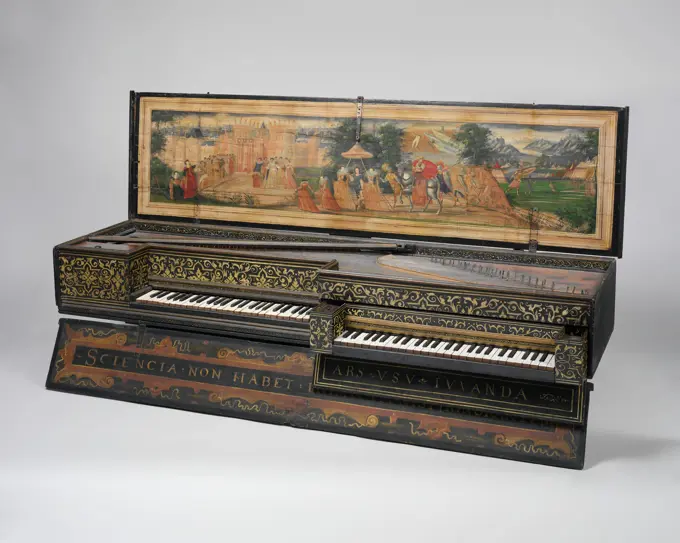
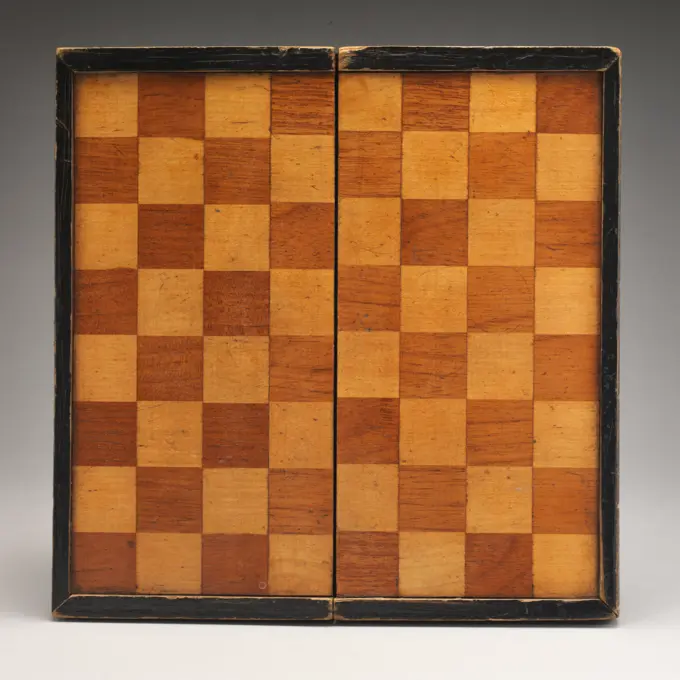
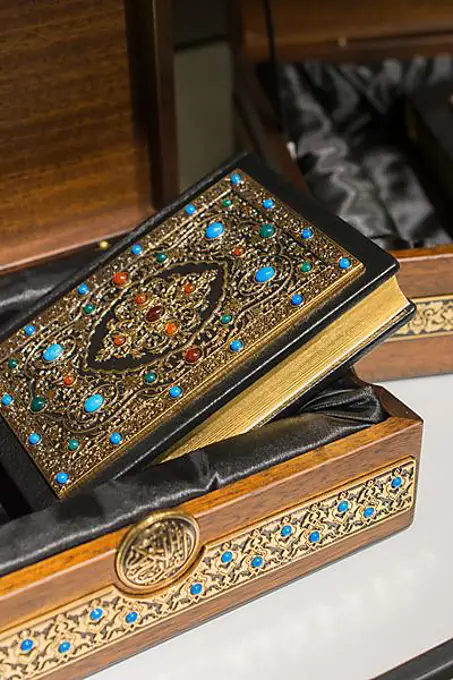
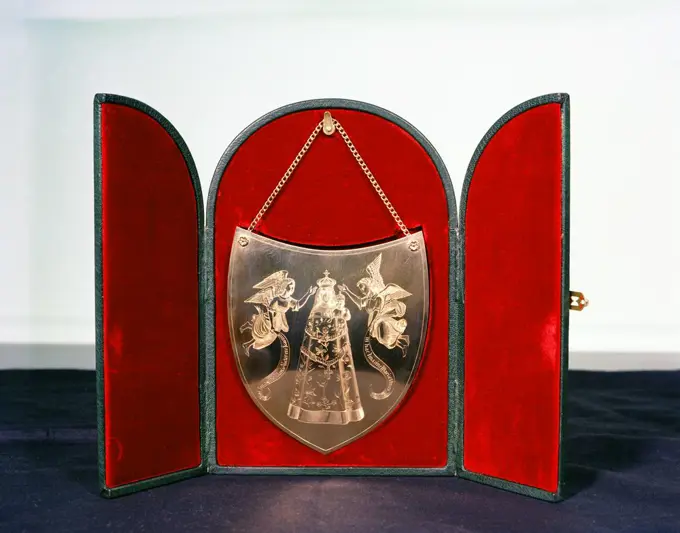
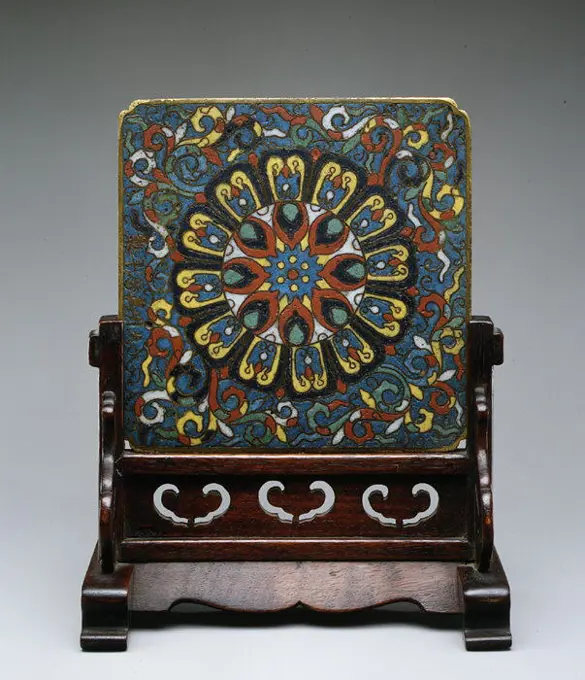
Desk Screen with Stylized Floral Design late 16th-early 17th century China. Desk Screen with Stylized Floral Design 39633Snuffbox 1759-60 Mathieu Coiny fils In eighteenth-century Europe, Paris led the production of high-quality luxury goods. Parisian goldsmiths made a wide range of small, personal articles such as snuffboxes; étuis to hold sealing wax, tweezers, or utensils for sewing; souvenirs, which contained thin ivory tablets for note taking; and shuttles for knotting lace. Gold snuffboxes and boxes decorated with portrait miniatures were prized and frequently given as royal gifts, often to ambassadors or members of the court in lieu of cash payments for their services. Coveted and admired, these boxes were produced from a variety of materials. The best were skillfully made of gold and embellished with diamonds, enameled decoration, lacquer, and other luxurious materials. By the middle of the century, the taking of snuff had become an entrenched social ritual, and the snuffbox, too, had become an important social prop. Snuffboxes were considered highly fashionable accessories, with some merchants adChilds bonnet for a boy unknownFlower painting on antique wooden basket, Jodhpur, Rajasthan, India Copyright: xSafatxAli/DinodiaxPhotoxGlobe Sewing Table (Globustisch), c. 1800-1810. Austria, Vienna, early 19th century. Burl walnut veneer, mahogany, ebony, satinwood, gilt wood, painted wood; mirrored glass; metal; overall: 90.2 x 45.5 cm (35 1/2 x 17 15/16 in.). Work tables resembling globes were the usual form for a lady's sewing or writing table around 1800 in Austria. Combining moving parts, secret compartments, and highly finished decoration, these tables were also a way for the cabinetmaker to show off his skill. The tripod supports and temple-like architectural quality of both the exterior and interior decoration reflect the fashionable taste for neoclassical style, or Biedermeier as it was called in Austria, where Vienna was the center of such elaborate furniture production.Drom with a weapon of a schuttersgilde between trophies of banners. Drum of wood with a painted weapon of a schuttersgilde between trophies of banners.Senet gaming board, from the Tomb of Tutankhamun, 18th Dynasty. Artist: UnknownArchitectural Fitting (Gong) Made 770 BCE-481 BCE China. This is one of sixteen hollow bronze fittings in the museumís collection that together comprise rectangular, L-shaped, and cylindrical pieces. In 1973, fittings of similar shape and design were excavated from the site of a palace of the 7th century B.C. in modern-day Fengxiang, Shaanxi province in north China. Most show tightly interlaced surface patterns like those cast in this piece. Archaeologists have conjectured that these fittings, some of which preserve traces of wood, originally served as collars and sleeves that had been socketed over a framework of timber columns and tie beams embedded into the earthen walls. Some of these pieces may originally have been stuffed with silk to tighten them.. Bronze .Tobacco box 18th century Dutch The box is a long octagon. The lid is engraved with a view of a city, and inscribed: s hertogenbos. The tower of St. Jan's church, probably the most characteristic feature of the 's Hertogenbosch skyline, is not recognizable. This may indicate that an idealized city view is rendered here, to which the name of any town could be added. The underside shows an empty cartouche which appears to be suspended from the top of the box and is surrounded by leaf scrolls and branches. The cartouche was probably meant to hold the coat of arms of 's Hertogenbosch (similar to the reverse side of Number IV, 3)· Two sunbursts are depicted at the sides. With lined rims and molded edges. On the front side is engraved a vase of flowers from which branches extend. A similar box is in the collection of Het Nederlands Openluchtmuseurn in Arnhem.. Tobacco box 205403Brush and water cutting "bronze. China, Han. Paris dynasty, Cernuschi museum. 72359-12 Bronze, water cut, han dynasty, brush holderBronze Box with Lid. Egypt, New Kingdom - Roman Period (1569 BCE - 200 CE). Furnishings; Accessories. Bronze35mm originalStrongbox. Culture: German, possibly Nuremberg. Dimensions: Overall (confirmed): 35 3/4 × 51 in., 768 lb. (90.8 × 129.5 cm, 348.4 kg). Date: late 16th or early 17th century.This formidable steel strongbox is reinforced with an armature of the same material. Its elaborate locking mechanism, consisting of nine bolts and various leaf-shaped shields, offered the owner a safe storage place for his valuables. Corresponding to the eyes along the rim of the lid, the two pendant hasps in front allowed the use of additional padlocks. Nuremberg and the neighboring town of Augsburg were major metal-producing centers where armorers, locksmiths, and founders made arms and armor as well as useful wares such as locks, caskets, and strongboxes. Museum: Metropolitan Museum of Art, New York, USA.single open wooden chest with metal ornament Chest or Trunk. Dated: 1938. Dimensions: overall: 35.6 x 46 cm (14 x 18 1/8 in.) Original IAD Object: 12" long; 7" wide; 5 3/4" high. Medium: watercolor and graphite on paper. Museum: National Gallery of Art, Washington DC. Author: Carl Buergerniss.The Nativity, in Coffer 1485-1495 France. This woodcut and coffer demonstrate the very unusual survival of a print in its original context. Incredibly, ten other impressions of this stencil-colored, mass-produced Nativity survive, all also in boxes, and approximately one hundred other French coffers ornamented with similar prints exist. Their original purpose, however, remains uncertain. Despite their metal reinforcements and standardized lock, they were not sturdy enough to be strapped to pack animals. They may instead have been worn as backpacks, with the cushion on the bottom allowing the container to sit on the travelerís knees for use as a movable shrine. A shallow secret compartment in the lid of this example is equally mysterious. It may have held contact relics, such as fabric or hair, or even consecrated Communion wafers, an unseen presence that would have reinforced the devotional value of the entire object.. Woodcut in black, hand colored with brush, stencil and watercolor oGa'u casket with figurine of Buddha inside. unknown, craftsmanCanister. Dated: 1935/1942. Dimensions: overall: 35.4 x 28.6 cm (13 15/16 x 11 1/4 in.) Original IAD Object: 8 1/2" high; 8 3/4" wide. Medium: watercolor, graphite, and gouache on paperboard. Museum: National Gallery of Art, Washington DC. Author: Marie Famularo.Lower end of a pilaster 18th century French. Lower end of a pilaster 189446 French, Lower end of a pilaster, 18th century, Oak, 24 3/4  15 3/4 in. (62.9  40 cm). The Metropolitan Museum of Art, New York. Gift of J. Pierpont Morgan, 1906 (07.225.168)Den Danske Landmandsbank' still bank, 19th century, Kjorenhavns Dorgreb & Metalvarefrabrik, the Netherlands, 4 9/16 x 3 13/16 x 3 1/8 in. (11.59 x 9.68 x 7.94 cm), Brass, 19th centuryPen Box with a Europeanizing Landscape. Artist: Hajji Muhammad. Dimensions: LengtH. 11 in. (27.9 cm)WidtH. 2 1/4in. (5.7cm). Date: late 17th-early 18th century.This pen box is signed by the later Safavid artist Haji Muhammad. The Europeanized landscape depicted on the inside cover of this box is associated with the style of this artist and other members of his family, most famously his celebrated brother Muhammad Zaman. The high status accorded to the arts of calligraphy and writing in the Islamic world led to the production of many handsome accessories such as this pen box. Museum: Metropolitan Museum of Art, New York, USA.Sewing box, from the Novelties series (N228, Type 3) issued by Kinney Bros. 1889 Issued by Kinney Brothers Tobacco Company Trade cards from the "Novelties" series (N228), issued in 1889 to promote Kinney Tobacco Company. There are five types of card within the series. Type 1 cards are round. Type 2 cards are round with colored borders. Type 3 cards are die cut to the shape of a novelty item. Type 4 are also die cut with embossing. Type 5 depict novelties on a rectangular card. Finally, Type 6 are die cut in the shape of an egg.. Sewing box, from the Novelties series (N228, Type 3) issued by Kinney Bros.. 1889. Commercial color lithograph. Issued by Kinney Brothers Tobacco CompanyEbony veneered, rectangular coffin with stumpwork embroidery on the lid and the four walls. Rectangular coffin, veneered with ebony, with stumpwork embroidery on the lid and the four walls. The coffin has copper balpotes and handles. The embroidery has silk, gold and silver wire. The embroidery on the lid has a river landscape with trees, a castle, sheep and a village silhouette. The back wall has a landscape in which water mills with stair facades, wine mountains and castles and the side walls have a landscape in which houses with stair facades, a river and a pond with a lion.Old chest isolated on the white backgroundPouch for a note booklet. Pouch for a note booklet of gold and email. On both sides an oval miniature painting on paper under glass. On the lid in an oval the inscription: Souvenir d'Amitié.Case (Inr) with Design of ni (Demon) Standing Behind Cloak of Arhat (obverse); Fly Whisk (Hossu) beneath Pine Tree (reverse) 19th century Tokoku Japanese. Case (Inr) with Design of ni (Demon) Standing Behind Cloak of Arhat (obverse); Fly Whisk (Hossu) beneath Pine Tree (reverse). Tokoku. Japan. 19th century. Wood ebony, carved relief with inlay of ivory, metal and malachite; Interior: plain; Netsuke: Jurojin on crane; Ojime: Child climbing rope. Meiji period (1868-1912). InrChest with Lid ca. 1981-1600 B.C. Middle Kingdom-Second Intermediate Period. Chest with Lid. ca. 1981-1600 B.C.. Wood. Middle Kingdom-Second Intermediate Period. From Egypt, Memphite Region, Lisht North, cemetery west of North Pyramid, Pit 551, MMA excavations, 1906-07. Dynasty 13-18Gerald Transpota, Rawhide Chest, c 1937 Rawhide ChestTray with medals commemorating the baptism of Prince Aleksander Jerzy Czartoryski (1762-1763) Loos, Daniel Friedrich (1735 1819)Chest from the tomb of Tutankhamun, 14th century BC. Artist: UnknownNécessaire with watch. Culture: German. Dimensions: Overall (confirmed): 4 1/4 × 5 1/16 × 3 3/4 in. (10.8 × 12.9 × 9.5 cm); Diameter (back plate): 1 1/4 in. (3.2 cm). Date: probably ca. 1745-50.Fitted with sewing and writing implements as well as a watch, this unmarked nécessaire shows delightful chinoiserie decoration in the Rococo style, echoing the work of the influential Munich designer François Cuvilliés (1695-1768). Museum: Metropolitan Museum of Art, New York, USA.Snuif box painted with water landscapes and figures, manufacture Oud -Loosdrecht, 1774 - 1784 Porcelain pin box. Elongated and painted with water landscapes and figures. Loosdrecht porcelain Porcelain pin box. Elongated and painted with water landscapes and figures. Loosdrecht porcelainBox, 1900s. China, 20th century. Ivory; overall: 5.2 x 4.2 cm (2 1/16 x 1 5/8 in.).CAJA DE GALERA URNA FUNERARIA. IBERICO. TARTESICO. (DEPOSITO: MUSEO ARQUEOLOGICO NACIONAL).Vinaigrette in the Form of a Book 1883 United States. Silver and silver gilt .Seal (probably France); metal, enamel, leather, silkSquare stile box, black lacquer with sprinkling flowers in Gold -Makie, Anonymous, 1700 - 1800 Square stile box with two containers and a flat lid (probably one container is missing). Black lacquer with sprinkling flowers in gold-made. Narrow gold tires surround the sides and the lid. Japan wood (plant material). lacquer (coating). gold (metal) lacquering Square stile box with two containers and a flat lid (probably one container is missing). Black lacquer with sprinkling flowers in gold-made. Narrow gold tires surround the sides and the lid. Japan wood (plant material). lacquer (coating). gold (metal) lacqueringAnonymous / 'Case for ovate agate vessel with two bands of cameos'. 1680 - 1711. Leather, Wood, Cloth. Museum: Museo del Prado, Madrid, España.Pocket sundial with a compass. Bloud, Charles (ca. 1640-1719), watchmaker. High octagonal mopping drum with a solid handle. The wall of the basket is decorated with studs and horizontally engraved lines. The drum has a hinged lid with a button. A zig-zag line is engraved along the edge of the lid. The drum has been marked but the brands are unreadable.Gable-topped chest and linens ca. 1492-1473 B.C. New Kingdom This whitewashed chest was one of three found in Hatnefer's tomb. Two of the chests, including this one, were probably made especially for this burial. They were filled with linen sheets of various qualities and weaves. Shown here with the chest are a shirt of fine linen; a sheet of superfine weave, probably used as an outer garment; and a sheet of coarser weave more than seventeen yards long, which may have served as a mattress. After it was packed with linen, the chest was tied shut with a piece of linen cord that was secured with a mud seal.. Gable-topped chest and linens 545137Vanity case. Culture: British, Staffordshire. Dimensions: Overall (confirmed): 4 × 1 1/2 × 1 1/2 in. (10.2 × 3.8 × 3.8 cm). Date: ca. 1760-1800. Museum: Metropolitan Museum of Art, New York, USA.Purse-Shaped Vinaigrette 1817-1818 Birmingham. Silver and silver gilt .Letter Case 1835-40 Huron. Letter Case. Huron. 1835-40. Birchbark, silk, moosehair. Canada, Quebec. Bark-Containers. Incense axle holder of bamboo with lacquer, decorated with a river landscape. On the inside covered with tin.Box and cover, Cardboard and paper, Rectangular box and cover (formerly paper-hinged) covered with glossy pink paper and with strips of multicolored paper framing two colored lithograph prints of young girls on the cover. Inside edged with lace paper., USA, 1880-90, Decorative Arts, Box and coverStacked Food Box (Jbako) with Taro Plants and Chrysanthemums mid-19th century Shibata Zeshin This food box was designed for a celebratory meal, such as New Year’s feast. It comes with two lids so that the boxes can be easily separated into two sets. The decorative, modern design consists of taro plants (satoimo) and chrysanthemum flowers. Shibata Zeshin was renowned for both his lacquer works and paintings. Because he started his career in the Edo period and worked through the early Meiji period, he crossed not only the boundaries of various media but also transmitted Edo-period techniques and design sensibilities to modern lacquer artists. Zeshin was trained by Koma Kansai II (1767-1835), a prominent member of the Koma family of maki-e artists, and studied with Shij-school painters. His interest in sketching from nature reflected in his detailed compositions of natural themes.. Stacked Food Box (Jbako) with Taro Plants and Chrysanthemums. Shibata Zeshin (Japanese, 1807-1891). JapanAntique wooden box, Jodhpur, Rajasthan, India Copyright: xSafatxAli/DinodiaxPhotoxTonkotsu, Ojime, and Netsuke. Japan, 18th century. Costumes; Accessories. Tonkotsu: cherry wood (sakura); Ojime: stag antler; Netsuke: ivory sealRoman chest, 1st-2nd century AD, (rebuilt), Museum of Romanization, Calahorra, La Rioja, Spain, Europe.Drum, 1839 musical instrument. percussion instrument. drum Trom of the militia. The brass kettle is equipped with a veal sheet on both sides, held by a hoop and tense by means of a tension with tractors and screws. Both hoops are decorated with a motif of triangles in the colors red, white and blue. With engraved numbers: 1839-41. Netherlands Kettle: Brass (Alloy). Hoop: Wood (Plant Material). Team resorts: RopeBandbox, William Henry Harrison; USA; block-printed paper, pasteboard supportVintage luggage trunk isolated in white background - 3D render. Vintage luggage trunk - 3D renderInk, one of a set of 16, c. 1757, 2 7/16 x 1 5/16 x 7/16 in. (6.19 x 3.33 x 1.11 cm), Pine soot and animal adhesive, China, 18th centuryMessenbin with two compartments. Mouns tray of mahogany with two compartments, something excellent underbull.Standard volume measures, 1820  Yellow -cutting mate for wet weders with matte -cut cover glass. Together with seven other content measures in gray -painted box. Netherlands brass (alloy). glass   NetherlandsBook flask ca. 1740-50 British, Staffordshire. Book flask. British, Staffordshire. ca. 1740-50. Salt-glazed stoneware. Ceramics-PotteryCoffer 15th century French. Coffer 468985Te Poel, Miniature foot stool, stew miniature heating toy relaxant model wood, carpentry elongated rectangular stove with five holes on top and one open side corrugated threshold front 1868 Sibilla van Embden play heating kitchenPost base  base PackersFireworks painted with flowers and birds. Fireworks for two sheets, painted with flowers and birds.Model of a Buoy, anonymous, c. 1840 - c. 1858 instruction model Block model and waterline model of a buoy or sole, which shows what a floating ton looks like. Netherlands wood (plant material)Log Cabin (mustard jar)' still bank, c. 1890, Westmoreland Specialty Company, Grapeville, Pennsylvania, 1889-1984, 2 1/2 x 3 5/8 x 3 1/4 in. (6.35 x 9.21 x 8.26 cm) (a.) Cabin)1 7/8 x 3 1/4 x 2 11/16 in. (4.76 x 8.26 x 6.83 cm) (b.) roof), glass, pigment, United States, 19th centuryDrum, 1800 - before 1865 musical instrument. percussion instrument. drum Trom of the militia. The brass kettle is equipped with a veal sheet on both sides, held by a hoop and tense by means of a tension with tractors and screws. Both hoops are decorated with a motif of triangles in the colors red, white and blue. With engraved numbers: 1846-23. Netherlands Kettle: Brass (Alloy). Hoop: Wood (Plant Material). Team resort: RopeEVANGELARIO DEL PADRE ABAD AURELI MARIA ESCARRE. Detalle de las tapas realizadas en plata y placas de marfil. Tamaño: 40 x 30 cm. Proyecto del P. Martí M. Canyís i Rovira. Taller Montstany i Llopart. Año 1956. Museu Diocesà del Monestir de Montserrat. Cataluña.Book binding to "Order of Texten, as it is annually on the holidays ...", 1776 Book binding of red leather to "Order of Tests, as it is annually on the holidays and about the suffering of Christ for Easter in the Reformed Congregation of Amsterdam. . The tire has five ribs, the areas created in the middle have a gilded flower. Voordetry and back slat are decorated with wounded leaf and fruit vessel with a flower in the four corners. The copper ditches wear a Louis XVI in relief vase. Amsterdam leather. paper. printing ink Book binding of red leather to "Order of Tests, as it is annually on the holidays and about the suffering of Christ for Easter in the Reformed Congregation of Amsterdam. . The tire has five ribs, the areas created in the middle have a gilded flower. Voordetry and back slat are decorated with wounded leaf and fruit vessel with a flower in the four corners. The copper ditches wear a Louis XVI in relief vase. Amsterdam leather. paper. printing inkFireplace Lining 1790-1810. Fireplace Lining. 1790-1810. IronCanopian box;  664-525 BC ; Half period, 26 dynasty (-664-00-00--525-00-00);Izyda (Mitol.), Neftyda (Mitol.), Sons of Horus (Mitol.), Solar disk (iconogr.), Filar Dżed (iconogr.), Tit (iconogr.), SnakeWicker basket for teapot, anonymous, c. 1800 - c. 1999 Braided, drum -shaped basket with brass hinges and closure. Lined inside. China porcelain. glaze. cobalt (mineral). copper (metal). iron (metal) painting / vitrification / braiding Braided, drum -shaped basket with brass hinges and closure. Lined inside. China porcelain. glaze. cobalt (mineral). copper (metal). iron (metal) painting / vitrification / braidingBank of Industry' safe still bank, c. 1904, Kenton Hardware Manufacturing Co., Kenton, Ohio, 1890-1950, 5 3/8 x 4 1/4 x 3 15/16 in. (13.65 x 10.8 x 10 cm), Iron, 19th-20th centuryAntique wooden playing card box, Jodhpur, Rajasthan, India Copyright: xSafatxAli/DinodiaxPhotoxTray;  19th century (1801-00-00-1900-00-00);laka, modernism (style), landscape motif, pine trees, owls, Japanese art, traysIncense Box with Flowering Plum Tree 19th century School of Ogata Kōrin Japanese The vivacity and boldness of the design on this box can be traced to the art of Ogata Kōrin, a painter, calligrapher, and potter who transformed Japanese art in the Edo period. The style he pioneered, which is known as Rinpa after the last syllable of his first name, is found in paintings, woodblock prints, lacquers, and ceramics dating well into the nineteenth century.. Incense Box with Flowering Plum Tree 56523Painting on antique wooden photo frame, Jodhpur, Rajasthan, India Copyright: xSafatxAli/DinodiaxPhotoxDouble Virginal 1600 Lodewijck Grouwels Flemish, active The Netherlands This is the only known instrument of Lodewijck Grouwels, a Protestant maker who left Catholic Antwerp in 1593 and moved to the Calvinist stronghold of Middelburg. The instrument is sometimes referred to as a mother and child virginal,” as there is a main virginal (the mother) and a second smaller removable octave virginal (the child). The small keyboard is a replacement made by the famous harpsichord maker Arnold Dolmetsch in 1896 during a restoration of the entire instrument.The instrument is lavishly decorated, with painted surfaces on the front (keywell), soundboards, and interior of the lid. The lid painting features the story of David and Goliath. On the far right can be seen the battle between the young David with his slingshot and the giant Goliath. In the lid's center is a procession showing David with the head of his slain adversary. On the left are the city gates of Middelburg. The story of was likely a Box-board possibly British late 19th century View more. Box-board. possibly British. late 19th century. Wood, leather. Chess SetsSmall Table, 14th-17th century, 2 1/2 x 2 3/4 x 2 13/16in. (6.4 x 7 x 7.1cm), Glazed earthenware, China, 14th-17th centuryARQUETA DE AGATAS PROCEDENTE DE SAN ISIDORO DE LEON - SIGLO XI - REVERSO. Location: MUSEO ARQUEOLOGICO NACIONAL-COLECCION, MADRID, SPAIN.Holy Book Quran with decorative cover and boxGift for John F. Kennedy, Jr. (JFK, Jr.). Gift for John F. Kennedy, Jr., from his godfather, Prince Stanislaus Radziwill of Poland. Medallion in red velvet-lined case; obverse.rnrnBandbox (USA); block-printed paper on pasteboard support; 52 x 42 x 31 cm (20 1/2 x 16 9/16 x 12 3/16 in.)Vintage gramophone on white background.. An antique gramophone and a recording of music. Presented on a white background. Copyright: xZoonar.com/GalinaxTolochkox 10357329Pink Decoupage Box pink decoupage box with yellow butterfly and flowers Copyright: xZoonar.com/unknownx 22811140Close-up of a bucket with flowersArmy book. Army book. Bound in leather.Chessboard British 19th century View more. Chessboard. British. 19th century. Lacquered wood. Chess SetsPetra Souvenir. Petra Souvenir isolatedon white .Drom, old model of the arches. Groom of the militia. The brass boiler is provided with a veal sheet on both sides, held by a hoop and tense by means of a tensioner with tractors and screws. Both hoops are decorated with a motif of triangles in the colors red, white and blue. With engraved numbers: 1828-3389-158.opened wooden moneybox with romanian currencyModel reconstruction of the 4th century Sulis Minerva baths, temple and spring. During this time the courtyards and bathing halls were huge and bustling with people. There was space for hundreds of people and the buildings were colourful and decorative. Roman.Bank' building still bank, late 19th-early 20th century, 6 x 4 5/16 x 3 3/16 in. (15.24 x 10.95 x 8.1 cm), Iron, pigment, 19th-20th centuryCigar box - Van HorneVintage trinket box with an old rosaryCollection of minerals in boxed display trays.