Elegant Decorative Ceramics

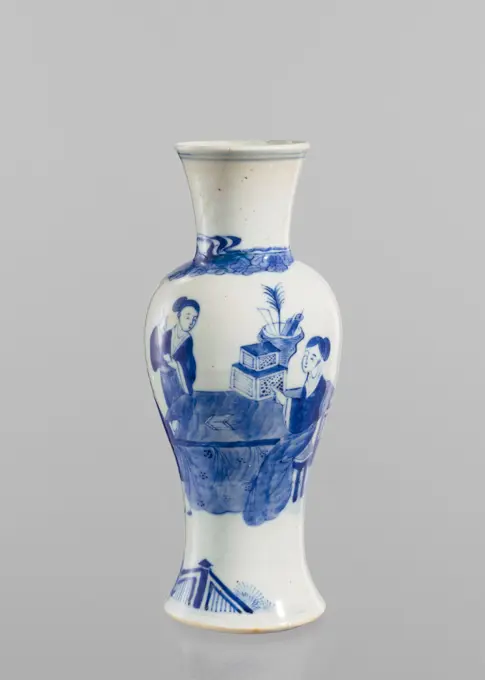
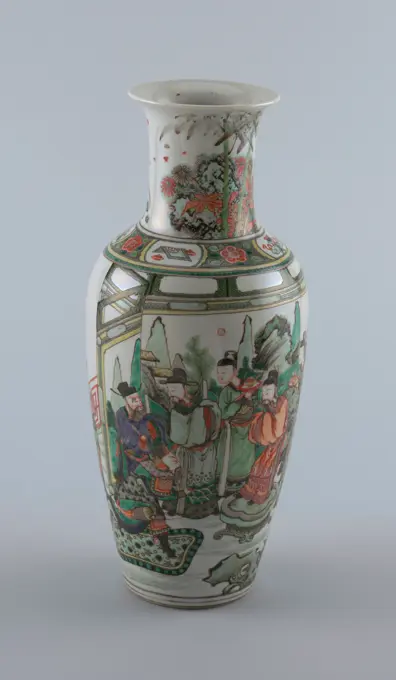
An array of intricately designed porcelain jars and vessels, adorned with cobalt blue motifs and floral patterns, showcasing historic craftsmanship.

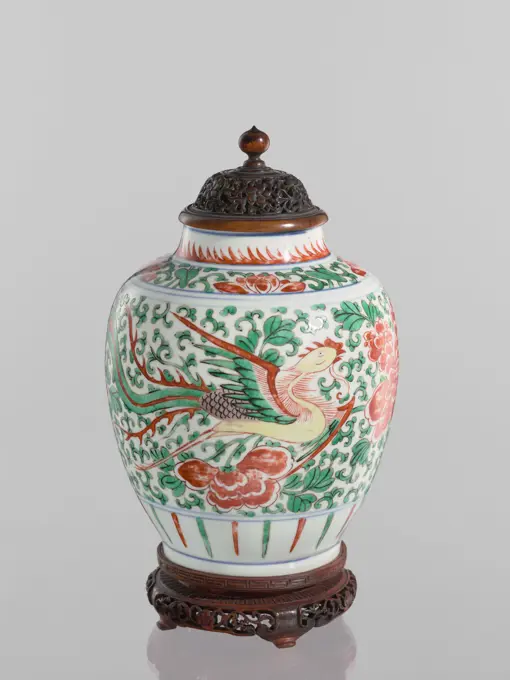
Baluster covered jar with lotus plants and cranes, anonymous, c. 1700 - c. 1724 AK-NM-11860-53-aluster-shaped porcelain lid jar with a spreading base and a wide neck. Painted in underly glaze blue and red and a white sludge. Lotus plants on the lid. The edge of the lid with multiple chips. Underglaze blue with copper red. China porcelain. glaze. cobalt (mineral). copper (metal) painting / vitrification AK-NM-11860-53-aluster-shaped porcelain lid jar with a spreading base and a wide neck. Painted in underly glaze blue and red and a white sludge. Lotus plants on the lid. The edge of the lid with multiple chips. Underglaze blue with copper red. China porcelain. glaze. cobalt (mineral). copper (metal) painting / vitrification
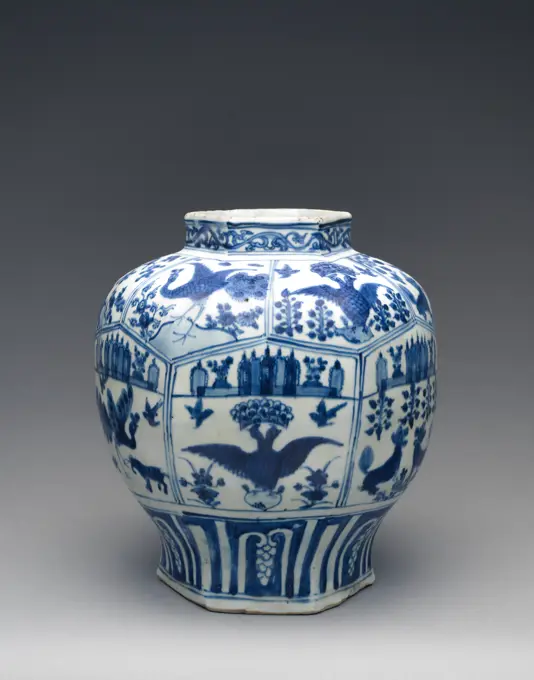
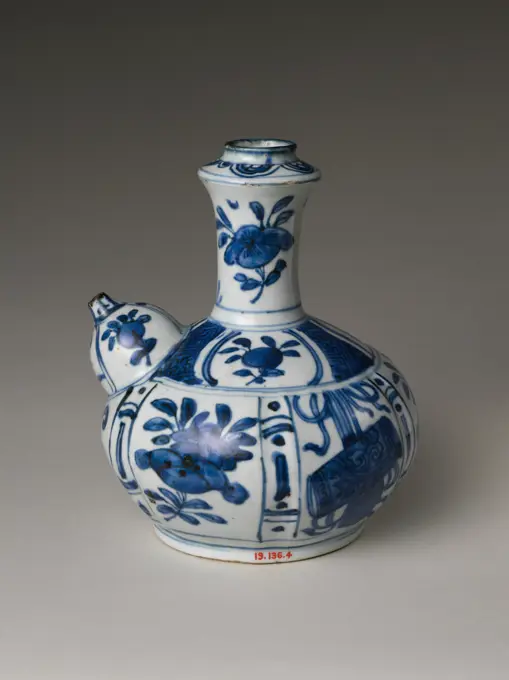
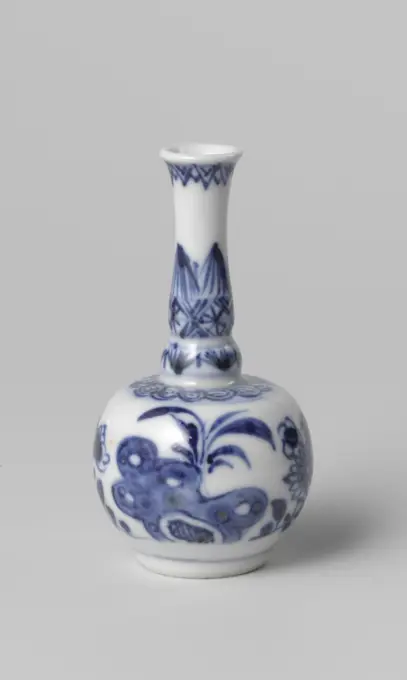
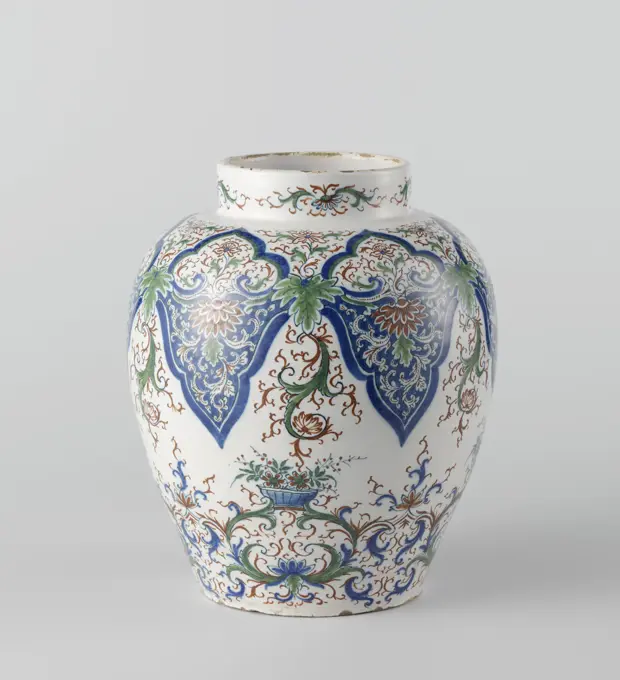
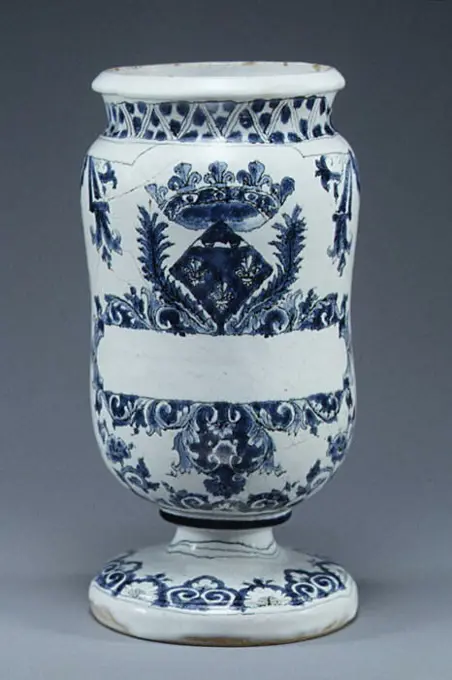
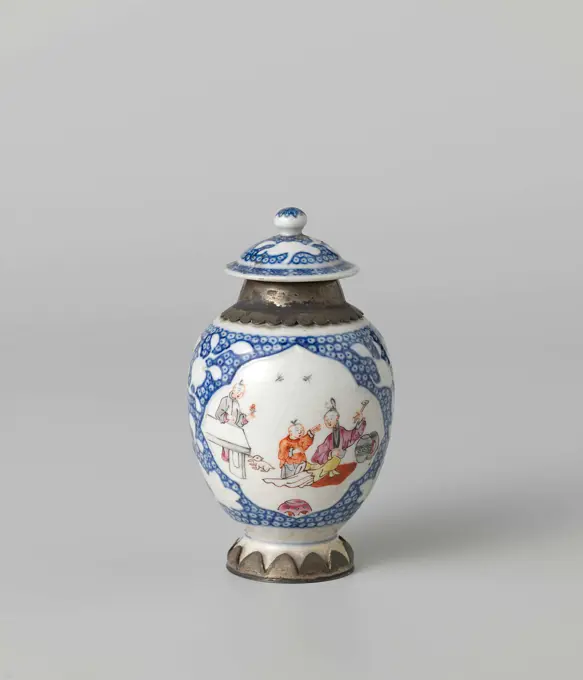
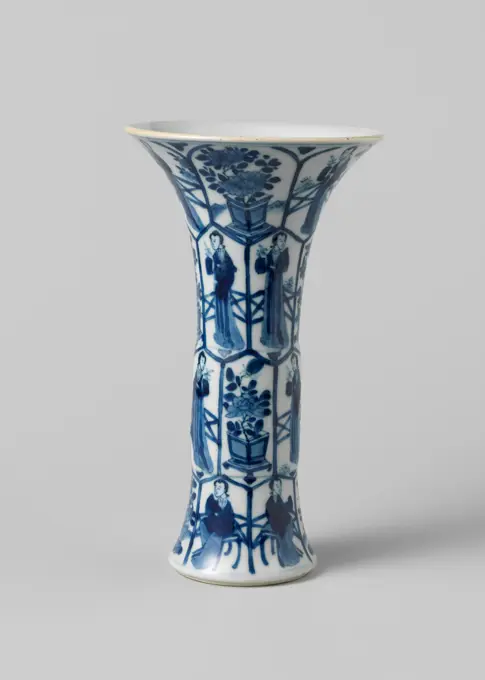
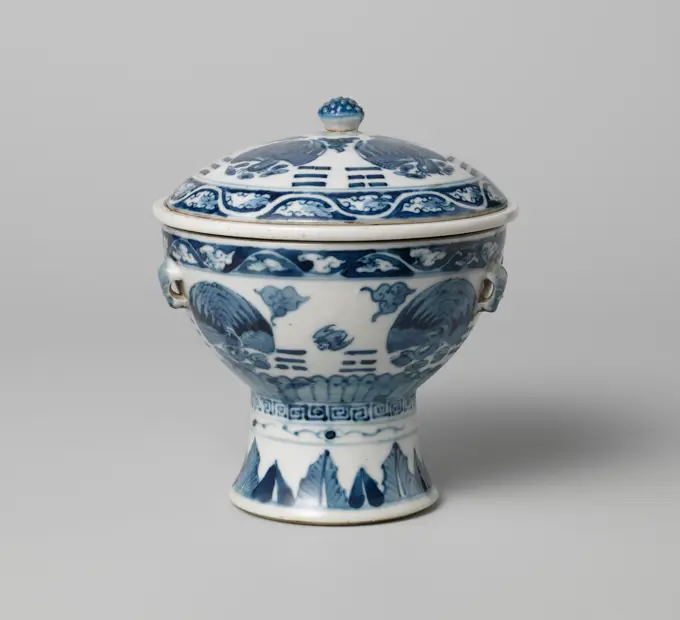
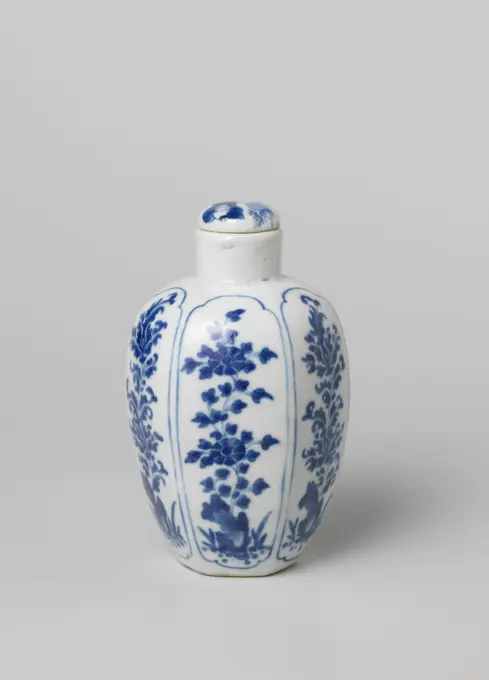
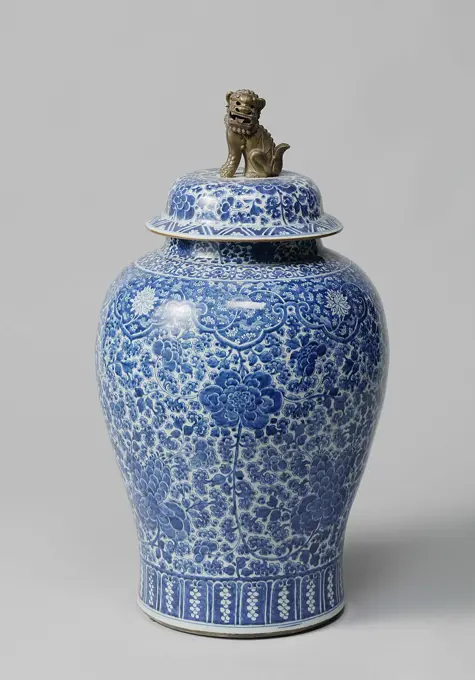
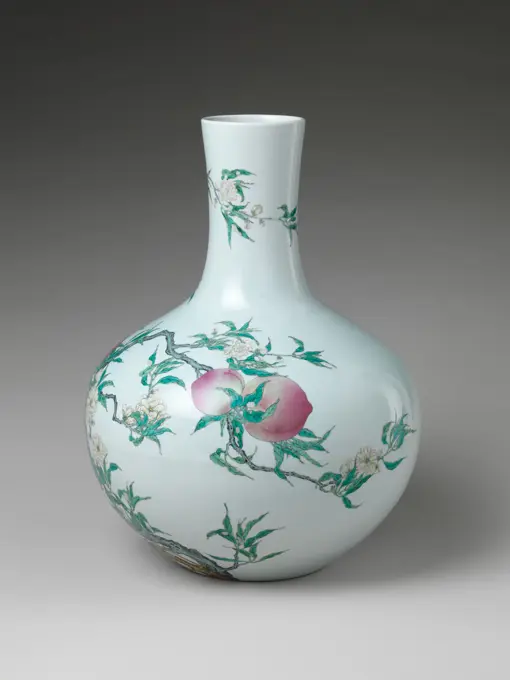
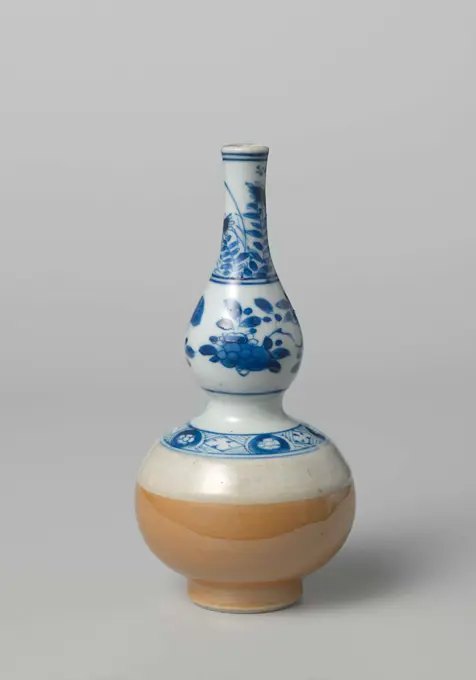
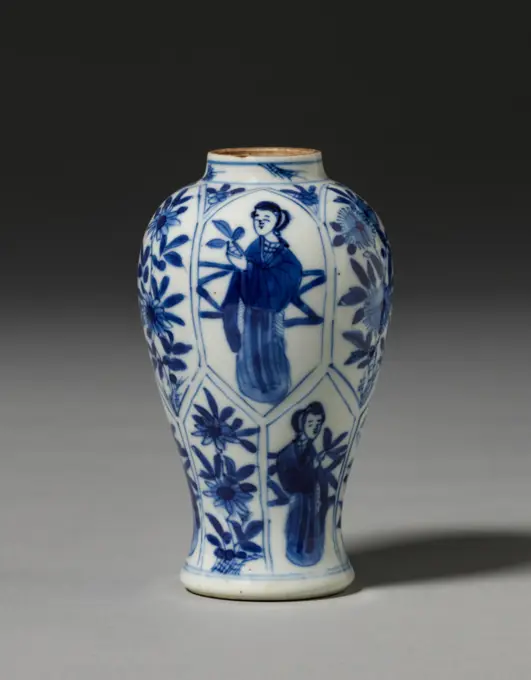
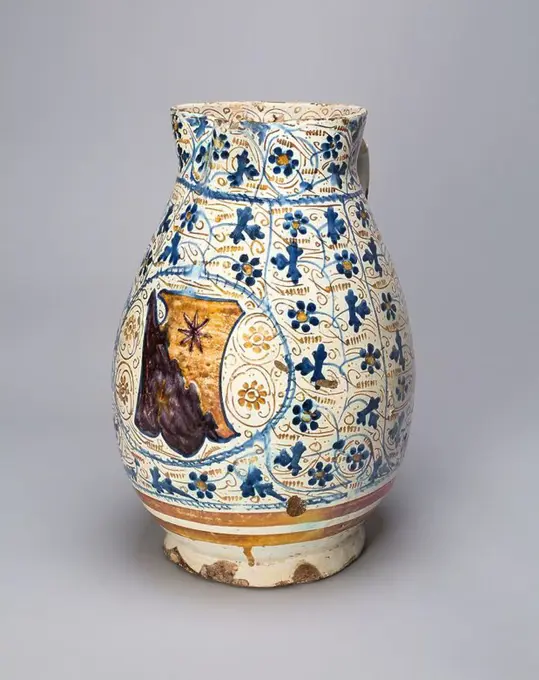
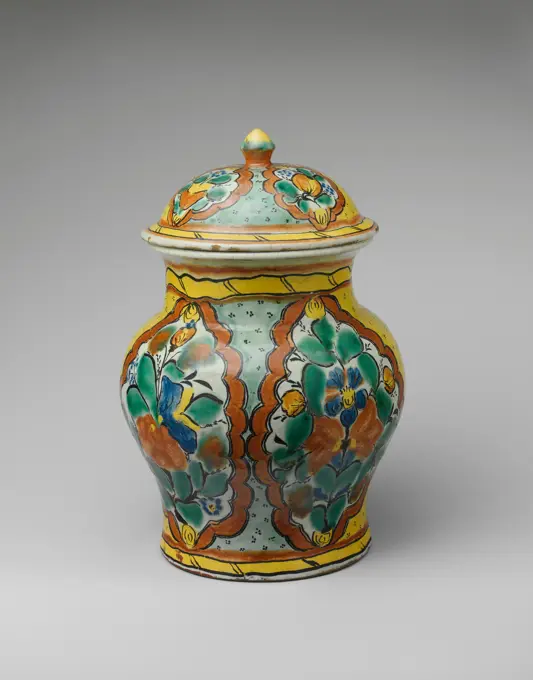
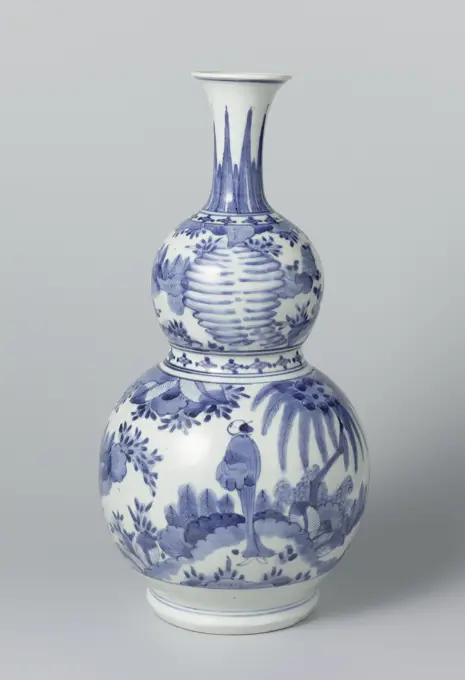
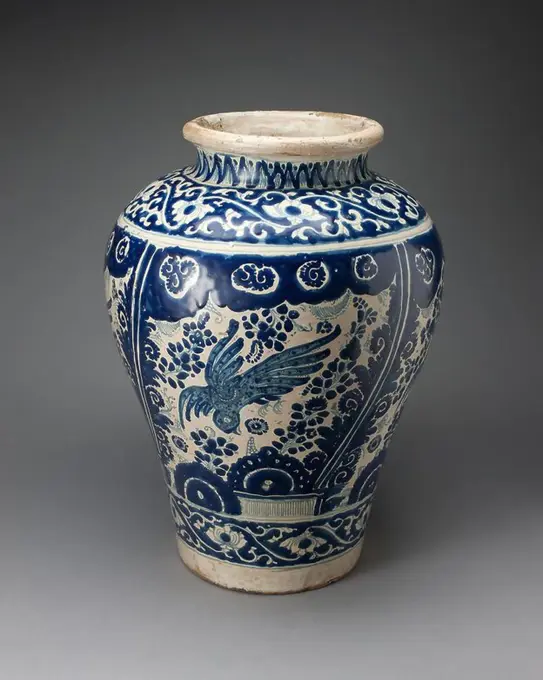
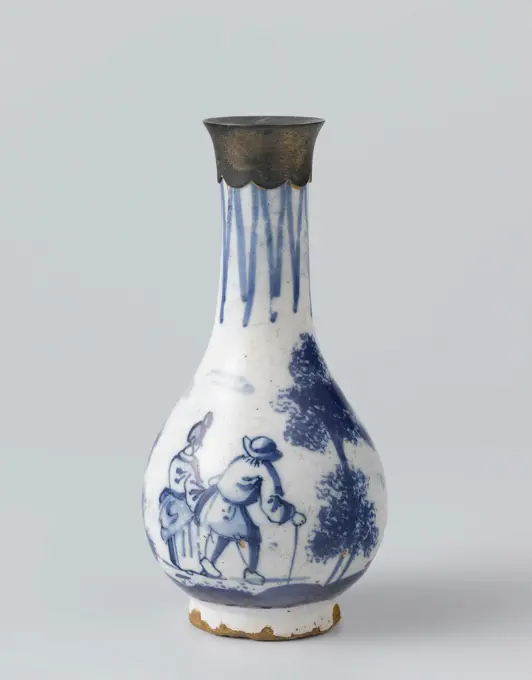
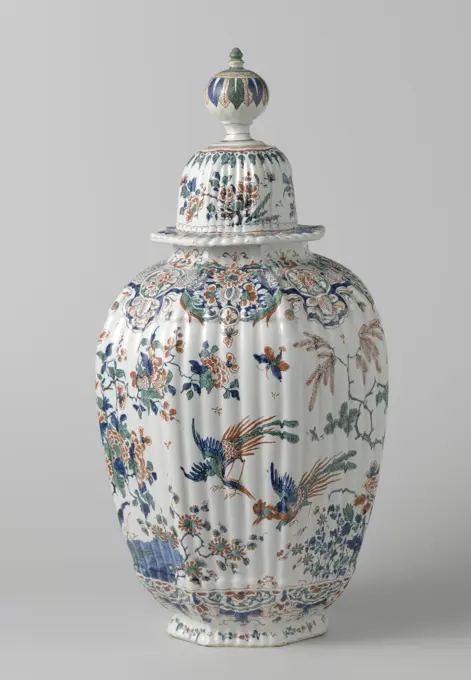
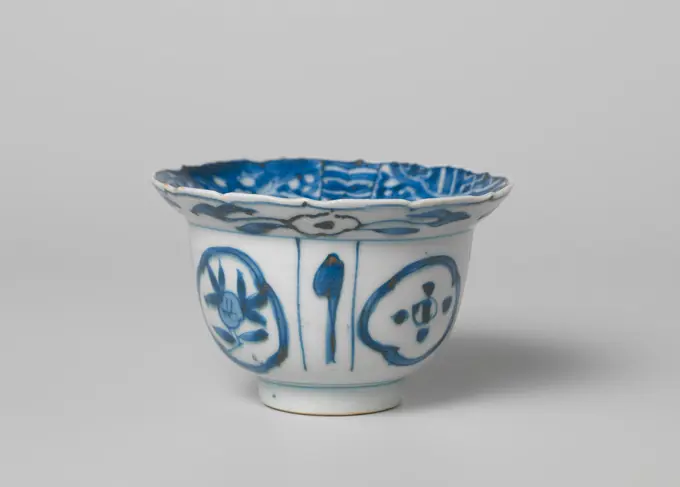
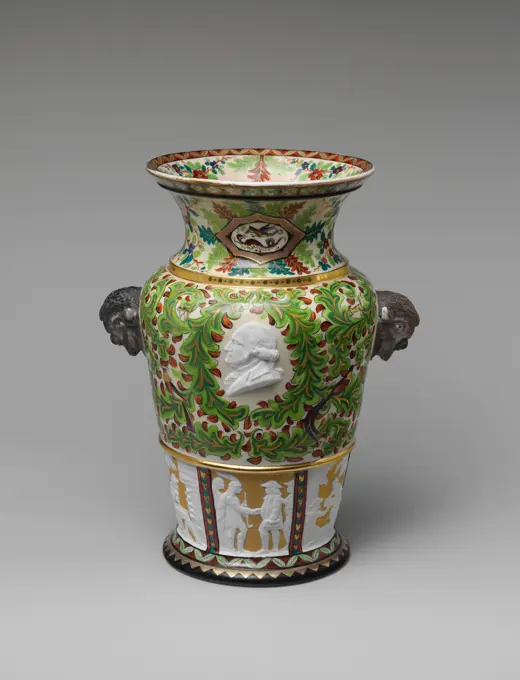
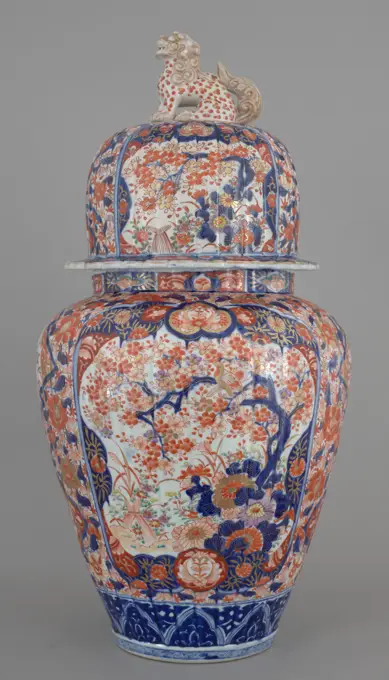
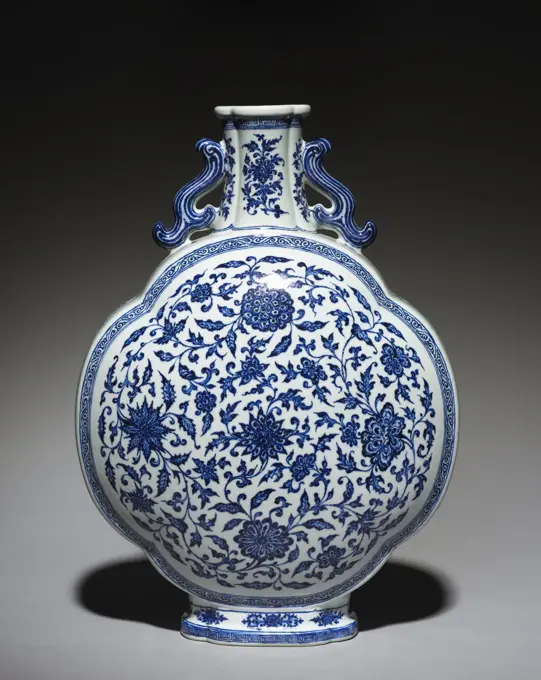
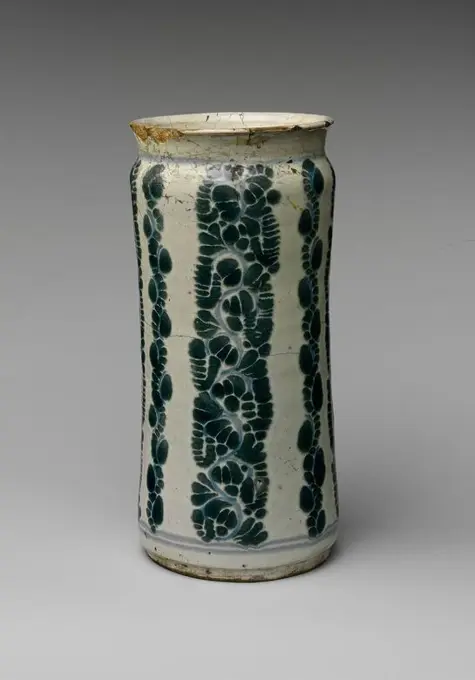
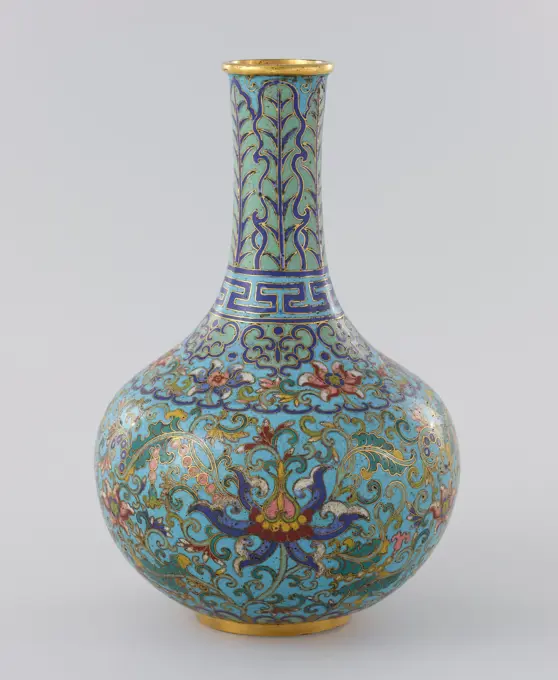
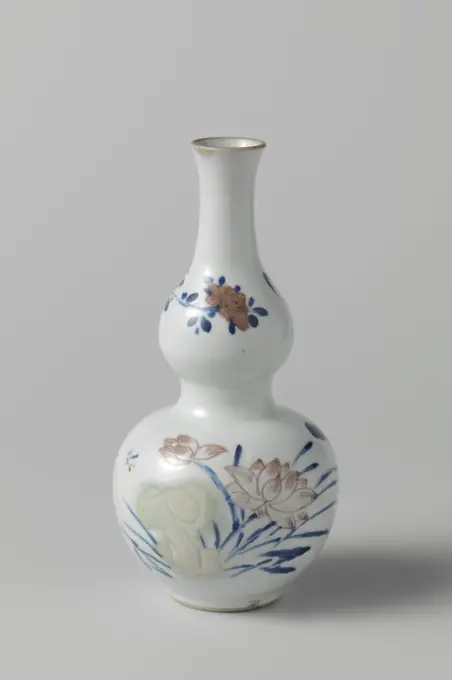
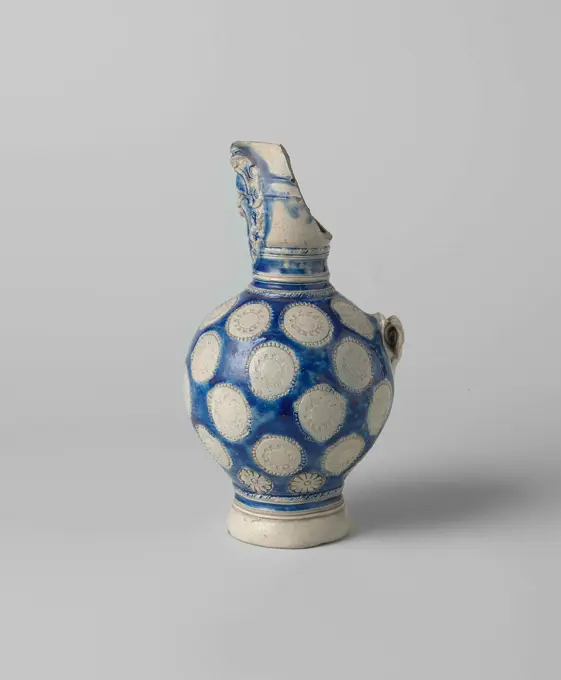
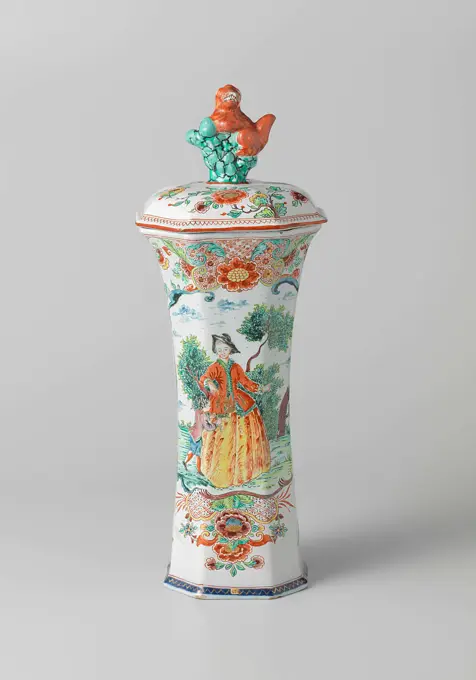
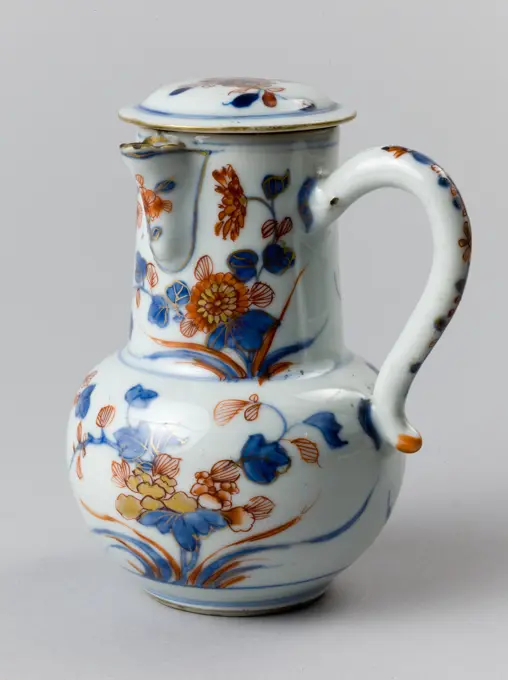
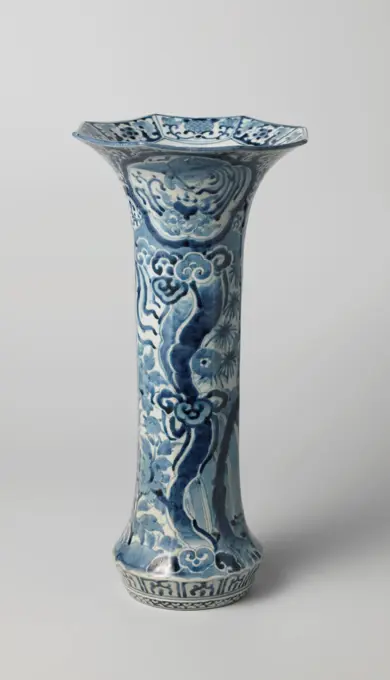
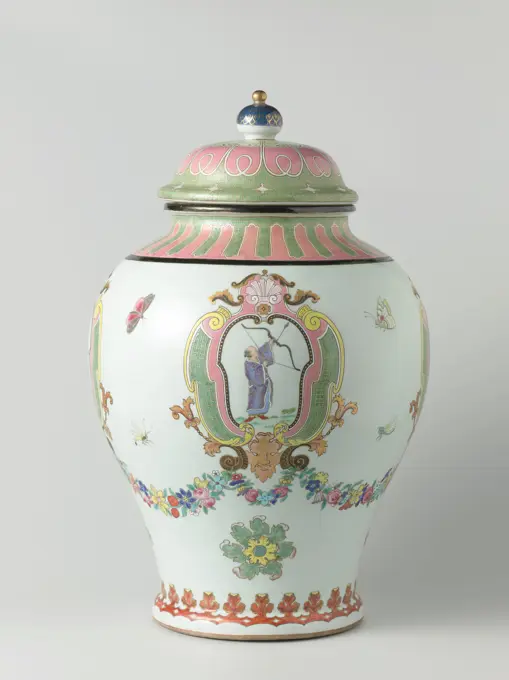
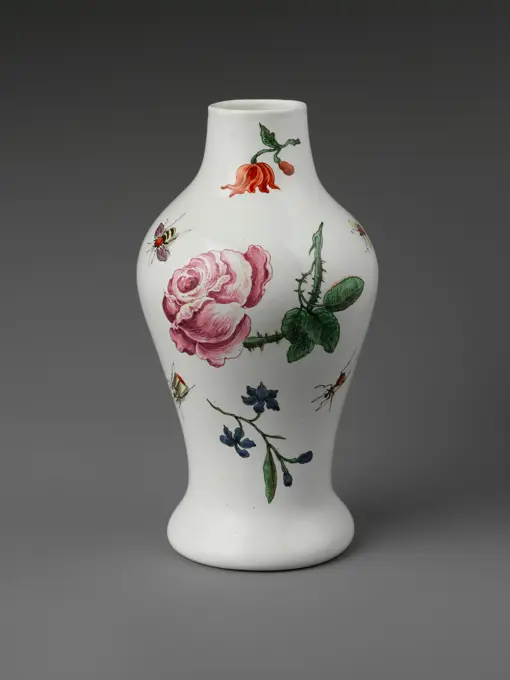
. Pot (without lid) of faience with sprinkle flower decorJar with the emblem of the Order of Saint Augustine ca. 1575-1600 Chinese, made for export The primary motif on this jara double-headed eagle clutching a heart pierced with arrowsserved as the emblem of the Catholic Order of Saint Augustine. In the sixteenth century, Augustinian friars established monasteries in Mexico, the Philippines, and Macau (in Southern China); the jar may have been produced for missionaries in one of these locations. While the jar probably served a functional purpose, its white porcelain body and cobalt-blue decoration would have appeared luxurious to friars accustomed to humble vessels.. Jar with the emblem of the Order of Saint Augustine. Chinese, made for export. ca. 1575-1600. Porcelain painted with cobalt blue under a transparent glaze. Ceramics-Porcelain-ExportPouring Vessel (Kendi) with Flowers and Fruits late 16th century China Chinese manufacture of this drinking vessel with a long neck and a spout, known as kendi (a Malay word), began during the fourteenth century for export to Muslim communities in Southeast Asia. By the sixteenth century it was carried farther afield to the Middle East, where Persian copies were made. This late sixteenth-century version, not necessarily made for export to Europe, is decorated in patterns that commonly were applied to kraak porcelain.. Pouring Vessel (Kendi) with Flowers and Fruits. China. late 16th century. Porcelain painted with cobalt blue under transparent glaze (Jingdezhen ware). Ming dynasty (1368-1644), Wanli period (1573-1620). CeramicsCovered baluster jar with large flower sprays, anonymous, c. 1720 - c. 1740 Balus -shaped porcelain lid jar with lid button in the shape of a lion, bolted in underly glaze blue and on the glaze red and gold. On the wall large, flowering plants (peony, lotus), with a hanging lambrequin tire at the top with servetwork on which flower rosettes and happiness symbols (books, shell) and at the bottom a raised Lambrequin band with flower vines against a blue ground; The same band around the neck; Around the foot a thickening with a tire of flower vines and a tire servetwork interspersed with cartouches with flower branches. The lid with two large, flowering lotus plants; Around the edge of servetwork with flower branches in cartouches. Imari. Japan porcelain. glaze. cobalt (mineral). gold (metal) painting / gilding / vitrification Balus -shaped porcelain lid jar with lid button in the shape of a lion, bolted in underly glaze blue and on the glaze red and gold. On the wall large, flowering plaGarniture with three vases and two beaker vases, De Drie Posteleyne Astonne (attributed to), c. 1740 - c. 1760 Pot with a Faïence lid, octagonal and painted in blue. The button of the lid is a sitting lion. Two medallions are painted in the pot within which a landscape with a Chinese figure. The pot is part of a couple, the other parts are: three identical pots and an identical vase. The parts are marked. Delft earthenware. tin glaze. Pot with a Faïence lid, octagonal and painted in blue. The button of the lid is a sitting lion. Two medallions are painted in the pot within which a landscape with a Chinese figure. The pot is part of a couple, the other parts are: three identical pots and an identical vase. The parts are marked. Delft earthenware. tin glaze.Miniature bottle vase with flowering plants and ornamental borders, anonymous, c. 1675 - c. 1724 Miniature bottle -shaped vase made of porcelain, painted in underlaze blue. Flowering plants at a rock on the wall. On the shoulder a tire with curl. On the neck a band with geometric motifs and three tires with pointed leaf motifs. Blue White. China porcelain. glaze. cobalt (mineral) painting Miniature bottle -shaped vase made of porcelain, painted in underlaze blue. Flowering plants at a rock on the wall. On the shoulder a tire with curl. On the neck a band with geometric motifs and three tires with pointed leaf motifs. Blue White. China porcelain. glaze. cobalt (mineral) paintingBaluster covered jar with lotus plants and cranes, anonymous, c. 1700 - c. 1724 AK-NM-11860-53-aluster-shaped porcelain lid jar with a spreading base and a wide neck. Painted in underly glaze blue and red and a white sludge. Lotus plants on the lid. The edge of the lid with multiple chips. Underglaze blue with copper red. China porcelain. glaze. cobalt (mineral). copper (metal) painting / vitrification AK-NM-11860-53-aluster-shaped porcelain lid jar with a spreading base and a wide neck. Painted in underly glaze blue and red and a white sludge. Lotus plants on the lid. The edge of the lid with multiple chips. Underglaze blue with copper red. China porcelain. glaze. cobalt (mineral). copper (metal) painting / vitrificationBottle Vase With Landscape, Bird on Branch and Neck Decoration in Underglaze Blue. Bottle-shaped vase (nobble bottle) of porcelain, painted in underglaze blue and on the glaze blue, red, green, yellow, eggplant, black and gold. The body is covered with butterflies and flowering plants on a black speckled soil, with two rectangular cartouches with a bird on a magnolia branch in blooming plants and two people in a river landscape with rocks, trees and a pavilion; The neck with a decoration in underglaze blue of a tire with napkin interspersed with a cartouche with a flower in reserve, above a tire with a French point with flower drinks in reserve interspersed with a flower branch, on the neck flower branches with a band with hanging leaf motifs above Flower drinks in reserve. Famille Verte.Vase. Culture: Japan. Dimensions: H. 15 1/4 in. (38.7 cm); Diam. 8 in. (20.3 cm). Date: 1820. Museum: Metropolitan Museum of Art, New York, USA.Pot (without lid) from Faience, Anonymous, 1695 - 1720 Pot (without lid) from Faience. Multicolored painted with lambrequins and flower decorations. Delft . Pot (without lid) from Faience. Multicolored painted with lambrequins and flower decorations. Delft .Lid of multicolored painted pot of Faïence. Lid of multicolored painted pot of faïenceBottle 1695-1705 Delfland. Tin-glazed earthenware (Delftware) .Vase;  around 1870-1880 (1851-00-00-1900-00-00);Lidded Jar. Pot with faïence lid. Multicolored painted with Chinese houses and floral decoration.Vase with covers;  18th century (1701-00-00-1800-00-00);Covered Cylindrical Bearer With Flower Scrolls. Cylindrical cup made of porcelain, the body upward slightly, painted in underglaze blue. On the wall a bond with stylized flower drinks; around the edge a tire with suspended leaf-shaped cartouches filled with floral drinks interspersed with Ruyi motif; A relationship with half leaf motifs around the foot. The lid with leaf refines. Blue White.Bulbous Vase with Stylized Vines 1723-1735 China. Porcelain painted in underglaze blue .Vase;  XIX-XX century (1801-00-00-1920-00-00);Pharmacy jar 1722 Probably made at Dubois Manufactory Faience, or tin-glazed and enameled earthenware, first emerged in France during the sixteenth century, reaching widespread usage among elite patrons during the seventeenth and early eighteenth centuries, prior to the establishment of soft-paste porcelain factories. Although characterized as more provincial in style than porcelain, French faience was used at the court of Louis XIV as part of elaborate meals and displays, with large-scale vessels incorporated into the Baroque garden designs of Versailles. Earlier examples of French faience attest to the strong influence of maiolica artists from Italy. Later works demonstrate the ways in which cities such as Nevers, Rouen, Lyon, Moustiers, and Marseille developed innovative vessel shapes and decorative motifs prized among collectors throughout Europe. While faience can be created from a wide mixture of clays, it is foremost distinguished by the milky opaque white color achieved by the Lidded vase. unknown, craftsmanTea Caddy With Ladies, Boy and Silver Mounts. Lid of tea bus or pot of porcelain with cracked glaze, painted in underglaze blue and white and on the glaze turquoise, red, pink, purple and black. Covered with napkin with flowers and butterflies in Bianco Sopra Bianco and two cartouches with a lady at a table and a lady sitting on the ground with a boy next to them, around them a hare and vases; A silver frame around the foot and shoulder. Lid has been restored. Family Rose.Vase (China); enameled and glazed porcelainVase, Meissener porcelain manufactory, c. 1730 - c. 1735 Vase of painted porcelain. The vase has a flattened spherical body and a long slender neck. The body is covered with a light green marbled stock, the neck with flowers on a red stock. Three large and six small four passes have been saved in the green distance. In the large, a standing Chinese with a large fan is always painted by a fence and flowering plants, in the small flower branches. The vase is marked. Float porcelain Vase of painted porcelain. The vase has a flattened spherical body and a long slender neck. The body is covered with a light green marbled stock, the neck with flowers on a red stock. Three large and six small four passes have been saved in the green distance. In the large, a standing Chinese with a large fan is always painted by a fence and flowering plants, in the small flower branches. The vase is marked. Float porcelainBeakerase with Chinese Ladies and Flower Pots in panels. Trumpet-shaped cup spring from porcelain, painted in underglaze blue. The wall is divided into four rows with hexagonal compartments with alternating a Chinese lady (long Lijs) in a fenced garden and a flower vase in a landscape. Marked on the bottom with the character 'Yù', jade, in a double circle. A crack in the edge. Part of a cabinet set with number AK-RBK-16290. Blue White.Brazier with crane-shaped medallions and ornamental borders.komofoor of porcelain in the shape of a bowl on a high foot with a loose inner bowl and a lid. Painted in underglaze blue. On the outside of the bowl with foot four medallions in the shape of a crane; In between a cloud motif and horizontal lines. Around the foot a band with stylized flower leaves; The outer edge with a decorative tire. Three tires on the foot: one with a standing leaf motif, one with two floral drinks and one with a meander pattern. The outer wall with four small ears in the form of sample heads. The inner bowl is unforded with an unglazed indoor and outer edge. The lid with the same decoration as the bowl on foot. Arita, blue-white.Pear-shaped bottle vase with auspicious objects. Bottle-shaped vase of porcelain with pear-shaped body, painted in underglaze blue. On the body six lucky symbols (scroll, vase, knot) with ropes with brushes ending in a Ruyi motif; On the shoulder and neck tires with decorative patterns with curlwork and geometric motifs; On the edge a band with lotus drinks. Blue White.Bottle vase with antiquities, precious objects and auspicious symbols, anonymous, c. 1680 - c. 1720 Bottle -shaped vase of porcelain with a bulb body and pear -shaped neck with a ring -shaped thickening under the neck, painted in under -glaze blue. On the abdomen and the neck antiques (Driestepoot, Qin, Ruyi-SCEPTER, incense burner, flower vase, books), valuables (window, pearl, books) and happiness symbols (shell). Blue White. China porcelain. glaze. cobalt (mineral) painting / vitrification Bottle -shaped vase of porcelain with a bulb body and pear -shaped neck with a ring -shaped thickening under the neck, painted in under -glaze blue. On the abdomen and the neck antiques (Driestepoot, Qin, Ruyi-SCEPTER, incense burner, flower vase, books), valuables (window, pearl, books) and happiness symbols (shell). Blue White. China porcelain. glaze. cobalt (mineral) painting / vitrificationCylinderAnonymous. "Vase with blue and white decor". Porcelain. Paris, Museum of Romantic Life. VASEEwer and cover with flower sprays, ornamental borders and boys among lotus plants, Samson & Cie., c. 1875 - c. 1899 CAN from porcelain, painted in underly glaze blue and on the glaze in blue, red, pink, green, yellow, black and gold. On the lid with two flower branches. European (Samson) imitation of Chinese porcelain with email colors. Paris porcelain. glaze. gold (metal) painting / gilding / vitrification CAN from porcelain, painted in underly glaze blue and on the glaze in blue, red, pink, green, yellow, black and gold. On the lid with two flower branches. European (Samson) imitation of Chinese porcelain with email colors. Paris porcelain. glaze. gold (metal) painting / gilding / vitrificationTriple Gourd Vase Painted in Japanese Style With Large Flower Sprays. Mute vase of porcelain with three lumps and spreading neck, painted in underglaze blue and on the glaze with red, green and gold. In Japanese style painted with large flower branches (prunus, chrysanthemum, peony, hibiscus and iris); on the neck a band with standing leaf motifs; between the lumps and on the edge a tire with napkin with flour; A decorative band around the foot. Chinese Imari.Ovoid covered jar with flowering plants in panels, anonymous, c. 1700 - c. 1724 Porcelain lid of egg -shaped lid jar, painted in underlaze blue. On the lid with a dancing boy (crazy) in a landscape. Lid is not matching. Blue White. China porcelain. glaze. cobalt (mineral) painting / vitrification Porcelain lid of egg -shaped lid jar, painted in underlaze blue. On the lid with a dancing boy (crazy) in a landscape. Lid is not matching. Blue White. China porcelain. glaze. cobalt (mineral) painting / vitrificationFlower Pot Holder (Cache-Pot), De Greek A (Attributed to), c. 1680 - c. 1685 Vase on a base of blue -painted faience, decoration in 'transition style'. A landscape has been painted on the wall with an elephant with naked rider. In addition to the elephant, there are four figures on one side, one of which has a parasol and on the other hand there are four figures in rocks and trees. The board is marked. Delft earthenware. tin glaze. Vase on a base of blue -painted faience, decoration in 'transition style'. A landscape has been painted on the wall with an elephant with naked rider. In addition to the elephant, there are four figures on one side, one of which has a parasol and on the other hand there are four figures in rocks and trees. The board is marked. Delft earthenware. tin glaze.Miniature Vase with Birds and Chrysanthemums, 1736-95. China, Jiangxi province, Jingdezhen kilns, Qing dynasty (1644-1911), Qianlong mark and reign (1736-95). Porcelain with famille rose overglaze enamel decoration; diameter of mouth: 2.1 cm (13/16 in.); overall: 9.5 cm (3 3/4 in.).Vase late 17th century Japan. Vase. Japan. late 17th century. Underglaze blue (Arita ware). Edo period (1615-1868). CeramicsSmall vase. Artist: Chinese , Qing Dynasty. Culture: Chinese. Dimensions: Height: 13.5 cm.. Date: probably late 18th century. Museum: Metropolitan Museum of Art, New York, USA.. There were many porcelain connoisseurs in Europe during the 17th and 18th centuries. Monarchs as well as wealthy individuals assembled huge collections. Augustus the Strong, Elector of Saxony and King of Poland, was the greatest collector. He filled entire palaces with porcelain. He had the pieces marked on their bases with incised numbers and symbols. These two large vases came from his collection.Baluster covered jar with flower vases, flowering plants and landscapes in panels, anonymous, c. 1680 - c. 1720 Porcelain lid -shaped lid -shaped lid jar, painted in underlaze blue. Covered with servetwork containing three modeled, scalloped cartouches with a flower vase (Lotus) with two birds, flowering plants (peony) in a rock or a river landscap with two person, a boat, pavilions, trees and mountains. On the edge a bond with shacking. Blue White. China porcelain. glaze. cobalt (mineral) painting / vitrification Porcelain lid -shaped lid -shaped lid jar, painted in underlaze blue. Covered with servetwork containing three modeled, scalloped cartouches with a flower vase (Lotus) with two birds, flowering plants (peony) in a rock or a river landscap with two person, a boat, pavilions, trees and mountains. On the edge a bond with shacking. Blue White. China porcelain. glaze. cobalt (mineral) painting / vitrificationRectangular, covered, Baluster Vase in The Shape of a Bronze Vessel with Two Ladies on a Terrace. Rectangular, baluster-shaped vase of porcelain in the form of a bronze vessel with lid with four flat walls separated by vintage ribs and two ears, painted in blue, red, green, yellow, eggplant, black and gold. On the wide wall twice a representation of two women on a terrace at a pavilion next to a table with flower vase; the narrow wall with rocks, flower branches and birds; The foot with trade decorations filled with rocks and flower branches, separated by raising ribs; On the shoulder a lobbed cartouche with valuables saved in a geometric motif; the neck with trade decorations filled with rocks and flower branches; Flowers on the ears in a green speckled soil. Lid with flower branches and geometric motif; button in the shape of a shishi (lion dog). Multiple chips in the ribs; two chips in the foot; Crack in the lid. Famille Verte.Vase with Nine Peaches China The delicate pink in the painting illustrates the development of new colors in the early part of the eighteenth century. Opaque white derived from a lead arsenite, and pale pink tinted with bits of gold were added to the palette and combined with existing colors to create a range of hues.. Vase with Nine Peaches. China. Porcelain painted with colored enamels over transparent glaze (Jingdezhen ware). Qing dynasty (1644-1911), Qianlong mark and period (1736-95). CeramicsBottle Vase With Three Shishi and a Dragon. Bottle-shaped vase of porcelain with round belly and long, narrow neck, painted in underglaze blue. On the belly three times a shishi (lion dog) between which three balls; On the shoulder a band with a napkin interspersed with a flower; a pearl rooting dragon on the neck; A double circle on the bottom. Blue White.Vase. unknown, craftsmanBottle Vase With Light Brown And Flower Sprays. Bottle-shaped vase of porcelain with a round body and baluster-shaped neck, painted in underglaze blue and with café-au-lait glaze. The body is partly covered with a light brown glaze above which a tire with a thick cream-colored glaze; On the shoulder napkin interspersed with cartouches with flour; On the neck a band with flower drinks, above flower branches with butterflies. Monochrome brown with blue and white.Jar with Cover, 19th Century. China, Qing dynasty (1644-1911). Porcelain; overall: 13.8 cm (5 7/16 in.).Jug with Bartoli Coat of Arms. Spanish; Valencia (probably Manises). Date: 1465-1475. Dimensions: H: 25.4 cm (10 in.). Tin-glazed earthenware with copper luster. Origin: Valencia, Comunidad. Museum: The Chicago Art Institute, Chicago, USA.Vase Made 1775-1805 Ludwigsburg. Tin-glazed earthenware (faience) with polychrome enamel decoration .Vase. unknown, craftsmanVase, anonymous, c. 1670 - c. 1690 Vase van Faience with a chinoiserie decoration. Delft . Vase van Faience with a chinoiserie decoration. Delft .Apothecary Jar. Culture: Mexican. Dimensions: H. 10 1/2 in. (26.7 cm). Date: ca. 1700. Museum: Metropolitan Museum of Art, New York, USA.Vase;  19th/20th century (1890-00-00-1901-00-00);pot (without lid) with flower decorations, anonymous, c. 1700 - c. 1725 Pot (without lid) from ribbed faience. Multicolored painted with flower decorations. Delft . Pot (without lid) from ribbed faience. Multicolored painted with flower decorations. Delft .Pair of gourd-shaped bottles, anonymous, c. 1600 - c. 1624 Calebas -shaped bottle of porcelain, the walls modeled in courses, painted in underlaze blue. The lower part of the body is modeled in pomegranate compartments with flowering plants; The upper part is modeled in rectangular compartments with a flower branch (chrysanthemum, aster, peony), a vase with mushroom (lingzhi) and books on a stool or an incense burner on a stool, below and subjects with a decorative pattern; the neck with elongated compartments with flower areas with subjects below and subjects with a decorative pattern; To the shoulder a bond with lotus vends in sculpted cartouches. Two clear attachment lines in the body. Kraakporcelain. China porcelain. glaze. cobalt (mineral) painting / vitrification Calebas -shaped bottle of porcelain, the walls modeled in courses, painted in underlaze blue. The lower part of the body is modeled in pomegranate compartments with flowering plants; The upper part is modeled in rectanguFlower Holder, De Metale Pot, c. 1690 - c. 1715 Flower holder from Faience with five spouts. Delft . Flower holder from Faience with five spouts. Delft .Covered Jar 1840-60 Mexican. Covered Jar 2398Baluster-shaped vase. unknown, craftsmanGourd-shaped vase with two figures in a landscape, anonymous, c. 1660 - c. 1680 Calebas -shaped vase of porcelain with a spreading neck, painted in underlaze blue. On the abdomen twice a continuous landscape with rocks, trees and plants. The lower part of the abdomen with a standing and person is in the landscape, the upper part with only a sitting person. A band with a diamond pattern between the two parts and on the shoulder. On the neck a tire with pointed leaf motifs. Two cracks in the edge. Blue White. Japan porcelain. glaze. cobalt (mineral) painting / vitrification Calebas -shaped vase of porcelain with a spreading neck, painted in underlaze blue. On the abdomen twice a continuous landscape with rocks, trees and plants. The lower part of the abdomen with a standing and person is in the landscape, the upper part with only a sitting person. A band with a diamond pattern between the two parts and on the shoulder. On the neck a tire with pointed leaf motifs. Two cracks in the edge. Vase, 1736-95. China, Qing Dynasty (1644-1911), Qianlong reign (1736-95). Porcelain with famille rose overglaze enamel decoration; overall: 69.8 cm (27 1/2 in.).Lid pot. Faience lid pot. Painted multi-colored. The lid pot is part of a cupboard set.Apothecary Jar 1750-1800 Mexican. Apothecary Jar 3467Przeszo Przyszoci Belvedere (Royal Manufaktura)Vase Depicting a Phoenixlike Bird. Talavera poblana; Puebla, Mexico. Date: 1700-1750. Dimensions: H. 49 cm (19 1/4 in.). Tin-glazed earthenware. Origin: Puebla. Museum: The Chicago Art Institute, Chicago, USA.Miniature double-gourd vase with flowering plants, anonymous, c. 1675 - c. 1724 Miniature gourd -shaped vase made of porcelain, painted in underlaze blue. Flowering plants (aster) and a bow on the wall. Blue White. China porcelain. glaze. cobalt (mineral) painting / vitrification Miniature gourd -shaped vase made of porcelain, painted in underlaze blue. Flowering plants (aster) and a bow on the wall. Blue White. China porcelain. glaze. cobalt (mineral) painting / vitrification. Bottle of blue painted faience. The bottle is mounted from top with silver. Figures are painted in a landscape on the bottle.Pilgrims or pilgrim bottle, anonymous, 1800 - 1825 Pilgrim vase, two separate handles of yellow copper. China copper (metal) Pilgrim vase, two separate handles of yellow copper. China copper (metal)Octagonal ribbed vase with lid of multicolored painted faïence, the metal pot, after Lambertus van Eenhoorn, c. 1695 - c. 1725 Octagonal, ribbed vase of multicolored painted faïence. The vase is painted with flowers, rocks, birds and a bird in a tree. The vase is part of a couple, the other parts are: three identical pots and an identical vase. The parts are marked. Delft earthenware. tin glaze. Octagonal, ribbed vase of multicolored painted faïence. The vase is painted with flowers, rocks, birds and a bird in a tree. The vase is part of a couple, the other parts are: three identical pots and an identical vase. The parts are marked. Delft earthenware. tin glaze.Vase;  around 1870-1880 (1870-00-00-1880-00-00);Miniature bottle vase with flowering plants, anonymous, c. 1675 - c. 1724 Miniature ashesle, bottle -shaped vase of porcelain, painted in underlaze blue. A flowering plant on the wall six times. Blue White. China porcelain. glaze. cobalt (mineral) painting / vitrification Miniature ashesle, bottle -shaped vase of porcelain, painted in underlaze blue. A flowering plant on the wall six times. Blue White. China porcelain. glaze. cobalt (mineral) painting / vitrificationBowl (folding hat) with a bird on a rock near flowering plants and a panel decoration. Small slip hat bowl of porcelain with a spreading, braching-shaped edge, painted in underglaze blue. On the bottom a bird on a rock in blooming plants (Aster, Lotus). The inner wall is divided into wide and narrow compartments with flowering plants, lucky objects and bows. The outer wall is divided into wide and narrow compartments with a flower branch or a lucky symbol in a geloD cartouche. Two chips in the edge. Form and decoration are based on the Chinese squirrch porcelain. Blue White.Ovoid Covered Jar With Japanese Ladies in Pavillions Among Flowering Plants. Lid of egg-shaped porcelain lid pot, painted in underglaze blue and on the glaze red, black and gold. On the wall a wide bond with peony ranks interrupted by book-shaped cartouches with landscapes or flowering plants. On the edge a bond with leaf refrices interrupted by groups of three prunus flowers. The lid has been broken. Imari.Century Vase 1877 Karl L. H. Müller American The sculptor Karl Müller designed a number of works for the Union Porcelain Works display at the 1876 Centennial Exhibition in Philadelphia. Among his most notable were a pair of large Century vases, each covered with a profusion of historical scenes and novel combinations of patriotic motifs in relief. Identical in form and relief decoration to the Century vases, this vase is about ten inches smaller and is one of about twelve known in this size. North American bison heads serve as handles; a profile portrait of George Washington embellishes each side; and each of the six biscuit-relief panels around the base depicts a different scene from American history. It is unique in being the sole version that bears the designer's signature. The museum owns a pair of small Centennial vases (69.194.1,2) and a large-size undecorated example.. Century Vase 1524Octagonal Cover With Flowering Plants And Figures in a Fenced Garden in panels. Octagonal lid of porcelain, painted on the glaze in blue, red, pink, green, purple, black and gold. Covered with piping branches against a background of a spiral pattern. On each of the eight sides a saved, scalloped cartouche with varied flower branches (peony, chrysanthemum, aster, prunus) at a rock or one or more people on a terrace or in a fenced garden in blooming plants and rocks. The edge with eight compartments with flowering plants against a background of blue frog. Lid knob is in the shape of a shishi (lion dog). Lid knob is not original. Lid is part of cabinet set AK-NM-11497. Family Rose.Vase with handles 18th century Japan. Vase with handles. Japan. 18th century. Stoneware with polychrome enamels (Ko-Kiyomizu ware). Edo period (1615-1868). CeramicsFlower Vase with Floral Scroll, c. 1893-1914. Seifū Yohei III (Japanese, 1851-1914). Porcelain with underglaze colors and green glaze; 24.5 x 12 cm (9 5/8 x 4 3/4 in.).Przeszo Przyszoci unknownGourd Flask with Floral Scrolls, 1723-1735. China, Jiangxi province, Jingdezhen, Qing dynasty (1644-1911), Yongzheng mark and period (1723-1735). Porcelain with underglaze blue decoration; overall: 49.2 x 35.5 cm (19 3/8 x 14 in.).. Pot (without lid) from faience. Painted blue with leaf raft.Apothecary Jar. Culture: Mexican. Dimensions: H. 10 1/8 in. (25.7 cm). Date: 1800-1825. Museum: Metropolitan Museum of Art, New York, USA.Chinese, Snuff Bottle, porcelain.Vase, 18th century, 11 x 7 1/4 x 7 1/4 in. (27.94 x 18.42 x 18.42 cm), Enamel, copper alloy, China, 18th century, This vase derives from the bronze hu vessel but is made in cloisonné. The cloisonné technique reached China from Byzantium (present-day Istanbul) between 1200 and 1400 CE, but Chinese artisans made it their own. The general stylistic trend was toward bigger, more complicated and luxurious creations. During the Qing dynasty reigns of emperors Kangxi (r. 1662-1722) and Qianlong (r. 1736-95), cloisonné was perfected and reached its artistic summit. Colors were more delicate, and filigrees more flexible and fluent. Previously used for religious paraphernalia, cloisonné now embellished secular objects. This vase is a typical product of the 1700s. Supported on a straight foot ring, the globular body rises to a long, cylindrical neck and terminates in a lipped rim. The vase is decorated in colored enamels on a turquoise ground. Surrounding the neck are upright leaves; below on theCylindrical vase; Manufaktura Majoliki in Nieborów (Nieborów; label; 1881-1899), Berg, Kazimiera; 1881-1886 (1881-00-00-1886-00-00);Double-gourd vase with rocks, flowers and insects, anonymous, c. 1675 - c. 1699 Calebas -shaped vase of porcelain with a long, slightly spreading neck, painted in underly glaze blue, red and celadongroen. On the wall a decoration partly in low relief of two groups with a rock, lotus flowers and insects; Above that a peon branch and leaves. The edge is unglazed. Underglaze blue and copper red. China porcelain. glaze. cobalt (mineral). copper (metal) painting / vitrification Calebas -shaped vase of porcelain with a long, slightly spreading neck, painted in underly glaze blue, red and celadongroen. On the wall a decoration partly in low relief of two groups with a rock, lotus flowers and insects; Above that a peon branch and leaves. The edge is unglazed. Underglaze blue and copper red. China porcelain. glaze. cobalt (mineral). copper (metal) painting / vitrificationVase (wheelchair) With a Meeting Between a Warrior and An Official in a Landscape. Vase (wheelchair) of porcelain with a cylindrical body and spreading neck, painted in underglaze blue. An encounter between a dignity and a warrior on the wall. Two servants kneel for the warrior with a scale gifts. Two servants are behind the high-quality leavening with his horse and a parasol. The warrior stands for a tent with two servants, one with a banner. The neck with a band with dependent, pointed leaf motifs. Some chips in the edge. On the neck and the underside of the wall ingest lines. The bottom is unglazed. Transition porcelain.Bearded manner. Bearded bush with in the blue glaze round stamped motifs in gray. Ear and part neck broken off.Sake bottle (Tokkuri). Culture: Japan. Dimensions: H. 6 × W. 5 in. (15.2 × 12.7 cm). Date: ca. 1700-1750. Museum: Metropolitan Museum of Art, New York, USA.Bottle with a scale-motif, anonymous, c. 1575 - c. 1599 Bottle of quartz-fritry, painted in under-glaze blue, red, green and black. On the abdomen a scaly motif interrupted by stylized leaves. The neck with dots. Iznik. Iznik earthenware. glaze painting / vitrification Bottle of quartz-fritry, painted in under-glaze blue, red, green and black. On the abdomen a scaly motif interrupted by stylized leaves. The neck with dots. Iznik. Iznik earthenware. glaze painting / vitrificationPorcelain vase, China. Chinese Civilisation, Ching Dynasty, late 17th-early 18th century.Fles, anonymous, c. 1700 - c. 1725 Bottle of blue painted faience. The bottle is mounted with silver from above. Figures are painted in a landscape on the bottle. Delft earthenware. tin glaze. deksel: silver (metal) Bottle of blue painted faience. The bottle is mounted with silver from above. Figures are painted in a landscape on the bottle. Delft earthenware. tin glaze. deksel: silver (metal)Bekervaas, part of a cupboard set. Cup (A) with lid (B) of Faïence. The belly multicolored painted with a woman with child surrounded by flower branches. The button of the lid is formed by a fo 'lion. The cup belongs to a five-part cabinet set consisting of three lid vases and two cups with lids.Vase with openwork ornaments mid-18th century China. Vase with openwork ornaments 46043Anonymous. "Chinese porcelain porcelain, red and blue decor". Chinese porcelain. Paris, Museum of Romantic Life. Chinese porcelainOctagonal beaker vase with a shishi and hoo-bird in a landscape, anonymous, c. 1700 Octagonal porcelain cup vayer with a trumpet -shaped mouth, painted in underlaze blue. On the wall a shishi (lion dog) on a rock in a landscape surrounded by the 'three friends of the winter' (bamboo, prunus, pine) and a peoning plant; A Hoo bird flies above the Shishi. The decoration is ended by a cloud band with Ruyi motifs. The outer edge with flower vines interrupted by two lobed cartouches: one with a Hoo bird over a pearl on three Ruyi cloud motifs, the other with a flower vank. The foot with two tires with a decorative pattern. Eight courses with flower vines on the inner edge. Slightly crawling glaze. Blue White. Japan porcelain. glaze. cobalt (mineral) painting / vitrification Octagonal porcelain cup vayer with a trumpet -shaped mouth, painted in underlaze blue. On the wall a shishi (lion dog) on a rock in a landscape surrounded by the 'three friends of the winter' (bamboo, prunus, pine) and a Vase;  19th century (1801-00-00-1900-00-00);Bencharong (Five-Colored) Ware Jar with Tiered Cover 1722-1850 Thailand. White porcelain with transparent white glaze and polychrome enamel .Fountain jar with an image of The Archer, anonymous, c. 1740 Fontein pot lid in the form of a baluster -shaped lid vase or porcelain, painted on the glaze in blue, red, pink, green, yellow, purple, black and gold. On the lid three decorative tires with servetwork against a (light) green or pink background. The lid button with a golden stylized flower on a dark blue background. Decoration possible based on a design by Cornelis Pronk (1691-1754). European performance in email colors. Chinadraughtsman: Netherlands porcelain. glaze. gold (metal) painting / gilding / vitrification Fontein pot lid in the form of a baluster -shaped lid vase or porcelain, painted on the glaze in blue, red, pink, green, yellow, purple, black and gold. On the lid three decorative tires with servetwork against a (light) green or pink background. The lid button with a golden stylized flower on a dark blue background. Decoration possible based on a design by Cornelis Pronk (1691-1754). European performance in emailJug. Gray with blue jug of stoneware. Decorated with line ornament and an ornamented neck.Vase 18th century Italian. Vase 9303Bouquet;  2 after. 18th century (1751-00-00-1800-00-00);Ceramics, Chinese (culture), white-blue porcelain, Chinese artBalustervase with stylized flower pattern, anonymous, c. 1800 - c. 1899 Balus-shaped vase of soft-paste porcelain (pâte tendre) with wide, straight neck and trumpet-shaped edge, painted in underlaze blue. The vase is covered with stylized flower vines; To the basis of the neck a bond with spiral shapes. Marked on the bottom with the four-character brand of Keizer Chenghua. The edge has been broken. Blue White. China porcelain. soft-paste porcelain. glaze. cobalt (mineral) painting / vitrification Balus-shaped vase of soft-paste porcelain (pâte tendre) with wide, straight neck and trumpet-shaped edge, painted in underlaze blue. The vase is covered with stylized flower vines; To the basis of the neck a bond with spiral shapes. Marked on the bottom with the four-character brand of Keizer Chenghua. The edge has been broken. Blue White. China porcelain. soft-paste porcelain. glaze. cobalt (mineral) painting / vitrificationCzarka with the Cave;  1736-1795 (1736-00-00-1795-00-00);Apothecary bottle second half of the 17th century Japan. Apothecary bottle 49296